
Laguna Niguel tucked into Southern California’s iconic Orange County coastline is a place where the Pacific breeze, scenic vistas, and curving seaside roads make every drive feel like an event.
From Salt Creek Beach to the winding twists of Pacific Coast Highway (PCH), this region is ideal for cruising with the top down, feeling the ocean mist, or simply soaking up golden hour views.
But choosing the right car for this coastal lifestyle isn’t just about horsepower and style it’s also about durability. The salty air that defines the Laguna Niguel environment can be unkind to vehicles, accelerating corrosion and wear if care isn’t taken.
That’s why we’ve created two complementary lists: first, five vehicles that shine on coastal drives for their performance, comfort, and style; second, five rust‑resistant picks with features and materials designed to withstand seaside conditions.
With many U.S. drivers spending weekends on scenic byways or embarking on cross‑state road trips, knowing which cars offer both a memorable driving experience and good long‑term durability in salty, ocean‑adjacent climates can save money and headaches down the road.
Whether you’re navigating the tight curves near Dana Point, heading up to Laguna Beach for brunch, or commuting through coastal fog and salt spray, these selections combine fun, practicality, and resilience.
Cars Perfect for Laguna Niguel Coastal Driving
Driving along the coast in Laguna Niguel isn’t just about getting from point A to point B, it’s about enjoying every twist of the road, the ocean breeze, and the stunning views that stretch along the Pacific. The right car can turn a routine commute or weekend cruise into a daily escape, balancing comfort, handling, and style.
From nimble compacts that hug the curves to smooth, efficient rides for longer coastal trips, these vehicles are perfectly suited to the unique demands of Laguna Niguel coastal driving. Whether you’re tackling winding roads, taking in seaside scenery, or just looking for a dependable daily driver with a bit of flair, these cars have you covered.
1. Mazda MX‑5 Miata
Few cars deliver the kind of pure, unfettered driving experience that makes you smile on every curve like the Mazda MX‑5 Miata.
This compact roadster has become legendary among American driving enthusiasts because it combines lightweight agility, precise steering, and a naturally aspirated engine that pulls enthusiastically through coastal canyons.
On roads like Pacific Coast Highway or Niguel Road, the Miata’s responsive chassis feels utterly at home, inviting drivers to carve corners with confidence.
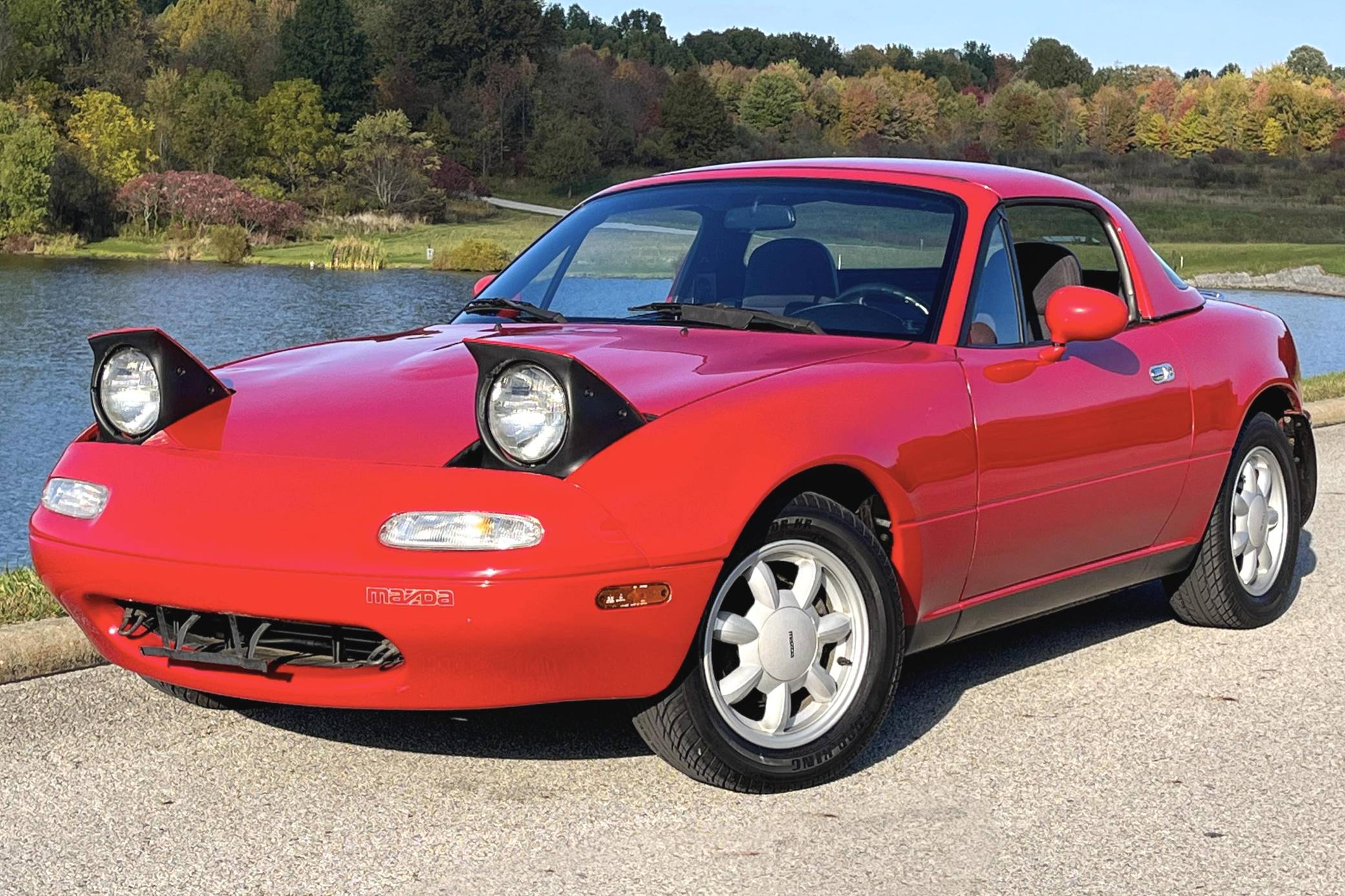
Top down, the Miata becomes a perfect coastal cruiser. The manual transmission option remains a favorite for drivers who love engagement and control, while the modern interiors offer surprising comfort for longer journeys.
Practicality isn’t the Miata’s strongest suit there’s limited storage and seating for just two but if your vision of driving Laguna Niguel’s scenic routes involves wind in your hair and the soundtrack of the ocean, few vehicles deliver better.
2. Porsche 911 Carrera
If budget is less of a constraint and refined performance is paramount, the Porsche 911 Carrera stands out as a near‑perfect coastal machine.
Revered for its balance, acceleration, and everyday usability, the 911 marries supercar spirit with everyday comfort.
On the sweeping bends of PCH or the gentle climbs toward San Juan Capistrano, the rear‑engine layout and adaptive suspension make for a composed yet thrilling ride.
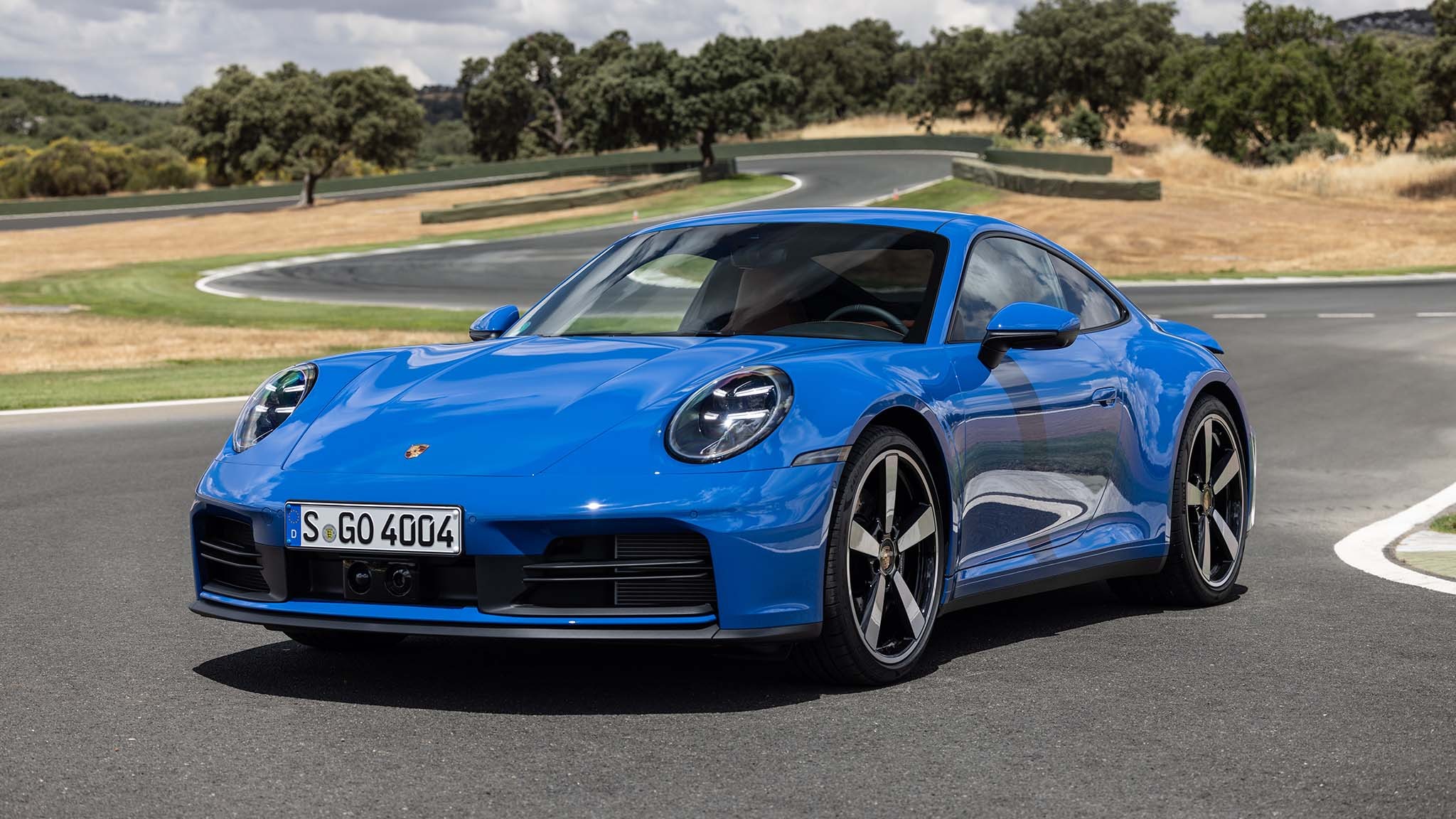
The Carrera’s cabin blends luxury with functional design, featuring supportive seats, intuitive controls, and modern infotainment that keeps navigation and music at your fingertips ideal for long coastal cruises.
Despite its performance credentials, the 911 is also surprisingly livable for daily use, making it a great pick for someone who wants a single car that thrills on weekends and serves on weekdays.
Mounted in the rear of the Porsche 911 is a twin-turbo 3.0-liter flat-six engine. The base Carrera produces 379 horsepower, the Carrera S ramps up to 443 horsepower, and the GTS cranks out 473 horsepower.
Every model comes standard with a lightning-fast eight-speed automatic transmission, though a seven-speed manual is available on the S and GTS for purists who crave a more hands-on experience. Coupe and cabriolet models feature standard rear-wheel drive, with all-wheel drive available for those seeking high-performance traction in all seasons. The Targa, meanwhile, comes exclusively with all-wheel drive.
We’ve tested the base Carrera as well as several variations of the more powerful Carrera S, which demonstrated its prowess on the racetrack and impressive grip in challenging weather. Regardless of the model, every 911 delivers astonishing acceleration, particularly when taking advantage of its exceptional launch control.
On our test track, the GTS reached 60 mph in just 2.8 seconds with the eight-speed automatic; equipped with the seven-speed manual, it completed the same sprint in a slightly slower 3.2 seconds. Porsche’s optional sport exhaust system further elevates the experience, providing a richer, more engaging engine note.
Beyond outright performance, the 911 remains remarkably comfortable and exceptionally well-engineered to drive. Steering is precise and highly communicative, while both coupe and convertible models benefit from enhanced cornering grip and stability.
Ride quality is surprisingly supple, allowing drivers to transition effortlessly between relaxed cruising and spirited driving, all while enjoying the 911’s incredible body control.
Also Read: Top 11 Irresistible Scramblers That Make Adventure Bikes Look Overrated
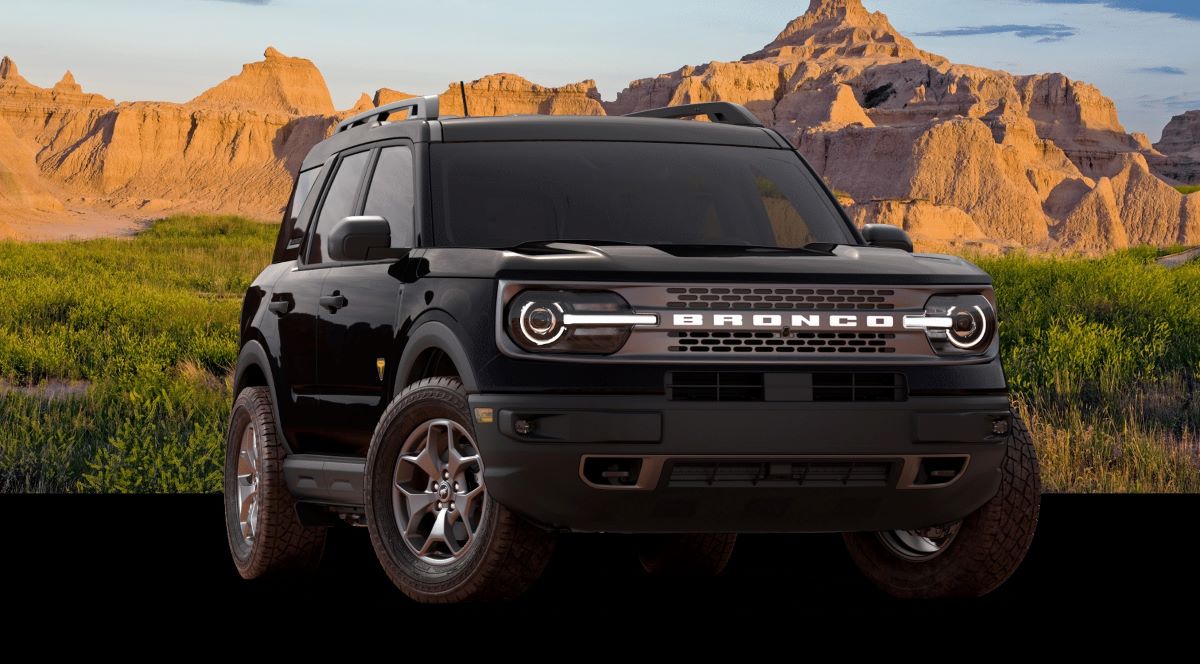
3. Ford Bronco Sport
For those who imagine coastal driving as more than paved roads think rocky beaches at low tide, dusty trails near San Mateo Campground, or hidden coves reachable only by high‑clearance vehicles the Ford Bronco Sport blends the SUV capability Americans love with a coastal‑ready attitude.
Its standard all‑wheel drive and terrain management modes handle sand, gravel, and forest service roads with confidence, while the upright seating and rugged styling give it a presence that feels perfectly at home against maritime backdrops.
Inside, the Bronco Sport offers roomy seating for four adults, user‑friendly technology, and clever storage solutions like washable cargo areas for surfboards or beach gear.
The ride is comfortable enough for highways and canyon routes, and its versatility makes it a favorite for drivers who want an outdoor‑friendly coastal vehicle without sacrificing daily usability.
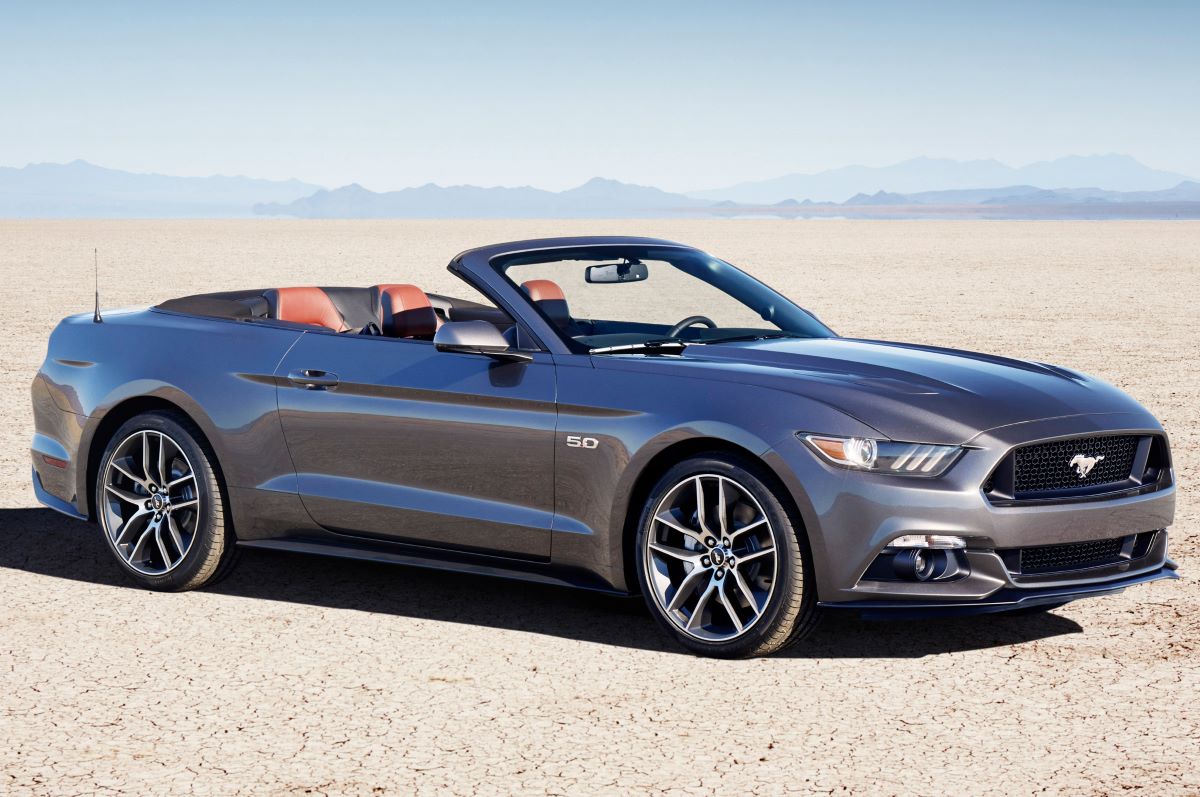
4. Mustang Convertible
When you think of American cars and coastal cruising, it’s hard to overlook a Mustang Convertible. With its classic silhouette, throaty engine notes, and open‑air freedom, this car embodies the spirit of cruising California’s shoreline.
Modern Mustangs offer a range of engines from efficient turbo four‑cylinders to potent V8s letting buyers blend fuel economy with performance as they prefer.
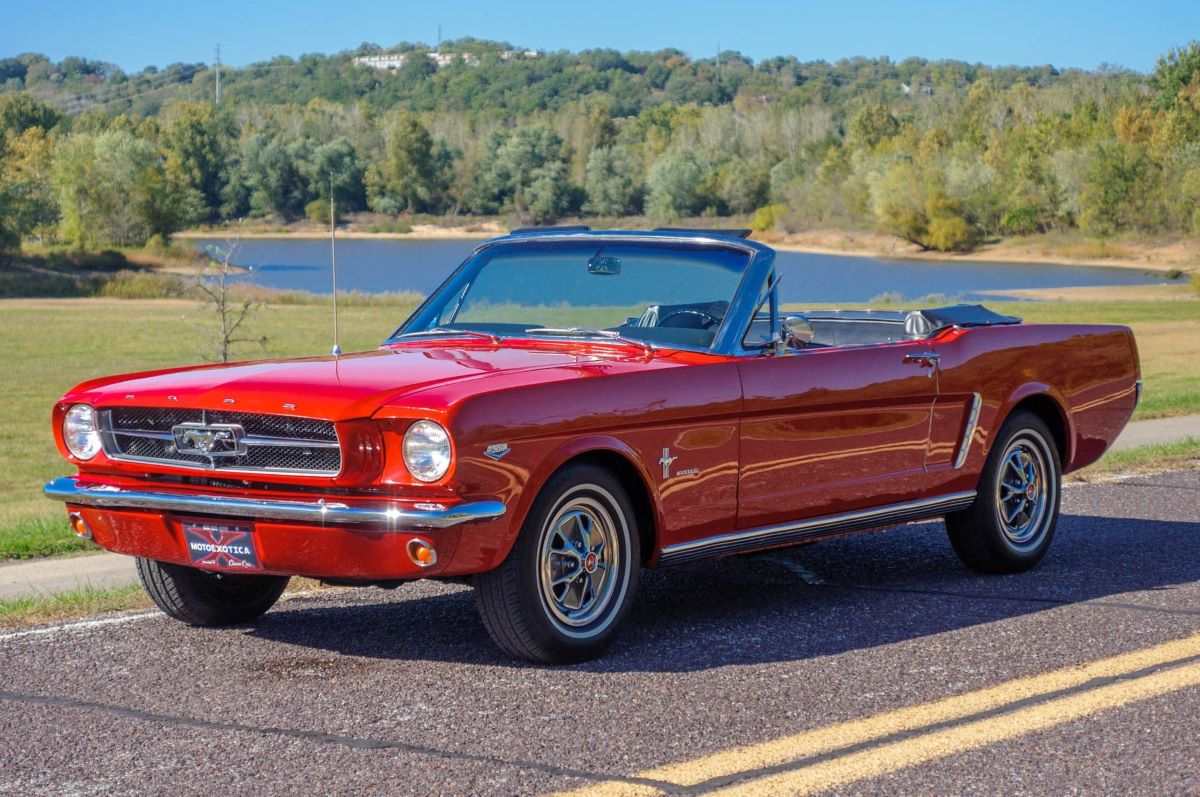
On Laguna Niguel’s coastal stretch, the Mustang’s broad torque curve and balanced handling make it a fun choice for sweeping curves and relaxed highway cruising alike.
The convertible top is engineered for easy operation, allowing drivers to drop the roof at sunset and enjoy unobstructed views of the Pacific. While rear visibility with the top up is traditional muscle‑car tight, the overall driving experience is pure Americana.
5. Audi A5 Cabriolet
If sophistication and comfort top your priorities alongside open‑air driving, the Audi A5 Cabriolet strikes a beautiful balance. Its design leans toward understated luxury, with crisp lines, premium materials, and advanced tech.
The A5’s all‑wheel‑drive Quattro system ensures confidence along slippery coastal mornings or winding backroads, while the engine lineup delivers smooth, eager performance without feeling overwhelming.
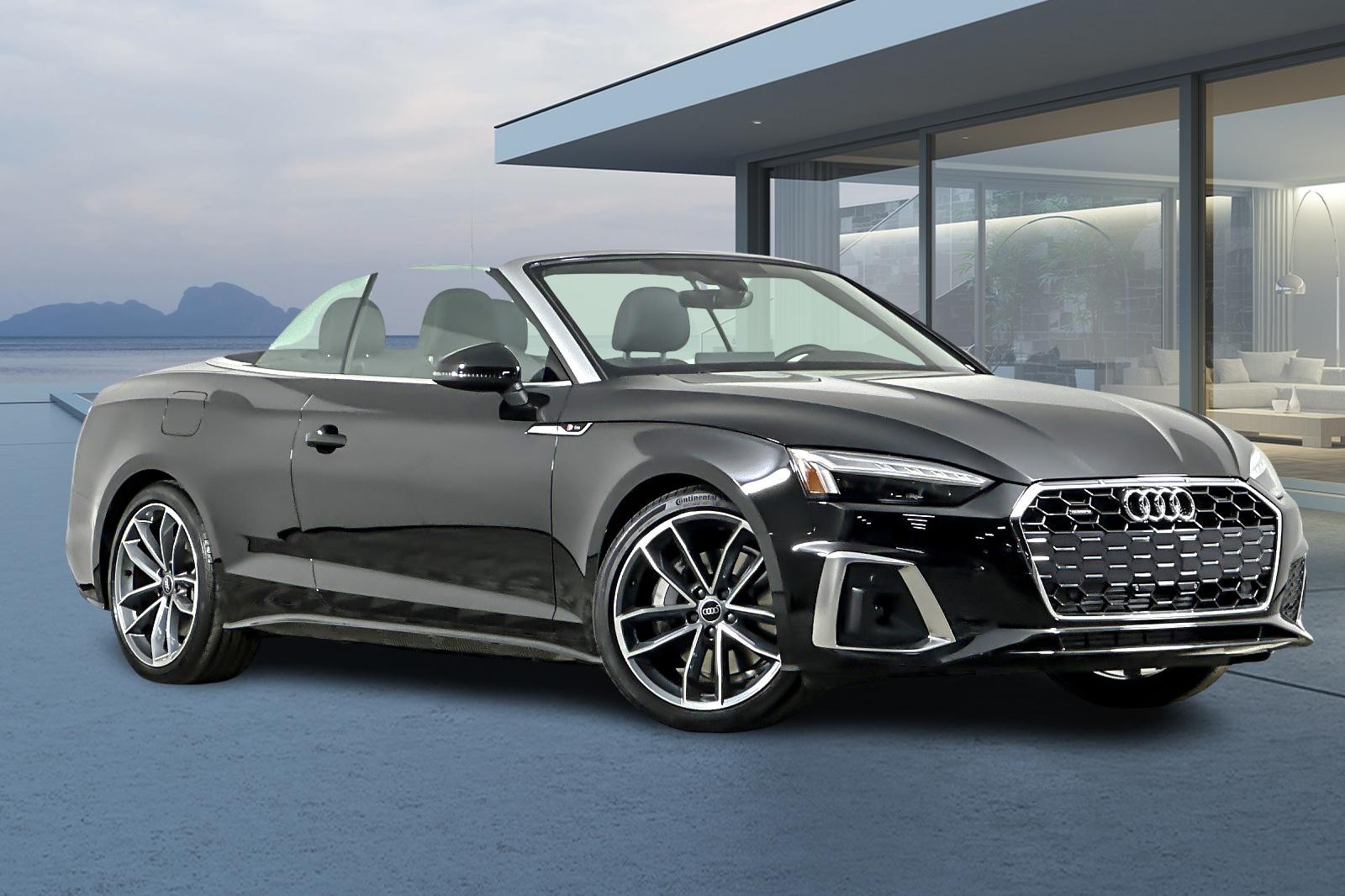
What sets the A5 Cabriolet apart for coastal driving is its refined ride quality comfortable for long journeys yet sufficiently spirited when the road curves.
The plush seats, top‑tier sound system, and elegant cabin make it ideal for date night cruises along Beach Road or leisurely weekends exploring Orange County’s coastal towns.
Style-conscious buyers will find the 2022 Audi A5 coupe and Cabriolet more striking than the A4 sedan, while pragmatists will appreciate that neither body style demands major compromises in practicality. Both the coupe and convertible are sophisticated, upscale, and athletic, making them an excellent choice for luxury buyers who also enjoy driving.
Powering both models is a spirited 261-hp turbocharged four-cylinder engine paired with standard all-wheel drive. Those seeking even more performance can consider the Audi S5 or a competitor like the BMW 440i, but for most drivers, the 2022 A5’s powertrain provides ample punch for spirited driving.
We recommend the mid-range Premium Plus trim for the best balance of features and value. It includes highlights like Audi’s digital gauge display, keyless entry with push-button start, and a wireless charging pad. The biggest choice is whether to go topless, but for most buyers, the more affordable coupe makes the most sense.
While we haven’t yet tested the 2022 A5 equipped with the turbocharged 2.0-liter engine paired with the new 12-volt hybrid setup, the extra boost from 248 to 261 horsepower is intriguing. Previous non-hybrid models with slightly lower output were already impressively quick, sprinting to 60 mph in just 5.0 seconds, only 0.6 seconds behind the 400-hp Infiniti Q60 Red Sport.
Composed and planted during cruising, the A5 truly shines on twisty roads. Steering is accurate and well-weighted, complementing a nimble suspension, and the Quattro all-wheel-drive system enhances balance and delivers power flawlessly out of corners, making the A5 easy to drive quickly.
Rust‑Resistant Picks for Coastal Climates
Living near the coast comes with its perks, ocean views, fresh sea air, and endless sunsets, but salty air and high humidity can take a serious toll on your car. Rust can sneak in where you least expect it, quietly eating away at metal and diminishing both performance and resale value.
That’s why choosing a vehicle with strong rust resistance is essential for coastal climates. From corrosion-resistant coatings to body materials designed to withstand salt and moisture, the cars on this list are built to endure, keeping you on the road and looking sharp for years to come.
Also Read: Top 10 Pre-Owned Kawasaki Motorcycles That Deliver Serious Bang for Your Buck
1. Subaru Outback
Subaru has long been associated with rugged reliability, and the Outback pairs that reputation with standard all‑wheel drive and robust corrosion resistance.
Many Outback models come with galvanized steel and rust‑proofed body panels that slow down corrosion on seams and undercarriage components exposed to salty coastal air.
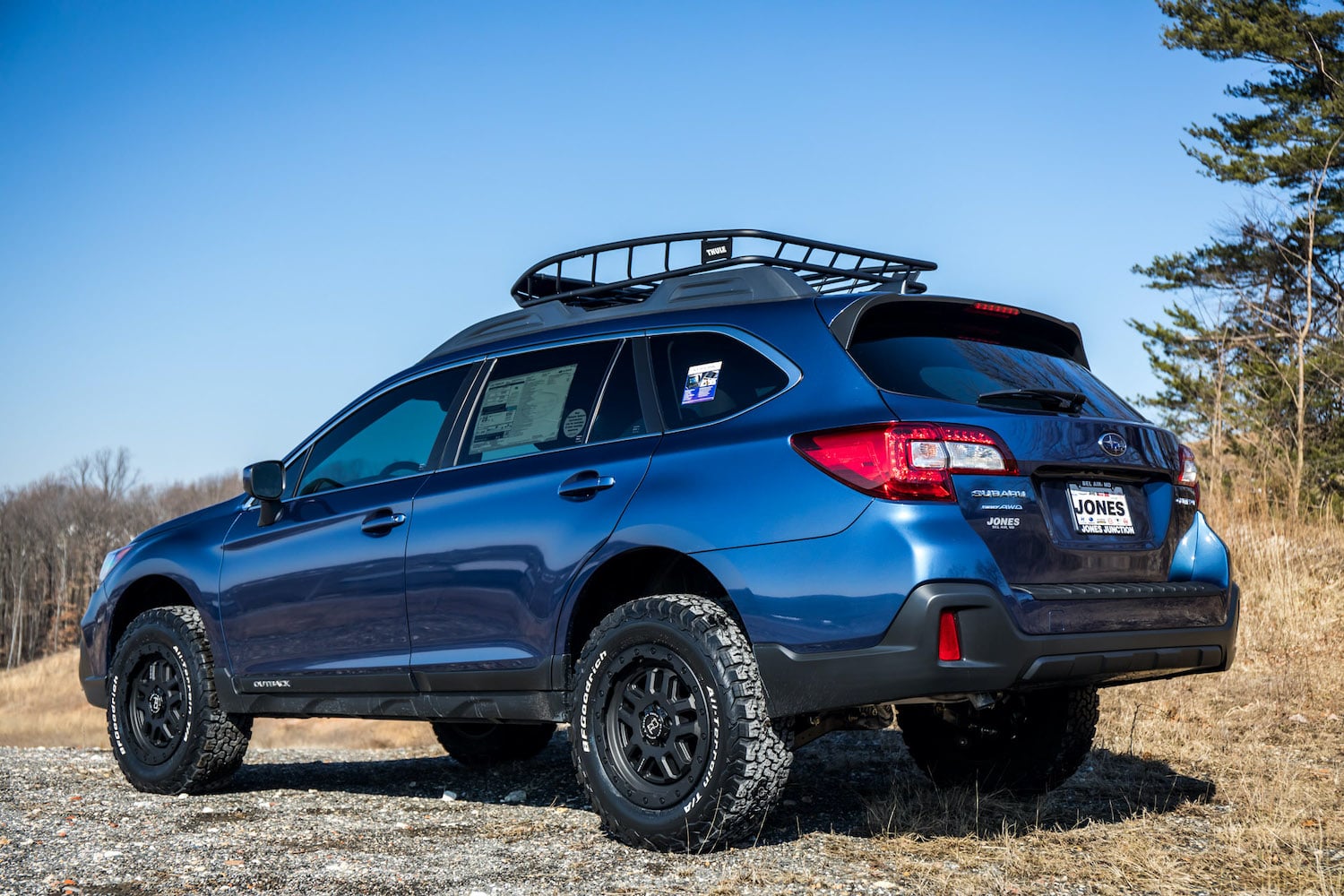
The Outback’s practical wagon design offers generous cargo space for beach gear, surfboards, or camping equipment, making it a favorite for outdoor‑oriented families along the West Coast.
Its suspension and ground clearance also handle light off‑road routes with ease, while the safety and driver‑assist technology provide peace of mind during longer excursions.
For seaside residents wanting a dependable, long‑lasting vehicle, the Outback is hard to beat.
2. Honda CR‑V
Across the U.S., Honda vehicles are known for longevity, and the CR‑V exemplifies this with a package that’s both practical and corrosion‑resistant.
Many recent CR‑V models use enhanced rust prevention treatments including coatings and sealants that protect vulnerable areas from salt exposure.
Combined with Honda’s reputation for mechanical durability, this makes the CR‑V a smart choice for drivers in coastal regions.
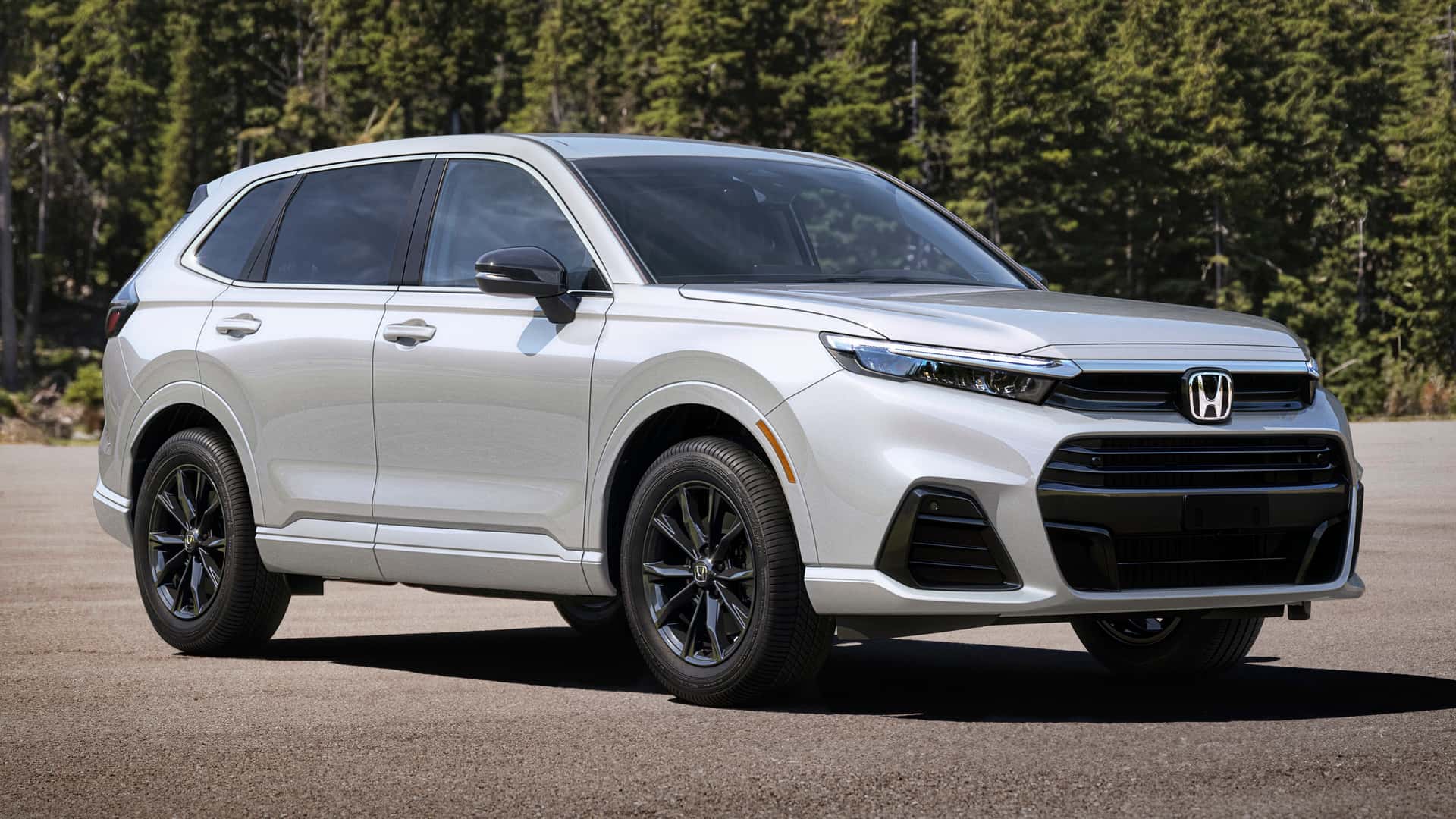
Inside, the CR‑V provides a spacious, comfortable cabin with flexible cargo options that suit daily commutes, grocery runs, kids’ sports gear, or weekend beach trips.
Its fuel‑efficient powertrain and smooth handling make it easy to live with every day, while the thoughtful engineering helps maintain value over time an important consideration when salty air can speed up wear on lesser‑protected vehicles.
The Honda CR-V accelerates smoothly from a standstill, but when it comes to passing other vehicles or merging onto the highway, it takes a moment to respond. Its continuously variable automatic transmission (CVT) can delay power delivery, and flooring the gas pedal produces noticeable engine noise without a corresponding surge in urgency.
Steering requires little effort, and the CR-V’s compact dimensions make tight parking spots and crowded streets easy to navigate. The suspension handles most road imperfections with ease, though larger potholes can still jolt the cabin.
This isn’t the SUV for drivers seeking thrilling speed or razor-sharp cornering. However, for those who prioritize a relaxed, predictable driving experience, the CR-V delivers a comfortable ride that won’t leave you fatigued on longer trips.
3. Toyota Tacoma (with Rust Protection Package)
For drivers who want a truck that can handle beach ramps, trails near Crystal Cove, and hauling gear without succumbing to corrosion, the Toyota Tacoma is a standout choice especially when equipped with Toyota’s factory‑offered rust protection packages.
These include thicker undercoating, corrosion‑resistant fasteners, and sealed components that slow rust progression, even in seaside environments.
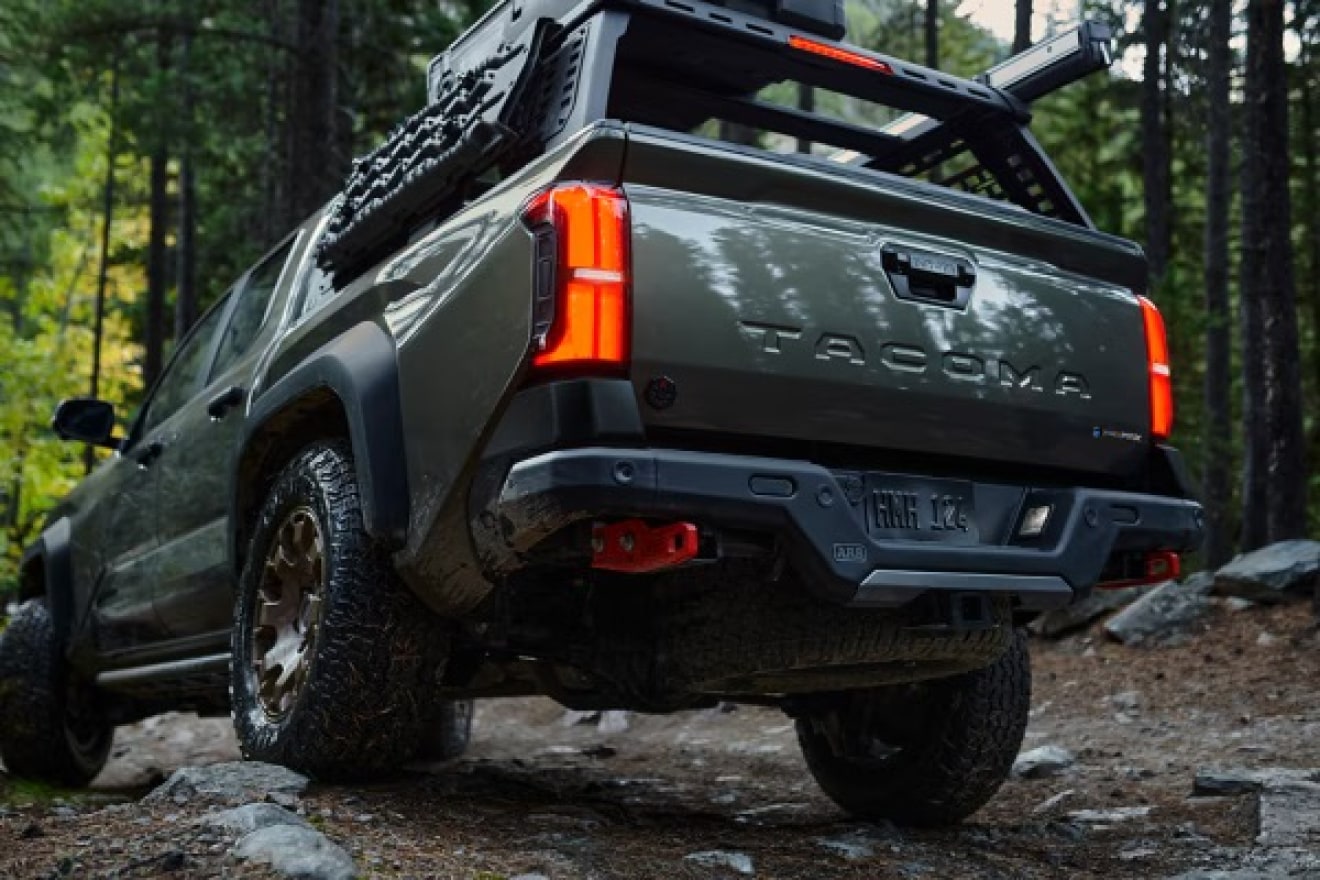
Tacoma’s off‑road pedigree particularly in TRD trims means it’s no stranger to rugged terrain.
Whether you’re backing a trailer to Doheny State Beach or exploring fire roads inland, its sturdy construction and proven reliability make it a frequent pick for drivers who want a workhorse that stands up to coastal elements.
4. Tesla Model Y
Electric vehicles have surged in popularity along California’s coast, and one unexpected benefit for seaside residents is their corrosion‑resistant body structures.
The Tesla Model Y, for instance, uses a significant amount of aluminum in its body and frame, which naturally resists rust better than traditional steel.
This doesn’t make it immune to all forms of corrosion, but compared to steel‑heavy vehicles, it can fare better in salty air over the long term.
Beyond rust resistance, the Model Y offers strong performance, high tech integration, and impressive range important factors for California drivers covering long coastal distances between charging points.
Its low center of gravity and responsive handling also make it a blast on PCH or inland highways.
Think of the Tesla Model Y as an SUV-ified version of the Model 3. While it shares key styling cues and features with Tesla’s smaller sedan, the Model Y is arguably the more important vehicle given its popular body style. Introduced for the 2020 model year, the compact luxury crossover is available with multiple all-wheel-drive powertrain configurations and either five or seven seats.
Tesla doesn’t follow the traditional model-year update schedule. Instead, it implements incremental changes throughout a vehicle’s lifecycle.
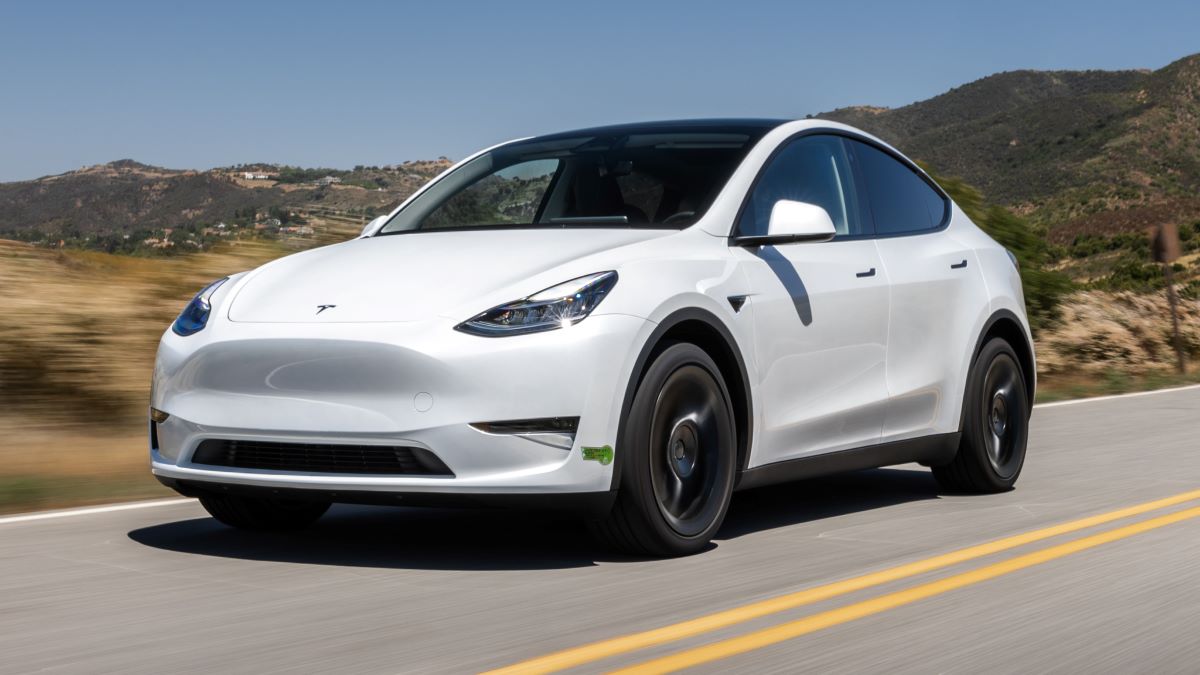
Since its 2019 launch, the Model Y has gained a heat pump, additional device charging solutions, a heated steering wheel, revised motors, an upgraded CPU, battery improvements, and tweaked suspension, though Tesla removed the small SUV’s radar sensor.
Sure, crazy-fast Plaid variants and falcon-wing doors grab attention, but the Model Y’s real appeal lies in being a mass-market, family-focused, and relatively gimmick-free Tesla. The vehicle is designed to meet the needs of as many drivers as possible, and it succeeds in doing so.
Compared to the relatively traditional Model 3 sedan, the Model Y SUV expands its versatility with a higher seating position, generous cargo space, and optional seven-passenger seating (though the five-seat version is our preference). These advantages help it compete in the hot-selling compact luxury SUV segment.
At the same time, it retains the traits that make Tesla vehicles so desirable: brisk performance, impressive battery capabilities, and cutting-edge features. These qualities helped the Model Y win a comparison test against the Hyundai Ioniq 5, our 2023 SUV of the Year.
That said, its unmistakable Tesla identity comes with some caveats. Build quality can be inconsistent, and the Autopilot and Full Self-Driving systems can create dangerous situations if drivers rely too heavily on the technology. Beyond the vehicle itself, Tesla’s top executive brings both entrepreneurial genius and unpredictable behavior, which can influence the brand’s reputation.
Tesla remains a car company like no other, and the Model Y is a vehicle like no other—but the landscape is changing. Rival automakers are now rolling out electric crossovers specifically designed to challenge the Model Y. Even so, on its own merits, the Model Y remains a remarkable vehicle.
With dual motors delivering instant electric torque, the Model Y is one of the quickest small SUVs available. In MotorTrend testing, the 384-hp, 376-lb-ft Model Y Long Range accelerated from 0 to 60 mph in 4.4 seconds. The Model Y Performance variant ups output to 456 hp and 497 lb-ft, shaving the 0-60-mph sprint down to just 3.5 seconds.
Every Model Y comes with a 75-kWh battery pack capable of charging at up to 250 kW. Tesla’s extensive Supercharger network makes public charging easier, and the vehicle’s driving range varies depending on configuration.
5. Volvo XC60
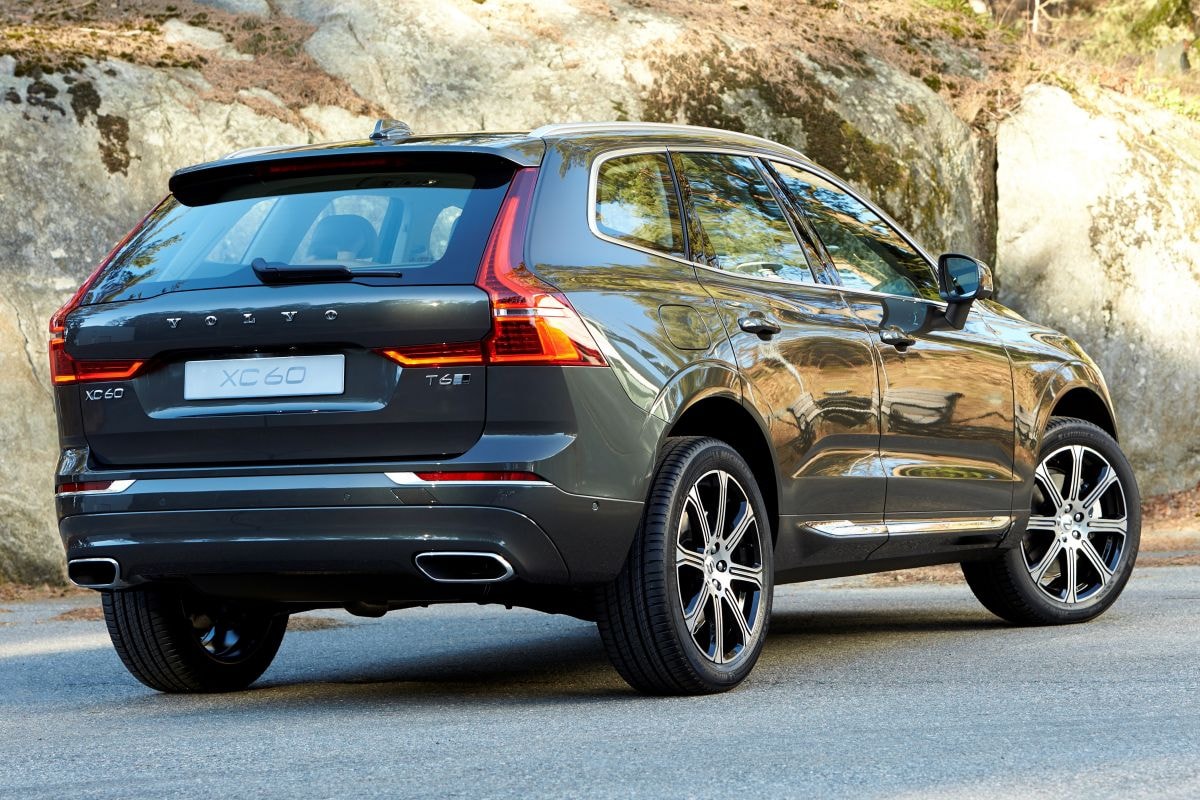
Volvo’s XC60 blends European refinement with real attention to corrosion protection a legacy of building vehicles in countries where winter road salt demands outstanding rust resistance.
The XC60’s body incorporates galvanized steel and advanced corrosion‑resistant coatings designed to protect structural components over many years.
Add to this Volvo’s commitment to safety and comfort, and you get a mid‑size SUV that feels solid and secure in a seaside locale.
Its smooth ride, premium interior, and intuitive technology make daily driving pleasant, while the robust engineering helps maintain value even when exposed to coastal elements that would degrade lesser vehicles.
Laguna Niguel’s coastal roads reward drivers willing to embrace wind, views, and curves but salty air is a hidden adversary that can quietly accelerate corrosion and rust.
Balancing driving enjoyment with smart choices about durability can help coastal residents and road‑trip lovers alike get the best of both worlds.
We tested the entry-level XC60 B5, the non-plug-in hybrid variant. On the Edmunds test track, it accelerated from 0 to 60 mph in 7.4 seconds. That’s slower than the XC60’s T8 plug-in model and noticeably behind many of its main competitors, including the BMW X3, which manages the sprint in 6.1 seconds. Emergency braking performance in our testing was also underwhelming.
In everyday driving, however, the XC60 performs more capably. It has sufficient power for typical driving, and the ride is smooth over most road surfaces. Steering is precise and reliable, and the XC60 can handle winding roads competently, even if it doesn’t feel as sporty as the Audi Q5 or the athletic Genesis GV70.
We were also impressed with the XC60’s suite of advanced driver-assist features. Adaptive cruise control responded well to changes in traffic, while lane-keeping assistance provided enough steering input to help keep the vehicle centered in its lane without feeling intrusive.
Whether you prioritize the exhilaration of a Mazda Miata hugging PCH’s curves, the refined comfort of an Audi convertible, or the everyday resilience of an Outback or CR‑V built to resist rust, there’s a vehicle here to match your lifestyle and the demands of seaside living.
Pair spirited coastal drives with durable engineering, and every road trip from Laguna Niguel to Big Sur becomes not just scenic, but smart and satisfying too.
