
Longmont, Colorado, nestled between Boulder and Fort Collins on the Front Range of the Rockies, is a vibrant and growing community known for its outdoor lifestyle, burgeoning tech scene, and scenic drives.
With easy access to Denver, Boulder, and high‑country recreation, residents of Longmont often face a distinctive set of automotive needs.
Daily commuting here isn’t just about city traffic it’s about balancing efficiency, comfort, and reliability, while also being prepared for trips into mountainous terrain where elevation can exceed 8,000 feet.
That means choosing a vehicle that works well for stop‑and‑go traffic on Highway 287 and I‑25, yet can also handle steep grades, thinner air, and occasional alpine weather without hesitation.
In this article, we explore five great vehicles for everyday commuting in Longmont and five excellent altitude‑capable options that make weekend ventures into the Rockies a joy rather than a test.
Cars Ideal for Longmont Commuters
Longmont commuters know that the daily grind demands a car that balances comfort, efficiency, and reliability. Whether you’re weaving through city streets, navigating Boulder traffic, or heading out on Colorado’s open highways, the right vehicle can make a world of difference in your day-to-day routine.
From fuel-sipping hybrids to nimble compacts and versatile crossovers, the ideal commuter car delivers a smooth ride, low operating costs, and the technology you need to stay connected without distraction. In this guide, we highlight the top cars that Longmont drivers will appreciate for their practicality, comfort, and ease of use, vehicles that turn the daily commute into a more enjoyable, stress-free experience.
1. Toyota Camry
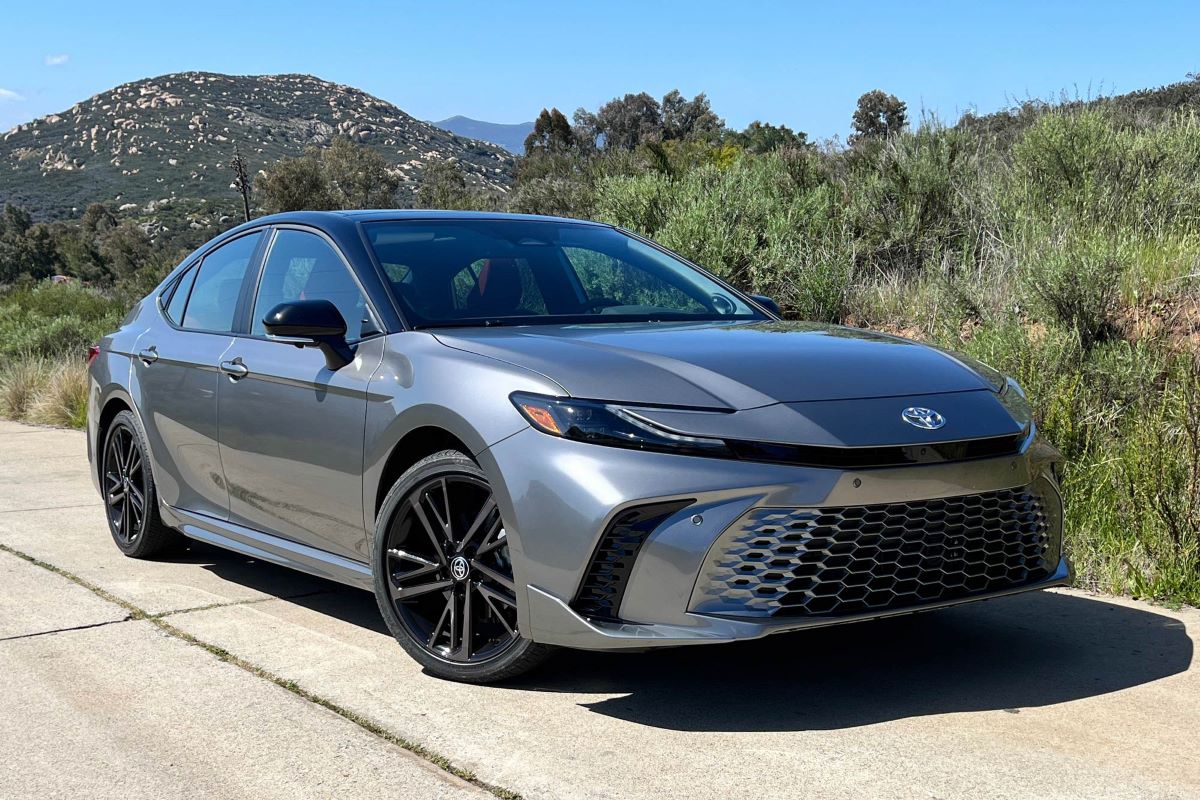
The Toyota Camry is a quintessential commuter car that ticks nearly every box for Longmont residents. Known for its long‑term reliability, smooth ride, and excellent fuel economy, the Camry adapts well to daily travels between homes, offices, and errands.
Most Longmont commuters will appreciate its calm highway manners on the way to Boulder or Denver and its economical four‑cylinder engines that chew through Colorado’s rising pump prices with enviable efficiency.
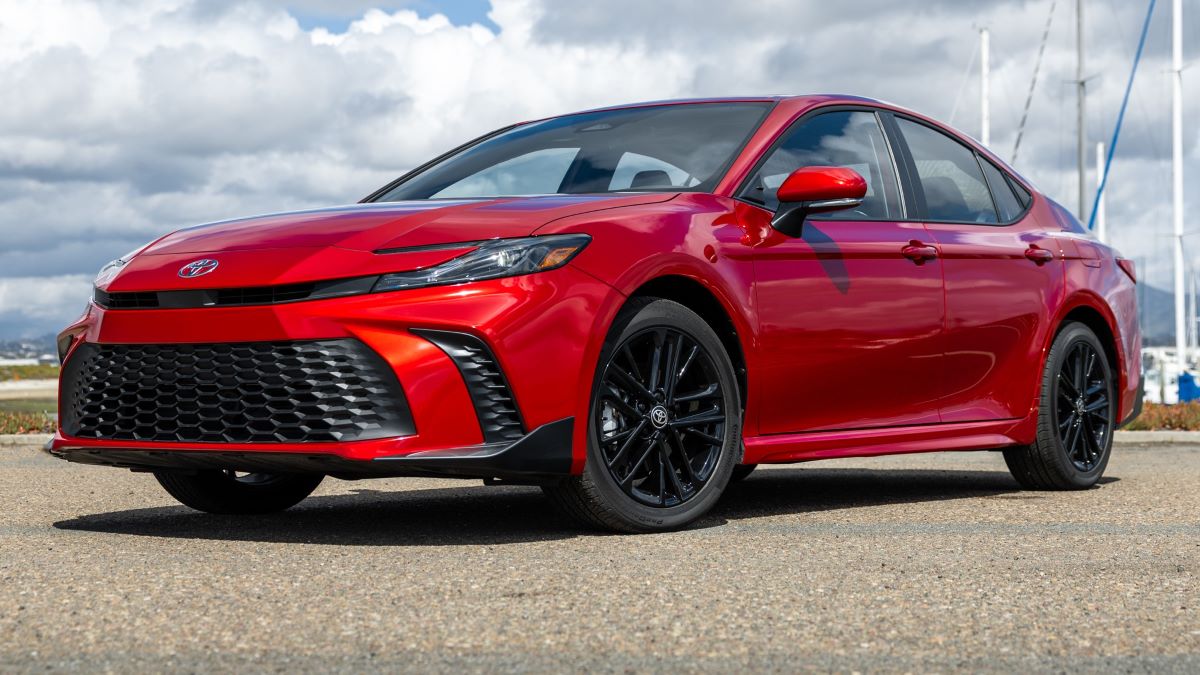
The hybrid variant elevates this appeal even further, offering some of the best fuel economy in its class an ideal choice for environmentally conscious commuters who want to minimize trips to the gas station without sacrificing comfort or performance.
Additionally, Toyota’s strong resale value and widespread service network across Colorado make ownership an easy proposition in the long term.
2. Honda Accord
Another stalwart in the commuter market, the Honda Accord combines a roomy interior with refined driving dynamics. For Longmont drivers, this translates to a comfortable cabin that makes morning commutes feel less like chores.
The Accord’s infotainment system and available driver‑assist features, like adaptive cruise control and lane‑keeping assist, are particularly useful on longer commutes down I‑25 where highway speeds dominate.
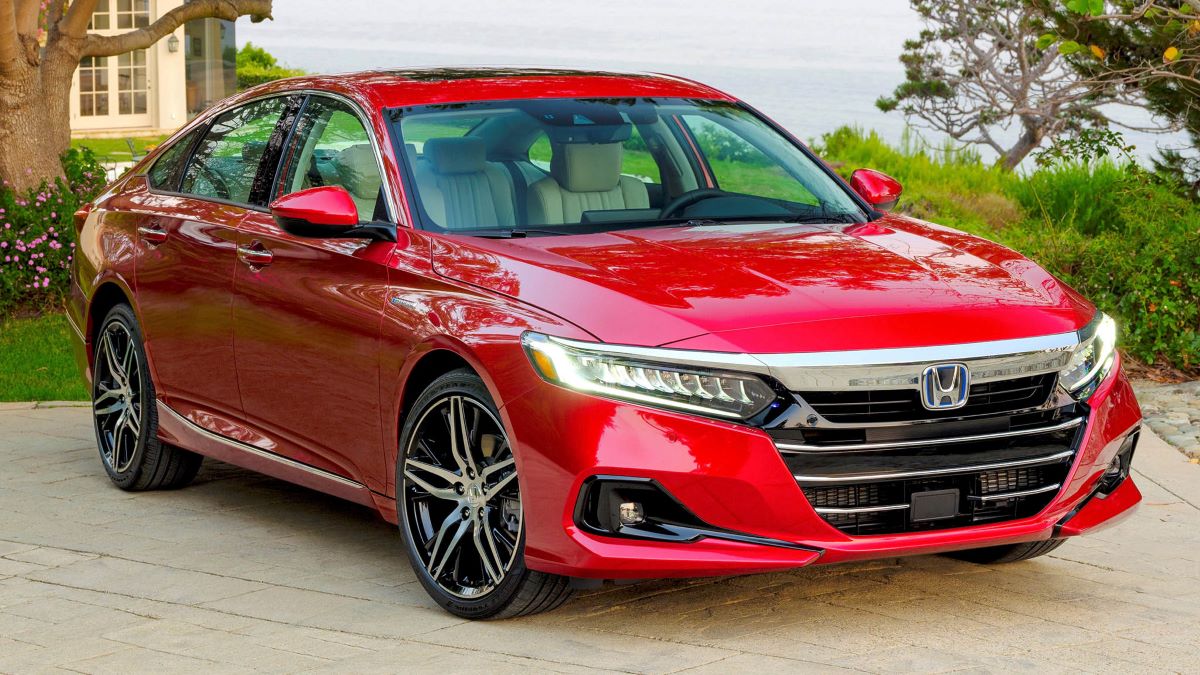
While Colorado’s winters can throw snow and ice into the mix, the Accord’s predictable handling and optional all‑wheel‑drive (on select trims in recent model years) give drivers added confidence.
Its turbocharged engines provide a satisfying balance of power and efficiency, making it well‑suited for both city traffic and quick overtakes on rural roads.
Also Read: Top 12 JDM Bargains You Can Still Buy for Under $10,000
3. Mazda3
For those who want a commuter car with a bit more character, the Mazda3 offers spirited handling typically found in sportier vehicles without sacrificing practicality.
Available in both sedan and hatchback body styles, the Mazda3 delivers sharp steering and a premium‑feeling interior that stands out in its segment.
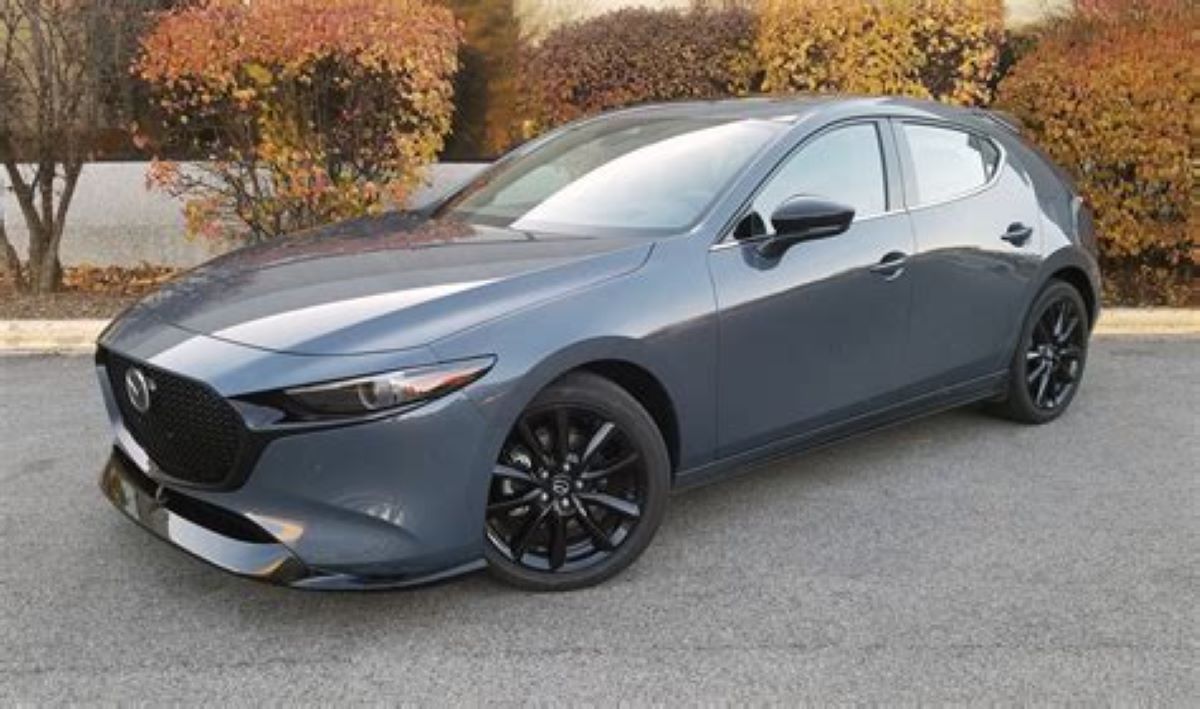
Longmont drivers who navigate tight neighborhood streets, mountain passes, or longer highway stretches will find the car’s chassis and engine tuning engaging yet comfortable.
Fuel economy remains competitive for daily use, and Mazda’s suite of safety tech comes standard valuable for unpredictable Colorado weather.
While not as spacious as some midsize sedans, the Mazda3’s design maximizes passenger comfort and cargo flexibility, especially with the hatchback layout.
Mazda offers the 3 with three distinct four-cylinder engines, beginning with a 2.0-liter unit on the base sedan that produces 155 horsepower and comes exclusively with front-wheel drive.
Stepping up to the 186-hp 2.5-liter four-cylinder opens the door to Mazda’s optional all-wheel-drive system, but the engine that truly excites enthusiasts is the 250-hp turbocharged 2.5-liter. Those seeking a manual transmission can only pair it with front-wheel drive, while selecting all-wheel drive requires the six-speed automatic.
While all Mazda 3 models respond eagerly to throttle inputs, the non-turbo engines aren’t especially fast. During our testing, the turbocharged version sprinted to 60 mph in a brisk 5.6 seconds. Both the sedan and hatchback maintain composure on straightaways and twisty roads alike, offering a refined ride.
The Mazda 3 continues the tradition of its predecessor by delivering a genuinely fun-to-drive experience, with precise body control, natural steering feedback, and a firm suspension that smooths out rough pavement without punishing occupants.
4. Hyundai Sonata
Hyundai’s Sonata has grown into a compelling choice for commuters thanks to its generous list of standard and available technology, striking design, and overall value.
For Longmont residents who prioritize a comfortable, tech‑rich cabin during their weekday drives, the Sonata delivers on multiple fronts.
A large infotainment screen, digital instrument cluster options, and driver safety aids make navigating traffic more intuitive.
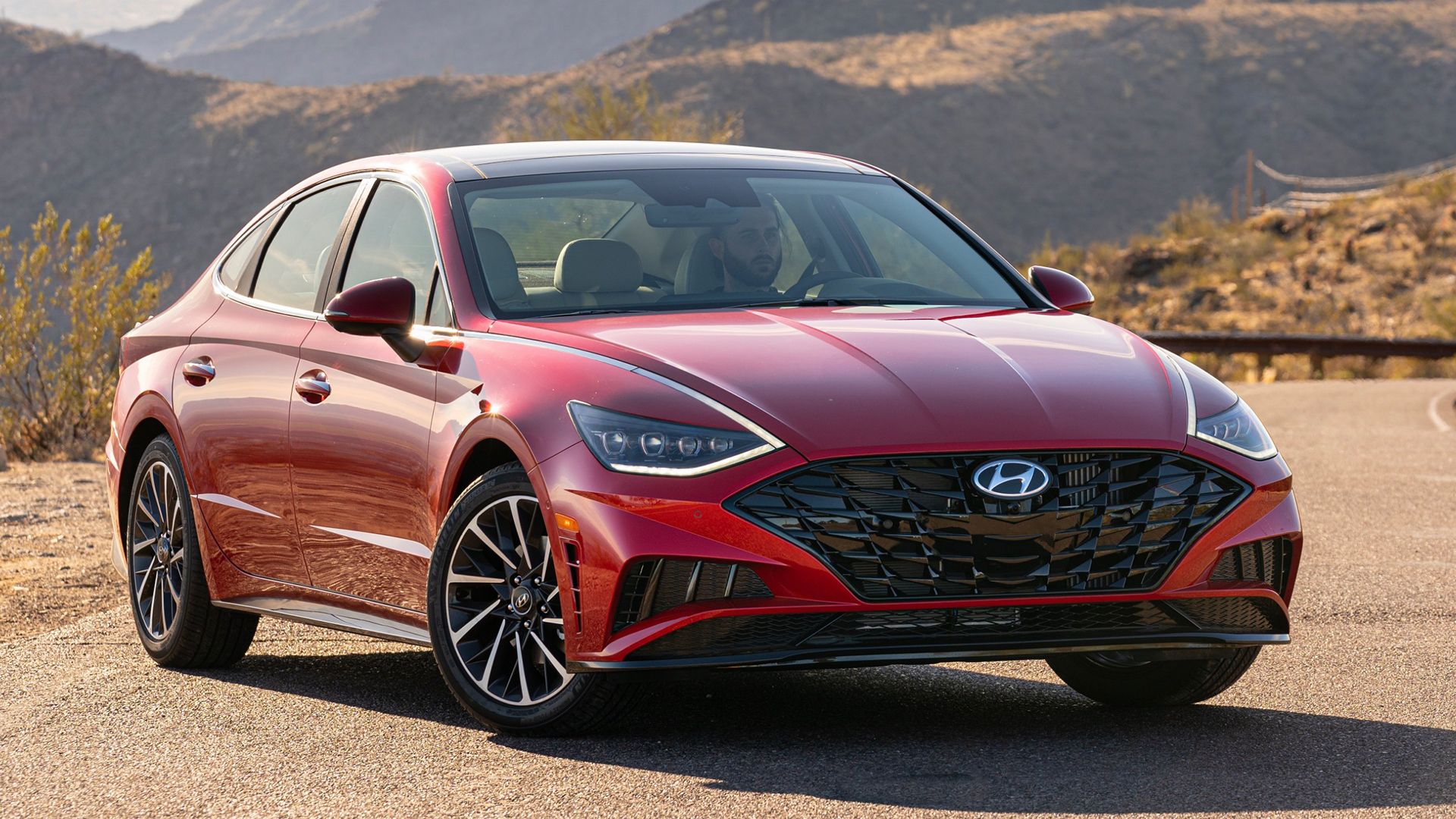
Hyundai also offers efficient powertrain options, including a hybrid model that greatly reduces fuel costs. The ride quality is tuned for comfort, smoothing out the less‑than‑perfect surfaces found on many Colorado roads.
With a solid warranty that remains one of the best in the industry, the Sonata is particularly attractive for commuters who want peace of mind.
5. Subaru Impreza
While compact sedans are often front‑wheel drive, the Subaru Impreza stands out by offering standard all‑wheel drive an asset many Longmont commuters will enjoy, especially during snowy months.
The Impreza comes in both sedan and hatchback versions, and though it excels in winter traction and general confidence in less‑than‑ideal conditions, it still feels composed and efficient during regular commuting.
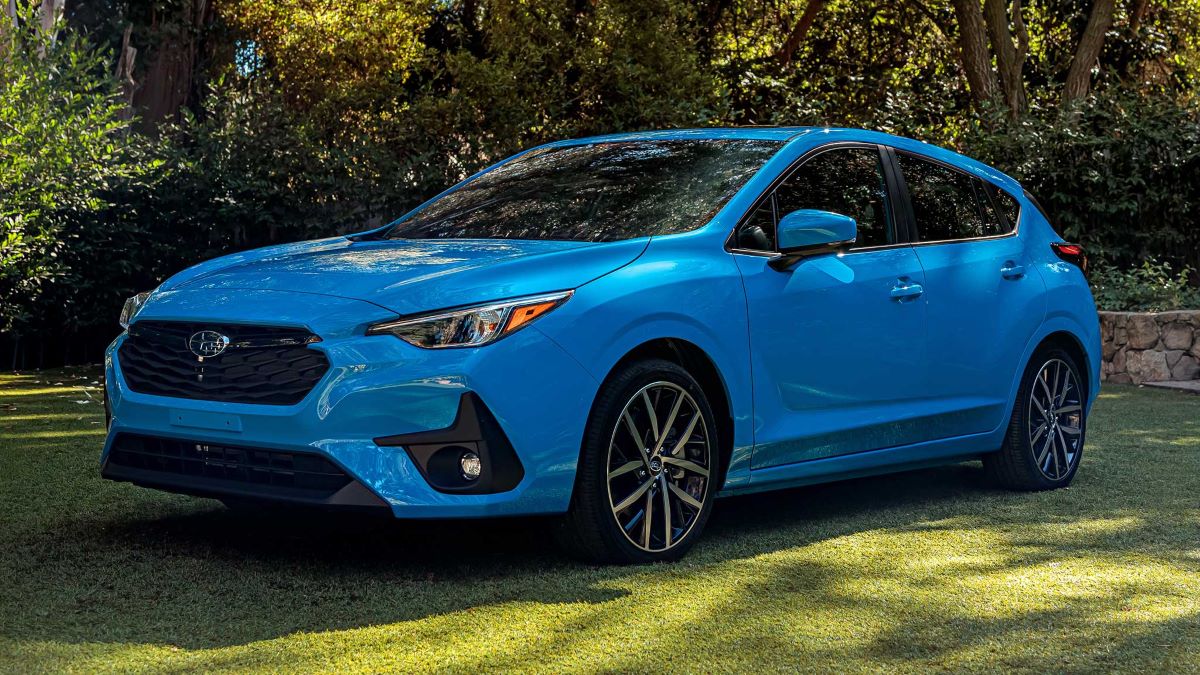
The interior is practical and user‑friendly, and Subaru’s EyeSight safety suite (including adaptive cruise control and pre‑collision braking) adds an extra layer of security.
For commuters who live on hills or have to deal with mountain weather unpredictability, the Impreza’s AWD comes standard rather than optional, which can be a huge advantage without the cost premium often found in other brands.
The Subaru Impreza is decidedly more tortoise than hare in its segment, powered by a modest four-cylinder engine producing 152 horsepower and 145 pound-feet of torque, with all-wheel drive standard across the lineup. Its lack of low-end punch means both the sedan and hatchback require frequent encouragement to keep the engine in its optimal power band.
Our test of the Impreza Sport sedan with a five-speed manual showed slightly better responsiveness than the CVT in our long-term Sport hatch, though we actually prefer the automatic, as the manual’s shifts feel notchy and imprecise. Where the Impreza truly shines is in its balance between ride comfort and handling.
The body remains composed through corners, while quick steering adds a welcome sense of liveliness. The Sport trim’s firm brake pedal and short stopping distances in emergency situations further underscore its competence within the compact car class.
Altitude‑Capable Vehicles for Mountain Adventures
Conquering mountain terrain means more than just ground clearance and rugged looks, altitude, steep grades, and changing weather demand vehicles with real capability. For adventurers who frequently tackle high‑elevation passes, gravel trails, or snowy switchbacks, not all SUVs or crossovers are created equal.
The right vehicle combines dependable power, confident traction, and comfort that lasts beyond the summit. We’ve rounded up cars and SUVs that are truly suited for mountain life, models that can handle steep climbs, shifting conditions, and longer drives while keeping you in control and enjoying every twist in the road.
Whether you’re hauling gear to a trailhead or cruising scenic byways, these vehicles make mountain adventures feel effortless rather than intimidating.
1. Subaru Outback
The Subaru Outback is almost synonymous with outdoor adventure in the American West, and for good reason.
Built on a rugged platform with generous ground clearance and standard all‑wheel drive, the Outback handles gravel roads, steep grades, and snow‑packed trails with confidence.
Its boxer engine layout also self‑balances at altitude better than some rivals, maintaining performance even as oxygen levels drop.
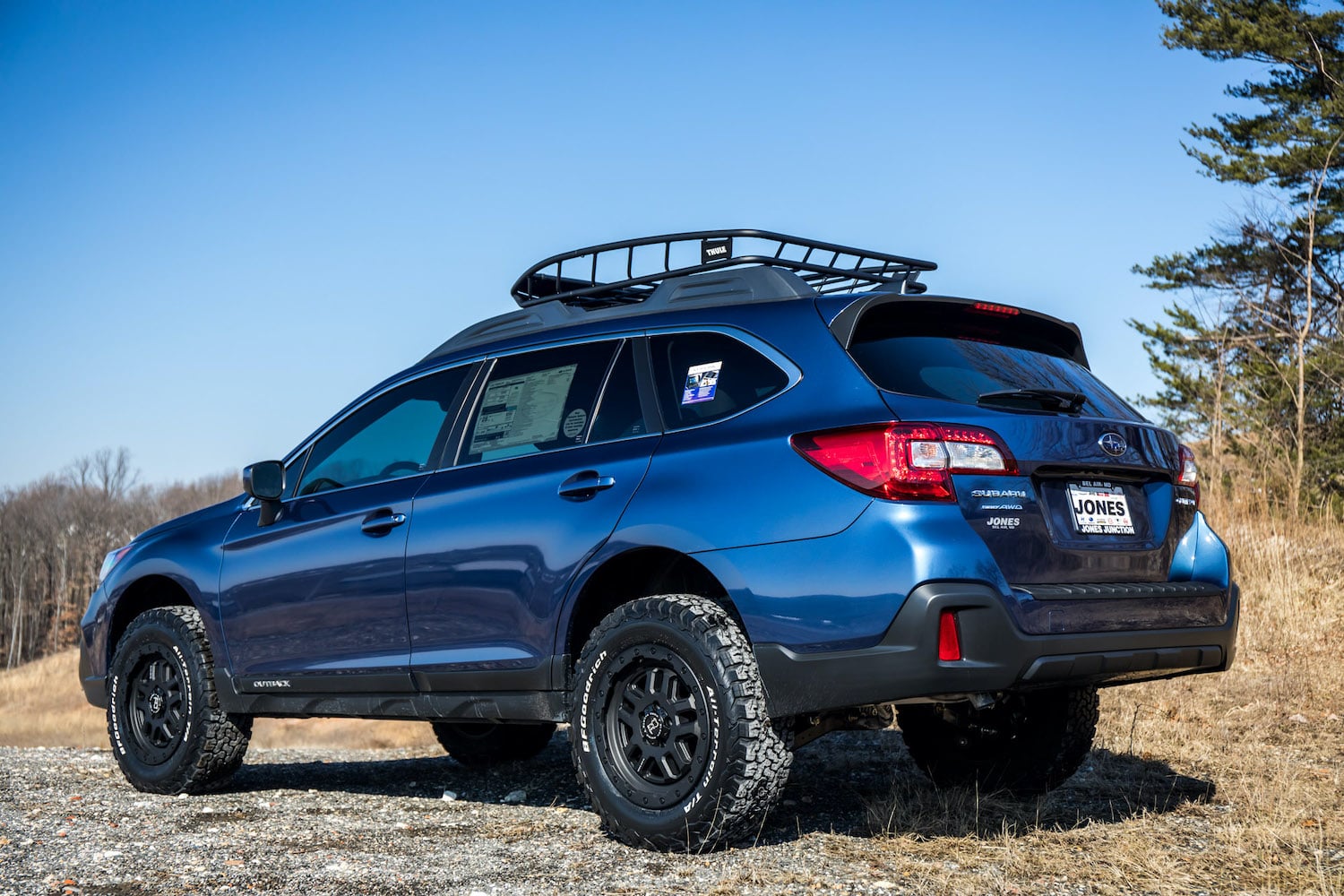
Interior space, roof rails, and cargo capacity make this vehicle ideal for hauling gear from mountain bikes to skis and camping equipment.
For Longmont drivers who want one vehicle that serves both as a weekday commuter and a weekend explorer, the Outback strikes an appealing balance between capability and comfort.
2. Jeep Wrangler
If conquering the ruggedest trails and highest passes is the goal, few vehicles rival the Jeep Wrangler. Its solid axles, impressive articulation, and legendary four‑wheel‑drive system make it a favorite among serious off‑roaders.
Longmont adventurers heading into Rocky Mountain National Park or tackling backcountry routes near Trail Ridge Road will appreciate the Wrangler’s ability to handle uneven terrain and steep inclines.
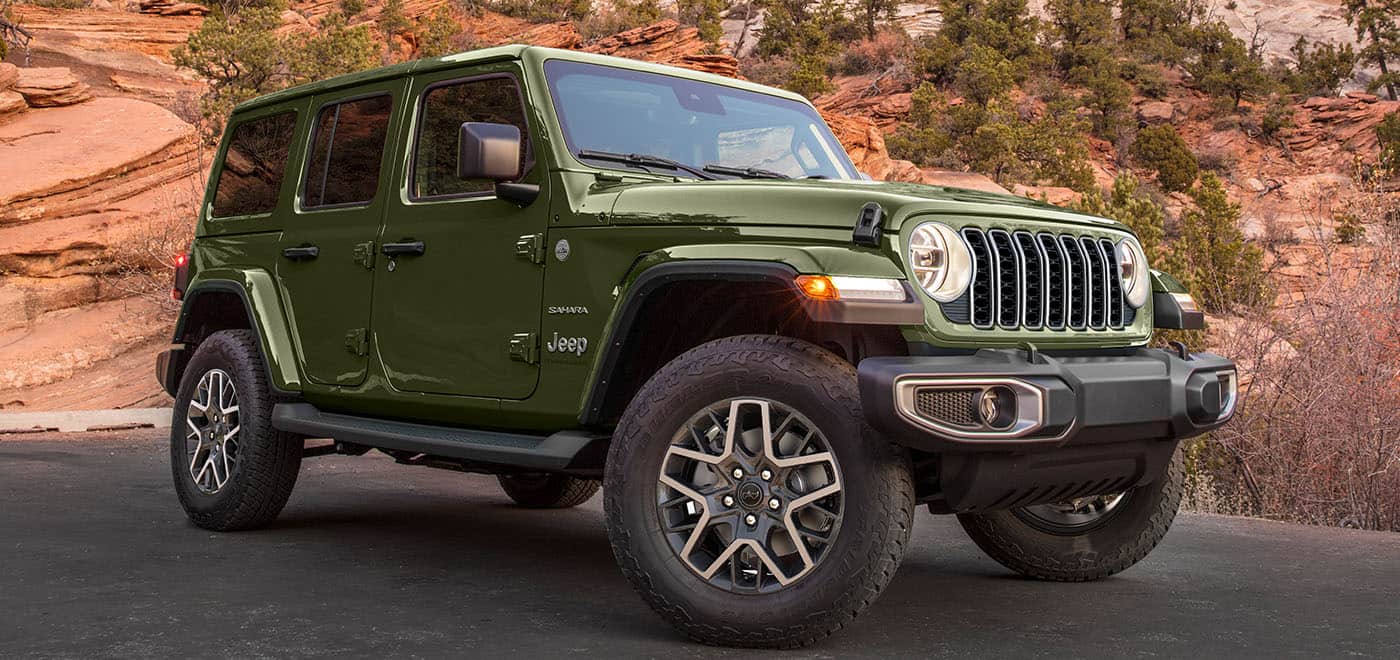
The Wrangler’s available turbocharged engines and manual transmission options give drivers a direct, engaging connection to the terrain ahead.
While it’s not as refined for daily commuting as some other choices on this list, the Wrangler excels when the road ends and the trail begins.
The new JL Wrangler carries over the standard 285-hp 3.6-liter V-6 from the previous generation, and buyers can pair it with either a six-speed manual transmission or a smooth eight-speed automatic. Jeep also offers a turbocharged four-cylinder option that works with an electric motor to add extra low-end torque.
Beyond those setups, the Wrangler lineup expands to include a hybrid-assisted version of the 3.6-liter V-6, a 3.0-liter diesel V-6, a 375-hp plug-in hybrid 4xe powertrain, and even a brawny 6.4-liter V-8. True to its roots, every Wrangler comes standard with part-time four-wheel drive, operated via a traditional lever on the center console.
While on-road handling has seen noticeable improvement, the Wrangler still feels trucklike compared to today’s more polished SUVs and pickups. Ride quality in the four-door model is reasonably compliant over rough terrain, though our testing revealed some inconsistency in braking performance between vehicles.
3. Toyota 4Runner
The Toyota 4Runner has built a reputation as a go‑anywhere SUV that can stand up to Colorado’s demanding conditions year after year.
With a body‑on‑frame design and high ground clearance, the 4Runner is engineered for serious off‑road work without sacrificing reliability.
Its available four‑wheel‑drive systems, including a locking rear differential and crawl control on certain trims, give drivers confidence on steep, rocky trails.
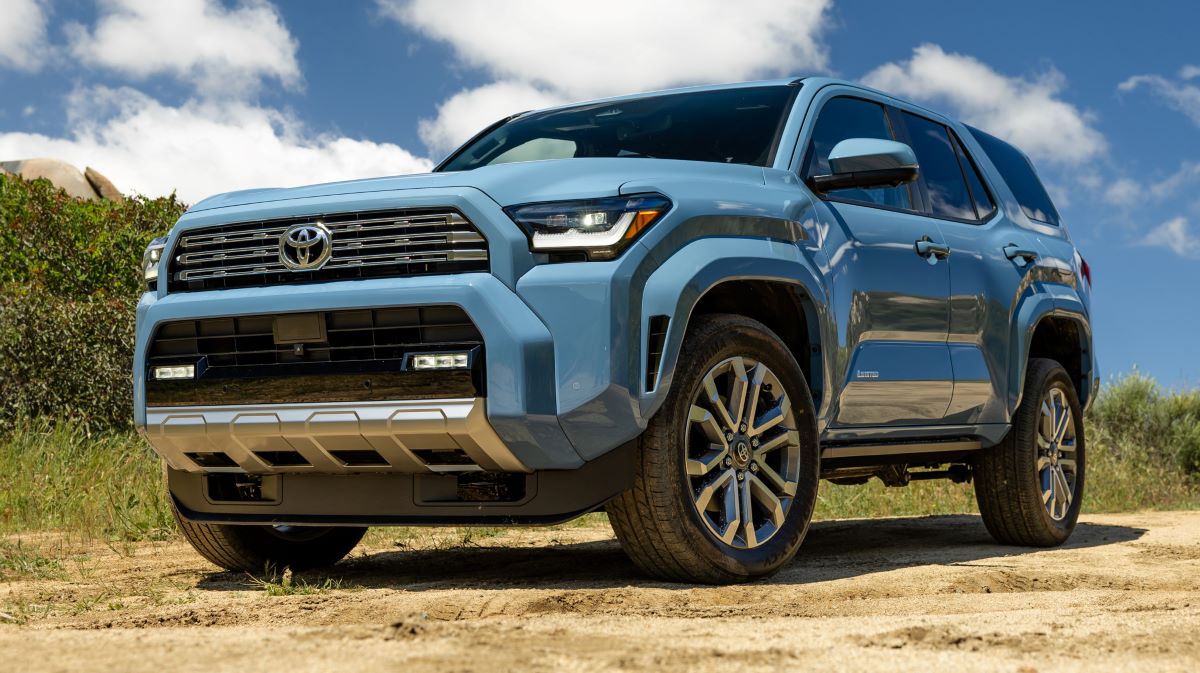
For Longmont residents who regularly haul equipment be it motorcycles, kayaks, or overlanding gear the 4Runner offers strong towing capacity and a cavernous cargo area.
Though less fuel‑efficient than crossover‑style SUVs, its rugged build and long service life make it a popular choice for high‑altitude adventures.
The 2021 Toyota 4Runner stands out as one of the most rugged mid-size SUVs available, but it’s also among the oldest and least polished. Its tough body-on-frame design and extensive off-road-focused options give it genuine capability when pavement ends and reinforce its outdoorsy reputation.
That said, the interior is filled with hard, plasticky materials, and the dated V-6 engine is far from efficient. To its credit, Toyota has updated this long-running SUV with a strong suite of standard driver-assistance technologies and modern infotainment features. The 4Runner also offers ample cargo space, and its spacious cabin can be configured with a small third row.
Still, awkward on-road manners and a relatively high price make it less appealing than many newer rivals, though it remains a solid alternative to the Jeep Wrangler, another SUV that prioritizes trail performance over everyday refinement.
For the 2021 model year, Toyota introduces a new limited-production Trail Edition. According to Toyota, only 4000 examples will be built, all based on the SR5 trim and offered with either rear- or four-wheel drive. The Trail Edition includes 17-inch dark gray TRD wheels, black exterior badging, black seats with tan stitching, and all-weather floor mats.
Across the lineup, LED headlights are now standard. The TRD Pro model also gains a handful of exclusive updates, including a new Lunar Rock exterior color, redesigned black TRD wheels wrapped in Nitto Terra Grappler tires, and retuned dampers that Toyota says are intended to improve isolation during trail driving.
Pricing for the 2021 Toyota 4Runner starts at $37,480 and climbs to $51,960 depending on trim and options. The lineup spans a wide range of configurations, from the base SR5 to the range-topping TRD Pro.
While it doesn’t match the lifted TRD Pro’s ultimate trail prowess, its significantly lower price makes it a better overall value. It comes standard with the 270-horsepower V-6 engine, an automatic transmission, and four-wheel drive. In addition to TRD-specific styling touches, it includes hardware that supports its off-road mission, such as an electronically locking rear differential for improved traction in slippery or muddy conditions.
Under the hood, every 4Runner uses a 4.0-liter V-6 paired with a five-speed automatic transmission, with power sent to the rear wheels, all four wheels, or through a full-time all-wheel-drive system depending on trim.
Base SR5 models are rear-wheel drive, while most other versions use a selectable, part-time four-wheel-drive system with a manually operated two-speed transfer case and a low-range setting. The Limited model is the exception, employing full-time all-wheel drive with a Torsen center differential that can distribute torque between the front and rear axles as conditions demand.
In testing, the mid-level TRD Off-Road delivered adequate acceleration, accompanied by the familiar groan and gruff exhaust note of its aging V-6. Despite feeling dated behind the wheel, the 4Runner’s performance remains competitive with more modern rivals, including the V-6-powered Dodge Durango.
Its sturdy construction and torque-rich engine also give it an advantage in towing, with a 5000-pound rating that surpasses the Ford Edge and Jeep Wrangler, though it trails the more powerful Durango’s 8700-pound maximum.
4. Ford Bronco
Ford’s revived Bronco has quickly earned a strong following among outdoor enthusiasts. Designed with off‑road performance at its core, the Bronco offers multiple terrain management systems, high ground clearance, and optional locking differentials.
Whether navigating steep switchbacks in the San Juan Mountains or exploring hidden forest roads, the Bronco’s capabilities are impressive.
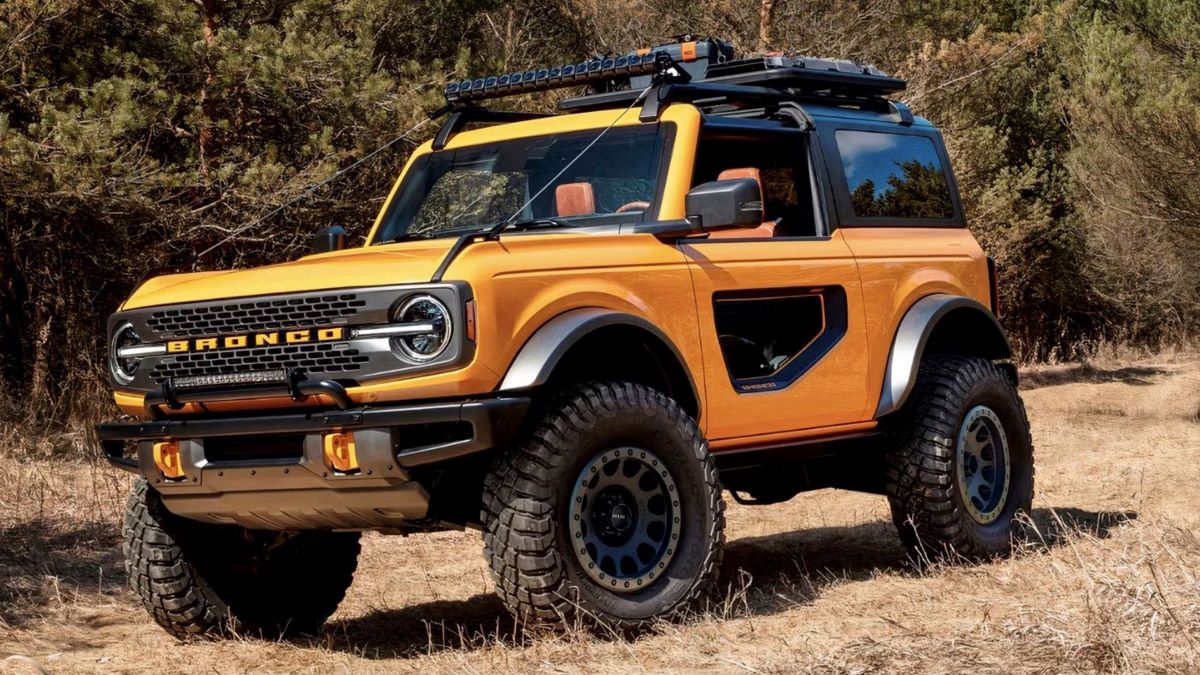
Its removable doors and roof add to the adventure‑ready character, and advanced driver‑assist tech ensures safe travels when returning to civilization.
The Bronco can double as a capable commuter, but it truly shines in scenarios where altitude, ruggedness, and versatility are needed.
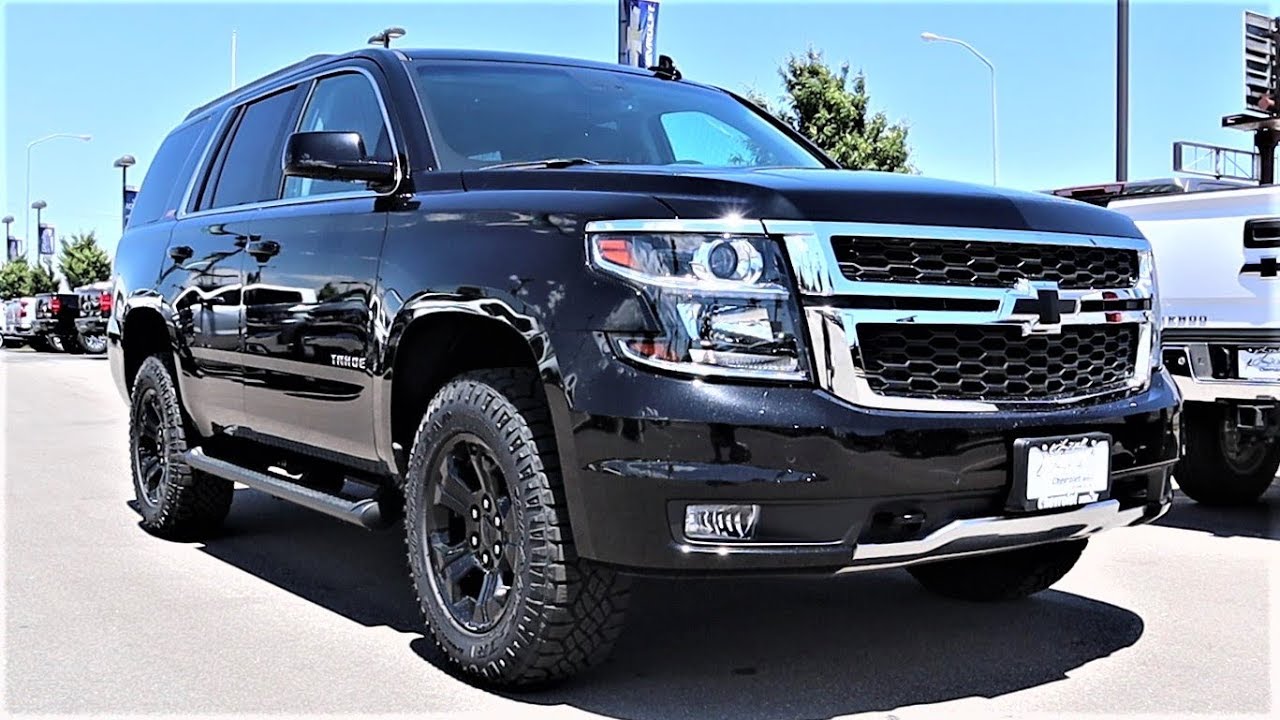
5. Chevrolet Tahoe (Z71 or Off‑Road Packages)
For Longmont families or adventurers needing extra space and power, the Chevrolet Tahoe with off‑road‑oriented trims (like Z71) offers an enticing combination of capability and comfort.
With a powerful V8 engine, substantial towing capacity, and sophisticated four‑wheel‑drive systems, the Tahoe is well‑suited for hauling trailers into the mountains or cruising high‑altitude passes with significant weight.
Its large cabin and cargo area make it ideal for group trips, and modern Tahoe models offer advanced connectivity and safety features that make long drives more enjoyable.
While its size may be overkill for some daily commuters, those who regularly transport gear, passengers, and pets into mountainous terrain will find the Tahoe hard to beat.
Selecting a car in Longmont often comes down to balancing everyday practicality with adventure readiness.
For many drivers, a commuter‑friendly sedan or compact SUV that’s efficient and comfortable during the week, paired with a more rugged vehicle for weekend excursions, is ideal.
Some crossover models like the Subaru Outback or AWD‑equipped Impreza blur the lines, offering capable performance in both arenas.
Fresh off a full redesign for 2021, the Chevrolet Tahoe rolls into 2022 with a handful of meaningful updates rather than sweeping changes. It still rides on a body-on-frame platform shared with the Silverado, but unlike the pickup, the Tahoe benefits from a fully independent suspension that improves ride comfort and handling.
For 2022, Chevrolet expands availability of its powerful 6.2-liter V-8, making it optional on the RST, Z71, and Premier trims, and adds an electronic limited-slip differential to the Z71 to boost off-road capability.
Higher trims now come standard with a crisp 12.3-inch digital instrument cluster, along with Google Assistant integration, front and rear park assist, lane-keep assist with lane-departure warning, and Chevy’s Buckle to Drive seatbelt reminder. Buyers can also spec up to 13 different camera views, which is especially useful given the Tahoe’s size.
The current-generation Tahoe represents a clear step forward over its predecessor, though Chevrolet stops just short of making it the unquestioned segment leader. The available powertrains are smooth and strong, and the 10-speed automatic transmission delivers quick, well-timed shifts.
In prior testing, the optional air suspension paired with Magnetic Ride Control impressed with its composure and comfort, while the standard coil-spring setup could feel unsettled on rough pavement. The Z71 trim, however, continues to grow more appealing, especially now that it can be had with the 6.2-liter V-8 and an electronic limited-slip differential, giving this 4WD-only model legitimate capability well beyond paved roads.
Everyday usability is a major strength. A lower, flatter load floor makes loading passengers and cargo easier than ever, and even the third row is genuinely comfortable for adults.
The cabin remains impressively quiet on the highway, helping the Tahoe go toe-to-toe with the Ford Expedition. In fact, the Tahoe has already bested its Ford rival in comparison testing, thanks in part to its sharp styling and well-rounded performance.
Under the hood, the standard engine is a 5.3-liter V-8 producing 355 horsepower and 383 lb-ft of torque, paired with a 10-speed automatic and either rear- or optional four-wheel drive.
This setup allows the Tahoe to tow up to 8,400 pounds in rear-wheel-drive form and 8,200 pounds with four-wheel drive, while returning an EPA-estimated 15 mpg city and 20 mpg highway. Stepping up to the available 6.2-liter V-8 boosts output to 420 horsepower and 460 lb-ft of torque, though towing capacity dips slightly to a maximum of 8,300 pounds with rear-wheel drive.
When evaluating your next vehicle purchase, think about your typical commute, the weather patterns you face throughout the year, and how often you venture into high‑altitude terrain.
Fuel efficiency, all‑weather traction, cargo capacity, and long‑term reliability should all play into your decision.
With Colorado’s diverse driving conditions from hot summer plains to icy mountain passes choosing a car that fits both your daily routine and your adventurous spirit will pay dividends in comfort, safety, and satisfaction.
No matter which vehicle you choose, Longmont’s unique blend of urban convenience and outdoor access means your car is more than transportation it’s the gateway to everything this remarkable region has to offer. Safe travels!
