
San Francisco is defined by steep streets that create a driving experience unlike that found in most American cities. Motorists regularly confront sharp inclines, blind intersections, and parking angles that place heavy demands on engines, gearboxes, and braking systems.
While Lombard Street attracts visitors, residents are familiar with many other climbs that test vehicles every day. Roads such as Russian Hill and Filbert Street present gradients exceeding thirty degrees, where weak sedans struggle noisily as capable cars ascend with ease. Selecting an unsuitable vehicle turns daily travel into uncertainty about whether it can reach home safely.
Certain sedans perform well under these conditions. Strong engines, quick-reacting transmissions, and effective hill assist systems allow smooth movement from steep stop signs.
Drivers pull away without fear of rolling backwards, maintain a steady pace during climbs, and park on severe slopes without anxiety about brake failure or drivetrain damage.
Such vehicles allow attention to remain on pedestrians and traffic flow, rather than constant concern about mechanical response. Other sedans perform poorly on these streets. Limited engine output, inefficient gearboxes, or weak low-speed torque cause hesitation during uphill starts.
Drivers face alarming moments as vehicles pause before responding, especially with impatient motorists close behind. Prolonged climbing raises engine temperatures, while transmissions search unsuccessfully for suitable ratios. Owners begin to avoid certain streets, extending journey times to escape routes their cars cannot manage safely.
This guide reviews ten sedans based on their ability to cope with San Francisco’s demanding road layout. Five models deliver dependable strength, turning steep drives into routine tasks and offering peace of mind to city residents.
These cars suit daily exposure to elevation changes and frequent stops on inclines. Another five models perform badly in the same conditions, leading to frustration and fear during routine use. Ownership of such vehicles often results in constant worry about stalling, overheating, or loss of control.
For anyone relocating to San Francisco or replacing a car that failed to handle its hills, a clear understanding of these differences is essential. Choosing wisely can prevent costly errors and reduce daily strain when returning home each evening.
Sedans That Conquer San Francisco Hills
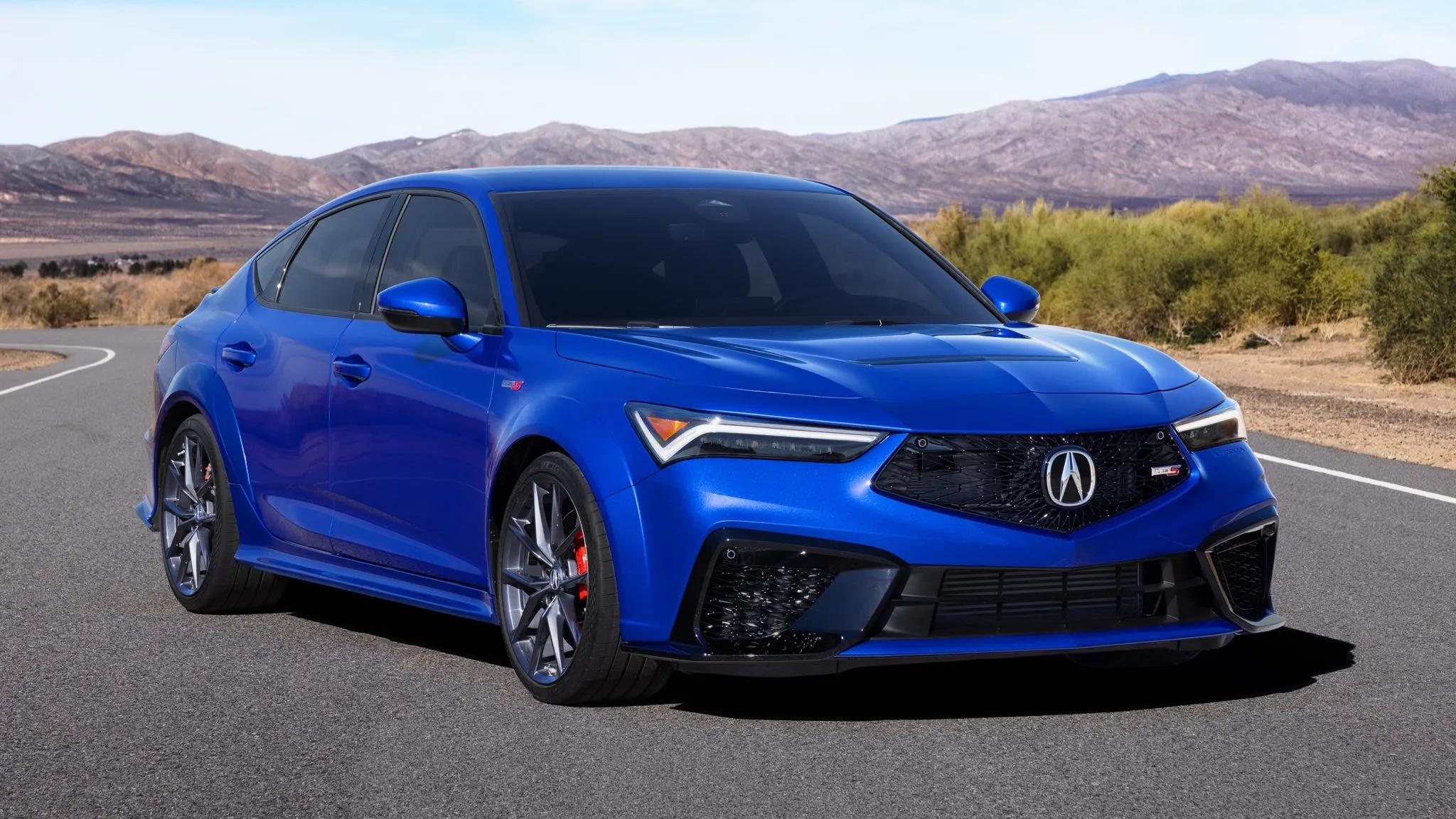
1. Acura Integra A-Spec 2024
Turbocharged power meets hill-climbing confidence in the Acura Integra A-Spec 2024. That 1.5-liter turbocharged four-cylinder produces 200 horsepower, delivering brisk acceleration that launches this sedan up San Francisco’s steepest grades effortlessly.
You’ll rocket from steep intersections, leaving slower traffic behind. The turbocharger provides strong low-end torque that makes climbing feel easy rather than strained. The engine never feels overwhelmed, regardless of grade severity.
CVT transmission operates smoothly while maintaining the engine in the optimal power band during climbs. You’ll appreciate how this transmission keeps power delivery consistent rather than hunting through gears frantically.
Hill-start assist prevents rollback during steep stop sign departures, eliminating terrifying moments when your foot transitions from brake to accelerator. That feature alone justifies choosing vehicles equipped with this technology for San Francisco driving.
Handling characteristics impress with suspension tuned for responsive driving. You’ll corner confidently during descents without excessive body roll.
Brakes deliver strong stopping power, crucial for controlling speed during downhill runs. Steering provides actual feedback, connecting you to road conditions. That engagement creates a driving experience that feels secure rather than frightening during challenging topography.
Fuel economy averages 30-33 mpg during mixed driving, impressive efficiency for a turbocharged sedan delivering this performance.
You’ll spend reasonable amounts at gas pumps despite regular hill climbing that tests efficiency. A turbocharged engine requires premium fuel, adding ongoing expense, but performance justifies the cost for drivers facing daily elevation challenges.
Interior quality exceeds expectations with materials that feel premium. Seats provide excellent support during spirited driving.
Technology features include touchscreen infotainment with wireless Apple CarPlay and Android Auto. Climate control maintains comfortable temperatures efficiently. You’ll enjoy a refined cabin that makes commuting pleasant.
Compact dimensions help when maneuvering tight San Francisco streets and squeezing into parallel parking spots on steep grades. You’ll fit spaces that larger sedans cannot access. Turning radius impresses, making navigation through congested neighborhoods easier. Visibility remains good, helping spot pedestrians and cyclists during busy urban driving.
Budget $900-$1,400 annually for maintenance reflecting Acura mechanicals. This Integra delivers turbocharged performance and hill-climbing confidence, perfect for San Francisco residents needing a sedan that handles brutal topography effortlessly while maintaining efficiency and refinement that makes daily driving enjoyable rather than stressful.
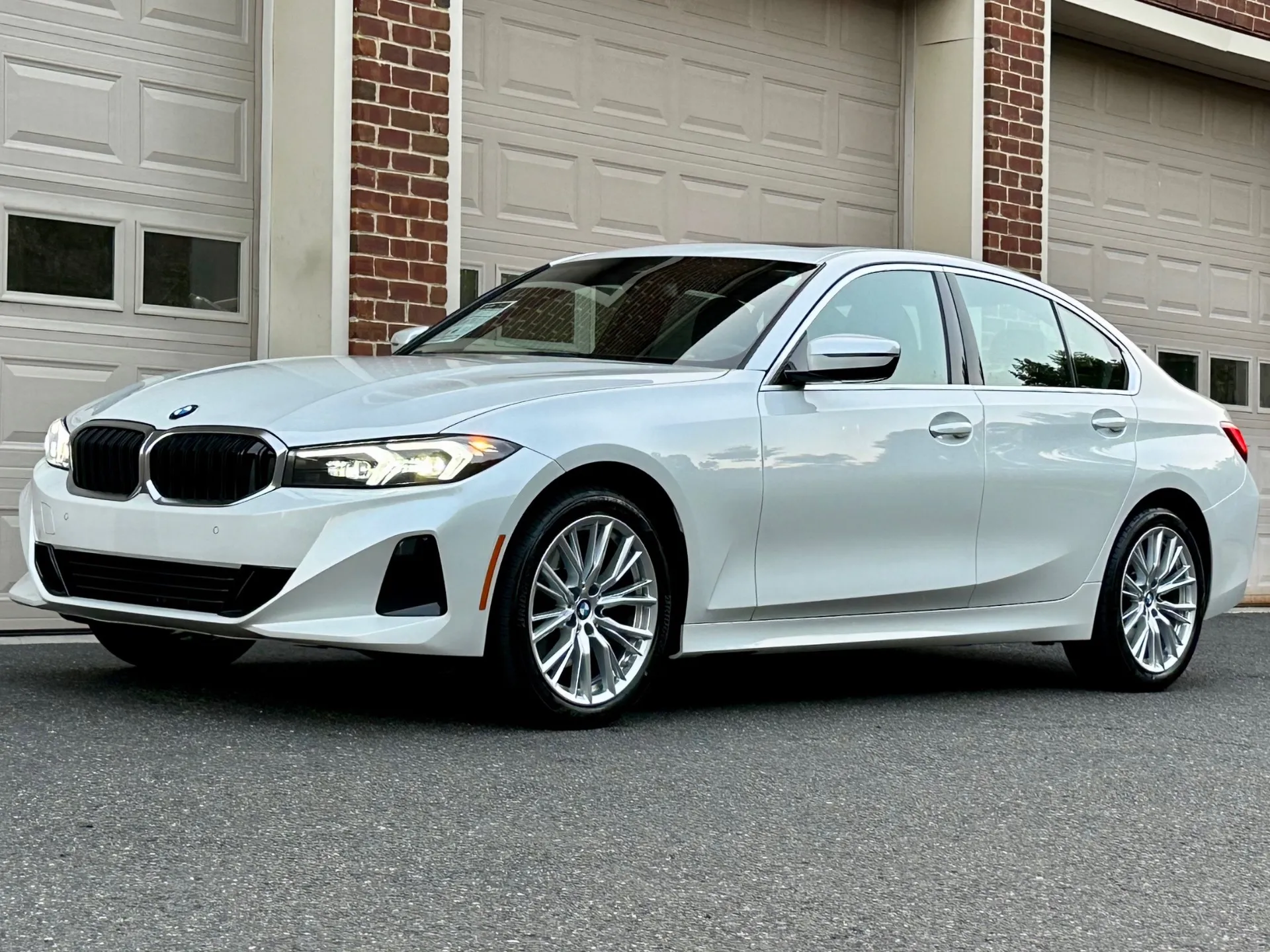
2. BMW 330i xDrive 2024
Bavarian engineering delivers strong hill-climbing ability in the BMW 330i xDrive 2024. Its 2.0 litre turbocharged four cylinder engine produces 255 horsepower, offering brisk acceleration that renders San Francisco’s steep streets easy to manage.
Launching from sharp inclines feels assured and composed, inspiring confidence in demanding traffic. The turbocharger responds promptly, avoiding delay and ensuring steady power delivery in daily use. An eight-speed automatic gearbox performs with speed and intelligence, keeping the engine within an effective operating band during ascents.
The calibration anticipates driver input with precision, while a manual setting allows deliberate control during spirited driving. A descent assistance function regulates speed on sharp declines, reducing driver strain. The xDrive All Wheel Drive system supplies dependable grip during rainfall, when road surfaces become slick.
Ride and handling show careful tuning, combining comfort with firm control. The car maintains poise on downhill bends with limited body movement. Steering feedback is clear and reassuring, fostering trust between driver and vehicle.
The braking system provides a strong and consistent stopping force, essential for managing speed on sloped roads. Together, these elements create a sedan that feels stable and capable in demanding conditions.
Inside, material quality supports the premium asking price. Leather-trimmed seats offer comfort and support for extended journeys. The dashboard layout prioritises the driver, with controls arranged logically.
A large central screen delivers navigation, media, and connectivity functions. Climate regulation works efficiently, sustaining cabin comfort throughout city travel.
Fuel consumption ranges between 26 and 29 miles per gallon in mixed use, an acceptable figure for the performance on offer. The engine requires premium petrol, increasing running costs, yet the benefit lies in relaxed and confident hill driving.
The car’s modest exterior size aids movement through narrow city streets while preserving adequate cabin space. Parking remains straightforward, making the 330i suitable for everyday urban life. Annual maintenance expenditure may reach between 2,500 and 4,000 dollars, reflecting BMW ownership.
This model provides rewarding performance, assured hill control, and refined comfort for drivers seeking a capable luxury sedan. It serves Nigerian buyers abroad desiring prestige, reliability, and daily usability in urban centres.
Also Read: 5 Cars for Manhattan KS Commuters and 5 Practical Daily Drivers
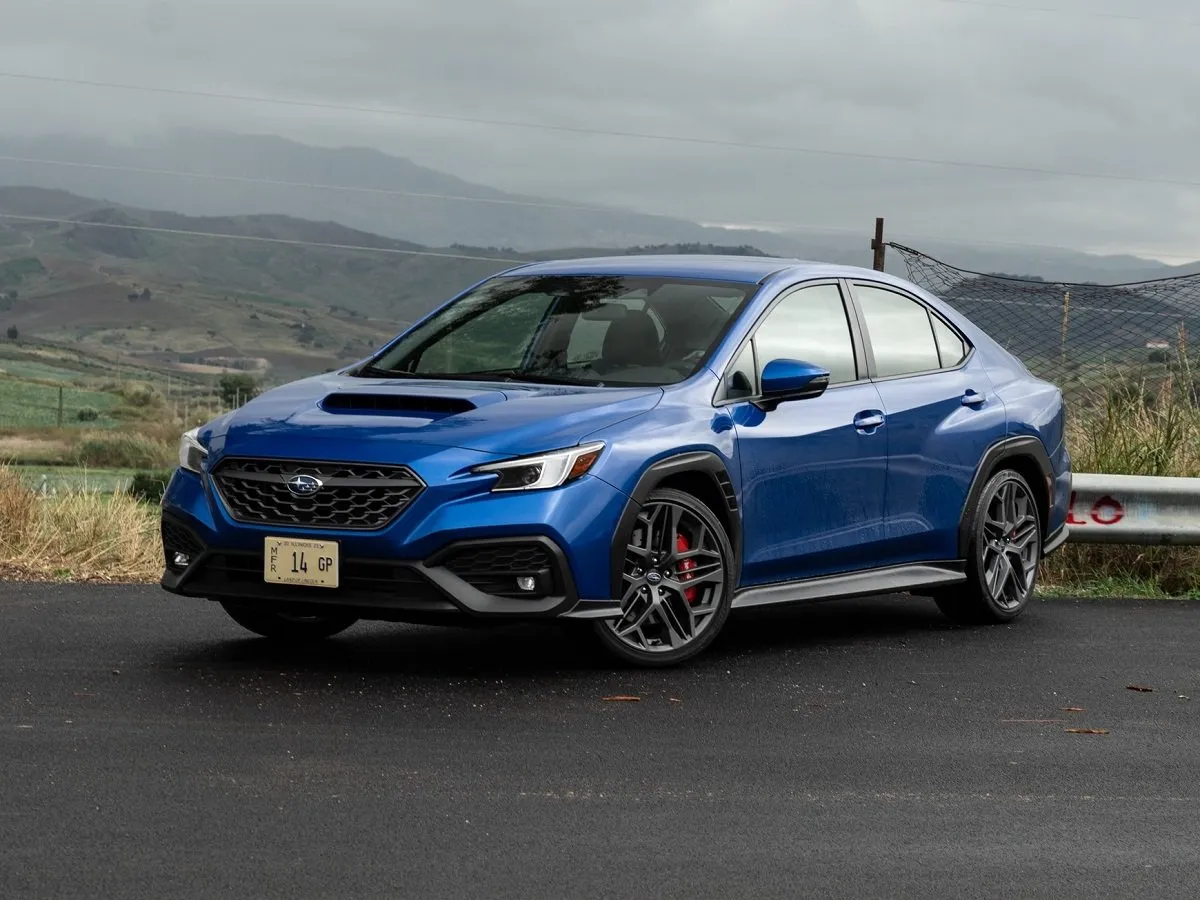
3. Subaru WRX Premium 2024
All-wheel-drive traction meets turbocharged power in the Subaru WRX Premium 2024. That 2.4-liter turbocharged boxer four-cylinder produces 271 horsepower, delivering explosive acceleration that rockets up San Francisco’s steepest grades.
You’ll launch from steep intersections with confidence that inspires rather than terrifies. The turbocharger provides strong low-end torque, perfect for hill climbing. The engine never feels strained regardless of grade severity.
Six-speed manual transmission provides an engaging driving experience for enthusiasts who appreciate control. You’ll manage clutch during steep starts using hill-hold assist, preventing rollback.
CVT automatic option provides convenience for those preferring hands-free operation. Both transmissions handle the San Francisco hills competently when operated properly.
Symmetrical all-wheel drive delivers confident traction during varied conditions. You’ll accelerate smoothly from steep intersections without wheelspin. Rain becomes manageable rather than frightening. That traction creates a secure feeling during challenging driving situations that test vehicle capabilities.
Handling characteristics emphasize performance with sport-tuned suspension. You’ll corner aggressively during descents with minimal body roll. Steering provides excellent feedback. Brakes deliver strong stopping power, crucial for controlling speed. That combination creates a sedan that feels alive and capable during spirited driving.
Interior quality improved compared to earlier WRX models, though it remains functional rather than luxurious. Seats provide excellent support during aggressive driving. Technology features include touchscreen infotainment with smartphone integration. Climate control maintains comfortable temperatures. You’ll enjoy a driver-focused cabin prioritizing function.
Fuel economy averages 19-22 mpg during mixed driving, reflecting performance capabilities. You’ll spend more at gas pumps than on efficient alternatives. A turbocharged engine requires premium fuel, adding ongoing expense. Accept higher operating costs as a trade-off for performance, making hill driving enjoyable.
Budget $1,200-$1,800 annually for maintenance reflecting the performance nature. This WRX delivers turbocharged performance, all-wheel-drive confidence, and hill-climbing capabilities perfect for San Francisco enthusiasts wanting a sedan that transforms challenging topography into driving excitement while providing traction and control that create a secure feeling.
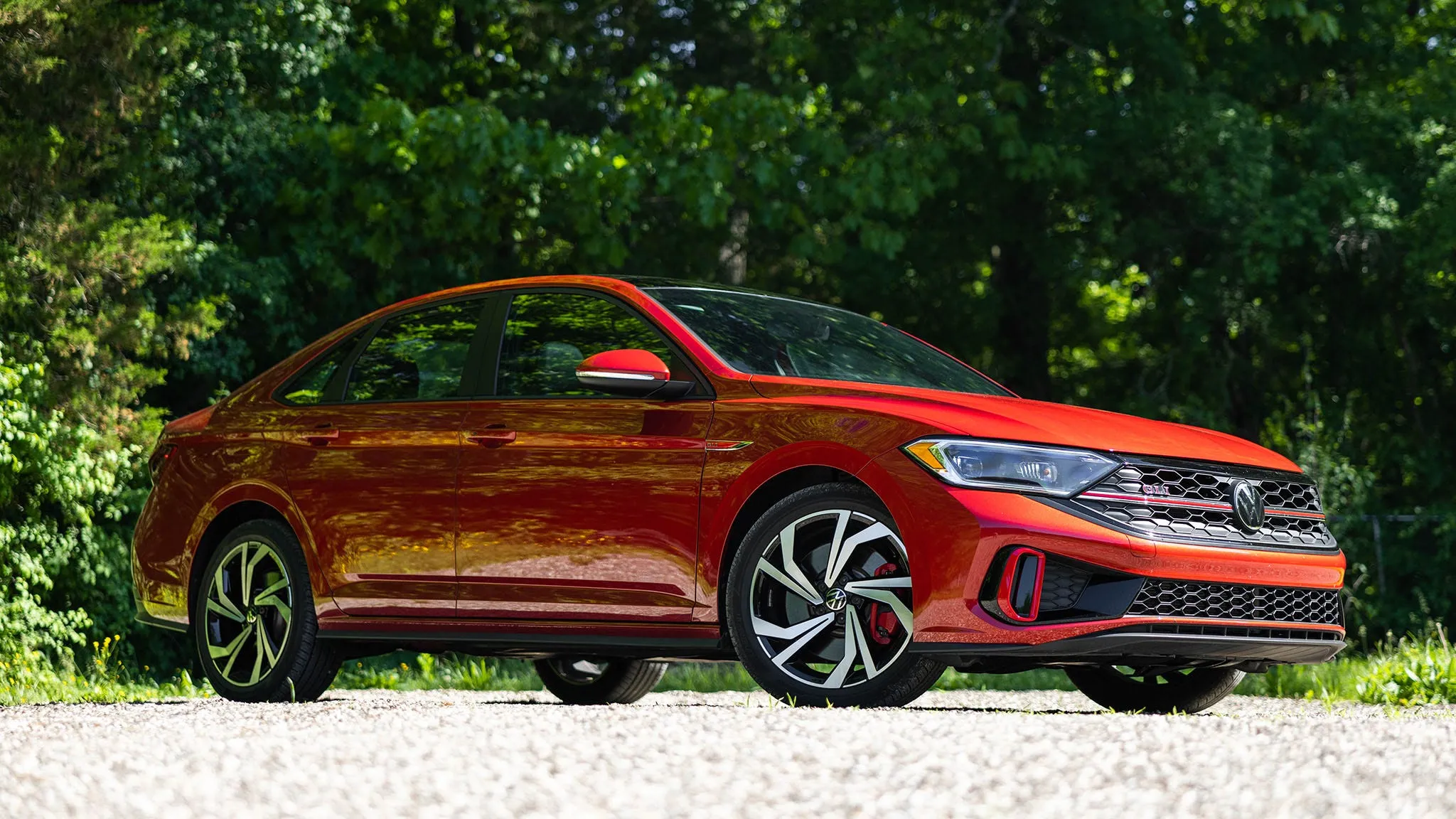
4. Volkswagen Jetta GLI 2024
European engineering provides strong hill-climbing assurance in the Volkswagen Jetta GLI 2024. The 2.0 litre turbocharged four cylinder engine produces 228 horsepower and delivers brisk acceleration that manages San Francisco gradients with confidence.
Starting from steep intersections feels composed, with sufficient power available when required. The turbocharger supplies useful low-speed torque, allowing ascents to remain controlled and predictable. The engine responds promptly during normal use, avoiding any sense of strain.
A seven-speed dual clutch transmission delivers rapid gear changes during spirited driving. Drivers benefit from precise shifts during acceleration on inclined roads.
A manual setting permits direct control when assertive input is desired. Hill hold assistance prevents backward movement during steep starts, improving safety and ease of operation. This drivetrain arrangement supports steady progress across demanding city streets.
The chassis displays balanced handling through a sport-tuned suspension system. The car maintains stability on downhill corners, encouraging assured driving. Steering feel is clear and accurate, aiding placement on narrow roads.
The braking system provides a dependable stopping force, which is essential when controlling speed on slopes. These attributes combine to produce a sedan that remains composed during varied conditions while retaining everyday comfort.
Cabin presentation meets expectations through respectable materials and sound assembly. Seats offer reasonable support for daily journeys. The dashboard layout is practical and easy to understand. An infotainment touchscreen supports smartphone connectivity for calls, media, and navigation services. Climate regulation performs efficiently, keeping the interior comfortable throughout city travel.
Fuel consumption averages between 26 and 29 miles per gallon in mixed use, a fair figure for the performance available. The turbocharged engine requires premium petrol, increasing running costs. Buyers must weigh fuel expense against driving enjoyment and capability.
The Jetta GLI’s compact proportions assist movement through narrow urban streets. Manoeuvring through crowded neighbourhoods feels straightforward. Parking tasks remain convenient, supported by a tight turning circle.
Maintenance costs typically range from 1,500 to 2,200 dollars per year, consistent with Volkswagen ownership. This model suits drivers seeking a sporty yet practical sedan for demanding urban environments. It also serves Nigerian buyers abroad who value reliability and manners.
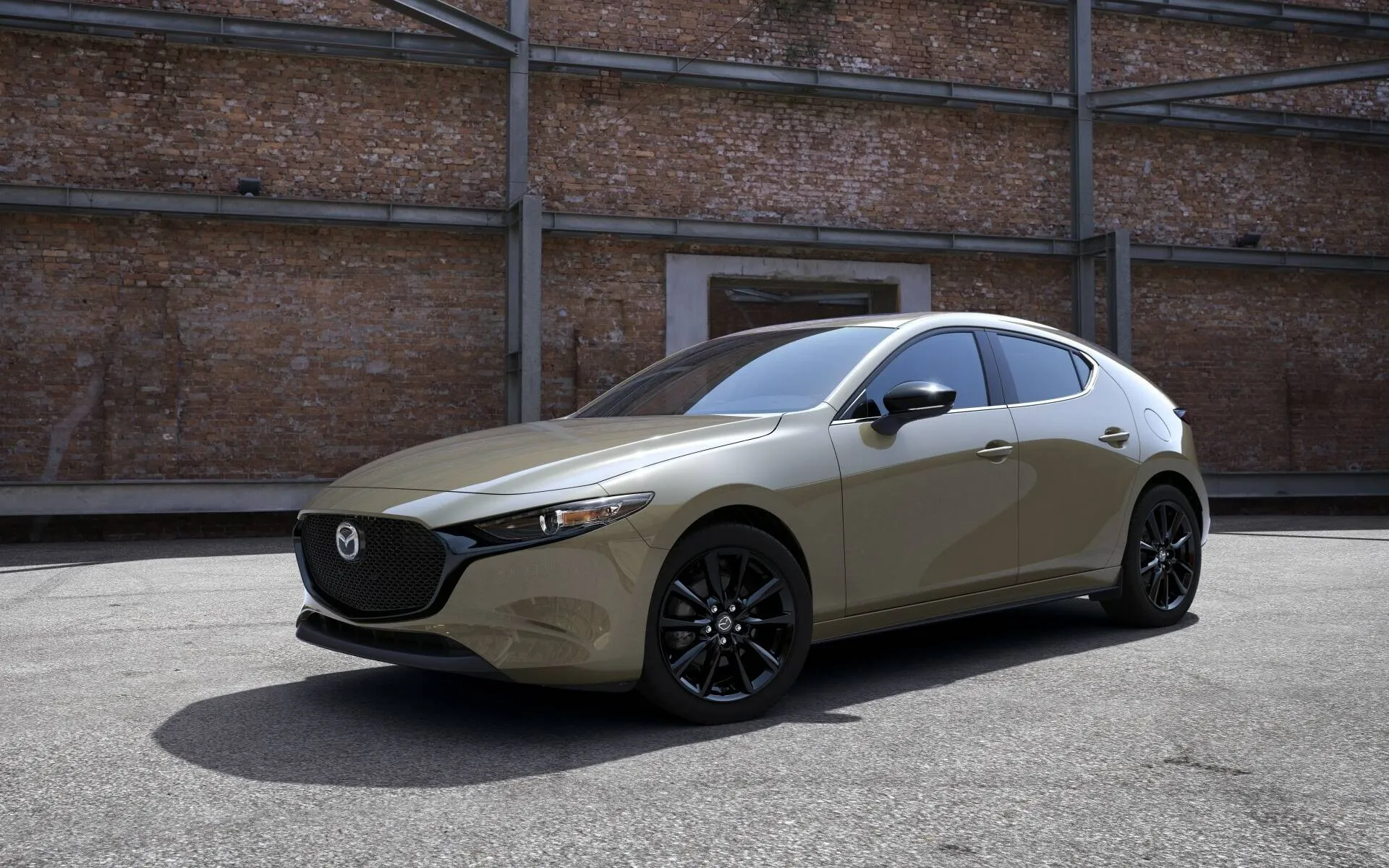
5. Mazda3 Turbo Premium Plus 2024
Japanese refinement meets turbocharged confidence in the Mazda3 Turbo Premium Plus 2024. That 2.5-liter turbocharged four-cylinder produces 250 horsepower, delivering strong acceleration that handles San Francisco hills confidently. You’ll launch from steep intersections with authority. The turbocharger provides excellent low-end torque, perfect for climbing. The engine feels responsive and eager throughout the power band.
Six-speed automatic transmission moves smoothly while maintaining the engine in the optimal range. You’ll appreciate intelligent programming that keeps power delivery consistent. Manual mode allows driver control during spirited driving. Hill-hold assist prevents rollback during steep starts. That combination creates transmission behavior suited for challenging driving.
All-wheel drive provides confident traction during varied conditions. You’ll accelerate smoothly from steep intersections without wheelspin. Rain becomes manageable. That traction creates a secure feeling during challenging situations, testing vehicle capabilities.
Handling characteristics impress with suspension balancing, comfort, and control. You’ll corner confidently during descents. Steering provides excellent feedback. Brakes deliver strong stopping power. That balance creates a sedan that feels capable without sacrificing ride quality during daily commuting.
Interior quality exceeds expectations with premium materials throughout. Mazda prioritizes genuine quality rather than cheap imitations. Seats provide excellent support.
Dashboard design emphasizes elegance. Technology features include touchscreen infotainment with smartphone integration. Climate control maintains comfortable temperatures efficiently.
Fuel economy averages 24-27 mpg during mixed driving, respectable efficiency for a turbocharged all-wheel-drive sedan. The engine requires premium fuel, adding an ongoing expense. You’ll accept higher fuel costs for performance, making hill driving stress-free.
Budget $1,000-$1,500 annually for maintenance reflecting Mazda mechanicals. This Mazda3 Turbo delivers refined performance and hill-climbing confidence, perfect for San Francisco residents wanting a sedan that combines power, traction, and quality while handling challenging topography effortlessly and maintaining efficiency that keeps operating costs reasonable.
Sedans That Struggle on San Francisco Hills
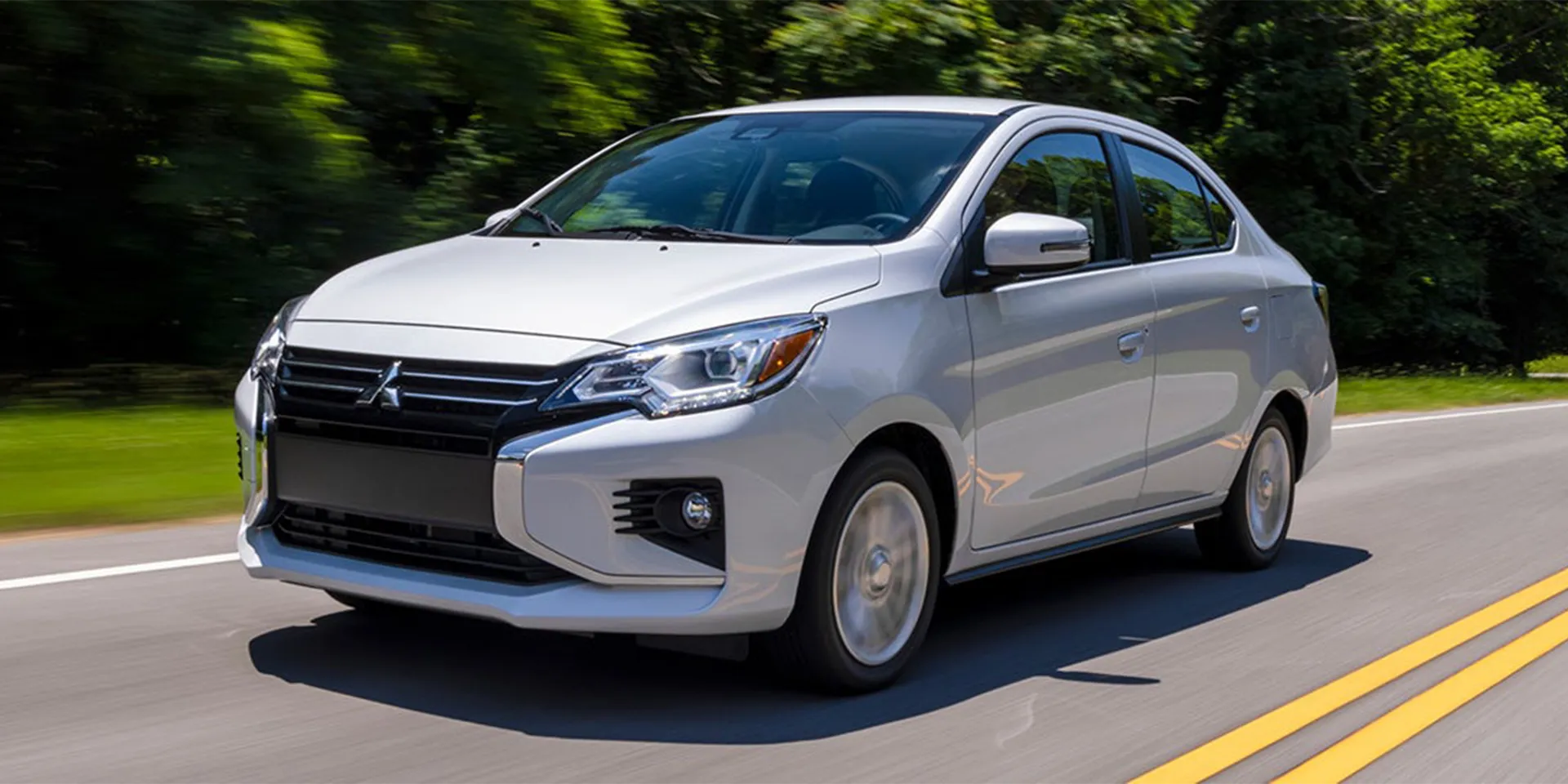
1. Mitsubishi Mirage G4 ES 2024
Underpowered misery defines the Mitsubishi Mirage G4 ES 2024 on the San Francisco hills. That 1.2-liter three-cylinder produces merely 78 horsepower, creating genuinely frightening experiences during steep climbs. You’ll floor the accelerator from steep intersections while your car wheezes pathetically, barely moving forward as impatient drivers honk behind you. The engine screams at redline, struggling to maintain momentum during grades that confident vehicles climb effortlessly.
CVT transmission hunts desperately for nonexistent power, creating rubber-band sensations that make driving feel disconnected and frightening. You’ll experience constant uncertainty about whether your car will actually complete climbs or stall midway.
Transmission overheats during extended grades, triggering warning lights and limp mode that reduces power further. That combination creates an ownership experience that transforms San Francisco living into constant automotive anxiety.
Climbing steep grades requires planning alternate routes, avoiding the worst hills. You’ll memorize which streets your Mirage cannot handle, adding time to every trip. Russian Hill becomes impossible. Filbert Street creates panic. Even moderate grades feel challenging when carrying passengers or cargo, adding weight that overwhelms the inadequate powertrain.
Braking during descents proves adequate, though lightweight construction creates a floaty feeling that inspires little confidence. You’ll grip the steering wheel tightly during downhill runs, hoping the brakes continue functioning. Wind buffeting increases anxiety during descents on exposed hilltop streets where gusts push lightweight cars around unpredictably.
Interior quality reflects budget pricing with cheap materials throughout. Hard plastics dominate surfaces. Seats provide minimal comfort. Road noise invades the cabin constantly. You’ll tolerate substandard accommodations while facing daily stress about whether your car climbs hills successfully.
Fuel economy averages 35-39 mpg, excellent efficiency that provides minimal consolation when your car cannot actually drive where you need to go. You’ll save money on gas while spending emotional energy stressing about inadequate performance during every hill encounter.
Budget $600-$1,000 annually for maintenance, reflecting simple mechanicals. This Mirage delivers terrible San Francisco performance despite a low purchase price and excellent fuel economy.
You’ll regret this choice through constant stress, embarrassment, and genuine safety concerns during situations where adequate power becomes critical for avoiding accidents or completing necessary maneuvers on steep grades.
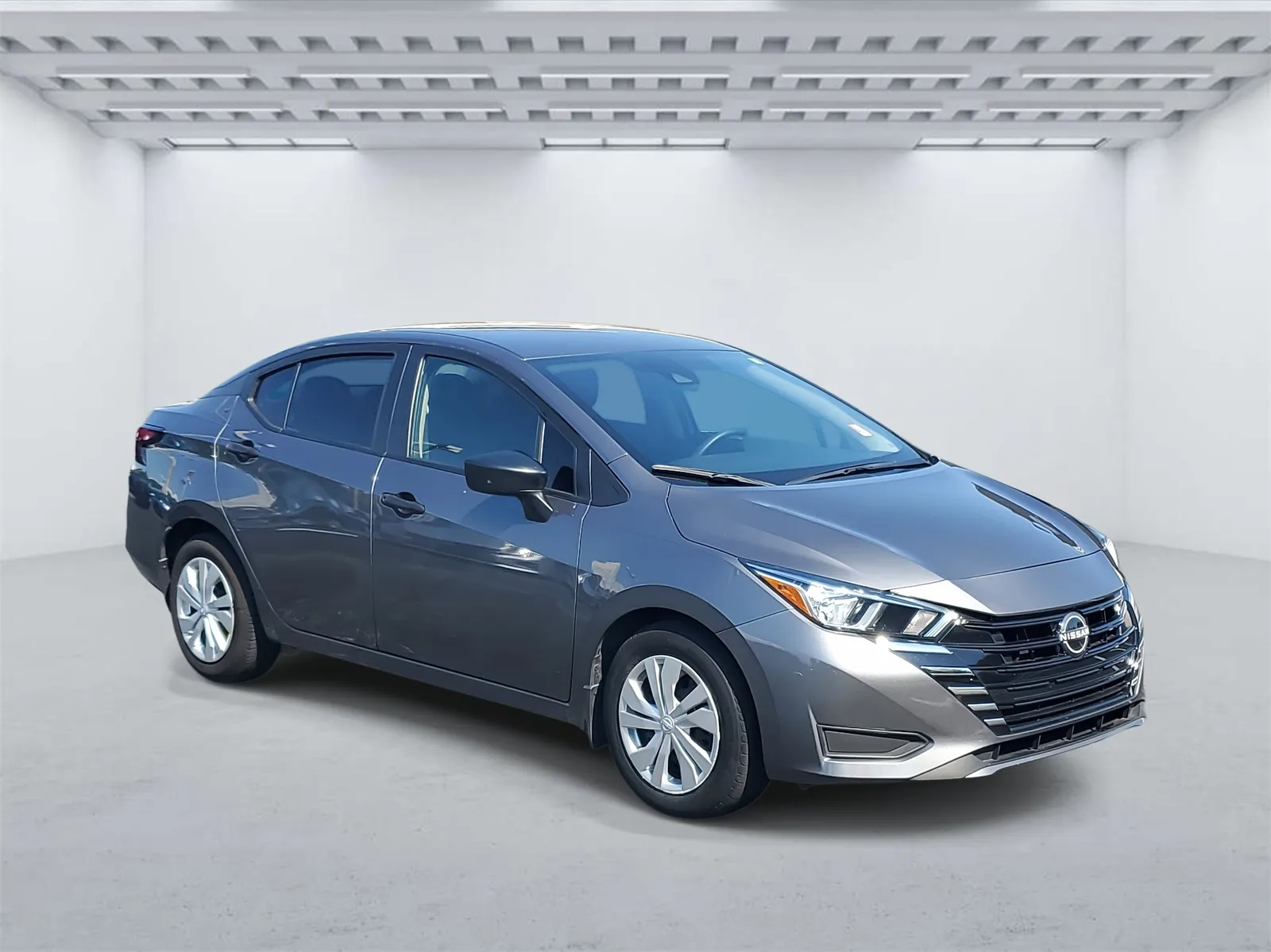
2. Nissan Versa S 2024
The Nissan Versa S 2024 struggles severely on the steep roads of San Francisco due to limited engine output. Its 1.6 litre four cylinder engine generates only 122 horsepower, a figure that proves barely sufficient on level roads and clearly inadequate on sharp inclines.
Pulling away from steep junctions becomes difficult, with a slow response that leaves the driver exposed to pressure from faster-moving traffic. The engine works loudly during climbs, creating concern about strain and durability. The continuously variable transmission performs poorly on hills, displaying hesitation and inconsistent delivery of power.
Driver input often fails to produce the expected reaction, reducing confidence behind the wheel. During extended climbs, the transmission is prone to overheating, activating protective systems that restrict output at critical moments. Such behaviour raises safety questions when steady acceleration is required to merge or clear intersections.
Owners are forced to avoid the steepest routes within the city. Journey planning becomes necessary, leading to longer travel times and reduced convenience. Certain districts feel impractical to access, as repeated struggles on inclines place stress on both driver and vehicle. Daily use demands patience and caution rather than ease.
Descending steep roads presents another challenge. While the braking system functions at a basic level, prolonged downhill driving requires constant pedal application. This results in heat buildup, reducing braking effectiveness. Loss of braking efficiency during long descents increases tension, particularly in busy traffic conditions.
Inside the cabin, the budget nature of the car is apparent. Materials are basic, with cloth seats offering minimal support. The dashboard layout focuses on simple operation rather than visual appeal.
Infotainment features are limited, though climate control performs adequately for daily comfort. The interior does little to offset the shortcomings experienced on the road.
Fuel consumption ranges between 32 and 35 miles per gallon in mixed use, providing good efficiency. However, savings at the pump fail to compensate for the daily strain caused by weak performance. Annual maintenance costs between 700 and 1,100 dollars remain affordable. Despite this, the Versa S proves poorly suited for demanding urban environments with steep gradients. Safety confidence remains low.
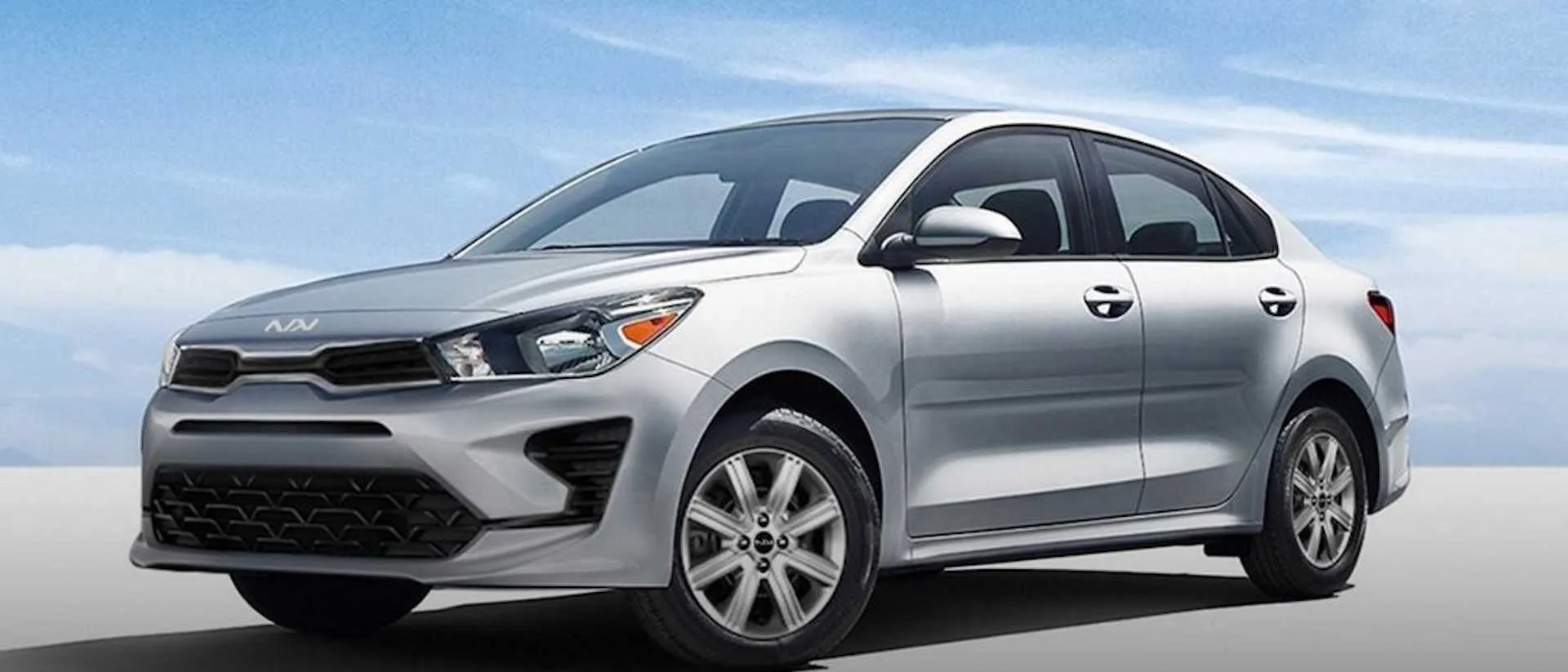
3. Kia Rio LX 2024
Budget constraints meet hill-climbing inadequacy in the Kia Rio LX 2024. That 1.6-liter four-cylinder produces 120 horsepower, insufficient for San Francisco’s demanding topography. You’ll struggle during steep climbs, flooring the accelerator while your car barely maintains momentum. The engine sounds strained during grades, creating constant worry about mechanical damage from overwork. The temperature gauge climbs during extended hills, triggering anxiety about overheating.
CVT transmission exhibits problematic behavior, including hesitation, slipping, and inadequate power delivery during critical moments. You’ll experience frightening delays between throttle input and actual acceleration during steep starts. Transmission hunts desperately for power, creating jerky behavior that makes smooth driving impossible. That unreliability transforms routine trips into stressful experiences.
Route planning becomes essential for Rio owners, avoiding the steepest grades. You’ll memorize which streets prove passable and which create terrifying struggles.
Certain San Francisco neighborhoods become effectively inaccessible without experiencing performance so inadequate that safety becomes a genuine concern. Passengers notice struggles, creating embarrassment alongside anxiety.
Descents prove manageable, though braking capabilities inspire limited confidence. You’ll ride brakes constantly during downhill runs, generating heat that reduces effectiveness.
Brake fade emerges during extended descents, requiring careful speed management. That degradation creates additional stress during already challenging driving situations.
Interior quality reflects the economy’s positioning with basic materials and minimal features. Seats provide adequate support for short trips. Technology features include touchscreen infotainment with smartphone integration. Climate control maintains temperatures adequately. You’ll accept basic accommodations while facing daily performance struggles.
Fuel economy averages 33-36 mpg during mixed driving, excellent efficiency that provides minimal consolation when your car cannot handle necessary routes. You’ll save money on gas while avoiding certain areas because your sedan lacks adequate power for safe operation.
Warranty coverage provides peace of mind with generous protection. You’ll drive knowing Kia backs their product, though the warranty cannot fix fundamental inadequacy for San Francisco’s topography. Budget $700-$1,100 annually for maintenance.
This Rio delivers poor San Francisco performance despite affordable pricing and excellent warranty. You’ll regret this choice through constant anxiety about inadequate power, making daily driving stressful. Route planning becomes necessary to avoid grades your car cannot handle competently, limiting mobility and creating genuine inconvenience.
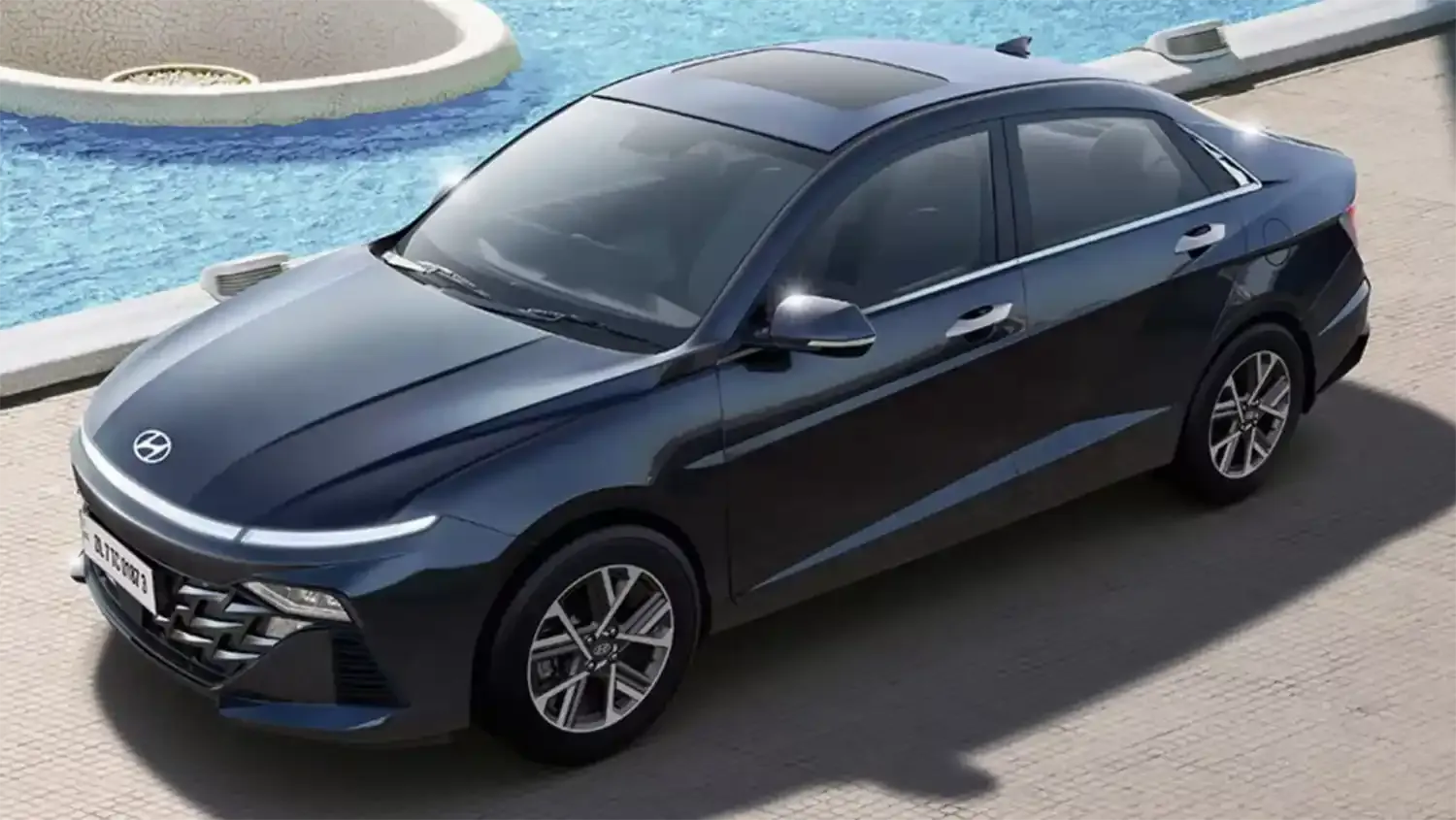
4. Hyundai Accent SE 2024
The Hyundai Accent SE 2024 reveals the limits of budget motoring on the steep streets of San Francisco. Its 1.6 litre four cylinder engine produces 120 horsepower, a figure that proves unsafe on sharp inclines. Moving off from steep junctions becomes alarming as the car hesitates while traffic approaches from behind. The engine revs loudly with little progress, and rising temperatures during climbs raise concern about mechanical strain.
The continuously variable transmission worsens the experience. It slips, hesitates, and searches endlessly for power that is not available.
Driver input often fails to translate into predictable movement, reducing trust in the car. During long uphill stretches, the transmission is prone to overheating, activating protection systems that cut output at the very moment strength is required. Such behaviour introduces a real safety risk in busy urban conditions.
Owners quickly learn to avoid the steepest routes. Daily trips require careful planning, with longer paths chosen to escape roads the car cannot manage. Some neighbourhoods become difficult to reach without distressing struggles that unsettle both driver and passengers. Familiarity with acceptable streets becomes essential for routine travel.
Descending hills brings a different challenge. The braking system works adequately in short use, yet extended downhill driving demands constant pressure on the pedal. Heat builds up rapidly, reducing braking effectiveness. This loss of stopping confidence forces cautious speed control and increases tension during already demanding descents.
Inside the cabin, the Accent reflects its low-cost position. Materials are basic, and seats offer limited comfort during longer journeys. The dashboard focuses on simple operation rather than refinement. A touchscreen with smartphone connectivity is present, and climate control performs reliably, but these features do little to offset the strain felt on the road.
Fuel consumption ranges from 33 to 36 miles per gallon, delivering strong savings at the pump. These savings fail to outweigh the daily stress caused by weak performance. Warranty coverage remains generous, with extensive factory backing.
Annual maintenance costs between 700 and 1,100 dollars remain modest. Even so, the Accent SE proves unsuitable for cities dominated by steep gradients. Drivers face constant anxiety during city commuting.
Also Read: 5 Cars for Carbondale College Driving and 5 Student-Budget Options
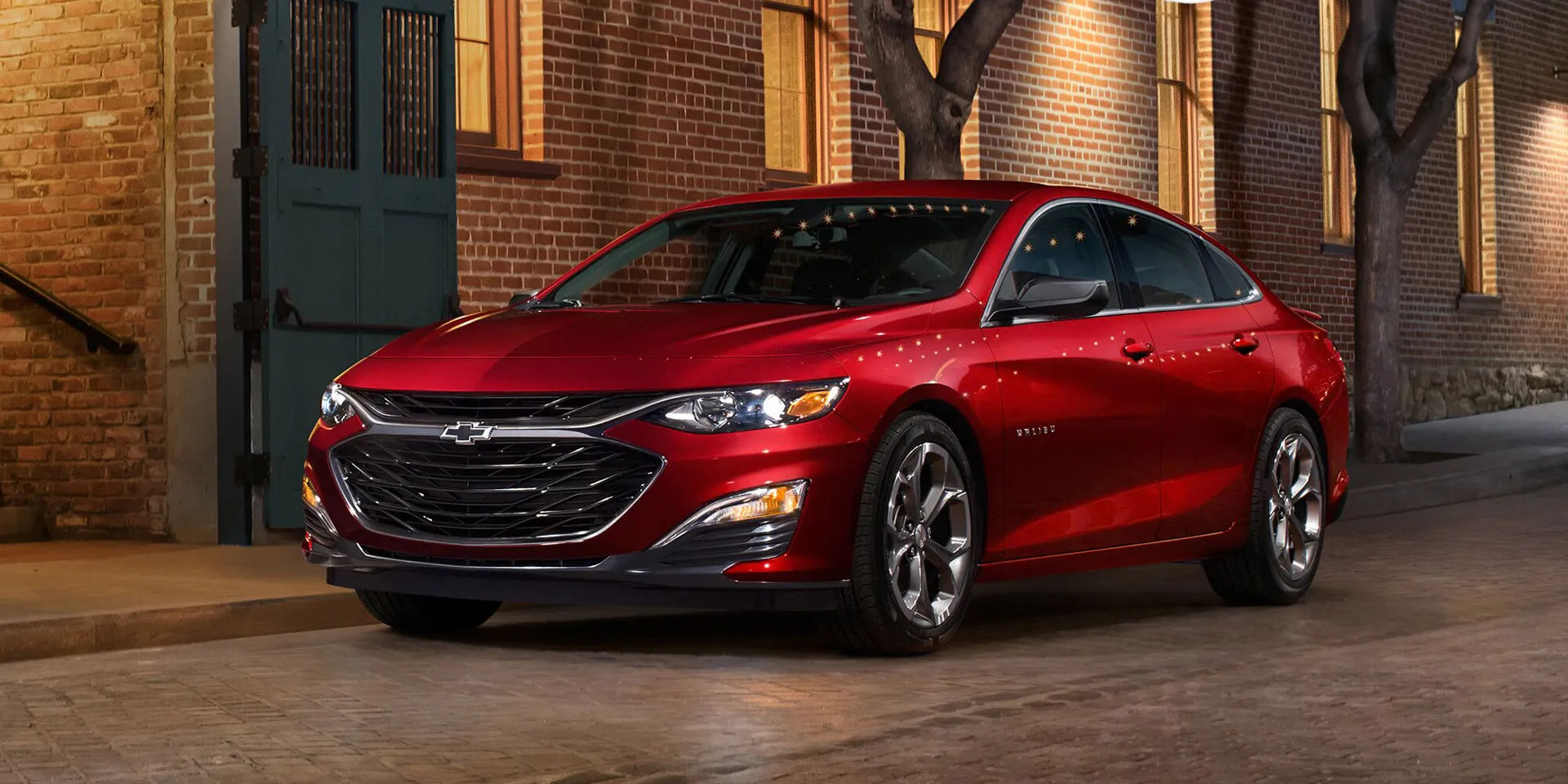
5. Chevrolet Malibu LS 2024
Disappointing performance defines the Chevrolet Malibu LS 2024 on the San Francisco hills. That 1.5-liter turbocharged four-cylinder produces 160 horsepower, barely adequate for flat lands and problematic during steep grades.
You’ll struggle accelerating from steep intersections despite the turbocharger theoretically providing boost. Turbo lag creates dangerous delays between throttle input and actual power delivery. The engine labors audibly during climbs, inspiring little confidence.
CVT transmission exhibits frustrating behavior, including rubber-band sensations, hesitation, and inadequate power delivery. You’ll feel disconnected from the drivetrain during critical moments.
Transmission programming prioritizes efficiency over performance, creating sluggish responses precisely when you need immediate power. That calibration proves completely inappropriate for San Francisco driving.
Route selection becomes important for Malibu owners, avoiding the worst hills where inadequate power creates genuinely concerning situations. You’ll memorize passable streets and plan trips avoiding grades where your sedan struggles embarrassingly. Certain areas become effectively inaccessible without experiencing performance so poor that passengers notice and comment.
Braking during descents proves adequate, though nothing inspires confidence. You’ll manage downhill runs carefully, riding brakes more than preferred. Brake fade concerns emerge during extended descents requiring constant speed control. That degradation creates additional stress.
Interior quality meets expectations with decent materials. Seats provide adequate comfort during typical drives. Technology features include touchscreen infotainment with smartphone integration. Climate control maintains comfortable temperatures. You’ll enjoy a functional cabin while facing performance inadequacies.
Fuel economy averages 29-32 mpg during mixed driving, respectable efficiency that provides minimal consolation when your car struggles during necessary trips. You’ll save money on gas while experiencing frustration about inadequate power, making San Francisco driving unpleasant.
Budget $1,000-$1,500 annually for maintenance reflecting Chevrolet mechanicals. This Malibu delivers disappointing San Francisco performance despite reasonable pricing and decent features. You’ll experience constant frustration about inadequate power, making daily commuting more stressful than necessary.
Turbocharger promises performance that engine and transmission calibration fail to deliver during real-world hill climbing, where confident power becomes critical.
