
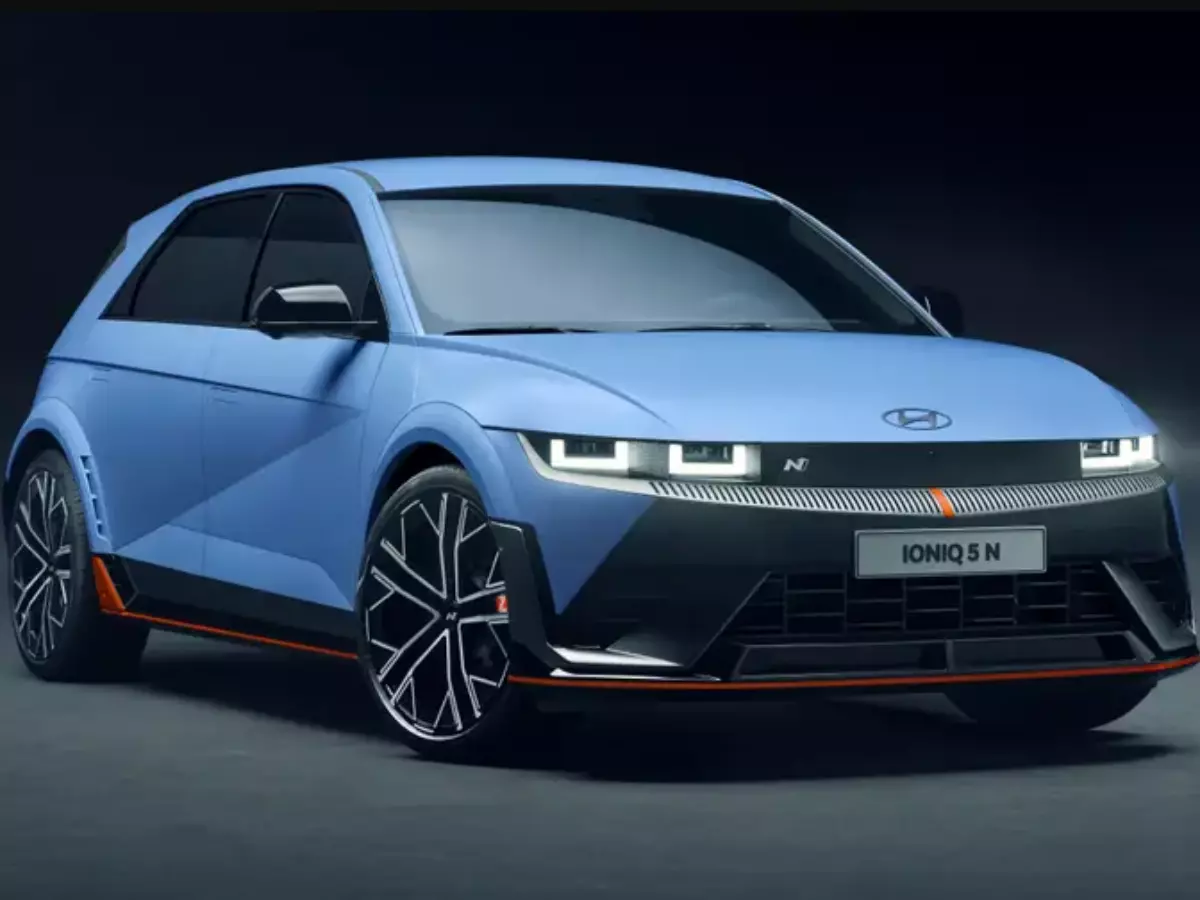
Urban driving has changed dramatically over the past decade, especially in crowded cities where parking space is limited and traffic never seems to rest.
Electric vehicles have quietly become one of the smartest solutions for city life, not just because they reduce local emissions, but because many of them are designed with compact footprints and excellent low speed control.
For drivers who regularly deal with narrow lanes, tight apartment parking, and busy curbside spots, size and maneuverability matter just as much as range or performance.
Modern EV sedans are often easier to park than traditional fuel powered cars. Their battery placement allows for shorter overhangs, flatter floors, and tighter turning circles.
Many electric sedans also offer strong steering response and instant torque at very low speeds, which makes inching into a parking slot far less stressful. Regenerative braking further improves control, letting drivers slow the car smoothly without constant pedal adjustments.
City focused EVs also benefit from advanced parking aids. Features like surround cameras, precise sensors, and automatic parking systems are more common in electric models than in older city cars.
These technologies help drivers judge distances accurately in cramped environments, reducing the risk of scrapes and dents. Even first time EV owners quickly appreciate how confidence inspiring these systems can be during daily use.
Another important factor is noise and heat. EVs operate quietly and produce less heat in stop and go traffic, which makes urban driving more comfortable.
This is especially valuable in dense residential areas where silent operation is appreciated and long idling times are common. Charging infrastructure in cities has also improved, making compact EV sedans practical for apartment dwellers and office commuters alike.
This article focuses on seven electric sedans from global markets that fit easily into tight city parking spaces. Each model has been selected for its manageable size, urban friendly design, and everyday usability.
These cars are not just small on paper, but genuinely easy to live with in real world city conditions. If parking space is a constant challenge in your daily routine, these EVs deserve close attention.
Also Read: 8 New Sedans That Hold Up Well to Daily City Use
1. Renault Zoe E Tech Electric
The Renault Zoe E Tech Electric has long been regarded as one of the most city friendly electric sedans available in global markets.
Its compact exterior dimensions make it ideal for navigating narrow streets and squeezing into parking spaces that larger cars simply cannot use. In many European cities, the Zoe feels perfectly scaled for urban life.
One of the biggest advantages of the Zoe is its short overall length combined with a tight turning radius. This allows drivers to perform U turns and parking maneuvers with minimal effort. Parallel parking in busy areas becomes far less intimidating, even for drivers who are not particularly confident with tight spaces.
The upright seating position also helps during parking. Visibility from the driver seat is excellent, with a clear view of the bonnet edges and rear corners. This makes it easier to judge distances when reversing into a tight slot or edging close to walls and pillars in underground garages.
Electric power delivery in the Zoe is smooth and predictable at low speeds. There is no sudden surge or lag when gently pressing the accelerator, which is ideal for precise movements in parking areas. The single-speed transmission removes any jerky gear changes, adding to the sense of control.
Renault has equipped the Zoe with practical urban features that further enhance its city appeal. Parking sensors and camera systems provide accurate feedback, helping drivers make fine adjustments without stress. The steering is light at low speeds, which reduces effort during repeated parking attempts.
Despite its compact size, the Zoe still offers a usable boot and comfortable seating for daily commuting. This balance between interior space and exterior compactness is one of its strongest traits. Owners do not feel like they are sacrificing practicality just to gain easier parking.
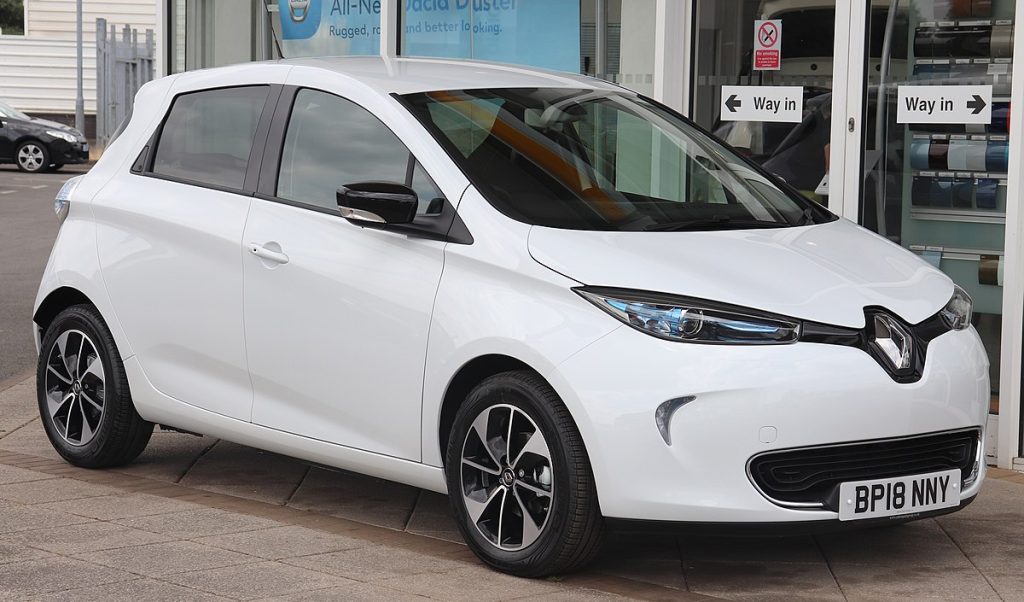
Charging convenience is another city-friendly aspect. The Zoe supports a range of charging options, including public AC chargers commonly found in urban areas. This makes it suitable for drivers who rely on street-side or shared charging points rather than private garages.
Overall, the Renault Zoe E Tech Electric stands out as a well-rounded urban EV sedan. Its small footprint, excellent manoeuvrability, and thoughtful design make it one of the easiest electric cars to park in tight city environments. It proves that practical city mobility does not require a large or intimidating vehicle.
2. Nissan Leaf
The Nissan Leaf is one of the most recognizable electric sedans in global markets, and its city friendly size plays a major role in its long running popularity.
While it offers more interior space than ultra compact EVs, its exterior dimensions remain manageable enough for dense urban parking conditions. This balance makes it appealing for drivers who want comfort without sacrificing ease of use.
In tight city environments, the Leaf feels predictable and easy to place. The car’s proportions are well judged, with short front and rear overhangs that reduce the risk of scraping bumpers in narrow parking bays. This is especially helpful in older city areas where parking spots were designed for much smaller vehicles.
Low speed steering response is another strength. The steering wheel is light and responsive during parking maneuvers, allowing quick corrections without strain. This becomes valuable in multi level parking structures where constant turning is required to align the car properly.
The electric drivetrain makes slow speed control smooth and precise. Gentle throttle inputs result in controlled movement, which is ideal when edging into tight slots. There is no engine vibration or clutch engagement to disturb the driver’s focus during careful parking attempts.
Visibility from the driver seat is also well suited for urban driving. The wide windshield and large side windows help drivers judge surrounding obstacles accurately. Rear visibility is supported by parking sensors and camera systems that reduce blind spots in cramped spaces.
Despite being easy to park, the Leaf does not feel compromised inside. It offers comfortable seating and enough rear legroom for daily family use. This makes it suitable for city dwellers who need one car to handle commuting, errands, and occasional longer drives.
The Leaf’s battery placement under the floor lowers the center of gravity. This improves stability during slow turns and ramps commonly found in parking garages. The car feels planted and predictable, even on steep or narrow inclines.
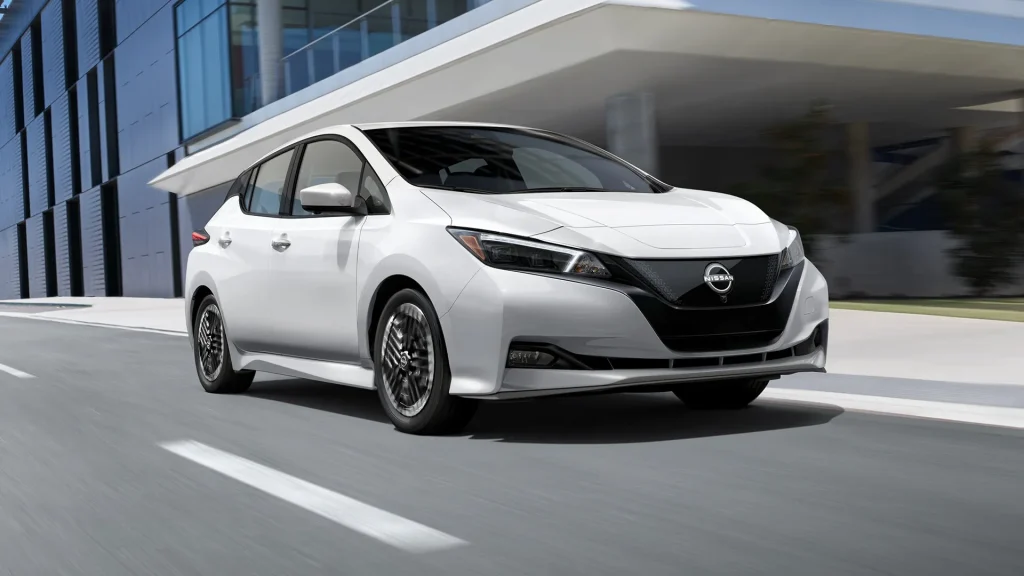
Charging convenience further supports city usability. The Leaf is compatible with widespread charging standards, making it easy to recharge at public stations found in urban areas. This suits drivers who may not have access to private charging at home.
Overall, the Nissan Leaf remains a strong choice for tight city parking thanks to its sensible size, smooth low speed behavior, and practical design. It proves that an electric sedan can be both family friendly and easy to manage in crowded urban spaces.
3. BMW i3 Sedan Variant
The BMW i3 sedan variant brings a unique approach to city focused electric mobility. While it carries premium branding, its design philosophy clearly prioritizes urban practicality. Compact dimensions and innovative engineering make it exceptionally easy to park in tight city environments.
One of the standout features of the i3 is its narrow body and short length. These proportions allow it to slip into parking spaces that would challenge many conventional sedans. In cities where curbside parking is limited, this advantage becomes immediately noticeable.
The turning radius of the i3 is impressively tight. This allows drivers to maneuver through narrow lanes and make sharp turns into parking spots with minimal effort. U turns on small streets often require less space than expected, which reduces stress during daily driving.
Electric power delivery is finely tuned for urban use. Acceleration at low speeds is smooth and immediate, but never abrupt. This makes precise positioning easy when reversing or moving forward slowly into a confined slot.
Visibility is another area where the i3 excels. The large glass area and upright seating position give drivers a clear view of their surroundings. This improves confidence when navigating close obstacles like pillars, walls, and neighboring vehicles.
BMW has equipped the i3 with advanced parking assistance features that further simplify tight parking. Sensors provide accurate distance readings, and automated systems can help guide the car into suitable spaces. These technologies are especially useful in crowded city centers.
Despite its compact exterior, the interior feels open and airy. Clever packaging ensures that passengers have enough headroom and legroom for daily commutes. The boot is practical for groceries and small luggage, meeting typical urban needs.
The lightweight construction of the i3 contributes to its agility. The car responds quickly to steering inputs, making it feel nimble rather than bulky. This agility is particularly helpful in parking garages with narrow ramps and sharp corners.
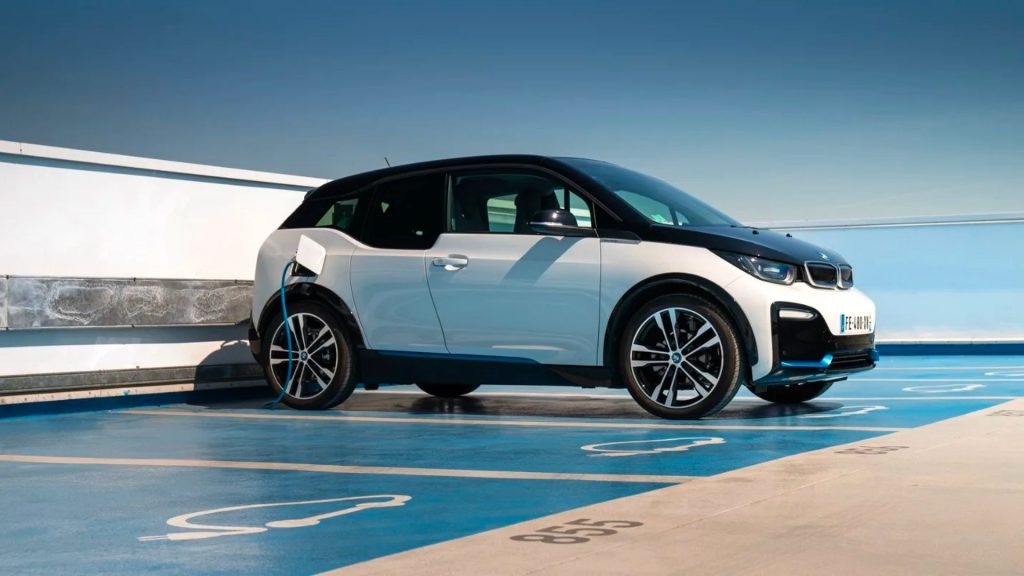
From an ownership perspective, the i3 suits city lifestyles well. Its electric range is sufficient for daily use, and charging options are compatible with urban infrastructure. The quiet operation also makes it ideal for residential neighborhoods.
In summary, the BMW i3 sedan variant stands out as a premium yet highly practical choice for tight city parking. Its compact size, excellent maneuverability, and thoughtful design make it one of the easiest electric sedans to live with in dense urban settings.
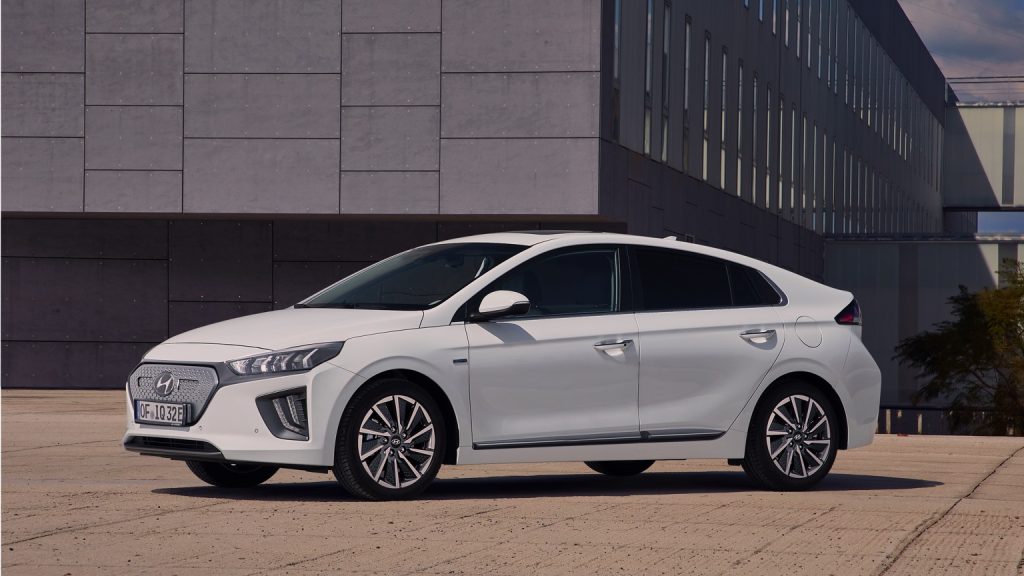
4. Hyundai Ioniq Electric
The Hyundai Ioniq Electric has earned a strong reputation as a practical and easy to manage electric sedan for urban environments. Its exterior dimensions are well suited to crowded cities, where parking space is often limited and maneuverability matters more than aggressive styling. The Ioniq feels purpose built for daily city use rather than oversized presence.
One of the key advantages of the Ioniq Electric is its balanced length and width. It is compact enough to fit comfortably into tight parking slots, yet not so small that it feels compromised inside. This balance helps drivers park confidently without constantly worrying about scraping nearby vehicles.
Low speed handling is smooth and predictable. The electric motor delivers power gently when creeping forward or reversing, allowing fine control during parking maneuvers. This makes it easier to align the car properly in narrow spaces or between closely parked vehicles.
The steering system is tuned for urban comfort. At low speeds, the steering feels light and responsive, reducing effort during repeated turns in parking garages. This is especially helpful in apartment complexes with narrow ramps and sharp corners.
Visibility from the driver seat is another strong point. The windshield is wide, and the seating position offers a clear view of the front edges of the car. Rear visibility is supported by parking sensors and camera assistance, making tight reverse parking less stressful.
The Ioniq Electric also benefits from a low center of gravity due to its battery placement. This adds stability when navigating sloped parking areas or uneven surfaces often found in older city structures. The car feels composed and easy to control even in awkward situations.
Inside the cabin, space is used efficiently. The flat floor design improves legroom, while the boot is large enough for daily errands and shopping. This practicality means drivers do not need to trade comfort for easier parking.
Charging convenience further enhances its urban appeal. The Ioniq Electric supports commonly available public charging systems, making it suitable for city residents who rely on shared charging infrastructure. Its range is more than sufficient for daily commuting needs.
Noise levels are low, which improves comfort during slow moving traffic and parking. Quiet operation also makes it more pleasant to drive through residential areas where constant engine noise can be tiring.
Overall, the Hyundai Ioniq Electric stands out as a thoughtfully designed urban EV sedan. Its compact footprint, easy maneuverability, and practical interior make it an excellent choice for drivers who regularly face tight city parking conditions.
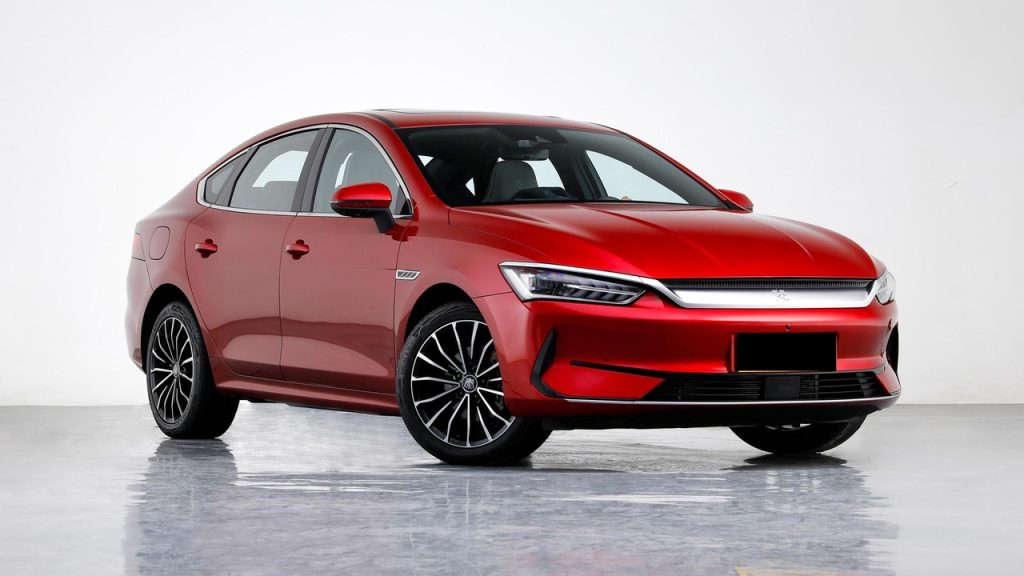
5. BYD Qin Plus EV
The BYD Qin Plus EV represents a new generation of electric sedans designed with efficiency and city usability in mind. Popular across several global markets, this model combines modern design with dimensions that remain friendly to dense urban environments. It is a sedan that feels comfortable in tight spaces without appearing undersized.
From the outside, the Qin Plus EV maintains clean and simple proportions. Its length and width are controlled, allowing it to fit into parking spots commonly found in crowded city centers. This makes it easier to live with than many larger electric sedans.
Low speed drivability is one of its strongest attributes. The electric motor responds smoothly to small throttle inputs, which is ideal for careful parking. Drivers can ease the car into tight spaces without sudden movements or hesitation.
The steering setup is tuned to prioritize comfort and precision at city speeds. Light steering effort helps during parallel parking and multi point turns. This reduces fatigue when navigating congested areas with limited room to maneuver.
Visibility is well managed thanks to a thoughtfully designed cabin layout. The driver seat offers a clear view of surrounding obstacles, while parking assistance systems help judge distances accurately. This is particularly useful in underground or basement parking areas.
The Qin Plus EV also benefits from a stable and balanced chassis. The battery placement improves weight distribution, helping the car remain composed during slow turns and tight parking maneuvers. This adds confidence in situations where precision is required.
Interior space is generous for a compact oriented sedan. Rear passengers enjoy adequate legroom, and the boot can easily handle daily luggage or groceries. This makes the car practical for families who spend most of their time driving within the city.
Urban comfort is further enhanced by quiet operation and smooth suspension tuning. Speed bumps, ramps, and uneven parking surfaces are handled without harshness. This improves the overall driving experience in typical city conditions.
Charging infrastructure compatibility makes the Qin Plus EV suitable for apartment living. It supports common charging standards used in urban areas, allowing drivers to recharge conveniently without relying solely on home charging.
In summary, the BYD Qin Plus EV is a strong contender for tight city parking. Its manageable size, smooth, low-speed control, and practical interior make it a well-rounded electric sedan for modern urban lifestyles.
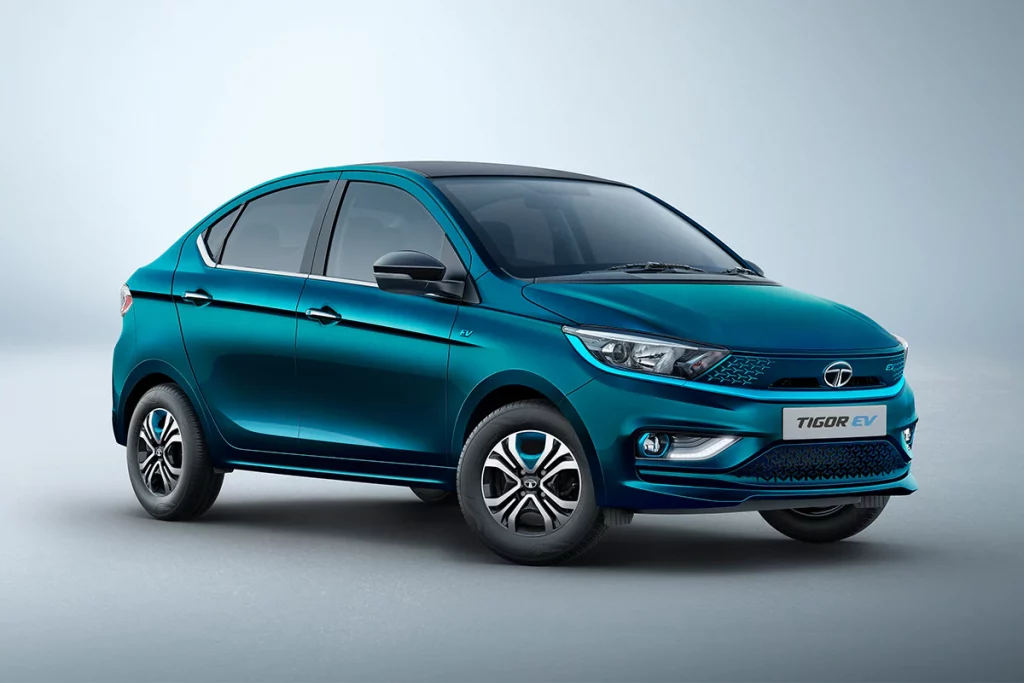
6. Tata Tigor EV
The Tata Tigor EV is a compact electric sedan that has been developed with real world city usage in mind. Its design priorities clearly focus on practicality, ease of driving, and stress free parking in crowded urban environments. For cities with narrow roads and limited parking infrastructure, the Tigor EV feels appropriately sized.
One of the biggest advantages of the Tigor EV is its short overall length. Compared to many modern sedans, it occupies noticeably less road and parking space. This makes it easier to fit into tight curbside slots and small residential parking bays without repeated adjustments.
The compact footprint also helps when navigating congested streets. Making tight turns into parking lanes or basement ramps requires less steering input, which improves confidence for daily city driving. The car never feels bulky or difficult to position.
Low speed control is smooth and predictable. The electric motor responds gently to small accelerator inputs, allowing the driver to creep forward or reverse with precision. This level of control is especially useful when parking between closely spaced vehicles.
The steering system is light at city speeds. During parking maneuvers, the steering wheel requires minimal effort, reducing fatigue in stop and go situations. This is helpful in apartment complexes where multiple turns are needed to reach a parking spot.
Visibility is another strong point. The driver seating position offers a clear view of the front and sides of the car. This helps in judging distances accurately when squeezing into tight spaces or avoiding obstacles like pillars and walls.
Rear parking assistance further improves usability. Sensors provide timely feedback, allowing drivers to correct alignment before getting too close. This reduces the risk of minor bumps that are common in crowded parking areas.
Inside the cabin, the Tigor EV uses space efficiently. While compact on the outside, it offers adequate room for daily commuting needs. The boot remains usable for groceries and routine errands, which suits urban lifestyles well.
The battery placement under the floor lowers the center of gravity. This improves stability during slow speed turns and ramps found in parking garages. The car feels planted and controlled, even on uneven surfaces.
Ride comfort is tuned for city conditions. Speed breakers, rough patches, and sloped parking entries are handled smoothly. This adds to the overall ease of ownership in dense urban areas.
Charging convenience supports city living. The Tigor EV can be charged using commonly available urban charging solutions, making it suitable for drivers without dedicated home charging setups.
Overall, the Tata Tigor EV stands out as a sensible and accessible electric sedan for tight city parking. Its compact size, easy handling, and practical design make it well suited for everyday urban use.
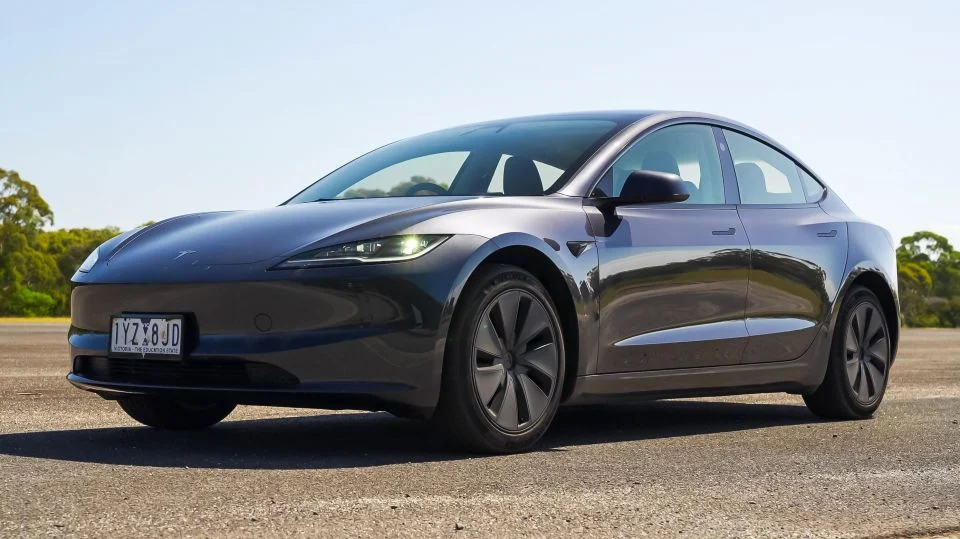
7. Tesla Model 3
The Tesla Model 3 may appear larger than some city focused EVs, but its intelligent design and advanced maneuvering systems make it surprisingly easy to park in tight urban environments. Among global electric sedans, it offers a unique blend of technology and usability for city dwellers.
One of the key reasons the Model 3 works well in cities is its well balanced proportions. While it offers a spacious cabin, the car avoids excessive length and overhangs. This helps when fitting into standard parking spaces commonly found in urban areas.
The low speed driving experience is exceptionally smooth. Power delivery is instant yet controlled, allowing precise movements during parking. The absence of engine noise and gear shifts helps drivers focus fully on positioning the car accurately.
Steering response at low speeds is light and direct. This makes tight turns and repeated steering corrections easy, even in confined parking garages. The turning circle is well optimized for a sedan of its size.
Visibility is enhanced by the large glass area and minimalist dashboard layout. Drivers have a clear view of the surroundings, which improves confidence when navigating narrow gaps or reversing into tight slots.
Advanced camera systems play a major role in city parking. The Model 3 provides detailed visual feedback around the car, helping drivers judge distances precisely. This reduces reliance on guesswork in cramped spaces.
Automated parking assistance further simplifies urban ownership. The car can assist with parallel parking in challenging environments, making it easier for drivers who regularly park on busy streets.
Despite its city friendly maneuverability, the Model 3 does not compromise on interior comfort. The cabin feels open and spacious, making it suitable for daily commuting as well as longer trips beyond the city.
The flat floor and efficient packaging improve rear passenger comfort, while the boot offers ample storage for daily needs. This versatility means owners do not need a second vehicle for practicality.
The low center of gravity from the battery pack enhances stability. This is noticeable when navigating ramps, slopes, and tight corners in parking structures. The car remains composed and predictable at all times.
Charging infrastructure compatibility supports urban lifestyles. The Model 3 can be charged at a wide range of public charging points, making it practical even for apartment residents.
In conclusion, the Tesla Model 3 proves that a modern electric sedan can still fit comfortably into tight city parking scenarios. Its smart design, advanced assistance systems, and refined low speed behavior make it a strong option for urban drivers.
Living in a crowded city often means dealing with limited parking space, narrow lanes, and constant stop and go traffic.
Choosing the right electric sedan can significantly reduce daily driving stress, especially when parking is a regular challenge. The seven EVs discussed in this article show how smart design and compact dimensions can make urban life easier.
Each of these electric sedans focuses on manageable size, smooth low speed control, and easy maneuverability.
Shorter lengths, tighter turning circles, and light steering play a major role in helping drivers fit into tight parking spots with confidence. These qualities matter more in real city conditions than outright performance figures.
Electric drivetrains add another layer of convenience. Precise throttle response and single speed operation allow careful movement in cramped spaces. Drivers can ease into parking slots without sudden jerks or hesitation, which is a major advantage over many traditional fuel powered sedans.
Visibility and parking assistance features further improve usability. Clear sightlines, cameras, and sensors help drivers judge distances accurately. This reduces the risk of minor parking damage, which is common in dense urban environments with limited room for error.
Despite their compact footprints, these EVs do not feel impractical. Interior space is used efficiently, offering comfortable seating and usable boot capacity for daily errands and commuting. This balance ensures that drivers do not need to compromise on comfort just to gain easier parking.
Another important factor is urban comfort. Quiet operation, reduced vibration, and smooth ride quality make city driving less tiring. These cars handle speed breakers, ramps, and uneven parking surfaces with composure, improving everyday usability.
Charging compatibility with urban infrastructure also makes these models suitable for apartment dwellers. Public charging support ensures that city residents can own an EV without relying entirely on private garages.
Overall, these seven electric sedans demonstrate that city friendly design is not about being the smallest car on the road.
It is about thoughtful proportions, intelligent engineering, and features that simplify daily driving. For anyone struggling with tight city parking, these EVs represent practical, modern, and stress reducing mobility solutions.
Also Read: 10 Vehicles That Stay Reliable With Short City Trips
