
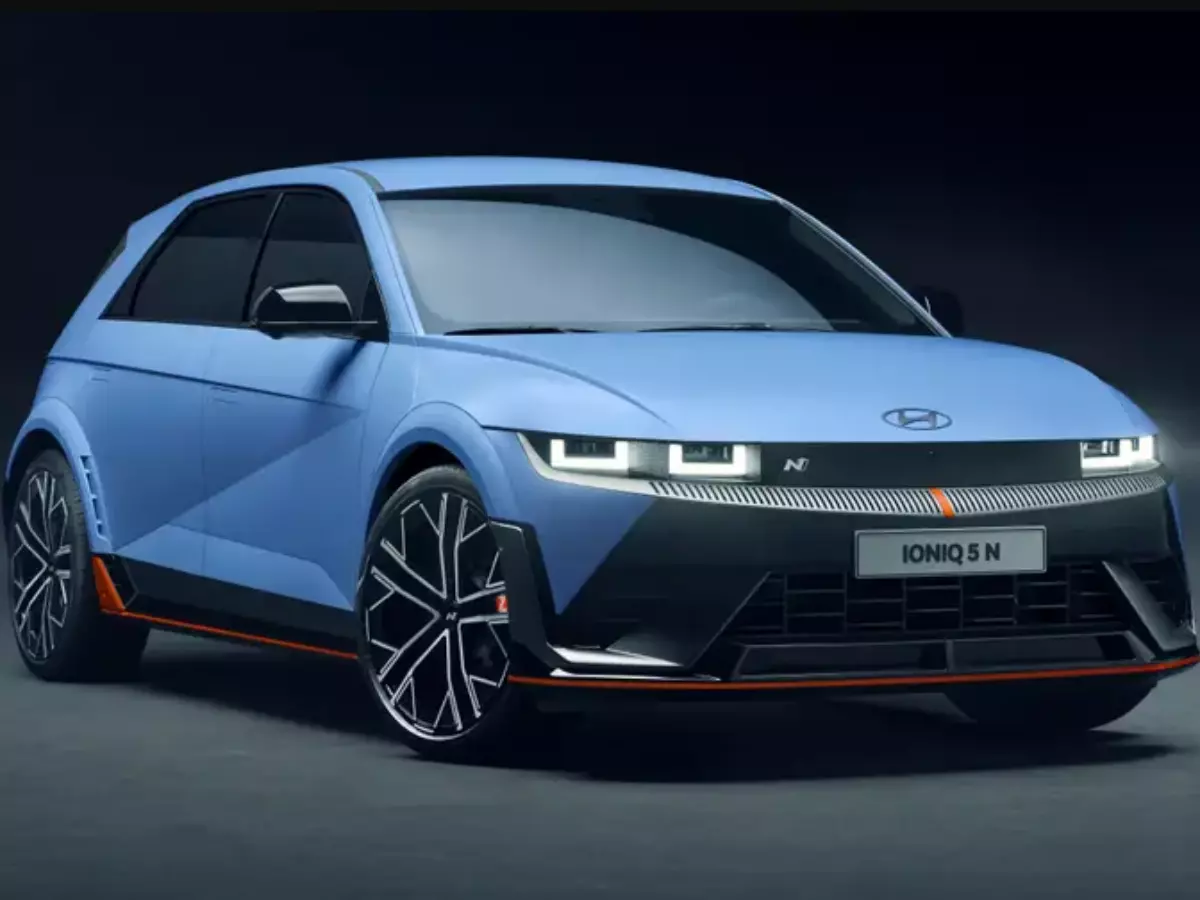
Owning an electric vehicle is often associated with having a private charger at home, but that assumption no longer holds true in many parts of the world.
Urban charging networks have expanded rapidly, making EV ownership possible even for people who live in apartments or rented homes. For many city drivers, reliable public charging is now enough to support daily electric driving without major inconvenience.
Public charging has evolved beyond slow and unreliable outlets. Fast chargers at shopping centers, office complexes, highways, and parking structures allow drivers to recharge while going about their routine.
Workplace charging and neighborhood charging hubs further reduce the need for a personal charger. This shift has opened EV ownership to a much wider audience.
Certain electric sedans are particularly well suited to life without home charging. These models offer efficient energy consumption, strong fast charging support, and enough real world range to cover several days of city driving. They also integrate smart charging software that helps drivers locate chargers and plan stops efficiently.
Battery management plays a crucial role for drivers who rely on public charging. Cars with stable charging curves and consistent performance across different charging networks reduce waiting time and stress.
Many modern EV sedans are designed to charge quickly and predictably, even when the battery is partially full.
Another factor is urban usability. Drivers without home charging often top up their cars in short sessions rather than overnight. EVs that can add meaningful range in 20 to 30 minutes are far more practical in these situations. Comfort, efficiency, and charging flexibility matter more than extreme battery sizes.
This article focuses on nine electric sedans from global markets that make genuine sense without home charging.
Each model has been selected based on charging compatibility, efficiency, and everyday usability. These cars prove that electric driving is no longer limited to homeowners with private garages.
Also Read: Top 10 SUVs That Tower Over Everything Else on the Trail
1. Tesla Model 3
The Tesla Model 3 is one of the most practical electric sedans for drivers who do not have access to home charging. Its widespread charging compatibility and efficient energy use make it easy to live with in cities and dense urban areas.
One of the strongest advantages of the Model 3 is its access to fast charging infrastructure. Drivers can rely on high speed public chargers to add a significant amount of range in a short time. This reduces dependence on overnight charging and allows flexible top ups during errands or travel.
Energy efficiency is another major benefit. The Model 3 consumes less energy per kilometer compared to many larger EVs. This means fewer charging sessions are needed throughout the week, which is ideal for drivers who rely on public chargers.
Charging speed remains consistent across different battery levels. Even short charging stops can add enough range for several days of city driving. This suits people who charge while shopping or during short breaks rather than planning long sessions.
The car’s software helps manage charging efficiently. Built in navigation guides drivers to nearby chargers and estimates charging time accurately. This reduces uncertainty and helps plan daily driving around available infrastructure.
Range stability also matters without home charging. The Model 3 delivers predictable real world range in varied conditions. Drivers can trust the remaining range display, which is essential when chargers are not always immediately available.
Daily usability remains strong despite public charging reliance. The cabin is comfortable for commuting, and the boot space supports regular errands. Owners do not feel limited by the lack of a private charger.
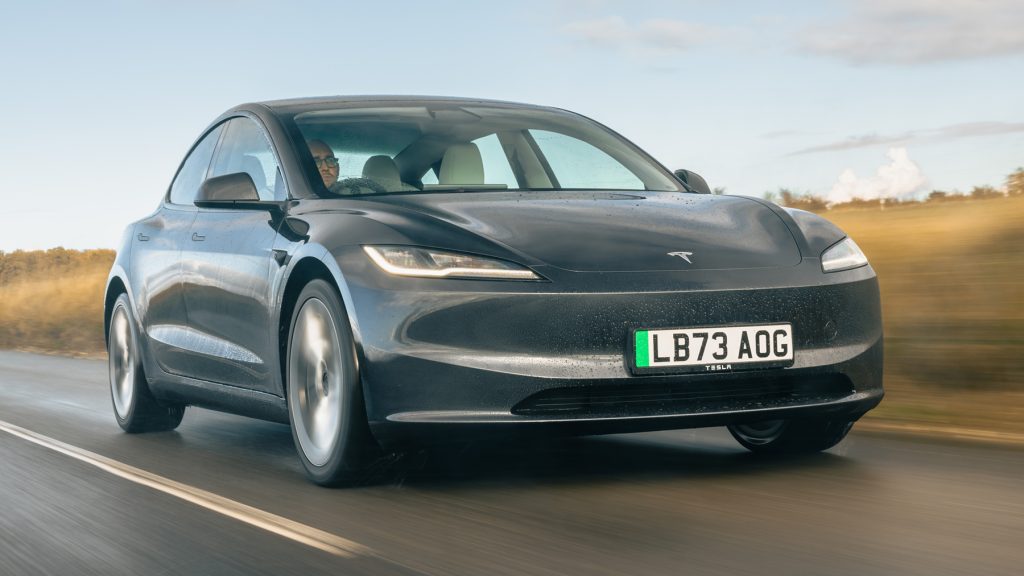
Maintenance and running costs remain low. With fewer moving parts and strong battery durability, the Model 3 suits long term urban ownership. Public charging costs are balanced by high efficiency.
Overall, the Tesla Model 3 proves that a well designed electric sedan can function smoothly without home charging. Its charging speed, efficiency, and smart systems make it one of the easiest EVs to own in this situation.
2. Nissan Leaf
The Nissan Leaf has long been a popular choice for drivers entering the electric vehicle space, especially those without access to home charging. Its straightforward design and reliable charging behavior make it suitable for public charging dependent ownership.
One of the Leaf’s strengths is its compatibility with widely available public chargers. Many urban areas already support its charging standard, allowing drivers to recharge conveniently at malls, offices, and roadside stations.
Charging sessions are predictable and easy to manage. The Leaf charges steadily and does not require complex planning for short top ups. This simplicity is helpful for drivers who charge during daily routines rather than overnight.
Energy efficiency plays a key role in its practicality. The Leaf delivers good range for its battery size, reducing how often drivers need to find a charger. This is especially valuable for city commuters with consistent travel patterns.
Low speed and city driving efficiency further improve usability. Stop and go traffic does not significantly reduce range, making urban driving more predictable. This helps drivers plan charging intervals with confidence.
The interior is comfortable for daily use. Seating and boot space support regular commuting, shopping, and family needs. Owners do not feel restricted despite relying on public charging.
Battery management systems help maintain long term performance. The Leaf is known for stable battery behavior when charged frequently, which suits public charging habits well.
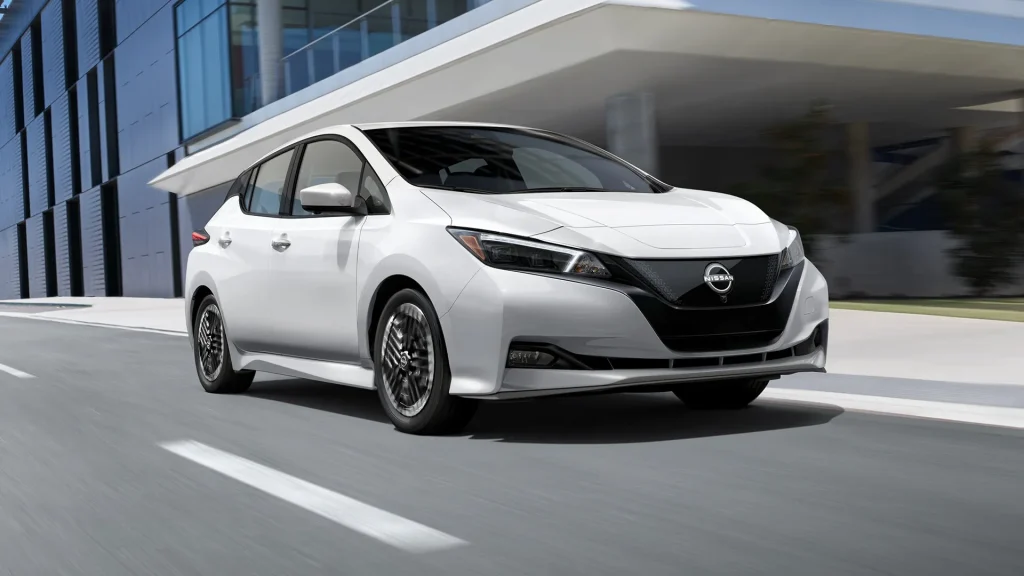
Running costs remain reasonable. Public charging expenses are offset by low maintenance needs and efficient operation. This makes ownership practical for budget conscious city drivers.
Overall, the Nissan Leaf remains a sensible electric sedan for drivers without home charging. Its simplicity, efficiency, and established charging support make it a dependable choice for everyday electric mobility.
3. Hyundai Ioniq Electric
The Hyundai Ioniq Electric is well known for being one of the most efficient electric sedans ever produced. This efficiency is a major advantage for drivers who do not have home charging, as it directly reduces how often public charging is needed. For city focused users, the Ioniq Electric fits naturally into a public charging lifestyle.
One of the biggest strengths of the Ioniq Electric is its low energy consumption. Even with moderate driving, the car can cover several days of commuting on a single charge. This makes it practical for drivers who rely on workplace chargers or nearby public stations.
Fast charging capability adds further convenience. Short charging sessions can restore a meaningful amount of range, which is ideal for people who charge while shopping or during work hours. There is no need to wait for long overnight sessions.
The charging curve remains stable, allowing efficient charging even when the battery is not very low. This supports frequent top ups, which is a common habit for drivers without private chargers. The car adapts well to partial charging routines.
Urban driving suits the Ioniq Electric very well. Smooth power delivery and regenerative braking help maximize range in stop and go traffic. This efficiency reduces anxiety about finding chargers during busy days.
The interior is comfortable and practical for daily use. Seating supports long commutes, while the boot easily handles groceries and luggage. This makes the car suitable as a primary vehicle even without home charging access.
Battery management is reliable over time. The Ioniq Electric has a reputation for maintaining consistent range and performance, even with frequent public charging. This adds confidence for long term ownership.
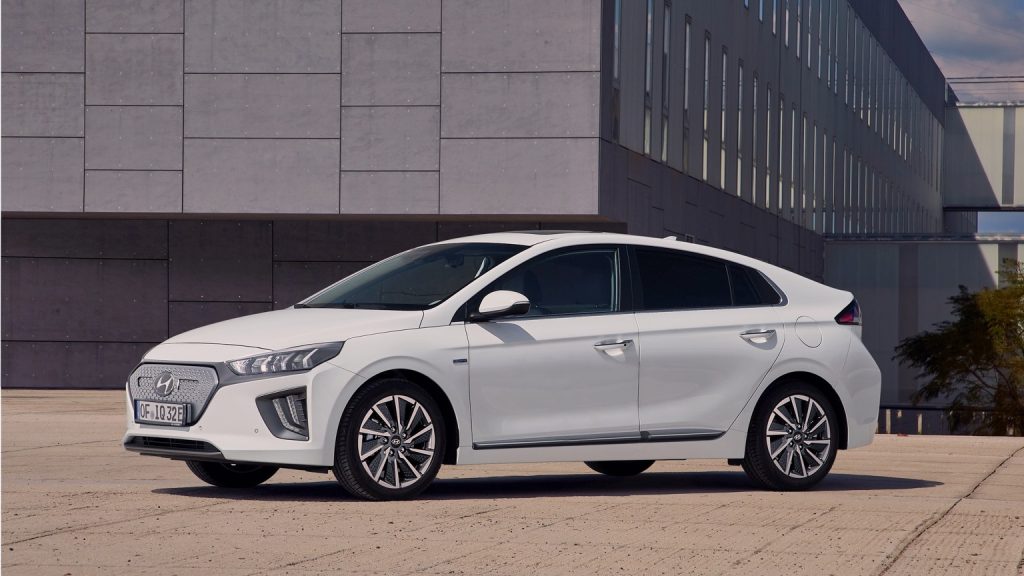
Maintenance costs remain low. With fewer mechanical components and proven reliability, the car suits drivers who want predictable expenses alongside public charging costs.
Overall, the Hyundai Ioniq Electric makes strong sense without home charging. Its excellent efficiency, dependable charging behavior, and daily comfort make it one of the easiest EV sedans to live with in this situation.
4. BYD Qin Plus EV
The BYD Qin Plus EV is designed with efficiency and charging flexibility in mind, making it a strong option for drivers who depend entirely on public charging. Popular across several global markets, it balances range, comfort, and charging convenience effectively.
One key advantage of the Qin Plus EV is its modern battery technology. The battery is optimized for durability and frequent charging, which suits drivers who top up regularly at public stations. This reduces concerns about battery health over time.
Charging performance is practical and predictable. The car supports fast charging that allows drivers to add useful range in short sessions. This fits well into daily routines such as shopping or work breaks.
Energy consumption remains reasonable in city conditions. Smooth acceleration and efficient regenerative braking help conserve battery power during stop and go traffic. This reduces the frequency of charging sessions.
The Qin Plus EV also benefits from smart charging management. The system helps drivers plan charging stops and monitor energy usage accurately. This is important when home charging is not available.
Interior comfort is well suited for daily commuting. Seats provide good support, and cabin space is generous for an efficient sedan. The boot easily handles everyday needs, making the car practical for families and professionals alike.
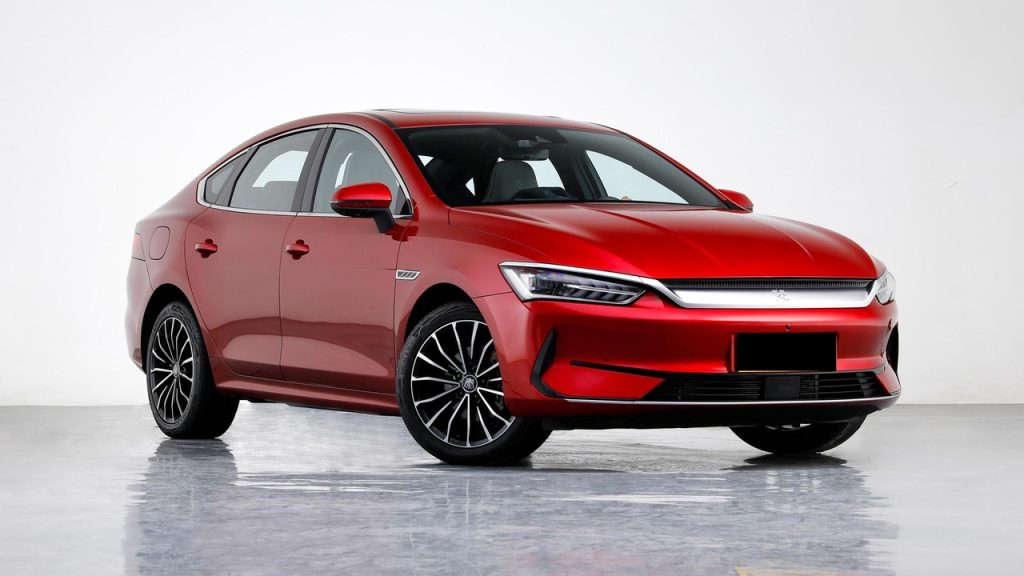
Ride quality adds to its urban appeal. The suspension handles uneven roads and parking structures smoothly, which improves comfort during daily charging related trips.
Public charging costs are balanced by efficient operation. Drivers can manage running expenses predictably without relying on private charging infrastructure.
Overall, the BYD Qin Plus EV proves that modern electric sedans can function smoothly without home charging. Its efficient battery, stable charging behavior, and comfortable design make it a sensible choice for urban EV ownership.
5. Polestar 2
The Polestar 2 is a strong option for drivers who want to own an electric sedan without relying on home charging.
It is designed to work efficiently with public charging networks, making it practical for apartment dwellers and city residents. Its balance of range, charging speed, and software integration suits a public charging lifestyle well.
One of the biggest advantages of the Polestar 2 is its fast charging capability. When connected to a high speed public charger, it can recover a substantial amount of range in a relatively short time. This allows drivers to plan charging stops around work, shopping, or travel breaks.
Energy efficiency is solid for its size and performance level. While it is not the lightest EV, the Polestar 2 manages power well in city and mixed driving. This reduces how often drivers need to search for charging stations during the week.
Charging behavior remains stable and predictable. The car does not suffer from sharp charging slowdowns early in a session, which is important for drivers who rely on shorter, frequent charging stops rather than long overnight sessions.
Built in charging tools add convenience. The infotainment system helps locate nearby chargers and provides accurate range estimates. This reduces uncertainty when planning daily driving without a private charger.
Urban driving efficiency is further supported by regenerative braking. Stop and go traffic helps recover energy, extending usable range between charges. This is especially helpful in dense cities where traffic conditions are unpredictable.
Interior comfort makes the Polestar 2 suitable as a primary vehicle. The cabin feels solid and well insulated, which improves comfort during frequent short trips to charging locations. Boot space is adequate for daily needs.
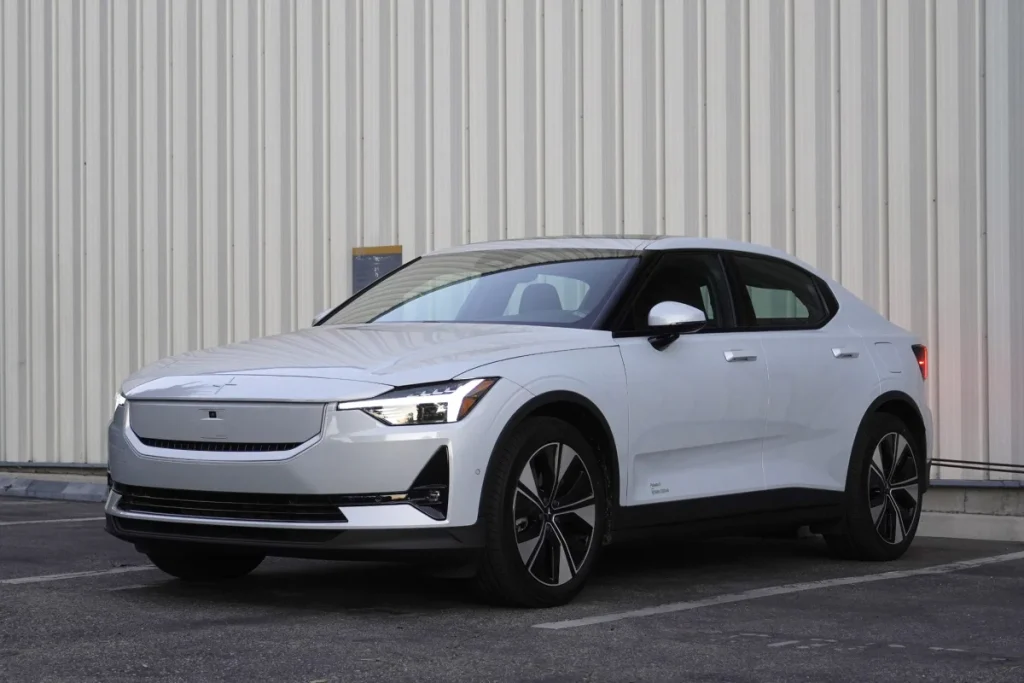
Battery durability is designed for regular public charging. The car is engineered to handle frequent fast charging without excessive degradation, which is important for long term ownership without home charging.
Overall, the Polestar 2 makes sense for drivers who depend on public charging. Its fast charging support, reliable range, and well integrated technology make it easy to manage daily electric driving without a private charger.
6. BMW i4
The BMW i4 is a premium electric sedan that works surprisingly well for owners without home charging. Its efficient powertrain and strong fast charging performance make it suitable for urban users who rely on public infrastructure. It combines comfort with charging practicality.
Fast charging capability is a key strength of the i4. On public fast chargers, the car can add a meaningful amount of range in a short period. This makes short charging stops productive and reduces the need for long waiting times.
Energy efficiency is well managed for a performance oriented sedan. Even with its strong acceleration, the i4 maintains reasonable consumption levels. This helps reduce charging frequency, which is crucial without home charging access.
The charging curve is designed for real world use. Charging remains efficient through a wide battery range, allowing drivers to top up whenever a charger is available. This suits flexible charging habits common in city life.
The driving experience supports efficiency as well. Smooth power delivery and strong regenerative braking help preserve range in traffic. City driving does not significantly reduce usable range, which builds confidence.
Interior comfort plays an important role for public charging users. The i4 offers a quiet and refined cabin, making it pleasant to use as a daily commuter. Long waits at charging stations feel less tiring inside a comfortable car.
Technology integration helps manage charging. The navigation system assists with charger planning and range prediction. This reduces guesswork and helps drivers avoid unnecessary detours.
Battery design supports long term ownership. The i4 is built to handle frequent charging without major performance loss, which is essential for users who cannot rely on slow overnight charging.
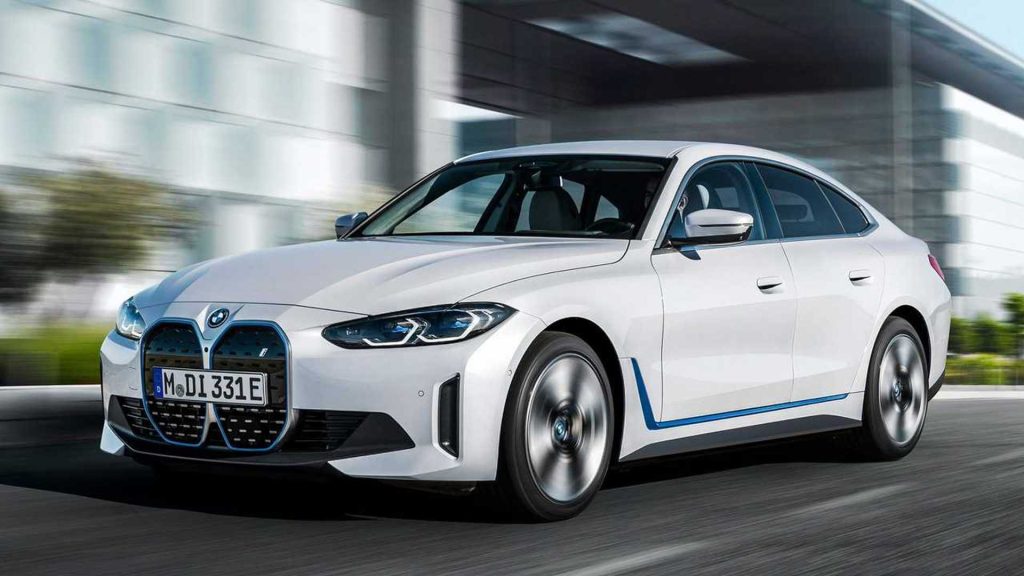
Running costs remain manageable. While public charging can be more expensive than home charging, efficiency and low maintenance help balance expenses over time.
In summary, the BMW i4 is a strong choice for drivers without home charging. Its fast charging ability, dependable range, and premium comfort make it a practical and enjoyable electric sedan for public charging dependent ownership.
7. Volkswagen ID.3
The Volkswagen ID.3 is a compact electric sedan style model that fits naturally into a lifestyle without home charging. It was developed specifically for urban and suburban users who rely on public infrastructure for daily energy needs. Its balance of efficiency, charging speed, and usability makes it practical in many global markets.
One of the biggest strengths of the ID.3 is its efficient energy consumption. The car is designed to travel longer distances using less power, which reduces the frequency of charging sessions. This is especially helpful for drivers who depend on public chargers.
Fast charging capability plays a major role in its appeal. The ID.3 can add useful range in short charging sessions, making it easy to top up during shopping trips or work breaks. Drivers do not need long charging stops to stay mobile.
Charging behavior remains consistent and predictable. The car handles partial charging well, which suits drivers who charge whenever a station is available rather than waiting for very low battery levels. This flexibility supports real world urban use.
City driving efficiency is excellent. Smooth acceleration and strong regenerative braking help recover energy in stop and go traffic. This improves daily range and reduces dependence on frequent charging.
The interior is practical and comfortable for everyday use. Seating is supportive for commuting, and cabin space is used efficiently. The boot is large enough for groceries and daily luggage.
Software support helps manage charging needs. The system provides accurate range estimates and helps drivers plan charging stops. This reduces stress when home charging is not an option.
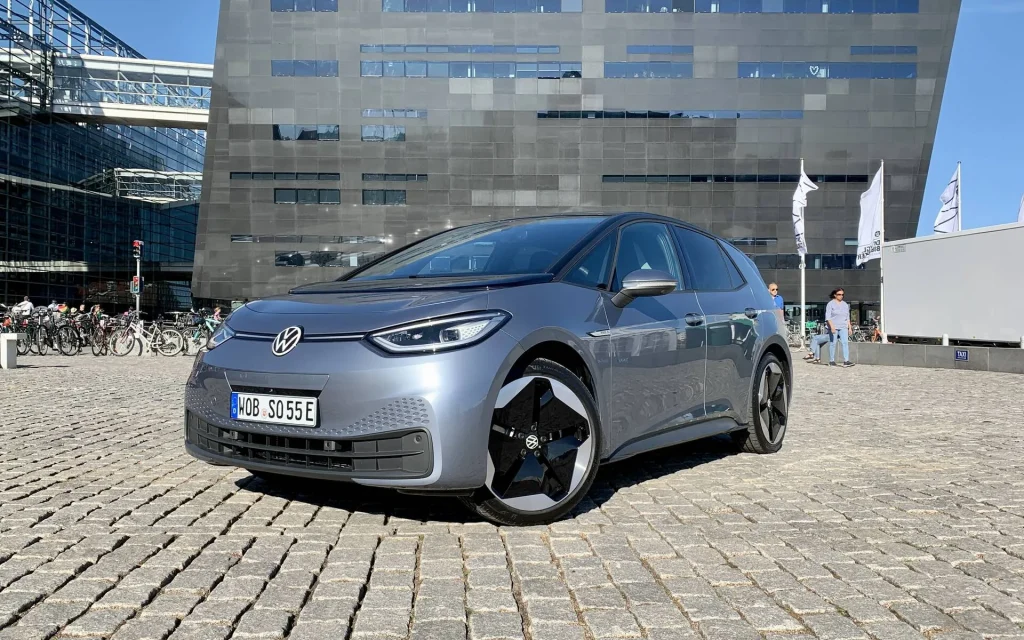
Ride comfort also contributes to its practicality. The suspension handles rough city roads and parking structures well, making frequent short trips more comfortable.
Battery durability is designed for regular public charging. The ID.3 is built to handle repeated fast charging without major performance loss over time.
Overall, the Volkswagen ID.3 is a sensible choice for drivers without home charging. Its efficiency, flexible charging behavior, and urban friendly design make it easy to live with in daily electric use.
8. BYD Seal
The BYD Seal is a modern electric sedan that works well for owners who rely entirely on public charging. It combines strong range, efficient energy use, and reliable charging performance. These qualities make it suitable for city residents and apartment dwellers.
One of the main advantages of the BYD Seal is its efficient battery technology. The battery is designed for frequent charging cycles, which suits drivers who top up regularly at public stations. This helps maintain long term battery health.
Fast charging support makes daily use easier. Short charging sessions can add enough range for multiple days of city driving. This reduces waiting time and improves convenience for busy schedules.
Energy consumption remains controlled even in traffic. Smooth power delivery and effective regenerative braking help conserve range in urban conditions. This lowers the number of charging stops needed each week.
Charging stability is another strength. The Seal charges predictably across different public chargers, reducing uncertainty. Drivers can plan charging stops with confidence.
Interior comfort supports its role as a primary vehicle. The cabin feels spacious and refined, making daily commutes and short charging related trips more pleasant. Boot space is sufficient for routine needs.
Technology integration helps manage public charging. Clear range information and charging feedback allow drivers to make informed decisions throughout the day.
Ride quality adds to urban comfort. Speed breakers, ramps, and uneven parking surfaces are handled smoothly, which improves daily usability.
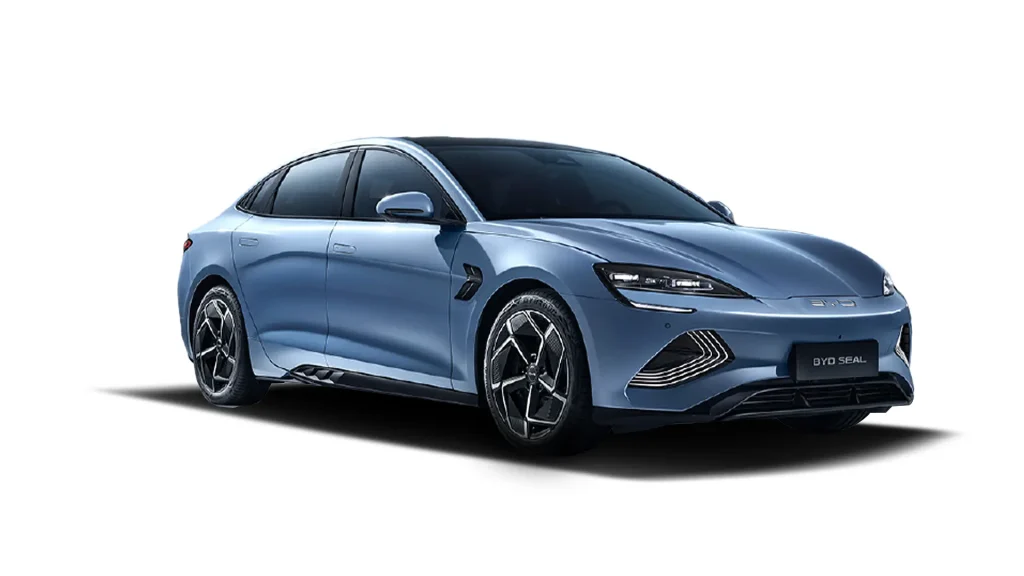
Running costs remain reasonable. Efficient operation helps balance the higher cost of public charging compared to home charging.
In summary, the BYD Seal makes strong sense without home charging. Its efficient battery, fast charging ability, and comfortable design make it a practical electric sedan for modern city living.
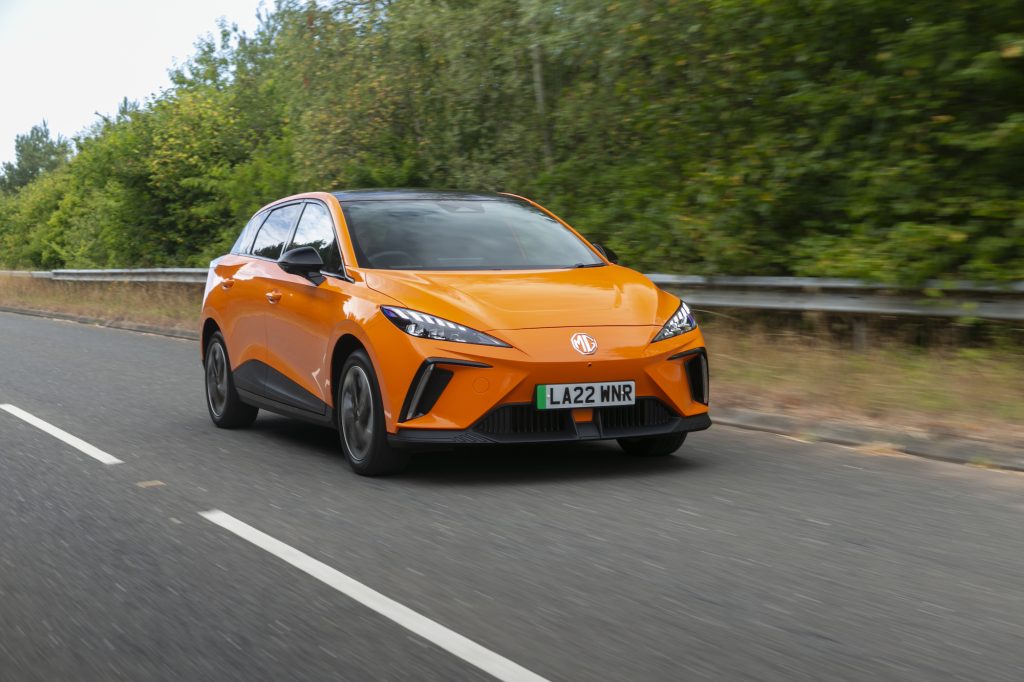
9. MG4 EV Sedan Variant
The MG4 EV sedan variant is designed with practicality and accessibility in mind, which makes it a sensible choice for drivers who do not have home charging. It focuses on efficient energy use, flexible charging behavior, and real world usability rather than oversized batteries or complex ownership requirements.
One of the key reasons the MG4 EV works well without home charging is its efficiency. The car is tuned to make the most of each charge, allowing drivers to cover several days of typical city driving before needing to plug in again. This reduces dependence on frequent charging stops.
Fast charging support adds further convenience. When connected to a public fast charger, the MG4 EV can recover useful range in a short time. This makes it easy to charge during routine activities like shopping or short breaks.
Charging behavior is stable and predictable. The car handles partial charging well, which is ideal for drivers who top up whenever a charger is available. There is no need to wait for very low battery levels to achieve efficient charging.
Urban driving suits the MG4 EV particularly well. Smooth acceleration and effective regenerative braking help preserve energy in stop and go traffic. This improves daily efficiency and extends the time between charging sessions.
The interior is practical for daily use. Seating is comfortable for commuting, and cabin space is used intelligently. The boot can handle groceries, work bags, and regular errands without feeling cramped.
Ride comfort supports frequent short trips. The suspension absorbs bumps and uneven road surfaces commonly found around public charging areas and parking structures. This improves overall usability in city environments.
Technology support helps manage charging needs. Clear range displays and charging information allow drivers to plan their day confidently without home charging access.
Battery durability is designed for frequent public charging. The MG4 EV is built to handle regular fast charging while maintaining stable long term performance.
Overall, the MG4 EV sedan variant makes sense for drivers without home charging. Its efficiency, flexible charging behavior, and practical design make it an approachable and realistic electric sedan for public charging-dependent ownership.
Living without home charging no longer means electric vehicle ownership is impractical. The nine electric sedans covered in this article show how modern EV design has adapted to real world urban living.
Efficient energy use, fast charging support, and predictable battery behavior now allow drivers to rely entirely on public charging infrastructure.
A key theme across these models is efficiency. Cars that consume less energy per kilometer reduce how often drivers need to find a charger. This makes daily life easier for apartment residents and renters who cannot install private charging equipment.
Fast charging capability is equally important. The ability to add meaningful range in short sessions allows charging to fit naturally into everyday routines. Short stops during work, shopping, or travel breaks are enough to keep these cars running smoothly.
Battery management and charging stability also matter. These sedans handle frequent partial charging well, which is essential for public charging users. Drivers can top up whenever convenient without worrying about long term battery health.
Urban usability plays a major role in practicality. Comfortable interiors, smooth ride quality, and quiet operation make frequent short trips more pleasant. These cars feel suited to city life rather than demanding special planning.
Technology support further improves confidence. Accurate range estimates and charging information help drivers plan their day without stress, even when chargers are not immediately available.
Overall, these nine electric sedans prove that home charging is no longer a requirement for EV ownership. With the right vehicle, public charging alone can support a convenient, affordable, and practical electric driving experience in cities around the world.
Also Read: 10 SUVs Discontinued for 2025 That Deserved a Longer Run
