
Stop and go traffic is one of the most tiring parts of daily driving. Constant braking, slow movement, and repeated acceleration place physical and mental strain on drivers. Comfort becomes far more important than speed or performance in these conditions.
Electric vehicles naturally suit stop and go traffic better than fuel powered cars. Smooth acceleration, instant response, and the absence of gear changes reduce driver fatigue during congestion.
However, not all EVs feel equally comfortable in traffic. Some have overly aggressive throttle response, firm suspensions, or braking behavior that feels tiring during long queues.
A comfortable EV for stop and go traffic should move smoothly at low speeds. Throttle response needs to be predictable, and braking should feel natural rather than abrupt.
Regenerative braking plays a major role here. When tuned well, it reduces constant pedal work and makes slow traffic easier to manage. When tuned poorly, it can feel jerky and uncomfortable.
Seating comfort also matters in congestion. Supportive seats, good visibility, and relaxed driving positions help reduce fatigue during long waits.
Cabin quietness adds another layer of comfort. Traffic noise, engine vibration, and idling heat all increase stress in fuel cars. EVs remove many of these issues when designed properly.
Steering behavior is also important. Light and responsive steering helps drivers manage lane changes and tight gaps without effort.
This article focuses on eight electric vehicles from global markets that remain comfortable in stop and go traffic. These EVs are selected for smooth low speed behavior, calm braking, comfortable ride quality, and relaxed driving feel.
They are not chosen for acceleration times or sporty handling. Instead, they focus on reducing stress in daily congestion.
For drivers who spend hours each week in traffic, the right EV can make a noticeable difference. The models discussed here are well suited to that reality.
Also Read: Top 10 SUVs That Tower Over Everything Else on the Trail
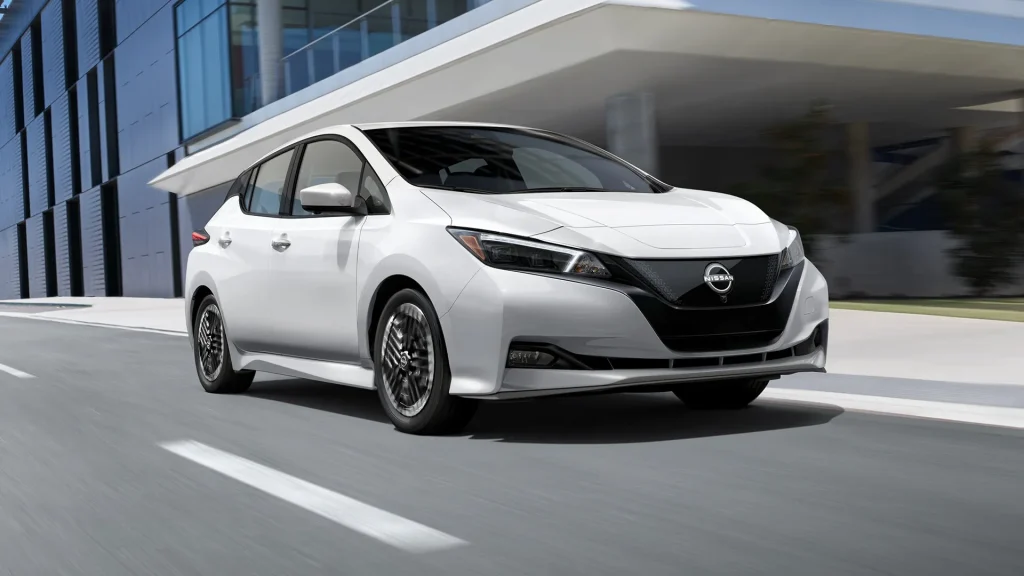
1. Nissan Leaf
The Nissan Leaf is one of the most comfortable electric vehicles for stop and go traffic. Its calm behavior and smooth controls make long periods of congestion easier to handle.
At very low speeds, the Leaf moves forward smoothly without jerks. Crawling traffic feels controlled rather than tiring, which helps reduce constant pedal adjustments.
Throttle response is gentle and predictable. Small inputs result in smooth movement, making it easy to follow traffic flow closely.
Instant electric torque is present but well managed. Pulling away from a stop feels effortless without feeling aggressive or jumpy.
Regenerative braking is tuned for comfort. When lifting off the accelerator, the car slows down smoothly rather than abruptly. Drivers can adjust to the braking feel quickly. The transition between regeneration and brake pedal feels natural in traffic.
Single pedal driving is available but optional. Drivers can choose how much involvement they want during congestion. The absence of gear changes makes a big difference. There is no shifting or hesitation when traffic constantly slows and moves.
Steering effort is light at low speeds. Navigating tight lanes and slow moving queues requires little physical effort. Turning into gaps in traffic feels controlled. The car responds smoothly without sudden steering reactions.
Ride comfort suits urban congestion well. The suspension absorbs small bumps and uneven road surfaces effectively.
Speed breakers and broken pavement do not upset the cabin. Passengers remain comfortable during slow movement.
Cabin quietness greatly reduces stress. Without engine noise, traffic feels calmer even during long jams. Idle time does not create vibration or heat. Sitting still in traffic remains comfortable compared to fuel cars.
Seating comfort supports long periods of sitting. The seats provide enough support without feeling firm or restrictive.
Visibility is good in traffic conditions. Drivers can easily judge distances and surrounding movement.
The upright driving position helps reduce fatigue. Head and neck strain is minimized during long waits.
Climate control works smoothly at low speeds. Cooling and heating remain consistent even when moving slowly. There is no overheating concern during congestion. The electric drivetrain remains calm and stable.
Braking effort stays low throughout traffic. Regenerative braking reduces constant pedal use. The Leaf encourages relaxed driving habits. Smooth responses naturally match traffic flow.
Drivers do not need to concentrate on managing the car. This reduces mental strain during long commutes. Parking lot congestion feels manageable. Low speed precision makes tight movement easier.
Stop and go traffic does not cause frustration. The car feels cooperative rather than demanding. Daily commuting becomes less tiring over time. The Leaf absorbs the stress rather than adding to it.
Passengers also benefit from the calm ride. Movement remains smooth even in unpredictable traffic. Over time, drivers often forget they are in heavy congestion. The car reduces the mental load.
Overall, the Nissan Leaf is comfortable in stop and go traffic because it prioritizes smoothness, predictability, and calm behavior. It turns slow movement into a manageable and relaxed experience.
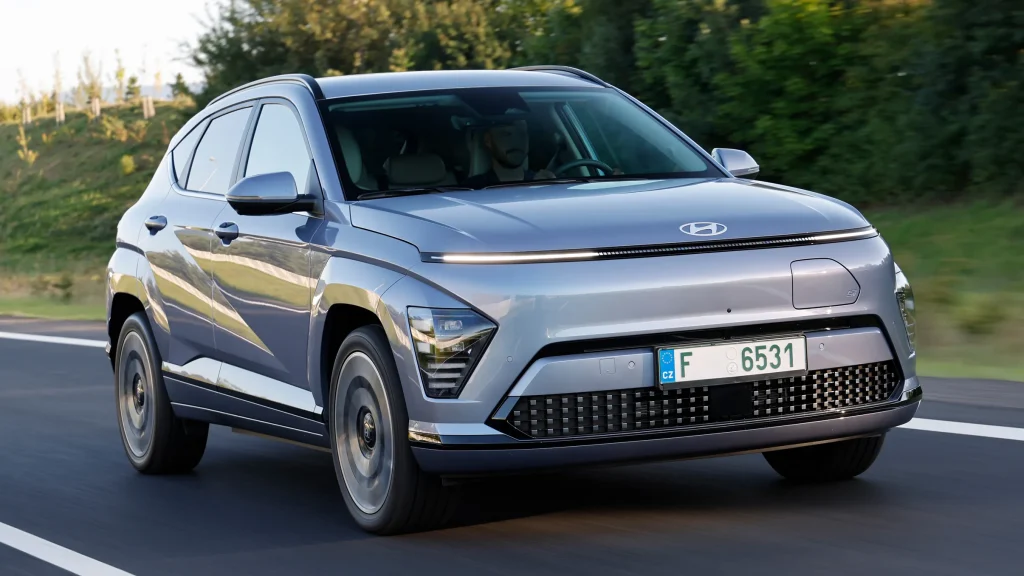
2. Hyundai Kona Electric
The Hyundai Kona Electric is very comfortable in stop and go traffic because its responses are smooth and measured. It avoids sudden movements that can become tiring during long periods of congestion.
At crawling speeds, the Kona Electric moves forward gently. Throttle inputs translate into gradual motion, which helps drivers maintain spacing without constant corrections.
Acceleration from a stop feels controlled rather than sharp. The car pulls away cleanly at intersections without surprising surges that disrupt traffic flow.
Regenerative braking is tuned for balance. Lifting off the accelerator slows the car progressively, reducing the need for frequent brake pedal use.
Drivers adapt quickly to the braking feel in traffic. The transition between regeneration and the brake pedal remains smooth and predictable.
Low speed steering effort is light and reassuring. Navigating tight lanes and crowded junctions requires little physical input.
The Kona Electric feels composed during repeated stop start cycles. There is no hesitation or shudder when traffic inches forward.
Ride comfort plays a big role in congestion. The suspension absorbs small road imperfections, which keeps the cabin calm at low speeds.
Speed bumps and broken pavement do not upset the car. Passengers remain comfortable even when traffic slows to a crawl.
Cabin quietness reduces stress significantly. Without engine noise, long traffic jams feel less draining over time.
Idle time in traffic remains comfortable. No vibration or heat buildup typically adds fatigue in fuel cars. The seating position supports relaxed driving. Seats offer enough support for long waits without causing discomfort.
Visibility helps reduce effort in congestion. Drivers can easily judge distances and surrounding movement while inching forward. Climate control works consistently at low speeds. Cooling and heating remain stable even when the car barely moves.
The Kona Electric does not feel impatient in traffic. It responds calmly to small inputs, which matches urban driving conditions well. Stop and go movement becomes predictable. Drivers do not need to constantly manage throttle and brake inputs.
Turning into gaps feels controlled. The car reacts smoothly without sudden steering response. Parking lot congestion is easy to manage. Low speed precision helps in tight spaces.
The electric drivetrain remains cool and composed during long jams. There is no sense of mechanical strain. Brake pedal effort stays low throughout congestion. Regenerative braking reduces constant pedal pressure.
The car encourages relaxed driving habits. Smooth responses naturally align with traffic pace. Mental fatigue is reduced during long commutes. The car handles the repetition quietly in the background. Passengers also benefit from the calm behavior. Movement remains smooth even when traffic is unpredictable.
Over time, daily congestion feels less frustrating. The Kona Electric absorbs stress rather than adding to it. Overall, the Hyundai Kona Electric is comfortable in stop and go traffic because it combines smooth power delivery, gentle braking, and a calm ride. It makes long periods of congestion easier to tolerate.
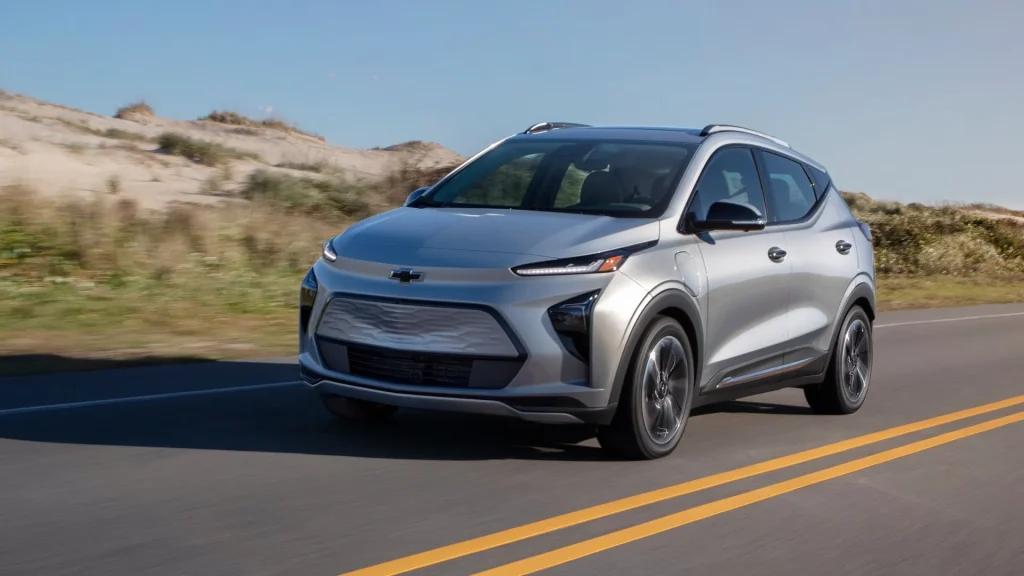
3. Chevrolet Bolt EV
The Chevrolet Bolt EV is well suited for stop and go traffic because of its smooth low speed control and compact dimensions. It feels cooperative rather than demanding in congestion.
At very low speeds, the Bolt EV creeps forward smoothly. Throttle response is linear, making it easy to follow traffic without jerky movements.
Acceleration from a standstill is gentle and predictable. The car moves off cleanly without aggressive behavior that can be tiring in traffic.
Regenerative braking works effectively in congestion. Lifting off the accelerator slows the car steadily, reducing constant brake pedal use.
Drivers quickly get comfortable with the braking feel. The car decelerates smoothly, which helps maintain a relaxed rhythm in traffic.
Steering effort is light at urban speeds. Maneuvering through narrow lanes and slow moving queues requires minimal effort.
The compact size helps in congestion. The Bolt EV fits easily into tight gaps and crowded streets. Turning into side lanes feels controlled. The car responds predictably without sudden steering reactions.
Ride comfort suits stop and go conditions well. The suspension smooths out minor bumps and uneven surfaces.
Passengers remain comfortable during long waits. The cabin does not feel unsettled during slow movement. Cabin quietness is a major benefit. Without engine noise, traffic feels calmer and less mentally draining.
Idle time does not introduce vibration. Sitting still in congestion remains comfortable for longer periods. Seating comfort supports extended periods behind the wheel. Seats provide steady support without pressure points.
Visibility helps reduce effort in traffic. Drivers can judge distances and surrounding movement easily.
Climate control remains effective at low speeds. Cooling and heating stay consistent even in heavy congestion.
The Bolt EV does not rush the driver. Its responses encourage calm and deliberate inputs. Repeated stop start cycles feel effortless. There is no hesitation when traffic inches forward.
Parking lot congestion is easy to manage. Low speed precision helps in tight spaces. Brake effort remains low thanks to regeneration. Drivers avoid constant pedal work.
The electric drivetrain stays smooth and composed during long jams. There is no sense of strain. Traffic noise remains outside the cabin. The interior stays relatively peaceful.
The Bolt EV helps reduce mental fatigue. Smooth control and quiet operation make congestion easier to handle. Passengers notice the calm ride quality. Even unpredictable traffic movement feels controlled.
Over time, daily traffic becomes less frustrating. The car removes many small irritations. The Chevrolet Bolt EV is comfortable in stop and go traffic because it combines gentle responses, compact size, and quiet operation. It turns congestion into a more manageable experience.
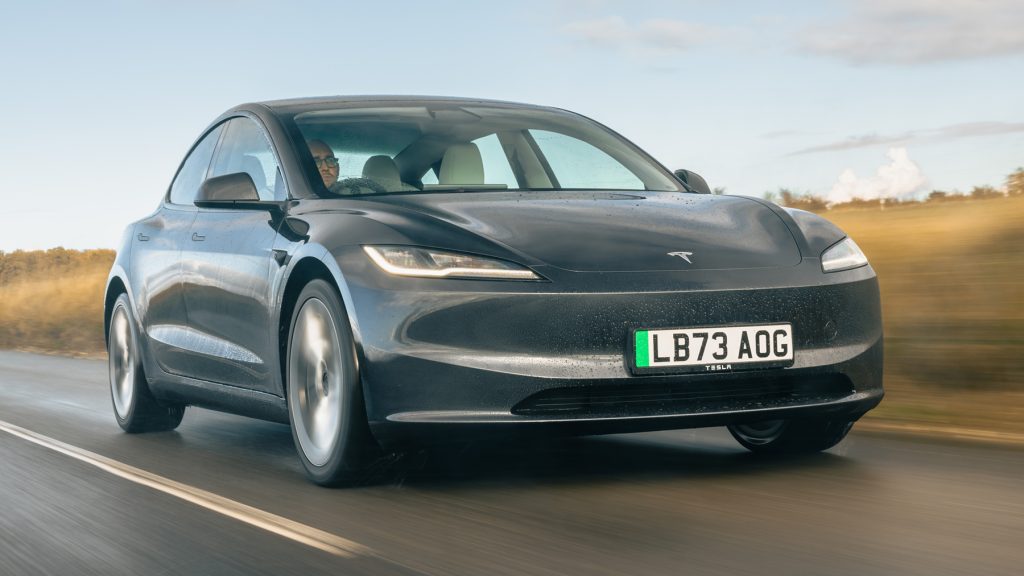
4. Tesla Model 3
The Tesla Model 3 remains comfortable in stop and go traffic because it smooths out the constant inputs that congestion demands. Its calm, low-speed behaviour reduces both physical and mental strain.
At crawling speeds, the Model 3 moves forward smoothly and predictably. Small throttle inputs translate into gentle motion, making it easy to keep pace with traffic.
Acceleration from a stop feels clean and controlled. The car pulls away without hesitation, yet avoids sudden surges that disrupt slow moving queues.
Regenerative braking plays a major role in comfort. Lifting off the accelerator slows the car progressively, reducing the need for constant brake pedal use.
Drivers adapt quickly to one pedal driving in traffic. Once familiar, it minimizes foot movement during repeated stopping and starting.
Steering effort is light at low speeds, which helps during lane changes and tight gaps. The car responds smoothly without abrupt steering reactions.
Ride comfort suits congested city roads well. The suspension absorbs small bumps and uneven pavement, keeping the cabin settled.
Speed breakers and worn surfaces do not upset the car at low speeds. Passengers remain comfortable during long periods of slow movement.
Cabin quietness is a major advantage in traffic. Without engine noise, congestion feels less tiring and less stressful.
Idle time produces no vibration or heat buildup. Sitting still in traffic remains comfortable for extended periods. Seating comfort supports long commutes. Seats provide steady support without causing pressure or fatigue.
Visibility helps drivers judge traffic flow easily. Clear forward and side views reduce effort in tight conditions. Climate control works consistently at low speeds. Cooling and heating remain stable even during prolonged congestion.
The Model 3 feels patient in traffic. It responds calmly rather than rushing the driver through constant inputs. Repeated stop start cycles feel smooth and controlled. The electric drivetrain handles this naturally.
Parking lot congestion becomes easier to manage. Precise low speed control helps in tight spaces. Brake pedal use is reduced significantly. Regenerative braking carries much of the workload.
The drivetrain remains composed during long jams. There is no sense of mechanical stress or strain. Traffic noise stays largely outside the cabin. The interior remains calm and quiet.
Mental fatigue is reduced during daily congestion. The car handles repetition quietly in the background. Passengers benefit from the smooth ride. Movement remains controlled even when traffic flow is unpredictable.
Over time, drivers feel less frustrated by traffic. The car absorbs many of the small stresses. Overall, the Tesla Model 3 is comfortable in stop and go traffic because it blends smooth control, quiet operation, and effective regeneration. It makes congestion easier to tolerate.
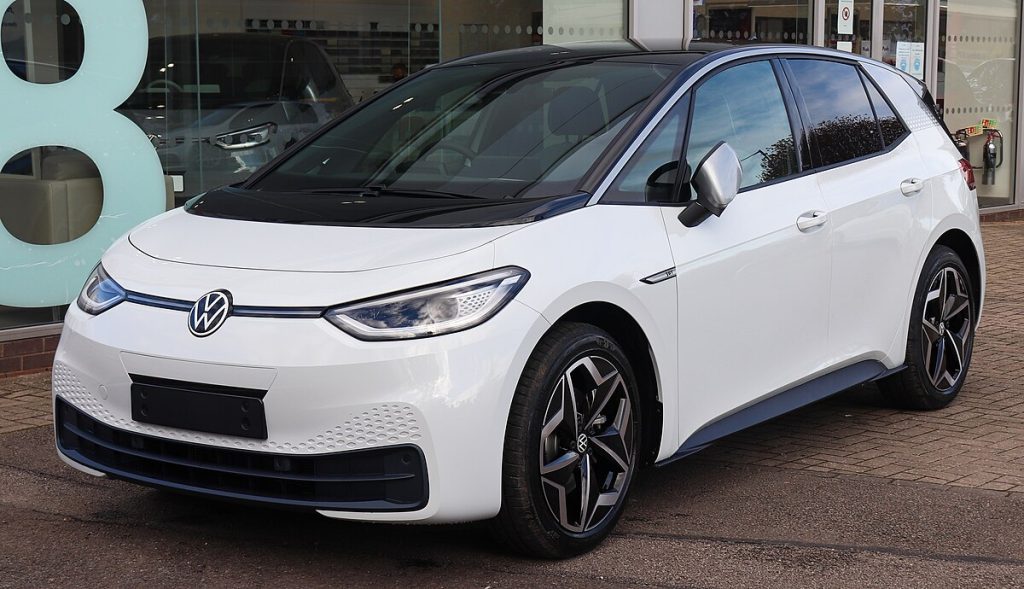
5. Volkswagen ID.3
The Volkswagen ID.3 is designed with urban driving in mind, and this shows clearly in stop and go traffic. Its calm responses help reduce fatigue during long periods of congestion.
At low speeds, the ID.3 moves forward smoothly without jerks. Throttle response is measured, making it easy to follow traffic closely.
Acceleration from a stop feels gentle and controlled. The car avoids sharp movements that can become tiring in traffic. Regenerative braking is tuned for comfort. Lifting off the accelerator slows the car steadily rather than abruptly.
Drivers adapt quickly to the braking feel. The transition between regeneration and the brake pedal feels natural.
Steering effort is light at city speeds. Navigating tight lanes and slow moving queues requires little physical effort. The compact footprint helps in congestion. The ID.3 fits easily into narrow gaps and crowded streets.
Ride comfort is well suited to urban conditions. The suspension smooths out uneven surfaces and minor bumps. Speed bumps and rough patches do not disturb the cabin at low speeds. Passengers remain comfortable.
Cabin quietness adds to comfort in traffic. Without engine noise, congestion feels calmer. Idle time does not introduce vibration. Sitting still remains comfortable during long waits.
Seating comfort supports extended driving. Seats provide steady support without feeling firm. Visibility helps reduce strain. Drivers can easily judge distances and surrounding movement.
Climate control remains consistent in slow traffic. Cooling and heating perform reliably. The ID.3 feels relaxed in stop and go conditions. It does not rush the driver with sudden responses.
Repeated stop start cycles feel smooth. The drivetrain handles traffic naturally. Parking lot congestion is easy to manage. Low speed precision helps in tight spaces.
Brake effort remains low thanks to regeneration. Constant pedal work is reduced. The drivetrain stays composed during long jams. There is no sense of strain.
Traffic noise remains mostly outside. The interior stays calm. Mental fatigue is reduced during daily commutes. The car handles repetition quietly.
Passengers notice the smooth ride. Even unpredictable traffic feels controlled. Over time, congestion feels less frustrating. The car removes many small irritations.
Overall, the Volkswagen ID.3 is comfortable in stop and go traffic because it prioritizes smooth responses and calm behavior. It fits naturally into congested city driving.
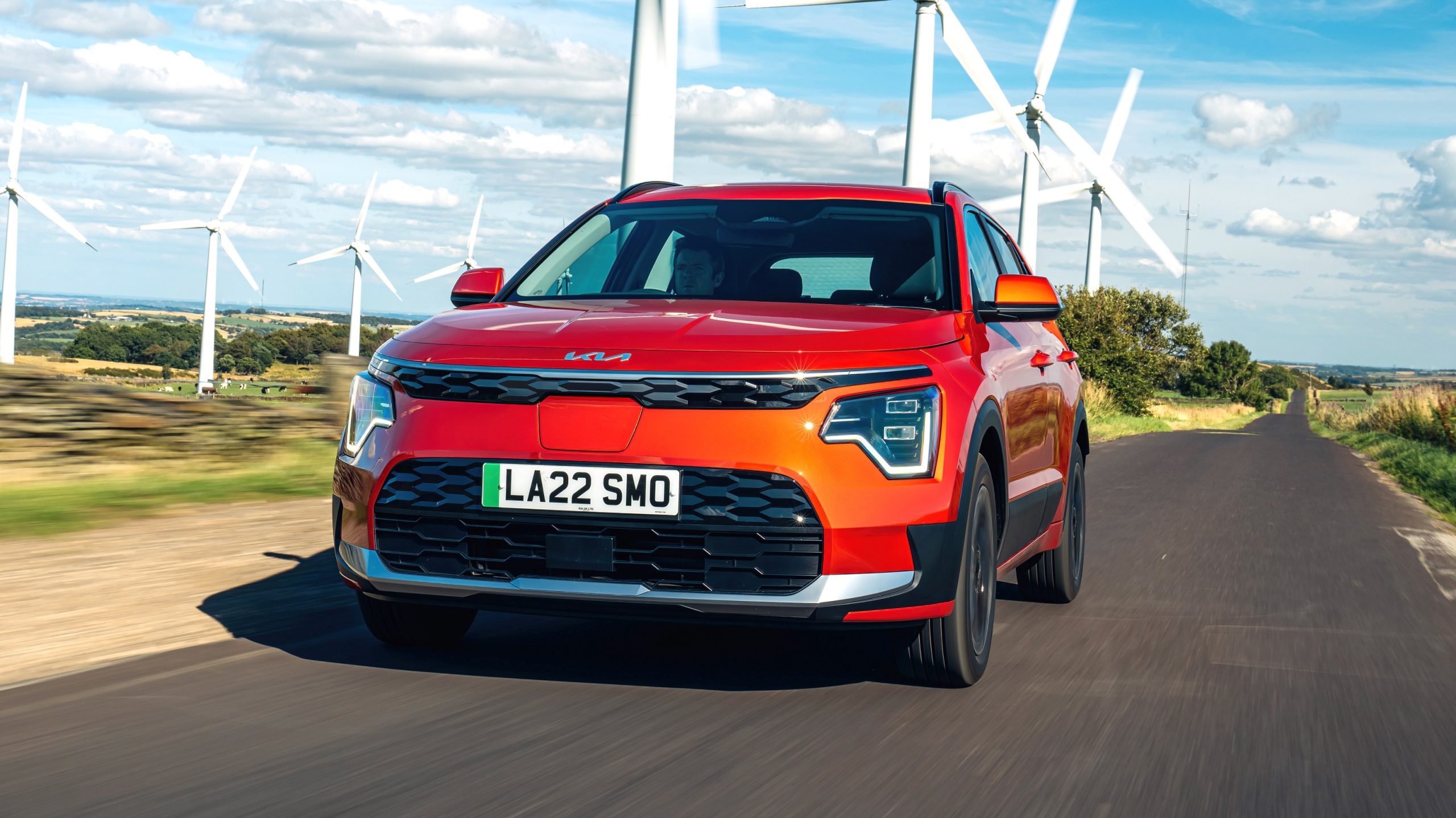
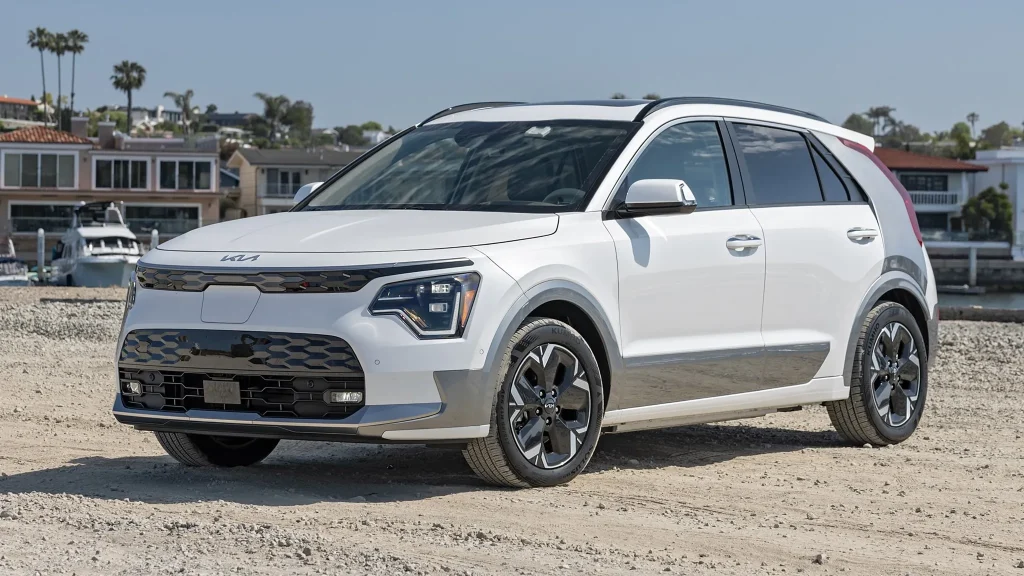
6. Kia Niro EV
The Kia Niro EV is comfortable in stop and go traffic because it prioritizes smoothness and balance over sharp responses. Its calm nature suits long periods of congestion very well.
At crawling speeds, the Niro EV moves forward gently and predictably. Small throttle inputs result in smooth motion, which helps maintain steady gaps in traffic.
Acceleration from a standstill feels controlled and relaxed. The car pulls away cleanly without sudden surges that can feel tiring in repeated stop start situations.
Regenerative braking is tuned for comfort rather than aggression. Lifting off the accelerator slows the car progressively, reducing constant brake pedal use.
Drivers adapt quickly to the braking feel in traffic. The transition between regeneration and braking remains smooth and natural.
Steering effort is light at urban speeds. Maneuvering through tight lanes and slow moving queues requires minimal physical effort.
The Niro EV remains composed during repeated stop start cycles. There is no hesitation or jerkiness as traffic inches forward.
Ride comfort plays an important role in congestion. The suspension absorbs small bumps and uneven road surfaces effectively.
Speed breakers and damaged pavement do not disturb the cabin at low speeds. Passengers remain comfortable during long waits.
Cabin quietness reduces stress significantly. Without engine noise, traffic jams feel less mentally draining. Idle time produces no vibration or heat buildup. Sitting still in congestion remains comfortable for extended periods.
Seating comfort supports long commutes. The seats provide steady support without causing pressure or fatigue. Visibility helps drivers manage traffic easily. Clear views reduce strain when judging distances in slow moving queues.
Climate control works consistently at low speeds. Cooling and heating remain stable even during prolonged congestion.
The Niro EV feels patient in traffic. It responds calmly rather than urging the driver to rush. Repeated braking and acceleration feel effortless. The electric drivetrain handles this naturally.
Parking lot congestion becomes easier to manage. Smooth low speed control helps in tight spaces. Brake effort stays low thanks to effective regeneration. Drivers avoid constant pedal work.
The drivetrain remains relaxed during long jams. There is no sense of mechanical strain. Traffic noise stays mostly outside the cabin. The interior remains calm and composed.
Mental fatigue is reduced during daily congestion. The car absorbs repetition quietly. Passengers benefit from the smooth ride quality.
Unpredictable traffic movement feels controlled. Over time, daily traffic feels less frustrating. The Niro EV removes many small irritations.
Overall, the Kia Niro EV is comfortable in stop and go traffic because it combines gentle responses, quiet operation, and a relaxed ride. It makes congestion easier to tolerate.
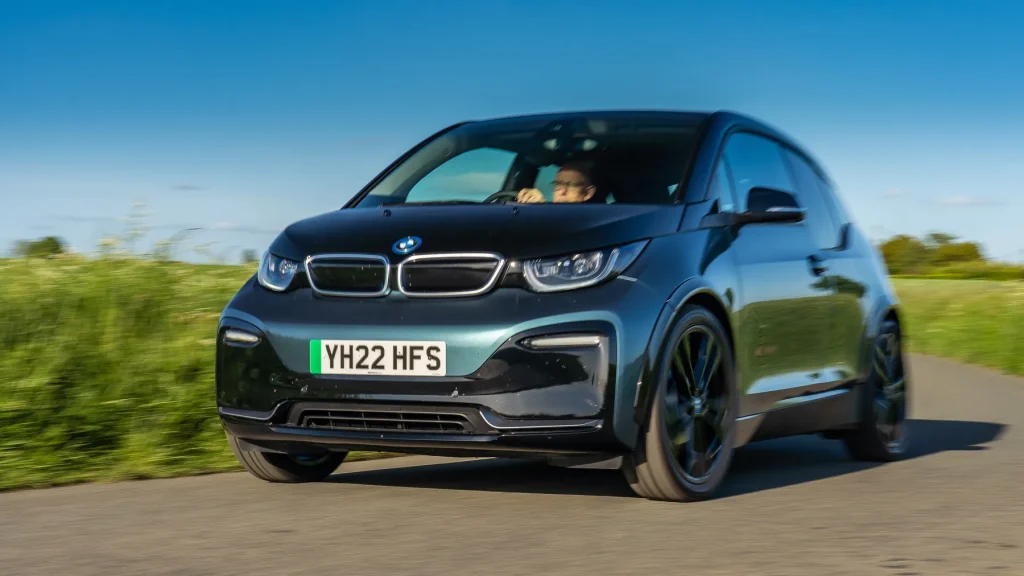
7. BMW i3
The BMW i3 is particularly comfortable in stop and go traffic because it was designed with city use in mind. Its light construction and responsive controls reduce effort in congestion.
At very low speeds, the i3 moves forward smoothly with minimal throttle input. Crawling traffic feels controlled and easy to manage.
Acceleration from a stop is gentle and predictable. The car responds cleanly without sudden jumps that can be tiring in traffic.
Regenerative braking is strong but well balanced. Lifting off the accelerator slows the car steadily, reducing frequent brake pedal use.
Drivers quickly adapt to the braking behavior. The rhythm of slowing and moving becomes natural in congestion.
Steering effort is very light at city speeds. Tight turns and narrow lanes are easy to handle with little effort. The compact dimensions help greatly in traffic. The i3 fits easily into small gaps and crowded streets.
Ride comfort suits urban congestion well. The suspension smooths out minor bumps and rough patches. Speed breakers do not upset the cabin at low speeds. Passengers remain comfortable during long waits.
Cabin quietness improves comfort significantly. Traffic noise feels less intrusive without an engine present. Idle time introduces no vibration. Sitting still in congestion remains calm and comfortable.
Seating position is upright and supportive. This helps reduce fatigue during long periods behind the wheel. Visibility is excellent in traffic conditions. Large windows help drivers judge surroundings easily.
Climate control remains effective at low speeds. Cooling and heating work consistently in jams. The i3 feels cooperative in stop and go movement. It responds smoothly to small inputs.
Repeated stop start cycles feel effortless. The drivetrain handles congestion naturally. Parking lot congestion is easy to manage. Precise low speed control helps in tight areas.
Brake effort stays low due to regeneration. Constant pedal work is minimized. The electric drivetrain remains composed during long jams. There is no sense of strain.
Traffic noise stays mostly outside the cabin. The interior remains calm. Mental strain is reduced during daily congestion. The car quietly manages repetition.
Passengers notice the smooth and calm ride. Even unpredictable traffic feels manageable. Over time, congestion feels less exhausting. The i3 absorbs many daily stresses.
Overall, the BMW i3 is comfortable in stop and go traffic because it is light, responsive, and calm. It turns urban congestion into a manageable experience.
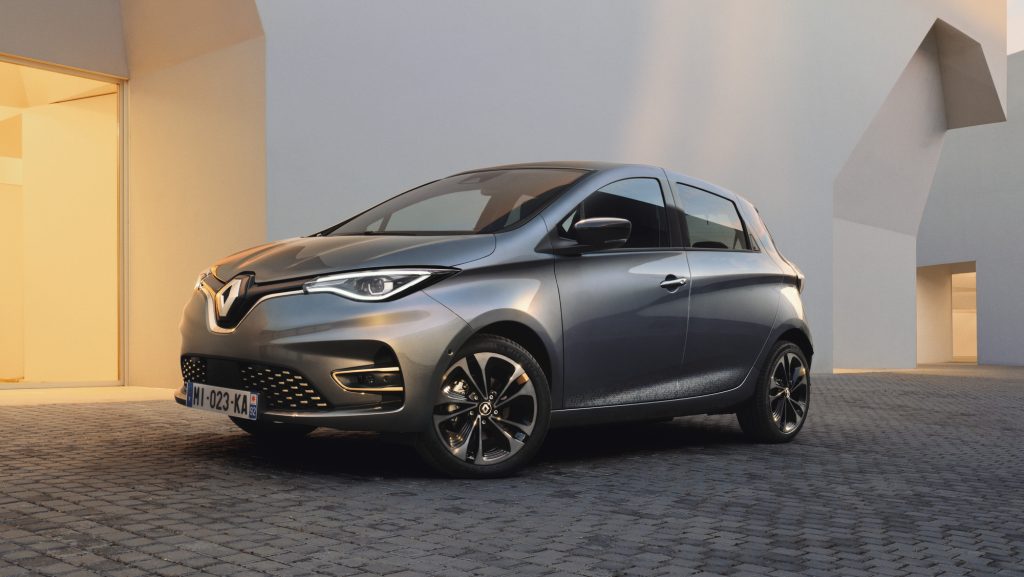
8. Renault Zoe
The Renault Zoe is comfortable in stop and go traffic because it is designed primarily for urban driving. Its gentle behavior suits congestion very well.
At low speeds, the Zoe moves forward smoothly and predictably. Throttle response is soft, which helps maintain steady spacing.
Acceleration from a stop feels relaxed and controlled. The car avoids sharp responses that can be tiring in traffic.
Regenerative braking is tuned for smoothness. Lifting off the accelerator slows the car gradually rather than abruptly.
Drivers adapt easily to the braking feel. Traffic rhythm becomes calm and predictable. Steering effort is light in city conditions. Navigating narrow lanes and crowded queues requires little effort.
The compact size helps greatly in congestion. The Zoe fits easily into tight spaces. Ride comfort suits stop and go driving. The suspension absorbs minor road imperfections well.
Speed bumps and uneven surfaces do not disturb the cabin at low speeds. Passengers remain comfortable. Cabin quietness reduces stress during long jams. Traffic feels less overwhelming.
Idle time does not create vibration. Sitting still remains comfortable.
Seating comfort supports extended waits. Seats remain supportive without feeling firm. Visibility helps drivers manage traffic flow easily. Surroundings are easy to judge.
Climate control remains stable at low speeds. Cooling and heating continue smoothly. The Zoe feels calm in traffic. It does not rush the driver.
Repeated stop start cycles feel effortless. The drivetrain handles congestion naturally. Parking lot traffic is easy to manage. Smooth low speed control helps in tight areas.
Brake effort stays low due to regeneration. Pedal fatigue is reduced. The drivetrain remains relaxed during long jams. There is no mechanical strain.
Traffic noise stays mostly outside the cabin. The interior remains peaceful. Mental fatigue is reduced during daily congestion. The car absorbs stress quietly.
Passengers benefit from smooth movement. Unpredictable traffic feels controlled. Over time, daily congestion feels less frustrating. The Zoe removes many small irritations.
Overall, the Renault Zoe is comfortable in stop and go traffic because it is gentle, quiet, and easy to control. It suits dense urban driving very well.
Also Read: 10 Modern Sedans That Balance Comfort and Size for Cities
