
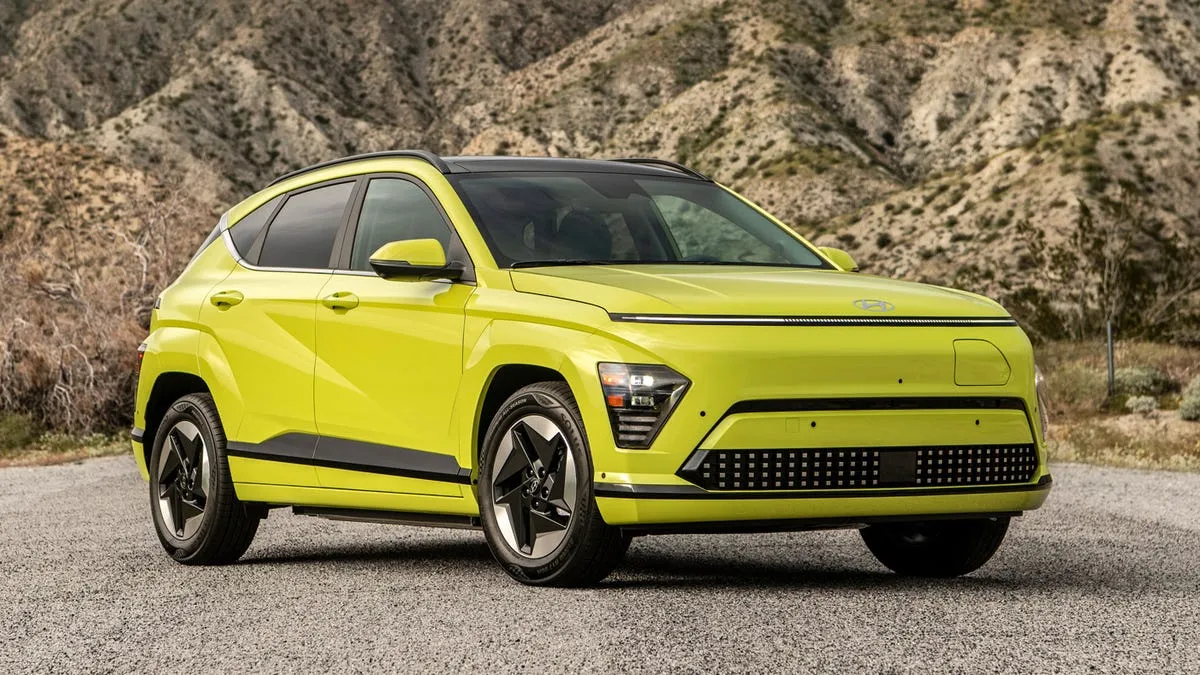
Electric vehicles are becoming a practical choice for city driving, not just because of lower running costs, but also because of simpler maintenance. In urban environments, where traffic is dense and trips are short, EVs often make more sense than traditional fuel powered cars.
City use puts constant strain on vehicles. Frequent stopping, idling, and slow movement increase wear on engines, transmissions, and braking systems. EVs avoid many of these problems because they rely on far fewer mechanical parts.
There is no engine oil to change, no exhaust system to maintain, and no complex gearbox that needs regular attention. This naturally reduces servicing requirements, which is especially helpful for city residents who rely on their car every day.
Maintenance simplicity is especially important in cities where service centers are busy and time is limited. EVs that are designed with proven components and conservative engineering tend to perform better in daily urban use.
Battery management also plays a key role. EVs that use stable battery chemistry and efficient cooling systems are easier to maintain over time. Consistent charging habits and predictable usage patterns in cities help preserve battery health.
Another advantage of EVs in cities is reduced brake wear. Regenerative braking slows the car using the electric motor, which reduces reliance on traditional brake components. This lowers maintenance needs significantly for urban drivers.
Software based systems can also reduce maintenance when implemented properly. EVs with stable software and simple electronics tend to require fewer workshop visits than vehicles filled with complex mechanical systems.
This article focuses on seven electric vehicles from global markets that are known for being simple to maintain in city environments. These EVs are selected based on proven reliability, low servicing needs, and suitability for daily urban use.
They are not chosen for long range performance or luxury features. Instead, the focus is on ease of ownership, predictable upkeep, and reduced mechanical complexity.
For city drivers seeking dependable transportation without ongoing maintenance concerns, these EVs represent some of the most practical options available today.
Also Read: 7 Affordable Sedans That Are Practical for Urban Living
1. Nissan Leaf
The Nissan Leaf is one of the most established electric vehicles in the world, and its long presence in cities has proven its simplicity and reliability. It is designed to be easy to own and easy to maintain, especially in urban environments.
One of the biggest advantages of the Leaf is its straightforward electric drivetrain. There are very few moving parts compared to a fuel powered car. This greatly reduces mechanical wear in daily city use.
There is no engine oil, spark plugs, or fuel system to maintain. This removes several routine service tasks that city drivers usually deal with. Regular maintenance becomes far less frequent.
The Leaf uses a single speed transmission. This eliminates the complexity of multi gear systems that often struggle in stop and go traffic. Urban driving feels smooth and predictable.
Regenerative braking reduces brake wear significantly. In city traffic, the car slows itself using the motor. Brake pads and discs last much longer as a result.
Battery management in the Leaf is designed for consistent daily use. City driving patterns with frequent short trips suit its charging and discharge behavior well.
Charging is simple and flexible. Many owners rely on home charging overnight, which reduces dependency on public charging stations and limits wear on fast charging systems.
The Leaf’s suspension and chassis are tuned for urban comfort. They handle speed bumps and uneven roads without placing excessive stress on components.
Cooling systems are relatively simple compared to newer high performance EVs. This reduces maintenance complexity and potential failure points.
Software systems in the Leaf are stable and mature. Updates are less frequent but reliable, which helps reduce unexpected issues.
Interior systems are designed for daily use rather than luxury complexity. This means fewer electronic components that could require attention over time.
The electric motor operates quietly and smoothly in traffic. It does not experience stress from idling or repeated starts, which benefits long term reliability.
Battery degradation in city use is generally manageable. Consistent short trips and moderate charging habits help preserve battery health.
The Leaf’s design prioritizes usability over innovation. This conservative approach contributes to its reputation for low maintenance.
Urban drivers benefit from the Leaf’s predictable behavior. It does not require special driving techniques to remain efficient or reliable.
Service requirements are minimal. Routine checks primarily focus on tyres, brakes, and cabin filters. This keeps ownership simple.
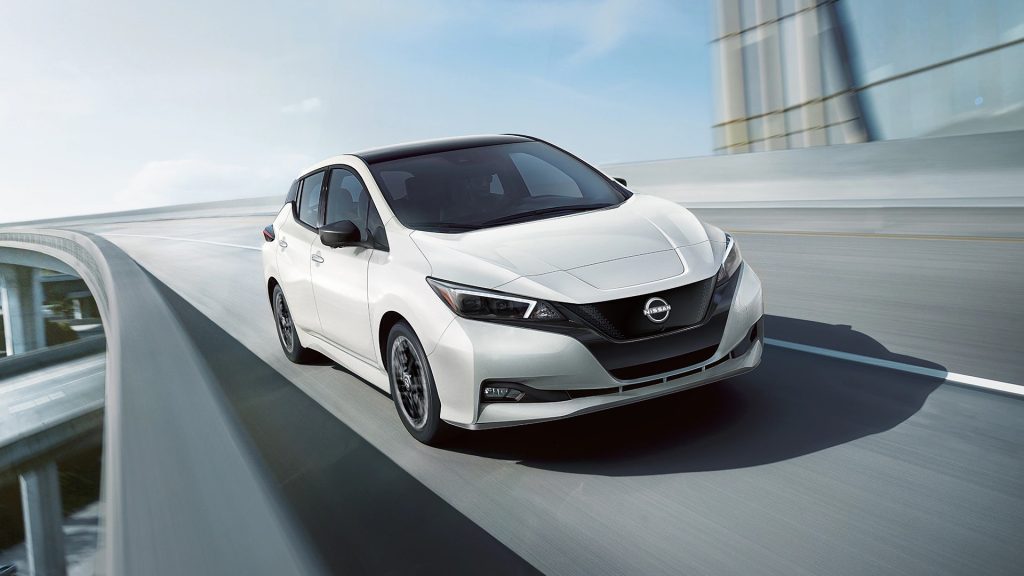
For city residents, the Leaf reduces both time and cost spent on maintenance. This is especially valuable for drivers with busy routines.
Overall, the Nissan Leaf is simple to maintain because it avoids unnecessary complexity. Its proven electric platform and city friendly design make it one of the easiest EVs to live with in urban environments.
2. Hyundai Kona Electric
The Hyundai Kona Electric is a city friendly EV that has earned a strong reputation for low maintenance and dependable daily use. Its design focuses on simplicity, durability, and predictable behavior, which suits urban driving well.
The electric drivetrain in the Kona Electric is mechanically simple. With far fewer moving parts than a fuel powered vehicle, there is less wear during constant stop and go city traffic.
There is no engine oil, timing system, or exhaust to maintain. This removes several routine service items that normally add cost and time for city drivers.
The single speed reduction gear works smoothly in traffic. There are no gear changes or clutch components to wear out. This makes urban driving effortless and reduces maintenance needs.
Regenerative braking plays a major role in lowering upkeep. In city traffic, the motor slows the vehicle frequently, reducing brake pad and disc wear significantly.
Battery management is well suited for urban use. The Kona Electric uses stable battery chemistry and consistent thermal control, which helps maintain battery health over time.
City charging habits benefit the Kona Electric. Regular overnight charging and short daily trips reduce stress on the battery compared to constant fast charging.
The cooling system is designed for efficiency rather than extreme performance. This reduces complexity and the chance of component failure during daily use.
Suspension components are tuned for comfort and durability. Speed bumps and uneven roads do not place excessive strain on the chassis, which helps reduce long term wear.
Software systems are mature and stable. Updates are generally straightforward and do not require frequent workshop visits, which benefits city owners.
Interior electronics are practical rather than overly complex. This lowers the likelihood of electrical issues over time.
The electric motor operates smoothly and quietly in traffic. It does not experience stress from idling or repeated restarts, which improves long term reliability.
Battery degradation in city driving conditions remains manageable. Moderate speeds and consistent usage patterns help preserve capacity.
Routine maintenance focuses on basics like tires, brake fluid checks, and cabin filters. This keeps service visits simple and infrequent.
The Kona Electric does not demand special driving habits. Owners can drive normally without worrying about excessive wear.
Urban drivers benefit from its predictable range and efficiency. This reduces the need for frequent charging adjustments or planning.
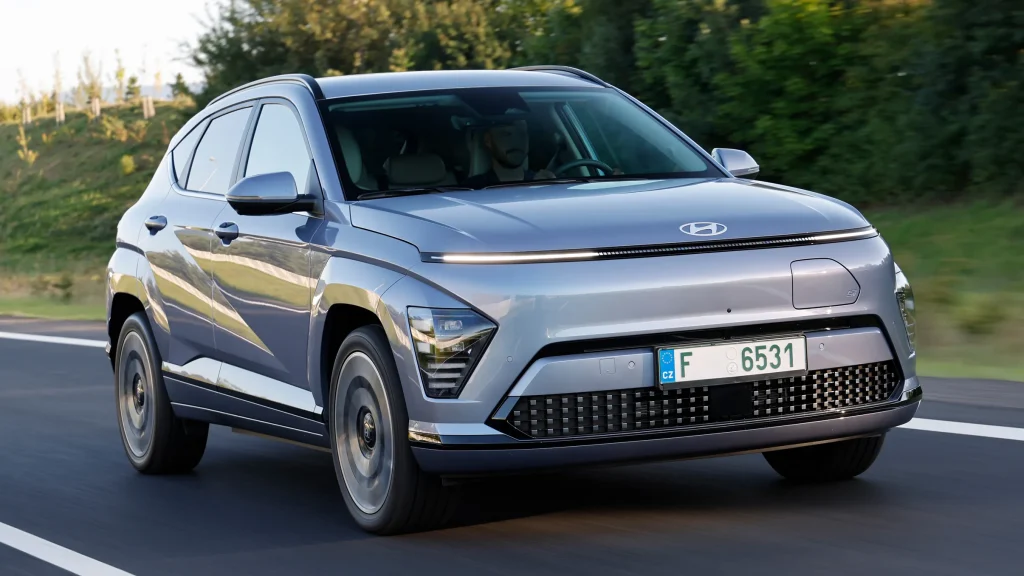
The vehicle’s conservative engineering approach supports long term ownership. It avoids unnecessary complexity that can increase maintenance.
For city residents, the Kona Electric offers peace of mind. It reduces both service costs and time spent at workshops.
Overall, the Hyundai Kona Electric is simple to maintain because it combines a proven electric platform with durable components and stable systems. It is well suited for everyday city use.
3. Chevrolet Bolt EV
The Chevrolet Bolt EV is designed with urban practicality and low maintenance in mind. Its straightforward electric architecture makes it one of the easier EVs to maintain for city driving.
The Bolt EV uses a simple electric drivetrain with minimal mechanical complexity. Fewer moving parts mean fewer components that can wear out over time.
There is no engine oil, fuel system, or exhaust maintenance required. This eliminates many traditional service items that city drivers typically face.
The single speed transmission removes the need for gear changes. In heavy traffic, this reduces mechanical stress and improves reliability.
Regenerative braking significantly lowers brake wear. City driving allows frequent energy recovery, which extends the life of braking components.
Battery management in the Bolt EV is designed for consistent daily use. Urban driving patterns align well with its charging and thermal control systems.
Charging is flexible and straightforward. Many city owners rely on home charging, which reduces reliance on fast charging and helps preserve battery health.
The cooling system is designed to manage heat efficiently without excessive complexity. This helps maintain stable performance during daily use.
Suspension and steering components are tuned for urban conditions. Rough roads and speed bumps are handled without placing excessive strain on parts.
Software systems are stable and designed to require minimal intervention. Updates are usually infrequent and predictable.
Interior systems are functional rather than over engineered. This reduces the likelihood of electronic faults over time.
The electric motor performs smoothly in traffic. It handles repeated acceleration and deceleration without stress, which benefits longevity.
Battery degradation remains controlled in city use. Moderate speeds and regular charging habits help maintain long term capacity.
Routine maintenance involves simple inspections. Tires, brake fluid, and cabin filters form the core of service requirements.
The Bolt EV does not rely on complex driver modes or systems. This simplicity helps reduce long term maintenance concerns.
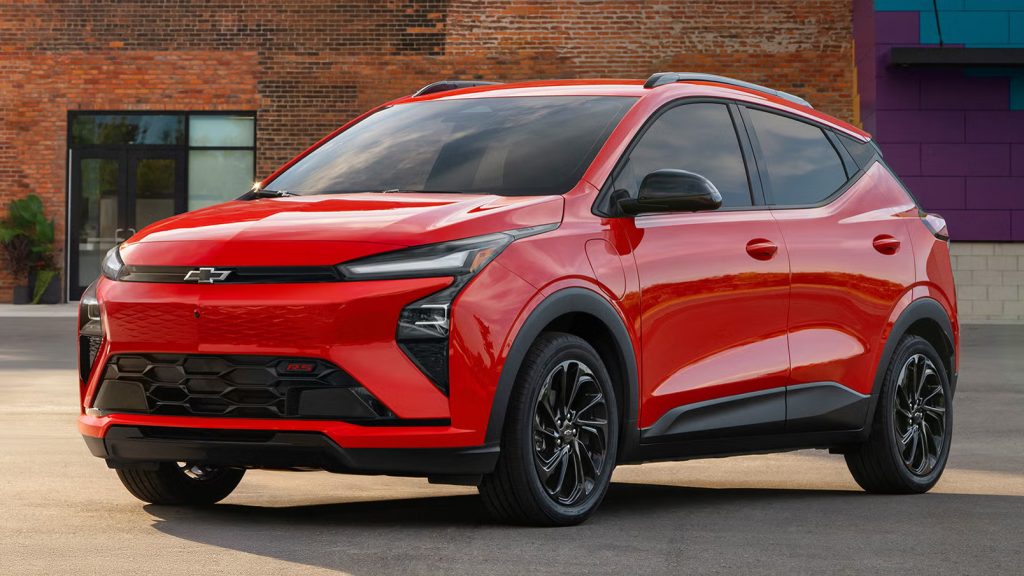
Urban drivers benefit from its compact size and efficient operation. It fits naturally into city routines without demanding special care.
The Bolt EV is forgiving of short trips. Frequent stops and starts do not negatively impact its drivetrain.
For city dwellers, the Bolt EV offers predictable ownership. Maintenance schedules are clear and uncomplicated.
Overall, the Chevrolet Bolt EV is simple to maintain because it emphasizes mechanical simplicity and proven electric technology. It works well for urban drivers who want low stress ownership.
4. Tesla Model 3
The Tesla Model 3 is one of the most common EVs used in major cities, and a big reason for that is its relatively simple maintenance routine. It is engineered to reduce mechanical complexity while relying on software and electric components that suit daily urban use.
The electric drivetrain in the Model 3 has very few moving parts. There is no engine, no multi speed gearbox, and no exhaust system. This removes many traditional maintenance tasks entirely.
City driving places heavy demands on starting and stopping. The Model 3 handles this effortlessly because the electric motor does not suffer wear from repeated acceleration or idling.
Regenerative braking is highly effective in traffic. The car slows itself using the motor during deceleration. This significantly reduces wear on brake pads and discs.
Brake servicing intervals are longer for city users. Many owners report minimal brake maintenance even after years of urban driving.
There is no engine oil, coolant flush for an engine, or spark plug replacement. Routine service visits are therefore far less frequent compared to fuel powered cars.
Battery management is designed for everyday use. City charging habits with regular overnight charging help maintain stable battery health over time.
The thermal management system is automated and efficient. It manages battery temperature without requiring owner intervention, which reduces maintenance concerns.
Software plays a major role in the Model 3. Many updates are delivered remotely, which means fewer trips to service centers.
Urban drivers benefit from diagnostics that are handled digitally. Issues are often identified early through software monitoring.
Suspension components are designed for daily use rather than extreme conditions. Speed bumps and uneven roads are handled without excessive stress.
The steering system is fully electric and sealed. This removes the need for traditional hydraulic maintenance.
Interior systems rely heavily on software rather than mechanical switches. While modern, this also reduces physical wear from daily use.
Cabin air filtration is one of the few regular service items. Replacing filters is simple and inexpensive.
Tire wear is predictable in city use. Smooth torque delivery helps reduce uneven wear during stop and go driving.
The Model 3 does not require warm up or cool down routines. Short trips do not negatively affect the drivetrain.
Charging in cities is straightforward. Many owners rely on home or workplace charging, which reduces dependence on high stress fast charging.
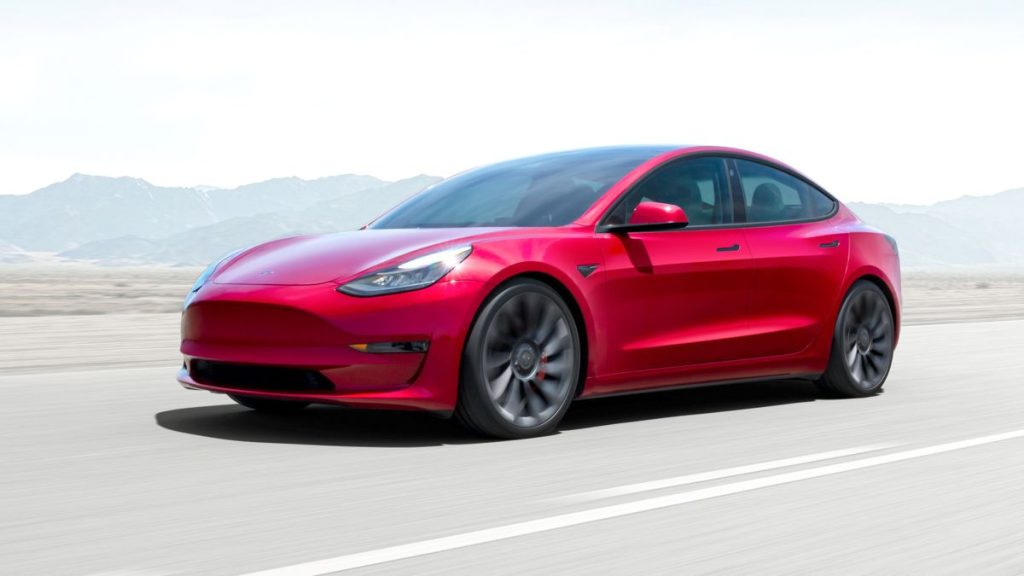
The car does not require special maintenance skills from the owner. Routine checks are minimal and clearly defined. For city residents with busy schedules, fewer service visits save time and reduce ownership stress.
Overall, the Tesla Model 3 is simple to maintain in cities because it replaces mechanical complexity with digital management and a proven electric drivetrain. It suits urban life where convenience and low upkeep matter most.
5. Renault Zoe
The Renault Zoe is designed specifically for city use, and its maintenance requirements reflect that focus. It is built to handle short trips, dense traffic, and daily charging without demanding frequent servicing.
The electric motor in the Zoe is compact and mechanically simple. Fewer moving parts result in lower wear during constant city driving.
There is no engine oil, fuel system, or exhaust maintenance. This removes several routine service tasks that fuel powered city cars require.
Stop and go traffic does not strain the drivetrain. The electric motor delivers smooth torque without stress from repeated starts.
Regenerative braking plays a key role in reducing maintenance. Frequent deceleration in cities helps preserve brake components for longer periods.
Brake pad replacement intervals are extended for urban drivers. This reduces service visits and costs over time.
Battery management in the Zoe is optimized for city charging habits. Regular short trips and moderate speeds help maintain battery health.
The cooling system is designed for efficiency rather than high performance. This reduces complexity and lowers the risk of component failure.
Charging routines are simple. Many city owners charge overnight at home, which avoids heavy reliance on fast chargers.
The Zoe’s suspension is tuned for urban comfort. Speed bumps and uneven surfaces are absorbed without placing excessive stress on components.
Steering is fully electric and sealed. This removes the need for hydraulic fluid changes or mechanical adjustments.
Software systems are stable and straightforward. Updates are infrequent and focused on reliability rather than constant feature changes.
Interior electronics are practical and durable. The design avoids unnecessary complexity that could increase maintenance needs.
The Zoe handles short trips very well. Frequent cold starts are not an issue for electric motors, which improves longevity.
Tire wear is manageable in city use. Smooth power delivery helps reduce aggressive wear patterns. Routine maintenance focuses on simple inspections. Tires, brake fluid checks, and cabin filters make up most service tasks.
The Zoe does not require special driving habits. Owners can use it like a conventional city car without worrying about mechanical strain.
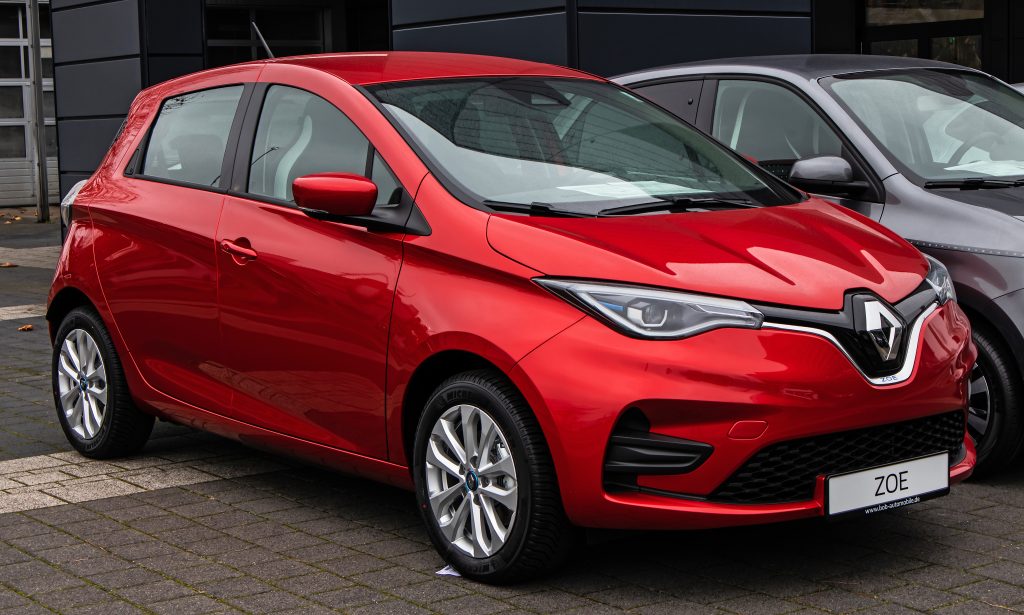
Urban drivers appreciate the predictable ownership experience. Maintenance schedules are clear and uncomplicated. For residents of dense cities, the Zoe reduces both cost and time spent on upkeep.
Overall, the Renault Zoe is simple to maintain because it is purpose built for urban environments. Its conservative engineering and electric simplicity make it one of the easiest EVs to live with in city conditions.
6. BMW i3
The BMW i3 was designed from the beginning as an urban electric vehicle, and that focus makes it simple to maintain in city environments. Its engineering prioritizes efficiency, durability, and reduced mechanical complexity.
The electric drivetrain in the i3 is compact and straightforward. With far fewer moving parts than a fuel powered car, there is less mechanical wear during daily city driving.
There is no engine oil, exhaust system, or multi gear transmission to maintain. This removes several routine service items that usually add cost and time for city owners.
Stop and go traffic does not strain the drivetrain. The electric motor handles repeated acceleration smoothly without stress from idling or restarts.
Regenerative braking is very effective in city use. The i3 slows itself using the motor, which greatly reduces wear on brake pads and discs.
Brake servicing intervals are long for urban drivers. Many owners find that brakes last significantly longer than in conventional cars.
Battery management is conservative and well suited for daily short trips. City driving patterns help maintain stable battery temperatures and health.
Charging routines are simple. Most city users rely on overnight home charging, which avoids heavy dependence on fast charging systems.
The cooling system is designed for efficiency rather than high output performance. This reduces complexity and potential maintenance points.
Suspension components are tuned for urban roads. Speed bumps and uneven surfaces are absorbed without placing excessive strain on the chassis.
The steering system is fully electric and sealed. There is no hydraulic fluid or mechanical adjustment required over time.
Interior systems are minimalistic and functional. Fewer physical switches reduce wear from daily use.
Software systems are stable and focused on reliability. Updates are infrequent and generally do not require workshop visits.
The electric motor operates quietly and smoothly in traffic. It does not experience vibration or wear from prolonged idling.
Battery degradation in city use remains manageable. Moderate speeds and predictable usage help preserve capacity over time.
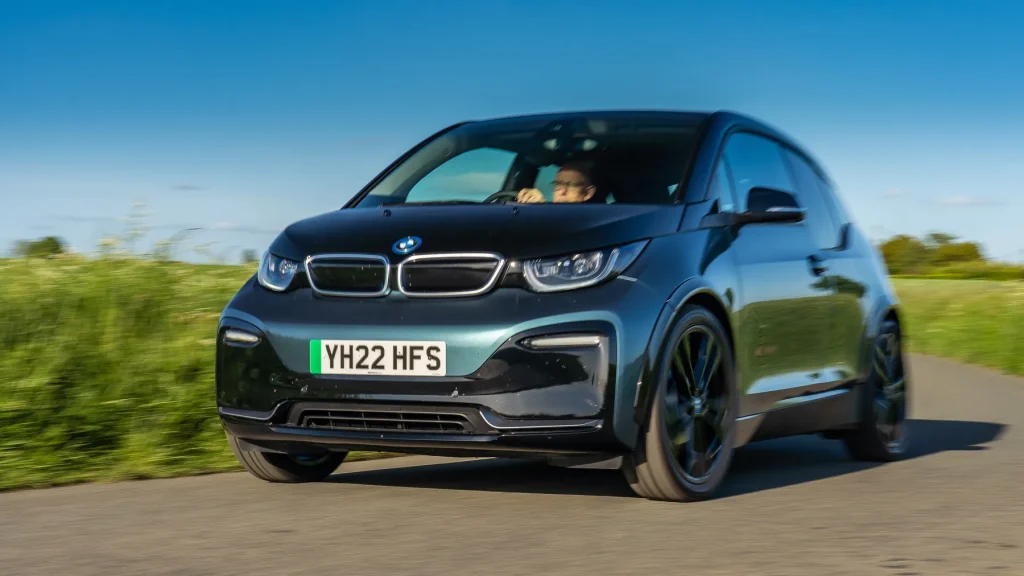
Routine maintenance focuses on basic checks. Tires, brake fluid inspections, and cabin filters make up most service needs.
The i3 does not require warm up or cool down routines. Short trips do not negatively affect the drivetrain.
Urban drivers benefit from its lightweight design. Reduced mass lowers stress on suspension and braking components.
Ownership is straightforward for busy city residents. Fewer service visits save time and reduce overall costs.
Overall, the BMW i3 is simple to maintain because it was engineered specifically for city life. Its electric simplicity and conservative design make it easy to own in dense urban environments.
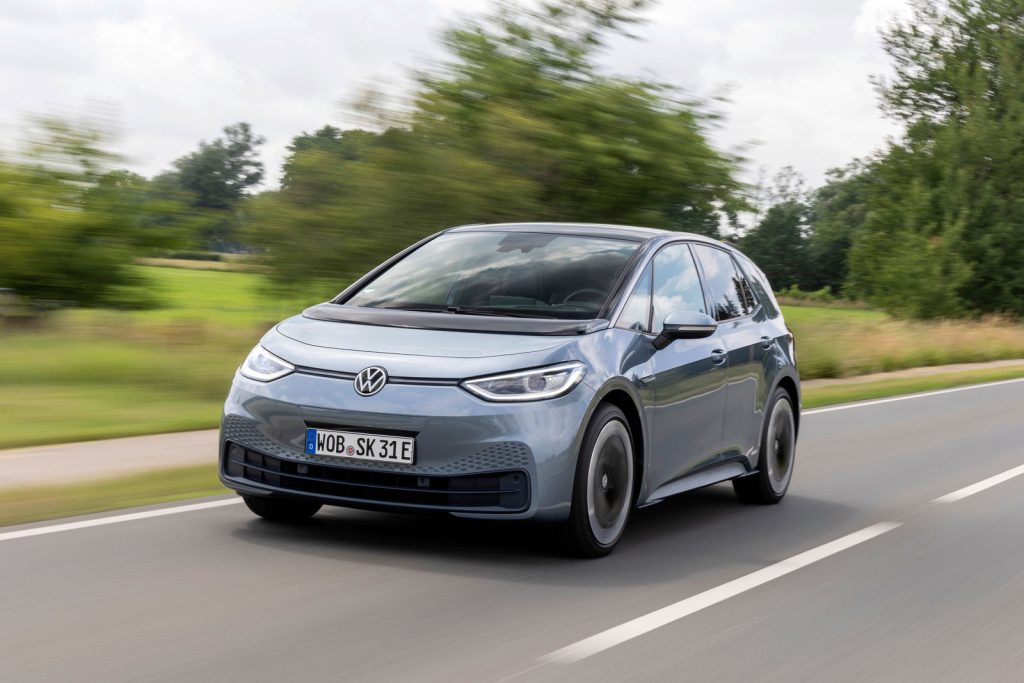
7. Volkswagen ID.3
The Volkswagen ID.3 is built as a practical electric car for everyday use, and its maintenance requirements reflect that goal. It is designed to handle city driving with minimal mechanical complexity and predictable upkeep.
The electric drivetrain in the ID.3 uses a simple motor and single speed reduction gear. This eliminates the need for complex transmissions that suffer in city traffic.
There is no engine oil, fuel injection system, or exhaust to service. This significantly reduces routine maintenance tasks for urban owners.
Stop and go driving places little stress on the drivetrain. The electric motor delivers smooth torque without wear from repeated starts.
Regenerative braking reduces reliance on traditional brakes. In city traffic, this extends the life of brake pads and discs.
Brake servicing intervals are longer than in fuel powered cars. This lowers both cost and inconvenience over time.
Battery management is designed for daily urban use. Consistent short trips and regular charging help maintain battery health.
Charging routines are flexible. Many city drivers charge overnight at home, which reduces strain on high speed charging systems.
The cooling system is efficient and not overly complex. It manages heat without requiring frequent attention or adjustment.
Suspension tuning focuses on comfort and durability. Rough city roads and speed bumps are handled without excessive component wear.
The steering system is electric and sealed. There is no need for fluid changes or mechanical servicing.
Interior electronics are practical and well integrated. The design avoids unnecessary complexity that could increase maintenance needs.
Software systems are stable and mature. Updates are occasional and aimed at improving reliability rather than adding constant changes.
The electric motor remains quiet and vibration free in traffic. This contributes to long term reliability.
Battery degradation in city use remains controlled. Moderate speeds and predictable driving patterns support longevity.
Routine maintenance involves simple inspections. Tires, brake fluid checks, and cabin air filters form the core service items.
The ID.3 handles short trips very well. Frequent starts and stops do not affect its reliability.
Urban drivers appreciate its predictable ownership experience. Maintenance schedules are clear and uncomplicated.
For city residents, fewer service visits mean less disruption to daily routines.
Overall, the Volkswagen ID.3 is simple to maintain because it focuses on practical electric design rather than complexity. It suits urban environments where reliability and ease of ownership matter most.
City driving places unique demands on vehicles, and electric vehicles are especially well suited to meet them. Frequent stops, short trips, and dense traffic increase wear in fuel powered cars, but EVs avoid many of these issues through simpler mechanical design.
The seven EVs covered in this article show that low maintenance in cities comes from thoughtful engineering rather than advanced features. Fewer moving parts, single speed drivetrains, and regenerative braking dramatically reduce routine servicing needs.
Battery management systems designed for daily urban use play a key role. Consistent driving patterns and regular charging help preserve battery health and reduce long term concerns.
Another major advantage is reduced brake wear. In stop and go traffic, regenerative braking handles much of the slowing, extending the life of traditional brake components.
Software based diagnostics and updates also reduce workshop visits. Many issues are identified early or resolved remotely, saving time for busy city drivers.
From established models like the Nissan Leaf to urban focused designs like the BMW i3 and Volkswagen ID.3, each EV offers a practical approach to simple ownership.
For city residents, simplicity matters more than performance. These EVs succeed because they reduce maintenance effort, lower costs, and fit naturally into daily routines.
Choosing an EV that is easy to maintain improves quality of life in cities. Less time in service centers and fewer unexpected issues allow drivers to focus on what matters most.
In the end, the best city EVs are those that work quietly and reliably in the background. These seven models prove that electric vehicles can deliver exactly that through simplicity and smart design.
Also Read: Ram Power Wagon Goes Diesel With 1,075 lb-ft of Cummins Torque
