
Buying a first electric vehicle can feel intimidating for many drivers. Concerns about charging, range, driving behavior, and maintenance often create hesitation. For first time EV owners, the most important factor is not cutting edge technology, but how natural the car feels compared to a familiar fuel powered vehicle.
An EV that feels natural allows drivers to transition smoothly without needing to relearn how to drive. Controls should feel intuitive, acceleration should be predictable, and daily routines should remain simple. When an EV fits into existing habits, the ownership experience becomes far less stressful.
City driving is where many first time EV owners begin. Short trips, regular commuting, and predictable routes suit electric vehicles well. EVs that handle these tasks without demanding constant planning feel more approachable.
Charging behavior plays a major role in comfort. First time owners prefer EVs that can be charged easily at home and do not require constant attention to charging schedules. Simple charging routines help build confidence quickly.
Driving feel is another key element. Smooth acceleration, quiet operation, and easy low speed control make EVs feel friendly rather than unfamiliar. Cars that avoid aggressive responses help new owners relax behind the wheel.
Interior design also matters. EVs that resemble conventional cars in layout and usability feel less intimidating. Clear displays, familiar controls, and simple interfaces reduce the learning curve.
Range anxiety is common for first time buyers. EVs that offer reliable real world range and clear feedback help owners trust the car early in ownership. Predictability matters more than headline figures.
Maintenance simplicity adds to the sense of ease. First time EV owners often appreciate knowing that there is less to service and fewer parts to worry about. This builds confidence over time.
This article highlights nine electric vehicles from global markets that feel natural for first time EV owners. These cars are chosen for their ease of driving, intuitive operation, and ability to blend into daily life without disruption.
They are not selected for extreme performance or advanced experimentation. Instead, they focus on familiarity, reliability, and comfort. For drivers taking their first step into electric mobility, these EVs offer a smooth and reassuring transition.
Also Read: Top 10 SUVs That Tower Over Everything Else on the Trail
1. Nissan Leaf
The Nissan Leaf is often considered one of the most natural EVs for first time owners. Its long presence in the market and familiar design make it easy to understand and easy to live with.
From the moment you sit inside, the Leaf feels like a conventional car. The seating position, dashboard layout, and controls follow familiar patterns. This reduces the sense of learning something completely new.
Acceleration is smooth and predictable. The car moves forward quietly without sudden surges. This gentle response helps new EV drivers feel comfortable immediately.
Low speed driving feels intuitive. In traffic and parking situations, the Leaf behaves calmly. The absence of gear changes makes movement feel smooth rather than strange.
The steering is light and natural. It does not require adjustment from drivers coming from fuel powered cars. Maneuvering feels familiar in urban environments.
Braking behavior is easy to adapt to. Regenerative braking is present but not overwhelming. New owners can adjust gradually without feeling surprised by strong deceleration.
The single pedal driving experience is optional. Drivers can choose how much regeneration they want. This flexibility helps first time owners adapt at their own pace.
Charging is straightforward. Many Leaf owners rely on overnight home charging. Plugging in becomes a routine similar to charging a phone.
Range delivery is predictable. The Leaf provides clear information about remaining range. This helps reduce anxiety for new owners.
Daily commuting feels natural. Short trips and errands suit the Leaf perfectly. Drivers do not need to change their habits drastically.
The quiet cabin enhances comfort. Without engine noise, city driving feels calmer. This often becomes one of the first aspects new owners appreciate.
Interior systems are simple and functional. Displays focus on essential information rather than overwhelming data. This supports confidence for beginners.
Climate controls behave like those in conventional cars. Heating and cooling adjustments feel familiar. There is no need to learn new systems.
The Leaf does not demand aggressive charging strategies. Moderate charging habits work well. This makes ownership less stressful for beginners.
Maintenance expectations are simple. With fewer service requirements, first time owners feel reassured about long term ownership.
The car handles traffic smoothly. Stop and go movement feels effortless due to instant electric torque. This improves everyday usability.
Highway driving also feels stable. The Leaf does not feel out of place at higher speeds. This builds trust in varied conditions.
Over time, new owners often forget they are driving an EV. The car blends into daily life without constant reminders of its electric nature.
The Leaf encourages relaxed driving. It does not push performance or complex features. This simplicity helps first time owners settle in quickly.
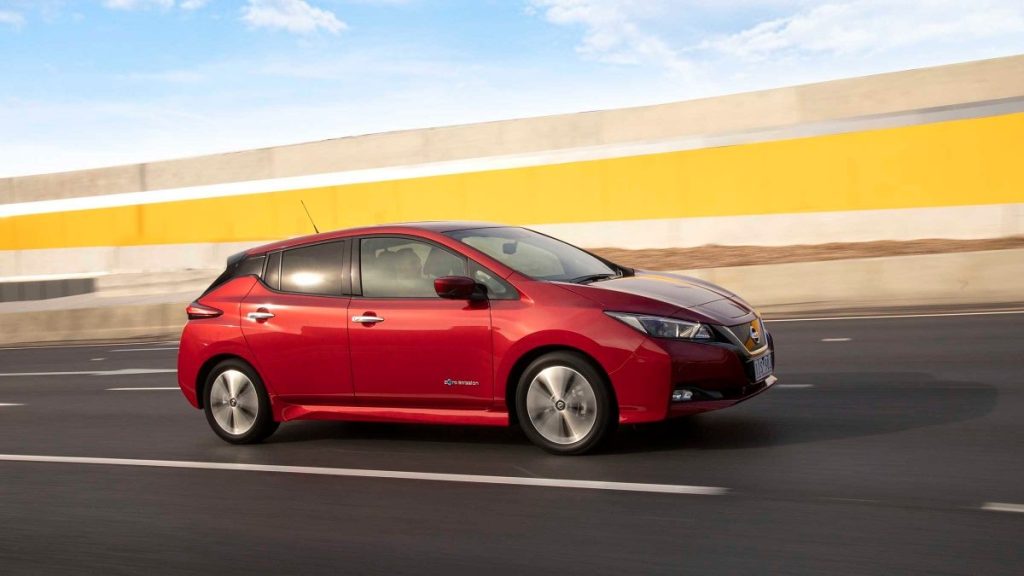
Overall, the Nissan Leaf feels natural because it behaves like a familiar car while quietly delivering the benefits of electric driving. It removes barriers rather than creating them, making it one of the best starting points for new EV owners.
2. Hyundai Kona Electric
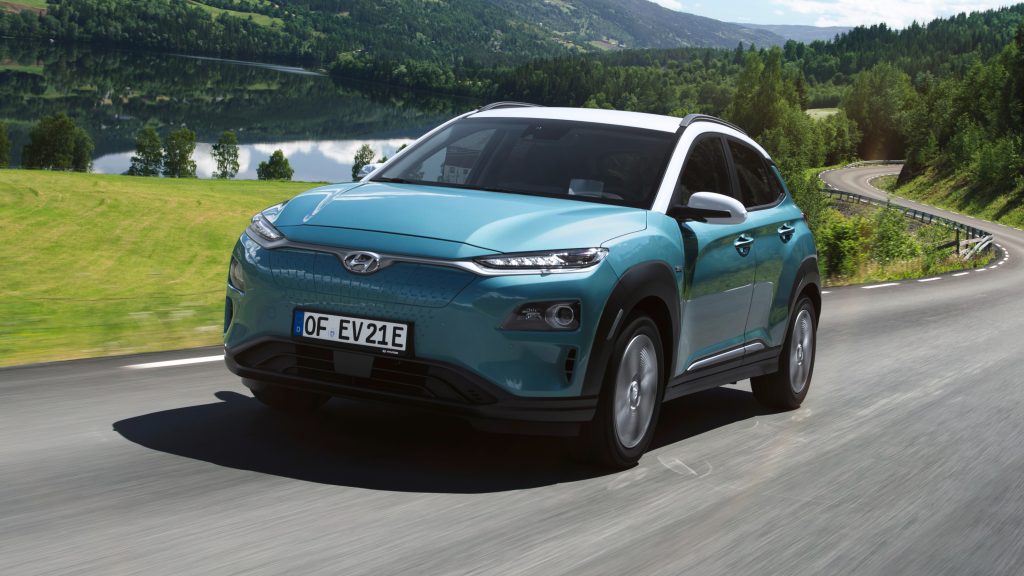
The Hyundai Kona Electric feels natural for first time EV owners because it blends familiar driving manners with quiet electric operation. It does not demand a change in habits, which helps new owners settle in quickly.
From the driver’s seat, the Kona Electric feels like a conventional compact car. The dashboard layout, steering wheel controls, and seating position follow familiar patterns. This reduces the learning curve on day one.
Acceleration is smooth and controlled. The car moves forward cleanly without sudden bursts. This predictable response helps drivers trust the power delivery early on.
Low speed driving feels easy. In traffic and parking situations, the Kona Electric behaves calmly. The absence of gear changes makes movement feel fluid and simple.
Steering effort is light at city speeds. Maneuvering through tight streets and crowded areas feels natural. Drivers do not need to adapt their steering habits.
Braking behavior is friendly for beginners. Regenerative braking is present but well balanced. It does not surprise drivers who are used to traditional braking.
Drivers can choose how much regeneration they prefer. This allows gradual adjustment rather than forcing a new driving style. Comfort builds over time.
Charging routines are easy to understand. Many owners charge at home overnight. Plugging in becomes part of a daily routine rather than a task.
The Kona Electric provides clear range information. Displays are easy to read and do not overwhelm new owners. This reduces early range anxiety.
Real world range suits daily needs. City commutes and errands are handled comfortably without constant planning. Owners learn quickly what the car can do.
Interior comfort feels familiar. Seats are supportive, and controls behave as expected. New owners feel at ease during longer drives.
Cabin noise is minimal. Without engine sound, city driving becomes calmer. Many first time owners appreciate this quietness immediately.
Climate controls operate like those in fuel powered cars. Heating and cooling adjustments feel intuitive. There is no need to learn new systems.
The Kona Electric does not demand aggressive driving to feel responsive. Gentle inputs produce smooth results. This supports relaxed daily use.
Maintenance expectations are simple. Fewer service items reduce ownership concerns for beginners. This builds confidence over time.
The car handles stop and go traffic effortlessly. Instant torque removes hesitation at intersections. This makes city driving feel easier.
Highway behavior is stable and reassuring. The Kona Electric does not feel out of place at speed. New owners gain confidence beyond city limits.
Charging flexibility helps beginners. Home charging covers most needs, reducing reliance on public stations early on.
The driving experience remains consistent. There are no sudden changes in behavior that surprise new owners. Predictability builds trust.
Over time, owners often stop thinking about the car as an EV. It becomes a normal part of daily life.
Overall, the Hyundai Kona Electric feels natural for first time EV owners because it combines familiar controls, smooth driving, and simple charging. It allows a gentle transition into electric ownership without stress.
3. Chevrolet Bolt EV
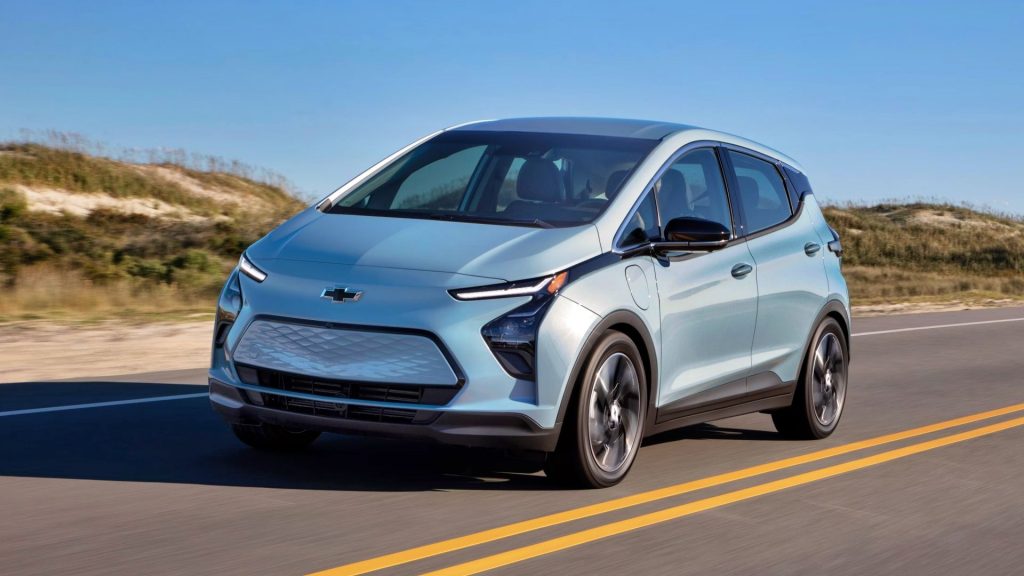
The Chevrolet Bolt EV is another electric car that feels natural for first time EV owners. Its straightforward design and predictable behavior help drivers adapt quickly without feeling overwhelmed.
The driving position feels familiar. The seat height, steering wheel placement, and pedal layout resemble conventional cars. New owners feel comfortable immediately.
Acceleration is smooth and linear. The car responds cleanly without aggressive jumps. This helps beginners feel in control from the first drive.
Low speed movement is especially easy. In traffic and parking lots, the Bolt EV behaves calmly. There are no gear shifts to manage.
Steering is light and direct at city speeds. Maneuvering through tight areas feels intuitive. Drivers do not need to adjust their habits.
Braking response is predictable. Regenerative braking is present but tuned gently. New owners can adapt without feeling surprised by deceleration.
The Bolt EV allows drivers to choose how they drive. Regeneration can be increased gradually. This flexibility supports learning at a comfortable pace.
Charging is simple and approachable. Many owners charge at home overnight. This routine feels natural after only a few days.
Range information is presented clearly. The car provides understandable feedback about remaining distance. This helps reduce anxiety for beginners.
Daily driving fits easily into existing routines. Short trips, errands, and commutes require little planning. The car adapts to the driver, not the other way around.
Interior controls are straightforward. Displays focus on essential information rather than complex menus. New owners are not overwhelmed.
Cabin quietness improves comfort. City driving becomes less tiring without engine noise. Many first time EV drivers notice this benefit quickly.
Climate systems behave like those in traditional cars. Adjustments feel familiar and responsive. There is no learning barrier here.
The Bolt EV does not require special driving techniques. Normal driving habits work well. This reassures beginners.
Maintenance simplicity adds to the natural feel. Knowing there are fewer service needs reduces ownership stress early on.
Stop and go traffic feels effortless. Instant torque removes hesitation. This improves confidence in busy urban settings.
Highway driving is stable and predictable. The Bolt EV maintains speed comfortably. New owners trust it beyond city use.
Charging flexibility supports beginners. Home charging covers most needs. Public charging can be explored gradually.
The car feels consistent day to day. Behavior does not change unexpectedly. This predictability helps owners relax.
Over time, first time EV owners often forget about the learning curve. The Bolt EV blends into daily life smoothly.
It encourages calm driving rather than experimentation. This suits drivers new to electric vehicles.
Overall, the Chevrolet Bolt EV feels natural for first time EV owners because it emphasizes familiarity, smooth control, and simple ownership. It removes uncertainty and allows new drivers to build confidence at their own pace.
4. Tesla Model 3
The Tesla Model 3 feels natural for first time EV owners because it removes many traditional driving tasks while keeping everyday use simple. It introduces electric driving gently, without forcing major habit changes.
From the moment you enter the car, the Model 3 feels modern but not confusing. The driving position is familiar, and visibility is clear. New owners adjust quickly to the layout.
Acceleration is smooth and progressive. The car moves quietly and confidently without sudden surges. This predictable response helps beginners feel in control.
Low speed driving is effortless. In traffic and parking situations, the Model 3 responds cleanly to gentle inputs. There are no gear changes to think about.
Steering is light and precise at city speeds. Maneuvering through tight streets feels natural rather than intimidating. The car feels cooperative in daily use.
Braking behavior is easy to adapt to. Regenerative braking is noticeable but smooth. New owners learn the feel within a few drives.
One pedal driving becomes intuitive over time. Drivers are not forced to use it immediately. This allows gradual adjustment at a comfortable pace.
Charging is one of the Model 3’s strongest points for beginners. Plugging in at home quickly becomes routine. The process feels simple and predictable.
Range information is presented clearly. The car provides real time feedback that helps new owners trust the remaining range. Anxiety fades quickly.
Daily driving routines remain unchanged. Commuting, errands, and short trips fit naturally into electric use. No major planning is required.
Cabin quietness improves comfort immediately. Without engine noise, city driving feels calmer. Many first time owners notice reduced fatigue.
Interior controls rely heavily on software. While different at first, the interface is logical and uncluttered. New owners adapt quickly.
Climate control is easy to manage. Heating and cooling behave consistently. Adjustments feel familiar despite the digital interface. Maintenance expectations are simple. With fewer service items, first time EV owners feel reassured about ownership costs.
Stop and go traffic feels smoother. Instant torque removes hesitation at intersections. This builds confidence in urban driving. Highway driving is stable and relaxed. The Model 3 feels composed at speed. Beginners trust it in mixed driving conditions.
Charging options are flexible. Home charging covers most needs. Public charging can be explored gradually as confidence grows. Software updates happen automatically. Owners do not need to schedule visits for improvements. This reduces stress.
The car encourages relaxed driving. It does not demand aggressive input or constant attention. This suits new EV drivers well.
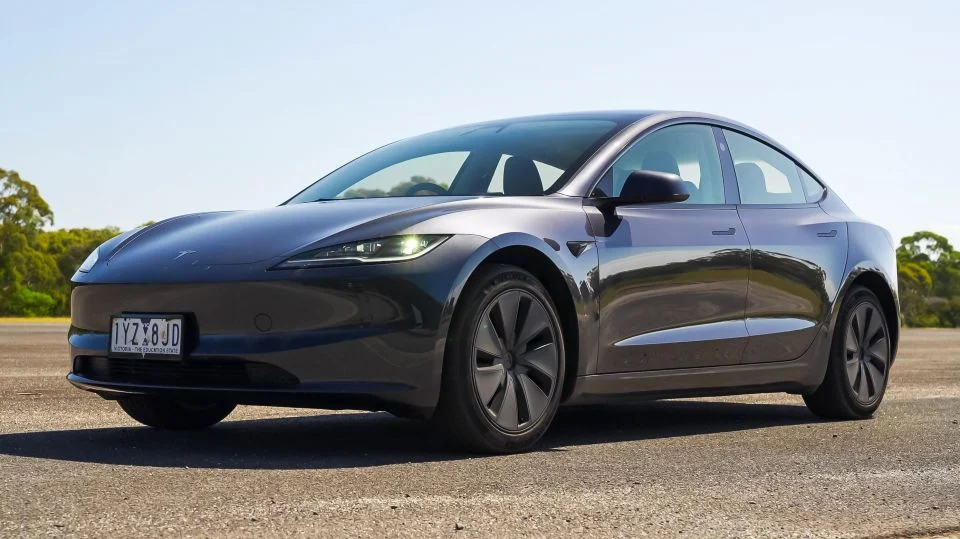
Over time, the Model 3 feels like a normal car that happens to be electric. The transition feels natural rather than forced.
Overall, the Tesla Model 3 feels natural for first time EV owners because it simplifies driving and ownership. It removes complexity while quietly introducing electric advantages.
5. Renault Zoe
The Renault Zoe feels natural for first time EV owners because it was designed primarily for everyday urban use. Its simplicity and familiar behavior help new drivers adapt easily.
The driving position feels like a conventional small car. Seats, pedals, and steering placement follow expected patterns. New owners feel comfortable immediately.
Acceleration is smooth and gentle. The Zoe moves forward without aggressive response. This helps beginners feel confident from the first drive.
Low speed driving is especially easy. In traffic and parking, the car behaves predictably. There are no gear changes to manage. Steering is light at city speeds. Maneuvering through narrow streets feels intuitive. Drivers do not need to adjust their habits.
Braking behavior is friendly for beginners. Regenerative braking is present but subtle. Drivers adapt naturally without feeling surprised.
Charging routines are simple. Many owners rely on overnight home charging. Plugging in becomes an easy daily habit. Range suits city life well. Daily commutes and errands are handled comfortably. New owners do not feel pressured to plan every trip.
Range information is clear and easy to understand. Displays focus on usable distance rather than complex data. This reduces early anxiety.
Interior controls are straightforward. Buttons and screens are easy to understand. The cabin does not overwhelm new users. Cabin quietness adds to comfort. Without engine noise, city driving feels calmer. This helps beginners enjoy the experience.
Climate controls behave as expected. Heating and cooling adjustments feel familiar. There is no learning barrier here. The Zoe does not demand performance driving. Gentle inputs produce smooth results. This supports relaxed daily use.
Maintenance simplicity adds confidence. Knowing there are fewer service requirements reassures first time EV owners. Stop and go traffic feels effortless. Instant electric torque removes hesitation. This makes city driving smoother.
Highway driving feels stable and composed. The Zoe does not feel out of place beyond city limits. Confidence grows naturally. Charging flexibility helps beginners. Home charging covers most needs. Public charging can be explored gradually.
The car feels forgiving. Mistakes in driving or charging habits do not cause issues. This supports learning. Daily routines remain unchanged. Owners quickly forget they are driving something new. The car blends into life.
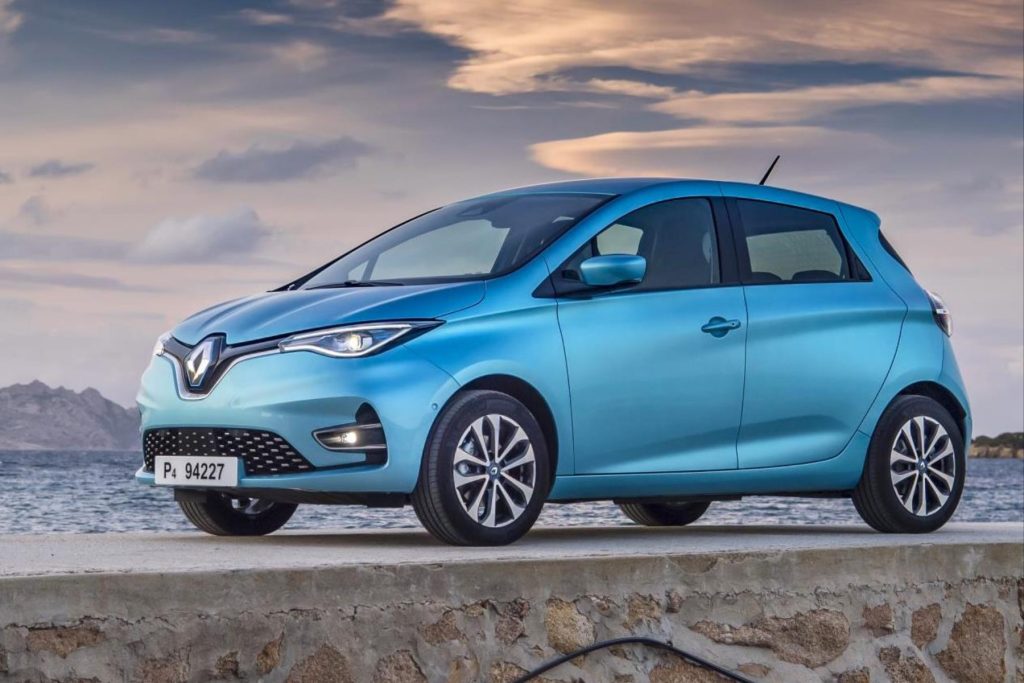
The Zoe encourages calm driving. It does not push experimentation or complexity. This suits first time EV drivers.
Overall, the Renault Zoe feels natural for first time EV owners because it focuses on simplicity, familiarity, and ease of use. It allows a smooth transition into electric driving without pressure.
6. BMW i3
The BMW i3 feels natural for first time EV owners because it was built specifically to make electric driving easy and unintimidating. Its design focuses on simplicity, visibility, and calm behavior in everyday use.
The driving position is upright and open. New owners immediately feel comfortable because visibility is excellent in all directions. This helps build confidence in traffic.
Acceleration is smooth and controlled. The car moves forward quietly without aggressive response. Beginners feel in control rather than surprised by instant torque.
Low speed driving is effortless. In traffic and parking situations, the i3 behaves predictably. There are no gear changes to think about.
Steering is light and responsive at city speeds. Tight streets and narrow turns feel easy to manage. Drivers do not need to adjust their habits.
Braking behavior is easy to adapt to. Regenerative braking is noticeable but not overwhelming. New owners learn the feel naturally.
One pedal driving becomes intuitive over time. Drivers are not forced to use it immediately. This allows a gradual learning curve. Charging routines are simple. Many owners rely on overnight home charging. Plugging in becomes a normal daily habit.
Range suits urban and short highway use well. Daily routines fit comfortably within its capabilities. New owners gain trust quickly.bRange information is clear and honest. Displays show usable distance rather than confusing data. This reduces early anxiety.
Interior design feels different but not confusing. Controls are minimal and easy to understand. The cabin does not overwhelm beginners. Cabin quietness improves comfort immediately. City driving feels calmer without engine noise. This helps new owners relax.
Climate controls are simple and effective. Heating and cooling adjustments feel familiar. There is no learning barrier. Maintenance expectations are low. Fewer service requirements reassure first time EV owners about long term ownership.
Stop and go traffic feels effortless. Instant torque removes hesitation at intersections. This improves confidence in urban driving. Highway behavior is stable and predictable. The i3 does not feel nervous at speed. New owners trust it beyond city limits.
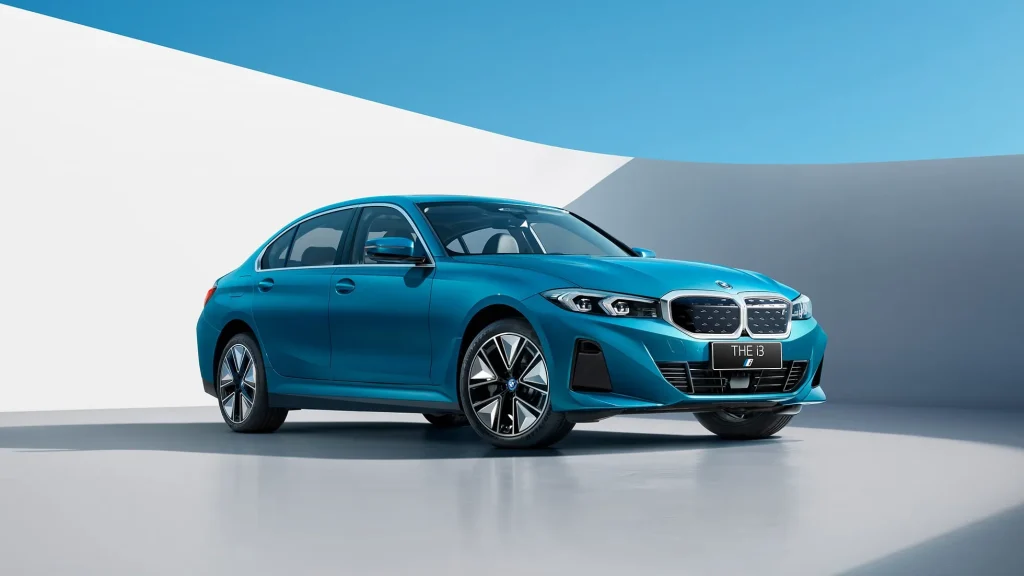
Charging flexibility supports learning. Home charging covers most needs. Public charging can be explored gradually. The car forgives early mistakes. Driving and charging habits do not need to be perfect. This helps beginners feel comfortable.
Daily use feels uncomplicated. Owners quickly stop thinking about the car as something new. The i3 encourages relaxed driving. It does not push performance or complexity. This suits first time EV drivers well.
Overall, the BMW i3 feels natural for first time EV owners because it removes stress from the transition. It makes electric driving feel friendly and approachable.
7. Volkswagen ID.3
The Volkswagen ID.3 feels natural for first time EV owners because it behaves like a familiar hatchback while quietly introducing electric driving. It focuses on ease rather than experimentation.
The driving position feels conventional. Seat height, steering placement, and pedal layout match expectations. New owners feel at home immediately.
Acceleration is smooth and progressive. The car responds cleanly without sudden jumps. This predictable behavior builds trust early.
Low speed driving feels simple. In traffic and parking, the ID.3 moves calmly. There are no gear changes to manage. Steering is light at city speeds. Maneuvering through congestion feels intuitive. Drivers do not need to relearn steering habits.
Braking behavior is balanced. Regenerative braking is present but gentle. New owners adapt without feeling surprised. Driving modes are simple and clear. Owners can choose comfort focused settings easily. This reduces complexity.
Charging routines are easy to understand. Many owners rely on home charging overnight. This fits naturally into daily life. Range suits everyday needs well. Commutes and errands are handled comfortably. New owners gain confidence quickly.
Range displays are clear and user friendly. Information is easy to interpret. This helps reduce anxiety. Interior layout feels familiar despite modern design. Controls are logical and easy to reach. Beginners are not overwhelmed.
Cabin quietness improves comfort. City driving becomes less tiring without engine noise. This benefit is noticed quickly. Climate controls are intuitive. Adjustments feel familiar and responsive. There is no learning curve here.
Maintenance simplicity adds reassurance. Knowing there are fewer service items reduces ownership stress. Stop and go traffic feels smooth. Instant electric response removes hesitation. This improves daily usability. Highway driving feels stable and calm. The ID.3 does not feel out of place at speed. Confidence grows naturally.
Charging flexibility supports learning. Home charging covers most needs. Public charging can be added gradually.
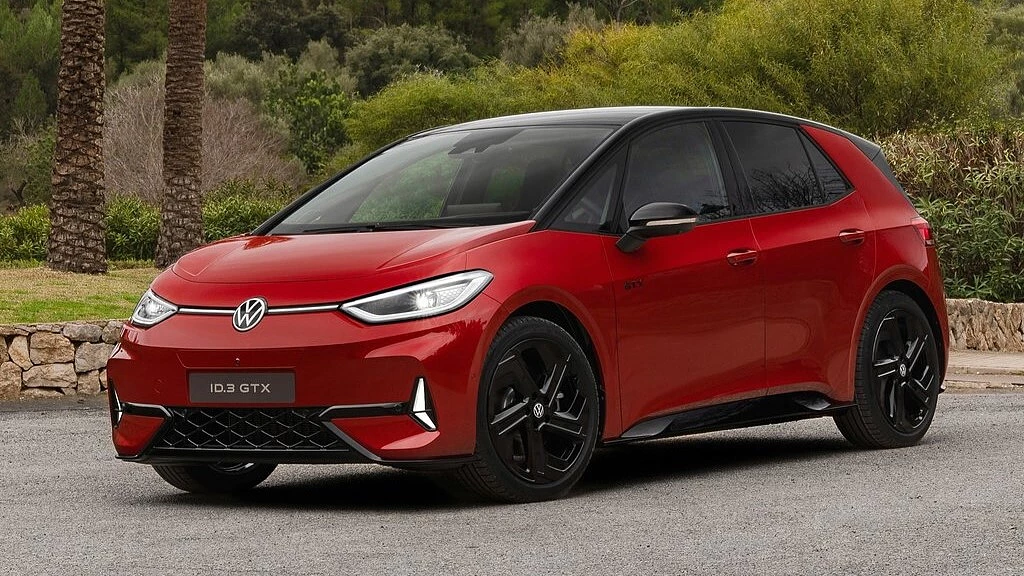
The car behaves consistently day to day. There are no sudden changes that confuse new owners. Daily routines remain unchanged. Owners quickly forget they are driving an EV. The ID.3 encourages relaxed driving. It does not demand attention or experimentation.
The Volkswagen ID.3 feels natural for first time EV owners because it prioritizes familiarity and predictability. It allows a smooth transition into electric driving.
8. Kia Niro EV
The Kia Niro EV feels natural for first time EV owners because it closely resembles a conventional car in both design and driving behavior. It removes uncertainty and makes electric ownership approachable.
The driving position feels familiar and comfortable. Visibility is good, and controls are placed where drivers expect them. This reduces hesitation.
Acceleration is smooth and easy to manage. The car moves forward without aggressive response. Beginners feel confident quickly.
Low speed driving is calm. In traffic and parking situations, the Niro EV behaves predictably. There are no gear shifts to consider. Steering is light and reassuring at city speeds. Maneuvering feels intuitive. Drivers do not need to adjust their habits.
Braking behavior is beginner friendly. Regenerative braking is subtle. New owners adapt naturally without surprise. Charging routines are simple. Many owners rely on overnight home charging. This becomes an easy daily routine.
Range suits daily driving well. Commutes and errands are handled comfortably. New owners do not feel restricted. Range information is clear and reliable. Displays show realistic expectations. This builds trust early.
Interior layout feels conventional. Buttons and screens are easy to understand. The cabin does not overwhelm beginners.
Cabin quietness improves comfort. City driving feels calmer and less tiring. This benefit is immediate. Climate controls behave as expected. Adjustments feel familiar. There is no learning barrier.
Maintenance expectations are low. Fewer service items reduce concern for first time owners. Stop and go traffic feels effortless. Instant torque removes hesitation. This improves confidence in busy areas.
Highway driving feels stable and relaxed. The Niro EV handles speed comfortably. Owners trust it beyond city limits.
Charging flexibility supports gradual learning. Home charging covers most needs. Public charging can be explored later. The car feels forgiving. Small mistakes in driving or charging habits do not cause problems.
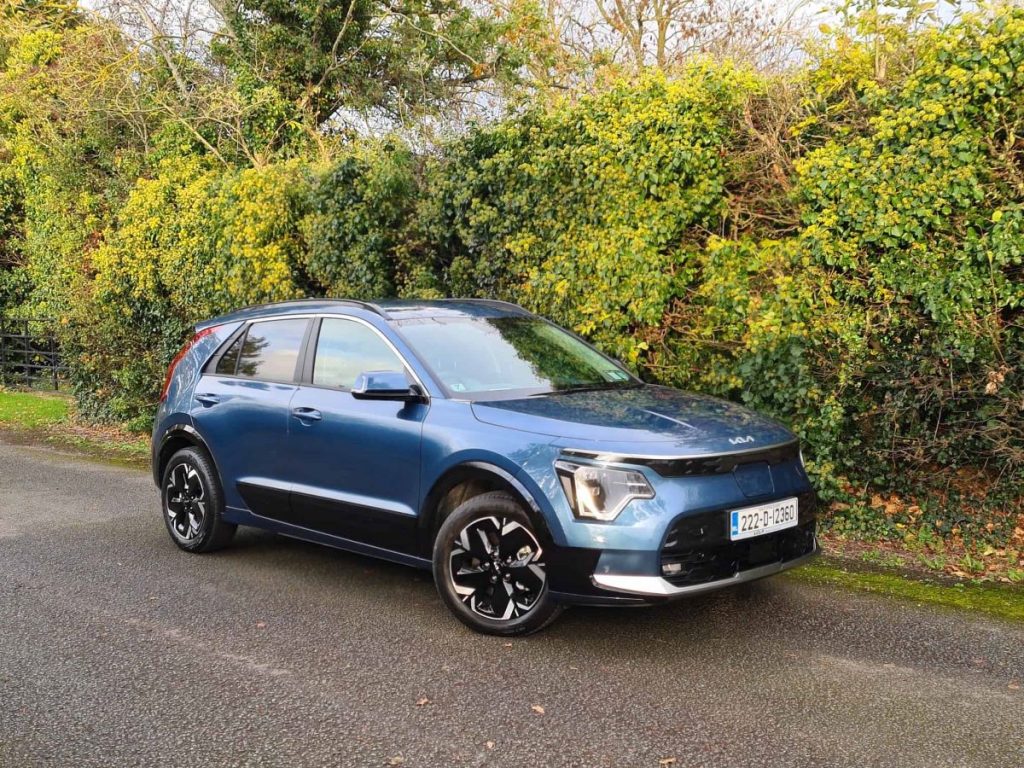
Daily routines remain unchanged. Owners quickly integrate the car into their lifestyle. The Niro EV encourages calm driving. It does not push performance or complexity.
Overall, the Kia Niro EV feels natural for first time EV owners because it behaves like a familiar car while delivering electric benefits quietly and smoothly.
9. Peugeot e-208
The Peugeot e-208 feels natural for first time EV owners because it combines familiar small car behavior with gentle electric performance. It makes the transition feel easy rather than technical.
The driving position feels immediately comfortable. Controls and seating follow familiar patterns. New owners feel confident from the start.
Acceleration is smooth and controlled. The car moves forward quietly without sharp response. Beginners feel relaxed.
Low speed driving is easy. In traffic and parking, the e-208 behaves predictably. There are no gear changes to manage.
Steering is light and precise at city speeds. Tight streets feel manageable. Drivers adapt instantly.
Braking behavior is friendly. Regenerative braking is present but subtle. New owners adjust naturally.
Charging routines are straightforward. Many owners rely on home charging overnight. This quickly becomes routine. Range suits urban and short highway use well. Daily needs are covered comfortably. Confidence builds fast.
Range information is clear and simple. Displays avoid unnecessary complexity. This reduces anxiety. Interior design feels modern but not confusing. Controls are easy to understand. Beginners are not overwhelmed.
Cabin quietness enhances comfort. City driving feels calmer without engine noise. This benefit is noticeable. Climate controls behave normally. Adjustments feel familiar. There is no learning curve.
Maintenance simplicity reassures first time owners. Fewer service needs reduce worry. Stop and go traffic feels smooth. Instant electric response removes hesitation. Urban driving becomes easier.
Highway behavior is stable and confident. The e-208 does not feel out of place at speed. Charging flexibility supports learning. Home charging covers most needs. Public charging can be added gradually.
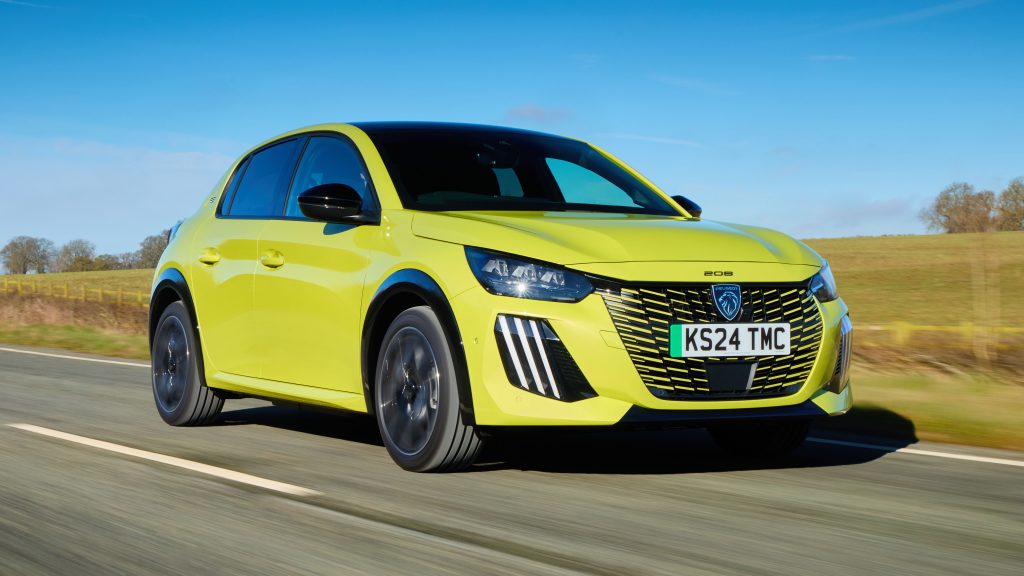
The car feels forgiving. Driving habits do not need to be perfect. This supports confidence. Daily routines remain unchanged. Owners quickly forget they are driving something new.
The e-208 encourages relaxed driving. It does not push experimentation. Overall, the Peugeot e-208 feels natural for first time EV owners because it blends familiarity with gentle electric behavior. It makes electric driving feel simple and enjoyable.
Also Read: 5 Sedans That Survive Chicago Winters and 5 That Rust Early
