
Apartment living changes how people think about electric vehicle ownership. Unlike homeowners with private garages, apartment residents must balance charging access, parking convenience, and daily usability. An EV that works well in this environment needs to fit naturally into shared spaces and flexible routines.
Charging is the biggest concern for apartment dwellers. Many rely on shared chargers, workplace charging, or nearby public stations. EVs that charge efficiently and do not demand constant fast charging are easier to live with in these situations.
Range expectations are different as well. Apartment residents often drive predictable distances for commuting, errands, and city use. EVs that deliver reliable real world range without encouraging constant charging feel more practical.
Vehicle size matters in apartment complexes. Tight parking bays, narrow ramps, and shared garages favor EVs with manageable dimensions. Cars that are easy to park and maneuver reduce daily stress.
Charging behavior also plays a role. EVs that accept slower charging well and remain efficient with partial top ups are better suited to shared infrastructure. This flexibility helps owners adapt to changing availability.
Another important factor is ownership simplicity. Apartment dwellers often prefer EVs that require minimal maintenance and attention. Fewer service visits and predictable upkeep help fit busy urban lifestyles.
Noise levels matter too. Quiet operation benefits both drivers and neighbors in shared living spaces. EVs naturally excel here, but some feel calmer and smoother than others.
This article focuses on six electric vehicles from global markets that work especially well for apartment living. These EVs are selected based on charging flexibility, ease of daily use, manageable size, and low ownership stress.
They are not chosen for extreme range or performance. Instead, they focus on how comfortably they fit into shared living environments where convenience matters more than specifications.
For apartment residents considering an EV, the right choice can make electric ownership feel effortless rather than restrictive. The models discussed here are well suited to that reality.
Also Read: Top 6 Sedans That Make Sense for City Commuters
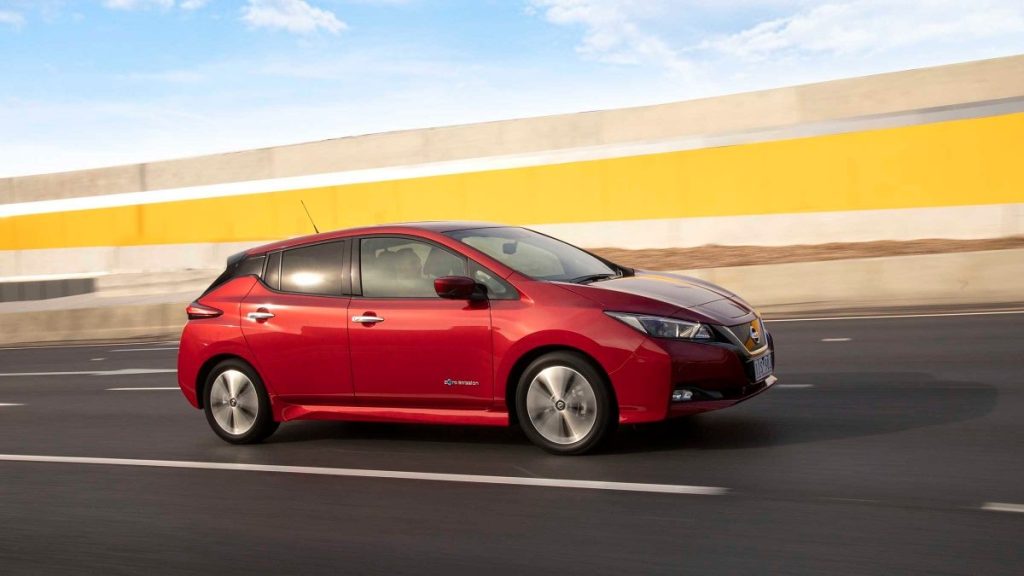
1. Nissan Leaf
The Nissan Leaf is one of the most practical EVs for apartment living because it adapts well to shared charging and urban routines. Its design focuses on everyday usability rather than demanding infrastructure.
Charging flexibility is a major advantage. The Leaf works well with slower charging speeds, which suits shared chargers commonly found in apartment complexes.
Many apartment owners rely on overnight or workplace charging. The Leaf handles this pattern comfortably without requiring frequent fast charging sessions.
Range delivery is predictable and honest. Daily commutes and errands fit well within its capabilities, reducing the need for constant charging planning.
The Leaf does not pressure owners to chase high speed chargers. Moderate charging habits work well, which is ideal when chargers are shared.
Vehicle size suits apartment parking. It fits comfortably into tight parking spaces and narrow garages. Maneuvering feels easy even in older buildings.
Low speed driving is calm and smooth. Parking ramps and tight turns are handled confidently without feeling bulky or awkward.
The quiet electric motor benefits shared living environments. Early morning or late night driving does not disturb neighbors.
Interior comfort supports daily urban use. Seats are supportive without being overly firm. Short and medium trips remain comfortable.
The cabin layout feels familiar. Controls are easy to understand and do not overwhelm new owners. This simplicity fits busy apartment lifestyles.
Braking behavior is smooth and predictable. Regenerative braking helps reduce wear, which is useful for frequent stop and go city driving.
Maintenance needs are minimal. With fewer service items, apartment residents spend less time scheduling visits and more time using the car.
The Leaf tolerates short trips well. Frequent cold starts are not an issue, which suits urban apartment routines.
Battery behavior is stable in city use. Consistent driving patterns and moderate charging help maintain long term health.
Public charging compatibility is broad. The Leaf works with many charging networks commonly found near apartment complexes.
The car does not demand perfect charging habits. Partial charges and flexible routines do not cause problems, which reduces stress.
Climate control usage is efficient. Heating and cooling do not drastically affect daily usability, which helps in urban settings.
The Leaf’s driving feel is relaxed. It does not push performance or complexity. This calm nature suits apartment living well. Parking confidence is strong due to good visibility. Tight garage spaces feel less intimidating.
Ownership costs remain predictable. This helps apartment residents budget without surprises. Daily routines remain unchanged. Commuting, shopping, and errands fit naturally into Leaf ownership.
Over time, apartment owners often find the Leaf easy to forget about in the best way. It simply works. Overall, the Nissan Leaf works well in apartment living because it offers flexible charging, manageable size, and low ownership stress. It adapts to shared spaces rather than demanding special arrangements.
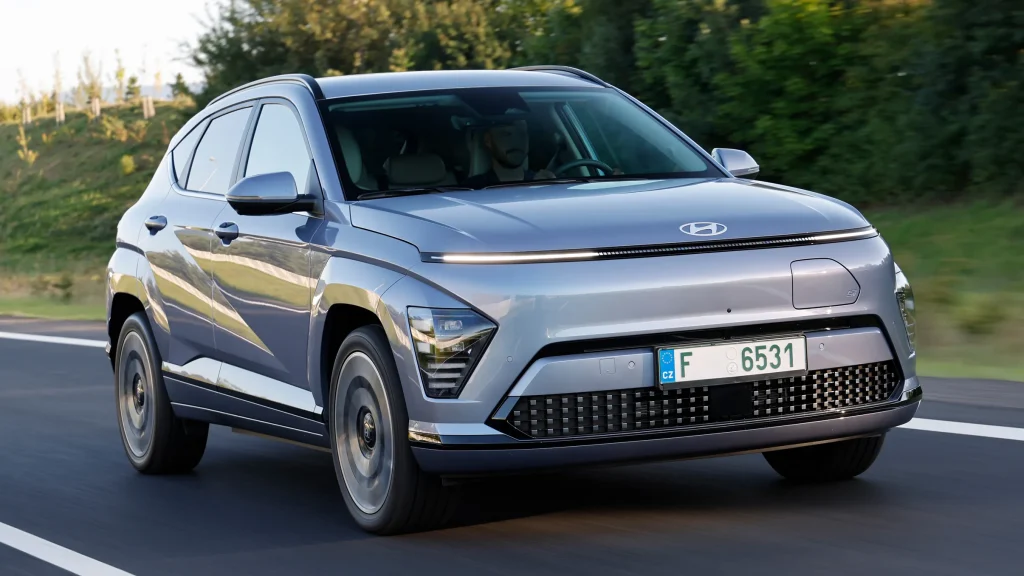
2. Hyundai Kona Electric
The Hyundai Kona Electric works well for apartment living because it balances usable range with flexible charging needs. It does not rely on constant fast charging, which suits shared charging environments.
Charging flexibility is a strong point. The Kona Electric performs well with slower AC charging, making it suitable for apartment chargers and workplace setups.
Owners can rely on partial top ups without harming daily usability. This helps when chargers are shared and availability varies.
Real world range is reliable and consistent. Daily commuting, shopping, and city errands fit comfortably within its capability.
The car does not pressure owners to fully charge every time. Moderate charging habits work well, which reduces stress in shared spaces.
Its compact size is ideal for apartment parking. Narrow ramps and tight parking bays are easier to manage. Low speed maneuvering feels controlled. Parking garages and basement entries do not feel intimidating. Quiet operation benefits shared living environments. Early departures and late arrivals remain unobtrusive for neighbors.
Interior comfort supports frequent short trips. Seats remain comfortable even with repeated daily use. The cabin layout feels familiar. Controls are easy to understand and quick to operate.
Regenerative braking helps reduce brake wear. This suits city driving and reduces maintenance visits. Maintenance requirements are minimal. Apartment residents benefit from fewer service appointments.
The Kona Electric handles short trips well. Frequent stops do not affect reliability. Battery management is well suited for urban use. Consistent patterns help preserve long term health.
Public charging compatibility is broad. Many apartment area stations support it easily. The car accepts varied charging routines. Owners do not need strict schedules to stay comfortable.
Climate control efficiency helps maintain range in daily use. Heating and cooling remain predictable. Visibility is good, which helps in tight garages. Drivers feel confident parking.
Ownership costs are predictable. This helps apartment residents plan expenses. Daily routines fit naturally. There is no need to change habits significantly.
Over time, the Kona Electric blends into apartment life smoothly. It demands little attention. Overall, the Hyundai Kona Electric works well in apartment living because it combines flexible charging, compact size, and low stress ownership.
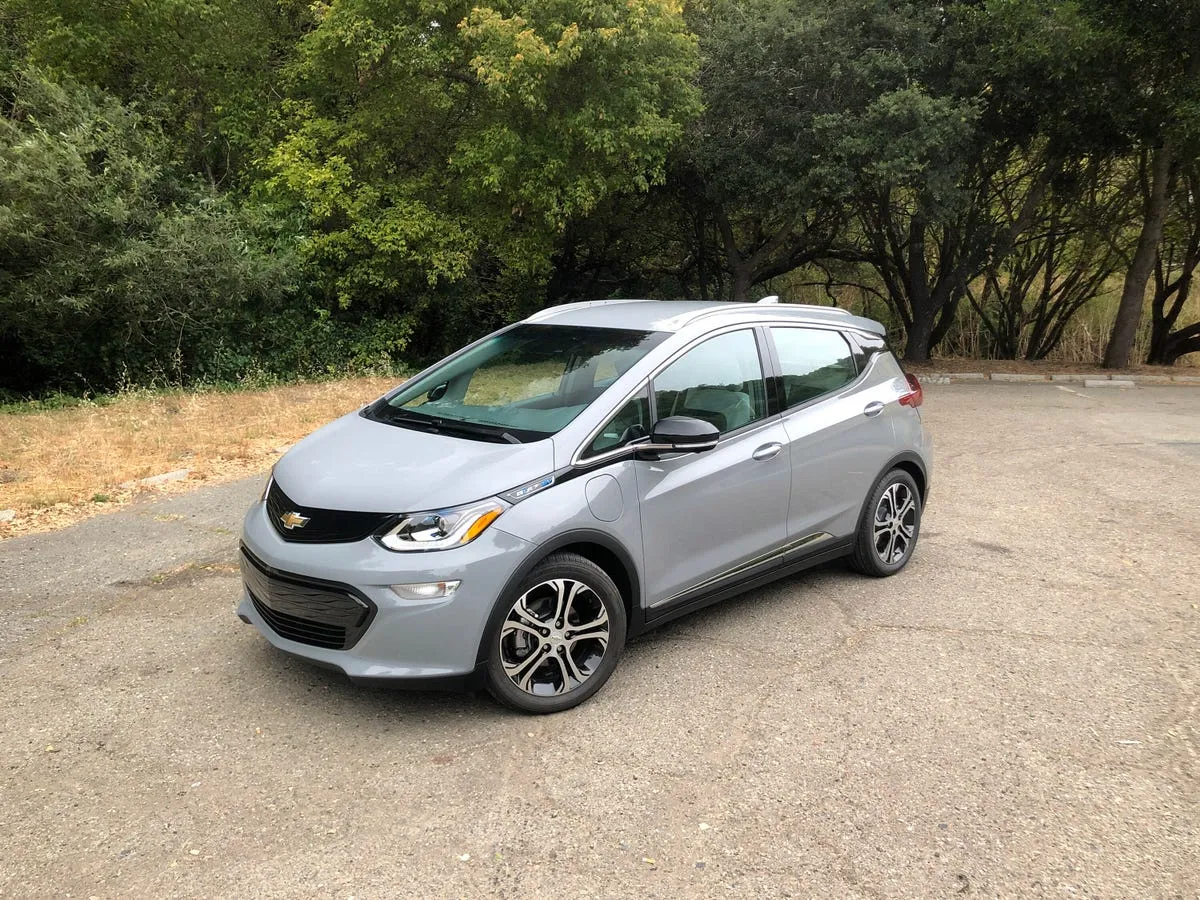
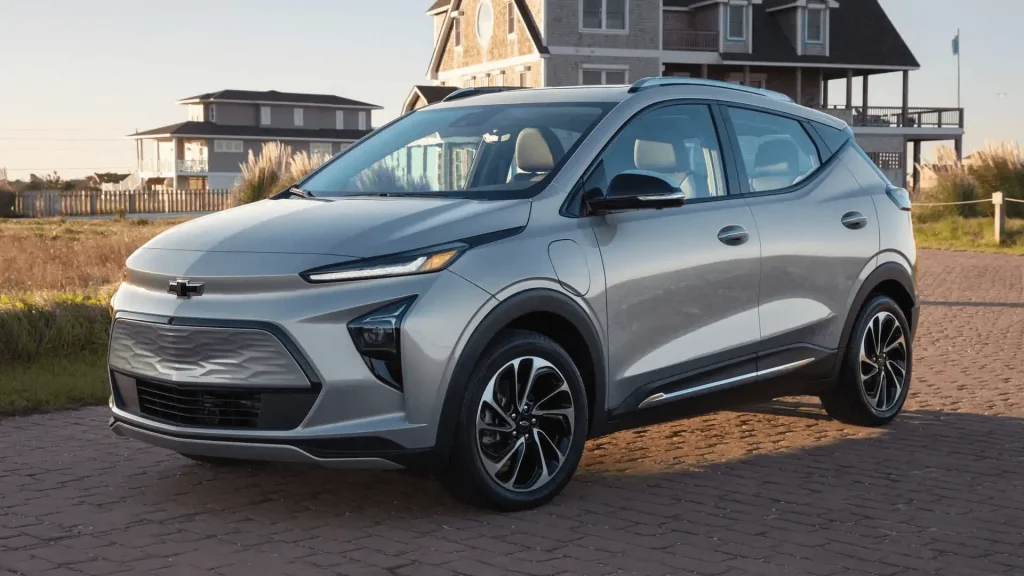
3. Chevrolet Bolt EV
The Chevrolet Bolt EV is well suited to apartment living because it offers strong city range and simple charging behavior. It adapts easily to shared infrastructure.
Charging flexibility is one of its biggest strengths. The Bolt EV works well with slower charging commonly found in apartments.
Owners can rely on overnight or workplace charging without anxiety. The car remains usable even with partial charges. Range delivery is generous for urban use. Several days of city driving are possible between charges.
This reduces dependency on fast chargers, which are often limited near apartments. Its compact footprint suits shared parking environments. Tight spaces and narrow ramps are easier to navigate.
Low speed control is smooth and predictable. Parking maneuvers feel calm and confident. Quiet operation supports shared living. The car moves silently in garages and parking areas.
Interior space is practical for daily needs. Groceries, bags, and small loads fit easily. Controls are straightforward and easy to learn. Busy apartment residents appreciate simplicity.
Regenerative braking reduces brake wear. This lowers maintenance needs in city driving. Service requirements are minimal. Fewer visits fit well into urban lifestyles.
The Bolt EV tolerates short trips very well. Frequent use does not affect reliability. Battery behavior suits urban charging patterns. Consistency helps maintain capacity. Public charging access is wide. Many apartment area chargers support it.
Charging routines can remain flexible. Owners do not need perfect timing. Climate system efficiency supports daily use. Range impact remains manageable. Visibility is good for parking garages. Drivers can judge tight spaces easily.
Running costs stay predictable. This helps budgeting for apartment residents. Daily driving habits remain unchanged. The car fits into existing routines. Over time, the Bolt EV becomes easy to rely on. It quietly handles daily needs.
Overall, the Chevrolet Bolt EV works well in apartment living because it offers strong range, simple charging, and low maintenance stress.
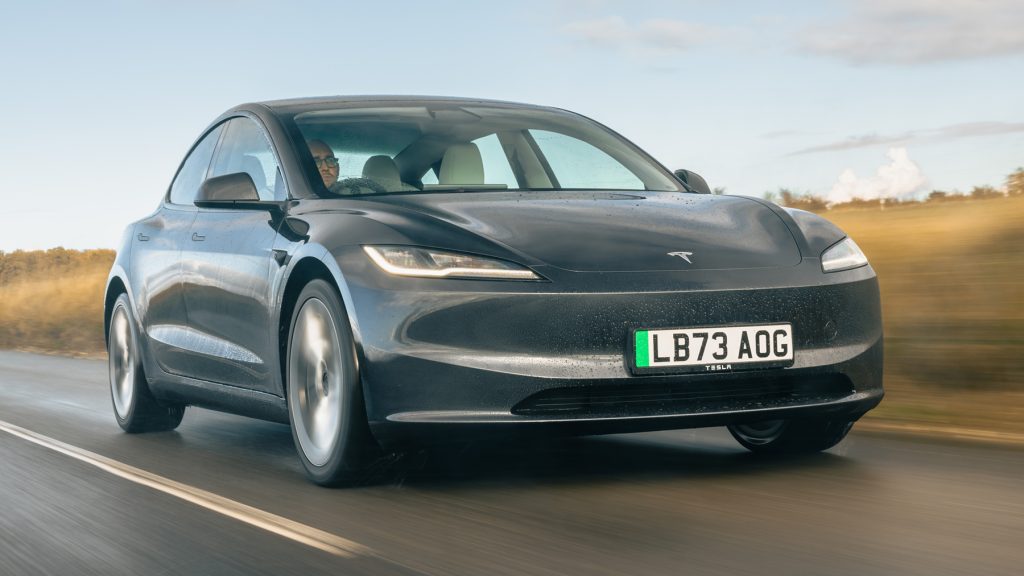
4. Tesla Model 3
The Tesla Model 3 works well for apartment living because it combines efficient range with flexible charging behavior. It adapts easily to shared parking and charging situations.
Charging convenience is a major benefit. The Model 3 performs well on slower AC chargers commonly found in apartment complexes.
Owners can rely on overnight or workplace charging without needing daily fast charging. This suits shared infrastructure where access can vary.
Real world range is predictable and usable. Daily commuting and errands fit comfortably, even if charging is not available every night. The car does not punish partial charges. Topping up whenever a charger is free works fine, reducing planning pressure.
Vehicle size fits apartment parking well. It is easy to maneuver in tight garages and narrow ramps. Low speed control feels smooth and confident. Parking in shared spaces feels less stressful due to predictable responses.
Quiet operation benefits apartment environments. Moving in garages and early morning departures remain unobtrusive. Interior comfort supports daily use. Seats remain comfortable during short trips and longer commutes alike.
The cabin layout is minimal but intuitive. Once familiar, controls are quick to access and easy to understand. Regenerative braking reduces brake wear. This is helpful for city driving common among apartment residents. Maintenance needs are limited. Fewer service visits suit busy urban lifestyles.
The Model 3 handles short trips well. Frequent use does not cause wear issues associated with fuel cars. Battery management suits urban patterns. Consistent moderate charging helps maintain long term health.
Public charging compatibility is broad. Many nearby stations support it easily. Charging routines remain flexible. Owners do not need strict schedules to stay comfortable.
Climate control efficiency supports daily driving. Range impact remains manageable for typical use. Visibility helps in tight garages. Drivers can judge corners and obstacles confidently.
Ownership costs remain predictable. This helps apartment residents manage budgets without surprises. Daily routines stay unchanged. Commuting and errands fit naturally into ownership.
Over time, the Model 3 blends into apartment life smoothly. It demands little attention day to day. Overall, the Tesla Model 3 works well in apartment living because it combines flexible charging, manageable size, and low ownership stress.
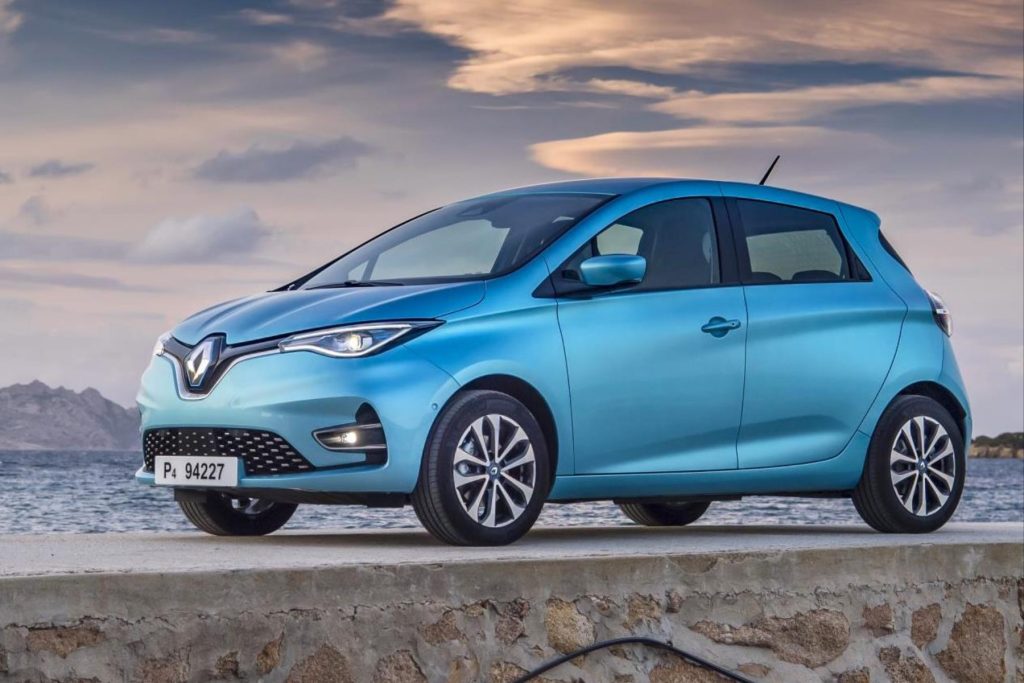
5. Renault Zoe
The Renault Zoe is especially well suited to apartment living because it was designed with urban environments in mind. Its size and charging behavior fit shared spaces naturally.
Charging flexibility is a key strength. The Zoe works very well with slower AC chargers often installed in apartments. Owners can rely on overnight or shared charging without needing frequent fast charging sessions.
Range suits daily city use perfectly. Commuting, shopping, and errands fit comfortably within its capability. The car does not demand constant charging attention. Moderate and flexible routines work well.
Its compact size is ideal for apartment parking. Tight spaces and narrow ramps are easy to navigate. Low speed maneuvering feels light and confident. Parking garages feel less intimidating.
Quiet operation benefits shared living. The car moves silently in common parking areas. Interior comfort supports daily trips. Seats remain comfortable even with frequent short drives.
Controls are simple and familiar. Busy apartment residents appreciate ease of use. Regenerative braking reduces brake wear. This lowers maintenance needs in city driving.
Maintenance requirements are minimal. Fewer service visits fit urban schedules well. The Zoe handles short trips effortlessly. Frequent starts and stops are not an issue.
Battery behavior aligns with urban charging habits. Consistency helps preserve capacity. Public charging compatibility is wide. Many apartment area chargers support it.
Charging routines remain forgiving. Owners do not need perfect timing. Climate control efficiency helps maintain usability. Range impact remains predictable.
Visibility is good for tight garages. Drivers feel confident in shared spaces. Running costs stay low and predictable. This supports apartment budgeting. Daily routines remain unchanged. The Zoe fits naturally into city life.
Over time, the car becomes easy to rely on. It quietly handles everyday needs. Overall, the Renault Zoe works well in apartment living because it combines compact size, flexible charging, and low ownership effort.
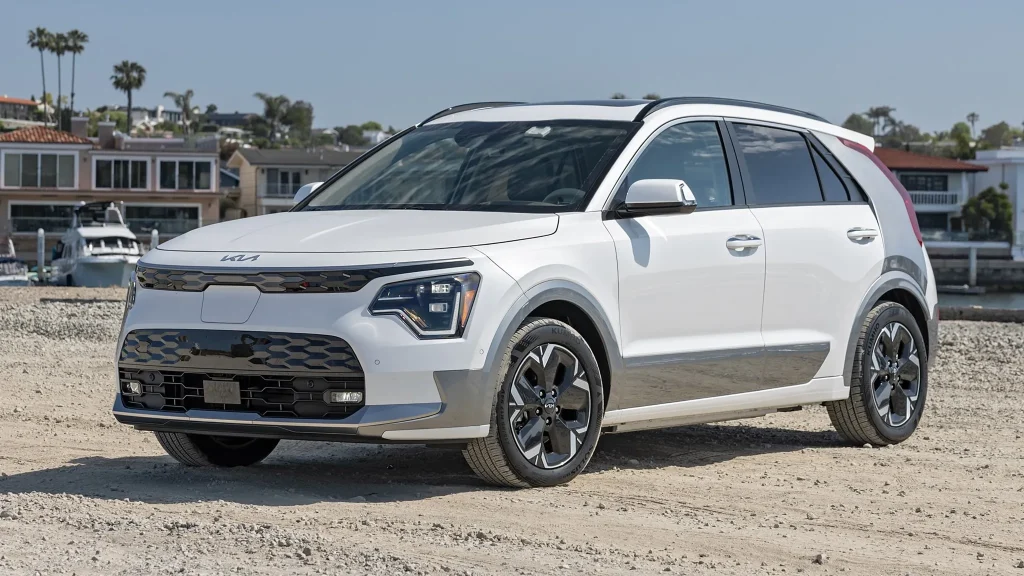
6. Kia Niro EV
The Kia Niro EV works very well for apartment living because it blends practical range with flexible charging behavior. It is designed to fit into shared environments without demanding special arrangements.
Charging flexibility is one of its biggest strengths. The Niro EV performs reliably on slower AC chargers, which are common in apartment complexes and public parking areas.
Owners can rely on overnight charging or occasional top ups at nearby stations. The car remains usable even if charging access is not available every day.
Real world range is steady and predictable. Daily commuting, errands, and city driving fit comfortably within its capability.
This reduces the need to constantly plan charging sessions. Apartment residents benefit from this relaxed approach.
The vehicle size suits shared parking well. It is easy to maneuver into tight spaces and navigate narrow basement ramps. Low speed driving feels calm and controlled. Parking garages and shared lots do not feel stressful.
Quiet operation is ideal for apartment settings. Early morning departures and late night arrivals remain unobtrusive. Interior comfort supports frequent short trips. Seats remain comfortable even with repeated daily use.
The cabin layout feels familiar and practical. Controls are easy to understand and quick to operate. Regenerative braking helps reduce brake wear. This is useful for city driving and lowers maintenance needs.
Maintenance requirements are minimal. Fewer service visits suit busy urban and apartment lifestyles. The Niro EV handles short trips very well. Frequent use does not affect reliability or performance.
Battery management is well suited for urban patterns. Consistent moderate charging helps preserve long term health. Public charging compatibility is broad. Many stations near apartment areas support it easily.
Charging routines remain forgiving. Owners do not need strict schedules to stay comfortable. Climate control efficiency helps maintain usability. Heating and cooling have a predictable impact on daily range.
Visibility is good in tight garages. Drivers can judge corners and obstacles confidently. Ownership costs remain stable and predictable. This helps apartment residents manage budgets without surprises.
Daily routines stay largely unchanged. Commuting and errands fit naturally into ownership. The Niro EV does not demand performance focused driving. Gentle inputs deliver smooth results.
Over time, the car blends seamlessly into apartment life. It demands little attention day to day. Shared living environments benefit from its calm nature. Noise and vibration are minimal.
The Niro EV supports flexible ownership. It adapts to changing charging availability without stress. Overall, the Kia Niro EV works well in apartment living because it balances usable range, flexible charging, and low ownership effort. It fits naturally into shared spaces and urban routines.
Apartment living presents unique challenges for electric vehicle ownership. Shared parking, limited charging access, and busy daily routines require EVs that adapt rather than demand.
The six electric vehicles discussed here succeed because they prioritize flexibility and simplicity. They work well with slower charging, tolerate partial top ups, and deliver predictable real world range.
Manageable size plays an important role. Tight parking bays and narrow ramps are easier to handle with EVs that are not overly large or difficult to maneuver.
Quiet operation benefits shared living environments. Reduced noise makes early departures and late arrivals more comfortable for everyone.
Maintenance simplicity adds to the appeal. Fewer service visits and predictable upkeep fit well into urban apartment lifestyles.
Another key factor is forgiving charging behavior. These EVs do not require perfect routines. Owners can adapt to shared infrastructure without stress.
Interior comfort and familiar controls help owners settle in quickly. When an EV feels natural to use, it becomes easier to rely on daily.
From the Nissan Leaf to the Kia Niro EV, each model offers a practical solution for apartment residents. They focus on usability rather than extreme specifications.
For apartment dwellers considering electric mobility, the right EV makes all the difference. These vehicles prove that EV ownership can be convenient, flexible, and stress free even without a private garage.
Choosing an EV that works with apartment living turns potential limitations into manageable routines. With the right car, electric driving fits naturally into shared urban life.
Also Read: 6 Small Sedans That Fit Well in Older City Parking
