
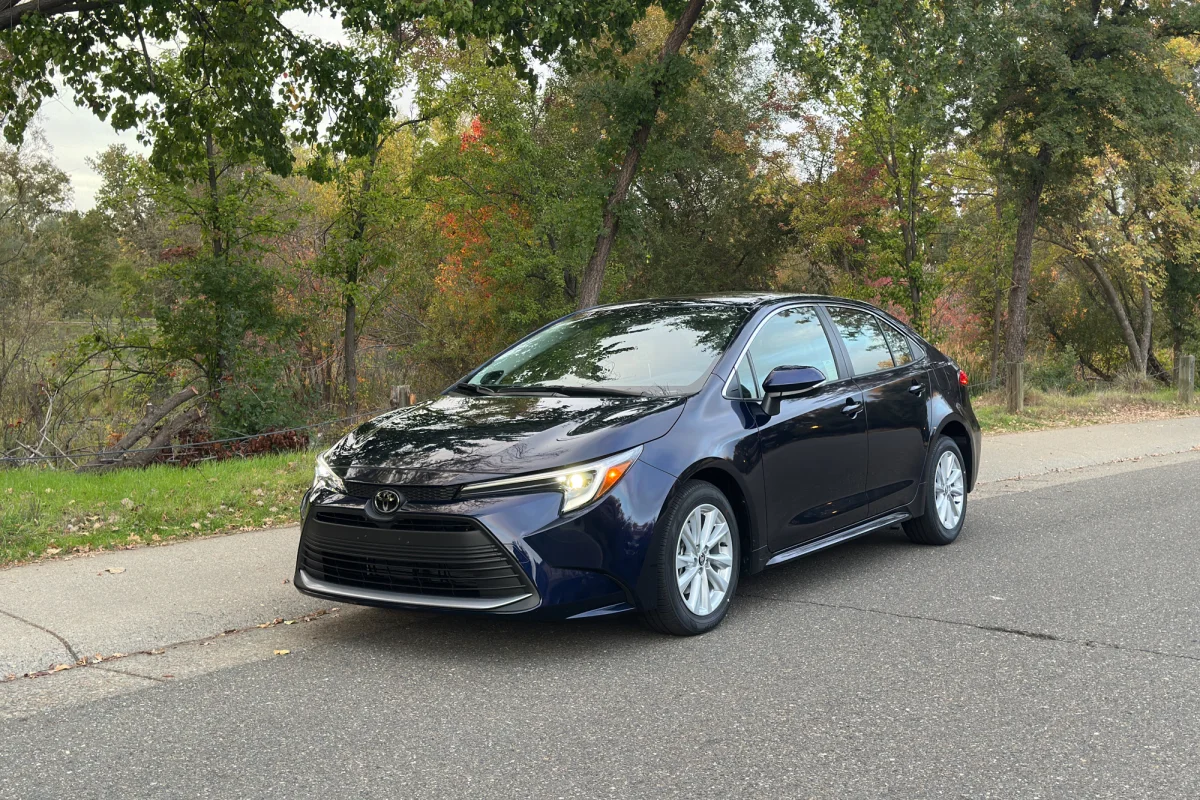
City traffic places constant pressure on both drivers and vehicles. Stop and go movement, unpredictable lane changes, frequent braking, and long idle times define daily urban driving. In these conditions, comfort becomes more important than outright performance or size.
A sedan that handles city traffic comfortably must be easy to control at low speeds. Smooth throttle response, predictable braking, and light steering help reduce stress when traffic slows to a crawl. Cars that feel jumpy or overly stiff quickly become tiring in urban environments.
Ride quality also matters in cities. Poor road surfaces, speed bumps, and uneven patches are common. Sedans that absorb these imperfections well allow drivers and passengers to remain comfortable even during long periods in traffic.
Seating comfort plays a major role as well. City drivers may not travel long distances, but they spend a lot of time sitting still. Supportive seats and a relaxed driving position help reduce fatigue during daily commutes.
Noise levels are another key factor. Constant honking, engine noise, and road sounds can make city driving exhausting. Sedans that maintain a calm cabin environment help drivers stay relaxed and focused.
Visibility and driving confidence contribute to comfort too. In busy traffic, drivers constantly monitor pedestrians, cyclists, buses, and two wheelers. A sedan that offers clear sightlines and stable low speed behavior makes these situations easier to manage.
Fuel efficiency and engine behavior also influence comfort. Cars that respond calmly and do not require aggressive input help drivers move smoothly with traffic rather than fighting it.
This article focuses on seven sedans from global markets that handle city traffic comfortably. These cars are chosen for their smooth behavior, manageable size, ride comfort, and ability to reduce stress during daily urban driving.
They are not selected for speed or luxury, but for how well they adapt to the realities of city traffic. For drivers who spend much of their time in congestion, the right sedan can make everyday driving noticeably more comfortable.
Also Read: Top 10 SUVs That Tower Over Everything Else on the Trail
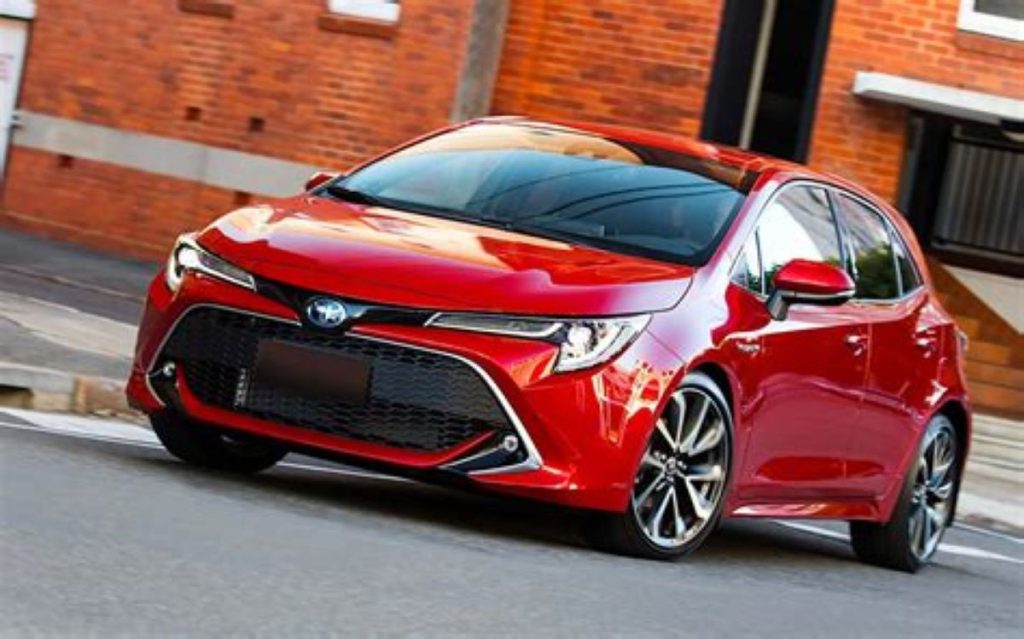
1. Toyota Corolla
The Toyota Corolla is widely regarded as one of the most comfortable sedans for handling city traffic. Its calm driving behavior and balanced design make it well suited for daily urban conditions.
In stop and go traffic, the Corolla feels smooth and predictable. Throttle response is gentle, allowing drivers to move forward without sudden surges. This helps maintain a relaxed driving rhythm.
Low speed steering is light and consistent. Maneuvering through congestion and tight lanes requires minimal effort. Drivers do not need constant corrections to stay comfortable.
Braking response is easy to control. Light pedal pressure produces gradual slowing, which is useful when traffic moves unpredictably. This reduces strain during long commutes.
Ride comfort is tuned for urban roads. The suspension absorbs bumps, potholes, and uneven surfaces effectively. Passengers remain comfortable even on poorly maintained streets.
The seating position supports relaxed driving. Drivers sit upright with good visibility of the road ahead and surrounding traffic. This improves confidence in dense conditions.
Seat cushioning is well balanced. It provides support without feeling stiff, which helps during extended periods in traffic. Daily commuting feels less tiring as a result.
Noise insulation is effective at city speeds. Road and engine noise are kept at a reasonable level. The cabin remains calm even during peak hours.
The Corolla’s interior layout is simple and intuitive. Controls are easy to reach and understand. Drivers can focus on traffic rather than adjusting settings.
Visibility is good in all directions. Large windows help drivers monitor pedestrians, cyclists, and nearby vehicles easily. This reduces mental strain in busy environments.
The car feels stable at low speeds. It does not feel nervous or overly soft. This composure helps drivers feel in control even in chaotic traffic.
Fuel efficiency supports comfortable city driving. The Corolla handles stop and go movement efficiently, reducing the need for frequent refueling.
The engine remains smooth during prolonged idling. It does not feel strained or noisy when traffic slows. This contributes to overall comfort.
The Corolla’s predictable nature helps drivers relax. Knowing how the car will respond reduces stress during daily commutes.
Passengers also benefit from its comfort. Rear seats remain supportive, making shared rides more pleasant in city traffic.
Over time, the Corolla proves easy to live with. It handles daily congestion without demanding extra effort from the driver.
Overall, the Toyota Corolla handles city traffic comfortably because it prioritizes smoothness, stability, and ease of control. It reduces the physical and mental fatigue that often comes with urban driving.
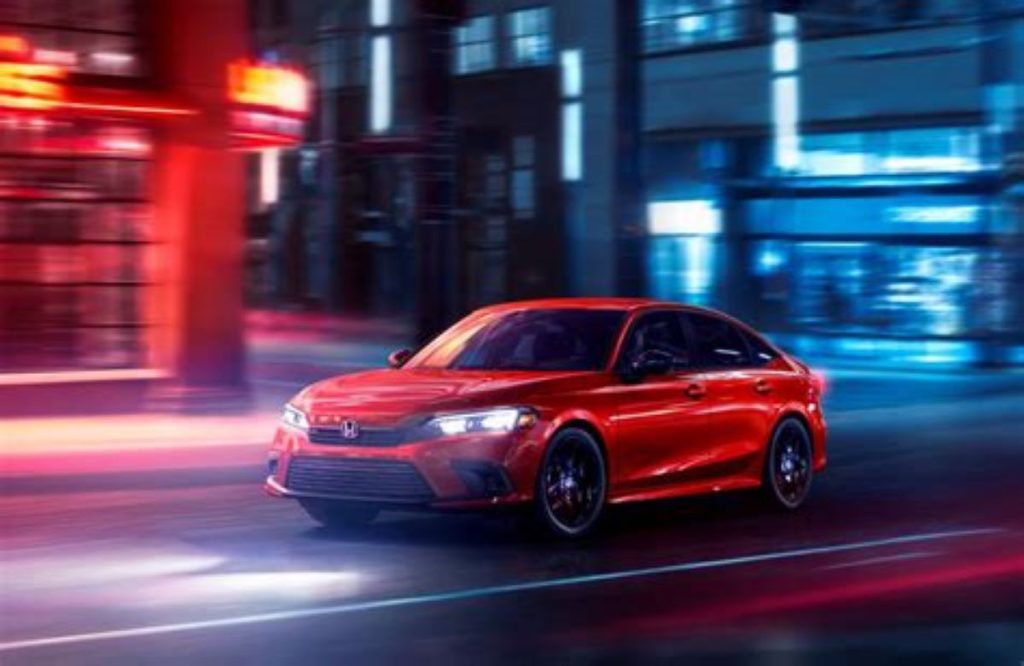
2. Honda Civic
The Honda Civic is a sedan that handles city traffic comfortably by combining smooth control with a refined driving feel. It is designed to reduce effort in congested conditions, which helps drivers stay relaxed during daily urban commutes.
In stop and go traffic, the Civic responds smoothly to throttle input. Acceleration is gradual rather than sudden, allowing drivers to move with traffic without constant adjustments. This calm response reduces stress.
Steering is light at low speeds, which is ideal for city driving. Navigating through tight lanes and crowded intersections requires minimal effort. The car feels easy to guide even during long traffic jams.
Brake response is predictable and easy to modulate. Gentle pressure results in smooth slowing, which helps when traffic flow changes suddenly. This improves comfort during frequent stops.
Ride quality is well suited for urban roads. The suspension absorbs bumps, potholes, and uneven surfaces effectively. Passengers remain comfortable even on poorly maintained streets.
The seating position supports a relaxed posture. Drivers sit upright with good visibility of surrounding traffic. This helps reduce neck and shoulder fatigue during slow moving commutes.
Seat comfort is a strong point. The cushioning provides support without feeling firm. This is especially helpful when spending long periods sitting in traffic.
Cabin noise levels are well controlled. Road and engine sounds are kept low at city speeds. The interior feels calm even during peak traffic hours.
The Civic’s interior layout is simple and intuitive. Controls are easy to reach and understand. Drivers can focus on traffic instead of searching for buttons.
Visibility plays a key role in comfort. Large windows help drivers monitor pedestrians, cyclists, and nearby vehicles. This reduces mental strain in crowded environments.
The car feels stable at low speeds. It does not feel jumpy or overly soft. This balanced behavior helps drivers maintain confidence in heavy traffic.
Fuel efficiency supports comfortable daily driving. The Civic handles stop and go movement efficiently, reducing the need for frequent fuel stops.
The engine remains quiet during idling. Long traffic lights and congestion do not cause excessive noise or vibration. This adds to cabin comfort.
Gear changes feel smooth and unobtrusive. Whether moving slowly or picking up speed, transitions feel natural. This prevents fatigue during repeated acceleration.
Passengers also benefit from the Civic’s comfort. Rear seat occupants experience a stable ride even in slow moving traffic.
The car adapts well to unpredictable urban driving. Sudden stops, lane changes, and merging feel manageable rather than stressful.
Over time, the Civic proves easy to live with in city conditions. Its calm nature helps reduce daily driving fatigue.
Overall, the Honda Civic handles city traffic comfortably because it emphasizes smooth control, supportive seating, and a quiet cabin. It allows drivers to stay relaxed even during long periods of congestion.
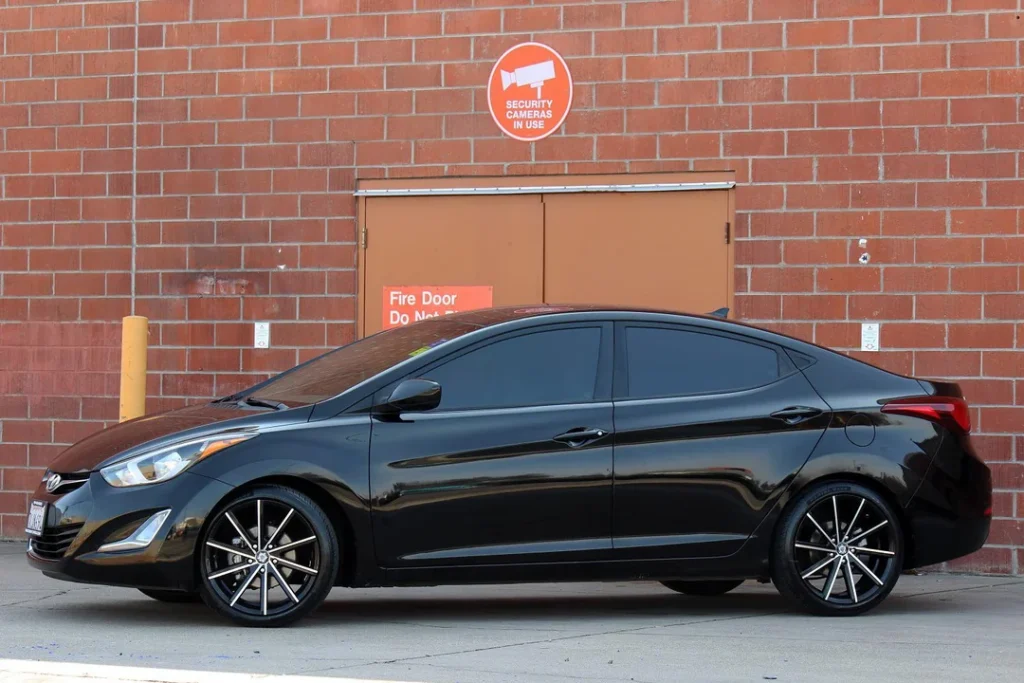
3. Hyundai Elantra
The Hyundai Elantra is a sedan that prioritizes comfort and ease of use in city traffic. Its smooth behavior and well tuned ride make it a suitable choice for drivers who face congestion daily.
In stop and go conditions, the Elantra feels calm and controlled. Throttle response is gentle, helping drivers maintain smooth progress without sudden surges. This makes city driving less tiring.
Steering at low speeds is light and responsive. Maneuvering through crowded lanes and intersections requires little effort. The car feels cooperative rather than demanding.
Brake performance is easy to manage. The pedal offers smooth and predictable feedback, which helps during frequent stops. This improves comfort in heavy traffic.
Ride comfort is tuned for urban environments. The suspension absorbs road imperfections effectively, including potholes and speed bumps. Passengers remain comfortable throughout the journey.
The seating position encourages relaxed driving. Drivers sit upright with a clear view of the road and surroundings. This improves confidence in busy traffic situations.
Seat cushioning is designed for daily use. It provides enough support for extended periods of sitting. This helps reduce discomfort during long commutes.
Cabin noise levels are kept under control. Traffic sounds are muted enough to maintain a calm interior. This contributes to a more relaxed driving experience.
The dashboard layout is straightforward and user friendly. Controls are logically placed and easy to operate. Drivers can focus on traffic rather than interior adjustments.
Visibility is good in urban conditions. Large windows help drivers stay aware of pedestrians, cyclists, and nearby vehicles. This reduces mental load.
The Elantra feels composed at low speeds. It does not feel nervous or overly firm. This stability helps drivers remain comfortable in congested areas.
Fuel efficiency supports city routines. The Elantra performs well in stop and go traffic, helping reduce fuel related stress.
The engine remains smooth during prolonged idling. Traffic jams do not result in excessive noise or vibration. This helps maintain cabin comfort.
Gear transitions feel smooth and predictable. The car adapts easily to changing traffic speeds. This reduces driver effort during constant acceleration and braking.
Passengers also benefit from the comfortable ride. Rear seats remain stable and supportive even on uneven roads.
The Elantra adapts well to the rhythm of city driving. Sudden stops and slow movement feel manageable rather than frustrating.
Daily commuting feels less exhausting due to the car’s calm behavior. Drivers can maintain a relaxed pace even in dense traffic.
Overall, the Hyundai Elantra handles city traffic comfortably because it combines smooth control, supportive seating, and a quiet cabin. It is designed to make urban driving feel easier and less demanding.
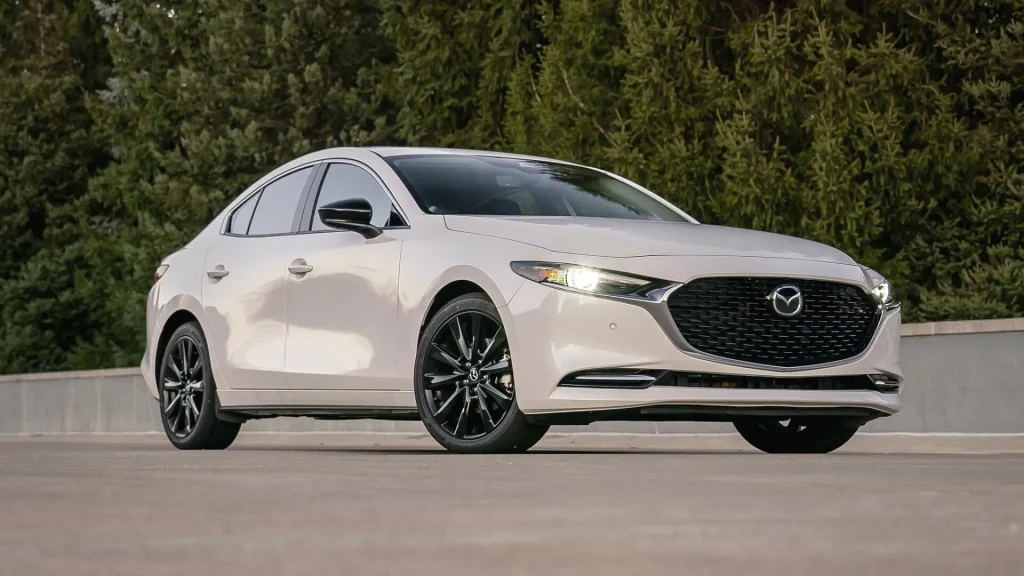
4. Mazda 3 Sedan
The Mazda 3 Sedan handles city traffic comfortably by focusing on smooth control and a composed ride. It is designed to feel refined at low speeds, which is exactly where city driving happens most of the time.
In stop and go traffic, the Mazda 3 responds gently to throttle input. Acceleration builds smoothly, allowing drivers to move with traffic without sudden jerks. This creates a calmer driving rhythm.
Steering at low speeds is light but precise. Navigating through congestion and narrow lanes feels controlled rather than tiring. The car responds accurately to small inputs.
Brake modulation is easy and predictable. Gentle pedal pressure results in smooth slowing, which helps during frequent stops. This reduces strain in heavy traffic.
Ride quality is one of the Mazda 3’s strengths. The suspension absorbs uneven road surfaces, potholes, and speed bumps effectively. Passengers remain comfortable even on rough city streets.
The seating position supports relaxed control. Drivers sit at a height that provides good visibility of the road and surrounding vehicles. This improves confidence in busy traffic.
Seat comfort is well balanced for city use. Cushioning supports the body without feeling too firm. Long periods of sitting feel less exhausting.
Cabin noise levels are well managed. Road and engine sounds are kept low at city speeds. The interior feels calm during traffic congestion.
The interior layout is clean and driver focused. Controls are easy to reach and operate. Drivers can focus fully on traffic conditions.
Visibility contributes strongly to comfort. The windshield and side windows provide clear sightlines. Pedestrians and cyclists are easier to track.
The car feels stable during slow movement. It does not feel jumpy or overly soft. This stability helps drivers stay relaxed in unpredictable traffic.
Fuel efficiency supports comfortable city driving. The Mazda 3 handles stop and go movement efficiently, reducing concerns about fuel use.
The engine remains smooth during idling. Long waits at signals do not create vibration or noise. This improves the overall driving experience.
Gear transitions feel natural and unobtrusive. The car adapts easily to changing speeds in traffic. This prevents fatigue from constant adjustments.
Passengers benefit from the composed ride as well. Rear seats remain stable, making shared rides more pleasant in congestion.
The Mazda 3 adapts well to sudden traffic changes. Braking, turning, and acceleration feel predictable. This reduces mental strain.
Daily commuting feels smoother because the car encourages calm driving. It does not demand aggressive input to stay responsive.
Overall, the Mazda 3 Sedan handles city traffic comfortably because it combines precise control, a smooth ride, and a refined cabin. It helps drivers stay relaxed even in dense urban conditions.
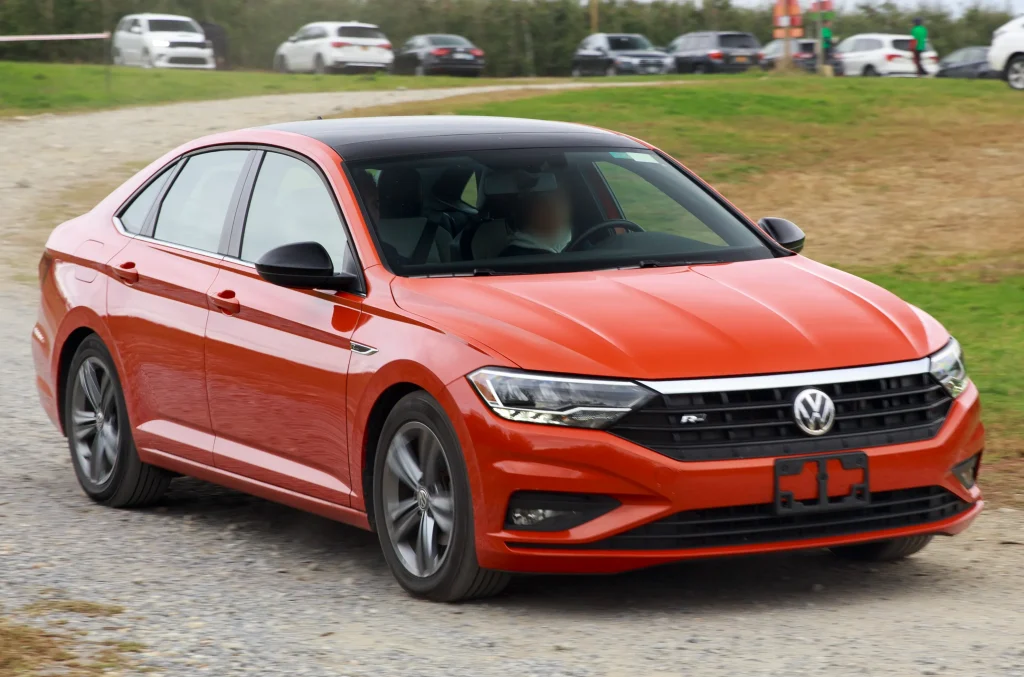
5. Volkswagen Jetta
The Volkswagen Jetta is a sedan that handles city traffic comfortably through stability and a relaxed driving character. It is designed to feel solid and predictable, which suits crowded urban environments.
In stop and go traffic, the Jetta moves smoothly and without hesitation. Throttle response is controlled, allowing drivers to maintain steady progress in congestion.
Steering at low speeds is smooth and consistent. Maneuvering through tight lanes and busy intersections requires minimal effort. The car feels cooperative in traffic.
Brake response is easy to modulate. Gentle pressure produces gradual slowing, which helps when traffic patterns change suddenly. This improves comfort during long commutes.
Ride comfort is tuned for everyday roads. The suspension absorbs bumps and uneven surfaces effectively. City driving feels less harsh for both driver and passengers.
The seating position supports a relaxed posture. Drivers sit upright with good forward visibility. This helps reduce fatigue during slow moving traffic.
Seat cushioning is supportive without being stiff. Long periods of sitting in traffic feel more manageable. Comfort remains consistent throughout the drive.
Noise insulation is effective at urban speeds. Road and traffic sounds are reduced, keeping the cabin calm. This lowers stress during peak hours.
The interior layout is practical and easy to use. Controls are logically placed and simple to operate. Drivers can focus on traffic rather than cabin adjustments.
Visibility is good in city environments. Windows and mirrors help drivers monitor nearby vehicles and pedestrians easily. This adds to overall comfort.
The Jetta feels stable at low speeds. It does not feel nervous or overly soft. This predictable behavior helps drivers remain confident in congestion.
Fuel efficiency supports city commuting. The car handles stop and go movement efficiently, reducing frequent refueling concerns.
The engine remains quiet during idling. Extended waits at traffic lights do not create excessive vibration. This helps maintain a pleasant cabin environment.
Gear changes feel smooth and natural. The car adapts easily to changing traffic speeds. This reduces effort during repeated acceleration and braking.
Passengers also enjoy the comfortable ride. Rear seats remain steady even on uneven city roads. Shared commutes feel less tiring.
The Jetta handles sudden stops and lane changes calmly. Drivers do not feel rushed by the car’s responses. This reduces mental strain.
Daily city driving feels easier due to the car’s composed nature. It encourages smooth driving rather than aggressive behavior.
Overall, the Volkswagen Jetta handles city traffic comfortably because it prioritizes stability, smooth responses, and a quiet cabin. It helps drivers and passengers stay relaxed in busy urban conditions.
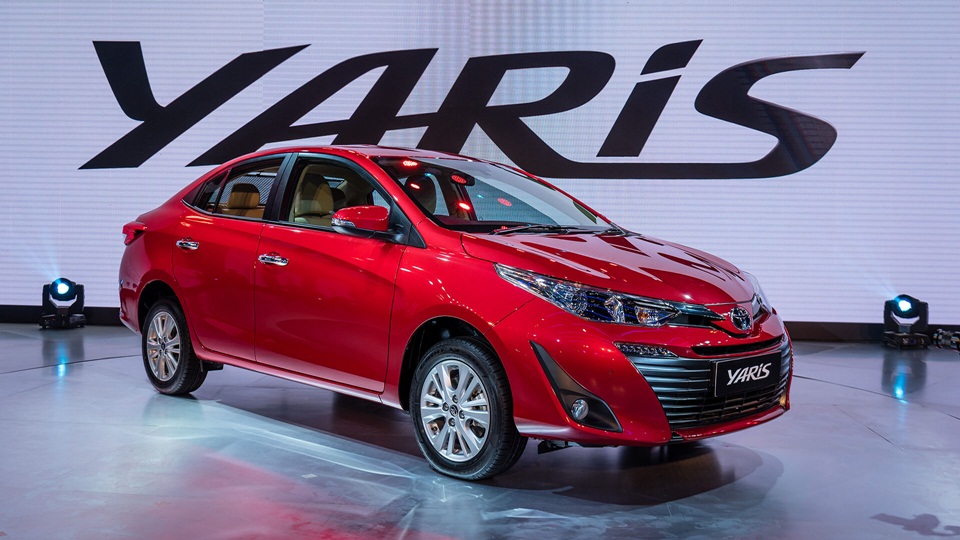
6. Toyota Yaris Sedan
The Toyota Yaris Sedan handles city traffic comfortably by focusing on simplicity, light controls, and predictable behavior. It is designed for environments where traffic rarely flows freely and patience matters more than power.
In stop and go traffic, the Yaris Sedan feels calm and cooperative. Throttle response is gentle, allowing smooth forward movement without sudden jumps. This helps drivers stay relaxed in long queues.
Low speed steering is very light. Navigating tight lanes, crowded intersections, and slow moving traffic requires little effort. The car feels easy to guide even during extended congestion.
Brake response is easy to manage. Light pedal pressure produces smooth slowing, which helps when traffic movement is inconsistent. This reduces leg fatigue during frequent stops.
Ride comfort is tuned for city conditions. The suspension absorbs small bumps, potholes, and uneven road surfaces effectively. Short trips feel comfortable despite rough streets.
The seating position supports relaxed urban driving. Drivers sit upright with good visibility of the road and nearby vehicles. This improves awareness in dense traffic.
Seat cushioning is designed for daily use. It offers enough support for repeated short drives and longer traffic delays. Comfort remains consistent throughout the journey.
Cabin noise levels are well controlled at city speeds. Engine and road sounds are kept low, creating a calmer interior environment during congestion.
The interior layout is simple and uncluttered. Controls are easy to reach and understand. Drivers can focus on traffic rather than managing the cabin.
Visibility is a strong point. Large windows help drivers track pedestrians, cyclists, and surrounding vehicles easily. This reduces mental strain in busy areas.
The Yaris Sedan feels stable at low speeds. It does not feel nervous or underpowered in traffic. This steady behavior suits urban driving well.
Fuel efficiency adds to comfort. The car handles stop and go traffic efficiently, reducing worries about fuel consumption during daily commutes.
The engine remains smooth during prolonged idling. Traffic jams do not result in excessive vibration or noise. This helps maintain a relaxed cabin feel.
Gear transitions are smooth and unobtrusive. The car adapts easily to changing traffic speeds without sudden shifts. This reduces driver effort.
Passengers also benefit from the calm ride. Rear seats remain stable even on uneven roads. City trips feel less tiring for everyone inside.
The Yaris Sedan adapts well to unpredictable traffic patterns. Sudden stops and slow movement feel manageable rather than frustrating.
Daily commuting feels lighter because the car demands very little from the driver. It encourages smooth, patient driving.
Overall, the Toyota Yaris Sedan handles city traffic comfortably because it prioritizes ease of control, light steering, and a calm ride. It is well suited for dense urban environments where comfort comes from simplicity.
7. Honda City
The Honda City is a sedan that handles city traffic comfortably by offering a smooth ride, responsive controls, and a spacious yet manageable feel. It is designed to reduce stress during daily urban commuting.
In stop and go traffic, the City moves smoothly and predictably. Throttle response is controlled, allowing drivers to progress without jerky movement. This helps maintain a steady rhythm in congestion.
Steering at low speeds is light and fluid. Navigating through crowded lanes and intersections feels easy. The car responds well to small inputs without feeling vague.
Brake modulation is smooth and reassuring. Gentle pedal pressure results in gradual slowing, which is useful in unpredictable traffic flow. This improves comfort during frequent stops.
Ride quality is well suited for city roads. The suspension absorbs potholes, speed bumps, and uneven surfaces effectively. Passengers remain comfortable despite rough patches.
The seating position supports relaxed control. Drivers sit upright with a clear view of traffic ahead. This improves confidence when surrounded by buses, bikes, and pedestrians.
Seat comfort is a highlight. Cushioning supports the body well during long periods in traffic. Daily commuting feels less tiring as a result.
Cabin noise levels are controlled at urban speeds. Traffic and road sounds are muted enough to maintain a calm interior. This reduces stress during peak hours.
The interior layout is practical and intuitive. Controls are logically placed and easy to operate. Drivers can focus on traffic rather than searching for buttons.
Visibility contributes strongly to comfort. Large windows help drivers monitor surrounding activity easily. This reduces mental load in busy environments.
The City feels stable at low speeds. It does not feel twitchy or overly soft. This balanced behavior helps drivers remain calm in congestion.
Fuel efficiency supports city use. The car handles stop and go traffic efficiently, reducing concerns about running costs during daily drives.
The engine remains smooth during idling. Long waits at traffic lights do not create excessive noise or vibration. This adds to overall comfort.
Gear changes feel smooth and natural. The car adapts easily to changing speeds without demanding attention. This reduces fatigue during repeated acceleration.
Passengers benefit from the spacious and comfortable cabin. Rear seat occupants experience a stable ride even in slow moving traffic.
The City handles sudden stops and lane changes with ease. Responses feel predictable rather than rushed. This improves confidence in dense traffic.
Daily commuting feels more manageable because the car encourages smooth, relaxed driving. It does not push the driver to be aggressive.
Overall, the Honda City handles city traffic comfortably because it blends smooth control, supportive seating, and a calm cabin. It is well suited for drivers who spend significant time in urban congestion.
City traffic tests patience, comfort, and control more than any other driving environment. Frequent stops, slow movement, rough roads, and constant awareness of surroundings can quickly drain drivers if the car is not suited to urban life.
The seven sedans covered in this article show that comfort in city traffic comes from thoughtful design rather than power or size. Smooth throttle response, light steering, predictable braking, and a composed ride make a real difference during daily commuting.

Supportive seating and controlled noise levels also play a key role. A calm cabin helps drivers stay relaxed and focused even during long periods of congestion. Good visibility reduces mental strain and improves confidence.
From the balanced Toyota Corolla to the easy going Toyota Yaris Sedan and the spacious Honda City, each model offers a different approach to handling city traffic comfortably. What they share is an ability to reduce stress rather than add to it.
For urban drivers, choosing a sedan that handles city traffic well improves daily life. These cars succeed because they adapt to the rhythm of the city, allowing drivers to move smoothly, patiently, and comfortably through congestion every day.
Also Read: 7 Affordable Sedans That Are Practical for Urban Living
