
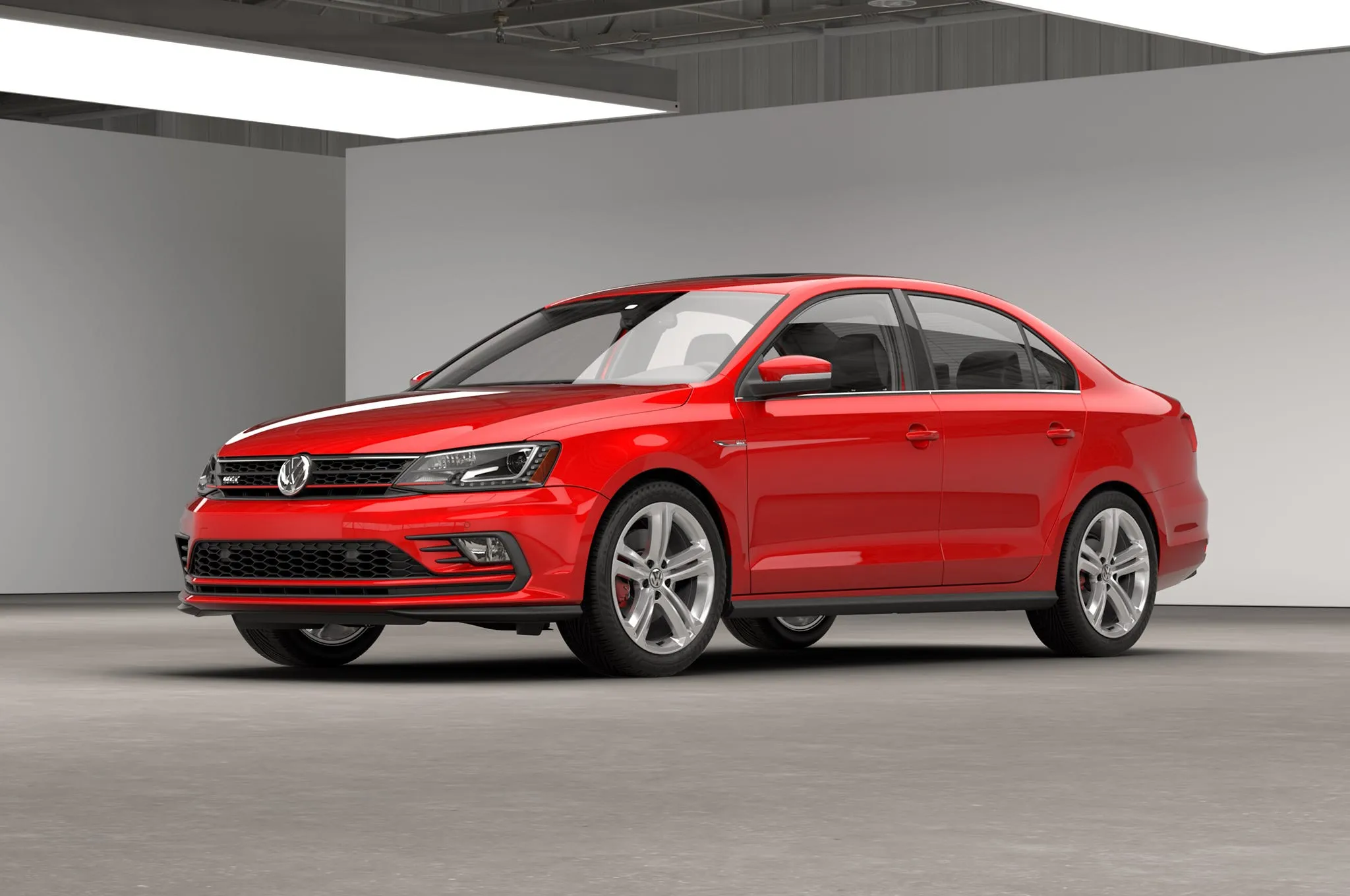
City commuting is very different from highway driving or long distance travel. Urban commuters deal with congestion, traffic signals every few meters, narrow lanes, constant braking, and unpredictable road users. In such conditions, the kind of car you drive can significantly affect your daily comfort and stress levels.
For city commuters, practicality matters more than performance figures or luxury branding. A sensible sedan should be easy to maneuver, fuel efficient in stop and go traffic, comfortable for short daily trips, and reliable enough to handle frequent use. Cars that feel effortless to drive at low speeds tend to work best in urban environments.
Parking is one of the biggest challenges for city commuters. Many cities have limited parking infrastructure, older residential buildings, and crowded street parking. A sedan that is compact, easy to judge, and predictable at low speeds can save time and reduce daily frustration.
Fuel efficiency plays a crucial role as well. Urban traffic often results in lower average speeds and frequent idling. Sedans that maintain good mileage in these conditions help commuters control monthly fuel expenses. Over time, this makes a noticeable financial difference.
Comfort also matters, even for short commutes. Poor road surfaces, speed bumps, and constant braking can quickly become tiring. A city commuter sedan should offer a comfortable seating position, compliant suspension, and a calm cabin environment to make daily drives more pleasant.
Reliability and maintenance costs are equally important. City commuters rely heavily on their cars and cannot afford frequent breakdowns. Sedans with proven reliability records and manageable service costs make more sense for everyday use.
Visibility is another key factor. Urban driving involves pedestrians, cyclists, and two wheelers appearing suddenly. Clear sightlines and good spatial awareness help drivers react quickly and drive with confidence.
This article focuses on six sedans that make sense for city commuters around the world. These cars are chosen for their practicality, ease of driving, efficiency, and reliability rather than power or prestige. They are vehicles that integrate smoothly into daily urban routines.
For anyone who spends a large part of their day commuting through city streets, choosing the right sedan can transform the experience. The sedans listed here are designed to make urban commuting simpler, calmer, and more economical.
Also Read: Audi Recall Hits 356,000 Vehicles From 2019–2026 Over Camera Failures
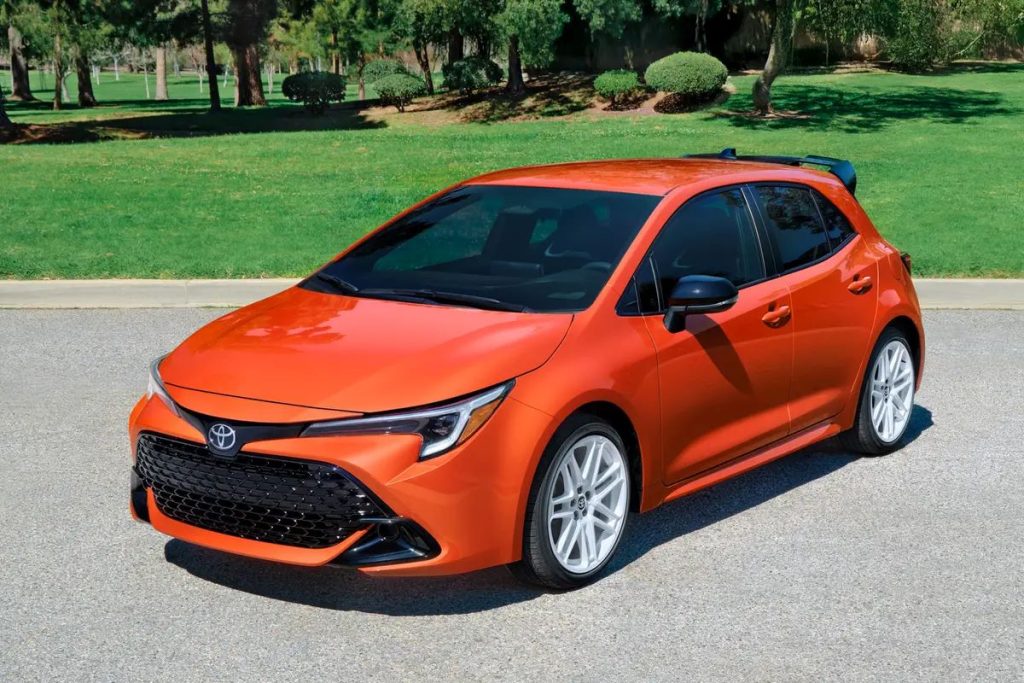
1. Toyota Corolla
The Toyota Corolla has earned its reputation as one of the most sensible sedans for city commuters worldwide. Its global success comes from a simple formula of reliability, efficiency, and ease of use. These qualities align perfectly with urban commuting needs.
The Corolla’s exterior dimensions are well suited for city roads. It is compact enough to navigate narrow lanes while offering sufficient interior space for daily use. Drivers do not feel burdened by its size in traffic.
Low speed maneuverability is one of the Corolla’s strongest points. The steering feels light and predictable, which helps in congested conditions. Making small adjustments in traffic feels natural and controlled.
The turning radius allows the Corolla to handle tight city corners and parking ramps without difficulty. This is particularly useful in older urban areas with narrow streets and limited space.
Parking is manageable thanks to the Corolla’s balanced proportions. It fits comfortably into standard city parking spaces. Parallel parking on busy streets feels achievable rather than stressful.
Visibility is excellent for a modern sedan. The windshield and side windows provide clear views of surrounding traffic. Drivers can easily spot pedestrians, cyclists, and nearby vehicles.
The seating position supports good awareness. Drivers sit at a height that allows clear judgment of distances and vehicle edges. This builds confidence during close quarter driving.
Fuel efficiency is a major advantage for city commuters. The Corolla performs well in stop and go traffic, keeping fuel consumption under control. This helps reduce monthly commuting costs.
Engine tuning focuses on smoothness and predictability. Acceleration is calm and linear, which suits urban conditions. Sudden power delivery is avoided.
Ride comfort is tuned for everyday roads. The suspension absorbs bumps and uneven surfaces effectively. Daily commutes feel less tiring, even on poorly maintained streets.
The cabin layout is simple and functional. Controls are intuitive and easy to operate. Drivers can focus on the road instead of complex interfaces.
Noise levels remain controlled at city speeds. Traffic noise is muted, creating a calm cabin environment. This reduces stress during long commutes.
Interior space is practical for daily needs. Passengers have enough room for short to medium trips. The trunk accommodates groceries and work items easily.
Maintenance costs are predictable and reasonable. The Corolla is known for long term reliability and durability. This is essential for daily commuters.
The car handles frequent short trips without issues. It starts reliably every day and adapts well to stop start usage common in cities.
Over time, the Corolla proves itself as a dependable urban companion. It does not demand attention or compromise convenience.
Overall, the Toyota Corolla makes sense for city commuters because it delivers consistency. It is easy to drive, economical to run, and dependable in daily urban life. For commuters worldwide, it remains one of the most logical sedan choices available.
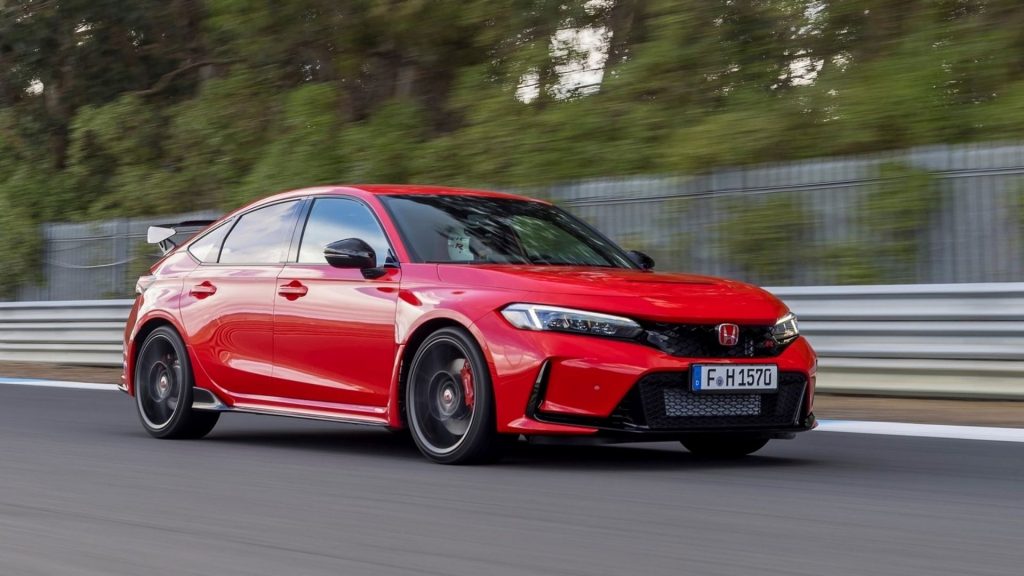
2. Honda Civic
The Honda Civic has consistently been one of the most practical sedans for city commuters across global markets. Its popularity comes from a balance of efficiency, comfort, and ease of driving. Honda designed the Civic to feel natural in daily urban conditions.
The Civic’s size works well in crowded cities. It is compact enough to move easily through traffic, yet spacious enough inside for daily comfort. Drivers do not feel restricted or overwhelmed.
Low speed maneuverability is a key strength. The steering feels light and accurate, which helps during traffic jams and narrow streets. Small steering inputs lead to predictable movements.
The turning radius supports city driving needs. The Civic can navigate tight corners and parking ramps without repeated corrections. This saves time and reduces stress.
Parking is manageable due to its well judged proportions. The Civic fits into typical city parking spaces with ease. Parallel parking on busy streets feels less intimidating.
Visibility is strong for a modern sedan. The windshield provides a wide forward view, while side windows help monitor surrounding traffic. Pedestrians and cyclists are easier to spot.
The seating position supports awareness and comfort. Drivers sit at a height that allows them to judge distances accurately. This helps during close quarter driving.
Fuel efficiency suits urban commuting well. The Civic maintains good mileage in stop and go traffic. This helps commuters manage fuel expenses over time.
Engine performance is smooth and controlled. Power delivery is calm rather than aggressive, which suits city conditions. The car responds gently to throttle input.
Ride comfort is tuned for urban roads. The suspension absorbs bumps and uneven surfaces effectively. Daily commutes feel less tiring.
The cabin layout is intuitive. Controls are easy to reach and understand. Drivers can focus on traffic rather than adjusting settings.
Noise levels remain controlled at city speeds. Traffic sounds are muted, creating a calm environment inside the car.
Interior space is practical for everyday use. Passengers are comfortable on short trips, and the trunk supports daily errands.
Maintenance and reliability are strong points. The Civic has a reputation for durability and predictable servicing costs. This is important for daily commuters.
The car handles frequent short trips without complaint. It starts reliably and performs consistently in stop start conditions.
Urban commuters benefit from the Civic’s balanced nature. It adapts easily to varying traffic conditions without demanding attention.
Overall, the Honda Civic makes sense for city commuters because it blends efficiency, comfort, and ease of control. It is a sedan that integrates smoothly into daily urban routines.
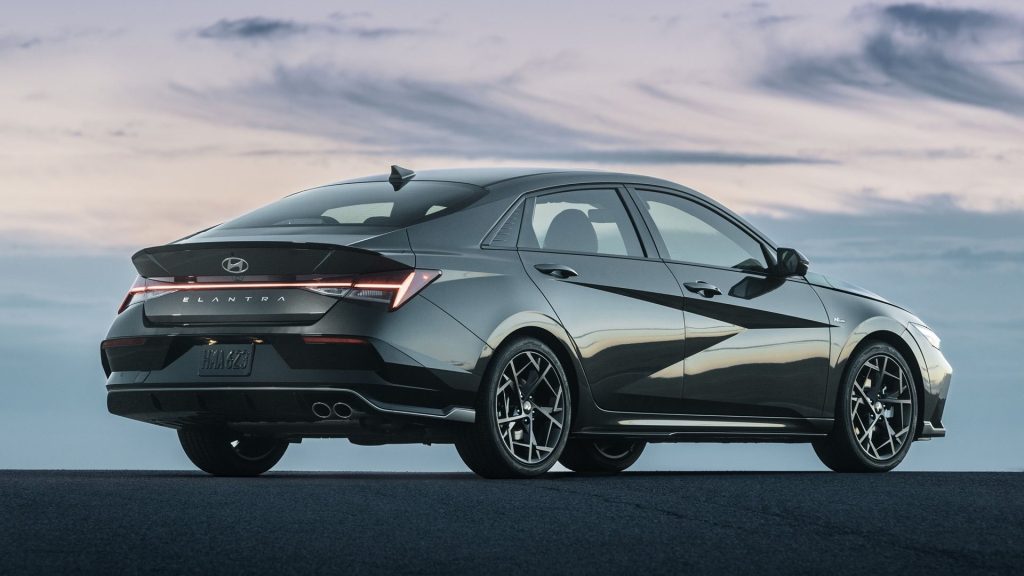
3. Hyundai Elantra
The Hyundai Elantra is a global sedan that offers strong value for city commuters. It focuses on comfort, efficiency, and modern usability, which align well with urban driving needs.
The Elantra’s exterior size is manageable for city roads. It does not feel oversized in traffic and fits comfortably into urban lanes. Drivers can navigate congestion confidently.
Low speed steering response is light and smooth. This helps during parking and slow traffic movement. Drivers can maneuver without excessive effort.
The turning radius supports tight urban environments. Narrow streets and residential areas are handled without difficulty. This reduces the need for repeated adjustments.
Parking is straightforward thanks to balanced dimensions. The Elantra fits into standard city parking spaces easily. Parallel parking feels achievable with practice.
Visibility supports city awareness. The windshield and side windows offer clear views of surroundings. Drivers can monitor traffic and pedestrians effectively.
The seating position contributes to comfort and control. Drivers sit in a posture that allows good visibility and easy access to controls.
Fuel efficiency is suitable for city commuting. The Elantra performs well in stop and go traffic, helping manage fuel costs.
Engine tuning emphasizes smoothness. Acceleration is predictable and calm. This matches the demands of urban driving.
Ride quality is comfortable on city roads. The suspension handles bumps and uneven surfaces effectively. Daily commutes feel smoother.
The cabin design focuses on user friendliness. Controls are intuitive and easy to operate. This reduces distraction during driving.
Noise insulation is adequate for city speeds. Traffic noise does not overwhelm the cabin, helping reduce fatigue.
Interior space is sufficient for daily needs. Passengers are comfortable on short trips, and the trunk supports errands.
Maintenance costs are reasonable. Hyundai’s reliability record and service network support daily commuting needs. The Elantra handles frequent short trips without issues. It adapts well to urban usage patterns.
For commuters who want modern comfort and value, the Elantra fits well. It does not complicate daily driving.
Overall, the Hyundai Elantra makes sense for city commuters because it offers ease of use, efficiency, and comfort. It is designed to simplify urban commuting rather than challenge it.
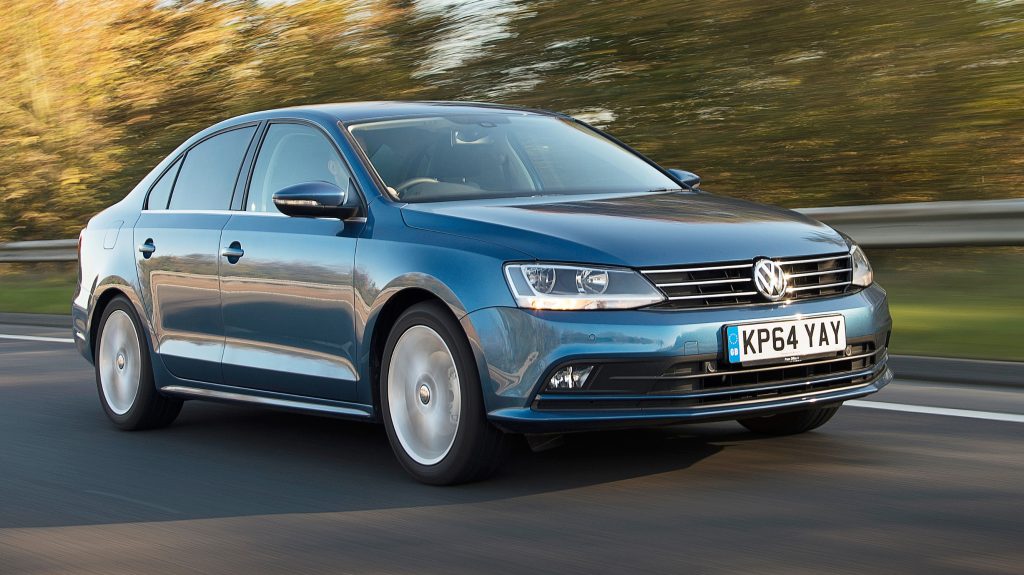
4. Volkswagen Jetta
The Volkswagen Jetta is a sedan that makes strong sense for city commuters who value stability, clarity, and ease of control. Its design focuses on predictability rather than excitement, which suits the daily rhythm of urban commuting very well.
The Jetta’s exterior dimensions are well balanced for city use. It is not overly wide, which helps when driving through narrow lanes and congested areas. Drivers feel comfortable placing the car in traffic.
Low speed steering is smooth and light. This makes the Jetta easy to handle during traffic jams and slow moving conditions. Small steering inputs feel precise rather than vague.
The turning radius is suitable for urban environments. The car can handle tight turns, parking ramps, and residential streets without repeated corrections. This saves effort during daily commutes.
Parking is manageable thanks to the Jetta’s predictable proportions. It fits into standard city parking spaces without drama. Parallel parking feels controlled with practice.
Visibility is one of the Jetta’s strengths. The windshield and side windows provide clear sightlines in all directions. Drivers can easily spot pedestrians and nearby vehicles.
The seating position supports awareness. Drivers sit upright enough to judge distances accurately. This helps in close traffic and parking situations.
Fuel efficiency is reasonable for a city commuter sedan. The Jetta performs well in stop and go traffic. This keeps fuel expenses within control.
Engine behavior is calm and linear. Power delivery is smooth, which suits urban driving conditions. The car does not feel jumpy or aggressive.
Ride comfort is tuned for everyday roads. The suspension absorbs bumps and uneven surfaces well. This makes daily commutes less tiring.
The cabin layout is simple and functional. Controls are placed logically and are easy to use. Drivers can focus on the road without distraction.
Noise levels remain controlled at city speeds. Traffic sounds are kept out effectively, creating a calm cabin environment.
Interior space is adequate for daily use. Passengers are comfortable on short to medium trips. The trunk supports work bags and groceries easily.
Maintenance requirements are predictable. The Jetta benefits from solid build quality, which helps with long term reliability for commuters. The car handles frequent short trips without issues. It adapts well to stop start usage common in urban life.
For city commuters who want a stable and mature driving experience, the Jetta fits well. It does not demand constant attention from the driver.
Overall, the Volkswagen Jetta makes sense for city commuters because it focuses on control, comfort, and clarity. It integrates smoothly into daily urban routines.
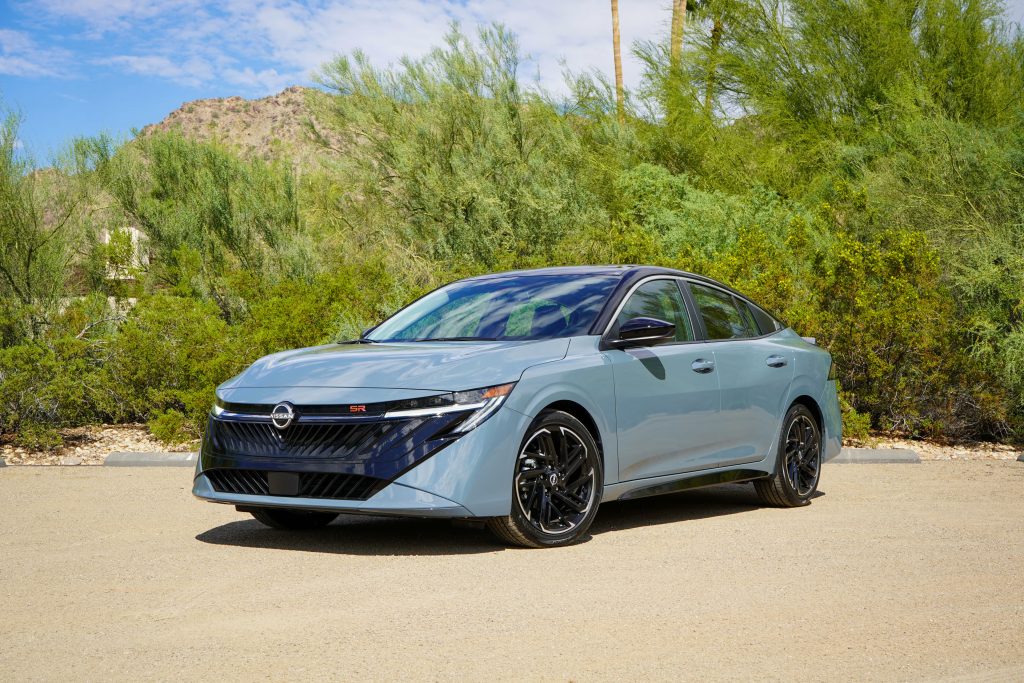
5. Nissan Sentra
The Nissan Sentra is designed with everyday usability in mind, which makes it a sensible choice for city commuters. Its calm driving nature and practical dimensions suit urban environments where simplicity matters most.
The Sentra’s size is manageable for crowded streets. It does not feel bulky or difficult to place in traffic. Drivers can navigate congestion with confidence.
Low speed maneuverability is a strong point. The steering feels light and easy, which helps during slow traffic and parking situations. This reduces effort during daily commutes.
The turning radius supports tight urban driving. Narrow streets and residential areas are handled without stress. Drivers can make turns smoothly.
Parking is straightforward due to balanced proportions. The Sentra fits into city parking spaces comfortably. Parallel parking feels achievable rather than frustrating.
Visibility supports city awareness. Large windows provide clear views of surroundings. Pedestrians and cyclists are easy to spot.
The seating position contributes to comfort and control. Drivers sit at a height that allows good visibility and easy access to controls.
Fuel efficiency suits city commuting needs. The Sentra performs well in stop and go traffic, helping reduce fuel costs over time.
Engine tuning focuses on smoothness. Acceleration is predictable and gentle. This aligns well with urban driving conditions.
Ride comfort is tuned for city roads. The suspension absorbs bumps and uneven surfaces effectively. Daily commutes feel smoother.
The cabin design is simple and user friendly. Controls are easy to understand and operate. This minimizes distraction.
Noise insulation is acceptable for city speeds. Traffic noise does not dominate the cabin, reducing fatigue. Interior space is practical for daily use. Passengers are comfortable on short trips, and the trunk supports errands.
Maintenance costs are reasonable. The Sentra is designed for regular use with manageable servicing needs. The car handles frequent short trips reliably. It adapts well to the demands of city commuting.
For commuters who want a calm and uncomplicated sedan, the Sentra fits well. It does not overwhelm or overcomplicate daily driving.
Overall, the Nissan Sentra makes sense for city commuters because it prioritizes ease of use, efficiency, and comfort. It supports daily routines without unnecessary complexity.
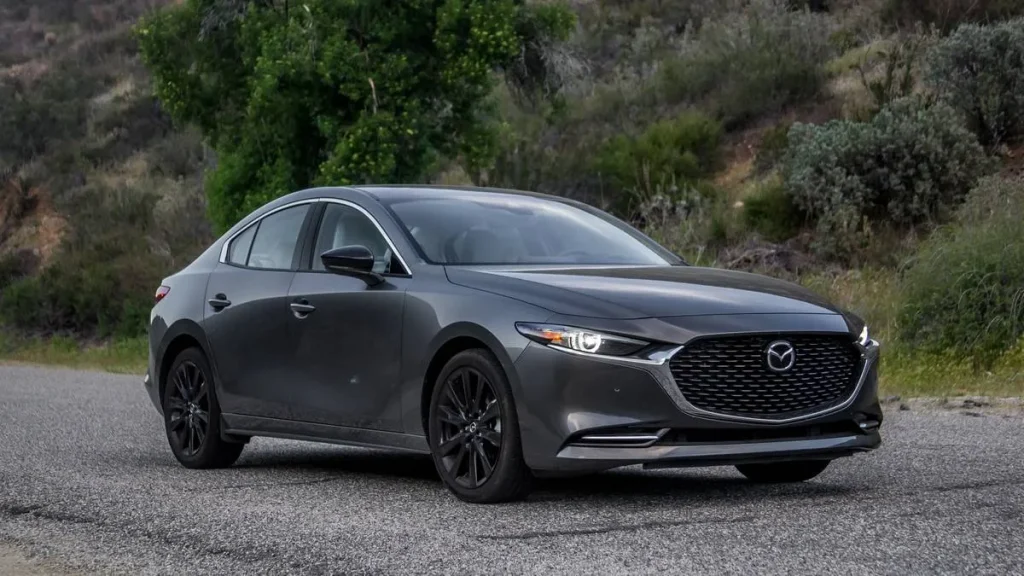
6. Mazda 3 Sedan
The Mazda 3 Sedan is a strong choice for city commuters who want a balance of practicality, comfort, and engaging driving without sacrificing everyday ease. Mazda designed this sedan to feel compact and responsive, which suits urban commuting conditions very well.
The exterior size of the Mazda 3 Sedan works well in city environments. It is easy to manage in traffic and does not feel oversized on narrow streets. Drivers can navigate congestion confidently.
Low speed maneuverability is one of its key strengths. The steering is light yet precise, making it easy to handle in traffic jams and during parking. Small inputs result in smooth, controlled movements.
The turning radius supports tight urban spaces. Residential streets, parking ramps, and narrow intersections are handled without excessive corrections. This reduces effort during daily commutes.
Parking feels manageable thanks to its balanced proportions. The Mazda 3 fits into standard city parking spaces easily. Parallel parking becomes less stressful with practice.
Visibility is good for a modern sedan. The windshield provides a clear forward view, while side windows help maintain awareness of surrounding traffic. Pedestrians and cyclists are easier to spot.
The seating position supports both comfort and control. Drivers sit in a posture that allows clear judgment of distances and good command over the car. This helps in close traffic situations.
Fuel efficiency is suitable for city commuting. The Mazda 3 performs well in stop and go traffic, helping keep fuel costs under control over time.
Engine tuning focuses on smooth power delivery. Acceleration is predictable and calm, which suits urban driving. The car does not feel abrupt or difficult to manage.
Ride comfort is tuned for everyday roads. The suspension absorbs bumps and uneven surfaces effectively. Daily commutes feel composed even on rough patches.
The cabin design emphasizes simplicity and driver focus. Controls are logically placed and easy to use. This allows drivers to concentrate on traffic rather than the interface.
Noise insulation is good at city speeds. Traffic sounds are kept reasonably low, which reduces fatigue during frequent commutes.
Interior space is practical for daily use. Front passengers are comfortable, and rear seating works well for short city trips. The trunk supports groceries and work items.
Maintenance requirements are manageable. Mazda’s build quality and reliability record support consistent daily use. Servicing costs remain predictable for commuters.
The Mazda 3 handles frequent short trips without issues. It adapts well to stop start usage common in urban environments.
For city commuters who want practicality with a touch of driving enjoyment, the Mazda 3 Sedan fits well. It does not complicate daily driving but adds refinement.
Overall, the Mazda 3 Sedan makes sense for city commuters because it combines manageable size, smooth control, and comfort. It integrates seamlessly into urban routines while remaining pleasant to drive.
City commuting places constant demands on both drivers and vehicles. Congested roads, frequent stops, narrow lanes, limited parking, and unpredictable traffic patterns define everyday urban driving.
In such conditions, the right sedan can make commuting smoother, calmer, and more efficient. The focus shifts away from performance and styling toward usability and reliability.
Sedans that make sense for city commuters share common traits. They are easy to maneuver at low speeds, predictable in traffic, and comfortable during short but frequent trips. A manageable exterior size allows drivers to navigate crowded streets without hesitation or stress.
Parking ease is a major factor for urban commuters. Tight parking spaces, older residential buildings, and street parking demand sedans that are easy to judge and position. Balanced proportions, good turning radius, and responsive steering reduce the time and effort required to park every day.
Fuel efficiency is equally important. City traffic often leads to higher fuel consumption due to constant braking and idling. Sedans that maintain good mileage in stop and go conditions help commuters manage long term costs and make daily travel more economical.
Comfort plays a bigger role than many expect. Even short commutes can feel tiring when repeated daily. Supportive seating, compliant suspension, and a calm cabin environment improve the overall driving experience and reduce fatigue.
Reliability remains a key requirement for city commuters. Daily use means there is little tolerance for unexpected breakdowns or high maintenance costs. Sedans with proven dependability and predictable servicing schedules fit urban lifestyles better.
Visibility is another essential element. Urban roads are filled with pedestrians, cyclists, and two wheelers appearing suddenly. Sedans that offer clear sightlines and good spatial awareness allow drivers to react confidently and drive with ease.
The Toyota Corolla stands out for its consistency and reliability. It handles daily commuting effortlessly, offering predictable behavior, good efficiency, and low ownership stress. Its ease of driving makes it a natural fit for urban routines.
The Honda Civic balances comfort and control well. Its smooth steering, calm engine response, and practical size make it comfortable in traffic while remaining efficient. It suits commuters who want refinement without complexity.
The Hyundai Elantra offers modern comfort and user friendly features. It performs reliably in city conditions and supports daily commuting needs with smooth driving behavior and reasonable running costs.
The Volkswagen Jetta emphasizes stability and clarity. It feels composed in traffic and offers predictable handling. This makes it suitable for commuters who value calm control over sporty behavior.
The Nissan Sentra focuses on simplicity and ease of use. Its light steering and gentle acceleration make daily commuting less demanding. It is a sedan designed to blend into city life without causing strain.
The Mazda 3 Sedan adds a touch of engagement while remaining practical. Its responsive steering and balanced size help it adapt well to urban environments. It offers a pleasant driving experience without sacrificing everyday usability.
Together, these six sedans demonstrate that urban commuting does not require large or complex vehicles. Instead, thoughtful design, manageable size, efficiency, and reliability create the best experience for city drivers.
For commuters, the right sedan reduces stress, saves time, and improves daily comfort. These cars succeed because they respect the realities of city life. They make commuting feel routine rather than exhausting.
In the end, a sensible city commuter sedan is one that works quietly and consistently. It starts every day, fits easily into traffic and parking spaces, and keeps costs under control. These six sedans achieve exactly that.
Also Read: Top 11 Sport Bikes Every Rider Will Be Talking About in 2026
