
City driving requires a careful balance between comfort and size. Cars that are too small may feel cramped and tiring over time, while cars that are too large can become difficult to maneuver and park. For urban residents, the ideal sedan sits right in the middle, offering comfort without feeling oversized.
Modern cities are dense, busy, and often built long before current vehicle sizes became common. Narrow streets, tight parking spaces, and heavy traffic demand cars that are easy to control and easy to live with. At the same time, city drivers still want a comfortable cabin, supportive seats, and a smooth ride for daily commutes.
Comfort in a city sedan is not about luxury features alone. It includes suspension that absorbs broken roads, seats that support the body during repeated short trips, and a cabin that feels calm even in traffic. A comfortable car reduces fatigue, especially when driving every day.
Size plays an equally important role. A sedan that is too wide or too long can feel stressful in urban conditions. Tight turns, parallel parking, and narrow parking garages quickly expose poor proportions. A well sized sedan fits naturally into the city without demanding constant attention from the driver.
The best city sedans strike a balance. They offer enough interior space for passengers and daily needs while remaining compact enough to handle congestion with ease. These cars feel reassuring rather than overwhelming.
Another important factor is driving confidence. Sedans that balance comfort and size usually have predictable steering, good visibility, and stable low speed behavior. This helps drivers feel relaxed rather than tense in traffic.
This article focuses on ten sedans from global markets that successfully balance comfort and size for city use. These cars are chosen for their everyday usability, manageable dimensions, and ability to make urban driving less demanding.
They are not selected for performance or status. Instead, they are vehicles designed to fit into city life smoothly. For drivers who want a sedan that feels comfortable without being cumbersome, these models make practical sense.
Also Read: 10 SUVs Discontinued for 2025 That Deserved a Longer Run
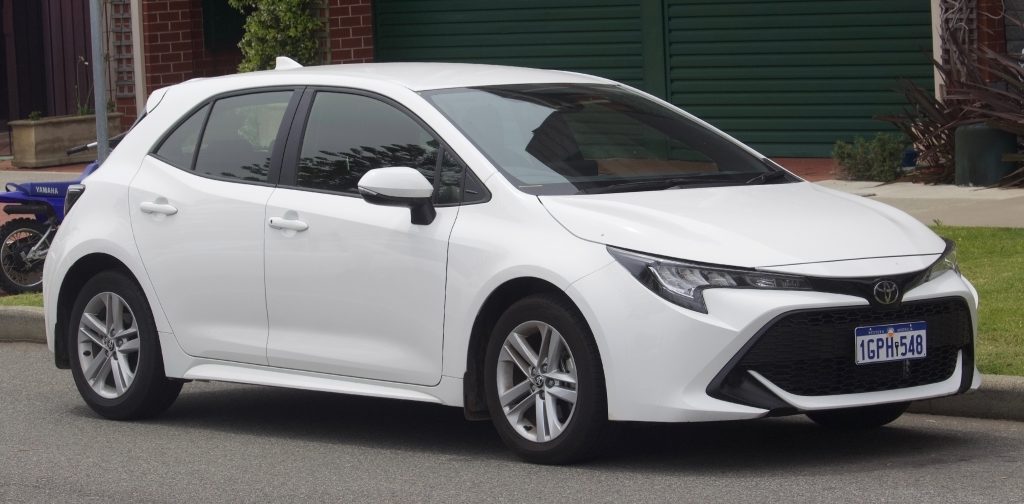
1. Toyota Corolla
The Toyota Corolla has long been recognized as a sedan that balances comfort and size extremely well for city environments. Its design prioritizes ease of use, calm driving behavior, and a comfortable cabin without unnecessary bulk.
The exterior dimensions of the Corolla make it easy to manage in urban traffic. It is compact enough to navigate narrow streets while still offering a stable and confident presence on the road.
Parking is straightforward with the Corolla. Its length and width allow it to fit into standard city parking spaces without difficulty. Parallel parking feels manageable rather than stressful.
Low speed maneuverability is one of its strengths. The steering is light and predictable, making it easy to drive in congestion and tight spaces. Small adjustments feel controlled.
Ride comfort is tuned for everyday roads. The suspension absorbs bumps, potholes, and uneven surfaces effectively. This helps maintain comfort during daily commutes.
The seating position supports relaxed driving. Drivers sit upright with good visibility of the road and surroundings. This improves confidence in busy city conditions.
Interior comfort is well judged. Seats provide good support for frequent short trips, and the cabin layout feels open without being oversized. Passengers do not feel cramped.
Noise levels are controlled at city speeds. Traffic sounds are muted enough to create a calm environment. This reduces fatigue during repeated drives.
The Corolla’s cabin design is simple and functional. Controls are easy to reach and understand. Drivers can focus on driving rather than adjusting settings.
The balance between size and space is one of the Corolla’s strongest traits. It offers enough room for passengers and daily errands without feeling bulky on the outside.
Fuel efficiency complements city use. The car performs well in stop and go traffic, which supports daily driving routines without high running costs.
Visibility is good in all directions. Large windows help drivers monitor pedestrians, cyclists, and nearby vehicles. This adds to overall comfort and safety.
The Corolla feels stable at low and moderate speeds. It does not feel nervous or overly soft. This calm behavior suits urban driving well.
For families and individuals alike, the Corolla adapts easily to city life. It handles school runs, office commutes, and errands comfortably.
Overall, the Toyota Corolla succeeds because it avoids extremes. It is neither too small nor too large. Its balance of comfort and size makes it one of the most city friendly sedans available globally.
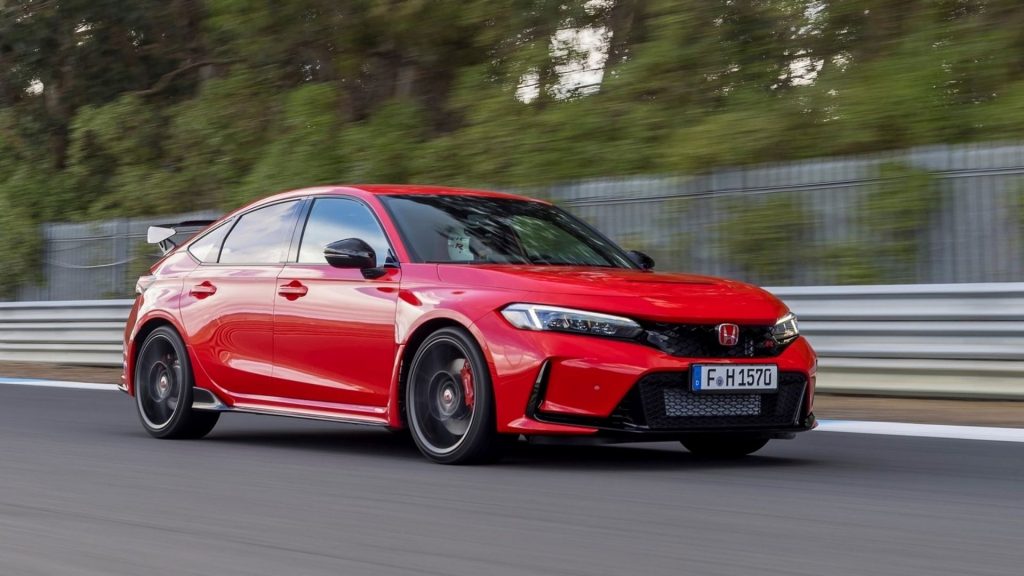
2. Honda Civic
The Honda Civic is a sedan that balances comfort and size with a sense of control that suits city driving well. It offers a cabin that feels comfortable for daily use while keeping exterior dimensions manageable for urban environments.
The Civic’s overall size fits naturally into city traffic. It is not overly wide, which helps when navigating narrow lanes and crowded streets. Drivers can place the car confidently without constant corrections.
Parking is easier than expected for a sedan of its class. The Civic fits into standard city parking spaces without drama. Parallel parking feels achievable with a bit of familiarity.
Low speed steering is light and precise. This makes maneuvering through congestion and tight turns less tiring. Small steering inputs translate into smooth movements.
Ride comfort is well balanced for city roads. The suspension absorbs rough patches, speed bumps, and uneven surfaces effectively. Daily commutes feel comfortable rather than harsh.
The seating position supports relaxed driving. Drivers sit at a height that provides good visibility of the road and surroundings. This improves confidence in busy traffic.
Interior comfort is a strong point. The seats offer good support for repeated short trips. The cabin feels airy without being oversized.
Noise insulation works well at city speeds. Traffic noise is reduced enough to keep the cabin calm. This helps reduce fatigue during frequent drives.
The Civic’s interior layout is practical and intuitive. Controls are easy to reach and understand. Drivers can focus on the road rather than searching for functions.
The balance between interior space and exterior size is well judged. Passengers have enough room for comfort, while the car remains easy to manage outside.
Fuel efficiency supports city use. The Civic performs well in stop and go traffic, keeping running costs reasonable for daily driving.
Visibility is good all around. Large windows and sensible pillar placement help drivers stay aware of pedestrians and nearby vehicles.
The Civic feels stable and predictable at low speeds. It does not feel nervous or overly soft. This calm behavior suits urban conditions.
For drivers who want comfort without moving into a large sedan, the Civic fits well. It adapts easily to daily city routines.
Overall, the Honda Civic balances comfort and size by offering a refined cabin within city friendly dimensions. It is a sedan that feels comfortable without becoming cumbersome in urban life.
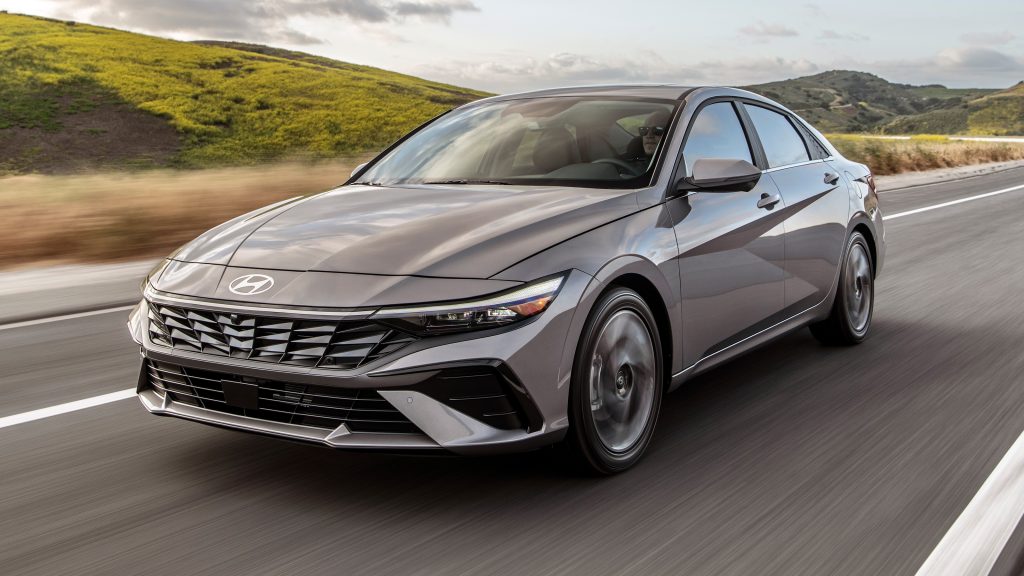
3. Hyundai Elantra
The Hyundai Elantra is a sedan that delivers a comfortable driving experience while maintaining proportions that work well in cities. Its design focuses on everyday usability, making it suitable for urban drivers who value ease and comfort.
The exterior dimensions of the Elantra are manageable for city conditions. It does not feel oversized in traffic and fits comfortably within narrow lanes. Drivers can maneuver without stress.
Parking is straightforward due to its balanced proportions. The Elantra fits into most city parking spaces with ease. Parallel parking feels less intimidating over time.
Low speed maneuverability is smooth and predictable. The steering feels light, which helps during congestion and parking. This reduces effort during daily drives.
Ride comfort is tuned for urban roads. The suspension handles bumps and broken surfaces effectively. Daily commutes remain comfortable even on rough streets.
The seating position supports comfort and awareness. Drivers sit upright with good visibility of the road ahead. This helps in dense traffic.
Interior comfort is one of the Elantra’s strengths. The seats provide adequate support for frequent short trips. The cabin feels welcoming and well laid out.
Noise levels are controlled at city speeds. Road and traffic sounds are muted enough to keep the cabin relaxed. This contributes to a calmer driving experience.
The dashboard layout is simple and user friendly. Controls are placed logically and are easy to operate. Drivers can concentrate on driving.
The balance between cabin space and exterior size works well. Passengers enjoy reasonable room without the car feeling bulky outside.
Fuel efficiency suits city driving patterns. The Elantra performs well in stop and go traffic, which helps manage daily fuel costs.
Visibility is good in urban settings. The windshield and side windows offer clear sightlines. Drivers can monitor surrounding traffic with ease.
The Elantra feels composed at low speeds. It does not feel overly stiff or too soft. This balance suits city environments.
For drivers seeking comfort without stepping into a larger sedan, the Elantra offers a good compromise. It fits naturally into urban life.
Overall, the Hyundai Elantra balances comfort and size by offering a smooth ride and a pleasant cabin within city friendly dimensions. It is a sensible choice for daily urban driving.
4. Mazda 3 Sedan
The Mazda 3 Sedan is known for delivering comfort without growing too large for city use. Its design focuses on balance, offering a refined cabin and smooth ride while keeping exterior dimensions easy to manage in urban environments.
The size of the Mazda 3 fits well into city traffic. It is compact enough to navigate narrow streets while still feeling stable and planted. Drivers do not feel overwhelmed in congestion.
Parking is manageable thanks to well judged proportions. The Mazda 3 fits into standard city parking spaces comfortably. Parallel parking becomes easier with familiarity.
Low speed steering is precise and light. This makes maneuvering through tight streets and parking areas less tiring. Small inputs feel accurate and controlled.
Ride comfort is tuned carefully for urban roads. The suspension absorbs bumps and uneven surfaces effectively without feeling soft. Daily commutes feel smooth and composed.
The seating position supports relaxed driving. Drivers sit at a height that offers good visibility of the road and surroundings. This adds confidence in busy traffic.
Interior comfort is a strong point. The seats provide good support for repeated short trips. The cabin feels snug yet comfortable rather than cramped.
Noise insulation is effective at city speeds. Road and traffic noise are reduced enough to maintain a calm environment. This helps reduce daily driving fatigue.
The interior layout is clean and intuitive. Controls are easy to reach and operate. Drivers can focus on traffic rather than distractions.
The balance between interior space and exterior size is well executed. Passengers have enough room for comfort without the car feeling bulky outside.
Fuel efficiency supports daily city use. The Mazda 3 performs well in stop and go traffic, helping keep running costs reasonable.
Visibility is good in most directions. Large windows and thoughtful design help drivers stay aware of nearby vehicles and pedestrians.
The car feels stable and predictable at low speeds. It does not feel twitchy or overly firm. This calm nature suits urban driving well.
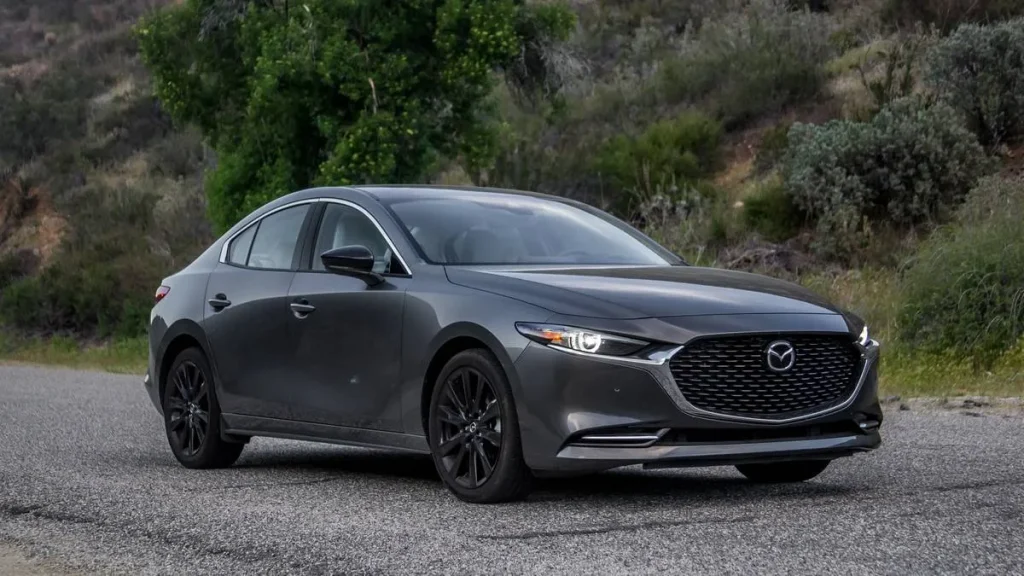
For drivers who want refinement without moving into a larger sedan, the Mazda 3 is a strong option. It blends comfort with manageable size.
Overall, the Mazda 3 Sedan balances comfort and size by delivering a refined driving experience within city friendly dimensions. It is well suited for everyday urban life.
5. Volkswagen Jetta
The Volkswagen Jetta is a sedan that emphasizes comfort and stability while remaining manageable for city use. Its design focuses on creating a calm driving experience without becoming too large for urban environments.
The Jetta’s exterior dimensions are balanced for city conditions. It is not overly wide, which helps in narrow lanes and crowded traffic. Drivers can maneuver confidently.
Parking is straightforward due to predictable proportions. The Jetta fits into typical city parking spaces without difficulty. Parallel parking feels controlled with practice.
Low speed steering is smooth and consistent. This makes driving in congestion less tiring. The car responds predictably to small steering inputs.
Ride comfort is one of the Jetta’s strengths. The suspension absorbs uneven road surfaces effectively. Daily commutes feel relaxed even on rough streets.
The seating position supports comfort and awareness. Drivers sit upright with good visibility of the road ahead. This improves confidence in busy traffic.
Interior comfort is well developed. Seats provide good support for frequent short trips. The cabin feels spacious without being excessive.
Noise insulation works well at city speeds. Traffic sounds are kept to a minimum. This creates a calm environment during daily drives.
The dashboard layout is practical and easy to use. Controls are intuitive and within easy reach. Drivers can focus on driving.
The balance between interior room and exterior size is well managed. Passengers enjoy comfort without the car feeling oversized on the outside.
Fuel efficiency suits urban driving. The Jetta performs reasonably well in stop and go conditions, supporting daily commuting needs.
Visibility is good in city environments. Windows and mirrors help drivers monitor surrounding traffic easily.
The Jetta feels stable and composed at low speeds. It does not feel overly stiff or too soft. This balanced behavior suits urban roads.
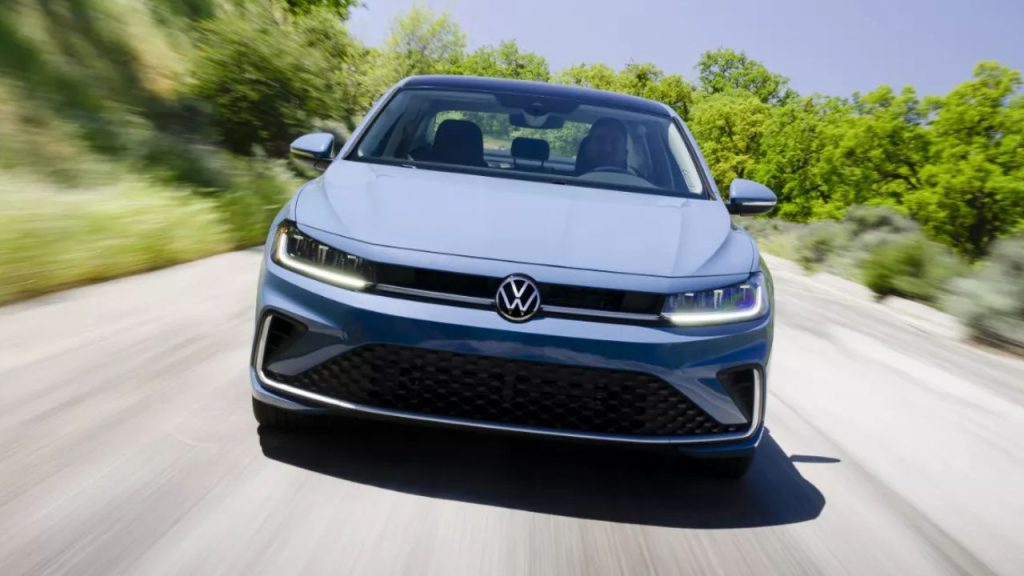
For drivers who want comfort with a slightly more solid feel, the Jetta fits well. It adapts smoothly to city life.
Overall, the Volkswagen Jetta balances comfort and size by offering a relaxed ride within city friendly proportions. It is a practical sedan for everyday urban driving.
6. Nissan Sentra
The Nissan Sentra is a sedan that fits city life by offering comfort without stretching its size beyond what urban streets can handle. It is designed to be approachable and easy to live with, which matters when driving every day in traffic.
The exterior dimensions of the Sentra are city friendly. It is not overly wide, which helps when lanes tighten or traffic becomes dense. Drivers can place the car confidently without second guessing.
Parking is manageable due to its balanced proportions. The Sentra fits into standard city parking spaces without effort. Parallel parking feels achievable with minimal adjustments.
Low speed maneuverability is a strong point. The steering is light and forgiving, which helps during congestion and tight turns. Daily driving feels less tiring as a result.
Ride comfort is tuned for urban roads. The suspension absorbs bumps and uneven surfaces effectively. Short commutes remain smooth even on worn city streets.
The seating position supports relaxed driving. Drivers sit upright with good visibility of the road and surroundings. This adds confidence in busy areas.
Interior comfort is well judged. The seats provide adequate support for frequent short trips. The cabin feels open without being oversized.
Noise insulation is suitable for city speeds. Traffic sounds are reduced enough to keep the cabin calm. This helps reduce fatigue during repeated drives.
The interior layout is simple and intuitive. Controls are easy to understand and operate. Drivers can focus on traffic rather than searching for features.
The balance between interior space and exterior size works well. Passengers have enough room to sit comfortably, while the car remains easy to manage outside.
Fuel efficiency supports daily city use. The Sentra performs well in stop and go traffic, keeping running costs reasonable.
Visibility is good in urban conditions. Large windows help drivers monitor pedestrians, cyclists, and nearby vehicles with ease.
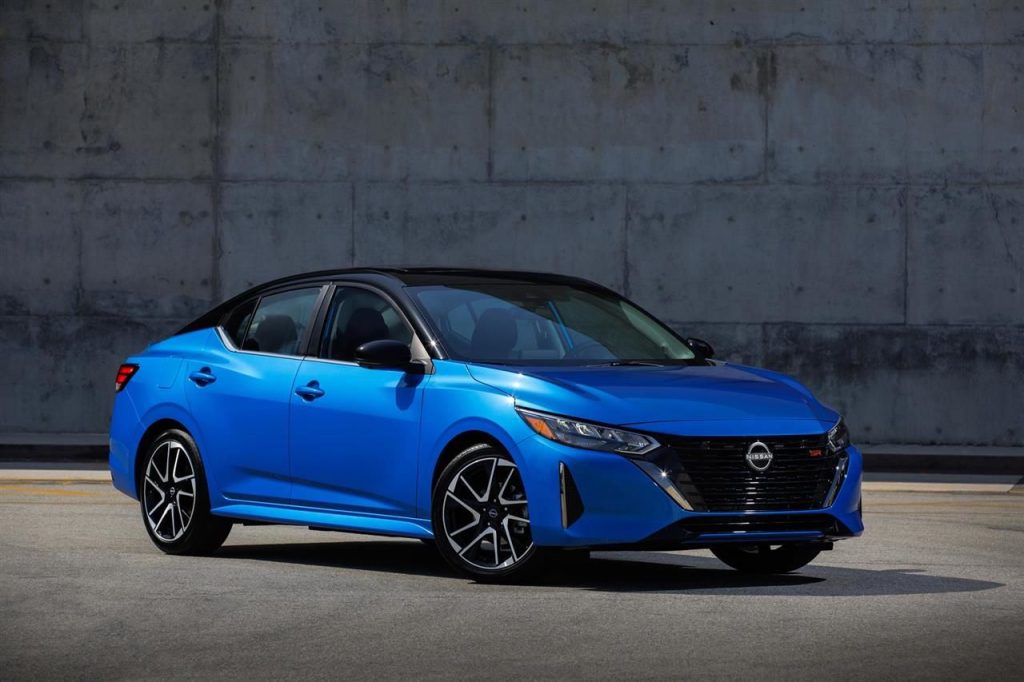
The Sentra feels composed at low speeds. It does not feel overly stiff or too soft. This balanced behavior suits city driving well.
For drivers who want comfort without moving into a larger sedan, the Sentra is a practical option. It blends ease of use with daily comfort.
Overall, the Nissan Sentra balances comfort and size by delivering a calm ride within manageable dimensions. It fits naturally into city routines and everyday driving.
7. Skoda Octavia
The Skoda Octavia is slightly larger than many compact sedans, yet it balances comfort and size effectively for city use. Its design focuses on space efficiency, allowing it to offer comfort without feeling unwieldy in urban environments.
The Octavia’s exterior size is well managed. While it offers a roomy cabin, it does not feel difficult to handle in traffic. Drivers adapt quickly to its proportions.
Parking requires a bit more attention than smaller sedans, but it remains manageable. The Octavia fits into standard city parking spaces with careful positioning.
Low speed steering is light and predictable. This helps when maneuvering through tight streets and parking garages. The car does not feel heavy at slow speeds.
Ride comfort is one of the Octavia’s strongest traits. The suspension absorbs rough patches and broken roads effectively. Daily commutes feel relaxed even on uneven surfaces.
The seating position supports comfort and awareness. Drivers sit at a height that offers clear visibility of the road. This helps in dense traffic situations.
Interior comfort stands out. Seats are supportive, and legroom is generous. Passengers enjoy comfort without the car needing a bulky exterior.
Noise insulation works well at city speeds. Road and traffic sounds are muted enough to keep the cabin calm. This reduces stress during long hours in traffic.
The dashboard layout is practical and user friendly. Controls are placed logically and are easy to reach. Daily operation feels straightforward.
The balance between interior space and exterior footprint is impressive. The Octavia offers near midsize comfort while remaining usable in cities.
Fuel efficiency remains acceptable for urban driving. Despite its size, the Octavia performs reasonably well in stop and go traffic.
Visibility is good for a car of its class. Large windows help drivers stay aware of surrounding traffic and pedestrians.
The Octavia feels stable and composed at low speeds. It does not feel cumbersome or overly soft. This balance suits city roads.
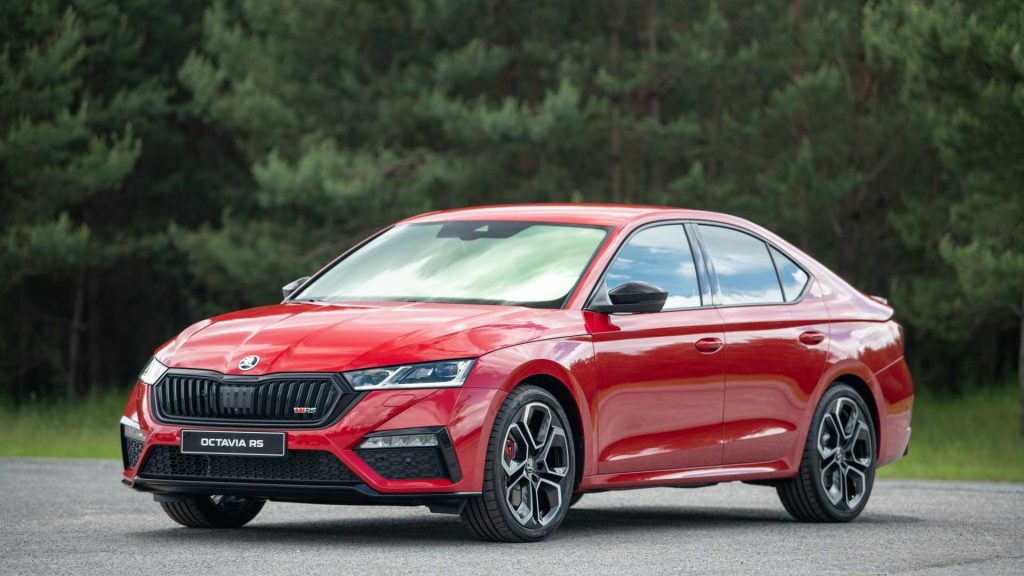
For drivers who want more space without sacrificing comfort in urban use, the Octavia makes sense. It bridges the gap between compact and midsize sedans.
Overall, the Skoda Octavia balances comfort and size by offering generous interior space within controlled proportions. It proves that a slightly larger sedan can still work well in city environments.
8. Toyota Yaris Sedan
The Toyota Yaris Sedan is a strong example of how a compact footprint can still deliver everyday comfort in city environments. It is designed for urban living, where space is limited and ease of use matters more than size or power.
The exterior dimensions of the Yaris Sedan are ideal for crowded cities. It is easy to maneuver through narrow streets and busy intersections. Drivers never feel burdened by excess size.
Parking is one of its biggest strengths. The Yaris Sedan fits comfortably into tight parking spaces, including street parking and older residential areas. Parallel parking feels simple and stress free.
Low speed steering is light and predictable. This helps greatly in traffic jams and tight turns. Daily driving feels relaxed rather than demanding.
Ride comfort is tuned for city roads. The suspension absorbs bumps, speed breakers, and uneven surfaces effectively. Short daily trips remain comfortable.
The seating position supports confidence. Drivers sit upright with good visibility of the road ahead and surroundings. This improves awareness in dense traffic.
Interior comfort is modest but well designed. Seats offer enough support for frequent short drives. The cabin feels open for its size.
Noise insulation is decent at city speeds. Traffic sounds are kept under control, helping maintain a calm cabin during commutes.
The interior layout is simple and functional. Controls are easy to reach and understand. Drivers can focus on the road without distraction.
The balance between interior space and exterior size is well executed. Passengers have enough room for daily use, while the car remains compact outside.
Fuel efficiency suits city driving well. The Yaris Sedan performs efficiently in stop and go traffic, helping reduce daily running costs.
Visibility is excellent for a compact sedan. Large windows help drivers monitor pedestrians and nearby vehicles easily.
The car feels stable and predictable at low speeds. It does not feel nervous or underpowered in traffic. This calm nature suits urban life.
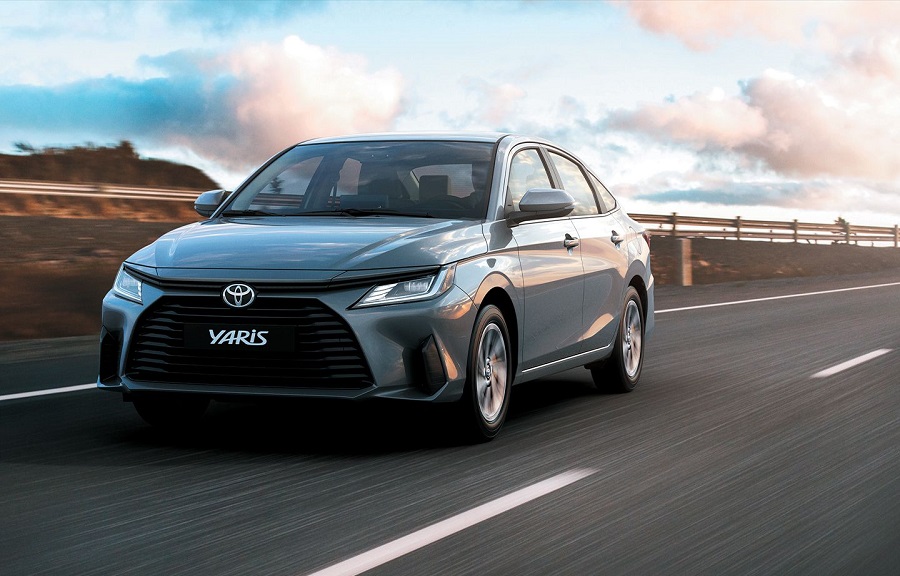
For drivers who want comfort in the smallest possible footprint, the Yaris Sedan makes sense. It fits naturally into city routines.
Overall, the Toyota Yaris Sedan balances comfort and size by maximizing usability within compact dimensions. It is an ideal choice for dense urban environments.
9. Honda City
The Honda City has long been known for delivering comfort without becoming difficult to manage in cities. Its design focuses on efficient use of space, making it a popular choice for urban drivers across global markets.
The exterior dimensions of the City are city friendly. It feels easy to maneuver through traffic while offering a more spacious cabin than many compact sedans.
Parking is manageable due to balanced proportions. The City fits into most city parking spaces without trouble. Parallel parking feels controlled and predictable.
Low speed steering is light and smooth. This makes daily driving in congestion less tiring. Small corrections are easy to make.
Ride comfort is well suited for urban roads. The suspension absorbs potholes and rough surfaces effectively. Daily commutes feel comfortable.
The seating position supports relaxed driving. Drivers sit upright with good road visibility. This builds confidence in busy traffic.
Interior comfort is a highlight. Seats are supportive, and cabin space feels generous for its size. Passengers remain comfortable on daily trips.
Noise levels are controlled at city speeds. Road and traffic sounds are muted enough to keep the cabin calm.
The interior layout is practical and user friendly. Controls are logically placed and easy to operate. This supports stress free daily use.
The balance between cabin space and exterior footprint is excellent. The City offers roomy interiors without feeling bulky outside.
Fuel efficiency complements city use. The car performs well in stop and go traffic, keeping ownership costs reasonable.
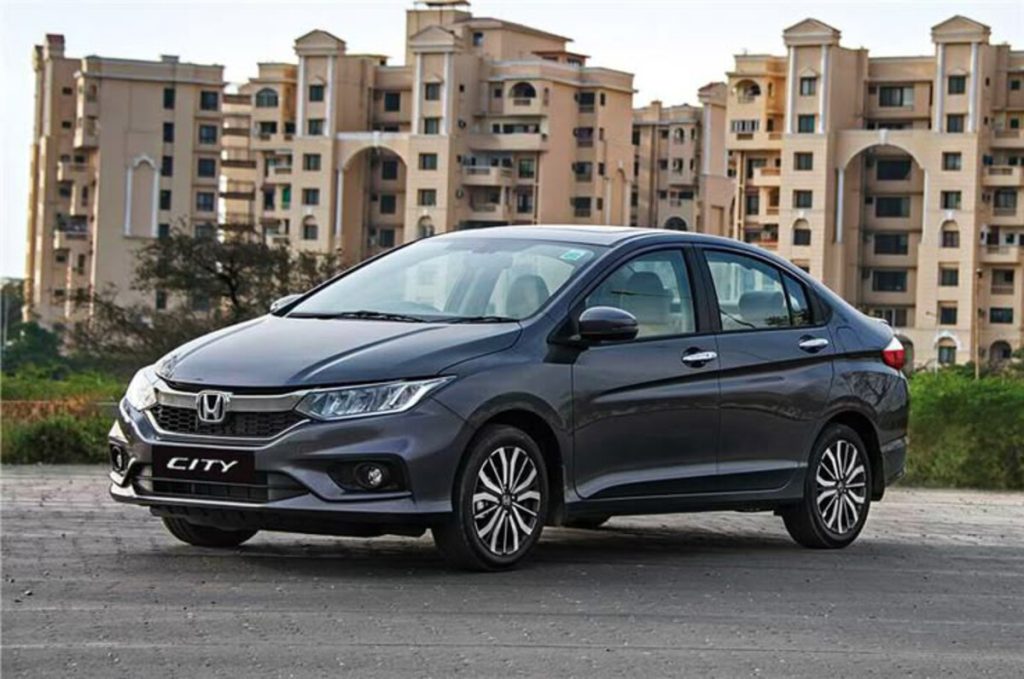
Visibility is good in urban conditions. Large windows help drivers monitor surrounding traffic and pedestrians easily.
The City feels stable at low speeds. It does not feel overly soft or stiff. This balanced behavior suits city driving well.
For drivers who want comfort and space without moving into a large sedan, the City is a strong option. It adapts easily to city life.
Overall, the Honda City balances comfort and size by offering a spacious and refined cabin within manageable urban dimensions.
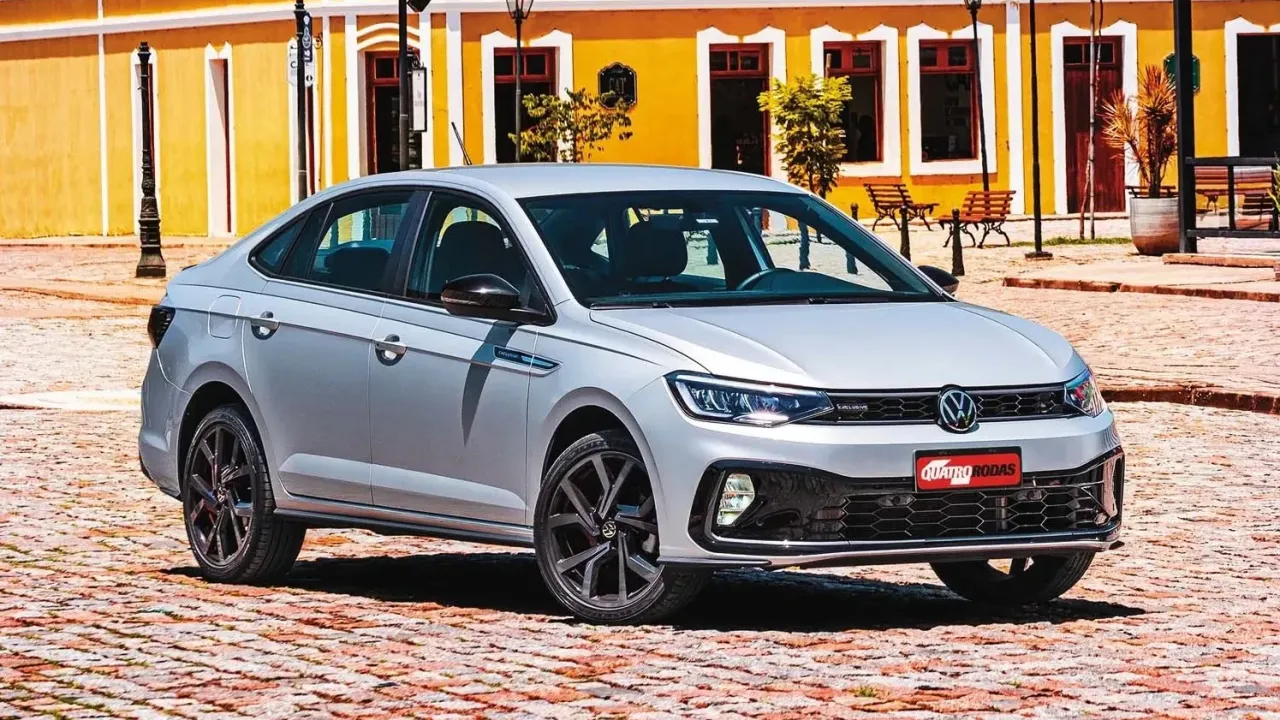
10. Volkswagen Virtus
The Volkswagen Virtus is a sedan that balances comfort and size by focusing on stability and interior space while remaining usable in city environments. It offers a slightly larger feel without becoming difficult to manage.
The exterior size of the Virtus is noticeable but well controlled. It feels confident on the road without becoming cumbersome in traffic. Drivers adapt quickly to its proportions.
Parking requires some attention but remains manageable. The Virtus fits into standard city parking spaces with careful placement. Daily parking is not stressful.
Low speed steering is smooth and predictable. This helps when navigating congestion and tight turns. The car does not feel heavy at slow speeds.
Ride comfort is one of the Virtus’s strengths. The suspension handles broken city roads and speed breakers effectively. Daily driving feels composed.
The seating position supports comfort and awareness. Drivers sit at a height that provides good visibility of the road ahead. This helps in crowded conditions.
Interior comfort stands out. Seats are supportive, and cabin space feels generous. Passengers enjoy comfort without excessive exterior size.
Noise insulation works well at city speeds. Traffic sounds are reduced, helping maintain a relaxed cabin environment.
The dashboard layout is clean and intuitive. Controls are easy to reach and operate. Daily use feels straightforward.
The balance between interior room and exterior dimensions is well judged. The Virtus offers near midsize comfort while remaining city usable.
Fuel efficiency is acceptable for urban driving. It handles stop and go traffic without excessive consumption.
Visibility is good for a sedan of its size. Windows and mirrors help drivers stay aware of surroundings.
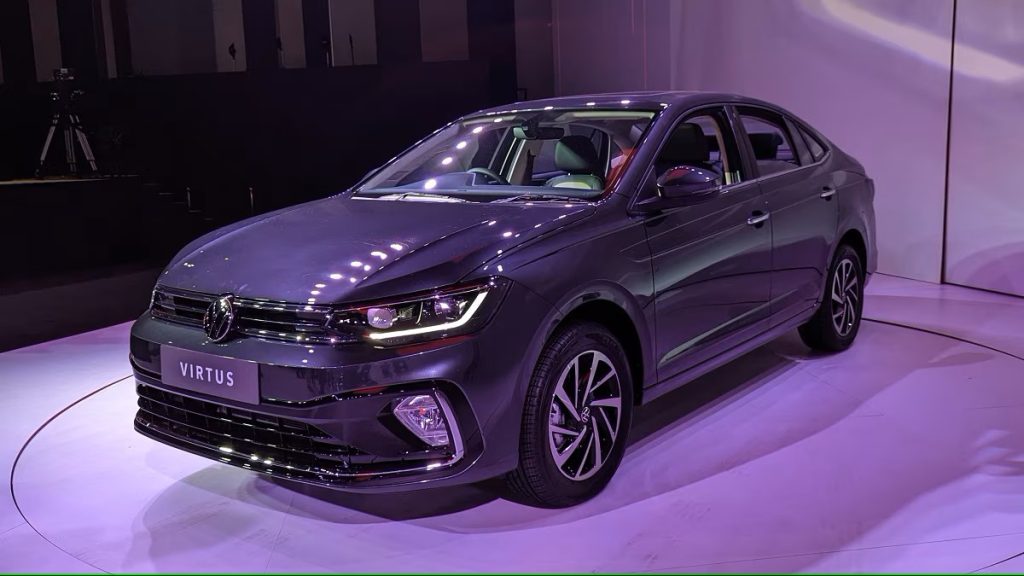
The Virtus feels stable and confident at low speeds. It does not feel nervous or unwieldy. This suits urban driving well.
For drivers who want extra comfort without stepping into a full midsize sedan, the Virtus fits well. It bridges comfort and manageability.
Overall, the Volkswagen Virtus balances comfort and size by delivering a roomy and refined experience without overwhelming city streets.
