
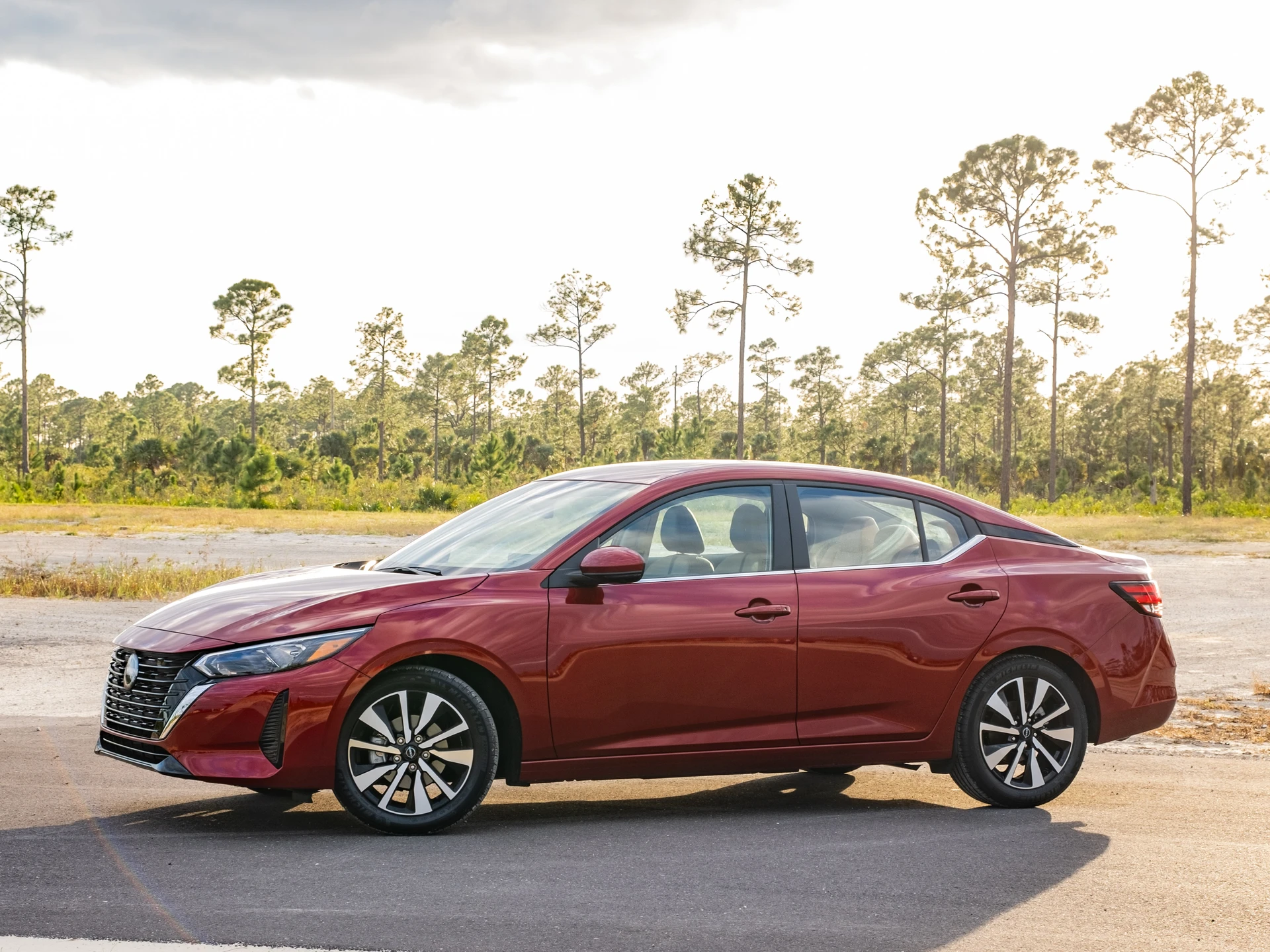
Daily city use places unique and constant demands on a sedan. Unlike occasional driving or highway cruising, urban use means the car is exposed to traffic congestion, frequent stops, short trips, uneven roads, tight parking spaces, and constant interaction with other road users. Over time, not every sedan handles these conditions equally well.
A sedan that holds up well to daily city use must be durable, easy to drive, and forgiving. It needs to start reliably every morning, respond smoothly in traffic, and tolerate repeated stop and go driving without excessive wear. Cars that are sensitive, overly complex, or poorly tuned for low speed use often become frustrating in urban environments.
City driving also accelerates wear and tear. Brakes are used constantly. Suspension components face potholes and speed bumps. Engines experience short trips where they rarely reach ideal operating temperature. A strong city sedan is one that is engineered to endure this routine without frequent repairs.
Ease of use is another major factor. In cities, drivers are often tired, distracted, or in a hurry. A sedan that is predictable, easy to maneuver, and simple to control reduces mental strain. Light steering, smooth throttle response, and calm braking behavior make daily driving far less exhausting.
Parking is unavoidable in urban life. Older residential buildings, narrow streets, and crowded commercial areas demand sedans that are easy to judge and position. Cars that are too wide or difficult to see out of quickly feel out of place in daily city use.
Fuel efficiency matters as well. Daily commuting and errands add up quickly. Sedans that maintain reasonable mileage in stop and go traffic help owners manage running costs over time. This becomes especially important when fuel prices fluctuate.
Comfort also plays a long term role. While city trips are often short, they happen every day. Seats that support the body well, suspension that absorbs rough surfaces, and a cabin that remains calm in traffic all help prevent fatigue.
Reliability and maintenance costs cannot be ignored. A sedan used daily must be dependable and affordable to service. Frequent breakdowns or expensive repairs disrupt routines and increase stress.
This article highlights eight sedans that hold up well to daily city use across global markets. These cars are chosen for their durability, practicality, and ability to handle the realities of urban life. They are not selected for luxury or performance alone, but for how well they survive daily use over time.
For anyone who relies on their car every day in the city, choosing the right sedan is not just about preference. It is about long term comfort, reliability, and peace of mind. The sedans listed here are built to endure city life rather than struggle against it.
Also Read: Top Sweet Sixteen: The Greatest 16-Cylinder Cars Ever Produced
1. Toyota Corolla
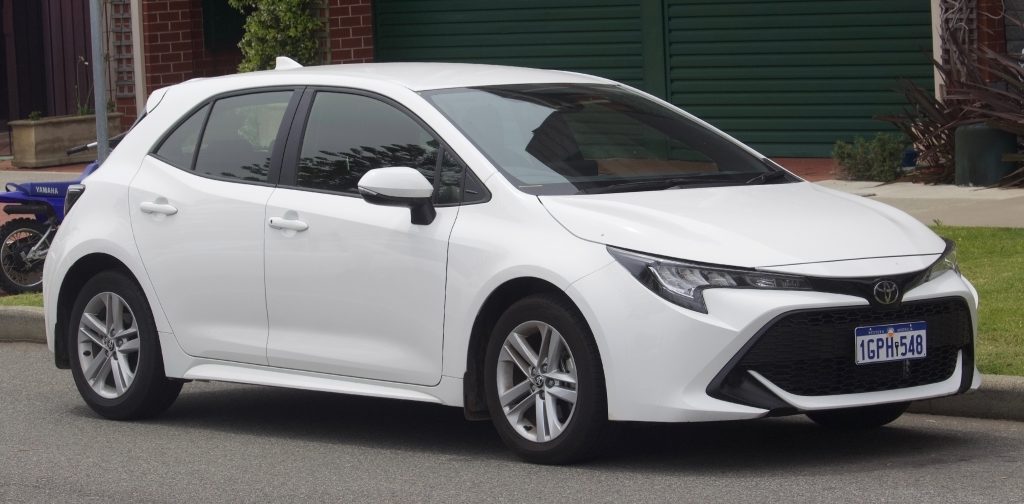
The Toyota Corolla has earned global recognition for its ability to handle daily city use without complaint. Its reputation is built on reliability, simplicity, and durability, all of which are essential for urban driving.
The Corolla’s exterior size is ideal for city environments. It is compact enough to move through narrow streets but large enough to feel stable in traffic. Drivers do not feel overwhelmed by its dimensions.
Low speed maneuverability is one of the Corolla’s strongest traits. The steering is light and predictable, making it easy to drive in congestion. Small adjustments feel controlled and natural.
Stop and go traffic is handled smoothly. The Corolla responds calmly to throttle input, avoiding jerky movements. This helps reduce wear on components during daily use.
The turning radius supports tight urban conditions. Narrow streets, parking ramps, and residential areas are navigated without repeated corrections. This reduces driver effort.
Parking is straightforward thanks to the Corolla’s balanced proportions. It fits into standard city parking spaces easily. Parallel parking feels manageable even in busy areas.
Visibility is strong for a modern sedan. Large windows and sensible pillar design help drivers see surrounding traffic clearly. Pedestrians and cyclists are easier to spot.
The seating position supports awareness and comfort. Drivers sit at a height that allows good control and spatial judgment. This is useful during close proximity driving.
Fuel efficiency remains consistent in city conditions. The Corolla performs well in stop and go traffic, helping owners manage fuel costs over time.
The engine is tuned for longevity rather than aggression. Power delivery is smooth and predictable. This reduces strain on mechanical components during daily use.
Ride comfort is well suited for urban roads. The suspension absorbs potholes and uneven surfaces effectively. Daily commuting feels less punishing.
Interior materials are chosen for durability. Controls and surfaces hold up well to frequent use. The cabin remains functional even after years of daily driving.
Noise levels are controlled at city speeds. Traffic sounds are kept out reasonably well, creating a calm environment during long commutes.
Maintenance costs are predictable and affordable. The Corolla is known for long service intervals and minimal unexpected repairs. This reliability is crucial for daily users.
The car handles frequent short trips without issues. It starts reliably and warms up efficiently. This is important for urban routines.
Over time, the Corolla proves its strength through consistency. It does not demand attention or special care. It simply performs its role every day.
For drivers who depend on their car daily, the Corolla offers peace of mind. It holds up to city use without drama.
Overall, the Toyota Corolla stands as one of the strongest examples of a sedan built to endure daily urban life. Its reliability, ease of use, and durability make it a benchmark for city friendly sedans.
2. Honda Civic
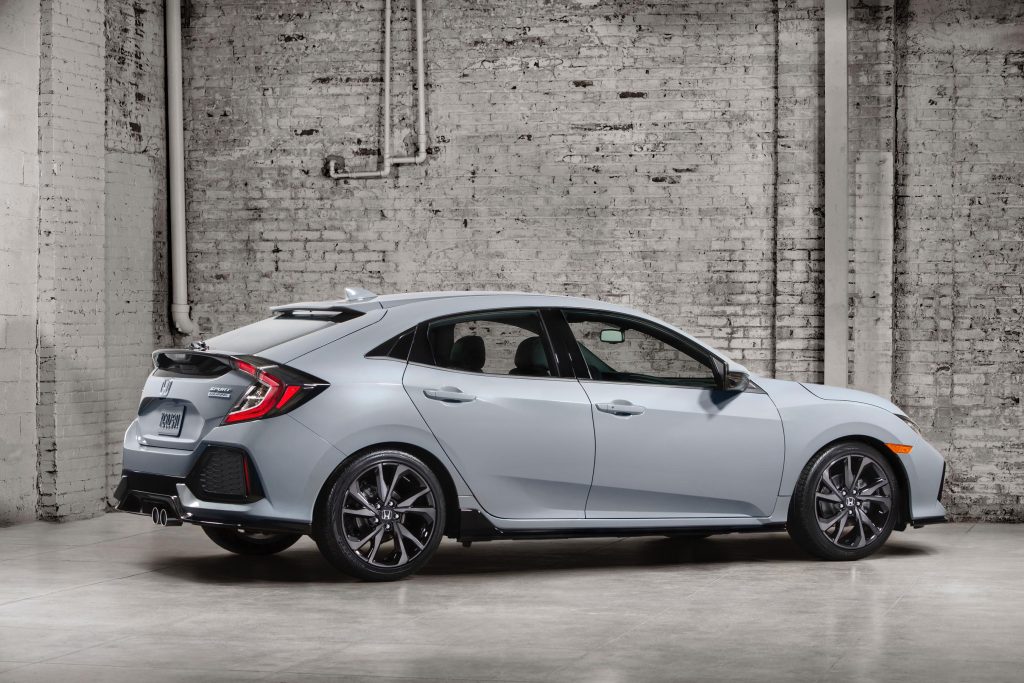
The Honda Civic has proven itself over decades as a sedan that handles daily city use with confidence and durability. Its engineering focuses on balance, which helps it survive constant urban driving without developing issues early in ownership.
The Civic’s size is well suited for city conditions. It is compact enough to handle narrow streets while still offering a comfortable interior. Drivers do not feel burdened by excess length or width.
Low speed driving is smooth and predictable. The steering is light, which helps in traffic jams and crowded areas. This reduces driver fatigue during daily commutes.
Stop and go traffic does not upset the Civic’s behavior. Throttle response is gradual and controlled. This helps reduce stress on the drivetrain over time.
The turning radius allows easy navigation through tight city streets and parking structures. Drivers can make sharp turns without repeated adjustments. This makes daily use more efficient.
Parking is manageable due to balanced proportions. The Civic fits into standard urban parking spaces comfortably. Parallel parking feels achievable rather than frustrating.
Visibility supports everyday city driving. The windshield and side windows provide clear views of surrounding traffic. Pedestrians and cyclists are easy to spot.
The seating position contributes to control and comfort. Drivers sit at a height that allows good spatial awareness. This helps during close quarter maneuvers.
Fuel efficiency remains consistent in urban use. The Civic performs well in stop and go traffic, keeping fuel costs under control. This matters for daily drivers.
Engine tuning emphasizes smoothness and longevity. Power delivery is calm and predictable. This reduces mechanical strain during repeated short trips.
Ride quality suits city roads well. The suspension absorbs bumps and potholes effectively. Daily driving feels composed even on uneven surfaces.
Interior materials are chosen for durability. Buttons, switches, and seats hold up well to frequent use. The cabin remains functional over time.
Noise insulation is effective at city speeds. Traffic noise does not dominate the cabin. This helps reduce stress during long periods in congestion.
Maintenance costs are reasonable and predictable. The Civic has a strong reputation for reliability. Owners can depend on it daily without frequent repairs.
Short trips are handled efficiently. The car warms up quickly and performs consistently. This suits typical urban driving patterns.
Over years of use, the Civic demonstrates resilience. It does not feel worn quickly when used daily. This durability adds to long term value.
For commuters and families alike, the Civic remains dependable. It adapts easily to city life without demanding special care.
Overall, the Honda Civic holds up well to daily city use because it balances ease of driving, durability, and efficiency. It is built to handle urban routines consistently and comfortably.
3. Hyundai Elantra
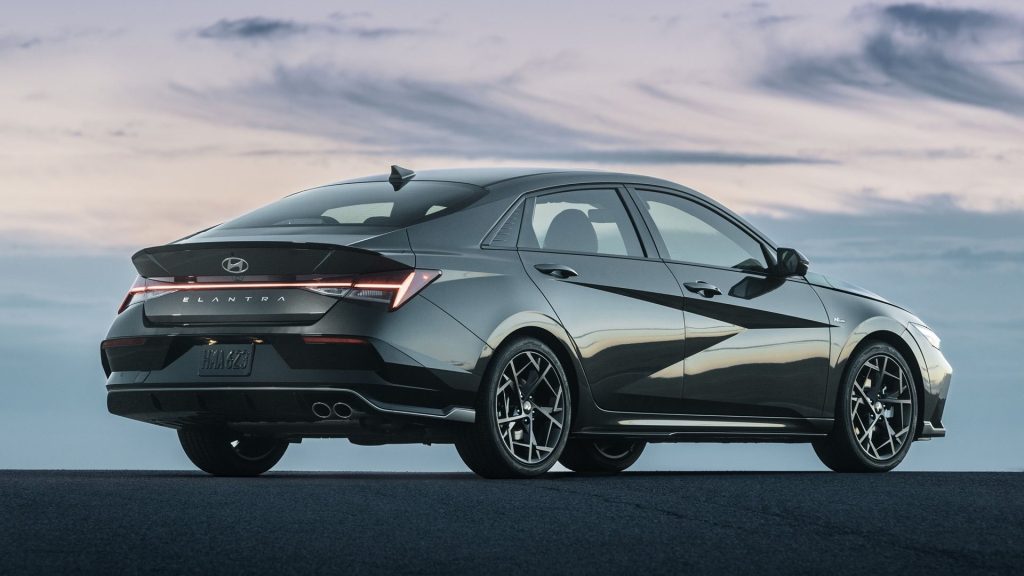
The Hyundai Elantra has evolved into a sedan that handles daily city use with increasing confidence. It combines modern comfort with durability, making it suitable for drivers who rely on their car every day in urban environments.
The Elantra’s dimensions work well in crowded cities. It does not feel oversized in traffic. Drivers can navigate narrow streets without hesitation.
Low speed steering response is light and smooth. This helps during parking and slow traffic movement. Daily driving feels less tiring as a result.
Stop and go conditions are handled calmly. The throttle response is controlled, which suits frequent braking and acceleration. This reduces wear on components over time.
The turning radius supports tight urban layouts. Residential streets and parking ramps are handled without difficulty. Drivers spend less time correcting steering.
Parking is straightforward due to balanced proportions. The Elantra fits into standard city parking spaces easily. Parallel parking feels manageable with practice.
Visibility supports awareness in city traffic. The windshield and side windows provide clear sightlines. Drivers can monitor pedestrians and nearby vehicles comfortably.
The seating position is designed for comfort and control. Drivers sit upright with good visibility. This helps during long periods of urban driving.
Fuel efficiency remains reasonable in city use. The Elantra handles stop and go traffic without excessive fuel consumption. This helps manage daily costs.
Engine behavior focuses on smooth delivery. Acceleration is gentle rather than aggressive. This suits urban environments where sudden power is unnecessary.
Ride comfort is tuned for daily roads. The suspension absorbs bumps and rough patches effectively. City commutes feel smoother and less harsh.
Interior quality supports long term use. Controls are easy to operate and materials hold up well. The cabin remains pleasant despite frequent use.
Noise levels are controlled at urban speeds. Traffic sounds are kept at bay, helping reduce fatigue during congestion.
Maintenance costs are manageable. The Elantra is designed for regular use with predictable servicing needs. This reliability supports daily commuting.
Short trips do not pose issues. The car adapts well to frequent starts and stops. This is important for city routines.
Over time, the Elantra maintains its composure. It does not feel fragile or easily worn by daily use. This adds to owner confidence.
For urban drivers who want modern comfort with durability, the Elantra fits well. It handles city demands without drama.
Overall, the Hyundai Elantra holds up well to daily city use because it combines smooth driving, reasonable efficiency, and dependable construction. It is built to handle the rhythm of urban life consistently.
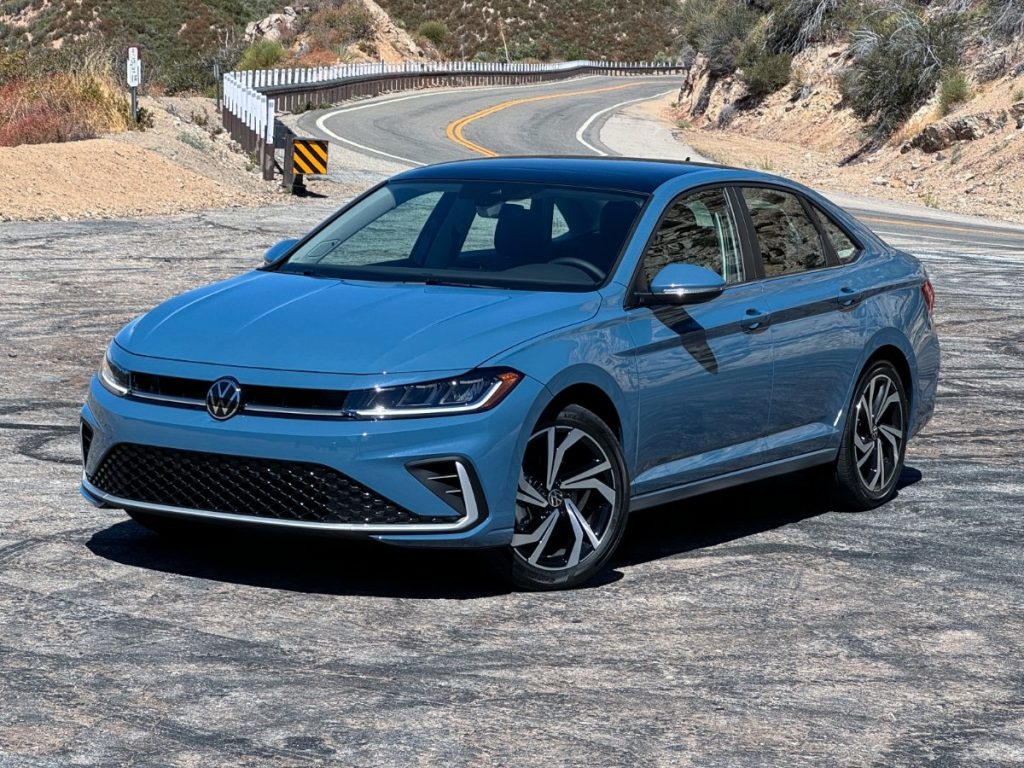
4. Volkswagen Jetta
The Volkswagen Jetta is a sedan known for its solid construction and calm driving behavior, both of which help it hold up well to daily city use. It is designed to feel stable and predictable, which matters when a car is driven every day in busy urban conditions.
The Jetta’s exterior dimensions are well balanced for city driving. It does not feel overly wide, which helps when navigating narrow lanes and congested streets. Drivers can place the car confidently in traffic.
Low speed steering is smooth and consistent. This makes stop and go driving easier and reduces fatigue during long periods of congestion. Small steering inputs lead to controlled movements.
Urban traffic places constant demands on braking and acceleration. The Jetta handles these conditions calmly. Throttle response is gradual, helping reduce mechanical stress during frequent starts and stops.
The turning radius is suitable for tight city environments. Narrow residential streets and parking garages can be negotiated without repeated steering corrections. This saves effort during daily routines.
Parking is manageable due to predictable proportions. The Jetta fits into standard city parking spaces without difficulty. Parallel parking feels controlled with practice.
Visibility is a strong point for daily use. The windshield and side windows provide clear sightlines in all directions. Drivers can easily monitor surrounding vehicles and pedestrians.
The seating position supports awareness and comfort. Drivers sit upright enough to judge distances accurately. This helps when maneuvering in close spaces.
Fuel efficiency is reasonable for city driving. The Jetta performs well in stop and go traffic, helping owners manage running costs over time.
Engine tuning focuses on smoothness rather than urgency. Power delivery is calm and linear. This suits urban conditions where aggressive acceleration is rarely needed.
Ride comfort is tuned for everyday roads. The suspension absorbs bumps and uneven surfaces effectively. Daily commuting feels less punishing.
Interior materials are chosen for durability. Buttons, switches, and surfaces are designed to withstand frequent use. The cabin remains functional over years of city driving.
Noise insulation works well at urban speeds. Traffic sounds are reduced, creating a calmer environment during long commutes.
Maintenance requirements are predictable. The Jetta benefits from solid engineering, which supports long term daily use without constant repairs.
Short trips are handled efficiently. The car warms up quickly and performs consistently, which is important for city routines.
Over time, the Jetta maintains its composure. It does not feel worn easily by daily use. This durability adds to owner confidence.
For drivers who want a steady and composed sedan for everyday city use, the Jetta fits well. It does not demand special attention or driving style adjustments.
Overall, the Volkswagen Jetta holds up well to daily city use because it emphasizes stability, durability, and ease of control. It is a sedan built to endure the demands of urban life.
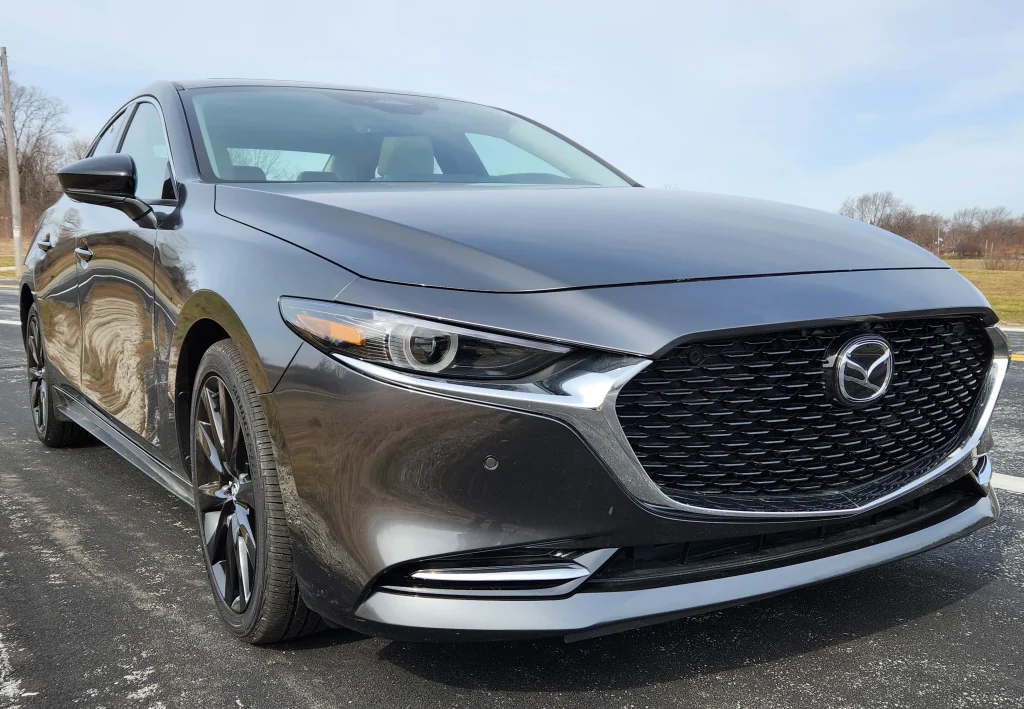
5. Mazda 3 Sedan
The Mazda 3 Sedan is often praised for its driving feel, but it also holds up well to daily city use due to its balance of durability and control. Mazda designed this sedan to feel responsive without being demanding, which suits urban driving.
The size of the Mazda 3 works well in city environments. It is compact enough to navigate traffic easily while still offering adequate interior space. Drivers do not feel restricted or overwhelmed.
Low speed maneuverability is a key strength. The steering is light yet precise, making it easy to drive in congestion and tight spaces. Small inputs produce predictable results.
Stop and go traffic is handled smoothly. Throttle response is controlled, which helps reduce wear on mechanical components during frequent acceleration and braking.
The turning radius supports daily urban movement. Narrow streets and parking structures are handled without repeated corrections. This improves efficiency in daily routines.
Parking feels manageable thanks to balanced proportions. The Mazda 3 fits into standard city parking spaces comfortably. Parallel parking becomes less stressful with familiarity.
Visibility is good for a modern sedan. The windshield offers a clear forward view, and side windows help maintain awareness of nearby traffic and pedestrians.
The seating position supports comfort and control. Drivers sit in a posture that allows good spatial judgment. This helps during close proximity driving.
Fuel efficiency remains suitable for city use. The Mazda 3 performs well in stop and go conditions, helping manage fuel expenses over time.
Engine behavior focuses on smooth delivery. Acceleration is calm and linear, which suits urban driving patterns. The car does not feel abrupt.
Ride comfort is tuned for everyday roads. The suspension absorbs bumps and uneven surfaces effectively. Daily commutes feel composed.
Interior materials are built to last. Controls and surfaces hold up well to frequent use. The cabin maintains its quality despite daily wear.
Noise insulation is effective at city speeds. Traffic noise is kept to reasonable levels, reducing fatigue during long periods in congestion.
Maintenance costs are manageable. Mazda’s engineering supports reliable daily use with predictable servicing needs.
The car handles frequent short trips without issues. It adapts well to typical city driving patterns where trips are brief but frequent.
Over time, the Mazda 3 retains its solid feel. It does not feel fragile or overly sensitive to daily use. This adds to long term value.
For urban drivers who want durability with a refined driving experience, the Mazda 3 Sedan fits well. It balances engagement with practicality.
Overall, the Mazda 3 Sedan holds up well to daily city use because it combines responsive control, durability, and comfort. It is designed to handle the rhythm of urban life consistently and reliably.
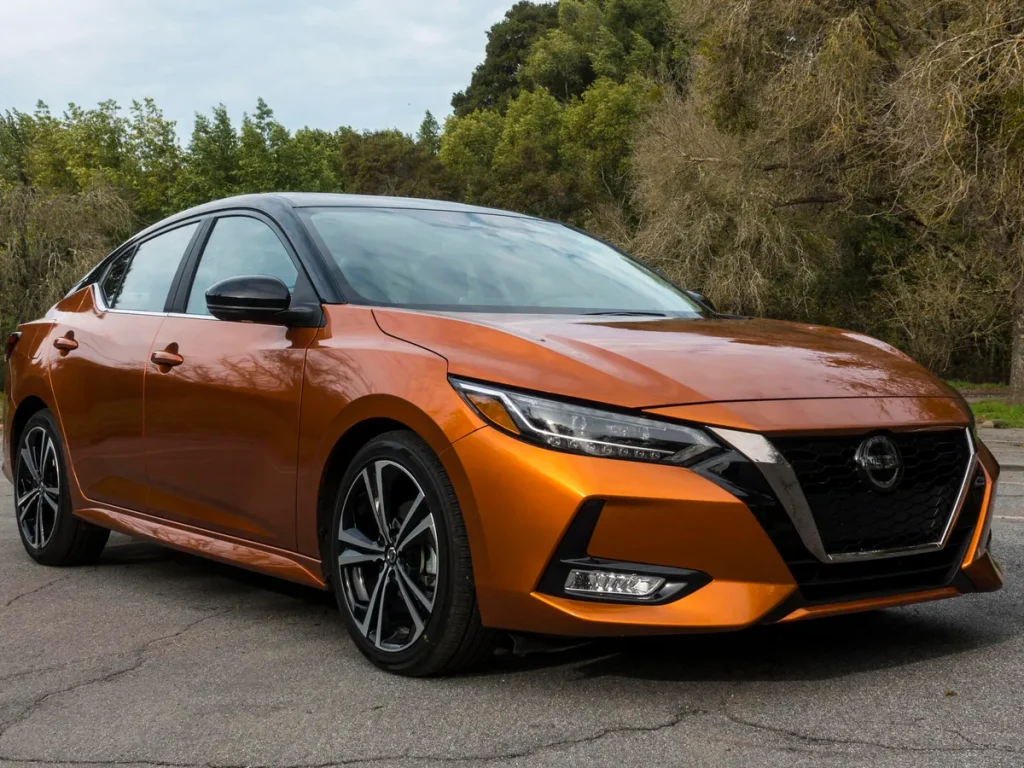
6. Nissan Sentra
The Nissan Sentra is a sedan that has quietly built a reputation for surviving the demands of daily city use. Its design prioritizes ease, efficiency, and durability rather than excitement. For urban drivers who rely on their car every day, these traits matter far more than flashy features.
The Sentra’s exterior size works well in crowded city environments. It is not too wide or overly long, which helps when navigating narrow streets and busy lanes. Drivers can place the car confidently in traffic.
Low speed maneuverability is a strong advantage. The steering is light and forgiving, making it easy to handle in congestion. This reduces fatigue during long periods of stop and go driving.
Daily city use means constant braking and acceleration. The Sentra responds calmly to throttle input, avoiding jerky behavior. This smoothness helps reduce mechanical stress over time.
The turning radius supports tight urban layouts. Residential streets, parking ramps, and narrow intersections can be handled without repeated steering corrections. This makes everyday driving more efficient.
Parking is straightforward due to predictable proportions. The Sentra fits into standard city parking spaces comfortably. Parallel parking feels achievable rather than frustrating.
Visibility is well suited for city use. The windshield and side windows provide clear sightlines. Drivers can easily monitor pedestrians, cyclists, and nearby vehicles.
The seating position supports awareness and comfort. Drivers sit at a height that allows good judgment of distances. This helps during close proximity maneuvers.
Fuel efficiency remains consistent in urban conditions. The Sentra performs reasonably well in stop and go traffic, helping manage daily fuel costs.
Engine tuning focuses on smooth delivery. Acceleration is gentle and predictable. This suits city driving where aggressive power is unnecessary.
Ride comfort is tuned for everyday roads. The suspension absorbs bumps and uneven surfaces effectively. Daily commutes feel less punishing on rough streets.
Interior materials are selected for durability. Controls and seats hold up well to frequent use. The cabin remains functional even after years of daily driving.
Noise insulation is adequate at city speeds. Traffic sounds are reduced, creating a calmer environment during congestion.
Maintenance costs are manageable and predictable. The Sentra is designed for regular use with straightforward servicing needs. This reliability supports daily commuting.
Short trips do not cause issues. The car adapts well to frequent starts and stops common in urban life.
Over time, the Sentra maintains its composure. It does not feel fragile or overly sensitive to daily wear. This builds long term owner confidence.
For city drivers who want simplicity and reliability, the Sentra fits well. It performs its role quietly and consistently.
Overall, the Nissan Sentra holds up well to daily city use because it focuses on smooth driving, manageable size, and durability. It is built to handle urban routines without unnecessary complication.
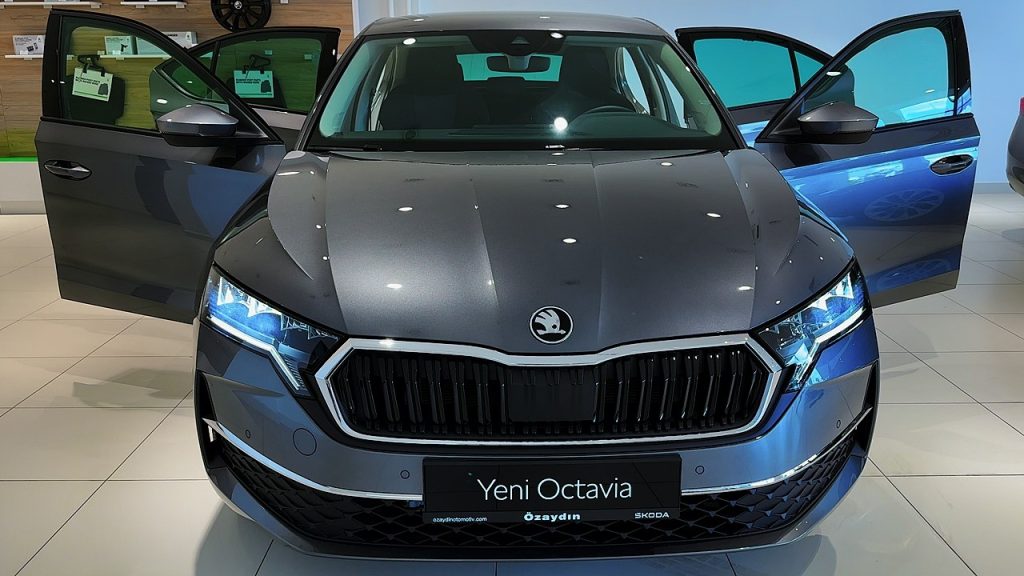
7. Skoda Octavia
The Skoda Octavia is a sedan that combines solid build quality with everyday practicality, allowing it to endure daily city use better than many rivals. While it offers more space than compact sedans, it remains well suited to urban life when driven regularly.
The Octavia’s exterior dimensions are larger than some city focused sedans, but they are well managed. The car does not feel unwieldy in traffic. Drivers can adapt quickly to its size.
Low speed steering remains light and controlled. This helps during congestion and parking maneuvers. The car does not feel heavy or difficult to guide at slow speeds.
City driving involves constant starts and stops. The Octavia handles these conditions smoothly. Throttle response is progressive, reducing strain on mechanical components over time.
The turning radius is reasonable for its size. Tight city streets and parking garages can be navigated with care. Drivers do not feel restricted by the car’s footprint.
Parking is manageable thanks to predictable proportions. While it requires slightly more attention than smaller sedans, it fits into standard city spaces without excessive difficulty.
Visibility is a strong point. Large windows provide clear sightlines in all directions. Drivers can monitor surrounding traffic and pedestrians easily.
The seating position supports awareness. Drivers sit at a comfortable height that allows good control and spatial judgment. This helps during daily urban use.
Fuel efficiency remains acceptable in city conditions. Despite its size, the Octavia performs well in stop and go traffic. This helps manage running costs.
Engine behavior focuses on smoothness. Acceleration is controlled rather than aggressive. This suits urban environments where calm response is preferred.
Ride comfort is well suited for rough city roads. The suspension absorbs bumps and uneven surfaces effectively. Daily commutes feel less tiring.
Interior materials are chosen for longevity. Controls, switches, and seating hold up well to frequent use. The cabin maintains its quality over time.
Noise insulation works well at city speeds. Traffic noise is kept to a reasonable level, creating a calmer driving experience.
Maintenance costs are predictable when serviced regularly. The Octavia’s solid construction supports long term daily use without frequent issues.
Short trips do not negatively affect performance. The car adapts well to urban routines where trips are brief but frequent.
Over years of use, the Octavia retains its solid feel. It does not feel worn quickly despite daily driving. This durability adds to its appeal.
For urban drivers who want space without sacrificing durability, the Octavia fits well. It offers practicality while holding up to daily use.
Overall, the Skoda Octavia holds up well to daily city use because it blends robust construction, comfort, and controlled driving behavior. It is designed to endure the realities of urban life.
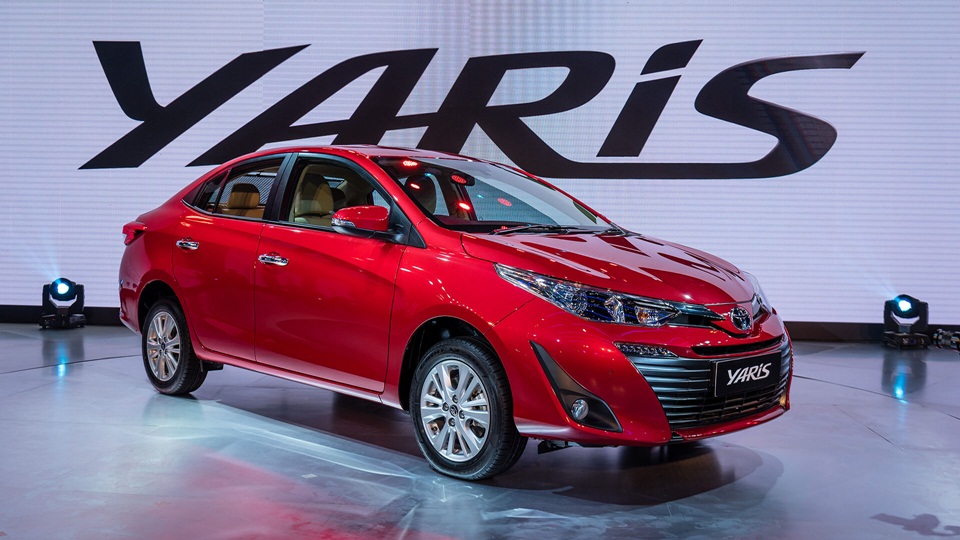
8. Toyota Yaris Sedan
The Toyota Yaris Sedan is one of the most resilient and sensible sedans for daily city use across global markets. It is designed with simplicity, efficiency, and durability as priorities, which makes it particularly well suited to the constant demands of urban driving.
The compact exterior dimensions of the Yaris Sedan are a major advantage in cities. It is easy to maneuver through narrow streets, crowded intersections, and dense traffic. Drivers never feel overwhelmed by its size.
Low speed handling is one of its strongest traits. The steering is light and predictable, making it easy to control in stop and go traffic. Daily commuting feels less tiring because the car responds smoothly.
City driving involves frequent braking and acceleration. The Yaris Sedan handles this calmly. Throttle response is gentle, which helps reduce stress on mechanical components over time.
The turning radius supports tight urban layouts. Narrow residential streets, parking ramps, and busy junctions can be navigated without repeated corrections. This saves time and effort every day.
Parking is exceptionally easy. The Yaris Sedan fits into tight parking spaces, including older street parking and compact residential lots. Parallel parking feels straightforward even in busy areas.
Visibility is a strong point for daily use. The windshield is upright and wide, offering a clear forward view. Side windows provide good awareness of surrounding traffic and pedestrians.
The seating position supports confidence in close spaces. Drivers sit upright, making it easier to judge distances and vehicle corners. This reduces anxiety during tight maneuvers.
Fuel efficiency is excellent in city conditions. The Yaris Sedan performs very well in stop and go traffic, helping owners keep fuel expenses low. This makes it economical for everyday use.
Engine tuning focuses on reliability rather than power. Acceleration is smooth and controlled, which suits urban driving patterns. The car does not encourage aggressive behavior.
Ride comfort is appropriate for city roads. The suspension absorbs small bumps and uneven surfaces effectively. Daily commutes feel composed even on worn streets.
Interior materials are chosen for durability. Seats, controls, and surfaces hold up well to frequent use. The cabin remains functional over years of daily driving.
Noise levels are controlled at city speeds. Traffic sounds are muted enough to keep the cabin calm. This reduces mental fatigue during congestion.
Maintenance costs are low and predictable. Toyota’s engineering focuses on long term reliability. Owners can depend on the car without frequent repairs.
Short trips do not affect performance negatively. The Yaris Sedan adapts well to frequent starts and stops, which are common in urban life.
Over time, the car maintains its reliability and composure. It does not feel fragile or worn quickly by daily use. This builds strong owner confidence.
For city drivers who want a car that simply works every day, the Yaris Sedan fits perfectly. It does not demand special attention or adjustments.
Overall, the Toyota Yaris Sedan holds up extremely well to daily city use because it is designed for exactly that purpose. Its compact size, durability, and efficiency make it a dependable companion for urban life.
Also Read: The 2026 Lexus LC 500: A Magnificent V8 Grand Tourer Bowing Out
