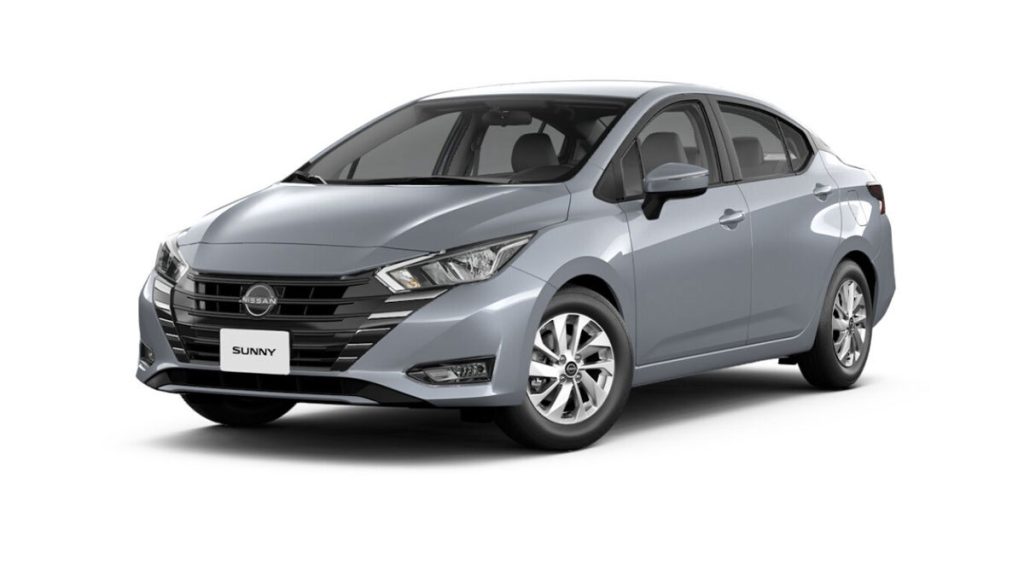
Older cities were not designed with modern cars in mind. Narrow streets, tight parking bays, sharp turns, and compact residential layouts were created long before wide sedans and large SUVs became common. For drivers living in such cities, parking is often the most stressful part of daily driving.
In older neighborhoods, parking spaces tend to be shorter and narrower than modern standards. Underground parking in aging apartment buildings may have low ceilings and tight entry ramps.
Street parking often requires squeezing between closely parked vehicles with little margin for error. In these conditions, a sedan that fits well can make a significant difference.
Many modern cars focus on interior space, aggressive styling, and wide body designs. While these features look appealing, they can make parking in older city infrastructure difficult. Wide doors, long overhangs, and poor turning radius often lead to repeated adjustments and increased risk of minor scrapes.
Sedans that work well in older city parking usually share certain characteristics. Compact exterior dimensions help them slot into smaller spaces. Short front and rear overhangs reduce the chance of hitting walls or other vehicles. Good steering lock and tight turning circles allow easier maneuvering in narrow lanes.
Visibility also plays a major role. Clear sightlines help drivers judge distances accurately when reversing or parking close to obstacles. A sedan that allows the driver to see the corners of the car reduces anxiety during tight maneuvers.
Weight and responsiveness matter as well. Lighter sedans with predictable steering feel easier to control at low speeds. This makes slow parking movements smoother and more precise. Drivers spend less time adjusting and more time parking confidently.
Another important factor is door size and opening angle. In older parking garages where cars are parked close together, doors that do not swing too wide make entry and exit easier. This practical detail is often overlooked but greatly appreciated in daily use.
This article focuses on six sedans that fit well in older city parking environments. These cars are chosen for their compact dimensions, maneuverability, and ease of use rather than luxury or performance alone. Each sedan proves that thoughtful design can still make city life simpler.
For drivers living in historic city centers or older residential areas, choosing the right sedan can turn parking from a daily challenge into a manageable routine. The cars listed here are designed to work with the city, not fight against it.
Also Read: Top 12 JDM Bargains You Can Still Buy for Under $10,000
1. Honda City
The Honda City has long been considered one of the most practical sedans for dense urban environments. Its compact exterior dimensions make it especially suitable for older city parking spaces where every inch matters. Honda designed the City to be easy to maneuver without sacrificing everyday comfort.
One of the biggest advantages of the Honda City is its manageable length. It fits comfortably into shorter parking bays commonly found in older buildings. Drivers rarely need multiple adjustments to fit the car into tight spaces.
The width of the Honda City is also well suited for narrow parking lanes. It allows enough clearance on both sides, reducing the risk of door dings or scraping walls. This is particularly helpful in older underground parking garages.
The front overhang is relatively short. This makes it easier to judge the distance between the bumper and a wall or curb. Drivers can park closer without fear of misjudging the front end.
Rear overhang is equally well proportioned. When reversing into a space, the car feels predictable. This reduces stress during parallel parking on narrow city streets.
The turning radius of the Honda City is another major benefit. It allows the car to make tight turns in narrow lanes and parking ramps. Drivers can maneuver into spaces that larger sedans struggle to access.
Steering at low speeds feels light and responsive. This makes slow movements during parking smooth and controlled. Even inexperienced drivers find it easy to place the car accurately.
Visibility plays a strong role in the City’s parking friendliness. The windshield and side windows provide clear sightlines. Drivers can easily see nearby obstacles and parked vehicles.
The seating position helps with spatial awareness. Drivers sit at a height that allows them to judge the car’s corners without guessing. This builds confidence in tight parking situations.
Door size and opening angle are well balanced. Doors open wide enough for comfortable entry but not so wide that they become difficult to manage in narrow parking slots. This is a small detail that matters daily.
The compact wheelbase also contributes to ease of parking. The car feels nimble rather than bulky. It responds quickly to steering input, which is useful in confined spaces.
In older residential streets, parallel parking is often unavoidable. The Honda City performs well in such conditions. Its size allows it to slot into gaps that would be challenging for longer sedans.
The trunk design does not compromise parking ease. While offering good storage, it does not extend excessively. This keeps rear clearance manageable.
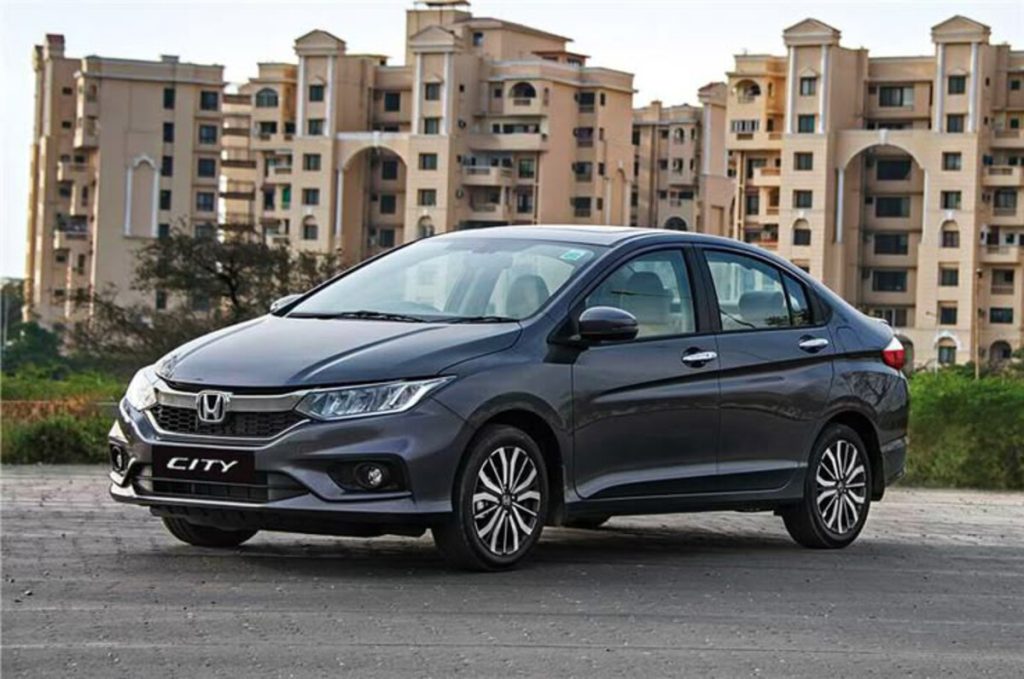
For drivers who regularly park in aging apartment complexes or historic city centers, the Honda City offers peace of mind. It fits where others struggle and moves where others hesitate.
Overall, the Honda City combines compact proportions with intelligent design. It proves that a sedan can still be practical in older city parking environments. For daily urban use, it remains one of the most reliable and stress free choices.
2. Toyota Corolla
The Toyota Corolla has earned its reputation as one of the easiest sedans to live with in dense urban environments. Its dimensions and predictable behavior make it especially suitable for older city parking where space is limited and maneuvering room is tight.
The overall length of the Corolla fits well into shorter parking bays commonly found in older apartment buildings. Drivers rarely feel that the car is too long when pulling into compact slots.
Its width is conservative compared to many modern sedans. This allows extra clearance on both sides in narrow parking spaces. Doors can be opened without constant worry about hitting adjacent vehicles.
The front end design helps greatly during parking. The hood slopes gently downward, allowing drivers to judge distance accurately. This makes it easier to stop close to walls or curbs without hesitation.
Rear parking is equally manageable. The trunk does not extend excessively, which keeps the rear overhang easy to estimate. Drivers can reverse confidently even in tight parallel parking situations.
One of the Corolla’s strongest advantages is its tight turning radius. In older parking garages with sharp ramps and narrow lanes, this makes a noticeable difference. Fewer steering corrections are needed to align the car properly.
Low speed steering response is light and smooth. This allows precise control during slow parking maneuvers. Drivers can make small adjustments without overcorrecting.
Visibility plays an important role in the Corolla’s parking friendliness. Large windows and clear sightlines help drivers see surrounding obstacles clearly. This reduces reliance on guesswork in confined spaces.
The seating position supports spatial awareness. Drivers sit at a height that allows them to see the edges of the car naturally. This builds confidence during close proximity parking.
Door opening angles are practical for older parking environments. Doors do not swing excessively wide, making it easier to enter and exit when cars are parked close together.
In street parking scenarios, the Corolla feels easy to slot into available gaps. Its compact footprint allows it to fit where larger sedans would struggle. This is especially valuable in historic neighborhoods.
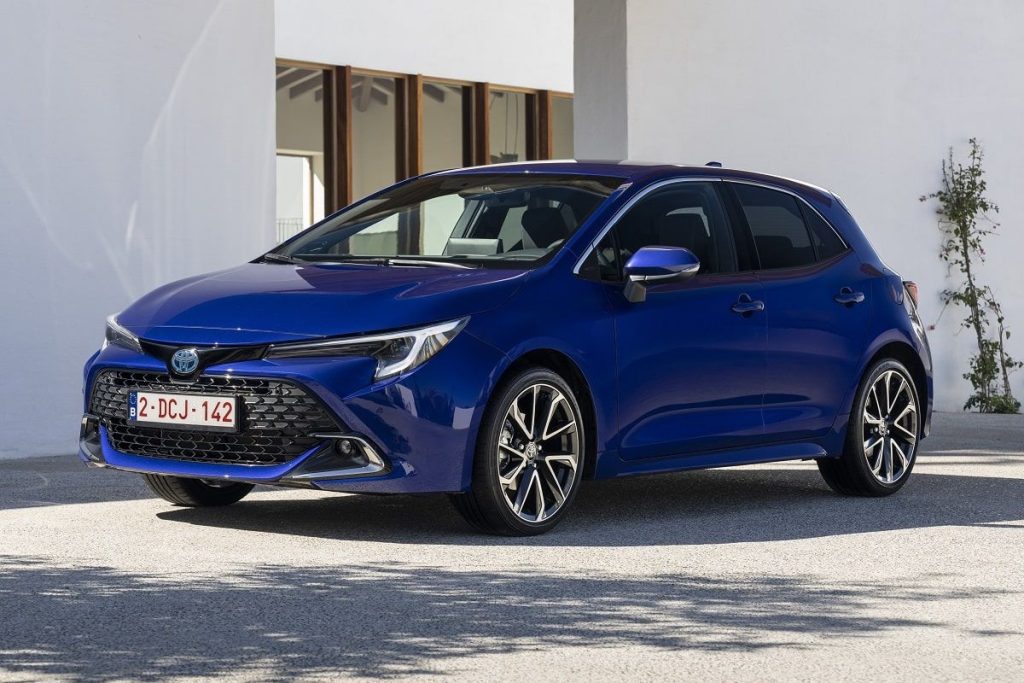
The suspension setup contributes indirectly to parking ease. The car does not rock excessively at low speeds, keeping movements controlled and predictable.
Mirror placement also helps. Side mirrors provide a clear view of the car’s sides without protruding excessively. This helps avoid clipping tight garage entrances.
The Corolla’s simplicity works in its favor. Drivers do not feel overwhelmed by size or bulk. The car responds calmly, which is ideal in stressful parking situations.
For daily use in older cities, the Corolla offers reassurance. It fits into spaces designed decades ago and moves comfortably through narrow access points.
Overall, the Toyota Corolla proves that thoughtful proportions and ease of control matter more than size or presence. For drivers facing tight parking daily, it remains one of the safest and most stress free sedan choices.
3. Hyundai Verna
The Hyundai Verna is a sedan that balances modern comfort with dimensions that still work well in older city parking environments. While it offers a contemporary design, it remains manageable in spaces that were not built for large vehicles.
The length of the Verna is suitable for compact parking bays. It does not feel stretched or cumbersome when entering older underground parking lots. Drivers can park without multiple adjustments.
Width is another area where the Verna performs well. It provides enough interior space while remaining narrow enough for tight parking slots. This balance is important in older residential buildings.
The front end design supports easy parking. The hood slopes downward from the driver’s perspective, improving visibility of the front corners. This helps drivers park closer to walls with confidence.
Rear overhang is controlled and easy to judge. When reversing, the car responds predictably. This is useful during parallel parking on narrow streets.
The turning radius of the Verna is competitive for its class. It allows smooth navigation through tight parking lanes and ramps. Drivers can enter and exit parking areas without feeling restricted.
Steering at low speeds is light and responsive. This makes slow maneuvering easier and reduces effort during repeated parking attempts. Precision feels natural rather than forced.
Visibility remains a strong point. The Verna offers clear side windows and a usable rear window. Drivers can monitor surrounding vehicles and obstacles easily.
The seating position helps with awareness. Drivers sit at a height that allows them to see the road and nearby objects clearly. This reduces uncertainty in tight spaces.
Door design is practical for older parking structures. Doors open wide enough for comfort but remain manageable in narrow gaps. This makes daily entry and exit less frustrating.
In older city streets, parallel parking is often unavoidable. The Verna fits into smaller gaps than many newer sedans. Its proportions allow it to blend into older urban layouts.
The car’s suspension behavior at low speeds is stable. It does not lurch or sway excessively, which helps during precise parking movements.
Mirror size and placement are helpful in narrow environments. They provide good coverage without extending too far outward. This reduces the risk of scraping tight garage walls.
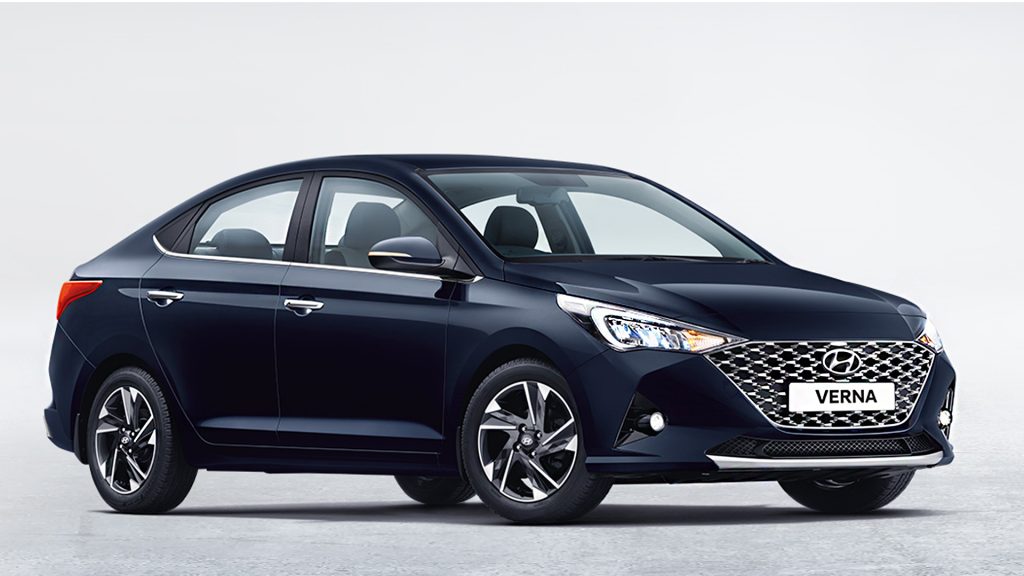
The Verna feels composed in confined spaces. Drivers can focus on placement rather than compensating for size. This makes parking feel routine rather than stressful.
For residents of older cities, daily parking can be exhausting. The Verna reduces that burden by fitting naturally into limited spaces.
Overall, the Hyundai Verna offers modern comfort without ignoring urban realities. Its manageable size and predictable handling make it a reliable choice for older city parking conditions.
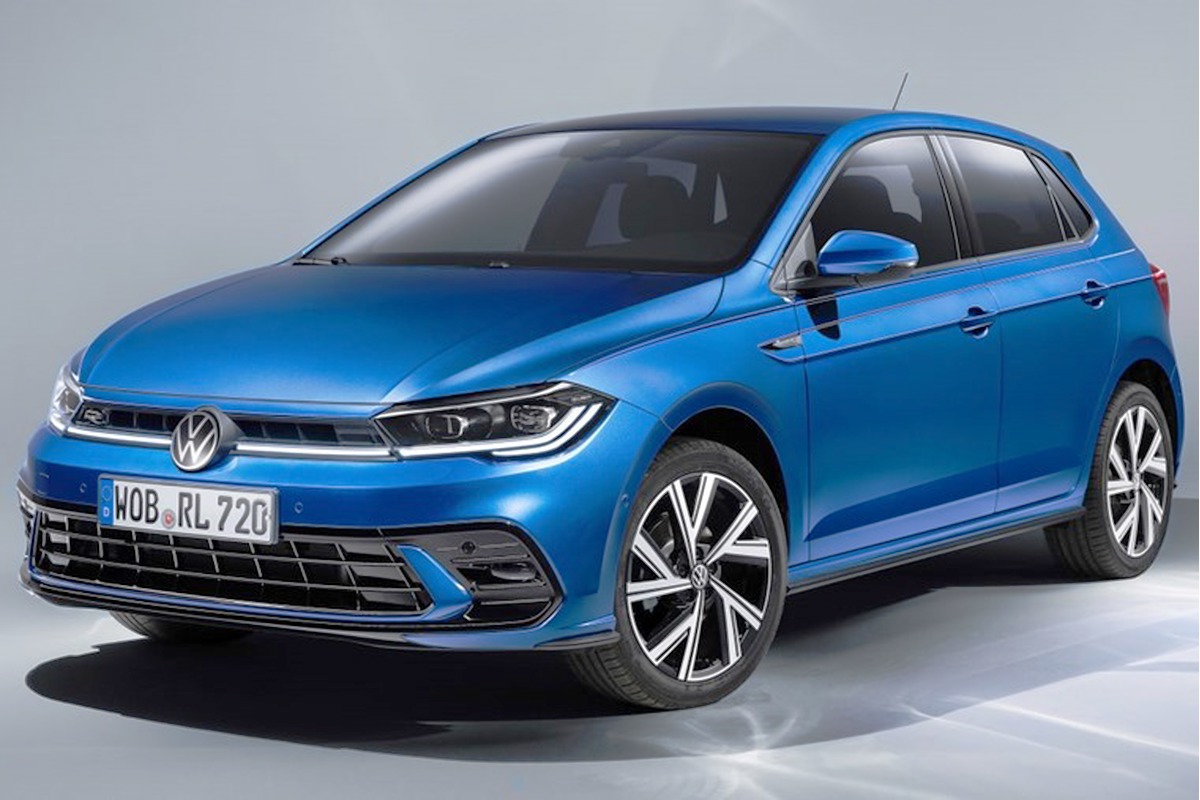
4. Volkswagen Polo Sedan
The Volkswagen Polo Sedan is well suited for older city parking due to its compact proportions and controlled driving behavior. Volkswagen designed this sedan with a strong focus on balance, which helps it operate comfortably in tight and aging urban spaces.
The overall length of the Polo Sedan fits well within shorter parking slots. In older apartment complexes where space was designed for smaller vehicles, this becomes a major advantage. Drivers can park without worrying about overhang.
Its width is conservative and practical. This allows enough side clearance in narrow parking bays. Opening doors becomes easier, even when neighboring cars are parked closely.
The front end design supports confident parking. The hood is short and slopes gently, allowing drivers to judge the front boundary accurately. This reduces hesitation when parking close to walls or pillars.
Rear overhang is equally manageable. When reversing, the car responds predictably to steering input. Drivers can park with fewer corrections, even in confined areas.
One of the Polo Sedan’s biggest strengths is its turning radius. It handles sharp turns in narrow lanes and parking ramps with ease. This is especially helpful in older garages with tight entry points.
Low speed steering is light and precise. The car reacts smoothly to small steering inputs. This makes slow parking maneuvers feel controlled rather than rushed.
Visibility plays a key role in the Polo Sedan’s parking friendliness. Large windows and clear sightlines allow drivers to monitor surroundings easily. Blind spots are minimal for a sedan of its size.
The seating position supports spatial awareness. Drivers sit upright enough to judge the edges of the vehicle without strain. This helps during close proximity parking.
Door opening angles are well judged. Doors do not swing excessively wide, which is useful in narrow parking spaces. Entry and exit remain comfortable without causing inconvenience.
The suspension setup keeps the car stable at low speeds. It does not bounce or sway during slow maneuvers. This stability helps drivers make precise adjustments while parking.
Mirror placement is thoughtful. The side mirrors offer good visibility without sticking out too far. This reduces the risk of scraping walls in narrow garage entrances.
In older city streets, parallel parking often requires precision. The Polo Sedan fits into tight gaps with relative ease. Its compact footprint allows it to settle naturally into small spaces.
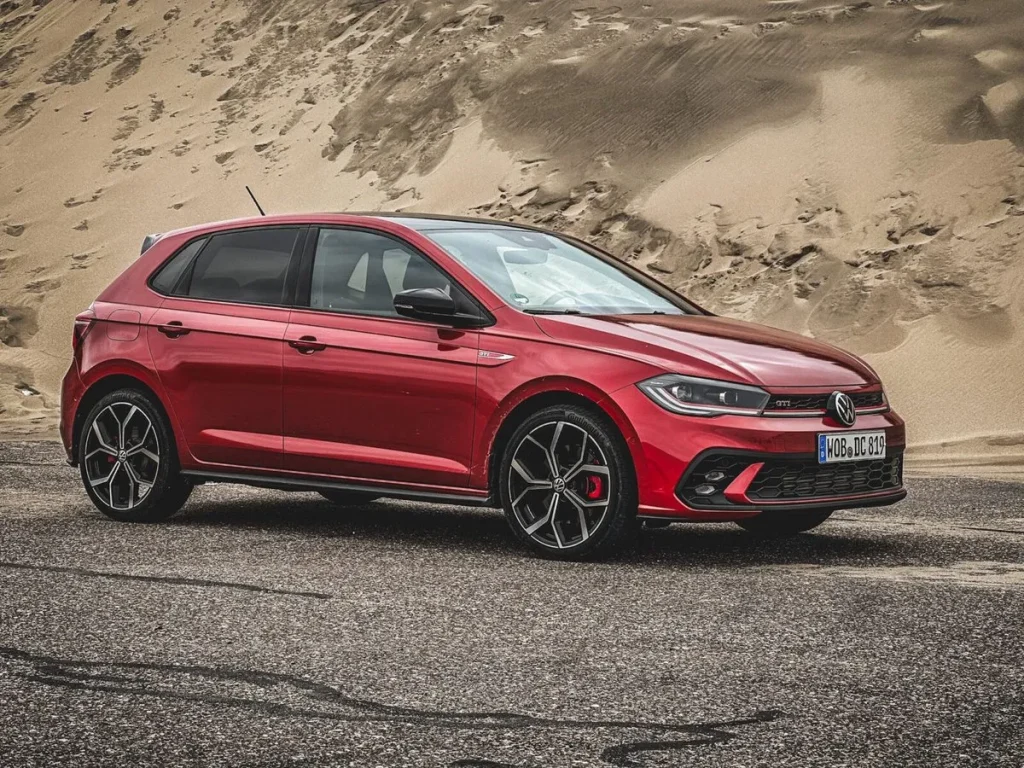
The trunk design remains practical without compromising parking ease. It offers enough space for daily needs while keeping rear length under control.
Drivers living in historic neighborhoods often deal with limited parking infrastructure. The Polo Sedan works with these constraints rather than against them.
Overall, the Volkswagen Polo Sedan delivers a calm and manageable parking experience. Its compact size, predictable handling, and good visibility make it a strong choice for older city environments.
5. Maruti Suzuki Ciaz
The Maruti Suzuki Ciaz offers an interesting balance between interior space and exterior manageability. While it appears spacious inside, its design allows it to fit well in older city parking areas when compared to many modern sedans.
The length of the Ciaz is moderate and well proportioned. It can fit into most traditional parking bays without excessive overhang. This is helpful in older residential buildings.
Its width remains practical for narrow spaces. Drivers can park without worrying too much about door clearance. This is important in aging parking structures with tight layouts.
The front hood design supports easy distance judgment. It slopes gently downward, allowing drivers to see the front corners clearly. This improves confidence when parking close to obstacles.
Rear parking is manageable due to controlled overhang. The trunk does not extend excessively. Drivers can reverse into spaces with reasonable accuracy.
The turning radius of the Ciaz is suitable for city use. It allows the car to navigate narrow parking ramps and tight turns without repeated corrections.
Low speed steering is light and user friendly. This makes slow maneuvering less tiring, especially during daily parking routines.
Visibility plays a supportive role in the Ciaz’s usability. The windshield and side windows offer clear views of surroundings. Drivers can see nearby vehicles and obstacles easily.
The seating position enhances awareness. Drivers sit at a comfortable height that allows good visibility of the car’s edges. This reduces uncertainty during close parking.
Door opening angles are practical for older parking spaces. Doors do not swing too wide, which helps in tight side clearances. Entry and exit remain convenient.
Suspension behavior at low speeds is calm and predictable. The car does not feel unstable when making small adjustments. This helps during precision parking.
Mirror placement is effective without being intrusive. Side mirrors provide good coverage while remaining compact. This reduces risk in narrow garage entrances.
On older city streets, parallel parking is often required. The Ciaz can fit into most available gaps with careful placement. It does not feel excessively long.
Despite offering a roomy interior, the Ciaz avoids feeling bulky in confined spaces. This balance makes it appealing for families living in older neighborhoods.
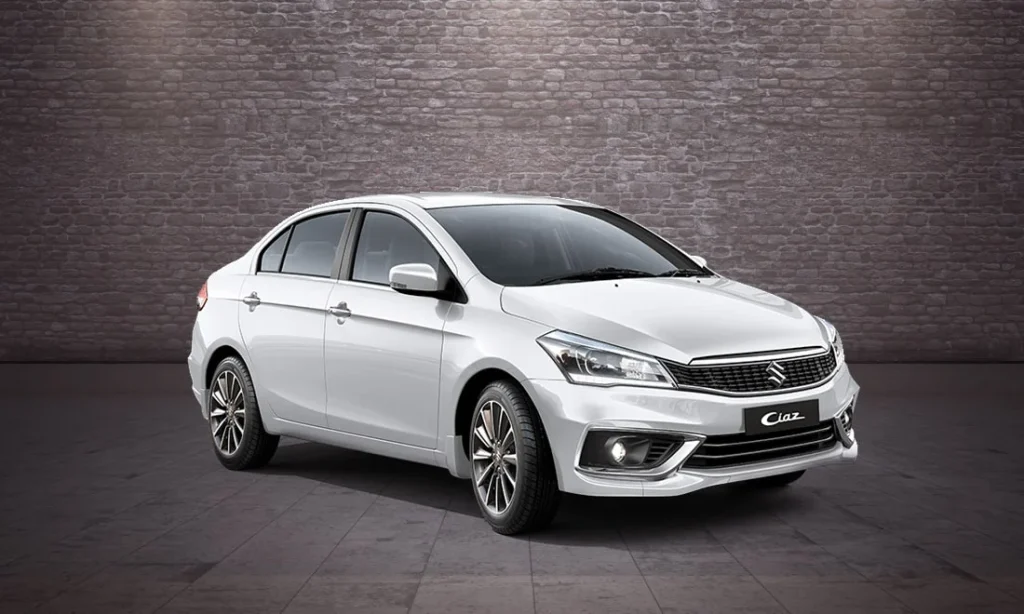
For daily urban use, parking ease matters as much as cabin comfort. The Ciaz manages to offer both without demanding modern oversized parking.
Overall, the Maruti Suzuki Ciaz proves that a sedan does not need to be small to be city friendly. Its thoughtful proportions and easy handling allow it to adapt well to older parking environments.