
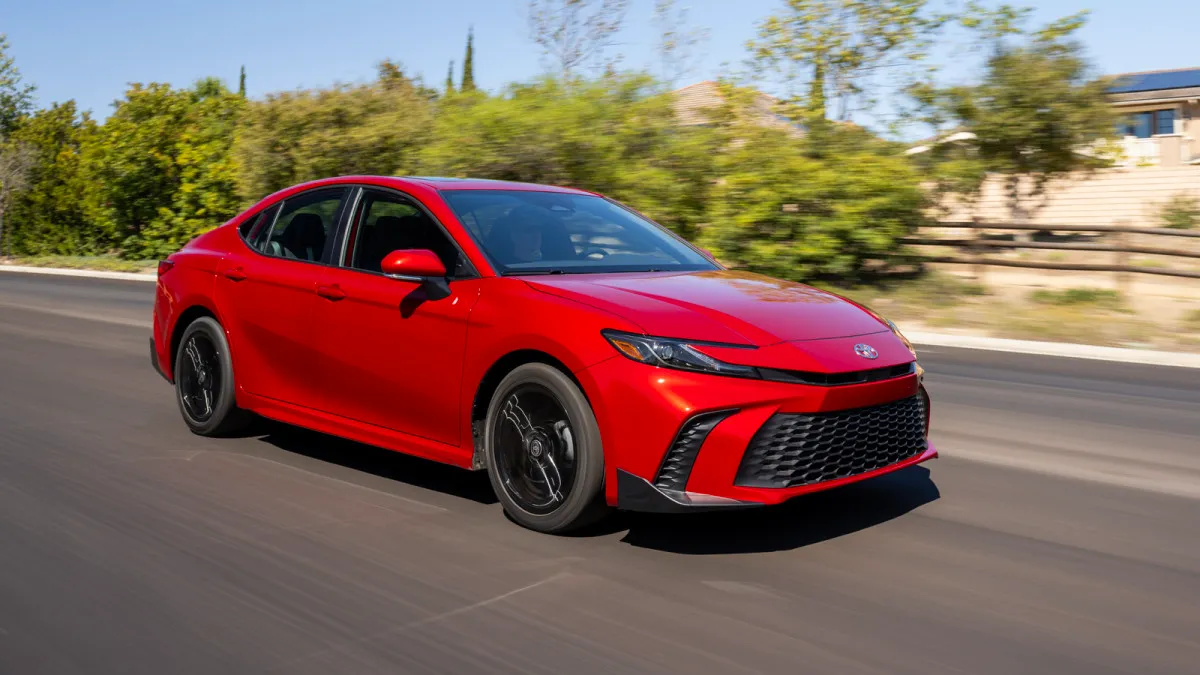
Los Angeles traffic has earned a reputation that few cities can rival. Long hours pass while vehicles inch along the 405, drivers staring at the same billboard as fuel levels drop and patience wears thin.
Peak congestion begins early in the morning and lingers well into the evening, while weekends bring little relief as coastal routes clog and event traffic overwhelms city exits. A dependable sedan must endure this routine without overheating, excessive fuel use, or constant discomfort.
Stop-and-go driving places intense pressure on vehicle systems. Gearboxes move repeatedly between low ratios, building heat that can shorten service life if cooling is inadequate. Engines remain idling for long periods, pushing coolant temperatures upward as air conditioning units battle relentless sunshine.
Fuel efficiency suffers badly during slow crawls, leaving many drivers frustrated by frequent refuelling. Comfort becomes essential because motorists are spending extended hours seated, often travelling distances that should require only minutes under free-flowing conditions.
Certain sedans perform well under these demands. Refined automatic transmissions manage frequent speed changes smoothly, avoiding harsh responses that add stress to the drive. Well-tuned engines preserve reasonable fuel consumption even during prolonged congestion.
Supportive seating reduces fatigue and back strain during lengthy commutes between distant suburbs and business districts. Effective climate control systems maintain a cool cabin despite extreme heat and minimal vehicle movement.
Other models struggle in daily congestion. Transmission components overheat and begin to slip after long exposure to slow traffic. Engines consume fuel rapidly while covering very little distance.
Poorly designed seats cause lingering discomfort long after the journey ends. Weak air conditioning systems fail to lower cabin temperatures when vehicles sit motionless under direct sunlight, turning each commute into an exhausting experience.
For anyone considering a sedan in Los Angeles, recognizing which vehicles tolerate heavy congestion and which ones intensify frustration can greatly improve daily routines. A suitable choice supports reliability, efficiency, and comfort, while a poor one magnifies stress on already busy roads.
Selecting wisely helps preserve both mechanical health and personal well-being during countless hours spent behind the wheel. This choice shapes daily satisfaction.
Sedans Built for Los Angeles Traffic
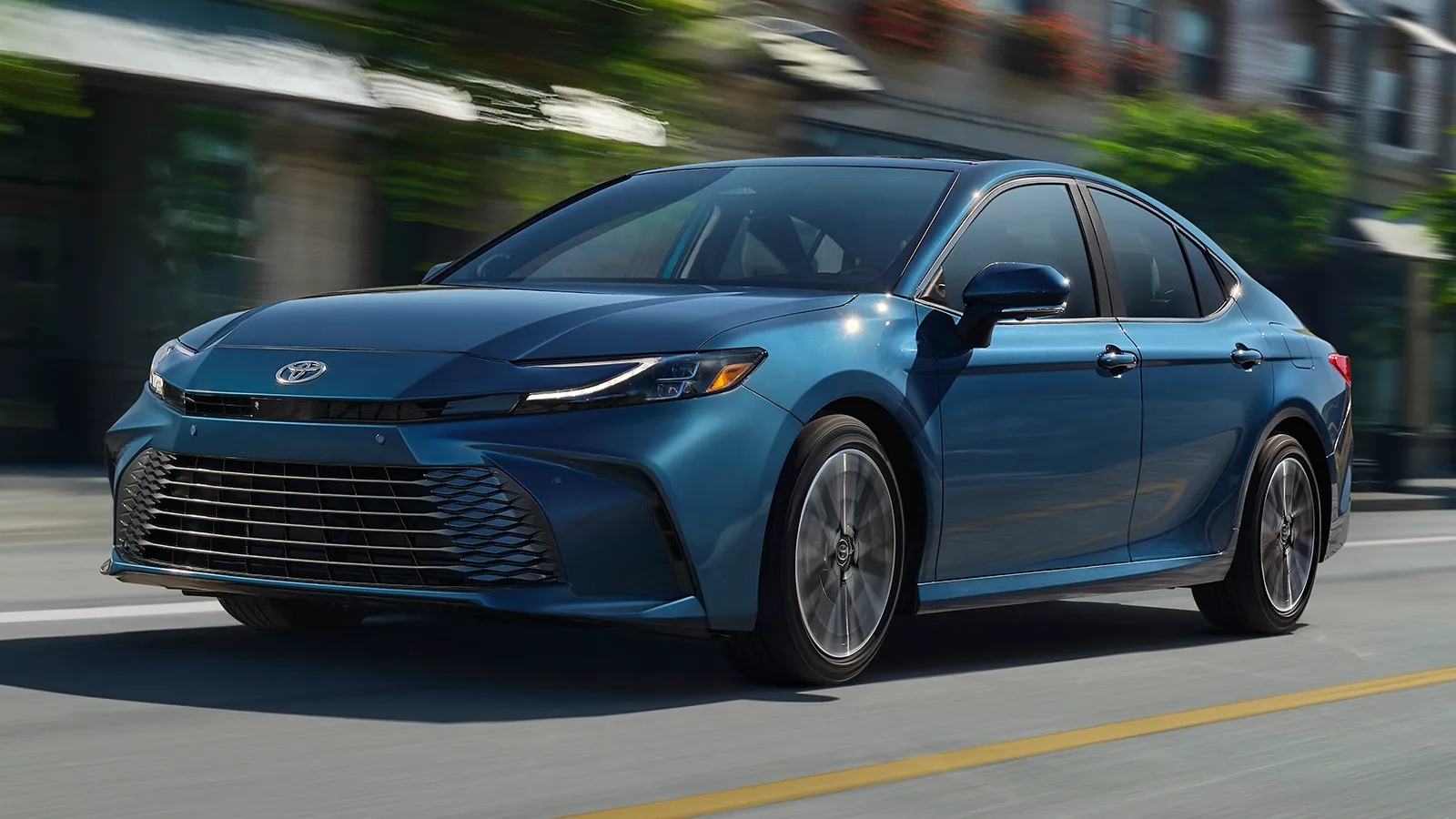
1. Toyota Camry Hybrid 2021-2025
Hybrid technology shines during stop-and-go traffic, and Toyota perfected this system over decades of development. Electric motors handle low-speed movement, shutting down the gas engine completely during stops and coasting.
This intermittent engine operation keeps fuel economy high even during traffic crawls on the 10 freeway. Expect combined mileage around 50 MPG, numbers that transform your fuel budget when you’re driving 15,000 miles annually through congested freeways.
Battery cooling receives serious engineering attention, critical for California’s heat. Active thermal management maintains optimal battery temperature even when outside temperatures hit 100 degrees, and you’re sitting motionless in traffic.
This prevents the power loss and degradation that plagues poorly designed hybrids. Toyota backs the hybrid system with an eight-year, 100,000-mile warranty, reflecting confidence in long-term durability under demanding conditions.
Transmission operation stays smooth through constant speed changes. A continuously variable transmission paired with a hybrid system creates seamless acceleration without gear hunting or lurching.
Responsive throttle lets you grab small gaps in traffic when opportunities arise. Regenerative braking captures energy during the constant deceleration that defines LA driving, storing it for later use rather than wasting it as heat.
Climate control maintains comfortable temperatures even during extended idling. Powerful air conditioning compressor runs efficiently off the hybrid system, cooling the cabin quickly and maintaining that temperature regardless of outside heat.
Dual-zone automatic climate control lets the driver and passenger set independent preferences, reducing conflicts during long commutes. Seat ventilation available on upper trims actively cools through perforated leather, preventing the sweaty-back syndrome common during hot traffic jams.
Interior space accommodates adults comfortably with generous legroom front and rear. Supportive seats prevent fatigue during extended drives, important when your commute from Pasadena to LAX takes two hours. Build quality reflects Toyota’s reputation with tight panel gaps and durable materials.
Expected reliability ranks among the best in the class, reducing ownership stress and repair costs. Resale values stay strong because buyers recognize the Camry Hybrid’s traffic-friendly attributes.
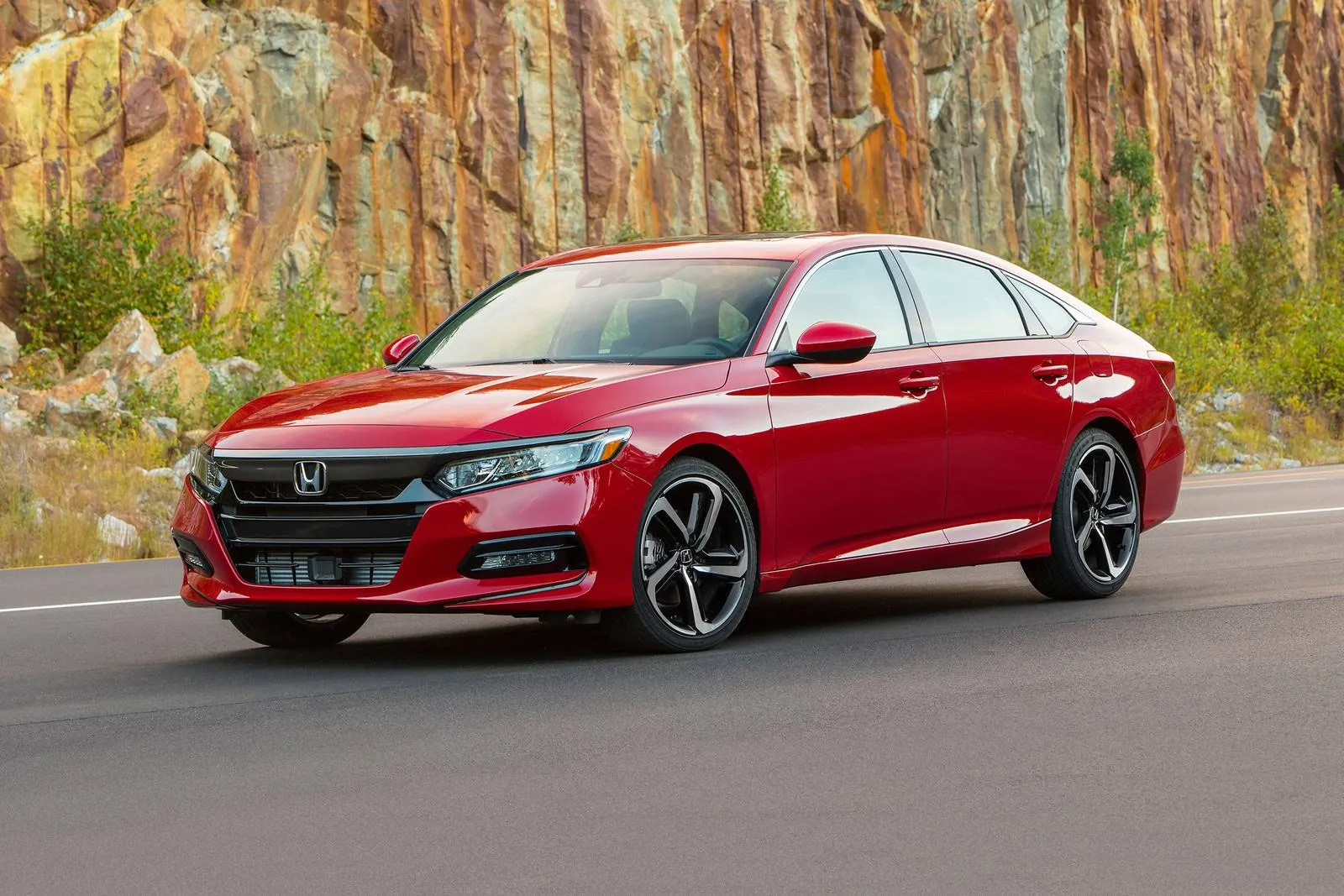
2. Honda Accord 2.0T Sport 2018-2024
Honda’s sport-tuned sedan combines turbocharged strength with a calm and polished driving character that suits demanding city conditions. The two-litre turbo engine delivers two hundred and fifty-two horsepower, allowing quick and confident acceleration when traffic gaps appear, and lane changes must be completed without hesitation.
Torque delivery begins low in the rev range, removing the dull response often associated with non-turbo engines during repeated stops. A ten-speed automatic gearbox manages constant speed changes smoothly, selecting ratios with care and avoiding unnecessary gear searching.
Despite its strong output, fuel consumption stays within reasonable limits. Drivers can expect figures in the mid twenties during dense traffic and low thirties on open highways, helping to protect running costs.
Turbo engineering allows power to be drawn only when requested, while gentle cruising and long idle periods demand far less fuel. Under light load, the engine reduces active cylinders, conserving petrol without any disturbance to refinement.
The cooling arrangement proves capable under harsh urban heat. A generously sized radiator paired with an efficient fan keeps temperatures stable during long idle periods under direct sunlight. The transmission benefits from a dedicated oil cooling system that protects internal components during prolonged congestion.
Warning lights and reduced power modes, common complaints in weaker sedans, are absent even during peak summer conditions. Interior comfort stands at a high standard.
Front seats provide firm support with balanced cushioning, while the driver enjoys extensive adjustment options, including lumbar support that reduces strain during lengthy commutes.
Rear occupants benefit from ample legroom, making the car suitable for shared rides or family duties. Boot capacity exceeds many rivals, easily accommodating luggage, shopping, and sports equipment.
Driver assistance technology supports daily commuting. Adaptive cruise control manages slow-moving traffic by controlling braking and acceleration automatically. Lane keeping assistance applies gentle steering input to maintain road position, easing fatigue during long freeway crawls.
The Honda Sensing safety package is fitted across all versions, ensuring advanced protection without premium pricing. Smartphone integration through Apple CarPlay and Android Auto allows seamless communication and media access throughout the journey.
Also Read: 5 Cars for Clearwater Beach Drives and 5 That Corrode Quickly
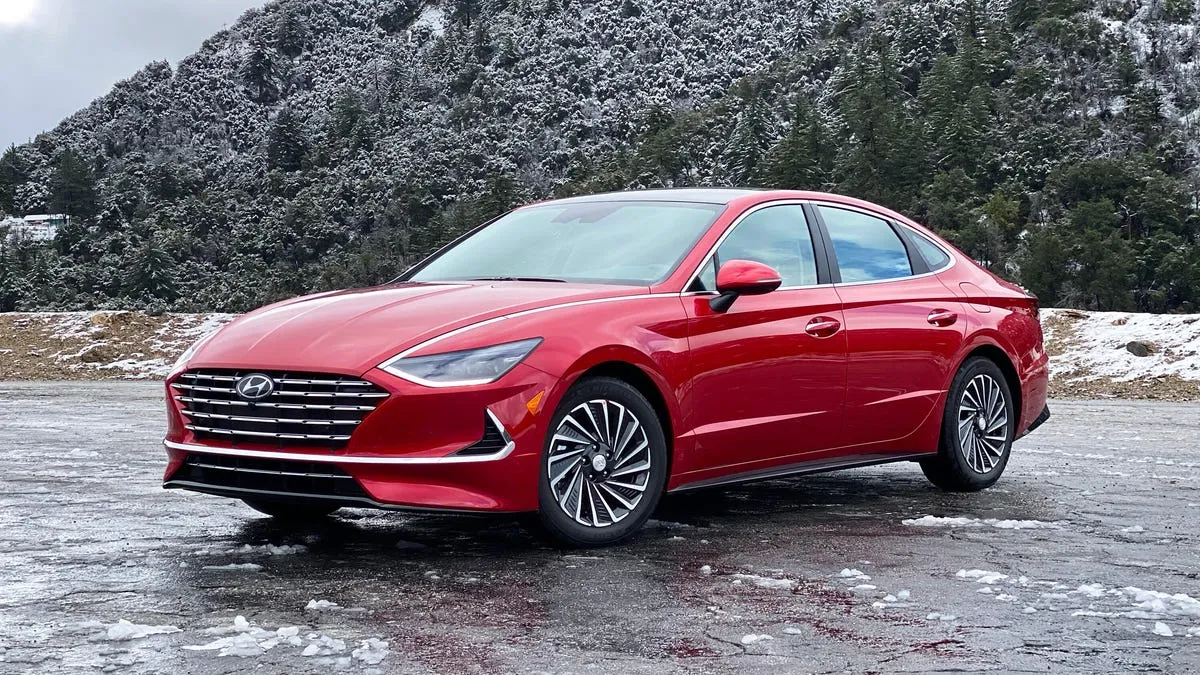
3. Hyundai Sonata Hybrid 2020-2024
Korean engineering created a hybrid sedan that excels during traffic while undercutting competitors on price. Electric motor assistance provides smooth power delivery without the lurching that traditional automatics create during constant speed changes. Combined system output reaches 192 horsepower, adequate for daily driving and highway merging.
Fuel economy hits high 40s to low 50s MPG during combined driving, exceptional numbers that reduce pump visits dramatically.
Air conditioning performance impresses with powerful cooling that handles California’s heat effectively. Automatic climate control maintains set temperatures precisely, and the system runs efficiently without excessive battery drain.
Heated and ventilated front seats come standard on higher trims, adding comfort during temperature extremes. Rear passengers get dedicated climate vents, ensuring everyone stays comfortable during hot afternoon commutes from downtown to the Westside.
Interior design emphasizes modern styling with clean lines and quality materials. The digital instrument cluster provides clear information at a glance, and the large center touchscreen handles infotainment duties competently. Wireless phone charging keeps devices topped up during long commutes.
Bose premium audio system available on Limited trim delivers excellent sound quality, making time in traffic more enjoyable with music or podcasts.
Warranty coverage leads the industry with five-year, 60,000-mile bumper-to-bumper and ten-year, 100,000-mile powertrain protection. This comprehensive coverage provides peace of mind for buyers concerned about hybrid technology reliability.
Expected maintenance costs stay low because hybrid components require minimal service beyond routine oil changes and tire rotations. Brake pads last exceptionally long due to regenerative braking doing most of the work, reducing another common maintenance expense.
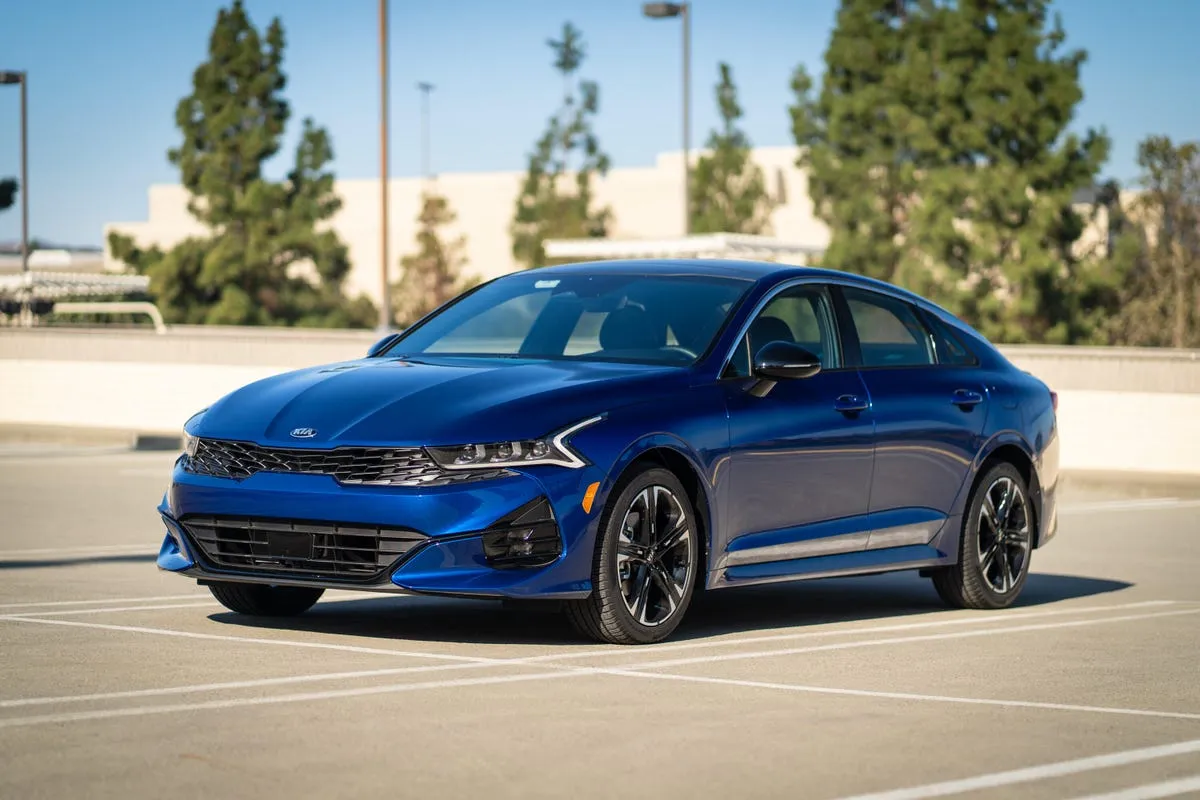
4. Kia K5 GT 2021-2025
Sport-inspired styling conceals practical strengths that suit daily driving in Los Angeles traffic. A turbocharged two point five litre four cylinder engine delivers two hundred and ninety horsepower, placing the K5 GT among the quickest sedans within its price class.
This output proves valuable when traffic clears briefly and rapid acceleration is required to avoid slow trucks or close gaps safely. An eight-speed dual clutch gearbox responds quickly during spirited driving yet remains calm and smooth during long traffic crawls.
All Wheel Drive is fitted as standard on the GT trim, sending power to each wheel to improve grip. Although snow is absent in Southern California, this system assists during rainfall when oil residue turns freeways slick.
Balanced power delivery also improves launches from rest, reducing wheel spin when drivers attempt to merge decisively. Torque control directs output between wheels, supporting stability and confidence during sudden lane changes.
Fuel consumption remains reasonable despite strong performance. Drivers can expect figures in the low twenties during dense congestion and upper twenties during steady highway travel, limiting running costs even with premium fuel.
Turbo efficiency allows strong performance without the thirst of larger engines. An automatic start-stop function switches off the engine at traffic lights, conserving fuel during frequent halts that define peak periods.
Cabin quality exceeds expectations at this price level. Leather seating surfaces, heated and ventilated front seats, and soft-touch materials create a refined environment. The driver-oriented layout places controls within easy reach, while digital screens present information clearly.
Dual zone automatic climate control keeps occupants comfortable, and rear legroom accommodates adults without complaint. Boot capacity supports everyday tasks, easily holding luggage, shopping, or sporting equipment.
The technology suite supports heavy traffic use. Adaptive cruise control manages braking and acceleration during slow movement. Lane centring assistance applies gentle steering input to maintain position, easing fatigue on crowded freeways.
Blind spot alerts extend to rear cross traffic warnings, while a surround view camera simplifies parking. A ten-year one hundred thousand one-hundred-thousand-mile warranty provides long-term reassurance for drivers seeking reliability, comfort, durability, and dependable daily transport.
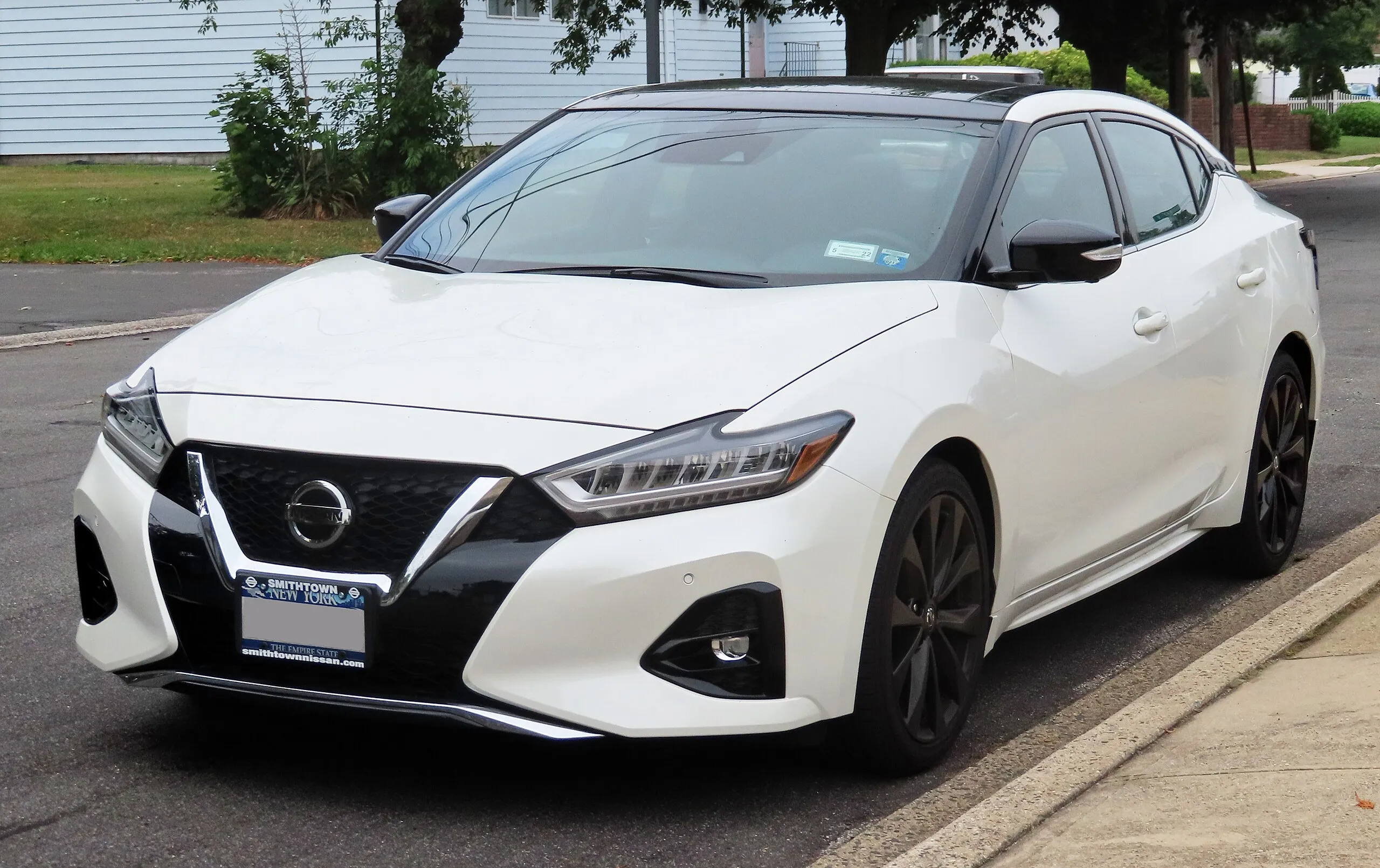
5. Nissan Maxima SR 2020-2023
Powerful V6 engine sets this sedan apart from four-cylinder competitors. That 3.5-liter naturally aspirated six produces 300 horsepower with linear power delivery that feels more refined than turbocharged alternatives. Instantaneous throttle response helps during traffic when you need to accelerate quickly into small gaps.
CVT transmission operates more smoothly than traditional examples, avoiding the rubber-band feeling that plagues poorly calibrated continuously variable units. Sport-tuned suspension balances comfort and handling effectively.
Ride quality absorbs LA’s numerous potholes without harshness while maintaining composed handling during spirited driving.
Electronic power steering provides good feedback, letting you place the car precisely during lane changes on crowded freeways. Larger brakes handle repeated stops during traffic without fade, and pedal feel stays consistent.
Zero Gravity seats live up to their marketing with exceptional comfort during extended drives. NASA-inspired design supports your body properly, reducing fatigue even during two-hour commutes. Leather upholstery feels premium, and available heating and cooling functions add comfort during temperature extremes.
Rear passengers fit comfortably with adequate legroom, though headroom runs slightly tight for taller occupants due to the sloping roofline. The infotainment system uses twin screens with the upper display handling navigation and the lower touchscreen controlling audio and climate.
This dual-screen setup looks impressive but requires a learning curve to operate efficiently. Apple CarPlay and Android Auto come standard, allowing smartphone integration that bypasses Nissan’s native interface. Bose audio system delivers clear sound even at highway speeds with the windows down.
Expected reliability concerns arise because Nissan’s CVT transmissions have questionable track records. While the Maxima uses a more robust version than smaller Nissan models, longevity questions remain. Warranty coverage provides only three-year, 36,000-mile bumper-to-bumper protection, falling short of Hyundai and Kia competitors.
Resale values drop faster than competitors, though this creates opportunities for used car buyers willing to accept potential transmission risks. Fuel economy stays respectable for a V6 with low-20s city and high-20s highway ratings.
Sedans That Struggle in Los Angeles Traffic
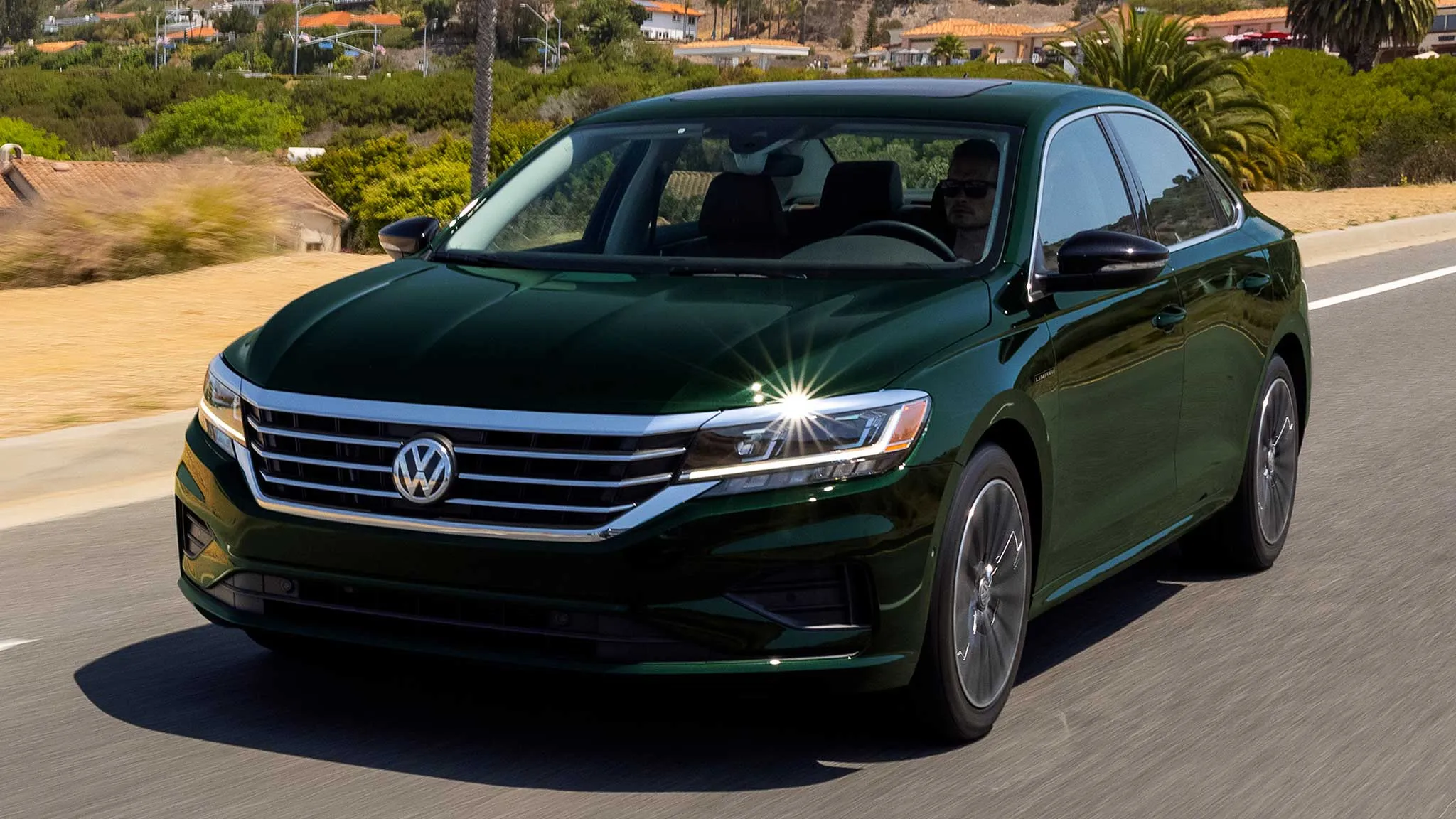
1. Volkswagen Passat 2.0T 2012-2019
German engineering is paired with cost reduction in Volkswagen’s mid-size sedan built for the American market. The one point eight litre turbocharged four cylinder engine delivers acceptable output when fresh, yet turbo delay irritates during stop and start driving.
Pressing the accelerator does not bring an instant response. There is a pause before boost develops, followed by a sudden surge of power. This uneven delivery makes smooth progress difficult and leaves passengers uncomfortable during daily commuting.
The dual-clutch automatic gearbox struggles in congested conditions. At low speeds, repeated clutch engagement produces vibration and hesitation that disrupt steady movement. Long periods of idling raise internal temperatures, accelerating wear on clutch components and increasing the risk of failure after warranty coverage ends.
Volkswagen released several service updates to soften these behaviours, yet the underlying mechanical limits remain present. Drivers should expect rough gear changes and delayed reactions whenever traffic speed fluctuates.
Thermal management also proves weak during hot Californian summers. The radiator, sized for milder environments, becomes overwhelmed when temperatures climb above ninety degrees, and the vehicle remains stationary on heated road surfaces.
Coolant readings rise close to warning levels during prolonged congestion. Drivers are often forced to activate the heater to release engine heat, cancelling any benefit from the cooling system and creating an uncomfortable cabin.
Cabin cooling performance falls short at critical moments. The air conditioning compressor lacks the strength to cool the wide interior effectively while the car sits still with minimal airflow through the condenser.
Automatic temperature regulation struggles against intense sunlight entering through large glass areas. Front occupants receive tolerable relief after some time, while rear passengers experience unpleasant conditions.
Quality concerns surface as mileage increases. Interior plastics develop cracks and persistent rattles that become noticeable on uneven roads. Electrical faults appear without warning, including faulty window controls and infotainment screens that freeze or restart unexpectedly. Long-term dependability rates sit below expectations, with repairs becoming costly once coverage expires.
Replacement parts and labour charges exceed those of Japanese and domestic rivals. Resale prices decline quickly as buyers remain cautious about durability and ownership expense.
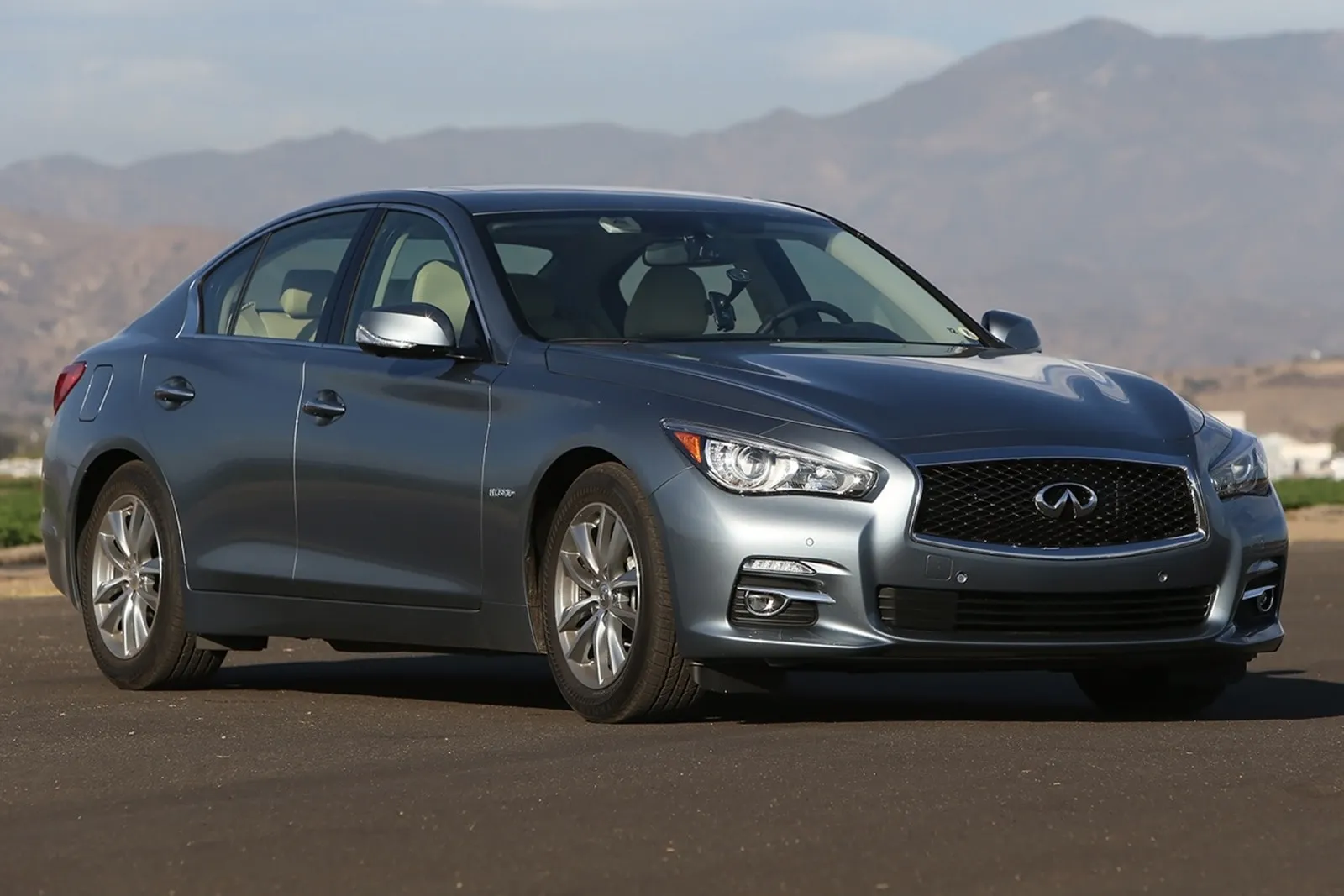
2. Infiniti Q50 3.0t 2016-2022
Luxury positioning can’t overcome fundamental flaws that make this sedan frustrating during traffic. Steer-by-wire system eliminates the mechanical connection between the steering wheel and front wheels, replacing it with electronic signals.
This technology feels disconnected and artificial during slow-speed maneuvering, providing zero feedback about wheel position or road conditions.
You’re essentially guessing during parking and tight traffic situations, a disconcerting experience that never feels natural. Twin-turbo V6 produces impressive power but delivers it poorly during traffic conditions. Turbo lag creates dead spots in throttle response, leaving you waiting for boost to build when you need immediate acceleration.
Seven-speed automatic transmission programming exacerbates this problem with slow downshifts that delay power delivery. Trying to merge quickly into traffic gaps becomes frustrating as the drivetrain refuses to respond promptly to throttle inputs.
Fuel economy plummets during stop-and-go driving. EPA ratings promise mid-20s combined mileage, but real-world traffic conditions deliver mid-teens at best. Premium fuel requirements add insult to injury, making every gas station visit expensive.
Start-stop system is supposed to save fuel during traffic, instead creates annoying vibrations and slow restarts that make you disable it immediately. Without a functioning start-stop, fuel consumption gets even worse during extended idling.
Ride quality suffers from a sport-tuned suspension that transmits every pavement imperfection directly to occupants.
What feels sporty on smooth roads becomes punishing on LA’s potholed freeways and rough surface streets. Constant impacts during traffic crawls create fatigue and headaches. Adjustable suspension available on upper trims helps somewhat, but comfort mode still feels too firm for daily commuting duties.
Infotainment system frustrates with a dual-screen setup requiring menu diving to adjust simple settings. Lower touchscreen handles most functions but sits low on the dashboard, forcing you to look down and away from traffic. The upper screen displays navigation but can’t be controlled via touch, requiring finicky controller operation.
Learning curve extends for weeks, and even experienced users find the interface unnecessarily complicated. Expected reliability concerns arise because Infiniti models historically suffer from electrical issues and expensive repairs. Warranty coverage provides only four-year, 60,000-mile bumper-to-bumper protection, shorter than mainstream competitors.
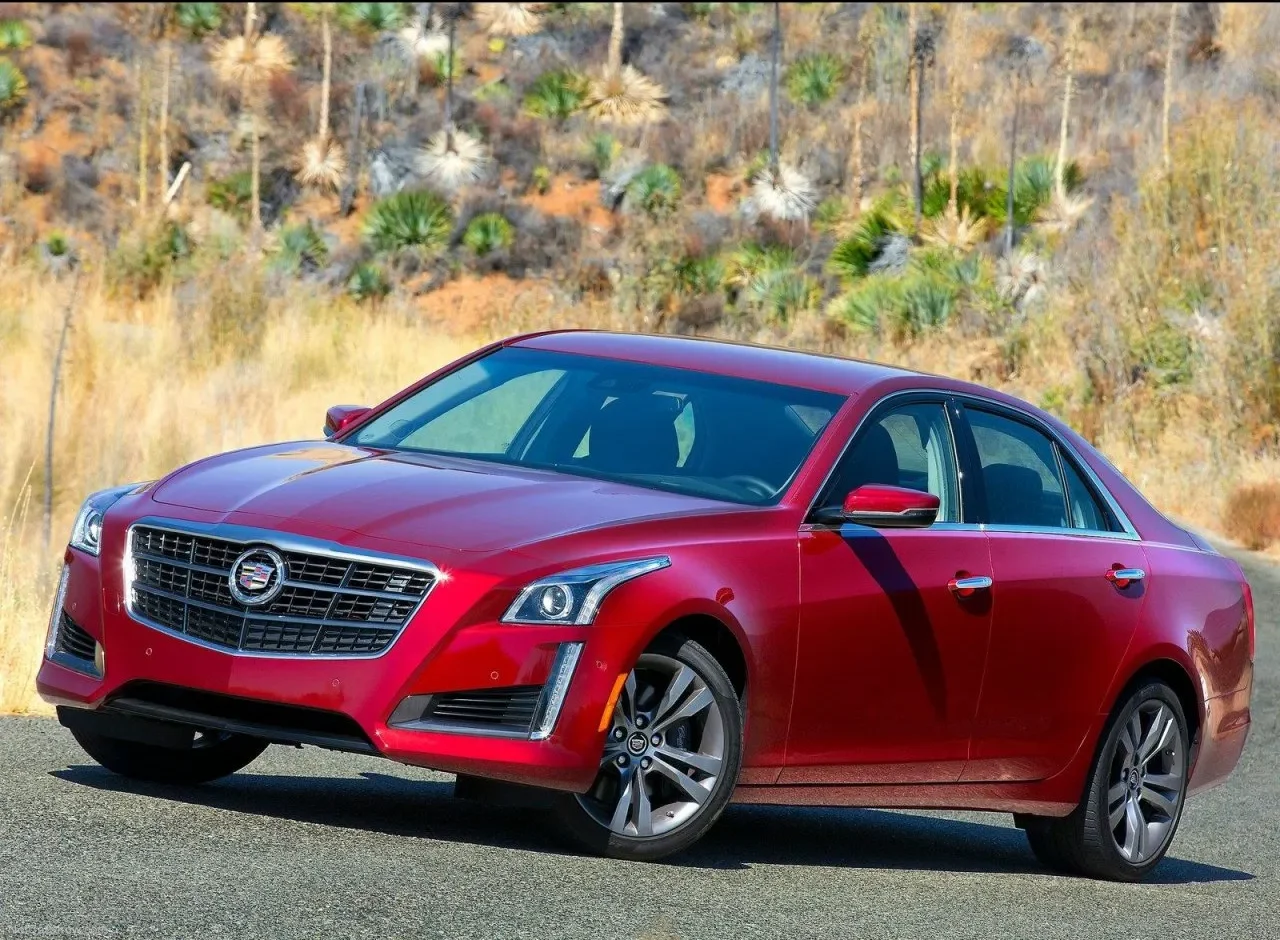
3. Cadillac CTS 2.0T 2014-2019
American luxury blends with European ambition in this Rear Wheel Drive sedan that places driving flair above daily traffic comfort. A turbocharged two-point-zero-litre four-cylinder engine delivers two hundred and sixty-eight horsepower, which struggles to move a curb weight near three thousand seven hundred pounds.
Acceleration from rest feels slow, while turbo delay introduces pauses whenever an immediate response is required. An eight-speed automatic gearbox can feel smooth when new, yet develops hesitation and uneven behaviour as mileage increases.
The Rear Wheel Drive layout presents grip concerns during periods of rainfall common in Los Angeles. When water mixes with oil residue on busy freeways, the back of the car can lose composure during acceleration.
Electronic traction aids react forcefully, cutting engine output and leaving the driver lagging behind surrounding traffic. While this programming reduces risk, it also creates exposure when maintaining traffic speed becomes difficult on wet surfaces.
Fuel consumption fails to impress for a turbocharged four-cylinder sedan. Drivers should expect figures in the low twenties during congestion and high twenties on open roads, results that feel disappointing given modest performance.
The requirement for premium petrol increases running costs without delivering matching gains. Rival models achieve a similar pace while offering better efficiency and compatibility with regular fuel.
Cabin materials appear attractive at first contact, yet durability proves weak. Leather surfaces wear early, and interior trim begins to squeak and rattle sooner than expected.
The CUE infotainment interface performs poorly, marked by slow reactions, frozen screens, and confusing menu layouts. Touch-sensitive climate controls rely on haptic feedback without physical confirmation, making adjustments distracting and unsafe while driving.
Dependability concerns surround this model, with electrical faults, gearbox issues, and engine troubles appearing well before one hundred thousand miles. Repair bills rival those of imported luxury brands, driven by high labour rates and expensive components.
Warranty protection ends after four years or fifty thousand miles, leaving owners exposed. Resale prices fall sharply, as used car buyers avoid the CTS due to reliability fears and ageing technology. Ownership costs remain high and daily satisfaction declines quickly for drivers.
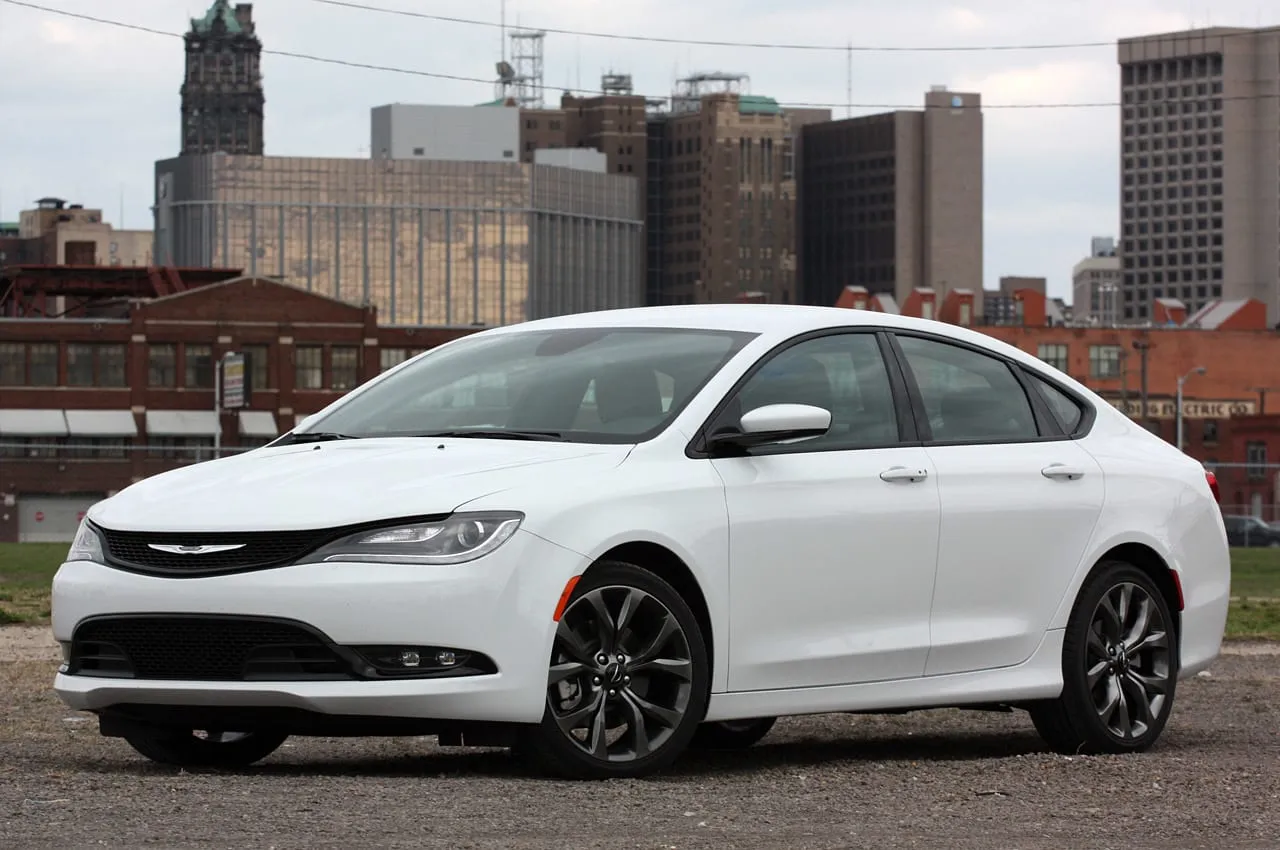
4. Chrysler 200 2015-2017
Short production run tells you everything about this sedan’s problems. Chrysler designed the 200 to compete with the Camry and the Accord, but failed spectacularly. Nine-speed automatic transmission creates the most frustrating driving experience imaginable during traffic.
Base 2.4-liter four-cylinder produces only 184 horsepower, barely enough to move the 200’s 3,500-pound weight. Acceleration feels lethargic during the constant speed changes required in traffic.
Trying to merge onto freeways from short on-ramps becomes a white-knuckle experience as the engine screams while barely reaching merge speeds. Passing slower traffic requires planning and patience because power simply doesn’t exist.
Fuel economy fails to compensate for poor performance. EPA estimates promise mid-20s combined, but traffic conditions deliver low-20s at best. For a four-cylinder sedan with marginal power, these numbers disappoint.
Competitors offer more power, better transmissions, and superior fuel economy simultaneously. No rational reason exists to choose the 200 over alternatives except perhaps heavy discounting during closeout sales.
Interior quality started mediocre and deteriorated quickly. Hard plastics cover most surfaces, feeling cheap and looking worse as miles accumulate.
Climate control struggles to maintain comfortable temperatures during hot weather, and air conditioning noise intrudes annoyingly. Seats lack support, creating back pain during extended drives. Rear legroom runs tight for a mid-size sedan, making adult passengers uncomfortable during carpooling duties.
Build quality issues appeared immediately with numerous recalls and service bulletins addressing problems from stalling engines to electrical failures. Owners reported transmission problems, air conditioning failures, and mysterious check engine lights.
Chrysler discontinued the 200 after just three model years, abandoning owners to questionable parts availability and declining dealer support. Resale values crashed because nobody wants these problematic sedans. Even at bargain prices, used 200 models represent poor value due to expected repair costs and limited remaining useful life.
Also Read: 5 Cars for Cerritos City Use and 5 Compact-Friendly Vehicles
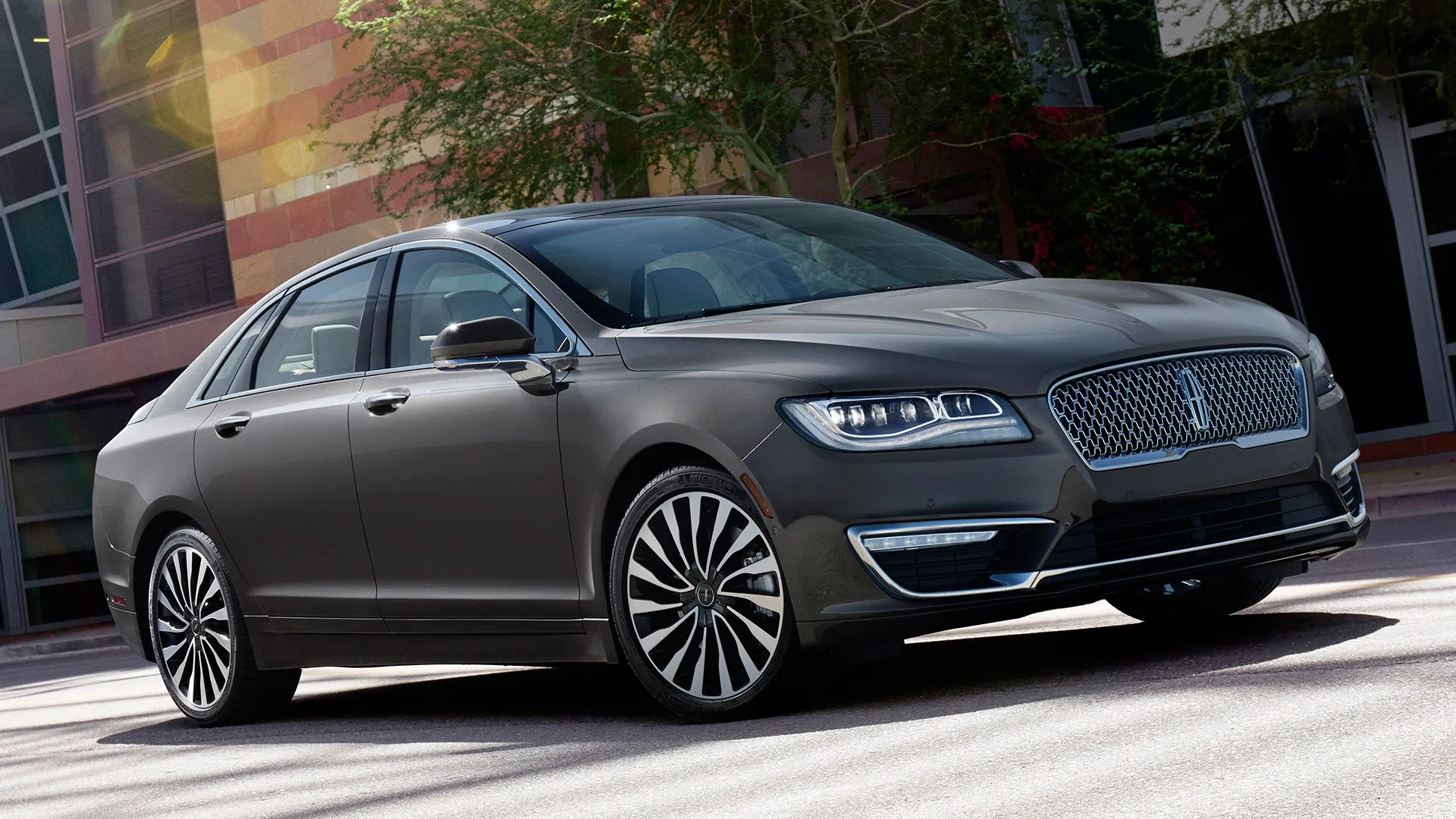
5. Lincoln MKZ 3.0T 2017-2020
Luxury ambition fails to hide core weaknesses in Ford’s corporate reputation. A twin-turbo V6 engine delivers four hundred horsepower in higher trims, an impressive figure on paper yet poorly expressed in daily use.
Turbo delay irritates traffic, while the six-speed automatic gearbox feels dated beside rivals using eight, nine, or ten speeds. Gear changes arrive slowly, and constant ratio searching appears during stop-and-start driving.
The All Wheel Drive system adds mass without delivering matching rewards in Southern California. Extra hardware pushes curb weight close to four thousand pounds, reducing acceleration and harming fuel use.
Increased mechanical content introduces additional failure points, and servicing All Wheel Drive parts costs more than rear drive alternatives. For drivers who rarely see snow, this system adds expense without clear value.
Fuel consumption deteriorates sharply in congestion despite cylinder shutdown technology. Official ratings suggest low twenties combined, yet urban conditions often produce figures in the high teens. Premium petrol requirements worsen operating costs.
The V6 output feels unnecessary for routine commuting, where steady progress and efficiency matter more than surplus power during long queues.
Ride tuning targets softness but produces vague control. Suspension absorbs road imperfections adequately yet offers little connection to the surface.
During sudden lane changes common in Los Angeles traffic, the car leans and sways in an unsettling manner. Electric steering delivers almost no feedback, forcing frequent corrections because the vehicle fails to communicate its behaviour clearly.
Cabin styling appears dated despite relatively recent manufacture. Surface materials feel below expectations for a luxury badge, and assembly quality allows squeaks and rattles to develop early.
The SYNC 3 interface functions acceptably but lags behind modern systems. A small display demands repeated menu interaction, while voice commands are often misunderstood. Climate control maintains cabin temperature but produces excessive fan noise.
Dependability concerns follow this model closely. Twin turbo V6 engines suffer from carbon deposits, turbocharger faults, and timing chain problems. Gearbox failures and harsh operation are widely reported. Electrical faults range from sensor errors to repeated battery drain. Repair bills match European luxury cars without offering equal prestige.
