
Driving in New York City presents distinct challenges that separate suitable vehicles from deeply unsuitable ones. Motorists face aggressive traffic that operates without pause, extremely narrow parking spaces, damaged road surfaces, and delivery vehicles that obstruct lanes repeatedly. Taxi drivers change lanes without notice.
Pedestrians step onto the road with confidence that vehicles will halt. Cyclists appear suddenly at close range. A sedan used in this environment must endure daily pressure without frequent faults, body damage during parking, or excessive repair expenses caused by constant stop-and-go movement.
Small exterior size carries great importance where parallel parking is unavoidable. Drivers spend long periods adjusting to spaces where minimal clearance exists, relying on parking sensors to avoid costly panel repairs.
A tight turning circle assists movement through crowded streets, where rapid direction changes and controlled reversals become routine skills.
Fuel economy keeps running expenses reasonable when traffic delays consume fuel without progress. Dependability prevents failures that leave a driver stationary in traffic while surrounding motorists express anger loudly.
Certain sedans perform exceptionally well in New York City due to restrained proportions, responsive handling, and established dependability that supports calm ownership. Drivers park with assurance in confined areas, move through traffic with ease, and operate the vehicle for many years without serious mechanical trouble.
Such cars blend quietly into daily life, asking only for scheduled servicing while delivering steady transport through the city’s harsh daily conditions. Other sedans perform very poorly in New York City because of excessive bulk, weak dependability, or features that create problems instead of benefits.
Owners struggle with parking every day, face high repair bills, and endure ownership that changes city living from enjoyable to frustrating. These cars demand constant attention through mechanical faults, damage from restricted spaces, or sheer impracticality for urban use.
This guide reviews ten sedans with direct reference to New York City conditions. Five models provide sensible transport that eases urban driving and suits residents facing daily pressure.
Five others fail badly, creating ownership experiences that lead to regret about keeping a private car in Manhattan. This focus supports informed purchase decisions.
Sedans That Handle New York City
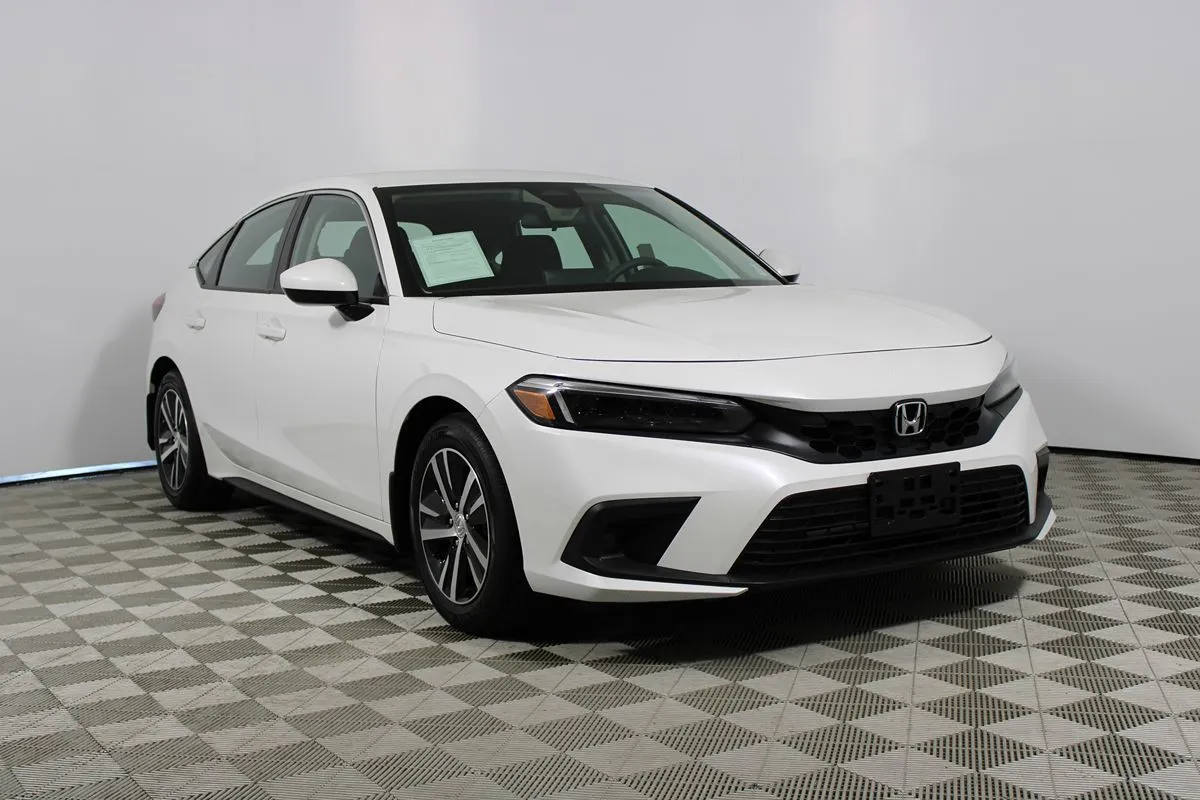
1. Honda Civic LX 2024
Compact practicality defines the Honda Civic LX 2024 for New York City driving. Measuring 184 inches long, this sedan fits parking spaces that larger vehicles cannot access.
You’ll parallel park confidently, knowing your Civic squeezes into spots where full-size sedans struggle hopelessly. Tight turning radius makes navigation through congested streets easier, allowing quick direction changes when delivery trucks block your path or when you miss turns in unfamiliar neighborhoods.
That 2.0-liter four-cylinder produces 158 horsepower, adequate power for city driving without being excessive. You’ll accelerate confidently from lights and merge onto highways without struggle.
The engine demonstrates proven reliability that makes breakdowns rare rather than expected. Regular oil changes using quality conventional oil extend engine life. You’ll drive for years without major mechanical failures that leave you stranded in traffic.
CVT transmission operates smoothly during constant stop-and-go traffic that defines New York driving. You’ll appreciate how this transmission eliminates jerky gear changes during slow-speed maneuvering.
Fuel economy averages 33-36 mpg during mixed driving, excellent efficiency that keeps operating costs reasonable despite constant traffic.
You’ll spend less time at gas stations, important when finding parking to refuel becomes another frustrating ordeal. Interior space accommodates four adults comfortably despite compact exterior dimensions. You’ll transport passengers without cramming them uncomfortably.
Trunk capacity handles groceries, luggage, or equipment adequately. Materials resist wear from daily use. Technology features include touchscreen infotainment with Apple CarPlay and Android Auto. Climate control maintains comfortable temperatures during brutal summers and cold winters.
Visibility impresses with large windows providing excellent sightlines. You’ll spot pedestrians, cyclists, and other vehicles easily during chaotic urban driving.
Blind spots remain minimal compared to competitors with smaller windows and thicker pillars. That visibility reduces accident risk during situations where split-second awareness prevents collisions.
Any shop throughout New York City serves this Civic competently. You’re not trapped in expensive Honda dealership visits. Parts availability remains excellent, with every auto parts store stocking Civic components.
Oil changes cost $50-$70 at independent shops. Brake jobs and routine services cost 30-40% less than dealership rates. That accessibility keeps ownership costs manageable.
Budget $700-$1,000 annually for maintenance, reflecting straightforward Honda mechanicals. This Civic delivers practical New York City transportation through compact dimensions, proven reliability, and excellent fuel economy that makes urban driving manageable rather than miserable.
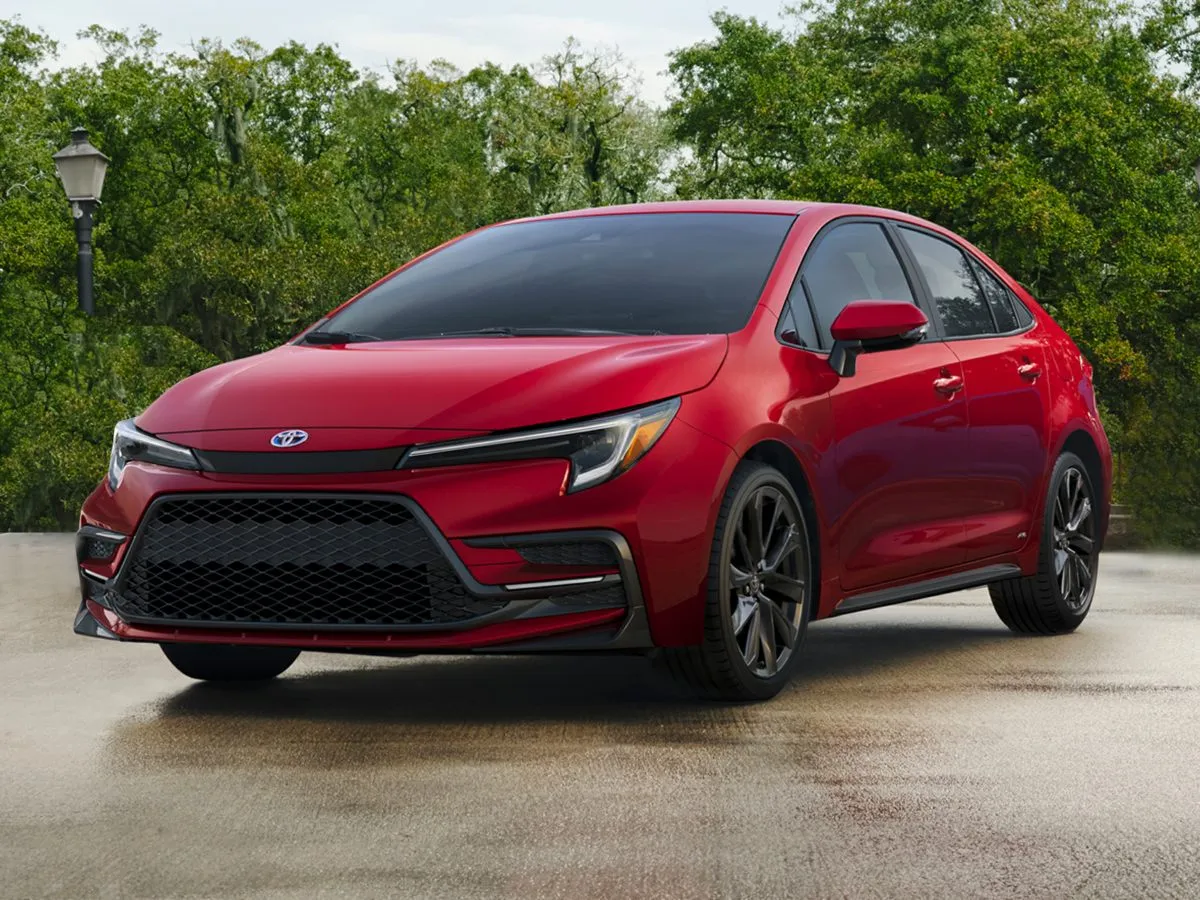
2. Toyota Corolla Hybrid LE 2024
Hybrid efficiency meets urban practicality in the Toyota Corolla Hybrid LE 2024. That combined powertrain produces 121 horsepower, adequate for city driving where acceleration matters less than efficiency.
You’ll appreciate instant torque from the electric motor during stop-and-go traffic. The gasoline engine kicks in seamlessly during highway driving. Regenerative braking recovers energy during constant stops that characterize New York driving.
Fuel economy averages 50-53 mpg during city driving, exceptional efficiency that dramatically reduces operating costs. You’ll visit gas stations infrequently despite constant driving.
That efficiency saves hundreds annually compared to conventional vehicles, money that stays in your pocket rather than funding oil companies. Hybrid system proves reliable through years of real-world testing in taxi fleets worldwide.
Compact dimensions measuring 183 inches long help with parking in tight New York spaces. You’ll fit spots that larger sedans cannot access. Turning radius impresses, making navigation through congested streets easier. You’ll execute U-turns and direction changes that bigger vehicles struggle to complete without multiple attempts.
Interior space provides adequate accommodation for four adults. You’ll transport passengers comfortably during typical trips.
Trunk capacity handles daily needs, though the hybrid battery reduces cargo volume slightly compared to conventional Corollas. Materials resist wear from constant use. Technology features include touchscreen infotainment with smartphone integration.
Visibility remains good with adequate window sizing. You’ll spot pedestrians and cyclists during chaotic urban driving. A backup camera helps during parking maneuvers in tight spaces. Sensors warn about obstacles preventing expensive bodywork repairs from parking lot incidents.
Any shop services this Corolla without specialized hybrid training. You’re not trapped in expensive Toyota dealership visits. A hybrid system requires minimal additional maintenance beyond conventional vehicles.
Battery demonstrates longevity through hundreds of thousands of miles in taxi service. Parts availability remains excellent throughout New York.
Budget $650-$950 annually for maintenance, reflecting proven Toyota reliability. This Corolla Hybrid delivers exceptional fuel economy and proven reliability, perfect for New York City residents wanting a sedan that minimizes operating costs while handling urban driving realities through compact dimensions and dependable mechanicals.
Also Read: 5 Cars for Castle Rock Commuters and 5 Winter-Ready Picks
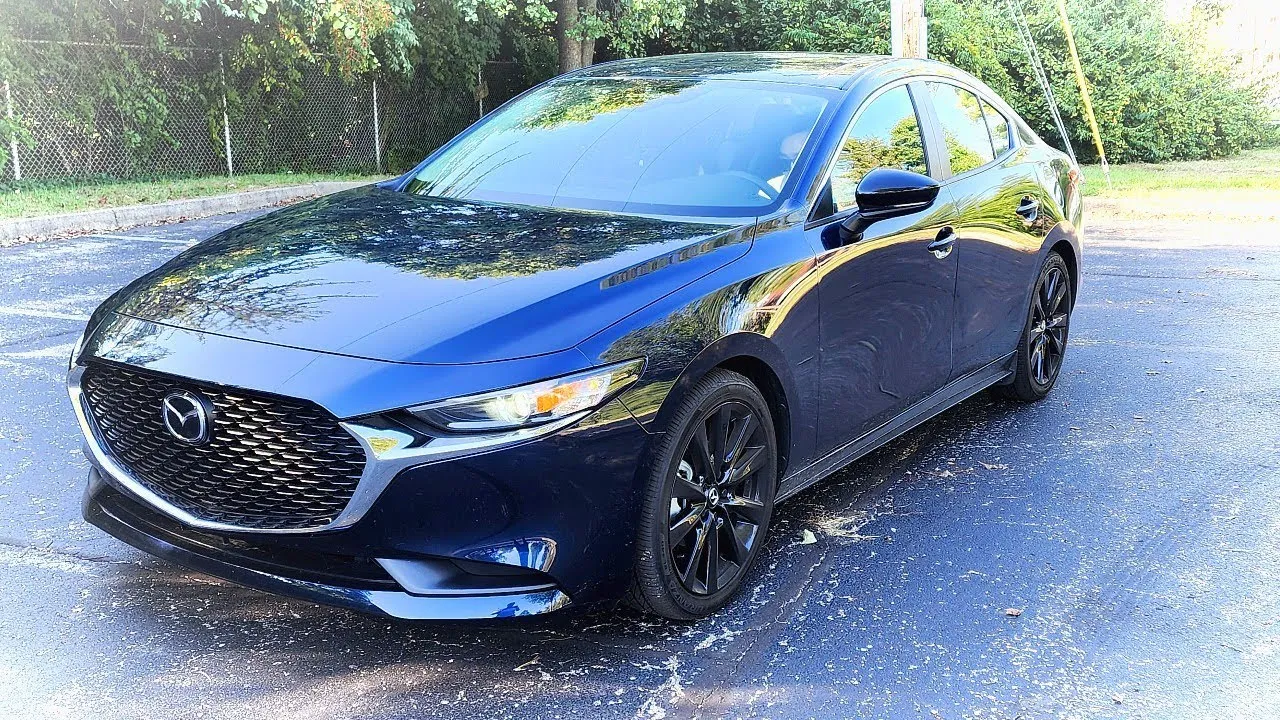
3. Mazda3 Select 2024
Japanese refinement meets urban maneuverability in the Mazda3 Select 2024. Measuring about 184 inches in length, this sedan fits standard city parking spaces with ease.
A driver can parallel park with confidence, assured that the vehicle slips into narrow bays efficiently. Compact proportions support movement through tight streets and crowded neighbourhoods where larger saloons face daily difficulty.
The 2.5 litre four cylinder engine develops 191 horsepower and delivers brisk acceleration that suits city traffic. A driver can join fast-moving lanes with assurance and overtake slower vehicles without strain.
The six-speed automatic gearbox changes ratios smoothly under varied conditions. The power unit has a record of dependable service across several applications, giving owners peace of mind.
Road manners are commendable, with suspension settings aimed at driver involvement. A driver can take bends with confidence during energetic driving. The steering offers clear feedback that links the driver to the road surface. Such engagement makes daily travel more pleasant than a mere commuting routine, and rewards attentive control.
Cabin finish rises above expectation, with materials that convey a premium feel. The maker favours genuine quality rather than imitation trims.
The instrument panel follows a clean, orderly layout. The seats give firm support on long journeys. Noise levels remain well contained despite the busy city environment. The result is a calm interior that supports comfortable commuting.
Fuel use averages between 28 and 31 miles per gallon in mixed conditions, a fair figure for a saloon that values driver enjoyment. Owners will spend moderate sums at filling stations. The engine runs on regular petrol, helping to reduce running costs. This balance between performance and economy suits daily duties.
Visibility is satisfactory, supported by well-sized windows. Pedestrians and cyclists can be seen clearly in heavy traffic. Blind areas remain manageable. A reversing camera and parking sensors assist during close-quarter manoeuvres and help prevent minor damage.
An annual maintenance allowance of 700 to 1,050 dollars is realistic for Mazda mechanicals. This Mazda3 offers engaging road behaviour and a refined cabin for city residents who value compact dimensions, dependable engineering, and practical daily transport.
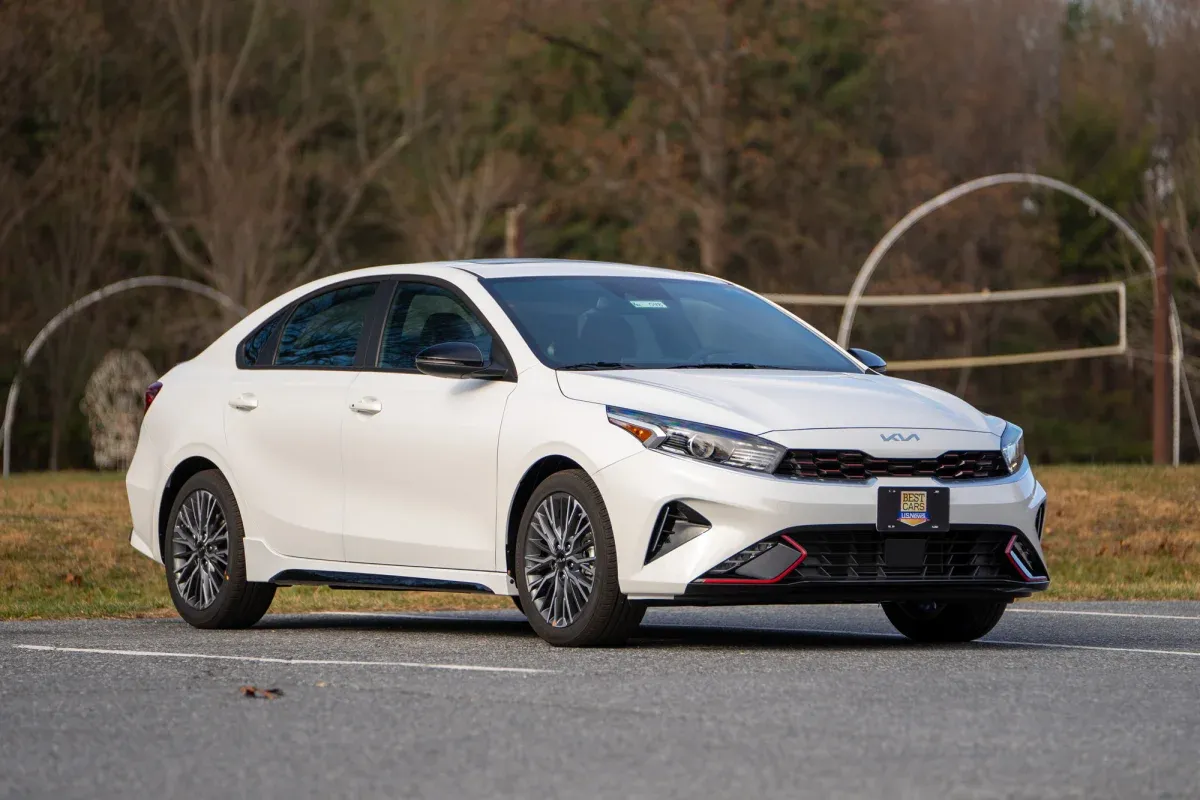
4. Kia Forte GT-Line 2024
Korean value meets urban practicality in the Kia Forte GT Line 2024. Measuring 182 inches in length, this compact saloon fits tight city parking spaces.
A driver can parallel park with confidence, assured that the Forte slips into bays where larger saloons encounter difficulty. Compact proportions support movement through crowded streets and narrow neighbourhoods.
The 2.0 litre four cylinder engine develops 147 horsepower and provides suitable acceleration for daily city duties. A driver can join expressways with assurance and manage traffic flow without feeling short of power.
The continuously variable transmission works smoothly during frequent stop-and-go conditions. Fuel use averages between 31 and 34 miles per gallon in mixed driving, a figure that keeps running costs within reasonable limits.
Exterior styling attracts attention through an assertive design that appears more expensive than the purchase price suggests. Owners drive a car that stands apart rather than disappearing into anonymous traffic. The cabin follows the same approach, with appealing materials and a tidy layout.
Technology equipment includes a touchscreen infotainment system with Apple CarPlay and Android Auto. Air conditioning keeps the interior pleasant during hot and cold seasons. Drivers enjoy modern connectivity without difficult learning demands. Safety support includes forward collision warning and lane keeping assist to aid daily motoring.
Warranty protection delivers peace of mind. A five-year or 60,000-mile cover for the vehicle and a ten-year or 100,000-mile cover for the power unit protect major parts. Owners drive with confidence, knowing the manufacturer stands behind the product.
Visibility is satisfactory with well-sized windows that support awareness in heavy traffic. A reversing camera assists during parking, while sensors alert the driver to nearby obstacles.
Independent workshops across New York service the Forte without special tools. Owners are not compelled to rely on costly dealership visits. Growing familiarity among mechanics keeps labour charges fair.
An annual maintenance budget of 700 to 1,100 dollars is suitable for this model. The Forte provides stylish transport, generous warranty cover, compact dimensions, and dependable engineering for city residents seeking an attractive saloon that meets daily travel needs while remaining affordable and reliable.
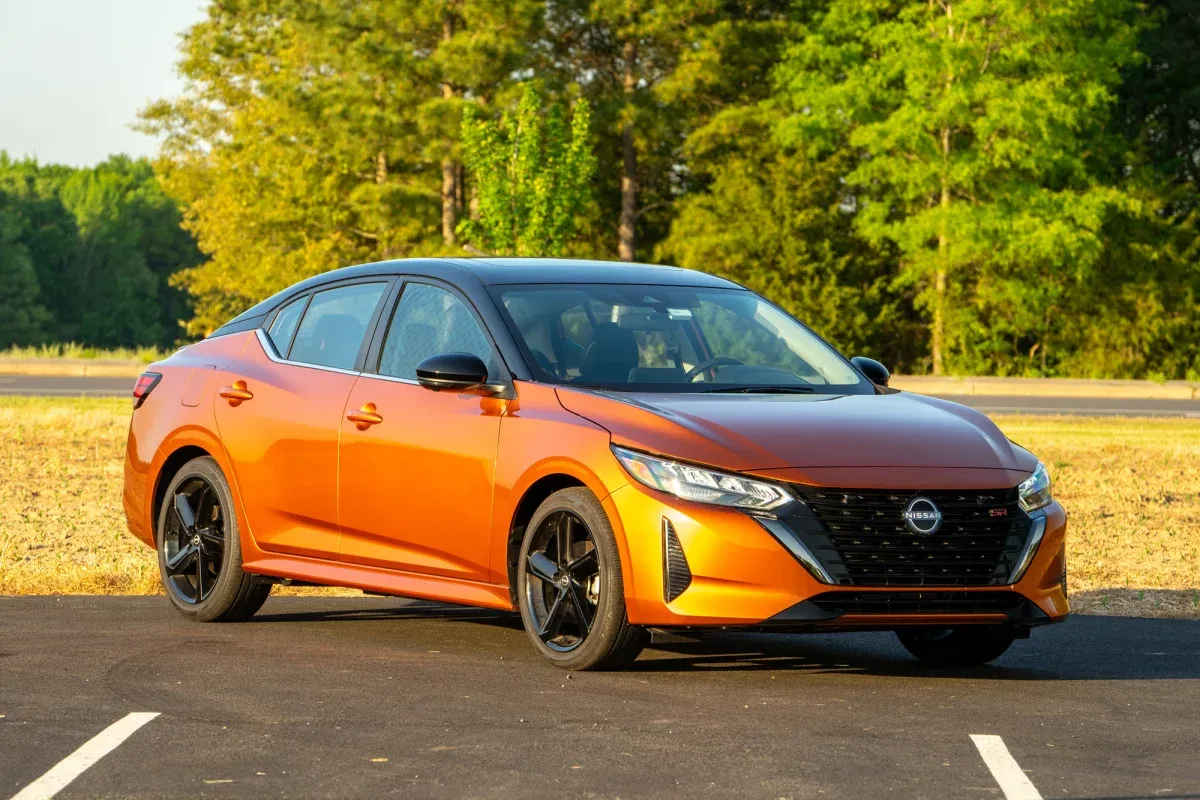
5. Nissan Sentra SV 2024
Practical dimensions define the Nissan Sentra SV 2024 for use in New York City. Measuring about 183 inches in length, this saloon fits parking spaces that larger vehicles cannot reach.
A driver can parallel park with confidence, assured that the Sentra slips into narrow bays with ease. Its turning circle supports movement through busy streets where quick changes of direction are often required.
The 2.0-litre four-cylinder engine develops 149 horsepower and provides suitable acceleration for daily duties. A driver can join expressways and manage traffic flow without feeling unsafe.
The continuously variable transmission works smoothly during frequent stop-and-go conditions. Fuel use averages between 30 and 33 miles per gallon in mixed driving, a fair figure that keeps running costs within reasonable limits.
Cabin space carries passengers in comfort despite a compact exterior size. Family members or colleagues can travel without feeling cramped. The boot offers enough room for routine shopping and work items.
Interior materials are simple yet durable for everyday use. Equipment includes a touchscreen infotainment unit with smartphone connection for calls, messages, and music.
Visibility is strong, helped by wide windows that give clear sightlines. Pedestrians, cyclists, and nearby vehicles can be seen easily in heavy traffic. Blind areas remain small. A reversing camera assists during parking in tight places.
Dependability remains satisfactory when proper servicing is observed. Regular oil changes extend engine life. The transmission benefits from fluid replacement at intervals of about 60,000 miles to support long service.
Common concerns are manageable and do not demand constant major repairs. Routine care keeps ownership calm and predictable.
Independent workshops across New York service the Sentra without special tools. Owners are not compelled to rely on costly dealership visits. Spare parts are readily available across the city. Oil changes, brake service, and standard checks attract fair charges at neighbourhood garages.
An annual maintenance allowance of 700 to 1,100 dollars suits this model. The Sentra offers practical city transport through compact size, dependable engineering, and sensible running costs for buyers who seek a straightforward saloon without excess cost. This choice suits students, workers, and small families.
Sedans That Fail in New York City
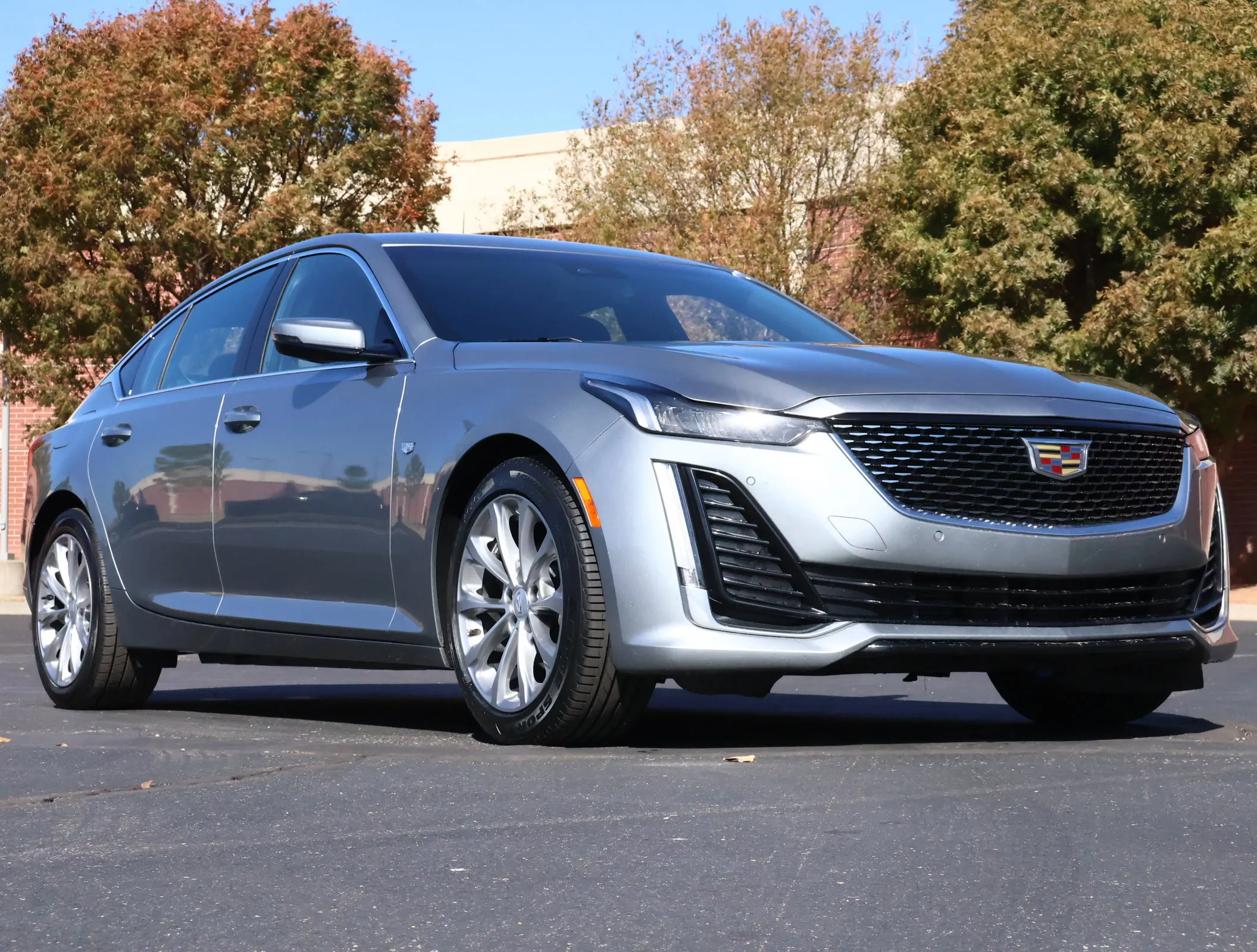
1. Cadillac CT5 Premium Luxury 2024
Excessive size dooms the Cadillac CT5 Premium Luxury 2024 for New York City driving. Measuring 194 inches long and 74 inches wide, this full-size sedan struggles to fit into parking spaces that compact vehicles access easily.
You’ll circle blocks endlessly searching for spots accommodating your oversized Cadillac. Parallel parking becomes an exhausting battle where every inch matters and failure means continuing your search frustratedly.
That 2.0-liter turbocharged four-cylinder produces 237 horsepower, adequate power wasted on a vehicle too large for practical city use.
You’ll appreciate acceleration during rare highway drives but curse dimensions daily during urban parking struggles. Fuel economy averages 22-25 mpg, disappointing efficiency for a four-cylinder engine reflecting excessive weight and size.
The turning radius disappoints, making navigation through tight streets difficult. You’ll execute multi-point turns where compact sedans turn easily.
Width creates anxiety during narrow streets lined with parked cars on both sides. You’ll worry constantly about scraping mirrors or scratching paint, squeezing through gaps that shouldn’t feel threatening.
Interior quality impresses with luxury materials and premium features. Leather upholstery covers comfortable seats. Technology includes a large touchscreen with comprehensive connectivity. Unfortunately, luxury cannot compensate for impractical dimensions, making daily driving miserable. You’ll enjoy a comfortable cabin while hating every parking attempt.
Visibility suffers from thick pillars and smaller windows, prioritizing styling over function. You’ll struggle spotting pedestrians and cyclists during chaotic urban driving. Blind spots grow larger, creating genuine safety concerns during lane changes in heavy traffic.
Reliability concerns emerge as these Cadillacs age. Electrical problems develop. Sensors fail, requiring expensive replacement. Turbocharged engine demands premium fuel, adding ongoing expense. You’ll face higher operating costs than practical alternatives while dealing with size, making city driving frustrating.
Budget $2,000-$3,000 annually for maintenance, reflecting luxury vehicle costs. This CT5 delivers terrible New York City practicality despite luxury appointments and adequate performance.
You’ll regret this choice through constant parking struggles, excessive size making navigation difficult, and operating costs that strain budgets while providing zero practical benefits for urban driving, where compact dimensions matter infinitely more than luxury features.
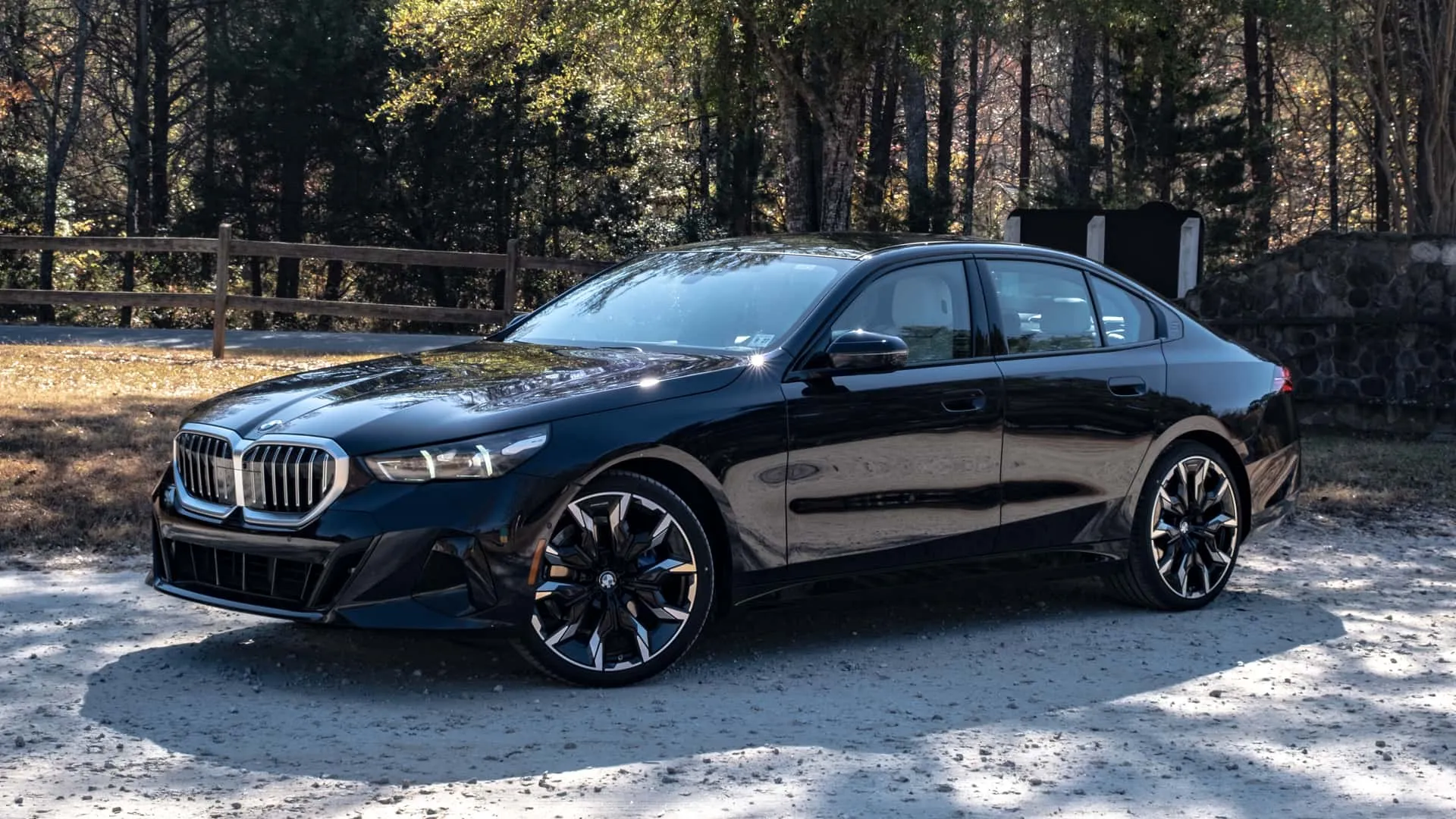
2. BMW 540i xDrive 2024
German luxury meets urban impracticality in the BMW 540i xDrive 2024. Measuring about 195 inches in length and 74 inches in width, this full-size saloon is poorly suited to daily use in New York City.
A driver struggles to find parking spaces that can accept such generous proportions. Parallel parking turns into repeated trials, with many attempts abandoned while searching for a wider bay.
The 3.0 litre turbocharged inline six engine delivers 335 horsepower, a level of output that brings little benefit in city traffic where speeds rarely pass 40 miles per hour.
Highway journeys show the strength of the power unit, yet the same driver faces daily irritation when trying to park. Fuel use averages between 23 and 26 miles per gallon, a modest return for a petrol-only engine that demands premium fuel.
The wide body creates constant worry on narrow streets. A driver fears contact with parked cars and fixed objects during tight manoeuvres. The turning circle disappoints and makes quick changes of direction difficult. Many corners require careful multi-point turns that smaller cars complete with ease.
Cabin finish supports the asking price through fine materials and careful workmanship. The seats deliver strong comfort on long journeys. The technology package impresses with large screens and full connectivity.
Such luxury brings little relief when suitable parking is scarce. A driver enjoys the refined interior yet dislikes the daily practical burden.
Visibility suffers from styling that places form ahead of function. Pedestrians can be hard to spot in heavy traffic. Blind areas raise concern during lane changes. Thick roof pillars block clear views during turns.
Dependability concerns include electrical faults, sensor trouble, and costly servicing. Owners rely on authorised centres that charge about 175 to 225 dollars per hour for labour. Routine oil service can reach 200 to 250 dollars. Brake replacement may cost 2,000 to 3,000 dollars. Each visit brings a heavy expense.
An annual maintenance allowance of 3,500 to 5,500 dollars reflects typical ownership demands. The 540i delivers poor city suitability despite strong performance and rich appointments. Many owners regret the choice because parking remains difficult.
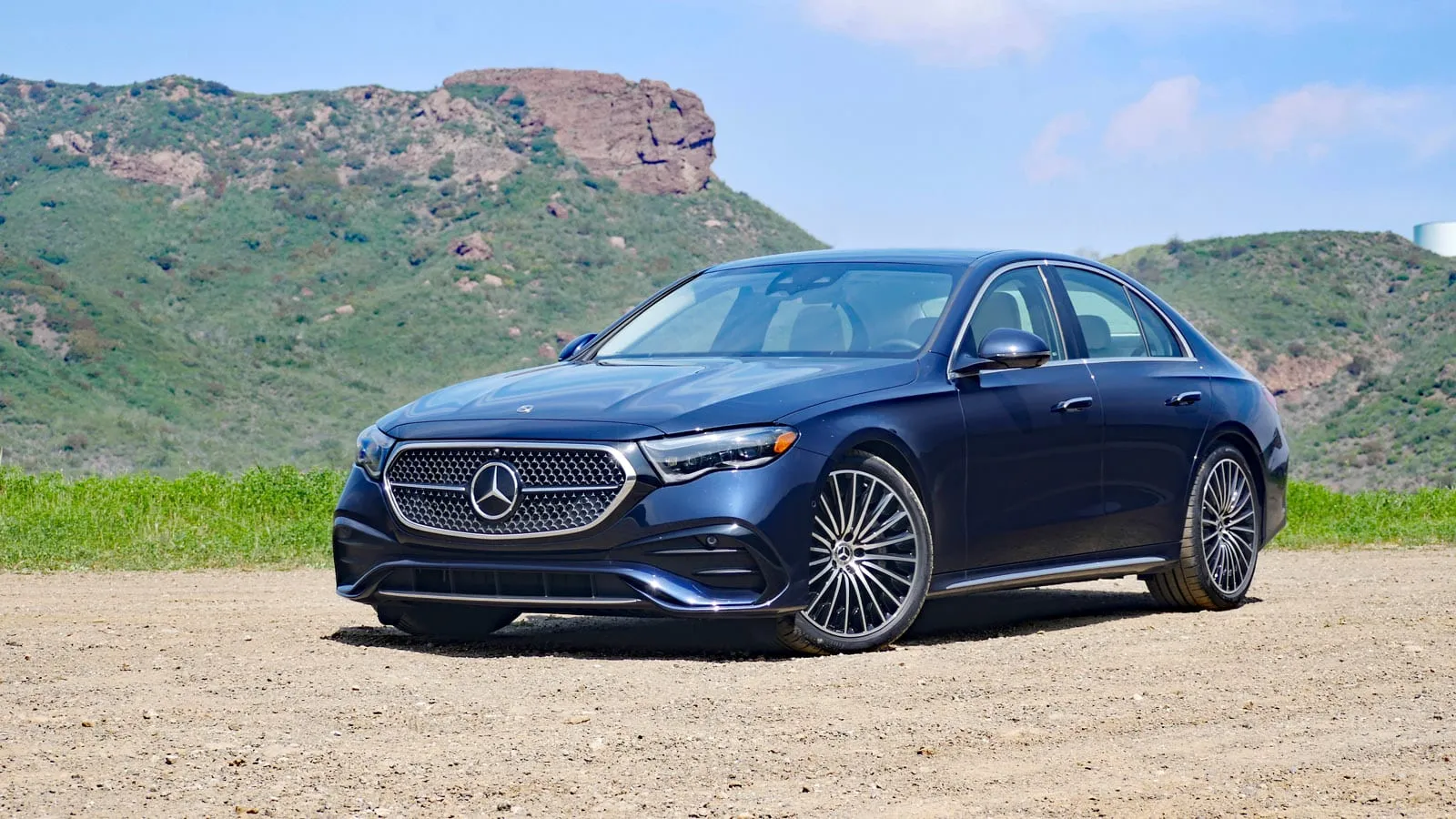
3. Mercedes-Benz E 450 4MATIC 2024
Stuttgart engineering creates urban nightmares in the Mercedes-Benz E 450 4MATIC 2024. Measuring 194 inches long and 74 inches wide, this full-size sedan proves completely impractical for New York City driving.
You’ll struggle finding parking daily, abandoning numerous attempts before finally locating spots accommodating excessive size. Parallel parking becomes an exercise in frustration, where you question life decisions leading to purchasing an oversized German sedan.
That 3.0-liter turbocharged inline-six produces 362 horsepower, ridiculous power completely wasted sitting in traffic. You’ll appreciate acceleration during rare situations, allowing full throttle, but curse dimensions constantly during daily parking struggles.
Fuel economy averages 22-25 mpg, disappointing efficiency for a premium fuel-only engine requiring constant expensive refills.
Width creates perpetual anxiety, squeezing through narrow streets lined with parked vehicles. You’ll worry about damage constantly, driving tensely rather than confidently. Turning radius disappoints, making navigation through congested areas difficult. You’ll execute multi-point maneuvers repeatedly where compact sedans turn easily.
Interior quality reaches heights justifying expensive pricing. Leather covers everything. Technology impresses with massive displays. Seats provide exceptional comfort.
Unfortunately, luxury becomes meaningless when practical realities make ownership miserable. You’ll enjoy premium accommodations while hating every parking attempt and navigation challenge your oversized sedan creates.
Visibility disappoints with styling prioritizing appearance over function. You’ll struggle spotting pedestrians and cyclists. Blind spots create genuine safety concerns. Thick pillars obstruct views during turns and lane changes in heavy traffic.
Reliability concerns emerge, including electrical problems, sensor failures, and air suspension issues. You’ll visit Mercedes dealerships, charging $200-$250 per hour. Oil changes cost $200-$250. Brake jobs reach $2,200-$3,500. Every service becomes an expensive nightmare.
Budget $3,800-$6,000 annually for maintenance reflecting Mercedes ownership costs. This E 450 delivers terrible New York City practicality despite exceptional luxury and performance. You’ll regret this choice through constant parking nightmares, excessive size making every drive stressful, and operating costs that destroy budgets, providing zero practical benefits.
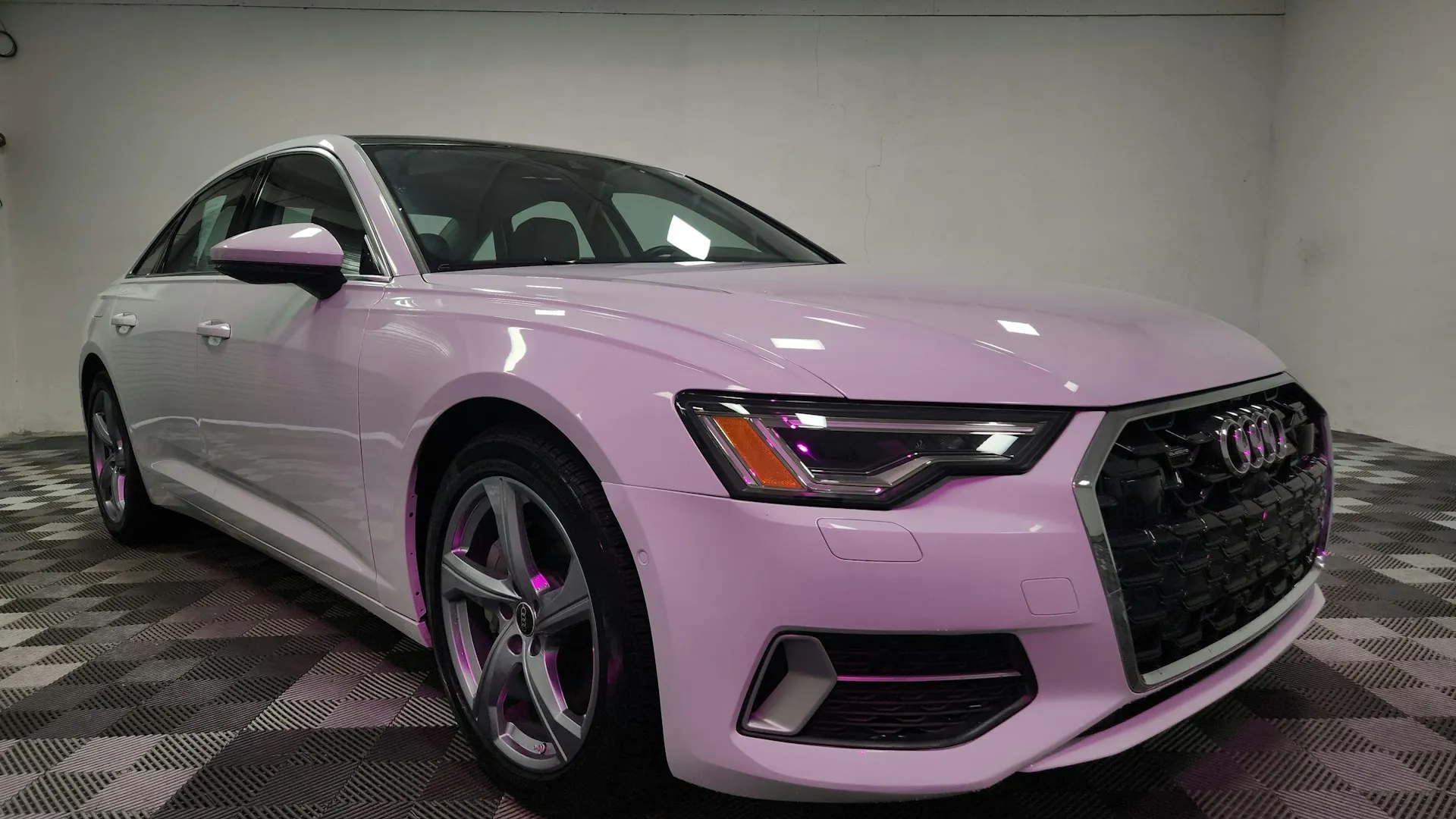
4. Audi A6 Premium Plus 2024
German sophistication meets practical disaster in the Audi A6 Premium Plus 2024. Measuring 194 inches long and 74 inches wide, this full-size sedan is far too large for sensible use in New York City. Parking becomes a trial, with endless circuits around blocks in search of spaces that can accept such generous proportions.
Parallel parking turns into repeated contests that the driver often loses, followed by more rounds of searching and rising frustration. The 3.0-litre turbocharged V6 delivers 335 horsepower, an amount that remains unused in dense traffic.
Acceleration feels pleasant on open expressways, but the size proves a burden during routine city duties. Fuel economy sits around 22 to 25 miles per gallon, an unsatisfactory return for an engine that requires premium petrol. Running expenses rise quickly through fuel use and high service bills.
The width creates steady anxiety on narrow streets. Driving becomes cautious than assured, with constant fear of scrapes while squeezing through tight gaps. The turning circle disappoints and makes direction changes awkward. Multi point turns become frequent where smaller cars pass through.
Inside, the cabin displays fine materials and careful finishing. The seats offer strong comfort for long journeys. Digital screens provide broad connectivity, while the virtual cockpit presents a modern appearance. These qualities add pleasure to the cabin, yet they fail to offset the trouble caused by the car’s bulk, which makes ownership exhausting.
Sight lines suffer because of styling choices that favour form over function. Pedestrians are harder to spot in heavy traffic. Blind spots raise safety worries during lane changes, while thick pillars block clear views at junctions.
Dependability worries include electrical faults and reliance on specialist care. Visits to authorised workshops attract labour rates of 175 to 225 dollars per hour. Routine oil service costs the same range. Brake replacement may reach 2,000 to 3,000 dollars. Carbon deposit cleaning every 60,000 miles can demand 900 to 1,300 dollars.
Plan yearly maintenance spending at 3,200 to 5,500 dollars. The Audi A6 Premium Plus 2024 delivers poor city suitability, bringing parking trouble, stressful street driving, and heavy expenses without practical rewards alone.
Also Read: 5 Cars for Laguna Niguel Coastal Driving And 5 Rust-Resistant Picks
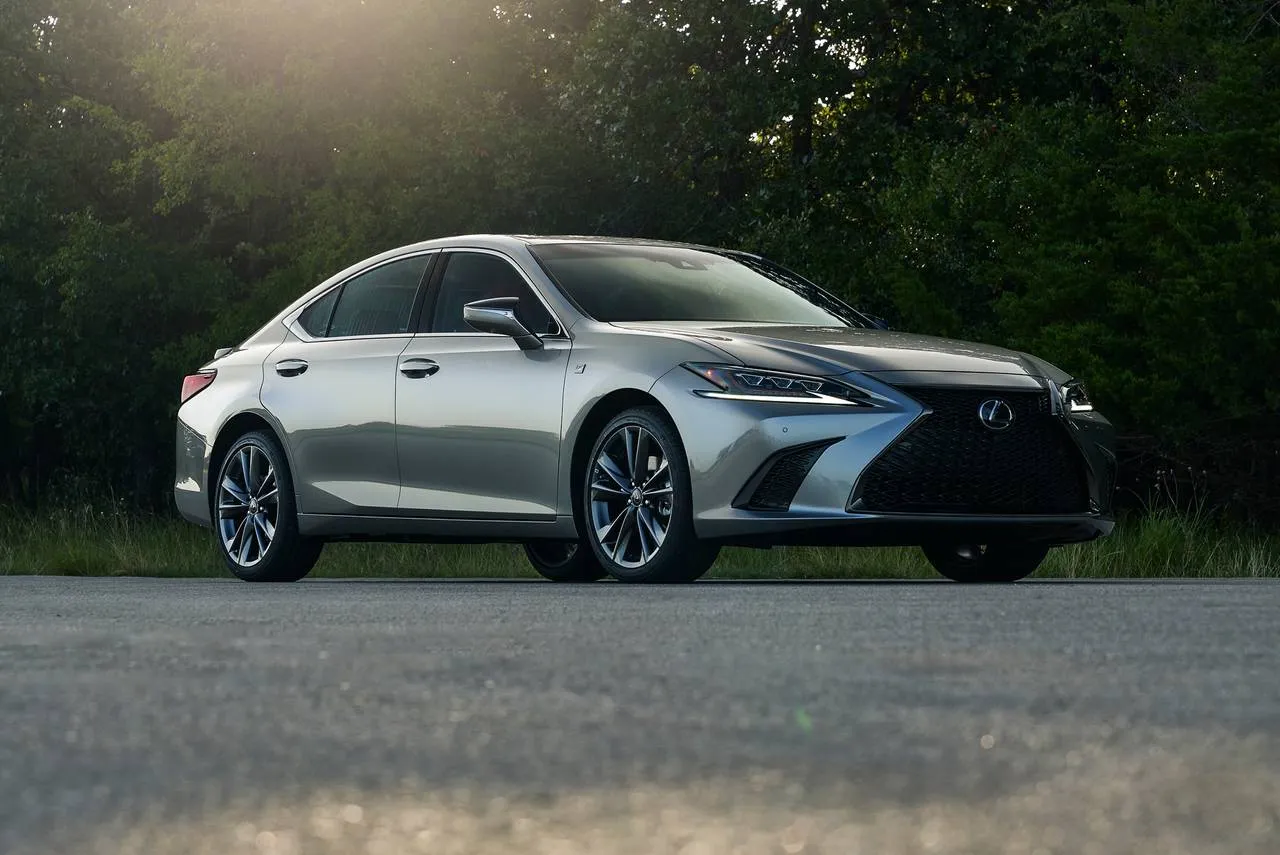
5. Lexus ES 350 F Sport 2024
Japanese luxury meets urban impracticality in the Lexus ES 350 F Sport 2024. Measuring 196 inches long and 73 inches wide, this full-size sedan proves too large for practical New York City driving.
You’ll struggle to find parking constantly, searching endlessly for spaces accommodating excessive length. Parallel parking becomes a frustrating ordeal where you frequently give up, continuing searches while questioning vehicle choice.
That 3.5-liter V6 produces 302 horsepower, ample power completely wasted in city traffic. You’ll appreciate smooth acceleration during highway drives but curse dimensions during daily parking nightmares. Fuel economy averages 22-25 mpg, disappointing efficiency for a naturally aspirated engine. You’ll spend heavily at gas pumps.
Turning radius disappoints, making navigation through congested areas difficult. You’ll execute multi-point turns where compact sedans turn easily. Width creates anxiety during narrow streets, though less extreme than German competitors. You’ll still worry about scraping parked cars during tight maneuvers.
Interior quality justifies luxury positioning with premium materials throughout. Seats provide exceptional comfort. Technology features include a large touchscreen with decent connectivity. Climate control maintains comfortable temperatures. You’ll enjoy a refined cabin while hating the practical realities of oversized dimensions.
Visibility remains adequate with reasonable window sizing. You’ll spot pedestrians and cyclists better than German competitors, though blind spots still exist. Backup camera and sensors help during parking attempts, though they cannot overcome excessive length, making spots inaccessible.
Reliability impresses with Lexus demonstrating better durability than German luxury competitors. You’ll experience fewer problems, though size remains a fundamental issue. Independent shops service these Lexus models, reducing maintenance costs compared to German alternatives requiring specialist attention.
Budget $1,400-$2,000 annually for maintenance reflecting Lexus reliability. This ES 350 delivers better reliability than German competitors, but still proves impractical for New York City due to excessive size.
You’ll regret this choice through constant parking struggles and dimensions, making navigation stressful despite superior reliability and lower maintenance costs that cannot overcome the fundamental size problem.
