
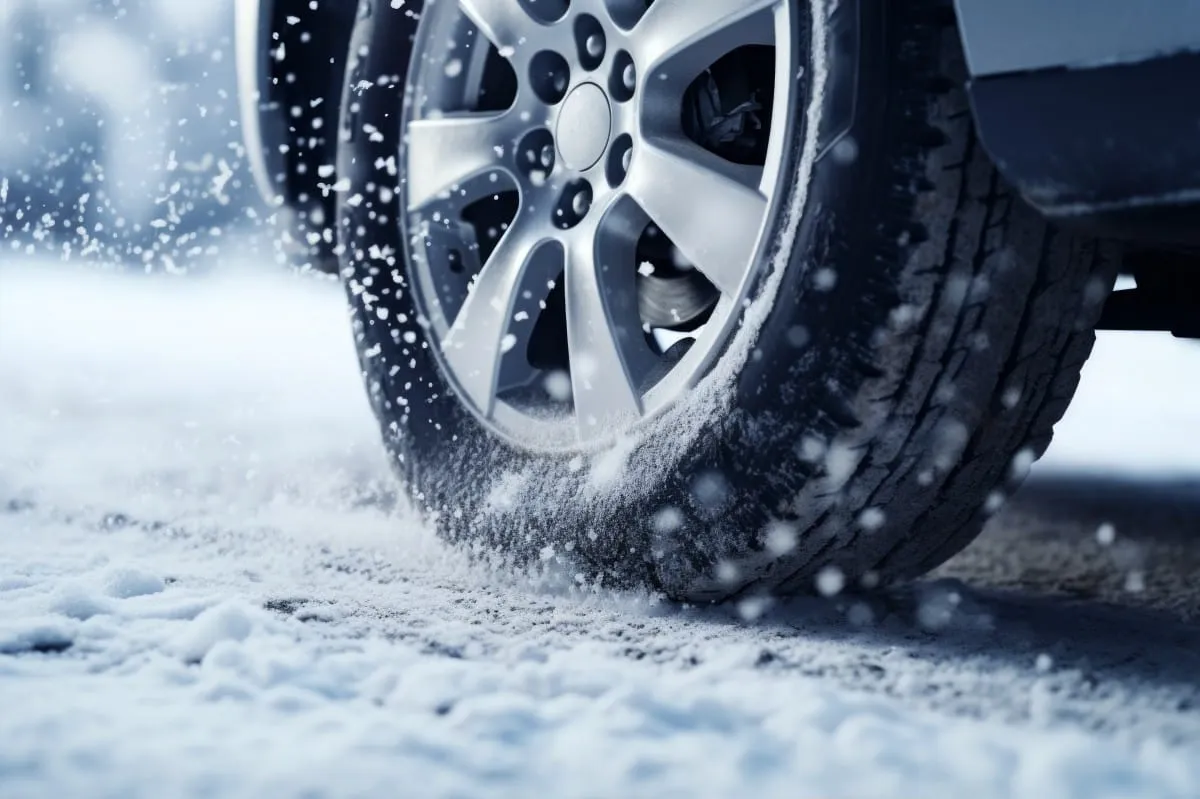
Chicago winters don’t mess around. Lake-effect snow dumps several inches overnight, turning Lake Shore Drive into a skating rink and transforming your morning commute into an arctic expedition. Temperatures plunge below zero, wind chills hit brutal levels, and freezing rain creates invisible ice patches that send unprepared vehicles spinning into guardrails.
Your pickup needs to handle these conditions without leaving you stranded or sliding sideways through intersections. Traction becomes everything when snow covers pavement, and ice lurks beneath slush. Four-wheel drive systems distribute power to all corners, preventing wheel spin that leaves two-wheel drive trucks stuck at stoplights.
Ground clearance matters when plows create snow ridges at intersections and unplowed side streets accumulate six inches of powder. Weight distribution affects handling, with properly balanced trucks maintaining control while poorly designed ones fishtail dangerously during turns.
Some pickups dominate winter conditions. Advanced four-wheel drive systems engage instantly when sensors detect slip. Electronic stability control intervenes smoothly to prevent slides without being overly intrusive.
Heated seats and steering wheels keep you comfortable during sub-zero drives. Remote start warms the engine and cabin before you leave home, eliminating those miserable first few minutes scraping ice while shivering.
Others fail miserably. Inadequate traction control allows wheels to spin freely on snow and ice. Poor weight distribution creates twitchy handling that makes every turn feel dangerous. Weak heaters struggle to warm frozen cabins, leaving you bundling up like you’re heading outside.
If you’re shopping for a pickup in Chicago or anywhere winter arrives seriously, understanding which trucks handle snow and ice confidently versus which ones leave you white-knuckling the steering wheel can make the difference between safe commutes and insurance claims. Let’s examine five pickups engineered for winter and five that should hibernate until spring.
Pickups Engineered for Chicago Winters
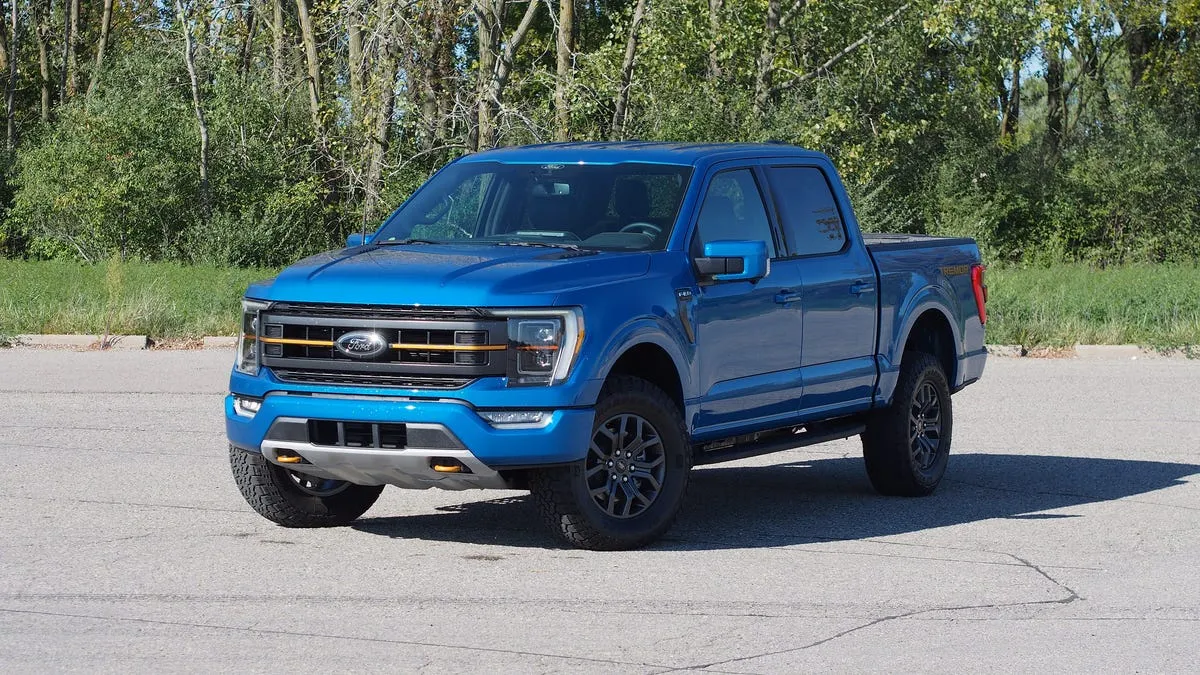
1. Ford F-150 Tremor 2021-2025
Off-road capability translates beautifully to winter driving, and Ford’s Tremor package proves this perfectly. Four-wheel drive engages electronically via dashboard controls, sending power to all four wheels within milliseconds when sensors detect slip.
Locking rear differential comes standard, allowing both rear wheels to spin at identical speeds for maximum traction when stuck in deep snow. Selectable drive modes include snow/slippery mode that adjusts throttle response and transmission behavior for reduced-traction conditions.
Ground clearance measures 10.9 inches, providing adequate height to clear snow ridges left by plows at intersections. This extra clearance prevents the truck from high-centering when driving through unplowed parking lots or side streets where accumulation reaches six inches or more.
Approach and departure angles allow safe passage over snow banks without scraping bumpers or dragging exhaust components.
Engine choice includes a 5.0-liter V8 or 3.5-liter EcoBoost V6, both providing ample torque for pulling through deep snow. That EcoBoost twin-turbo delivers 400 horsepower and 510 pound-feet of torque, moving the F-150 confidently even when conditions deteriorate.
The ten-speed automatic transmission holds gears appropriately during snow driving, preventing unnecessary upshifts that might cause wheel spin. Electronic aids work seamlessly to maintain traction without intrusive intervention.
Heated features include front seats with three-level adjustment, a leather-wrapped steering wheel that warms quickly, and available heated rear seats for passengers.
Remote start comes standard, allowing you to warm the truck from inside your home before venturing into sub-zero temperatures. Block heater preparation facilitates adding an engine block heater for extreme cold, ensuring reliable starts even when temperatures drop below zero for extended periods.
Visibility stays good with large windows and relatively thin pillars. Heated mirrors prevent ice buildup that obscures side views, and the available heated windshield quickly melts frost and ice. Wiper de-icer function prevents blade freezing, maintaining clear visibility during freezing rain.
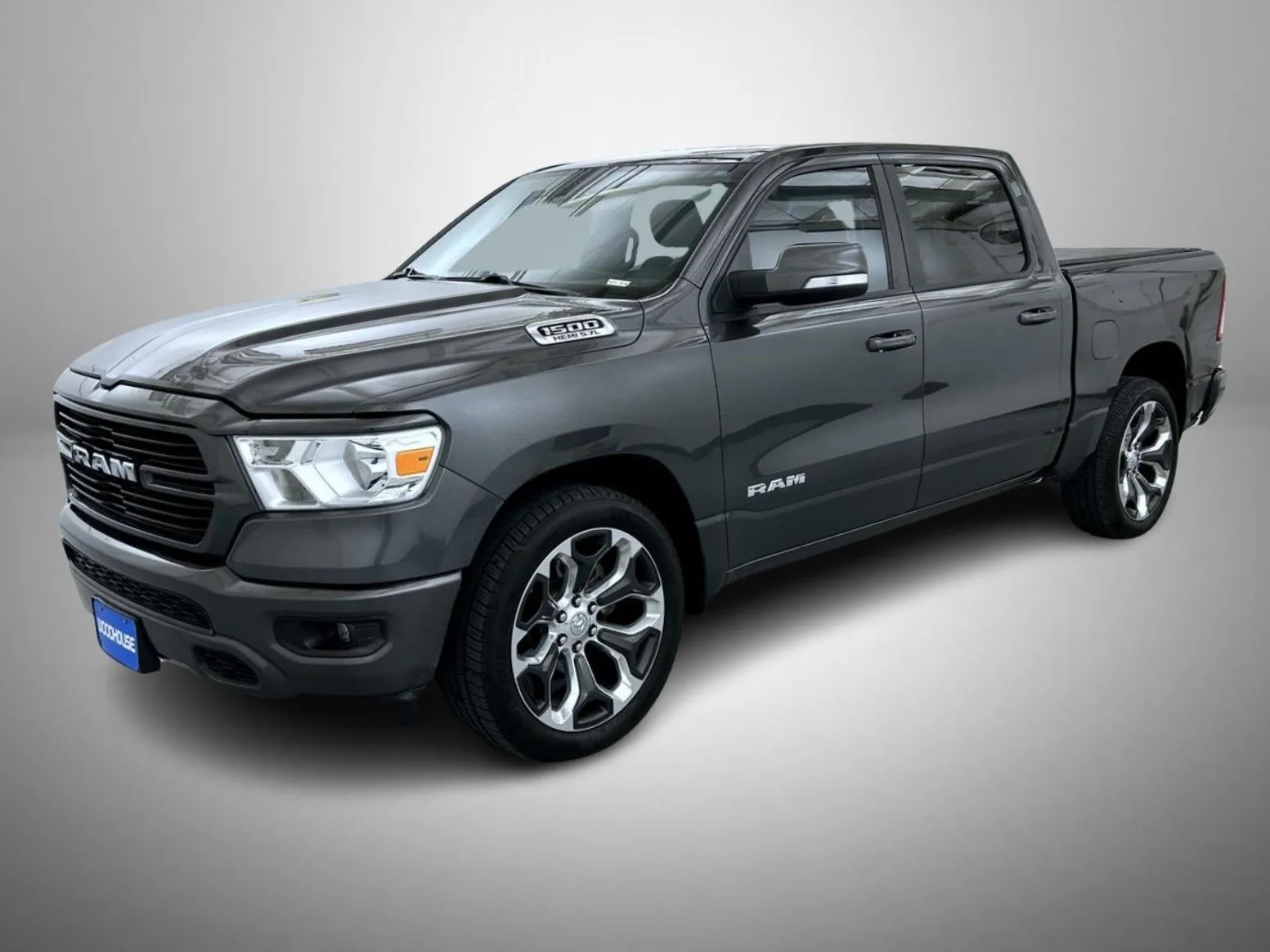
2. Ram 1500 Big Horn 4×4 2019-2024
Superior ride comfort makes this Ram well-suited to Chicago streets damaged by repeated freeze and thaw cycles. A coil spring rear suspension cushions potholes and broken surfaces, avoiding sharp jolts common with leaf spring trucks. This compliant setup stays settled when crossing ice ridges and frozen ruts, maintaining tyre contact and control.
The Four Wheel Drive arrangement works on a part-time basis with an automatic mode that sends drive to the front axle when the rear wheels lose grip. Drivers do not need to predict slick patches, as engagement occurs without intervention.
A snow setting within the Selec Terrain system alters throttle response, gearbox behaviour, and stability programming for winter roads. An electronic locking rear differential can be engaged to secure traction when surfaces become treacherous.
Power comes from an available five-point-seven-litre Hemi V8 delivering three hundred and ninety-five horsepower with four hundred and ten pound-feet of torque. This output moves the truck through deep snow and up icy inclines. An eight-speed automatic gearbox changes ratios smoothly and selects suitable gears during winter travel.
Hill descent control regulates speed on slippery slopes, reducing the risk of sliding and removing the need for abrupt braking. Cabin heating responds quickly through a climate system. Heated front seats offer multiple settings and warm rapidly, while a heated steering wheel improves comfort during early morning starts.
Rear seat heating extends warmth to passengers. Remote start allows the cabin to warm before entry, and heated door mirrors prevent ice buildup. A windscreen de-icing grid clears frost promptly, and demisting removes condensation.
Ground clearance reaches eleven point six inches on four by four versions fitted with an off-road suspension, sufficient for ploughed snowbanks and compacted drifts. Protective skid plates shield vital parts when driving through heavy accumulations. An optional air suspension can raise the height by two inches for severe conditions, then lower for access.
Front and rear tow hooks provide recovery points if the vehicle becomes stuck. The cargo bed includes tie-down points and an optional spray-applied liner that resists cracking during extreme temperature swings.
Also Read: 5 Pickups That Can Be Daily-Driven in Cities and 5 That Can’t
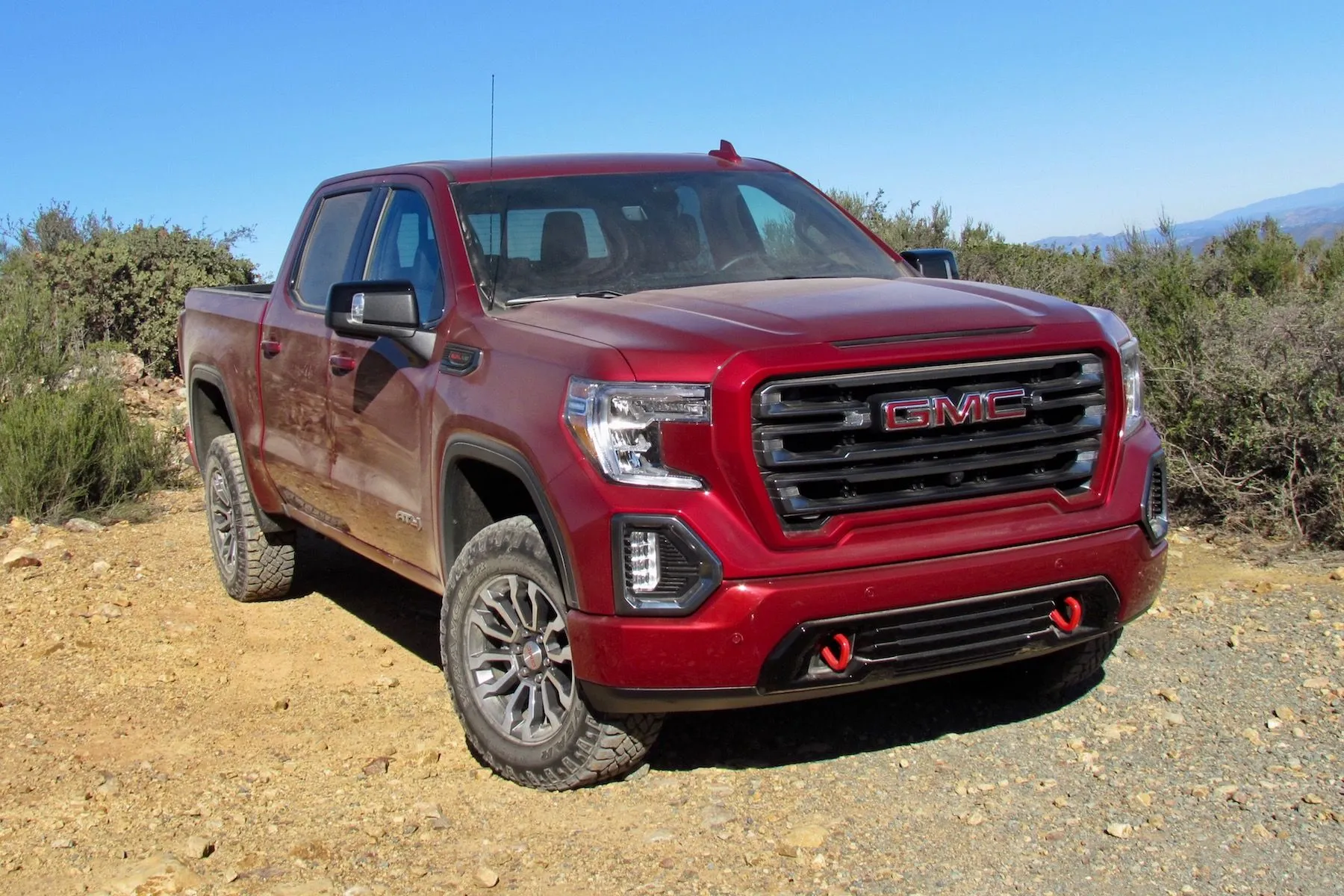
3. GMC Sierra 1500 AT4 2019-2025
AT4 off-road package creates a winter-capable truck that handles Chicago conditions with confidence. Standard four-wheel drive includes a two-speed transfer case with Auto mode for seamless engagement. Locking the rear differential maximizes traction when an individual wheel spins, threatening forward progress.
Rancho monotube shocks provide controlled damping that keeps tires in contact with slippery surfaces, improving traction and handling. Ground clearance reaches 11.1 inches with factory lift and larger tires. This height clears snow accumulation at intersections and unplowed areas without scraping undercarriage components.
Approach angle of 30.9 degrees and departure angle of 23.4 degrees allow safe passage over obstacles. Skid plates protect oil pan, transfer case, and fuel tank from damage when driving through rutted snow and ice.
Engine options include efficient 2.7-liter turbo four-cylinder, powerful 5.3-liter V8, or range-topping 6.2-liter V8 producing 420 horsepower. That 6.2-liter delivers 460 pound-feet of torque, pulling through deep snow effortlessly.
The ten-speed automatic transmission responds quickly to throttle inputs and holds gears appropriately during winter driving. Tow/haul mode is available for pulling trailers through snow. Technology aids winter driving with an available head-up display projecting speed and navigation onto the windshield, reducing the need to look down at instruments.
Heated seats front and rear keep occupants warm, and a heated steering wheel adds comfort during frigid drives. Dual-zone climate control maintains comfortable temperatures, and powerful defrost clears the windshield quickly. Remote start allows cabin preheating before entering the truck.
Safety features include forward collision warning, automatic emergency braking, and lane-keeping assist that work even during snow. Blind-spot monitoring adjusts for trailer length when towing. Tire pressure monitoring alerts you when cold temperatures drop pressures below optimal levels.
The HD surround vision camera system provides multiple views when maneuvering in tight spaces with limited visibility. Trailer camera provisions allow adding up to eight additional cameras for complete situational awareness when towing through winter conditions.
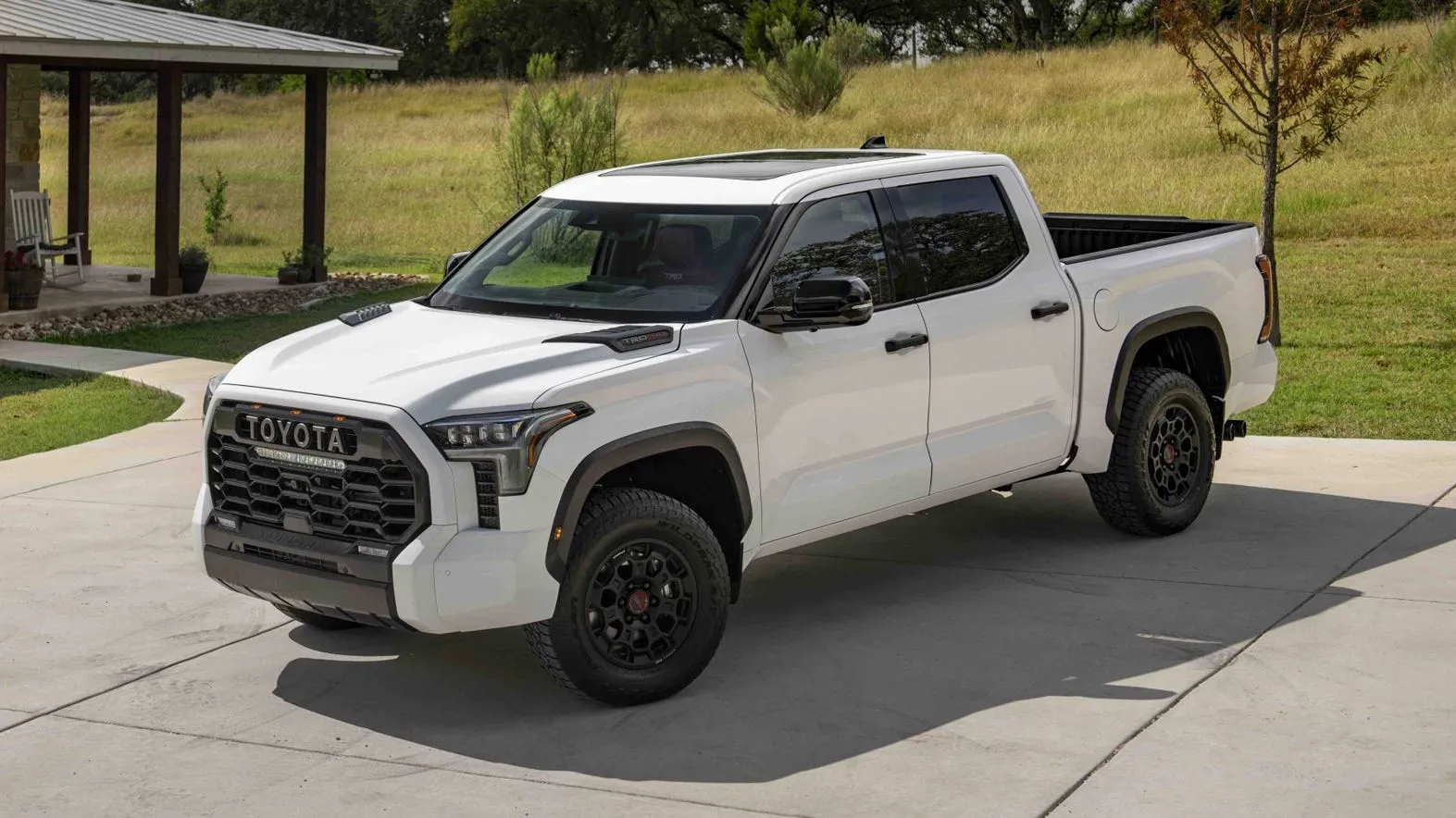
4. Toyota Tundra TRD Pro 2022-2025
Toyota’s flagship pickup blends dependable engineering with strong all-weather ability suited to harsh winter conditions. A standard Four Wheel Drive system includes an electronic locking rear differential that maximises grip on slippery surfaces.
The multi-road select feature provides dedicated settings for snow, mud, and sand, adjusting throttle input and traction behaviour to suit changing surfaces. Crawl control manages steady, low-speed movement when descending icy slopes, reducing the risk of uncontrolled sliding.
Power comes from a twin-turbo three-point-five-litre V6 hybrid arrangement producing four hundred and thirty-seven horsepower with five hundred and eighty-three pound-feet of torque. Electric motor assistance delivers instant pulling force, removing hesitation and ensuring quick response when moving through snow-covered roads.
A ten-speed automatic gearbox moves smoothly and holds suitable ratios without unnecessary searching. The hybrid system also reduces fuel use during city driving, particularly useful in winter when prolonged idling is common.
Suspension design includes FOX racing dampers with internal bypass technology that delivers controlled movement across uneven surfaces. This arrangement absorbs impacts from frozen ruts and ice ridges while keeping tyres firmly planted.
Ground clearance measures ten point six inches, sufficient for most winter driving demands. A TRD Pro skid plate shields essential underbody components from damage caused by hidden ice and debris.
Comfort features focus on cold-weather use. Heated front seats warm quickly and include ventilation for warmer moments. A heated steering wheel improves comfort during early starts, while heated rear seating is available for passengers.
Remote start is standard across the range, allowing cabin warming before entry. Climate control reaches desired temperatures quickly, and a strong defrost system clears the windscreen without delay. Heated exterior mirrors prevent ice accumulation.
Construction quality reflects Toyota’s reputation for durability, using solid materials and precise assembly. Long-term dependability remains strong, reducing anxiety during severe weather. All road tyres feature aggressive tread patterns that improve grip on snow-covered roads.
LED headlamps provide clear illumination during dark winter evenings. An available moonroof with powered shade allows daylight into the cabin during brief sunny periods. A premium JBL sound system enhances comfort during long winter journeys, making time spent inside the truck more pleasant and relaxed.
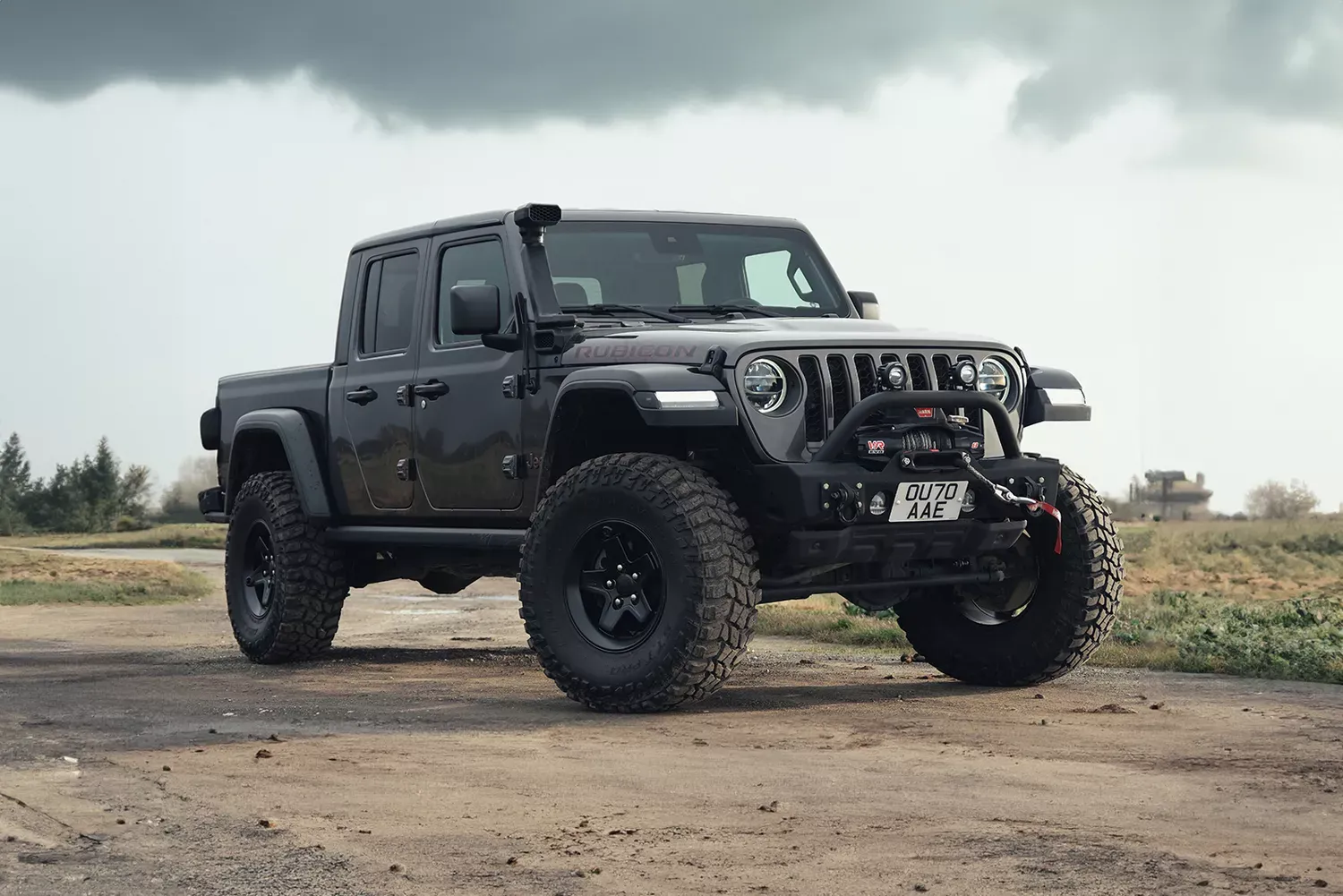
5. Jeep Gladiator Rubicon 2020-2025
Wrangler-based pickup brings legendary off-road capability to truck duties. The Rock-Trac four-wheel drive system includes a 4:1 low-range transfer case for extreme traction situations.
Electronic locking front and rear differentials maximize grip when individual wheels lose contact with slippery surfaces. Disconnecting the front sway bar improves wheel articulation, keeping all four tires in contact with uneven, rutted snow surfaces.
Ground clearance reaches 11.1 inches, and approach/departure angles exceed most competitors. This geometry prevents snow buildup from stopping forward progress. Skid plates protect the transfer case, fuel tank, and other vital components. Rock rails provide step assistance while protecting rocker panels from deep snow banks.
Engine choice includes a base 3.6-liter V6 producing 285 horsepower or an optional 3.0-liter EcoD diesel generating 260 horsepower and 442 pound-feet of torque.
That diesel torque excels during winter driving, pulling through deep snow and up icy hills effortlessly. Eight-speed automatic transmission operates smoothly and holds gears appropriately. Manual transmission remains available for enthusiasts who prefer clutch control during slippery conditions.
Removable roof and doors might seem counterintuitive for winter, but the hardtop configuration provides weather protection equal to conventional trucks. Powerful heater maintains comfortable cabin temperatures even during sub-zero weather.
Heated front seats warm quickly, and the heated steering wheel adds comfort. Remote start allows preheating before entering. Unique design creates devoted following despite compromises. Ride quality feels rougher than conventional trucks due to the solid front axle. Wind noise intrudes at highway speeds.
Short bed limits cargo capacity. But winter capability exceeds nearly everything else on the market. If you prioritize getting through snow and ice above all else, the Gladiator Rubicon delivers. Resale values stay strong because buyers recognize true off-road capability translates to winter confidence.
Pickups With Serious Traction Issues
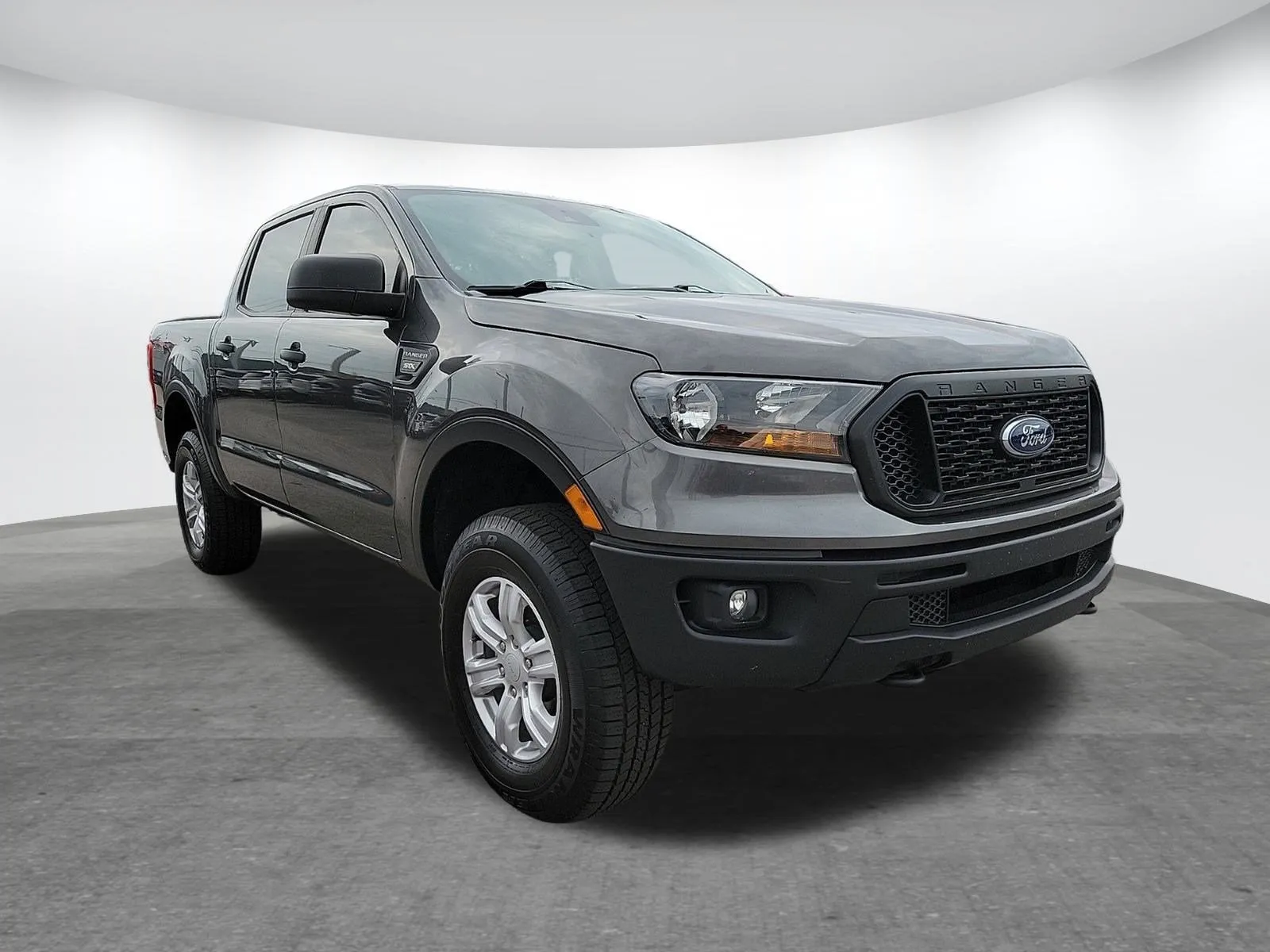
1. Ford Ranger XL 2019-2024
Base model Rangers come with rear-wheel drive standard, a cost-cutting measure that creates dangerous situations during Chicago winters. Without power reaching the front wheels, traction depends entirely on the weight pressing the rear tires against the pavement.
An empty bed means minimal weight over the drive wheels, allowing them to spin freely on snow and ice. You’ll struggle leaving parking spots after overnight snow, and stoplights on inclines become anxiety-inducing challenges. Electronic traction control tries to compensate for rear-wheel drive limitations but can’t overcome physics.
The system applies the brakes to the spinning wheel while sending power to the one with grip, but this reactive approach means you’ve already lost momentum by the time intervention happens. Attempting to drive up snow-covered residential streets results in an embarrassing wheel spin while neighbors watch you go nowhere.
Narrow all-season tires equipped on base models provide inadequate grip during winter. Tread patterns designed for dry pavement and fuel economy offer minimal snow traction. Sidewall construction flexes excessively on ice, creating unpredictable handling.
You’ll need to budget immediately for proper winter tires, negating any savings from choosing the base model. Even with winter tires, rear-wheel drive creates handling challenges. Weight distribution places approximately 60 percent over front axle and only 40 percent over rear.
This imbalance means drive wheels carry less weight, reducing available traction. Adding sandbags or weight in the bed helps somewhat but creates handling problems and reduces payload capacity. You’re constantly fighting against engineering decisions prioritizing cost reduction over winter capability.
Interior heat struggles during extreme cold because the four-cylinder engine produces less waste heat than larger V6 or V8 alternatives. Climate control takes longer to warm the cabin, leaving you shivering during the first fifteen minutes of every drive.
Cloth seats on base models absorb moisture from wet winter clothing, staying damp and cold. Manual climate control requires constant adjustment rather than maintaining set temperatures automatically. Lack of heated seats means no relief from cold leather or damp cloth during sub-zero mornings.
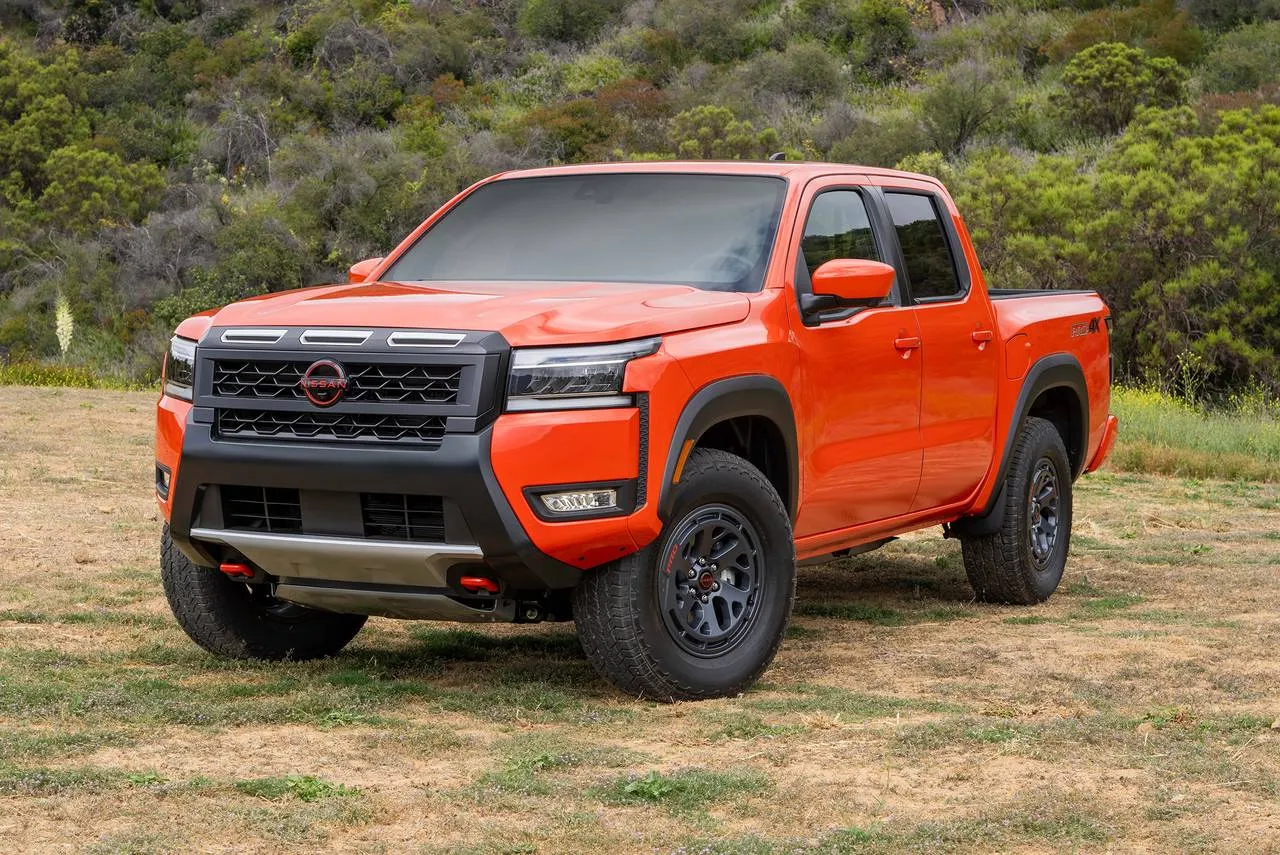
2. Nissan Frontier S 2020-2021
An ageing design continues to reflect engineering choices made many years ago. The base Rear Wheel Drive layout creates serious grip problems during winter conditions. A three-point-eight-litre V6 engine delivers reasonable output, yet all power is sent only to the rear axle, leaving the tyres struggling for traction on snow-covered roads.
A five-speed automatic gearbox feels dated beside modern multi-speed units. Wide spacing between ratios worsens traction loss, especially when pulling away on slippery surfaces. The traction control system reacts abruptly, cutting engine output the moment wheel slip appears.
This harsh intervention removes any chance of measured throttle use. Drivers experience either spinning wheels or a complete power shutdown, with little opportunity to maintain steady forward movement. Vehicle proportions also raise stability concerns.
A narrow track combined with a high centre of gravity reduces confidence during winter travel. Strong winds along Lake Michigan push the truck sideways when the roads are slick.
Changing lanes demands caution, as steering responses feel nervous and inconsistent. Sudden avoidance actions often make matters worse, with the rear stepping out unexpectedly.
The cargo bed design presents practical frustrations. Tall bed walls and awkward dimensions complicate loading. Limited width between wheel arches restricts usable cargo space. A spray-applied liner costs extra, while the painted surface chips easily under salt and winter debris. Tie-down hooks feel weak compared with rival pickups. The tailgate hinges stiffen in cold weather, forcing drivers to apply excessive force that risks damage.
Cabin quality remains basic. Hard plastic surfaces dominate, and cloth seats provide little support during long journeys. Manual climate controls demand frequent adjustment to maintain comfort. Heating output struggles during extreme cold, while windscreen clearing takes too long to restore visibility.
Heated seating is unavailable even as an option. Sound insulation allows tyre and wind noise to intrude, and the audio system sounds thin at moderate volume. Although this model avoids the CVT issues affecting other products from the brand, resale prices still fall as buyers recognise dated design and limited winter ability. This condition reduces daily confidence for owners facing harsh seasonal driving.
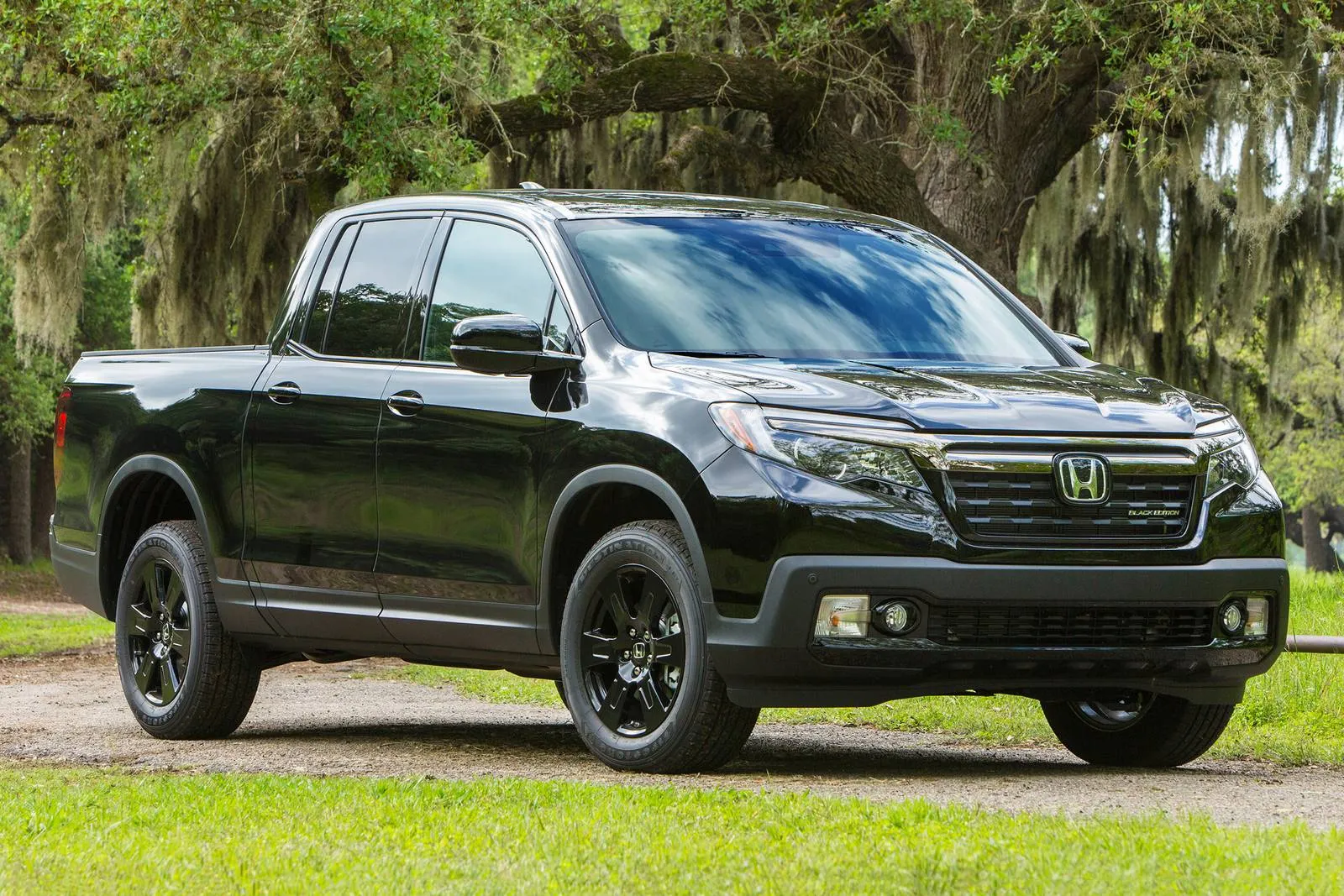
3. Honda Ridgeline RT 2017-2023
Unibody construction creates car-like handling but sacrifices winter capability. Front-wheel drive with available all-wheel drive sounds adequate until you discover that “all-wheel drive” remains primarily front-wheel with rear engagement only when the front wheels slip. This reactive system means you’ve already lost traction before help arrives.
True four-wheel drive with a low-range transfer case doesn’t exist, limiting capability during extreme conditions. All-wheel drive system can’t send more than 70 percent of power rearward, meaning the front wheels still do most work.
During deep snow or steep icy hills, this limitation becomes apparent as front wheels spin while rear wheels receive insufficient power. No locking differentials exist to force equal power distribution. Electronic aids try to compensate but can’t overcome fundamental design limitations.
Ground clearance measures only 7.6 inches, the lowest among midsize pickups. This minimal height means high-centering becomes likely when driving through snow deeper than six inches. Plowed intersections with snow ridges become obstacles requiring careful approach angles.
Unplowed parking lots and side streets turn impassable after moderate snowfall. Low-hanging exhaust components and plastic underbody panels scrape frequently. Independent rear suspension provides a comfortable ride but limits load capacity and creates durability concerns. Suspension components sit exposed to salt spray and road chemicals that accelerate corrosion.
Chicago’s harsh winters with constant salt exposure attack vulnerable parts, leading to expensive repairs. Protective coatings wear through quickly, and replacement suspension components cost more than traditional solid-axle designs.
Truck bed features an in-bed trunk and a dual-action tailgate that seem clever until winter arrives. The trunk drain becomes clogged with ice, allowing water to pool and freeze. The tailgate mechanism freezes during cold weather, preventing proper operation.
Composite bed material claims scratch resistance but doesn’t insulate against cold, making the bed brutally cold to touch during winter. Bed lights provide minimal illumination. Tie-down cleats feel flimsy for serious work. Available tonneau cover rattles and leaks during freeze-thaw cycles, allowing moisture inside that damages cargo.
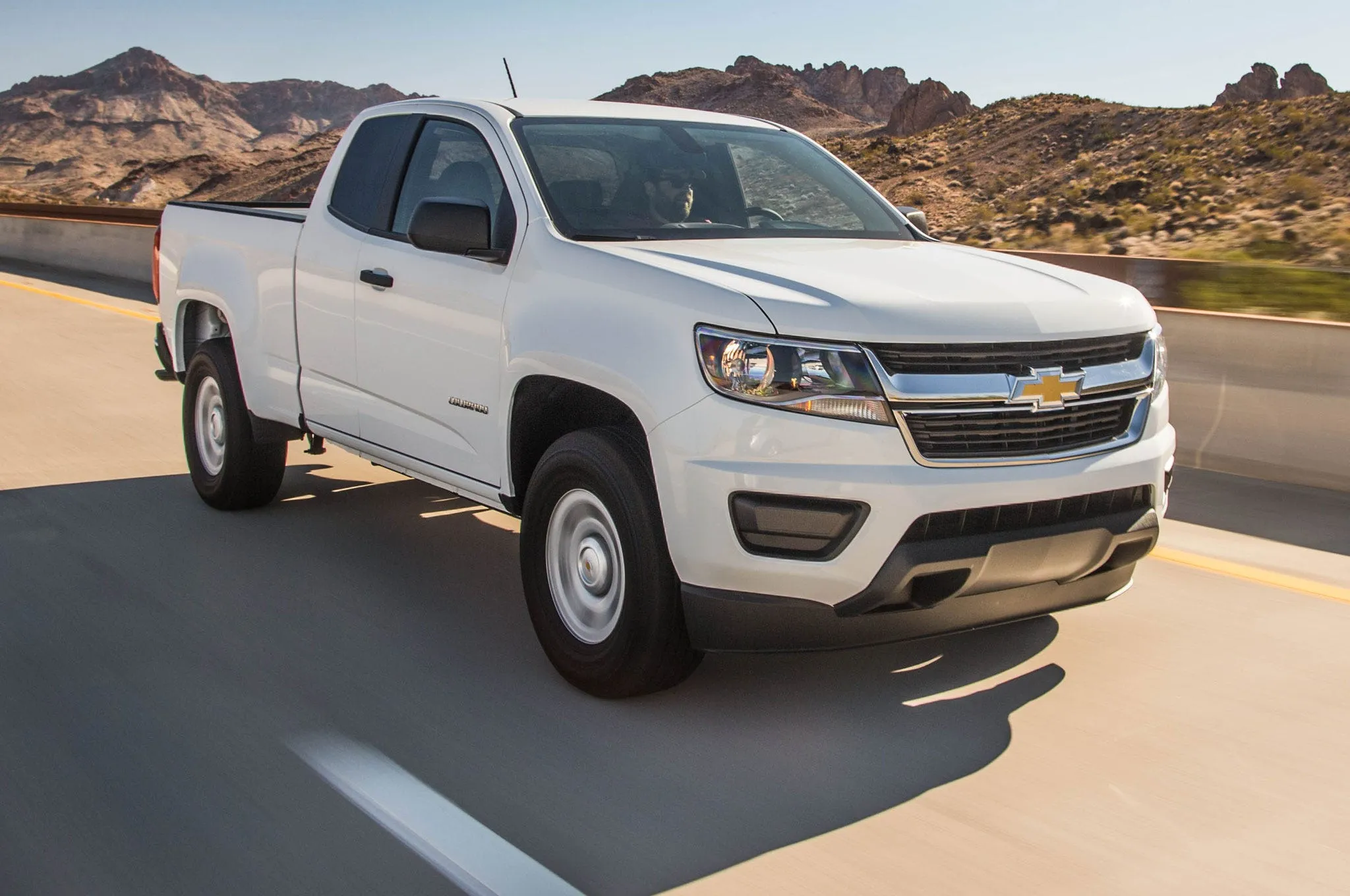
4. Chevrolet Colorado WT 2015-2020
The work truck trim removes comfort and safety features to reduce purchase price, yet this decision creates serious problems for winter use. A Rear Wheel Drive layout delivers poor grip as soon as snow or ice appears. The two point five litre four cylinder engine produces about two hundred horsepower, which struggles to move the truck even when empty, and performs poorly once cargo is added.
Base versions rely on a six-speed manual gearbox that demands precise clutch control during cold weather. Frequent stops in winter traffic become tiring, as the driver must manage clutch engagement carefully to prevent wheel spin. On icy surfaces, even slight errors lead to loss of traction, placing heavy strain on the left leg during daily travel.
The first gear ratio is too aggressive for slippery roads, triggering wheel spin immediately. Drivers often start in second gear to reduce this effect, which accelerates clutch wear. Starting on hills covered with ice becomes stressful, as the vehicle slides backward while the driver balances clutch, brake, and throttle inputs.
Steel wheels fitted with plastic hubcaps appear basic and collect ice during snowstorms. As ice builds up, wheel balance is disturbed, creating vibrations at highway speeds. Attempts to remove frozen hubcaps to clear ice frequently result in broken retaining clips.
Factory-fitted narrow all-season tyres deliver limited grip even when new. Cold temperatures harden the rubber compound, reducing traction further. Cab options include an extended cab with rear-hinged doors that freeze shut during winter.
Forcing these doors open risks damage to hinges and weather seals. Rear occupants must wait for front passengers to exit before accessing the rear area. Crew cab versions cost much more, placing the vehicle outside the reach of buyers.
Interior space feels restricted when compared with larger pickups, with modest legroom and limited storage areas. Manual climate controls require constant adjustment, while heating output struggles in extreme cold. Windscreen clearing remains slow during heavy snowfall.
Heated seats are unavailable. Cloth seating absorbs moisture from wet clothing, staying damp. A vinyl floor eases cleaning but offers no insulation. Road noise remains high.
Also Read: Top 10 Most Dependable Pickup Trucks Ever Built
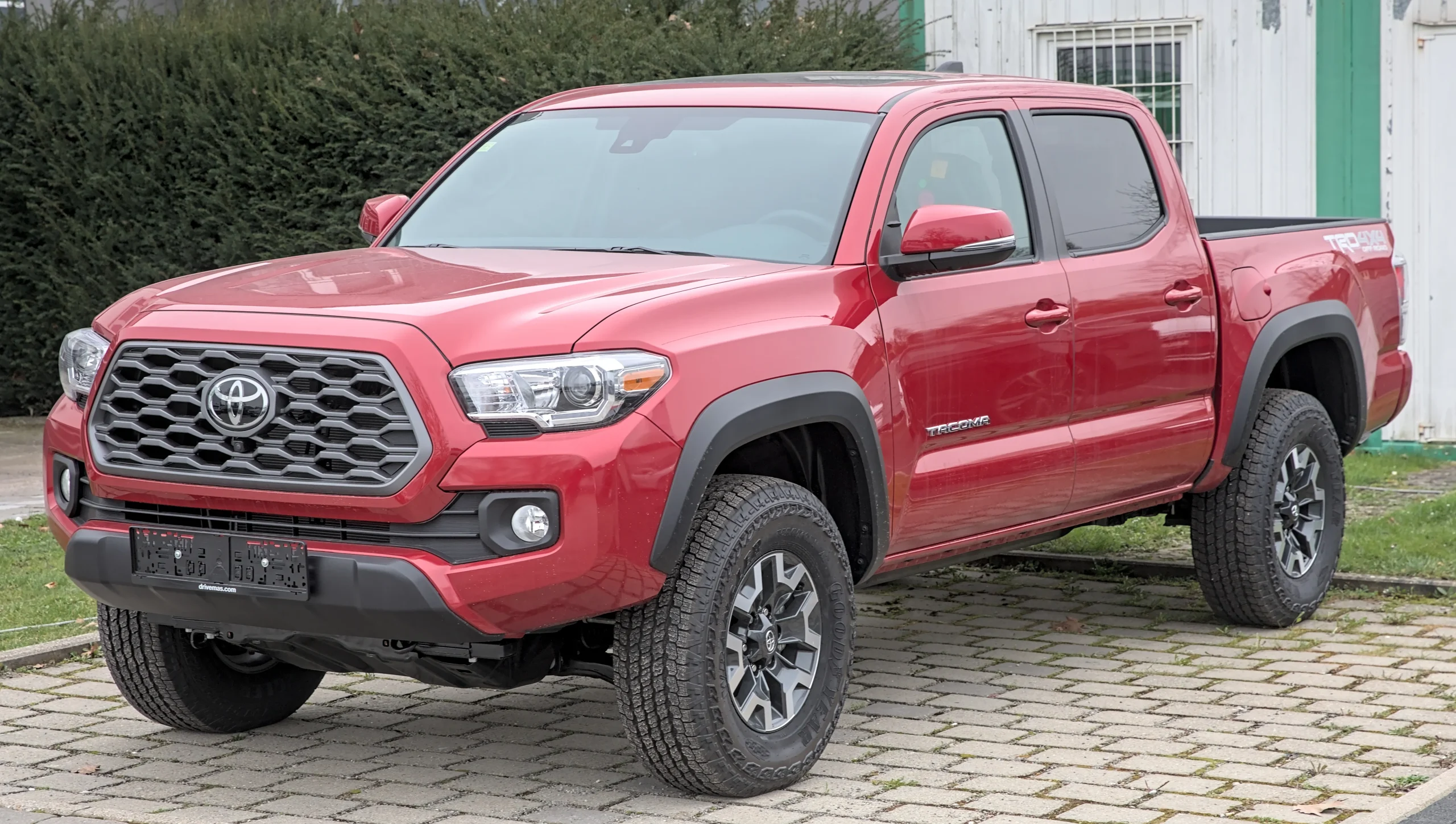
5. Toyota Tacoma SR 2016-2023
Despite Toyota’s reliability reputation, base Tacoma models suffer winter capability problems. Rear-wheel drive standard configuration creates traction nightmares on snow and ice. That 2.7-liter four-cylinder engine produces only 159 horsepower, struggling to move the truck under ideal conditions and becoming dangerously underpowered during winter.
Six-speed manual transmission requires expert clutch work to avoid wheel spin on slippery surfaces. Weight distribution heavily favors the front axle, leaving minimal weight pressing the rear drive tires against the pavement.
An empty bed exacerbates this problem, allowing rear wheels to spin freely during acceleration attempts on snow. Adding weight helps traction but reduces payload capacity and creates handling imbalance. You’re fighting physics that can’t be overcome without upgrading to four-wheel drive.
Access cab configuration provides minimal rear seating through small rear-hinged doors that freeze shut during winter. Forcing them open risks damaging hinges and weatherstripping. Rear seat space barely accommodates adults, with knees pressed against front seatbacks.
Storage behind seats is minimal and awkward to access. Double cab costs several thousand more, pushing the price above competitors’ offerings with more equipment. Suspension tuning creates a harsh ride quality that transmits every pothole impact directly to occupants.
Chicago’s freeze-thaw cycles create crater-like potholes that punish Tacoma’s stiff suspension. Leaf springs in the rear provide durability but offer zero comfort. You’ll feel every imperfection, creating fatigue during daily commutes. Load-carrying capability is good, but daily driving comfort suffers dramatically.
Interior materials feel cheap with hard plastics throughout and basic cloth seats offering minimal support. Manual climate control requires constant adjustment to maintain tolerable temperatures. Heating capacity is barely adequate during extreme cold. Defrost struggles to clear the windshield during heavy snow.
No heated seats available on base trim. The Entune infotainment system responds slowly with outdated graphics and limited functionality. Backup camera resolution looks grainy and pixelated. The sound system provides weak output with distortion at moderate volume.
Expected reliability should be good based on Toyota’s reputation, but driving experience during winter becomes miserable enough that reliability doesn’t compensate. Resale values stay decent, but capability limitations make these base models poor choices for Chicago winters.
