
Houston’s sprawling geography demands vehicles that handle extended commutes without draining wallets at gas stations. Your daily drive might stretch 30-40 miles each way down I-10, Loop 610, or the Katy Freeway, accumulating serious mileage that tests fuel efficiency relentlessly.
Texas heat runs air conditioning constantly during brutal summers lasting six months or longer. You’ll sit in traffic that never truly ends, watching fuel gauges drop while barely moving forward. Choosing the right SUV means balancing space needs against fuel consumption, which either keeps budgets manageable or destroys them through constant, expensive refills.
Some SUVs deliver respectable fuel economy through efficient powertrains, aerodynamic designs, and engineering that prioritizes efficiency without sacrificing capability. You’ll drive hundreds of miles weekly without watching fuel costs spiral out of control.
Regular commuting remains affordable rather than becoming a second mortgage that funds oil companies. These vehicles prove you can own practical SUVs for Houston living without accepting catastrophic fuel consumption as an inevitable trade-off.
Other SUVs guzzle fuel at rates that make ownership financially painful. You’ll visit gas stations constantly, watching hundreds of dollars disappear monthly into tanks that empty alarmingly fast. Poor aerodynamics, inefficient powertrains, and excessive weight create vehicles that punish owners through fuel consumption, reflecting engineering priorities that ignored efficiency completely.
These gas-guzzlers made sense when fuel cost $2 per gallon, but proved financially devastating when prices climbed while Houston commuters demanded constant driving. This guide examines ten SUVs specifically for Houston’s unique demands. Five models deliver practical efficiency that keeps fuel costs reasonable despite extended commutes and constant air conditioning use.
You’ll drive confidently knowing your SUV won’t bankrupt you through fuel consumption. Then we’ll expose five that waste fuel spectacularly, creating ownership costs that strain household budgets through consumption rates that make daily commuting an expensive punishment.
Whether you’re relocating to Houston or replacing a vehicle that proved too thirsty, this information could save thousands annually while reducing stress about whether you can actually afford driving to work.
SUVs That Handle Houston Efficiently
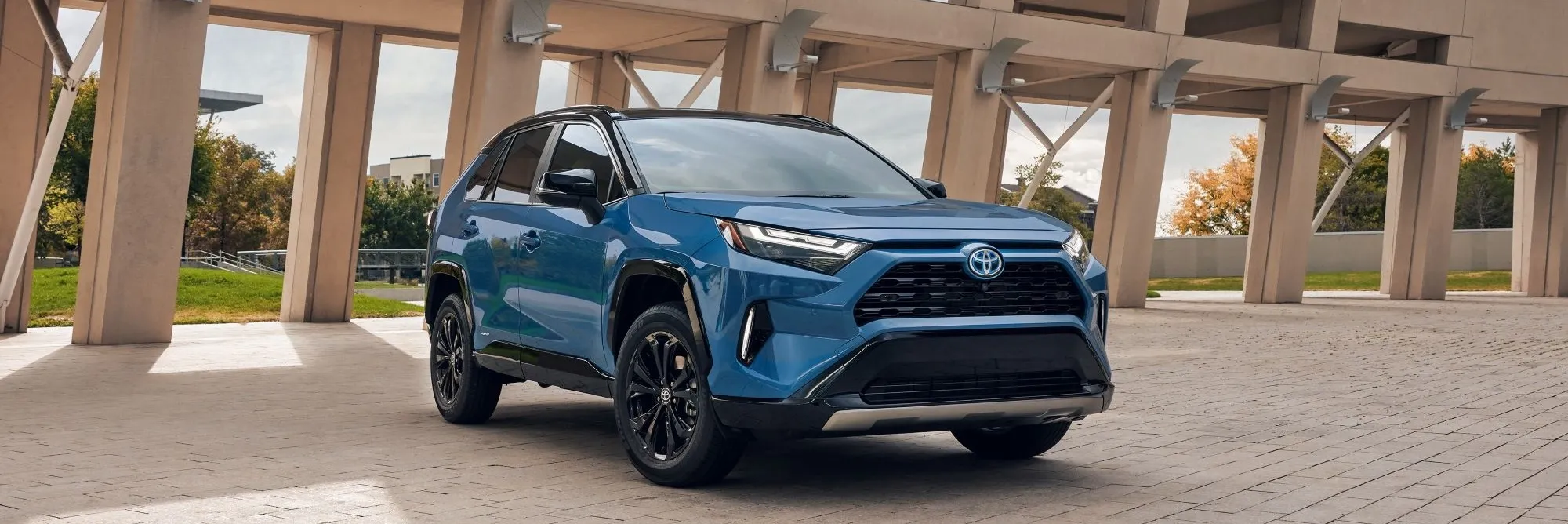
1. Toyota RAV4 Hybrid XLE 2024
Hybrid efficiency defines the Toyota RAV4 Hybrid XLE 2024 as a practical choice for extended urban commutes. Its combined powertrain produces 219 horsepower, delivering fuel use of 40 to 43 miles per gallon in mixed driving.
Long journeys consume less fuel than conventional SUVs, while the electric motor provides instant torque in stop-and-go traffic, and the gasoline engine engages seamlessly on open highways.
Air conditioning maintains cabin comfort during Houston’s intense summer heat without affecting fuel performance. The hybrid system has proven reliability through years of testing, with components designed to endure high temperatures, heavy traffic, and extended daily usage without early failure.
All-wheel drive ensures confident traction in wet conditions. Drivers handle standing water and slick streets without the aerodynamic drag associated with high ground clearance. Cargo capacity remains practical, with room for groceries, sports equipment, or luggage. Folding rear seats expand space for larger items, and battery placement does not compromise usability.
The interior resists heat stress. UV-resistant materials prevent dashboard cracking and upholstery fading. Seats provide comfort during long drives, while the cabin integrates modern technology, including a touchscreen infotainment system with Apple CarPlay and Android Auto. Climate control delivers consistent cooling, enhancing passenger comfort during extreme temperatures.
Regenerative braking recovers energy during frequent stops common in city traffic, extending driving range. The hybrid battery demonstrates longevity over extensive mileage, confirming the durability of Toyota’s design.
Routine service can be carried out at any competent workshop without special training. Owners are not restricted to dealership visits. Maintenance requirements for the hybrid system are minimal beyond those of conventional vehicles. Spare parts remain widely available throughout the city. Annual upkeep ranges between $800 and $1,200, reflecting modest running costs.
The Toyota RAV4 Hybrid XLE 2024 combines efficient fuel use with SUV practicality. Extended commutes remain economical without compromising cargo space, passenger comfort, or traction.
Drivers benefit from reliable performance in urban and suburban conditions while reducing fuel expenses compared with conventional SUVs, making this hybrid a cost-effective and durable option for daily transportation.
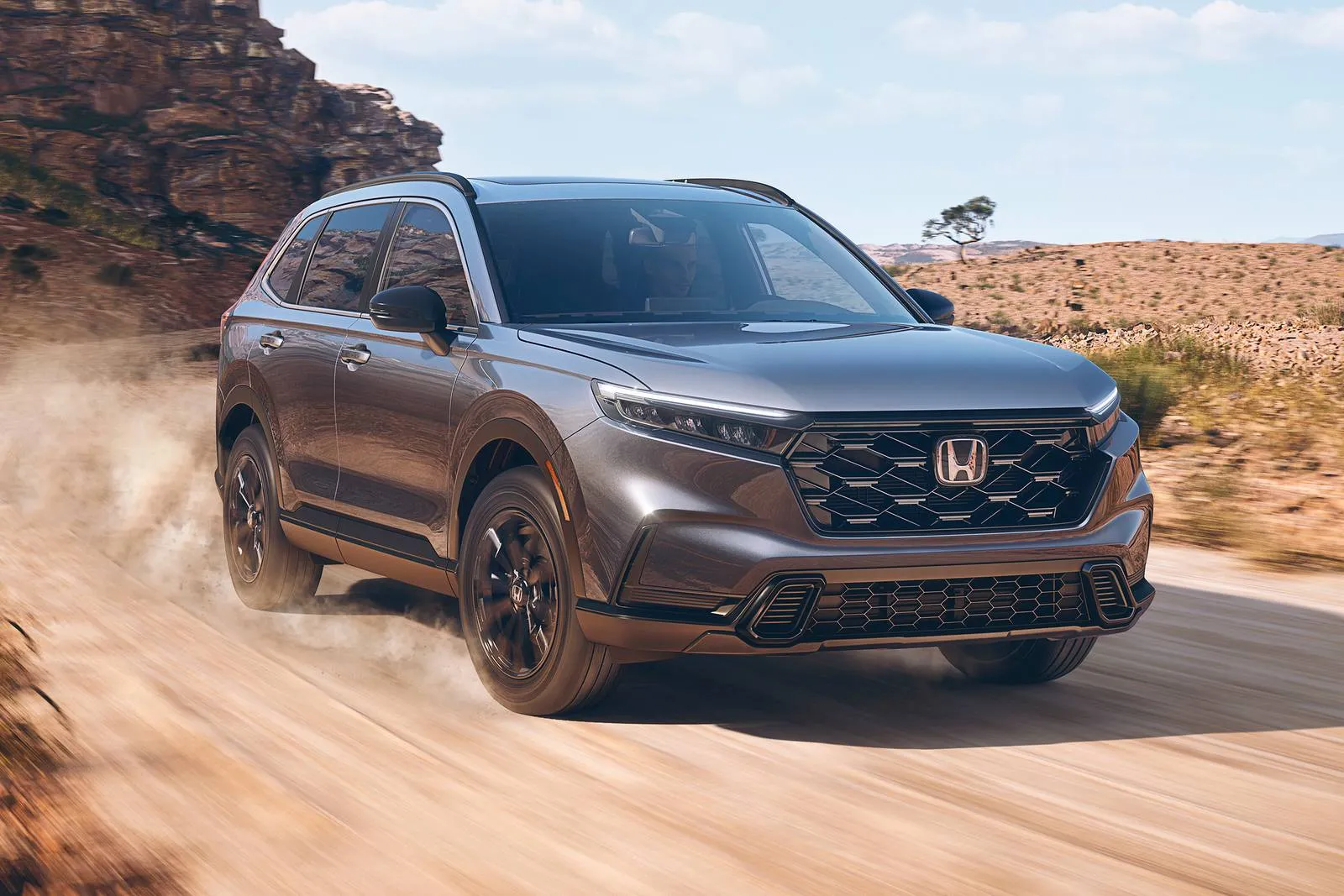
2. Honda CR-V Hybrid Sport 2024
Efficient engineering defines the Honda CR-V Hybrid Sport 2024 for Houston driving. That hybrid powertrain produces 204 horsepower while delivering fuel economy averaging 38-41 mpg during mixed driving. You’ll cover extended commutes, spending far less at gas stations than conventional SUVs. The electric motor provides smooth acceleration during city traffic, while the gasoline engine activates seamlessly during highway speeds.
Air conditioning maintains comfortable temperatures during Houston’s brutal summers without destroying fuel economy. You’ll run climate control constantly during the six-month heat seasons, keeping the cabin cool. Honda engineers systems specifically handling hot climates, ensuring adequate cooling capacity when needed most.
All-wheel drive delivers confident traction during heavy rainstorms that flood Houston regularly. You’ll handle wet conditions safely without excessive ride height, creating aerodynamic penalties. Cargo space proves generous, accommodating typical family needs. Rear seats fold, creating expanded capacity for larger items.
Interior materials withstand Texas heat without deteriorating. Dashboard resists cracking from sun exposure. Seats maintain comfort during extended commutes. Technology features include touchscreen infotainment with smartphone integration. Climate control delivers strong performance, keeping passengers comfortable.
Regenerative braking recovers energy during constant stops, characterizing Houston traffic. You’ll extend fuel economy through technology that captures energy that conventional vehicles waste. The hybrid system proves reliable through years of real-world testing.
Independent shops throughout Houston service this CR-V Hybrid competently. You’re not forced into expensive Honda dealership visits. A hybrid system requires minimal additional maintenance. Parts availability remains excellent. Oil changes, brake work, and routine services cost reasonable amounts.
Budget $800-$1,200 annually for maintenance reflecting Honda mechanicals. This CR-V Hybrid delivers excellent fuel economy and proven reliability, perfect for Houston residents wanting SUV capability without fuel consumption that destroys budgets through constant expensive refills during extended commutes that accumulate serious mileage, testing efficiency relentlessly.
Also Read: 5 Family SUVs for Novi Suburban Commuting And 5 Dependable Ownership Picks
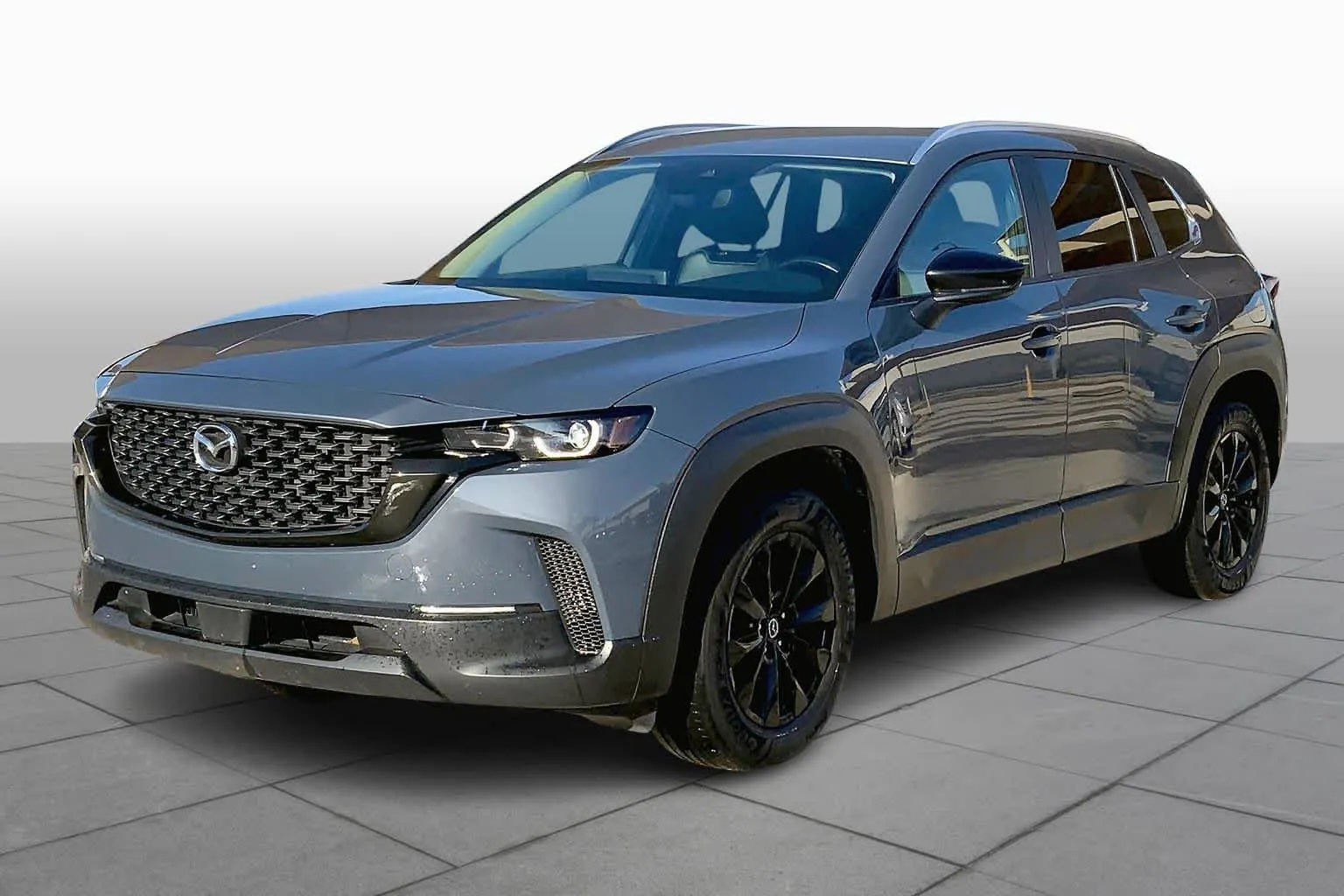
3. Mazda CX-50 Preferred 2024
Balanced efficiency defines the Mazda CX‑50 Preferred 2024 as a practical choice for extended city and suburban driving. Its 2.5‑litre four‑cylinder engine produces 187 horsepower and delivers fuel use of 27 to 30 miles per gallon in mixed driving.
Drivers spend reasonable amounts on fuel even during lengthy commutes, while the naturally aspirated design avoids the complication of a turbocharger yet provides sufficient power for everyday traffic.
A six‑speed automatic transmission offers smooth movements under varied conditions. Highway acceleration feels responsive, and stop‑and‑go city driving remains effortless. The engine demonstrates long‑term reliability, with a simple layout that reduces potential failure points and ensures durable performance.
Air conditioning performs efficiently during hot summers, maintaining cabin comfort without excessive impact on fuel consumption. The system delivers adequate cooling even under sustained high temperatures, reflecting careful engineering for warm climates.
The cabin exhibits strong build quality, with materials chosen to resist heat damage. Dashboards maintain their appearance, avoiding cracking or fading, while seats provide good support during extended drives. Cabin noise remains controlled at higher speeds, contributing to a refined driving environment.
All‑wheel drive provides confident traction in wet conditions, helping the vehicle handle rain‑soaked streets safely. Ground clearance assists in passing areas prone to temporary flooding. Cargo space accommodates daily requirements, and folding rear seats increase capacity for larger loads.
Mazda’s handling characteristics support engaged driving. Steering is responsive, while the ride remains composed, reducing fatigue during longer trips that form part of regular commuting.
Routine service can be completed at independent workshops without specialized tools. Owners are not confined to dealership visits, and parts are widely available throughout the city. Maintenance for oil changes, brake work, and inspections is affordable. Annual service costs are estimated between $800 and $1,200.
The Mazda CX‑50 Preferred 2024 combines practical fuel efficiency, reliable engineering, and engaging driving characteristics. Its balanced design supports extended urban and suburban commuting while maintaining passenger comfort, cargo versatility, and long‑term durability.
The vehicle delivers a dependable ownership experience without excessive operating costs, making it suitable for residents seeking an SUV that aligns with daily demands.
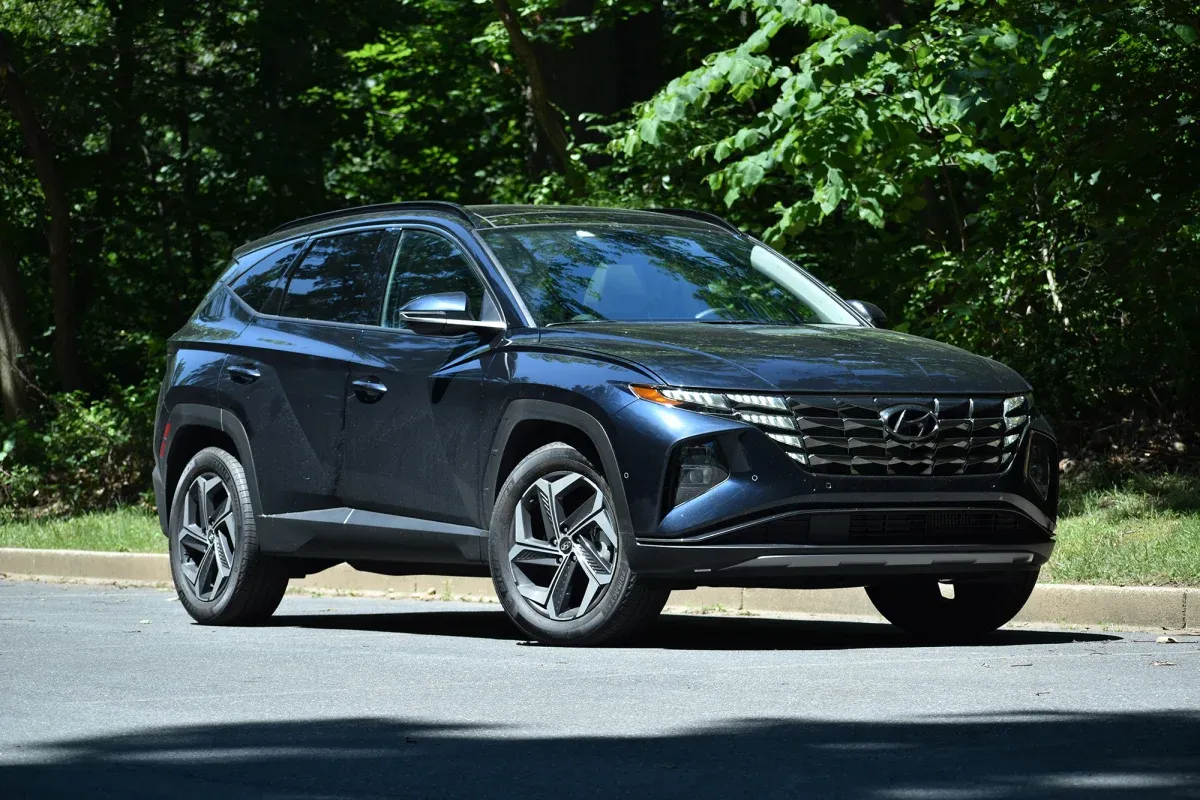
4. Hyundai Tucson Hybrid Blue 2024
Korean efficiency meets Houston practicality in the Hyundai Tucson Hybrid Blue 2024. That hybrid powertrain produces 226 horsepower while delivering fuel economy averaging 37-40 mpg during mixed driving.
You’ll cover extended Houston commutes, spending dramatically less at gas stations than conventional SUVs. The electric motor provides instant response during traffic, while the gasoline engine seamlessly activates during highway cruising.
Air conditioning runs constantly during Houston summers, maintaining comfortable temperatures without destroying fuel economy. You’ll stay cool during brutal heat seasons. Hyundai engineers have adequate cooling capacity that handles Texas climate demands.
All-wheel drive delivers confident traction during torrential rainstorms, flooding Houston streets. You’ll handle standing water and slippery conditions safely. Cargo space accommodates family needs despite hybrid battery packaging. Rear seats fold, expanding capacity.
Interior quality impresses with materials that feel premium. Dashboard design emphasizes modern aesthetics. Seats provide adequate comfort during extended commutes. Technology features include a large touchscreen with smartphone integration. Climate control maintains comfortable temperatures efficiently.
Regenerative braking recovers energy during constant stops that characterize Houston traffic. You’ll extend the range through technology that conventional vehicles waste. The hybrid system demonstrates reliability through real-world testing.
Warranty coverage provides exceptional peace of mind. Five-year/60,000-mile bumper-to-bumper and ten-year/100,000-mile powertrain protection covers major components. You’ll drive confidently knowing Hyundai stands behind its product.
Independent shops service this Tucson Hybrid without specialized training. You’re not forced into expensive Hyundai dealership visits. A hybrid system requires minimal additional maintenance. Parts availability continues improving throughout Houston.
Budget $800-$1,200 annually for maintenance, reflecting Hyundai mechanics. This Tucson Hybrid delivers excellent fuel economy and a generous warranty, perfect for Houston residents wanting SUV capability without fuel consumption that destroys budgets, while enjoying modern technology and a quality interior.
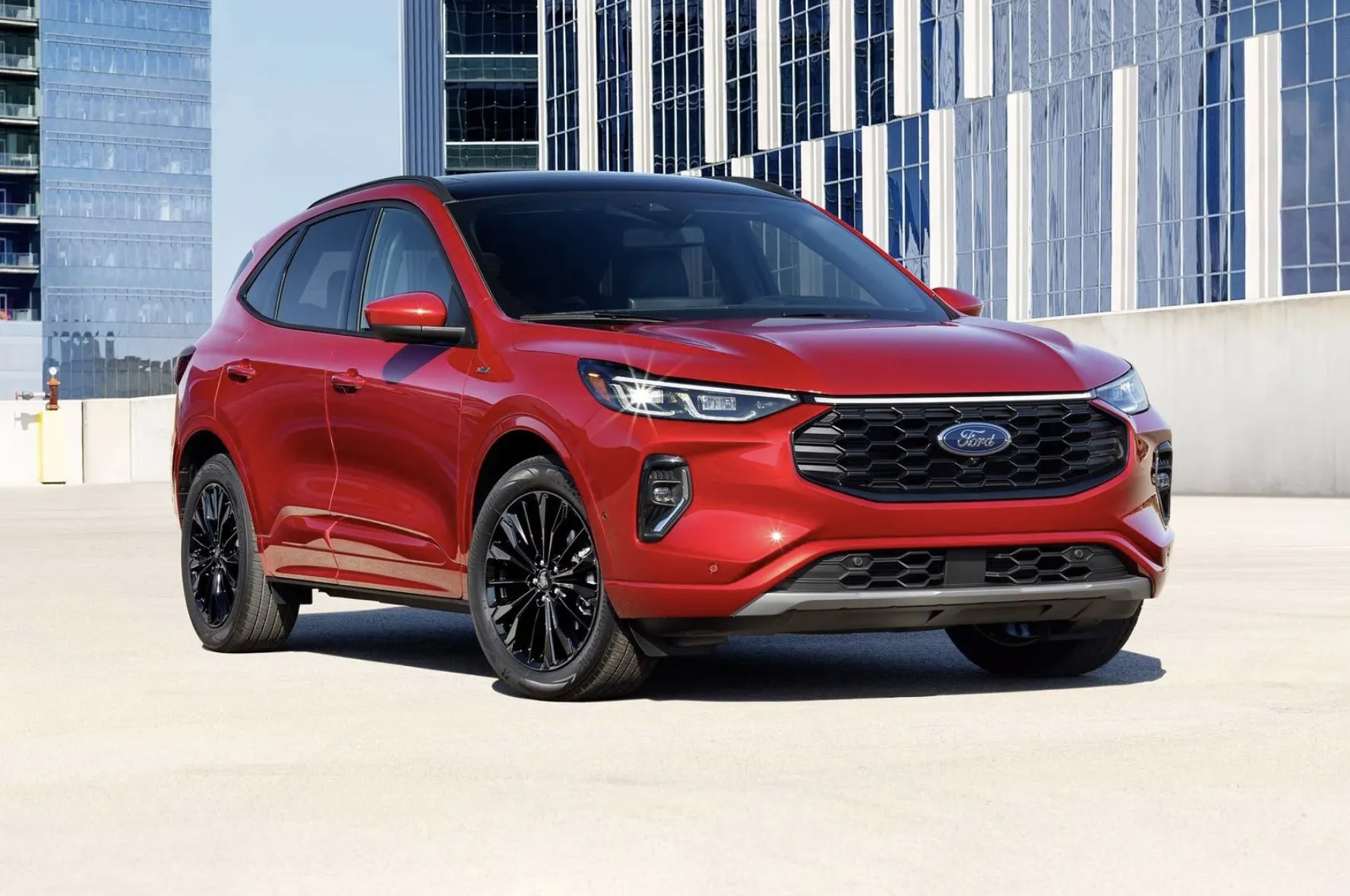
5. Ford Escape Hybrid SE 2024
American efficiency meets practical capability in the Ford Escape Hybrid SE 2024. That hybrid powertrain produces 200 horsepower while delivering fuel economy averaging 40-43 mpg during mixed driving.
You’ll cover extended Houston commutes, spending far less at gas stations than conventional SUVs. The electric motor provides smooth acceleration during city traffic, while the gasoline engine activates during highway speeds.
Air conditioning maintains comfortable temperatures during Houston’s brutal summers without destroying fuel economy. You’ll run climate control constantly, keeping the cabin cool during the six-month heat seasons. Ford engineers adequate cooling capacity for hot climates.
Front-wheel drive keeps mechanicals simple while reducing weight, which improves efficiency. You’ll handle typical Houston driving confidently. Cargo space accommodates family needs. Rear seats fold, creating expanded capacity for larger items.
Interior materials withstand Texas heat adequately. Dashboard resists cracking from sun exposure. Seats provide adequate comfort during typical commutes. Technology features include touchscreen infotainment with smartphone integration. Climate control delivers satisfactory performance.
Regenerative braking recovers energy during constant stops, characterizing Houston traffic. You’ll extend fuel economy through technology that captures energy that conventional vehicles waste. The hybrid system proves reliable through testing.
Ford dealers and independent shops throughout Houston service this Escape Hybrid. You’re not trapped into expensive specialist visits. A hybrid system requires minimal additional maintenance. Parts availability remains excellent.
Warranty coverage provides peace of mind. Three-year/36,000-mile bumper-to-bumper and five-year/60,000-mile powertrain protection covers major components during initial ownership years.
Budget $900-$1,400 annually for maintenance reflecting Ford mechanicals. This Escape Hybrid delivers excellent fuel economy, perfect for Houston residents wanting SUV capability without fuel consumption that destroys budgets through constant expensive refills during extended commutes, accumulating serious mileage.
SUVs That Waste Fuel in Houston
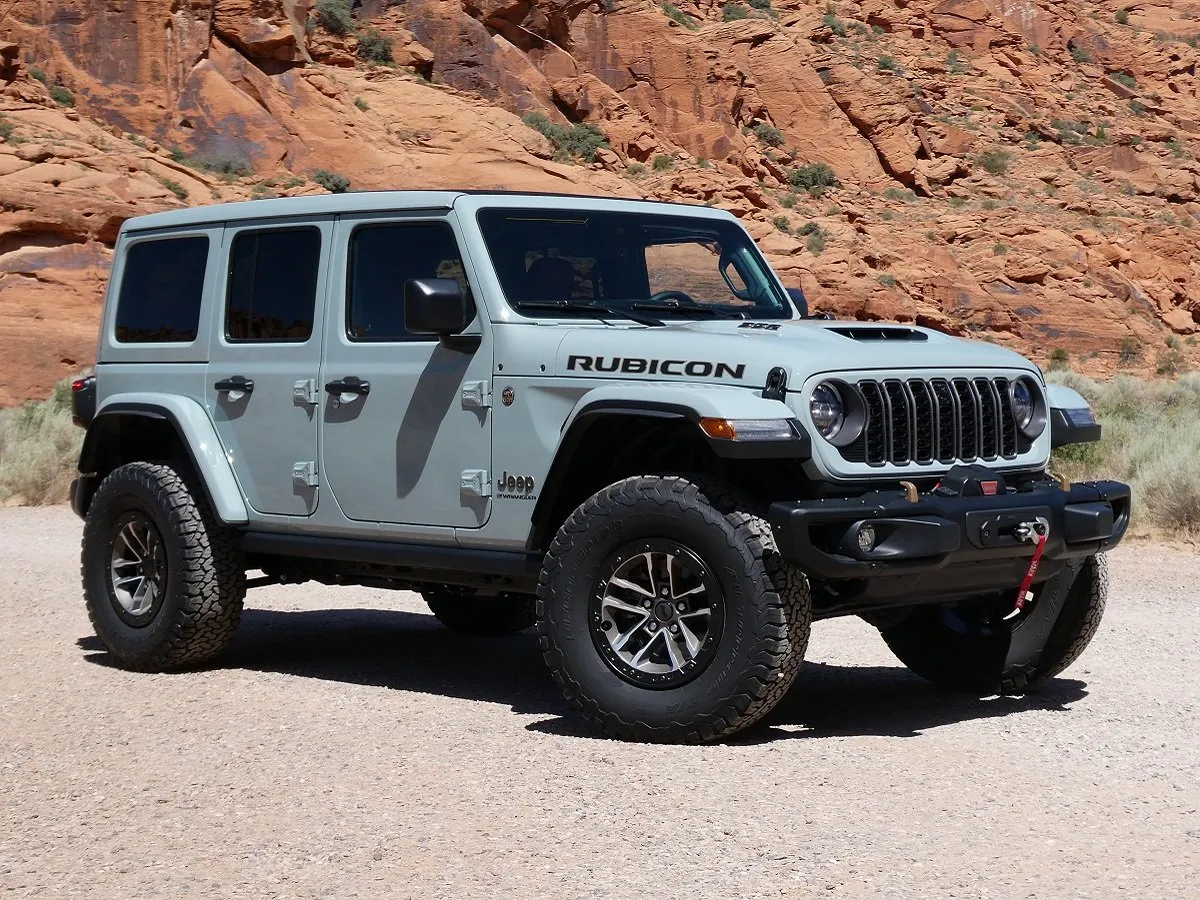
1. Jeep Wrangler Unlimited Rubicon 2024
Aerodynamic inefficiency defines the Jeep Wrangler Unlimited Rubicon 2024 as an impractical choice for city commuting. Its 3.6‑litre V6 produces 285 horsepower but delivers fuel consumption of only 17 to 19 miles per gallon in mixed driving.
Daily commutes in Houston become costly, with frequent stops at fuel stations as consumption escalates on highways. The boxy design and removable roof panels increase drag, reducing efficiency at higher speeds.
Air conditioning struggles to maintain cabin comfort during intense summer heat, further increasing fuel use. Continuous operation of the climate system is required to manage the Texas heat, placing additional strain on fuel reserves.
Off‑road features offer no benefit in urban commuting. Solid axles, high ground clearance, and aggressive tires add weight and resistance, worsening efficiency while providing capabilities that remain unused. The vehicle’s design prioritises ruggedness over fuel economy, creating a daily burden for city drivers.
Cabin noise intrudes constantly at highway speeds. Wind and tire sounds make conversation difficult, while the ride remains stiff over extended trips. Seats offer limited support, contributing to fatigue during long journeys.
Removable doors and roof panels create ongoing maintenance concerns. Seals deteriorate under high temperatures, requiring frequent replacement, while heavy rainfall can produce leaks. Owners must dedicate effort and expense to maintain weatherproofing and prevent water ingress.
Fuel costs can exceed $400 to $500 per month for typical city driving, amounting to thousands annually compared with more efficient alternatives. Such consumption makes ownership expensive and impractical for commuters covering extended distances. Mechanical upkeep also requires attention. Annual maintenance, including routine servicing and wear components, is estimated between $1,200 and $1,800.
The Jeep Wrangler Unlimited Rubicon 2024 delivers low fuel efficiency, harsh ride quality, and interior discomfort, all while providing off‑road capabilities that remain unnecessary for urban driving. Ownership involves high operational costs, frequent fuel stops, and constant maintenance, making it a poor choice for extended city commutes.
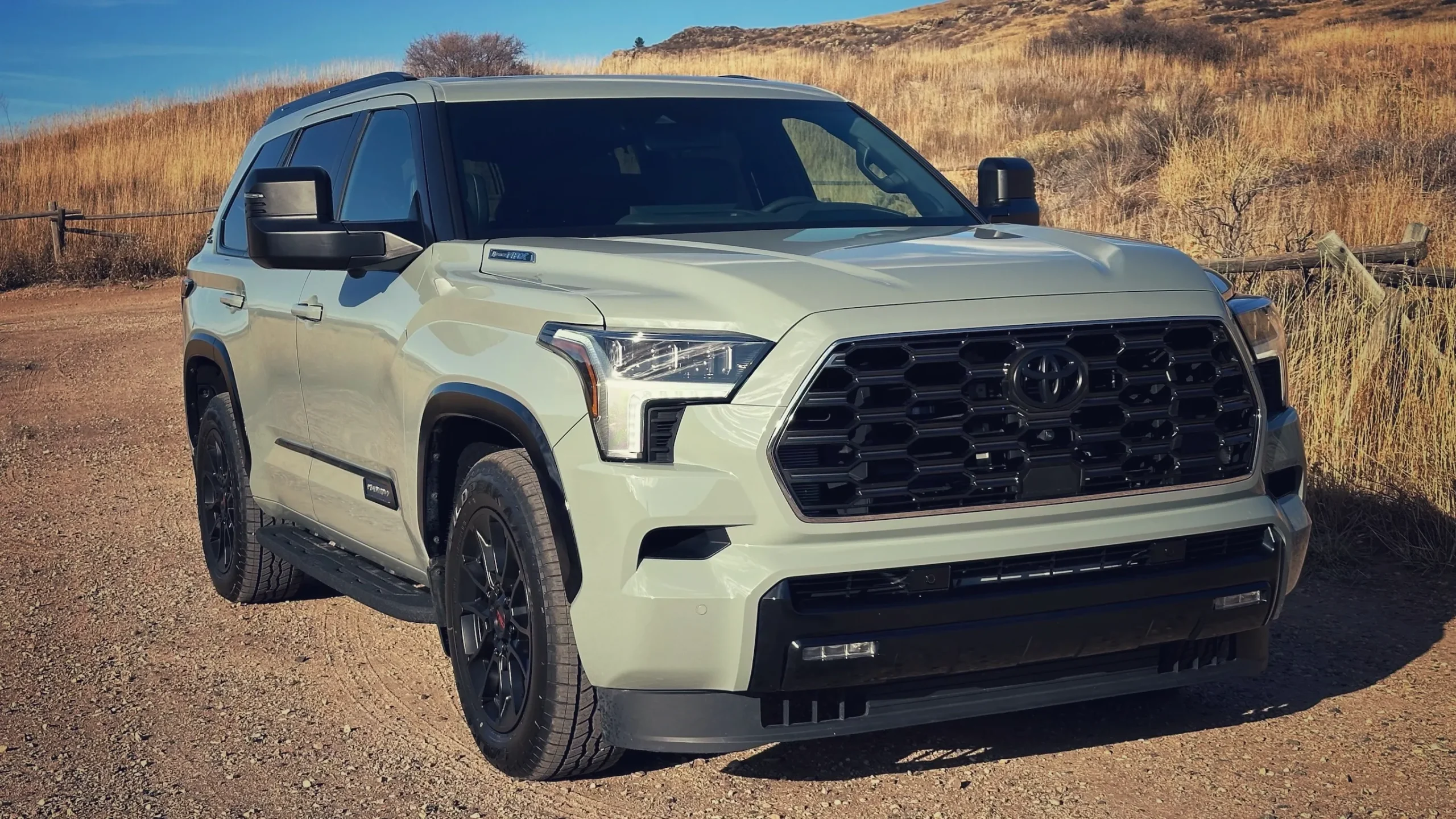
2. Toyota Sequoia TRD Pro 2024
Excessive size creates fuel waste in the Toyota Sequoia TRD Pro 2024. That twin-turbo 3.4-liter V6 hybrid produces 437 horsepower while delivering fuel economy averaging just 19-21 mpg during mixed driving.
You’ll burn fuel at rates that make Houston commuting expensive despite hybrid technology that should improve efficiency. Massive size, excessive weight, and performance focus destroy any hybrid benefits.
Air conditioning runs constantly during Houston summers, cooling the cavernous interior. You’ll consume excessive fuel maintaining comfortable temperatures in space far larger than necessary. Climate control works hard fighting the Texas heat penetrating massive glass areas and a poorly insulated body.
Three-row seating accommodates eight passengers, though most Houston commutes involve single drivers burning fuel moving through space. You’ll pay efficiency penalties for hauling unused capacity daily. Excessive weight approaches 6,000 pounds, creating drag that destroys fuel economy during highway cruising.
Interior quality justifies premium pricing with luxury materials throughout. Seats provide excellent comfort. Technology features impress. Unfortunately, comfort cannot compensate for fuel consumption that makes daily commuting financially painful. You’ll enjoy premium accommodations while watching fuel gauges drop alarmingly fast.
Off-road capability proves completely wasted during Houston commuting. You’ll never use trail-focused features while paying massive fuel consumption penalties for equipment that adds weight and aerodynamic drag. TRD Pro suspension, skid plates, and aggressive tires create an efficiency disaster.
Fuel costs easily exceed $450-$550 monthly during typical Houston commuting. You’ll spend thousands annually on gas that efficient SUVs consume in half the quantity. That excessive consumption makes ownership financially devastating for anyone facing extended daily commutes.
Budget $1,400-$2,000 annually for maintenance reflecting Toyota mechanicals. This Sequoia delivers terrible fuel economy, completely inappropriate for Houston commuting, despite its hybrid technology and Toyota reliability. You’ll regret this choice through constant expensive gas station visits and consumption that destroys budgets while hauling unused space and capability daily.
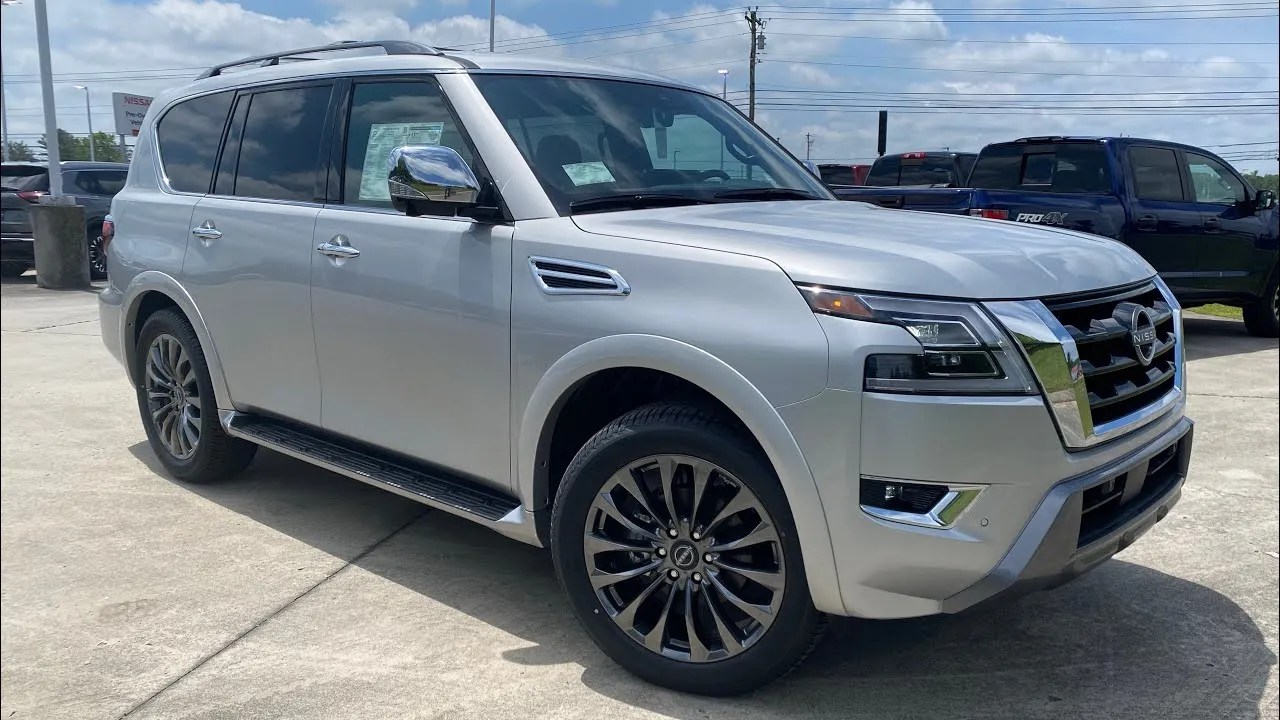
3. Nissan Armada Platinum 2024
The Nissan Armada Platinum 2024 proves impractical for city commuting. Its 5.6‑litre V8 produces 400 horsepower, yet fuel consumption averages only 14 to 16 miles per gallon in mixed driving.
Daily commutes in Houston become costly, with frequent stops at fuel stations as consumption escalates. The combination of outdated engine design and the vehicle’s massive size creates a drain on fuel that burdens owners financially.
Air conditioning struggles to cool the large cabin during intense summer heat, further increasing fuel use. Continuous operation of climate control is necessary to maintain comfort, while poor insulation allows heat to penetrate, forcing the system to work harder and raising consumption.
Three‑row seating accommodates eight passengers, but typical commutes involve far fewer occupants. The weight of the vehicle, exceeding 5,600 pounds, adds to drag and momentum, reducing efficiency even further. Fuel penalties accumulate quickly when moving mostly space.
Interior quality feels outdated for the price. Seats provide basic comfort, while technology lags behind competing SUVs. Occupants must tolerate these deficiencies while fuel bills continue to rise during daily travel.
Towing capability and heavy-duty features serve no purpose for standard city use. The Armada’s 8,500-pound towing capacity and body-on-frame construction add weight and create aerodynamic resistance, further lowering fuel efficiency. Highway driving exaggerates the effects of poor aerodynamics, making long trips particularly costly.
Fuel costs can exceed $500 to $600 monthly for routine commuting, amounting to thousands annually compared with more efficient alternatives. Such consumption places a substantial financial burden on owners.
Mechanical maintenance requires attention, with yearly upkeep ranging from $1,200 to $1,800. Oil changes, brake work, and routine service remain expensive due to the vehicle’s size and design.
The Nissan Armada Platinum 2024 delivers extremely poor fuel economy, large size, and outdated technology, all of which make it unsuitable for city or suburban commuting.
Owners face high running costs, frequent fuel stops, and inefficiency that outweigh any advantages of passenger capacity, towing strength, or power. Daily use becomes a costly task rather than a practical transportation.
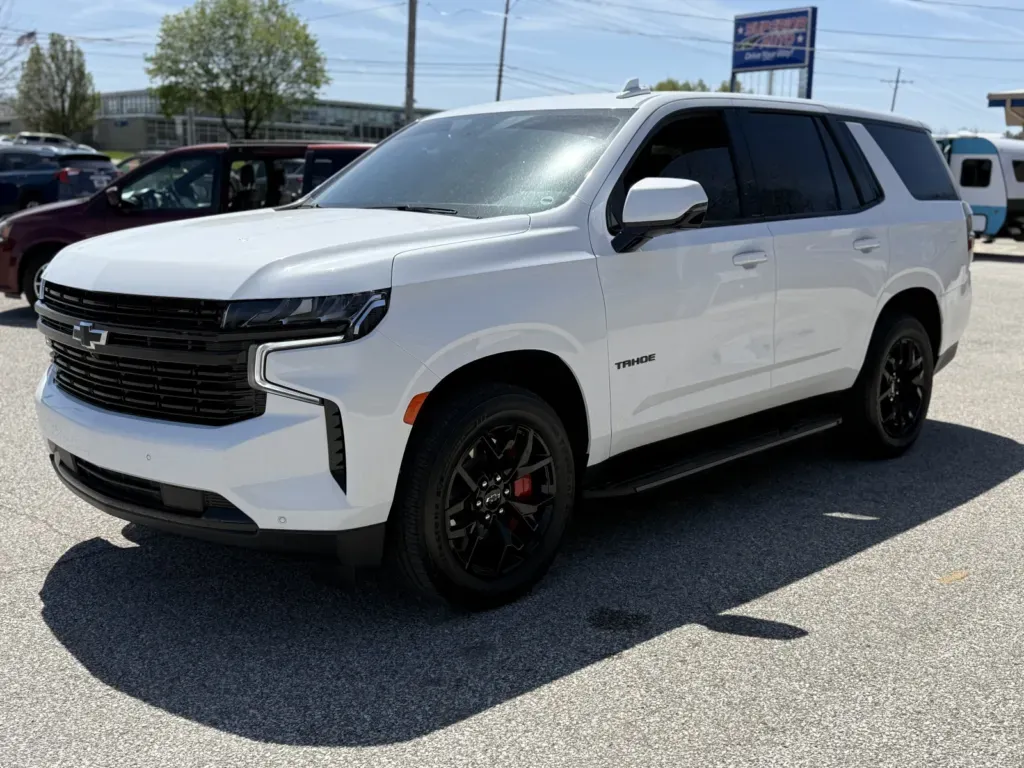
4. Chevrolet Tahoe RST 2024
American excess creates fuel waste in the Chevrolet Tahoe RST 2024. That 5.3-liter V8 produces 355 horsepower while delivering fuel economy averaging just 16-18 mpg during mixed driving.
You’ll burn fuel at rates that make Houston commuting expensive. Massive size, excessive weight, and V8 power create an efficiency disaster that punishes owners through consumption, reflecting priorities that completely ignore fuel economy.
Air conditioning runs constantly during Houston summers, cooling the cavernous interior. You’ll consume excessive fuel maintaining comfortable temperatures in space far larger than necessary for typical commuting. Climate control works hard fighting the Texas heat penetrating massive glass areas.
Three-row seating accommodates nine passengers, though most Houston commutes involve single drivers burning fuel moving space. You’ll pay catastrophic efficiency penalties hauling unused capacity daily. Excessive weight exceeds 5,300 pounds, creating drag that destroys fuel economy during highway cruising, which defines Houston commuting.
Interior quality meets expectations with decent materials. Seats provide adequate comfort during extended drives. Technology features include a large touchscreen with smartphone integration. You’ll enjoy functional accommodations while suffering through fuel consumption that makes ownership financially painful.
Towing capability proves wasted during typical commuting. You’ll never use an 8,400-pound capacity while paying massive fuel consumption penalties for heavy-duty components. Body-on-frame construction creates aerodynamic disaster at highway speeds.
Active fuel management deactivates cylinders during light loads, theoretically improving efficiency. You’ll notice minimal real-world benefits during Houston traffic that rarely allows optimal conditions for cylinder deactivation. Technology promises efficiency it cannot actually deliver.
Fuel costs easily exceed $450-$550 monthly during typical Houston commuting. You’ll spend thousands annually on gas that efficient SUVs consume in half the quantity. That excessive consumption makes ownership financially devastating.
Budget $1,400-$2,000 annually for maintenance reflecting Chevrolet mechanicals. This Tahoe delivers terrible fuel economy, inappropriate for Houston commuting. You’ll regret this choice through constant expensive gas station visits and consumption that destroys budgets while hauling unused space daily.
Also Read: 10 SUVs Discontinued for 2025 That Deserved a Longer Run
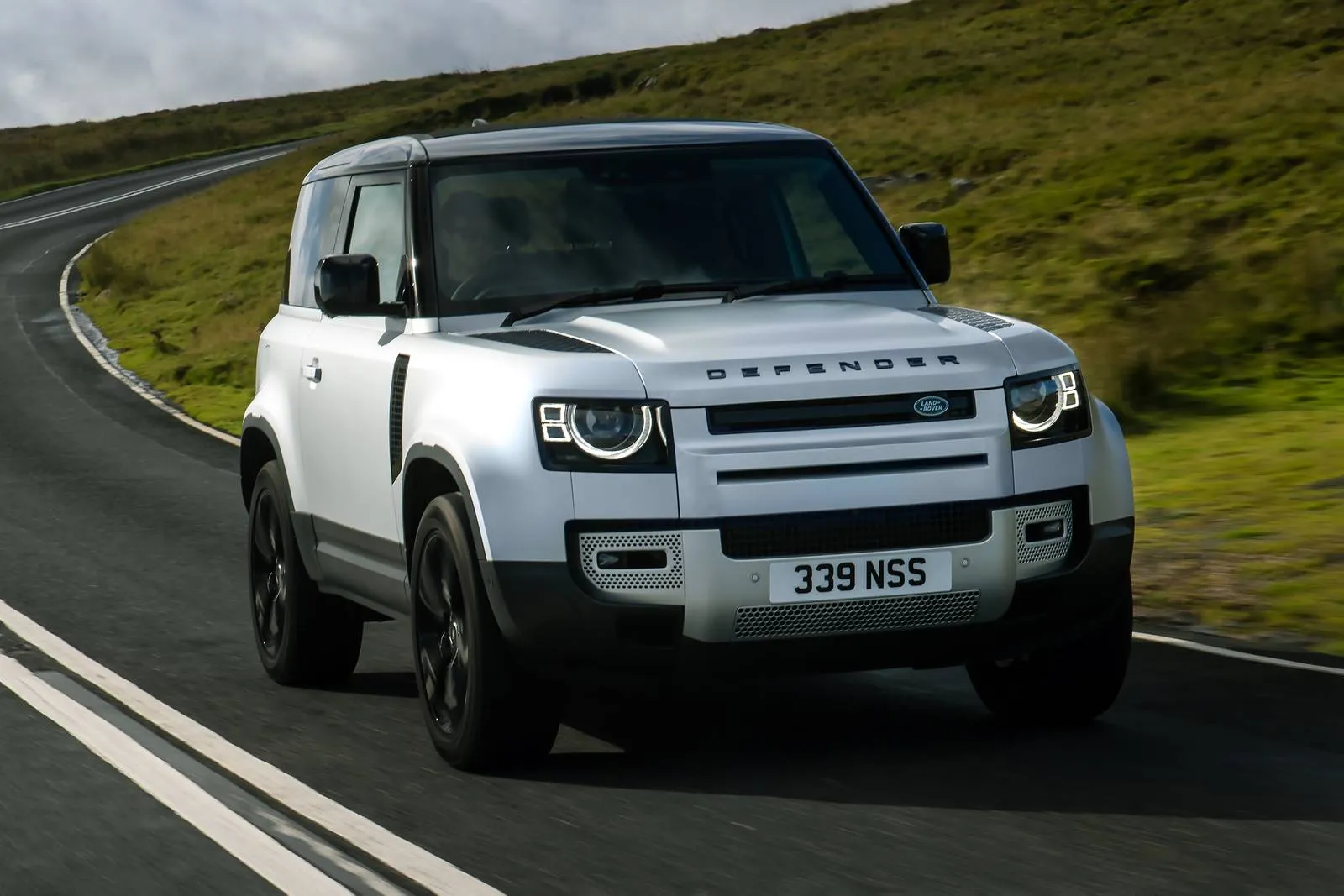
5. Land Rover Defender 110 P300 2024
British engineering produces high fuel consumption in the Land Rover Defender 110 P300 2024. Its 2.0‑litre turbocharged four‑cylinder engine generates 296 horsepower, yet fuel use averages only 18 to 20 miles per gallon in mixed driving.
Daily commutes in Houston become costly, with frequent refuelling required. Poor aerodynamics, heavy body weight, and turbocharger inefficiency contribute to consumption that burdens owners.
Air conditioning struggles to maintain comfort during intense summer heat, further increasing fuel use. Constant operation is needed to manage cabin temperatures, while the turbocharged engine works hard in stop‑and‑go traffic, eroding any potential efficiency. Fuel use rises further during long commutes, creating a constant financial strain.
Off‑road features remain unused in typical urban driving. The vehicle’s boxy styling, high ground clearance, and aggressive tires increase drag and reduce efficiency on highways. Capabilities designed for rough roads do not benefit city travel, yet their presence adds weight and further penalises fuel consumption.
The cabin offers luxury finishes with high-quality materials throughout. Seats provide comfort for long drives, and technology includes large, well-integrated displays. While these features enhance the driving environment, they do not offset the cost of constant fuel use.
Reliability can be problematic, with occasional electrical issues and sensor failures reported. Owners often rely on authorised Land Rover workshops, charging $200 to $250 per hour. Spare parts are expensive, and the turbocharged engine requires premium fuel, adding a continual cost burden.
Monthly fuel expenses for Houston commuting can exceed $400 to $500, reaching thousands annually compared with more efficient alternatives. Annual maintenance ranges from $3,000 to $5,000, reflecting the combination of specialist labour and premium parts.
The Land Rover Defender 110 P300 2024 combines low fuel efficiency, high running costs, and specialist maintenance demands, making it unsuitable for daily urban or suburban commuting. Owners face frequent refuelling, elevated maintenance expenses, and operational costs that far exceed efficient alternatives.
Daily use becomes a financial burden rather than a practical transport, despite the presence of luxury appointments and off-road capabilities that remain largely unused.
