
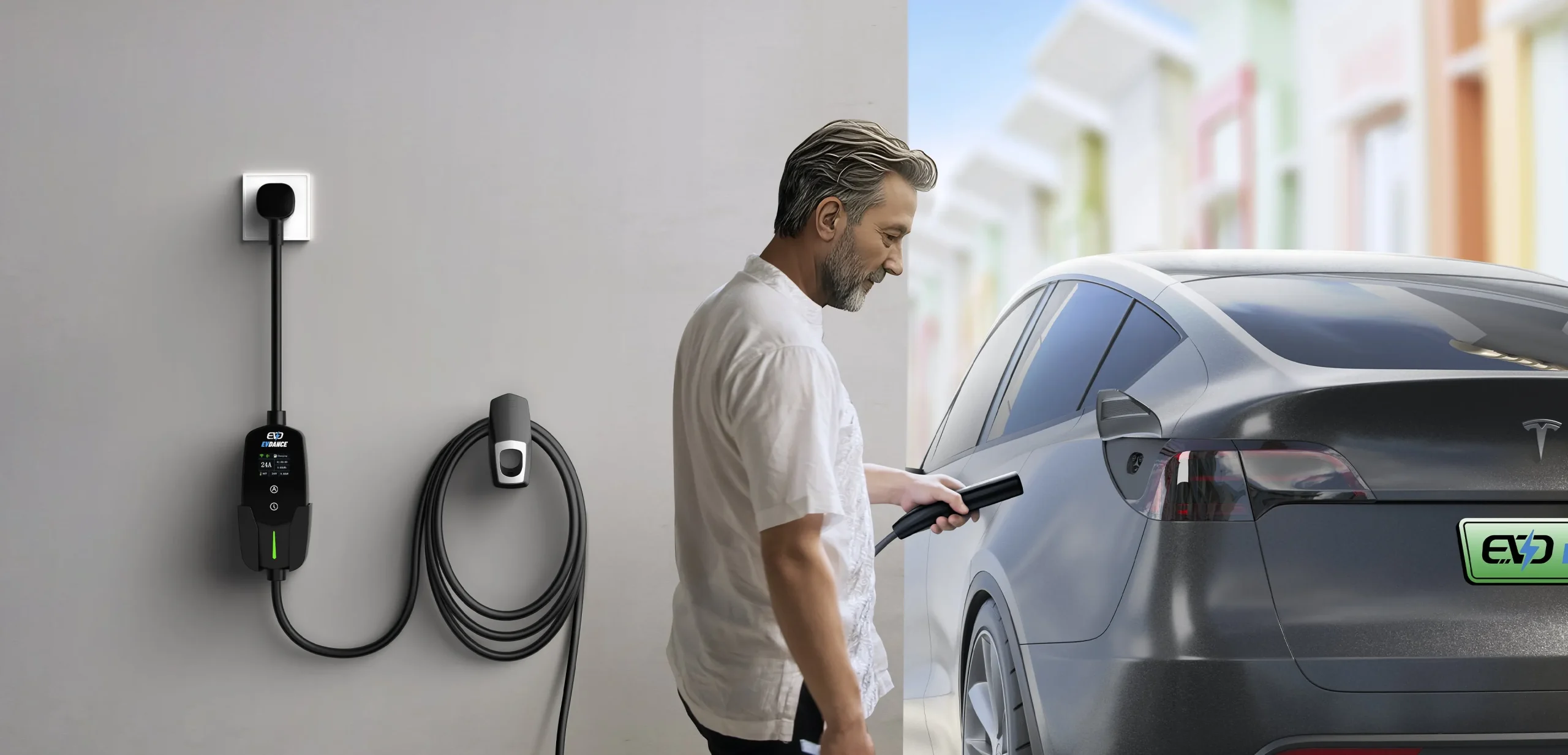
Electric vehicles promise lower fuel costs and environmental benefits, but apartment dwellers face a unique challenge: charging. You can’t just plug into your garage outlet at midnight when electricity rates drop. Instead, you’re hunting for public charging stations, planning routes around charger availability, and hoping that the Level 2 station at the grocery store isn’t occupied when you arrive.
This reality makes some EVs practical for apartment living while rendering others nearly impossible to own. Range becomes everything when home charging isn’t an option. You need enough battery capacity to go several days between charges, eliminating the anxiety of constantly searching for available stations.
Fast-charging capability matters enormously because you can’t wait four hours at a public Level 2 charger when you could be doing literally anything else. Route planning features need to work flawlessly, directing you to functioning chargers and avoiding broken stations that waste your time.
Some EVs handle apartment living gracefully. An extended range means fewer charging sessions. Rapid DC fast-charging adds hundreds of miles in thirty minutes, making quick stops practical during errands. Extensive charging networks provide reliable station access without requiring three different apps and membership cards. These vehicles adapt to your lifestyle rather than forcing you to adapt to their limitations.
Others demand home charging infrastructure. Limited range requires frequent charging sessions that become exhausting without home convenience. Slow charging speeds turn every public charging stop into a time-consuming ordeal. Sparse charging networks leave you stranded in areas without coverage.
If you’re considering an EV while living in an apartment, understanding which models work with public charging versus which ones assume garage access can prevent you from buying a vehicle that makes your life harder rather than easier. Let’s examine five EVs perfect for apartment dwellers and five that really need a home charger.
EVs Perfect for Apartment Living
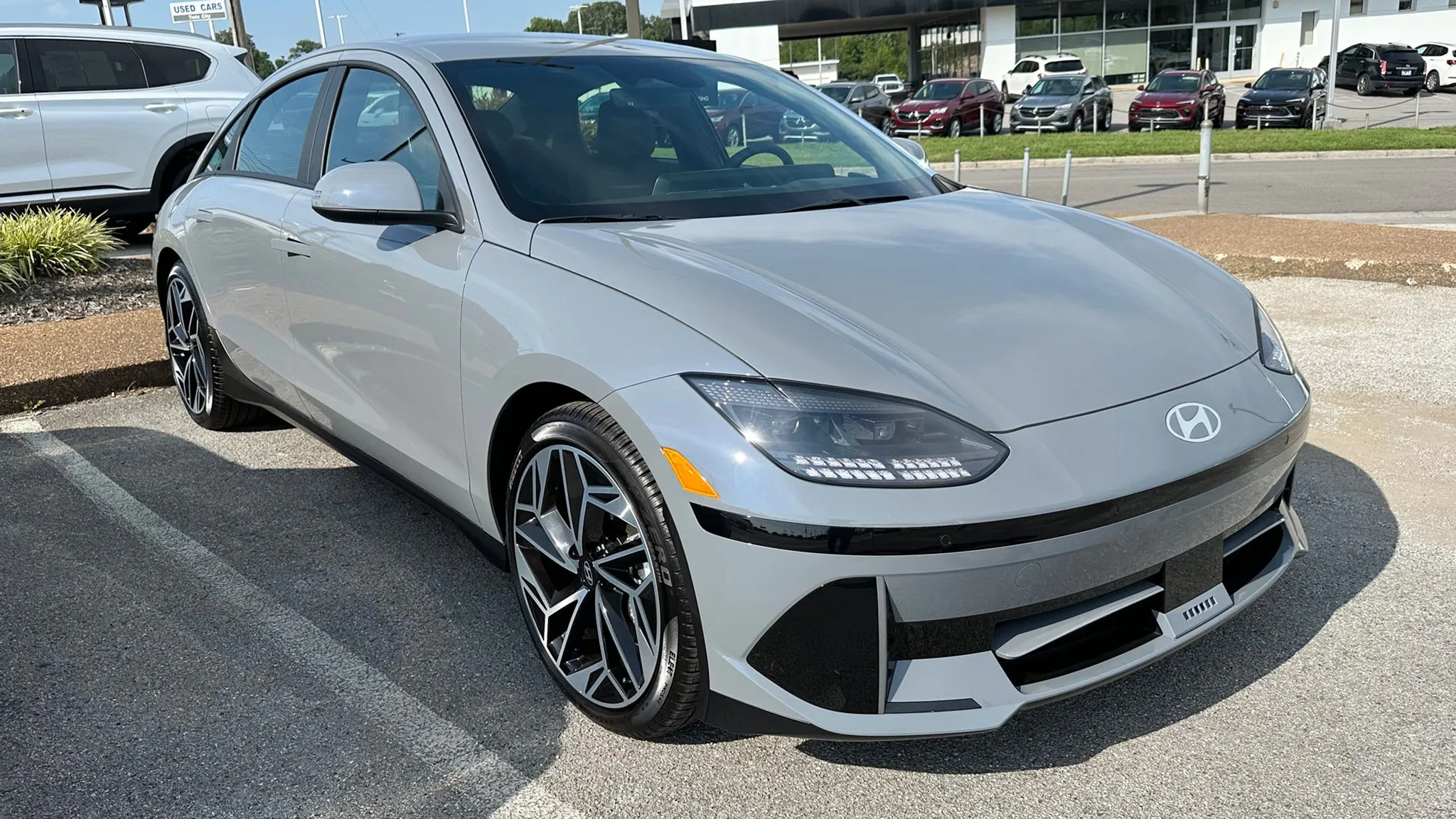
1. Hyundai Ioniq 6 SE Long Range 2023-2025
Aerodynamic design creates impressive efficiency that maximizes range from every charge. EPA rating reaches 361 miles, providing enough capacity for a full week of normal commuting before requiring a charging stop. This extended range eliminates the constant anxiety about battery depletion that plagues shorter-range EVs. You’ll charge once or twice weekly rather than every other day, dramatically reducing the inconvenience of relying on public infrastructure.
Fast-charging capability stands out with an 800-volt architecture supporting up to 350 kW charging speeds. Compatible DC fast chargers add 10 to 80 percent charge in approximately 18 minutes, transforming charging from a burden into a quick errand.
Stop at a fast charger during grocery shopping, and you’ll return to a battery with 200-plus miles of added range. This speed makes public charging practical because it doesn’t monopolize your entire afternoon. Charging network access includes complimentary Electrify America sessions for two years.
This nationwide network provides reliable, fast-charging coverage along highways and in urban areas. Stations generally work without frustrating malfunctions, and the Hyundai app integrates seamlessly to show charger availability and initiate sessions. You won’t need to juggle multiple charging network memberships or payment methods.
Interior space accommodates four adults comfortably with generous legroom front and rear. Trunk capacity handles groceries and luggage without requiring strategic packing. Climate control maintains comfortable temperatures efficiently without dramatically reducing range. Heated seats and a steering wheel add comfort during cold weather while using less energy than cabin heating alone.
Technology features include dual 12-inch displays for instruments and infotainment, wireless phone charging, and a premium audio system. Highway driving assist provides semi-autonomous capability during traffic. Blind-spot monitoring and rear cross-traffic alert add safety.
Expected reliability should be strong based on Hyundai’s improving track record, and comprehensive warranty coverage includes 10 years or 100,000 miles on battery and electric components. Pricing starts around $45,000 before incentives, competitive for the range and features provided.
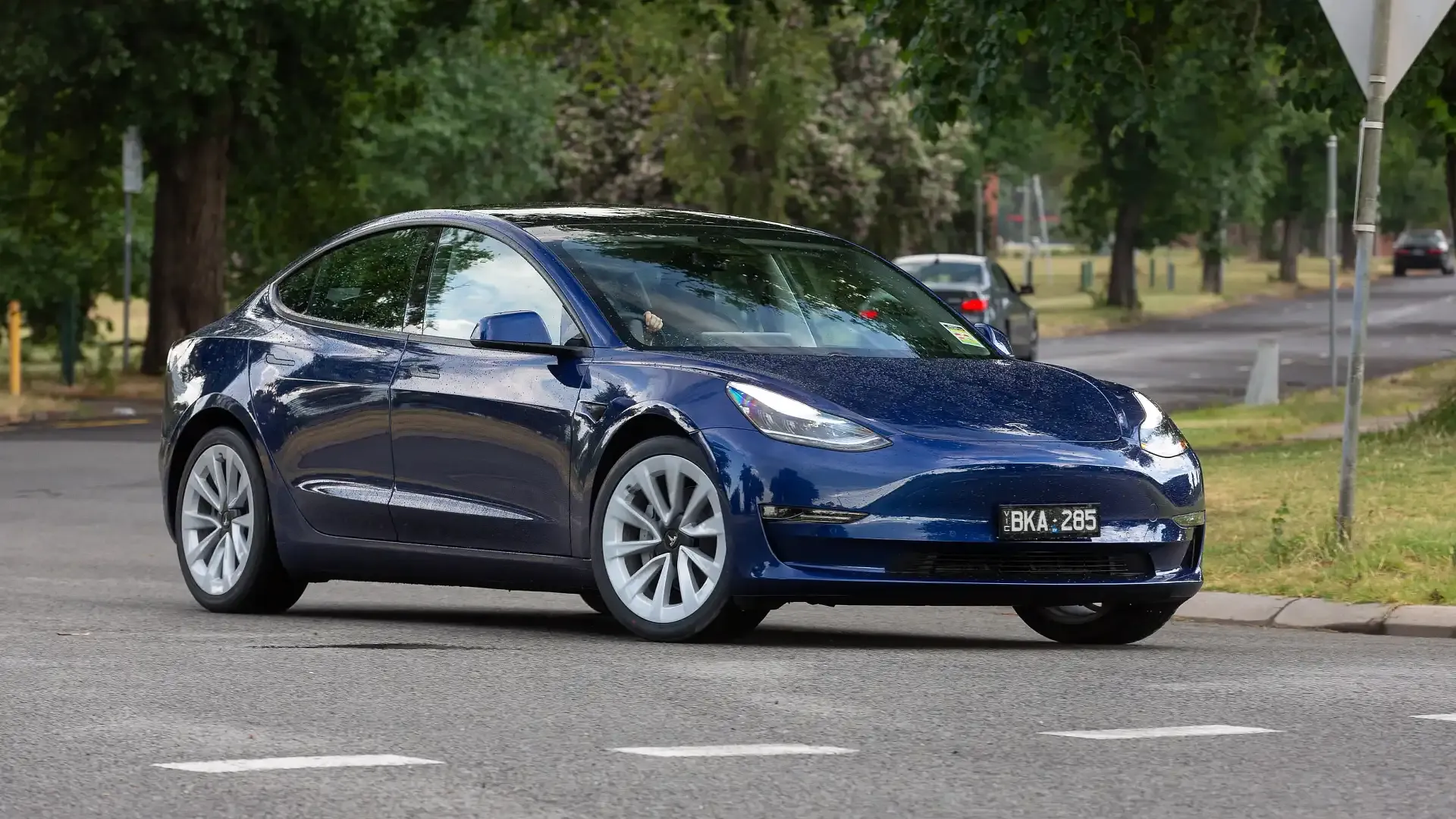
2. Tesla Model 3 Long Range 2021-2024
Access to the Supercharger network makes Tesla ownership especially practical for people who live in apartments. Thousands of Supercharger stations spread across North America deliver fast and dependable charging without the need for external applications or payment cards. Drivers simply connect the cable, charging begins automatically, and billing is handled through the registered Tesla account.
This smooth process removes the stress often linked with independent charging providers. The vehicle offers an estimated driving range of three hundred and fifty-eight miles on a full charge, which suits common weekly travel habits. Most owners visit charging stations once or twice each week rather than every day.
Each visit restores a large amount of range within a short period. V3 Superchargers supply power levels of up to two hundred and fifty kilowatts, adding about one hundred and seventy-five miles in roughly fifteen minutes. Short breaks for refreshments usually finish before charging is complete.
Trip planning is built directly into the navigation system. After a destination is entered, the vehicle selects suitable Supercharger stops along the route, using current battery status and predicted energy use. Arrival with the right battery level allows the system to charge at higher speeds. Live information also displays station availability, reducing wasted time at crowded locations.
Driving performance remains impressive. Dual motor All Wheel Drive enables acceleration from zero to sixty miles per hour in about three point one seconds. This level of speed feels exciting during daily use while remaining easy to manage. The battery pack sits low within the chassis, supporting balanced handling. Driver assistance features include adaptive cruise control and lane guidance, helping to reduce fatigue on long journeys.
The cabin follows a minimalist approach centred on a fifteen-inch touchscreen that manages most functions. The layout appears clean, although simple adjustments require menu access. Assembly quality has improved when compared with earlier models, yet still lags behind established luxury manufacturers.
Occasional electronic faults and body alignment concerns appear, although major mechanical parts show durability. Service centre availability differs by location, sometimes leading to delays. Insurance premiums tend to be higher due to repairs.
Also Read: 5 EVs With Better Real-World Range Than 5 Less Impressive Competing EVs
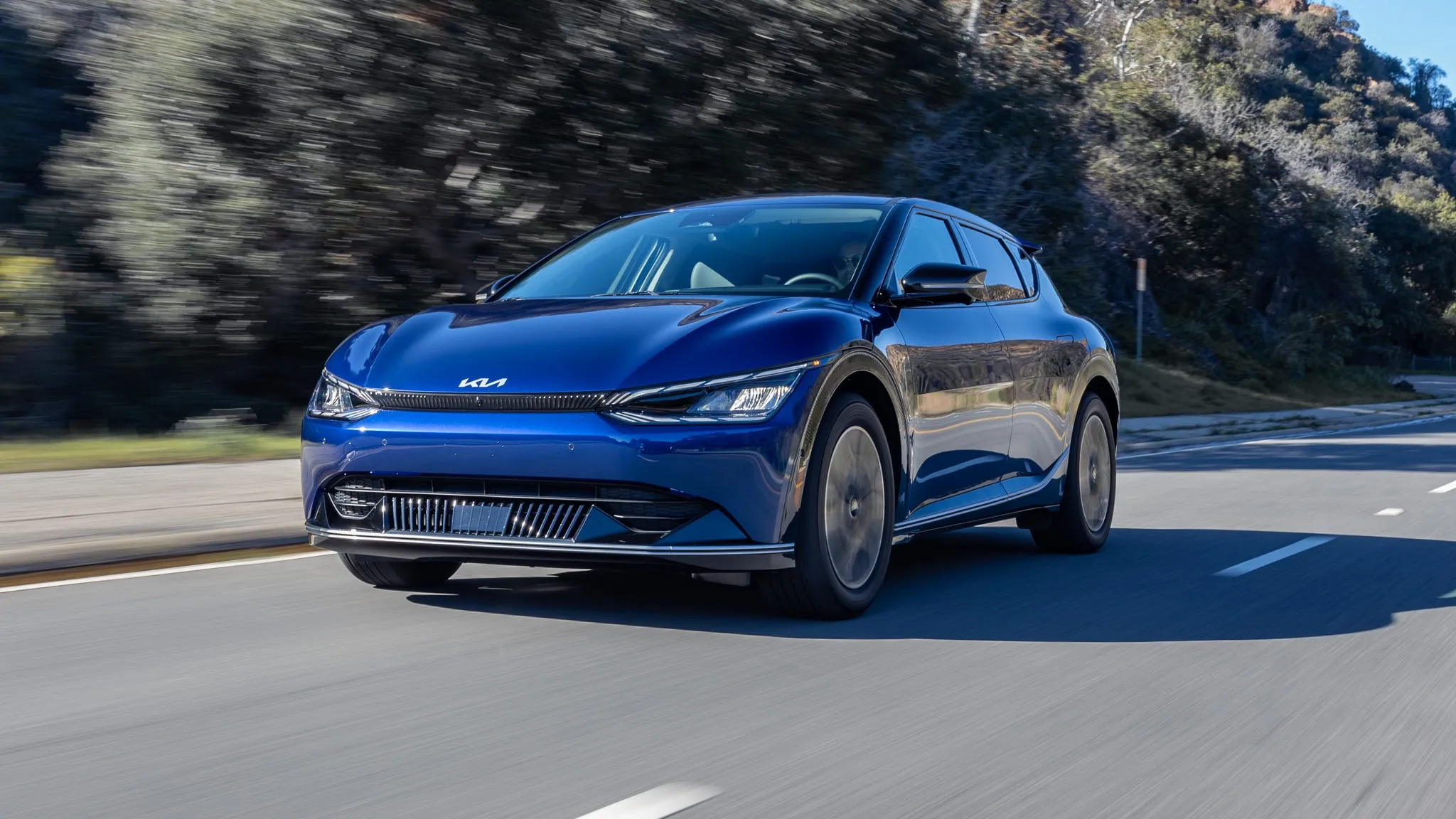
3. Kia EV6 Wind Long Range 2022-2025
Platform sharing with the Ioniq 6 brings similar 800-volt fast-charging capability to Kia’s crossover. EPA range reaches 310 miles, adequate for apartment dwellers willing to charge twice weekly. DC fast-charging adds 10 to 80 percent in about 18 minutes at compatible 350 kW stations. This speed makes public charging tolerable because sessions complete quickly.
Crossover practicality provides more cargo space than sedan alternatives. The rear cargo area swallows groceries, luggage, and sporting equipment easily. Split-folding rear seats expand capacity for larger items. The front trunk provides additional storage for charging cables and emergency supplies. Interior materials feel premium with quality soft-touch surfaces and available leather upholstery.
Dual-motor all-wheel drive provides 320 horsepower and confident traction during inclement weather. Acceleration feels brisk without being excessive, adequate for highway merging and passing. Handling stays composed through corners with direct steering and minimal body roll. Ride quality absorbs road imperfections smoothly, creating comfortable daily driving.
Technology includes dual 12-inch displays, a head-up display, and available augmented reality navigation that overlays directions onto the camera feed. Highway driving assist provides semi-autonomous capability. Blind-spot cameras show live feeds in the instrument cluster when turn signals activate. Wireless phone charging, premium Meridian audio system, and panoramic sunroof add convenience and enjoyment.
Charging network access includes complimentary Electrify America sessions, though duration varies by trim and purchase date. Plug & Charge functionality allows seamless charging without app interaction at compatible stations. Vehicle-to-load capability lets you power external devices or even other EVs from the EV6’s battery.
Expected reliability should match Hyundai corporate standards, and Kia provides a 10-year, 100,000-mile battery warranty. Pricing starts around $48,000, positioning the EV6 competitively against premium electric crossovers.
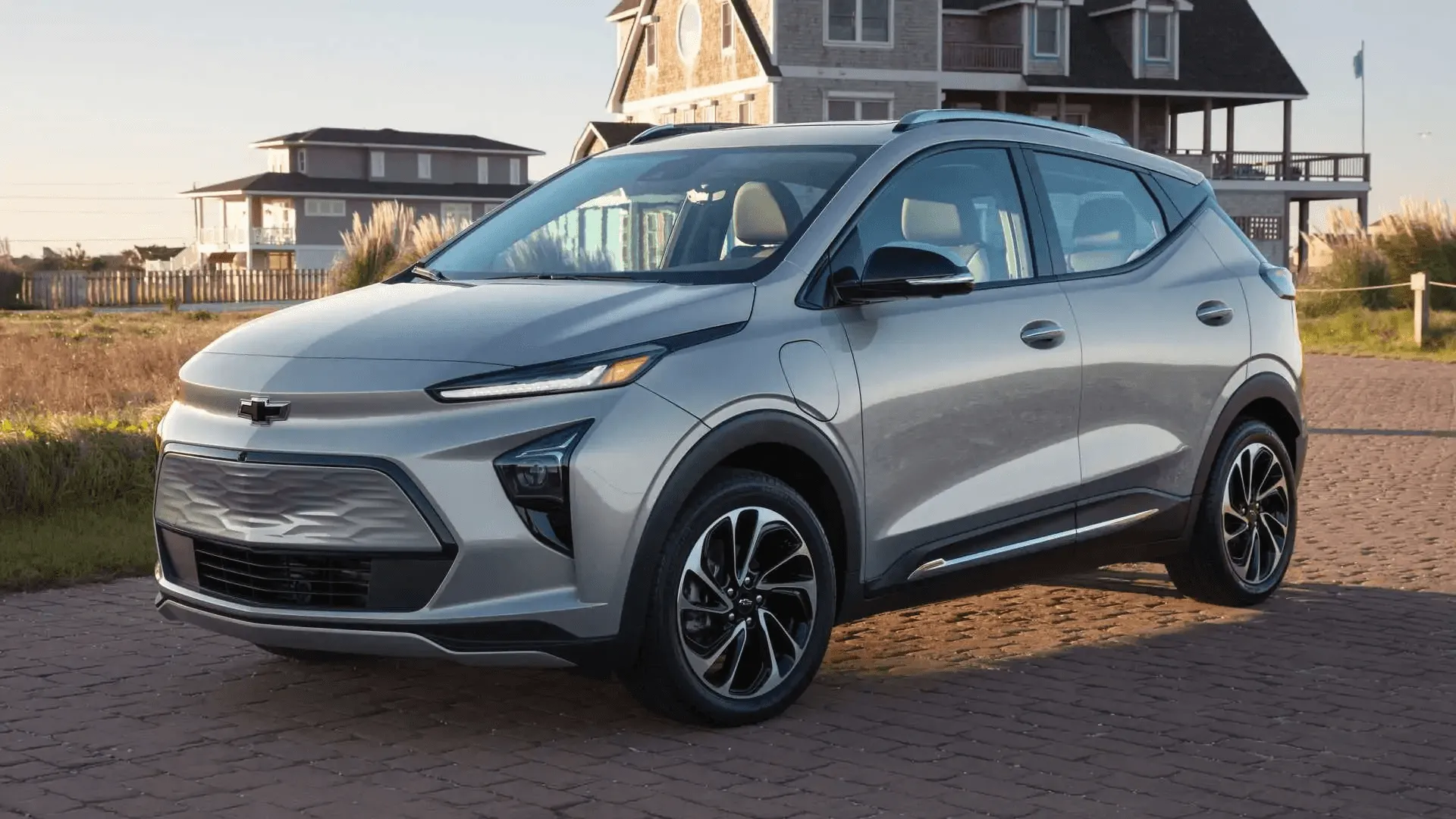
4. Chevrolet Bolt EUV 2022-2023
Affordable pricing makes electric vehicle ownership accessible without requiring a luxury car budget. With starting prices around $28,000 after federal incentives, the Bolt EUV costs less than most gasoline-powered compact SUVs. This affordability is important for drivers who cannot rely on home charging and must occasionally use public charging stations.
The vehicle delivers an estimated range of 247 miles per full charge. While this is shorter than what premium electric models offer, it remains sufficient for the daily commuting needs of apartment residents. Trips under forty miles per day allow charging only once weekly.
DC fast-charging supports up to fifty-five kilowatts, slower than 800-volt systems offered by competitors, yet adequate for short errands or thirty-minute stops at grocery stores. Level 2 charging suits longer activities lasting several hours, providing a convenient opportunity to replenish the battery.
The crossover design offers a raised seating position, simplifying entry and exit compared with sedans. Cargo space accommodates everyday errands and weekend trips, with rear seats folding flat for larger items. Interior materials feel simple yet durable, and the cabin layout allows intuitive control. Climate control efficiently maintains comfortable temperatures in a variety of conditions.
Technology features include a 10.2-inch touchscreen with wireless Apple CarPlay and Android Auto. On Premier trim, Super Cruise provides semi-autonomous hands-free highway driving on compatible roads. This reduces driver fatigue during longer trips and heavy stop-and-go traffic. Standard safety systems include forward collision warning, automatic emergency braking, and lane-keeping assist, which enhance confidence during daily driving.
GM’s Ultium Charge 360 program integrates multiple charging networks into a single application. This simplifies locating and paying for charging stations without juggling multiple accounts. Reliability improved after a battery recall addressed fire risk in earlier production, with replacement batteries using updated chemistry that eliminates prior concerns.
Build quality feels solid, even if visually unremarkable. Resale values declined initially but stabilized following recall completion. Production ended with the 2023 model year, although the Equinox EV will replace it at a comparable price, maintaining accessibility for new electric vehicle buyers.
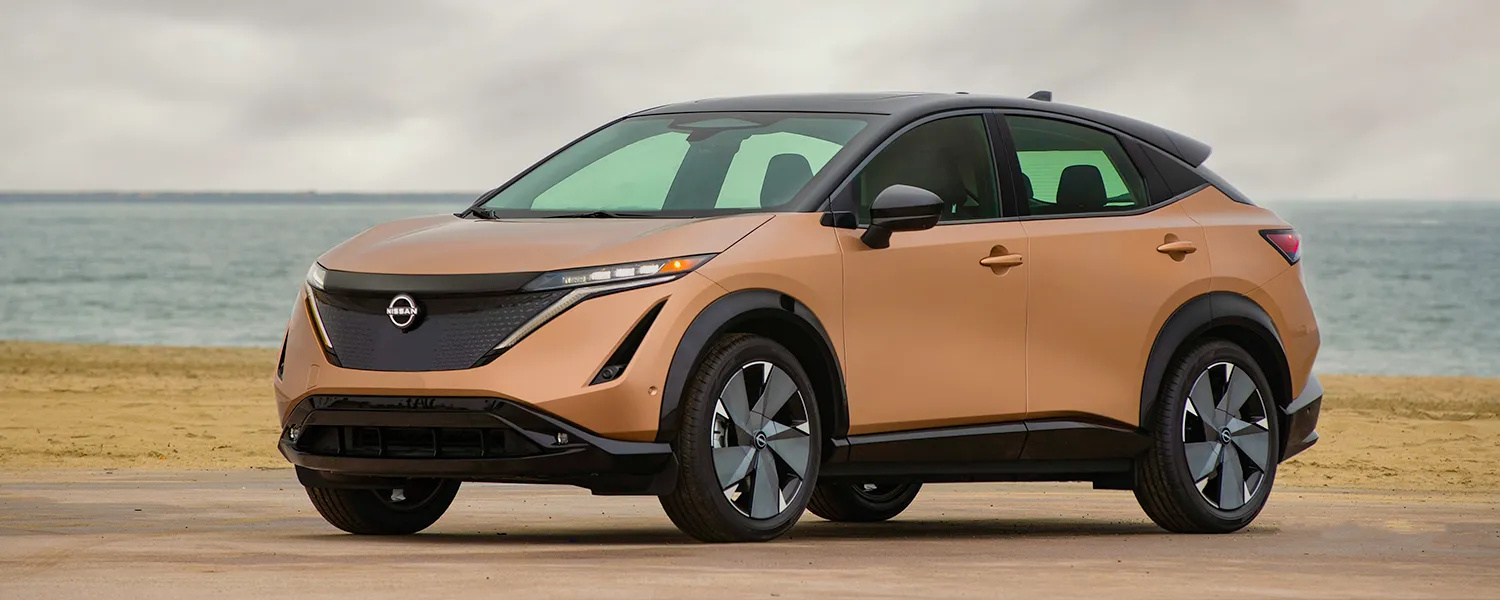
5. Nissan Ariya Engage e-4ORCE 2023-2024
Japanese engineering brings a refined driving experience and a practical range to Nissan’s electric crossover. EPA rating reaches 289 miles with all-wheel-drive configuration, adequate for apartment dwellers making weekly charging stops. Front-wheel-drive versions extend range to 304 miles if winter traction isn’t required. DC fast-charging supports up to 130 kW, adding substantial range during 30-minute sessions.
All-wheel drive provides confident traction during rain and snow without the mechanical complication of traditional systems. Dual motors deliver 389 horsepower combined, creating surprisingly quick acceleration for a family crossover.
e-4ORCE torque vectoring distributes power optimally between front and rear axles, improving handling and stability. Ride quality stays smooth and comfortable, absorbing road imperfections without harshness. Interior design emphasizes Japanese minimalism with clean lines and quality materials.
Seats provide excellent support during long drives, and rear passengers enjoy generous legroom. Cargo space accommodates luggage and groceries easily. Zero Gravity front seats reduce fatigue during extended driving. Ambient lighting creates a pleasant atmosphere during evening drives.
Technology includes dual 12.3-inch displays for instruments and infotainment, a head-up display, and a premium Bose audio system. ProPILOT Assist 2.0 provides hands-on semi-autonomous capability with lane-centering and adaptive cruise control. Around-view monitor shows multiple camera angles when parking. Wireless phone charging keeps devices topped up.
Charging network compatibility includes CHAdeMO and CCS connectors, though CHAdeMO infrastructure is declining in favor of the CCS standard. Nissan doesn’t provide complimentary charging sessions, requiring you to establish accounts with preferred networks.
Expected reliability should match Nissan’s decent track record, though Ariya remains relatively new without extensive long-term data. Battery warranty covers eight years or 100,000 miles. Pricing starts around $47,000 before incentives, competitive for the features and capabilities provided.
EVs That Really Need Home Charging
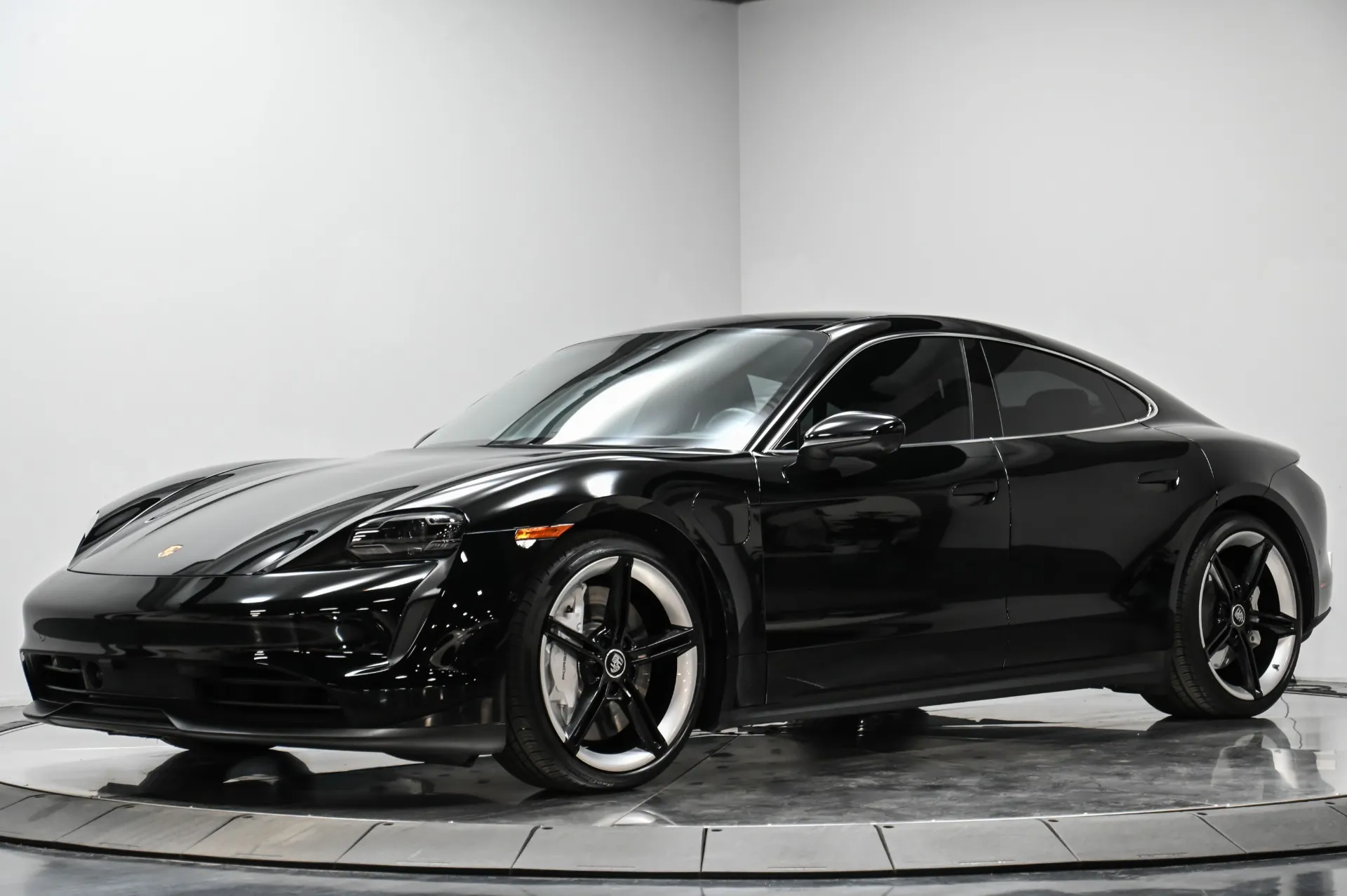
1. Porsche Taycan 4S 2020-2024
Luxury performance creates an EV that demands home charging convenience. EPA range maxes out around 227 miles with the standard battery, requiring frequent charging sessions that become exhausting when relying on public infrastructure.
Performance Battery Plus extends range to 260 miles, but costs extra and still falls short of practical apartment living needs. You’ll visit chargers multiple times weekly, turning what should be convenient into a time-consuming chore.
Fast-charging capability supports up to 270 kW at compatible stations, adding range quickly when you find functioning high-power chargers. The problem is, 350 kW stations remain relatively scarce, and lower-power options slow charging dramatically.
Each session might take 30 to 45 minutes, even at optimal speeds, and you’ll need sessions twice weekly minimum. This time commitment becomes unsustainable without home charging, eliminating most charging needs. Charging network fragmentation creates frustration. Porsche provides three years of complimentary Electrify America charging, but station reliability varies wildly.
You’ll encounter broken chargers, occupied stations, and software glitches requiring customer service calls. Other networks require separate accounts and payment methods. Juggling apps and memberships becomes exhausting compared to simply plugging in at home.
Performance justifies the six-figure price tag with 522 horsepower and 2.8-second 0-60 acceleration. This speed feels addictive, transforming every acceleration into an event. Handling rivals’ sports cars with precise steering, minimal body roll, and adaptive suspension that adjusts for driving conditions. Braking performance impresses with massive rotors providing fade-free stopping power.
Interior luxury includes premium leather, real metal trim, and Porsche’s excellent build quality. Sport seats provide exceptional support during spirited driving. Technology features comprehensive instrumentation with configurable displays.
Burmester audio system delivers concert-hall sound quality. Expected reliability should match Porsche standards, though repair costs rival exotic car levels. Insurance premiums run extremely high. For apartment dwellers, the Taycan creates more frustration than enjoyment due to constant charging requirements.
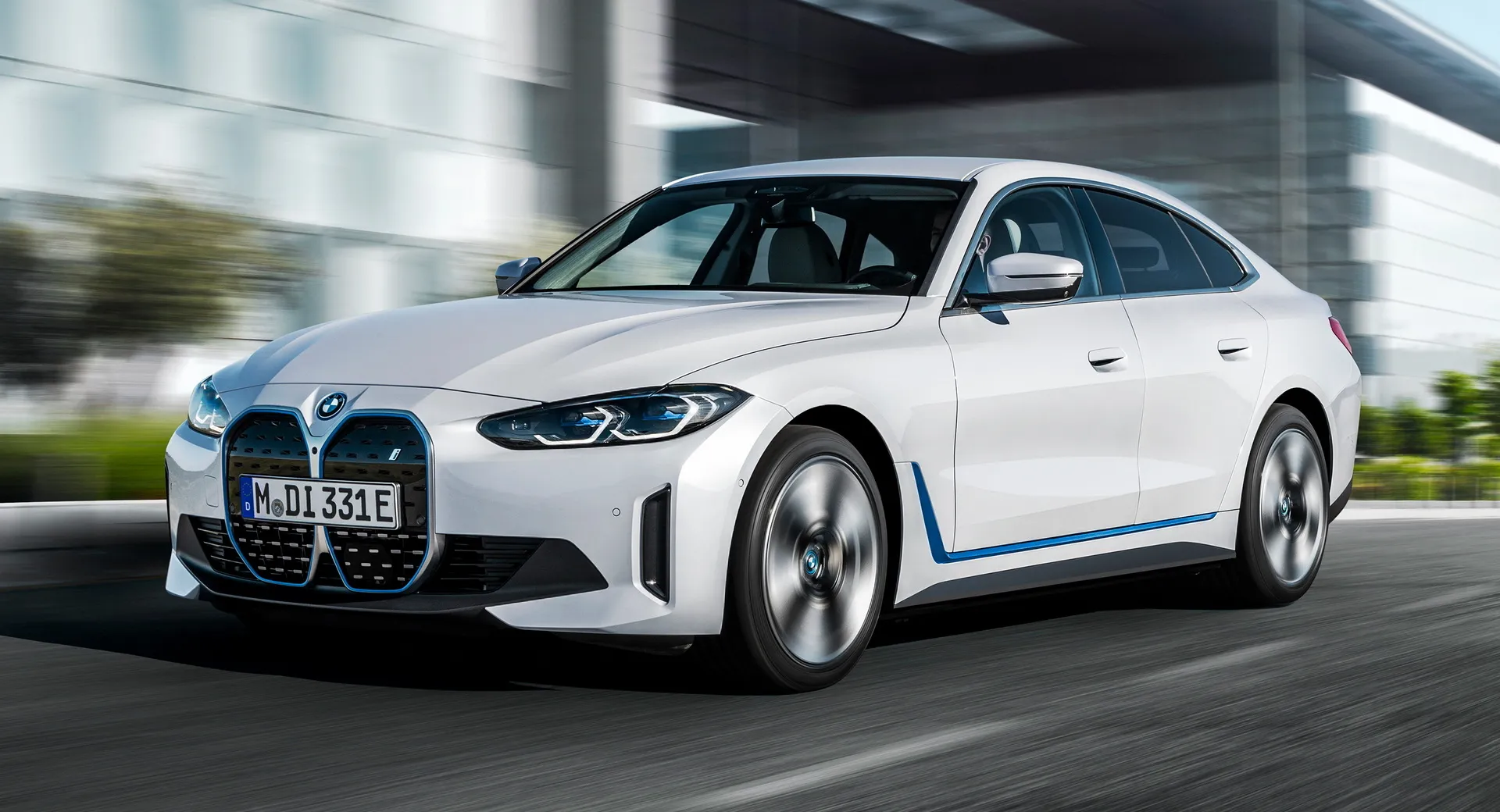
2. BMW i4 eDrive35 2022-2024
German luxury meets practical limitations in BMW’s electric sedan. The base eDrive35 model delivers an EPA-rated range of 260 miles, requiring charging at least twice per week for average commuting distances. This modest range reduces flexibility for drivers without home charging, forcing constant attention to battery levels and careful planning around public charging infrastructure.
Trips must be calculated rather than spontaneous. DC fast-charging supports up to 180 kilowatts, which adds useful range but is not exceptional. Achieving a substantial charge takes thirty to forty minutes at compatible stations.
Access to high-power chargers is unpredictable, especially in dense urban areas where multiple users compete for limited stations. Level 2 public charging becomes impractical for regular use, as long sessions are incompatible with daily schedules.
BMW does not provide complimentary access to any charging networks. Owners must create accounts with separate providers such as Electrify America, EVgo, or ChargePoint. Each network requires its own app and payment system, creating a fragmented experience. While Plug & Charge exists, its operation is inconsistent, often still requiring app interaction to start charging.
Driving performance retains BMW’s traditional sport sedan characteristics. Steering provides precision and feedback, corners are handled with composure, and the suspension balances comfort with control. Rear-wheel drive preserves the signature BMW feel, although traction suffers in winter conditions compared with all-wheel-drive models. Acceleration is brisk, responsive, and consistent without excessive aggression.
Interior materials reflect BMW’s premium standards. Build quality is excellent, with well-laid-out controls and clear graphics. The iDrive infotainment system is smooth and intuitive, complemented by a Harman Kardon audio system that delivers clean, detailed sound. Seats provide solid support, although some may find firmness uncomfortable on long drives.
Reliability concerns arise from BMW’s history of electrical faults and costly repairs, and warranty coverage extends only four years or fifty thousand miles, shorter than many competitors. For apartment residents relying on public charging, the i4 eDrive35’s combination of limited range, lack of complimentary network access, and ongoing maintenance costs reduces practicality despite its appealing driving dynamics and luxurious interior.
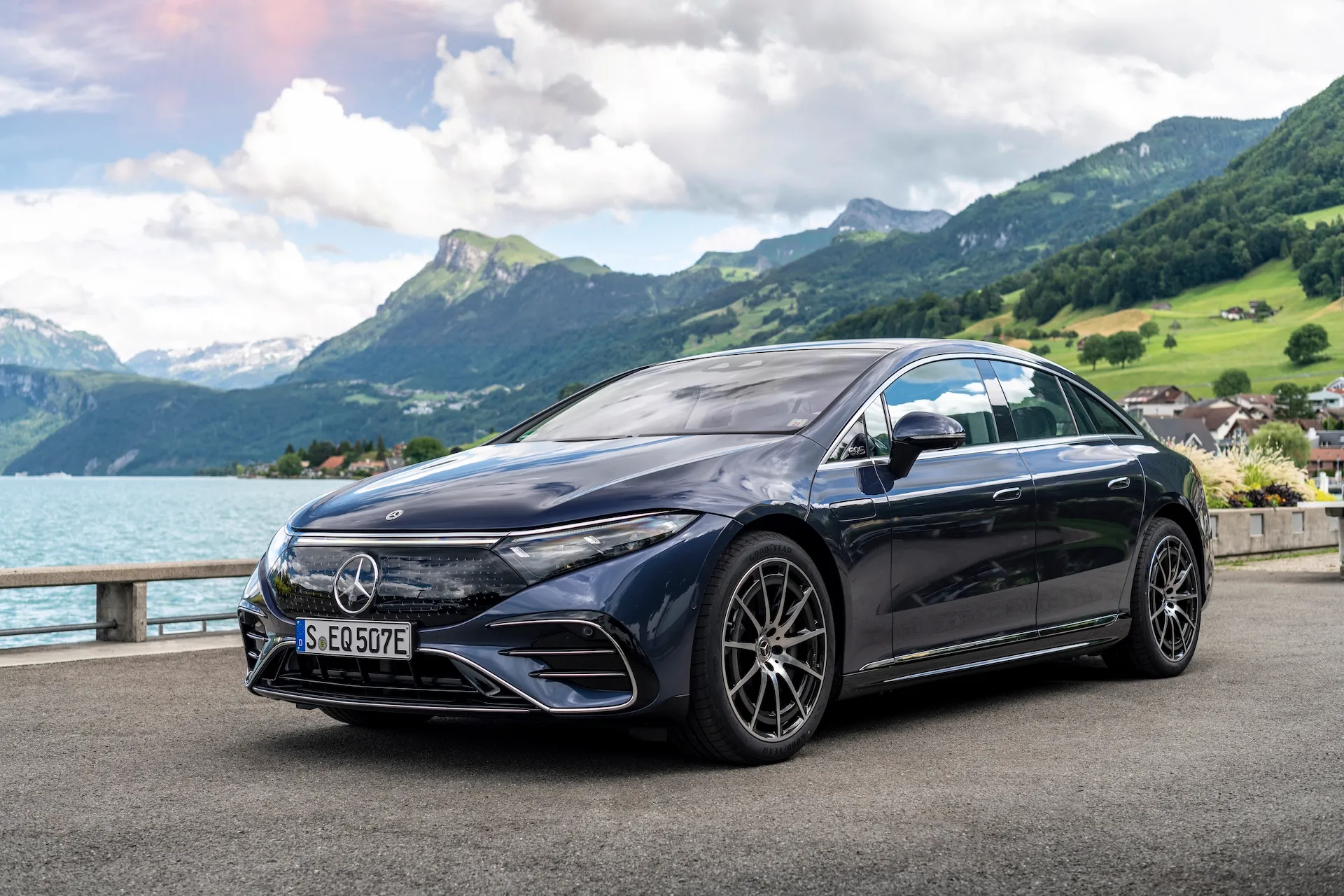
3. Mercedes-Benz EQS 450+ 2022-2024
Flagship luxury sedan prioritizes comfort and technology while creating apartment living challenges. Range reaches 350 miles with rear-wheel drive, seemingly adequate until you factor in real-world consumption during winter or highway driving.
Cold weather and sustained speeds above 70 MPH reduce range substantially, sometimes by 30 percent or more. Suddenly that 350-mile rating becomes 240 miles, requiring frequent charging sessions. Fast-charging supports up to 200 kW, respectable but not class-leading. Charging from 10 to 80 percent takes approximately 31 minutes under ideal conditions.
Real-world sessions often take longer due to thermal management, battery conditioning, and charger limitations. You’ll spend substantial time at charging stations, time that home charging would eliminate. Twice-weekly sessions become your reality.
Mercedes doesn’t provide complimentary charging network access despite six-figure pricing. You’ll establish accounts with preferred networks and pay for every kilowatt-hour. Charging costs add up quickly when relying entirely on public infrastructure, potentially negating fuel savings compared to efficient gas vehicles. Mercedes Me Charge aggregates multiple networks but doesn’t reduce actual costs.
Interior luxury justifies the price with Nappa leather, real wood trim, and impeccable build quality. The Hyperscreen option provides 56 inches of combined display area spanning the entire dashboard. This technology showcase looks impressive and operates smoothly. Burmester 3D audio system delivers reference-quality sound. Seats offer heating, cooling, and massage functions with infinite adjustment possibilities.
Ride quality emphasizes comfort with air suspension that glides over imperfections. Noise isolation approaches sensory deprivation with minimal wind or road noise penetrating the cabin. Acceleration feels effortlessly quick without being dramatic. Handling prioritizes stability over sportiness, creating a relaxed driving character.
Expected reliability should match Mercedes standards, though repair costs rival luxury standards. For apartment dwellers, the EQS creates logistical challenges that undermine its luxury mission. Home charging becomes essentially mandatory for practical ownership.
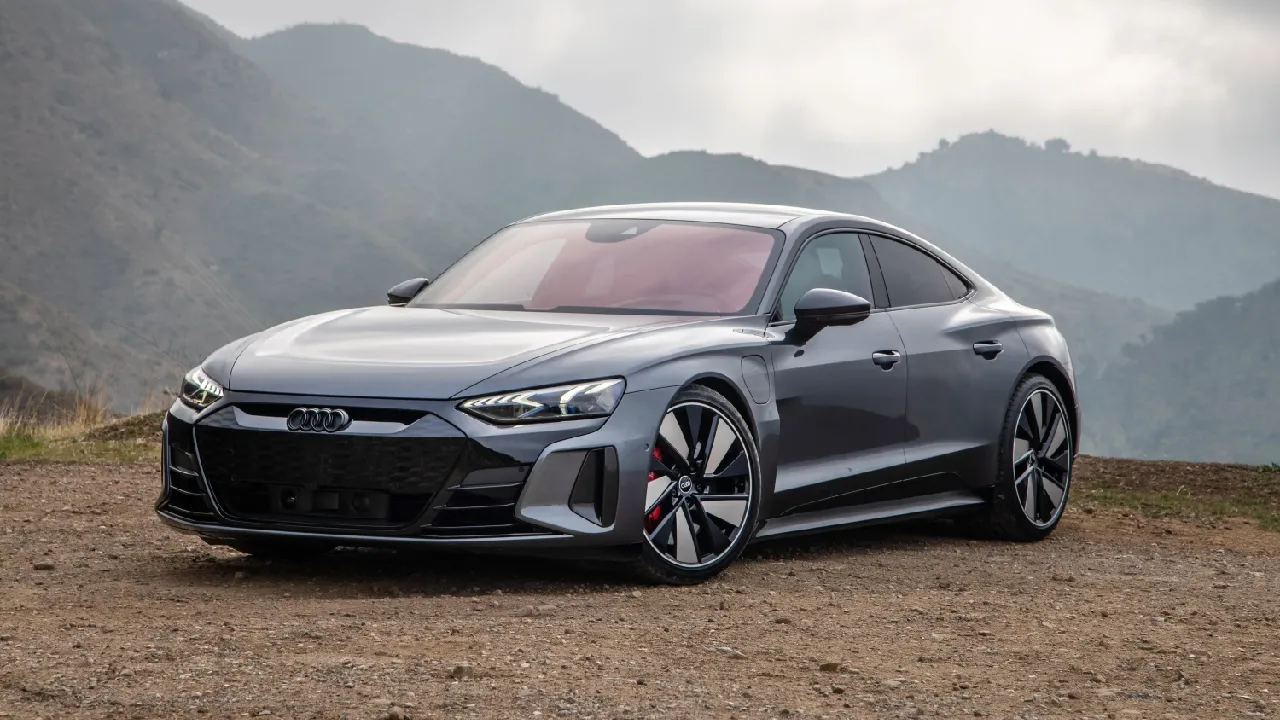
4. Audi e-tron GT 2022-2024
Performance meets practical limitations in Audi’s electric sedan. The standard battery provides a 238-mile EPA range, which proves insufficient for drivers without home charging access. Regular visits to public charging stations become necessary, making energy management a constant concern. Monitoring remaining battery levels and planning trips around station availability transforms daily driving into a task requiring careful attention rather than convenience.
Fast-charging capability reaches 270 kilowatts at compatible 800-volt stations, delivering rapid range increases when conditions are ideal. In practice, locating available high-power chargers can be unpredictable, and software issues occasionally interfere with the process.
Even under optimal conditions, adding a meaningful charge takes twenty-five to thirty minutes, and multiple sessions per week are required to maintain sufficient range. These demands make ownership challenging for those relying solely on public infrastructure.
Audi provides three years of complimentary Electrify America access, which reduces cost concerns but does not address time and convenience constraints. Driving to stations, waiting for occupancy, and monitoring charging progress remain unavoidable. Without a home charging solution, these complimentary sessions offer limited practical benefit despite being financially attractive.
Driving performance supports the premium price point, producing 469 horsepower and completing zero-to-sixty acceleration in 3.9 seconds. Adaptive air suspension balances comfort with composed handling, while Quattro all-wheel drive delivers dependable traction in varied conditions. Audi’s cabin maintains expected refinement, featuring premium materials, precise fit and finish, and sophisticated technology.
Virtual Cockpit displays offer configurable information for the driver, and the Bang & Olufsen sound system provides high-quality audio reproduction. Front seats include heating, ventilation, and massage functions for comfort during long drives. Expected reliability aligns with brand standards, though repair and maintenance costs approach those of exotic vehicles.
For apartment residents, a limited driving range transforms public charging from an occasional task into an essential part of daily life. Ownership without home charging requires careful planning, patience, and tolerance for frequent station visits.
Despite impressive performance and interior refinement, the constant obligation to maintain battery charge diminishes convenience and reduces the appeal of the vehicle for urban dwellers.
Also Read: 5 Affordable EVs That Deliver Better Tech Than 5 Premium Hybrids
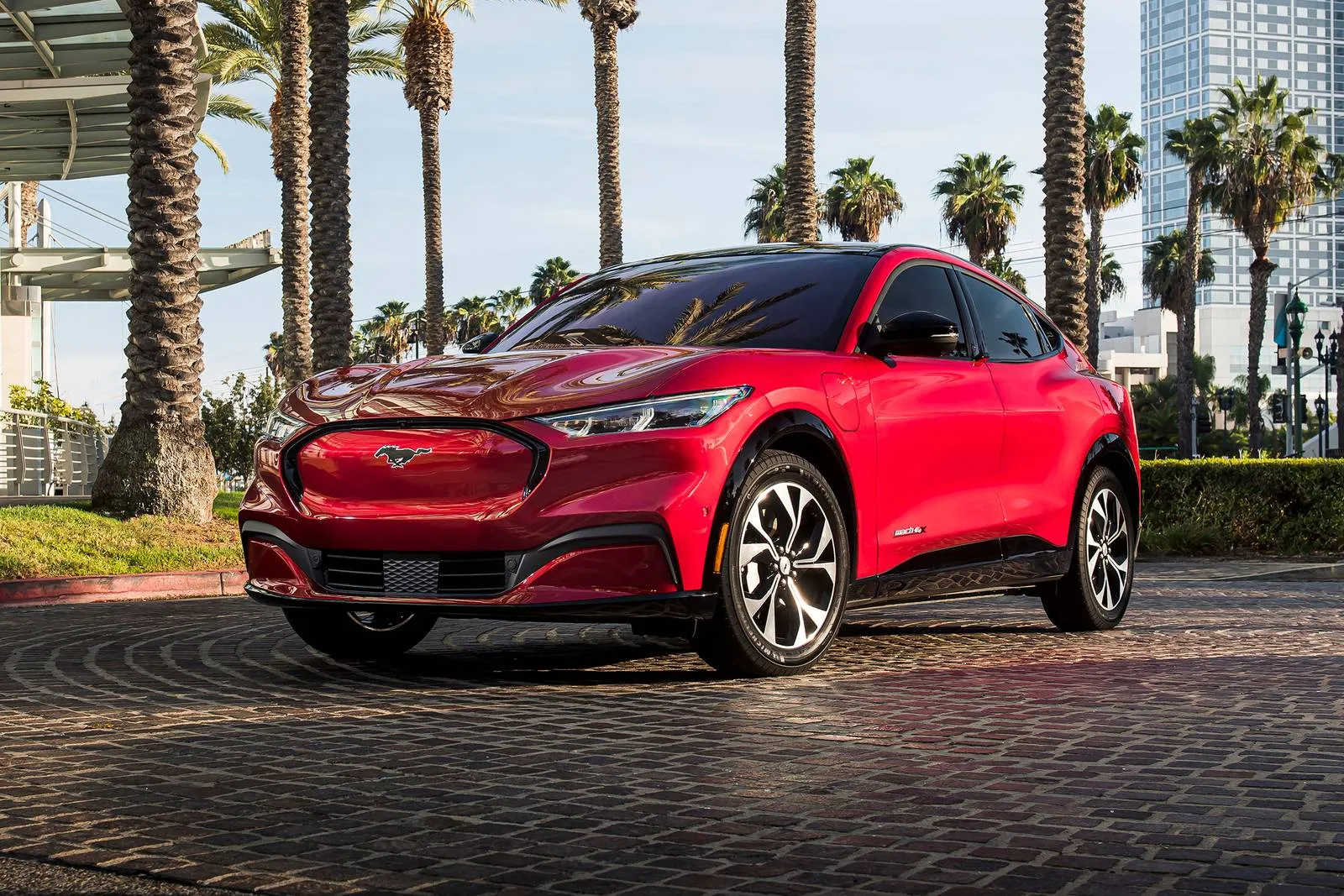
5. Ford Mustang Mach-E Select RWD 2021-2024
Base model sacrifices range to hit lower price points, creating apartment living challenges. Standard-range battery provides only a 247-mile EPA rating, requiring a minimum of twice-weekly charging. Extended-range battery increases the capacity to 312 miles but costs several thousand dollars extra.
Even with an extended range, you’re charging more frequently than ideal for apartment living without home convenience. DC fast-charging supports up to 150 kW, slower than newer competitors using 800-volt architecture. Charging from 10 to 80 percent takes approximately 38 minutes under optimal conditions.
Real-world sessions often extend longer due to battery thermal management and charger limitations. You’ll spend substantial time waiting while charging, time that could be spent doing literally anything else if you had home charging.
Ford includes complimentary charging at Electrify America for select models and purchase periods, details varying by trim and timing. This benefit helps offset charging costs but doesn’t solve time and convenience problems. You’re still hunting for available stations, waiting for charging completion, and planning trips around infrastructure availability. Winter range reduction exacerbates these challenges in cold climates.
Crossover practicality provides good cargo space and comfortable seating for five adults. Rear cargo area handles luggage and groceries easily. The front trunk provides additional storage for charging cables. Interior quality feels decent with soft-touch materials and straightforward controls. Large vertical touchscreen handles infotainment duties with mostly intuitive operation.
BlueCruise hands-free highway driving capability available on upper trims provides semi-autonomous operation on compatible roads. This feature reduces fatigue during longer trips. Acceleration feels quick enough for daily driving without being excessive. Handling stays composed for a tall crossover.
Expected reliability improved after early production issues were addressed through recalls and updates. Build quality matches Ford standards with acceptable fit and finish. For apartment dwellers, limited range options and moderate charging speeds create inconveniences that home charging would eliminate.
