
Chicago winters test vehicles brutally through relentless salt exposure, freeze-thaw cycles, and corrosive slush that attacks metal constantly. You’ll drive through streets covered in salt thick enough to resemble snowfall, park in lots where brine pools under your car, and watch road crews spread chemicals aggressively fighting ice accumulation.
That salt saves lives by improving traction, but it absolutely destroys vehicles lacking proper rust protection. Your sedan’s undercarriage gets constantly bathed in corrosive chemicals that eat through metal like acid, creating rust that blooms unseen until bubbling paint and perforated panels appear years prematurely.
Some manufacturers engineer vehicles specifically to resist corrosion through protective coatings, galvanized steel, and drainage systems that prevent salt-laden slush from accumulating in hidden crevices. You’ll drive these sedans for years without developing the rust damage that plagues vehicles built by manufacturers cutting corners on corrosion protection.
Body panels maintain appearance, undercarriage components resist deterioration, and structural integrity remains sound despite brutal Chicago winters attacking vehicles relentlessly. Other sedans corrode rapidly when exposed to Chicago salt, developing expensive rust problems within just a few winters.
You’ll notice bubbling paint appearing behind wheel arches, rocker panels corroding from the inside out, and undercarriage components deteriorating alarmingly fast. That accelerated corrosion destroys resale value, creates safety concerns when structural components rust, and generates repair bills that quickly exceed vehicle worth.
These rust-prone sedans prove completely unsuited for Chicago winters despite manufacturers selling them in snow-belt states where salt exposure guarantees premature deterioration. This guide examines ten sedans specifically for Chicago’s brutal winter conditions and rust resistance.
Five models deliver proven durability that withstands repeated salt exposure without dissolving into rust buckets, making them smart choices for residents facing harsh winters. Then we’ll expose five that corrode quickly, developing expensive problems that make ownership frustrating and financially devastating.
Whether you’re relocating to Chicago or replacing a vehicle that rusted away too quickly, this information could save you from expensive mistakes and vehicles that literally fall apart within a few winters.
Sedans That Resist Chicago Rust
1. Subaru Legacy Premium 2024
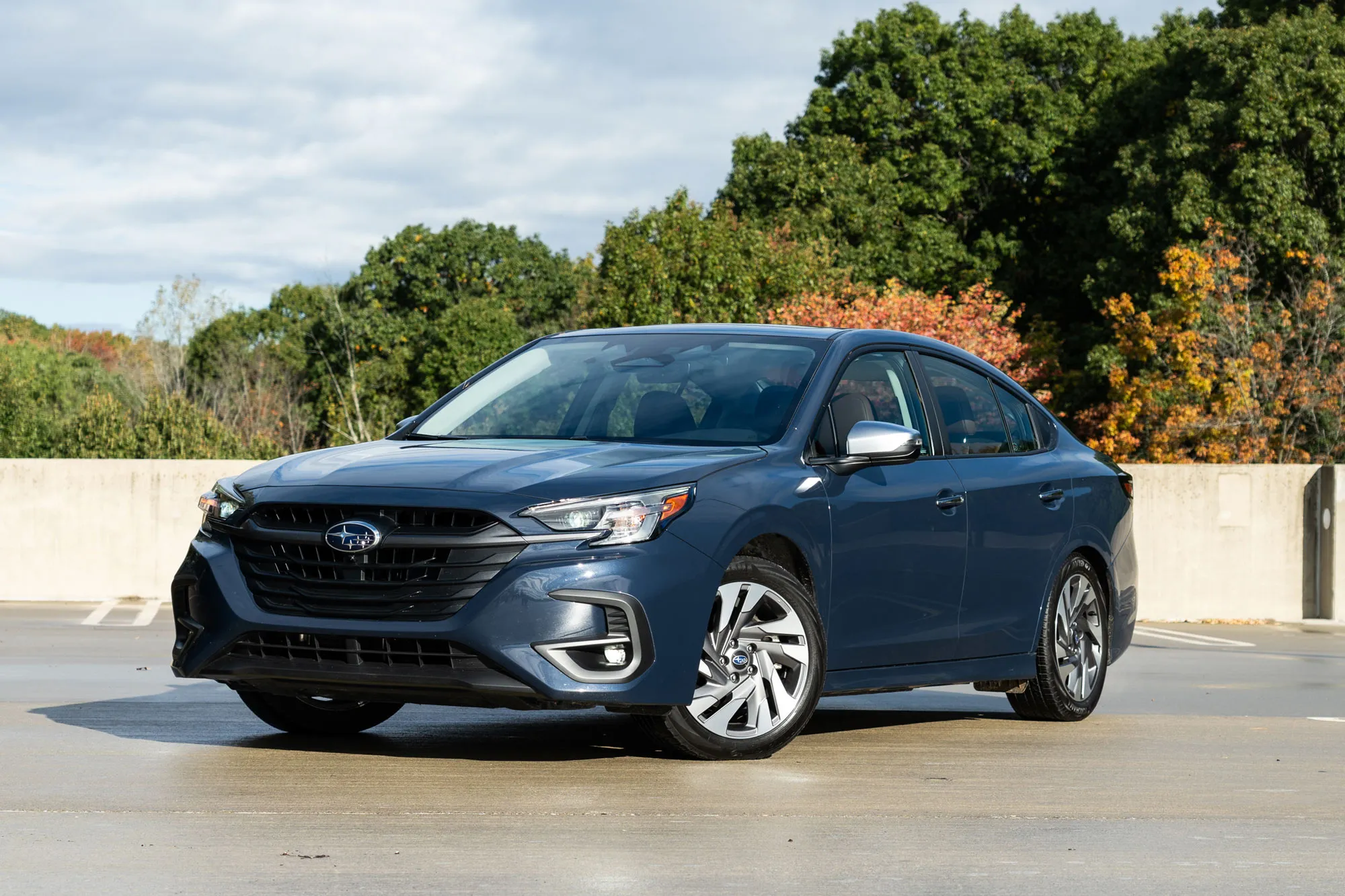
All-weather engineering meets rust resistance in the Subaru Legacy Premium 2024. Subaru builds these sedans knowing they’ll face brutal winters in snow-belt states like Illinois. Undercarriage components receive protective coatings specifically formulated to resist salt corrosion.
Suspension parts use materials that withstand chemical exposure better than untreated steel. Body panels incorporate galvanized steel that resists rust formation even when protective paint chips from road debris impacts.
Standard all-wheel drive delivers confident traction during Chicago snowstorms and ice events that paralyze traffic. You’ll accelerate smoothly from intersections without wheelspin, climb slippery hills without sliding backward, and maintain control during emergency maneuvers on icy surfaces. Ground clearance helps when snow accumulation exceeds what street clearance normally provides.
That 2.5-liter boxer four-cylinder produces 182 horsepower, providing adequate acceleration for daily driving. CVT transmission operates smoothly in cold weather, maintaining proper function when temperatures plunge below zero. You won’t experience sluggish response or harsh operation that affects some transmissions during extreme cold.
Interior design emphasizes practical features that matter during Illinois winters. Heated seats and the steering wheel warm quickly, creating a comfortable environment within minutes of starting. All-weather floor mats contain slush and snow tracked inside, protecting carpeting from moisture damage. The rear cargo area features water-resistant materials that tolerate wet gear.
Fuel economy averages 27-30 mpg during mixed driving, respectable efficiency for an all-wheel-drive sedan. You’ll spend reasonable amounts at gas pumps while enjoying the capability that front-wheel-drive vehicles cannot match. Boxer engine design lowers the center of gravity, improving handling characteristics and reducing rollover risk.
Visibility impresses with large windows providing excellent sightlines in all directions, crucial during snowstorms, which reduce visibility. You’ll spot other vehicles, pedestrians, and obstacles better than competitors with smaller windows. That awareness prevents accidents during conditions where split-second recognition becomes critical.
Independent shops throughout Chicago service this Legacy competently. Parts availability remains good with multiple suppliers stocking components. Budget $900-$1,300 annually for maintenance. This Legacy delivers proven rust resistance and all-weather capability, perfect for Chicago residents needing a reliable sedan that survives brutal winters without corroding prematurely.
2. Honda Accord EX 2024
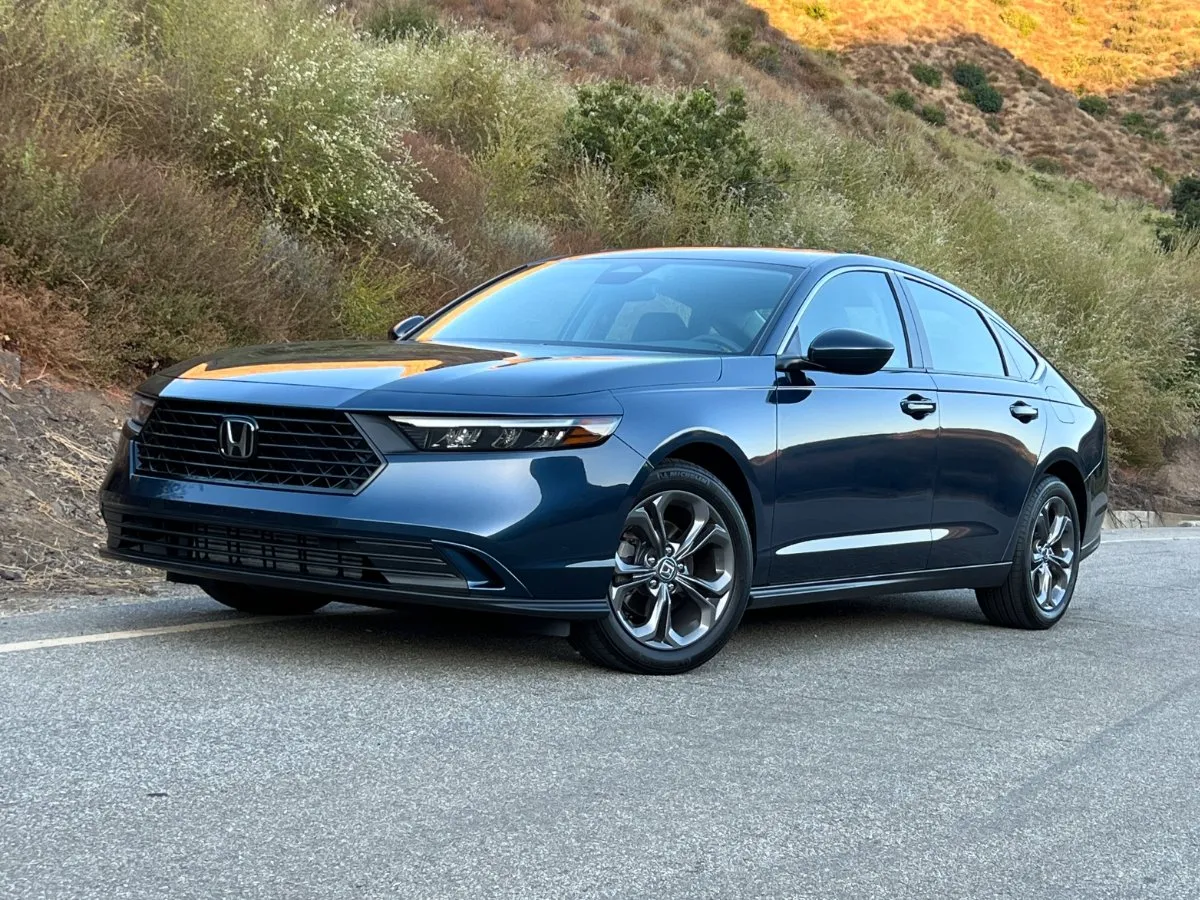
Proven durability defines the Honda Accord EX 2024 for Chicago conditions. Honda applies protective treatments to undercarriage components, recognizing that customers in snow-belt regions demand vehicles that survive harsh winters. Body construction uses materials selected for corrosion resistance. Wheel well liners prevent salt-laden slush from accumulating against bare metal, where rust develops unseen.
That 1.5-liter turbocharged four-cylinder produces 192 horsepower, delivering brisk acceleration. CVT transmission operates reliably in cold weather without the hesitation that plagues some competitors during extreme temperatures. The engine starts reliably even during brutal cold snaps thanks to a robust electrical system.
Front-wheel drive provides adequate traction during typical winter conditions, though deep snow exceeds capabilities. You’ll handle normal Chicago winters competently. Fuel economy averages 32-35 mpg during mixed driving, excellent efficiency that keeps operating costs reasonable despite regular driving.
Interior materials withstand temperature extremes without cracking or deteriorating. Honda selects components specifically for durability in harsh climates. Dashboard maintains its appearance rather than developing cracks that plague heat-cycled plastics. Seats resist wear from constant use. You’ll maintain an attractive interior appearance years after purchase.
Heated seats warm quickly during cold mornings. Climate control delivers strong heating performance. Defrosters clear windshields rapidly, eliminating dangerous visibility restrictions. Remote start allows warming the vehicle before entering, creating a comfortable environment immediately.
Rust resistance remains good even after multiple Chicago winters. You’ll notice less corrosion compared to vehicles lacking proper protection. While nothing survives Chicago salt forever, this Accord resists longer than most alternatives. That durability translates into maintained resale value.
Any shop services this Accord without specialized requirements. Parts availability remains excellent throughout Chicago. Mechanics understand these vehicles completely. Oil changes, brake work, and routine services cost reasonable amounts at independent shops.
Budget $700-$1,000 annually for maintenance, reflecting straightforward Honda mechanicals. This Accord delivers proven reliability and adequate rust resistance, perfect for Chicago residents needing a dependable sedan that handles winters without developing corrosion problems that destroy value and create safety concerns within just a few years.
Also Read: 6 Small Sedans That Fit Well in Older City Parking
3. Toyota Camry XLE AWD 2024
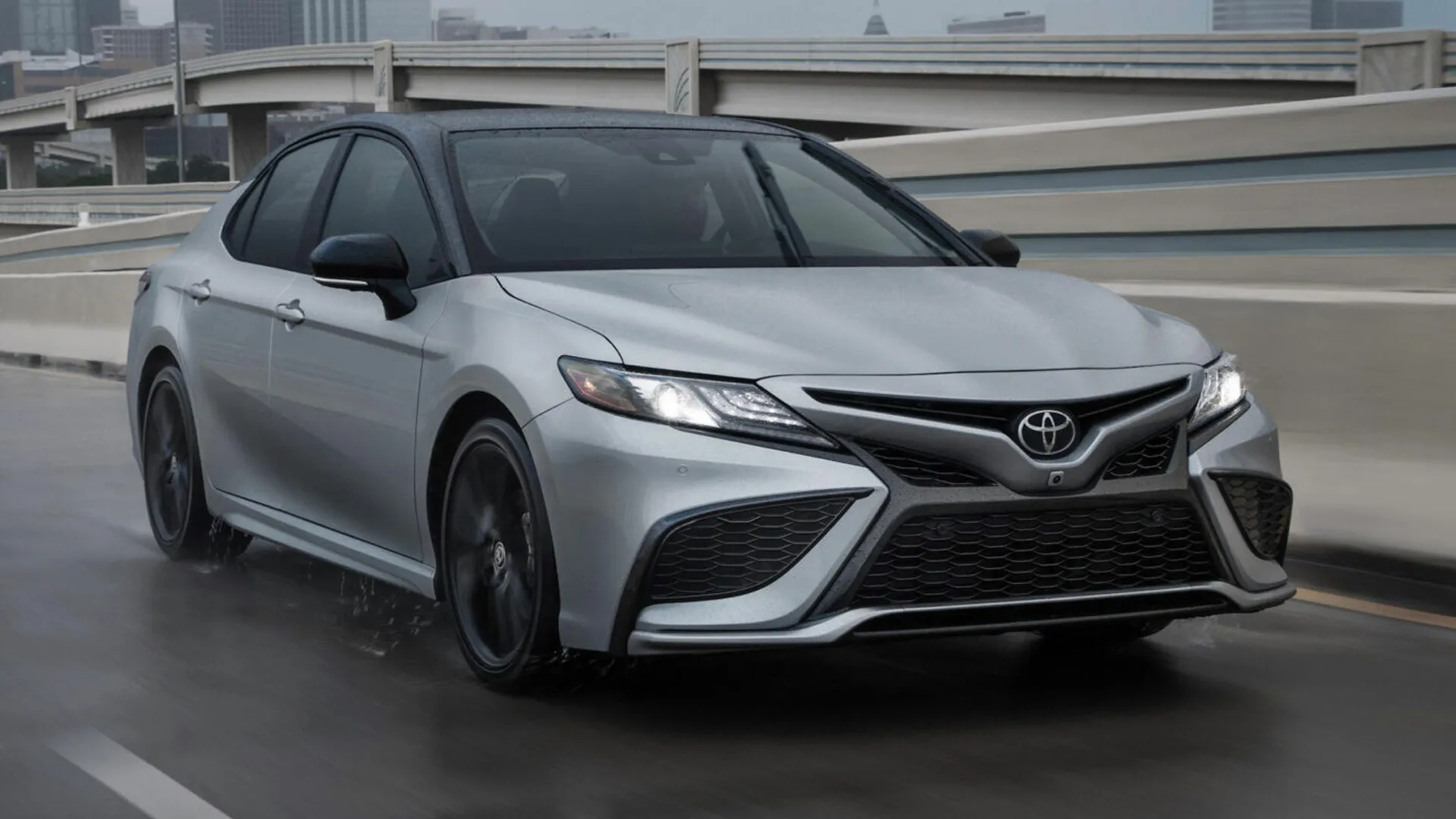
Japanese engineering meets winter capability in the Toyota Camry XLE AWD 2024. Toyota applies protective coatings to vulnerable undercarriage areas, understanding these sedans serve customers in harsh-weather markets. Body panels use treated steel, resisting corrosion. Drainage systems channel moisture away from areas where water pools and accelerate rust formation.
All-wheel drive provides confident traction during Chicago snowstorms and icy conditions. You’ll accelerate smoothly from intersections without wheelspin. Hill climbing remains controlled rather than terrifying. Emergency maneuvers stay predictable rather than sending you sliding uncontrollably.
That 2.5-liter four-cylinder produces 203 horsepower, providing adequate acceleration. Eight-speed automatic transmission operates reliably in cold weather. The engine starts dependably even during brutal cold snaps. You’ll drive confidently knowing your Camry fires up reliably regardless of temperature.
Interior materials resist temperature cycling without cracking. Dashboard maintains appearance. Seats remain comfortable. Heated seats and the steering wheel warm quickly. Climate control delivers strong heating performance. Defrosters work efficiently, clearing glass rapidly.
Fuel economy averages 28-31 mpg during mixed driving with all-wheel drive, impressive efficiency. You’ll spend reasonable amounts at gas pumps while enjoying the capability that front-wheel-drive sedans cannot match.
Rust resistance benefits from Toyota’s protective coatings and quality materials. You’ll notice less corrosion compared to vehicles lacking proper protection. While Chicago salt eventually attacks all vehicles, this Camry resists degradation longer than alternatives.
Any shop services this Camry without specialized equipment. Parts availability remains excellent. Mechanics understand these systems completely. Oil changes, brake work, and routine services cost reasonable amounts.
Budget $700-$1,000 annually for maintenance reflecting Toyota reliability. This Camry delivers all-weather capability and proven rust resistance, perfect for Chicago residents wanting a dependable sedan that survives brutal winters without developing expensive corrosion problems within just a few years.
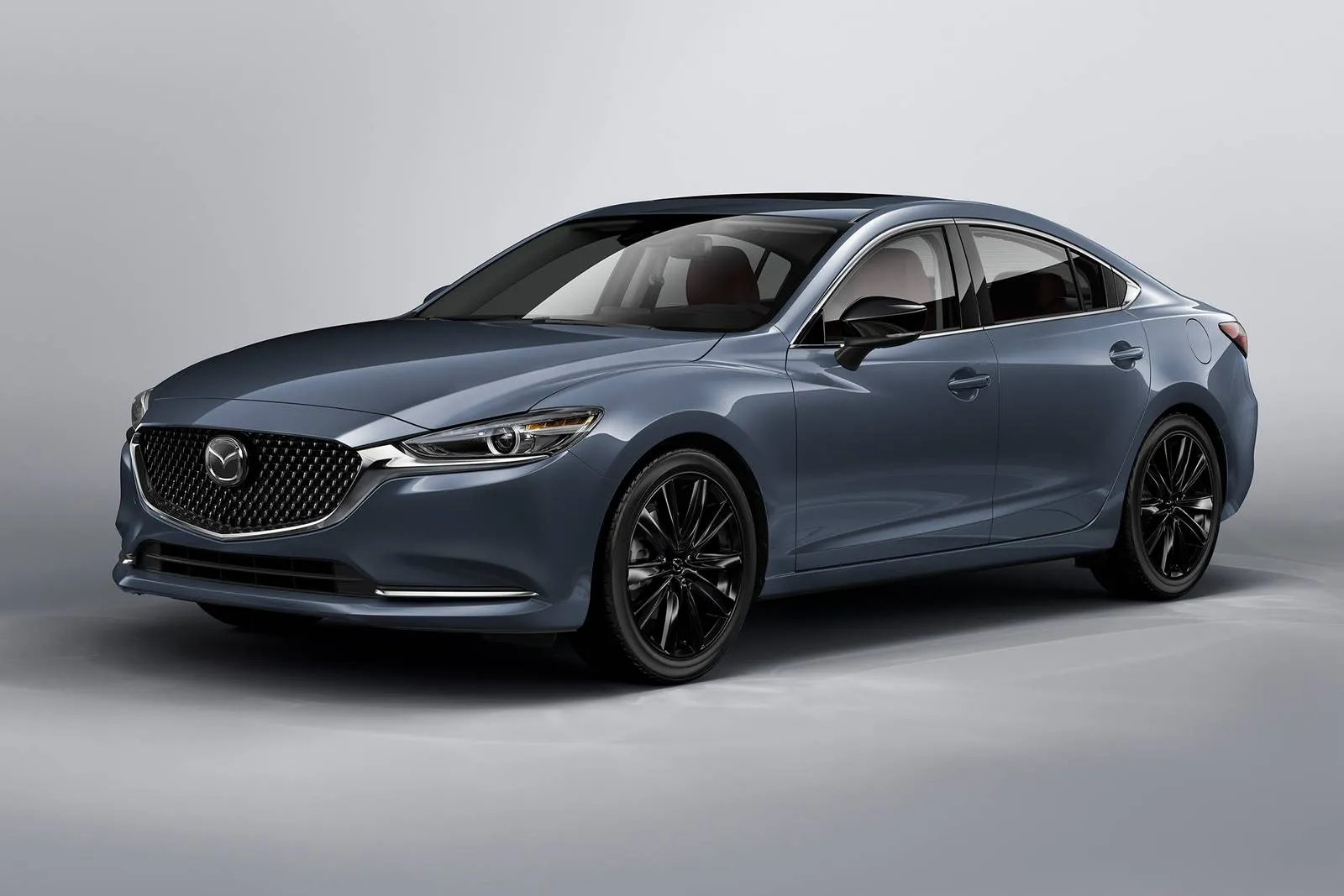
4. Mazda6 Touring 2024
Japanese refinement meets adequate rust protection in the Mazda6 Touring 2024. Mazda applies protective treatments to undercarriage components though not as extensively as Subaru. Body panels use materials providing reasonable corrosion resistance. You’ll experience less rust than the worst offenders, though protection doesn’t match leaders.
That 2.5-liter four-cylinder produces 187 horsepower, delivering responsive acceleration. Six-speed automatic transmission operates smoothly in cold weather. The engine demonstrates reliability through years of service. Fuel economy averages 26-29 mpg during mixed driving, respectable efficiency.
Interior quality impresses with materials that feel premium. Mazda prioritizes genuine quality rather than cheap imitations. Dashboard design emphasizes clean aesthetics. Seats provide excellent support. Cabin noise stays controlled. You’ll enjoy the refined interior.
Heated seats warm quickly. Climate control delivers adequate heating performance. Defrosters work efficiently. Remote start allows warming the vehicle before entering during cold mornings. Front-wheel drive provides adequate traction during typical winter conditions. You’ll handle normal Chicago winters, though deep snow exceeds capabilities. Ground clearance remains limited.
Rust protection proves adequate, though not exceptional. You’ll notice some corrosion developing after multiple winters, though progression remains slower than worst vehicles. Rocker panels and wheel arches require monitoring for rust bubbling.
Independent shops service this Mazda6 without specialized requirements. Parts availability remains good. Mechanics understand these systems. Oil changes, brake work, and routine services cost reasonable amounts.
Budget $700-$1,050 annually for maintenance reflecting Mazda mechanicals. This Mazda6 delivers engaging driving dynamics and a quality interior with adequate rust resistance for Chicago residents wanting a refined sedan that handles winters reasonably well without catastrophic corrosion, though protection doesn’t match the best alternatives.
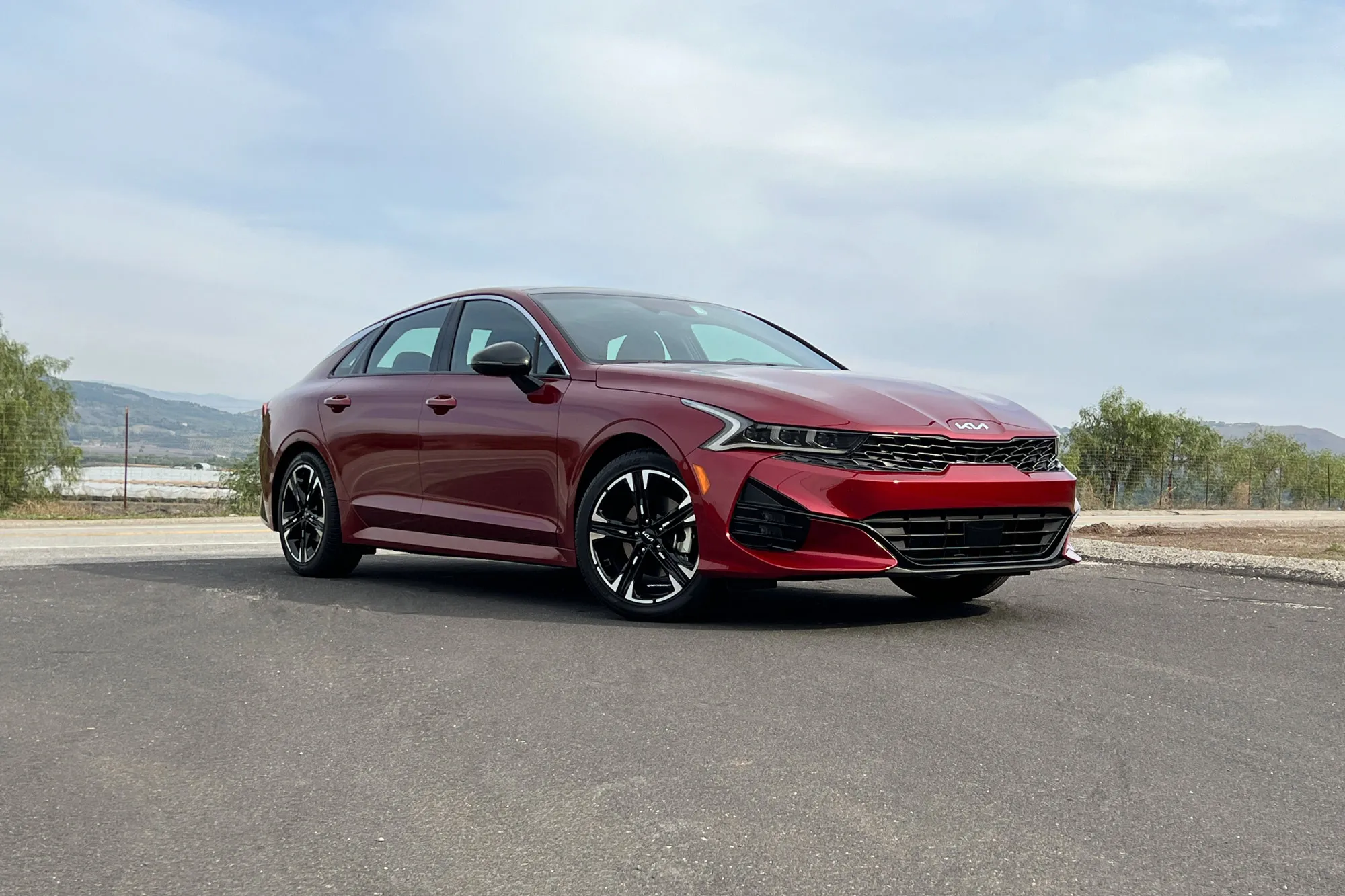
5. Kia K5 GT-Line AWD 2024
Korean engineering brings all-weather capability to the Kia K5 GT-Line AWD 2024. Kia applies protective coatings to undercarriage components though rust resistance trails Japanese competitors. Body construction uses materials providing adequate corrosion protection. You’ll experience moderate rust development after multiple Chicago winters.
All-wheel drive delivers confident traction during snowstorms and icy conditions. You’ll accelerate smoothly from intersections. Hill climbing remains controlled. That capability makes winter driving more secure.
That 1.6-liter turbocharged four-cylinder produces 180 horsepower, providing adequate acceleration. Eight-speed dual-clutch transmission shifts quickly. Fuel economy averages 27-30 mpg during mixed driving with all-wheel drive, respectable efficiency.
Interior quality meets expectations with attractive materials. Dashboard design emphasizes modern aesthetics. Seats provide adequate comfort. Technology features include touchscreen infotainment with smartphone integration. Heated seats and the steering wheel warm quickly. Climate control delivers adequate heating performance. Defrosters work efficiently, clearing glass rapidly during cold mornings.
Rust protection proves adequate, though not exceptional. You’ll notice corrosion developing on rocker panels and wheel arches after a few winters. Undercarriage shows rust formation, though progression remains manageable with proper maintenance.
Warranty coverage provides excellent peace of mind. Five-year/60,000-mile bumper-to-bumper and ten-year/100,000-mile powertrain protection covers major components. You’ll drive confidently knowing Kia stands behind their product.
Independent shops service this K5 without specialized requirements. Parts availability continues improving. Budget $800-$1,200 annually for maintenance.
This K5 delivers all-weather capability and a generous warranty with adequate rust resistance for Chicago residents wanting a stylish sedan that handles winters reasonably well, though corrosion protection doesn’t match the best Japanese alternatives.
Sedans That Rust Quickly in Chicago
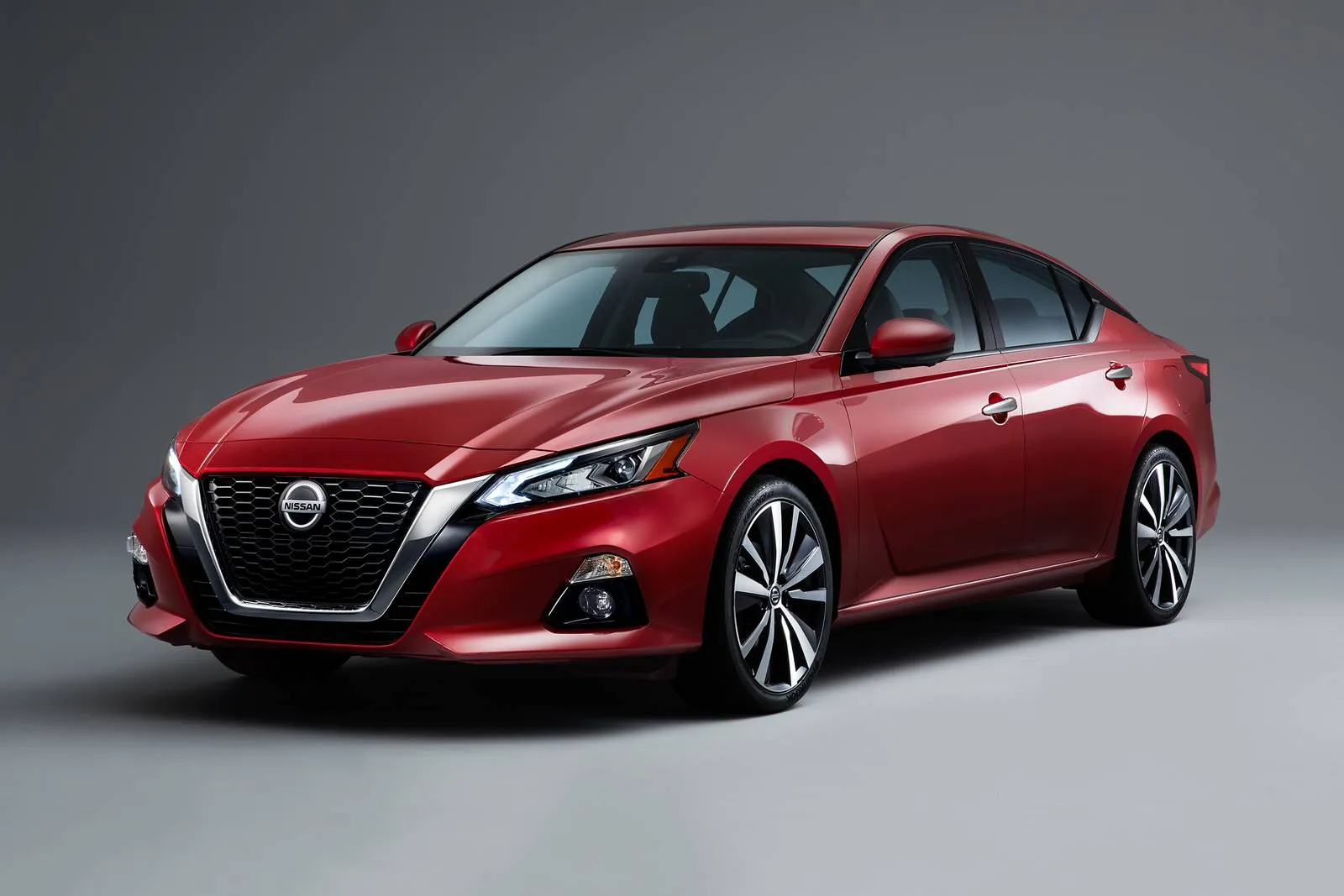
1. Nissan Altima SV 2019-2021
Disappointing rust resistance plagues the Nissan Altima SV from 2019-2021 model years. These specific years demonstrate poor corrosion protection that becomes painfully apparent after just a few Chicago winters.
Wheel wells lack adequate protective liners, allowing salt-laden slush to accumulate directly against bare metal where rust blooms rapidly. Undercarriage components receive minimal protective coatings compared to competitors’ engineering vehicles, specifically for harsh climates.
Rear wheel arches develop rust perforations alarmingly quickly, sometimes before vehicles reach 60,000 miles. You’ll notice bubbling paint starting behind the rear wheels, progressing rapidly into actual holes penetrating body panels.
Rocker panels corrode from the inside out, with rust damage invisible until it breaks through exterior surfaces, creating visible deterioration. Door bottoms accumulate moisture and salt, developing rust that spreads upward, destroying the appearance.
Undercarriage inspection reveals disturbing corrosion on suspension components, brake lines, and fuel lines after minimal Chicago salt exposure. Control arms show surface rust progressing into structural degradation. Subframes develop corrosion that compromises mounting points. Exhaust system components corrode prematurely, requiring expensive replacements well before they should fail.
Front-wheel drive provides adequate traction during winter conditions when mechanical components remain functional. The engine and CVT transmission operate adequately. Interior remains comfortable. Technology features work properly. Unfortunately, these positive attributes become irrelevant when body structure corrodes extensively within just a few winters.
Nissan dealers often deny warranty coverage for rust damage, claiming it results from inadequate washing or maintenance rather than poor factory protection. You’ll fight frustrating battles trying to get corrosion issues addressed under warranty coverage. That experience compounds financial losses from diminished resale value.
Used buyers recognize these Altimas’ rust problems, negotiating prices downward dramatically or avoiding them completely. You’ll struggle to find buyers willing to pay reasonable prices for vehicles showing extensive corrosion. Trade-in values drop catastrophically when dealers recognize rust damage.
Rust repair costs escalate quickly when addressing extensive corrosion affecting multiple body areas. Body shops charge thousands for welding in new panels, treating affected areas, and repainting. Those repairs rarely solve problems completely since corrosion continues spreading from areas you cannot see or treat effectively.
Budget for substantial rust repairs or accept catastrophic value loss. These model-year Altimas demonstrate that Nissan failed customers in snow-belt states by producing vehicles that cannot survive Chicago winters without corroding extensively within just a few years.
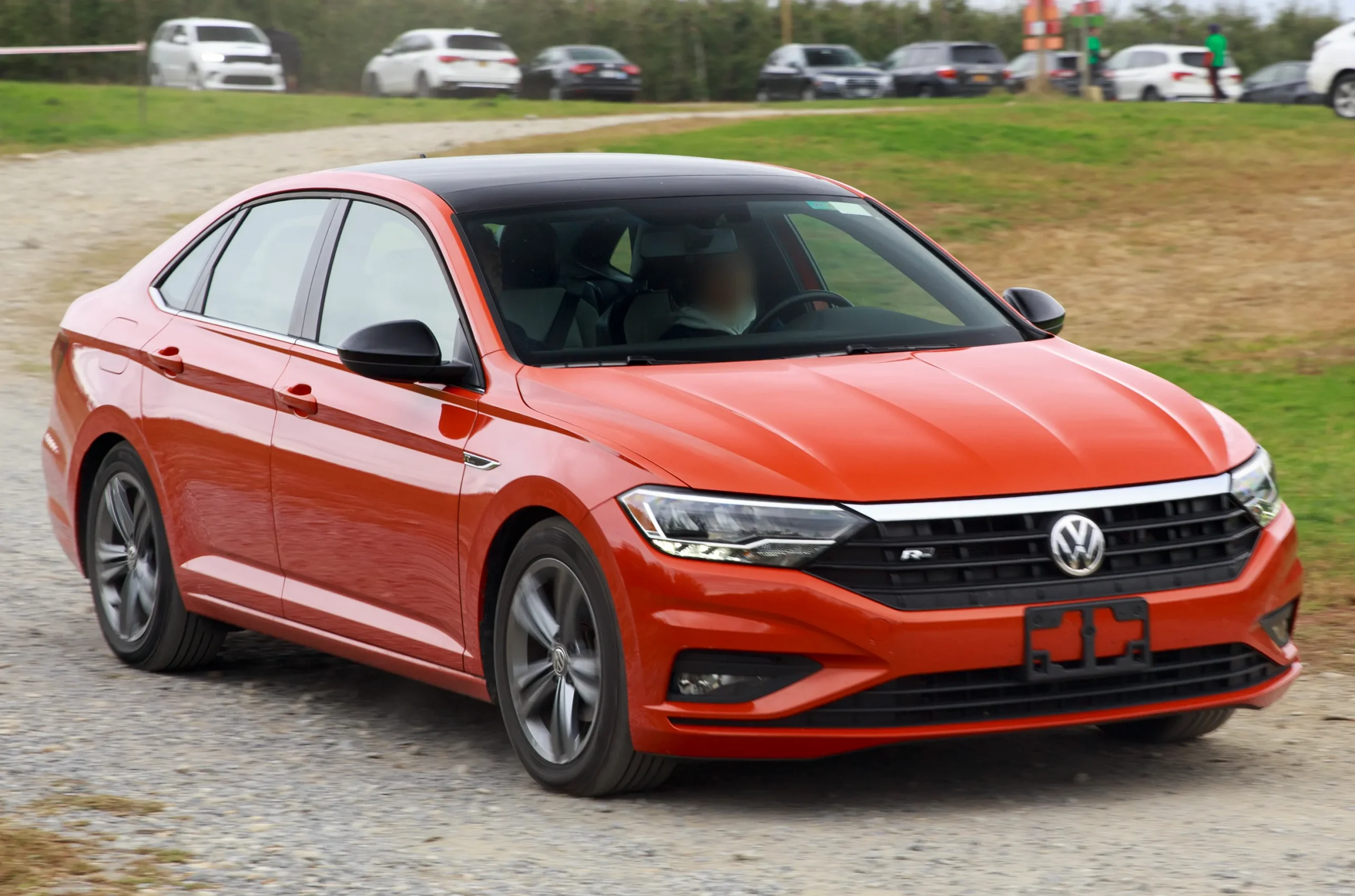
2. Volkswagen Jetta S 2018-2020
German engineering stumbles badly regarding rust protection in the Volkswagen Jetta S from 2018-2020. VW applied insufficient corrosion protection during these model years, creating sedans that rust quickly when exposed to Chicago salt. Undercarriage components receive minimal protective coatings. Body panels corrode easily when paint chips from road debris impacts, creating entry points for rust.
Lower body areas show rust appearing within just two or three Chicago winters. Rocker panels develop bubbling paint and surface rust, progressing into deeper corrosion. Door bottoms corrode quickly, sometimes perforating before vehicles reach warranty expiration. Rear quarter panels behind wheels show rust bubbling alarmingly early for German vehicles supposedly engineered for quality.
Suspension and brake components corrode faster than they should. Control arms develop surface rust progressing into structural concerns. Brake calipers and brackets show excessive oxidation. Exhaust systems corrode prematurely, often requiring replacement well before normal service life. Subframe mounting areas develop rust, affecting attachment integrity.
Front-wheel drive provides adequate traction during winter conditions. A turbocharged engine delivers good performance when functioning properly. Interior features premium materials. Technology impresses. Unfortunately, these positives cannot overcome rust problems, destroying value and appearance.
VW warranty coverage for corrosion proves difficult to obtain. Dealers deny most rust claims, arguing that damage results from environmental factors rather than manufacturing defects. You’ll fight frustrating battles trying to get rust issues addressed while watching corrosion spread.
Used buyers recognize these Jettas’ rust problems, avoiding them aggressively once corrosion becomes visible. You’ll struggle to find buyers willing to consider examples showing rust damage. Dealers offer minimal trade-in values, knowing corroded German sedans sell poorly even at wholesale prices.
Rust repair costs climb quickly, addressing extensive corrosion. Body shops charge premium rates for German vehicles, making rust remediation especially expensive. Repairs provide only temporary improvements before new rust appears from untreated areas.
Budget for substantial rust repairs or accept catastrophic value loss through corrosion. These model years prove that VW prioritized cost reduction over durability, producing vehicles inadequately protected for Chicago winters.
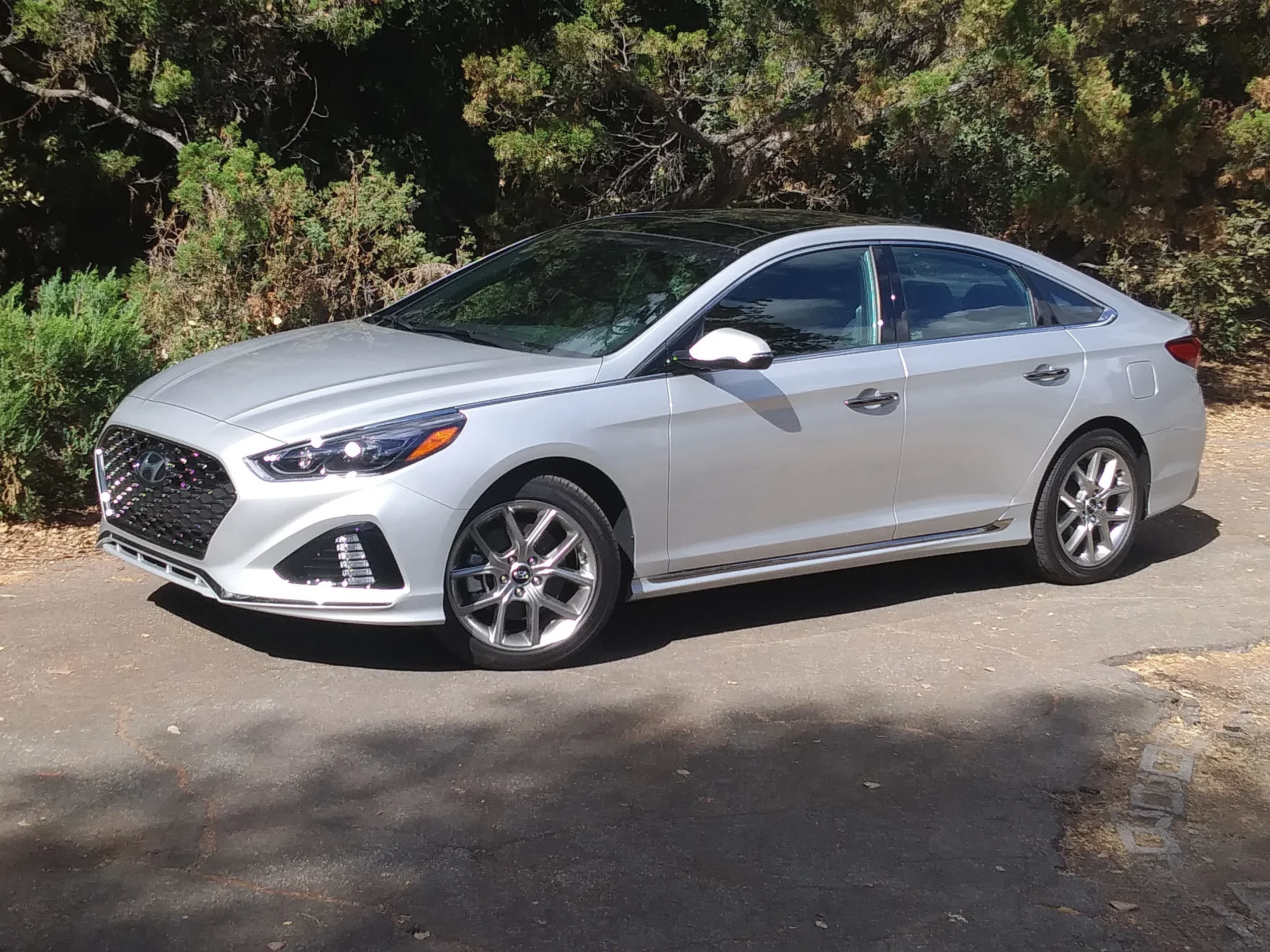
3. Hyundai Sonata SE 2018-2020
Korean engineering disappoints regarding rust protection in the Hyundai Sonata SE from 2018-2020. These model years demonstrate poor corrosion resistance that becomes apparent quickly in Chicago conditions. Undercarriage receives minimal protective coatings compared to competitors’ engineering vehicles for harsh climates. Body panels rust easily when protective paint gets damaged by road debris.
Rear wheel arches develop rust bubbling and perforation alarmingly quickly, sometimes within three Chicago winters. You’ll see paint bubbling behind the rear wheels, progressing into actual holes penetrating body panels. Lower door edges corrode rapidly, showing rust staining and paint failure. Rocker panels corrode from the inside out with damage invisible until breaking through exterior surfaces.
Structural components show concerning corrosion rates. The subframe develops rust, affecting the mounting points. Suspension component attachment areas corrode, creating safety concerns when degraded metal cannot securely hold parts. Brake lines show excessive rust for vehicles this age, creating potential failure risks.
Exhaust system components corrode prematurely, often requiring complete replacement before 90,000 miles. Mufflers and pipes develop holes from rust perforation rather than just surface oxidation. You’ll hear exhaust leaks before seeing visible damage, then face repair bills that seem unreasonable for vehicles this age.
Front-wheel drive provides adequate winter capability when mechanical systems function. The engine performs adequately. Transmission operates acceptably. Interior remains comfortable. Unfortunately, mechanical adequacy becomes meaningless when extensive rust damage destroys appearance and value.
Hyundai’s warranty coverage for rust perforation provides little benefit since most damage appears as surface rust and paint bubbling rather than complete perforation, which qualifies for coverage. Dealers deny most rust claims, arguing that damage results from environmental factors rather than manufacturing defects.
Resale values drop dramatically once rust problems become visible. Used buyers recognize these Sonatas’ poor rust resistance, negotiating prices downward aggressively or avoiding them completely. Dealers offer minimal trade-in values, knowing they’ll struggle selling corroded examples.
Budget for extensive rust repairs or accept catastrophic value loss. These model years demonstrate that Hyundai produced vehicles inadequately protected for harsh winter climates despite marketing them as family sedans suitable for all conditions.
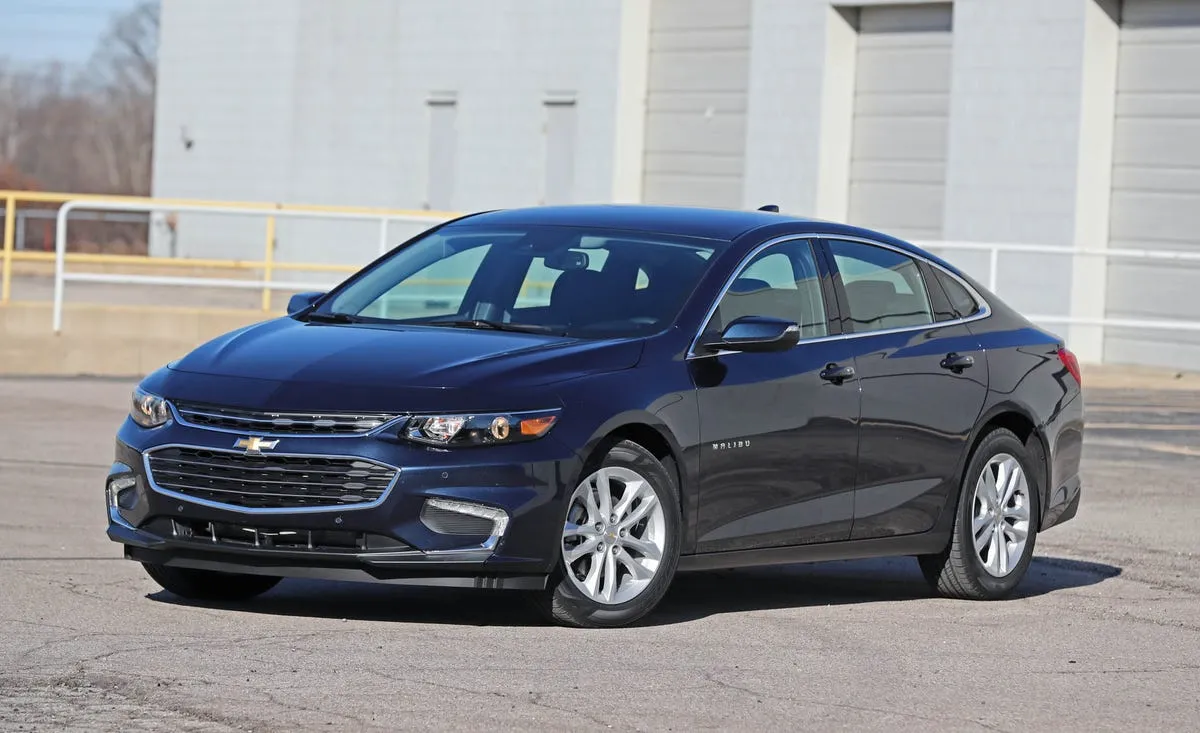
4. Chevrolet Malibu LS 2017-2019
American engineering fails regarding rust protection in the Chevrolet Malibu LS from 2017-2019. GM applied insufficient corrosion protection during these model years, creating sedans that corrode rapidly in Chicago conditions. Undercarriage components receive minimal protective coatings. Body panels rust easily when paint chips from impacts, creating pathways for corrosion.
Lower body areas show rust appearing within just two or three winters. Rocker panels develop bubbling paint and surface rust, progressing into deeper corrosion. Door bottoms corrode quickly, sometimes perforating before vehicles reach reasonable mileage. Quarter panels behind the rear wheels show rust bubbling disappointingly early.
Suspension components corrode faster than acceptable. Control arms develop surface rust progressing into structural degradation. Mounting points corrode, creating concerns about attachment integrity. Brake components, including calipers and brackets, show excessive rust. Exhaust systems corrode prematurely, requiring replacement well before normal service life.
Front-wheel drive provides adequate traction during winter conditions. The turbocharged engine delivers adequate performance when functioning. Interior materials feel basic but serve their purpose. Technology features remain adequate. Unfortunately, these modest positives cannot overcome rust problems destroying value.
GM warranty coverage for corrosion proves difficult to obtain. Dealers deny most rust claims, arguing corrosion results from environmental factors rather than manufacturing defects. You’ll experience frustration trying to get rust issues addressed under warranty while watching damage spread.
Used buyers avoid these Malibus aggressively once rust problems become widely known. You’ll struggle to find buyers willing to consider corroded examples regardless of price reductions. Trade-in values drop to almost nothing when dealers recognize extensive rust damage.
Rust repair costs escalate quickly when addressing extensive corrosion affecting multiple body areas. You’ll spend thousands on bodywork that provides only temporary improvements before new rust appears from areas that cannot be treated effectively.
Budget for substantial ongoing rust repairs or accept that this vehicle becomes worthless through corrosion. These model years prove GM produced sedans unprepared for Chicago winters despite selling them in markets where salt exposure guarantees premature deterioration.
Also Read: 9 Sedans That Offer Good Visibility in City Driving
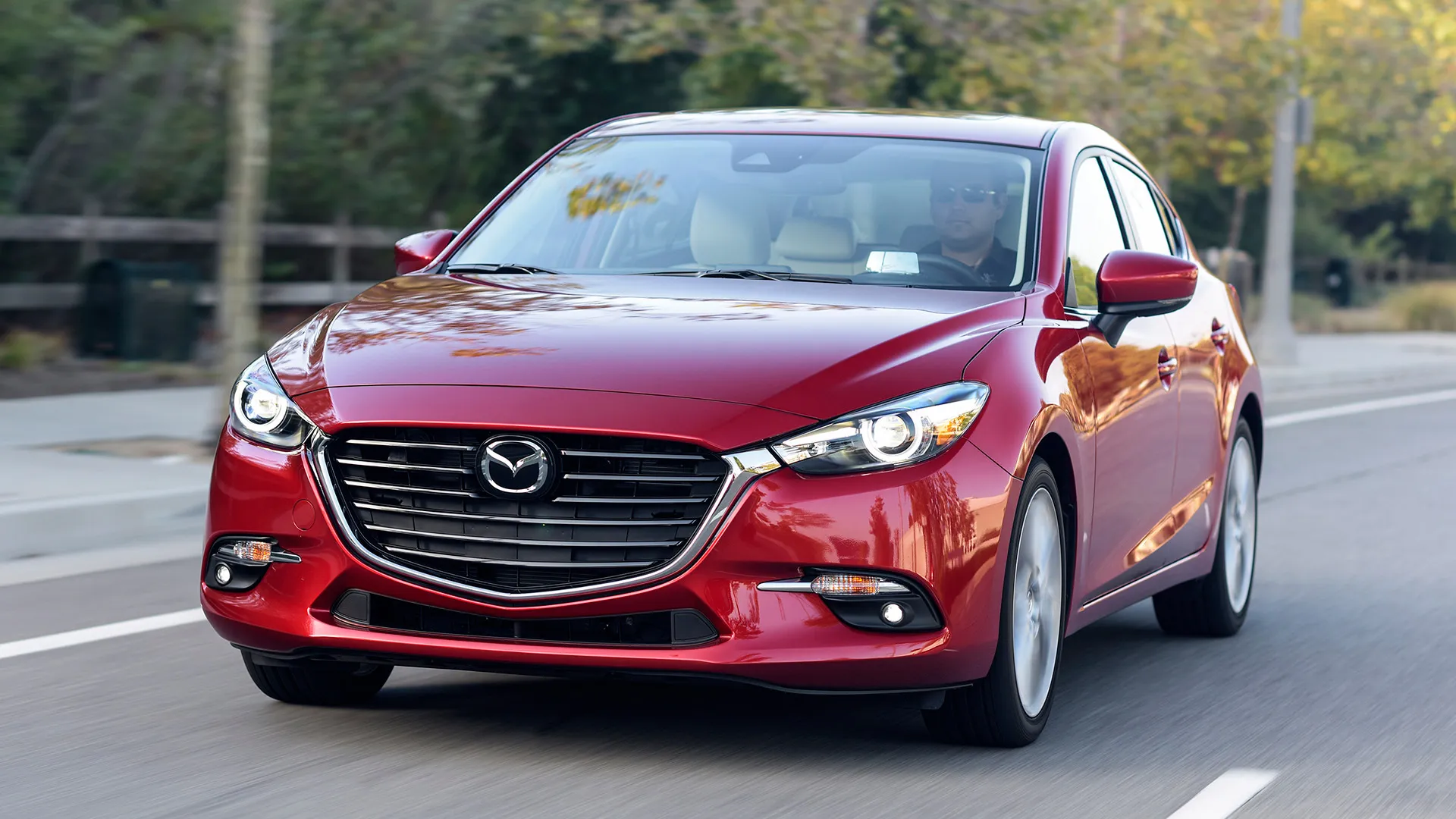
5. Mazda3 Select 2017-2019
Japanese engineering stumbles regarding rust protection in the Mazda3 Select from 2017-2019. These model years demonstrate disappointing corrosion resistance for Mazda vehicles. Wheel wells lack adequate protective liners in these specific years.
Undercarriage components receive less protection than later models, where Mazda improved rust prevention measures after recognizing problems. Rear wheel arches develop rust quickly, often showing bubbling paint and surface rust within two winters.
You’ll notice corrosion appearing behind the rear wheels, progressing into paint failure and metal perforation. Rocker panels corrode from the inside out with damage invisible until perforating exterior surfaces. Door bottoms show rust appearing disappointingly early.
Structural components show concerning corrosion for Mazda vehicles. The subframe develops rust, affecting mounting points. Suspension component attachment areas corrode, creating concerns when degraded metal holds parts. Brake lines show excessive rust for vehicles this age, creating potential safety issues.
Exhaust system components corrode prematurely, requiring replacement before reasonable service intervals. You’ll face repair bills addressing rust damage that shouldn’t occur on vehicles this young from manufacturers with better reputations.
Front-wheel drive provides adequate winter capability. The engine performs well. Transmission operates smoothly. Interior quality impresses with premium materials. Handling remains engaging. Unfortunately, these positives cannot overcome rust problems, destroying value and appearance.
Used buyers recognize these specific model years’ rust issues, avoiding them once problems become widely known. You’ll struggle finding buyers willing to pay reasonable prices for corroded examples. Trade-in values drop dramatically when dealers recognize rust damage.
Rust repair costs climb quickly, addressing extensive corrosion. Body shops charge premium rates reflecting the work required to treat multiple affected areas. Repairs provide temporary improvements before new rust emerges from untreated locations.
Budget for substantial rust repairs or accept catastrophic value loss. These model years prove that even Mazda occasionally fails rust protection, producing vehicles inadequately prepared for Chicago winters during specific production periods before implementing improvements in later model years.
