
The used sports car market has evolved into an unexpected investment frontier, where savvy collectors and enthusiasts are discovering opportunities that extend far beyond the thrill of driving.
While most people view sports cars as depreciating assets, a select group of vehicles under $30,000 has emerged as legitimate investment opportunities, combining driving pleasure with potential financial appreciation.
The phenomenon isn’t driven by speculation alone. These vehicles represent a perfect storm of factors: limited production numbers, iconic status within automotive culture, impending regulatory changes affecting internal combustion engines, and a generation of buyers who grew up idolizing these machines now reaching peak earning years.
Unlike exotic supercars that require substantial capital, these accessible sports cars allow enthusiasts to enter the collector market without breaking the bank.
What makes these eight vehicles particularly compelling is their current undervaluation. Many are still recovering from the bottom of their depreciation curves, while others are just beginning to be recognized for their historical significance.
The manual transmissions, naturally aspirated engines, and analog driving experiences they offer are becoming increasingly rare in today’s automotive world dominated by electric vehicles and driver-assistance technology.
Smart investors are moving quickly but quietly, recognizing that today’s $25,000 enthusiast car could be tomorrow’s $50,000 collectible.
These aren’t get-rich-quick schemes but calculated bets on automotive history, cultural significance, and the timeless appeal of pure driving dynamics.
The window of opportunity is narrowing as more buyers catch on to what insiders have known for years certain sports cars represent both passion and profit in equal measure.
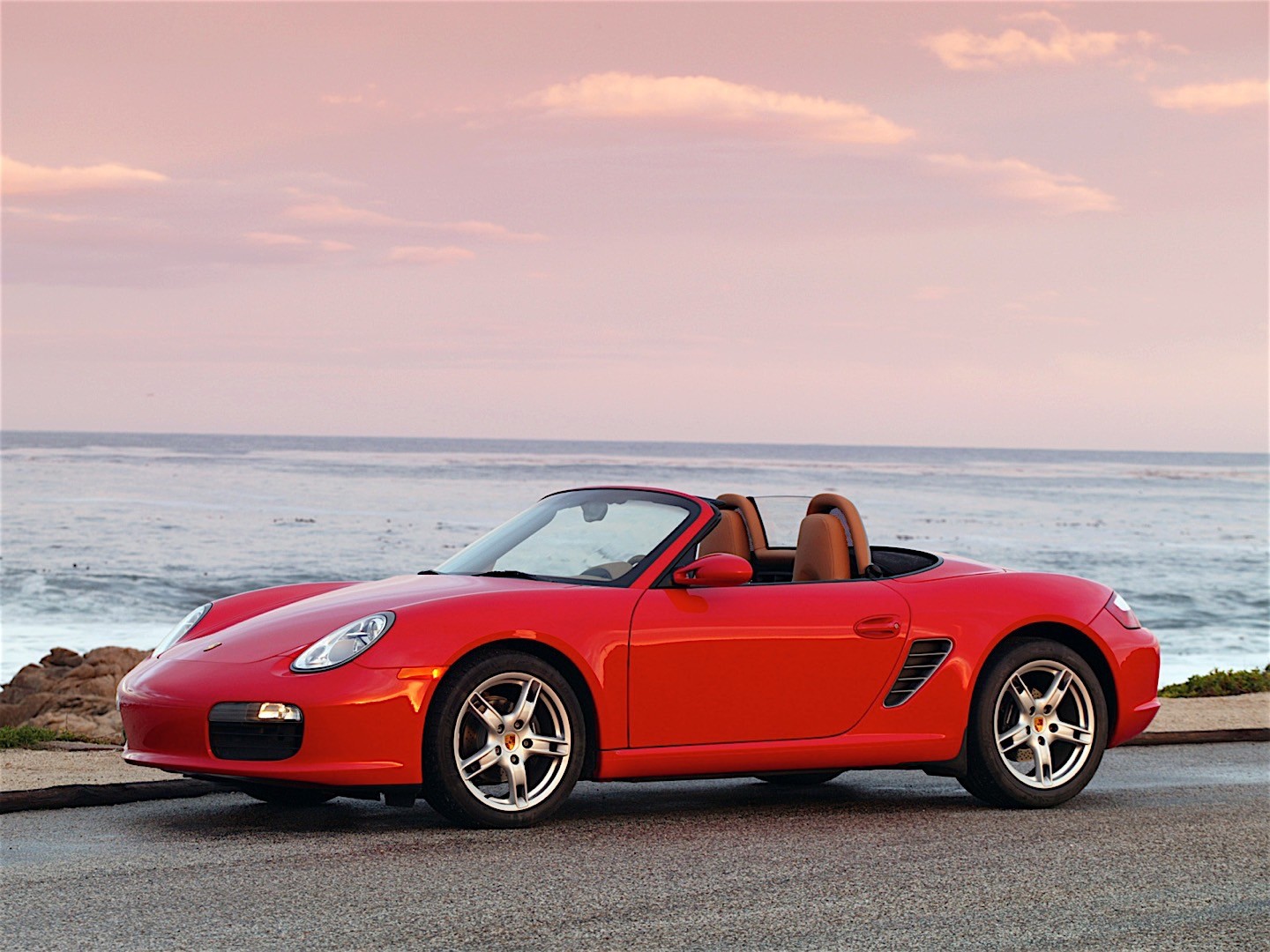
1. Porsche Boxster 987 (2005-2012)
The Porsche Boxster 987 generation represents one of the most compelling investment opportunities in the sub-$30K sports car market, particularly for those seeking a mid-engine Porsche experience without the six-figure price tag.
This second-generation Boxster introduced significant improvements over its predecessor, including a more powerful engine lineup, refined chassis dynamics, and styling that still looks contemporary today.
The investment case for the 987 Boxster centers on several key factors. First, mid-engine Porsche models have historically appreciated well, and the 987 is arguably the last generation before the brand’s shift toward more technology-heavy, less analog vehicles.
The later 987.2 models (2009-2012) are particularly desirable, featuring the superior direct-injection engines that solved many of the intermediate shaft bearing issues that plagued earlier models. Well-maintained examples with the desirable manual transmission and Sport Chrono package are increasingly sought after.
What makes the 987 Boxster special is its pure driving dynamics. The mid-engine layout provides near-perfect weight distribution, resulting in handling characteristics that rival much more expensive sports cars.
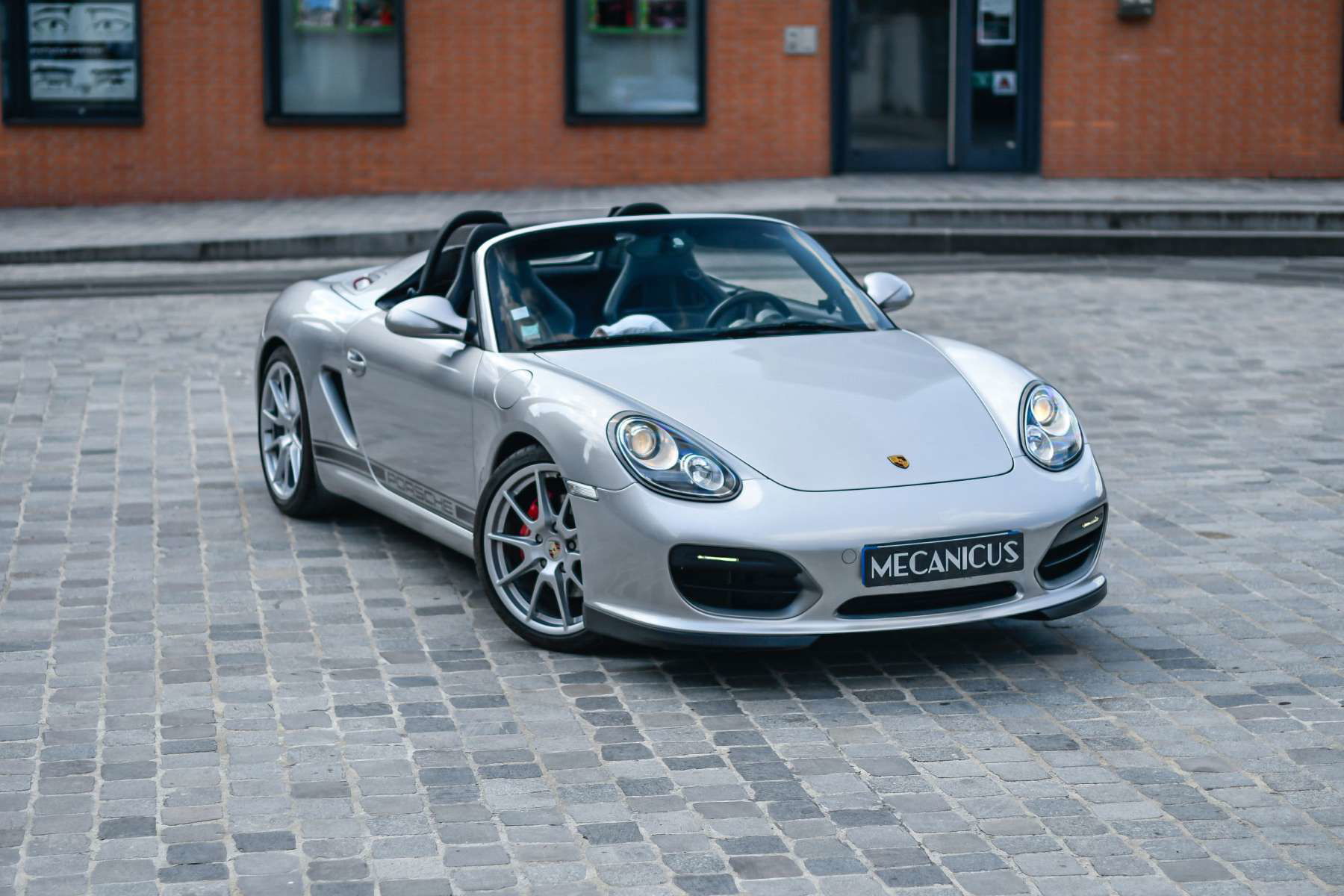
The naturally aspirated flat-six engine delivers a characterful soundtrack that’s becoming increasingly rare, especially the 3.4-liter S model producing 310 horsepower.
This generation also benefits from Porsche’s exceptional build quality, meaning high-mileage examples can still be reliable with proper maintenance.
Investors should focus on several criteria when selecting a 987 Boxster. Manual transmission models command a premium and are appreciating faster than PDK or Tiptronic variants.
The Boxster S models offer better performance and are more desirable than base models. Paint color matters Guards Red, GT Silver Metallic, and more unusual factory colors tend to hold value better than common black or silver.
Documentation is crucial; cars with complete service histories, particularly those showing regular maintenance at Porsche specialists or dealers, are worth the premium.
The market has already begun recognizing the 987’s value. Three years ago, clean examples could be found for $15,000-$18,000. Today, those same cars are trading in the $22,000-$28,000 range, with exceptional low-mileage manual S models approaching $30,000.
The Spyder variant, with its manual top and more focused driving experience, has already broken past $30,000 for pristine examples, signaling where the rest of the range may be headed.
Market analysts predict the 987 Boxster will follow a similar trajectory to the 986 generation, which bottomed out around 2015 and has since appreciated significantly.
As the last generation before the turbocharged 718 models and as regulations make naturally aspirated engines obsolete, the 987 represents a snapshot of a bygone era in automotive engineering.
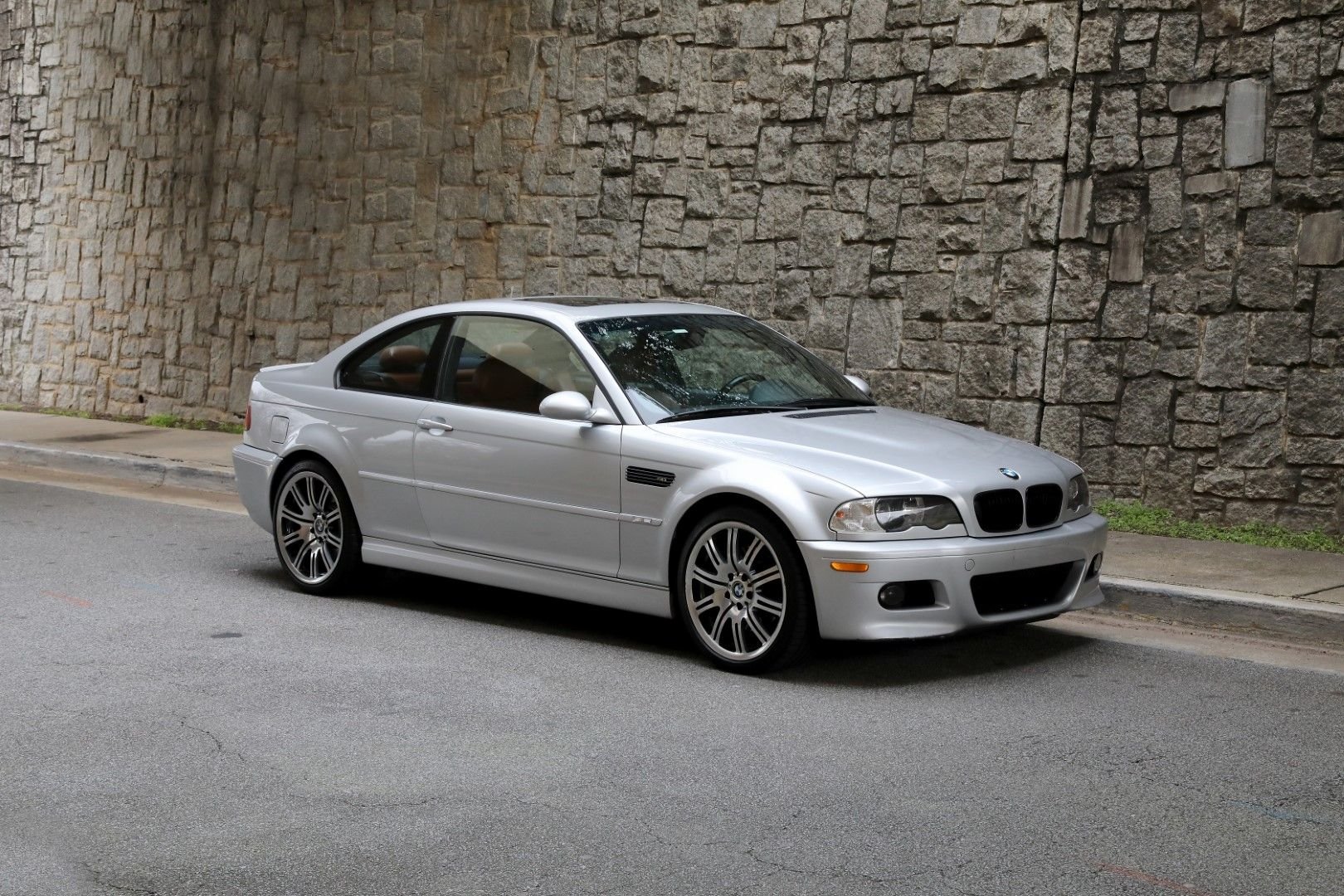
2. BMW E46 M3 (2001-2006)
The BMW E46 M3 stands as one of the most celebrated M cars ever produced, and investors are increasingly recognizing it as a modern classic that’s still accessible.
Powered by the legendary S54 inline-six engine producing 333 horsepower, this generation M3 represents BMW’s last naturally aspirated six-cylinder M car, making it a significant milestone in automotive history.
The investment appeal of the E46 M3 is multifaceted. This model marked the pinnacle of BMW’s analog driving experience before the brand embraced more technology and turbocharged engines.
The S54 engine is renowned for its 8,000 RPM redline and linear power delivery, characteristics that modern turbocharged engines simply cannot replicate. Enthusiasts often describe the E46 M3 as the last “pure” M3, before the cars grew larger, heavier, and more complex.
From a collector’s perspective, several factors make the E46 M3 particularly compelling. The model had a relatively short production run in the United States, with only five model years compared to longer runs for other M3 generations.
The coupe body style is the most desirable, though convertibles have their following. Manual transmission cars significantly outpace the SMG (Sequential Manual Gearbox) versions in both desirability and value retention, as the SMG system is known for expensive repairs and doesn’t provide the engagement that enthusiasts seek.
Finding the right E46 M3 requires careful inspection. The S54 engine is generally robust, but rod bearings are a known weak point that requires addressing around 60,000-80,000 miles a $2,000-$3,000 preventative maintenance item.
Subframe cracking is another common issue, though many cars have already had reinforcements installed. VANOS system wear and rear differential failures are other considerations. Despite these known issues, well-maintained examples remain reliable and are supported by an extensive aftermarket.
The market for E46 M3s has shown consistent strength. Five years ago, average examples sold for $15,000-$20,000. Today, those same cars fetch $25,000-$35,000, with pristine, low-mileage manual coupes exceeding $40,000.
Special editions like the Competition Package models and rare colors such as Laguna Seca Blue, Phoenix Yellow, and Interlagos Blue command significant premiums. The convertible and SMG models have appreciated more slowly but still show upward momentum.
Investors are paying particular attention to unmodified, well-documented examples. The E46 M3 has a strong enthusiast following, which means many have been modified. Cars with original specifications, comprehensive service records, and low ownership history are increasingly rare and valuable.
Original window stickers, books, tools, and even spare keys add value. As the first M3 many millennials could afford in their youth, nostalgia is now driving demand as this generation reaches peak earning years and can finally afford the dream cars they once coveted.
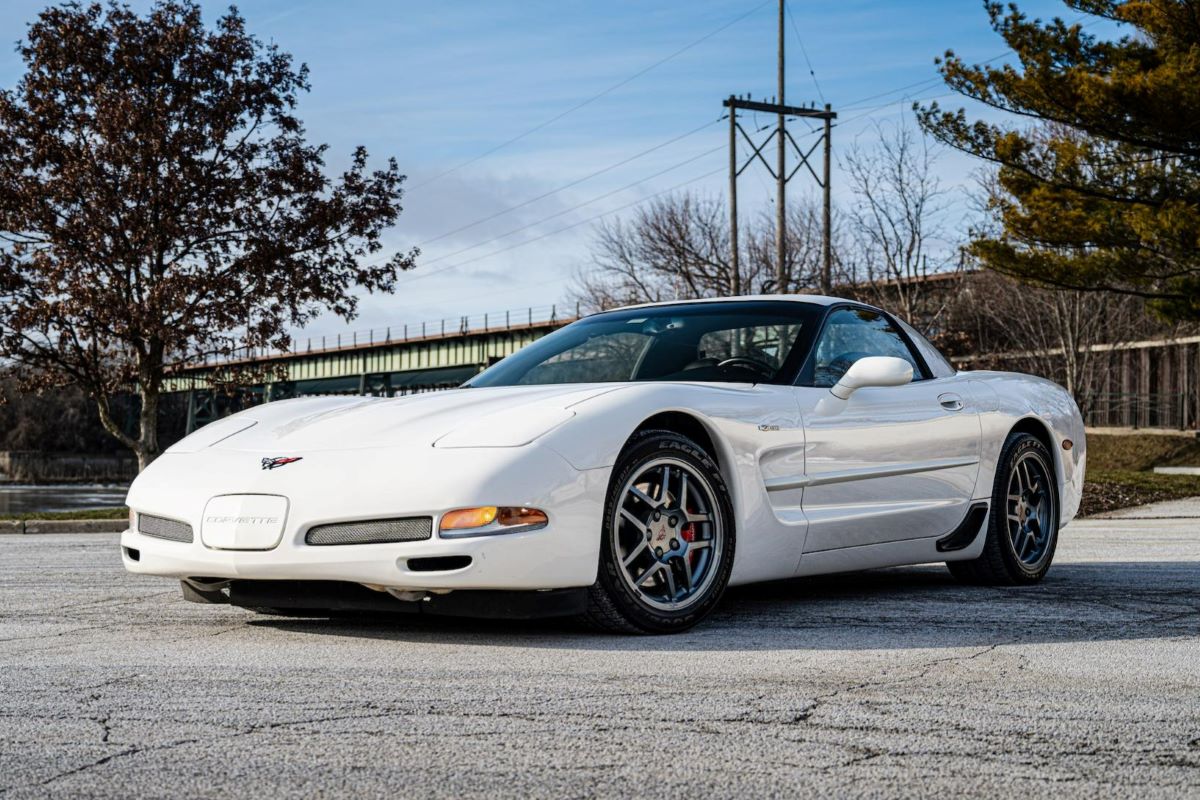
3. Chevrolet Corvette C5 Z06 (2001-2004)
The C5 Corvette Z06 represents American performance at its finest, and it’s increasingly being recognized as an investment-grade vehicle.
With its LS6 V8 engine producing 385-405 horsepower (depending on year), lightweight construction, and fixed roof design, the Z06 was a supercar killer at a fraction of the price when new, and that value proposition remains today.
What sets the C5 Z06 apart in the investment world is its combination of performance, rarity, and historical significance. This was the first Z06 model since 1963, marking Corvette’s return to serious track-focused performance.
The car utilized extensive weight-saving measures, including a titanium exhaust system, balsa wood floor panels, and a fixed roof design that improved structural rigidity. At just over 3,100 pounds with 405 horsepower in later models, the power-to-weight ratio rivals modern sports cars costing twice as much.
The C5 Z06’s investment potential stems from several factors. Production was limited to just four model years, with approximately 17,500 units total modest numbers that create natural scarcity.
Unlike the base C5, which depreciated heavily, the Z06 has found its floor and is beginning to appreciate. The LS6 engine is bullet-proo,f reliable and part of the legendary GM small-block V8 family, ensuring long-term parts availability and affordability. This reliability means high-mileage examples aren’t necessarily problematic if properly maintained.
For investors, condition and documentation are paramount. The C5 Z06 was often used as a track car, so finding unmolested examples is increasingly challenging.
Cars with accident-free histories, original paint, and comprehensive maintenance records command premiums. Modifications can be polarizing proper performance upgrades from respected shops may add value for some buyers, while poorly executed modifications significantly detract. Original, stock examples are becoming the most sought after.
Color choices influence value significantly. Commemorative Edition colors like Speedway White and Millennium Yellow are highly desirable.
The 2004 model year introduced the Carbon Fiber commemorative edition with a unique hood and is particularly collectible. Traditional Corvette colors like Torch Red and Black remain popular, while more unusual factory colors can command attention from collectors.
The market has shown steady appreciation. Three to four years ago, nice C5 Z06 examples could be found for $18,000-$22,000. Today, those same cars sell for $28,000-$35,000, with exceptionally low-mileage, pristine examples approaching $40,000.
The 2004 Commemorative Edition models in excellent condition have surpassed $40,000, indicating where the market may be heading for all Z06 variants.
The C5 Z06’s investment thesis is strengthened by its position in Corvette history. It represents the end of the pop-up headlight era and the beginning of modern Corvette performance engineering.
As electric vehicles dominate future planning and the C8 Corvette moves to mid-engine configuration, the front-engine, manual transmission, naturally aspirated V8 formula of the C5 Z06 becomes increasingly precious.
Collectors recognize this as the last pure expression of traditional American sports car values before the inevitable march toward electrification.
4. Nissan 350Z (2003-2009)
The Nissan 350Z marked the rebirth of the Z-car lineage after a six-year hiatus, and investors are beginning to recognize its significance as an affordable entry point into Japanese sports car collecting.
With its VQ35 V6 engine, rear-wheel drive, and styling that still turns heads today, the 350Z represents the last generation before the Z-car became more refined and expensive.
The investment case for the 350Z centers on its cultural impact and accessible pricing. When introduced, the 350Z revitalized interest in affordable Japanese sports cars and proved that driving excitement didn’t require a six-figure price tag.
The car featured in numerous video games, appeared in the “Fast and Furious” franchise, and became an icon of early 2000s automotive culture. This cultural relevance is now translating into collector interest as millennials who grew up with these cars enter the market.
From a mechanical perspective, the 350Z is impressively robust. The VQ35DE and later VQ35HR engines are known for reliability, with many examples exceeding 150,000 miles without major issues.
The six-speed manual transmission is the desirable option, while the five-speed automatic is adequate but less sought after. The 2007-2008 models with the revised VQ35HR engine producing 306 horsepower and improved handling are considered the best years, though earlier models offer value.
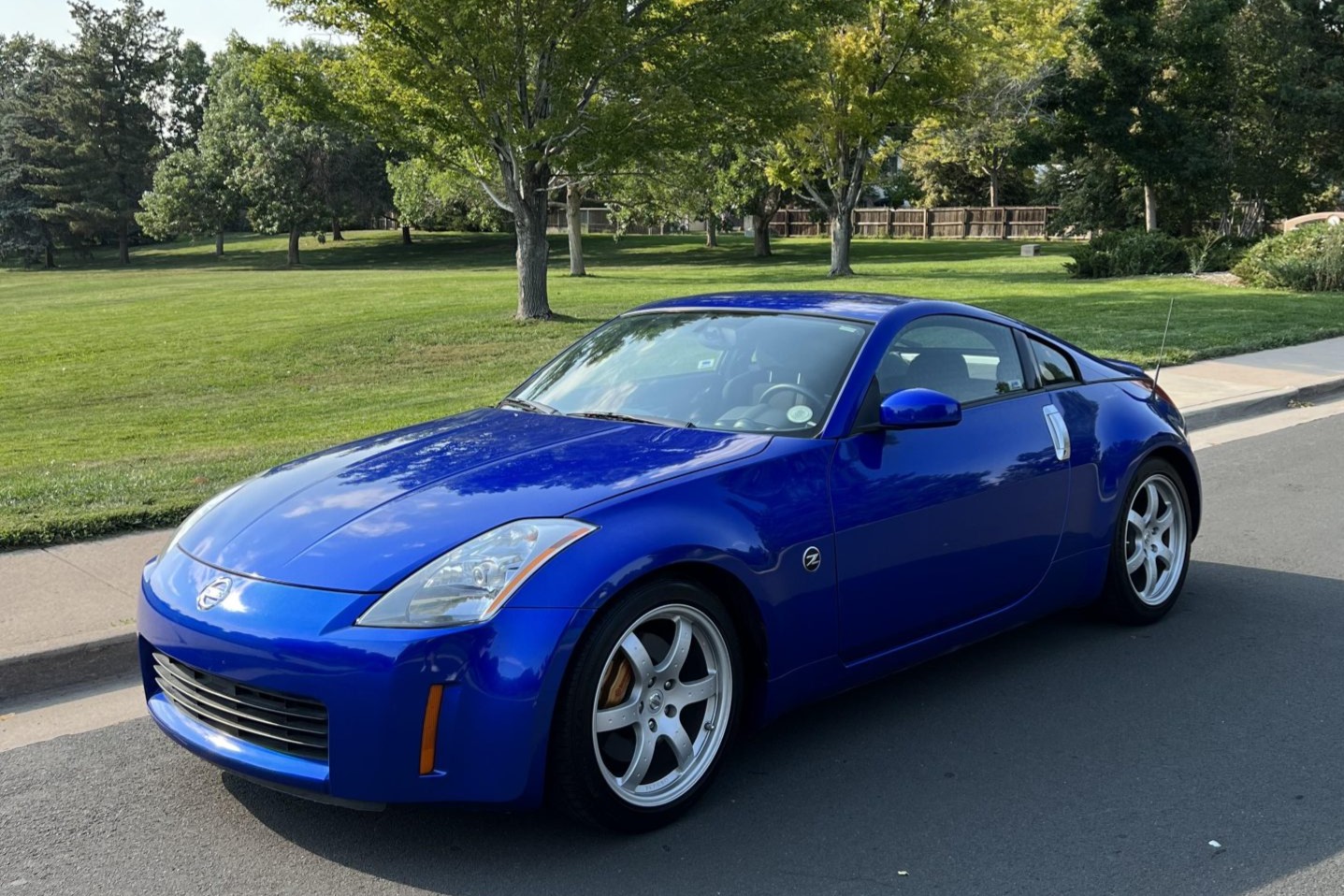
Investors should focus on specific variants for maximum appreciation potential. The Track Edition models, equipped with Brembo brakes, wider wheels, and performance-oriented suspension, represent the most focused factory configuration.
The 35th Anniversary Edition (2005) and NISMO variants are particularly collectible, with the NISMO 350Z commanding premiums due to its enhanced performance and limited production. The roadster models have their following but typically trail coupes in appreciation.
The 350Z market has remained relatively stable but is showing early signs of appreciation. Clean examples still trade in the $12,000-$18,000 range for standard models, while Track Edition and low-mileage examples reach $20,000-$25,000.
NISMO variants and exceptionally preserved cars are approaching $30,000. This pricing represents opportunity; the 350Z hasn’t experienced the dramatic appreciation of some contemporaries, suggesting upside potential.
Several factors support future appreciation. First, the 350Z is the last Z-car with a naturally aspirated engine before the 370Z and now the turbocharged Z. Second, as emissions regulations tighten and manufacturers eliminate V6 engines, the VQ engine’s characterful sound and linear delivery become more precious.
Third, the 350Z represents the last affordable Z-car; subsequent models increased in price and complexity. Fourth, the strong aftermarket support means parts availability shouldn’t be a long-term concern.
Condition considerations are crucial. The 350Z was often modified, sometimes poorly. Original or tastefully modified examples with documentation are increasingly rare and valuable.
Common issues include worn synchros in the transmission, window regulator failures, and rust in northern climates. Cars maintained by Nissan specialists or dedicated performance shops with complete records are worth seeking out. Interior condition is particularly important, as the 350Z’s cabin materials don’t age gracefully without care.
Also Read: 6 Best Small Cars That Feel Confident in Heavy Traffic
5. Honda S2000 (2000-2009)
The Honda S2000 has emerged as one of the strongest performers in the sub-$30K investment category, though finding pristine examples under this threshold is becoming increasingly challenging.
This open-top roadster with its high-revving VTEC engine represents Honda engineering at its absolute peak and is widely considered one of the greatest sports cars ever produced.
The S2000’s investment credentials are impeccable. Honda built just over 110,000 units globally across nine years, with roughly 65,000 destined for the U.S. market, modest production numbers that create natural scarcity.
The F20C and F22C engines are masterpieces of naturally aspirated engineering, with the original F20C producing 240 horsepower from just 2.0 liters and revving to an astonishing 9,000 RPM.
This specific output of 120 horsepower per liter was unmatched by any production car at the time and remains remarkable by today’s standards.
The car’s appeal extends beyond impressive specifications. The S2000 offered an unfiltered driving experience with perfect weight distribution, precise steering, and a six-speed manual transmission that’s often cited as one of the best fitted to a production car.
The formula was pure: front-engine, rear-wheel drive, no electronic nannies in early models, just driver and machine. This analog character is increasingly rare and valuable.
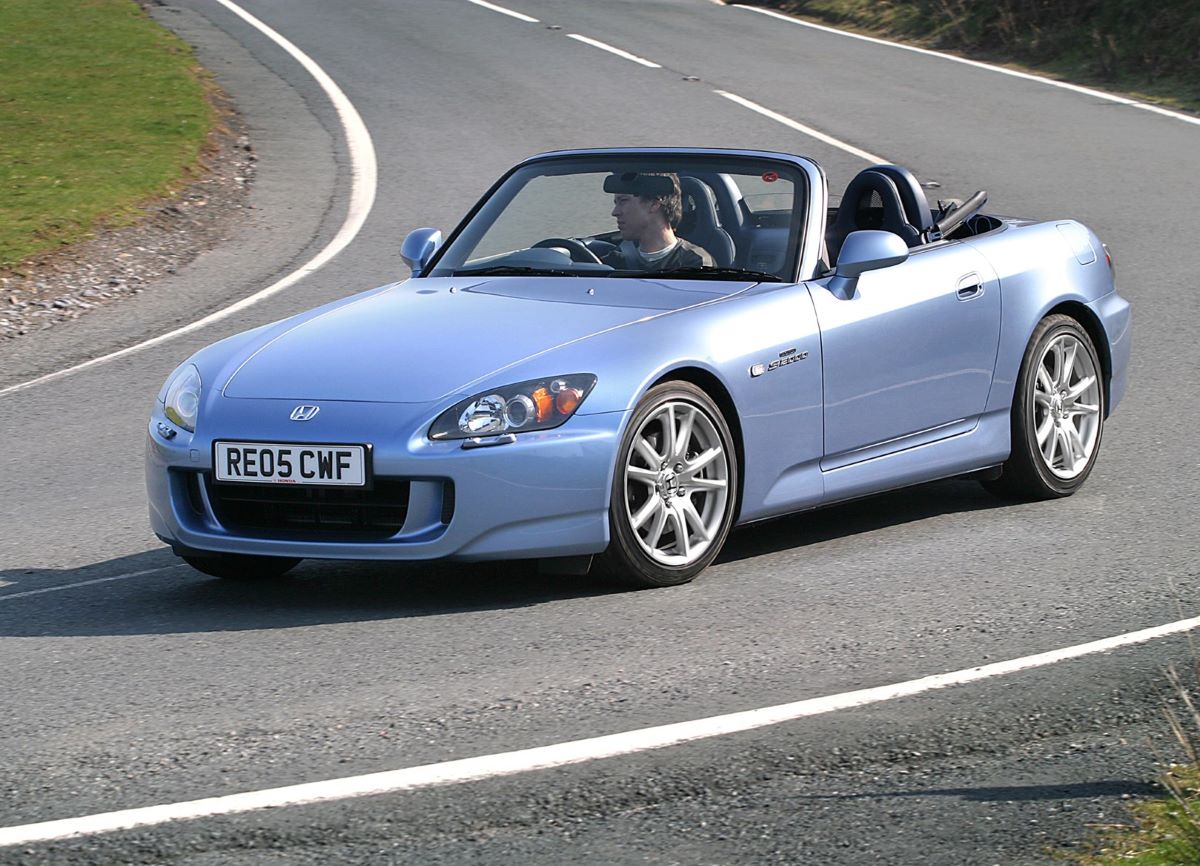
Market performance tells a compelling story. Just five years ago, decent S2000s traded for $15,000-$20,000. Today, clean examples start at $25,000, with pristine, low-mileage cars easily exceeding $40,000.
The rarest variants, particularly the 2008-2009 CR (Club Racer) models, regularly fetch $50,000-$70,000, well above original MSRP. This appreciation, especially for the special editions validates the investment thesis for all S2000 variants.
For investors working within a $30,000 budget, focus must be strategic. Early AP1 models (2000-2003) with the 9,000 RPM F20C engine are becoming collectible due to their rawness and higher redline.
The AP2 cars (2004-2009) offer slightly more refinement and the torquier F22C engine. Both generations have merit, but condition trumps model year. A well-maintained AP1 is better than a neglected AP2.
Color significantly impacts value. Traditional Honda colors like Silverstone Metallic, Sebring Silver, and Rio Yellow are desirable, while Suzuka Blue and New Formula Red command premiums.
Black and white cars are common and less collectible. Special editions like the 2007 Laguna Blue Pearl models or the aforementioned CR trim are highly sought after.
The S2000 faces several condition-sensitive issues that investors must understand. Soft-top condition is critical replacements cost $2,000-$3,000.
The car is prone to rust, particularly in the rear wheel wells and under the soft-top mechanism. Accident history severely impacts value; the S2000’s short wheelbase and powerful engine meant inexperienced drivers often crashed them.
Unmodified examples are rare and precious, the strong enthusiast community meant most S2000s have been modified at some point.
Documentation separates good investments from great ones. Complete service histories, particularly evidence of regular oil changes and valve adjustments, are essential. Original accessories, window stickers, and even spare keys add value.
6. Mazda RX-8 (2004-2011)
The Mazda RX-8 represents a contrarian investment opportunity, a car that’s currently undervalued but shows potential for future appreciation among collectors who understand and appreciate rotary engines.
While the RX-8 lacks the instant collectibility of its RX-7 predecessor, patient investors are recognizing it as the final chapter in Mazda’s rotary-powered sports car legacy.
The RX-8’s unique selling point is its 1.3-liter Renesis rotary engine, the last rotary engine in a production car. This engine, producing 232 horsepower (or 192 in later models due to emissions regulations), revs to 9,000 RPM and delivers a driving experience unlike any piston engine.
The rotary’s smoothness, compact size, and high-revving nature create an addictive character that enthusiasts cherish. As regulatory environments make such engines impossible to develop today, the RX-8’s rotary powerplant becomes a historical artifact.
The investment case requires acknowledging the elephant in the room: rotary engines are notoriously unreliable and require specialized maintenance.
However, this liability is becoming an asset in the collector market. The RX-8 filters buyers only knowledgeable enthusiasts who understand rotary maintenance will consider ownership, creating a passionate, dedicated community. Well-maintained examples with rebuilt or low-mileage engines are increasingly rare and valuable.
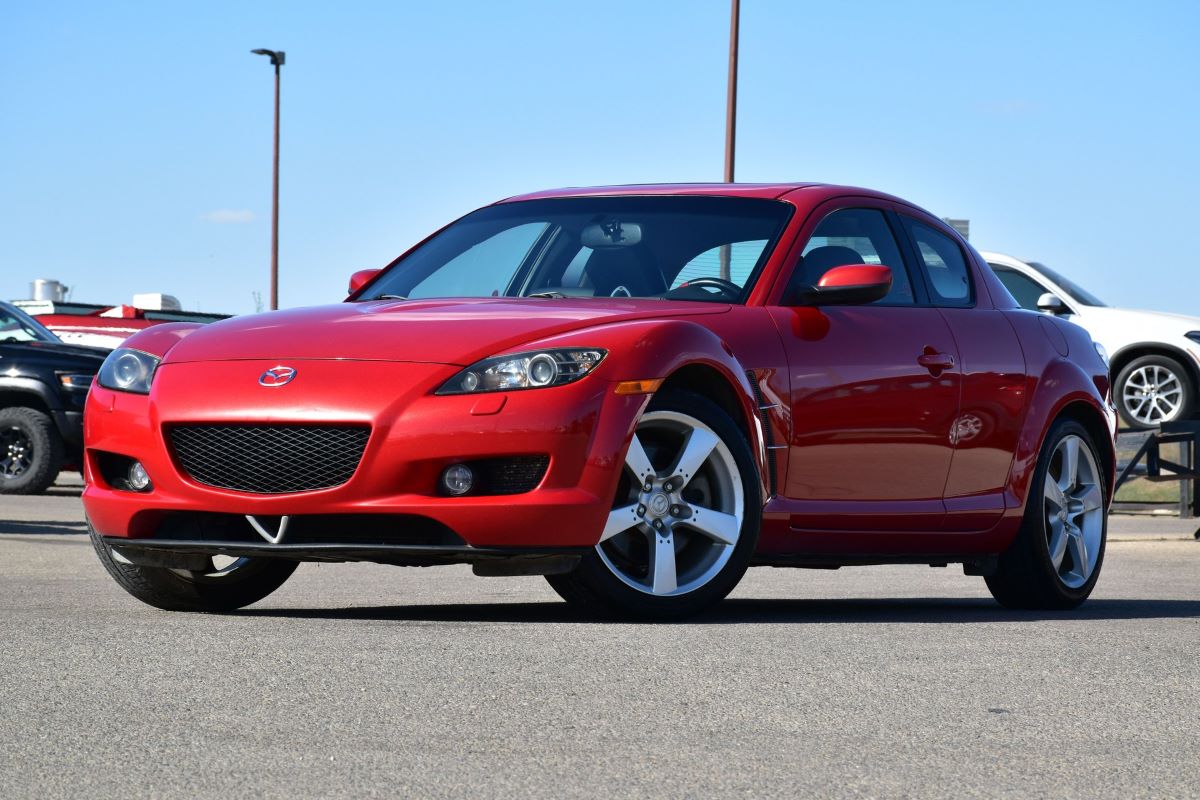
Currently, the RX-8 market offers exceptional value. Clean examples trade for $8,000-$15,000, with exceptionally low-mileage or rebuilt-engine cars reaching $18,000-$22,000.
Special editions like the R3 (2009-2011) with its sport-tuned suspension and aggressive styling package command premiums but remain under $25,000 even for excellent examples. This pricing represents an opportunity for investors willing to hold long-term.
Several factors support eventual appreciation. First, the RX-8 was the last rotary-powered car, and Mazda has no plans to return to this technology despite concept cars suggesting otherwise.
Second, the car’s unique four-door, four-seat configuration made it practical for daily use, unusual in the sports car segment. Third, the chassis dynamics are exceptional, with near-perfect weight distribution and handling that rivals much more expensive cars. Fourth, the design has aged well, still looking contemporary nearly two decades afterits introduction.
For investors, specific criteria matter tremendously. Focus on post-2009 Series 2 models with improved engine reliability and higher compression. The six-speed manual transmission is essential; the automatic is universally panned and won’t be appreciated.
R3 and Spirit R (final edition, mainly Japan-market) models are the most collectible. Documented compression tests and maintenance records are non-negotiable rotary engines require specific care, including regular oil changes and occasional high-RPM use to prevent carbon buildup.
Color and condition are critical. Velocity Red Mica, Winning Blue, and Nordic Green are desirable colors. Avoid cars with modifications suggesting hard use.
Interior condition matters RX-8 cabins weren’t luxurious when new and don’t age gracefully. Look for examples with clean leather, functioning electronics, and no warning lights.
The RX-8 investment thesis is speculative but rational. As the automotive world moves toward electrification and regulations eliminate internal combustion engines, unique powerplants like the rotary will become increasingly precious to collectors.
The RX-8 won’t appreciate as dramatically or as quickly as the RX-7, but patient investors who acquire pristine examples today could see meaningful returns in 10-15 years as nostalgia and rarity drive demand.
7. Audi TT (Mk1, 2000-2006)
The first-generation Audi TT represents an interesting investment proposition, a design icon that’s beginning to be recognized for its cultural and automotive significance.
When introduced in 1998, the TT’s Bauhaus-inspired design created sensation, translating Audi’s 1995 concept car almost unchanged into production. This boldness and the car’s subsequent influence on automotive design make it increasingly collectible.
The Mk1 TT’s investment case centers on several factors. First, the design remains striking and hasn’t dated like many contemporaries. The clean lines, circular motifs, and purposeful stance still draw attention.
Second, the TT marked Audi’s transformation from conservative to design-forward brand, making it historically significant. Third, with Volkswagen Group recently discontinuing the TT nameplate entirely, the original takes on added importance as the beginning of a completed story.
From a mechanical perspective, the Mk1 TT offers robust Volkswagen Group engineering. The 1.8T engine is well-supported and reliable when maintained, though it requires attention to timing belt changes and oil consumption.
The 3.2 VR6 models (2004-2006) offer more power and a characterful engine note but command significant premiums. The Quattro all-wheel-drive system provides capability and confidence, though purists prefer the front-wheel-drive versions for their lighter weight and more engaging dynamics.
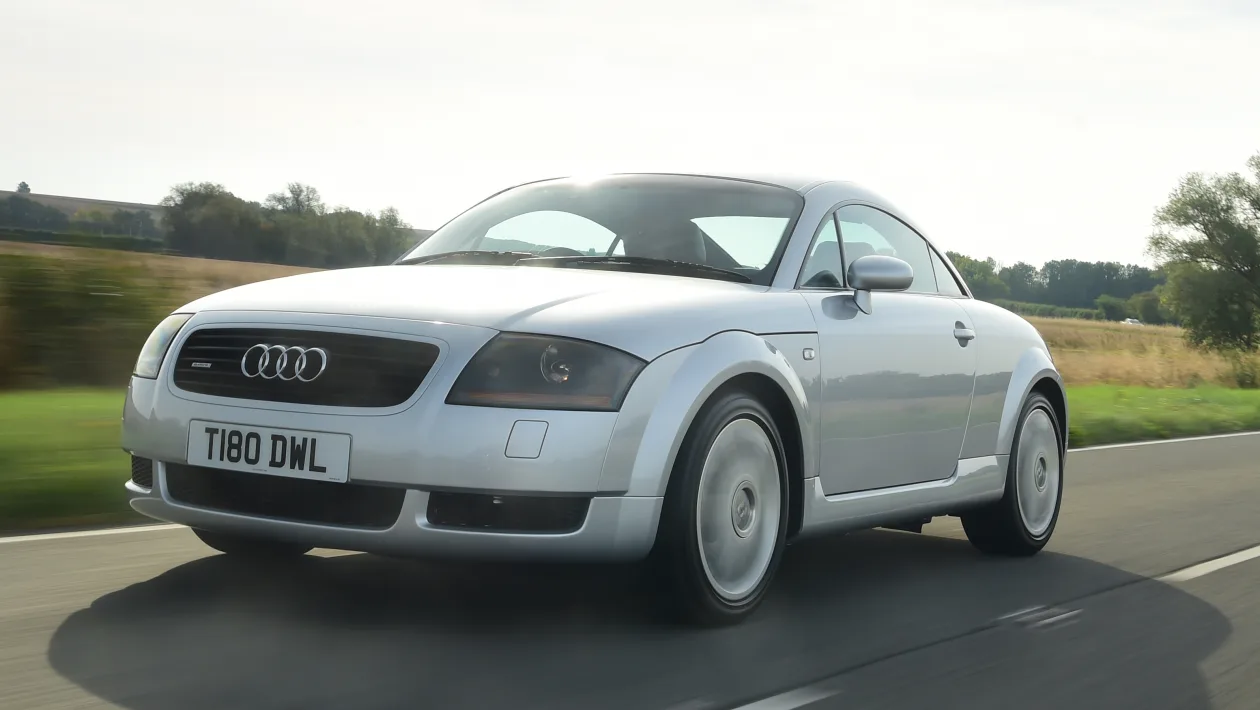
For investors, the Quattro 225-horsepower models represent the sweet spot more desirable than the base 180hp cars but more affordable than the 3.2 VR6.
The coupe body style is preferable to the roadster for appreciation potential. Baseball leather interiors, offered in tan or black, are highly desirable and becoming rare. The interior design, with its aluminum accents and sport seats, was revolutionary and remains one of the TT’s strongest assets.
Current market pricing shows an opportunity. Clean Mk1 TT Quattro coupes trade for $8,000-$15,000, with exceptional low-mileage examples reaching $18,000-$22,000.
The 3.2 VR6 models command $15,000-$25,000 depending on mileage and condition. These prices represent value considering the car’s design significance and build quality. The market has remained stable, but early signs of appreciation are appearing for pristine, well-documented examples.
Condition considerations are critical with the Mk1 TT. These cars are now 18-24 years old, and deferred maintenance creates expensive problems.
The direct-shift gearbox (DSG) in some models requires expensive servicing. Electronics can be troublesome, and failed instrument clusters and window regulators are common. Rust is rare, but check for accident damage, as the TT’s performance encouraged enthusiastic driving that sometimes ended badly.
The investment thesis for the Mk1 TT is design-driven. As automotive design becomes increasingly homogenized and regulated, the TT’s pure, concept-to-production execution becomes more remarkable.
The car won numerous design awards and influenced an entire generation of automotive styling. Museums have already recognized the TT’s importance, the Museum of Modern Art in New York included it in their permanent design collection, validating its artistic and cultural significance.
8. Toyota MR2 Spyder (2000-2005)
The third-generation Toyota MR2 Spyder concludes our list as perhaps the most undervalued investment opportunity in the affordable sports car segment.
While it lacks the power and prestige of some contemporaries, the MR2 Spyder offers something increasingly precious: lightweight, mid-engine purity with Toyota reliability.
The MR2 Spyder represents the antithesis of modern automotive trends. Weighing just 2,195 pounds, it’s lighter than a Mazda Miata and demonstrates that fun doesn’t require horsepower.
The mid-mounted 1.8-liter engine produces just 138 horsepower, but in such a light chassis, the power proves adequate. The car’s party trick is its handling the mid-engine layout and low weight create dynamics that embarrass much more powerful cars on twisting roads.
The investment case for the MR2 Spyder centers on several factors. First, it’s the last mid-engine Toyota sports car, and the company has shown no interest in returning to this configuration. Second, the minimalist approach, no power steering, basic interior, and focus on driving purity, represents a philosophy that’s extinct in new car development.
Third, Toyota reliability means well-maintained examples will survive when more complex contemporaries fade away. Fourth, as emissions regulations and safety requirements make lightweight sports cars impossible to develop, the MR2 Spyder becomes a historical curiosity.
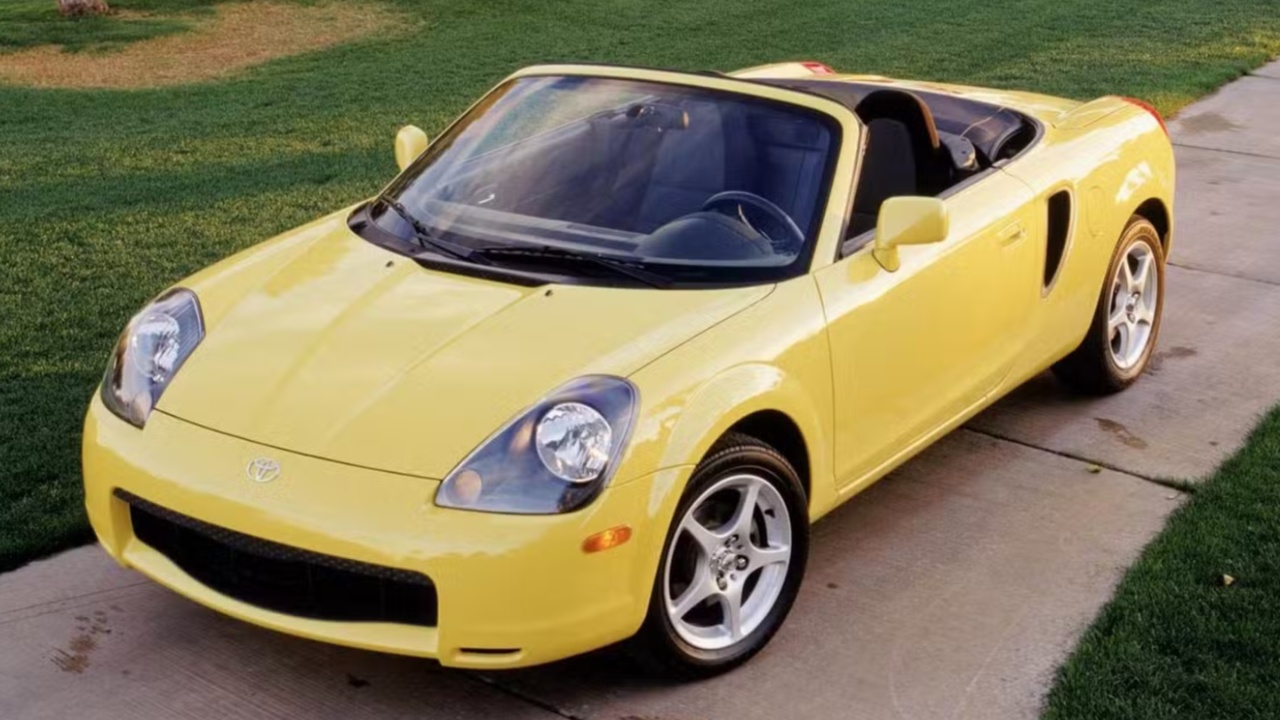
Currently, the MR2 Spyder market offers exceptional value. Clean examples trade for $8,000-$14,000, with low-mileage, pristine cars reaching $16,000-$20,000.
Special editions like the TRD-equipped models or late-production cars with upgraded features command slight premiums but remain affordable.
This pricing represents an opportunity the MR2 Spyder hasn’t experienced, the appreciation of the earlier turbo MR2 or even the first-generation, but this lag suggests upside potential.
For investors, specific criteria enhance value. Sequential manual transmission models, while controversial when new, are becoming collectible as unusual variants.
Traditional manual transmissions remain more desirable color matters significantly Spicy Orange and Voodoo Blue are the most collectible factory colors, while black, silver, and red are common. The 2004-2005 models with updated styling and features are preferable but command premiums.
Condition considerations are straightforward. The MR2 Spyder’s 1ZZ-FE engine is virtually bulletproof; oil consumption is the only common issue. Soft-tops require inspection, as replacements are expensive.
The minimal interior means less to go wrong, though the pre-cat can fail and damage the engine if not addressed. Like all mid-engine cars, the MR2 can bite inexperienced drivers, so the accident history must be clean.
The MR2 Spyder’s investment thesis requires patience. This isn’t a car that will double in value quickly. However, as automotive enthusiasts increasingly recognize that lightweight and driver engagement matter more than horsepower, the MR2 Spyder’s minimalist philosophy becomes more appealing.
The car represents the last gasp of simple, affordable, mid-engine sports cars a formula that’s economically and regulatorily impossible today.
Smart investors recognize that today’s overlooked cars often become tomorrow’s collectibles, and the MR2 Spyder checks every box for eventual appreciation: limited production, unique configuration, bulletproof reliability, and a driving experience that can’t be replicated by modern vehicles.
Also Read: Top 10 V6 Classics That Never Needed Eight Cylinders
