In the realm of performance cars, forced induction is often where the magic happens.
Turbochargers grab headlines these days, but for decades superchargers have delivered visceral, instant power with smooth delivery and uniquely addictive throttle response.
For enthusiasts on a budget students, weekend racers, or anyone chasing thrills without breaking the bank it’s possible to find some seriously fun supercharged performance cars for under $15,000 in the used market.
These aren’t just quirky oddballs, they’re legitimate performance machines that balance everyday usability with real-world speed and swagger.
Whether you’re cruising Main Street or carving canyons in the hills, here are the top 11 supercharged performance cars you can realistically find for under $15K in the U.S.
1. Chevrolet Cobalt SS Supercharged (2005–2007)
The Chevy Cobalt SS Supercharged stands out as one of the most exciting performance bargains of the 2000s.
Built on a compact platform, the SS uses a 2.0-liter Ecotec engine with a factory Eaton M62 supercharger putting down around 205 horsepower and 200 lb-ft of torque impressive figures for such a light car.
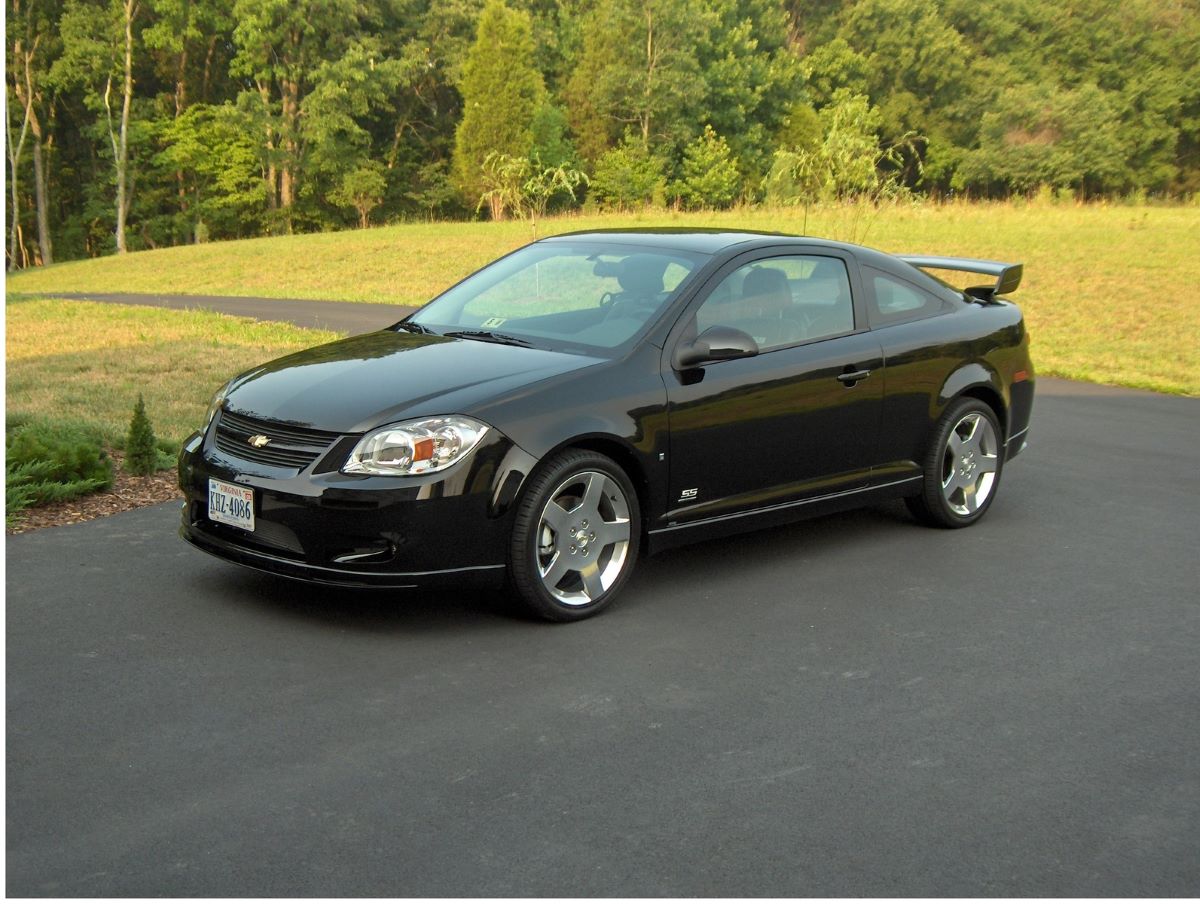
What really sets the Cobalt SS apart is its eager midrange punch and surprisingly tight handling for the price. In stock form, it launches with authority and feels much quicker than its humble four-cylinder badge might suggest.
On the used market, good examples regularly trade for well under $15,000, making it a compelling choice for a daily driver that’s genuinely fun to push on twisty roads.
Enthusiast communities are strong, and aftermarket support for upgrades from suspension bits to bigger power adders is robust.
2. Cadillac CTS-V (First Generation, 2004–2007)
When you think of supercharged performance, Cadillac might not be the first name that comes to mind—but the first-generation CTS-V changed that.
Equipped with a 5.7-liter LS6 V8 and an Eaton supercharger, early CTS-Vs made around 400 horsepower and came with performance-calibrated components like Brembo brakes and a sport-tuned suspension.
In today’s used market, many of these high-performance Cadillacs can be found under $15,000, especially higher-mile examples. What you get is muscle-car thrust in a well-appointed, comfortable sedan that can hustle with much more expensive competitors.
The interior is surprisingly premium for the era, and with proper maintenance, these cars reward drivers with both straight-line authority and respectable handling chops.
The 2007 Cadillac CTS-V represents the high-performance evolution of Cadillac’s entry-level CTS luxury sedan. As with other automakers and their dedicated performance sub-brands, Cadillac’s V Series designation signals meaningful upgrades in power, handling, and braking capability.
The most dramatic changes begin beneath the hood. Replacing the standard V6 is a 6.0-liter V8 that produces 400 horsepower and 395 pound-feet of torque.
Power is routed exclusively through a six-speed manual transmission to the rear wheels via a limited-slip differential. A dual-exhaust system broadcasts the CTS-V’s intent with a pronounced, muscular growl.
Chassis enhancements further separate the CTS-V from its standard counterpart. Cadillac fitted stiffer springs and dampers, thicker anti-roll bars, and a strut tower brace to sharpen handling response. Stopping power comes from Brembo brakes with four-piston calipers at all four corners.
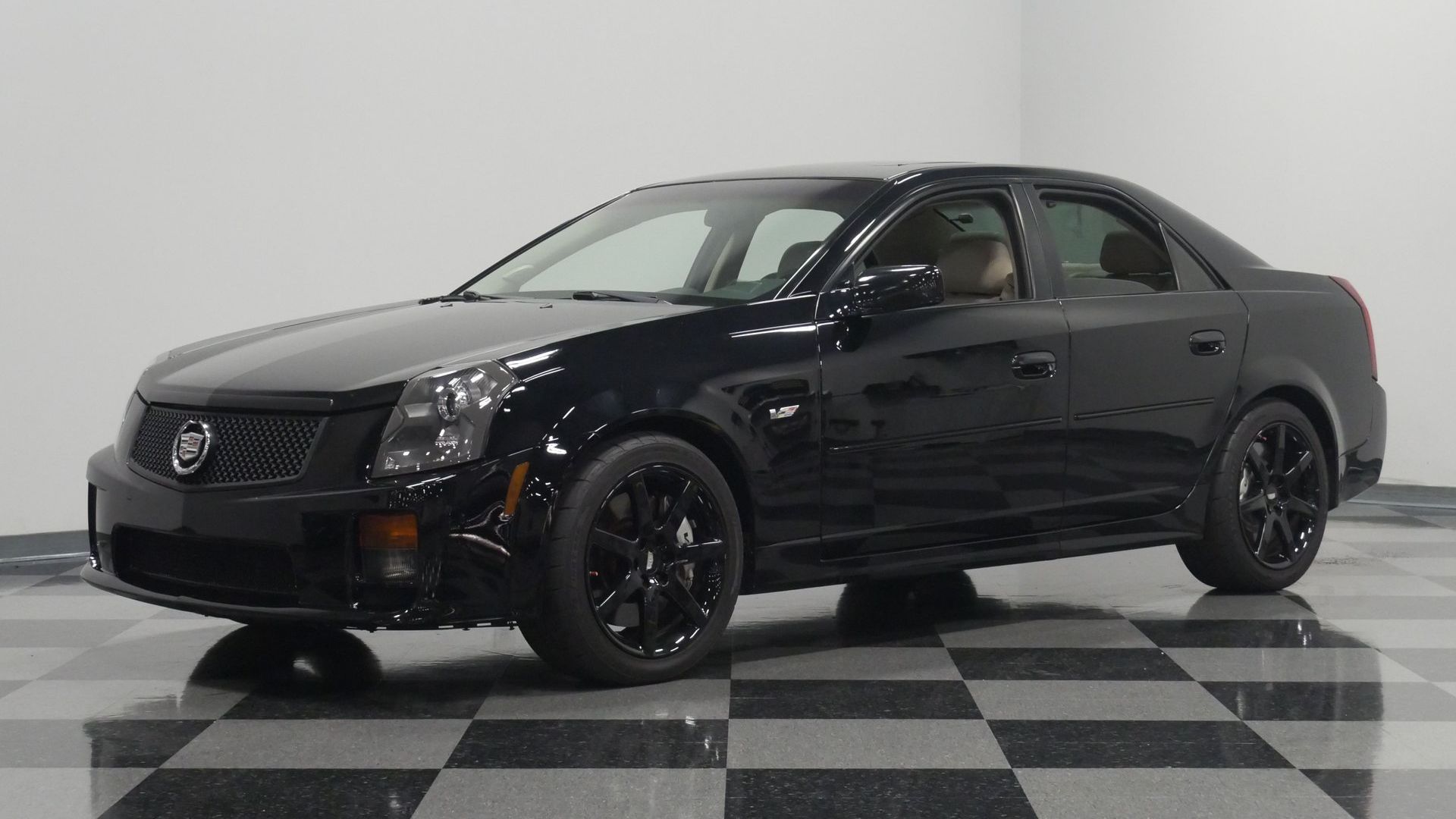
The sedan rides on substantial 245/45WR18 Goodyear high-performance tires wrapped around 18-inch alloy wheels, giving it an appropriately aggressive stance. The StabiliTrak stability control system is also adjustable, allowing skilled drivers more freedom before electronic intervention steps in.
Exterior changes reinforce the CTS-V’s performance focus. Revised front and rear fascias add visual aggression, while mesh inserts replace the standard grille and lower intake treatments.
Chrome dual exhaust tips further distinguish the V model from lesser CTS variants. Inside, the CTS-V features unique gauge clusters with chrome accents and metallic trim pieces. However, compared to competitors such as the Audi S4, the cabin falls short in overall design sophistication and materials quality.
Even so, the 2007 CTS-V compensates with confident handling, explosive straight-line performance, a roomy interior, and pricing that remains relatively attainable for a high-performance sport sedan. Taken as a whole, it stands as one of the most compelling vehicles Cadillac has ever produced.
Powering the CTS-V is a 6.0-liter V8 closely related to the engine used in the Chevrolet Corvette. Output is substantial, delivering 400 horsepower at 6,000 rpm and 395 lb-ft of torque at 4,400 rpm. Reflecting the car’s performance-first philosophy, Cadillac offered only a six-speed manual transmission.
On the move, the engine provides strong thrust across a wide rev range, accompanied by a deep, resonant exhaust note. Acceleration is brisk, with the CTS-V sprinting from zero to 60 mph in approximately 5 seconds.
Also Read: Top 10 Four-Cylinder Engines That Punch Way Above Their Price
3. Pontiac Grand Prix GXP (2004–2008)
Another General Motors gem of the 2000s, the Pontiac Grand Prix GXP combined sleeper looks with serious performance.
Under the hood sat a 4.6-liter Northstar V8 fed by an Eaton supercharger, good for roughly 303 horsepower and 329 lb-ft of torque. Unlike some larger muscle cars, the GXP balanced power with a sport-tuned suspension and four-door practicality.
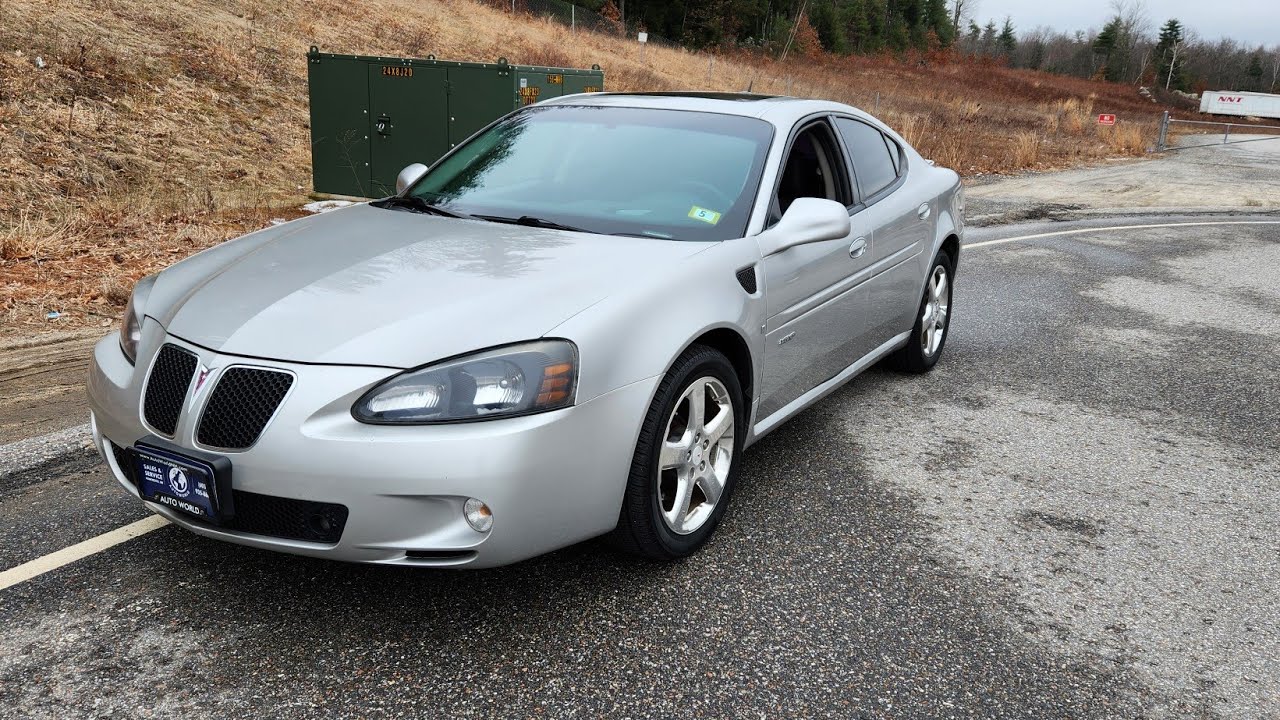
Used pricing generally sits comfortably beneath $15K, and the car’s long-roofline silhouette hides its ability to scoot.
Enthusiasts appreciate the GXP’s torque-rich delivery and comfortable cabin a car you could daily without complaint yet still enjoy on backroads.
4. Jaguar XJR (X308, 1997–2003)
If you’ve ever dreamed of British luxury with American-style power, the Jaguar XJR delivers exactly that.
The X308 generation uses a supercharged 4.0-liter V8 producing around 400 horsepower and does so with silky-smooth power delivery and a soundtrack that’s both elegant and thrilling.
It’s a great example of classic Jaguar charm: plush leather, rich wood trim, and surprising performance.
What keeps this car on a budget is age and maintenance perception many ideal candidates need some TLC.
But for drivers willing to do their homework or have a trusted mechanic, the XJR offers an unforgettable blend of speed, comfort, and old-world flair that’s hard to match at this price.
While few ever accused the Jaguar XJ sedan of being slow or underpowered, the British marque appeared to rediscover its motorsport heritage and decided it was time to raise the stakes. The result was the XJR.
In 1997, Jaguar concluded that its long-serving inline-six engines had reached the end of their usefulness in its flagship models.
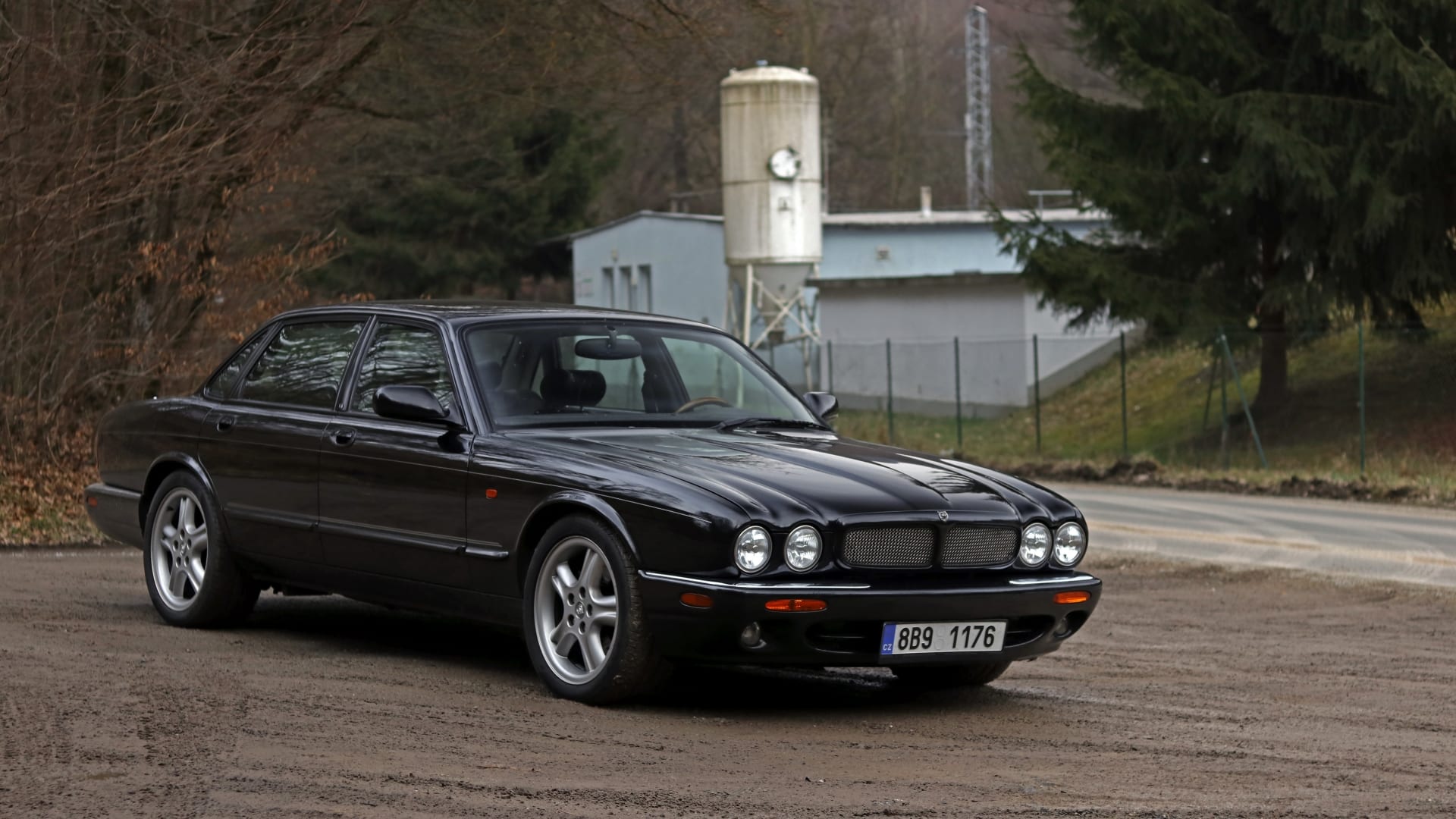
To move forward, the company introduced an entirely new family of powerplants known as the AJ-V8. As the name implied, these were V8 engines, but Jaguar’s engineers weren’t content to stop there. Seeing an opportunity to extract even more performance, they fitted the engine with a supercharger.
Visually, the XJR didn’t shout about its performance credentials. Only a handful of exterior details gave it away. The most obvious was a silver mesh grille in place of the standard body-colored unit.
The performance sedan also received a unique set of light-alloy wheels, along with a dual-exhaust system featuring one outlet on each side at the rear.
That design brought cleaner lines and a lower roofline, an aesthetic improvement that came at the expense of headroom, much to the dismay of taller occupants, though most buyers were happy to overlook that compromise.
Inside, the cabin retained Jaguar’s signature luxury ambiance. Leather upholstery, polished wood trim, and high-quality materials dominated the interior. Controls were logically placed and easy to reach, rather than awkwardly hidden behind the steering wheel.
The distinctive J-shaped gear selector remained a uniquely Jaguar touch. Rear-seat space was acceptable for average-height passengers, though those of above-average stature would find legroom and headroom less accommodating.
Beneath the hood, the XJR was powered by a newly developed supercharged 4.0-liter V8 that delivered more output than the XJS V12 sports car.
Power was sent through a five-speed automatic transmission sourced from Mercedes-Benz, known as the 5G-Tronic. The combination transformed the XJR into a genuinely quick luxury sedan, blending traditional British refinement with performance that few would have expected at the time.
5. Audi S4 (B8, 2009–2012)
The B8 Audi S4 was one of the first modern German sedans to embrace supercharging (before Audi fully switched to turbocharging), using a 3.0-liter supercharged V6 with 333 horsepower and Quattro all-wheel drive.
It’s a really compelling package: brisk acceleration, confident grip in all conditions, and a refined interior that still feels premium today.
Under $15,000 you can find examples that are older or higher-mileage, but these often come with a strong service history.
The S4 is a little pricier to maintain than some others on this list, but what you get is a European performance car that feels special every time you climb in.
When Audi introduced the then-new S4 in 2004, it made a bold statement by fitting a 4.2-liter V8 beneath the hood of what was still a relatively compact sedan. Combined with a sport-tuned suspension, larger wheels, and uprated brakes, the V8-powered S4 was capable of going head-to-head with any high-performance German rival of its era.
However, the performance has evolved. In today’s market, 340 horsepower is no longer a headline-grabbing figure, and even non-performance variants from competing brands can now match or exceed the S4’s output.
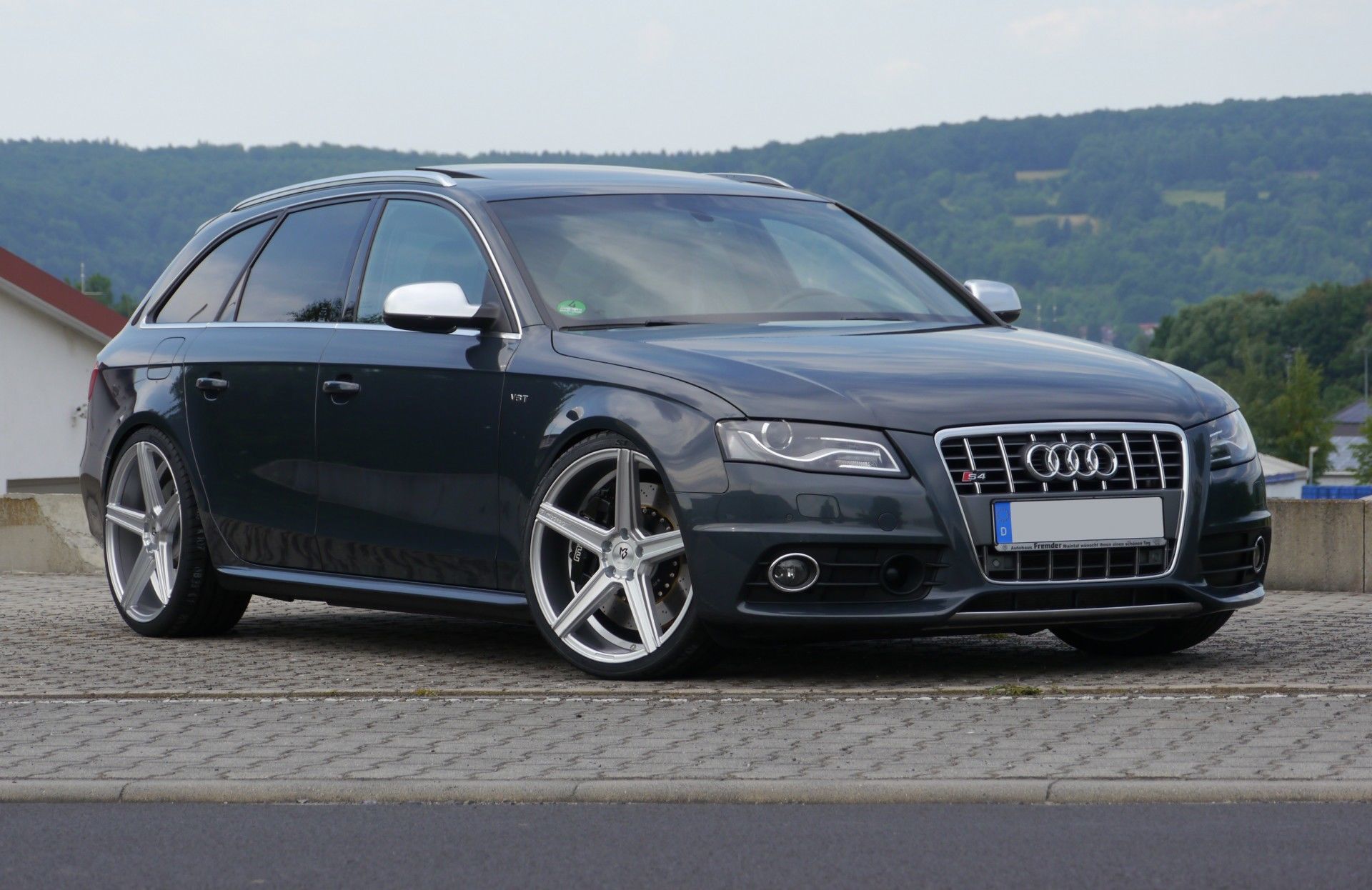
For the 2009 model year, the Audi S4 lineup has been significantly pared back. Only the convertible carries over from the previous year, as both the sedan and wagon have been discontinued. Audi is widely expected to be preparing all-new versions of those body styles.
A completely redesigned A4 sedan debuted this year and will form the basis of the next-generation S4 when it arrives. In the meantime, the 2009 S4 Cabriolet continues to showcase two of its strongest attributes: attractive styling and a high-quality interior.
As rival manufacturers have raised the bar with their own performance offerings, the S4 convertible no longer goes toe-to-toe with hardcore models such as the BMW M3.
Instead, it now occupies a middle ground in both pricing and performance. It slots above the 300-horsepower BMW 335i convertible and below the 382-horsepower Mercedes-Benz CLK550. Viewed from that perspective, the 2009 Audi S4 Cabriolet remains a compelling option for buyers seeking a small luxury convertible with a noticeable performance upgrade.
Under the hood, the Audi S4 is powered by a 4.2-liter V8 producing 340 horsepower and 302 pound-feet of torque. Buyers can choose between a six-speed manual transmission or a six-speed automatic. The automatic gearbox includes steering-wheel-mounted paddle shifters, allowing for manual-style control.
Audi’s standard Quattro all-wheel-drive system features a 40/60 front-to-rear torque split under normal driving conditions, enhancing the car’s balance and cornering dynamics. According to Audi, a manual-equipped S4 Cabriolet can accelerate from zero to 60 mph in 5.8 seconds.
6. Chrysler 300C SRT8 (2005–2010)
Although not supercharged from the factory, many 300C SRT8 variants were enthusiast-modified with aftermarket superchargers and with the car’s 6.1-liter HEMI V8 producing around 425 horsepower stock, the platform responds incredibly well to forced induction.
Thanks to its robust architecture and abundant aftermarket support, you can find well-done supercharged builds for under $15,000.
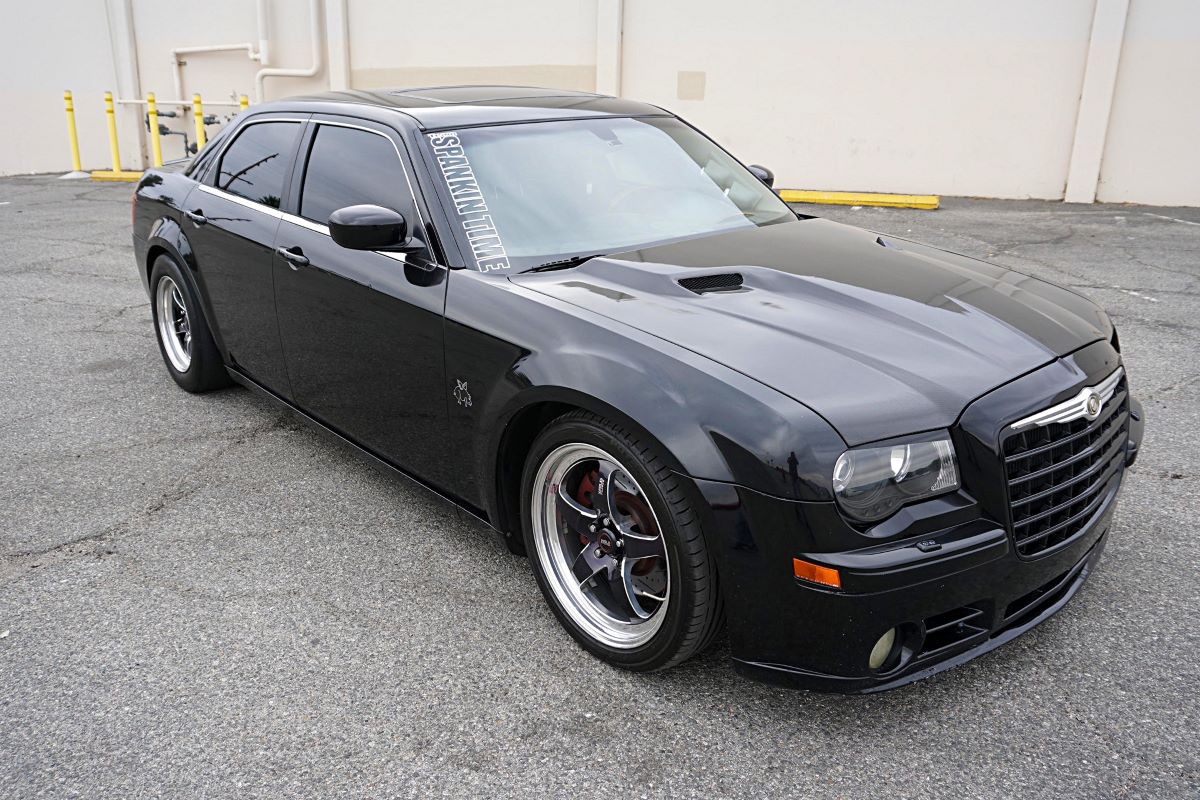
This car isn’t subtle: it’s loud, bold, and unapologetically American. Inside you’ll find roomy seating and a commanding driving position.
For someone ready to take on a slightly project-like vehicle with documented mods, the 300C SRT8 can be a true cruiser-killer.
Also Read: 5 Sedans That Sip Fuel On Highways vs 5 Thirsty Cruisers
7. Saab 9-3 Viggen (1999–2002)
The Saab 9-3 Viggen is a quirky but beloved member of the supercharged compact performance scene.
With its 2.3-liter turbocharged and supercharged engine (a unique Saab engineering feat), the Viggen produced around 230 horsepower modest on paper, but highly engaging in an agile package.
It also featured a sophisticated chassis with sport-tuned suspension and capable brakes.

While turbochargers do much of the work, the factory’s combination of forced induction systems gives the Viggen a distinct throttle response and torque curve that enthusiasts adore.
On the used market, these can be had for under $15K and deliver character you won’t find in many other cars at this price.
8. Buick Regal GS (1997–1998)
The Buick Regal GS from the late ’90s is another sleeper classic worth checking out. Powered by a supercharged 3.8-liter V6, it produced around 240 horsepower numbers that translated to genuinely brisk acceleration in a comfortable, weighty sedan.
It’s the same basic engine found in the Grand National/GNX lineage, though tuned more moderately.
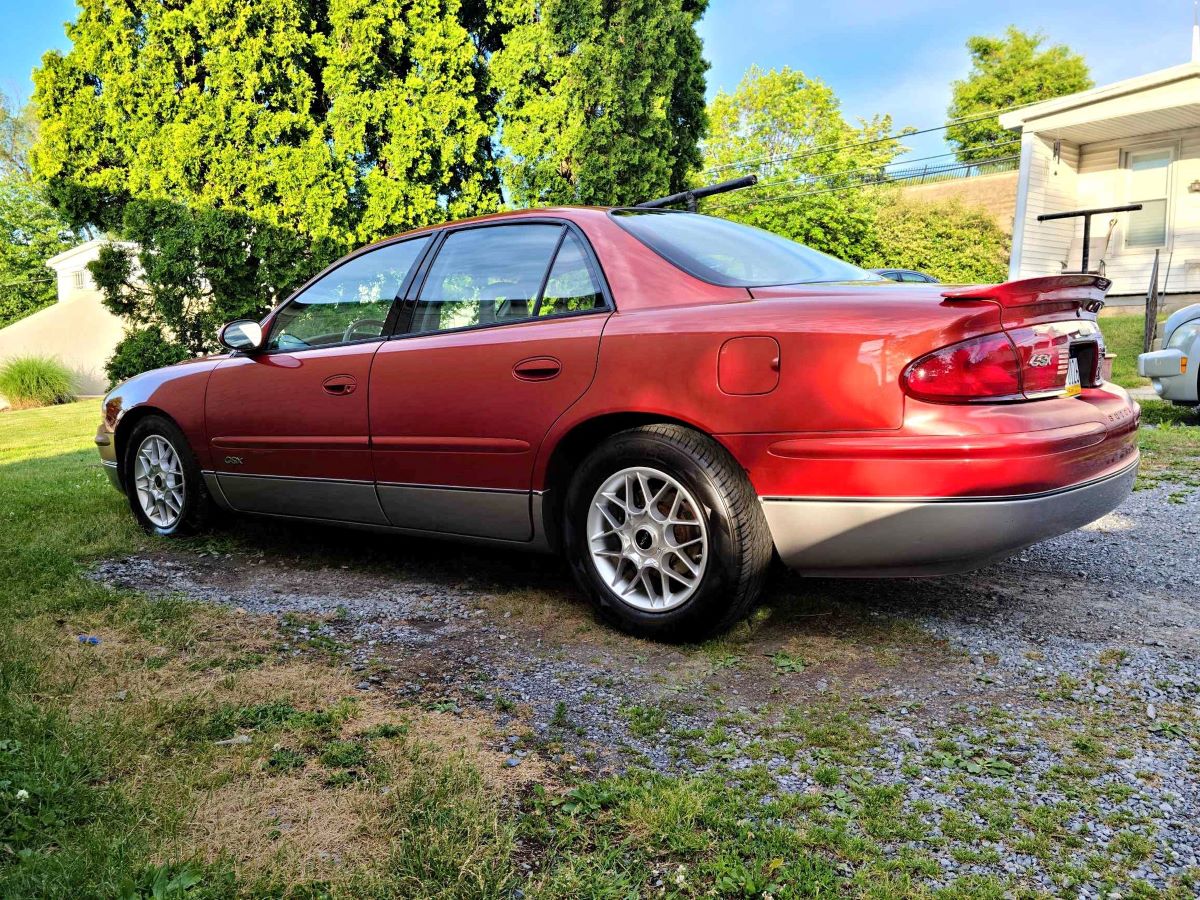
What makes the Regal GS a fun value play is its balance of everyday comfort with surprising punch, all wrapped in a discreet exterior that avoids drawing attention.
Enthusiast support for upgrades is strong, allowing owners to easily extract more power while retaining drivability.
Positioned as a more upscale alternative to the Century, the 1997 Buick Regal represented an effort to win back buyers with a sportier sedan capable of standing its ground against mid-size European and Japanese competitors.
Buick debuted the 1997 Regal in a highly unconventional manner. It became the brand’s first vehicle to be launched through a dedicated website, featuring a dramatic presentation in which the car burst through a brick-like wall, driven by then–Buick General Manager Ed Mertz.
Although many customers immediately noticed visual similarities to the more affordable Buick Century and even the Chevrolet Lumina, the fourth-generation Regal was largely well received.
Compared to its lower-priced sibling, it offered richer standard equipment and more powerful engine options that allowed it to challenge pricier rivals in the segment. Buick further leaned into its performance messaging by marketing the car as “The official car of the supercharged family.”
While it wasn’t the GNX enthusiasts truly longed for, it came close enough to spark interest, especially since it offered four doors and space for more adult passengers than its legendary predecessor.
Reflecting the bio-design styling trend of the era, the 1997 Buick Regal featured a front end defined by long, oval-shaped headlights with softly rounded edges and integrated turn signals positioned on their outer corners.
These surrounded a rounded plastic grille highlighted by chrome horizontal slats. Below, the wraparound bumper incorporated a lower air intake flanked by fog lamps. The look was smooth and aerodynamic, a quality that helped draw buyers into showrooms.
Although the Regal shared much of its sheet metal with the Century, it projected a more premium appearance. Color-matched door handles, streamlined side mirrors, alloy wheels, and body-colored side cladding its visual appeal.
The greenhouse featured a gently rising lower window line that flowed into the rear deck, reinforcing the car’s cohesive design. To underline its sportier intent, Buick fitted the Regal with a sharply raked rear window and a subtle lip spoiler on the trunk lid.
At the rear, rounded taillights mounted at the corners framed the license plate recess, creating a wide red visual signature that helped the Regal stand out in traffic.
Inside, the leather-trimmed cabin and sweeping dashboard design were intended to appeal to buyers seeking comfort and refinement. Up front, the Regal came equipped with bucket seats offering multiple power adjustments.
A four-spoke, airbag-equipped steering wheel sat ahead of a fully analog instrument cluster, reflecting Buick’s desire to avoid the criticisms aimed at earlier generations. In the rear, a wide bench seat accommodated three passengers, while a folding center armrest with integrated cup holders revealed a pass-through to the trunk, an especially practical feature for carrying long items such as skis.
Mechanically, the 1997 Buick Regal distinguished itself from the Century by offering two versions of a 3.8-liter V6 engine. The standard naturally aspirated unit produced 195 hp (197 PS), while the more potent supercharged variant delivered 241 hp (244 PS).
Buick later revised the supercharged engine, increasing output to 270 hp (274 PS). In all cases, power was sent to the front wheels through a four-speed automatic transmission equipped with a traction control system.
9. Ford Mustang SVT Cobra (1999–2001 “Mystic Cobra” & 2003–2004)
Few names stir the hearts of performance fans like the Cobra. The 1999–2001 Cobra featured the notorious “mystic” supercharged 4.6-liter V8 that delivered around 320 horsepower and a strong torque curve.
The 2003–2004 models further refined the formula with improved internals and about 390 horsepower.
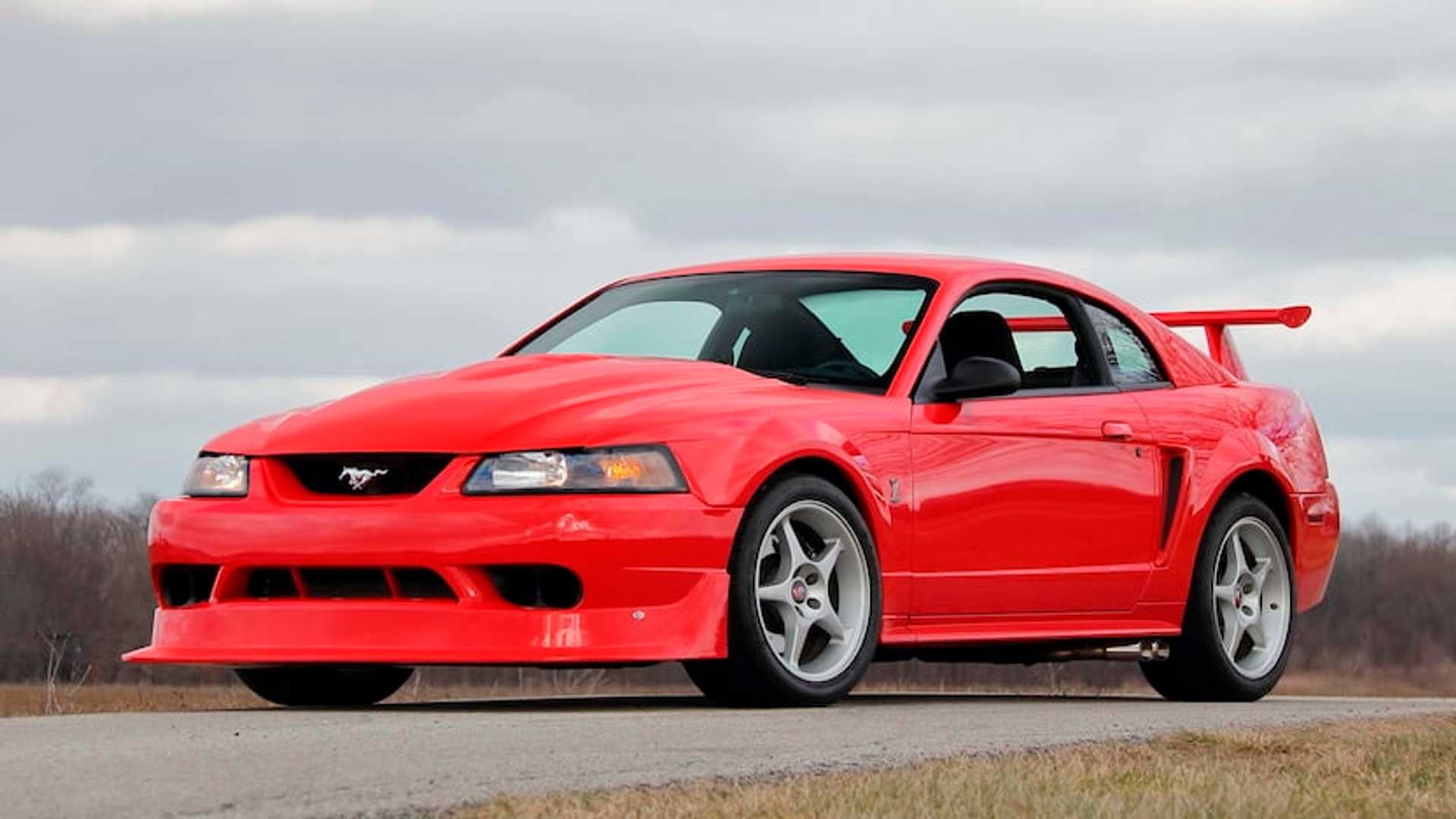
While pristine examples of the 2003–2004 Cobras can fetch more than $15,000, plenty of solid, well-maintained cars fall under that threshold especially 1999–2001 models.
These cars have a huge aftermarket community, making upgrades and performance parts easy to source.
10. Pontiac Bonneville SSEi (1992–1999)
The Pontiac Bonneville SSEi is an underrated classic in the supercharged market.
Its 3.8-liter supercharged V6 pushed respectable power for its era and came with features that were luxurious at the time: sport suspension, four-wheel disc brakes, and a surprisingly composed ride.
With around 240 horsepower, it offered effortless highway cruising and strong midrange thrust.

In the modern used landscape, Bonneville SSEis are inexpensive and can be found in good condition for well under $10,000, leaving room in your budget for basic maintenance or light upgrades.
It’s a great sleeper choice for someone who appreciates old-school performance that feels effortless.
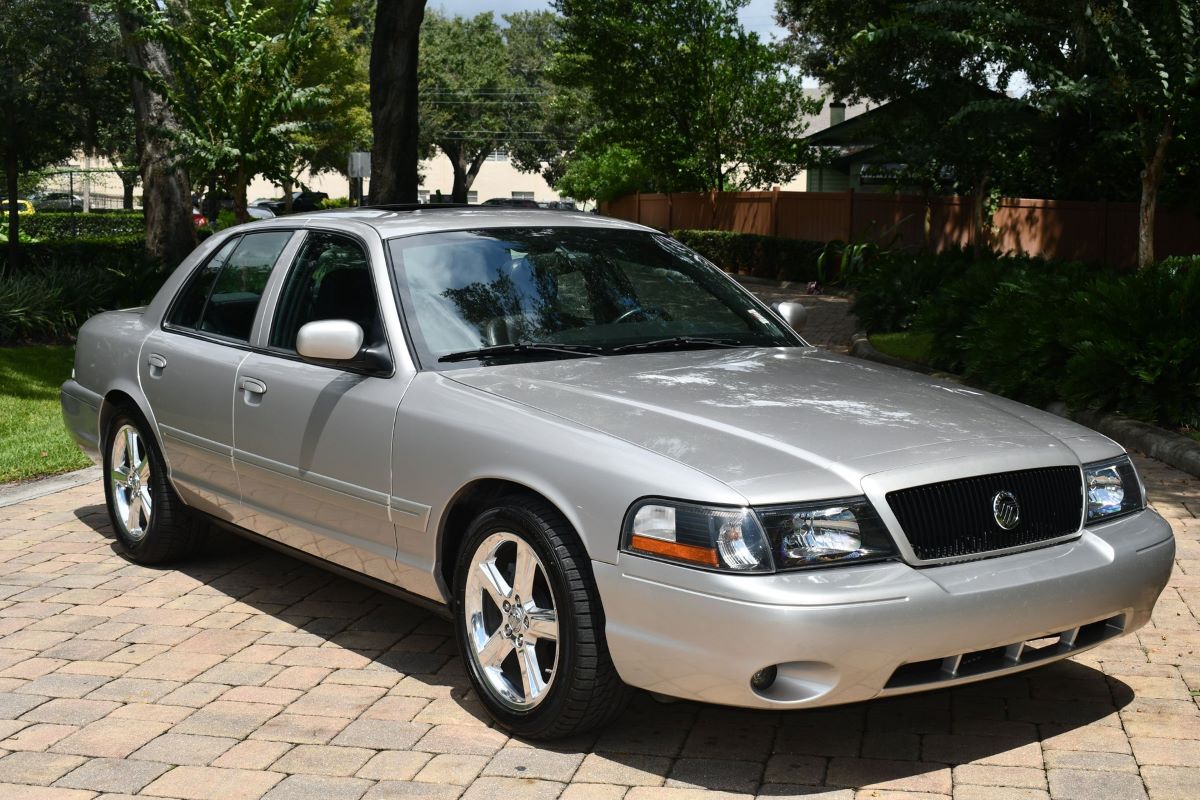
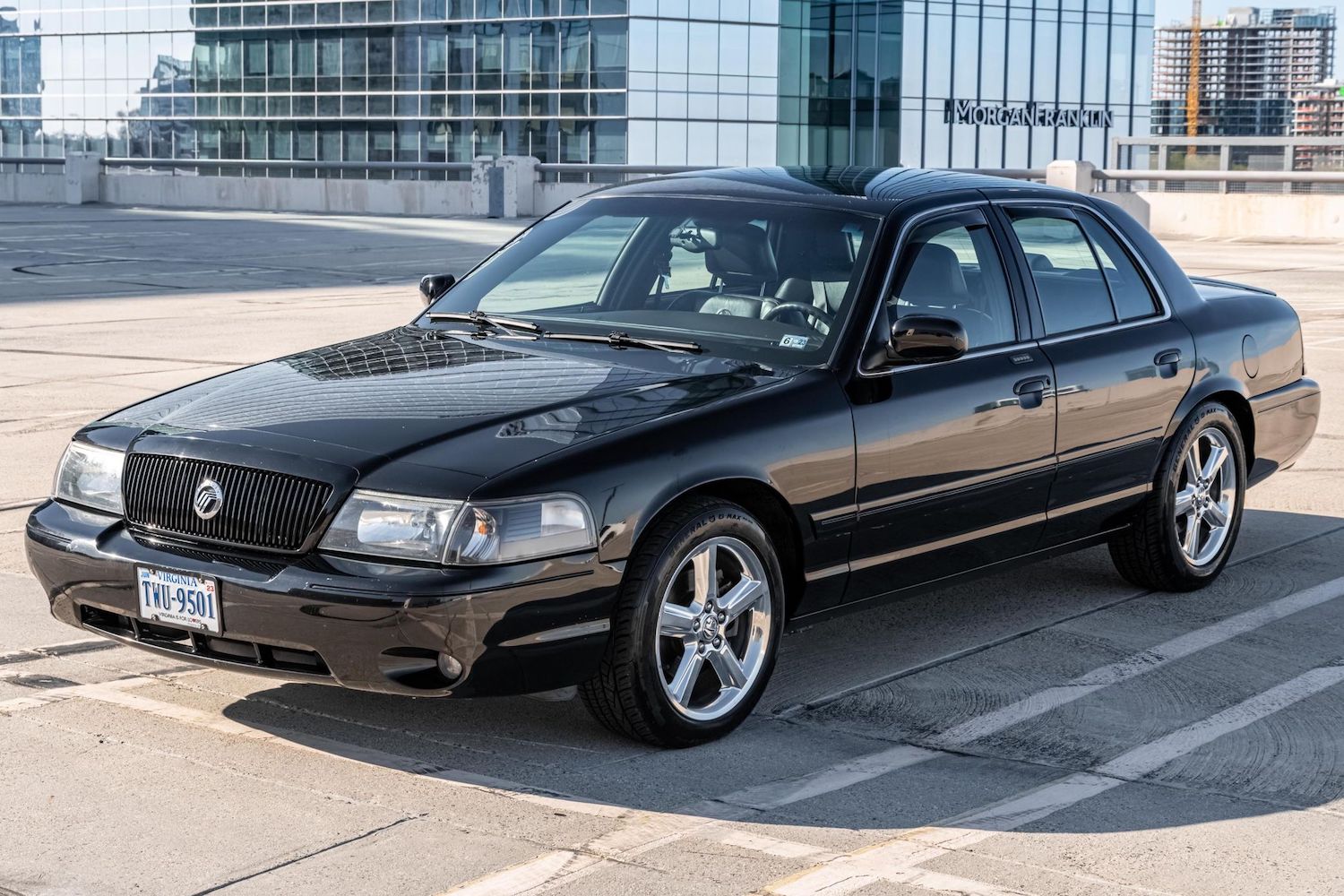
11. Mercury Marauder (2003–2004)
Rounding out the list is the Mercury Marauder: essentially a higher-end, supercharged cousin to the Ford Crown Victoria.
Its 4.6-liter supercharged V8 produced about 302 horsepower, and its long-roof presence and refined interior made it one of the most comfortable sleepers you could buy.
It was never a huge seller, which helps today’s prices stay low, but performance remains genuinely satisfying.
On winding roads, the Marauder surprises with its composure considering its size. It’s a great example of a car that few people expect to be quick but definitely is.
Finding a supercharged performance car for under $15,000 isn’t just a dream it’s entirely possible with some patience and smart shopping.
The key is knowing what to look for: solid maintenance records, no flood or salvage history, and an understanding of common wear items (especially on older performance cars).
Some cars on this list are more daily-friendly, while others are ideal weekend toys or project builds.
Whether you crave raw American muscle like the CTS-V and Mustang Cobra, European finesse with the Audi S4, or quirky sleeper appeal with a Jaguar XJR, there’s something here for nearly every taste and driving style.
Best of all, these cars prove that performance doesn’t always demand a six-figure price tag sometimes all you need is a blower, a budget, and a passion for speed.