
For decades, people believed bigger engines automatically meant faster cars. V8s were seen as the true performance standard, and V10s and V12s were treated like the kings of the supercar world. More cylinders, more sound, more status.
But real performance is not only about engine size. It is about power delivery, weight, aerodynamics, traction, and how efficiently a car turns speed into real world results. That is why some V6 supercars have done something shocking. They embarrassed bigger engine rivals, not by being louder, but by being smarter.
A strong V6 supercar can be lighter, more balanced, and easier to control. It can deliver quicker acceleration by using turbocharging, hybrid tech, or advanced drivetrain design.
Some V6 supercars have beaten V8 and V12 rivals on track, crushed them in real world acceleration, and outperformed them in everyday drivability. While bigger engines often rely on brute force, the best V6 supercars rely on engineering precision.
This matters because modern performance is about efficiency. With turbochargers, advanced fuel injection, and electric assistance, a V6 can produce power numbers once reserved for huge engines. But power is not the only story.
Many of these cars also handle better because of lighter weight and improved chassis balance. That gives them an advantage where it matters most, in corners, braking zones, and tight high speed control.
In this article, we highlight ten V6 supercars that proved size does not decide everything. These are cars that shocked the performance world by taking on bigger engine rivals and winning.
Some are track focused legends, others are road supercars with insane technology, and some are affordable supercars that punched far above their weight. All of them prove one thing clearly. When the engineering is right, a V6 can be just as deadly as any V8, V10, or V12.
Also Read: 10 Chevy Models We Wish Had Never Been Discontinued
1. Acura NSX (Second Generation)
The second generation Acura NSX is one of the most important V6 supercars ever made because it proved modern technology can overpower traditional engine pride. Many people expected V8s and V12s to dominate, but the NSX showed that a V6 with hybrid tech could deliver supercar performance in a smarter way.
Its twin turbo V6 already produces strong power, but the real secret is the hybrid system. Electric motors add instant torque, which makes acceleration feel explosive.
Bigger engines often need revs to reach peak force. The NSX delivers power immediately, which is why it can shock much larger engine cars in real world launches.
The NSX also embarrasses bigger engine rivals in cornering. Its all wheel drive hybrid system provides incredible traction. In tight roads and track corners, the NSX can put down power earlier and more confidently than many rear wheel drive V8 supercars.
Weight balance also plays a role. The NSX is engineered for stability and control, making it easier to drive fast. Some V12 supercars are powerful but demanding. The NSX offers performance that feels accessible, which means drivers can push harder without fear.
Reliability and usability also matter. The NSX can handle daily driving better than many traditional supercars. It runs smoothly in traffic and feels refined. That everyday usability makes it embarrassing for bigger engine cars that require constant attention.
The NSX also proved that performance is not only about sound. Some people missed the roar of a V12, but the NSX made its own identity through speed and technology. It is fast because it is efficient.
Overall, the Acura NSX embarrassed bigger engine supercars because it used smart engineering. Hybrid torque, twin turbos, and advanced traction allowed a V6 to compete at the highest level.
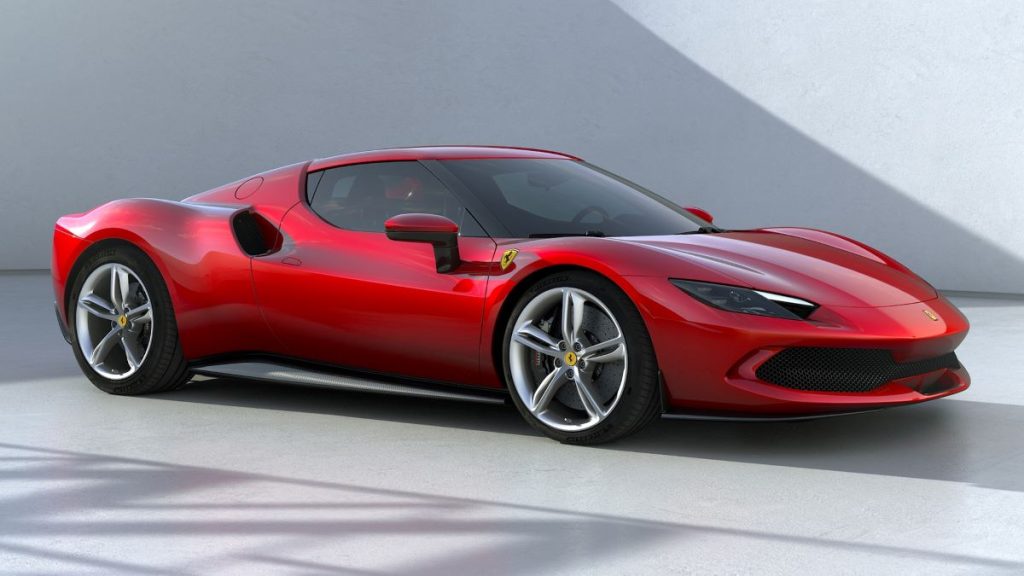
2. Ferrari 296 GTB
The Ferrari 296 GTB is one of the strongest examples of a V6 supercar humiliating bigger engines because it comes from a brand famous for V8 and V12 legends. Ferrari fans once believed only a V12 could represent the highest performance.
The 296 GTB proved that idea was outdated. It uses a turbocharged V6 paired with hybrid power, and the result is performance that can embarrass many larger engine supercars.
The biggest reason the 296 GTB stands out is the way it delivers power. The V6 is small compared to Ferrari’s traditional V8s and V12s, but it is boosted and supported by electric torque. That means the car responds instantly.
Many big engine supercars feel strong but still need time to build power. The 296 feels like it explodes forward the moment you touch the accelerator.
Acceleration is where it truly embarrasses larger engine rivals. Electric assistance fills any torque gaps, so there is no hesitation.
The car feels brutally quick at low and mid speeds, which is where real world performance often matters most. Bigger engines may have impressive top end pull, but the Ferrari feels quicker in the moments that decide a race.
Handling also helps the V6 story. The 296 GTB benefits from lighter engine packaging and smart chassis tuning. The car feels sharp and responsive. Some heavy V12 supercars can feel fast in straights but less agile in corners. The 296 stays aggressive through turns, maintaining speed where it matters.
The car also has a unique character. Its V6 was designed with a special firing setup that gives it a distinctive sound. It does not try to imitate a V12. Instead, it creates its own Ferrari identity. That matters because a supercar should feel emotional, not just fast.
Hybrid power also improves usability. In city driving, it can cruise quietly and smoothly. Many large engine supercars struggle with daily life. The 296 GTB offers extreme performance without forcing constant stress on the driver.
Track capability is another huge reason it embarrasses bigger engines. Ferrari engineered the 296 to be extremely capable under hard driving. It stays stable, handles heat well, and delivers consistent performance. Some big engine rivals can feel dramatic but less consistent on long track sessions.
Overall, the Ferrari 296 GTB is one of the best V6 supercars ever made because it proves engineering matters more than cylinder count.
It embarrasses bigger engines through instant torque, hybrid acceleration, and agile handling that makes it faster in real driving, not just in theory.
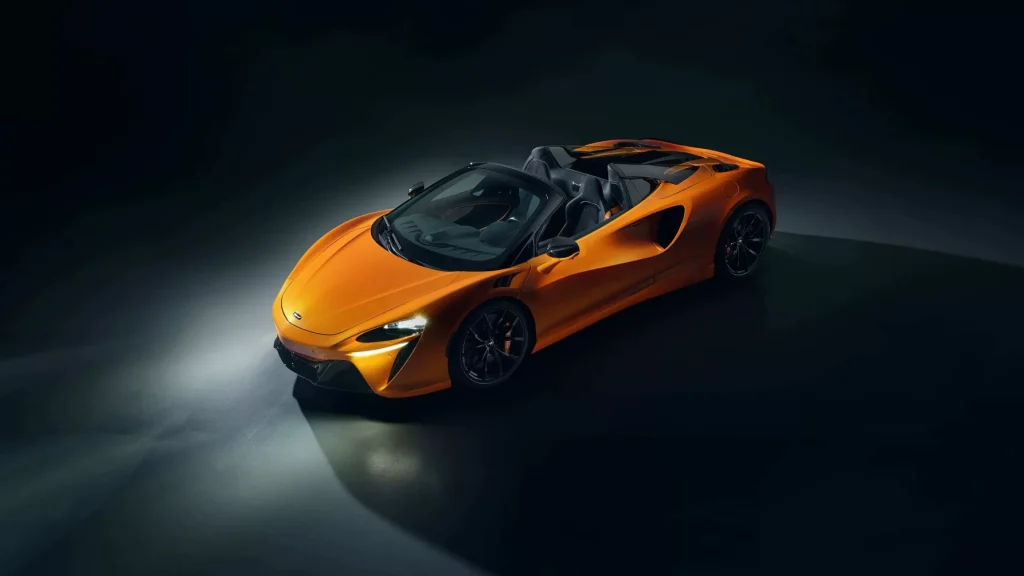
3. McLaren Artura
The McLaren Artura is another V6 supercar that embarrassed bigger engine rivals by using modern lightweight engineering instead of brute force. McLaren once relied heavily on V8 engines, but the Artura introduced a twin turbo V6 hybrid setup.
Many people doubted it would feel as special as McLaren’s V8 models. The Artura proved those doubts wrong by delivering speed, agility, and modern performance benefits.
The biggest advantage of the Artura is weight. McLaren designed the car around a lightweight platform. A smaller V6 engine helps reduce weight compared to larger engines. Less weight means sharper handling, better braking, and faster response. This is how the Artura can embarrass heavier V8 supercars, especially on twisty roads.
Acceleration is also impressive because of hybrid support. Electric assistance gives instant torque, which fills the low speed gap that turbo engines sometimes have. In city launches and highway overtakes, the Artura feels explosive. This is exactly how it embarrasses larger engine rivals. It feels faster in real conditions where instant response matters most.
Handling is where the Artura truly shines. McLaren is famous for driver focused steering and chassis balance, and the Artura delivers that in full strength. It feels agile, sharp, and almost telepathic. Many bigger engine supercars are fast but feel heavy in corners. The Artura feels light, making it more confident and easier to push.
The Artura also benefits from smooth drivability. It can drive quietly in electric mode at low speeds, which makes it more usable than many traditional supercars. V12 cars often feel like they hate city traffic. The Artura handles daily driving without drama.
Sound is different compared to older McLarens, but performance is undeniable. The V6 may not scream like a V12, yet the car delivers performance that proves cylinder count is not everything. It feels modern, efficient, and fast.
Track capability also supports the Artura’s reputation. Lightweight design helps reduce tire and brake stress. That means it can stay consistent under repeated driving. Many heavy big engine cars struggle with heat and wear during track sessions.
Overall, the McLaren Artura embarrassed bigger engines because it uses the McLaren philosophy perfectly. Lightweight balance, hybrid torque, and sharp handling allow a V6 to compete with and often outperform heavier V8 supercars, proving modern performance is about intelligence, not engine size.
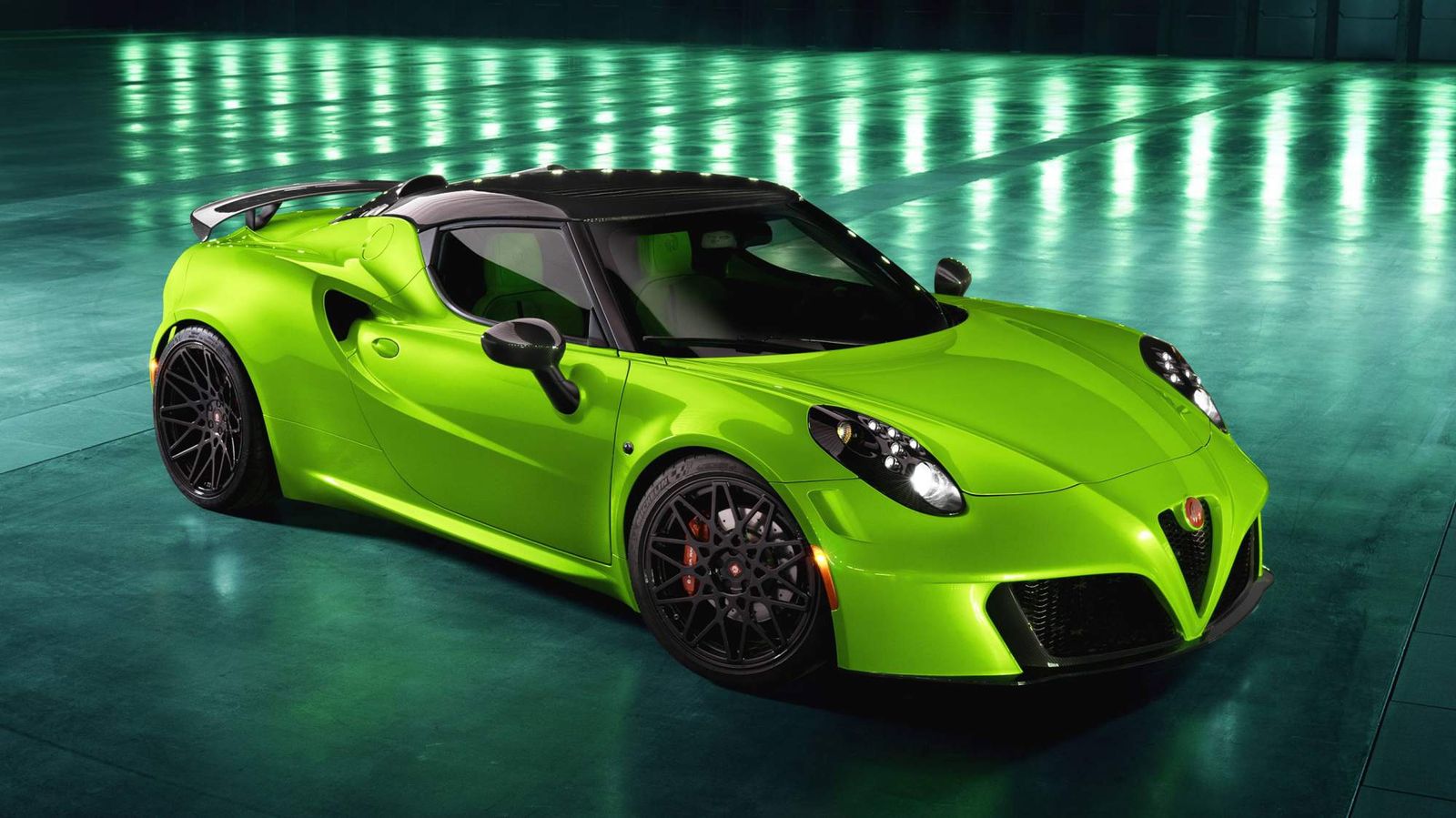
4. Alfa Romeo 4C
The Alfa Romeo 4C is one of the most shocking examples of a small engine supercar embarrassing bigger engines because it does it with almost no horsepower bragging.
It is not built around huge power numbers. It is built around lightness. In a world filled with heavy V8 and V12 monsters, the 4C proves that low weight and sharp handling can make a car feel faster than cars with far more cylinders.
The 4C’s biggest weapon is its carbon fiber chassis. That structure keeps weight extremely low compared to most performance cars. When a car is that light, it accelerates more easily, brakes harder, and changes direction faster. Bigger engine cars often rely on brute force, but the 4C simply does not need it.
Its turbocharged V6 level rivals may have more power, but the 4C can embarrass them in real roads with corners. On twisty mountain routes, the car feels like a go kart.
It stays planted, turns quickly, and gives the driver confidence to carry speed through every bend. Some large engine supercars feel intimidating and heavy in tight sections. The 4C feels playful.
Acceleration is not insane like a hypercar, but because the car is so light, it still feels quick. In city driving or short bursts, it can surprise drivers of bigger engine cars. It reminds people that torque to weight ratio matters more than cylinder count.
The driving experience also feels raw and direct. Many modern supercars with big engines are packed with comfort systems. The 4C feels like a pure machine.
That raw connection makes it feel faster because you sense everything. This emotional intensity is part of why it embarrasses bigger engines. It delivers excitement without needing extreme horsepower.
The car’s compact size also helps. In cities and narrow roads, the 4C feels easy to place. Bigger supercars feel wide and stressful. The Alfa feels like it fits, which allows you to push it more confidently.
The sound is not a deep V12 roar, but it still has personality. The turbo engine has a sharp aggressive tone that fits the car’s lightweight race feel. You do not miss bigger engines because the driving experience is so intense.
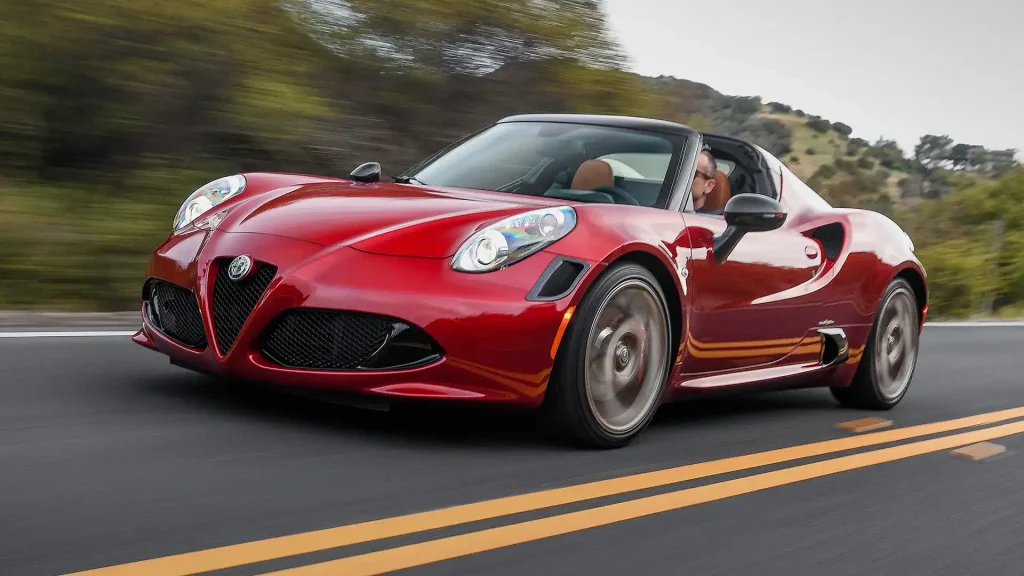
Overall, the Alfa Romeo 4C embarrassed bigger engines by proving a supercar can be thrilling through light weight, carbon fiber engineering, and handling precision. It shows that performance is not always about power. Sometimes, it is about how little the car weighs.
5. Nissan GT-R (R35)
The Nissan GT-R is one of the most famous V6 supercars that embarrassed bigger engine rivals, not just once, but for years. When the GT-R arrived, it shocked the supercar world by delivering performance that matched or beat exotic V8 and V12 cars costing far more.
Many people called it a supercar killer, and that reputation was earned through real performance results.
The GT-R’s twin turbo V6 delivers serious power, but the true secret is how efficiently it uses it. The car’s all wheel drive system gives it incredible traction. In launches, it can destroy many bigger engine supercars that spin their tires.
This is one of the clearest examples of how the GT-R embarrassed larger engines. It turned power into acceleration better than many exotics.
Acceleration is brutal. The GT-R can hit high speed quickly, and it feels almost violent in a straight line. Many big engine supercars have drama, but the GT-R delivers speed in a cold, unstoppable way. That makes it feel like a performance machine rather than a showpiece.
Cornering is another surprise. The GT-R is heavy, but it uses technology to hide weight. The chassis electronics and AWD grip help it carry speed through corners. Bigger engine cars may sound better, but the GT-R often stays faster because it can put power down earlier.
The car is also famous for consistency. Some exotic cars can deliver high performance but feel fragile. The GT-R was engineered for repeated performance. It can handle aggressive driving without constant breakdown fear. That reliability embarrassed exotic rivals that needed expensive care.
The GT-R also changed the idea of value. Many V8 and V12 supercars cost two or three times as much. Yet the GT-R could beat them in straight line races and even on tracks. That made it one of the most embarrassing cars for big engine pride.
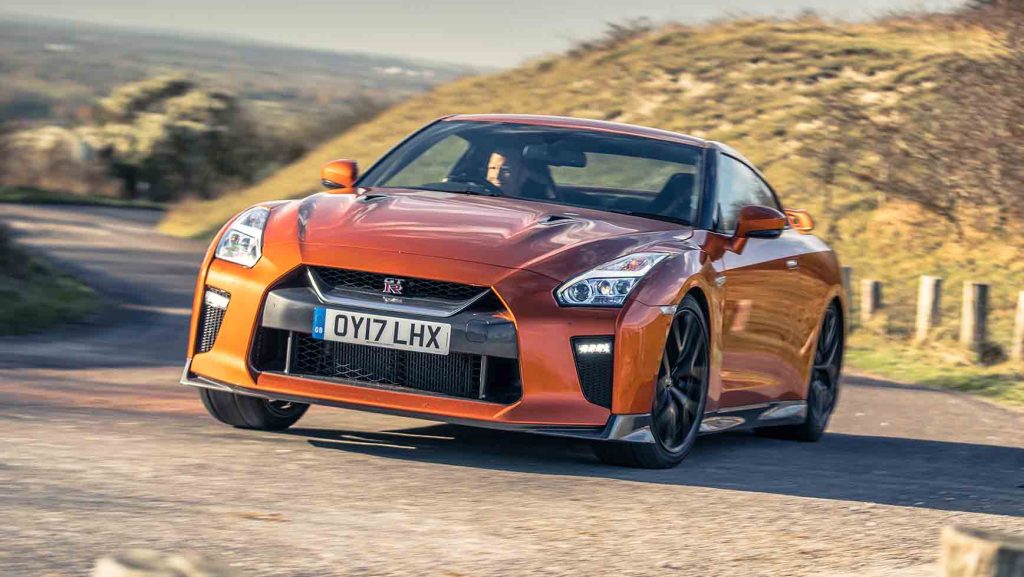
Sound may not be as emotional as a V12, but performance speaks louder. The GT-R created its own identity through speed and dominance. It became a hero car for people who cared more about results than prestige.
Overall, the Nissan GT-R is a legendary V6 supercar because it embarrassed bigger engines with real measurable performance. Its turbo power, AWD traction, and track ability proved that smart engineering can defeat cylinder count.
6. Ford GT (Second Generation)
The second generation Ford GT is one of the most legendary V6 supercars that embarrassed bigger engines because it proved that engineering beats tradition. Ford could have built the GT with a massive V8 like the original, but instead it used a twin turbo V6.
Many people questioned that decision. Then the GT started winning and silencing doubts. It became a modern icon that proved a V6 can dominate at the highest level.
The biggest reason the Ford GT embarrassed bigger engines is aerodynamics. The car was designed like a race machine, not a street showpiece.
It produces serious downforce and cuts through air efficiently. That matters because power is not useful if the car cannot stay stable at high speed. The GT uses its smaller engine to reach extreme speed with less resistance.
Acceleration feels explosive because of the turbocharging. The V6 delivers strong torque and quick response, especially in mid range speed. Many bigger engines rely on high revs. The Ford GT pulls hard without needing drama. This makes it devastating in real world driving, especially in short bursts and track exits.
Handling and stability are another key advantage. The Ford GT feels planted and confident at high speed. Many larger engine supercars feel fast but nervous. The GT feels like it was built for speed control. It keeps the driver calm even when the numbers are extreme, which allows faster driving.
It also embarrassed bigger engines through racing credibility. Ford did not choose the V6 to save money. They chose it because it fit the GT’s racing goals. The GT even won its class at Le Mans in 2016. That success made the engine choice feel smart, not weak. Bigger engine rivals could not laugh at it after that.
The Ford GT also proves how weight matters. A smaller engine allows better packaging and balance. The car feels like a precision tool. It changes direction quickly, stays stable under braking, and delivers consistent performance. Bigger engines often add weight and heat, which creates disadvantages.
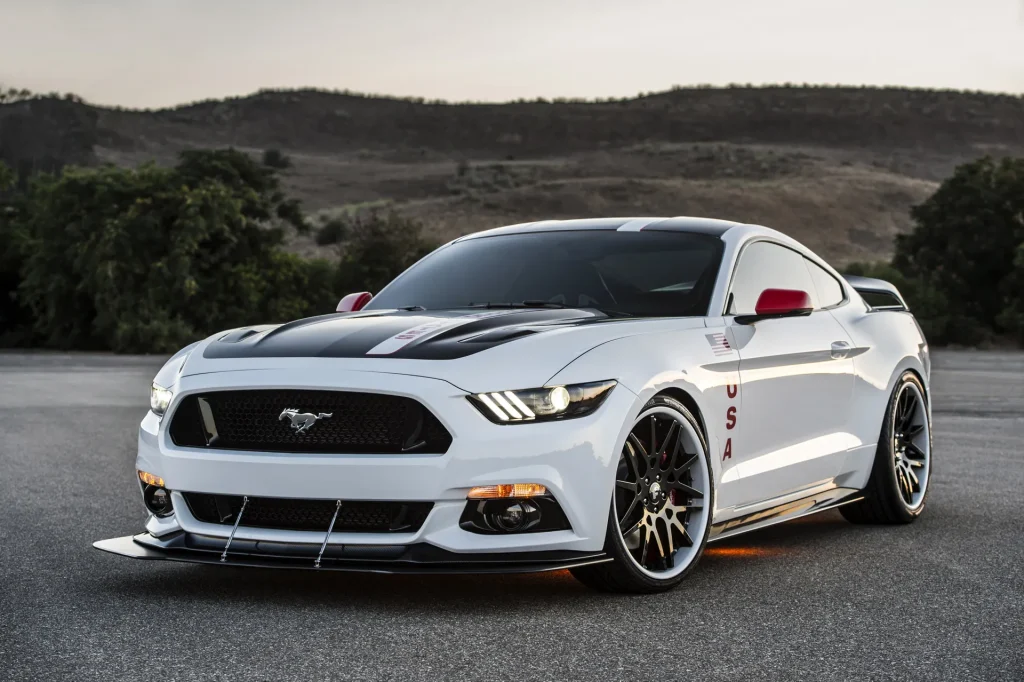
The sound is not a screaming V12, but it still has a unique race tone. The GT sounds aggressive and mechanical. It feels like a serious performance machine. The sound matches its racing personality, which makes it memorable.
The Ford GT is embarrassing for bigger engines because it shows that cylinder count is not the point. Performance is the point. It is faster because it is smarter.
Overall, the second generation Ford GT embarrassed bigger engine supercars by winning through aerodynamics, stability, and turbo efficiency. It is proof that a V6 can be a true supercar engine when the entire car is engineered to dominate.
7. Jaguar C-X75 (Concept Supercar)
The Jaguar C-X75 is one of the most fascinating V6 supercars because even though it never reached full production, it proved a V6 could be the heart of a futuristic hypercar.
Jaguar originally planned it with hybrid technology and advanced engineering that would have challenged V8 and V12 rivals. Even as a concept, it embarrassed bigger engine thinking because it showed what a V6 could become when paired with extreme technology.
The biggest reason the C-X75 stands out is how advanced it was. Jaguar planned it with a turbocharged V6 supported by electric power.
This setup would have delivered massive performance while keeping the engine compact. Bigger engines often require more space and create more heat. The C-X75 idea was to use a smaller engine more efficiently.
Acceleration would have been insane because electric torque fills the response gap. A hybrid V6 can deliver power instantly. Bigger engines may have more cylinders, but they cannot always match the immediate punch of electric assisted torque. This is the kind of advantage that embarrasses traditional thinking.
The design also supported its supercar goals. The C-X75 was built like a futuristic spaceship. Aerodynamic curves, aggressive stance, and race style bodywork made it look like a hypercar from the future. It showed that Jaguar could build something beyond traditional V12 luxury power.
The C-X75 also embarrassed bigger engines through weight and balance. A smaller engine allows better distribution, improving handling and agility. Many big engine hypercars feel heavy and wide. The C-X75 was meant to feel sharp, modern, and controlled.
Even though it did not become a production car, it gained legendary status through its uniqueness. It became one of those mythical supercars people still talk about. It represents an alternate timeline where Jaguar could have challenged the best in the world using V6 hybrid tech.
It also influenced how people saw V6 performance. The idea of Jaguar making a hypercar with a V6 felt shocking at the time. Today, that idea feels normal because so many supercars now use V6 hybrid setups. The C-X75 was ahead of its era.
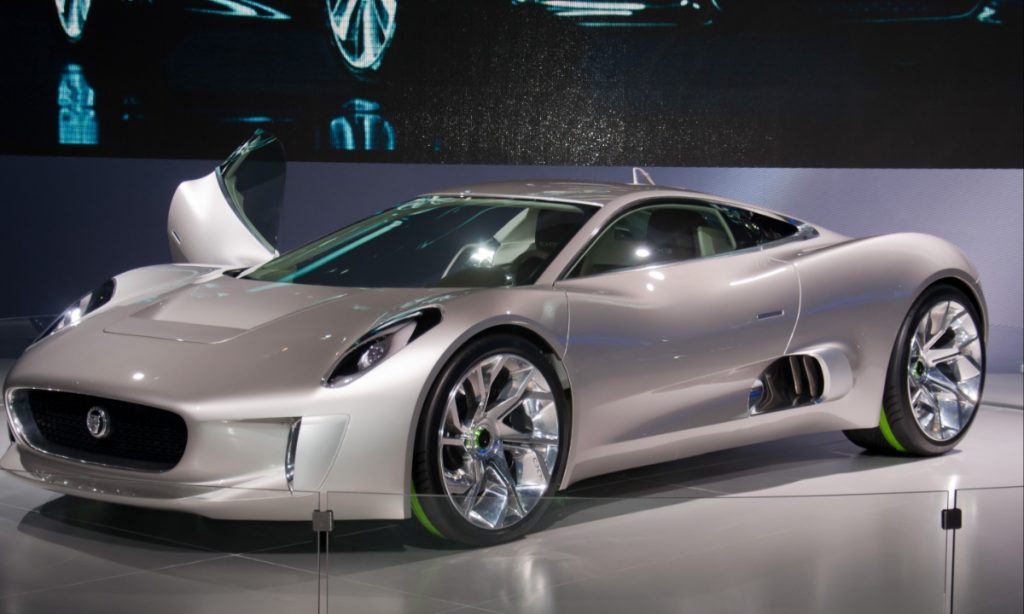
Overall, the Jaguar C-X75 embarrassed bigger engines through vision. It proved a V6 could be the heart of a hypercar if the engineering and hybrid support were strong enough. Even without mass production, it remains one of the most legendary V6 supercar ideas ever created.
8. Lotus Evora GT (and Evora 400)
The Lotus Evora is one of the most important V6 supercars that embarrassed bigger engines because it proved that lightness and chassis tuning can defeat horsepower.
The Evora does not try to win through brutal numbers. It wins through driving precision. In a world filled with heavy V8 and V12 performance machines, the Evora feels like a sharp blade that cuts through corners faster than cars with far more cylinders.
The biggest reason the Evora embarrasses bigger engines is weight. Lotus builds cars with the mindset of removing every unnecessary kilogram.
The Evora’s light structure gives it strong acceleration feel even without huge power output. On real roads, especially twisty routes, it can embarrass bigger engine cars because they struggle to manage weight.
Handling is its true superpower. The steering feel is pure, direct, and incredibly precise. Many modern supercars have heavy electronic steering systems that feel numb. The Evora gives the driver actual road connection. That connection reduces fear and increases confidence, which makes it easier to drive fast.
Cornering performance is where the Evora becomes embarrassing for larger engines. Bigger supercars often dominate in straight lines but feel wide and heavy in tight corners. The Evora stays planted, rotates easily, and carries speed through bends. On a twisty mountain road, it can genuinely keep up with or even outpace cars that look more powerful.
The V6 engine itself is strong and reliable. Many Evora variants use a V6 with supercharging, delivering sharp throttle response. It provides smooth power and a sporty sound. It might not scream like a V12, but it sounds energetic and purposeful, matching the car’s lightweight personality.
Braking performance is another reason it embarrasses bigger engines. A light car can brake later and harder. On track or fast roads, braking zones are where speed is gained. Big engine cars can lose time here because they carry more weight and need longer stopping distance.
The Evora also offers real world usability. Many extreme supercars are painful in daily life. The Evora still offers comfort, visibility, and manageable driving behavior. This makes it a car you can enjoy daily, unlike some bigger engine monsters that feel like weekend toys.
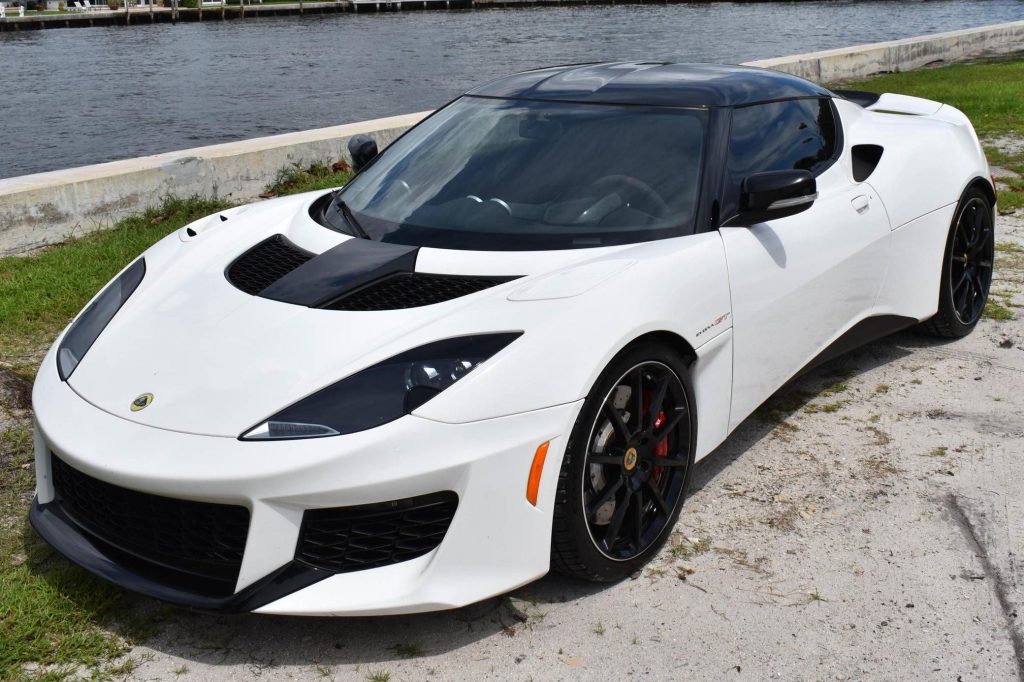
The Evora embarrasses bigger engines because it teaches a lesson. You do not need massive horsepower to be fast. You need balance. Lotus has always proven that.
Overall, the Lotus Evora GT and Evora 400 embarrassed bigger engines through light weight, unbeatable handling, and driver confidence. It is a V6 supercar that proves skill and engineering can beat raw cylinder count.
9. Maserati MC20
The Maserati MC20 is one of the most surprising V6 supercars because it brought Maserati back into serious supercar territory, and it did it with a V6 engine.
People expected a V8 because of tradition. Instead, Maserati introduced a twin turbo V6 that delivers performance strong enough to challenge bigger engine rivals. The MC20 proves that modern V6 engineering can create a true supercar.
The biggest reason the MC20 embarrasses bigger engines is its power delivery. The twin turbo V6 produces strong torque, making the car feel fast instantly. Bigger engines often rely on high rev build up. The MC20 feels responsive and energetic, making acceleration feel aggressive in real conditions.
The car also benefits from lightweight design. Maserati focused on keeping the car light enough to feel agile. Many V8 supercars are heavier, and that weight reduces corner agility. The MC20 feels sharp and balanced, making it more competitive in twisty roads.
Handling is another major strength. The MC20 chassis feels stable and composed. It gives the driver confidence at high speed. This matters because supercars are not only about power. They must be controllable. Bigger engine cars can feel intimidating, especially in tight roads. The MC20 feels like a modern precision tool.
Its design adds to the supercar impact. The MC20 looks clean, aggressive, and futuristic. It does not look like a luxury coupe. It looks like a true exotic. That visual presence helps it feel equal to bigger engine rivals, even before performance comes into the conversation.
The engine itself is special. Maserati developed its own technology called Nettuno, using advanced combustion ideas for efficiency and power. This shows why the MC20 embarrasses bigger engines. It is not relying on cylinder count. It is relying on technology and engineering.
The sound may not be a classic V12 roar, but it has a sharp turbo performance tone. In a modern world, many buyers value speed and control more than noise. The MC20 focuses on delivering performance first.
Track capability is also strong. The MC20 is designed to handle high speed driving with stability and consistent performance. A well engineered lightweight car can embarrass heavier big engine rivals because it stays strong in braking and corner sections.
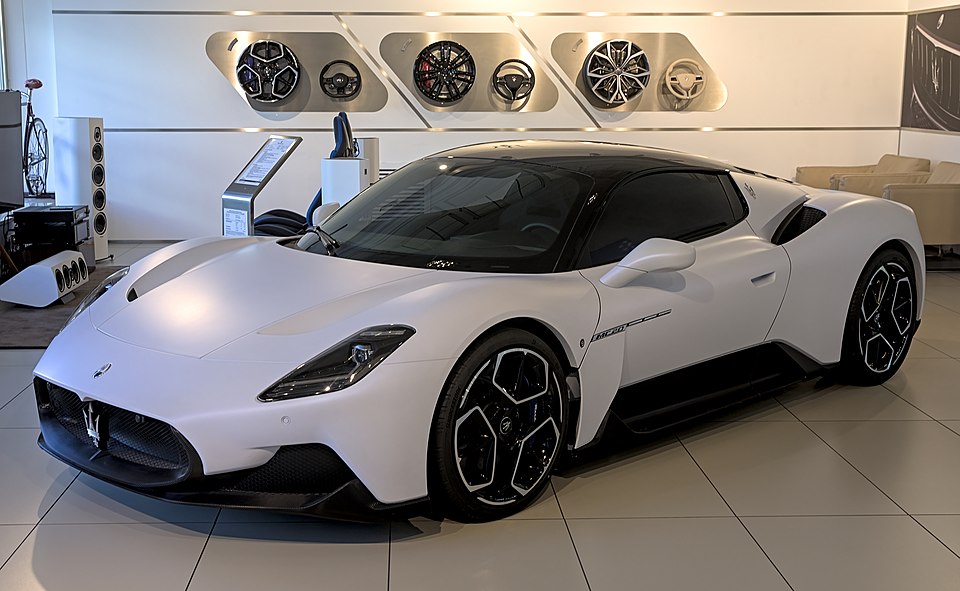
Overall, the Maserati MC20 embarrassed bigger engines by proving Maserati could build a serious supercar with a V6. It delivers speed, handling, and design strong enough to challenge V8 and V12 rivals, showing once again that modern V6 technology can dominate.
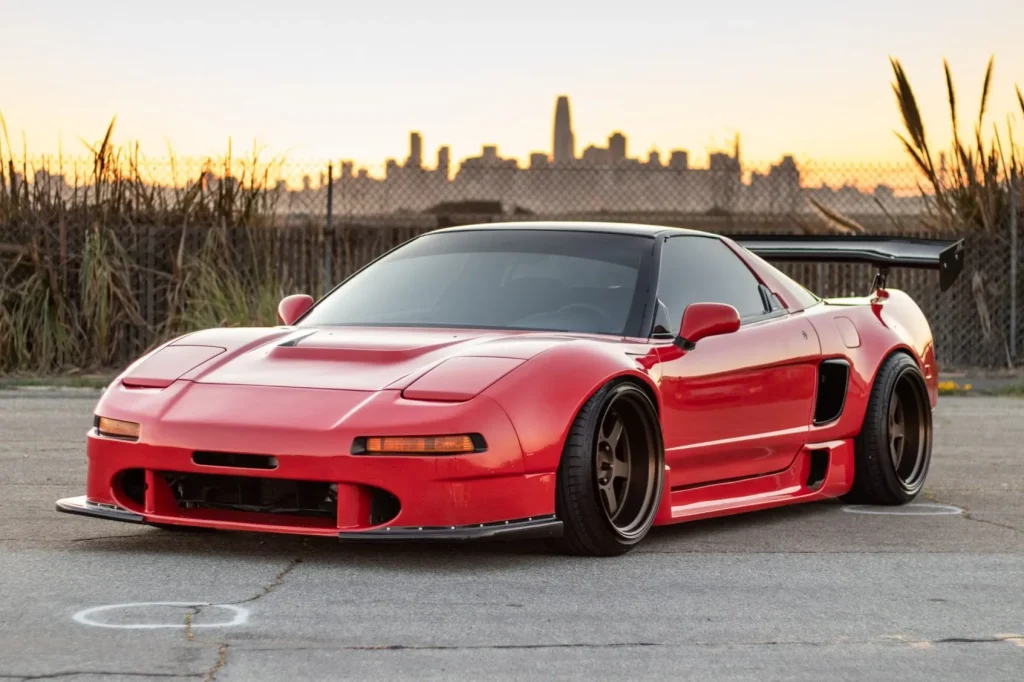
10. Honda NSX (First Generation)
The first generation Honda NSX is one of the most legendary V6 supercars that embarrassed bigger engines because it changed what the supercar world respected. Before the NSX, exotic performance was often linked with drama and difficult ownership.
Many V8 and V12 cars were fast, but they were also fragile, unpredictable, and hard to drive quickly without fear. The NSX proved a V6 supercar could be fast, balanced, reliable, and easy to control, and that combination embarrassed many bigger engine rivals.
The biggest reason the NSX stood out was balance. Honda engineered the NSX with a mid engine layout and a lightweight body.
This created sharp handling and predictable stability. Many bigger engine supercars had brute power, but they were not always easy to push hard. The NSX allowed drivers to use more of its performance safely, which made it faster in real driving.
Handling was the NSX’s strongest weapon. It felt agile and precise, with steering feedback that gave drivers confidence.
On twisty roads and track corners, the NSX could embarrass bigger engine cars because it could carry speed through corners. Many high horsepower rivals had to slow down more. The NSX kept flowing.
The V6 engine itself was a masterpiece. It was high revving, smooth, and reliable. While it did not have the raw power of a V12, it delivered its performance in a clean, usable way. The car felt quick because it was efficient, not because it was oversized.
Another key reason the NSX embarrassed bigger engines was reliability. Many exotic cars at the time were known for breakdowns and expensive maintenance. The NSX could be driven daily with normal confidence.
That alone was embarrassing for rivals that demanded constant care. It proved that a supercar did not have to be fragile to be special.
The NSX also influenced the entire industry. Even Ferrari engineers studied it because it raised expectations for usability and build quality. When a V6 Japanese supercar forces bigger engine European giants to improve, that is the ultimate embarrassment.
The NSX was also comfortable and practical for daily use. Visibility was good, cabin ergonomics were smart, and the car did not punish you in traffic. Bigger engine supercars often felt like torture in daily life. The NSX felt civilized, yet still thrilling.
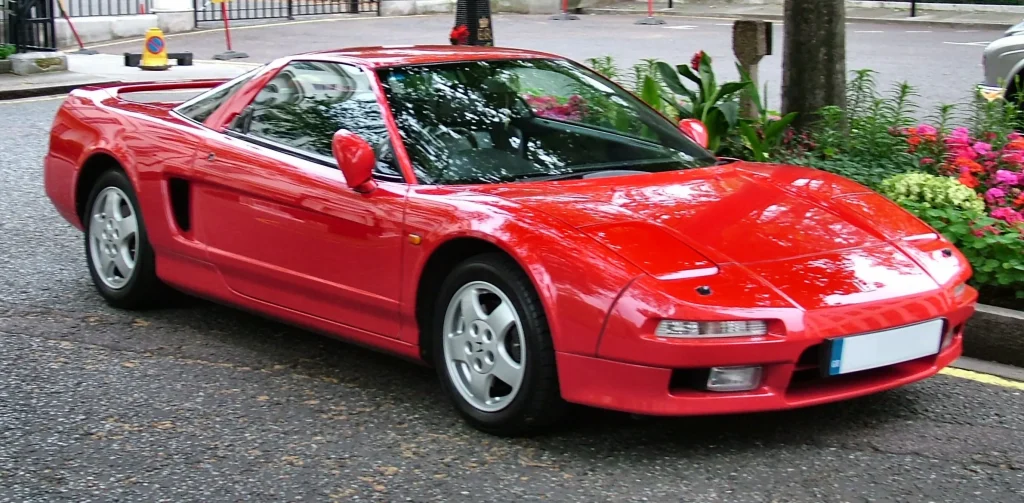
The sound was also unique. It had a sharp high rev tone that felt like a racing engine. While it was not a deep V12 roar, it created its own identity. Drivers loved it because it matched the car’s precision.
Overall, the first generation Honda NSX embarrassed bigger engines by proving that a supercar is not only about cylinders. It is about balance, control, reliability, and real driving confidence. It became a legend because it beat bigger engines by being smarter.
Also Read: Top 10 Road Cars That Went All-In on Carbon Fiber
