
Driving in extreme heat, like the desert climate of Cathedral City, California, requires vehicles that can handle high temperatures while keeping passengers comfortable. From scorching asphalt to intense sunlight, both engine performance and cabin cooling become critical factors.
This guide highlights five vehicles built to thrive in such conditions, combining powerful air-conditioning systems, ventilated seating, sun-reflective materials, and advanced climate-control technologies to make hot-weather driving more pleasant.
Models like the Toyota Camry, Ford F-150, and Mercedes-Benz C-Class offer reliability, comfort, and technology tailored for desert environments, while SUVs such as the Honda CR-V and Subaru Outback provide versatility and efficient cooling for longer trips.
In addition, we explore five cooling-efficient models, including the Tesla Model 3, Toyota Prius Hybrid, and Honda Odyssey EX, which focus on energy-smart climate management without compromising comfort. Together, these ten vehicles demonstrate how modern engineering meets the challenge of Cathedral City heat, blending performance, efficiency, and passenger-focused cooling innovations.
5 Cars for Cathedral City Heat Driving
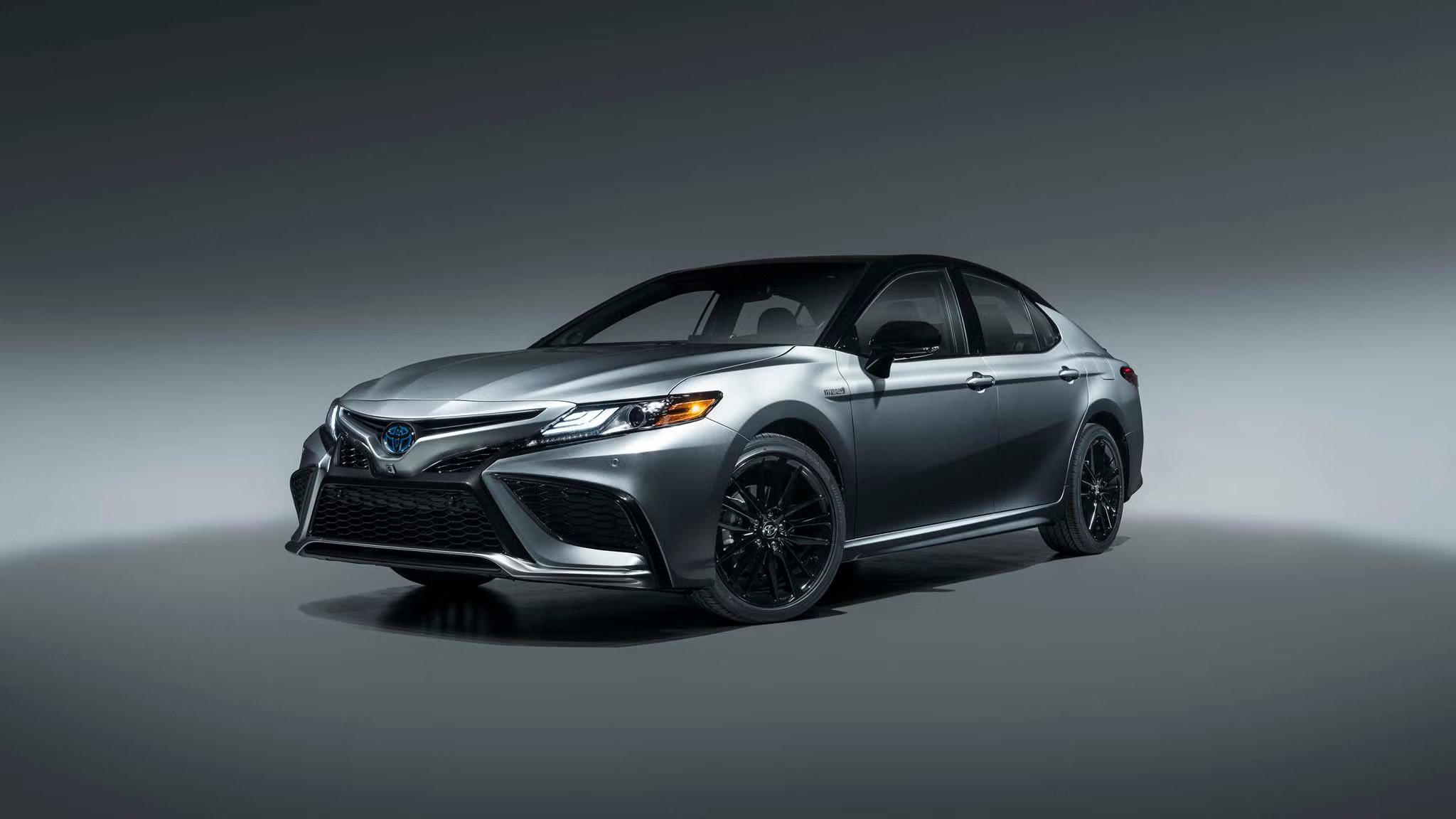
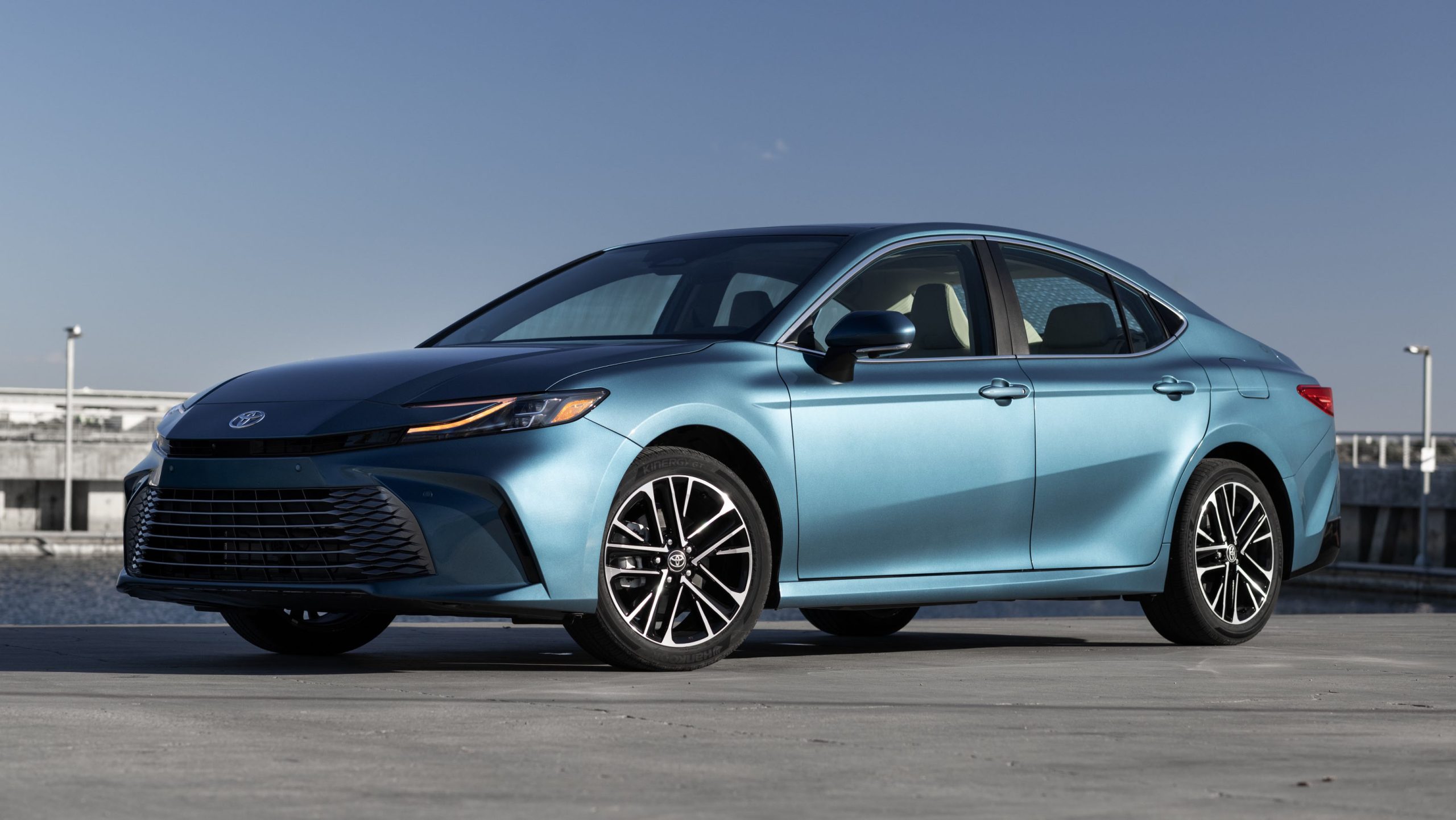
1. Toyota Camry: Comfort, Efficiency, and Reliability in Extreme Heat
The Toyota Camry is a top choice for hot climates like Cathedral City, California, due to its blend of reliability, comfort, and advanced climate control.
Renowned for performing well in extreme heat, the Camry features an efficient air-conditioning system, especially in hybrid models, which keeps the cabin cool without sacrificing fuel efficiency. Higher trims add ventilated front seats for direct cooling, while heat-absorbing windshields reduce interior temperatures before the air conditioning even activates.
The Camry Hybrid offers two powertrain options: a front-wheel-drive system with a 2.5-liter four-cylinder engine and dual electric motors producing 225 horsepower, and an all-wheel-drive setup with an additional rear motor, increasing output to 232 horsepower.
Both use a continuously variable automatic transmission, providing smooth and responsive performance in city and highway driving. During testing, the Camry XSE AWD reached 60 mph in 6.8 seconds, outperforming competitors like the Hyundai Sonata and closely matching the Honda Accord Hybrid.
Hybrid models excel in stop-and-go traffic, offering significant fuel savings. Previous models achieved EPA ratings up to 53 mpg city and 50 mpg highway, making the Camry ideal for desert commuting.
The Camry Hybrid offers a spacious interior with comfortable seating for front and rear passengers. Standard dual-zone climate control and rear vents keep all passengers comfortable, while higher trims add leather upholstery, heated seats, ambient lighting, and acoustic-laminated glass.
Infotainment options include an 8-inch touchscreen or a 12.3-inch display in top trims, with Apple CarPlay and Android Auto standard, and optional JBL audio for premium sound.
All Camry Hybrids come with advanced driver-assistance systems, including automated emergency braking, adaptive cruise control, lane-keeping assist, and pedestrian/cyclist detection. Toyota provides a limited warranty of three years/36,000 miles, a five-year/60,000-mile powertrain warranty, ten-year hybrid component coverage, and two years of complimentary scheduled maintenance.
The Camry combines efficiency, comfort, and Toyota’s renowned reliability, making it an excellent choice for drivers in hot urban environments, offering a cool, fuel-efficient, and safe driving experience.
2. Ford F-150: Power, Comfort, and Durability in Desert Heat
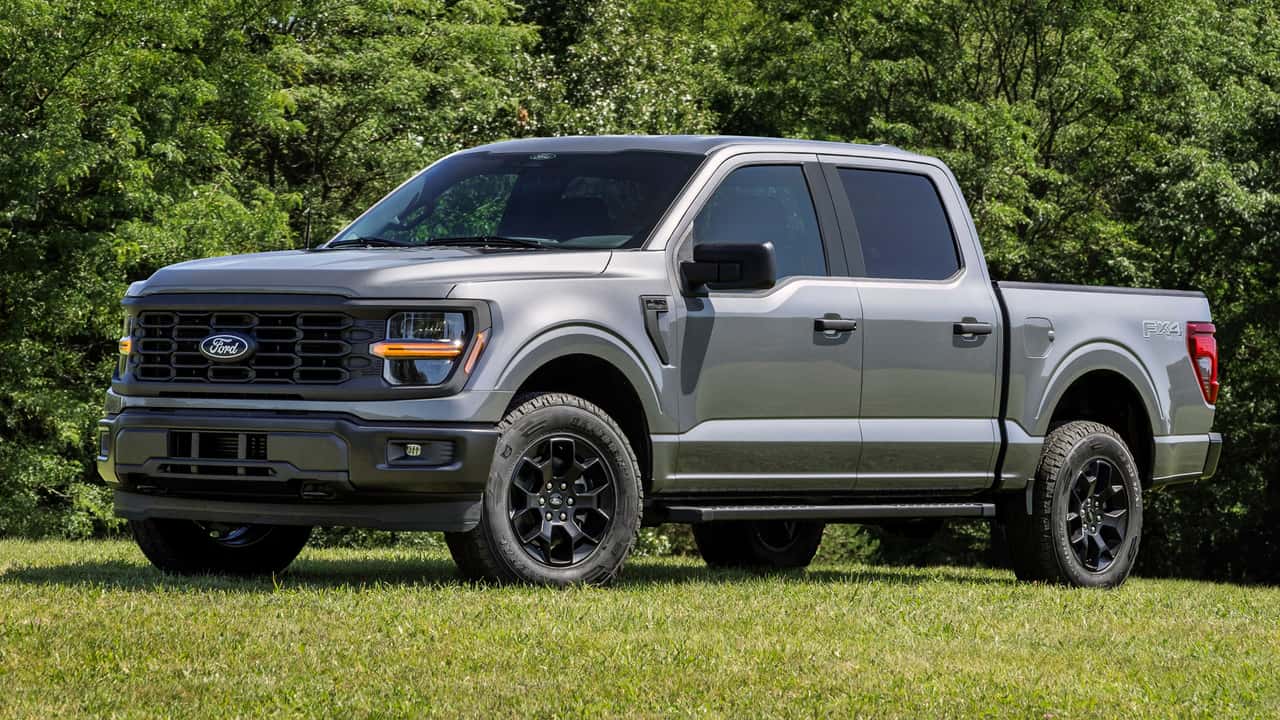
The Ford F-150 is built to handle extreme heat, making it ideal for Cathedral City. It features a rugged radiator for towing in high temperatures, fast-acting cabin air conditioning even in crew cab models, and available ventilated seats and tri-zone climate control for maximum comfort.
Advanced technology such as integrated 5G Wi-Fi ensures passengers stay connected during long drives, while heavy-duty cooling systems protect the engine in intense desert conditions.
The F-150 offers multiple engine options. These include a 325-hp twin-turbo 2.7-liter V-6, a 400-hp 5.0-liter V-8, a 400-hp twin-turbo 3.5-liter V-6, and the 430-hp PowerBoost Hybrid, which combines a twin-turbo V-6 with a 47-hp electric motor.
All engines use a 10-speed automatic transmission and are available in rear- or four-wheel drive. The PowerBoost Hybrid provides excellent fuel economy and up to 704 miles of range, while the EcoBoost engines include Auto Start-Stop technology to save fuel in city traffic.
The F-150 accelerates from 0 to 60 mph in 5.0 to 6.0 seconds depending on the configuration and offers towing capacity up to 13,500 pounds and a payload capacity up to 2,455 pounds.
The cabin is spacious and designed for both work and family use. Crew-cab models provide generous rear seating, and higher trims add leather upholstery, heated and ventilated seats, rear air vents, and ambient lighting.
The interior includes ample storage and fold-flat work surfaces for convenience on job sites. Cargo beds range from 5.5 to 8 feet, and the hybrid model offers an optional onboard generator with 7.2 kW of power.
The F-150 comes with a 12-inch touchscreen running Sync 4 software, wireless Apple CarPlay and Android Auto, and an optional Bang & Olufsen audio system. Standard safety features include automated emergency braking, blind-spot monitoring, and lane-keeping assist. Optional upgrades include 360-degree cameras, adaptive cruise control, and the BlueCruise hands-free driving system.
Ford provides a three-year or 36,000-mile limited warranty and a five-year or 60,000-mile powertrain warranty. Complimentary scheduled maintenance is not included.
The F-150 combines powerful engines, advanced technology, durable construction, and a comfortable interior to provide a heat-ready truck that performs reliably in desert conditions.
3. Honda CR-V: Efficient and Comfortable for Hot Climates
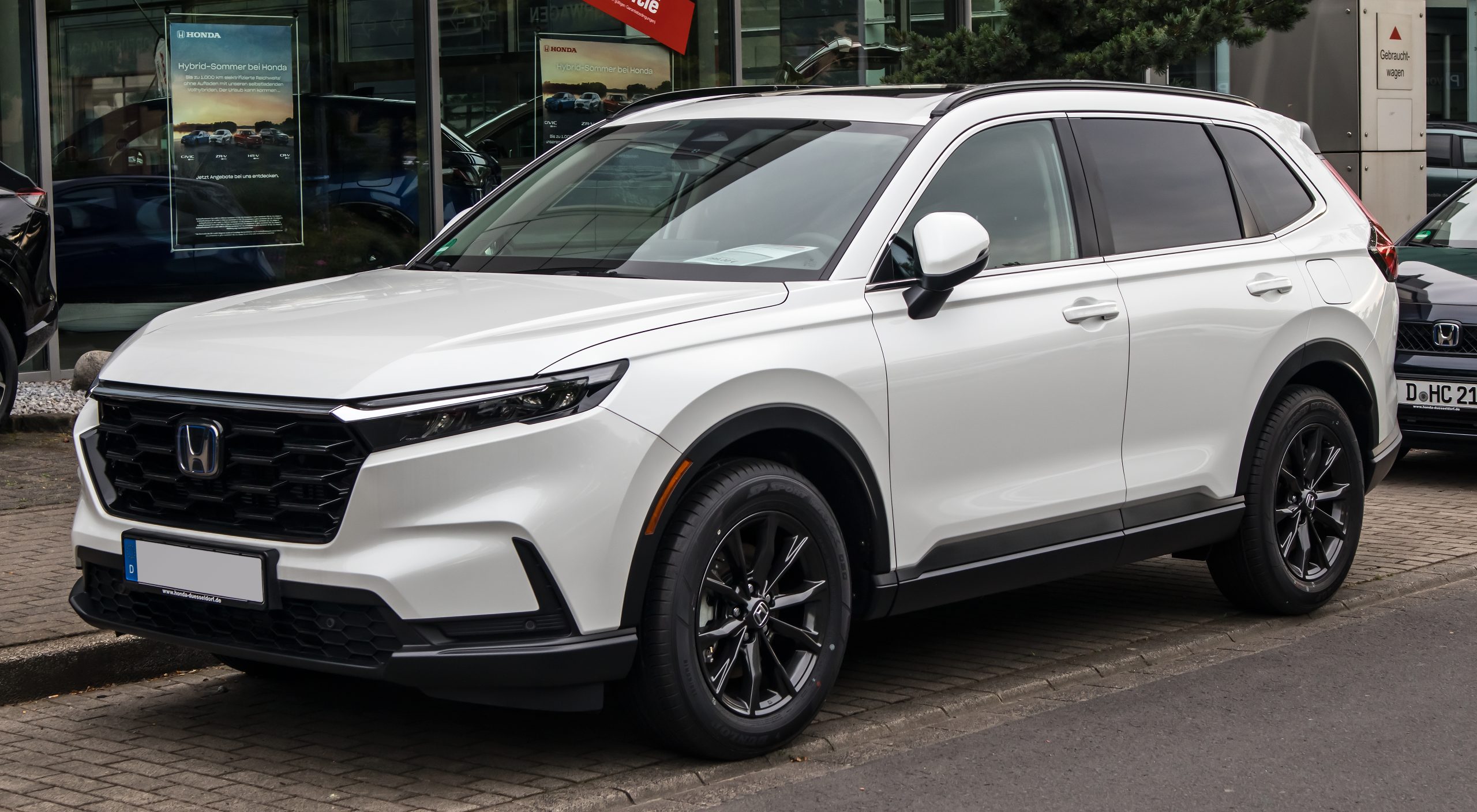
The Honda CR-V is a reliable choice for driving in hot climates like Cathedral City. It features a fast-cooling air-conditioning system, remote start for pre-cooling the cabin, and UV-blocking glass in newer models. Hybrid models, especially the e:HEV system, excel in stop-and-go city traffic by reducing engine strain and improving fuel efficiency.
Advanced cooling technologies, including active grille shutters, ensure the engine warms efficiently in the morning and maintains optimal temperature during high-speed driving. Available all-wheel drive provides added traction on varied surfaces, while Honda Sensing features like adaptive cruise control reduce driver fatigue during long drives in desert heat.
The standard CR-V comes with a 190-hp turbocharged 1.5-liter four-cylinder engine paired with a continuously variable automatic transmission. Front-wheel drive is standard, while all-wheel drive is optional. Hill-descent control and updated traction management improve low-speed off-road performance.
Nonhybrid models accelerate from 0 to 60 mph in about 8.1 seconds, while hybrid variants are slightly quicker. The CR-V can tow up to 1,500 pounds with optional equipment. Last year’s EPA ratings for fuel economy were 28 mpg city and 34 mpg highway for front-wheel-drive models and 26 mpg city and 31 mpg highway for all-wheel drive.
The CR-V offers a spacious and well-designed cabin with reclining rear seats, ample legroom, and 39 cubic feet of cargo space behind the second row. Front seats are designed to reduce driver fatigue on long trips. The infotainment system includes a 9-inch touchscreen with standard Apple CarPlay and Android Auto, built-in navigation, wireless smartphone charging, and USB-C ports for rear passengers.
Honda equips the CR-V with standard driver-assistance features, including automated emergency braking, lane-keeping assist, lane-departure warning, adaptive cruise control, a driver-attention monitor, and a back-seat reminder.
The limited warranty covers three years or 36,000 miles, the powertrain warranty covers five years or 60,000 miles, and one year or 12,000 miles of complimentary scheduled maintenance is included.
With a combination of hybrid efficiency, advanced cooling, driver-assist technology, and spacious interior, the Honda CR-V provides a practical, comfortable, and fuel-efficient option for daily driving in hot desert climates.
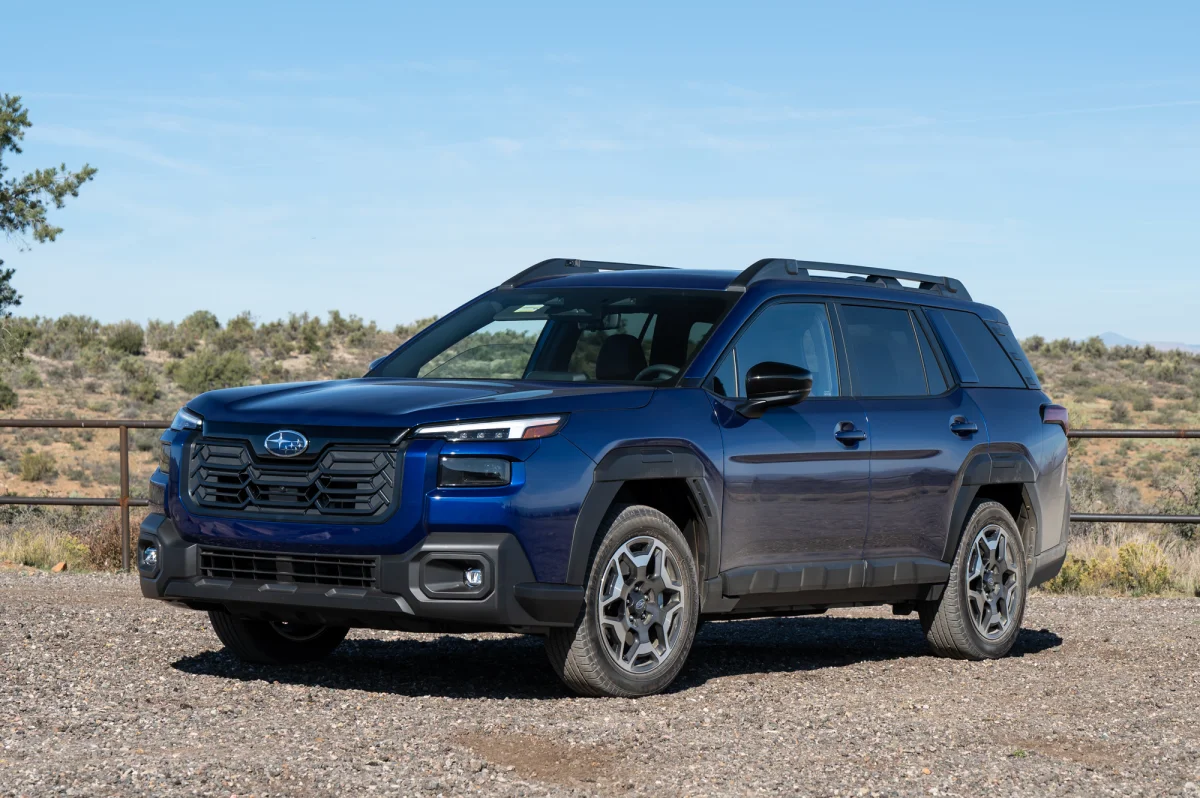
4. Subaru Outback: Comfort, Capability, and Heat-Ready Design
The Subaru Outback is well-suited for hot climates like Cathedral City thanks to its effective climate control and durable construction. Higher trims offer ventilated seats that blow cool air to keep passengers comfortable, while solar-tinted glass helps reduce interior heat.
The cabin is well-insulated, and the strong air-conditioning system quickly cools the interior. Advanced features like X-MODE enhance traction on varied terrain, and EyeSight® driver-assistance technology adds safety and reduces fatigue during long drives in desert conditions. Regular maintenance of the cooling system is important to ensure consistent performance in extreme heat.
The Outback offers two four-cylinder engines. The base 2.5-liter engine produces 180 horsepower, while the turbocharged 2.4-liter engine, standard on XT and Wilderness trims, delivers 260 horsepower. Both engines pair with a continuously variable automatic transmission (CVT) and standard all-wheel drive.
The base engine accelerates to 60 mph in approximately 8.8 seconds, while the turbo engine reaches the same speed in about 6.6 seconds. Ground clearance is 8.7 inches, and X-MODE and variable-terrain drive modes enhance off-road capability. The Outback can tow up to 2,700 pounds with the base engine and 3,500 pounds with the turbocharged engine.
The redesigned interior is spacious and contemporary, with premium materials, a dual-panel digital instrument cluster, and a 12.1-inch infotainment display. Apple CarPlay and Android Auto are standard, along with cloud-based voice recognition for hands-free control. Rear passengers benefit from increased headroom, reclining seats, and ample cargo space, now two cubic feet larger than previous models.
EPA estimates for the Outback are 25 mpg city and 31 mpg highway for the base model. Turbocharged XT models achieve 21 mpg city and 29 mpg highway, while the Wilderness trim rates 21 mpg city and 27 mpg highway.
All Outbacks include EyeSight driver-assistance features, such as forward-collision warning, automated emergency braking, adaptive cruise control, and lane-keeping assist. Blind-spot monitoring and rear cross-traffic alert are available. The limited warranty covers three years or 36,000 miles, the powertrain warranty covers five years or 60,000 miles, and no complimentary maintenance is included.
With a combination of efficient cooling, spacious and comfortable interiors, capable engines, and advanced safety features, the Subaru Outback offers a reliable and practical SUV for hot desert conditions and long drives.
5. Mercedes-Benz C-Class: Luxury Comfort and Heat-Ready Technology
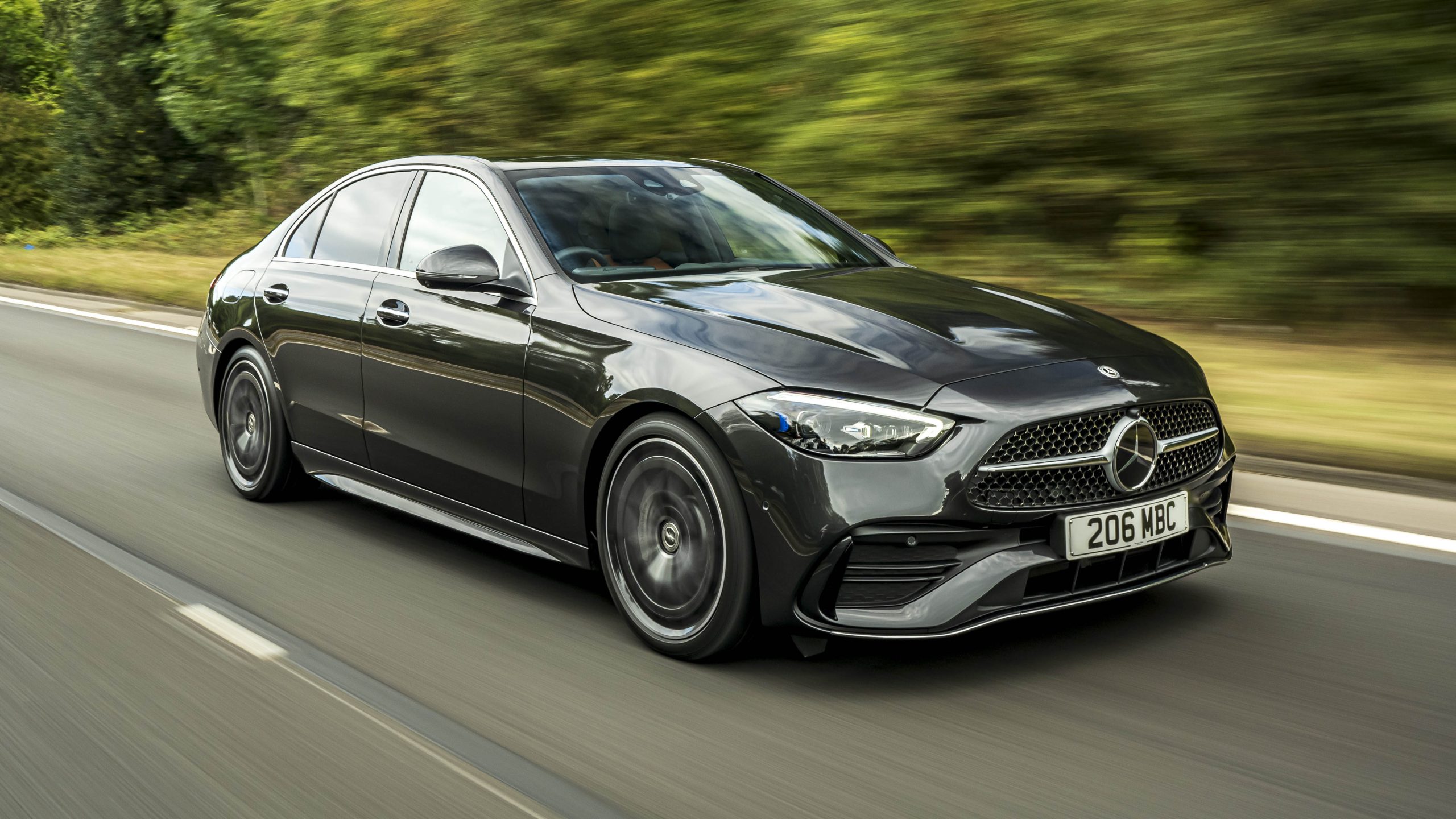
The Mercedes-Benz C-Class is a luxury sedan well-suited for hot climates like Cathedral City due to its advanced climate-control systems and high-quality cabin materials. It offers multi-zone climate control with ventilated seats, intelligent air filtration, and automatic adjustments for sunlight and humidity, keeping the cabin cool and fresh for all occupants.
Built-in sunshades and UV-reflective materials further reduce heat buildup, while robust air conditioning ensures rapid cooling even during intense desert temperatures. Some models feature cooled cupholders and premium materials that enhance comfort during long drives.
The C-Class includes dual- or multi-zone climate control for personalized comfort, ventilated perforated leather seats that circulate air, and advanced air filters that maintain clean cabin air.
Automatic sensors adjust temperature and airflow based on sunlight and humidity levels, while integrated rear window shades and sun-protective materials help prevent the cabin from overheating. These features combine to create a cool, comfortable, and health-conscious environment even in extreme heat.
All C-Class models are powered by a 255-hp turbocharged 2.0-liter four-cylinder engine paired with a 48-volt mild hybrid system, and a nine-speed automatic transmission. Rear-wheel drive is standard, with 4Matic all-wheel drive available. The C-Class accelerates from 0 to 60 mph in 5.3 seconds for the 4Matic AWD model.
Handling is nimble, although steering feedback can feel light. Braking performance is strong, with a 70-mph stop completed in 154 feet. Fuel economy for all-wheel-drive models is estimated at 24 mpg city and 33 mpg highway, with rear-wheel-drive models slightly higher.
The C-Class cabin is luxurious and high-tech, featuring a digital gauge cluster, touch-sensitive controls, an 11.9-inch portrait-oriented touchscreen with MBUX, wireless Apple CarPlay and Android Auto, and optional upgrades like a 15-speaker Burmester audio system, head-up display, and wireless device charging.
Rear seating is spacious for a compact luxury sedan, and trunk space can accommodate six carry-on suitcases or up to fifteen with the rear seats folded.
Standard safety features include automated emergency braking, blind-spot monitoring, and automated parking. Optional features include adaptive cruise control and lane-keeping assist. Mercedes provides a four-year or 50,000-mile limited and powertrain warranty, but no complimentary maintenance.
With powerful cooling systems, luxurious interior amenities, and advanced technology, the Mercedes-Benz C-Class offers a refined and heat-ready driving experience for desert conditions.
Also Read: 5 Cars for Longmont Commuters And 5 Altitude-Capable Options
5 Cooling-Efficient Models
1. Tesla Model 3: Advanced Cooling and Efficient Electric Performance
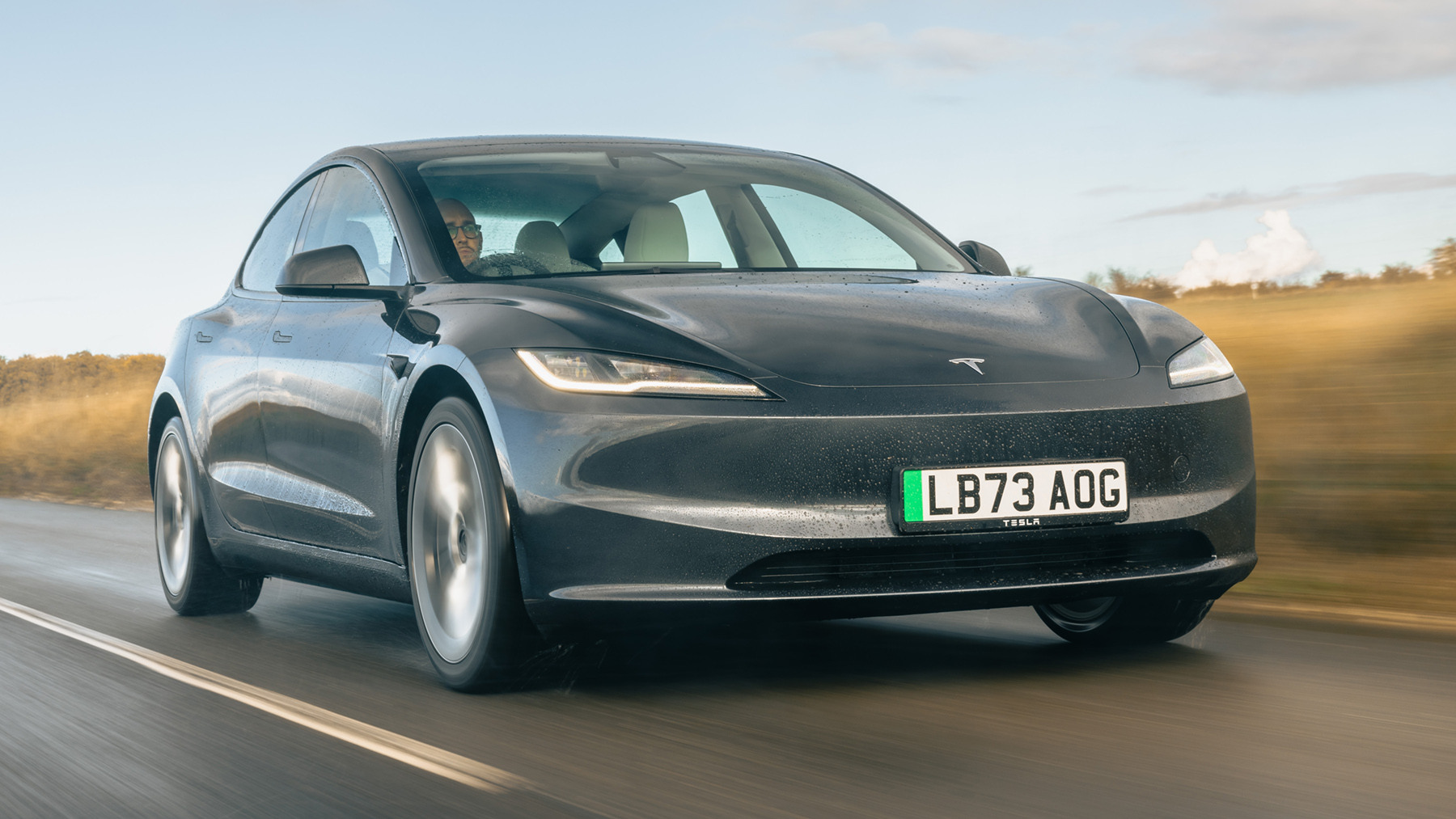
The Tesla Model 3 is exceptionally well-suited for hot climates thanks to its advanced thermal management and electric drivetrain. Unlike traditional vehicles, it does not rely on engine cooling, instead using a sophisticated heat pump system and integrated thermal management to maintain cabin and battery temperatures efficiently.
Cabin Overheat Protection ensures the interior stays below 104°F (40°C) when parked, while features like Vent Mode, automatic recirculation, and smart preconditioning via the Tesla app allow drivers to cool the car before entering.
The Octovalve system intelligently directs coolant and refrigerant between the cabin, battery, and powertrain to maximize efficiency and comfort without significant range loss.
Newer Model 3s use a heat pump that moves heat rather than generating it, saving energy for both heating and cooling. Ventilated airflow, recirculation, and cabin preconditioning allow rapid cooling, and acoustic glass contributes to a quiet, comfortable interior.
Rear passengers have limited space compared to the front, but cargo space is ample, with the 60/40 rear seats folding to accommodate up to 15 carry-on suitcases.
The Model 3 is offered in several configurations: 286-hp single motor, 425-hp dual motor, and 510-hp dual motor Performance, with front-wheel drive or all-wheel drive. Its low battery placement provides a low center of gravity, resulting in stable, agile handling.
The Model 3 Performance accelerates from 0 to 60 mph in just 2.8 seconds, while the Premium RWD model takes 4.6 seconds. EPA range estimates are 298 to 363 miles, and real-world testing confirms competitive performance. Charging options include Tesla Superchargers, public adapters, and home chargers, with fast charging replenishing up to 90 percent in under 40 minutes.
The cabin is minimalistic with a 15.4-inch central touchscreen and an 8-inch rear control panel. Standard safety features include adaptive cruise control, automated emergency braking, and lane-departure warning. Autopilot provides one of the most capable driver-assist systems in the industry, including automatic lane changes.
Tesla offers a four-year/50,000-mile limited warranty and an eight-year/100,000-mile powertrain/battery warranty. No complimentary maintenance is included.
With its advanced climate-control technology, efficient EV drivetrain, and high-performance capabilities, the Tesla Model 3 provides a cool, energy-conscious, and powerful driving experience even in extreme heat conditions.
2. Toyota Prius Hybrid: Efficient Cooling and Smart Hybrid Performance
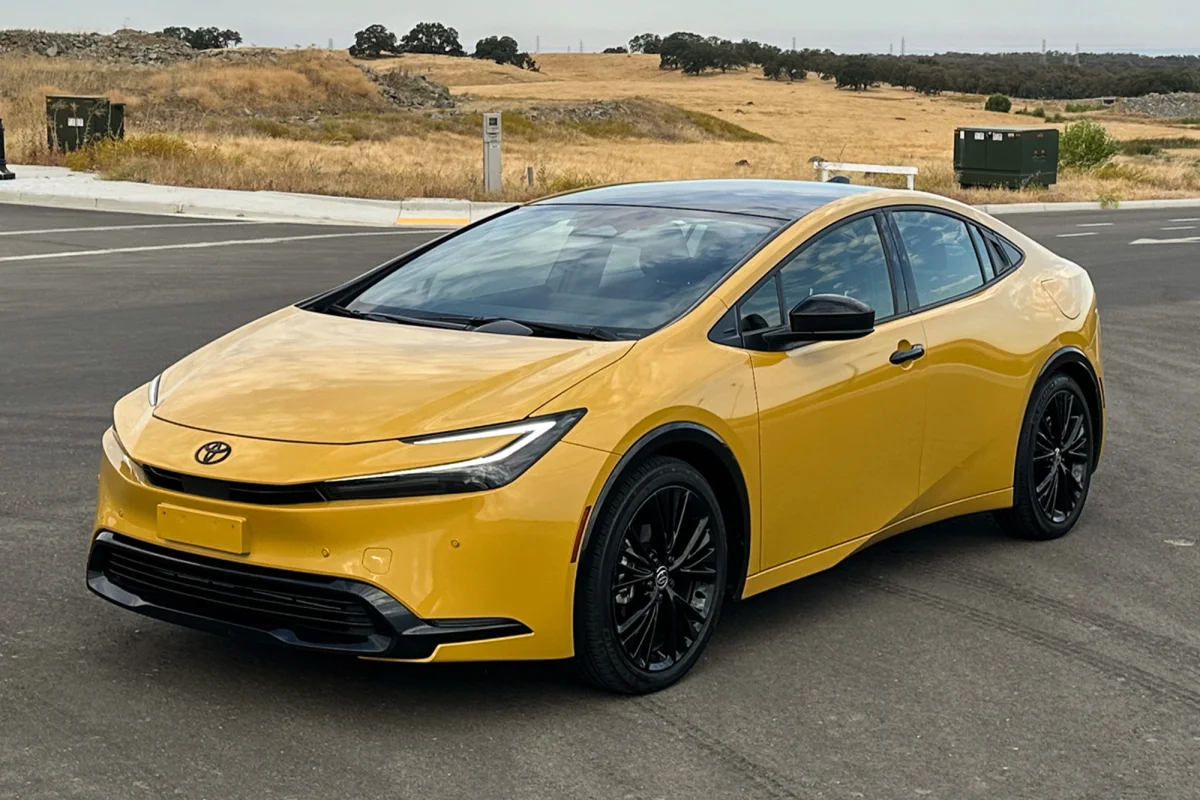
The Toyota Prius Hybrid is highly suited for hot climates thanks to its innovative cooling systems and hybrid efficiency. It features an electric A/C compressor that runs independently of the gasoline engine, allowing the cabin to stay cool even when the engine is off.
Some models offer an optional solar-powered ventilation system that pre-cools the cabin while parked, reducing heat buildup and lessening A/C load when driving. Remote AC functionality lets drivers start the air conditioning from a smartphone app, ensuring a comfortable cabin before entry.
Advanced climate control adjusts cooling based on sunlight, occupancy, and outside temperature to save energy while maintaining comfort.
The Prius separates cooling circuits for the gasoline engine and hybrid battery, optimizing temperature management for both components. Its Atkinson cycle engine produces less waste heat, and recirculated exhaust gases help with additional cooling.
Later Prius models use dual-circuit coolant systems that warm the engine faster in cold conditions while maintaining efficient cooling during heat. These features collectively reduce reliance on the gasoline engine, preserving fuel economy and enhancing comfort in extreme temperatures.
The Prius comes with a 2.0-liter inline-four engine paired with two electric motors for front-wheel drive or three electric motors for all-wheel drive. Power outputs are 194 hp for FWD and 196 hp for AWD models.
The continuously variable automatic transmission (CVT) ensures smooth acceleration, and the FWD model reaches 60 mph in 7.1 seconds. AWD versions provide additional traction for varied terrain without significant performance loss.
EPA estimates for city driving range from 49 to 57 mpg, depending on drivetrain and trim, with highway ratings from 50 to 56 mpg. Real-world testing confirms the Prius delivers excellent efficiency, with the FWD Limited achieving 49 mpg on a 75-mph highway route.
The Prius offers a traditional cockpit with driver-focused gauge placement, comfortable front seats, and sufficient rear legroom. Cargo space ranges from 20.3 to 23.8 cubic feet. Standard infotainment includes an 8.0-inch touchscreen with optional 12.3-inch displays, wireless Apple CarPlay, Android Auto, and Wi-Fi.
Standard safety features include adaptive cruise control, lane-keeping assist, and blind-spot monitoring. Toyota provides a three-year/36,000-mile limited warranty, a five-year/60,000-mile powertrain warranty, a 10-year/150,000-mile hybrid component warranty, and two years or 25,000 miles of complimentary scheduled maintenance.
With smart hybrid engineering, efficient cooling, and advanced comfort features, the Prius Hybrid offers a highly practical and energy-conscious choice for hot-weather driving.
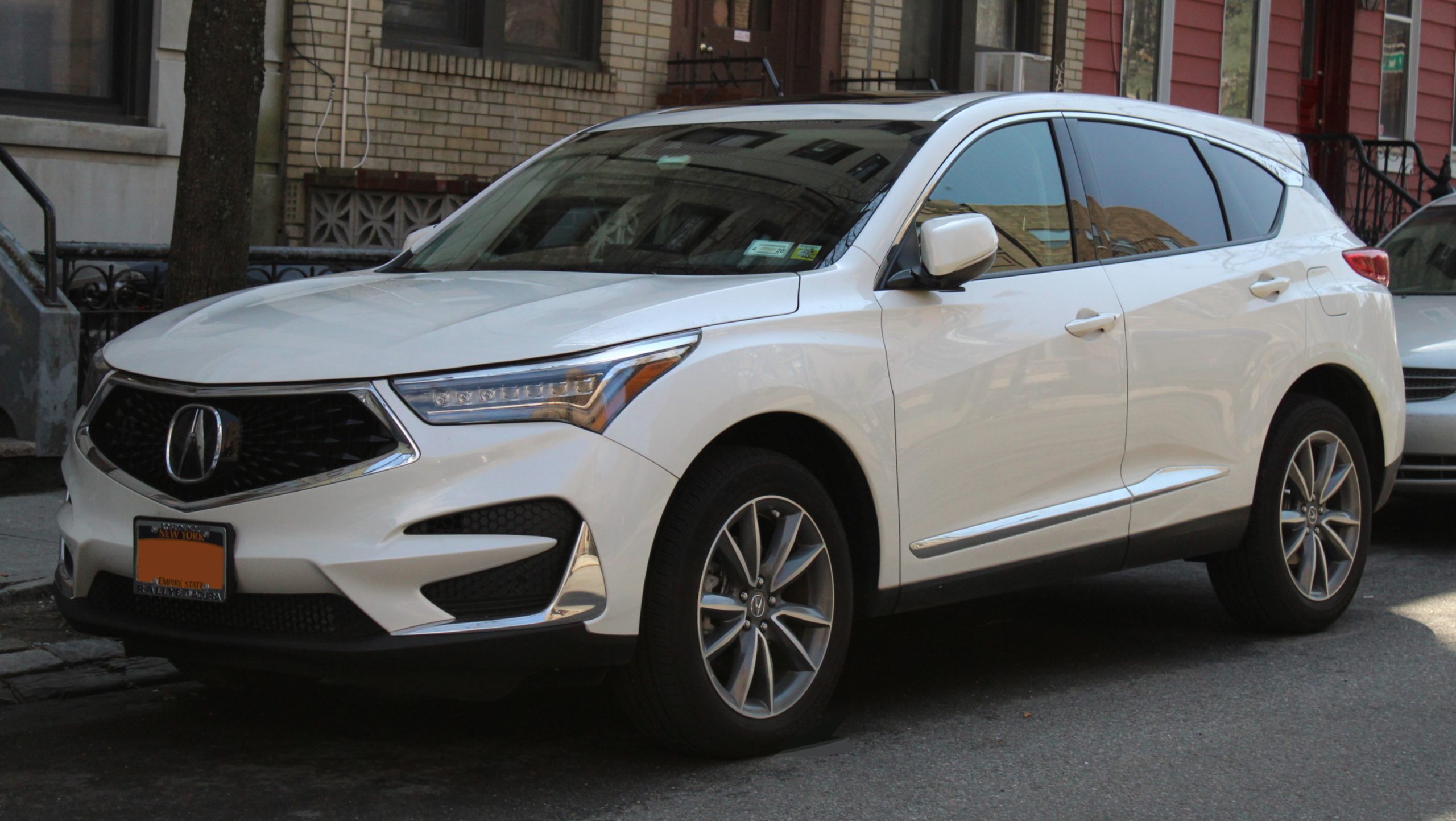
3. Acura RDX: Smart Cooling and Sporty Performance
The Acura RDX includes innovative cooling features designed to keep the cabin comfortable in hot conditions. Its GPS Solar Sensor system detects the sun’s position and directs cooling to the areas exposed to maximum heat.
The Idle-Stop System with a cold storage evaporator maintains air conditioning when the engine stops, preventing hot air from entering at stoplights. Recirculation mode helps cool the cabin faster by conditioning already-cooled air.
Some owners find the AC less powerful than non-luxury rivals, partly due to the eco-friendly R-1234yf refrigerant. Solutions such as ceramic window tint, sunshades, proper cabin-filter maintenance, and manual adjustments like higher fan speed and recirculation can enhance cooling performance.
All RDX models are powered by a 272-hp turbocharged 2.0-liter four-cylinder paired with a 10-speed automatic transmission and Acura’s SH-AWD system. The engine provides responsive low-speed throttle and strong acceleration, with the A-Spec version reaching 60 mph in 6.2 seconds.
Adaptive dampers and torque-vectoring SH-AWD improve cornering stability, while steering feel is precise and well-weighted. The turbo engine produces a high-pitched roar during hard acceleration, some of which is artificially amplified in the cabin. Braking responsiveness and transmission downshifts could be more consistent.
The cabin emphasizes sporty styling with high-quality materials, ambient lighting, dual-zone climate control, and power-adjustable heated front seats. A-Spec models add unique red interior accents. Rear seats fold flat to expand cargo capacity from eight to 22 carry-on suitcases.
Technology includes a 10.2-inch touchscreen, wireless Apple CarPlay, Android Auto, and a Wi-Fi hotspot. The optional Technology package adds built-in navigation, rear USB ports, and a 12-speaker ELS Studio audio system.
Standard safety features include forward-collision warning, automated emergency braking, lane-keeping assist, and adaptive cruise control, with additional sensors and blind-spot monitoring available in higher trims. Acura provides a four-year/50,000-mile limited warranty, six-year/70,000-mile powertrain coverage, and two years or 24,000 miles of complimentary maintenance.
With smart climate controls, a sporty driving experience, and advanced features, the RDX offers a practical and engaging choice for luxury SUV buyers who need comfort and performance in hot-weather conditions.
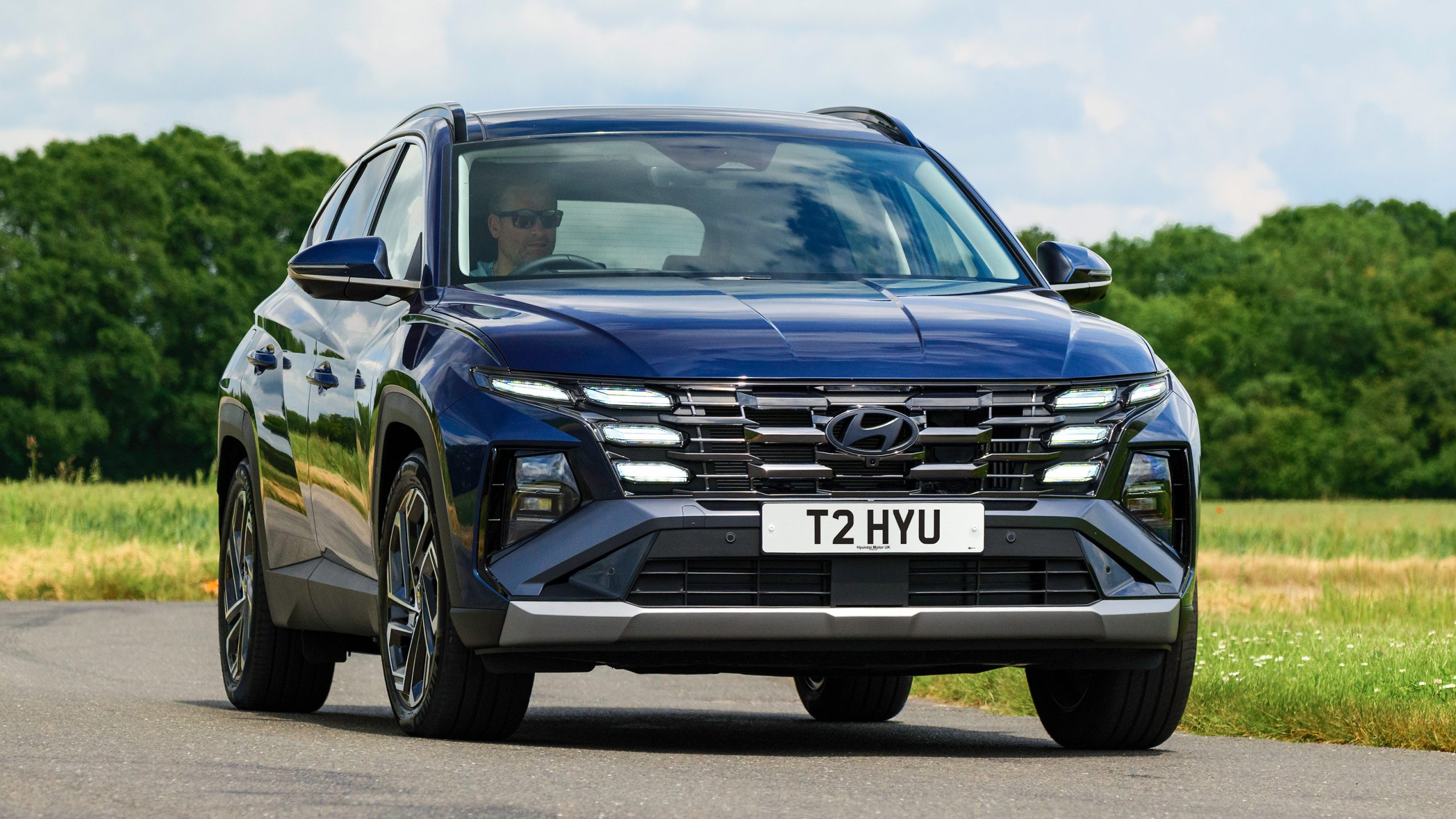
4. Hyundai Tucson: Efficient Cooling and Practical Comfort
The Hyundai Tucson delivers cooling efficiency and comfort at a competitive price, with features designed to keep the cabin pleasant in hot weather. Available ventilated seats on mid-to-high trims provide direct cooling, while UV-resistant dashboard materials and sun-reflective glazing help reduce heat buildup inside the cabin.
Multi-Air Mode distributes air through direct and indirect vents, mimicking aircraft-style airflow for gentle, even cooling. Automatic climate control uses sensors to maintain the desired temperature, adjusting fan speed and air intake as needed.
Hybrid and plug-in hybrid models add advanced battery thermal management and heat-pump systems, improving energy efficiency while maintaining comfort. Additional features include remote pre-conditioning for hybrids/EVs, smart air purification, and moisture reduction systems to maintain clean, fresh airflow.
Standard Tucson models use a 187-hp 2.5-liter four-cylinder paired with an eight-speed automatic transmission and front- or all-wheel drive. The engine provides adequate acceleration for city and highway driving, while the hybrid and plug-in hybrid variants feel quicker and more responsive.
At the test track, an all-wheel-drive Limited model reached 60 mph in 8.8 seconds. Steering is reasonably crisp, and the ride is quiet and refined, giving the Tucson a sense of luxury uncommon in its class.
Inside, the Tucson offers a modern, thoughtfully arranged cabin with quality materials, a digital gauge display, and a separate climate-control panel with physical buttons. Rear-seat and cargo space are generous, fitting nine carry-on suitcases behind the rear seats and 22 with them folded.
A 12.3-inch touchscreen is standard, with an optional dual-screen display combining digital gauges and infotainment controls. Apple CarPlay, Android Auto, wireless connectivity, SiriusXM, Bose audio, and Hyundai’s digital key app enhance convenience and connectivity.
Standard driver-assistance features include automated emergency braking with pedestrian detection and lane-departure warning with lane-keeping assist. Adaptive cruise control with lane-centering is available on higher trims. Hyundai provides five years/60,000 miles of limited warranty, 10 years/100,000 miles of powertrain coverage, and three years/36,000 miles of complimentary scheduled maintenance.
With a combination of smart cooling technologies, practical interior space, and dependable performance, the Tucson offers a comfortable, energy-conscious choice for compact SUV buyers seeking value and hot-weather capability.
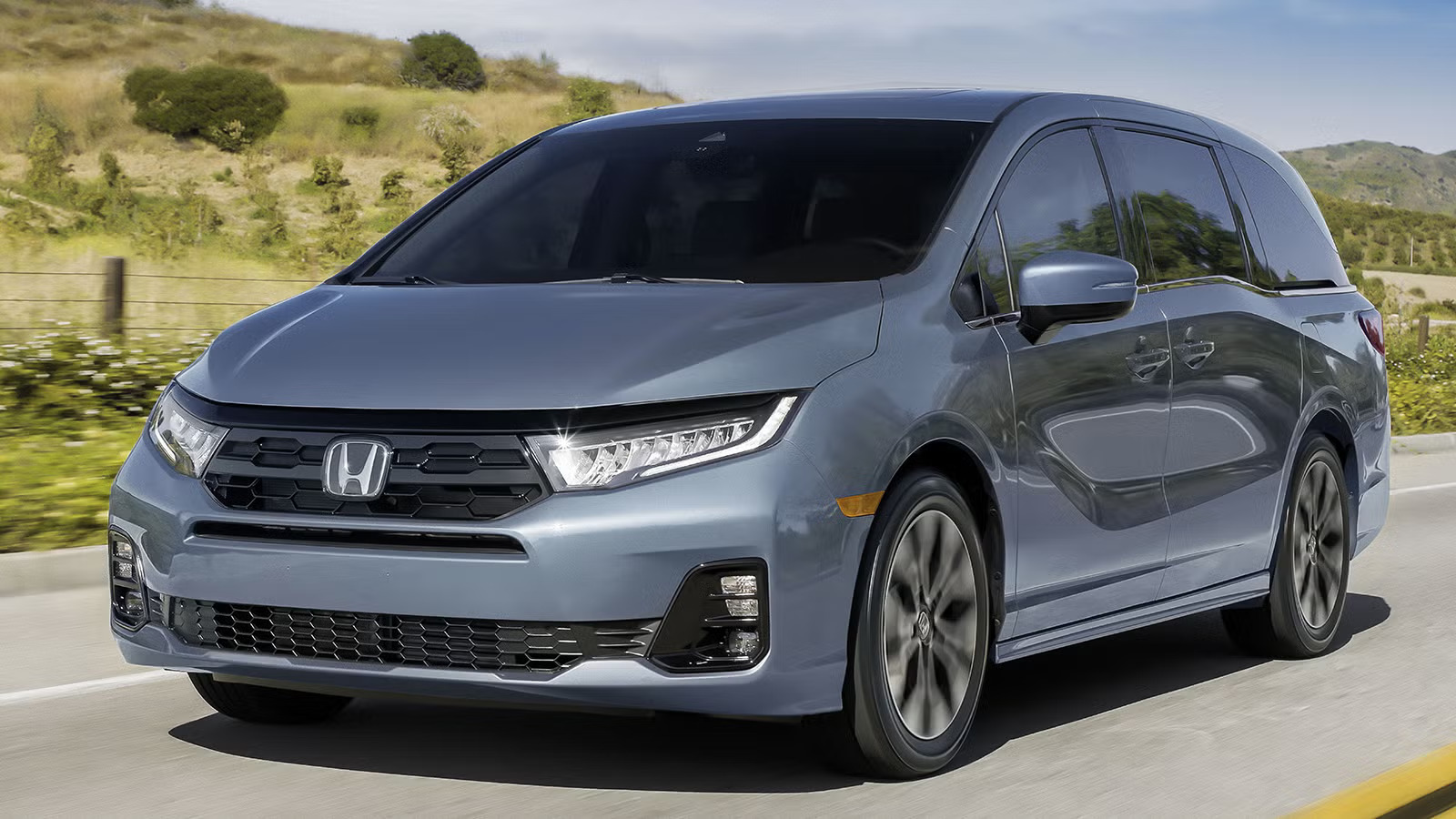
5. Honda Odyssey EX: Family-Friendly Cooling and Comfort
The Honda Odyssey EX is designed for families seeking comfort and effective cooling in hot weather. Its Tri-Zone Automatic Climate Control allows the driver, front passenger, and rear passengers to set individual temperatures, ensuring personalized comfort across the cabin.
Remote engine start lets owners pre-cool the interior before entering, while integrated sunshades on second- and third-row windows reduce heat from direct sunlight.
The A/C system is powerful and generally maintains a cool interior, though the third row may feel less chilled during peak heat with a fully loaded vehicle. The spacious cabin design helps distribute air efficiently, making long drives more comfortable.
Power comes from a 280-hp 3.5-liter V-6 paired with a 10-speed automatic transmission and front-wheel drive. The Odyssey accelerates swiftly for a minivan, hitting 60 mph in 6.4 seconds in testing.
Its stiff body structure and direct steering give the vehicle a slightly sporty feel without compromising ride comfort. Handling is stable, and the suspension absorbs most road imperfections, keeping the cabin quiet and smooth.
The cabin accommodates up to eight passengers. The second row uses Honda’s Magic Slide system, allowing lateral adjustments to create a door-side path or transform seats into captain’s chairs. The third row folds flat for cargo, creating a versatile storage area. With seats stowed, the Odyssey fits 57 carry-on suitcases, demonstrating impressive cargo flexibility. Front seats provide good comfort, and storage-friendly center consoles enhance usability.
A 9.0-inch touchscreen comes standard, supporting wireless Apple CarPlay and Android Auto. Higher trims offer an 11-speaker audio system, a rear-seat 12.8-inch entertainment screen, CabinTalk PA system, CabinWatch nanny cam, Wi-Fi hotspot, and satellite-linked navigation.
Standard driver-assistance features include lane-departure warning, lane-keeping assist, adaptive cruise control, blind-spot monitoring, and forward-collision warning with automated emergency braking.
Optional front and rear parking sensors provide added convenience. Warranty coverage includes three years/36,000 miles for limited warranty, five years/60,000 miles for the powertrain, and one year/12,000 miles of complimentary maintenance.
With strong cooling technology, versatile seating, and family-focused amenities, the Honda Odyssey EX offers a practical and comfortable minivan choice for hot-weather driving and everyday family needs.
For drivers in Cathedral City, selecting a vehicle that can endure high temperatures while delivering comfort is essential. Vehicles like the Camry, F-150, and C-Class excel at maintaining cool cabins even under desert sun, with features such as ventilated seats, tri-zone climate control, and sun-reflective materials.
SUVs like the CR-V, Outback, and Tucson balance performance and cabin comfort, ensuring both driver and passengers stay comfortable on long journeys.
Meanwhile, cooling-efficient models like the Tesla Model 3, Prius Hybrid, Acura RDX, and Honda Odyssey EX demonstrate the benefits of advanced thermal management systems, heat pumps, and multi-zone climate control.
By considering either heat-ready performance or energy-conscious cooling, drivers can choose a vehicle suited to both comfort and efficiency. These ten cars collectively offer smart solutions for tackling Cathedral City’s desert heat, ensuring safe, enjoyable, and cool driving experiences regardless of the conditions.
Also Read: 10 Cars That Look Stunning But Disappoint True Enthusiasts
