City driving is a weird beast. Tight corners, snaking lanes, impatient scooters, the constant battle for parking it’s a grind. You need a car that gets it, not a vehicle that thinks it’s auditioning for a track day.
Hatchbacks are the sweet spot for urban life: compact, efficient, easy to maneuver. But not all hatchbacks are created equal. Some feel like they were built for the suburbs or the highway and totally miss the point of city living.
This article breaks down 5 hatchbacks that absolutely crush it in urban environments and 5 that honestly struggle to keep up. I’m not talking about fancy labels or hyped specs; I’m talking about real-world usability, easy parking, visibility, engine character, and how they handle that endless stop-and-go grind.
Some cars here are affordable and practical, while others have a bit more style, but they all share one thing: they make daily city life less of a chore.
We’re also calling out cars that seemed like good ideas but, in day-to-day use, end up being more annoying than helpful. Whether it’s because they’re dim-witted in traffic, thirsty, clunky to park, or simply too bulky for narrow streets, those are the ones that don’t belong in urban garages.
This isn’t a spec sheet. I’ll talk about how these cars feel to drive in the real world, how they deal with real jam-ups, and why you’d either high-five yourself for choosing them or regret every red light. Ready to dive in?
What Makes a Hatchback Great or Not for City Life
Before we zoom into specific cars, let’s set the vibe right. In the city, you live and die by a few core things:
- Size matters. Tiny turns, skinny streets – a car that feels like it’s on stilts in a parking garage is no good.
- Visibility. You wanna see everything – pedestrians, bikers, scooters, potholes. Blind spots are a crime.
- Low stress handling. Traffic is stop-and-go, and you don’t want to wrestle with some heavy, vague steering.
- Economy isn’t optional. Whether petrol or EV, efficiency in town matters.
- Parking ease. Tight garages, tight driveway, tight parallel spots – if you dread parking, that car loses points.
So I split these hatchbacks into two buckets: the ones that own these criteria, and the ones that totally miss them.
ALSO READ: 10 SUVs Discontinued for 2025 That Deserved a Longer Run
1. Maruti Suzuki Swift
Let’s start with a classic: the Maruti Suzuki Swift. If city driving were a sport, the Swift would be the MVP.
First off, the size is just right, small enough to duck through narrow lanes, big enough to feel planted. Visibility is decent all around, and you don’t feel like you’re peering out of a periscope. The driving position is comfy, and the steering’s light enough that threading between traffic feels natural. There’s no drama, no fuss.

Fuel economy is a highlight. In stop-start city traffic, the Swift sips fuel rather than gulps it, which is exactly what you want when every red light feels like a test of patience. And the engine itself is peppy enough for city speeds. You’re not racing, but you also don’t feel like you need to pray for a green light.
Parking is another big check. The compact footprint and tight turning circle mean that parallel parking or squeezing into a jammed lot doesn’t make you break into a sweat. The rear view could be better, sure, but that’s a small gripe compared to how easy the car is overall.
Inside, the cabin is straightforward and uncluttered nothing that’ll distract you while dealing with chaos outside. Some rivals have fancier infotainment, but in the city you want simplicity and reliability over bells and whistles.
If you want a car that gets city life, not in theory but in daily use the Swift stands up. It’s not perfect, but it’s tuned for the things that actually matter when you’re living in urban traffic hell.
2. Hyundai i20
The Hyundai i20 feels like the grown-up version of a city hatchback. You hop in, and the overall build quality and refinement tell you this isn’t a budget throwaway.
Size? Sweet spot. The i20’s not so tiny that you feel car-less, but it’s definitely nimble in traffic. Steering is well-weighted and predictable, so you’re not making micro-adjustments every second in slow traffic. Oh, and the ride is impressively composed, with potholes, rumble strips, and speed bumps that don’t make you feel like you’re on a medieval cart.

The engine lineup typically includes punchy petrol options that aren’t stressed in city speeds. You’ll notice the power is never sudden or twitchy which means less anxiety when you’re trying to inch forward in a jam.
Fuel efficiency holds up pretty well in town, too. It’s not a miracle worker, but it’s respectable and honestly, that’s good enough when stoplights and traffic jams are eating into your drive every day.
Visibility is solid, and the cabin ergonomics are comfortable. Seats are supportive, controls fall nicely to hand, and the bigger touchscreen is good for quick glances without losing focus.
Parking confidence is another bonus. The size and turning circle make tight spots manageable, and that’s a huge deal in the city.
The i20 feels like it was built for urban reality without being cheap about it. It’s comfortable enough for longer drives, but in the city? It’s sharp, calm, and reliable.
3. Tata Tiago
The Tata Tiago is one of those cars that grows on you fast, especially in the city. It’s not trying to be flashy; it just gets practical stuff right.
Right awa,y you notice that it feels solid. Bumps and bad roads? It doesn’t bat an eye. That’s huge because urban potholes (and there are many) will test any car’s confidence. The Tiago absorbs them better than most hatchbacks in its price bracket, keeping you from jolting awake every morning.

In daily traffic, it’s light on its feet. The steering is intuitive and not tiring in slow shuffle traffic. You don’t have to crank the wheel like you’re wrestling a bear. And while the engine isn’t going to win drag races, it’s plenty responsive in the city enough to hustle when you need to get through a gap without feeling stressed.
Fuel efficiency is good, which matters when every trip is stop-start. You can keep your petrol budget in check without feeling like you’re sacrificing performance.
Parking is straightforward. The Tiago’s size is compact, the turning circle is competitive, and you feel like you’re in control, not flailing every time you back into a spot.
Inside, it’s functional. Not over the top fancy, but the layout is driver-friendly and tougher than a lot of rivals ideal for daily life where spills and rough use are just part of being human.
If you want a city car that’s reliable, practical, and just easy to live with, the Tiago rings a lot of boxes without trying too hard.
4. Honda Jazz
The Honda Jazz is a weirdly awesome city hatchback because it answers a bunch of practical questions you didn’t even know you had.
First off, it’s roomy inside, seriously roomy for a hatchback. Most cars promise space but deliver cramped. Not the Jazz. Even with a compact footprint, the interior feels airy. Taller passengers won’t complain, and cargo space is generous if you ever need to haul weird-shaped stuff from the market.

In city traffic, the Jazz is surprisingly relaxed. The steering is light and predictable, so threading through congestion feels stable rather than twitchy. You’re not fighting the wheel just to keep pace with a crawling line of cars.
The engine is smooth. You’re not going to blitz past faster cars, but you don’t feel underpowered either. Power delivery is linear, which means less jerky starts at lights a plus when you’re dealing with frequent stops.
Fuel economy is decent, and the ride quality is cushy enough that cobbled streets don’t make you wince.
Parking in tight spots isn’t a headache. The Jazz’s compactness and good outward visibility make backing into a spot feel straightforward. The rear seats also fold in clever ways that let you turn the cabin into a mini-cargo zone if you need it.
Sure, it doesn’t have the sporty flair of some competitors, but that’s not the point. In real city life, the Jazz feels sensible and stress-free not flashy, just functional.
ALSO READ: 5 Cars for Abilene Practical Buyers vs 5 That Rack Up Repairs
5. Volkswagen Polo
The Volkswagen Polo brings a bit of German composure to city driving. It’s like the quiet kid in class who actually gets stuff done.
Right away, you notice the build quality. Solid doors, reassuring clunks, tight panels it feels like it can handle knocks and bumps without falling apart. That matters when you’re running errands or navigating crappy urban roads.

Driving in traffic? The Polo’s steering is nice and communicative. It doesn’t feel floaty or vague. You can place it just where you want it, which is a big confidence booster in tight lanes. The engine doesn’t grunt unnecessarily; it’s smooth and willing without being jerky.
Ride comfort is good not cushion-city, but firm and controlled. You don’t feel every little bump like
You don’t feel every little bump like your spine is being audited, but you also don’t feel disconnected from the road. That balance works well in a city where road quality changes every 200 meters.
Parking is mostly stress-free. The Polo isn’t tiny-tiny, but it’s compact enough that parallel parking doesn’t turn into a three-point circus. Visibility is decent, though the rear could be better. Still, you adapt fast.
Fuel efficiency in the city is respectable, especially if you drive with a light foot. It’s not the cheapest car to own, but it rewards you with a calm, planted feel that makes daily commuting feel grown-up.
If you like a city hatchback that feels premium without being loud about it, the Polo earns its place.
5 Hatchbacks That Aren’t Great for City Life
Now let’s flip the script. These hatchbacks aren’t bad cars. They just don’t shine in tight, chaotic city environments. Some are too big, some are too thirsty, and some just make daily driving harder than it needs to be.
6. Toyota Corolla Hatchback
The Toyota Corolla Hatchback looks sharp and feels solid, but in the city, it starts to feel like it’s wearing shoes a size too big.
The main issue? Size. It’s wide. On narrow roads and crowded lanes, you constantly feel like you’re squeezing through spaces that were not meant for you. That alone adds stress, especially during peak traffic hours.

The steering is fine at speed, but in slow traffic, it feels heavier than necessary. When you’re inching forward or making tight U-turns, you notice the bulk. Parking also becomes a mental workout. It fits, sure, but not comfortably. You’ll often find yourself double-checking mirrors and readjusting more than you’d like.
Fuel efficiency in city traffic is average at best. Stop-start driving exposes its weight, and the engine feels happier cruising than crawling.
Visibility isn’t great either. Thick pillars and a high beltline mean you rely more on sensors and cameras than your own eyes, not ideal when pedestrians and scooters pop up out of nowhere. The Corolla Hatchback works better as a highway cruiser or suburban daily. In dense city life, it feels like overkill.
7. Ford Focus
The Ford Focus is one of those cars drivers love but city drivers? Not so much.
Yes, it handles brilliantly. Yes, it feels stable and confident. But that sporty nature comes with trade-offs that don’t help in stop-and-go traffic.
The steering is heavier than what most people want in city conditions. After a long day, wrestling the wheel through traffic feels tiring. The suspension is also tuned on the firmer side, so potholes and rough roads are felt more than they should be.

Size again plays a role. It’s not huge, but it’s wide enough that narrow streets demand attention. Parking is doable, but not effortless. You’re always aware of the car’s footprint. Fuel economy drops fast in traffic. The Focus prefers flowing roads, not endless red lights. You’ll see that at the pump sooner than expected.
The cabin is driver-focused, which sounds good until you realize it means less emphasis on ease and simplicity. Buttons, layouts, and controls feel like they’re meant for someone who enjoys driving fast, not someone crawling through traffic.
8. Mini Cooper 5-Door
The Mini Cooper 5-Door wins on style. People look. You feel cool. But city life exposes its cracks pretty fast. Let’s start with visibility; it’s not great. Thick pillars, small windows, and a high dashboard mean you’re constantly adjusting your head to see what’s around you. In heavy traffic, that gets old fast.

Ride quality is another issue. The suspension is stiff, and city roads punish it. Speed breakers and potholes feel sharper than they should in a daily car. Space is also tight. Yes, it’s a hatchback, but interior space doesn’t match expectations. Rear passengers feel cramped, and boot space fills up quickly after a grocery run.
Fuel efficiency in city conditions isn’t impressive either. Combine that with higher maintenance costs, and daily ownership starts to sting. Parking should be easy because it’s small, but the poor visibility makes it trickier than expected. You end up relying heavily on sensors.
The Mini is a vibe car. Great for short, fun drives. Not great for the everyday city grind.
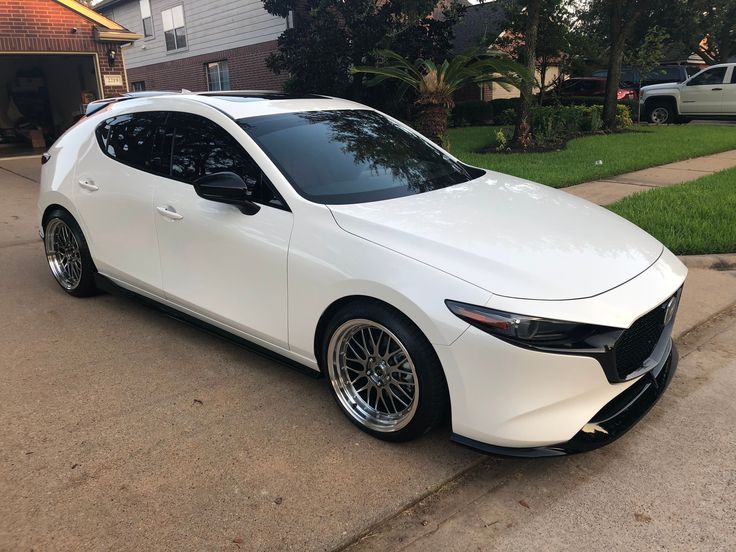
9. Mazda 3 Hatchback
The Mazda 3 Hatchback is one of the best-looking hatchbacks around. Smooth lines, classy interior it feels premium. But beauty doesn’t always equal city comfort.
The biggest downside is visibility. The rear window is tiny, and the thick rear pillars make reversing and lane changes stressful. In crowded city conditions, that’s a real problem. The steering is on the heavier side, which feels nice on open roads but annoying in traffic. Making tight turns or quick adjustments takes more effort than it should.

Ride quality is firm, and while it handles well, potholes remind you that comfort wasn’t the top priority here. Fuel efficiency is decent, but not standout in city driving. The engine likes smooth driving, not constant braking and acceleration.
Interior quality is excellent, but the low seating position and narrow windows make the cabin feel closed-in, not ideal when you’re stuck in traffic for long stretches. The Mazda 3 shines on highways and twisty roads. In the city, it feels slightly improper.
10. Hyundai Veloster
The Hyundai Veloster is quirky. One door on one side, two on the other. It’s different. But city life exposes why different isn’t always better. Getting in and out, especially in tight parking spots, is awkward. The door layout looks cool, but it isn’t practical when space is limited.

Rear visibility is poor, and blind spots are noticeable. In busy traffic, that creates hesitation and hesitation causes stress.The suspension is sporty and stiff. Potholes and uneven roads feel harsher than they should. After a while, that wears you down.Fuel efficiency isn’t terrible, but it’s not impressive either. You expect better from a hatchback in city use.
Interior space is limited, especially for rear passengers. It feels more like a lifestyle car than a daily commuter.The Veloster is fun, no doubt. But in real city life, it asks you to compromise too much.
City driving isn’t about speed or specs. It’s about mental ease. A good city hatchback fades into the background. It doesn’t fight you. It doesn’t demand attention. It lets you focus on traffic, pedestrians, and getting through the day without feeling drained.
Choosing a hatchback for city life isn’t about buying the most powerful or best-looking option. It’s about picking something that fits how you actually drive, not how ads tell you to.
Cars like the Swift, i20, Tiago, Jazz, and Polo work because they respect city reality. They’re easy, predictable, and forgiving. They don’t pretend city driving is glamorous they just make it manageable.
On the flip side, cars like the Corolla Hatchback, Focus, Mini Cooper, Mazda 3, and Veloster aren’t bad machines. They just want more space, smoother roads, and fewer red lights than a city can offer.
So be honest with yourself. Ask how often you sit in traffic, how tight your parking space is, and how much patience you actually have left at the end of the day. Because the best city hatchback isn’t the one that impresses people it’s the one that makes your daily drive suck less.