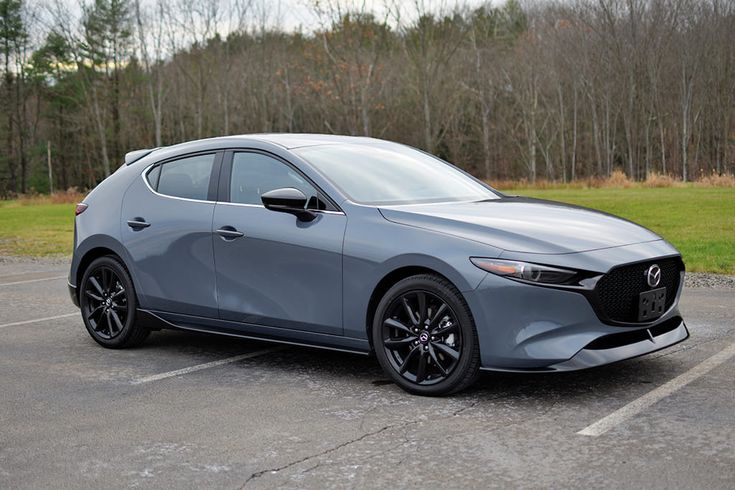
San Francisco’s a weird city to love as a driver. You’ve got insanely steep hills that make you wonder if you should’ve just bought mountain-goat legs instead of a set of wheels.
Then there’s the traffic, the tiny parking spaces, and the constant stop-and-go rhythm of city life that can wear your patience down fast. Hatchbacks, more than any other vehicle type, promise a blend of size, efficiency, and maneuverability that should make them ideal for this environment in theory.
But here’s the honest truth: not all hatchbacks are built the same. Some are nimble, peppy little machines that feel at home darting through rush-hour gridlock and climbing steep grades with confidence. They struggle, plain and simple. They feel underpowered, floppy, or just plain tired when the road starts to tilt upward.
And in a place like San Francisco, that matters. You want confidence, control, and a car that doesn’t beg for mercy at every incline or that leaves you inching forward in traffic like you’re trying to push a boulder uphill with a toothpick.
This article cuts through the marketing fluff. We’re not talking horsepower figures on paper or trimmed-down brochure speak. We’re talking real-world performance in a city that can make or break a small car.
Hatchbacks That Are Working in San Francisco
These are hatchbacks that work in San Francisco quick, responsive, and solid on hills and the ones that struggle more than they should, given their compact promise. I’ll break down how each one behaves in the city streets, what you gain with them, and what you lose when the pavement starts to tilt.
By the end of this, you’ll know which hatchbacks can handle your daily commute, awkward parking situations, and the brutal climbs that make this city unique and which ones you should seriously think twice about before pulling out your wallet.
ALSO READ: 6 Cars for Kent (WA) Suburban Commuting vs 6 That Need Specialists
1. Honda Fit
If you want a hatchback that feels tight, responsive, and downright willing in city traffic, the Honda Fit is a seriously solid choice. This little car doesn’t look intimidating; in fact, it’s adorable but it’s got a surprising amount of guts when you need to crawl up a steep street or merge into traffic with confidence.
The engine isn’t going to blow your socks off in a straight line, but it does deliver smooth, linear power that feels predictable in everyday driving. You’re not left guessing how it’ll react to a throttle input, which is exactly what you want when you’re fighting for space in rush hour.
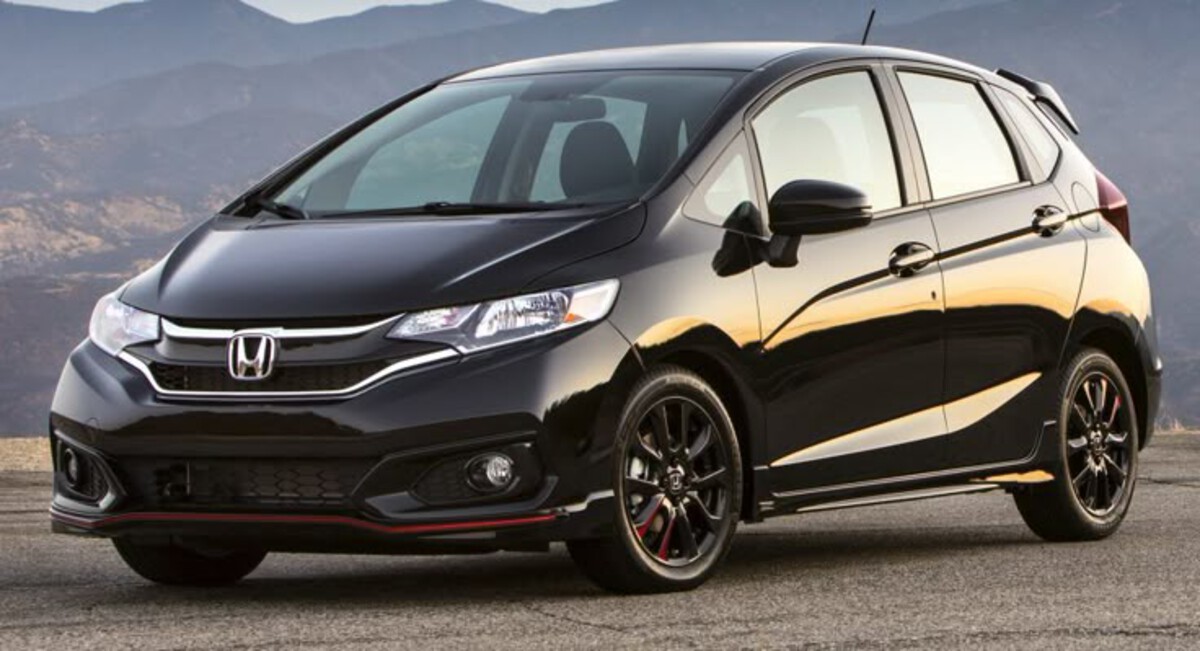
The steering on the Fit is sharp and communicative, so when you’re threading through traffic or trying to park in a space that looks like it was designed for a bicycle, it’s actually fun.
The suspension strikes a good balance firm enough to keep the car planted, yet compliant enough to handle the inevitable potholes and uneven pavement San Francisco throws at you. And that tiny turning radius? It’s not a gimmick. It genuinely makes life easier when you’re trying to whip into a spot that’s barely there.
Climbing hills doesn’t feel like a chore either. The Fit’s gearing and engine work well together, so you don’t feel like you’re grinding or laboring at every incline. Sure, it won’t win any drag races at the lights, but it also won’t leave you feeling outmatched when the road tilts up. That’s a big deal around here.
There are a few drawbacks cargo space is decent, but not enormous, and the interior materials are pretty basic but those are small compromises for how confident and friendly the Fit feels around town. Bottom line: if you want a hatchback that’s easy to live with, grips the road better than you expect, and doesn’t flinch at hills, the Honda Fit deserves serious consideration.
2. Volkswagen Golf GTI
Alright, let’s be honest: not every hatchback needs to be boring. If you want some pep in your step without sacrificing practicality, the Volkswagen Golf GTI is one of those rare rides that feels alive in a city like San Francisco.
It’s got enough power to handle steep hills without breaking a sweat and more torque than most typical hatchbacks in its class. When you hit an incline that makes other small cars wheeze, the GTI just burbles right up it like it’s no big deal. That kind of confidence matters when you’re constantly shifting between flat stretches and brutal grades.
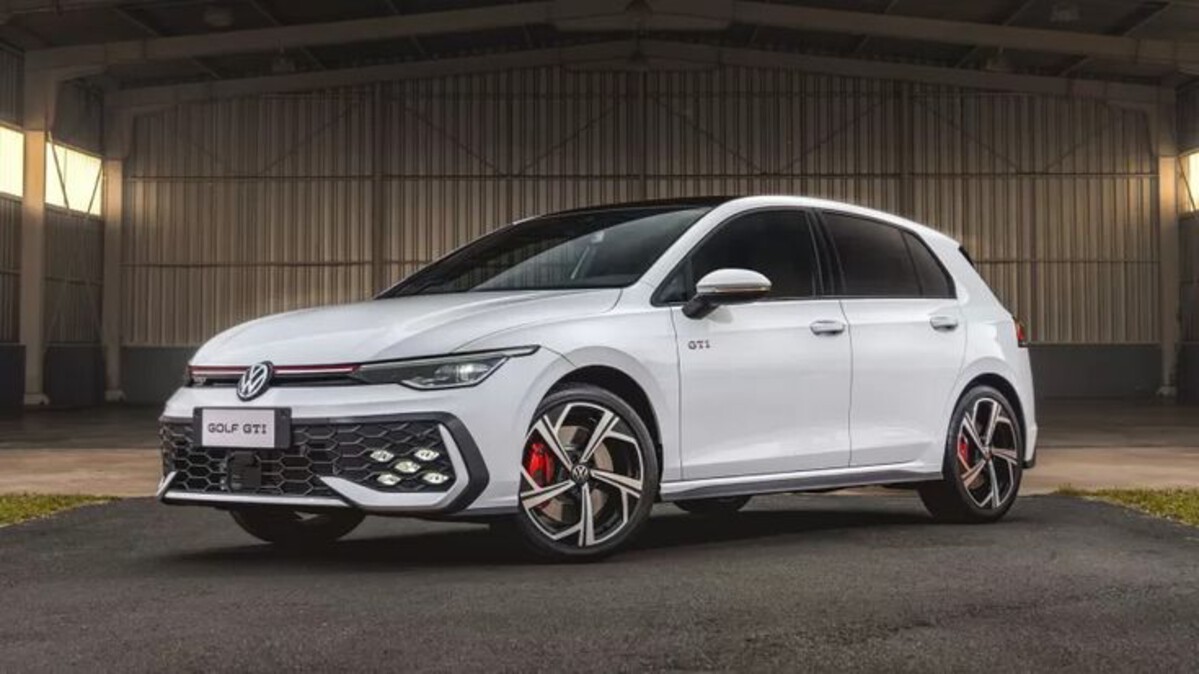
But the GTI isn’t all muscle it’s composed too. The steering is sharp and direct, which makes carving through tight corners and narrow streets feel reassuring rather than stressful.
The suspension is firm but not punishing, so when you’re powering through twisty bits or uneven road surfaces, the car feels connected rather than loose. It’s the kind of feedback you want when traffic is unpredictable and roads are anything but smooth.
Inside, it’s more refined than most hatchbacks, with materials and controls that feel like they were actually designed with the driver in mind. You don’t have to fight with funky buttons or cheap-feeling plastics every time you hop in. And with the hatchback layout, you still get that useful cargo space when you need it groceries, weekend gear, whatever.
Now, don’t get me wrong: all that performance and polish comes at a price. It’s not as cheap as some other hatchbacks, and insurance and maintenance can be a bit steeper too.
But if you spend a lot of time on steep city streets or love a car that feels confident and playful rather than timid, the GTI is one of the best hatchbacks you can pick for San Francisco life. It’s the rare car that makes daily driving enjoyable not just tolerable.
3. Mazda3 Hatchback
The Mazda3 hatchback lands in that sweet spot between practicality and driver engagement. It’s compact, sure, but it feels like a car with purpose. The engine has just enough oomph to get you moving without hesitation, and when the hills start to climb, it doesn’t make you second-guess your choice of vehicle.
Acceleration isn’t rocket-ship level, but it’s solid and steady exactly what you want when you’re trying to merge or overtake in traffic. No lag makes you feel like you’re begging for power.
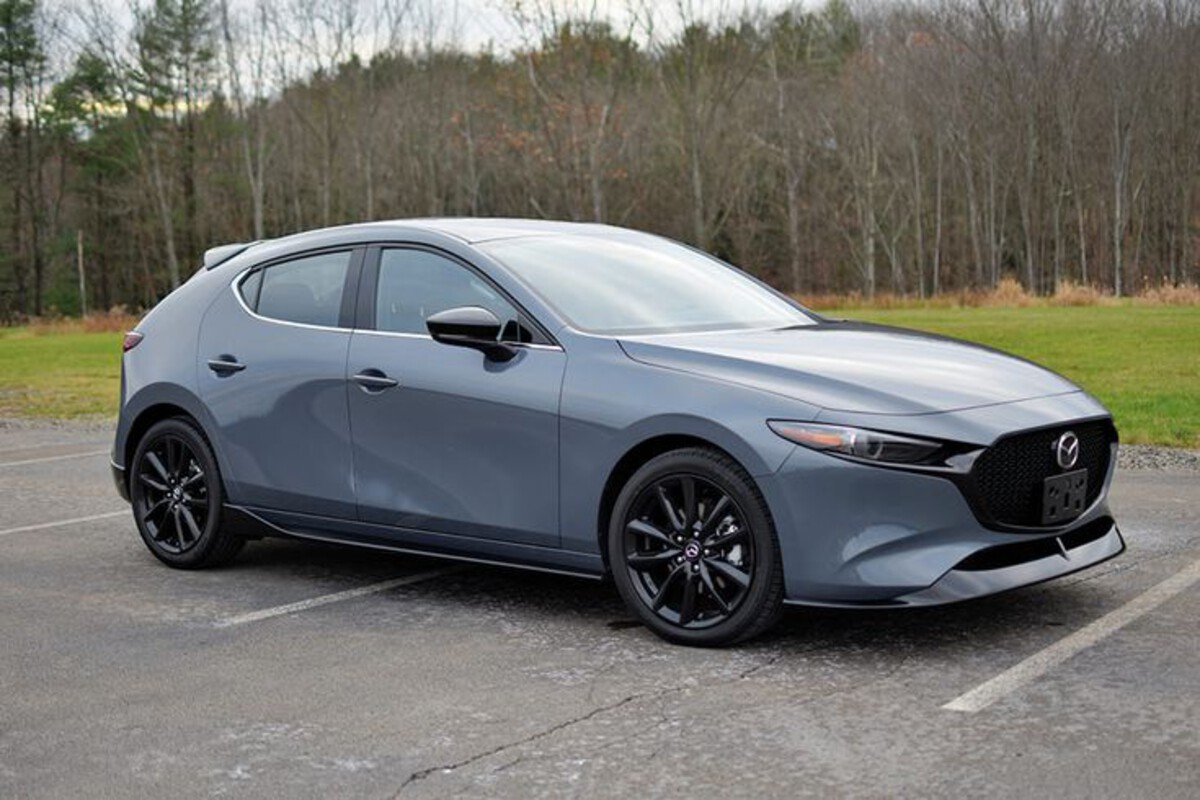
What really sets the Mazda3 apart is how it handles. The steering is communicative and loaded with feedback, so when you’re twisting through San Francisco’s narrow, curvy streets, the car feels aware. You’re not fighting it, you’re working with it. That’s a big deal for drivers who want confidence rather than chaos.
The suspension is sporty without being brutal, so it irons out bumps without sacrificing control. That’s important when you’re bouncing between speed bumps, potholes, and trolley tracks all in the same block.
Inside, the Mazda3 doesn’t feel cheap. Materials are nicer than you’d expect in this class, and the controls are intuitive. It’s a place you don’t mind spending time in again, something that matters in stop-and-go city life. The hatchback cargo area is generous too, so hauling gear or groceries isn’t a last-minute puzzle.
There are a few downsides. Visibility over your shoulder isn’t perfect, and the price is slightly higher than that of the most basic hatchbacks.
But if you want something that actually feels like a quality car instead of a bare-bones commuter box, the Mazda3 is a standout choice. Balanced, fun, and genuinely pleasant to drive, especially on the slopes and twists that make San Francisco so unique.
4. Mini Cooper
The Mini Cooper is one of those cars that makes people grin. It’s small, cute, and wickedly agile. In city traffic and tight parking situations, it feels like a secret weapon.
You can flick it into tiny spots other cars wouldn’t dream of fitting into, and the steering is so sharp that it almost feels telepathic. If you want a hatchback that feels playful and quick on its feet, the Cooper delivers.
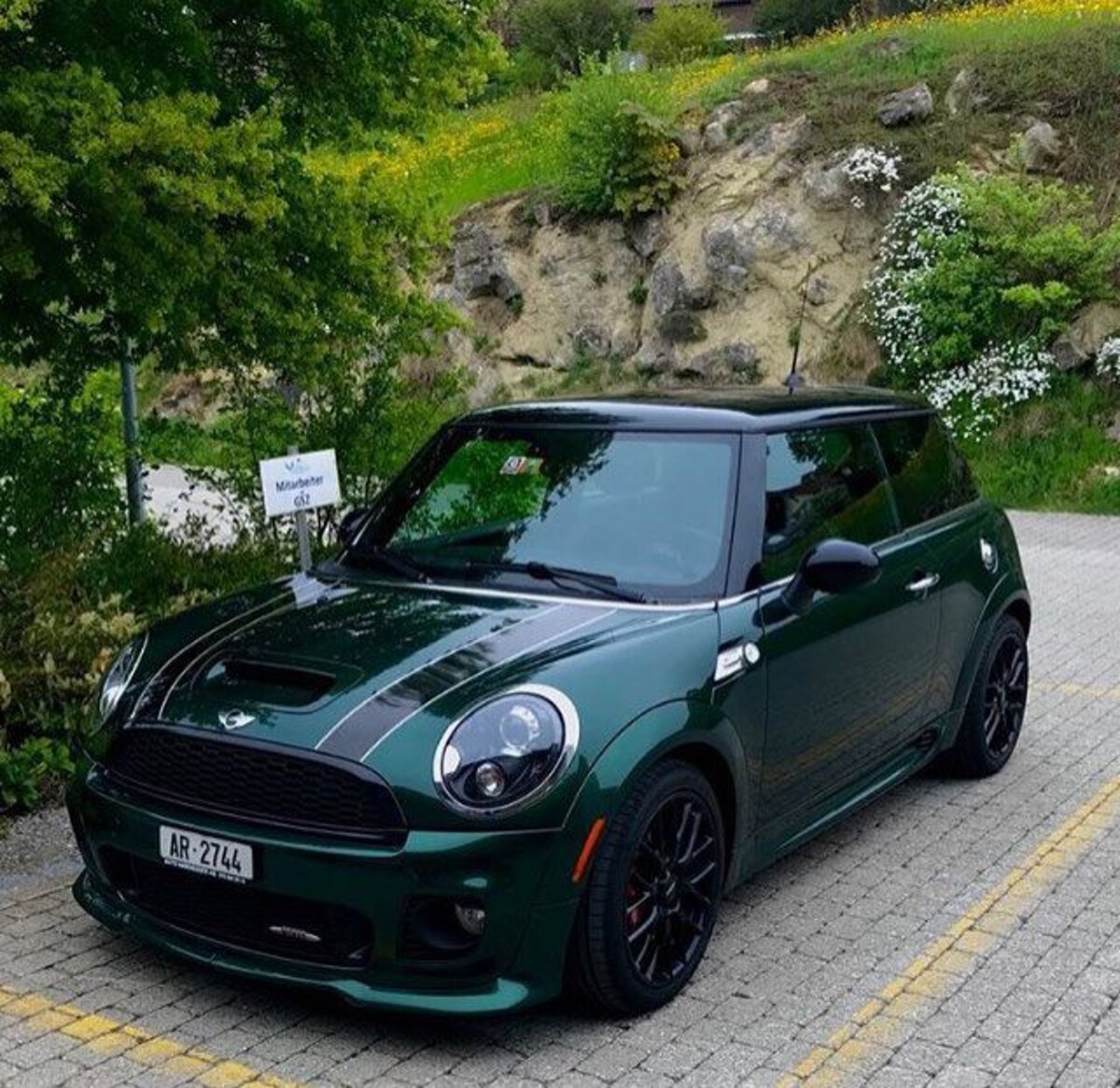
On hills, it doesn’t embarrass itself either. The engine especially in the more powerful trims has enough juice to climb with confidence instead of sputtering like some econobox.
Shifts are quick, and the chassis feels stable even when you’re powering out of a corner or weaving through traffic. It’s one of those cars that gets out of its own way, which is refreshing.
But here’s the flip side: the ride can be stiff. I’m not talking just firm I mean every bump and crack feels like it’s personally insulting you.
On San Francisco’s rougher pavement, that can turn joy into “ugh” pretty fast. And while the hatchback looks roomy, the interior is snug. Taller folks might find themselves wishing for a little more space, especially on longer drives.
Also, because it’s a Mini, you’re paying for the personality as much as the performance. Insurance costs and maintenance tend to be higher than average for hatchbacks, which can sting if you’re watching every dollar.
But if you care more about having a car that’s fun to throw around the city and doesn’t make you yawn every time you get behind the wheel, the Mini Cooper is worth a serious look. Just be ready for a firmer ride and a little less cargo room than some competitors.
5. Toyota Yaris Hatchback
The Toyota Yaris hatchback is a dependable little car that knows its role: be easy, be reliable, and be affordable. And for basic city driving, it does that job pretty well. It’s compact, which makes parking and maneuvering in tight spots much easier than with a bulkier vehicle.
The steering is light and predictable, so you’re not second-guessing inputs when you’re inching through urban traffic or backing into a snug space.
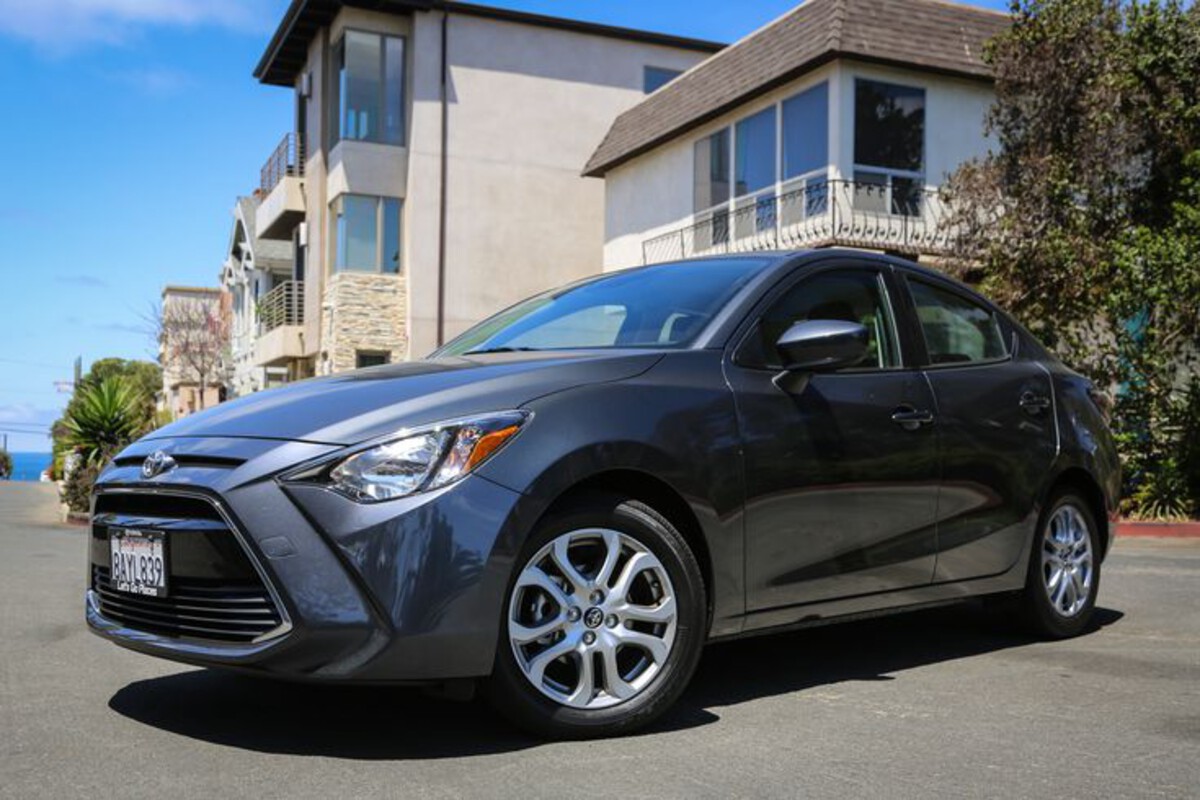
Where the Yaris really shows its stripes is reliability. This car doesn’t tend to throw tantrums, and it’s one of those vehicles that just keeps ticking.
In a city where potholes and stop-and-go traffic are daily annoyances, having a car you trust is worth something. Gas mileage is also strong, which keeps the running costs low a real bonus if you’re driving around town every day.
But here’s the catch: it doesn’t have much punch. When the hills get steep and they do get steep in San Francisco the Yaris feels like it’s being asked to carry groceries up a mountain by hand.
It’s not terrible, but it’s definitely not confident. You’ll find yourself downshifting or feathering the throttle more than you’d like just to keep momentum. That’s fine if you’re patient, but it’s not exciting.
The interior is functional but bare bones. There’s nothing particularly thrilling about it, but everything works. For someone who wants a cheap, unfussy car that gets the job done without drama, the Yaris hits the basics.
Just don’t expect thrills or strong hill performance this one is definitely more “settle for reliable” than “settle for sporty.”
ALSO READ: 10 Brutally Powerful Manual-Transmission Muscle Cars From the 1960s
6. Nissan Versa Note
The Nissan Versa Note never quite finds its footing in a city like San Francisco. At first glance, it checks all the boxes you care about: small size, decent cargo room for a hatch, and a budget-friendly price. But once you get behind the wheel and start dealing with real-world driving especially hills and traffic its limitations become painfully obvious.
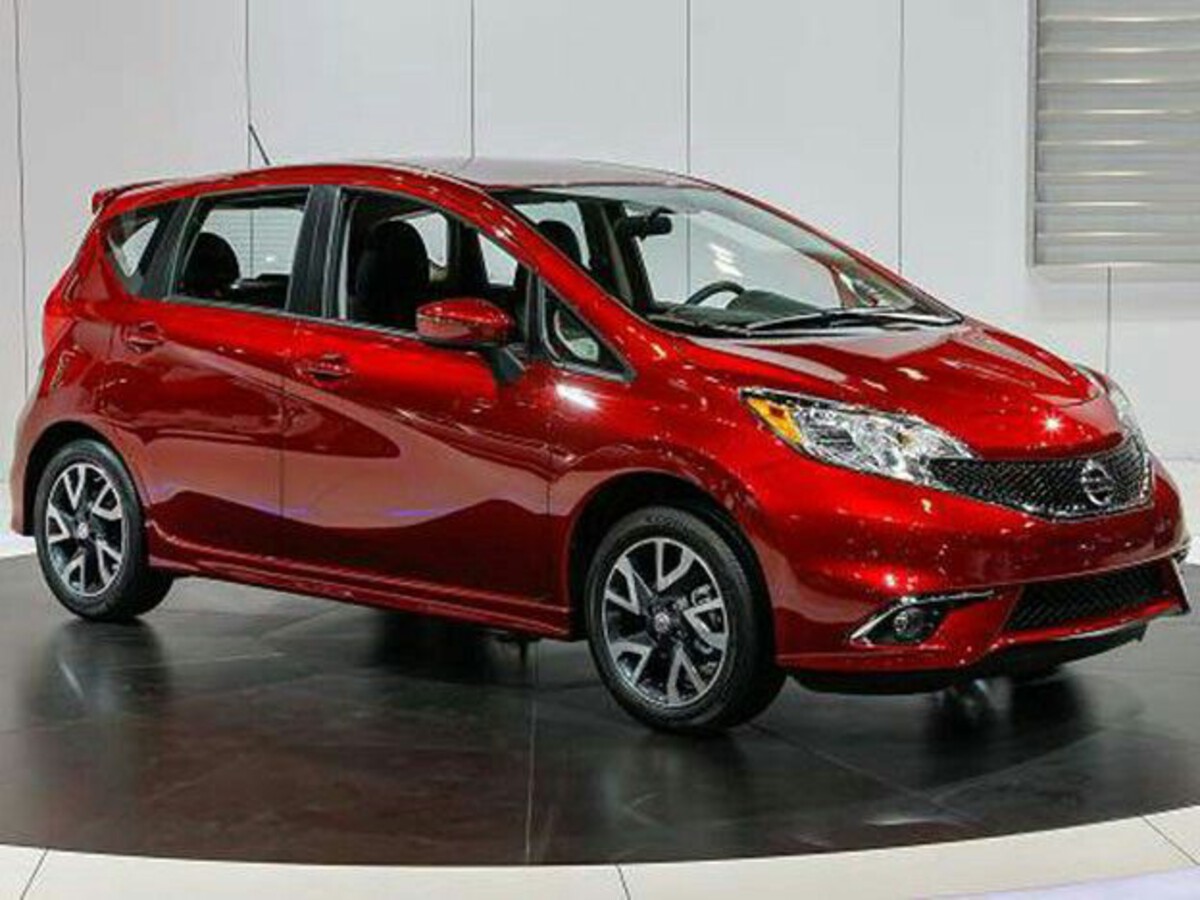
Let’s start with the engine. It’s tuned more for economy than enthusiasm, which means you’ll be inching along when you hit a steep hill while other cars just glide up.
There’s no oomph, no urgency, and honestly, very little confidence to pass slower traffic or merge quickly. If you don’t mind driving like you’re afraid of accelerating, you might be fine but that’s not a great vibe in busy city traffic where hesitation can cost you.
Handling is another weak spot. The steering feels vague, like there’s a layer of cotton between your hands and the road. You want responsiveness and predictability in tight city streets especially when parking is a game of inches and the Versa Note doesn’t deliver. It feels loose and disconnected, which makes driving more tiring than it needs to be.
Inside, it’s roomy for a small car, which is nice, and the controls are simple. But the cheap materials and lackluster fit-and-finish make it feel like the manufacturer cut corners where it shows. You don’t feel like you’re in control it feels like you’re putting up with the car instead of enjoying it.
If you’re on an extremely tight budget and just need transportation, it’ll get you there. But for real city living, especially in a place that throws hills and traffic at you nonstop, the Nissan Versa Note doesn’t have the energy or competence to keep up.
7. Ford Fiesta
The Ford Fiesta has fans because it’s small and cheap, but let’s get real: in a city with challenging roads and serious hills, it’s not the most confident partner.
The engine is peppy at low speeds, which feels good in flat city traffic, but once you hit those long, steep climbs, it gets awkward. You’ll find yourself hunting for gears and working the throttle more than you should have to, and that takes away from driving enjoyment.
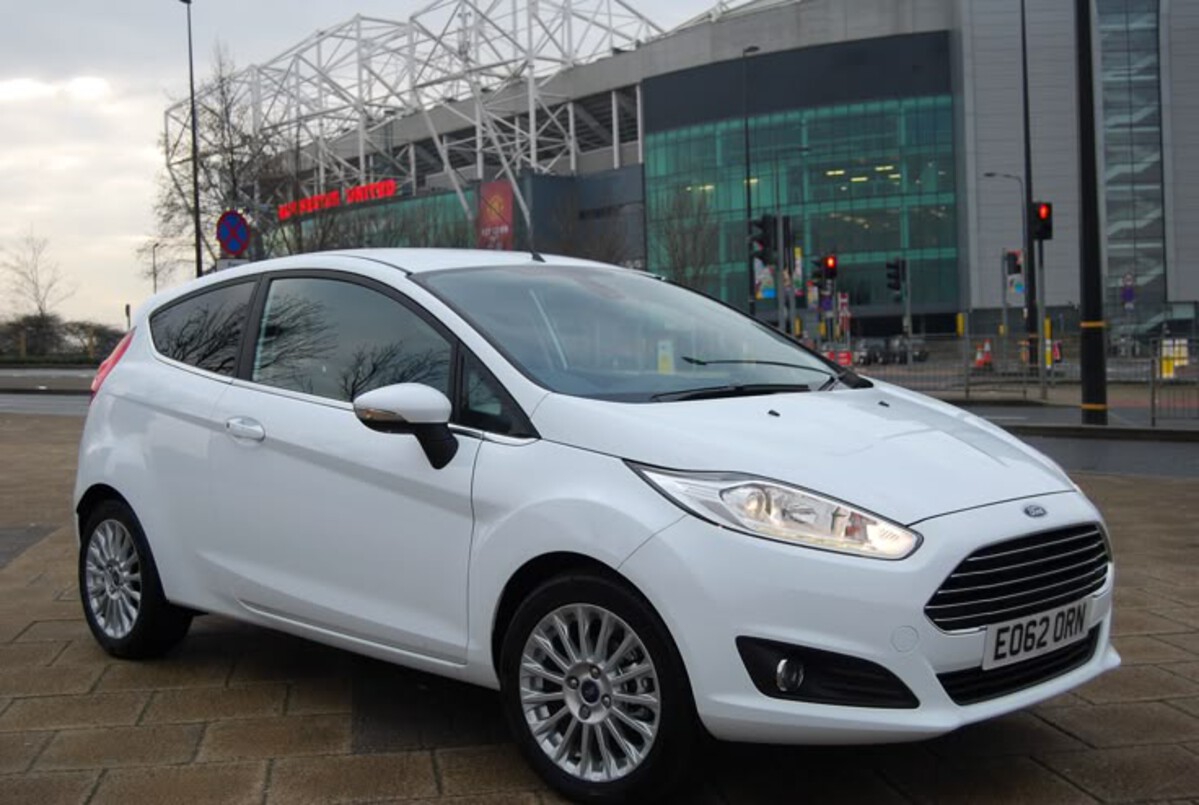
Handling is where the Fiesta should shine, but it doesn’t quite. The steering feels mushy and uncommunicative like you’re steering through molasses.
You want that crisp, direct feel when negotiating tight turns or squeezing into a tiny parking space. Instead, the Fiesta just floats along, which can make you work harder than necessary to place the car where you want it.
Ride quality, unfortunately, isn’t great either. The suspension is soft, so bumps and potholes feel exaggerated rather than dampened.
On San Francisco’s unpredictable pavement, that quickly gets annoying. And while the interior isn’t terrible, it’s pretty basic and feels a bit dated compared to competitors not exactly something you’re excited to spend time in every day.
Cargo space is fine for a car of its size, and fuel economy is decent, so it’s not a total waste. But if you care about a car that inspires confidence on hills, tracks well through corners, and feels solid under you, the Fiesta falls short. It’s fine for flat, slow city driving, but the moment the street angles upward or traffic tightens, it starts to show its limitations.
8. Chevrolet Sonic
If you’re thinking about the Chevy Sonic as your city hatchback, pump the brakes for a second. On paper it’s compact and affordable, but in practice it’s kind of meh especially when you deal with real slopes and serious hills.
The engine just doesn’t have much in the way of gusto. You’ll feel like you’re coaxing it up steep grades instead of driving with confidence. That’s not an exaggeration you’ll find yourself begging for power that just isn’t there.
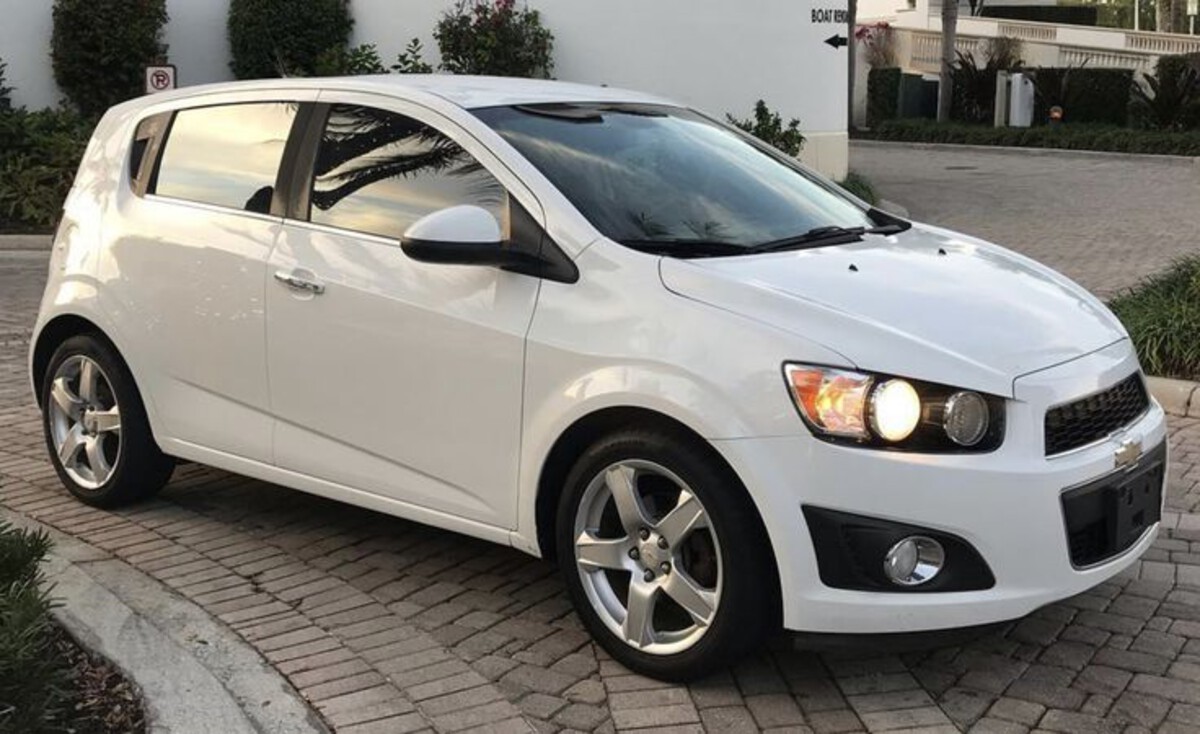
Steering and handling don’t help the situation. Instead of being tight and reassuring, the Sonic feels a bit loose and unsure. When you’re trying to nail a parking spot or navigate a twisty street, you want crisp feedback.
The Sonic gives you this vague, disconnected feel that makes it harder to place the car where you want it. That adds stress, which is the last thing you need in bumper-to-bumper San Francisco traffic.
The ride is also on the softer side, which sounds good until you realize it just makes the car flop around over bumps and dips. On rough pavement, it feels tired rather than comfy. Inside, you get what you pay for basic controls, average materials, nothing that feels particularly premium or exciting.
Cargo space is okay, but not remarkable. And fuel economy is average, so there’s no big perk to offset the lackluster driving experience.
If your driving is mostly flat roads and you absolutely need a cheap hatchback, the Sonic will technically do the job. But if you’re dealing with hills, tight turns, or anything that requires a little bit of confidence from the car, the Sonic just doesn’t step up.
9. Fiat 500
There’s no denying the Fiat 500 turns heads. It’s small, stylish, quirky, and fun to look at. But when it comes to tackling real city driving in a place with steep hills and unpredictable traffic, it’s more fashion accessory than functional hatchback.
The engine is tiny and you feel it. On flat surfaces, it’s okay, but the moment the grade goes up, you’re begging for power that doesn’t exist. You’ll find yourself riding the brake and clutch on hills like you’re in some weird uphill dance.
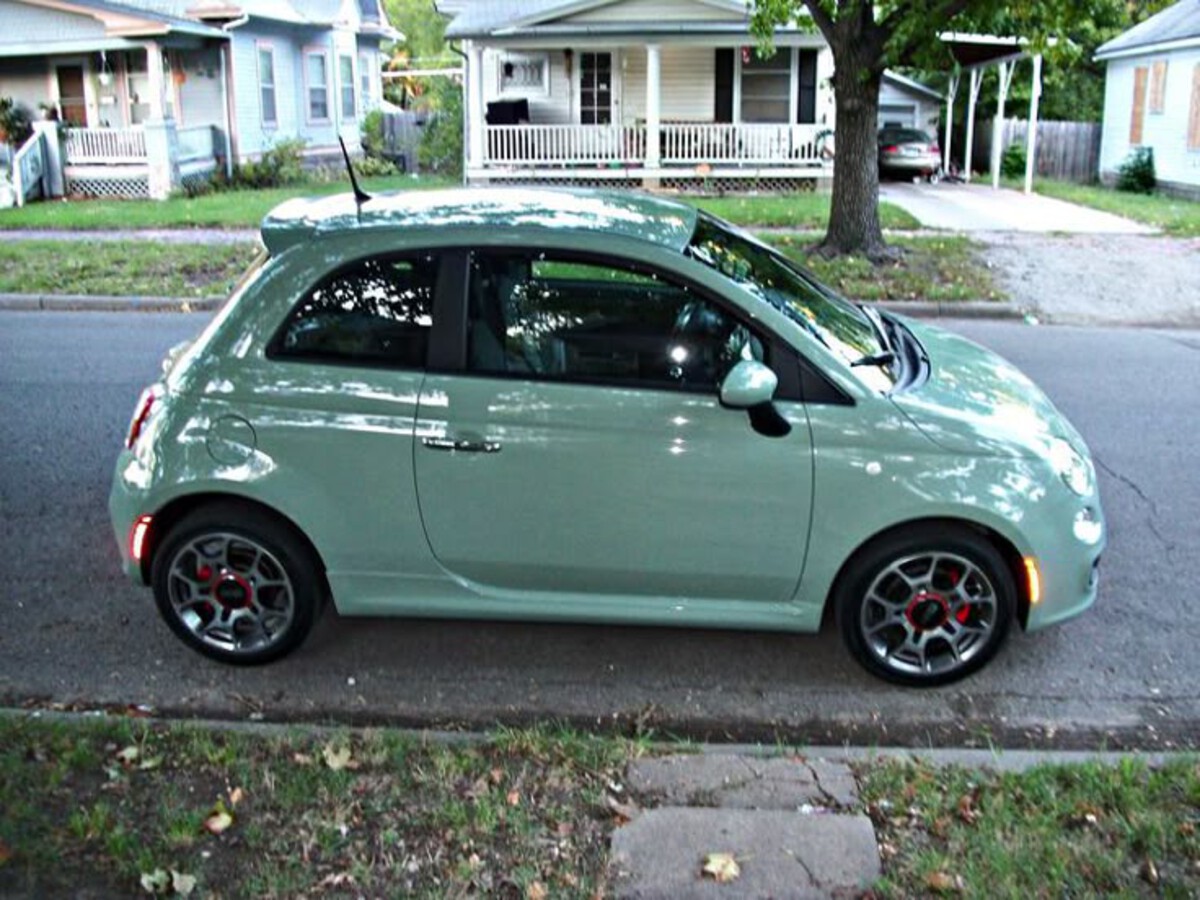
Handling isn’t any better. Sure, it’s small, but the steering feels numb and doesn’t give you the confidence you want when threading through tight streets or trying to park on a slope. There’s no reassurance there just vague feedback that makes you wonder if the car even knows it’s moving.
Ride comfort is another downside. It’s stiff and jittery, so every bump and dip feels like an event. On rough urban roads, that gets old fast. Inside, the space is tight taller people will feel boxed in after a few minutes. The trunk? Cute, but limited.
Look, if you want a fun weekend car that’s great for photos and short runs around flat neighborhoods, the Fiat has personality to spare. But as a daily driver in a city built on hills and angles, it just feels out of its depth. Pretty doesn’t fix underperformance.
10. Hyundai Accent Hatchback
The Hyundai Accent hatchback is one of those cars that exists and that’s about it. It’s inexpensive and simple, which sounds good until you actually drive it.
The engine is weak, with almost no spark or urgency, and on hills it feels like it’s dragging weights behind it. You’re constantly downshifting and feathering the throttle just to maintain speed. That’s not confidence that’s frustration.
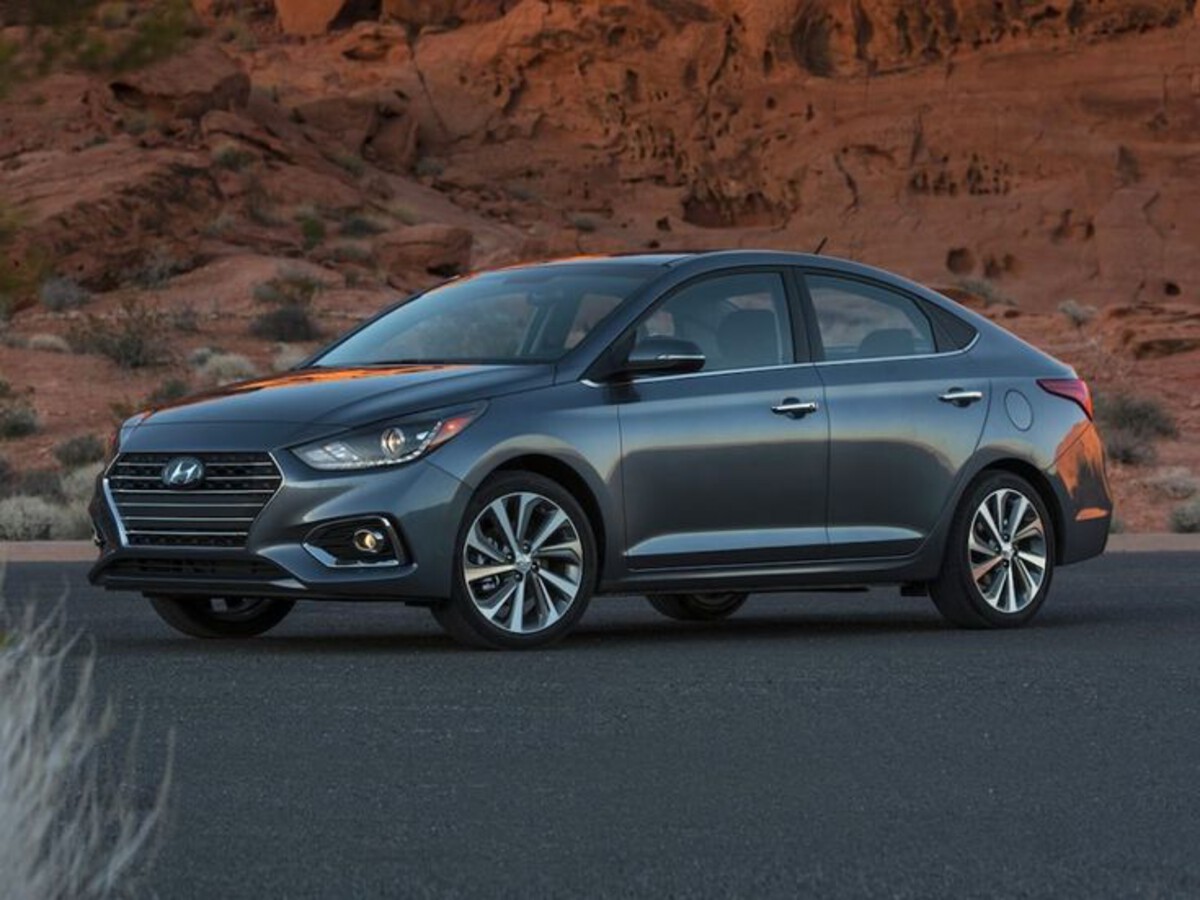
Handling is forgettable. The steering feels vague and disconnected, so when you’re trying to place it precisely in tight parking or navigate twisty climbs, you end up feeling like you’re guessing rather than driving. The suspension isn’t much better it’s jittery over rough patches and just plain boring on smooth roads.
Inside is functional but bland. Controls are basic, and the materials feel cheap. Cargo space is average but unremarkable nothing that makes you think, “Wow, this is great.”
There are cheaper options, sure, but for city driving with hills and tight spots, the Accent doesn’t give you what you actually need. It’s fine in a vacuum, but in real life? It feels like compromise after compromise.
Here’s the straight talk: San Francisco is brutal on cars. It’s relentless hills, traffic, tight parking, weird pavement, and not every hatchback handles it with confidence.
The ones that work are the ones that feel alive at low speeds, don’t panic on steep grades, and give you a sense of control when you’re threading through chaos. Cars like the Fit, GTI, Mazda3, and even the Mini (despite its quirks) give you that feeling. They don’t just survive city driving, they handle it with a little swagger.
On the flip side, cars that feel underpowered, soft-steering, or just numb in their controls make every hill feel like a chore and every parking job an unnecessary battle.
The Versa Note, Fiesta, Sonic, Fiat 500, and Accent fall into that camp. They’re not bad on paper, but when you’re living in a city where hills don’t wait for anyone, they show their limitations fast.
So if you’re car shopping for San Francisco or any city that demands more from your vehicle, think about how a car feels in real urban conditions, not just what’s printed in the brochure. You want something that gives you confidence, not excuses.