Winter can turn even the most confident driver into a nervous wreck. Ice, snow, freezing rain, and bone-chilling temperatures make daily commuting feel like an expedition. In cold cities think northern plains, Great Lakes regions, high altitudes your ride isn’t just about looks and fuel economy; it’s about whether it actually gets you where you’re going without drama.
Hatchbacks are a favorite choice for many because they’re compact, practical, and often more fuel-efficient than bigger SUVs or sedans. But not all hatchbacks are created equal when the mercury drops below zero.
A hatchback that’s reliable in cold weather needs more than heated seats. You want solid traction, competent all-weather tires, a drivetrain that copes with slick roads, dependable heating systems that don’t take forever to warm up, and an engine that starts without grumbling.
Add in good build quality seals that don’t let cold air seep in, electronics that don’t glitch in frost, and suspensions that can handle potholes hidden under snow you’re talking about real winter winners.
On the flip side, some hatchbacks struggle in cold conditions. They might have underpowered heaters, finicky traction control, or engines that protest when temperatures plummet.
Some handle basic winter conditions fine but fall apart when snow gets deep or ice gets thick. Others are just awkward to live with when the season drags on for months.
This article breaks down five hatchbacks that really stand up to cold climates and five that consistently underperform when winter weather hits hard.
I’ll walk you through what makes the good ones solid choices and what trips up the others. No jargon, no fluff just the real talk on how these cars behave when cold weather isn’t just a weekend event but a daily reality. Let’s get into it.
5 Hatchbacks That Stay Reliable in Freezing City Winters
Before naming specific cars, it’s worth understanding what actually helps in cold cities. All-wheel drive is a big plus, but not mandatory. Good traction control, stable handling, strong heaters, reliable electronics, and decent ground clearance matter just as much. These hatchbacks consistently check most of those boxes and don’t fall apart once winter becomes routine.
ALSO READ: 10 The Most Reliable Chevrolet Corvette Model Years, Ranked
1. Subaru Impreza (All-Wheel Drive Game Strong)
If you live where winter means serious snow, the Subaru Impreza is one of those hatchbacks that doesn’t make you rethink your life choices every December. Subaru’s standard all-wheel drive gives it a big edge over most rivals that only offer front-wheel drive.
AWD helps transfer power to the wheels that actually have grip, which means fewer spinning tires and more forward motion on icy surfaces. Subaru also has a reputation for robustness; these cars take winter abuse without acting like they’ve been betrayed.
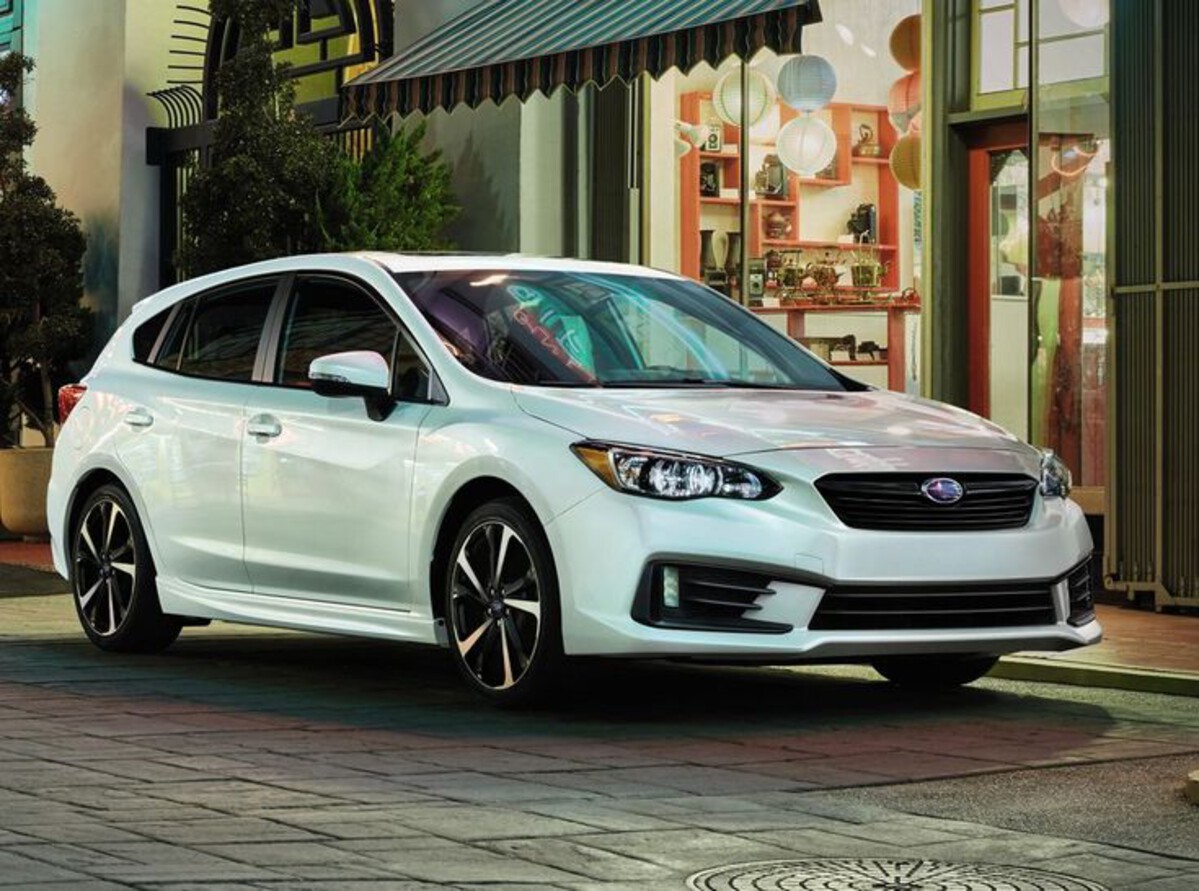
Inside, the Impreza tends to heat up cabin quick and actually keeps it warm, which matters when you haven’t even defrosted your windshield before stepping in.
The engine itself isn’t a powerhouse, but it doesn’t need to be it’s smooth and predictable, which is exactly what you want when traction is questionable. Fuel economy stays decent even when you’re constantly using the heater and defroster.
Not everything is perfect. Ride quality can be firm, and if you don’t put proper winter tires on it, that AWD advantage shrinks fast.
But for people in tough winter spots who want a hatchback that gets out of its own way in snow and ice, the Impreza is hard to beat. Reliability historically skews toward solid, long lifespans when maintained, which means if you buy one and care for it, it’s likely to stay your winter companion for years.
2. Volkswagen Golf (Especially With 4Motion)
The Volkswagen Golf’s all-around nature makes it a smart pick for cold-weather drivers who want something fun but not fragile. In many trims, VW’s 4Motion all-wheel-drive system provides confidence when roads turn slippery.
It’s one of those setups that doesn’t constantly draw attention to itself; it just works quietly in the background, giving you grip before you even realize you need it.
The interior tends to be better insulated than many rivals, so that winter chill stays outside. The seats warm up fast, and the heaters push heat efficiently critical on those mornings when scraping frost off the windshield becomes a religion.
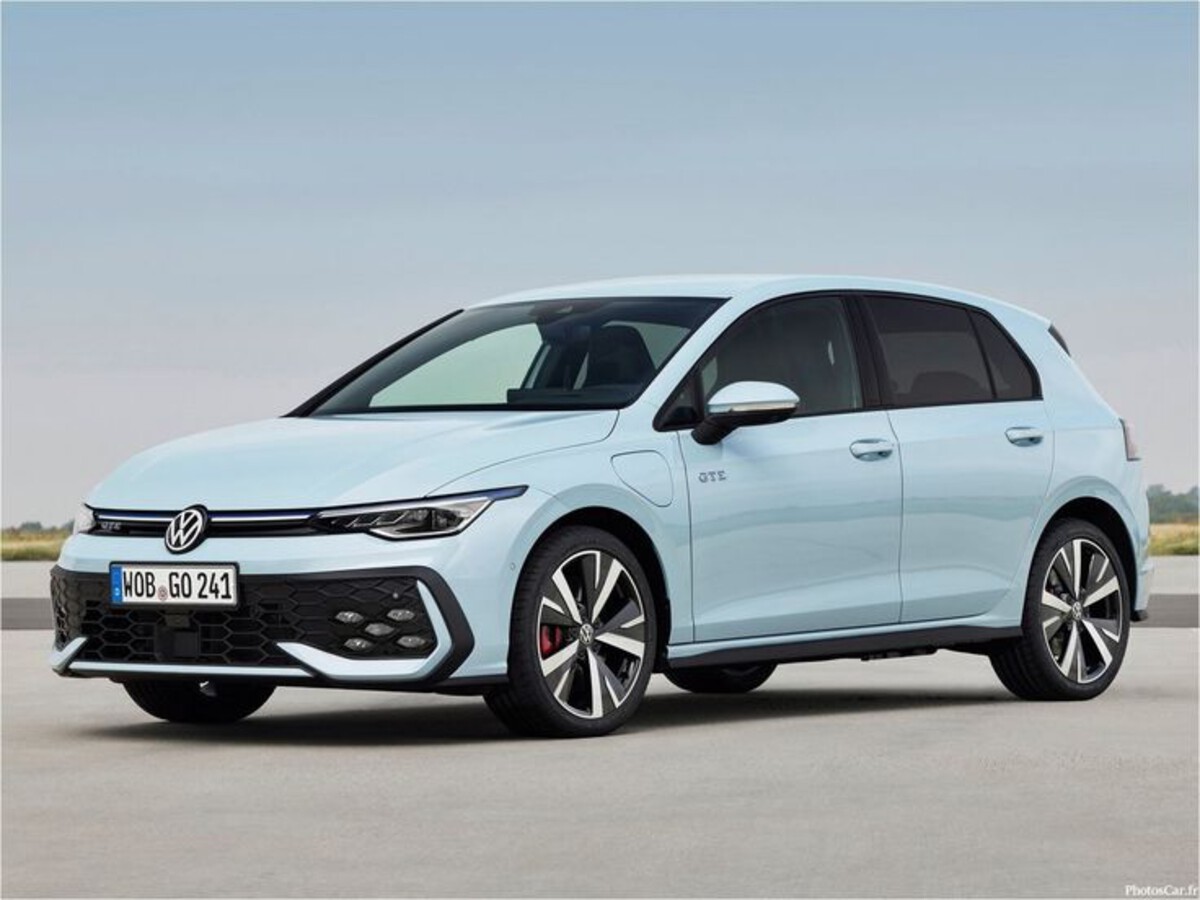
The Golf also has solid build quality, and the chassis feels planted. On snow-covered back roads or in heavy flakes during rush hour, this car feels composed rather than skittish.
Engine options vary, but paired with winter tires, even the lower-powered engines handle slick roads with confidence. Just watch out for overly cheap trims with budget tires they’ll ruin even the best drivetrain.
Routine maintenance matters here; neglected VWs can get grouchy in cold weather, especially with electronics. But a well-kept Golf with AWD is one of those hatchbacks you’ll be glad to have when cold months drag on.
3. Honda Fit (Front-Wheel Drive, But Still Solid)
Don’t laugh on paper, the Honda Fit looks like an unlikely winter warrior. It’s small, it’s FWD only, and it’s not brimming with fancy traction tech.
But in real-world cold weather, it’s one of the more dependable hatchbacks you can buy if you’re smart about tires. With a good set of winter rubber, the Fit turns front-wheel drive into a more capable setup than you’d expect, especially on urban roads and light-to-moderate snow.
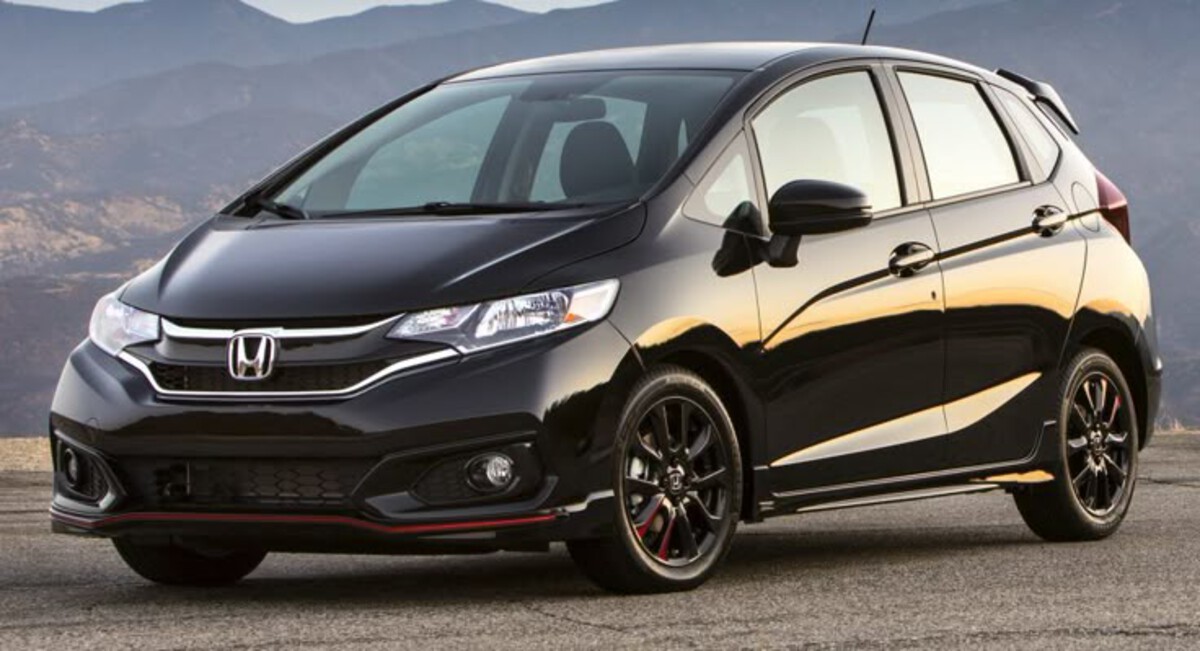
One reason the Fit does well is weight distribution and nimble handling. It isn’t going to claw its way up icy hills like an AWD car, but it’ll get you through daily winter travel with less fuss than many rivals.
The cabin warms quickly, the controls are simple and intuitive, and visibility is good huge points when scrapping ice off multiple windows is your morning ritual.
There’s also the Fit’s flexible interior. Folding the seats down to haul winter gear sleds, shovels, firewood is surprisingly easy. The engine is reliable, predictable, and doesn’t throw temper tantrums in the cold, which builds confidence over time.
Just be realistic: you’re not buying a Fit for extreme mountain passes. But for everyday winter driving in cities that get snow, it’s a humble but trustworthy choice if you pair it with proper tires.
4. Ford Focus (Especially AWD Variants)
The Ford Focus, particularly in all-wheel drive trims, is a hatchback that doesn’t shy away from winter weather. It’s got a planted feel on slick pavement and, when equipped with higher-quality tires, will surprise you with how composed it stays through snow and slush. The AWD system kicks in smoothly, and Ford’s electronics help manage traction without jerky interventions.
Inside, cabin heaters are decent, and defrosters cut through frost reasonably well. Visibility is good, which matters when snow piles up on the edges of your windshield.
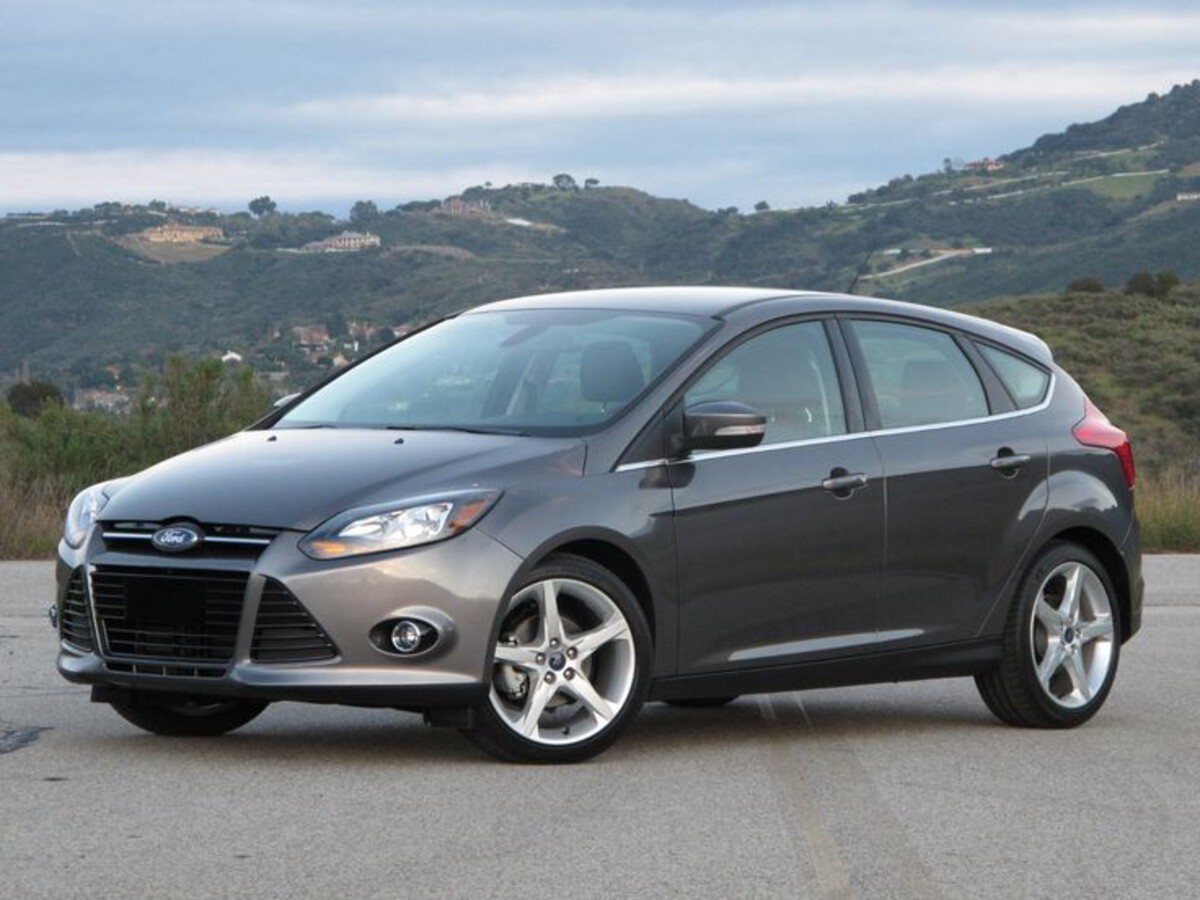
The suspension strikes a balance between soaking up rough patches and staying stable, which keeps long winter commutes less tiring.
There’ve been years where Focus models had a reputation for finicky electronics, but cold weather doesn’t seem to aggravate the core driving experience in the AWD models.
You’ll still want to watch tire choice, that’s the real game changer in winter. Cheap all-seasons won’t cut it. But with the right setup, the Focus feels confident rather than tentative when roads turn mean.
5. Toyota Corolla Hatchback (Front-Wheel Drive, Dependable)
Toyota’s Corolla hatchback isn’t the flashiest option, but when it comes to reliability in cold cities, it’s a sleeper hit. Toyota’s engineering is consistently solid, and that shows when temperatures dip.
The heating system is straightforward but efficient, and the engine starts reliably even after cold nights. There aren’t a ton of fancy systems to confuse you what you get is simple, dependable performance.
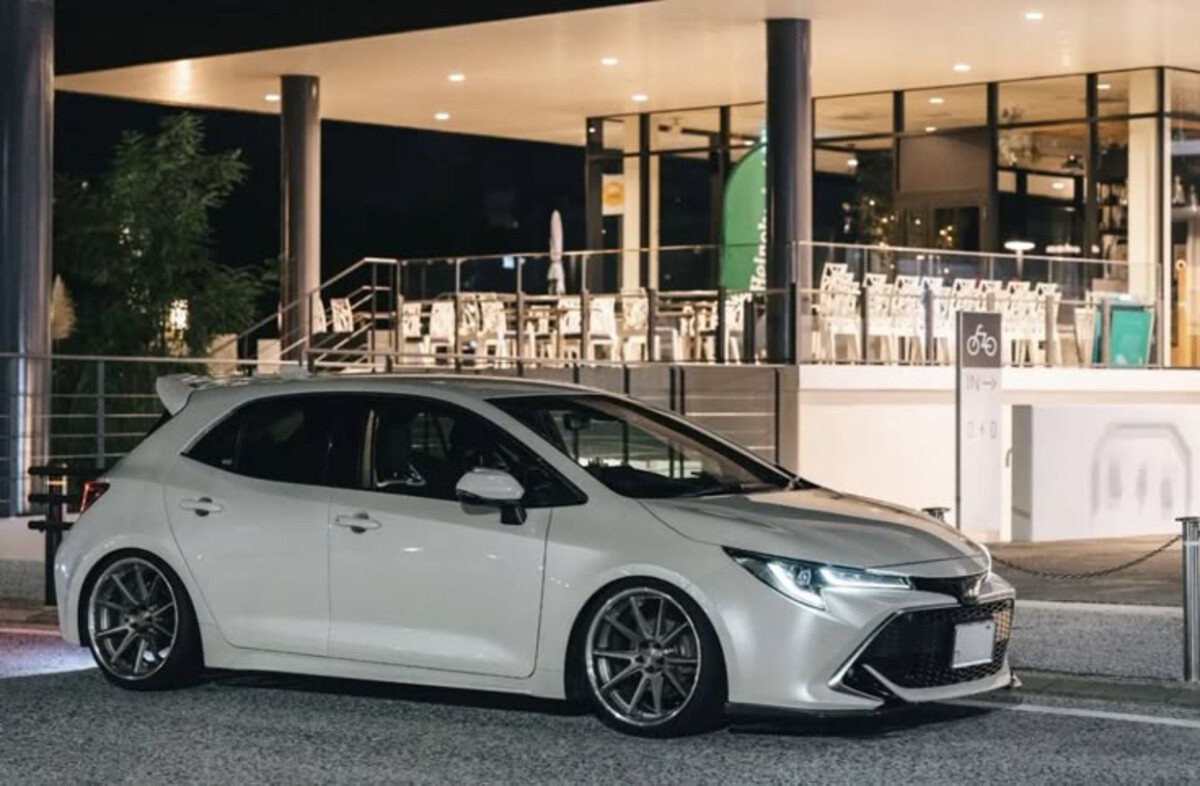
Front-wheel drive isn’t a magic bullet for snow, but with a good set of winter tires, the Corolla handles slick pavement with confidence.
The chassis is predictable, controls are intuitive, and the cabin stays comfortable. You won’t have AWD torque vectoring, but the Corolla’s traction control and stability systems do a respectable job of keeping you on course.
Interior build quality matters too. Good seals and solid materials mean less frost creeping through cracks, and the cabin stays quieter and warmer on long winter drives.
Everyone talks about reliability, but here it’s not just a buzzword the Corolla genuinely feels like a car built to endure long cold seasons without fuss. For people who want low drama and high uptime during winter, this hatchback is a very sensible pick.
5 Hatchbacks That Struggle When Temperatures Drop
These hatchbacks aren’t bad cars overall. Many are fun, stylish, or affordable. But cold cities expose their weak spots fast. Whether it’s traction, heating, electronics, or general stability, these models often make winter harder than it needs to be.
ALSO READ: 6 Cars for Kent (WA) Suburban Commuting vs 6 That Need Specialists
6. Mini Cooper (Looks Great, Struggles in Snow)
Mini Coopers look awesome quirky design, zippy handling, and fun personality. But cold cities are where they often fault. The standard front-wheel drive doesn’t help when snow turns roads into skating rinks, and the compact size works against it because there’s less weight over the front wheels to help bite into slippery surfaces.
Sure, winter tires make a huge difference, but even with them, the Cooper’s firm suspension and low ground clearance can make daily winter driving stressful rather than fun.
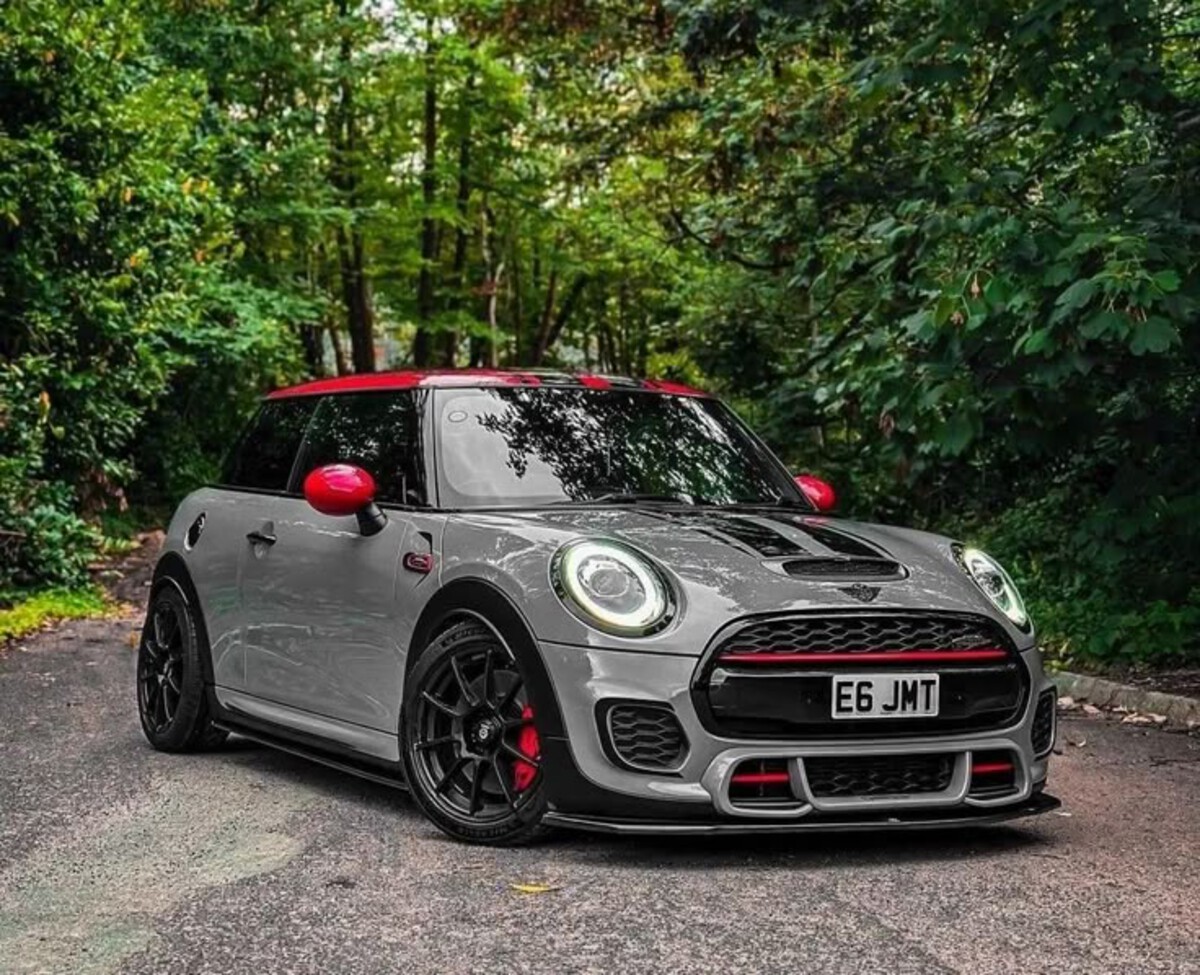
Snow piles up quickly, and getting through deep stuff becomes a chore. The heater and defroster are fine, but there’s a sense that the car never really warms up the cabin as efficiently as competitors.
Another issue people run into is drivetrain fussiness in cold weather. Some Coopers are temperamental when temperatures swing, with electronics reacting strangely or throttle mapping feeling unpredictable on slick roads.
That fun, go-kart feel you love in summer doesn’t translate well to winter’s greasy, snow-packed asphalt. If you adore the Cooper vibe and are committed to it, winter tires and cautious driving help, but this isn’t a hatchback that thrives where freezing weather is the norm.
7. Fiat 500 (Charming but Cold-Clumsy)
The Fiat 500 has charm to spare small footprint, cute design, agile in city traffic. But that charm doesn’t mean much when you’re navigating snowy boulevards or icy side streets. The tiny size and light weight mean the car can feel unsettled on slick surfaces, especially without dedicated winter tires.
The standard front-wheel drive can only do so much when there’s more ice than pavement. Rapid torque changes or quick steering inputs can unsettle the car easily, and the suspension doesn’t inspire confidence in sloppy winter road conditions.
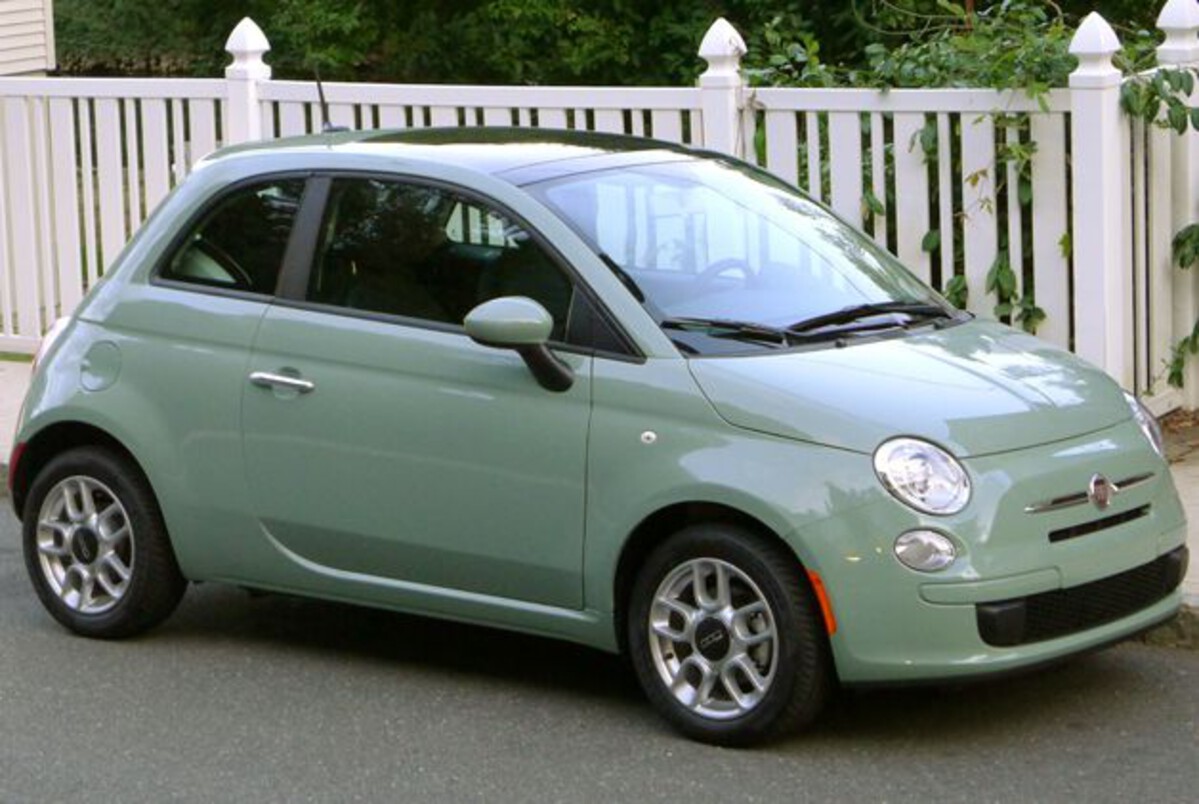
The heater and defrost system are adequate but not exceptional, and long winter drives can start to feel less cozy and more “get me there already.”
Build quality also plays a role. Some Fiat 500s are finicky in cold weather electronics can glitch, and small interior spaces cool down fast if the heater isn’t cranked.
Reliability in winter months tends to lean toward average, and when you’re relying on your hatchback every day in harsh climates, that’s just not reassuring. For occasional winter use in mild snow, it’s okay. But in genuinely cold cities with real winter weather, the 500 tends to show its limits.
8. Hyundai Veloster (Sporty Feel, Winter Weaknesses)
The Hyundai Veloster brings a sporty flair and unique three-door layout, but its winter chops aren’t quite there. Front-wheel drive alone isn’t a deal breaker, but paired with a suspension tuned more for sporty handling than winter confidence, it can feel twitchy when the asphalt is coated in snow or ice.
The traction control tries to help, but when roads are slick, there’s only so much tech can do without weight over the drive wheels or AWD.
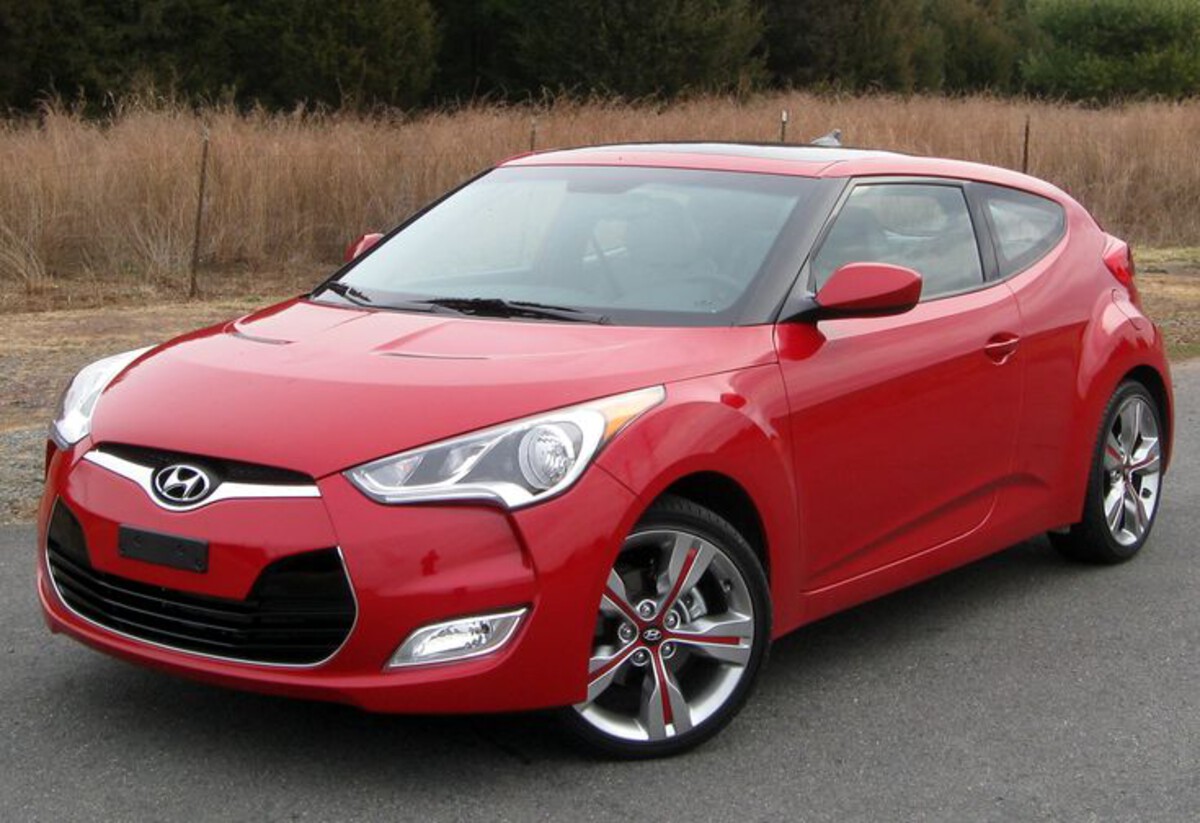
Winter tires improve performance, but even then, the Veloster lacks the composed feel you want when accelerating or cornering on slippery surfaces. The heater and defrost systems are serviceable, but the cabin can still feel cold longer than you’d like.
Build quality generally gets decent marks, but winter conditions seem to amplify minor annoyances plastic trim that rattles in cold temps, electronics that respond slowly, and visibility issues with smaller rear windows cluttered by design elements. For drivers who love the Veloster’s personality and don’t face harsh winters often, it’s fine. But in true cold city conditions? It’s just not as confident as others in this lineup.
9. Nissan Versa Note (Budget Friendly, Winter Not So Much)
The Nissan Versa Note is one of those budget hatchbacks that feels great during spring and fall, but once winter hits, its limitations show. Front-wheel drive without any specialized winter traction tech gives you only basic grip, and mediocre factory all-season tires don’t help much on snow or ice. Even with winter tires, the lightweight chassis can feel unsettled when the road isn’t smooth pavement.
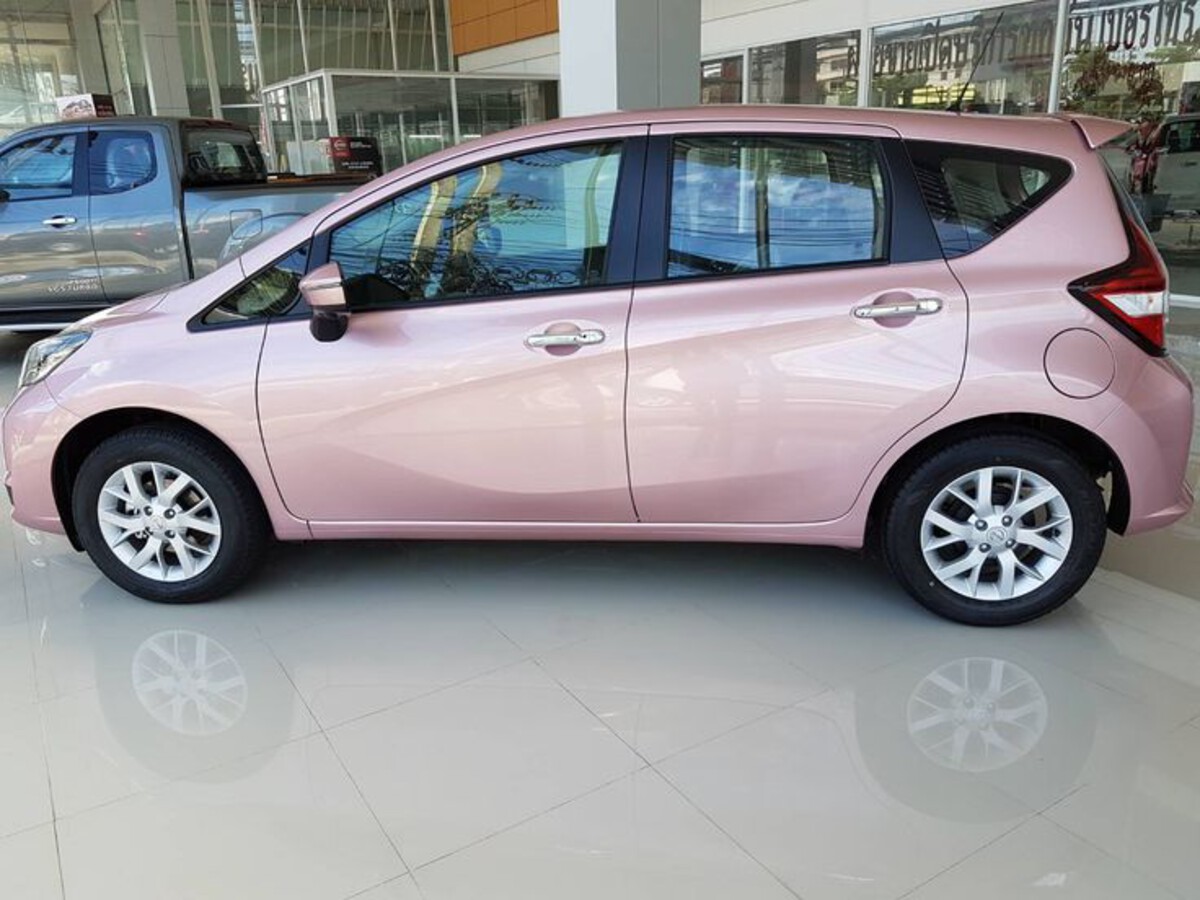
Inside, the heater works, but it often takes too long to push real warmth into the cabin aggravating when you’re scraping ice and fog off the glass.
The engine’s fine in moderate conditions, but cold starts in sub-zero temps feel sluggish, and electronics sometimes act temperamental. Headlight performance in snowstorms also leaves something to be desired, reducing confidence during heavy winter storms.
Storage and comfort are decent, but when you’re constantly dealing with winter gear and extra layers, the Versa’s cabin starts to feel tight and less practical than rivals. For occasional winter driving it’s workable, but in places where winter weather is a daily reality, this hatchback tends to fall short in traction, comfort, and confidence.
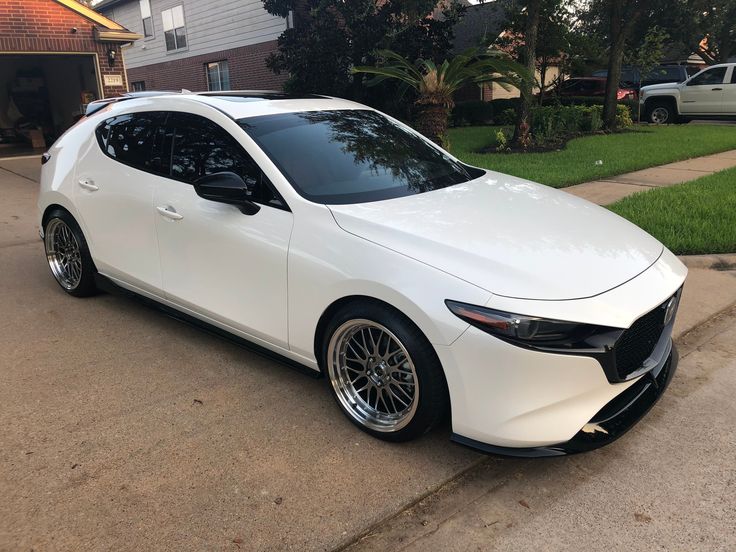
10. Mazda3 Hatchback (Great Car—Not Great in Deep Snow)
The Mazda3 hatchback often wins praise for driving dynamics, interior quality, and looks. But when winter weather gets serious say deep snow, icy hills, and sustained sub-zero conditions it doesn’t shine as brightly.
Front-wheel drive variants especially struggle to match rivals with AWD. The car feels fun in dry conditions, but that liveliness can turn nervy on ice.
Traction control helps, yes, but without AWD and proper winter tires, the Mazda3 can feel like it’s trying too hard rather than confidently gripping the road.
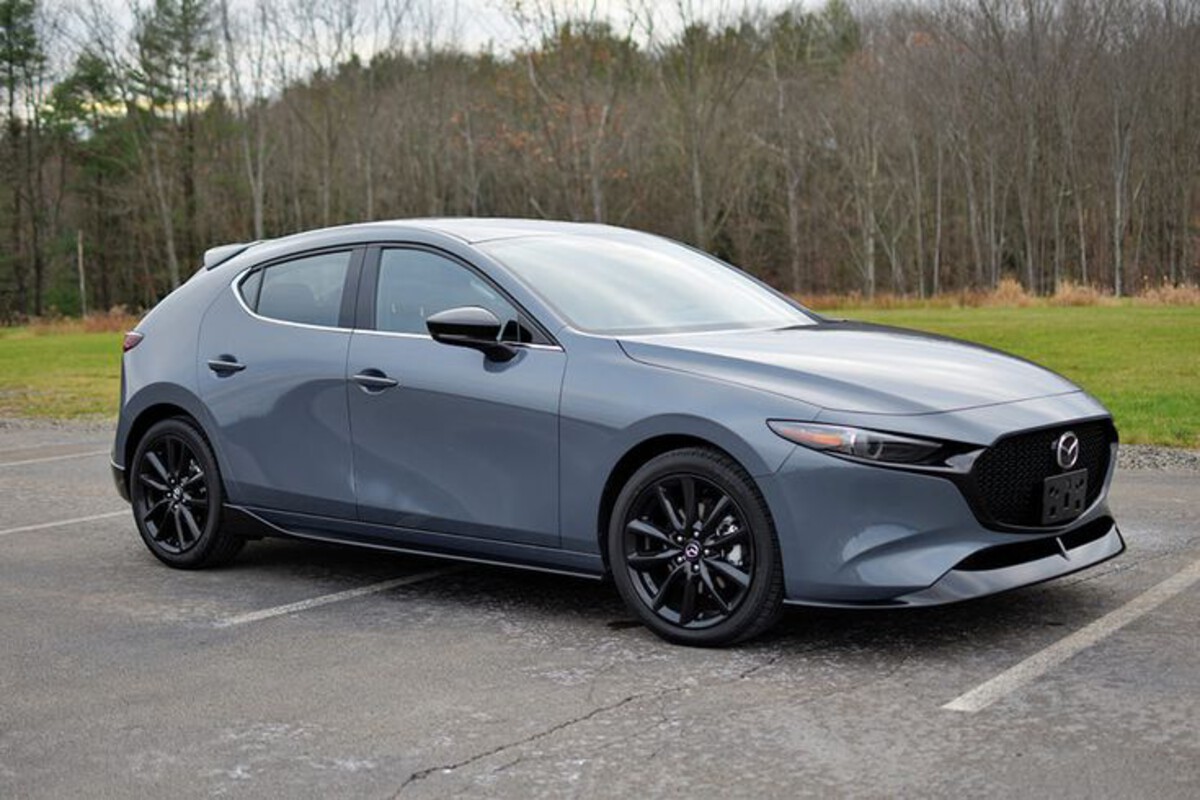
The heater is okay, but the cabin doesn’t warm up as quickly or evenly as some competitors, and cold drafts can be noticeable in harsh weather. Snow packed under wheel arches also messes with steering feel more than it should.
The Mazda’s interior is a nice place to be, but when winter gear is piled in and out daily, space feels limited. Sure, with AWD and snow tires it does better, but even then, deep snow and steep icy hills expose its limits compared with more winter-oriented hatchbacks. In milder cold climates it’s enjoyable; in the real winter grind, it’s just not as consistently capable as the cars that make the reliable list.
Winter Driving Reality Check
Living in a cold city means your car’s performance in winter conditions isn’t a luxury it’s a daily reality. Snow and ice don’t care how cute or sporty your hatchback looks. They expose weaknesses fast. The reliable ones on the first list handle cold weather without making you second-guess your choice every morning.
They get traction where you need it, warm up the cabin efficiently, and have fewer quirks when temperatures plunge. Subaru’s AWD confidence, Volkswagen’s composed drive, Honda’s predictable simplicity, Ford’s solid AWD feel, and Toyota’s dependable build all translate into less stress and more actual winter driving confidence.
On the flip side, the hatchbacks on the second list struggle in different ways. Some are too light, some have traction limits, and some just don’t warm up or handle slick roads well.
Fun to drive in good weather doesn’t mean dependable in harsh conditions. Cold weather reveals weaknesses fast, and winter’s a long season in actual cold cities weeks of ice, snow, slush, and short daylight all add up. That’s why reliability in winter is more than a buzzword; it’s a real factor that affects daily life, safety, and stress levels.
So what’s the bottom line? If you’re heading into winter without AWD, invest in great winter tires they matter more than you think. And don’t underestimate the basics: good heaters, solid insulation, reliable electronics, and a confident chassis make a big difference.
A hatchback that handles well in warm weather doesn’t automatically handle well in winter. Be honest about your climate and how you drive. Cold cities demand respect. Choose a car that earns it, and winter won’t feel quite as brutal.