
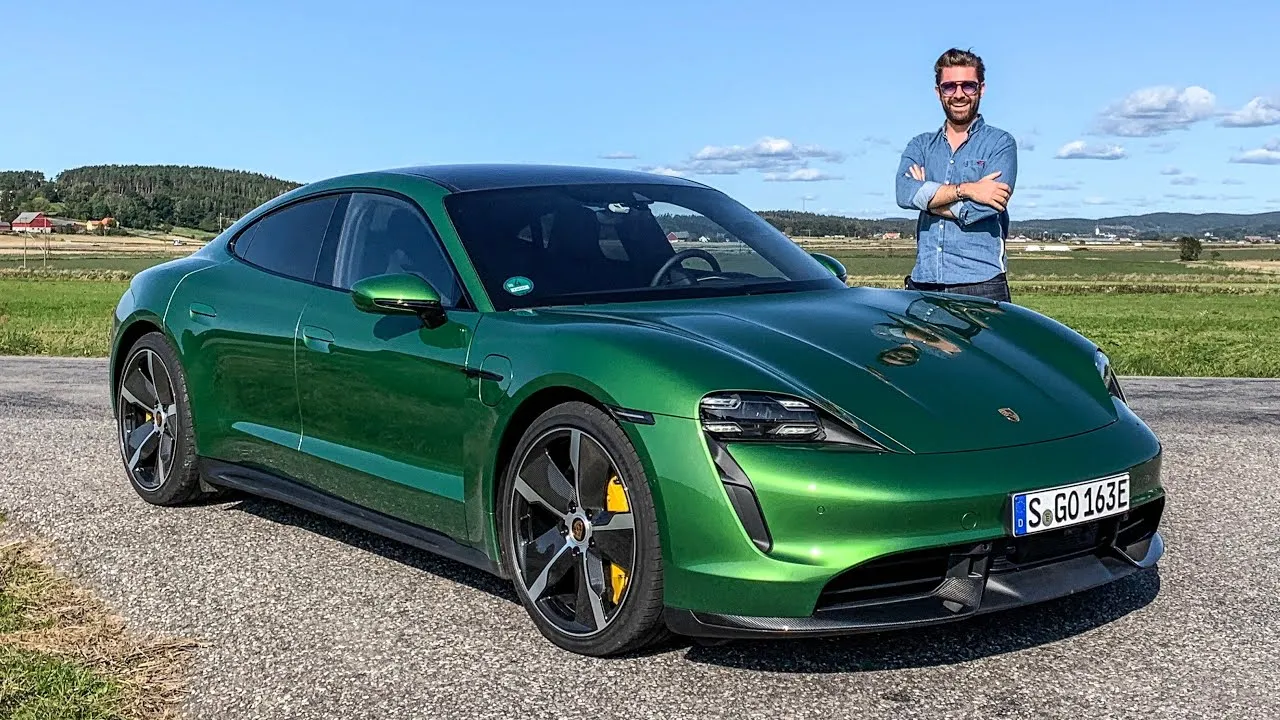
San Francisco has developed into a demanding proving ground for electric vehicles, and the reasons are clear. The city’s famous hills are not merely scenic attractions or tourist landmarks. They represent some of the most demanding urban driving conditions in the United States.
Steep gradients, sudden elevation changes, and winding streets combine to test the true capability of any electric vehicle operating within the city. What many drivers only discover after extended residence is that electric vehicles do not perform equally on such demanding roads.
Certain models handle steep climbs with ease, drawing on strong motors and efficient energy management systems. Regenerative braking on downhill stretches allows these vehicles to recover power and extend driving range. Other models struggle under the same conditions.
Battery levels drop faster than expected, motors labour under sustained load, and range estimates that seemed generous on flat roads quickly prove misleading. This situation is not about discrediting specific manufacturers or promoting favourites.
It is about real performance under real driving conditions that matter to people who live and commute in cities with demanding road profiles. A vehicle that performs admirably on level highways may fail to deliver the same confidence on streets where steep climbs are part of daily travel.
For prospective electric vehicle buyers residing in hilly cities or planning to relocate to such environments, understanding how different models respond to steep roads is crucial. The choice of vehicle can determine whether daily driving becomes a smooth and predictable routine or a constant source of range anxiety and mechanical strain.
This discussion focuses on identifying electric vehicles that perform strongly on San Francisco’s demanding roads and those that are better suited to flatter regions.
The aim is to provide practical insight that reflects daily use rather than laboratory figures or marketing claims. With accurate information, buyers can make decisions that suit both their lifestyle and their driving environment.
For anyone considering the transition to electric mobility in a city characterized by steep streets and constant elevation changes, understanding vehicle capability is essential. It is a requirement for long-term satisfaction and dependable daily transport.
EVs That Dominate San Francisco Hills
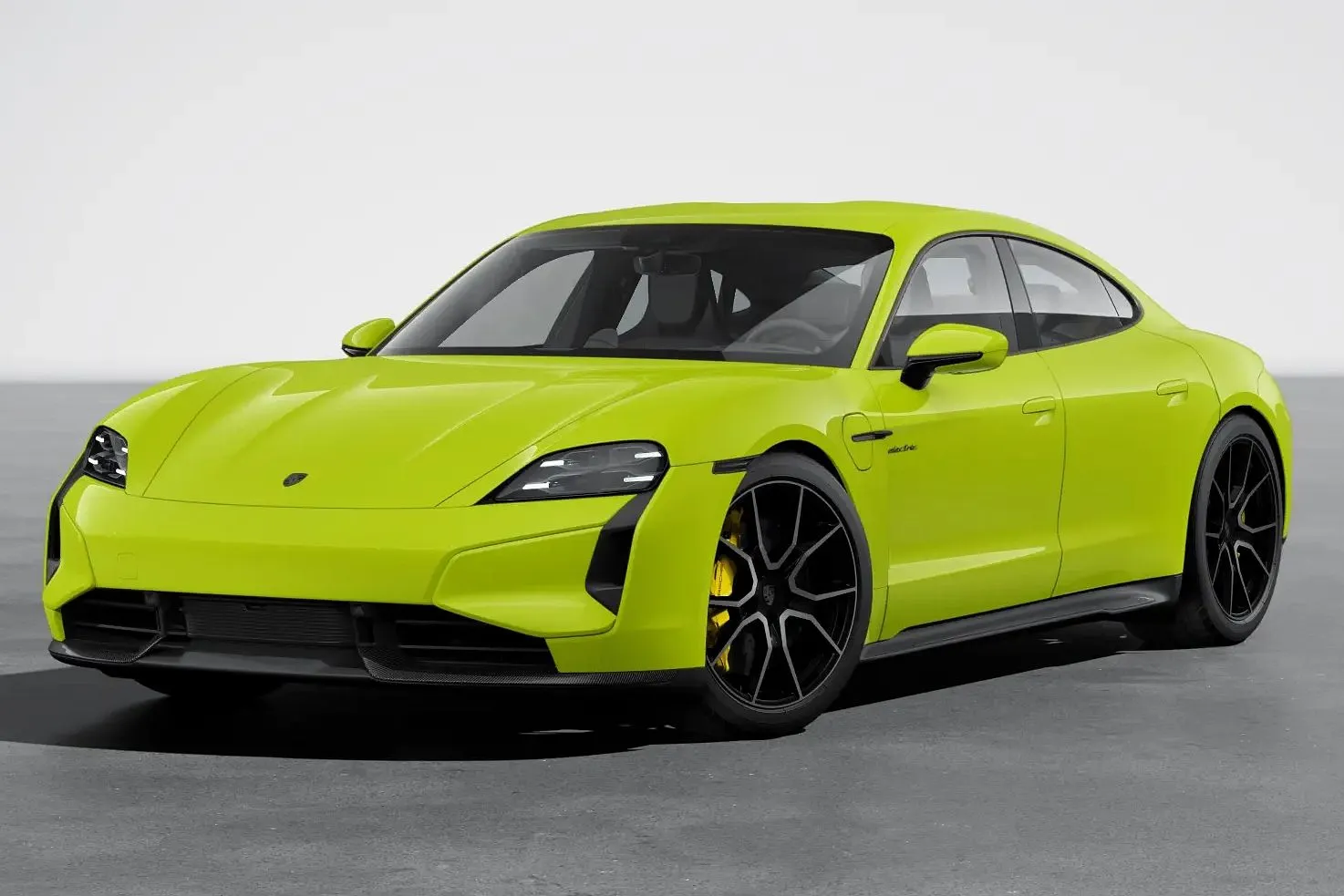
1. Porsche Taycan Turbo S
Power meets precision in ways that make San Francisco’s steepest streets feel almost unfair for other vehicles. Porsche engineered the Taycan Turbo S with 750 horsepower and 774 lb-ft of torque, numbers that translate into absolute dominance when you’re facing down a 20-degree incline with a line of cars behind you at a stoplight.
Launch control on a hill? This car makes it feel like you’re on level ground. That dual-motor setup doesn’t just provide all-wheel drive; it actively manages power distribution thousands of times per second, ensuring maximum grip whether you’re climbing Russian Hill or descending toward the waterfront.
What sets this Porsche apart goes beyond raw numbers. Engineers developed a two-speed transmission for the rear motor, something almost unheard of in the EV world. First gear delivers explosive acceleration from a standstill, perfect for those San Francisco situations where you need to merge quickly uphill onto a busy street.
Second gear takes over for efficiency at higher speeds. Regenerative braking feels so natural and strong that you’ll barely touch the brake pedal on downhill runs, and you’ll watch your range estimate actually increase as you descend some of the city’s famous slopes. That’s energy recapture done right.
Battery thermal management deserves special mention here. Porsche uses a sophisticated 800-volt architecture with liquid cooling that keeps cells at ideal operating temperatures even during repeated hard accelerations up steep grades.
Other EVs might start limiting power after a few aggressive climbs to protect the battery, but the Taycan continues to deliver full performance. You could spend all day doing hill starts on Filbert Street, and this car wouldn’t complain once.
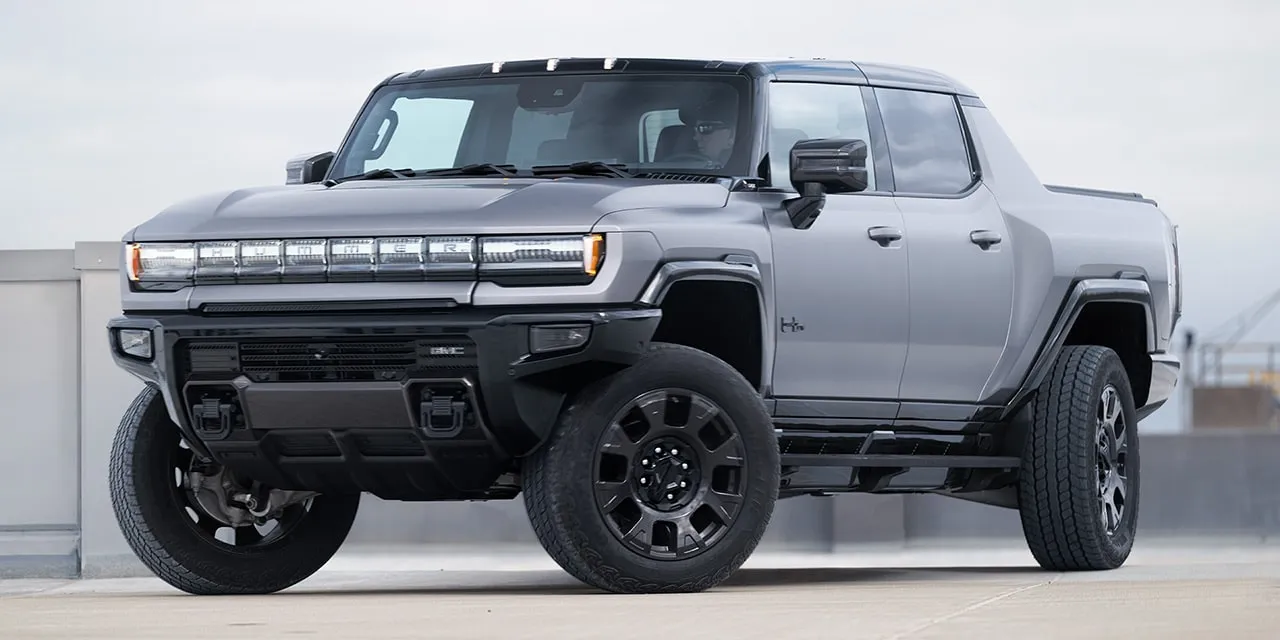
2. GMC Hummer EV Pickup
Brute force sometimes wins, and nowhere is that more apparent than watching this 9,000-pound beast climb San Francisco’s steepest residential streets without hesitation. GMC stuffed an insane 1,000 horsepower into the Hummer EV Pickup, along with 11,500 lb-ft of torque at the wheels when you factor in gear reduction.
Those numbers sound almost comical until you’re sitting at the bottom of a 31.5% grade and you punch the accelerator. Traction control manages three motors, one up front and two in back, modulating power to each wheel independently. Wheel slip simply doesn’t happen the way it might in lesser vehicles.
CrabWalk mode might seem like a party trick in most cities, but in San Francisco’s tight parking situations on sloped streets, being able to move diagonally becomes genuinely useful. Extract Mode raises the suspension nearly six inches, giving you clearance over those aggressive speed bumps the city loves to install and making it easier to avoid scraping on steep driveway transitions.
Weight distribution stays impressively balanced despite the massive battery pack, and that 24-module Ultium battery sits low in the chassis, keeping the center of gravity down where it helps with stability rather than making the truck feel top-heavy.
Regenerative braking intensity can be adjusted through multiple settings, but even the moderate setting recaptures enough energy going downhill that range anxiety becomes almost laughable. Watching the range estimate go up by five miles after descending from Twin Peaks gives you this weird confidence that other EVs just don’t inspire.
Underbody armor protects everything important, which matters when you’re dealing with San Francisco’s occasionally sketchy road maintenance and those spots where the pavement has degraded into something resembling a lunar surface.
Yes, parking this beast requires patience and skill, but if your priority is absolute confidence on any hill at any time in any weather, the Hummer EV Pickup delivers that security blanket. It’s excessive, it’s expensive, and it works.
Also Read: Top 10 Old-School Car Technologies EVs Can’t Replicate
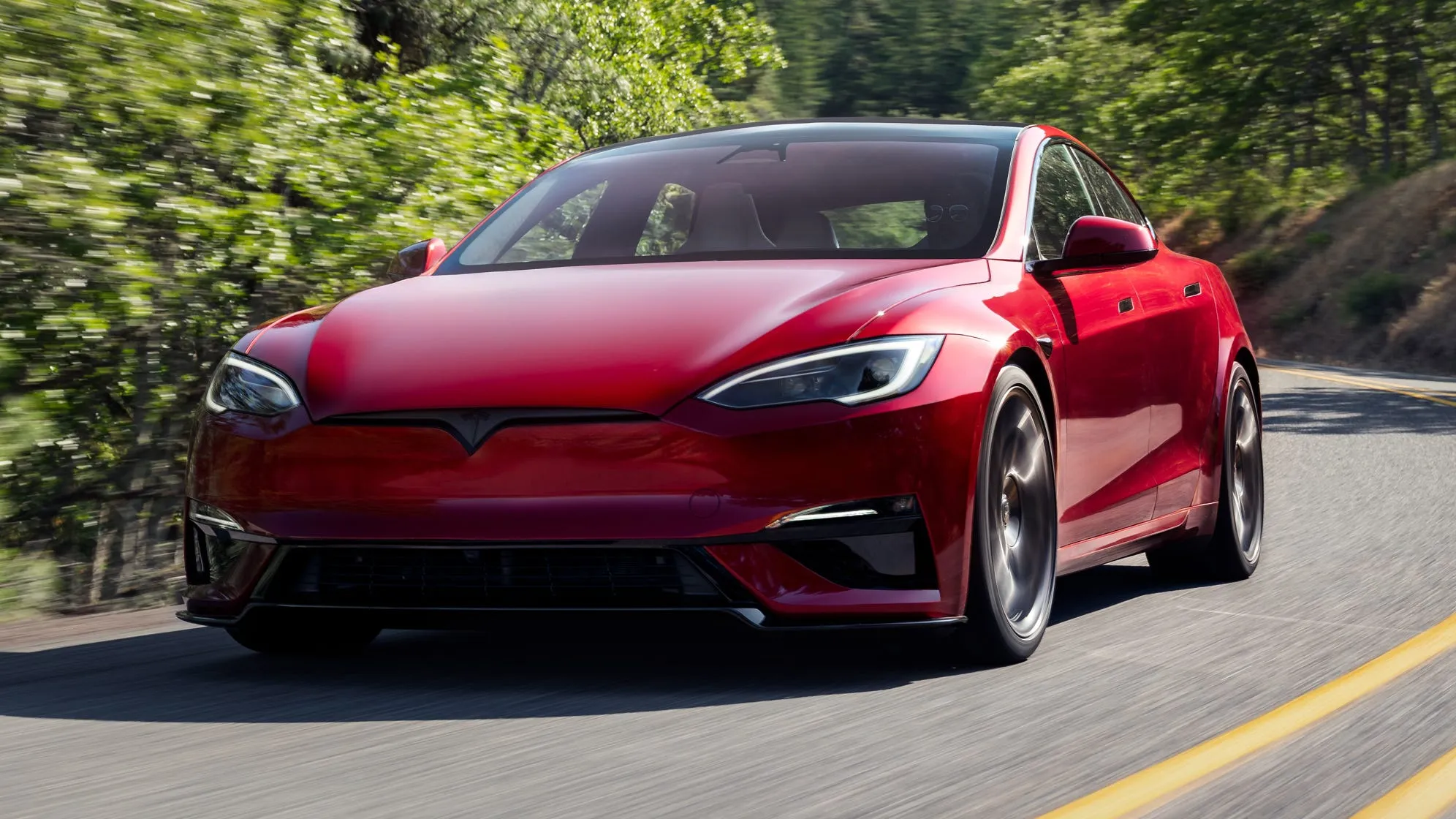
3. Tesla Model S Plaid
Ludicrous acceleration becomes genuinely practical on steep roads, and the Tesla Model S Plaid proves this daily on San Francisco streets. A tri-motor system delivering 1,020 horsepower removes any concern about climbing hills, even with passengers and cargo aboard.
Instant torque from zero revolutions allows hill starts that feel identical to launches on level ground. Roll back hesitation disappears. The vehicle moves forward with authority.
Carbon sleeved rotors permit motor speeds up to 20,000 revolutions per minute, extending power delivery across a broad speed range and sustaining performance during long climbs.
Driver assistance systems manage hill holds smoothly, while predictive software uses map data to adjust regenerative braking before cresting a rise. The range stands at 396 miles by official rating. Real city driving with frequent elevation changes usually returns between 320 and 340 miles, depending on driving habits.
Such distance supports extended use between charging sessions, even for commuters with long daily routes. Suspension tuning leans toward a sporty character. Some occupants may find the ride firm, yet body control remains precise on rising corners where softer vehicles feel unsettled.
Charging access across the city strongly favours Tesla ownership. Supercharger stations appear in business districts, shopping centres, and residential corridors, reducing range anxiety and saving time. Software updates arrive regularly, refining energy management, driver assistance, and cabin features without workshop visits.
Interior design follows a clean digital approach. A large central display manages nearly all functions, from climate control to route planning. Seating provides firm support for long journeys, and cabin space accommodates both passengers and luggage with ease.
Model S Plaid suits drivers who require decisive power on steep streets and reliable distance between charges. It handles demanding gradients and maintains comfort during travel. For cities shaped by hills, this electric sedan delivers confidence, speed, and endurance in equal measure.
4. Rivian R1T Adventure Package
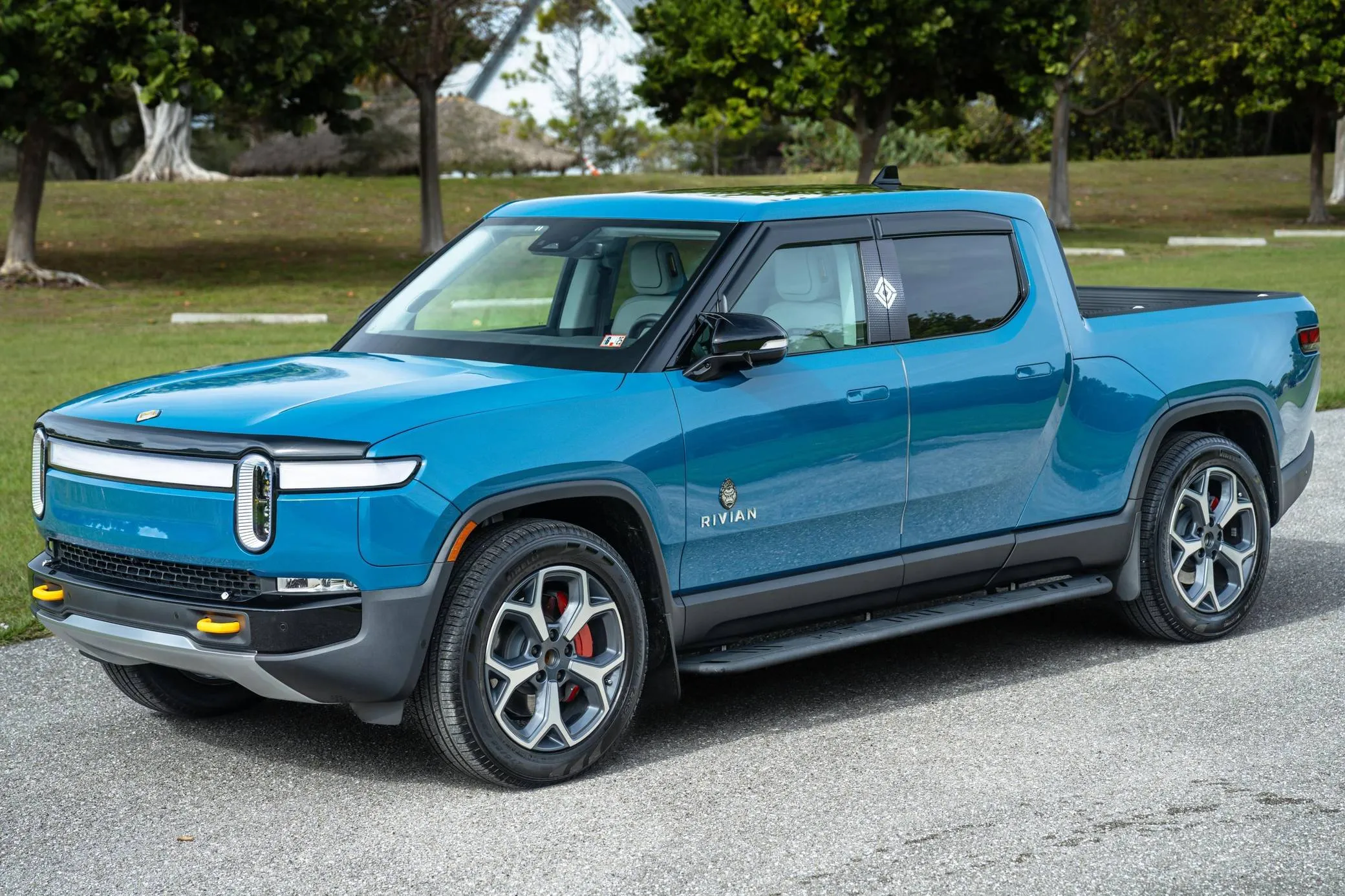
Quad-motor engineering creates a different kind of capability, one that becomes immediately apparent when pavement gives way to dirt or when rain makes those brick-lined San Francisco streets slippery.
Rivian put a motor at each wheel in the R1T, enabling torque vectoring so precise that the truck can pivot around obstacles or power through situations that would bog down conventional all-wheel-drive systems.
Climbing Twin Peaks Boulevard after a rainstorm, you can feel each motor working independently, shuffling power to whichever tire has the most grip at any given microsecond. That responsiveness breeds confidence.
Ground clearance in standard form already exceeds most competitors, and engaging Conserve mode actually lowers the truck to reduce aerodynamic drag and extend range when you’re cruising flatter sections of the city.
Adjustable air suspension can raise the R1T high enough to clear pretty much any urban obstacle you’ll encounter, from poorly designed parking garage ramps to those ridiculous speed tables on residential streets.
Battery pack protection is serious, with a skateboard design that distributes cells across the floor and armoring that can take impacts without compromising the cells. San Francisco’s potholed reality means you will hit things, and Rivian designed for that.
Regenerative braking offers one-pedal driving that works beautifully on hills once you adapt to it. Coming down steep descents, you can modulate speed entirely with the accelerator pedal, letting regen slow you down without ever touching the brake.
That brake-free descending isn’t just convenient; it’s also recapturing meaningful amounts of energy that extend your range. Practical touches show throughout the design, from the gear tunnel that’s perfect for storing charging cables to the Camp Mode that lets you run climate control all night without worrying about draining the battery.
Software updates arrive regularly, often improving drivetrain performance or adding features specifically requested by the community. Adventure Package adds the larger battery pack and upgraded audio, both worthwhile for anyone serious about using this truck as a daily driver in demanding conditions. San Francisco tests vehicles in ways flat cities never could, and the R1T passes every test.
5. Audi e-tron GT
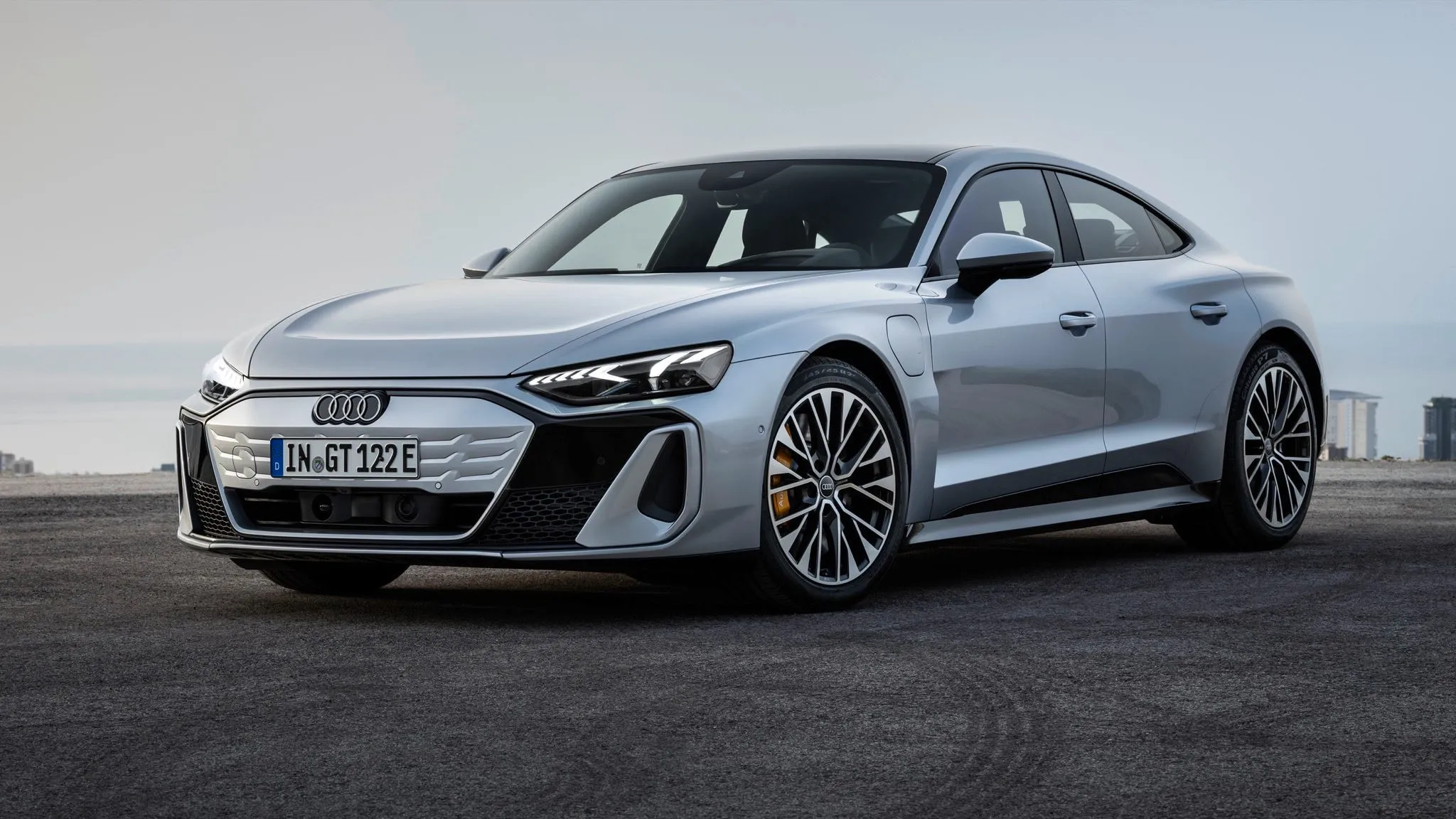
German engineering obsesses over details that matter on hills, and you feel that obsession in every aspect of how the e-tron GT behaves on San Francisco’s challenging streets.
Shared platform with the Porsche Taycan means you get that same 800-volt architecture and brilliant two-speed rear transmission, but Audi tuned everything differently, aiming for a slightly more comfortable grand touring character rather than outright sports car aggression.
Dual motors produce up to 637 horsepower in overboost mode, more than sufficient to conquer any grade the city throws at you while maintaining a composed, refined demeanor that feels more like a luxury sedan than a performance machine.
Adaptive air suspension comes standard, and it works magic on San Francisco’s uneven pavement. Driving over cable car tracks or those metal plates construction crews leave scattered around, the suspension smooths out impacts that would have passengers bouncing around in vehicles with less sophisticated damping.
Interior quality reaches levels that make this EV feel special every single time you climb inside. Real metal trim, leather that actually smells like leather, and build quality so tight you never hear a single rattle or squeak even on San Francisco’s roughest streets.
Audi’s Virtual Cockpit displays all the information you need with customizable layouts, and the MMI infotainment responds quickly without the lag that plagues some competitor systems. Charging curve stays impressively flat through much of the battery’s capacity, meaning fast charging stops stay short even when you’re filling up from low percentages.
Range estimates prove conservative, giving you accurate predictions even in challenging conditions. This car rewards you for choosing it, making every hill climb feel effortless, and every descent feel controlled. It’s the EV for drivers who want performance without sacrificing the comfort and quality they expect from a premium German automobile.
EVs That Struggle With San Francisco Hills
1. Nissan Leaf SV Plus
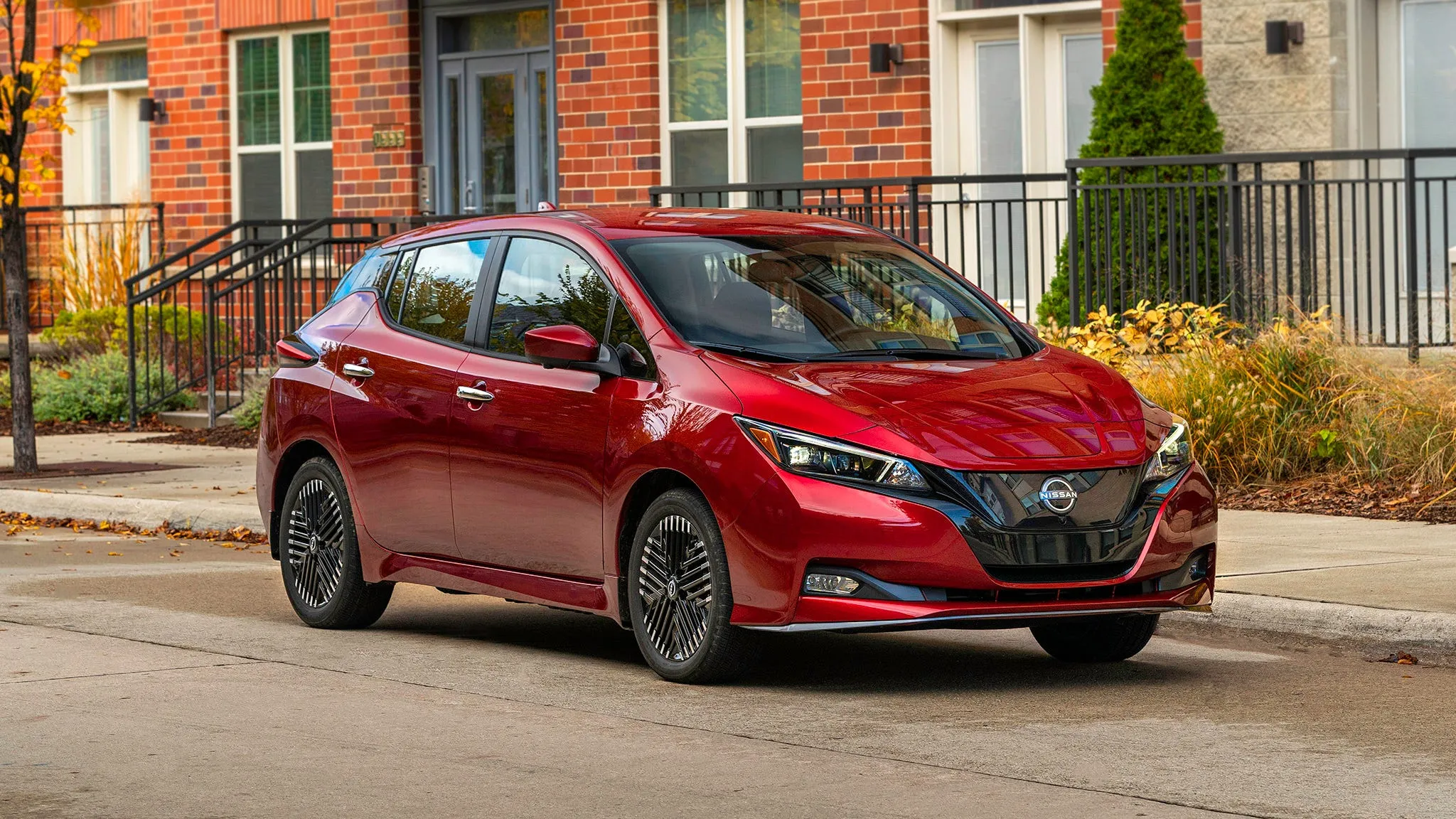
Affordable pricing may introduce drivers to electric mobility, yet that advantage brings compromises that become obvious on steep roads. Nissan Leaf SV Plus uses a single front-mounted motor rated at 214 horsepower and 250 lb-ft of torque.
Figures that appear adequate on paper translate to strained acceleration when climbing long gradients with passengers on board. Front Wheel Drive performs acceptably on level streets, but on sharp slopes, it struggles to transmit power cleanly. Wheel spin appears early, traction control intervenes, and progress slows while faster vehicles close in from behind.
Driving range also demands careful planning. An official estimate of 226 miles rarely reflects daily use in hilly districts. Realistic figures fall between 170 and 190 miles depending on weather, traffic, and driving style. That distance covers daily commuting, yet leaves little margin for detours, evening errands, or unexpected congestion.
Charging infrastructure adds another concern. The Leaf relies on the CHAdeMO standard, which is steadily disappearing in favour of newer connectors. Finding compatible fast chargers requires planning, and charging speeds slow sharply as the battery approaches full capacity.
Road manners remain acceptable on moderate inclines, though suspension tuning becomes unsettled on steep descents. Body movement increases, and driver confidence reduces when roads demand firm control. Cabin quality meets basic expectations with practical seating and simple controls, though materials and design do not project a premium feel.
For drivers whose routes avoid demanding gradients, the Leaf SV Plus can provide quiet and economical transport. For those who face steep climbs each day, stronger options deliver better assurance, greater stamina, and fewer compromises.
2. Mini Cooper SE Hardtop
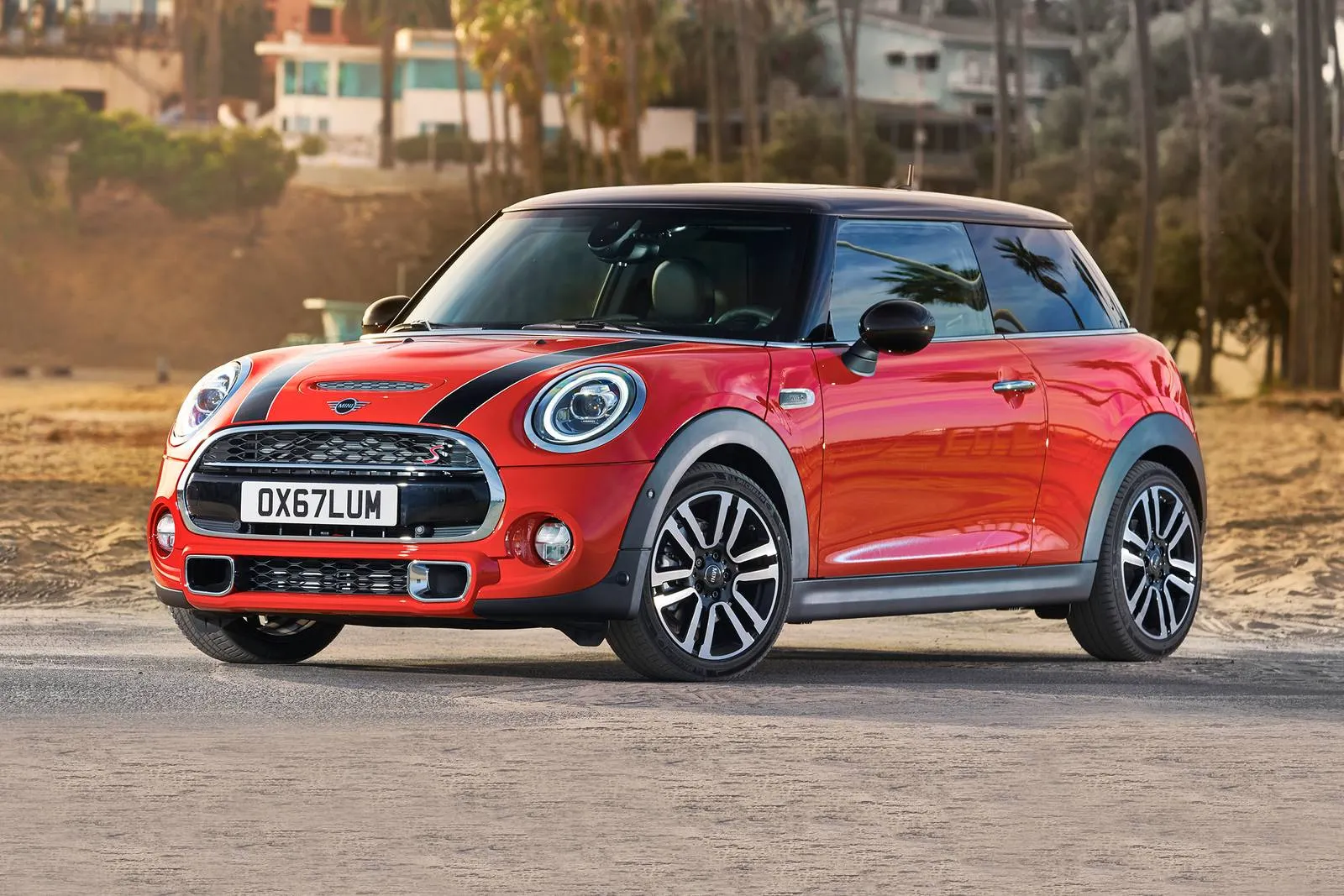
Attractive styling and agile handling give this compact electric car a pleasant character on level city roads, yet steep gradients quickly reveal its limitations. Mini equipped the Cooper SE with a 181-horsepower electric motor, which delivers brisk movement in light traffic but struggles when tasked with pulling the vehicle’s weight up steep urban roads.
Front wheel drive places the entire burden of propulsion and steering on the front tyres, leading to wheel spin and reduced grip on demanding slopes. Weight distribution also favours the front axle, reducing rear stability when climbing or descending sharp inclines.
Battery capacity stands at 32.6 kWh, producing an official driving range of 114 miles. Real-life usage in hilly cities reduces that figure to approximately 85 to 95 miles on a full charge. Frequent charging becomes unavoidable for daily use, forcing drivers to plan journeys around charging points rather than simply driving as required.
While the smaller battery recharges faster than larger packs, the need for constant charging soon becomes inconvenient and time-consuming. Cold weather and aggressive driving further reduce usable range, placing additional pressure on daily planning.
Build quality reflects the standards expected from a manufacturer under the BMW Group, and interior presentation feels more premium than its size suggests. However, design appeal and brand reputation cannot compensate for a restricted range, modest power output, and limited everyday usability in steep urban environments.
This model performs best in flat cities with short commuting distances. When placed in locations with demanding elevation changes, its weaknesses become clear. Drivers who depend on consistent climbing ability, dependable range, and practical interior space will find stronger alternatives better suited to daily use.
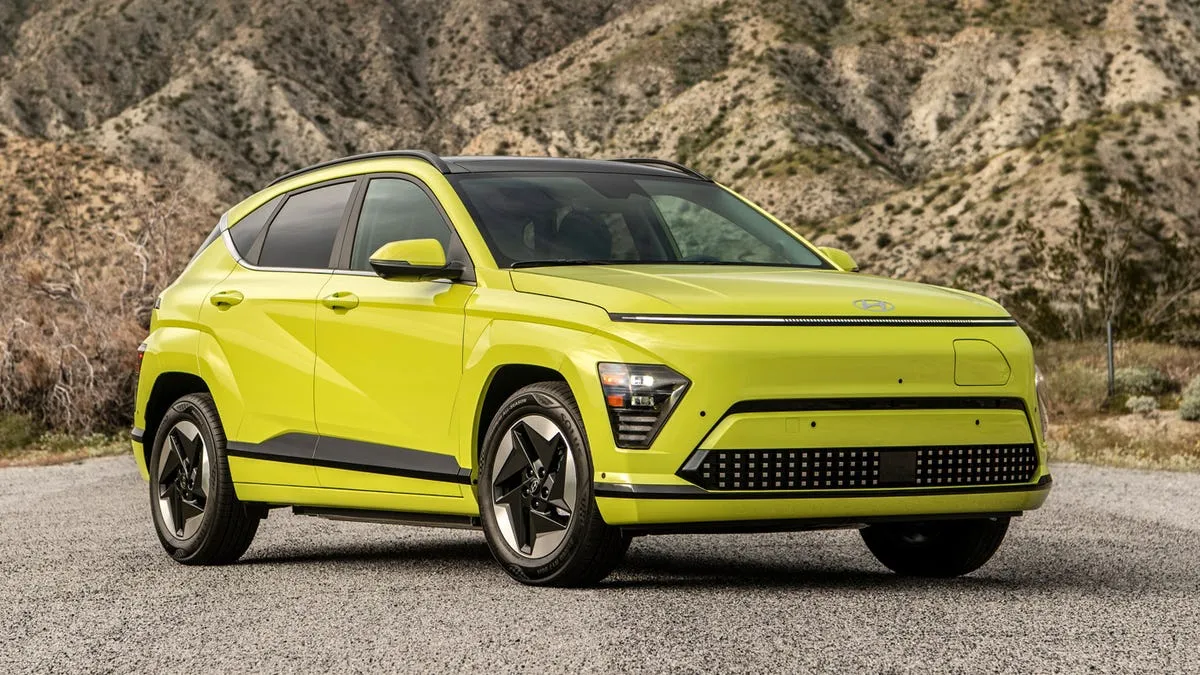
3. Hyundai Kona Electric SEL
Solid value proposition falls apart when the rubber meets steeply inclined pavement, revealing limitations that don’t show up in showroom test drives. Hyundai installed a 201-horsepower front motor that delivers adequate performance on level ground but starts feeling underpowered when grades exceed 10%.
Front-wheel drive architecture means you’re constantly fighting for traction on steep uphill starts, especially if roads are wet or you’re carrying passengers. Electronic stability control intervenes frequently, cutting power and slowing acceleration in ways that leave you creeping up hills while more capable vehicles pass effortlessly.
Battery thermal management uses liquid cooling, which sounds good until you realize the system wasn’t designed for repeated hard use in extreme conditions. Extended climbing sessions can overwhelm the cooling capacity, leading to power restrictions that kick in at exactly the wrong moments.
You’ll be halfway up a long climb when available power suddenly drops, forcing you to slow down or pull over until battery temperatures return to acceptable levels. Hyundai’s battery management system errs heavily on the conservative side, protecting battery longevity at the expense of immediate performance.
That’s great for resale value and long-term reliability, but it’s infuriating when you need full power, and the car refuses to provide it. Range estimates around 258 miles sound promising, but San Francisco’s hills drag that number down to roughly 200-220 miles in realistic use.
Hills consume energy disproportionately compared to flat driving, and while regenerative braking recaptures some on descents, you never quite break even. Suspension feels underdamped for the vehicle’s weight, leading to excessive bouncing and float on uneven surfaces.
The infotainment system works reliably but lacks the responsiveness and polish of premium competitors. If your daily routes stick to flatter neighborhoods and you rarely venture into the city’s hilliest parts, the Kona Electric delivers decent transportation at a reasonable price.
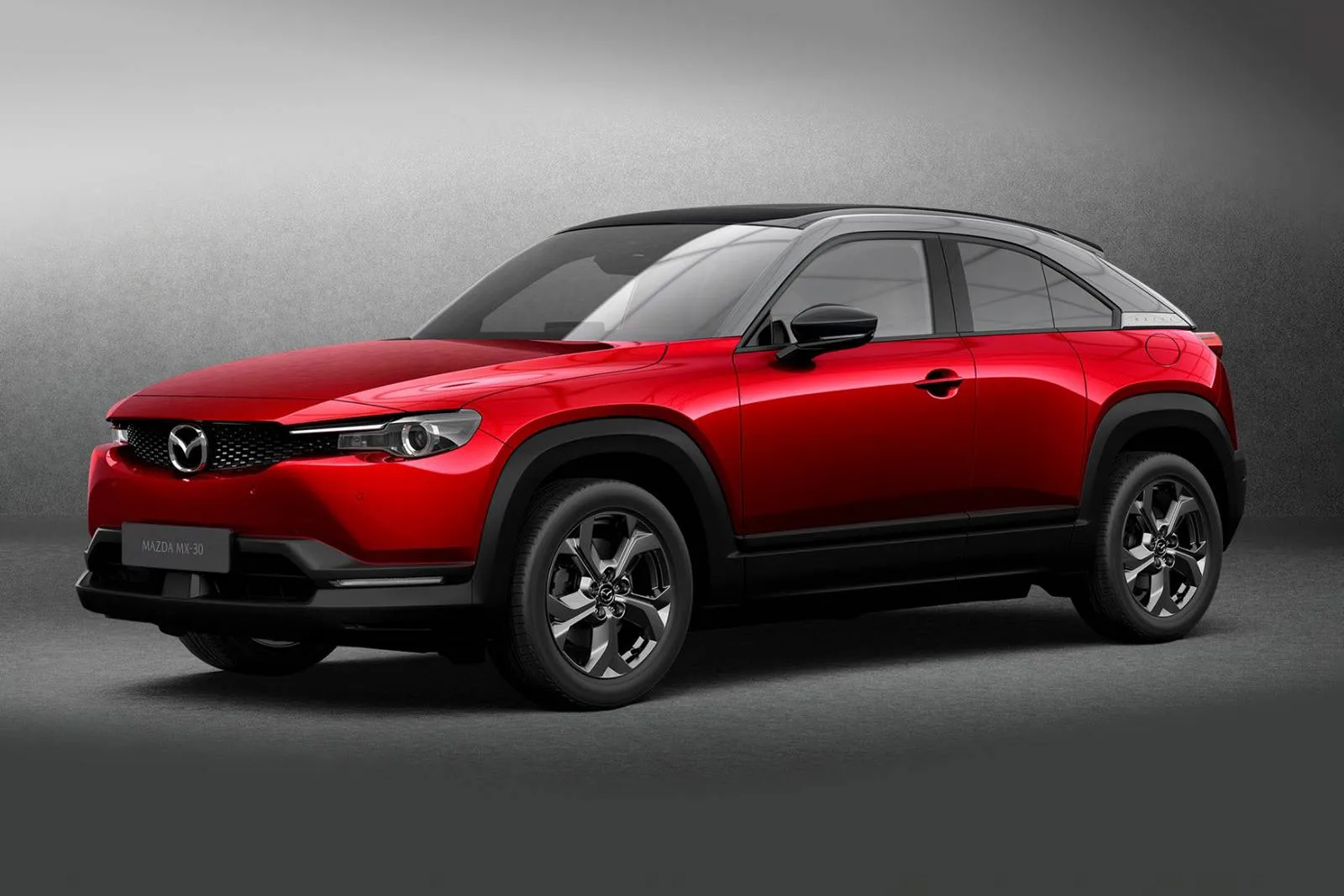
4. Mazda MX-30 Premium Plus
Design-led engineering placed appearance above practical ability, resulting in an electric vehicle that attracts attention yet struggles under demanding road conditions. Mazda equipped the MX-30 with a 35.5 kWh battery and a 143-horsepower motor, choices that limit suitability for a hilly city such as San Francisco.
Official range stands at 100 miles, while real driving on steep streets reduces usable distance to about 75 to 85 miles per charge. Daily recharging becomes necessary even for modest commuting, with little room for errands or weekend travel without a midday stop.
A single motor driving the front wheels feels weak on steep grades. Pulling away from rest on inclines happens slowly, and the motor sounds strained during sustained climbs. Tuning favours efficiency rather than strength, a reasonable approach on flat routes, but a clear disadvantage where gravity works against the car.
Brake feel on steep downhill sections does not inspire reassurance. Thermal control for the battery exists, yet it appears only just adequate, with temperature management under pressure during repeated climbs.
Cabin presentation reflects Mazda’s design values, with cork trim and quality finishes that create a refined atmosphere. Rear-hinged back doors add visual appeal but complicate entry and exit on inclined parking spaces. Rear seating also feels tight for adult passengers.
Charging performance reaches a peak of 50 kW on fast chargers, which is slow by present standards. Frequent charging needs make these stops feel longer than they should, interrupting daily schedules. Steering feedback and balance carry a familiar Mazda character, delivering predictable responses at moderate speeds. That polish cannot offset the limited power and short range.
This model suits flat cities with short travel distances. Steep streets and long climbs reveal the limits of its engineering choices. Buyers seeking dependable electric mobility on demanding roads would be better served by a vehicle with stronger output and a larger battery.
Also Read: 10 EVs That Work Well for City Commuters
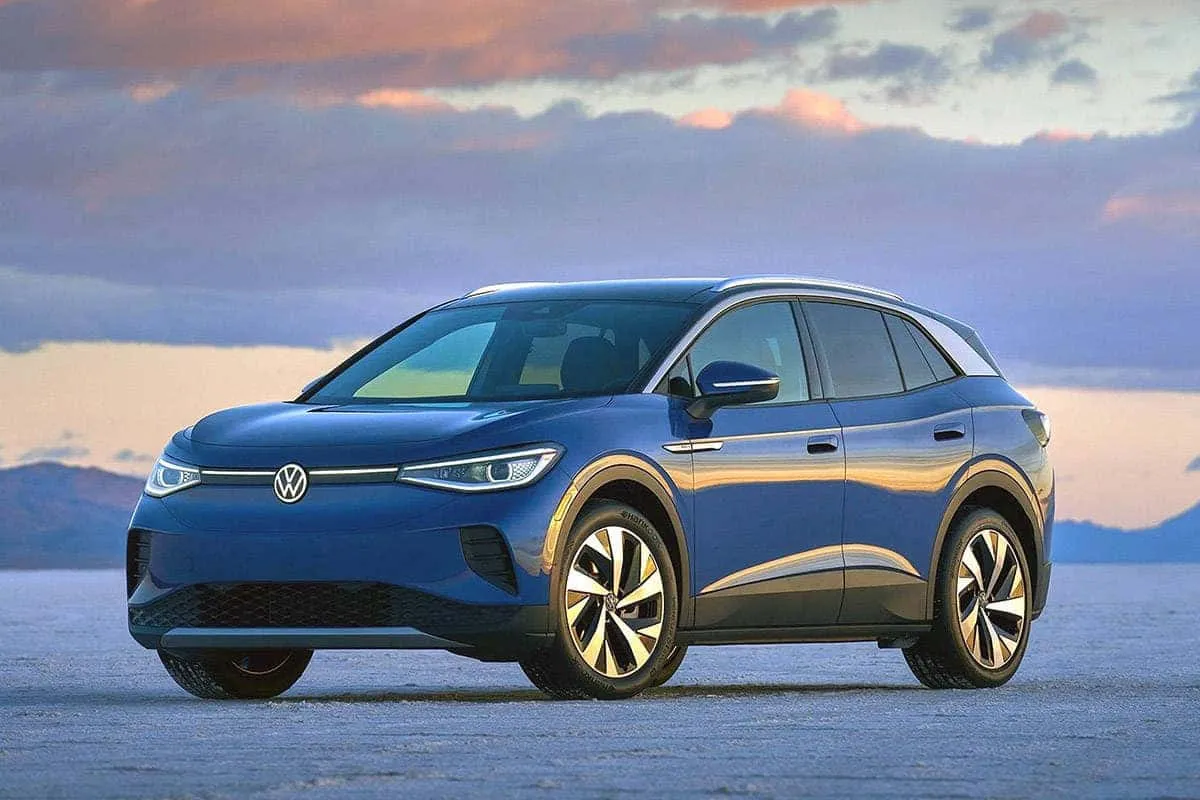
5. Volkswagen ID.4 Standard
Adequacy rarely suffices when steep roads demand sustained output, and the Volkswagen ID.4 Standard demonstrates this reality on San Francisco streets. A single rear motor rated at 201 horsepower appears acceptable until the vehicle is tasked with climbing Divisadero Street with air conditioning operating and four occupants aboard.
Power delivery remains smooth, yet it lacks the urgency required for assured uphill passing or confident merges into fast traffic on inclines. Rear wheel drive aids balance, but without a front motor to assist, available grip diminishes quickly on wet or dusty surfaces.
Battery capacity stands at 62 kWh, with an official range estimate of 206 miles. City elevation changes reduce usable distance to roughly 160 to 175 miles, subject to weather and driving habits. This figure meets daily needs, though it removes the comfort margin that eases electric ownership.
Drivers plan journeys around charging points rather than travel first and recharge later. The charging curve begins strongly, then slows after eighty percent, extending wait times for final top-ups. Suspension tuning favors comfort, which leaves the ID.4 feeling soft and imprecise on winding hill roads that demand firm body control.
Steering weight varies by drive mode, yet even Sport feels artificial instead of naturally communicative. Brake blending between regenerative and friction systems feels uneven and requires adaptation. Interior packaging delivers generous rear legroom and a useful load area.
Material quality falls short of the price, with hard plastics in prominent areas and panel gaps that range from acceptable to disappointing. The infotainment layout relies on touch-sensitive controls for climate and volume, drawing attention from the road on demanding routes. Software response trails leading rivals, with input delays that add irritation.
Reports of build issues have affected some owners, though service campaigns aim to correct them. Buyers with budget flexibility will find the Pro or All Wheel Drive versions far more capable due to larger batteries and dual motors.
Choosing the Standard model for San Francisco driving invites constant compromise. The vehicle suits mild conditions and modest demands, while the city presents steep grades and tight margins that test any drivetrain.
