
Denver sits exactly one mile above sea level, and that elevation creates problems most drivers never consider until they move here. Air becomes thinner at 5,280 feet, containing roughly 17 percent less oxygen than at sea level. Your engine needs oxygen to burn fuel efficiently, and when it can’t get enough, power output drops noticeably.
What felt adequately quick in Houston suddenly feels sluggish merging onto I-25, and climbing mountain passes toward ski resorts reveals just how much your SUV is gasping for air.
Turbocharged engines handle altitude better than naturally aspirated alternatives because forced induction compensates for thin air by cramming more oxygen into cylinders.
Turbochargers spin faster at elevation, maintaining boost pressure that keeps power levels closer to sea-level ratings. Natural aspiration can’t compensate, losing 15 to 20 percent of rated horsepower in Denver and even more when climbing toward mountain destinations at 10,000 feet and above.
Some SUVs barely notice Denver’s elevation. Powerful turbocharged engines provide ample power even when the atmosphere gets stingy with oxygen.
Strong low-end torque maintains acceleration during highway merging and mountain climbing. Automatic transmissions move appropriately without hunting for gears that don’t help. These vehicles make living at altitude feel normal rather than compromised.
Others struggle embarrassingly. Weak, naturally aspirated engines feel anemic even during normal driving. Climbing I-70 toward the Eisenhower Tunnel reveals painful power deficits as your SUV labors up grades while traffic piles up behind you. Passing becomes dangerous because acceleration takes forever.
Air conditioning compounds problems by stealing power the engine desperately needs for moving the vehicle. If you’re shopping for an SUV in Denver or planning to relocate here, understanding which models maintain adequate power at altitude versus which ones wheeze like they’re having an asthma attack can dramatically affect your daily driving satisfaction and safety during mountain trips.
SUVs That Thrive at Denver’s Altitude
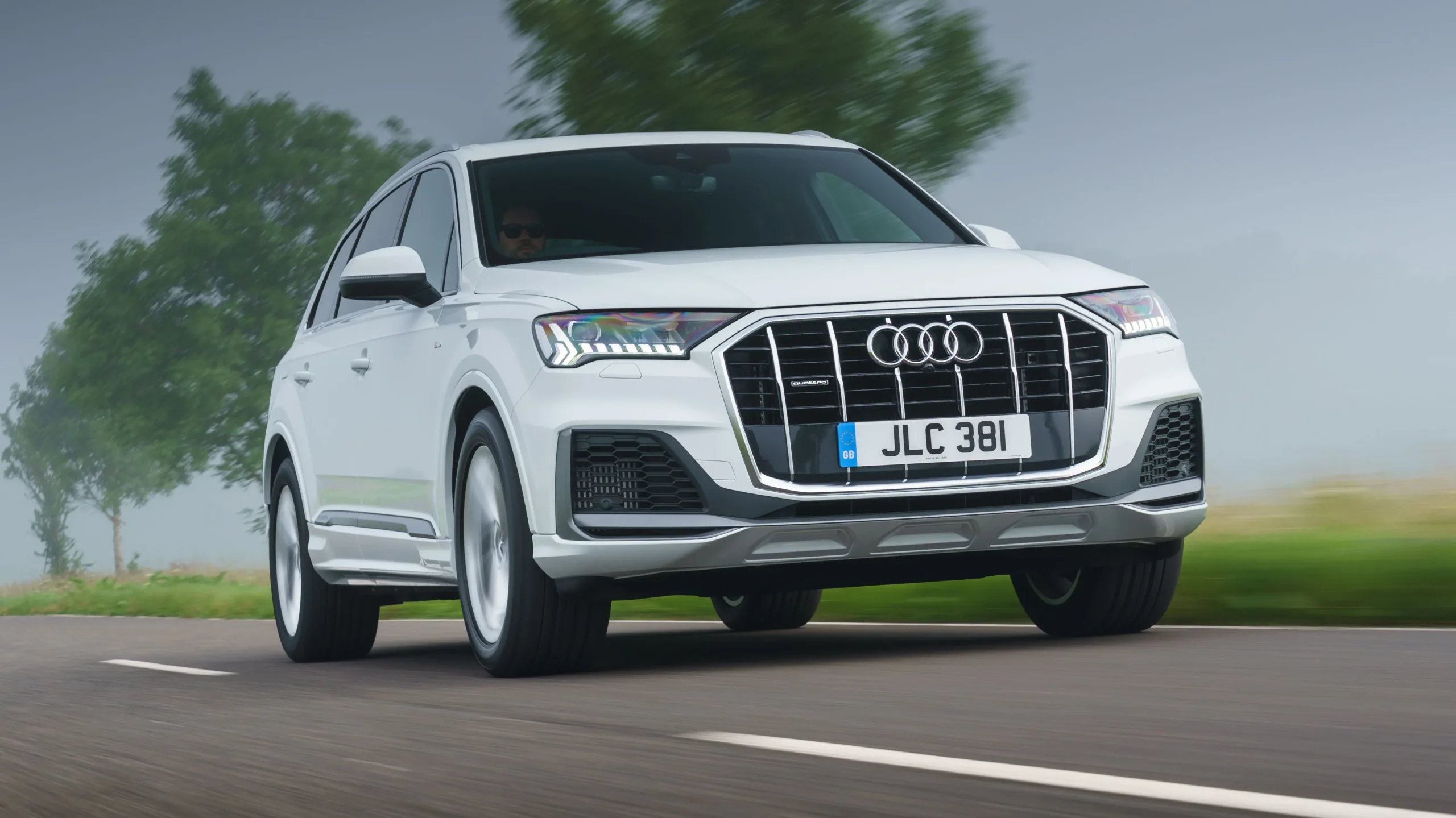
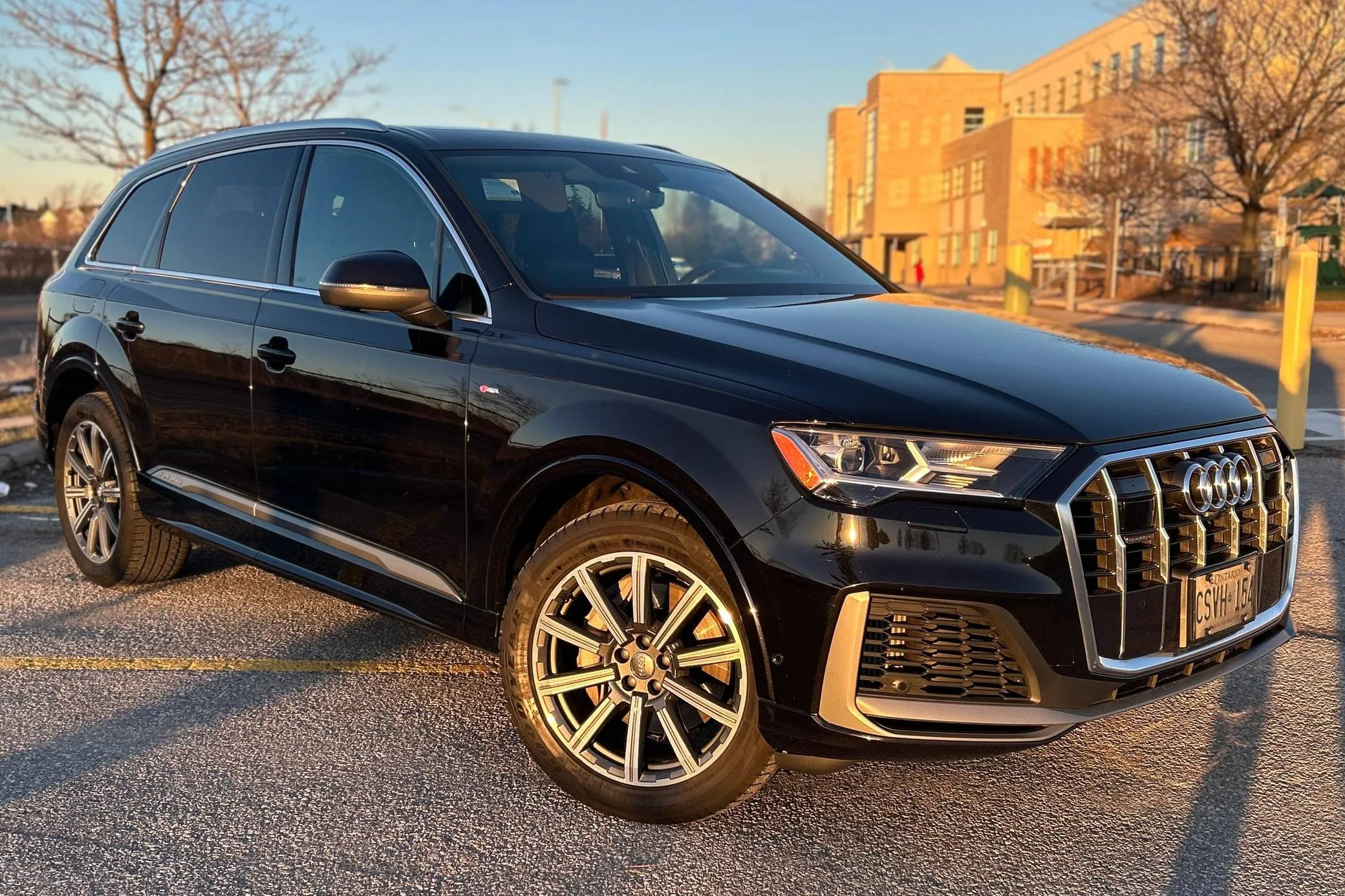
1. Audi Q7 55 TFSI 2020-2024
Twin-turbo V6 engineering gives this luxury SUV the ability to perform confidently at high altitude. The 3.0-litre six-cylinder engine delivers 335 horsepower and 369 pound-feet of torque at sea level, and those figures remain largely intact in elevated locations because turbochargers compensate for reduced oxygen levels.
Daily driving in thin air feels no different from low-altitude operation, while uphill journeys toward destinations such as Vail or Breckenridge remain smooth and controlled, even on steep inclines. Power delivery remains consistent across the rev range, allowing the vehicle to respond promptly to accelerator input.
Strong low-end torque removes the need for frequent downshifts during highway cruising or hill climbs. The eight-speed automatic gearbox works in harmony with the engine, selecting ratios intelligently to maintain steady momentum.
Selecting Sport mode sharpens throttle response and holds gears longer, which proves useful on winding mountain roads that demand quicker reactions. Quattro all-wheel drive manages power distribution between the front and rear axles with precision, improving grip during unpredictable weather.
Snow performance stands out, allowing confident progress on winter roads such as Interstate 70. Ground clearance measures 8.3 inches, sufficient for unploughed resort car parks. Higher trims offer adaptive air suspension, which can increase ride height by an additional inch when deeper snow is encountered.
Interior accommodation supports up to seven occupants across three rows. Second-row captain’s chairs available on Premium Plus trim offer enhanced comfort for adults. The third row suits children and shorter adults on moderate journeys.
Cargo space behind the third row is modest, though folding the seats creates a generous load area. Cabin materials align with luxury expectations, featuring quality leather upholstery, genuine wood trim, and solid assembly.
Technology includes Audi’s Virtual Cockpit digital instrument display with configurable layouts, a large central touchscreen for infotainment functions, and an optional head-up display. The Bang and Olufsen sound system provides rich, clear audio reproduction.
Adaptive cruise control with stop-and-go function eases traffic duties, while wireless phone charging supports daily convenience. Reliability should align with brand standards, though maintenance and repair costs remain high.
Premium fuel requirements add to running expenses. For drivers based in Denver, this turbocharged SUV delivers dependable performance where altitude challenges many naturally aspirated vehicles.
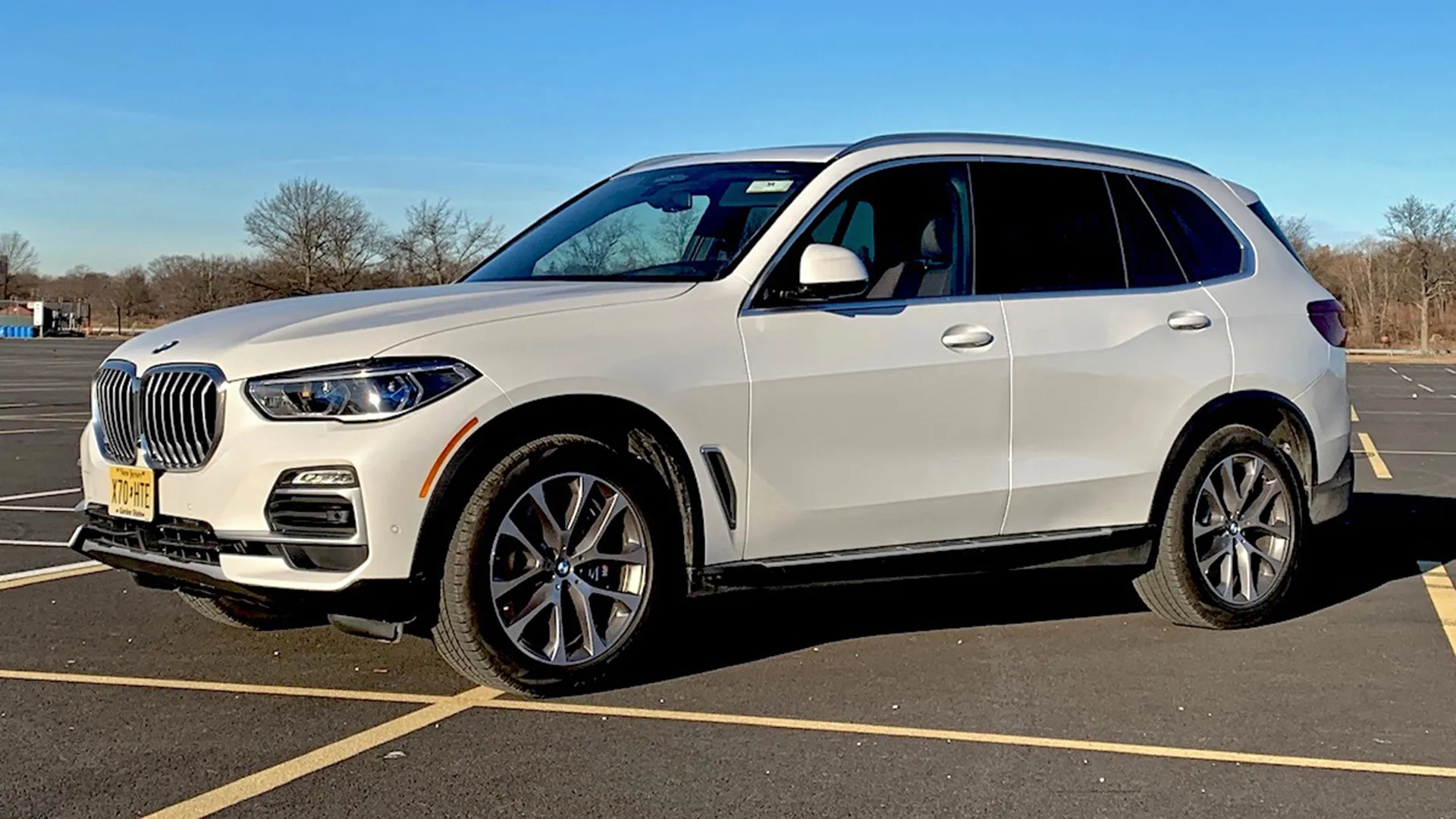
2. BMW X5 xDrive40i 2019-2024
Silky-smooth inline-six turbo configuration provides power that altitude can’t diminish. That 3.0-liter turbocharged engine produces 375 horsepower and 398 pound-feet of torque, numbers that translate to strong acceleration even at 5,280 feet.
Forced induction maintains boost pressure regardless of atmospheric density, keeping performance levels high during Denver commutes and mountain drives. Power delivery feels effortlessly linear with no turbo lag disrupting acceleration.
BMW tuned this engine for smooth operation across all RPM ranges, creating a refined character that suits daily driving and spirited mountain road carving equally well. The eight-speed automatic transmission moves imperceptibly during normal driving while responding quickly to aggressive inputs. Paddle shifters allow manual control when desired.
xDrive all-wheel drive system operates with rear-wheel bias, maintaining BMW’s sporting character while providing winter traction. Variable torque distribution sends power where needed most, improving handling during dry conditions and maintaining grip during snow.
The dynamic handling package available on M50i includes adaptive dampers and active anti-roll bars that reduce body lean during cornering. Interior quality meets BMW’s high standards with premium materials throughout. Seats provide excellent support during long drives to mountain destinations.
iDrive infotainment system operates intuitively with crisp graphics and quick responses. Gesture controls allow touchless operation of certain functions, though most drivers ignore this gimmicky feature. Harman Kardon audio system sounds excellent with clear highs and substantial bass.
Cargo capacity handles ski equipment, luggage, and grocery runs without difficulty. Split-folding rear seats expand space for larger items. Power liftgate provides convenient hands-free operation. Roof rails accommodate cargo boxes and bike racks.
Expected reliability improved compared to older BMW models, though repair costs remain high. Premium fuel requirements add operating expenses. For Denver drivers prioritizing performance, the X5’s turbocharged inline-six maintains satisfying power delivery regardless of altitude.
Also Read: 10 Best Three-Row SUVs for Family Duty Today
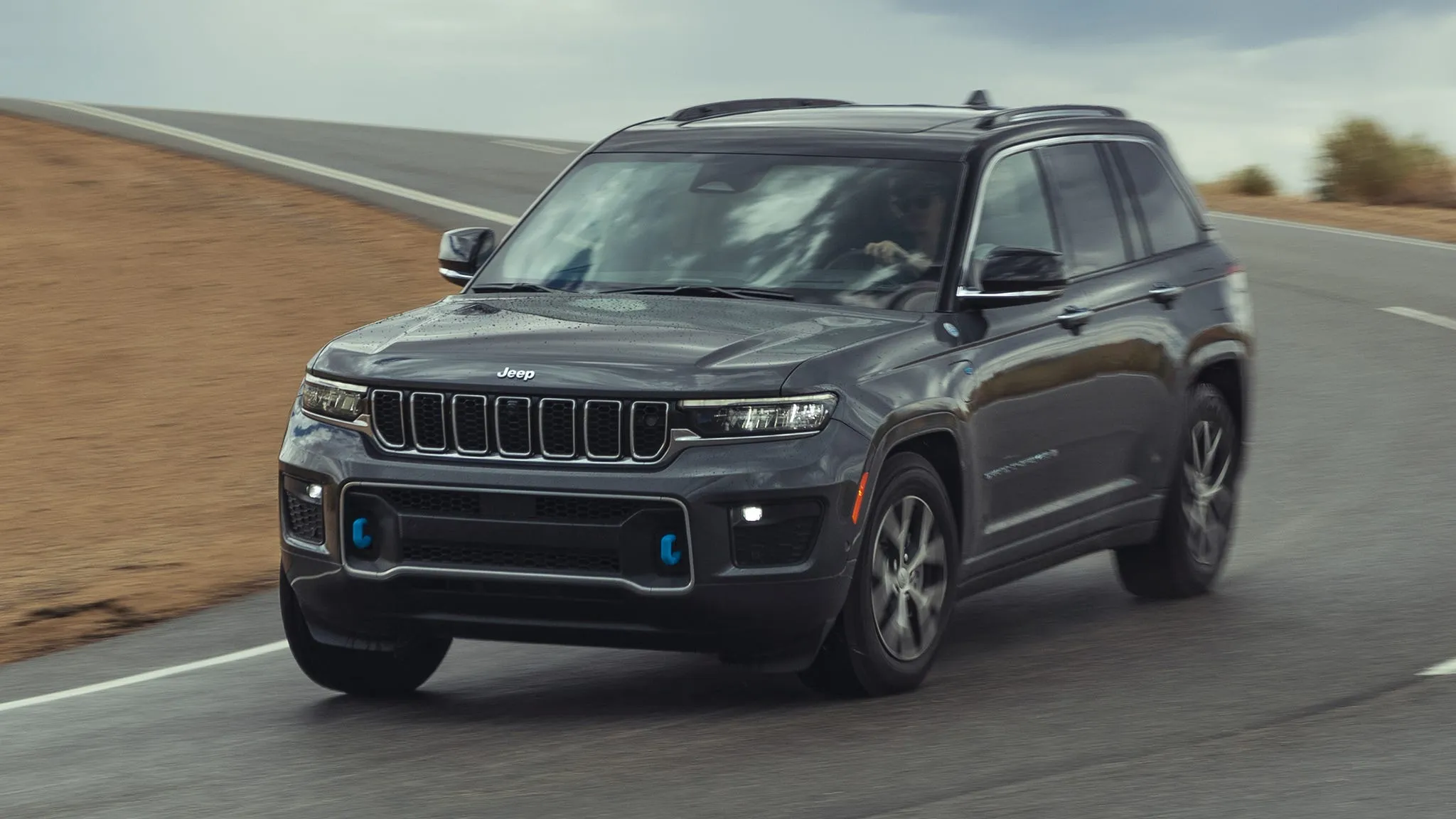
3. Jeep Grand Cherokee L Overland 4xe 2022-2025
Plug-in hybrid powertrain pairs a turbocharged four-cylinder engine with an electric motor, producing a combined output of 375 horsepower and 470 pound-feet of torque. This performance remains dependable at high elevation because the turbocharger offsets thin air while the electric motor delivers steady assistance regardless of height above sea level.
Acceleration during merging and passing is brisk, and long mountain climbs are handled with assurance without strain. Electric-only driving reaches up to 25 miles, which suits daily errands around Denver without consuming petrol. This approach lowers running costs and reduces tailpipe emissions for local journeys.
When the battery charge is exhausted, the system functions as a conventional hybrid with smooth changeovers between petrol and electric drive. Total driving range exceeds 400 miles, removing anxiety on extended mountain trips.
Three-row seating serves family needs with room for seven occupants. Second row captain chairs on the Overland trim offer supportive seating for adults. The third row accommodates children with ease and shorter adults for moderate distances.
Luggage capacity is practical with all seats in place and expands greatly when the third row is folded. Cabin materials present a premium feel through leather upholstery and well-finished trim. The Quadra Trac II Four Wheel Drive system includes low-range gearing for demanding off-road use.
This proves valuable during winter access to trailheads and on steep, snow-covered driveways. The Selec Terrain system provides settings for snow, sand, mud, and rock to tune traction to surface conditions. An air suspension on the Summit trim allows adjustable ride height.
Technology highlights include dual 10.1-inch displays for instruments and infotainment, wireless phone charging, and a McIntosh sound system. A night vision camera identifies pedestrians and animals on dark mountain roads. Highway driving assistance supports semi-autonomous travel.
Reliability expectations are stronger than in earlier generations, with warranty protection of ten years or 100,000 miles for hybrid parts. For Denver motorists seeking efficiency with strong output, the 4xe delivers dependable performance at altitude. Ownership costs remain predictable, and dealer support across Colorado offers routine servicing with transparent maintenance schedules for owners.

4. Land Rover Defender 110 P400 2020-2024
Turbocharged inline six mild hybrid powertrain produces 395 horsepower and 406 pound-feet of torque with minimal loss at high elevation. British engineering delivers an engine that sustains strong output on Denver streets and on Rocky Mountain passes. The mild hybrid unit supplies electric assistance during acceleration, smoothing power delivery, and improving fuel use.
Throttle response feels immediate, and sustained climbs are handled with confidence without strain on mechanical components. Cooling and lubrication systems maintain stable temperatures during prolonged uphill operation in warm summer conditions for consistent driver assurance.
An eight-speed automatic gearbox delivers polished changes in daily use and rapid responses when power is requested. Ratios offer a wide spread for low-speed crawling and relaxed highway travel. A low-range transfer case works with Response 2 software to adjust drivetrain, suspension, and traction control for detected conditions.
The system selects suitable programmes to support snow, sand, mud, and rock surfaces without driver intervention. Manual selection remains available for steep descents requiring engine braking support and precise speed management on demand only.
Off-road performance surpasses many rivals with an approach angle of 38 degrees, a departure angle of 40 degrees, and ground clearance reaching 11.5 inches. This geometry suits Colorado trails with rocks, ruts, and steep entries. A wading depth of 35.4 inches permits stream crossings during summer trips.
Configurable air suspension varies ride height, lowering for motorway efficiency and raising for maximum clearance when conditions require. Underbody protection shields vital parts from impact during technical sections and reduces damage risk on remote routes far from help stations.
Interior presentation combines modern luxury with practical details. A removable centre console creates walk-through access between front seats. Hard-wearing materials resist scuffs from outdoor equipment and wet footwear. The Pivi Pro interface responds quickly and presents clear graphics.
A Meridian sound system provides balanced audio. Seating offers firm support, which some occupants may prefer for long-distance travel. Reliability history raises concern due to electrical faults, and service bills remain high, while warranty protection extends four years or fifty thousand miles, only for peace of mind planning ahead.
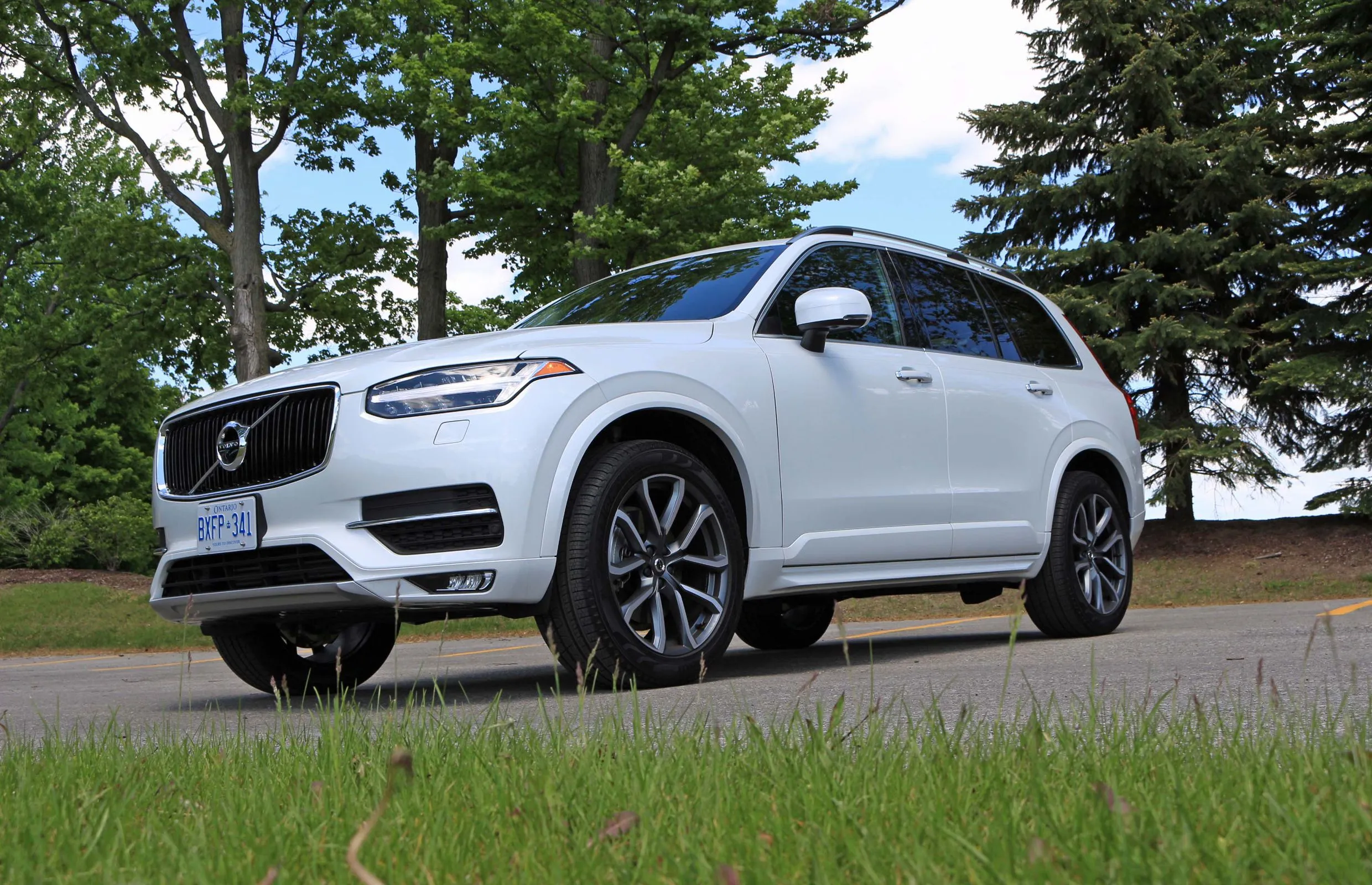
5. Volvo XC90 T6 AWD 2016-2024
Supercharged and turbocharged four-cylinder configuration forms a distinctive forced induction arrangement. The 2.0 litre engine delivers 316 horsepower and 295 pound-feet of torque through the combined action of both boost systems.
Twin charging sustains dependable output at high elevation because forced induction offsets thin air. Acceleration is brisk during highway merging and sufficient for mountain routes. An eight-speed automatic gearbox operates with polish and carefully selected ratios.
Gear changes occur smoothly during acceleration and deceleration. Manual selection gives the driver added authority when required, which is helpful on mountain descents where engine braking supports speed control. The Geartronic selector feels solid and responds with accuracy.
All Wheel Drive directs torque between axles as conditions demand to preserve grip. Cold-season performance inspires confidence on snow-covered roads. Ride height reaches 9.4 inches with air suspension, which suits access to ski resort car parks. Suspension calibration favours comfort, using compliant damping that absorbs surface imperfections with ease.
Seven-passenger seating delivers high comfort in the first and second rows. Optional second row captain chairs raise convenience and improve access to the rear seats. The third row accommodates children and shorter adults for moderate journeys.
Luggage volume behind the third row is modest, yet expands well when the seats are folded. Cabin materials reflect Scandinavian design values, with fine leather, real wood trim, and tasteful ambient lighting. Safety equipment includes Pilot Assist with adaptive cruise control and lane centring for supported highway travel. City Safety collision avoidance functions across varied traffic situations.
Blind spot monitoring extends to rear cross-traffic alert. The Bowers and Wilkins sound system provides reference-grade audio reproduction. Reliability expectations are stronger than those of earlier Volvo models, although maintenance expenses remain on the high side.
For motorists in Denver who place priority on safety and comfort, the XC90 with twin charging preserves steady performance at altitude and supports confident travel in demanding weather conditions throughout the year.
Ownership experience benefits from clear service schedules, professional dealership support, and comprehensive documentation, which assist drivers with routine care, warranty claims, and long-distance planning across regional networks nationwide.
SUVs That Struggle at Denver’s Altitude
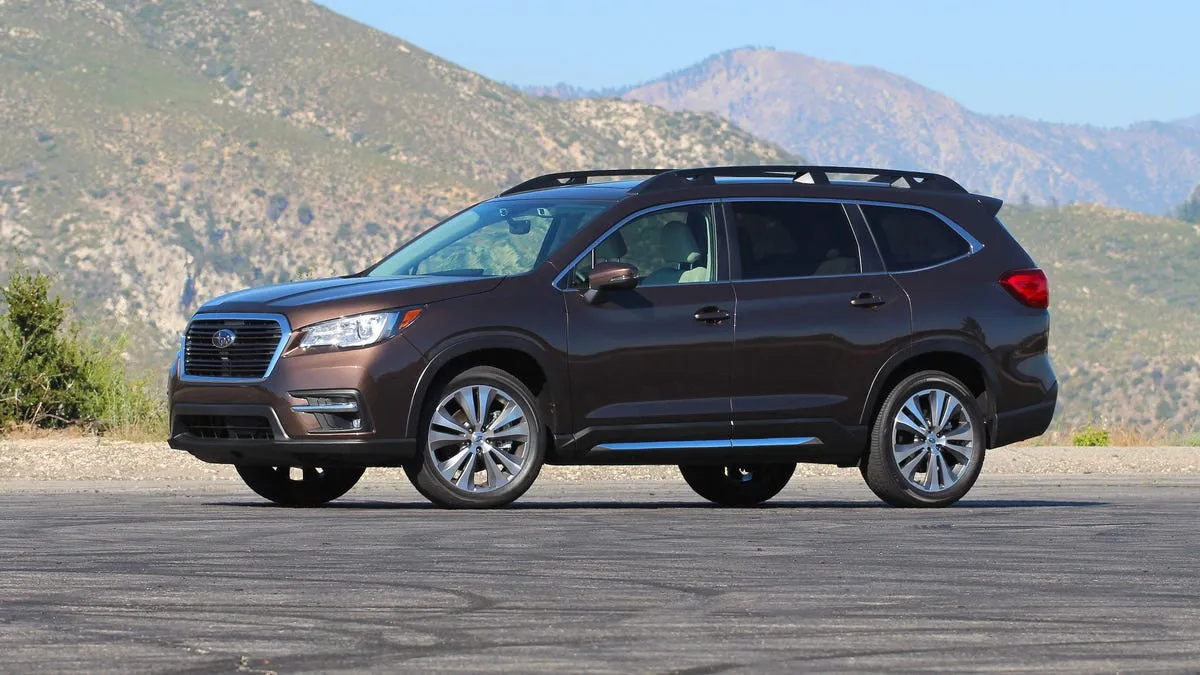
1. Subaru Ascent Base 2019-2024
Naturally aspirated 2.4-liter turbocharged four-cylinder sounds adequate on paper, but real-world performance at altitude disappoints. Rated at 260 horsepower at sea level, this engine loses roughly 15 percent of its output in Denver, dropping effective power to around 220 horsepower.
Add three rows of passengers and cargo, and you’re asking an underpowered engine to move nearly 5,000 pounds up mountain grades. Turbo lag creates frustrating delays during acceleration. Press the throttle expecting an immediate response, but nothing happens for a second before the boost builds and power arrives suddenly.
This on-off behavior makes smooth driving difficult, particularly during highway merging when you need predictable acceleration. CVT transmission exacerbates problems by allowing engine RPM to spike without corresponding acceleration, creating droning noise that becomes exhausting during mountain drives.
Climbing I-70 toward ski resorts reveals painful power deficits. You’ll find yourself flooring the accelerator while watching the speedometer refuse to climb above 55 MPH on steep grades. Slower traffic piles up behind you, creating pressure to pull over and let others pass. Passing slower vehicles requires planning and patience because acceleration takes forever, making overtaking maneuvers dangerous on two-lane mountain roads.
Air conditioning steals precious power during hot summer days. Running climate control during climbs robs the engine of the horsepower it desperately needs for moving the vehicle. You’ll face the choice between comfort and adequate acceleration, neither option being satisfactory. Passengers complain about heat while you’re trying to prevent being overtaken by motorhomes.
Fuel economy suffers at altitude despite Subaru’s efficiency focus. EPA ratings promise mid-20s combined, but mountain driving delivers high-teens at best. The engine works constantly at maximum load, burning fuel rapidly while barely maintaining highway speeds.
Premium fuel recommendations add expense without improving performance meaningfully. For Denver drivers, the Ascent’s power delivery creates daily frustration and mountain trip anxiety.
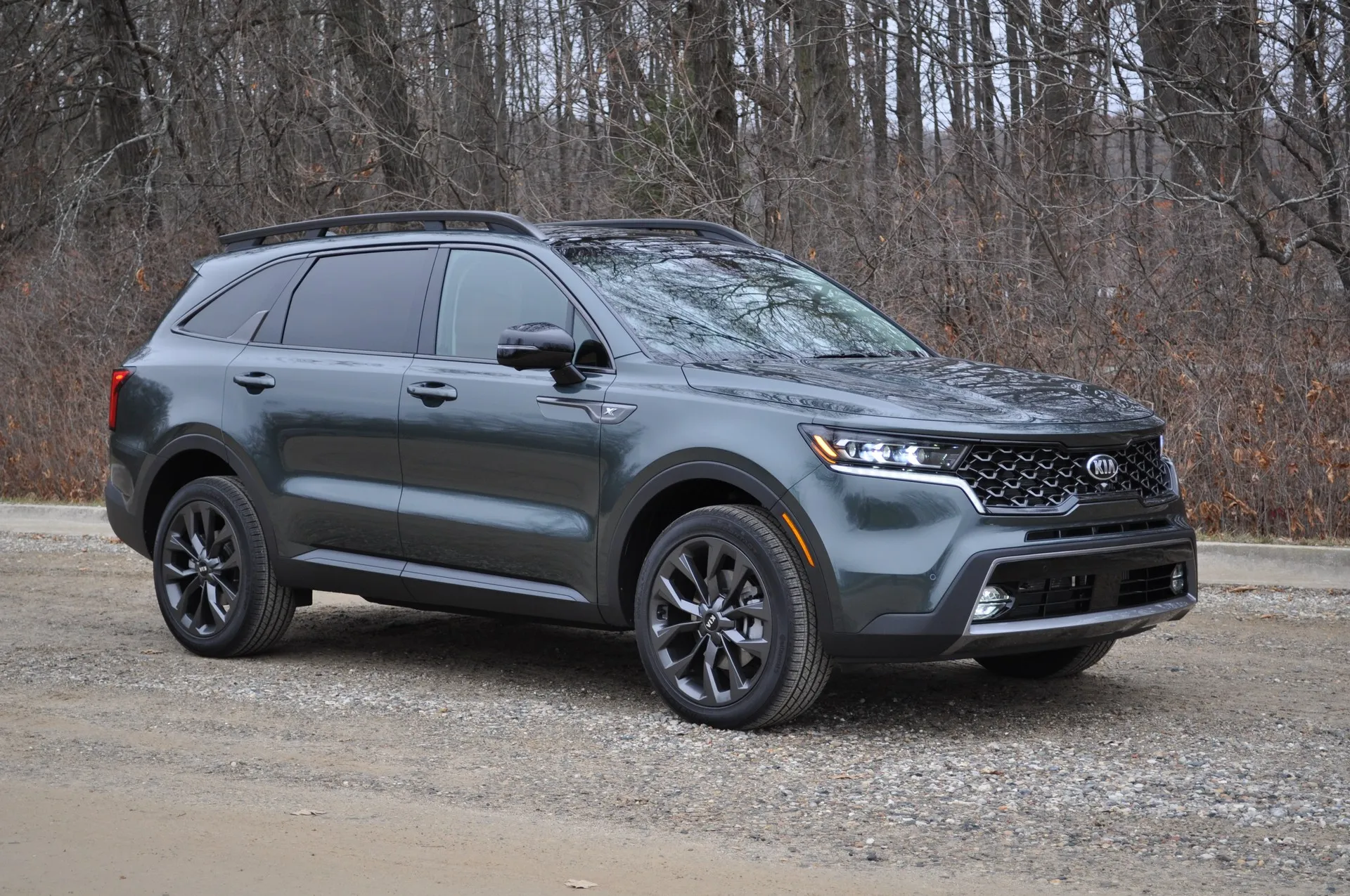
2. Kia Sorento LX 2021-2024
The base turbocharged 2.5-liter four-cylinder produces 191 horsepower, barely adequate at sea level and woefully insufficient at altitude. Denver’s thin air reduces output to roughly 160 horsepower, asking this small engine to move a three-row SUV weighing 4,100 pounds. Daily driving feels sluggish, and highway merging requires aggressive throttle inputs that produce minimal results.
An eight-speed automatic transmission hunts constantly for appropriate gears because no gear provides adequate power. Upshifts happen prematurely to save fuel, leaving the engine lugging and requiring immediate downshifts. Downshifts arrive late after you’ve already lost momentum. This constant gear hunting creates a jerky driving character that fatigues drivers and annoys passengers.
Mountain driving becomes genuinely dangerous due to inadequate power. Climbing toward mountain destinations at 10,000 feet and above, the Sorento struggles to maintain 45 MPH on steep grades. Truck traffic overtakes you easily, and passenger cars stack up behind waiting for passing opportunities.
Attempting to overtake slower traffic yourself requires planning that would challenge military strategists because acceleration happens so gradually. Three-row configuration compounds problems by adding weight without providing corresponding power.
Loading seven passengers and luggage pushes the Sorento beyond its capability. Even with just driver and front passenger, performance feels marginal. Add rear-seat occupants and cargo, and the vehicle becomes dangerously slow during highway driving and mountain climbs.
Fuel economy provides the only benefit, with mid-20s achievable during city driving. This efficiency comes at the cost of performance that makes daily driving unsatisfying and mountain trips stressful. Attempting to compensate by choosing the available V6 costs several thousand dollars extra, pricing the Sorento above better competitors.
Build quality feels decent with acceptable materials and assembly. Expected reliability should match Kia’s improving track record. But inadequate power at altitude makes the base Sorento a poor choice for Denver drivers.
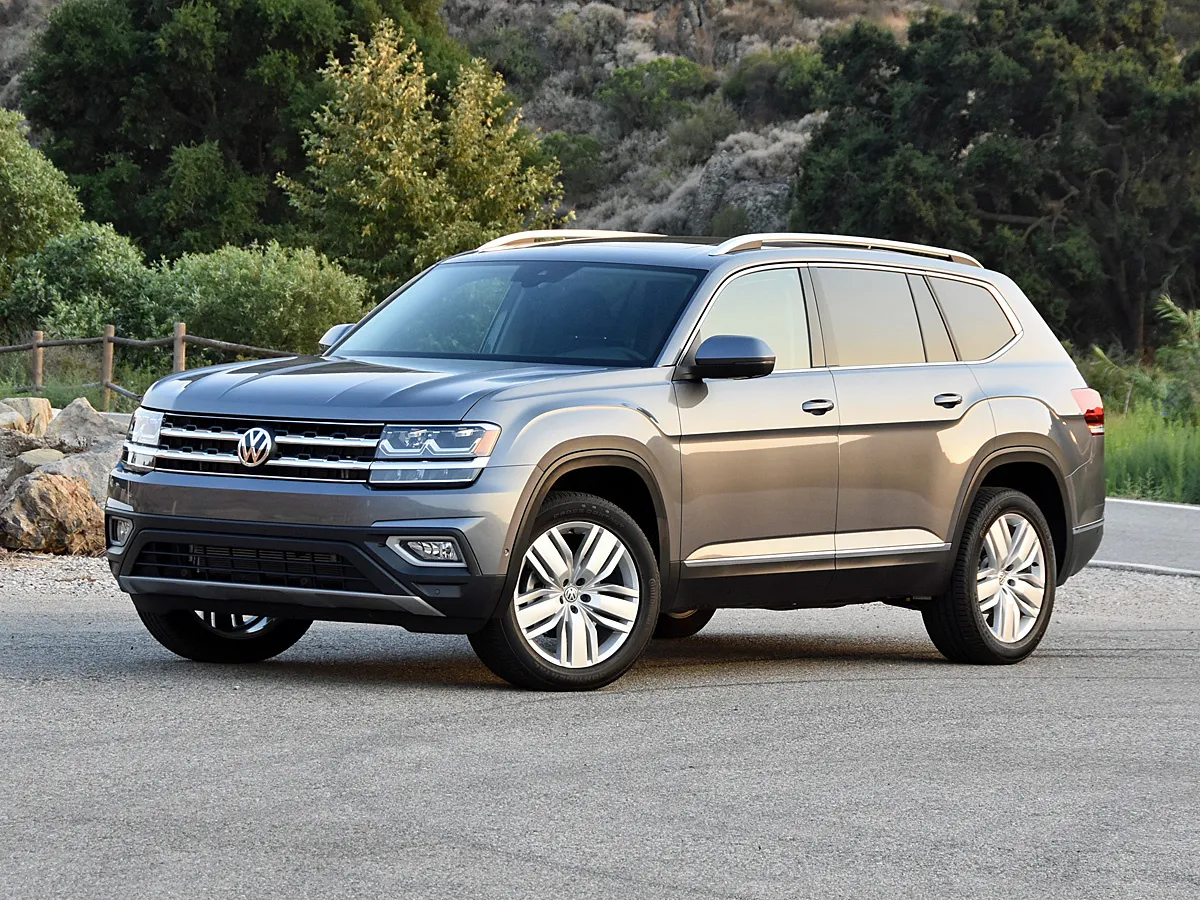
3. Volkswagen Atlas 2.0T S 2018-2023
German cost-cutting created a three-row SUV powered by a turbocharged 2.0-liter four-cylinder producing 235 horsepower. This might work at sea level, but Denver’s altitude reduces output substantially. You’re asking a small engine to move 4,500 pounds up mountains, a task it simply cannot handle competently. Acceleration feels lethargic even during level highway driving.
Turbo lag disrupts power delivery with noticeable delay between throttle input and actual acceleration. This lag becomes dangerous during highway merging when you need an immediate response to grab gaps in traffic.
Mountain performance approaches embarrassing. Climbing I-70 westbound from Denver, the Atlas struggles to maintain 50 MPH on grades while semis pass effortlessly. You’ll become intimately familiar with truck passing lanes as faster vehicles queue behind your laboring SUV. Attempting to pass slower traffic requires highway-length straightaways because acceleration happens so gradually that overtaking takes forever.
Three-row seating creates adequate space for passengers but adds weight that worsens performance problems. Rear cargo capacity handles luggage and gear adequately. Interior materials feel cheap with hard plastics throughout and basic cloth seats that provide minimal support. Build quality suffers from squeaks and rattles that develop quickly as miles accumulate.
Fuel economy delivers the only positive aspect, with mid-20s achievable during mixed driving. This efficiency doesn’t compensate for the frustrating performance that makes ownership unsatisfying. Upgrading to V6 costs thousands extra and still doesn’t match competitors.
VW discontinued the Atlas 2.0T for 2024, acknowledging inadequate power. Expected reliability concerns arise from VW’s questionable track record and expensive repairs. For Denver drivers, the four-cylinder Atlas creates daily frustration that outweighs any cost savings.
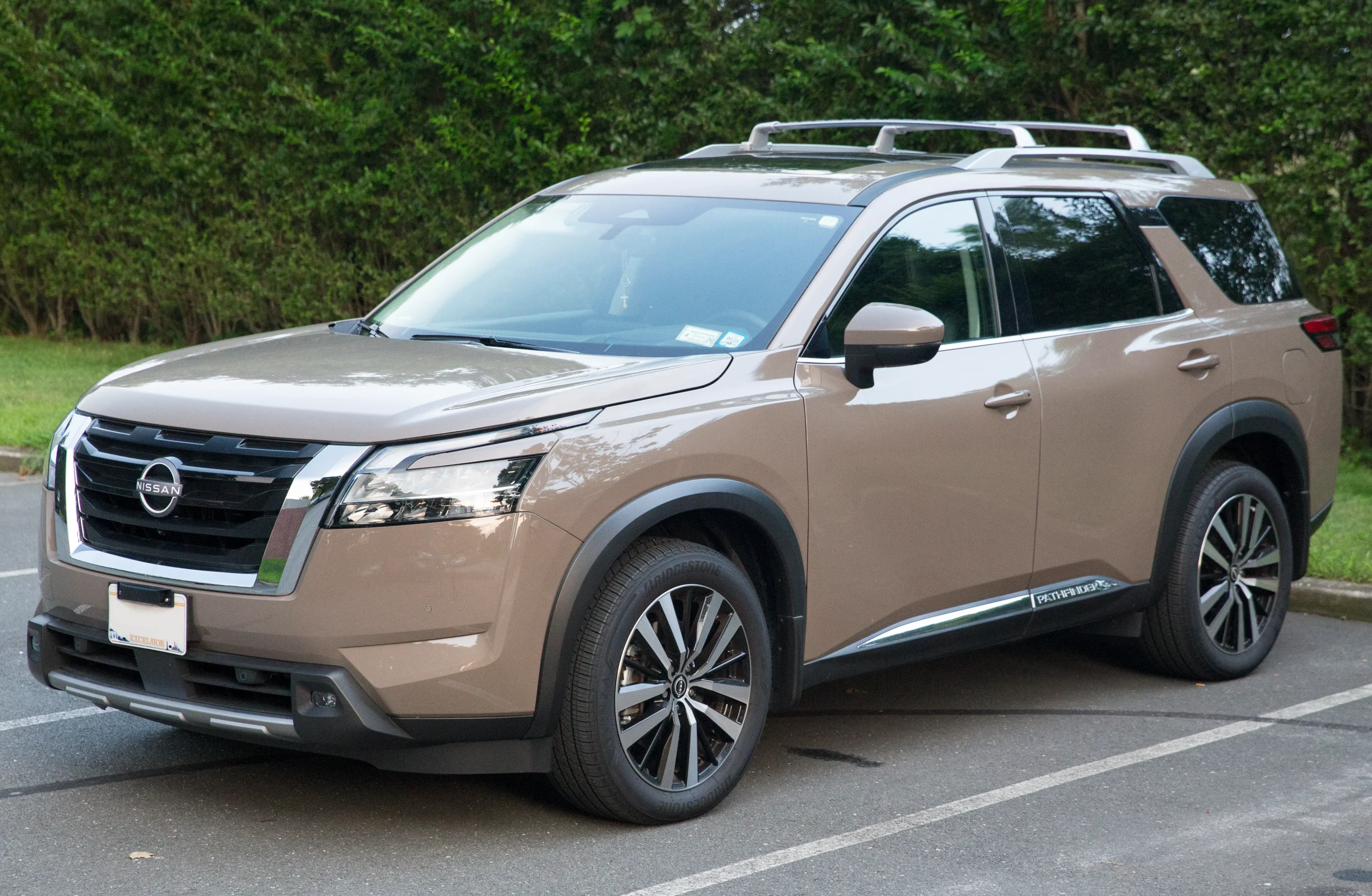
4. Nissan Pathfinder S 2022-2024
Naturally aspirated 3.5-liter V6 sounds adequate with 284 horsepower rating, but this engine loses roughly 20 percent of its output at Denver’s elevation. Effective power drops to around 227 horsepower, barely adequate for moving the Pathfinder’s 4,300-pound curb weight. Add passengers and cargo, and you’re asking an underpowered engine to work constantly at maximum capacity.
CVT transmission creates the droning characteristic that makes Nissan products frustrating at altitude. Engine RPM climbs high while actual acceleration remains minimal, producing noise without corresponding speed increases. This disconnect between sound and performance becomes exhausting during long drives.
Climbing mountain passes reveals the Pathfinder’s limitations painfully. You’ll floor the accelerator watching the tachometer spike to 5,000 RPM while speed barely increases. Traffic backs up behind you as the Pathfinder labors up grades that turbocharged competitors climb effortlessly. Passing becomes nearly impossible because acceleration takes so long that overtaking maneuvers require excessive distance.
The three-row configuration provides adequate passenger space with decent second-row legroom and acceptable third-row accommodation for children. Cargo space handles family needs adequately. Interior materials improved compared to the previous generation, but still feel cheaper than competitors. Cloth seats on base trim provide minimal support and look basic.
Fuel economy stays respectable with low-20s combined ratings. This efficiency doesn’t justify the frustrating performance that makes daily driving unsatisfying. Nissan’s CVT reliability concerns add ownership anxiety, with transmission failures common after warranty expiration.
Repair costs for CVT replacement exceed several thousand dollars. Expected reliability ranks below average for the class. For Denver drivers, the Pathfinder’s naturally aspirated V6 and CVT combination creates power delivery that makes altitude a constant frustration.
Also Read: 10 Compact SUVs That Make Urban Driving Easier
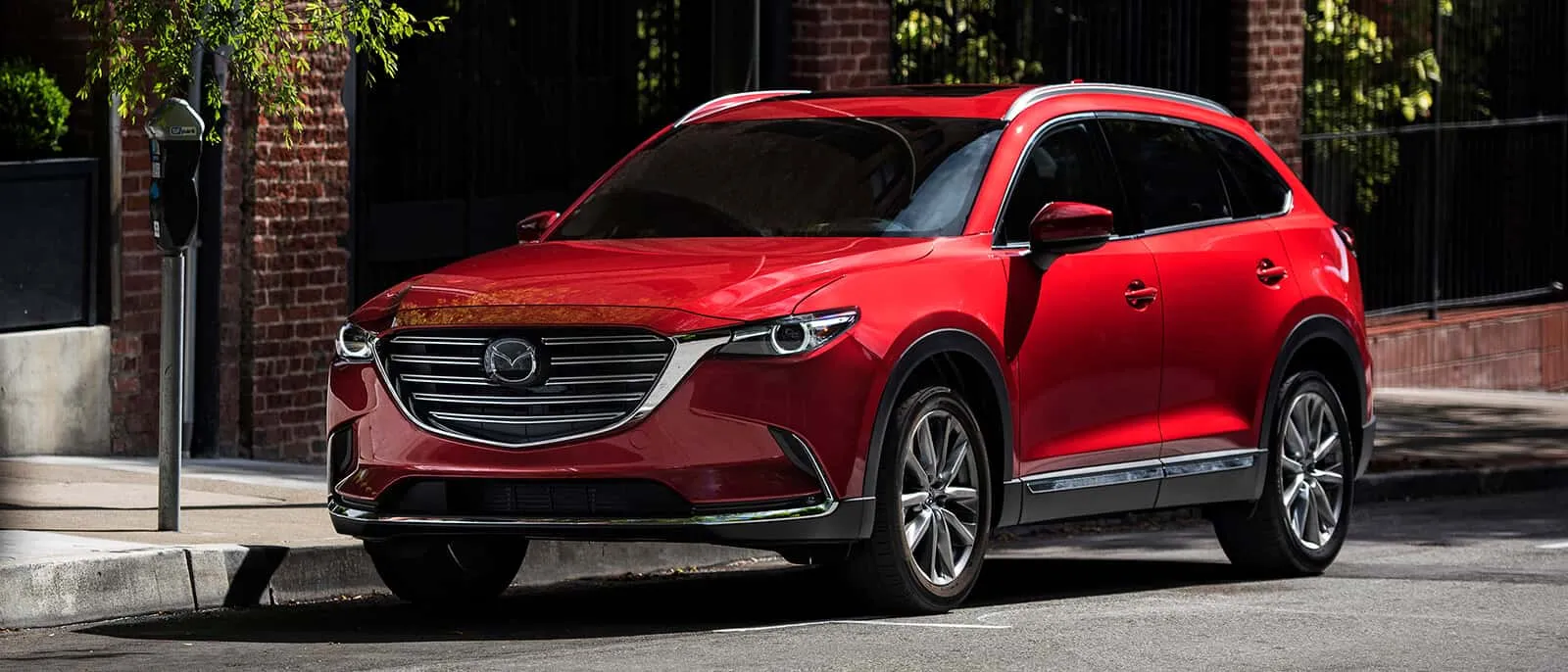
5. Mazda CX-9 Touring 2016-2023
Turbocharged 2.5-liter four-cylinder produces 250 horsepower with premium fuel or 227 horsepower with regular unleaded. These numbers sound adequate until altitude reduces output by 15 percent, dropping effective power to around 212 horsepower with premium or 193 with regular. You’re asking this small engine to move a three-row SUV weighing 4,300 pounds, a task it struggles to complete satisfactorily.
Turbo lag creates frustrating delays during acceleration attempts. Power delivery feels inconsistent with dead spots followed by a sudden boost arrival. Gear ratios seem poorly chosen for mountain driving, with wide spacing that leaves the engine either lugging or screaming.
Mountain driving exposes the CX-9’s power deficit brutally. Climbing toward ski destinations, you’ll struggle to maintain highway speeds on steep grades. The engine works constantly at maximum capacity, creating heat and noise while barely moving the vehicle. Attempting to pass slower traffic requires commitment and patience because acceleration happens gradually enough that overtaking becomes dangerous.
Three-row seating provides tight accommodations with minimal third-row space suitable only for children. Second-row legroom is adequate for adults but not generous. Cargo capacity behind the third row is limited, expanding when the seats fold. Interior quality was impressive when new, with upscale materials and an attractive design. Build quality feels solid initially, but develops squeaks as miles accumulate.
Fuel economy delivers reasonable numbers with low-20s combined ratings. This efficiency doesn’t compensate for inadequate power that frustrates daily driving. Premium fuel requirement adds expense without providing proportional performance benefits. Expected reliability should match Mazda’s decent track record.
Resale values drop because buyers recognize power limitations. For Denver drivers, the CX-9’s small turbocharged engine creates constant reminders that altitude affects performance, making mountain trips stressful and daily driving unsatisfying.
