Life in Chandler puts unique demands on a vehicle. Weekdays are filled with freeway commutes, school drop-offs, and long drives across the Phoenix metro area in intense heat.
Weekends, on the other hand, often mean escaping the city and heading out into Arizona’s wide open desert. That is why choosing the right car is not just about comfort or power, but about finding the right balance between efficiency and strength.
“5 Cars for Chandler Commuters and 5 Proven Desert Performers” brings together two very different sides of Arizona driving. On one side are vehicles built to save fuel, reduce stress, and keep daily travel smooth and affordable.
On the other are machines engineered to survive sand, heat, and rough terrain where pavement ends. Together, these ten vehicles show how drivers in Chandler can enjoy both practical daily transportation and true off-road capability without compromise.
5 Cars for Chandler Commuters
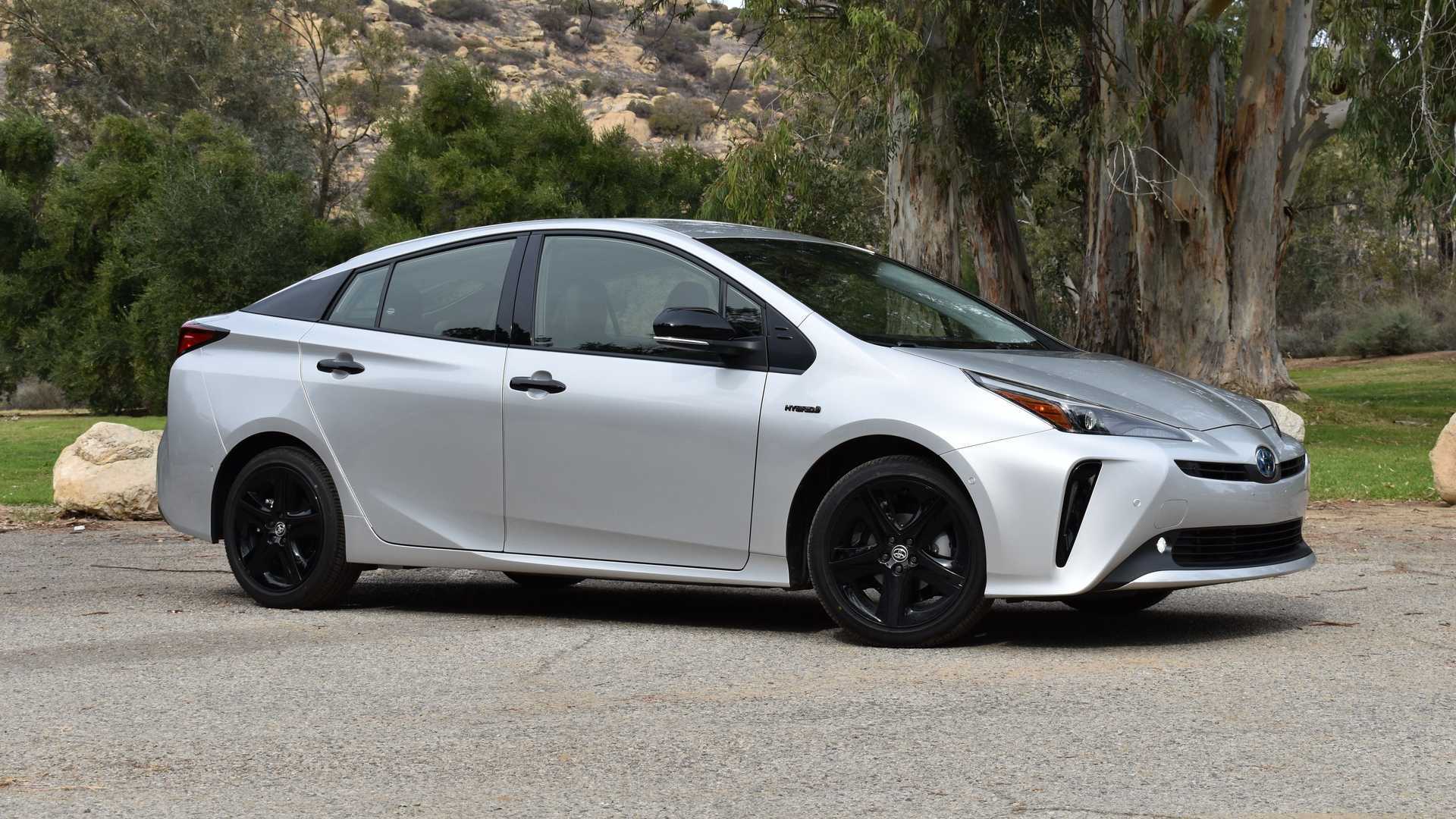
1. Toyota Prius: Perfect Hybrid for Chandler Commuters
The Toyota Prius continues to set the standard for hybrid efficiency, delivering exceptional fuel economy that works for both city stop-and-go traffic and longer highway drives. For Chandler and the greater Phoenix area, the Prius offers a combination of cost savings, comfort, safety, and eco-friendly performance that makes daily commuting easier and more enjoyable.
With EPA ratings ranging from 49–57 MPG in the city and 50–56 MPG on the highway, the Prius is highly economical. Front-wheel-drive LE models offer the highest efficiency, while all-wheel-drive options maintain strong performance.
In real-world testing, the Prius Limited reached 49 MPG at 75 mph, making it a cost-effective choice for desert commuters where air conditioning use can increase fuel consumption.
The Prius provides a smooth, quiet ride, aided by its hybrid powertrain, which helps reduce stress during rush-hour traffic. The interior is comfortable, featuring well-cushioned front seats, optional heated seating, and a traditional cockpit layout with a driver-focused gauge cluster.
Rear passengers have sufficient legroom, though the sloped roofline limits headroom slightly. Cargo space ranges from 20.3 to 23.8 cubic feet, depending on the trim, providing versatility for work, errands, or family needs.
The Prius uses a 2.0-liter inline-four gasoline engine paired with two or three electric motors, producing 194–196 horsepower. Front-wheel drive is standard, and all-wheel-drive models include an additional rear electric motor for enhanced traction.
The hybrid system allows for electric-only operation in low-speed city traffic and supports efficient regenerative braking. Acceleration from 0–60 mph is 7.1 seconds, faster than many competitors like the Hyundai Elantra Hybrid.
Toyota equips the Prius with the Safety Sense suite, offering adaptive cruise control, lane-keeping assist, and blind-spot monitoring. Infotainment includes an 8.0-inch touchscreen (12.3-inch optional), wireless Apple CarPlay and Android Auto, Wi-Fi connectivity, and over-the-air updates to keep systems current.
Known for long-term dependability, the Prius requires minimal unexpected repairs. Coverage includes a three-year/36,000-mile limited warranty, five-year/60,000-mile powertrain warranty, a 10-year/150,000-mile hybrid component warranty, and two years/25,000 miles of complimentary maintenance.
Combining fuel efficiency, comfort, advanced safety, and durability, the Toyota Prius meets the demands of daily commuting in Chandler and the surrounding Phoenix metro area while reducing emissions and fuel costs.
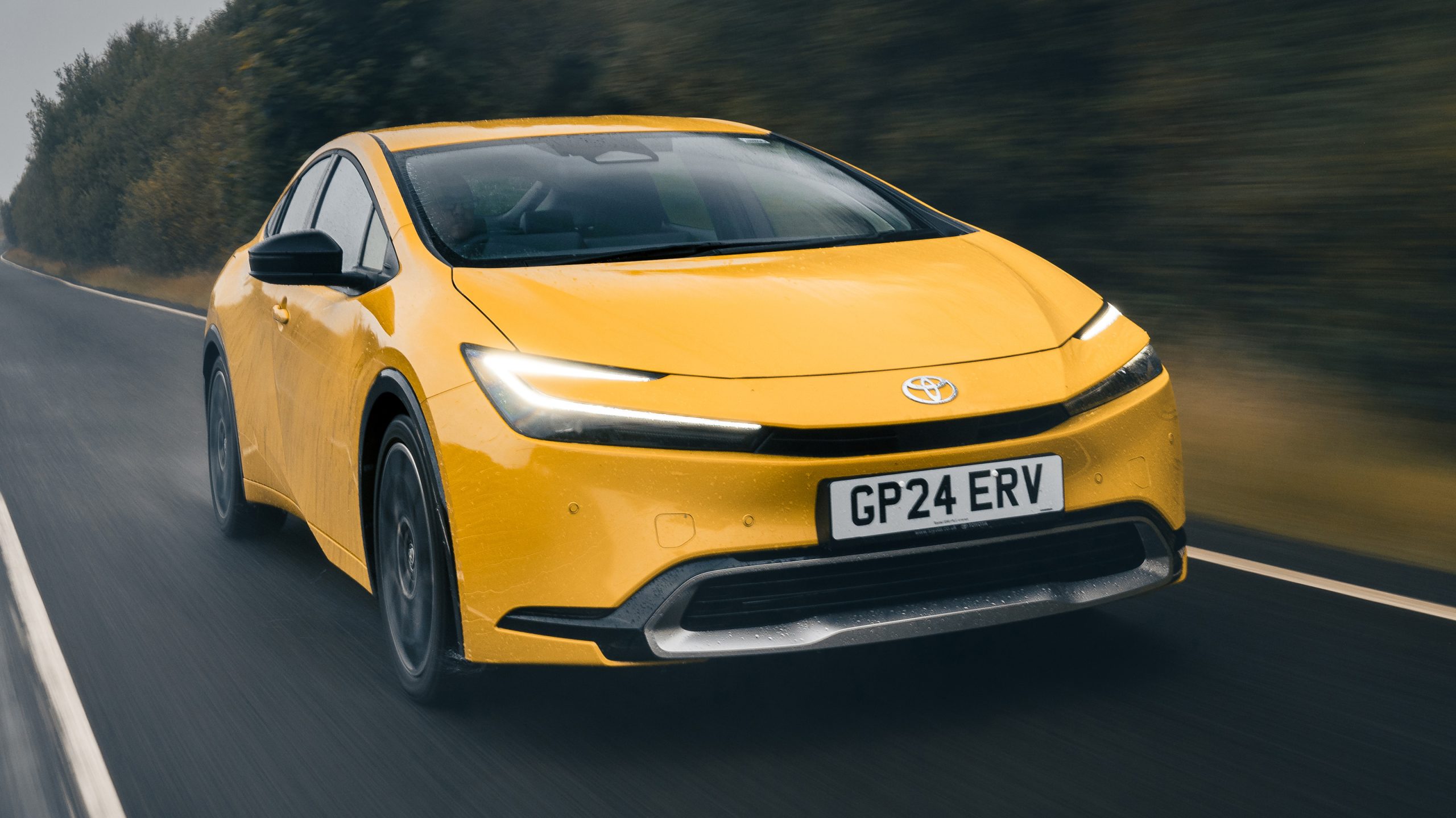
2. Honda Civic: Efficient, Reliable, and Commuter-Friendly
The Honda Civic has earned a reputation as a dependable and practical choice for commuters, offering a combination of fuel efficiency, comfort, and advanced technology that suits daily driving in Chandler and the greater Phoenix area. Its efficient engines, low running costs, and comfortable interior make it ideal for city traffic and longer highway trips.
The Civic delivers strong fuel economy, with hybrid models achieving EPA ratings of 50 mpg city and 47 mpg highway, while nonhybrid versions reach up to 32 mpg city and 41 mpg highway.
In real-world testing, the Civic Hybrid Sport Touring sedan returned 47 mpg at highway speeds. High efficiency helps reduce fuel expenses for daily commuters in the desert heat, making it a cost-effective option for regular drives.
The standard Civic features a 150-hp 2.0-liter four-cylinder engine paired with a CVT, offering nimble handling and adequate acceleration (0–60 mph in 8.9 seconds) for urban driving. The Civic Hybrid adds two electric motors to the 2.0-liter engine for a combined 200 horsepower, reaching 60 mph in 6.2 seconds, providing smooth, responsive, and enjoyable performance. All trims come with front-wheel drive.
Both sedan and hatchback models seat five passengers comfortably. The cabin is quiet and ergonomic, with generous front legroom and sufficient rear seating. Cargo space is versatile, with the sedan holding six carry-on suitcases and the hatchback accommodating slightly more with rear seats folded.
Higher trims offer leather upholstery, wireless Apple CarPlay and Android Auto, in-dash navigation, and premium audio systems, enhancing convenience for daily commuting.
Honda Sensing comes standard, including adaptive cruise control, lane-keeping assist, and automated emergency braking. Optional features like blind-spot monitoring, rear-cross-traffic alert, and parking sensors provide added confidence in busy traffic conditions.
The Civic is known for long-term dependability, requiring minimal unexpected repairs. Warranties include three years/36,000 miles limited coverage, five years/60,000 miles powertrain, and eight years/100,000 miles for hybrid components, along with one year/12,000 miles of complimentary maintenance.
With its combination of fuel efficiency, comfort, advanced technology, and long-term reliability, the Honda Civic is a strong choice for Chandler commuters who want a practical and cost-effective daily driver in both city and highway conditions.
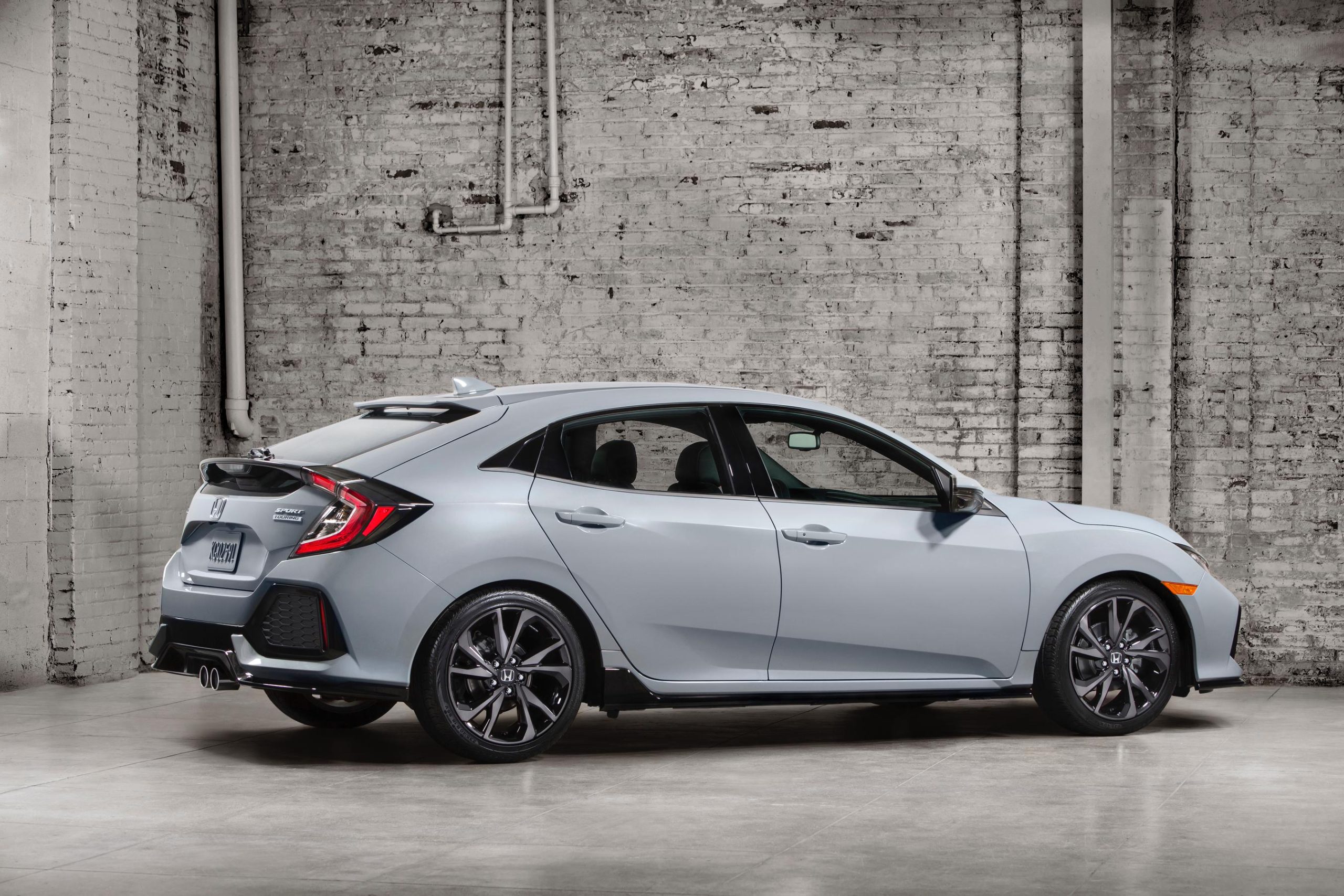
3. Tesla Model 3: Efficient, High-Tech EV for Chandler Commuters
The Tesla Model 3 offers an attractive electric vehicle option for Chandler commuters, combining low running costs, strong range, and advanced technology with a quiet and comfortable ride. Its minimal maintenance requirements, convenient home charging, and access to Tesla’s Supercharger network make daily commuting efficient and cost-effective in the Phoenix metro area.
With no need for gasoline, fewer brake replacements due to regenerative braking, and minimal routine maintenance, the Model 3 significantly reduces operating costs compared with traditional vehicles. Energy efficiency is strong across trims, with the Single Motor RWD version achieving up to 137 MPGe combined and the Dual Motor Performance delivering 109 MPGe. Real-world highway testing confirmed 128 MPGe for the RWD and 91 MPGe for the Performance model.
Modern Model 3s offer ranges from 260 to 363 miles, depending on configuration, enough to handle most daily drives. Home charging allows owners to start each day with a fully charged battery, while Tesla Superchargers enable longer trips or emergency top-ups. DC fast charging replenishes the battery from 10 to 90 percent in under 40 minutes for most models, ensuring flexibility for commuters.
The Model 3 provides smooth, rapid acceleration, with 0–60 mph times of 2.8 seconds for the Performance trim and 4.6 seconds for the Premium RWD. The battery’s low center of gravity enhances stability and cornering, while adjustable steering and firm suspension balance comfort with responsive handling.
The cabin features a minimalist design with a central 15.4-inch touchscreen for infotainment, climate, and vehicle controls. Front seats are supportive, though rear seating is tighter, and cargo space is generous with folding rear seats. Over-the-air software updates keep the system current, while Autopilot provides adaptive cruise, lane-keeping, and traffic-aware driving assistance.
The Model 3 includes standard adaptive cruise control, automated emergency braking, and lane-departure warning, earning high safety marks. Warranty coverage includes four years/50,000 miles limited, and eight years/100,000 miles for the battery and drive components.
With its combination of range, low operating costs, cutting-edge technology, and smooth driving experience, the Tesla Model 3 is a practical and enjoyable choice for Chandler residents seeking a modern, efficient daily commuter vehicle.
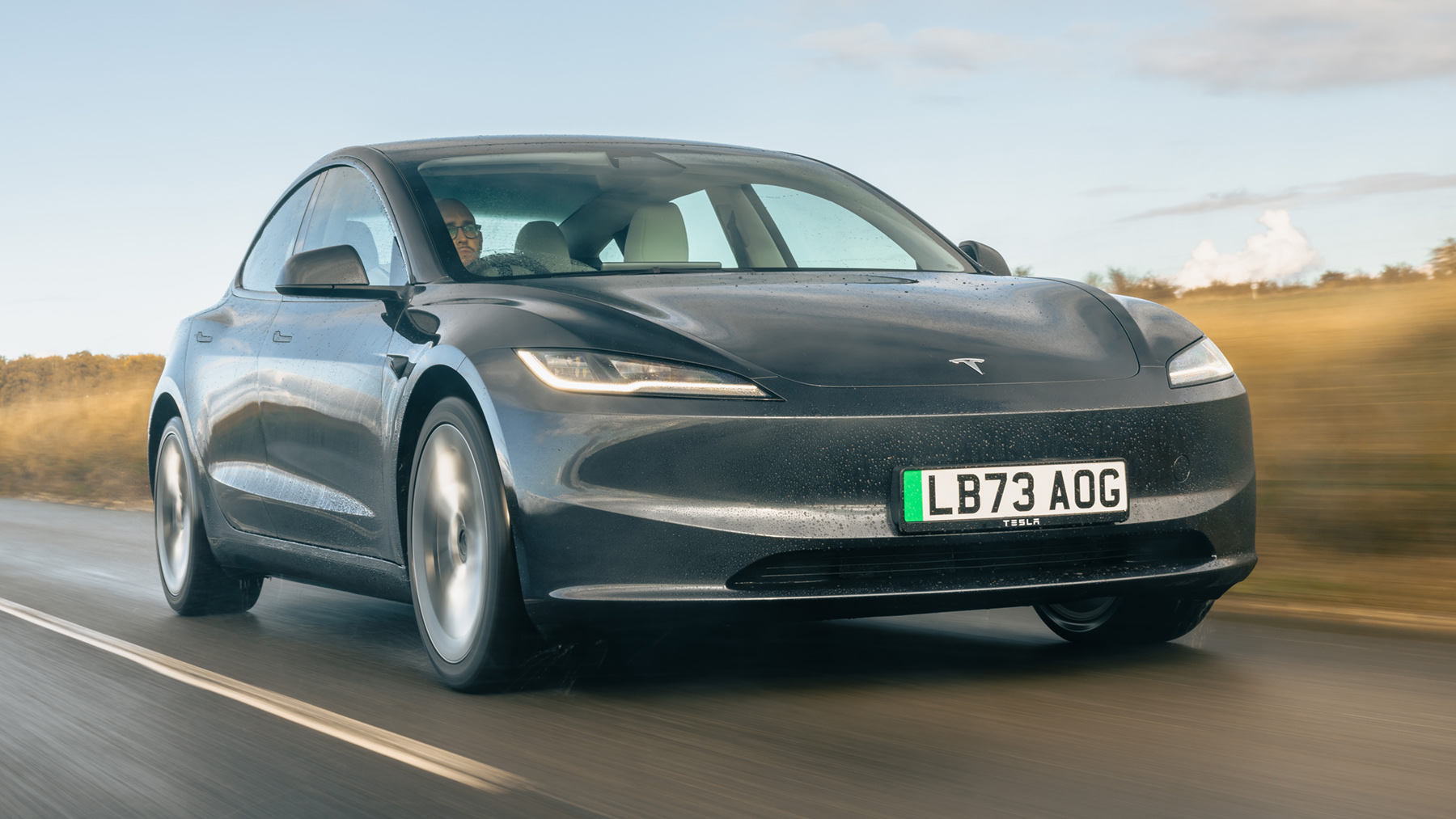
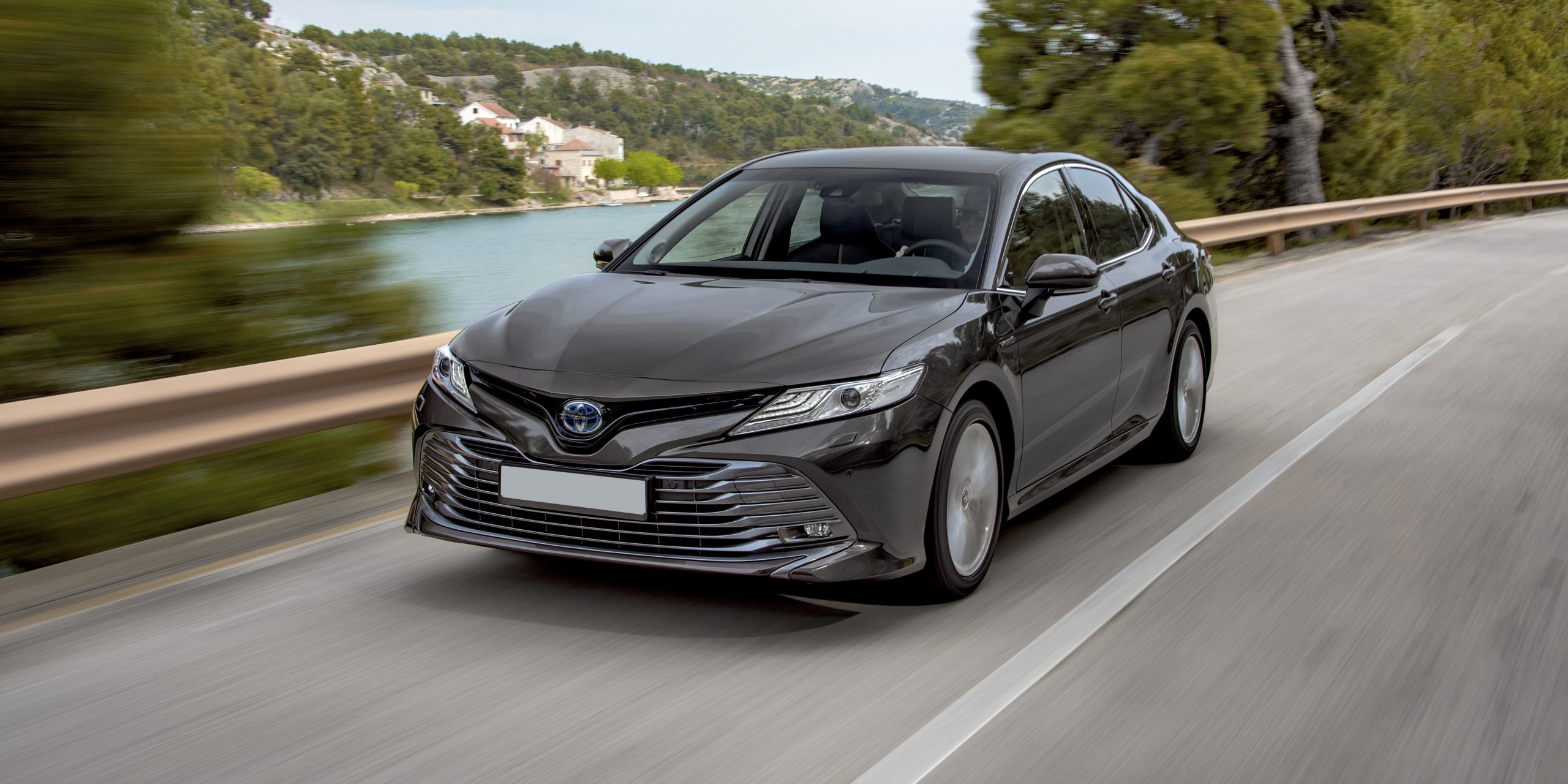
4. Toyota Camry Hybrid: Comfortable, Efficient, and Commuter-Ready
The Toyota Camry Hybrid combines spacious comfort, advanced technology, and fuel-efficient performance, making it an excellent choice for Chandler commuters. Its smooth hybrid powertrain, reliable engineering, and thoughtfully designed interior provide a daily driving experience that balances efficiency, convenience, and comfort in both city and highway conditions.
The Camry Hybrid delivers impressive fuel economy, helping reduce trips to the pump for frequent East Valley commuters. Front-wheel-drive LE trims achieve EPA estimates of 53 mpg city and 50 mpg highway, while all-wheel-drive models rate slightly lower at 51 city/49 highway mpg.
Higher trims like the XSE AWD register 44 city/43 highway mpg. In real-world highway testing, the XSE AWD maintained 43 mpg at 75 mph. By combining electric and gasoline power intelligently, the Camry Hybrid optimizes efficiency without requiring extra effort from the driver.
The Camry Hybrid comes with a 2.5-liter four-cylinder engine paired with two electric motors in front-wheel-drive models (225 hp) and an additional rear motor for all-wheel-drive versions (232 hp).
Acceleration is responsive, with the XSE AWD reaching 60 mph in 6.8 seconds, outpacing competitors like the Hyundai Sonata while closely matching the Accord Hybrid. Sport-tuned SE, XSE, and Nightshade trims offer firmer suspension and improved cornering, though steering feedback is modest.
The cabin is spacious and quiet, with ample front and rear seating. Standard features include cloth upholstery, dual-zone climate control, and rear air vents. Higher trims add leather, heated seats, and steering wheel, ambient lighting, and acoustic-laminated glass.
Infotainment ranges from an 8.0-inch display to a 12.3-inch screen on upper trims, with digitized gauges, wireless Apple CarPlay, and Android Auto standard across the lineup. Optional upgrades include a nine-speaker JBL stereo.
All Camry Hybrids feature Toyota’s suite of safety technologies, including automated emergency braking with pedestrian detection, adaptive cruise control with lane-centering, lane-keeping assist, and automatic high beams. These systems enhance comfort and confidence in heavy traffic or long freeway drives.
Toyota’s reputation for dependability is supported by a three-year/36,000-mile limited warranty, five-year/60,000-mile powertrain warranty, ten-year/150,000-mile hybrid component coverage, and two years/25,000 miles of complimentary maintenance.
Blending fuel efficiency, comfort, advanced safety, and Toyota’s renowned reliability, the Camry Hybrid is a practical, enjoyable, and economical choice for daily commuting in Chandler and the greater Phoenix area.
5. Hyundai Elantra: Affordable, Efficient, and Packed with Commuter-Friendly Features
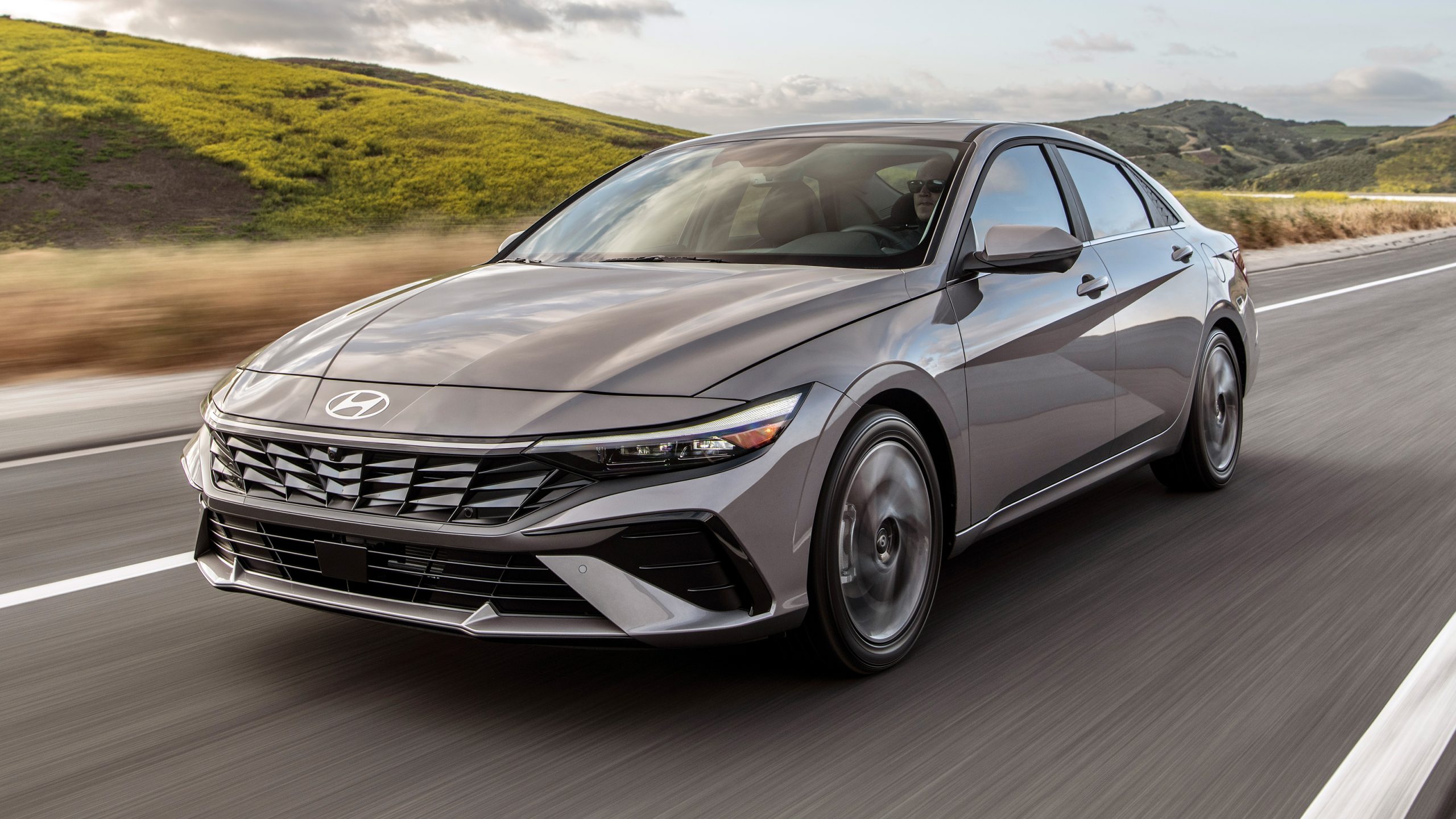
The Hyundai Elantra stands out as a smart, budget-friendly choice for Chandler commuters who want modern technology, strong fuel efficiency, and dependable performance in the Arizona heat. With multiple powertrain options, a roomy interior, and a generous warranty, the Elantra offers impressive value while meeting the needs of daily driving in the Phoenix metro area.
One of the Elantra’s biggest strengths is its fuel economy. Gasoline models deliver up to 41 mpg on the highway, while the Elantra Hybrid pushes efficiency even further with EPA ratings as high as 51 mpg city and 58 mpg highway.
In real-world highway testing, the hybrid achieved 48 mpg at 75 mph. These numbers translate into fewer stops at the pump and lower monthly fuel costs, which is especially valuable for commuters covering long distances around Chandler, Mesa, and Tempe.
The Elantra lineup includes a 147-hp 2.0-liter engine, a 201-hp turbocharged engine in the sporty N Line, and a 139-hp hybrid system. The standard engine is tuned for efficiency, while the turbocharged N Line offers quicker acceleration and more engaging handling. The hybrid uses a dual-clutch automatic rather than a CVT, which reduces engine droning and improves the driving feel.
Inside, the Elantra provides a spacious, driver-focused cabin with generous legroom in both rows. The layout is modern and practical, featuring available dual 10.3-inch digital displays, wireless charging, and Apple CarPlay and Android Auto. Cargo space is also useful, holding six carry-on suitcases behind the rear seats, making it convenient for errands, work, or weekend trips.
Hyundai SmartSense comes standard with features such as automated emergency braking, lane-keeping assist, and forward-collision warning. Higher trims add adaptive cruise control and lane-centering for added confidence in heavy traffic.
The Elantra is backed by one of the best warranties in the industry, including a 10-year/100,000-mile powertrain warranty and three years of complimentary maintenance.
With strong efficiency, modern technology, and excellent warranty coverage, the Hyundai Elantra delivers comfort, safety, and affordability in a package well-suited for daily commuting in Chandler and across the East Valley.
Also Read: 5 Cars for Chamblee Daily Driving and 5 Reliable Mileage Choices
5 Proven Desert Performers
1. Toyota Land Cruiser: Built to Master Desert Terrain
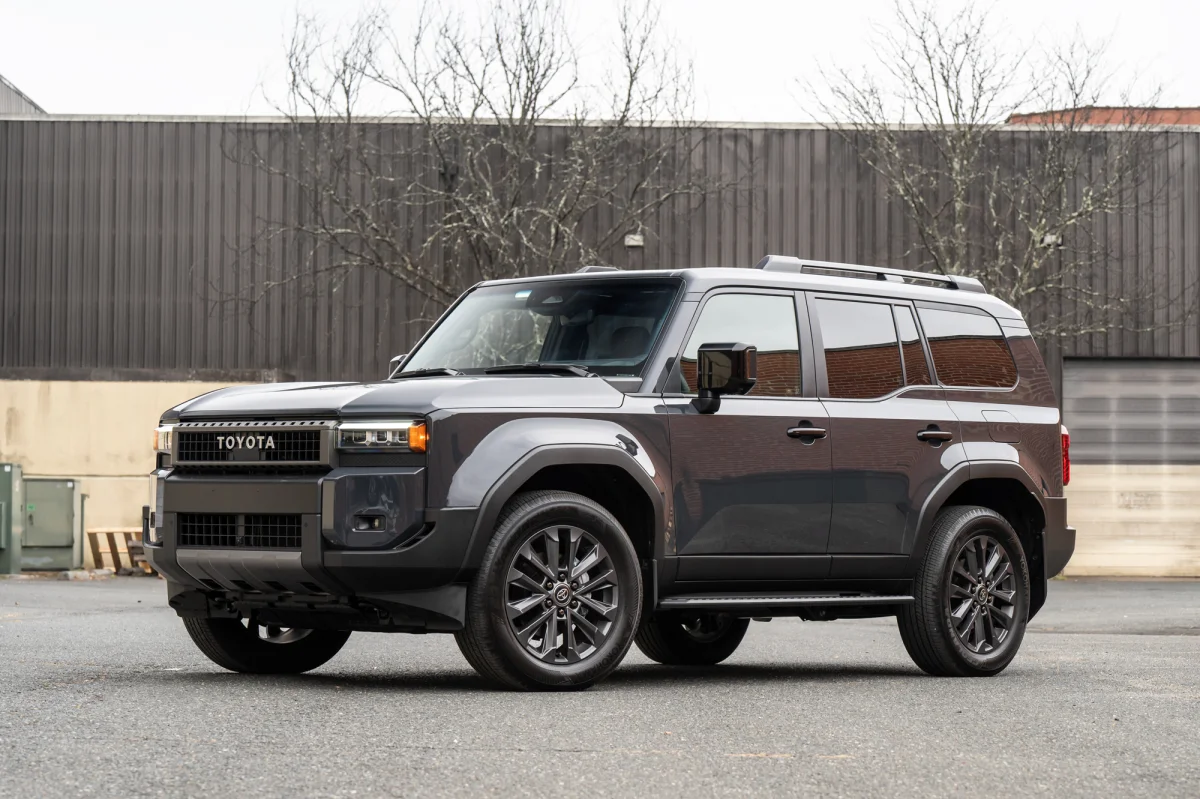
The Toyota Land Cruiser has long been synonymous with extreme durability and desert-ready performance, and its latest generation continues that legacy with modern engineering and advanced off-road technology. Designed with function and toughness as top priorities, the Land Cruiser is purpose-built to handle sand, heat, and rugged terrain where lesser SUVs struggle.
At the heart of the Land Cruiser’s desert capability is its body-on-frame chassis. This heavy-duty structure provides the strength needed to absorb impacts from rocks, ruts, and uneven surfaces while protecting key components. High ground clearance, along with strong approach and departure angles, allows the vehicle to crest dunes and traverse uneven sand without scraping or getting bogged down.
The current Land Cruiser uses a turbocharged 2.4-liter four-cylinder engine paired with two electric motors, producing a combined 326 horsepower. While more efficient than the older V8, this hybrid setup still delivers strong low-end torque, which is essential for climbing steep dunes and powering through soft sand.
An eight-speed automatic transmission and a full-time four-wheel-drive system come standard, along with a locking center differential, low-range gearing, hill-descent control, and Crawl Control, which acts like an off-road cruise control for difficult terrain.
Toyota equips the Land Cruiser with Multi-Terrain Select, allowing drivers to optimize traction for different surfaces such as sand, mud, or rocks. Locking differentials and electronic traction systems work together to keep all four wheels moving even when grip is limited. These systems make it far easier to maintain momentum in deep sand, which is critical for successful desert driving.
The Land Cruiser features upgraded cooling systems designed to handle extreme heat, helping the powertrain stay within safe temperatures during long desert drives. Inside, it offers seating for five and up to 31 carry-on suitcases with the rear seats folded, making it practical for long trips and gear hauling.
Toyota Safety Sense 3.0 comes standard, including adaptive cruise control, lane-keeping assist, and automatic emergency braking. Backed by Toyota’s long-standing reputation for reliability and a 10-year/150,000-mile hybrid warranty, the Land Cruiser is engineered to deliver dependable performance in some of the harshest environments on Earth.
Built with strength, advanced traction systems, and desert-focused engineering, the Toyota Land Cruiser remains one of the most capable and trusted vehicles for conquering sand, heat, and remote terrain.
2. Jeep Wrangler: The Iconic Machine for Desert and Trail Dominance
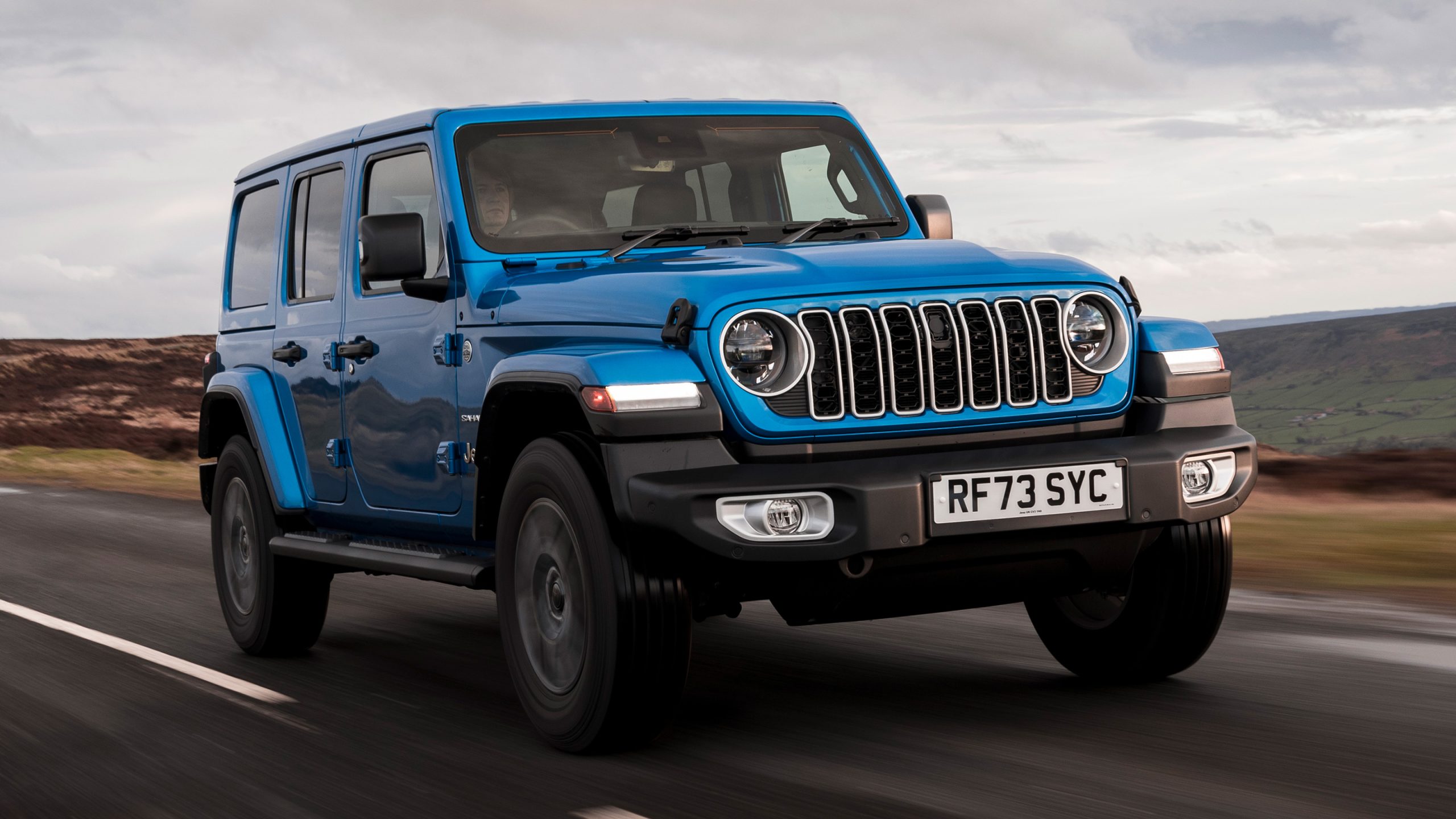
The Jeep Wrangler is one of the most recognized off-road vehicles in the world, and its reputation is built on genuine desert-ready engineering. Designed with rugged terrain in mind, the Wrangler combines a tough body-on-frame structure, solid axles, and specialized four-wheel-drive systems that allow it to thrive in deep sand, rocky washes, and extreme heat.
High ground clearance, short overhangs, and excellent approach, breakover, and departure angles help the Wrangler pass over dunes, ruts, and obstacles without damaging its underside. Its solid front and rear axles are engineered to absorb the impacts and vibrations that come with desert driving, providing durability and wheel articulation that independent suspensions often can’t match.
Wranglers are equipped with systems such as Command-Trac and Rock-Trac four-wheel drive, which distribute power where it is needed most. Locking differentials ensure that both wheels on an axle keep turning even when one loses traction in loose sand.
The Trail-Rated and Desert Rated designations are backed by extensive testing in traction, maneuverability, articulation, and heat resistance, proving the Wrangler’s ability to handle harsh environments.
Specialized desert models include upgraded cooling systems and sand-separating air intakes to keep dust out of the engine while maintaining stable temperatures in extreme conditions. Features like Off-Road Plus optimize throttle response, transmission behavior, and traction control for high-speed sand driving.
The Wrangler offers a wide range of engines, including a 285-hp V-6, a 270-hp turbocharged four-cylinder, and a 470-hp V-8 in the 392 model. Four-wheel drive is standard, with six-speed manual or eight-speed automatic transmissions available. Acceleration varies widely, from 7.1 seconds to 60 mph for a turbocharged Rubicon to just 4.0 seconds for the V-8 392.
The upright driving position provides excellent trail visibility, and the removable doors and roof allow for open-air exploration. The four-door Wrangler offers reasonable rear-seat space and up to 10 carry-on suitcases of cargo room, while the two-door version favors agility over storage.
Built with durability, traction, and cooling at the forefront, the Jeep Wrangler remains one of the most capable and trusted vehicles for tackling the punishing conditions of desert terrain.
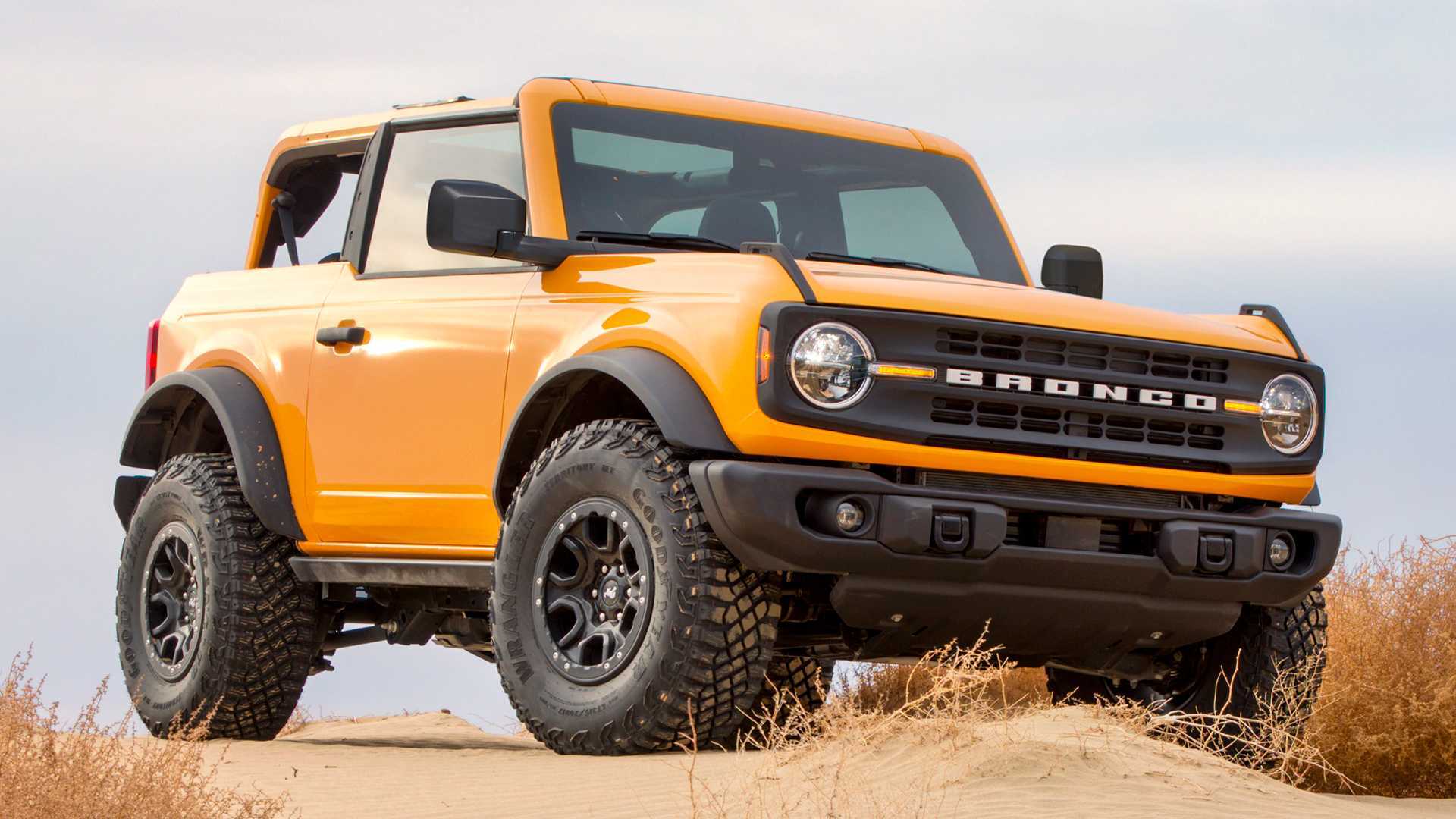
3. Ford Bronco: High-Speed Desert Power Meets Smart Off-Road Technology
The Ford Bronco has returned as a serious off-road contender, blending classic toughness with modern engineering to create one of the most capable desert vehicles on the market. Built on a rugged body-on-frame platform and inspired by Ford’s off-road racing heritage, the Bronco is engineered to handle loose sand, intense heat, and high-speed desert terrain with confidence.
At the core of the Bronco’s capability is its high-strength steel frame and advanced suspension design. While it uses a ladder-frame chassis similar to a pickup truck, the Bronco features independent double-wishbone front suspension, which improves steering accuracy and stability both on and off the road.
Performance-focused versions, especially the Bronco Raptor, take this further with Ford’s HOSS 4.0 race-tuned suspension, allowing the vehicle to absorb bumps, ruts, and jumps at speed while remaining composed.
The Bronco offers turbocharged EcoBoost engines, including a 2.3-liter four-cylinder producing 300 horsepower and a 2.7-liter twin-turbo V6 delivering 330 horsepower and 415 lb-ft of torque. These engines provide the strong low- and mid-range pull needed for sand dunes and steep climbs. The Raptor’s 3.0-liter EcoBoost pushes output beyond 400 horsepower, giving it true Baja-style performance.
A major highlight is Ford’s GOAT (Goes Over Any Type of Terrain) system, which allows drivers to choose specific modes for sand, rocks, mud, or high-speed desert driving. Baja Mode sharpens throttle response, adjusts the suspension, and manages turbo boost for aggressive runs across the open desert.
The Bronco features front and rear locking differentials, a disconnecting front stabilizer bar for increased wheel articulation, and a one-pedal driving mode that makes slow, technical driving easier by applying the brakes when the throttle is released. Large all-terrain tires, including optional 35- or 37-inch setups, help it float over soft sand while maintaining grip.
Removable doors and roof panels allow for open-air driving, while a wide range of factory and aftermarket accessories lets owners tailor the Bronco for overlanding or dune running.
Combining race-inspired hardware, powerful turbo engines, and intelligent terrain management, the Ford Bronco stands out as a modern desert machine built for speed, control, and adventure in extreme environments.
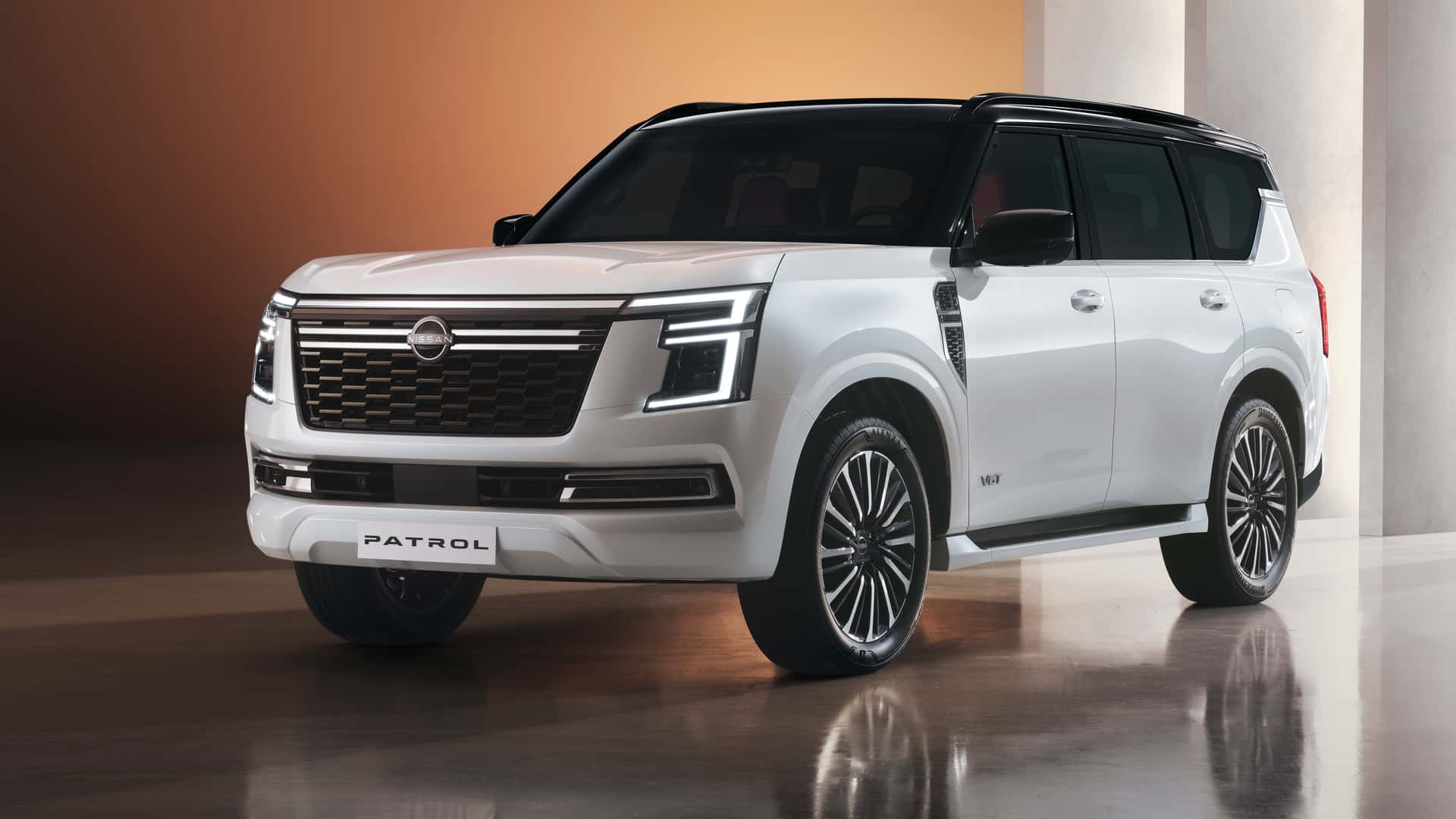
4. Nissan Patrol: A Desert-Focused SUV Built for Power and Endurance
The Nissan Patrol has earned its reputation as a true desert warrior by combining brute strength, advanced Four Wheel Drive systems, and a long history of surviving extreme heat and sand.
Unlike many modern SUVs designed to balance comfort and efficiency, the Patrol is engineered primarily for harsh environments such as the Middle East, where deep dunes, high temperatures, and long distances demand toughness and mechanical reliability.
At the core of the Patrol is a rugged ladder frame chassis, a construction style favored for serious off-road vehicles because it can handle heavy impacts and twisting forces without compromising durability.
This frame supports fully independent suspension with available air springs that allow the ride height to be raised for extra ground clearance or lowered for highway comfort. High ground clearance and strong underbody protection make it well-suited for rocky trails as well as rolling sand dunes.
Power is one of the Patrol’s defining strengths. The latest generation offers a 3.5-liter twin turbo V6 producing 419 horsepower and 516 lb ft of torque, enough to move its large body with confidence even in loose sand.
This strong low and mid-range torque is essential for dune climbing and maintaining momentum. Nissan avoids hybrid systems here in favor of simpler, more robust mechanicals that are easier to maintain in hot and dusty conditions. A large 100-liter fuel tank further supports long-distance desert travel.
The Patrol’s Intelligent 4×4 system adds another layer of capability. It includes selectable modes such as Sand Mode, low range gearing, and a locking rear differential, all designed to keep traction when the surface becomes soft or uneven.
These systems work together to deliver power smoothly to the wheels that can use it most. Some versions also include a built-in air compressor, allowing drivers to lower tire pressure for sand driving and inflate them again afterward.
Inside, the Patrol balances its rugged nature with comfort. It offers seating for up to seven, large digital screens, and advanced climate control, including biometric cooling that adjusts airflow based on body temperature.
With a heritage that includes historic desert crossings and decades of service in extreme climates, the Nissan Patrol remains one of the most trusted and capable SUVs for serious desert use.
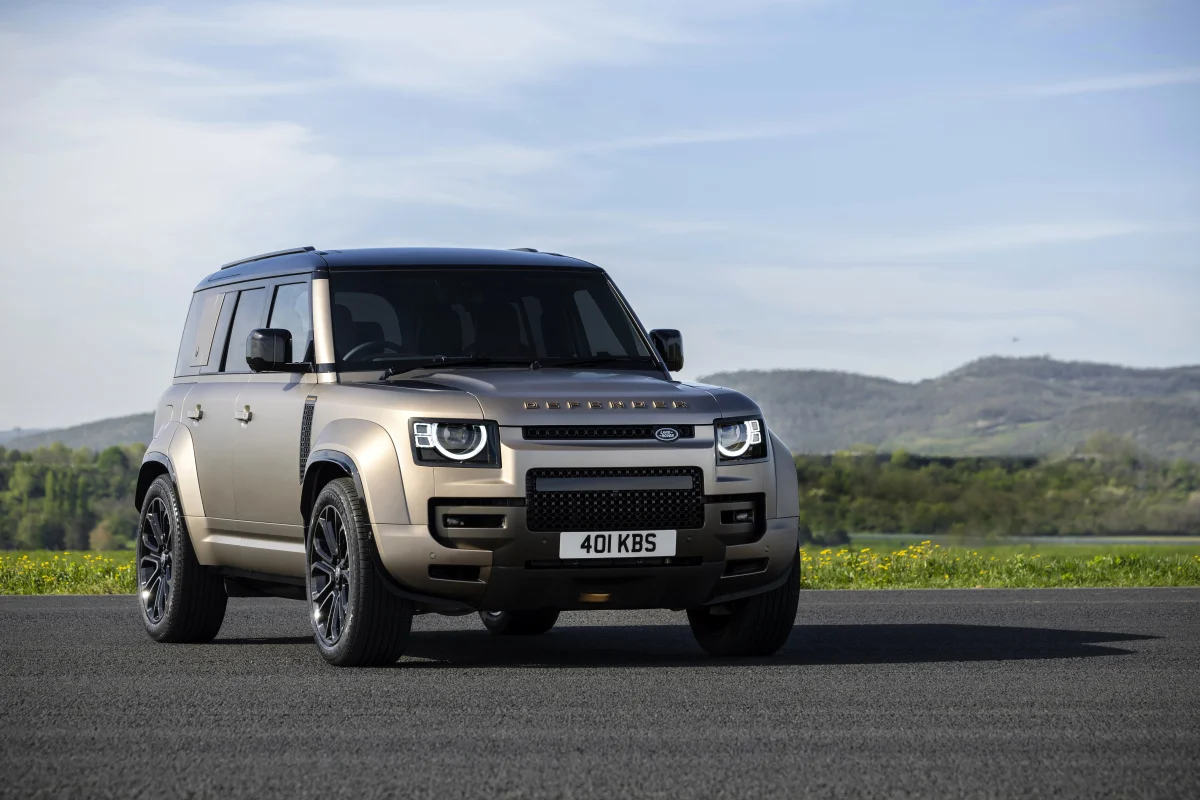
5. Land Rover Defender: Luxury and Technology Built for Extreme Desert Conditions
The Land Rover Defender is a modern off-road icon that blends advanced engineering with the toughness required for harsh desert environments. Built and tested in extreme heat, including temperatures above 50 degrees Celsius, the Defender is designed to handle soft sand, rocky trails, and long distances while keeping occupants comfortable and confident behind the wheel.
A key advantage of the Defender is its lightweight yet incredibly strong aluminum monocoque body. This construction provides high rigidity while keeping weight lower than many traditional body-on-frame rivals. In desert driving, this matters because a lighter vehicle is less likely to sink into soft sand. The aluminum structure also resists corrosion, which is valuable in dusty, abrasive, and high-heat conditions.
The Defender’s Terrain Response system is central to its desert capability. With selectable modes such as Sand Mode, the vehicle can adjust throttle response, transmission behavior, traction control, and Four Wheel Drive distribution to suit loose surfaces.
All Terrain Progress Control acts like a low-speed cruise control for off-road use, allowing the driver to focus on steering while the vehicle manages speed and traction. Locking the center and rear differentials further enhances grip by sending power to the wheels that can use it most.
Engine options range from a turbocharged four-cylinder to powerful six and eight-cylinder units, including high-performance V8 models. These engines provide the strong torque and sustained power needed for dune climbing and high-speed sand driving. Low-range gearing ensures controlled movement when tackling steep slopes or tricky sections.
Another major strength is the available air suspension. It allows the Defender to raise itself for increased ground clearance, up to about 11.5 inches, which helps when cresting dunes or crossing rough terrain. The suspension also smooths out uneven surfaces, making long desert journeys far more comfortable and stable.
Inside, the Defender mixes rugged design with modern technology. A large touchscreen, advanced climate control, and supportive seating help reduce fatigue during extended trips in hot conditions. Practical storage and flexible seating layouts also make it suitable for carrying gear and passengers into remote areas.
By combining heritage-inspired toughness with modern electronics and comfort, the Land Rover Defender stands out as a highly capable and refined choice for serious desert driving.
From quiet hybrid sedans to rugged desert legends, the vehicles in this list reflect the full range of driving that Chandler residents experience every day. Commuter favorites like the Prius, Civic, Model 3, Camry Hybrid, and Elantra make long drives across the Valley easier, cheaper, and more comfortable, even in extreme summer temperatures.
They are designed to handle traffic, save fuel, and deliver modern safety and technology for daily use.
At the same time, the Land Cruiser, Wrangler, Bronco, Patrol, and Defender prove that Arizona’s deserts demand serious engineering. These vehicles are built for deep sand, high heat, and remote trails where durability, traction, and cooling systems matter most.
Whether your priority is getting to work efficiently or exploring beyond city limits, this lineup shows there is a vehicle that fits your lifestyle in Chandler and the greater Arizona desert.