Choosing the right car is especially important for college students and commuters who need something affordable, efficient, and dependable. That is exactly what this guide, “5 Cars for Claremont College Commuters and 5 Practical Small Cars,” is designed to help with.
Life in and around the Claremont Colleges involves a mix of short campus drives, freeway trips to Los Angeles, grocery runs, and weekend travel, all of which require a vehicle that balances comfort, fuel savings, and reliability.
At the same time, many drivers are working with tight budgets and limited parking, so smart size and low ownership costs matter just as much as style or performance. By looking at two focused groups, one aimed at college commuters and another at everyday small car shoppers, this list highlights vehicles that make daily driving easier, cheaper, and less stressful while still fitting a modern, active lifestyle.
5 Cars for Claremont College Commuters
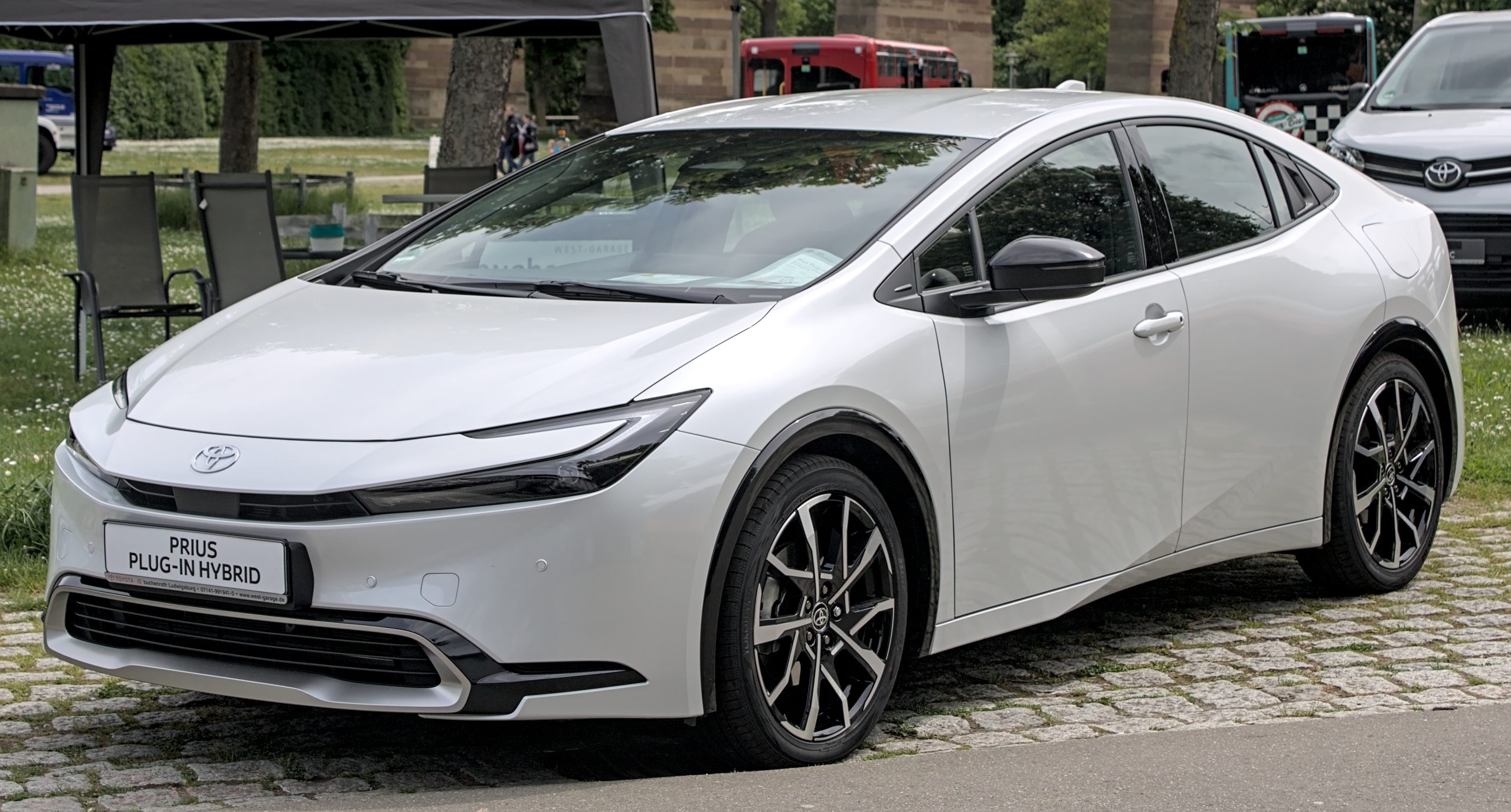
1. Toyota Prius Plug-In Hybrid (PHEV): Perfect for Claremont Commuters
The 2026 Toyota Prius Plug-In Hybrid (PHEV), also known as the Prius Prime, is an ideal choice for students and staff commuting around the Claremont Colleges. With an all-electric range of approximately 44 miles, most daily campus trips can be completed without using any gasoline.
For longer journeys, the Prius maintains a strong fuel efficiency of up to 52 MPG, reducing both fuel costs and environmental impact. Its hybrid design allows drivers to enjoy electric-only commuting while keeping the flexibility of a gasoline engine for extended trips, effectively eliminating range anxiety.
One of the key advantages for Claremont commuters is the abundant local charging infrastructure. The city features numerous public Level 2 charging stations, many conveniently located on college campuses like Pomona and Harvey Mudd, as well as in public parking areas. Some locations, such as Claremont Toyota, even provide free charging.
This widespread network ensures that the Prius Prime can be charged easily during classes or work, making daily electric driving practical and stress-free. By relying primarily on electricity, drivers can save hundreds or even thousands of dollars annually on fuel, with the EPA estimating over $5,000 in savings over five years compared to the average new vehicle.
The Prius Plug-In Hybrid also excels in comfort, technology, and performance. The car offers a quiet, smooth ride, spacious front seating, and generous cargo space of up to 23.8 cubic feet. Infotainment features include an 8-inch standard touchscreen, an optional 12.3-inch display, wireless Apple CarPlay, Android Auto, and Wi-Fi connectivity.
On the performance side, the Prius comes with a 194-hp front-wheel-drive system or a 196-hp all-wheel-drive configuration, both powered by a 2.0-liter four-cylinder engine combined with electric motors and a continuously variable transmission (CVT). The FWD model accelerates from 0–60 mph in 7.1 seconds, providing sufficient power for city and highway driving.
Safety and reliability are also strong points for the Prius Prime. Standard driver-assistance features include adaptive cruise control, lane-keeping assist, and blind-spot monitoring, while Toyota offers competitive warranties: a three-year/36,000-mile limited warranty, five-year/60,000-mile powertrain coverage, and a 10-year/150,000-mile hybrid-component warranty.
With its combination of efficiency, on-campus charging convenience, advanced technology, and eco-friendly performance, the Toyota Prius Plug-In Hybrid is a practical and cost-effective solution for Claremont commuters seeking a greener, smarter way to get around.
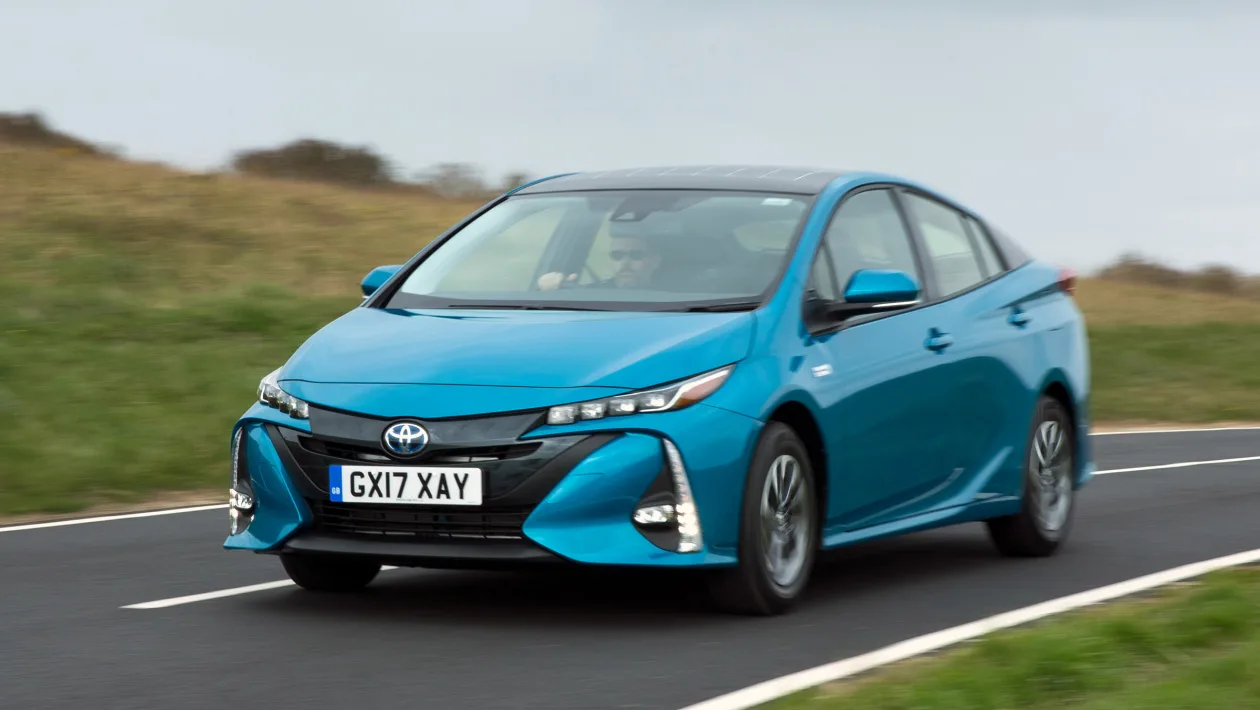
2. 2026 Honda Civic Hybrid Sport: Efficient and Reliable for Commuters
The 2026 Honda Civic Hybrid Sport is a well-rounded compact sedan that is ideal for Claremont College students and staff. It delivers excellent fuel efficiency with up to 50 MPG in the city and around 49 MPG combined, reducing fuel expenses for daily commuting.
Its hybrid powertrain offers responsive acceleration, reaching 0–60 mph in just 6.6 seconds, making it quicker than most small hybrids and even some sporty models. The Civic Sport combines efficiency, comfort, and a compact size that is easy to park in tight spaces around campus.
The Civic Hybrid Sport offers a quiet and comfortable ride, with a suspension tuned for both smooth and slightly rough roads. Its handling is sharp and precise, providing an enjoyable driving experience while remaining fuel-efficient. Standard technology features include Apple CarPlay, Android Auto, adaptive cruise control, and lane-keeping assist, helping drivers stay connected and safe.
The interior is practical, with intuitive controls and spacious front seating, while rear passengers have ample legroom. Taller passengers may need to adjust for slightly lower headroom due to the sloping roofline, and road and wind noise are kept to a minimum.
Cargo space is generous for a hybrid of this size. The sedan model offers 14.8 cubic feet of trunk space, and the hatchback provides 24.5 cubic feet with rear seats folded flat. This is more than many competitors, including the Toyota Prius.
The cabin layout is user-friendly, with easy-to-read climate controls and straightforward infotainment menus. Higher trims include a 9-inch touchscreen with wireless connectivity and Google Built-In features. The combination of efficiency, comfort, and simple technology makes daily commuting and errands convenient for students and staff.
Safety and reliability make the Civic Hybrid Sport a strong long-term choice. Standard safety features include a backup camera, blind-spot monitoring, lane departure warning, and a pre-collision system. Crash-test ratings from NHTSA and IIHS are strong, with high scores for frontal, side, and rollover protection.
Honda provides a three-year/36,000-mile basic warranty, a five-year/60,000-mile powertrain warranty, and an eight-year/100,000-mile hybrid component warranty. With its fuel efficiency, practical interior, sporty handling, and dependable performance, the 2026 Honda Civic Hybrid Sport is a smart and reliable option for college commuters.
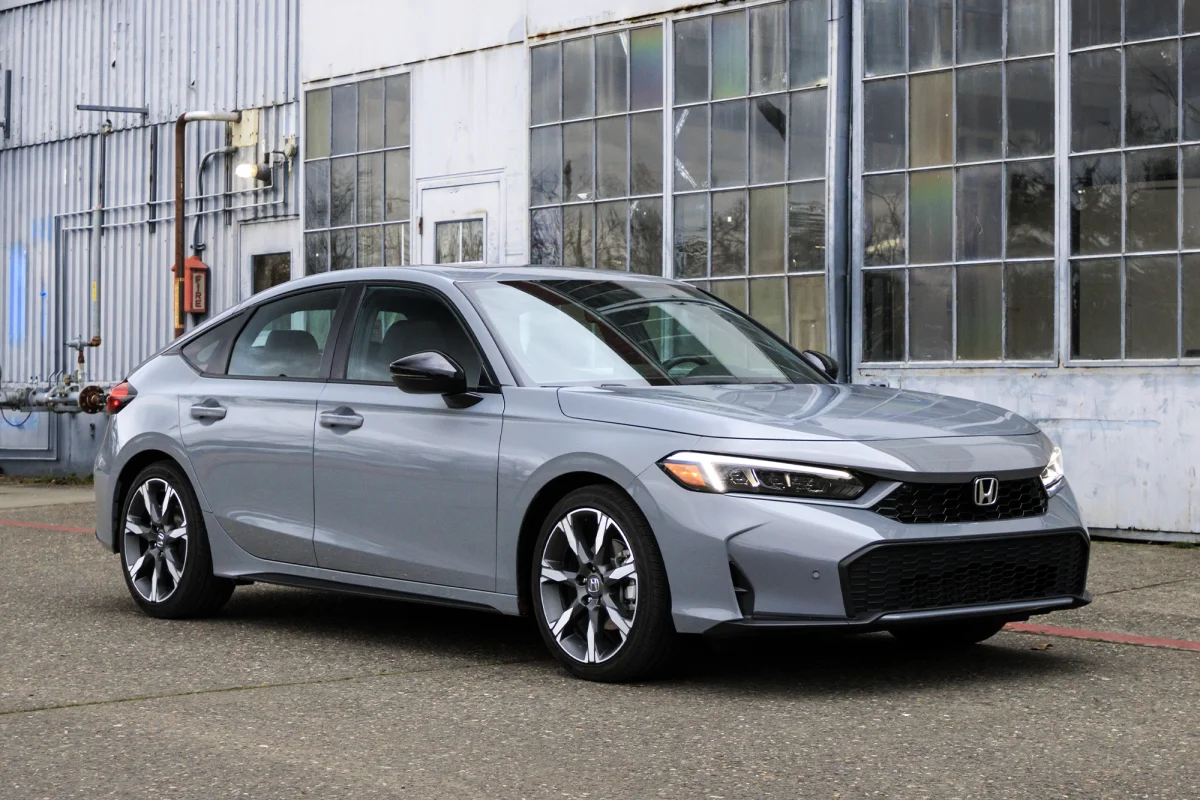
3. 2026 Toyota Camry Hybrid XLE: Comfortable, Efficient, and Safe for Commuters
The 2026 Toyota Camry Hybrid XLE is a reliable and practical choice for Claremont College commuters. Now standard with a hybrid powertrain, it delivers up to 46 MPG while providing a quiet and comfortable ride, ideal for longer drives across Southern California.
The hybrid system combines a 2.5-liter four-cylinder engine with dual electric motors to produce 225 horsepower, or 232 horsepower in all-wheel-drive versions, allowing the Camry to accelerate from 0–60 mph in 6.9 seconds. This performance, paired with smooth handling and precise steering, makes daily driving both efficient and enjoyable.
Fuel efficiency and cost savings are key advantages of the Camry Hybrid. High MPG reduces the number of trips to the gas station, while low operating costs help students and parents manage budgets.
The hybrid system’s energy efficiency also contributes to reduced emissions, making it a more environmentally friendly option for daily commuting. The XLE trim balances performance with comfort, making it a practical choice for long trips, carpooling, and campus errands.
Comfort and technology are standout features of the XLE trim. The cabin is spacious, with leather seats, a power-adjustable driver’s seat with lumbar support, and dual-zone climate control for a relaxing commute. The quiet cabin allows passengers to work, study, or enjoy music uninterrupted.
The Camry XLE includes premium tech such as an available 12.3-inch touchscreen, wireless Apple CarPlay and Android Auto, wireless charging, multiple USB ports, and an optional JBL audio system. Standard Toyota Safety Sense features enhance security with adaptive cruise control, lane tracing, pre-collision detection, blind-spot monitoring, and rear cross-traffic alert.
The Camry Hybrid XLE combines practicality, luxury, and modern technology for a stress-free commuting experience. Its smooth ride, ample interior space, and thoughtful driver aids make it suitable for students, parents, and anyone seeking a dependable hybrid sedan.
With its strong fuel economy, quiet and comfortable interior, advanced safety features, and refined performance, the 2026 Camry Hybrid XLE is a versatile and reliable option for both city and highway driving, providing comfort, efficiency, and peace of mind for daily commuting needs.
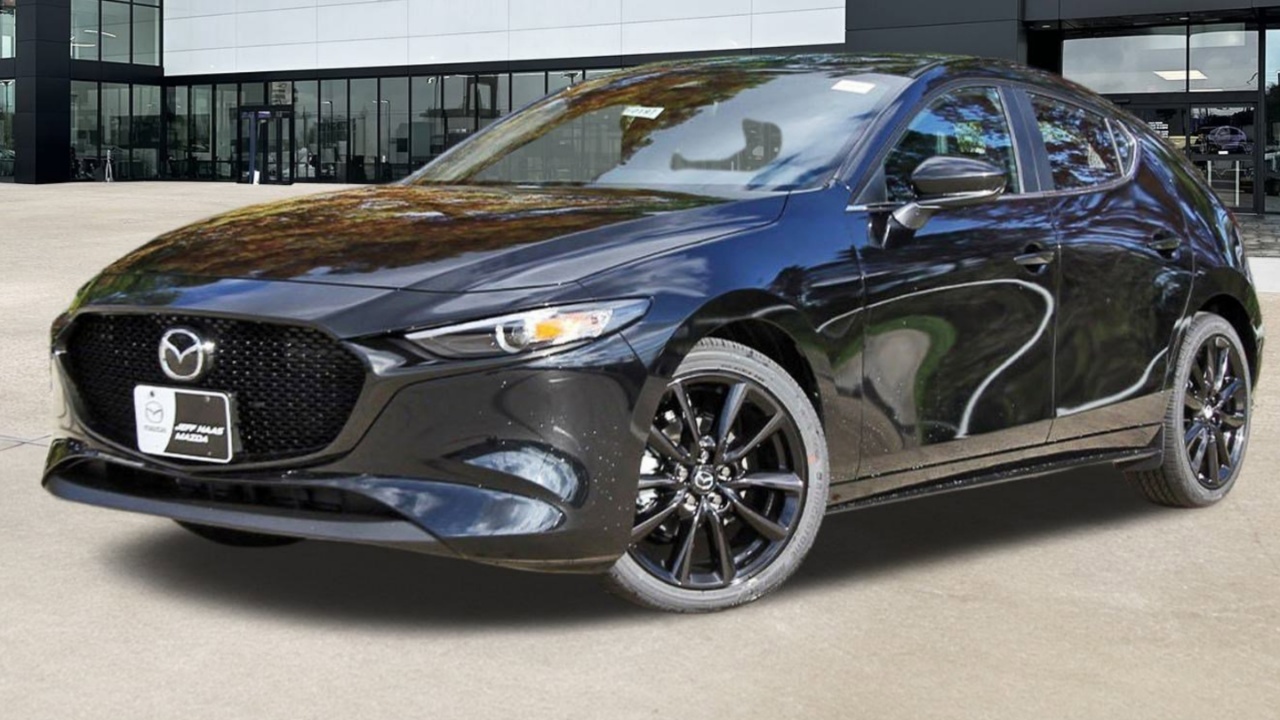
4. Mazda3 Hatchback (2.5 S Select Sport): Stylish, Smart, and Campus-Ready
The Mazda3 Hatchback 2.5 S Select Sport is a strong option for Claremont College commuters who want a car that blends practicality with a premium feel. Its compact hatchback design makes it easy to fit into crowded campus parking areas and narrow residential streets, while its sleek exterior gives it a modern, youthful look.
Powered by a 191-horsepower 2.5-liter engine, the Mazda3 delivers smooth and responsive performance that makes daily driving more enjoyable than in many other compact cars.
Fuel efficiency is another important benefit for students and staff who need to keep costs low. The Mazda3 Hatchback can achieve up to about 37 mpg on the highway, helping reduce the number of trips to the gas station. While it is not a hybrid, it still provides solid efficiency for a gasoline-powered vehicle.
The hatchback layout also adds flexibility, offering space for backpacks, groceries, sports equipment, or luggage for trips home. Folding rear seats make it easier to carry larger items when needed.
Inside, the Mazda3 Select Sport trim stands out for its upscale design and thoughtful features. High-quality materials, supportive seats, and a clean dashboard layout give the cabin a near-luxury atmosphere. Standard equipment includes an 8.8-inch infotainment display with Apple CarPlay and Android Auto, dual-zone climate control, leatherette upholstery, and keyless entry.
Safety is also a priority, with Mazda’s i-Activsense system providing blind-spot monitoring, rear cross-traffic alert, lane-keeping assist, and pre-collision braking to help drivers feel more confident on busy roads.
The Mazda3 Hatchback also shines in how it drives. Its steering is precise, and the suspension is tuned to balance comfort with sharp handling, making both city streets and highways feel composed. G-Vectoring Control improves stability and smoothness during turns and changes in speed.
Although rear seat legroom and cargo capacity are smaller than in some competitors, the Mazda3 makes up for it with strong build quality, engaging driving dynamics, and stylish design. For Claremont students seeking a compact car with premium touches, good efficiency, and a fun driving feel, the Mazda3 Hatchback 2.5 S Select Sport is a smart and appealing choice.
5. 2026 Subaru Outback Limited: Spacious, Safe, and Ready for Every Trip
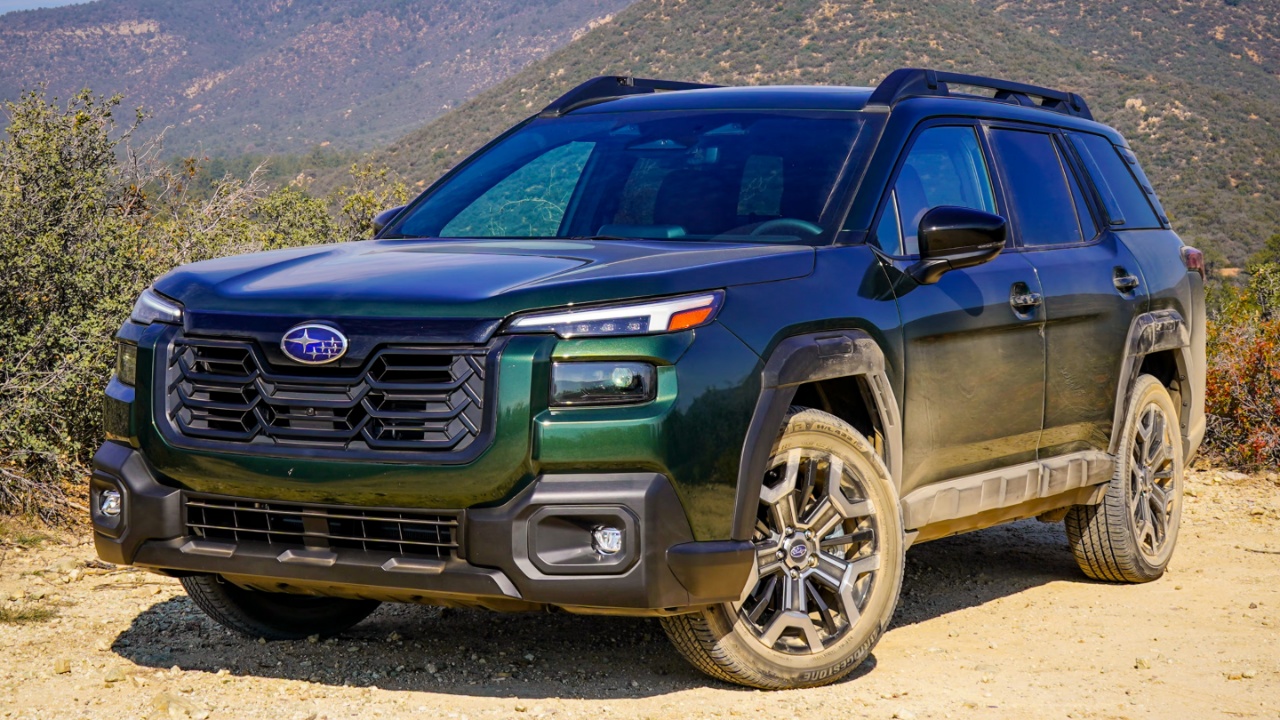
The fully redesigned 2026 Subaru Outback Limited is an excellent choice for Claremont College commuters who need more room, more security, and more confidence for varied driving conditions. With standard Symmetrical All Wheel Drive, the Outback provides steady traction on rainy freeways, foggy hills, and snowy mountain roads for trips home or weekend adventures.
Power comes from a 180-horsepower 2.5-liter four-cylinder engine paired with a continuously variable transmission, with an optional turbocharged 260-horsepower engine available for those who want stronger acceleration. This combination allows the Outback to balance everyday efficiency with the capability to handle longer and more demanding drives.
Safety is one of Outback Limited’s strongest qualities. Every model comes equipped with Subaru EyeSight driver assistance technology, which includes adaptive cruise control, lane keeping assistance, and pre-collision braking to help prevent accidents and reduce fatigue in traffic.
Blind spot monitoring and rear cross traffic alert are also included on the Limited trim, which is helpful when changing lanes or backing out of crowded campus parking areas. The Outback even offers driver-supported hands-free highway driving at higher speeds, adding another layer of convenience and protection.
Inside, the Outback Limited offers a comfortable and modern interior designed for long drives and busy schedules. Leather upholstery, heated front and rear seats, and dual zone climate control create a relaxed and upscale environment.
The redesigned cabin features a large 12.1-inch touchscreen with wireless Apple CarPlay and Android Auto, along with a faster processor for smoother performance. Subaru has also raised the roofline by two inches, giving rear passengers more headroom, and expanded cargo space so it is easier to carry textbooks, sports equipment, or luggage for breaks and weekend trips.
The Outback Limited is built for a college lifestyle that blends daily commuting with travel and outdoor activities. With its generous cargo area, hands-free power liftgate, and strong towing capability of up to 2700 pounds, it handles everything from grocery runs to moving days with ease.
Fuel economy of up to 31 miles per gallon on the highway keeps running costs reasonable for a vehicle of this size. With a reputation for durability and solid resale value, the 2026 Subaru Outback Limited offers a dependable and comfortable way to manage both campus life and adventures beyond it.
Also Read: 5 Cars for Chula Vista Suburban Runs and 5 Low-Service-Cost Picks
5 Practical Small Cars
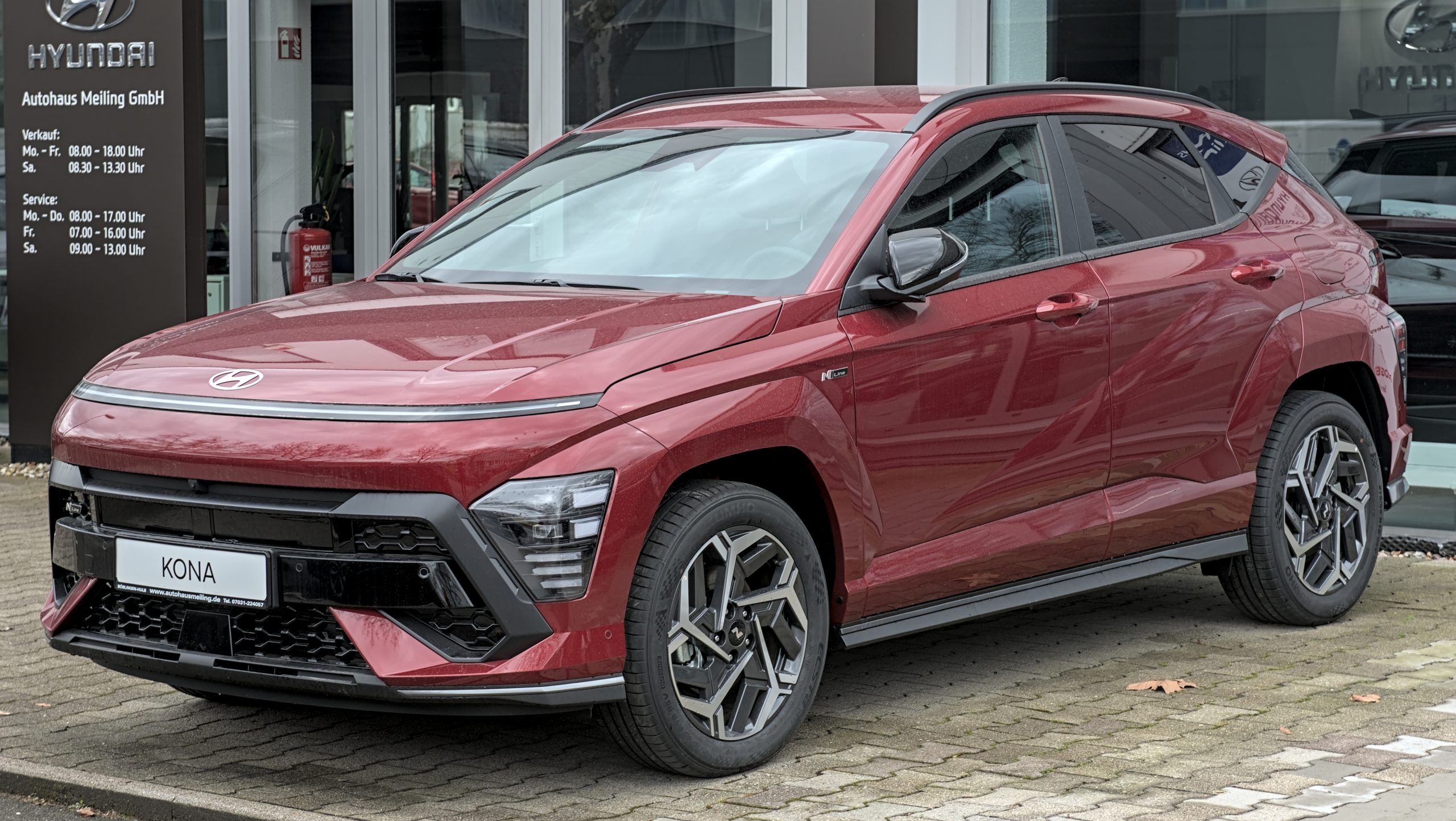
1. Hyundai Kona: Compact, Capable, and Perfect for Campus Life
The Hyundai Kona is a smart choice for students and commuters who want the benefits of an SUV without the size and cost of a larger vehicle. As a subcompact SUV, it offers a higher seating position that improves visibility in busy campus traffic while still being short enough to fit easily into tight curbside parking spots.
Even with its compact footprint, the Kona provides more interior room than most small cars, making it comfortable for daily commuting, carpools, or weekend trips. Its versatile design allows it to serve as both a city-friendly vehicle and a practical option for active lifestyles.
Space and flexibility are key strengths of the Kona. Inside, there is generous legroom and headroom for both front and rear passengers, so adults can ride comfortably. The cargo area is deep and usable, with a flat load floor that makes packing simple, and the 60/40 split rear seats fold down to create even more room for larger items.
From backpacks and groceries to sports equipment and luggage, the Kona handles everyday needs with ease. The cabin also includes many storage compartments, such as door bins, a center console, and phone trays, helping keep personal items organized and within reach.
Technology and comfort add to the Kona’s appeal. A standard 12.3-inch touchscreen with wireless Apple CarPlay and Android Auto keeps drivers connected, while physical buttons make common functions easy to access. The ride is smooth and relaxed thanks to a suspension that absorbs bumps well, and the seats are designed for comfort on both short trips and longer drives.
Fuel economy is solid, with ratings as high as 29 mpg in the city and 35 mpg on the highway for Front Wheel Drive models. Available All Wheel Drive provides extra traction for drivers who want more confidence in changing road conditions.
Safety and long-term value further strengthen the Kona’s case. Hyundai SmartSense driver assistance features come standard and include forward collision avoidance, blind spot monitoring, lane keeping assist, and adaptive cruise control.
Hyundai also backs the Kona with one of the best warranties in the industry, including a 10-year or 100,000-mile powertrain warranty and three years of complimentary maintenance. With its smart use of space, modern technology, strong safety features, and affordable ownership costs, the Hyundai Kona is a practical and well-rounded option for campus life and beyond.
2. Chevrolet Trax (LS and 1RS): Affordable, Spacious, and Built for Daily Driving
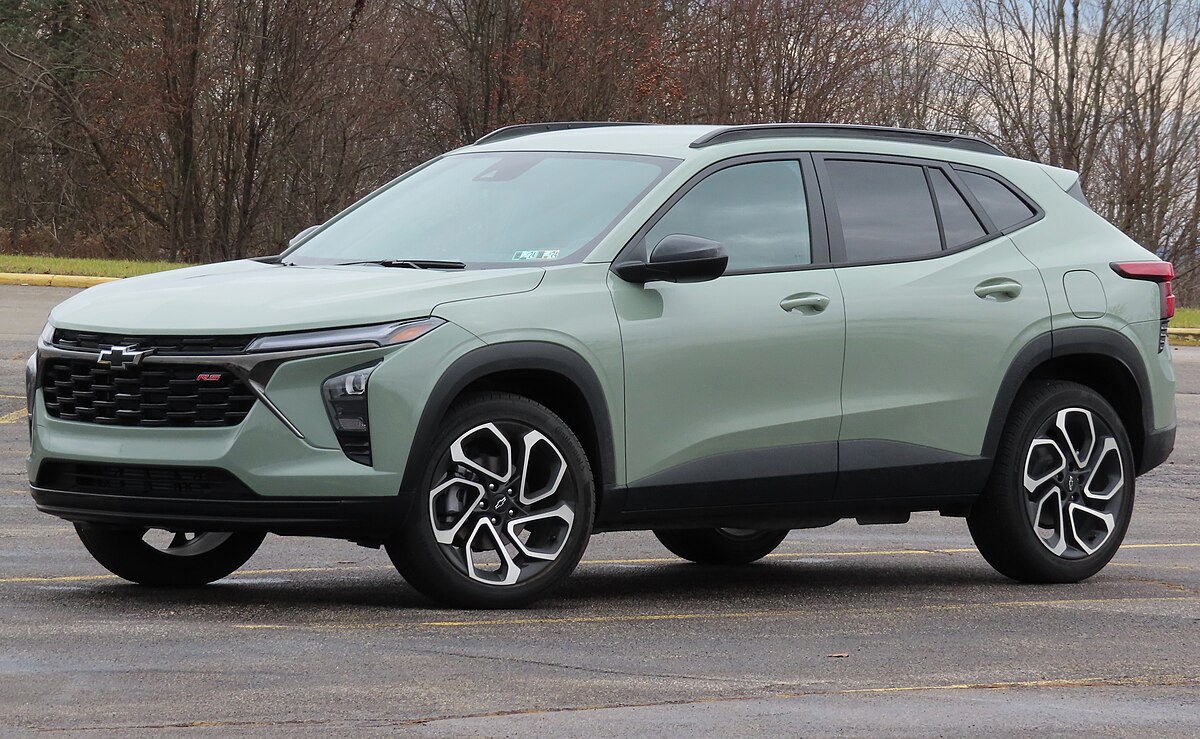
The 2026 Chevrolet Trax in LS or 1RS trim stands out as one of the best budget-friendly vehicles in the subcompact SUV class. With one of the lowest starting prices in its segment, it offers strong value for students, first-time buyers, or anyone seeking affordable transportation without sacrificing space or safety.
Even though it is compact on the outside, the Trax is larger than many rivals and provides a stable, comfortable ride that works well for city driving, commuting, and weekend errands.
One of the Trax’s biggest strengths is its interior space and versatility. It offers generous rear seat legroom and a roomy cabin for passengers, making it comfortable for carpools or longer trips. Cargo space is impressive for a vehicle of this size, with 25.6 cubic feet behind the rear seats and up to 54.1 cubic feet when the seats are folded down.
This makes it easy to haul groceries, backpacks, sports gear, or even small pieces of furniture. The low load floor and wide opening also make loading and unloading simple and convenient.
The Trax is powered by a 137-horsepower turbocharged 1.2-liter three-cylinder engine paired with a smooth six-speed automatic transmission. While it is not designed for high performance, it provides enough power for daily driving and light highway use.
Fuel economy is another advantage, with EPA estimates of 28 miles per gallon in the city and 31 on the highway, helping keep running costs low. The LS trim focuses on comfort, while the 1RS adds a sport-tuned suspension for a slightly firmer and more engaging ride. Both trims are easy to drive and park thanks to light steering and a compact footprint.
Technology and safety features further enhance the Trax’s appeal. Standard equipment includes an 8-inch touchscreen with wireless Apple CarPlay and Android Auto, a Wi Fi hotspot, and the Chevy Safety Assist suite. This safety package includes automatic emergency braking, forward collision alert, lane keeping assist, and automatic high beams.
Chevrolet also provides a three-year or 36,000-mile basic warranty and a five-year or 60,000-mile powertrain warranty, along with one complimentary maintenance visit. For buyers who want practical transportation at a low price, the Chevrolet Trax LS and 1RS deliver excellent everyday value.
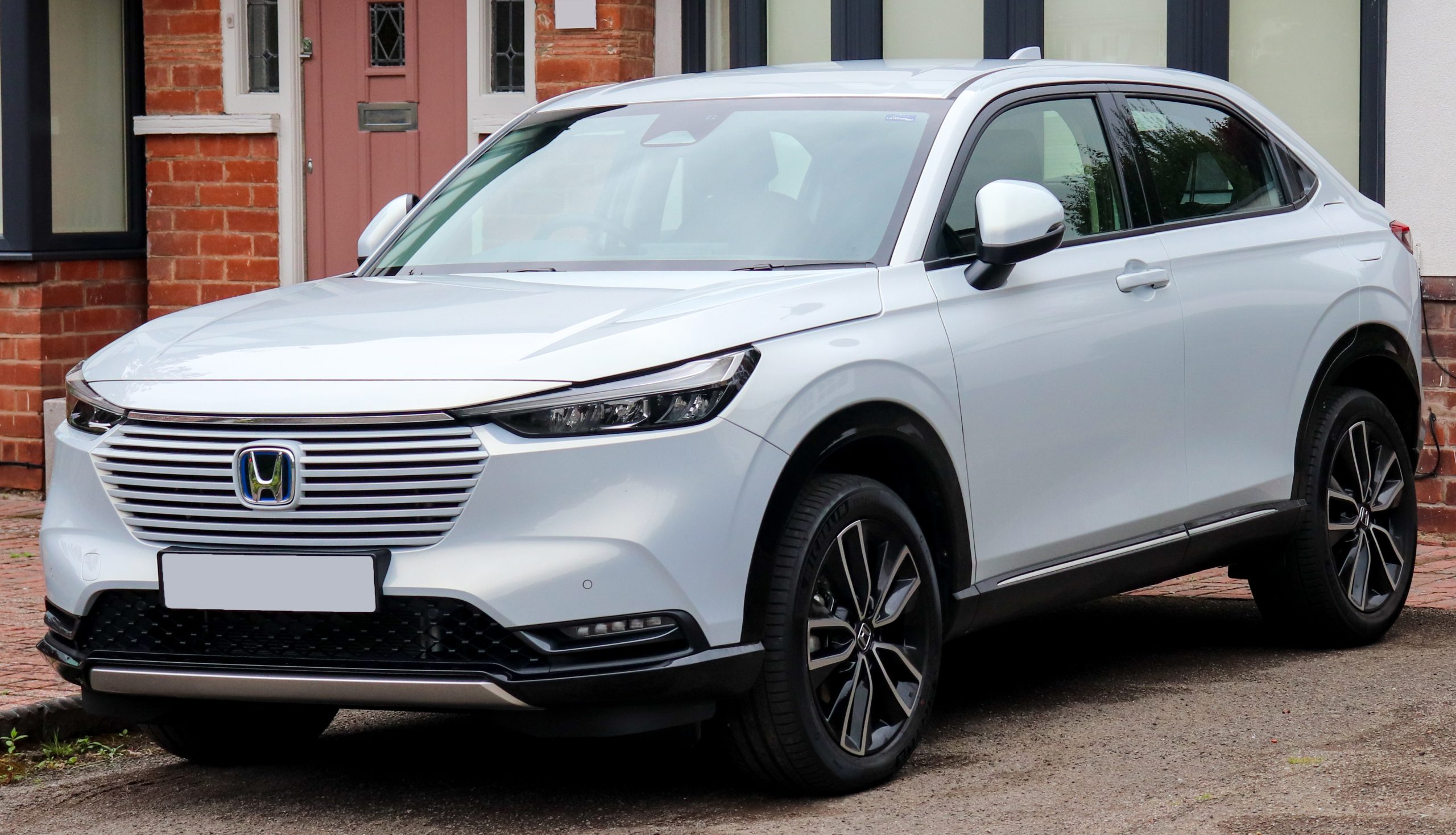
3. Honda HR-V: Flexible, Efficient, and Designed for Everyday Life
The Honda HR-V is a small crossover that stands out for its reliability, efficiency, and clever use of space. It is especially appealing to students, families, and city drivers who want a vehicle that is easy to drive but still able to carry bulky items.
One of its most distinctive features is Honda’s Magic Seat system, which allows the rear seats to fold flat or flip upward like movie theater seats. This creates a tall, open cargo area that can fit bikes, dorm furniture, plants, or other large items that would never fit in a typical sedan.
Despite its compact exterior, the HR-V offers a surprisingly spacious and versatile interior. Both front and rear passengers enjoy good legroom and headroom for a vehicle in this class, and the cabin includes smart storage cubbies that make daily use more convenient.
In testing, the HR-V’s cargo area held seven carry-on suitcases with the seats up and 22 with them folded down, showing just how flexible the space can be. The comfortable front seats and supportive driving position make longer trips easier, while large windows provide good outward visibility for city driving and parking.
The HR-V uses a 2.0-liter four-cylinder engine producing 158 horsepower, paired with a continuously variable transmission. It is not quick, taking about 9.4 seconds to reach 60 mph, but it is smooth and easy to drive for everyday use.
Fuel economy is solid, with front-wheel-drive models rated at 26 mpg in the city and 32 mpg on the highway. Even the all-wheel-drive version performed well in real-world testing, delivering 32 mpg on a highway route. All-wheel drive is optional for drivers who want extra traction in rain or light snow.
Technology and safety are also strong points. Every HR-V includes a 9-inch touchscreen with wireless Apple CarPlay and Android Auto, along with a wireless charging pad. Honda’s standard safety features include automatic emergency braking, lane-keeping assist, and adaptive cruise control, which help reduce stress and improve protection on busy roads.
Honda backs the HR-V with a three-year or 36,000-mile basic warranty, a five-year or 60,000-mile powertrain warranty, and one year of complimentary maintenance. With its blend of flexibility, efficiency, and thoughtful design, the Honda HR-V is a dependable and practical small crossover for everyday life.
4. Nissan Versa (S and SV): Maximum Value for a Tight Budget
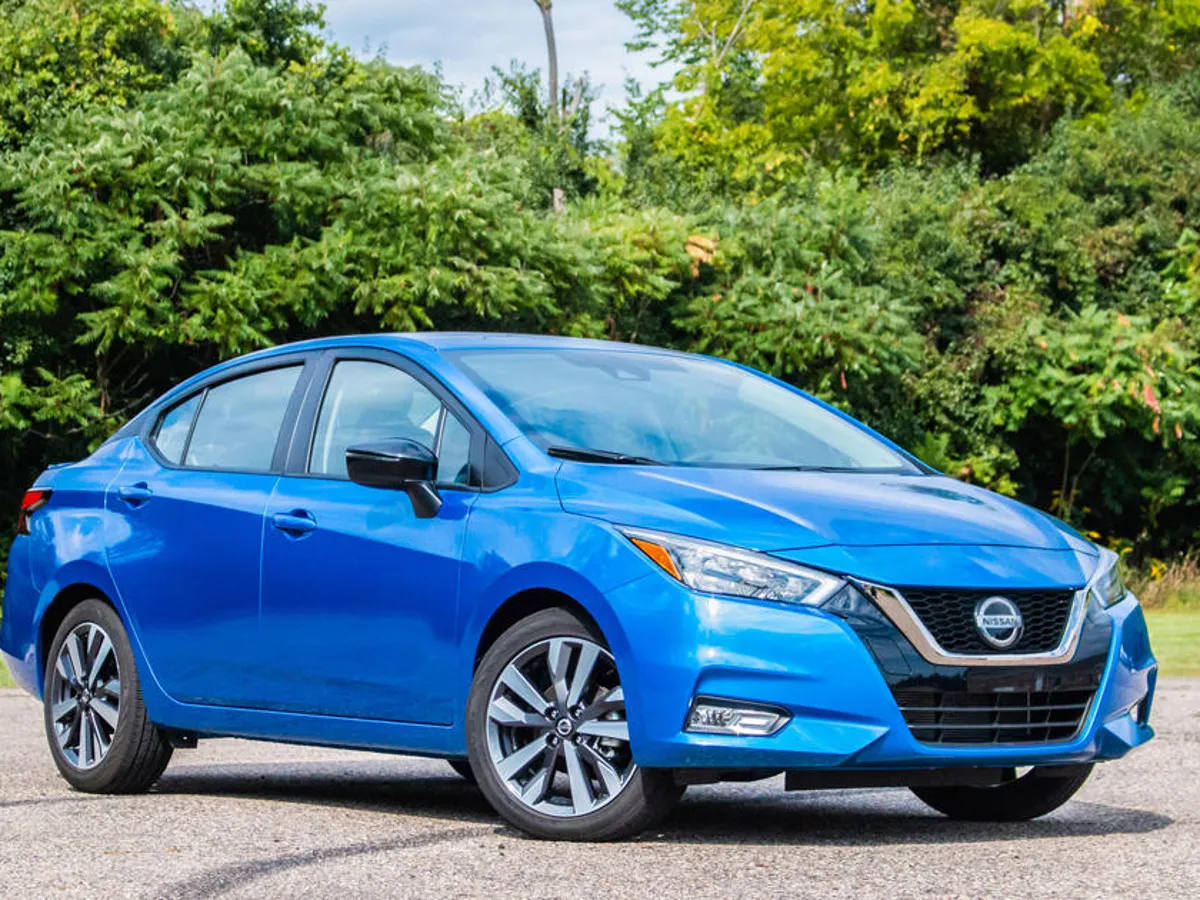
The Nissan Versa in S or SV trim is one of the most practical new cars available for buyers who need dependable transportation at the lowest possible price.
As the most affordable new car on the market for 2026, it is especially appealing to students, first-time drivers, and anyone trying to keep monthly expenses to a minimum. Despite its low cost, the Versa offers strong fuel economy, modern safety technology, and a surprisingly roomy interior, making it far more useful than its bargain pricing might suggest.
One of the Versa’s biggest advantages is efficiency. When equipped with the Xtronic continuously variable transmission, it earns an EPA rating of up to 32 miles per gallon in the city and 40 on the highway, which helps keep fuel costs extremely low. Even in real-world highway testing, it achieved 40 mpg, showing that its efficiency is not just theoretical.
The Versa is powered by a 122-horsepower four-cylinder engine that is not fast, taking about 9.5 seconds to reach 60 mph, but it delivers smooth and predictable performance for commuting, school runs, and errands. The compact size also makes it easy to park and maneuver in crowded urban areas.
Inside, the Versa makes excellent use of its space. Front seat passengers get generous legroom, and the rear seat can comfortably fit two adults. The trunk provides about 15 cubic feet of cargo space, which is larger than many competing subcompact sedans, and the rear seats can fold down for even more flexibility.
Materials and design are better than expected for a low-cost car, with soft-touch surfaces and a clean, modern layout. The SV trim adds helpful upgrades such as a digital gauge display, a center console with armrest, and a wireless charging pad.
Safety and technology are also highlights. Every Versa includes Nissan Safety Shield 360, which brings features like automatic emergency braking with pedestrian detection, rear automatic braking, and lane departure warning. The SV trim adds blind spot warning and rear cross traffic alert for even more protection.
Both trims include a touchscreen infotainment system, and the SV comes standard with Apple CarPlay and Android Auto. With solid warranties and complimentary maintenance for two years, the Nissan Versa proves that even the cheapest new car can still deliver real everyday value.
5. Kia K4: A Roomy, Reliable, and Tech-Rich Compact for 2026
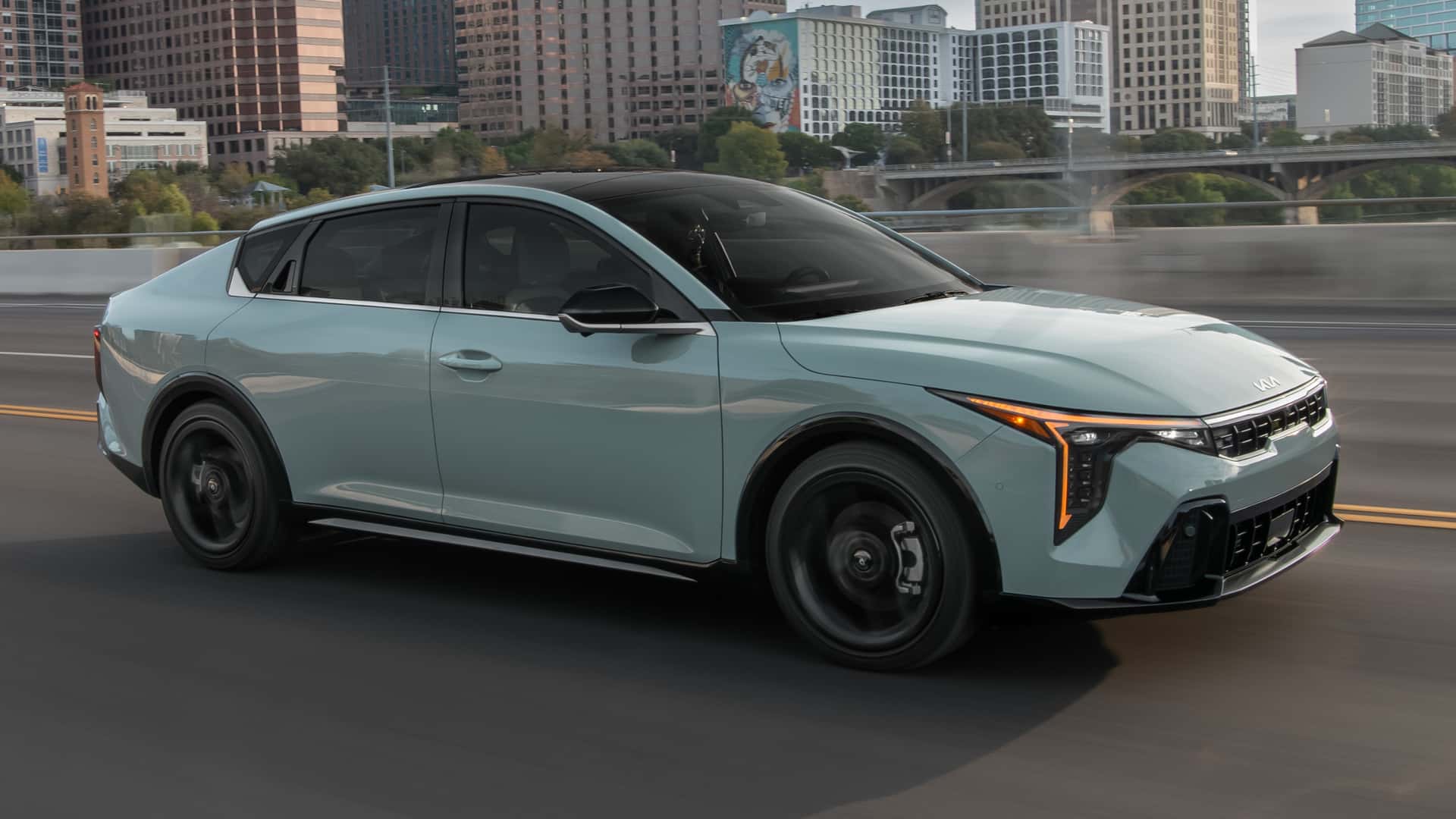
The Kia K4 replaces the long-running Forte for 2026 and enters the compact sedan market with a strong reputation for dependability, earning a class-leading reliability score of 89 out of 100.
Designed to be more stylish and more spacious than its predecessor, the K4 targets drivers who want a small car that feels bigger, more comfortable, and better equipped than most rivals. With its sleek design, generous rear-seat room, and modern technology, the K4 works well for commuters, young families, and anyone who often carries passengers.
One of the K4’s standout strengths is space. For a compact sedan, it offers remarkable rear legroom at about 38 inches, allowing adults to sit comfortably in the back, which is ideal for carpooling or road trips with friends. The trunk is also larger than expected, making grocery runs, luggage, and everyday hauling easy.
Buyers who choose the hatchback version get even more versatility, with up to 59 cubic feet of cargo space when the rear seats are folded. Inside, the cabin feels open and thoughtfully designed, with useful storage areas, multiple USB-C ports, and available comforts such as heated seats, even for rear passengers.
On the road, the Kia K4 is tuned for comfort and efficiency. The standard 2.0-liter four-cylinder engine produces 147 horsepower and is paired with a CVT, delivering smooth and quiet performance that suits daily commuting.
Fuel economy is a major advantage, with EPA ratings as high as 30 mpg in the city and 40 mpg on the highway. Drivers who want more power can choose the 190-horsepower turbocharged engine in the GT-Line Turbo trim, which brings quicker acceleration and a conventional eight-speed automatic transmission.
Technology and safety are another big draw. Every K4 comes with a large 12.3-inch infotainment screen, wireless Apple CarPlay and Android Auto, and a full suite of driver-assistance features like automatic emergency braking and lane-keeping assist.
Higher trims add advanced tools such as lane-centering cruise control and surround-view cameras. Backed by Kia’s industry-leading 10-year or 100,000-mile powertrain warranty, the K4 delivers a rare mix of reliability, space, and modern features in an affordable compact package.
Together, these ten vehicles show that drivers do not have to choose between practicality and quality. The models in “5 Cars for Claremont College Commuters and 5 Practical Small Cars” cover a wide range of needs, from ultra-efficient hybrids that save money at the pump to budget-friendly sedans and versatile crossovers that make everyday life easier.
Whether someone is driving across campus, commuting to work, or heading out for a weekend trip, each of these cars offers strong value through good fuel economy, useful technology, and proven reliability.
For students, parents, and anyone looking for a sensible new vehicle, this mix of options makes it easier to find something that fits both lifestyle and budget. In the end, a smart car choice means fewer worries about fuel, repairs, and space, and more freedom to focus on school, work, and everything else that matters most.
Also Read: Top 10 Cars Cheap Enough to Own and Fast Enough to Scare You