
Some cars shout about performance. Big wings, loud exhausts, aggressive bumpers, and racing stickers make their intentions obvious. But the most interesting performance cars are often the quiet ones.
The ones that look normal in traffic, blend into parking lots, and sit politely at signals, but secretly carry real motorsport engineering inside. These are the cars built with racing influence, track-tested parts, or rally-proven platforms, yet they wear everyday styling like a disguise.
Motorsport DNA can show up in many ways. Sometimes it is a high-revving engine designed to survive racing abuse. Sometimes it is a gearbox built for quick shifting and durability.
It can also be suspension tuning based on rally stages, chassis stiffening developed for endurance racing, or braking systems designed with track temperatures in mind.
In some cases, the road car exists only because the manufacturer needed it for homologation rules, meaning they had to build street versions of race machines. Those cars are the purest examples of “secret motorsport DNA.”
What makes these cars special is the contrast. You may see one in a calm family neighborhood and assume it is just another commuter. But under the skin it has a platform that once competed in rally, touring car championships, or endurance racing.
The driver knows what they are driving, but most people around them have no idea. That stealth quality makes these vehicles feel even more rewarding, because they deliver excitement without screaming for attention.
This list focuses on global cars that look normal enough for everyday life but were built with real motorsport influence.
Some are sedans, some are hatchbacks, and a few are wagons. All of them share one thing: they are quiet outside but serious inside. These are the cars that prove motorsport can hide in plain sight.
Also Read: Top 10 Kei Cars That Show Just How Clever Japan Can Be
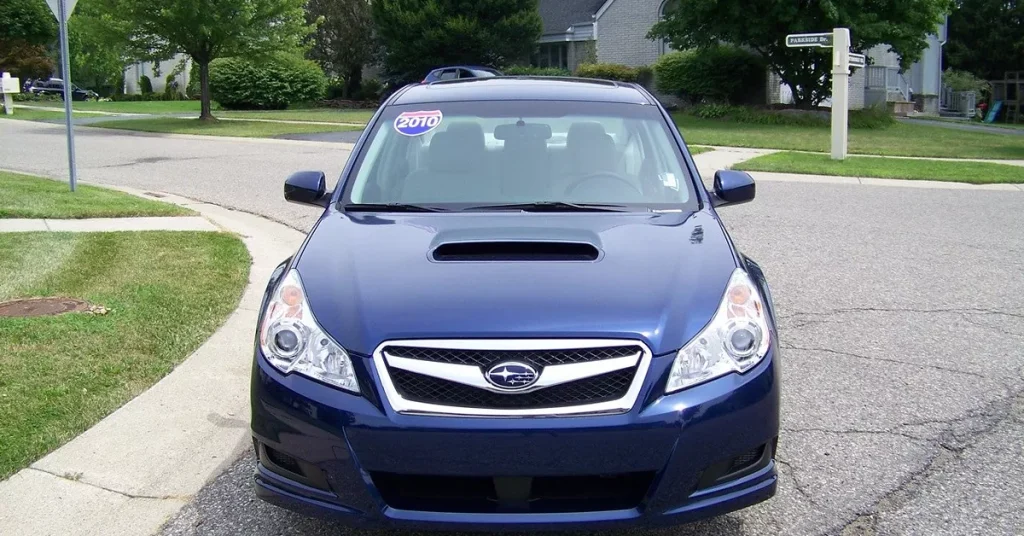
1) Subaru Legacy GT (4th Gen, 2003–2009)
The Subaru Legacy GT is one of the best examples of a normal-looking car with real motorsport DNA because it is basically rally engineering disguised as a family sedan.
Most people see it and assume it is a calm commuter Subaru. But the Legacy GT carries the same turbocharged spirit that made Subaru famous in rally. It is fast, grippy, and tuned for harsh conditions, even though the design stays clean and understated.
The motorsport connection starts with Subaru’s rally heritage. Subaru spent decades proving itself in World Rally Championship, and that influence shaped how they engineered turbocharged engines, all-wheel-drive systems, and chassis balance.
The Legacy GT benefits from that knowledge. It uses a turbo flat-four engine with strong low-end punch, and the AWD system gives it traction that feels like a rally weapon in bad weather.
The real secret is how stable it feels at speed. On a highway or rough city roads, it feels planted and confident. That is not an accident. Rally engineering focuses on stability, grip, and control on uneven surfaces. The Legacy GT feels secure in conditions where many sedans become nervous.
Another reason it belongs here is stealth. It does not have a massive wing or aggressive styling. It looks like a normal sedan that an adult would buy. That makes it a perfect sleeper. People underestimate it until they feel how quickly it moves and how confidently it corners.
The Legacy GT also benefits from strong chassis tuning. Subaru built it to handle high torque and repeated hard driving.
The braking and suspension feel more serious than you would expect from a normal family sedan. This is the kind of hidden motorsport DNA that makes daily driving more exciting without telling the world.
If you want a car that looks normal but carries rally influence in its bones, the Subaru Legacy GT is a great answer. It is quiet in appearance, but wild in ability.
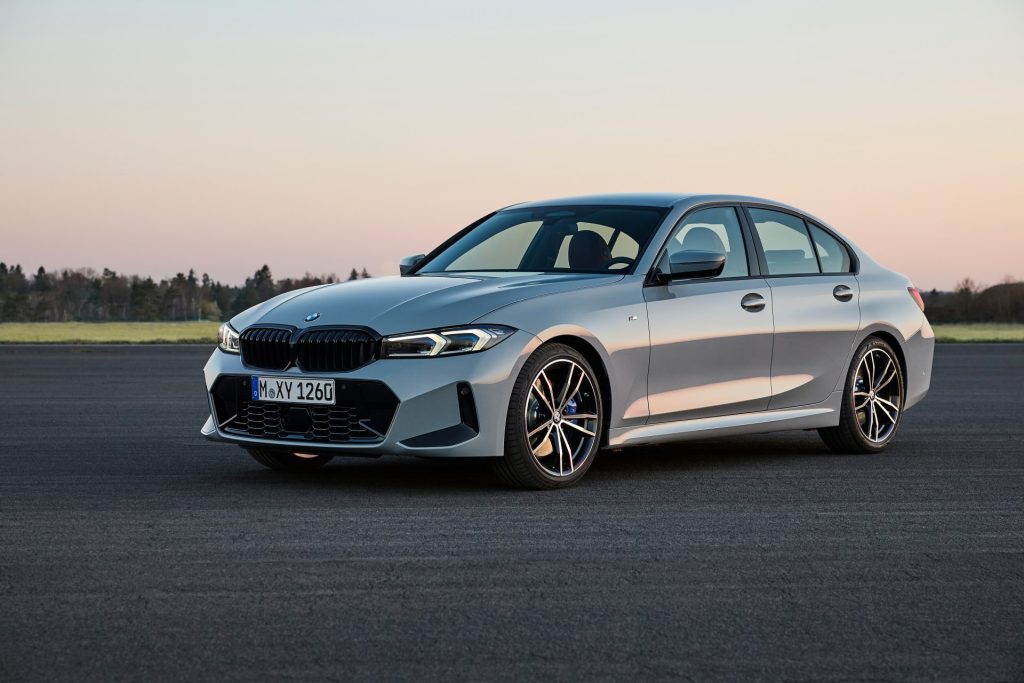
2) BMW 330i (E46, 1998–2006)
The BMW 330i E46 is one of the best normal-looking cars with motorsport DNA because it was engineered during BMW’s golden era of driving focus.
Most E46 3 Series cars look like normal premium sedans. They do not scream performance. But underneath, the chassis balance, steering feel, and rear-wheel-drive setup show strong influence from BMW’s racing philosophy.
BMW’s motorsport DNA is deeply connected with touring car racing, endurance racing, and performance engineering culture. The E46 platform was designed to be sharp, balanced, and durable under hard driving. That matters because motorsport is not only about speed. It is also about control and consistency. The 330i delivers that.
The inline-six engine is a big part of the experience. It is smooth, strong, and built to rev cleanly. It does not feel like an economy motor.
It feels engineered for performance reliability. The power delivery is linear, making it easy to control when pushing the car hard. That is a classic motorsport-friendly engine characteristic.
Steering is another major reason the E46 has racing DNA. It offers feedback that modern cars often lack. You can feel the road, the grip level, and the balance. This kind of communication is exactly what racers value. BMW built the E46 as a driver’s car first, and that philosophy is linked to racing culture.
The best part is stealth. A normal E46 330i can blend into traffic easily. It looks like a clean premium sedan, not a sports car.
But the moment you drive it hard, you realize the chassis tuning is serious. The suspension geometry, the balanced weight distribution, and the rear-drive layout all feel engineered with performance in mind.
The E46 330i is the kind of car that rewards skilled driving while still being practical enough for everyday use. That combination is exactly what motorsport DNA looks like in a normal-looking package.
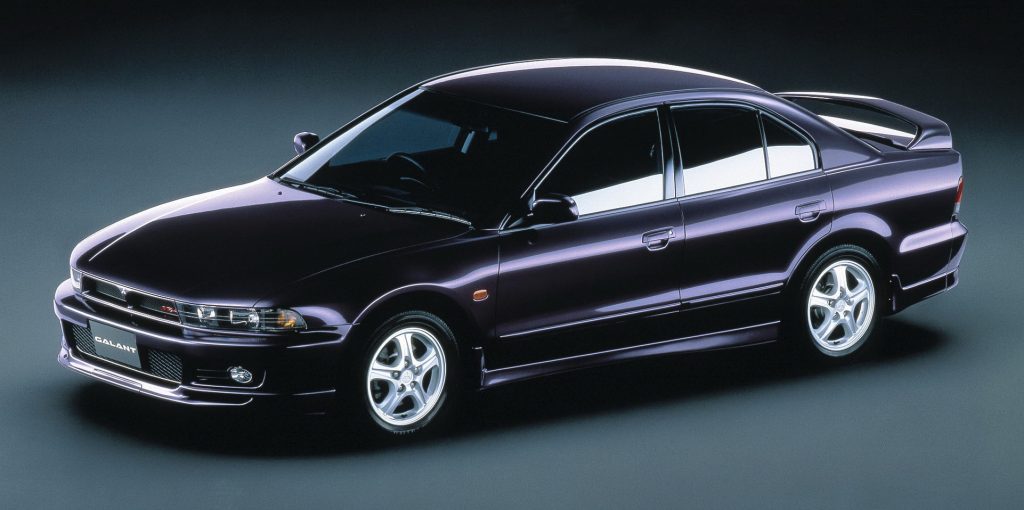
3) Mitsubishi Galant VR-4 (1988–1992)
The Mitsubishi Galant VR-4 is one of the best examples of a normal-looking car hiding serious motorsport DNA. To most people, it looks like an ordinary late-80s family sedan.
The styling is clean and boxy, with no supercar drama. But the VR-4 name means something important. This car was built as a performance homologation machine, and it carried technology that Mitsubishi would later use in its rally legends.
The Galant VR-4 was created to meet rally homologation requirements, and that origin is what makes it so special. Mitsubishi needed a road car that could support their racing goals, so they packed the sedan with turbocharged power and advanced all-wheel-drive hardware. This was not a cosmetic sport trim. It was real engineering with a motorsport reason behind it.
One of the biggest DNA clues is the drivetrain. The Galant VR-4 uses turbo power and AWD traction, giving it the kind of grip and stability you expect from a rally-bred platform. In bad weather, it feels unstoppable.
On twisty roads, it feels planted and confident. That confidence is directly linked to rally development, where stability on unpredictable surfaces matters most.
Another reason it fits the “secret” category is its stealth factor. Unlike the later Evo models, the Galant VR-4 does not look aggressive. That makes it a true sleeper. Many drivers would never expect it to launch hard or corner with serious grip. It is the kind of car that surprises people in real-world driving.
The chassis tuning also carries motorsport influence. The car was built to handle power reliably and maintain control at speed. That makes it feel tougher than normal sedans of its era. Mitsubishi engineers did not build it as a soft family cruiser. They built it as a foundation for rally ambitions.
Today, the Galant VR-4 is respected because it represents the beginning of Mitsubishi’s modern rally identity. It is a rare sedan that looks ordinary but was built with racing goals in mind. If you want a true stealth motorsport classic, this is one of the strongest examples.
4) Volvo 850 T-5R (1995)
The Volvo 850 T-5R is one of the most legendary normal-looking cars with motorsport DNA because it came from a brand nobody expected to race.
Volvo was known for safety and practicality, not speed. Yet in the 1990s, Volvo entered touring car racing with the 850, even racing it as a wagon. That racing story gave the road-going T-5R a special kind of credibility.
To most people, the 850 looks like a practical Swedish family car. Boxy shape, calm design, no drama. But the T-5R trim is where things change.
Under the hood is turbocharged performance, and the overall package was developed to support Volvo’s performance image during its racing era. The road car may not be a full race machine, but it carries that racing spirit.
The turbocharged five-cylinder engine is a big reason it feels special. It has strong mid-range punch, and the power delivery feels different from normal four-cylinder sedans.
It sounds unique, pulls hard, and makes the car feel faster than it looks. That is a key part of secret motorsport DNA: the car delivers unexpected performance without looking aggressive.
The chassis is also tuned more seriously than typical Volvo models. The suspension feels tighter, the handling is more confident, and the car feels stable at high speed. Touring car influence is not only about power. It is also about control, and Volvo made sure the T-5R felt more planted than a typical family sedan.
The T-5R is also famous because it changed Volvo’s image. It proved Volvo could build something exciting while still being practical. That combination is rare, and it is why this car became a cult classic. It blends daily usability with performance credibility in a way few brands can pull off.
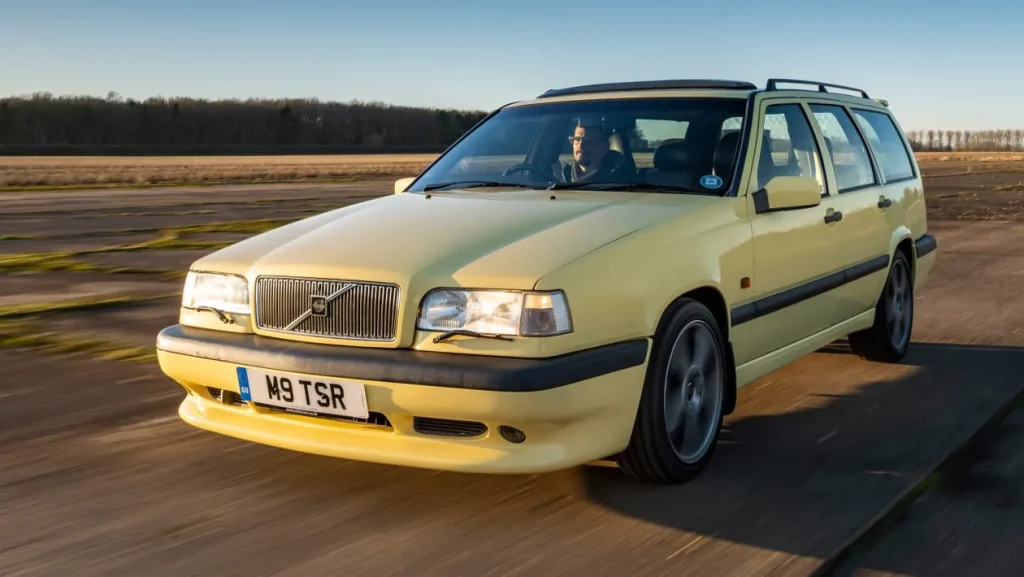
If you want a normal-looking car that carries a racing story underneath, the Volvo 850 T-5R is one of the best examples. It looks like a family machine, but it carries touring car energy in its DNA.
5) Ford Mondeo ST220 (2002–2007)
The Ford Mondeo ST220 is one of the most underrated normal-looking cars with secret motorsport DNA. To most people, it is just a large family sedan from the 2000s. It blends into traffic easily, and the design is not aggressive like modern sports sedans.
But beneath that calm exterior is the kind of engineering Ford created from years of performance and touring car influence.
Ford has deep motorsport roots, especially in rally and touring car competition. The Mondeo name itself has been linked with racing in Europe, including touring car programs.
The ST220 road car is not a race car, but it carries the performance tuning mindset that comes from Ford’s motorsport culture. It was engineered to feel sharp, stable, and fast in real-world driving.
The heart of the ST220 is its V6 engine. It delivers smooth, strong power, especially in mid-range acceleration. While it is not a high-revving exotic engine, it is tuned to provide real usable performance.
That matters in daily driving because the car feels quick without needing extreme rpm. Motorsport DNA often shows up in that usable performance balance.
The chassis is where it truly shines. The ST220 has a suspension setup that feels far more serious than normal sedans.
It corners confidently, stays stable at speed, and feels planted even on imperfect roads. That kind of composure is often learned from racing development, because racing requires stability and predictable handling under stress.
Another reason it fits this list is stealth. It does not look like a performance monster. Many examples look almost completely standard unless you notice small details like wheels and subtle body work. This makes it a sleeper.
Drivers often underestimate it until they experience the acceleration and stability. That quiet confidence is exactly what makes normal-looking motorsport DNA cars so cool.

The ST220 is also built with long-distance capability. Ford tuned it like a fast highway cruiser with sharp handling. Touring car influence is often about balance, and the ST220 balances comfort with control better than many rivals of its era.
If you want a sedan that looks normal but drives like it was shaped by racing engineers, the Mondeo ST220 is a perfect example. It is subtle, rare, and far more capable than its calm appearance suggests.
6) Mazda 3 MPS / Mazdaspeed 3 (2006–2013)
The Mazda 3 MPS, known as the Mazdaspeed 3 in some markets, is one of the best examples of a normal-looking hatchback hiding serious motorsport energy. At first glance, it can look like a regular Mazda 3, especially in quieter colors. But underneath is a turbocharged hot hatch with engineering influence shaped by Mazda’s motorsport spirit.
Mazda’s motorsport DNA is tied strongly to handling and driver connection. Even normal Mazdas feel good to drive, but the MPS takes that philosophy and turns it up hard. It was built as a performance flagship, tuned to deliver aggressive acceleration and sharp control in real roads, not only in straight lines.
The turbocharged engine is the biggest secret weapon. It produces strong torque, giving the car fast real-world speed. In city gaps, highway merges, and twisty roads, it feels much quicker than its appearance suggests. This is why it fits perfectly into this topic. It looks like a normal hatchback, but it can surprise much more expensive cars.
Chassis tuning is also serious. The suspension, steering response, and grip level feel built for enthusiastic driving. Motorsport DNA shows here through the way the car stays stable when pushed. It feels like it was designed by people who love corners, not just commuting.
Another reason it belongs here is the way it hides in plain sight. Unlike some hot hatches that look extreme, the Mazda 3 MPS can still blend into traffic. Many people will not recognize it instantly. That stealth factor makes it a fun sleeper, especially in everyday driving.
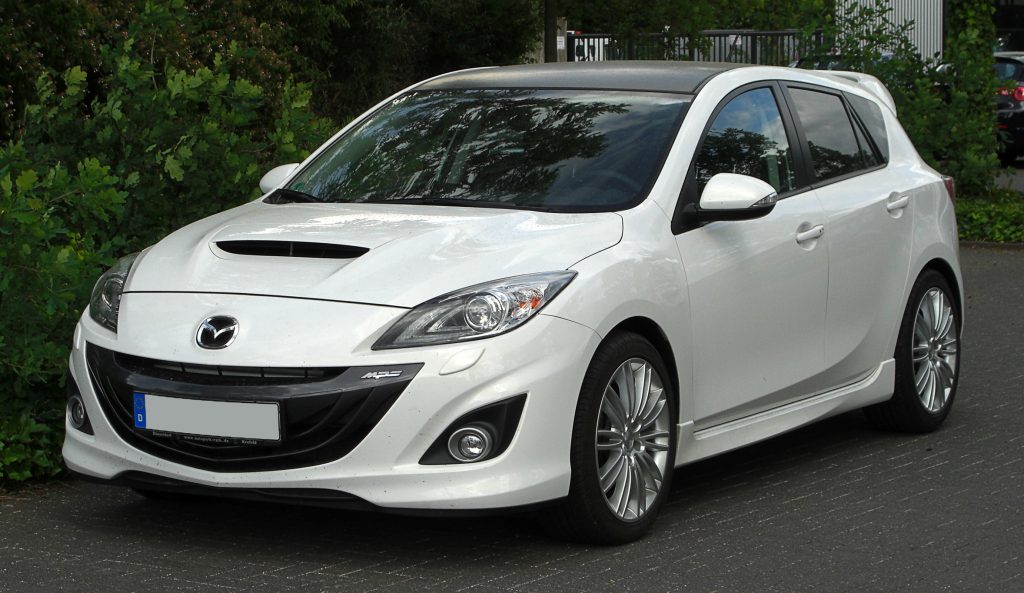
The MPS also represents Mazda’s love for performance without making the car impractical. It still functions as a daily hatchback with useful space, normal fuel economy when driven calmly, and real comfort. That dual role is part of the motorsport DNA story. It is a performance machine that still works in daily life.
If you want a normal-looking car with real motorsport-style tuning, the Mazda 3 MPS is one of the most exciting options. It offers turbo punch, sharp handling, and true sleeper personality.
7) Toyota Corolla T-Sport / Corolla RunX Z (2002–2006)
The Toyota Corolla T-Sport, also known as the Corolla RunX Z in some markets, is one of the best examples of a normal-looking car hiding serious motorsport-style engineering. To most people, it looks like a plain Corolla hatchback.
That is what makes it so special. Under the calm body is a high-revving performance engine that feels like it belongs in a race-focused car rather than a daily commuter.
The secret weapon is Toyota’s 2ZZ-GE engine. This engine was developed with performance in mind and is famous for its high-rev character. It feels calm at low rpm, but once it climbs higher, the car changes personality.
The power delivery becomes aggressive and exciting, and the engine loves to rev. This kind of high-rev design is a motorsport trait, because racing engines often focus on power in the upper range.
The T-Sport is also clever because it delivers speed without looking like a speed machine. There is no loud styling or dramatic body kit in most versions. That makes it a true sleeper. People assume it is a normal Corolla, then get shocked when it accelerates hard at high rpm and corners with confidence.
Handling is another part of its motorsport DNA. Toyota tuned the suspension and chassis to feel sharper than normal Corollas. It stays stable and composed in corners, and the steering feels more responsive. This car feels built for enthusiastic driving, not just quiet commuting. That kind of tuning is usually inspired by motorsport thinking.
Another reason it fits this list is the reliability factor. Motorsport DNA does not always mean fragile. Toyota performance engineering often keeps durability in mind.
The 2ZZ-GE engine is a strong unit when maintained properly, and the Corolla platform gives it everyday dependability. You get race-like excitement without constant fear.
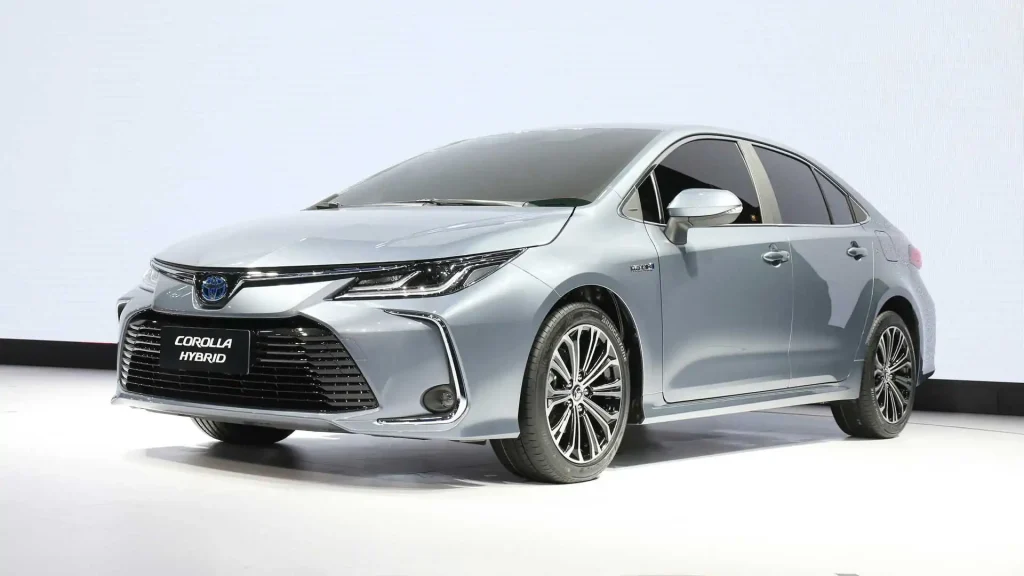
The Corolla T-Sport also represents the “hidden performance” era of Japanese cars. Companies built everyday cars with special engines and chassis tuning for enthusiasts, without making them look extreme. That era produced some of the best sleepers in history.
If you want a truly normal-looking car that hides a high-rev performance heart, the Toyota Corolla T-Sport is one of the smartest picks. It looks like a commuter but drives like a secret sports machine.
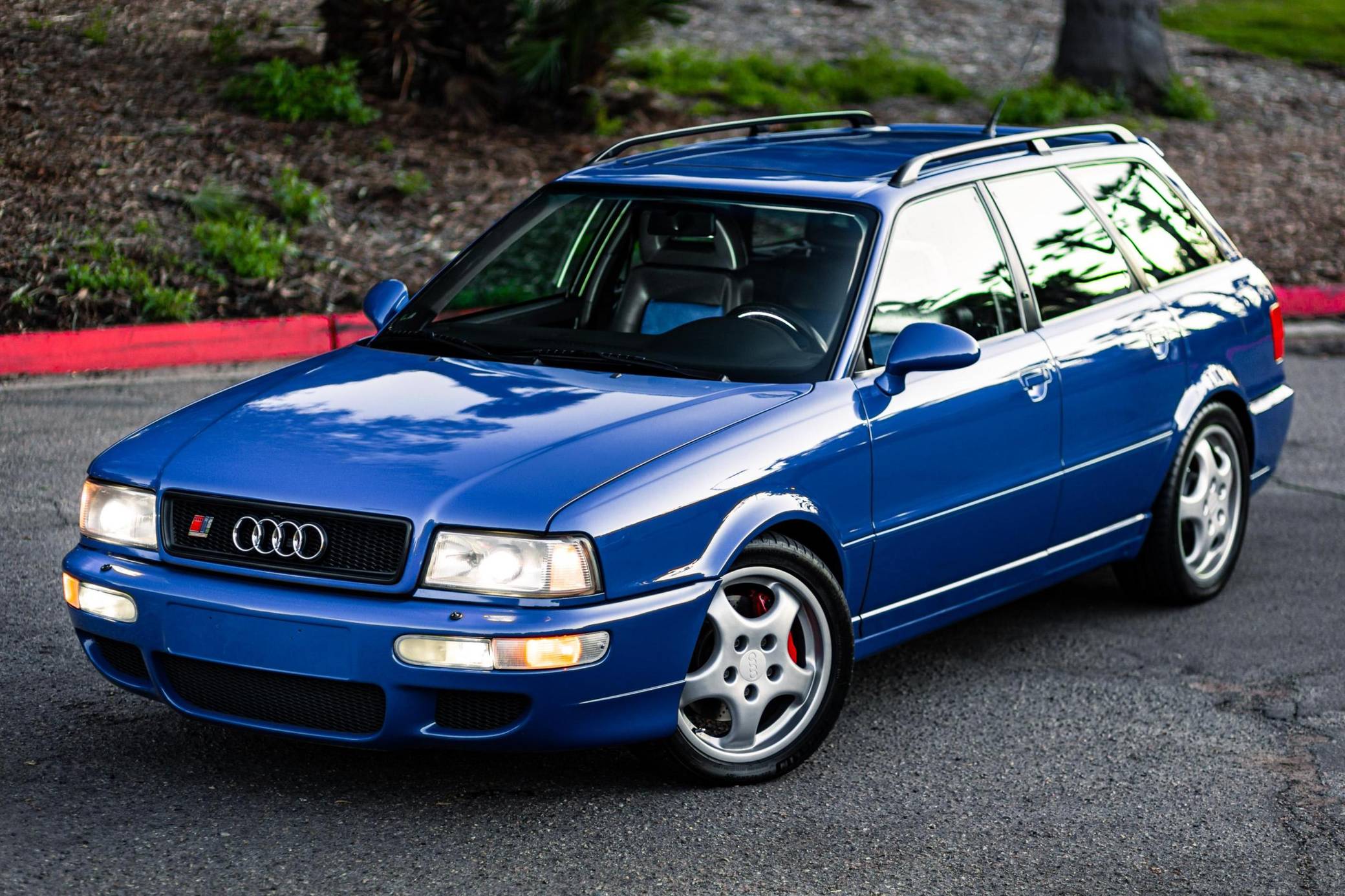
8) Audi RS2 Avant (1994–1995)
The Audi RS2 Avant is one of the greatest normal-looking cars with motorsport DNA because it looks like a simple family wagon but carries serious racing influence inside. At first glance, it appears like an old Audi estate car.
That is exactly why it shocks people. In the 1990s, nobody expected a wagon to be this fast. But Audi built the RS2 with help from Porsche, and the result became a legend.
The motorsport DNA starts with Audi’s rally history. Audi dominated rally stages in the past with its quattro AWD system, proving all-wheel drive could be a performance advantage. The RS2 takes that rally philosophy and puts it into a road wagon. It uses AWD traction and turbo power to create speed and stability in all conditions.
Porsche involvement adds another layer of motorsport credibility. Porsche helped refine parts of the RS2, including performance tuning and braking. This makes the RS2 feel more serious than a normal hot wagon. It is not a simple trim package. It is an engineering collaboration.
The turbocharged five-cylinder engine is the car’s soul. It delivers strong boost punch and unique sound. The power delivery feels aggressive, making the wagon move like a performance car while still carrying family practicality. This is a perfect example of motorsport DNA hiding in a daily-looking body.
The RS2 is stealthy by nature. Wagons are not associated with speed. That means the car blends in, until it accelerates. Then it becomes shocking. This stealth factor is why it stopped people even when new. It proved that performance could hide behind a practical shape.
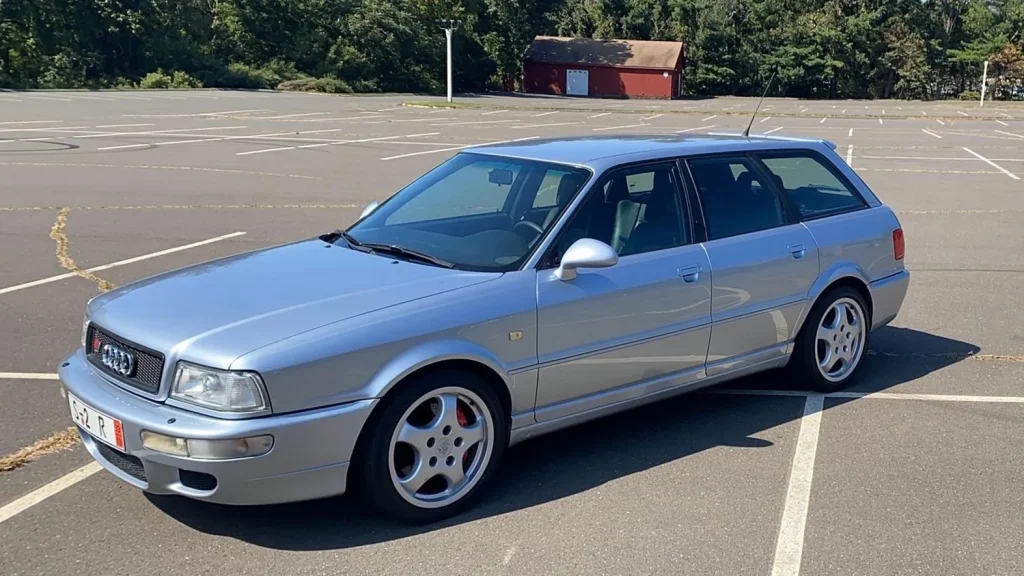
Another reason it feels motorsport-bred is chassis confidence. The car stays stable at high speed, corners with grip, and brakes hard without drama. That kind of performance balance comes from racing development thinking, where control matters more than show.
If you want the ultimate “normal-looking but secretly insane” car, the Audi RS2 Avant is one of the best examples ever built. It is a family wagon with rally spirit and Porsche help, which is about as serious as hidden motorsport DNA gets.
9) Peugeot 405 Mi16 (1987–1996)
The Peugeot 405 Mi16 is one of the best examples of a normal-looking sedan with hidden motorsport DNA because it comes from an era when French performance cars were quietly brilliant. To most people, the 405 looks like a clean, ordinary European family sedan.
It does not have extreme styling, large wings, or flashy aggression. But the Mi16 version was built for driving, and Peugeot’s motorsport culture shaped the way it feels behind the wheel.
Peugeot has strong racing history, including rally and endurance influence, and that attitude shows in the Mi16’s tuning.
The car was designed to feel light, responsive, and alive, not just comfortable. That is motorsport thinking. In racing, weight and handling matter more than luxury features, and the Mi16 carries that energy.
The engine is one of its strongest highlights. It delivers sharp response and strong performance for its era. It was designed for a sporty driving character, meaning it rewards revs and driver involvement. This kind of “driver focused” tuning is linked with motorsport because it encourages control, not lazy cruising.
Chassis feel is where the Mi16 proves its DNA. The steering is direct and communicative, giving the driver real feedback.
In modern cars, that feedback is often removed for comfort. In the Mi16, you feel connected. That connection is one of the strongest signs of motorsport influence, because racers need to sense grip and balance through the steering.
The Mi16 also fits this topic because of stealth. It does not look like a performance monster. Many people would never guess it was special. That makes it a sleeper. You could drive one daily without drawing attention, but once you push it into corners, the car shows its true identity.
Another hidden motorsport trait is balance. The 405 Mi16 is known for being stable and confident at speed. It does not feel loose or unpredictable. That stability is often learned through racing mindset, because performance cars must remain calm when pushed.

The Mi16 also has cult respect because it represents a time when Peugeot built enthusiast sedans that were sharper than expected. It is one of those cars that looks normal but drives like a secret performance machine.
If you want a sedan with real driver-focused motorsport spirit hiding behind an everyday design, the Peugeot 405 Mi16 is a perfect example.
10) Alfa Romeo 156 (1997–2007)
The Alfa Romeo 156 is one of the most beautiful normal-looking sedans with motorsport DNA hidden underneath. At first glance, it looks like a stylish European sedan designed for elegance.
But the 156 carries real racing influence, especially through its link to touring car success. It became famous not only for design, but for how it drove and how it performed in competition.
Alfa Romeo has a deep motorsport heritage, and the 156 was part of a period where Alfa returned strongly to performance identity.
The car competed in touring car championships, and it earned victories that boosted its reputation. That racing connection gave the road car serious credibility, even though it remained a normal-looking sedan.
The driving feel is what makes the 156 special. It is known for sharp steering, lively handling, and a chassis that feels eager. Many sedans feel calm and boring. The 156 feels alive. That personality is directly linked to Alfa’s racing mindset, because the company focuses on emotional driving as much as numbers.
The engine options also play a role. Many variants offered engines that felt sporty, with responsive throttle behavior and strong character. It is not just about speed. It is about how the power feels. Motorsport DNA often shows up in that urgency and responsiveness.
Another reason the 156 fits perfectly here is stealth. It looks like a stylish sedan, not a performance car. Unless you know the details, it blends into traffic as just another European vehicle. But once driven hard, it reveals serious capability. That contrast makes it one of the coolest hidden DNA cars.
The 156 also represents the idea that motorsport influence can exist in subtle ways. It does not need giant spoilers. It needs steering, balance, and chassis tuning. Alfa engineered it to feel engaging, and that is the same goal racing engineers chase.
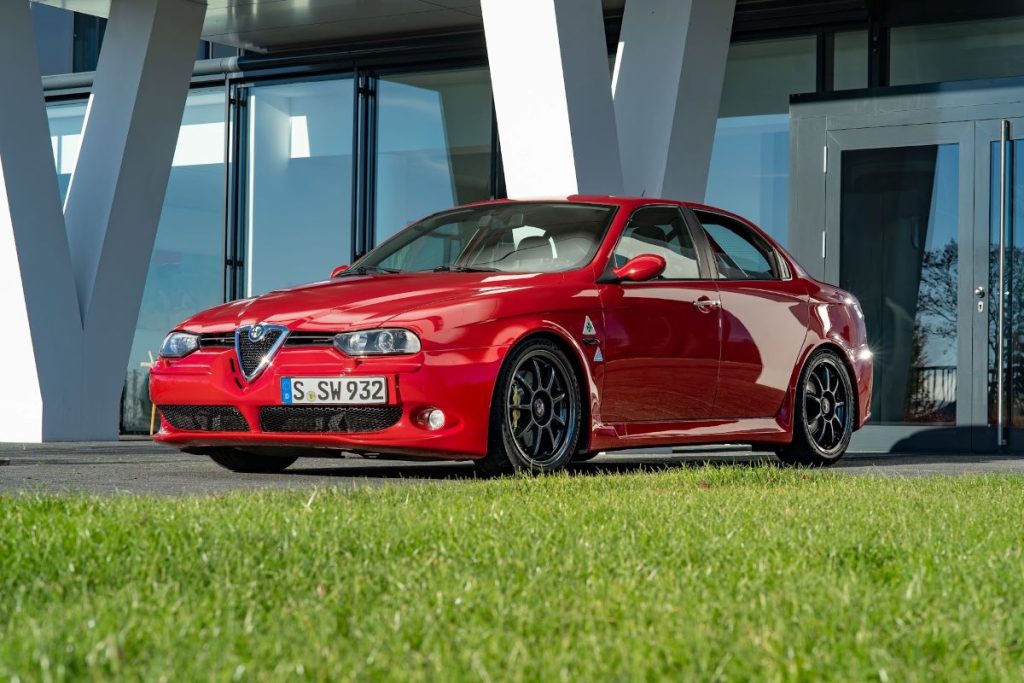
If you want a car that looks elegant but carries touring car soul underneath, the Alfa Romeo 156 is a perfect final pick. It is a normal sedan with racing heart, hidden in plain sight.
