
City driving is hard on cars in a way that most people do not fully realize. It is not the long highways that destroy a vehicle. It is the daily routine of short trips, constant stop-and-go traffic, speed breakers, potholes, tight parking spaces, and endless braking.
In cities, a car is always working. Even when you drive only 10 km, the engine starts cold, the clutch and gearbox face constant stress, and the suspension takes repeated hits from rough patches. Over time, this kind of usage quickly exposes weak cars, especially small ones that were built cheaply.
That is why choosing the right small car matters more than choosing the cheapest one. The best city cars are not only compact and fuel efficient. They are also durable, easy to maintain, and built with strong fundamentals.
A good city car should have predictable steering, strong brakes, a comfortable ride over rough roads, and enough power to merge and overtake safely. It also needs to handle daily abuse without expensive breakdowns. Reliability becomes a bigger luxury than leather seats in a city routine.
Another factor is practicality. A small city car should be easy to park, easy to fit into narrow lanes, and easy to live with daily. Good visibility, light steering, and a strong air conditioning system are very important.
In crowded environments, even simple features like tight turning radius and strong low-speed pickup can save time and reduce stress. When a car makes city driving easy, it becomes something you enjoy instead of something you tolerate.
In this list, we are focusing on seven small global cars that have proven they can take daily city use and still remain dependable.
These are models known for durability, sensible ownership costs, and a strong track record in real-world driving. Each one is built to survive traffic life without falling apart early.
Also Read: 7 Best Hybrids That Fit Well in Tight Parking
1) Toyota Yaris
The Toyota Yaris is one of the toughest small cars for city use because it is built with long-term durability in mind. It does not try to impress with flashy performance.
Instead, it focuses on reliability, smooth driving, and low running costs, which is exactly what daily city driving requires. Many Yaris models around the world run for years with minimal issues, which is why it is trusted by commuters and fleet owners alike.
One reason the Yaris handles city life well is its compact size. In crowded streets, smaller dimensions make driving easier. You can fit into tight lanes, park in small gaps, and make turns comfortably. For daily city driving, this reduces stress and also reduces chances of minor scratches and bump damage.
The Yaris also has strong mechanical simplicity. Most versions use reliable engines that are not highly stressed, and that helps them last longer. In city conditions, engines face frequent start-stop cycles. A simple, proven engine design reduces the risk of long-term problems, which keeps ownership costs controlled.
Suspension quality is another important reason it holds up well. The Yaris is built to tolerate rough surfaces better than many cheap hatchbacks. It can handle potholes and speed breakers without feeling too fragile. While the ride may not feel luxury soft, it is strong and stable, which matters more for long-term survival.
The cabin is also designed for daily usability. Visibility is good, steering is light, and the controls are simple. In daily stop-and-go traffic, these small ergonomic factors matter a lot. A city car needs to feel effortless, and the Yaris delivers that.
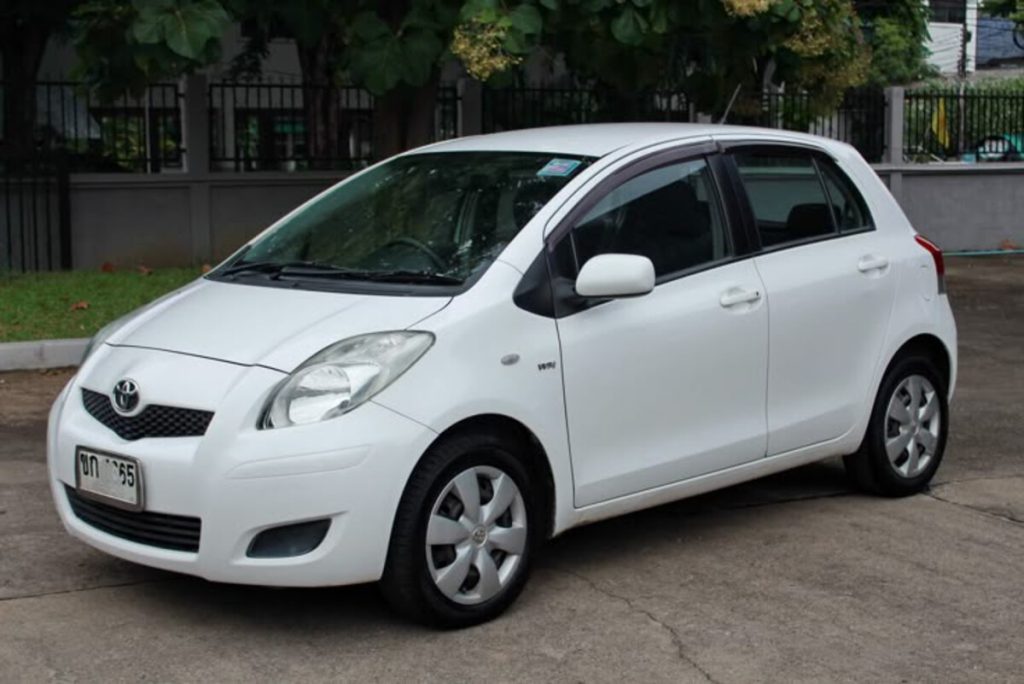
Maintenance is where the Yaris becomes a true winner. Parts availability is strong globally, servicing is straightforward, and the car does not demand expensive repairs frequently. Over long city use, these factors add up. The Yaris becomes the kind of car you can depend on without fear.
For someone who wants a small car that can handle years of city punishment and still run strong, the Toyota Yaris is one of the most reliable global choices.
2) Honda Fit / Jazz
The Honda Fit, also known as the Honda Jazz in many countries, is one of the best small cars for daily city life because it combines durability with practical design.
It is compact on the outside but surprisingly spacious inside, making it a rare small car that can handle both commuting and everyday family needs. It is also famous for reliability, which makes it excellent for long-term urban use.
One reason the Fit excels in city driving is visibility and maneuverability. The car feels light, easy to steer, and easy to park. The driving position helps you see out clearly, which matters when dealing with scooters, pedestrians, and sudden lane changes. This makes it feel safer and less tiring in crowded streets.
Another major advantage is its engineering. Honda engines in the Fit are known for strong reliability when serviced properly. In city driving, cars face constant stress from traffic crawling, heat, and repeated starts. The Fit handles that well. It does not feel fragile, and it tends to stay dependable even with high mileage.
The Fit also holds up because of its suspension tuning. It is designed to handle everyday roads, not just smooth highways.
It can absorb city road imperfections without constant rattles or quick wear. This is important because many small cars start developing noise and looseness after rough city use, but the Fit stays solid for longer.
Inside, the Fit shines because of its smart layout. It offers flexible seating and cargo use, which makes it very practical for urban life. You can carry groceries, luggage, and even larger items more easily than most hatchbacks in the segment. That versatility makes it feel like a bigger car without the bigger-car parking stress.
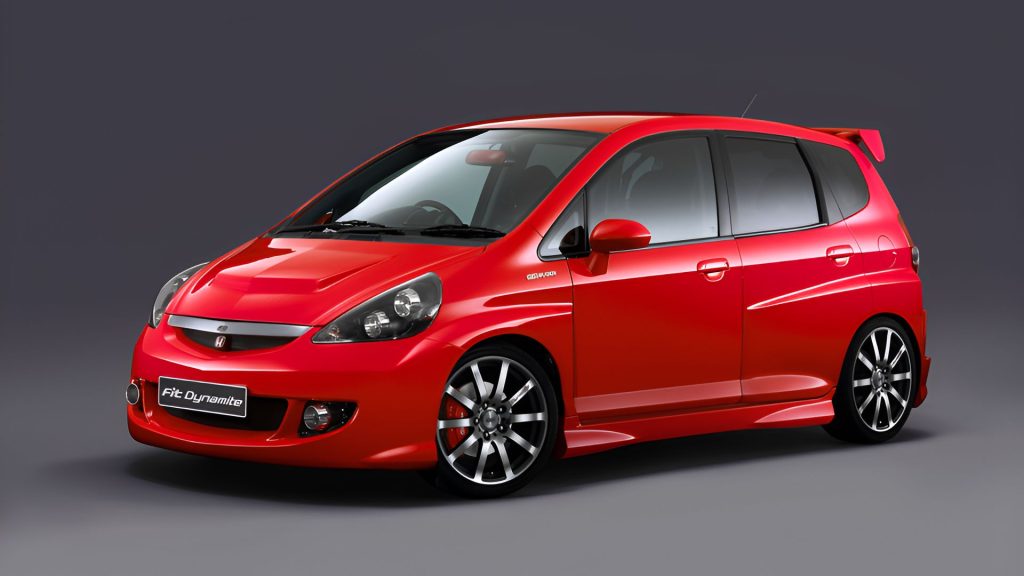
Maintenance and costs remain reasonable. Parts are widely available, and Honda’s global support means most mechanics understand this car well. It is not expensive to keep running, and reliability keeps surprise repairs low.
If you want a small city car that feels practical, tough, and intelligently designed, the Honda Fit / Jazz is one of the best long-term choices for daily urban use.
3) Suzuki Swift
The Suzuki Swift is one of the best small cars for daily city use because it is light, tough, and designed with real-world driving in mind. In many countries, the Swift has built a strong reputation as a reliable hatchback that can handle years of commuting without becoming a repair nightmare.
It is also one of those cars that feels simple in a good way, which is a huge advantage when a car faces city stress every single day.
A big reason the Swift survives city life well is its size and maneuverability. It is compact enough to slip through tight streets, squeeze into small parking gaps, and make quick turns in crowded areas.
In busy urban environments, this matters a lot. Smaller cars get fewer accidental bumps, and drivers feel more confident because the vehicle is easy to place on the road.
The Swift also benefits from lightweight engineering. Because it is not heavy, it does not stress its brakes, suspension, and tires as much as heavier cars.
This reduces wear in stop-and-go traffic. In city use, constant braking and accelerating destroys parts faster, but lighter cars naturally survive longer. That is one reason Swift ownership costs remain low over time.
Its engines are generally known for being reliable and not overly complex. That helps a lot in city conditions where cars face constant heat cycles and short-trip driving. The Swift’s mechanical simplicity reduces the risk of expensive failures. It is not packed with overly fragile systems, which makes it easier to maintain and cheaper to repair.
Ride quality is another strong point. The Swift’s suspension is tuned to handle rough city roads without feeling too stiff. It absorbs bumps and potholes reasonably well, and it stays stable even when roads are uneven.
This is important because city roads are rarely perfect. A small car that cannot handle broken patches becomes tiring fast, but the Swift stays comfortable and controlled.
Inside the cabin, the Swift feels practical and friendly. The driving position gives good visibility, the controls are easy to use, and the car feels responsive in traffic.
Its steering is light but still direct, which helps when you are constantly changing lanes or squeezing between slow-moving vehicles. This kind of easy control makes daily commuting less stressful.
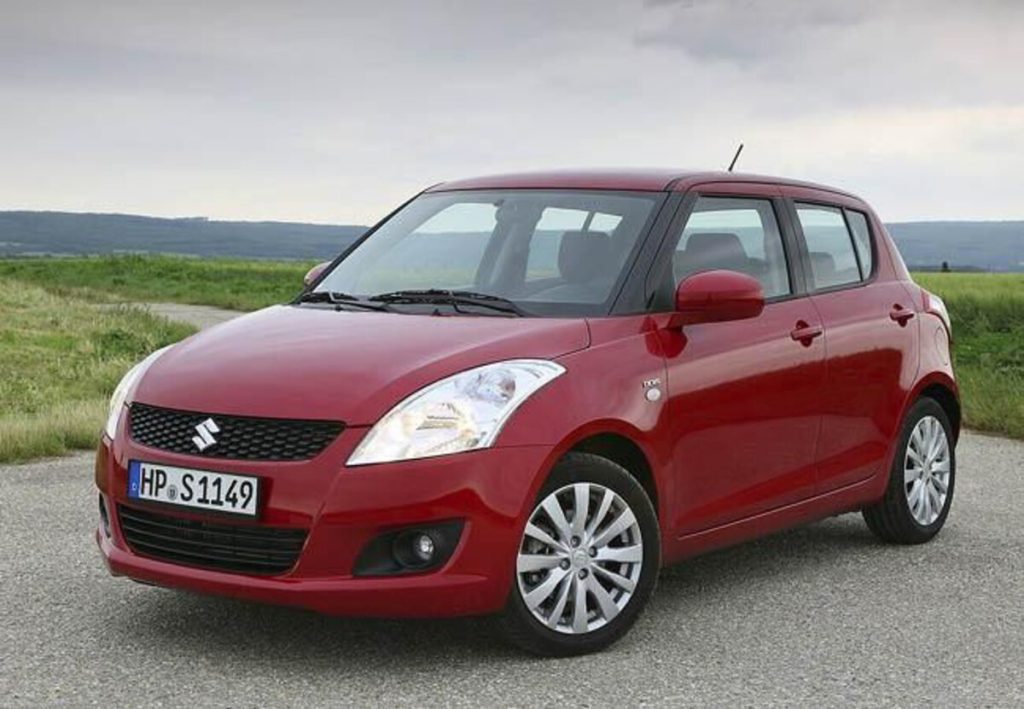
The Swift also holds up well because it has strong global support. Parts are widely available in many regions, service is straightforward, and most mechanics know how to work on it.
That reduces downtime and keeps running costs under control. In cities, where your car is used every day, reliability is not just a benefit. It is the main requirement.
If you want a small car that can survive city abuse, stay economical, and still feel fun behind the wheel, the Suzuki Swift is one of the strongest global options. It is built for daily life, and it proves it.
4) Hyundai i10
The Hyundai i10 is one of the most practical small city cars because it is designed to handle urban life without feeling weak or disposable. Many micro-hatchbacks feel fragile after a few years of daily use, but the i10 has earned respect for being sturdier than expected.
It is compact, easy to park, and affordable to run, which makes it one of the smartest city-focused small cars worldwide.
One major advantage of the i10 is how easy it feels in traffic. It is small and light, so crawling through narrow roads and heavy congestion becomes easier. Parking is also simple, even in tight areas. In cities where every space feels too small, the i10 behaves like a tool built for the job.
The i10 also holds up because of its simplicity. The engines are tuned for efficiency and daily driving, not high stress performance. This matters in city use, where cars face repeated starts, heat, and slow-speed movement.
A simple, proven engine design survives these conditions better and keeps ownership costs lower. Many i10 owners run their cars for years with basic servicing only.
Suspension tuning is another reason it works well. The i10 is built to handle broken roads and speed breakers without becoming uncomfortable.
It is not a luxury ride, but it is tough enough to avoid early suspension failure. That is important because small cars in cities often suffer suspension issues first. The i10 is built to survive those daily hits.
Inside, the i10 feels more spacious than people expect. It is cleverly designed to provide usable cabin room without making the car big on the outside.
Visibility is good, which helps in traffic, and the controls are simple, meaning you do not waste attention. In urban driving, simplicity makes the car safer and easier to live with.
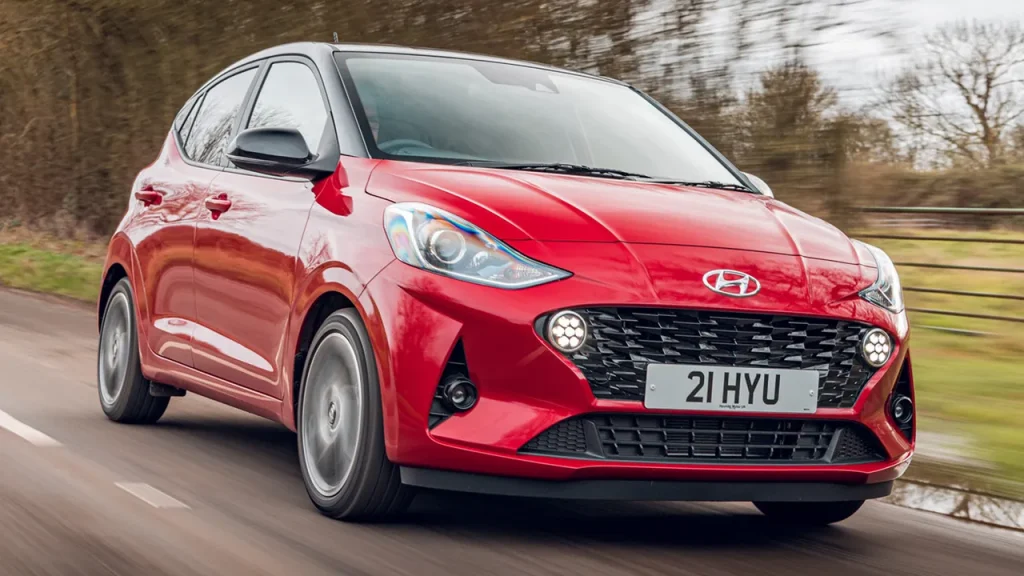
Maintenance costs are another reason it holds up well. The i10 is affordable to service, parts are widely available in many countries, and the car does not demand complex repairs often. This gives it a strong reputation among budget-conscious city drivers.
If you want a small car that can take daily urban driving, stay reliable, and remain affordable over time, the Hyundai i10 is a strong choice. It is not built to impress with speed, but it is built to last, and that is the real luxury in city life.
5) Volkswagen Polo
The Volkswagen Polo is one of the strongest small cars for daily city use because it feels solidly built and mature compared to most hatchbacks in its size class.
Many small cars are designed mainly to be cheap, but the Polo is designed to feel like a smaller version of a bigger premium car. That makes a huge difference in urban driving, where daily abuse can quickly expose weak build quality.
A major reason the Polo holds up well is structural strength. The doors feel heavy, the body feels tight, and the car is less likely to develop rattles and loose panels early. In city use, constant bumps, potholes, and rough roads slowly destroy cheap interiors.
The Polo resists that better because it is engineered with a stronger overall feel. That long-term solidity makes it a good choice for people who plan to keep a car for many years.
The Polo also handles city driving well because it has balanced steering and good maneuverability. It is compact enough to park easily and handle narrow streets, but it does not feel flimsy at speed.
That confidence matters in cities where roads suddenly open into faster stretches and then tighten again. The car stays stable, and the brakes feel predictable, which makes daily driving less tiring.
Another advantage is ride quality. Many small cars feel harsh over broken surfaces, but the Polo tends to feel smoother. Its suspension is tuned to absorb city road imperfections while keeping the car controlled.
This is important because urban life is full of small impacts that can exhaust you over time. A Polo feels calmer, which improves daily comfort.
The engines are also well suited for city life. Most Polo variants deliver good low-speed response, which is important in traffic gaps and quick merges.
Fuel economy is usually strong, and the car does not feel like it struggles. For daily commuting, that balance of efficiency and smooth power delivery makes it feel refined.
Maintenance costs depend on the market, but the Polo generally benefits from strong parts availability and wide service support because Volkswagen sells globally.
The key is buying a well-maintained example and servicing it properly. If you ignore maintenance, European cars can become expensive. But if you maintain it on time, the Polo can be a very durable city companion.
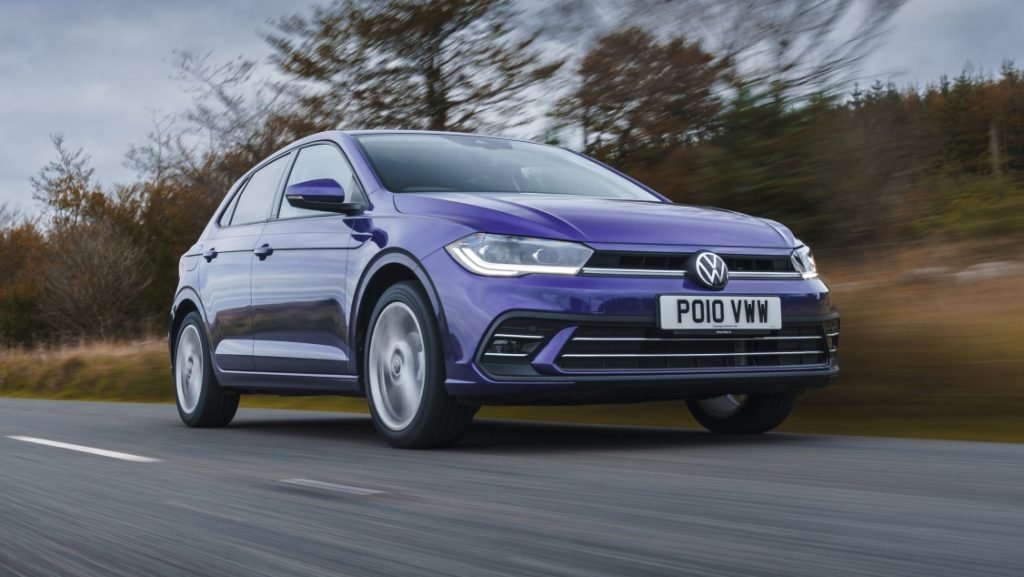
Another thing that makes the Polo ideal for cities is safety and driving comfort. The driving position offers good visibility, the cabin layout is clean, and the car feels secure. Many people underestimate how important “confidence” is in city driving. The Polo provides that.
If you want a small car that feels sturdy, mature, and built to survive daily traffic life, the Volkswagen Polo is one of the best global choices. It is not the cheapest, but it holds up well, and that saves money long-term.
6) Toyota Aygo (also Peugeot 108 / Citroen C1)
The Toyota Aygo is one of the best city cars on the planet because it was made to survive urban life. It is tiny, efficient, and simple, which are exactly the traits that keep a small car healthy in daily city use.
In many markets, the same platform is shared with the Peugeot 108 and Citroen C1, but the Aygo name is especially trusted because of Toyota’s reliability reputation.
The biggest city advantage is size. The Aygo fits into spaces other cars cannot. Parking becomes easy, narrow streets feel less stressful, and turning around in tight areas is simple.
In cities where traffic and parking are daily headaches, this is a major quality-of-life improvement. Smaller cars also face fewer accidental bumps, because you can keep more margin.
Another reason it holds up well is mechanical simplicity. The Aygo’s engines are designed for economy and low-stress usage. That makes them reliable over time. In city driving, cars suffer from constant cold starts and short trips. A simple engine with proven design handles that better than complex turbo setups.
The Aygo is also cheap to run. Tires, brakes, and basic servicing cost less because the car is light and small. This matters because city driving wears out brakes quickly. A heavier car burns through brake pads faster. The Aygo’s low weight reduces that wear, which helps long-term ownership costs.
It also handles city traffic smoothly because it feels light and responsive. The steering is easy, the controls are simple, and the car’s small footprint makes it stress-free. For daily commuting, less stress means better driving. Many people buy bigger cars thinking bigger is better, but in city life, smaller is often smarter.
The interior is basic but practical. It is designed to be durable rather than fancy. That is good for city use because cheap fancy interiors age badly. The Aygo focuses on functional plastics and simple controls, which survive rough everyday use better.
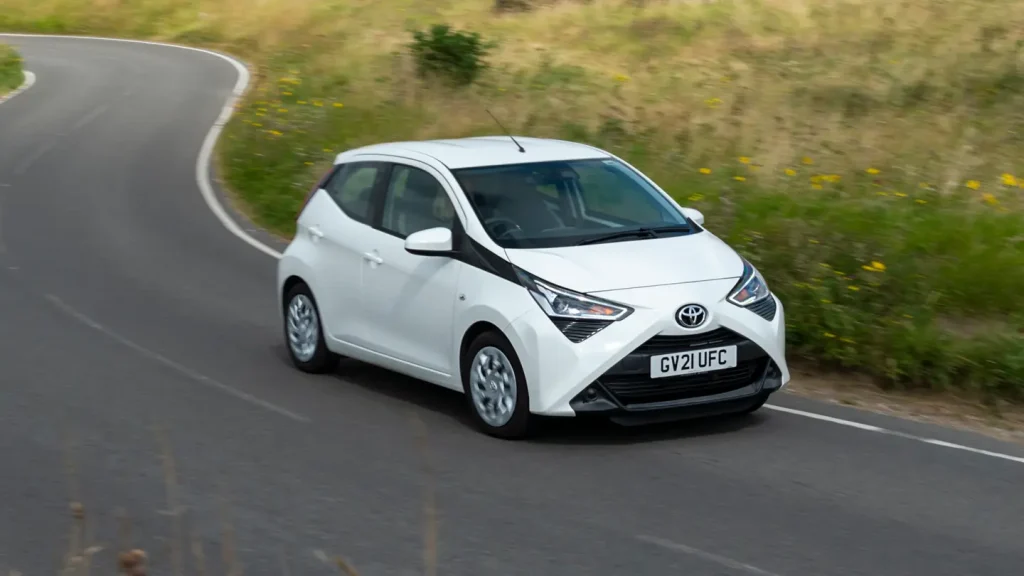
Another strong advantage is parts and service availability. Since the Aygo platform has been widely sold and shared, parts are easy to find in many countries. Repairs are usually straightforward, and mechanics know the car well. That reduces downtime, which is important when a car is used daily.
If you want a car that can handle city life year after year with low running costs and high reliability, the Toyota Aygo is one of the strongest small-car choices globally. It is built for the urban grind, and it stays tough because it stays simple.
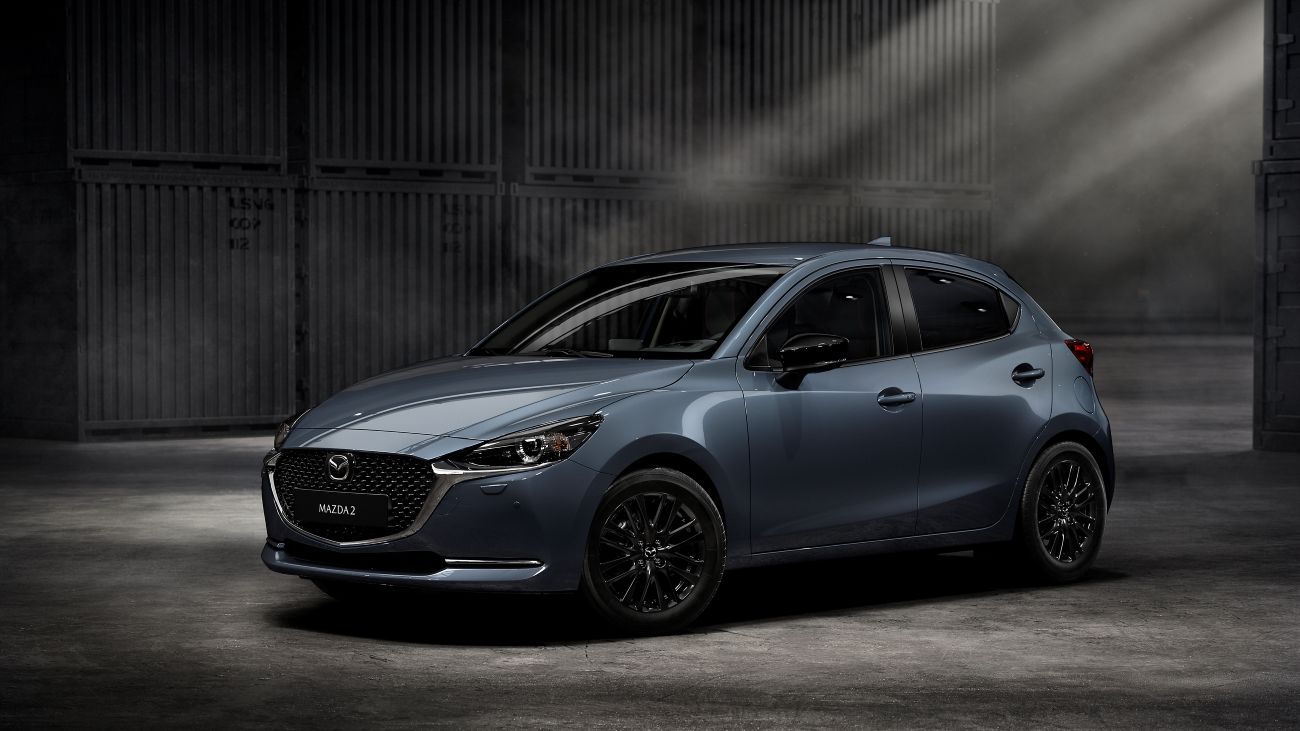
7) Mazda2 (Mazda Demio in some markets)
The Mazda2, also known as the Mazda Demio in some markets, is one of the best small cars for daily city use because it combines durability with a surprisingly premium driving feel.
Many small cars focus only on being cheap, but the Mazda2 focuses on being enjoyable and well engineered. That balance makes it one of the most livable city cars over the long term, especially for drivers who want something reliable but also fun.
One reason the Mazda2 holds up so well in cities is its lightweight design. Lighter cars suffer less wear on brakes, tires, suspension, and steering components. In stop-and-go traffic, this matters a lot because constant braking quickly wears parts on heavier vehicles.
The Mazda2 stays efficient and smooth because it is not carrying extra weight, and this helps it remain solid as the years pass.
The Mazda2 is also well known for strong build quality in its segment. It tends to feel tighter and more stable than many budget hatchbacks.
In daily city use, this matters because cheap cars often develop rattles, loose trim pieces, and noisy cabins after repeated bumps. The Mazda2 usually ages more gracefully, which makes it feel newer for longer.
Driving behavior is another huge advantage. In traffic, the steering is light but sharp, making it easy to change lanes and handle tight streets.
The turning feel is natural, and the car is easy to place on the road. This reduces stress, especially in cities where roads are narrow and unpredictable. It also makes parking simple because the car responds quickly and accurately.
Ride comfort is a strong point too. The Mazda2 does not feel soft like a luxury car, but it feels controlled and stable. It can handle broken patches, potholes, and speed breakers without feeling fragile. The suspension tuning is balanced, which helps the car stay comfortable while also staying tough under daily abuse.
Another reason the Mazda2 excels is efficiency. It delivers strong fuel economy in city use, and its engines are designed to remain reliable with proper servicing. In daily commuting, reliability becomes more important than power. The Mazda2 gives enough power for safe city merges while staying economical and durable.
Cabin practicality also supports long-term city use. It is small on the outside but well designed inside.
Controls are simple, visibility is good, and the seating position feels comfortable for daily driving. Many drivers spend hours each week in traffic. Comfort and visibility make a bigger difference than people expect.
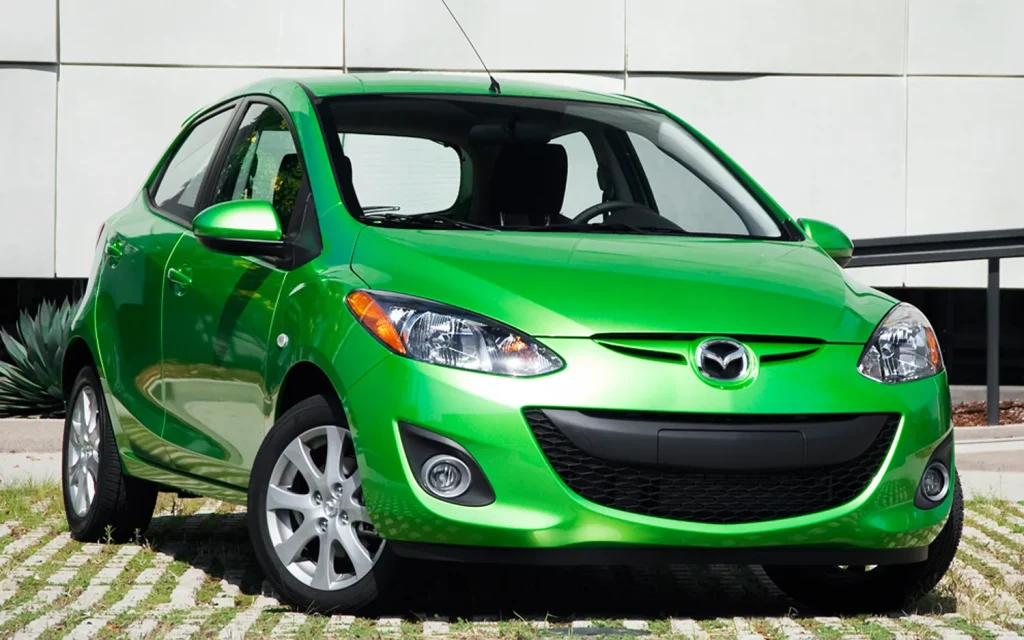
Maintenance costs remain reasonable because Mazda service networks exist in many regions and parts are generally available. Like any car, it needs proper maintenance, but it does not demand complicated repairs constantly. With routine servicing, it can last years without becoming expensive.
If you want a small car that can survive city traffic, handle rough roads, and still feel enjoyable every day, the Mazda2 is one of the smartest global choices. It is durable, practical, and built for real-world daily driving.
Daily city driving is one of the toughest tests for any small car. Stop-and-go traffic, rough roads, potholes, speed breakers, tight parking, and short trips put constant stress on engines, brakes, suspension, and gearboxes.
That is why a good city car needs more than just compact size and fuel economy. It must also be durable, easy to maintain, comfortable at low speeds, and strong enough to handle daily abuse without turning into a repair headache.
The Toyota Yaris leads the list because it is built for long-term reliability and low running costs. The Honda Fit/Jazz adds smart practicality with a surprisingly spacious cabin and strong durability.
The Suzuki Swift stands out for lightweight toughness, low wear, and easy ownership, while the Hyundai i10 proves that a small budget car can still survive heavy urban use when engineered properly.
The Volkswagen Polo brings a more premium, solid feel, resisting early rattles and wear while staying comfortable in traffic.
The Toyota Aygo succeeds through simplicity, tiny size, and very low running costs, making it perfect for tight cities. Finally, the Mazda2 balances reliability with enjoyable driving, offering strong build quality and city-friendly control.
Together, these seven cars prove that the best city cars are the ones that stay dependable, stress-free, and affordable year after year.
