
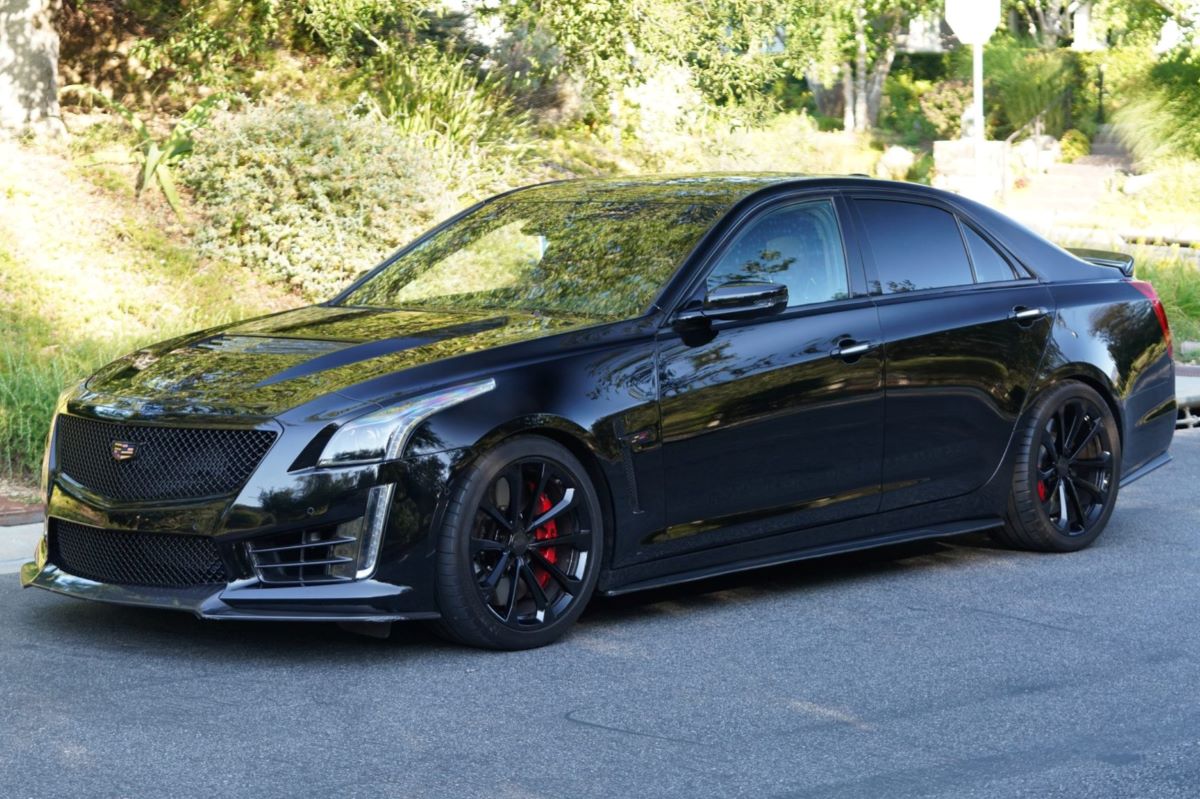
General Motors has built some of the most loved performance cars, luxury cruisers, and oddball icons in automotive history. While the spotlight usually falls on the obvious legends like the Corvette or the muscle-car kings, there is another layer to GM’s story.
These are cars that were once ignored, undervalued, or misunderstood, but are now quietly creeping toward collector status. Some were limited production models. Some were the last of their kind. Others were ahead of their time and are finally being appreciated for what they were.
Collector status does not happen overnight. It usually starts with a small group of enthusiasts who understand a car’s significance. They notice special trims, rare options, or unique engineering choices.
Over time, clean examples become harder to find. Parts get scarce. People stop modifying them and start preserving them. That is the moment when values begin to rise, and the car moves from “used performance bargain” to “future classic.”
Another key factor is nostalgia. Cars from the late 80s, 90s, and early 2000s are now entering the sweet spot where people who grew up loving them can finally afford them.
That demand pushes prices upward, especially for models with strong styling, unique character, or a limited run. GM has plenty of these, including sleepers that were not fully appreciated when new.
In this series, we focus on 10 GM cars that are quietly reaching that tipping point. These are models that are still obtainable today, but not for long if trends continue. They represent a mix of Chevrolet, Pontiac, Cadillac, Buick, and Saturn, and they all have some kind of collector spark.
Also Read: Top 10 Cleanest JDM Builds Ever Created-Period
1) Pontiac G8 GXP (2009)
The Pontiac G8 GXP is one of the clearest examples of a GM car that went from overlooked to highly desirable. When it launched, it was praised by enthusiasts but never sold in massive numbers.
Now, it is becoming one of those cars that collectors keep hunting for because it represents something rare: a modern Pontiac muscle sedan that arrived right before the brand disappeared.
The GXP version is the one that truly matters. It brought V8 power, a serious performance feel, and a design that still looks aggressive today. It also offered a manual transmission, which instantly increases collector interest.
Enthusiasts love cars like this because they combine real performance with everyday sedan usability, which makes them feel special and practical at the same time.
What makes the G8 GXP even more collectible is timing. Pontiac ended soon after, so the G8 feels like the last real performance statement from the brand.
That “last of the line” story always attracts collectors. It is similar to what happens with final-generation models from brands that disappear. People want them because they represent the closing chapter.
Another reason values are rising is the car’s reputation. It is often described as a GM sleeper, with performance that could surprise much more expensive cars.
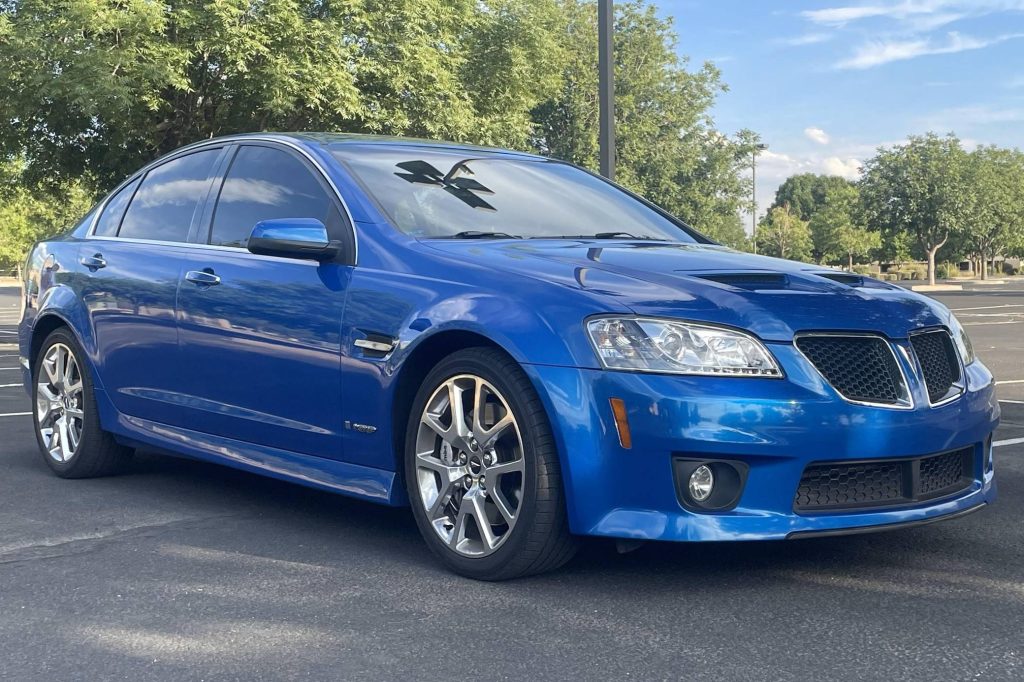
As more people realize how rare clean GXP examples are, the market continues to tighten. Modified cars exist, but collectors want stock or lightly upgraded cars with good history.
If you find a clean Pontiac G8 GXP today, it is already a smart collector move. It is not just fast and fun, it is historically significant within GM’s modern era, and that makes it a strong future classic.
2) Chevrolet SS (2014–2017)
The Chevrolet SS is one of the most underrated performance sedans GM has ever produced. When it was new, many buyers ignored it because it looked plain and was priced higher than people expected. But enthusiasts knew the truth.
The SS was a serious driver’s car, built with strong engineering and a powerful V8, and now it is entering the stage where collectors are starting to chase it.
One of the biggest reasons the Chevrolet SS is becoming collectible is that it is rare. GM did not sell huge numbers, and many people still do not realize how few exist.
That scarcity is gold in the collector world. Add the fact that it offered a manual transmission, and you have the kind of modern car that enthusiasts will pay for long-term.
The SS also has a special identity. It is a true sleeper sedan, the kind of car that can look normal but perform like a muscle car. That “quiet killer” personality is exactly the type of vehicle that develops cult status. Over time, cult status turns into collector demand.
The driving experience is another factor. The SS has strong handling, solid braking, and a balanced chassis. It does not feel like a boring straight-line car. It feels like a complete performance package. That matters because collectors often want something that is fun, not just rare.
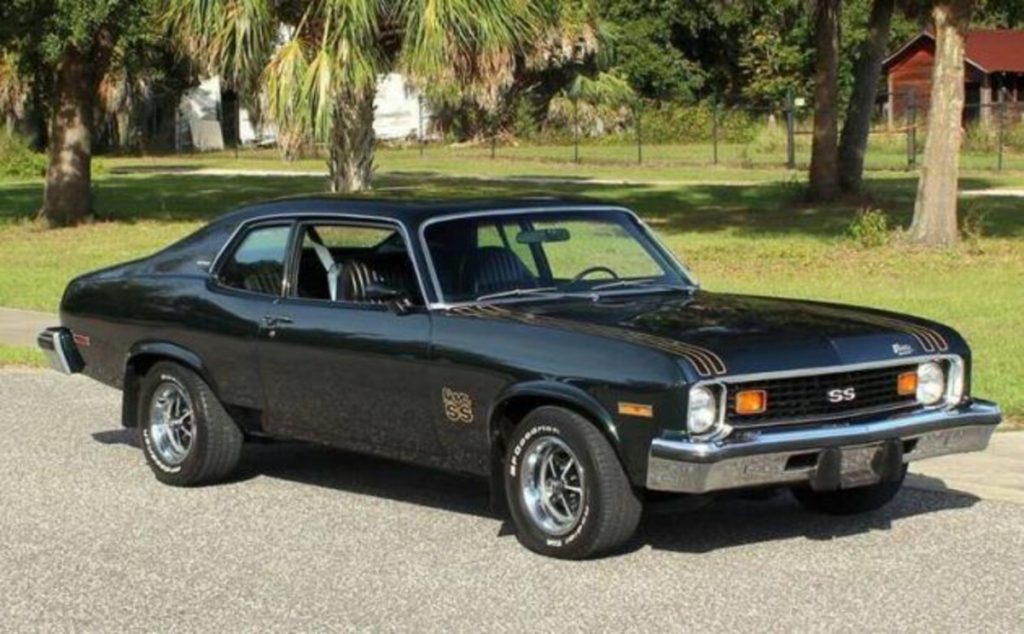
As the market moves toward turbocharged smaller engines and electrification, cars like the SS stand out even more. It represents a time when you could buy a big V8 sedan with a manual gearbox.
That era is ending, which increases demand. The Chevrolet SS is already being recognized as a future modern classic, and it is quietly climbing toward collector status.
3) Cadillac CTS-V (2004–2007, Gen 1)
The first-generation Cadillac CTS-V is one of those GM cars that still feels like a surprise, even today. In the early 2000s, Cadillac was trying to change its image, and the CTS-V was a bold statement. It was not just a luxury sedan with extra power. It was a real performance machine with an attitude, and that is why collectors are beginning to pay closer attention to it.
What makes the Gen 1 CTS-V special is that it represents the moment Cadillac decided to fight the Germans directly.
This was the start of Cadillac’s modern performance era, and collectors love “beginning of an era” cars. It was a turning point product, and turning points often become future classics because they mark a major shift in brand identity.
The car also has the raw mechanical charm that enthusiasts miss today. It came with a strong V8 and, most importantly, a manual transmission. Manuals in performance sedans are already rare, and they are becoming rarer as time passes. That alone pushes demand higher, especially for clean examples with original parts.
Styling also helps it grow into collector status. The Gen 1 CTS-V has that sharp-edged early Cadillac look that feels like a specific time capsule. It is not soft or generic. It has character. When a design strongly represents an era, it tends to age well for collectors, even if it was controversial at launch.
Another big reason the CTS-V is rising in interest is that many were used hard. These cars were bought by enthusiasts who drove them like they were meant to be driven. That makes unmodified, clean examples harder to find today. Scarcity of good condition vehicles is one of the fastest ways a car becomes collectible.
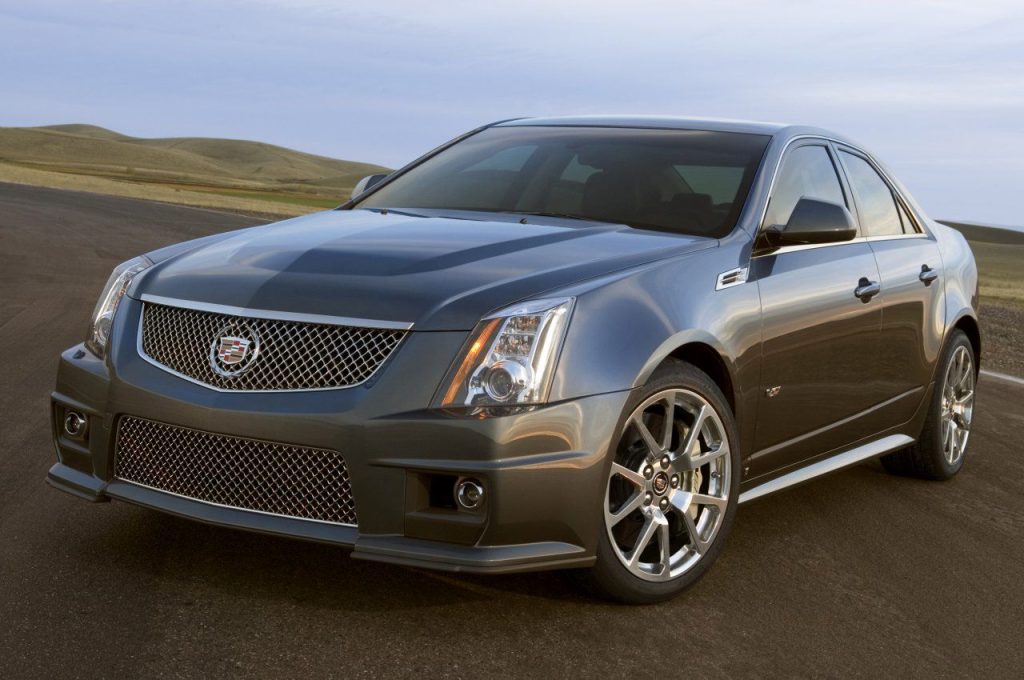
The first CTS-V is also more approachable than later generations in price, which is exactly where collector status starts.
The cars that become collectibles often begin as undervalued bargains. The Gen 1 CTS-V is entering that phase now, and the market is slowly waking up to its importance within GM history.
4) Pontiac Firebird Trans Am WS6 (1998–2002)
The Pontiac Firebird Trans Am WS6 is one of the loudest icons of late-90s and early-2000s GM performance, and it is quietly turning into a serious collector piece. For years, many people treated these cars like cheap horsepower machines.
But as time passes, clean WS6 examples are becoming harder to find, and the collector world is starting to respect what the car really represents.
The WS6 package matters because it was not just cosmetic. It improved performance and gave the car a more aggressive identity.
It also came during the final years of the Firebird, which adds a strong collector story. “Last years of a legend” cars almost always rise in value because they represent the end of an era.
Another factor is nostalgia. Many enthusiasts grew up seeing WS6 Trans Ams in movies, video games, and street culture.
That emotional connection creates demand when those fans become buyers. The late 90s tuning era is now becoming a classic period, and cars that defined it are getting pulled into collector conversations.
The design also plays a huge role. The WS6 looks dramatic, low, and aggressive, with styling that instantly tells you what it is. Modern cars often look safe and similar. The WS6 does not. It has personality, and collector buyers love personality.
The engine and performance reputation also strengthen its collector future. The WS6 is known for strong V8 power and straight-line speed. It is the kind of car that was a dream for young car fans back then. Today, it offers that old-school muscle feel with relatively simple mechanicals, making it appealing as a weekend car.
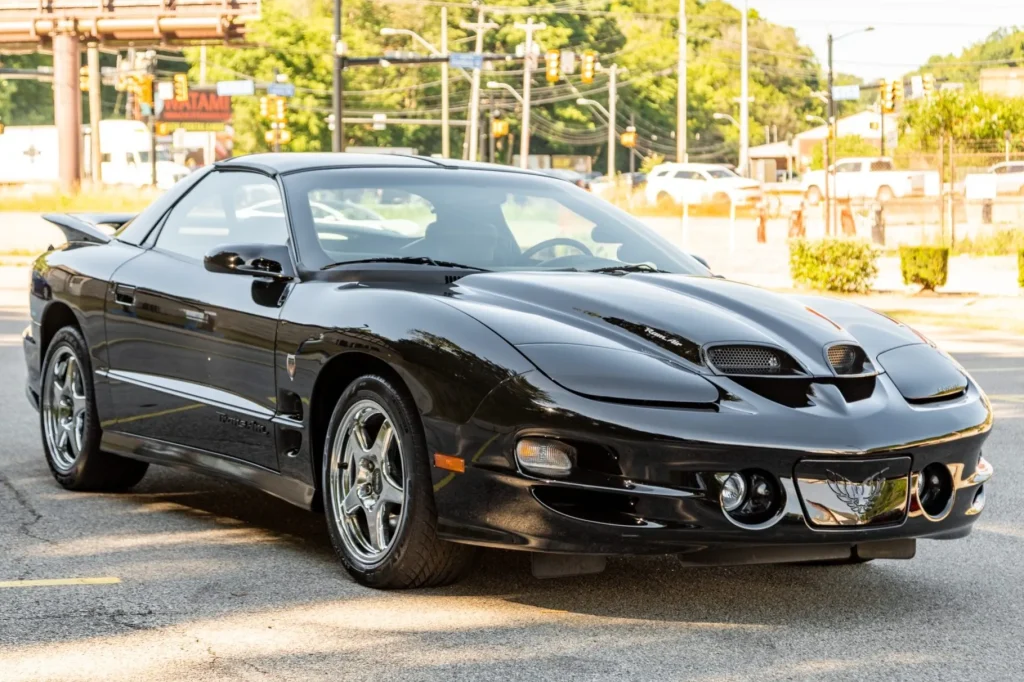
A huge reason collector status is coming is condition scarcity. Many WS6 cars were modified, raced, or driven hard. Finding one in stock form with good paint, clean interior, and proper maintenance records is no longer easy.
And when clean examples become rare, the market rewards them. That is exactly why the WS6 is no longer just a fun GM muscle car, it is becoming a collectible.
5) Buick GNX (1987)
The Buick GNX is not just on the brink of collector status, it is already a legend, but it still deserves a place here because many people outside hardcore enthusiasts do not realize how special it truly is.
In the late 1980s, Buick shocked the world by creating a car that could embarrass V8 muscle cars using turbocharged power. Today, that story makes the GNX one of the most respected and valuable GM performance cars ever built.
What makes the GNX special is its historical meaning. It was the final and most extreme evolution of the turbo Buick era.
It represents GM doing something bold and unusual, and collectors love vehicles that were “different for the time.” It was not trying to be a Camaro or a Corvette. It was a Buick that behaved like a street weapon.
The GNX was also limited, and limited production is the fuel that powers collector value. It was built in small numbers, making it far rarer than most performance cars of its era. As years go by, scarcity becomes even stronger because collectors preserve them, and fewer clean cars remain on the open market.
Another reason the GNX keeps climbing is cultural reputation. It is a car that has been talked about for decades, and the legend keeps growing. The blacked-out styling looks serious and timeless, and it still stands out even among modern cars. It has the kind of presence that makes people stop and stare.
Performance also plays a major role. The GNX is famous for brutal acceleration, and its turbo character gives it a unique driving feel. Today’s collectors love cars that offer an experience you cannot easily replicate with modern machines. The GNX feels raw, mechanical, and full of personality.
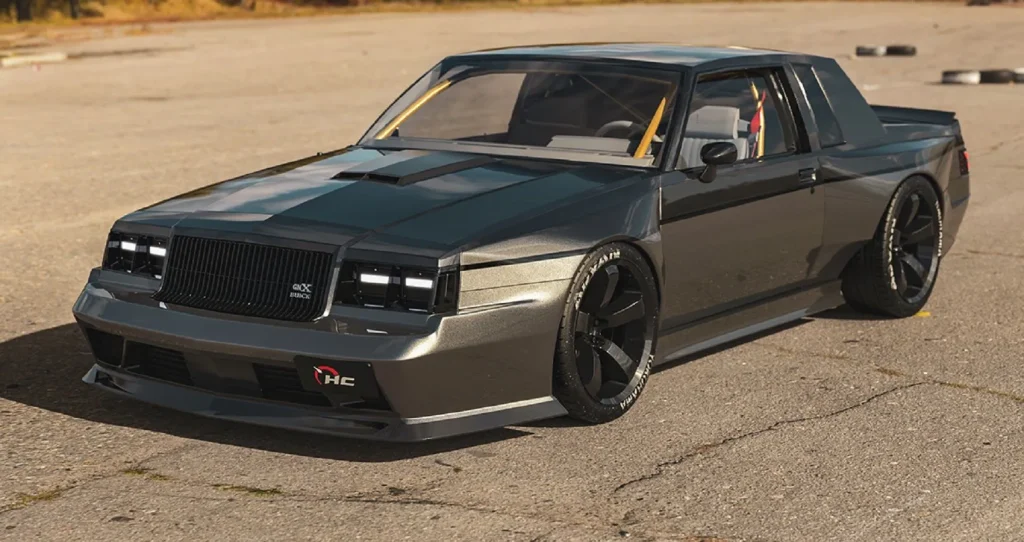
Condition and originality are everything here. Many turbo Buicks were modified heavily, which makes stock GNX cars even more valuable.
The market rewards clean examples with documentation, original parts, and correct numbers. That is why the GNX is often viewed like a GM collectible asset. It is rare, meaningful, and historically important, which is exactly what collectors chase.
6) Chevrolet Camaro Z/28 (1993–1997, 4th Gen LT1)
The 1993–1997 Chevrolet Camaro Z/28 is quietly gaining collector interest because it represents a major shift in the Camaro story.
It was the beginning of the fourth generation, bringing modern styling, improved performance, and an updated identity that defined 90s American muscle.
For many years, these cars were cheap performance bargains. Now, clean examples are becoming harder to find, and that is how collector status begins.
The LT1-powered Z/28 models have a special place because they were the main performance Camaro in the early 4th gen years.
The car offered strong V8 power, a classic rear-wheel-drive layout, and a look that screamed 90s muscle. Today, nostalgia for that era is rising quickly, and the Z/28 is one of its key symbols.
What pushes this Camaro toward collector territory is survival rate. Many 4th gen Z/28 cars were used hard. They were modified, raced, abused, or simply driven into the ground. Because the cars were affordable, people did not treat them like future classics. That makes stock, well-kept examples increasingly rare, which pushes values upward.
Another important factor is simplicity. The LT1 Z/28 offers a relatively straightforward performance experience compared to modern turbo performance cars filled with complex systems. Collectors and weekend drivers love cars they can understand and maintain. It is a muscle car you can actually use without needing advanced tools or special dealer-only fixes.
The car also has strong tuning history, which keeps fan interest alive. However, collector attention usually favors original cars, especially those with factory paint, correct wheels, and clean interiors. These are the Z/28 models that will likely keep rising as fewer clean survivors remain.
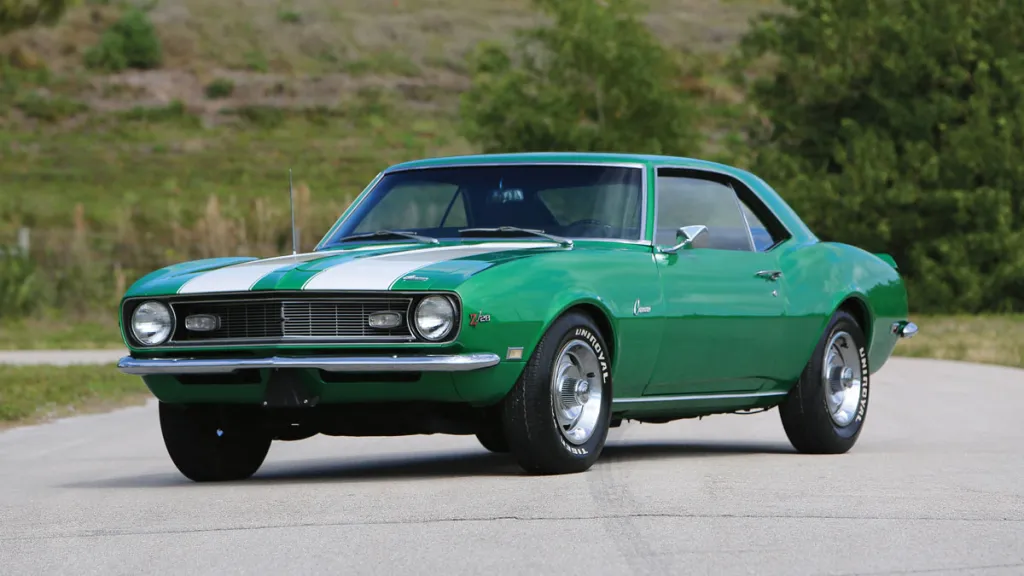
If you want a GM muscle car that is still affordable but already moving upward in collector interest, the 1993–1997 Camaro Z/28 is one to watch closely. It is no longer just a cheap old Camaro. It is becoming a collectible.
7) Chevrolet Impala SS (1994–1996)
The 1994–1996 Chevrolet Impala SS is one of those GM cars that spent years being loved by a niche crowd, but is now moving into real collector attention.
It is already respected in enthusiast circles, yet many casual buyers still do not realize how special it is. That quiet under-the-radar status is exactly why it fits this list. It is becoming more valuable without making loud headlines.
The Impala SS matters because it represents the end of an era. It was a big, rear-wheel-drive American V8 sedan in a time when the world was shifting toward smaller, front-wheel-drive cars. GM basically created a modern muscle sedan before the concept became mainstream again. That historical context gives it collector weight.
Its styling helps too. The car looks tough and confident, with a shape that feels like a proper full-size cruiser. In black, it is iconic. The look is simple but intimidating, which adds to its lasting appeal. Collector cars often have a distinct silhouette, and the Impala SS definitely has one.
The driving experience is another reason collector demand is growing. It offers that heavy, torquey, old-school feel that many modern cars no longer provide. It is not a razor-sharp sports sedan, but it has personality. Collectors love cars with personality, especially when it is linked to an era that is now gone.
Scarcity is increasing because many were not preserved. For years, Impala SS models were cheap enough to be used as daily drivers, modified heavily, or simply neglected.
That is changing now. Clean, original examples with good paint, stock wheels, clean interiors, and proper records are much harder to find, and the market rewards them.
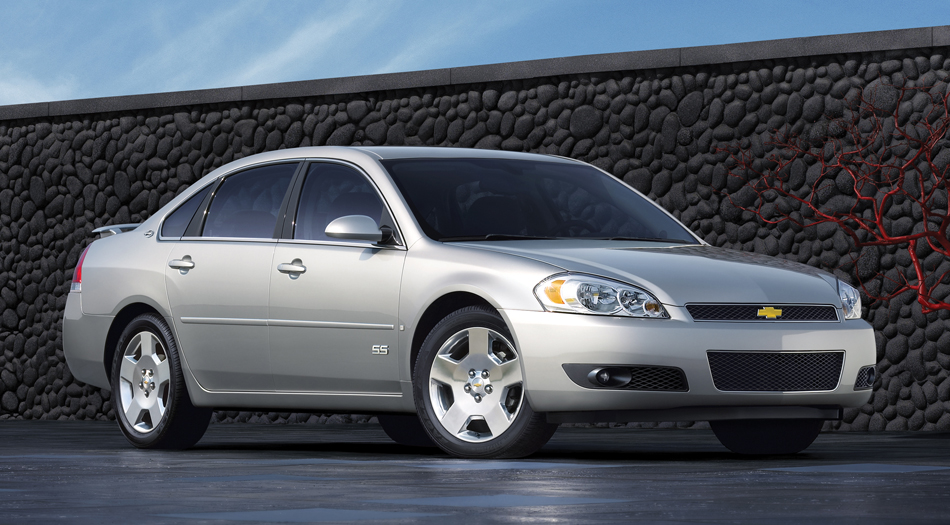
Another major factor is its cultural fanbase. The Impala SS has strong support in the street scene and cruiser community. That keeps demand alive across generations, and demand is what pushes values upward. As people realize how few good cars remain, this model continues to climb.
If you want a GM sedan that is both historically meaningful and genuinely cool, the Impala SS is right at the collector tipping point. It is already respected, and it is getting rarer fast.
8) Saturn Sky Red Line (2007–2010)
The Saturn Sky Red Line is one of the most unexpected GM cars now creeping toward collector status.
Saturn is gone, and that alone creates curiosity and demand. But the Sky Red Line is not just “rare because the brand died.” It is a genuinely stylish, fun, turbocharged roadster that offers a unique driving experience in GM history.
One of the biggest reasons it is becoming collectible is design. The Sky looks dramatic and sporty in a way that still turns heads today. It does not look like a normal budget roadster. It looks like a concept car that somehow reached production. In the collector world, strong styling ages well, especially when few cars share the same look.
The Red Line trim matters because it is the performance version. It adds the type of power and tuning enthusiasts actually want.
Many buyers now search specifically for the Red Line because it offers the most exciting package. When collectors hunt a model, they usually chase the highest-performance trim, and that is exactly what the Red Line is.
Another collector factor is rarity through survival. These cars were not treated like classics. They were used, modified, or sometimes poorly maintained. Many were also not stored properly, which affects roof condition and interior quality. As a result, clean survivors are getting scarce, and scarcity drives collector attention.
The “orphan brand” effect is also real. When a brand disappears, its best products often become more interesting later. People want a piece of what no longer exists. The Sky Red Line is like a final statement from Saturn, and collectors love final statements.
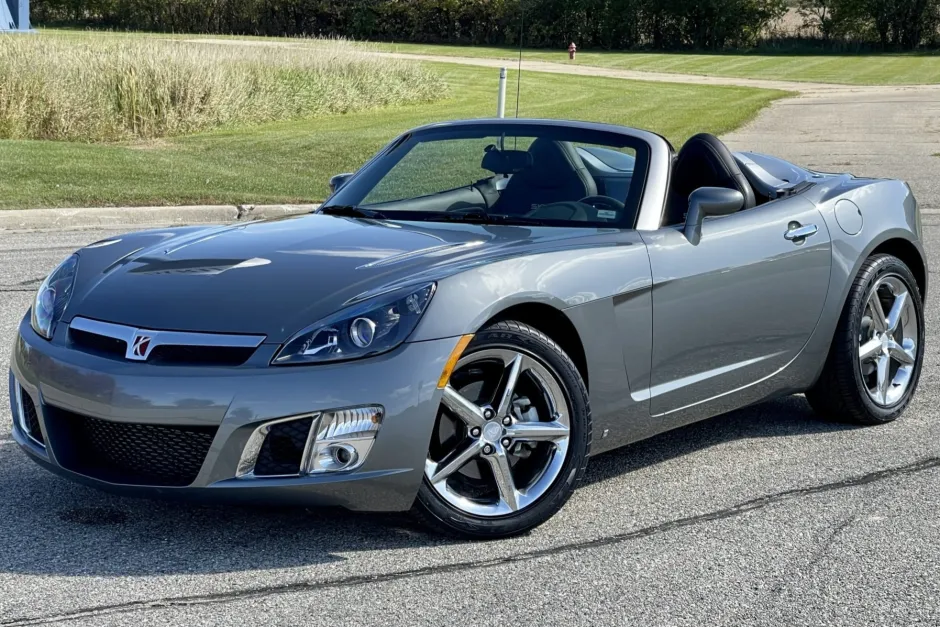
It also offers a driving feel that is becoming rare today: lightweight, open-top fun with simple mechanics compared to modern performance cars. That makes it attractive as a weekend collectible.
If you want a GM car that feels unique, stylish, and increasingly rare, the Saturn Sky Red Line is moving toward collector territory fast. It is the kind of car people regret ignoring once prices climb.
9) Pontiac Solstice GXP (2007–2009)
The Pontiac Solstice GXP is one of the most underrated GM performance cars, and it is quietly sliding into collector territory.
For years it was treated like a cheap used roadster, but the market is starting to notice what it actually offers. It combines rarity, strong styling, and a performance trim that makes it far more special than the average Solstice.
The GXP badge is the key. While the base Solstice is fun, the GXP brings the real collector energy. It adds turbocharged power and a more serious performance personality. Collectors usually chase the “top version” of a model line, and the GXP is exactly that. When people buy future classics, they want the one that enthusiasts talk about.
The Solstice also benefits from Pontiac’s ending story. Pontiac no longer exists, and that brand history is becoming more meaningful as time passes.
Cars from dead brands often become more collectible because they represent something that cannot be repeated. The Solstice GXP is part of that final chapter, which adds emotional and historical value.
Styling plays a huge role too. The Solstice has bold proportions, dramatic body lines, and an aggressive roadster stance. Even today it looks like a sports car, not just a cheap convertible. Strong design is a major collector ingredient because it gives the car identity. People do not collect cars that look forgettable.
Another reason collector status is creeping in is survival rate. Many Solstice models were weekend cars, which helps condition, but a large number were modified, poorly maintained, or ignored because values were low.
Now that buyers are searching for clean examples, the supply is shrinking. Unmodified GXP cars with documentation and good paint are becoming harder to find.
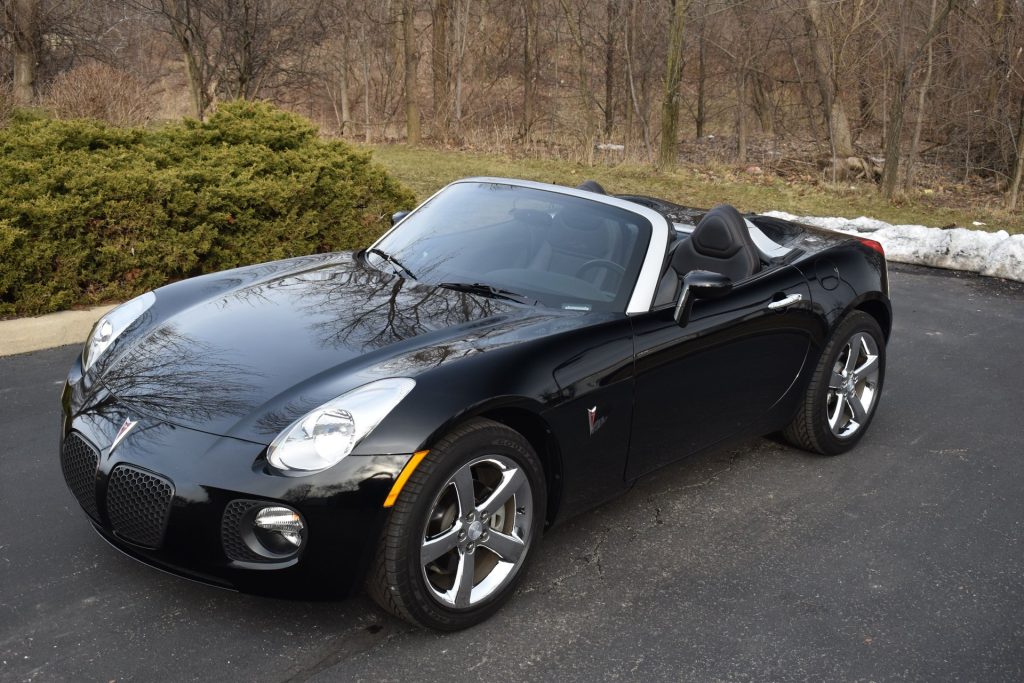
The driving experience also supports future collectibility. It is lightweight, rear-wheel-drive, and turbocharged. That kind of fun, mechanical feel is becoming rare as cars become heavier and more digital. This creates nostalgia value and makes the Solstice feel more special every year.
If you want a GM roadster that is still affordable but clearly moving upward in respect, the Pontiac Solstice GXP is a smart collector bet. It is rare, exciting, and tied to Pontiac’s final era.
10) Chevrolet Cobalt SS Turbo (2008–2010)
The Chevrolet Cobalt SS Turbo is one of the best examples of a “quiet future collectible” because most people never expected a Cobalt to become desirable. That is exactly why it is happening.
This car was not sold as a luxury halo model. It was a hot compact built for real performance, and today it is finally getting recognition for being one of GM’s most surprising modern-era driver cars.
The SS Turbo version is the one that matters. It takes the basic compact car idea and turns it into something genuinely fast and fun.
It offers strong turbocharged power, a lighter chassis than modern cars, and a raw personality that feels authentic. Collectors love cars that punch above their class, and the Cobalt SS Turbo definitely does that.
Another big reason collector status is growing is reputation. Over time, enthusiasts realized the Cobalt SS was not just a marketing trick. It was engineered seriously, with real performance credibility.
It became a cult favorite because people who drove it understood how good it was. Cult favorites often become collector cars once clean examples disappear.
Condition scarcity is now a major factor. Many Cobalt SS Turbo cars were owned by young drivers and were modified heavily. Some were raced, some were tuned aggressively, and many were not preserved.
That means stock, clean cars are becoming rare. In the collector world, rarity is not only about production numbers. It is about how many survive in original form.
The late 2000s also represent a special era for performance compacts. These cars were light, direct, and mechanical, without the heavy driver-assist feel modern cars have. That old-school turbo compact experience is now becoming nostalgic, especially for buyers who grew up in that period.
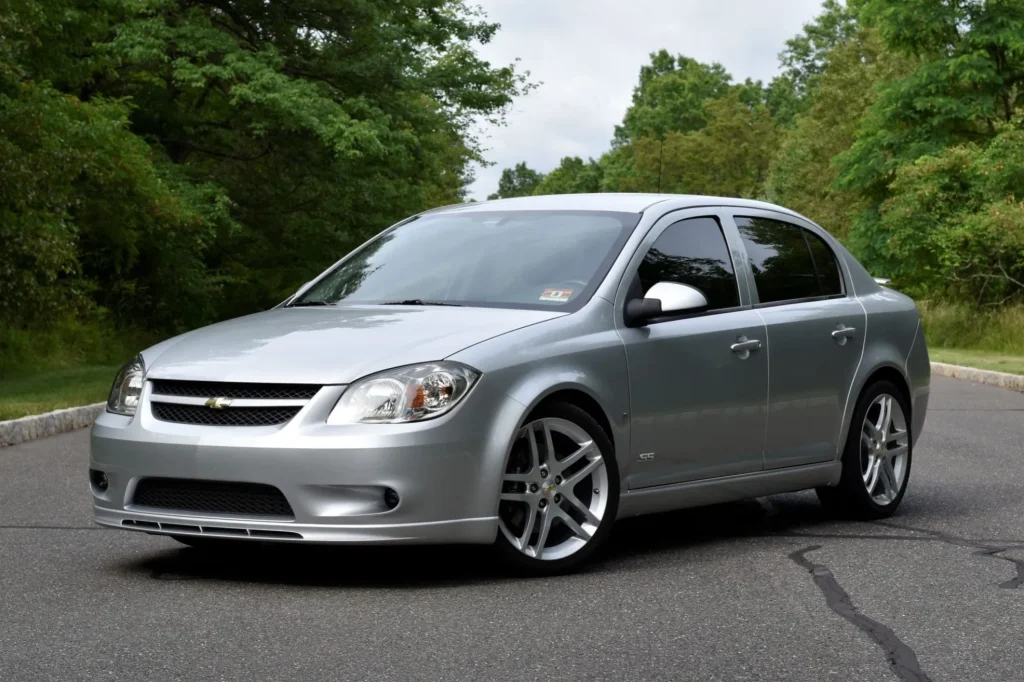
The Cobalt SS Turbo is also a symbol of GM’s surprising ability to build a proper enthusiast compact. That odd contrast makes it interesting. Nobody expects it, so when someone sees a clean SS Turbo today, it feels special.
If you want a GM car that is quietly becoming collectible while still being a bit underpriced, the Cobalt SS Turbo is one to grab before the market fully wakes up. It is a real sleeper classic in the making.
