
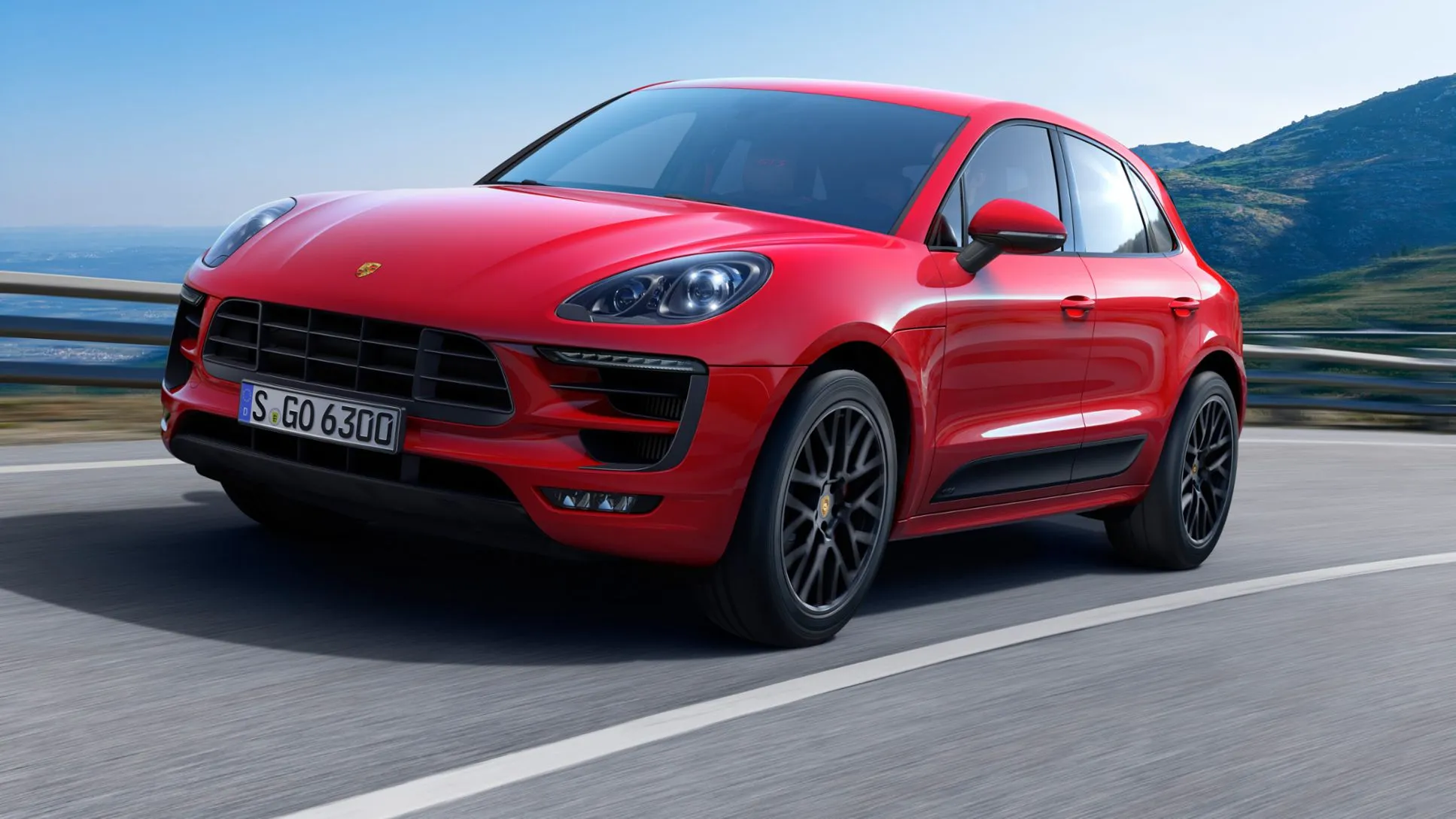
Buying a Porsche used can be one of the smartest ways to enter the premium performance world without losing huge money. New luxury cars often depreciate fast, but Porsche is different.
Many models hold their value better than other brands because the demand stays high, the engineering is strong, and the brand image is extremely stable worldwide.
A used Porsche can give you both driving enjoyment and financial confidence, as long as you choose the right model, the right generation, and the right condition.
The key to “financial sense” is not just a low purchase price. It is the balance between what you pay, what it costs to maintain, and what it will be worth later. Some used Porsches are bargains because they are reliable, easy to service, and still desirable to buyers.
Others may look cheap but become expensive through repairs, high parts costs, or weak resale demand. That is why picking the correct used Porsche matters so much.
In this list, we focus on Porsches that are known for strong resale value, stable long-term demand, and a good ownership experience when maintained properly.
These are cars that enthusiasts respect and that buyers still want even with mileage. Many of them are also supported by strong aftermarket parts availability, global service networks, and large owner communities, which makes ownership easier.
We also include models that feel modern enough to live with daily, while still offering the Porsche feel.
This includes sports cars like the Cayman and Boxster, practical performance cars like the Macan, and iconic choices like the 911 in the right generation. Each one here offers a strong mix of enjoyment and long-term value, which is what makes them financial winners.
Now let’s get into the Top 12 used Porsches that can actually make financial sense, instead of draining your bank account.
Also Read: Top 12 SUVs Proven to Rack Up 500,000 Miles Without Drama
1) Porsche 987 Cayman (2006–2012)
The Porsche 987 Cayman is one of the best financial-sense sports cars Porsche has made because it delivers true Porsche handling at a price that still feels reasonable in the used market.
Compared to many 911s, it is more affordable while still offering a premium driving feel. In terms of value, the Cayman also benefits from growing respect among enthusiasts, which helps it hold resale stronger than most sporty coupes from the same era.
A major reason the 987 Cayman makes financial sense is balance. It is mid-engine, which gives it excellent handling and confidence even for drivers who are not racing experts.
That means the car feels expensive and special without needing crazy horsepower. The driving experience is the main product here, and that product ages well.
Another financial advantage is that the Cayman is often less abused than some other sports cars. Many owners buy them as weekend cars and keep them in good condition.
When you find a clean example with service history, it can be a reliable ownership experience for a performance car. Parts and labor are not cheap, but compared to the 911 world, it is often more manageable.
Resale demand is also strong because the Cayman has become a cult favorite. Many buyers feel it offers better handling than some heavier 911 generations, and that belief keeps demand steady. The coupe body style also increases desirability compared to convertibles in many markets.
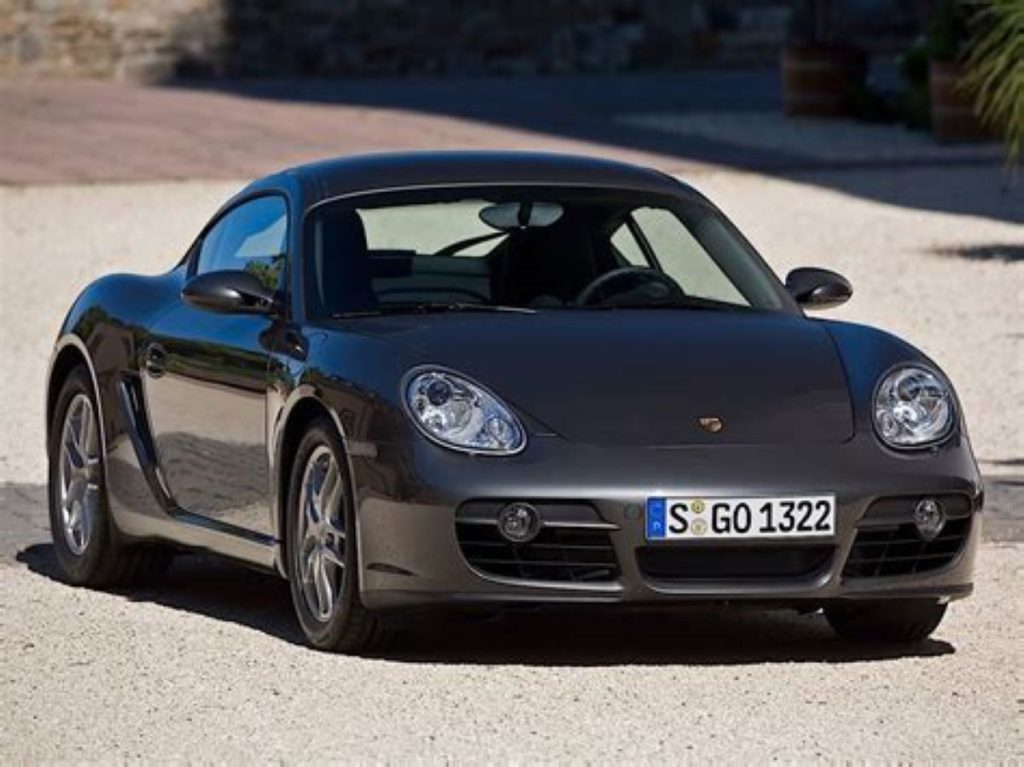
The smartest financial move is finding a well-maintained Cayman with proper servicing. Avoid neglected examples, because repairs can quickly ruin the “good deal.” But if you buy right, the 987 Cayman can give you Porsche prestige, strong driving joy, and a relatively stable value curve.
2) Porsche 987 Boxster (2005–2012)
The Porsche 987 Boxster is one of the best used Porsche buys for financial sense because it offers the Porsche experience at one of the lowest entry points, while still holding value better than most convertibles.
Many buyers underestimate the Boxster because it is not a 911, but in real life it delivers the same brand DNA, premium build, and driving joy, without the extreme pricing.
One reason the 987 Boxster works financially is that it has already gone through the steepest part of depreciation.
That means many used examples now sit at relatively stable prices. If you buy a clean one and maintain it well, you can often exit later without losing huge money, especially if you avoid high-risk neglected units.
The mid-engine layout makes it feel sharp and fun, and that driving feel keeps demand alive. People want a roadster that feels special, and Porsche delivers that better than most brands. The cabin quality also feels premium enough that the car does not age as badly as cheaper convertibles.
Maintenance is the main factor. A Boxster that has been serviced properly can be a dependable weekend car. But buyers must respect Porsche ownership rules. Skipping maintenance is the fastest way to turn a “financially smart Porsche” into an expensive mistake. Service records are everything in this category.
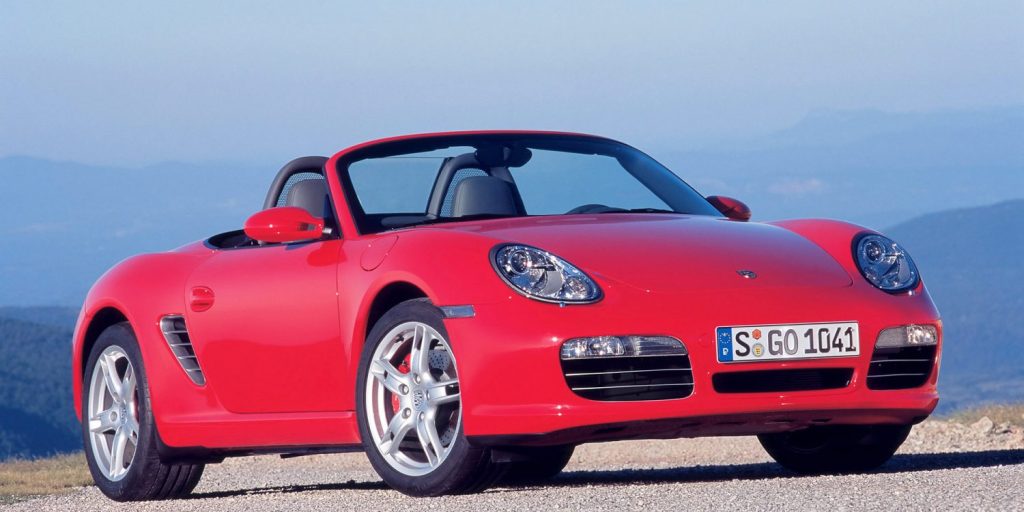
Resale demand is strong because many people want an open-top Porsche that is still usable. The Boxster is not just a toy. It is comfortable enough for daily driving in good weather, and it can handle long highway drives smoothly. That broad usefulness supports demand across different buyer types.
For someone who wants Porsche fun with lower cost and stable value, the 987 Boxster is a strong winner. It is one of the few true luxury sports cars that can be owned without feeling like financial punishment.
3) Porsche 997 Carrera (2005–2012)
The Porsche 997 Carrera is one of the strongest “financial sense” 911 generations because it offers modern usability while still feeling like a classic Porsche.
It sits in a sweet spot. It is newer and more refined than older air-cooled cars, but it is not so new that it carries huge depreciation risk. For many buyers, the 997 is the last 911 generation that feels truly analog while still being practical.
A major reason the 997 makes sense is demand stability. Even people who are not hardcore Porsche fans recognize the 997 as a desirable 911.
That matters because resale strength comes from broad demand, not just niche interest. The design is also widely loved, and it has aged extremely well. When a car’s shape stays attractive over time, prices stay strong.
Financially, the best part is that clean 997 Carreras hold their value better than many other sports cars. Some trims have already begun appreciating in certain markets, especially well-kept manual examples.
That does not mean every 997 is an investment, but it does mean the depreciation curve is far kinder than most luxury performance cars.
Ownership costs depend heavily on buying the right car. A well-serviced 997 with records can be reliable and enjoyable. A neglected one can become expensive fast.
This is where smart buyers win. You do not buy the cheapest one. You buy the one with proof of care. Maintenance items like brakes, tires, and services cost real money, but they are part of responsible Porsche ownership.
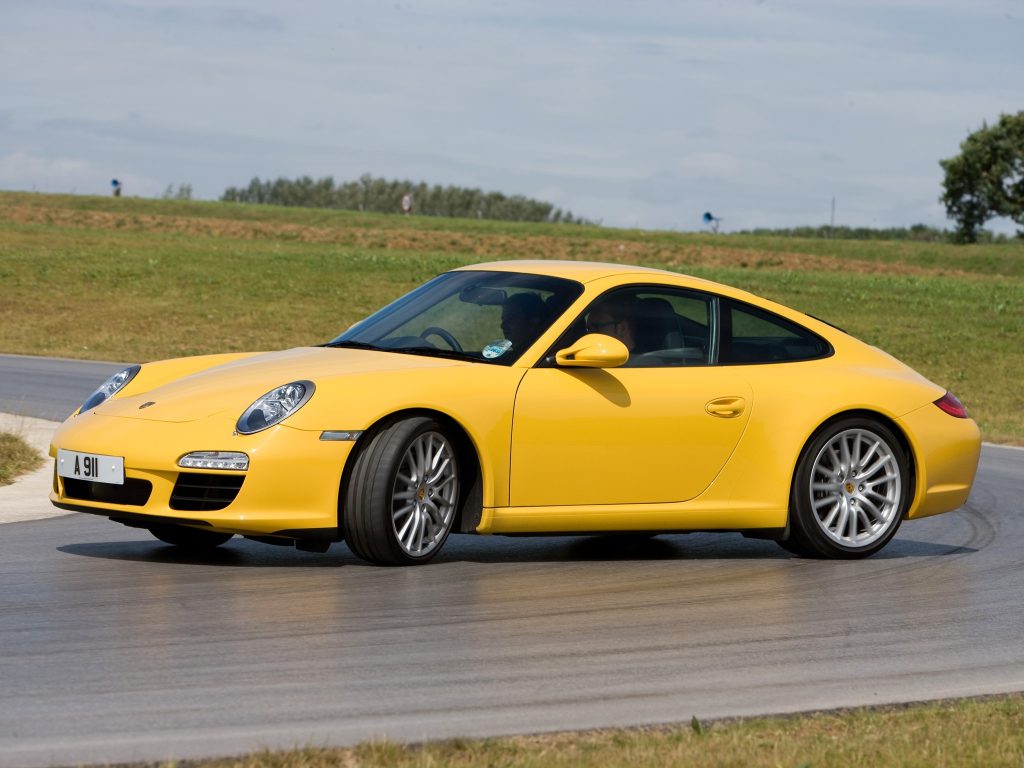
The 997 is also usable as a daily driver. Visibility is good, the cabin is comfortable, and the car is not too large for cities. That usability keeps the buyer pool wide, which protects resale value. People want sports cars they can live with.
If you want a Porsche that gives you the real 911 identity while still making financial sense, the 997 Carrera is one of the best choices. It offers strong demand, timeless style, and a value curve that stays surprisingly stable when bought correctly.
4) Porsche 996 Carrera (1999–2004)
The Porsche 996 Carrera makes financial sense for a different reason: it is still one of the most affordable ways to own a 911, and the market has already adjusted its prices.
For years, the 996 was the “unloved” generation because of styling debates, but now enthusiasts are starting to appreciate it as a true modern classic. That shift in attitude is a big reason the 996 can be a smart buy if chosen carefully.
A major financial advantage is entry price. You can often buy a 996 for far less than a 997 or later models, but you still get the 911 driving experience, rear-engine character, and Porsche badge. That makes it appealing to buyers who want the brand without extreme spending. As more buyers realize it is a real 911, demand stays steady.
Another reason the 996 is improving financially is rarity of clean examples. Many were daily driven and not always kept perfectly. That means clean, properly serviced, low-modification cars are becoming harder to find. In collector logic, scarcity plus growing appreciation often results in stronger prices over time.
However, buying a 996 requires intelligence. The financial sense comes only if you avoid risky cars. Service history and proper inspections matter more here than on newer models. You should look for examples with careful ownership and documented maintenance. That protects you from large surprise expenses.
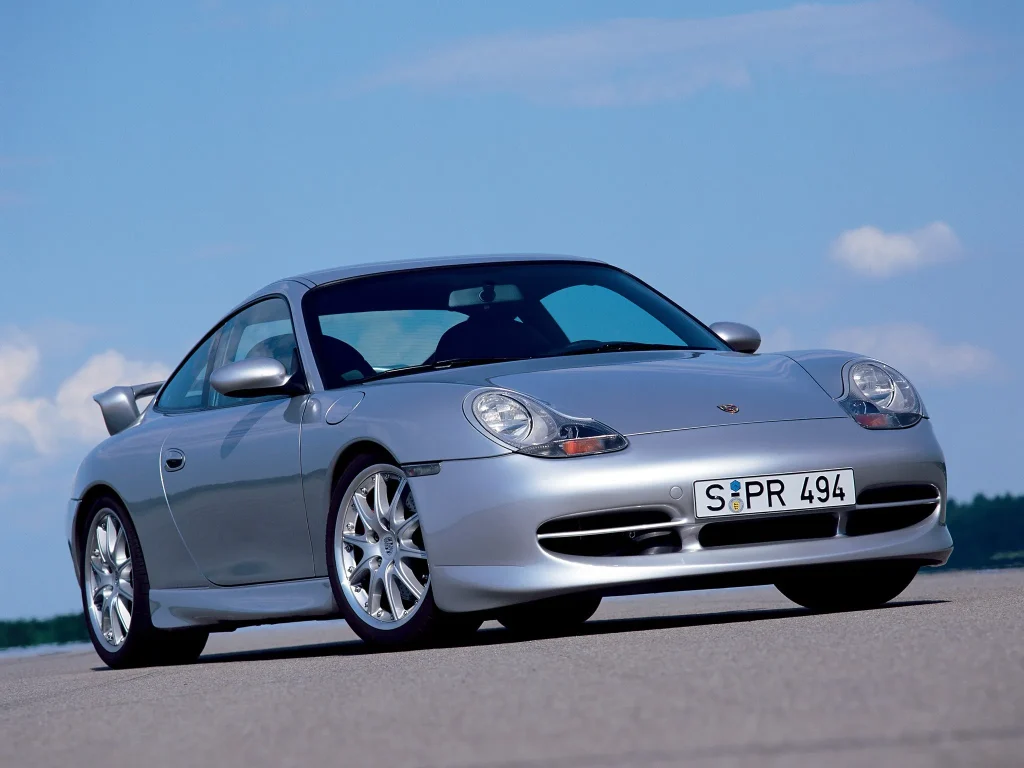
The 996 is also enjoyable because it is lighter and simpler than many newer 911s. It feels more direct and mechanical. That driving feel is becoming rare, which adds long-term desirability. As modern cars become more digital, older “driver-focused” cars gain emotional value.
If you want an affordable 911 that has already taken its biggest depreciation hit, the 996 Carrera can make sense financially. Buy a clean one, maintain it well, and it can hold value better than many newer luxury cars that still have heavy depreciation ahead.
5) Porsche Macan S (2014–2018)
The Porsche Macan S is one of the smartest used Porsche purchases because it combines real Porsche DNA with everyday practicality. Many buyers want the Porsche badge but need space, comfort, and daily usability.
The Macan S meets that demand perfectly, which is why it holds resale value better than most luxury SUVs. Financial sense comes from buying a Porsche you can actually use daily without treating it like a fragile weekend toy.
A major advantage of the Macan S is demand. It is one of Porsche’s best-selling models globally, and the used market is always active.
High demand creates stable pricing, and stable pricing protects your money. Even with mileage, Macan S models remain desirable because buyers trust the performance and overall build quality more than many competitors.
Another reason it makes sense financially is driving experience. Most luxury SUVs feel heavy and boring. The Macan S feels agile, confident, and genuinely sporty.
It has strong braking, sharp steering, and a solid chassis feel. This keeps owner satisfaction high, and high satisfaction means strong resale. People pay more for vehicles they enjoy, even in used condition.
Ownership costs are still Porsche-level, but the Macan is not as scary as some sports models. The key is maintenance history. A Macan S with good service records and careful ownership is far less risky than one that has been ignored.
You should also budget realistically for tires, brakes, and scheduled service because premium performance vehicles wear premium parts.
Financial logic also comes from versatility. A used Macan S can replace two cars in some households. It can handle city commutes, long highway drives, family duty, and weekend fun. This wide usage appeal makes it easier to resell later. The buyer pool is huge because the Macan fits many lifestyles.
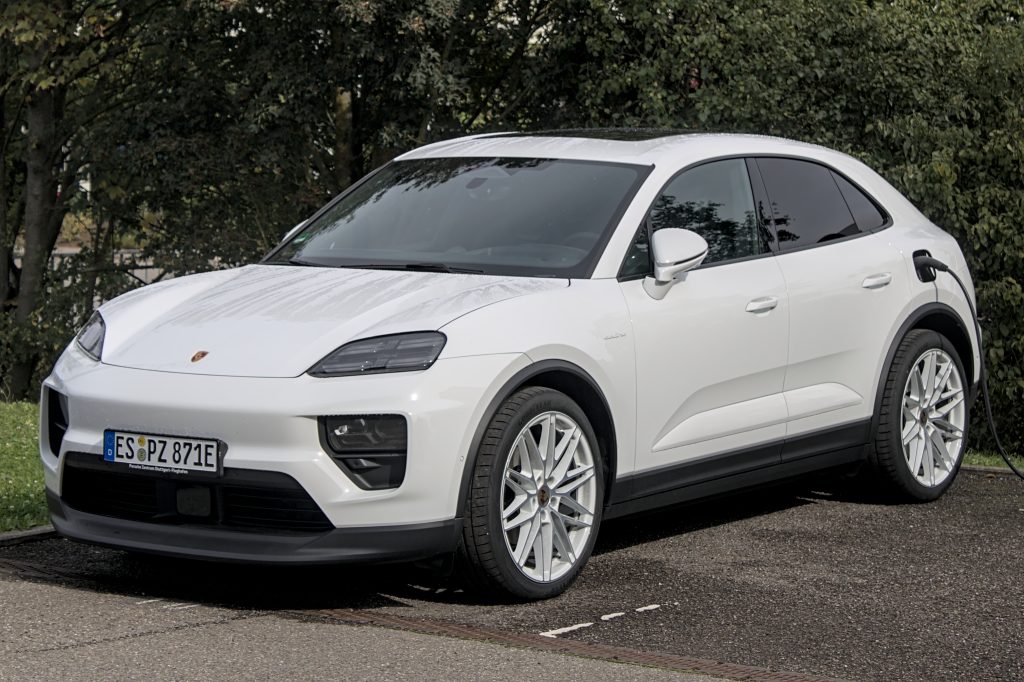
For many people, Macan S is the ideal “financial Porsche.” It delivers prestige, performance, and practicality, without being tied to the unpredictable collector market.
If you buy one in the right condition, it holds value well and gives you daily enjoyment, which is exactly what smart ownership looks like.
6) Porsche Cayenne (957) GTS (2008–2010)
The Porsche Cayenne GTS from the 957 generation is one of the most underrated used Porsche buys that can make financial sense when purchased carefully.
While many luxury SUVs from this era depreciated hard, the Cayenne GTS has gained respect because it is the sporty, enthusiast-focused version. It offers a special driving personality and a more premium image, which helps keep demand stronger than base Cayennes.
A big reason it makes financial sense is value-per-performance. The Cayenne GTS gives you a powerful V8 experience and a sporty chassis feel at a used price that is often far lower than what you would pay for a modern Porsche SUV.
It feels like a high-end performance vehicle without the modern purchase cost. For buyers who want power and presence, it can be a strong value choice.
The GTS trim also helps resale. In the used market, “special versions” always do better than base trims, because enthusiasts search for them. The Cayenne GTS has a more aggressive look, sportier setup, and a reputation as the driver’s Cayenne. That reputation creates long-term interest, which supports value retention.
However, financial sense here depends heavily on condition and ownership history. Maintenance costs can be high if the vehicle has been neglected. The smart approach is buying the cleanest example you can afford, with strong records and proper servicing. A thorough inspection matters more than saving a small amount upfront.
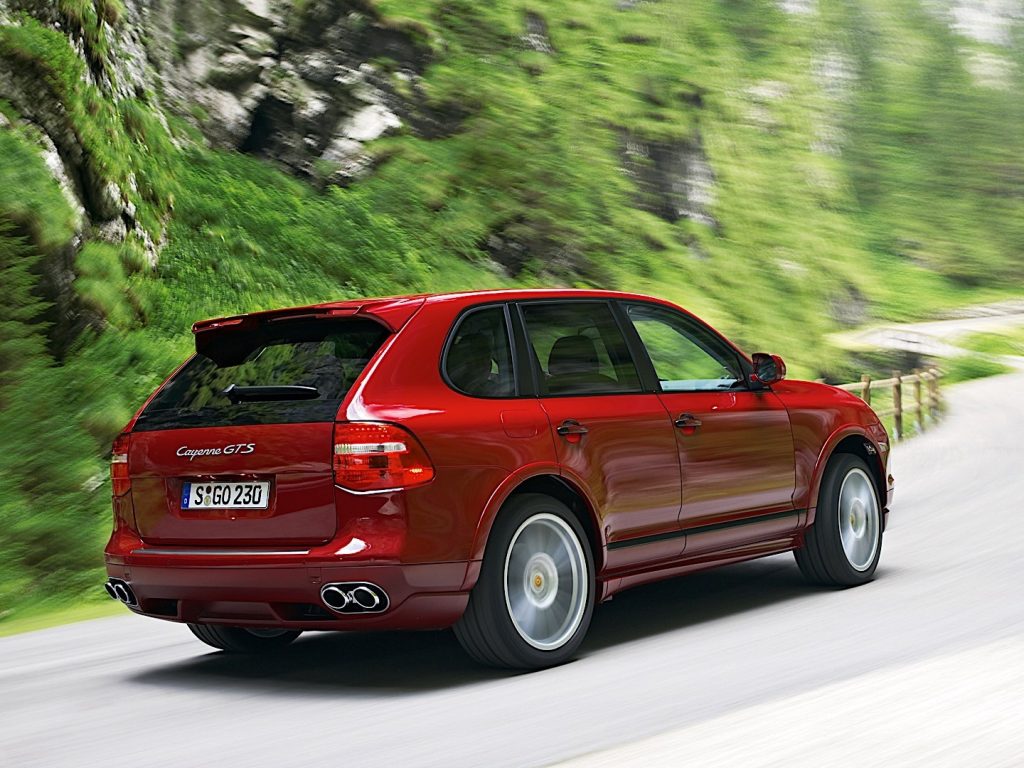
Another advantage is the brand image. Porsche SUVs have a strong reputation, and many buyers prefer them over rivals because they feel more solid and more enjoyable to drive. That demand keeps resale alive even when mileage climbs, especially for the GTS.
If you want a used Porsche SUV that offers real performance value, the 957 Cayenne GTS is a strong pick. Buy carefully, maintain responsibly, and you can enjoy a special Porsche experience without suffering the worst depreciation losses.
7) Porsche 981 Cayman (2013–2016)
The Porsche 981 Cayman is one of the best used Porsches that makes financial sense because it hits the perfect balance between modern quality and stable market demand.
It feels newer and more refined than the 987, but it still avoids the heavy depreciation hit of newer generations. For many buyers, the 981 is the generation where the Cayman started to feel truly premium inside and out, which increases long-term desirability and resale strength.
A big reason the 981 Cayman makes financial sense is its driving experience. It is one of the best-handling sports cars Porsche has ever built, and that reputation keeps demand strong. Buyers do not just want speed.
They want confidence, balance, and the feeling that the car is engineered properly. The 981 Cayman delivers that in a way that few rivals can match, even today.
Financially, the 981 is also in a strong position because it is seen as a “sweet spot generation.” It has modern design, a high-quality interior, and a naturally aspirated engine experience that many enthusiasts prefer.
As turbocharged engines became more common later, some buyers started to look back at the 981 as a more emotional, better-sounding Cayman. That emotional demand helps protect resale prices.
Ownership costs can be reasonable for a Porsche, as long as you buy a well-maintained example. The Cayman is generally less complex than large SUVs, and it avoids some of the extreme running costs of higher-end 911 variants.
Still, service history matters. A clean car with proper maintenance is the financial way to buy. Skipping this step is how buyers lose money later.
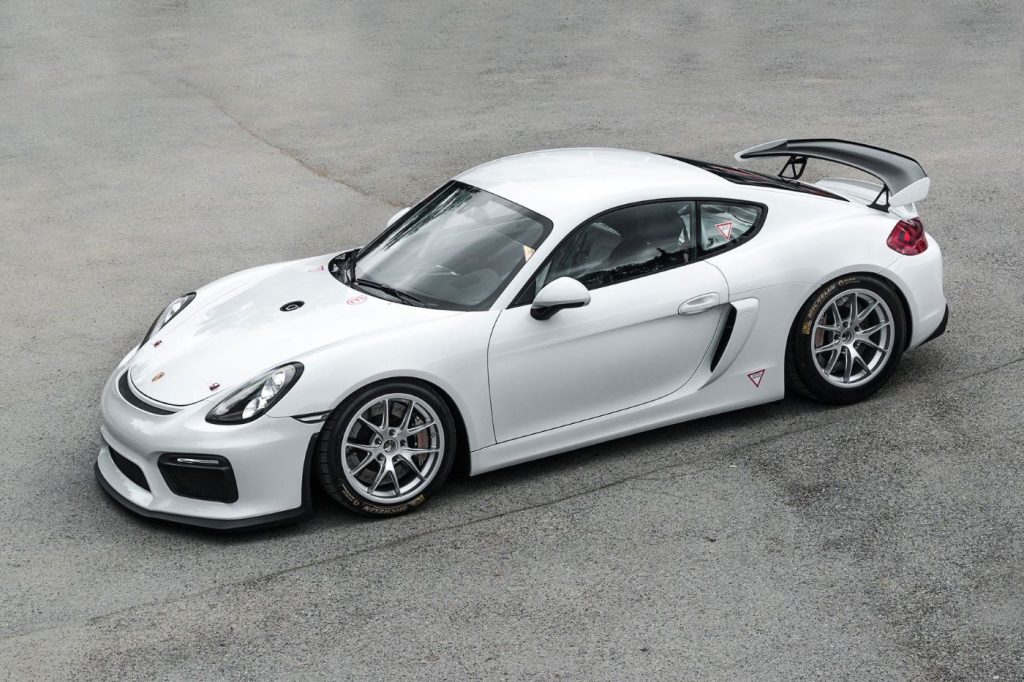
The 981 Cayman is also practical for a sports car. With two trunks and a comfortable cabin, it can be used more often, which improves value. Cars that sit unused often develop problems. The Cayman is a sports car you can drive regularly, which keeps it healthier and easier to own.
If you want a used Porsche that feels special, modern, and financially stable, the 981 Cayman is a top pick. It offers the strongest mix of Porsche driving purity and long-term value.
8) Porsche 981 Boxster (2013–2016)
The Porsche 981 Boxster is one of the most financially sensible used Porsche choices because it delivers an open-top sports car experience with strong long-term demand. Many convertibles drop value harder than coupes, but Porsche Boxsters are different.
The brand image, driving quality, and enthusiast interest keep the market strong. The 981 generation is especially attractive because it looks modern, sounds great, and feels premium without being too new and expensive.
One reason it makes financial sense is that it offers real Porsche engineering at a stable used price. The 981 Boxster is often seen as one of the best-value roadsters in the world because it blends handling, comfort, and build quality.
When a car is widely respected, demand stays alive in the used market. That is what supports resale and keeps depreciation controlled.
The naturally aspirated engine experience also helps financially. Many enthusiasts prefer the smooth throttle response and sound of these engines. As newer models moved toward turbocharging, interest in the 981 grew stronger. That creates a subtle “future classic” pull, which reduces the risk of big value loss.
Another strong point is usability. The 981 Boxster can be used for weekend fun, highway cruising, and even regular commuting in good weather. Because it is comfortable and refined, it attracts a wider buyer base than a harsh sports car. A wide buyer base means easier resale.
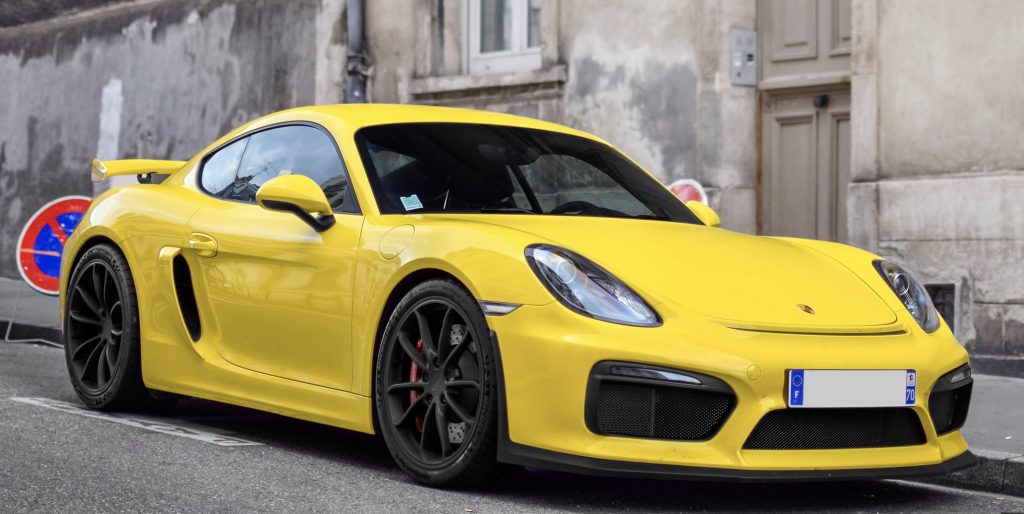
Smart financial ownership depends on condition. You should aim for examples with service records, careful ownership, and clean accident history. A cheap neglected Porsche is never a deal. The cost of catching up on maintenance can destroy your budget quickly.
If you want Porsche joy without the stress of extreme depreciation, the 981 Boxster is a smart move. It gives you the full Porsche roadster feeling, remains desirable worldwide, and holds value better than most luxury convertibles.
9) Porsche Panamera (970) S (2010–2013)
The first-generation Porsche Panamera S (970) is one of the most financially sensible “big Porsche” buys because it offers serious performance and luxury for a fraction of its original cost.
When new, it was expensive and aimed at buyers who wanted a Porsche that could also carry a family. Today, used prices make it look like a bargain, but the real financial sense comes from choosing the right version and buying it in excellent condition.
The Panamera S holds appeal because it is still a true Porsche in the way it drives. It does not feel like a generic luxury sedan.
The steering, braking feel, and high-speed stability carry Porsche DNA. That matters because financial sense is not only about resale. It is also about satisfaction per dollar, and the Panamera delivers a lot for the money.
Another key advantage is that early Panameras are now old enough that their depreciation curve has slowed. They have already taken the biggest value hit. That means if you buy one smartly and maintain it, you are less likely to lose huge money compared to buying a newer luxury sedan that is still dropping hard.
However, financial sense here depends heavily on maintenance history. The Panamera is complex and repairs can be expensive. This is not a “buy the cheapest one” Porsche.
The smart move is buying the cleanest example you can find, with proper servicing and ownership records. A well-kept Panamera can be a rewarding long-term car. A neglected one can drain your wallet.
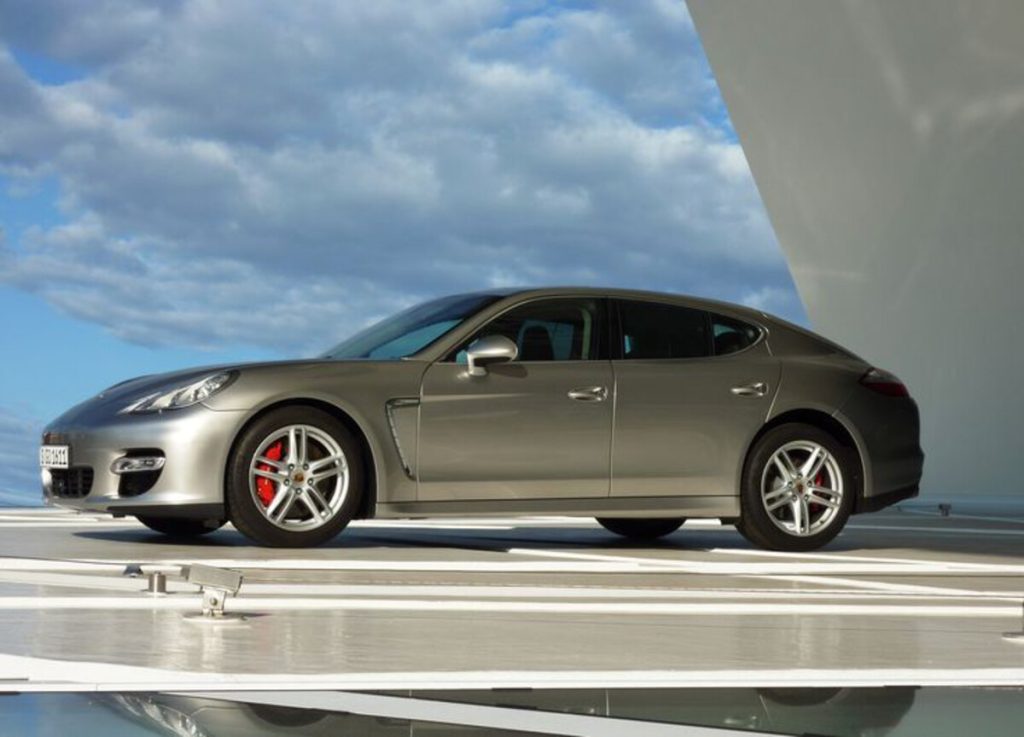
Another factor is global demand. Not everyone wants a sports car. Many buyers want a luxury car with Porsche performance feel. The Panamera fills that niche well, and that keeps used demand alive. Clean examples with good specs can remain desirable in markets where premium sedans are popular.
If you want Porsche comfort, real power, and daily usability with controlled depreciation, the 970 Panamera S can make financial sense. It offers strong value for what you get, as long as you respect the ownership responsibilities.
10) Porsche 911 Carrera (991.1) (2012–2016)
The Porsche 911 Carrera 991.1 is one of the strongest financial-sense sports cars in the modern used market because it combines timeless desirability with excellent long-term demand.
It is not cheap, but value retention is strong, and the ownership experience is premium enough to justify the cost. Financial sense here comes from stability. The 911 is one of the few sports cars that behaves like a premium asset instead of a depreciation disaster.
The 991.1 generation is especially smart because it offers naturally aspirated power before the 911 shifted more heavily toward turbocharging in later variants.
Many enthusiasts prefer this engine feel and sound. That preference supports used prices, because buyers actively search for this generation. When buyers chase a specific generation, the market stays firm.
Another advantage is usability. The 911 is a sports car you can drive regularly. It is comfortable enough for commuting, stable on highways, and practical enough for short trips with luggage. This daily usability increases demand. A car that can be used daily attracts more buyers, and more buyers means stronger resale support.
Ownership costs can still be premium, but the 911 has a strong reputation for build quality. If you buy one with proper service history, it can be a reliable long-term car relative to many high-end sports rivals. And because the 911 is so globally respected, resale is stronger even when mileage grows, as long as maintenance is documented.
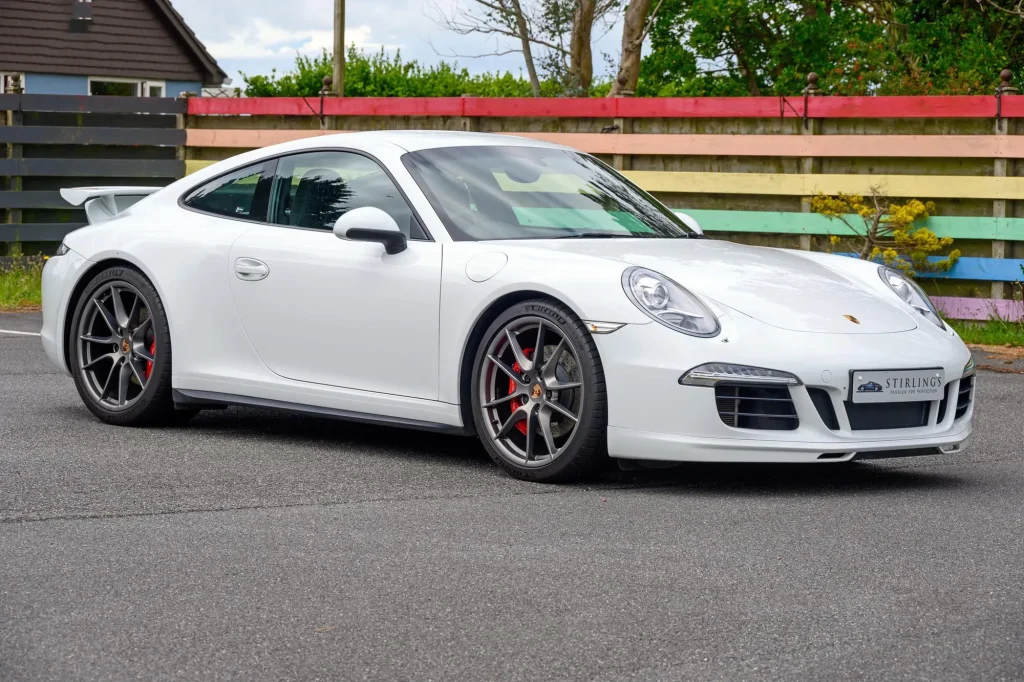
The financial logic is also helped by the size of the market. 911 buyers exist everywhere, and that makes selling easier. Cars that are easy to resell usually lose less value, because you are not forced to accept low offers due to limited demand.
If you want a used Porsche that is genuinely expensive but still financially sensible, the 991.1 Carrera is a top answer. It holds value, stays desirable, and delivers the Porsche experience in the cleanest, most iconic form.
11) Porsche 718 Cayman (2017–2020)
The Porsche 718 Cayman (early years) is one of the smartest modern used Porsche choices because it offers strong performance, modern tech, and a relatively stable value curve.
While some enthusiasts prefer older naturally aspirated Caymans, the market demand for a modern, quick, daily-usable sports coupe is very strong. That demand helps the 718 Cayman hold value better than most competitors in its class.
Financially, the 718 Cayman makes sense because it delivers modern Porsche engineering without the high purchase price of a new one. You get a newer platform, improved infotainment, better safety tech, and a more refined cabin.
That matters for financial sense because it reduces the risk of “old car problems” while still keeping depreciation controlled compared to buying brand new.
Another reason it makes sense is performance per dollar. The 718 Cayman feels fast, sharp, and confident, and it handles like a true Porsche.
It is the kind of car that can replace more expensive sports cars in terms of real-world fun. When a car delivers this much driving quality at a used price, it becomes a financially logical purchase for enthusiasts.
The smart ownership strategy is choosing the right example. Look for proper service history, careful ownership, and clean condition. Also consider specification, because spec matters a lot in Porsche resale.
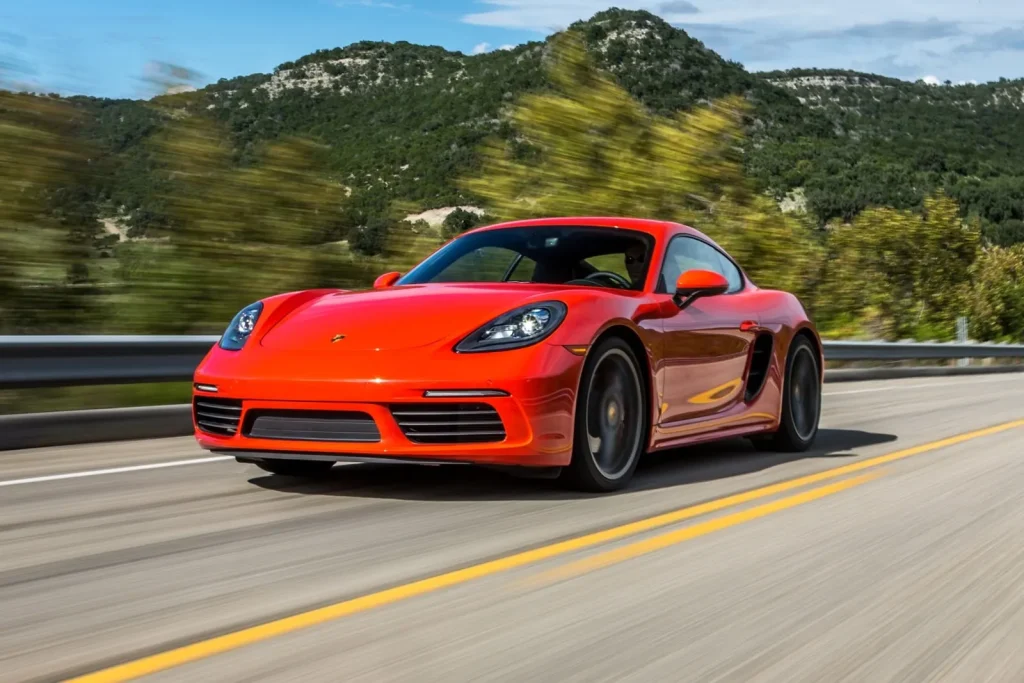
Strong colors, good options, and clean wheels and interior usually improve resale strength later. In many markets, buyers pay more for well-optioned cars, even if mileage is higher.
The 718’s everyday practicality also helps value retention. It has front and rear storage, comfortable seats, and enough refinement to be used regularly. Cars that can be driven often tend to stay healthier than weekend-only toys that sit unused. That improves ownership outcomes and protects your wallet.
In a world moving toward electrification, the 718 Cayman represents a modern but still classic sports car experience. That keeps it desirable globally. If you want a used Porsche that feels current, performs strongly, and still makes financial sense, the early 718 Cayman is a solid choice.
12) Porsche Macan GTS (2017–2021)
The Porsche Macan GTS is one of the most financially sensible used Porsches because it offers the rare mix of practical SUV life and true Porsche performance character. Many performance SUVs exist, but not many feel as sharp and rewarding as the Macan GTS.
That emotional driving value, combined with strong market demand, makes it one of the best “safe money” Porsche buys in the used world.
One reason it makes sense financially is that the GTS trim is the sweet spot. It sits above basic Macan trims in excitement and desirability, but it is often priced more reasonably than top versions.
In used markets, sweet spot trims hold value the best because they attract the most buyers. Many people want the best driving version without paying the absolute top premium.
The Macan GTS also holds value because it is incredibly usable. It can be a daily car, a family car, and a fun performance vehicle all in one. Cars that fit multiple roles usually hold demand longer. Demand stability is the biggest defense against depreciation, and the Macan has that advantage.
The Porsche brand also helps resale here. Many buyers who want a premium SUV prefer the Porsche badge because it carries strong trust and prestige. This keeps used buyers active, which protects pricing. Even with mileage, clean GTS examples remain desirable when maintained properly.
Ownership costs are still premium, but the financial sense comes from getting the right example. A Macan GTS with strong maintenance records, clean history, and careful ownership is far less risky.
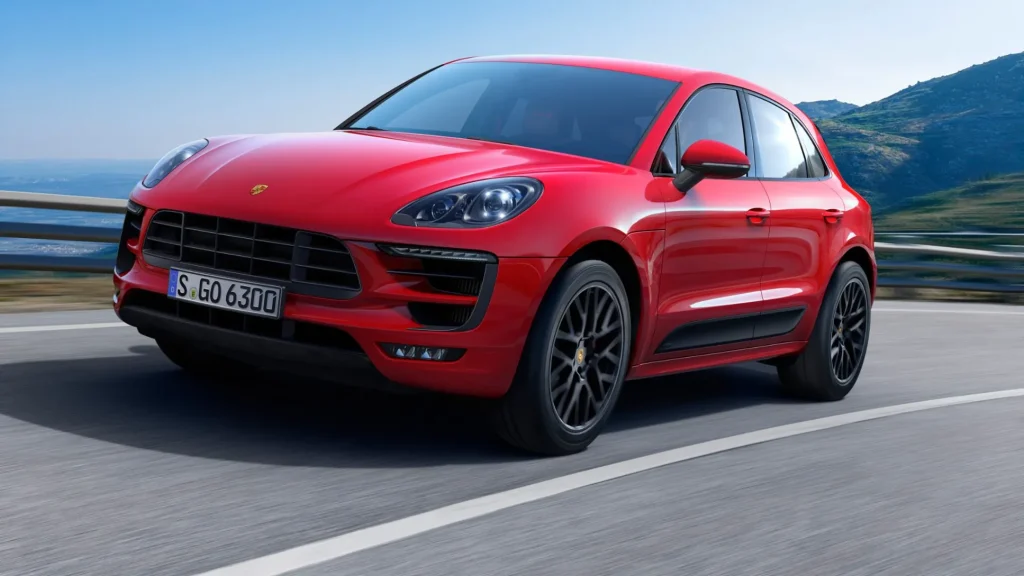
Since the Macan is popular globally, parts and specialist service support are widely available, which makes ownership easier than some rare performance cars.
If you want one used Porsche that balances excitement, practicality, and resale strength, Macan GTS is one of the best answers. It feels special every day, stays in demand, and holds value like a smart premium purchase should.
Also Read: Top 12 Japanese Cars That Set the Gold Standard for Reliability
