
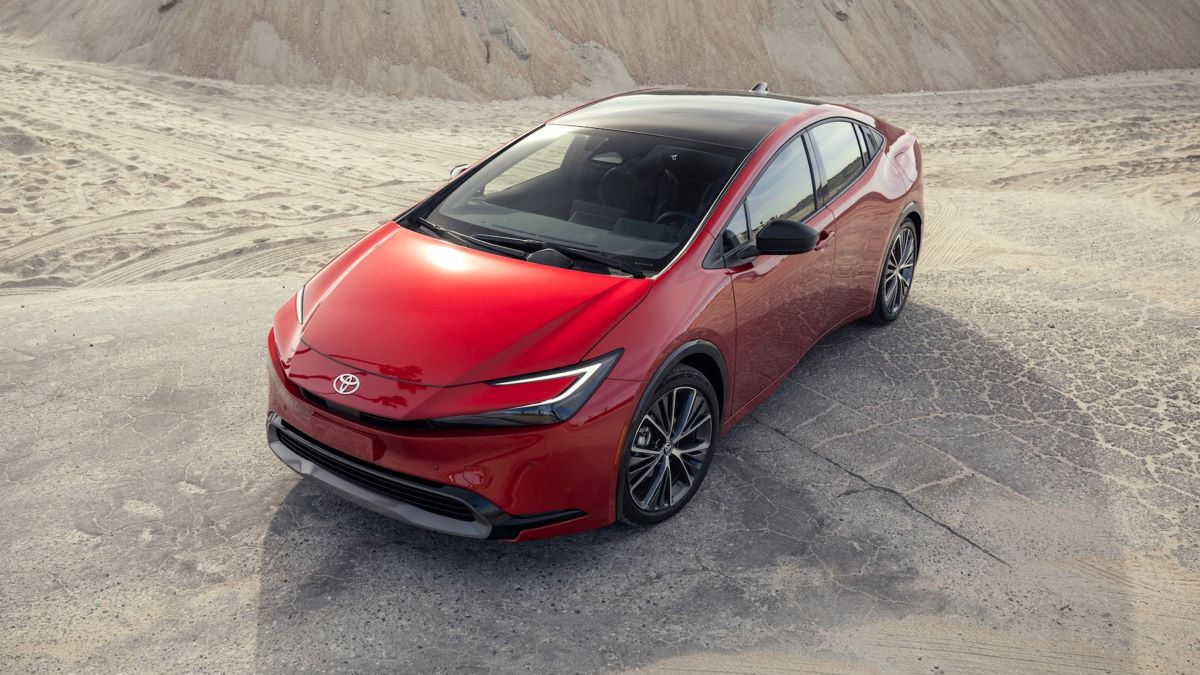
Tight parking is one of the biggest daily problems in city life. Apartment basements, narrow roadside gaps, crowded market areas, and small garage bays make parking stressful even for experienced drivers.
That is why a hybrid that fits well in tight parking is a smart choice. You get the fuel-saving advantage of hybrid technology while still owning a car that is easy to live with in dense urban conditions.
Hybrids are especially useful in cities because they perform best in stop and go traffic. When traffic is slow, hybrids use electric power more often, reducing fuel consumption and keeping the drive smoother.
They also reduce engine noise at low speeds, which makes commuting feel calmer. For many city drivers, this quiet, smooth behavior is just as valuable as the fuel savings.
But for a hybrid to truly fit city life, it must also be easy to park. Size matters first. A short length and manageable width make the biggest difference. But technology also plays a role.
Parking sensors, reverse cameras, 360 degree camera views, and automatic braking support help drivers fit into tight spaces with confidence. Turning radius is another key factor. A hybrid with a tight turning circle can handle small parking ramps and cramped lanes more easily.
Practicality also matters. City drivers need boot space for groceries and bags and enough cabin room for passengers, without requiring a large SUV that becomes difficult to park. The best hybrids for tight parking balance compact size with useful space inside.
In this article, we highlight seven hybrids from global markets that fit well in tight parking areas. These vehicles are chosen for compact dimensions, smooth urban drivability, strong hybrid efficiency, and helpful parking technology.
If you want a fuel-saving car that also reduces daily parking stress, these seven hybrids are among the smartest choices you can make for modern city life.
Also Read: 7 Larger Vehicles That Handle City Traffic Well
1. Toyota Yaris Hybrid
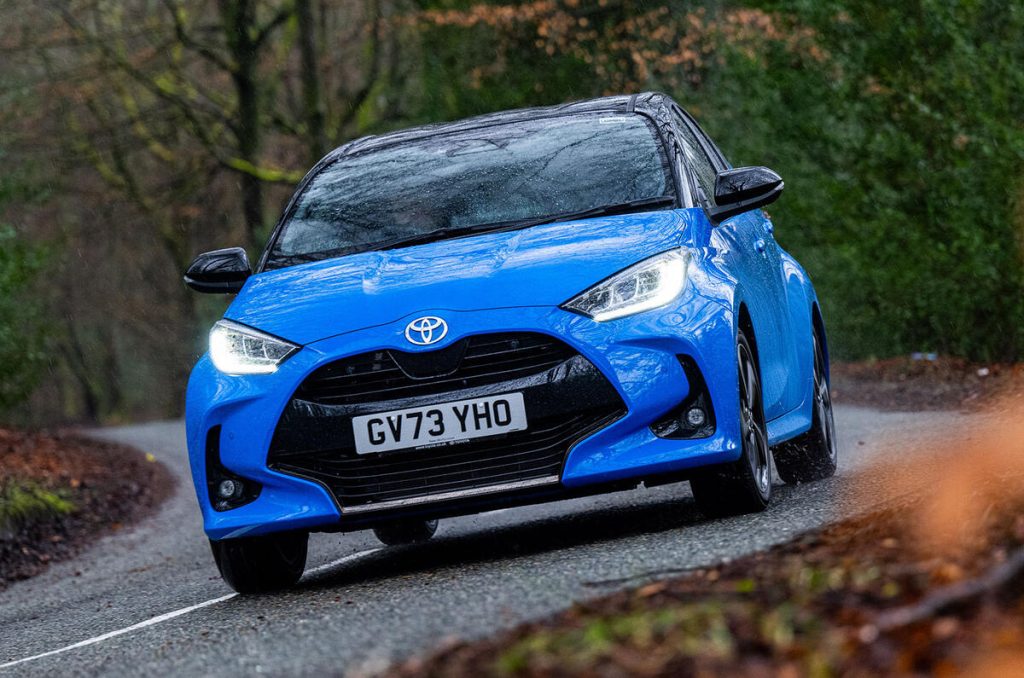
The Toyota Yaris Hybrid is one of the best hybrids for tight parking because it combines a tiny footprint with excellent city efficiency.
In dense urban areas, the biggest advantage is how easily it fits into small spaces. Many hybrids are based on larger sedans or SUVs, but the Yaris Hybrid stays truly compact, making it ideal for apartment living and crowded streets.
Size is its strongest advantage. The Yaris is short, narrow, and easy to judge. This makes it perfect for tight roadside parking and narrow garage bays. In cities where parking gaps are small, the Yaris Hybrid can fit into spaces that larger cars cannot use. That reduces daily stress instantly.
Steering is light and smooth at low speeds. Parking often involves tiny steering corrections, and heavy steering makes the process tiring. The Yaris Hybrid stays effortless to guide, and its tight turning radius makes U turns and parking ramp turns much easier.
Hybrid behavior makes it even better for city life. In slow traffic, the car often uses electric power, which makes low speed driving quiet and smooth. That calm driving feel reduces stress in stop and go conditions. It also improves fuel efficiency, which matters because city traffic burns fuel quickly.
Technology support adds confidence. Many versions offer reverse cameras and parking sensors. These features help drivers park accurately in tight spaces, especially when visibility is limited by walls or other cars. Parking becomes faster and safer when sensors provide warning.
Ride comfort is also good for a small hybrid. The suspension handles city bumps and speed breakers reasonably well. This matters because tight parking areas often include ramps and rough surfaces. The Yaris stays stable and controlled.
Cabin practicality is strong for its size. It can comfortably handle daily passengers, and the boot fits groceries and shopping bags. Rear seats fold down for extra flexibility. For city living, this everyday practicality matters.
Reliability is another key advantage. Toyota hybrids are known for strong durability. In cities, where cars face constant braking and traffic crawling, reliability reduces ownership stress.
Overall, the Toyota Yaris Hybrid fits well in tight parking because it is compact, easy to steer, and supported by parking tech. It also delivers excellent hybrid efficiency, making it a perfect urban hybrid choice.
2. Honda Jazz (Fit) Hybrid
The Honda Jazz Hybrid, also known as the Honda Fit Hybrid in many markets, is one of the smartest hybrids for tight parking because it is designed like a city tool. It combines compact exterior size with a spacious, flexible interior. In urban life, that combination is rare and extremely valuable.
Size is the first reason it fits tight parking well. The Jazz is short and easy to position in narrow bays. In apartment basements and crowded market parking areas, this compact footprint reduces daily frustration. You can fit into smaller spaces with fewer corrections. The car also feels easy to judge, which helps new drivers.
Steering is light and responsive at low speed. Parking in tight spaces requires constant small corrections. Heavy steering makes this stressful. The Jazz stays effortless, making parking feel smooth and natural. Its turning radius is also tight, which helps in narrow garage lanes and U turns.
Hybrid efficiency is perfect for cities. The Jazz Hybrid uses electric power smoothly in slow traffic, making it feel calm and quiet. This reduces stress in stop and go commuting. Hybrid systems also reduce fuel consumption, which matters because city traffic increases fuel use.
The biggest advantage of the Jazz Hybrid is interior flexibility. It is famous for its smart rear seat folding system that creates huge usable space. For apartment living, this matters because you often carry grocery bags, small furniture, or daily items. The Jazz gives SUV like practicality without SUV size.
Technology support improves parking confidence. Many versions include reverse cameras, parking sensors, and safety braking systems. These features reduce the chance of small parking mistakes and make tight spaces less scary. In crowded cities, these tools save time and protect the car from scratches.
Ride comfort is good for urban roads. The suspension handles potholes and speed breakers well enough to keep daily commuting comfortable. The cabin feels airy and easy, making traffic feel less tiring.
Reliability also helps reduce stress. Honda hybrids are known for strong durability when maintained properly. In city use, where the car faces frequent braking and short trips, reliability reduces long term worry.
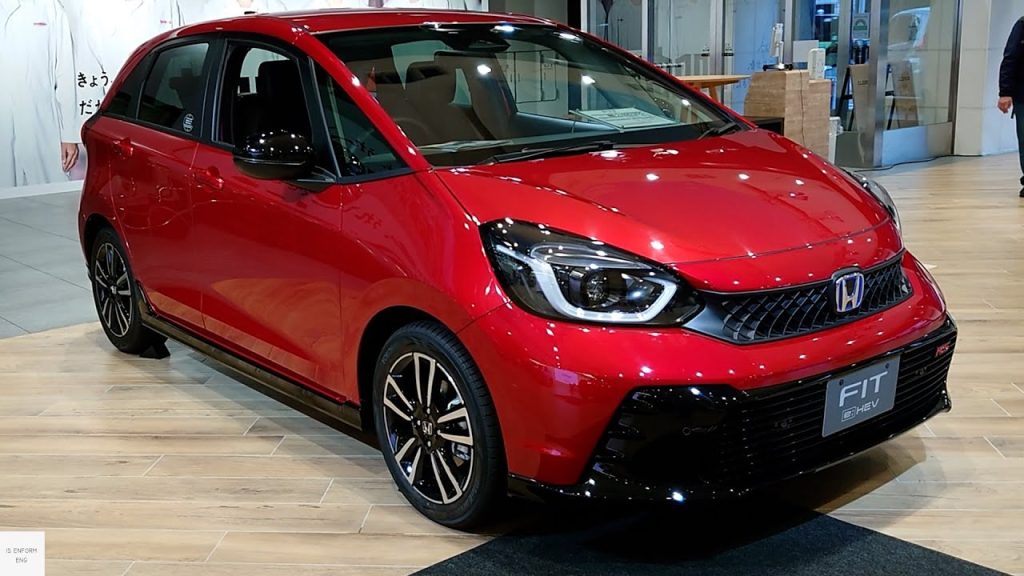
Overall, the Honda Jazz Hybrid fits well in tight parking because it combines compact dimensions, easy steering, and smart parking support. It also offers hybrid efficiency and unmatched interior flexibility, making it one of the most practical city hybrids available globally.
3. Toyota Prius
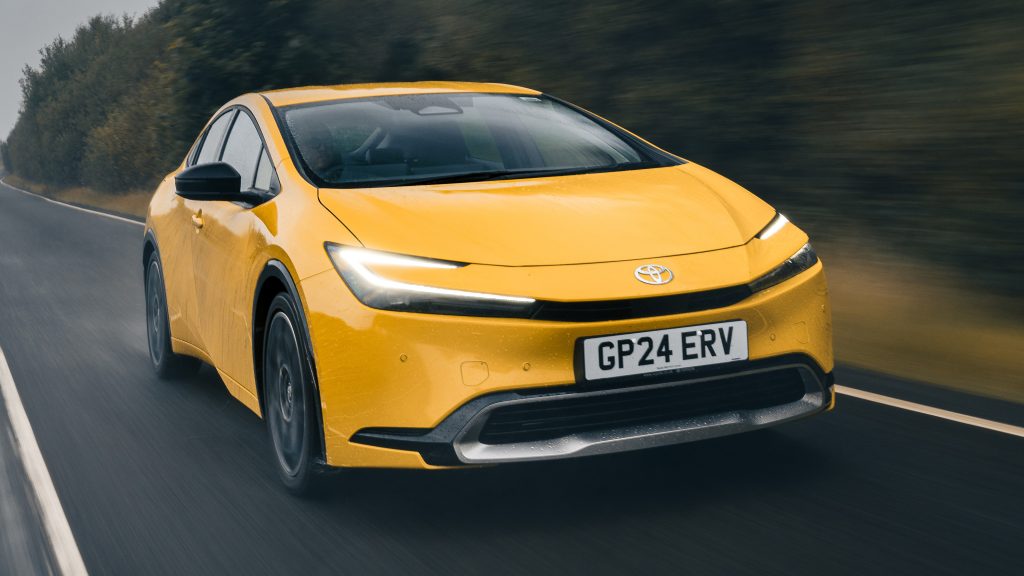
The Toyota Prius is one of the most sensible hybrids for tight parking because it combines strong efficiency with easy city usability.
While it is not as tiny as a Yaris, it is still compact enough to fit in most tight urban parking spaces without struggle. The Prius is designed for efficiency first, but it also delivers smooth low speed driving that makes city life easier.
Size is manageable for urban use. The Prius has a compact footprint compared to many sedans and SUVs, making it easier to park in tight bays. In apartment basements and crowded parking lots, the car feels easier to position because the body is not overly wide. That helps reduce daily parking stress.
Steering is light and smooth at low speed. Parking requires constant small corrections, and heavy steering increases fatigue. The Prius stays effortless to guide, making tight parking easier. Its turning radius is also practical, helping U turns in narrow streets and tight garage lanes.
Hybrid behavior is one of its biggest advantages. In slow traffic, the Prius often runs on electric power, which makes crawling smooth and quiet. That calm movement reduces stress in stop and go traffic. It also means fuel consumption stays low, which reduces running costs for daily commuters.
Technology support adds confidence in tight spaces. Many Prius versions offer reverse cameras, parking sensors, and sometimes advanced driver assistance systems depending on market.
These tools help you park more accurately, especially when visibility is limited by walls or pillars. Parking becomes safer because sensors warn you before you touch obstacles.
Ride comfort is tuned for daily use. The Prius handles potholes and speed breakers reasonably well. Cities often have uneven roads, and a stiff car increases irritation. The Prius stays stable and comfortable enough for daily commutes.
Cabin comfort also helps reduce stress. Seats are supportive, and the cabin feels quiet because the hybrid system reduces engine noise at low speeds. In city driving, noise fatigue is real, and the Prius makes the commute calmer.
Practicality is strong as well. The hatchback design creates a wide cargo opening, making it easier to load groceries, bags, and luggage. Folding rear seats add flexibility. This is useful for city living because daily errands require cargo space even in compact cars.
Reliability is another key advantage. Prius models are known for durability, which matters in stop and go city driving. Reliable ownership reduces mental stress because you worry less about breakdowns.
Overall, the Toyota Prius fits well in tight parking because it remains compact enough to park easily, offers strong parking tech support, and delivers smooth hybrid city behavior. It reduces both driving stress and fuel cost in urban life.
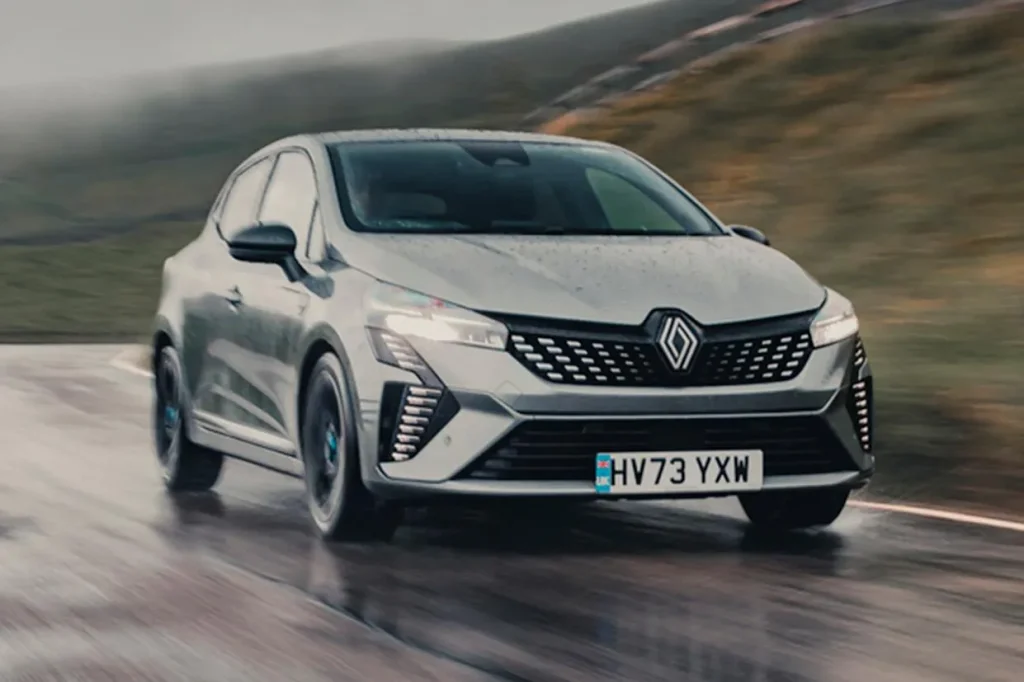
4. Renault Clio E-Tech Hybrid
The Renault Clio E-Tech Hybrid is one of the best city friendly hybrids for tight parking because it keeps the compact hatchback shape while adding smooth hybrid driving benefits. Many hybrids are larger sedans or SUVs, but the Clio stays small, making it ideal for dense European cities and tight parking environments worldwide.
Size is one of its biggest strengths. The Clio is compact and easy to park in narrow spaces. In apartment basements and busy roadside areas, this makes a big difference. You can fit into smaller bays and squeeze into tight spots without constant stress. Its hatchback shape also makes corner judgement easier.
Steering is light and smooth at low speeds. Tight parking requires tiny steering corrections, and heavy steering makes drivers tired. The Clio stays effortless, which reduces fatigue in traffic. The turning radius is also practical for city U turns and tight parking lane corners.
Hybrid performance adds another advantage. The E-Tech system makes low speed driving smoother and quieter. In stop and go traffic, the Clio can run in electric mode for short distances, which makes urban crawling calm. This reduces stress because the car feels gentle instead of jerky. Fuel efficiency also improves, which reduces daily running cost.
Parking technology supports city life. Many trims include reverse cameras, sensors, and sometimes automatic braking support. These features are useful in tight parking spaces where visibility is limited. A compact hybrid becomes even easier when it has strong sensor support.
Ride comfort is well tuned for city roads. The suspension absorbs potholes and speed breakers smoothly. Many city roads are uneven, and comfort matters because small cars often feel harsh. The Clio remains stable and comfortable, making daily commuting easier.
Cabin refinement is another highlight. The interior feels modern, and noise insulation is decent. Hybrid driving also reduces engine noise at low speed, which helps keep the cabin calm. A quieter cabin makes traffic less tiring mentally.
Practicality is strong for city living. The hatchback boot fits groceries and daily shopping, and folding rear seats add flexibility for larger loads. For apartment owners, this everyday usability matters a lot.
Ownership also feels reasonable compared to larger hybrids. Smaller tires, smaller engines, and compact design help keep running costs manageable. In city life, affordable ownership reduces stress.
Overall, the Renault Clio E-Tech Hybrid fits well in tight parking because it stays compact, has light steering, and offers hybrid smoothness in traffic. It is one of the best small hybrids for modern city routines.
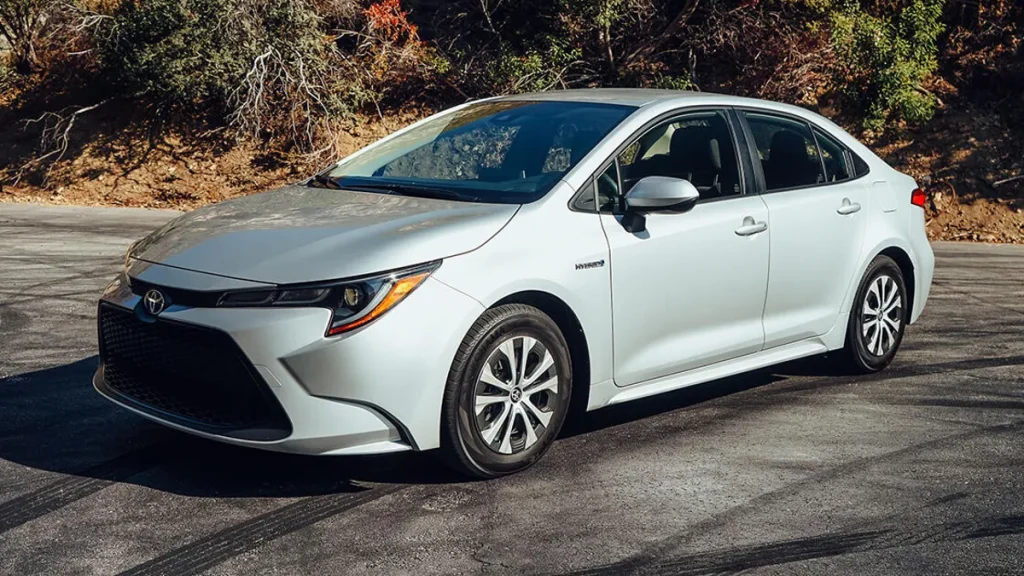
5. Toyota Corolla Hybrid
The Toyota Corolla Hybrid is one of the best hybrids for tight parking because it offers hybrid efficiency without becoming oversized or difficult in the city.
Many hybrids focus on being large sedans or SUVs, but the Corolla stays balanced in size. It is easy enough to park in urban spaces while still offering comfort, reliability, and smooth city behavior.
Size is the first advantage. The Corolla is not bulky, and the body feels manageable in most city parking bays. In tight apartment garages, this matters because wide cars create constant fear of scratches. The Corolla’s dimensions feel easy to judge, helping drivers park with more confidence.
Steering is light and smooth at low speeds. Tight parking involves constant steering corrections, and heavy steering makes it tiring. The Corolla Hybrid stays effortless, making daily parking feel easier. The turning circle is also practical, helping in U turns and narrow garage lanes.
Hybrid smoothness is a huge stress reducer. In slow traffic, the Corolla Hybrid often uses electric power, making low speed crawling quiet and calm. That smooth behavior is important in cities where traffic is constant stop and go. The car feels less jerky than some petrol vehicles, which reduces daily fatigue.
Fuel efficiency is another major advantage. City traffic increases fuel consumption, but hybrid systems perform best in this environment. Lower fuel cost reduces ownership stress. For commuters who drive daily, this matters a lot.
Parking technology also supports tight spaces. Many Corolla versions include reverse cameras, sensors, and safety features depending on market. These tools make it easier to judge distance from walls, pillars, and other cars. Parking becomes faster, and small mistakes become less likely.
Ride comfort is well tuned for urban roads. The Corolla handles potholes and speed breakers with decent stability. It does not feel overly stiff, which is important because harsh suspension makes city driving annoying. Comfort helps passengers too, especially during daily commuting.
Cabin refinement adds another layer of ease. The interior feels calm and solid. Noise insulation is decent, and hybrid driving reduces engine noise at low speed. In traffic, a quieter cabin reduces mental fatigue.
Practicality is strong. Even though it is not a hatchback in every market, the Corolla still offers useful boot space for groceries and shopping. Rear seats fold down in many versions, adding flexibility. For city life, daily practicality matters.
Reliability is also a major benefit. Toyota hybrid systems are known for long term durability. City driving creates wear, but Corolla hybrids often handle it well with proper servicing.
Overall, the Toyota Corolla Hybrid fits well in tight parking because it stays manageable in size, offers light steering, and provides smooth hybrid city driving. It is a stress free choice for urban hybrid ownership.
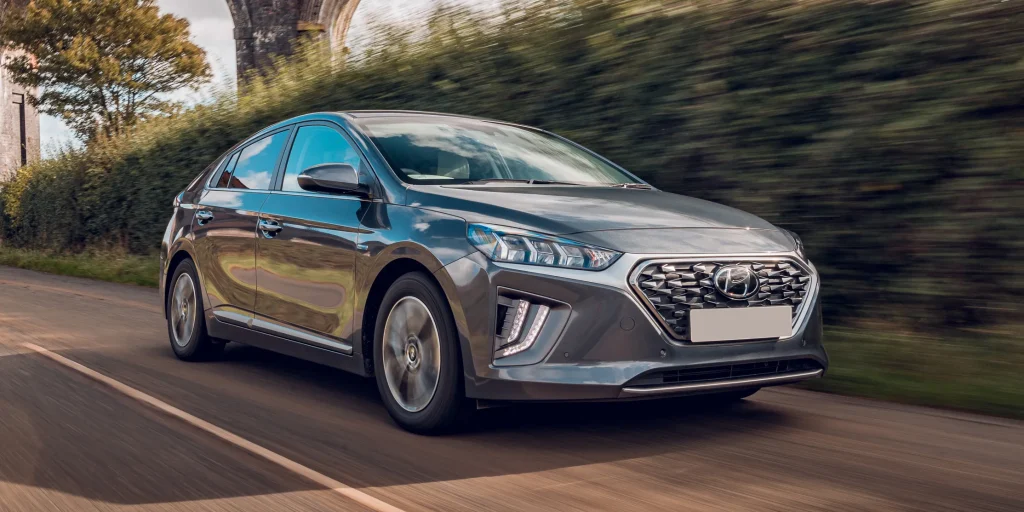
6. Hyundai Ioniq Hybrid
The Hyundai Ioniq Hybrid is one of the smartest hybrids for tight parking because it was designed to be efficient, compact, and easy to use in urban life. It feels like a modern hybrid that fits city routines perfectly. It is not oversized like many hybrid SUVs, yet it still offers comfortable cabin space and smooth commuting behavior.
Size is a big advantage. The Ioniq Hybrid has a manageable footprint, making it easier to park in tight bays. In apartment basements and crowded market parking, this makes daily life less stressful. The car feels easier to judge because its shape is clean and aerodynamic, helping drivers park with confidence.
Steering is light and smooth at low speeds. Tight parking requires small corrections, and heavy steering increases fatigue. The Ioniq stays effortless to guide, making it comfortable in stop and go city driving. It also has a practical turning circle, helping with U turns in narrow streets.
Hybrid behavior is excellent in cities. The Ioniq runs smoothly at low speeds and can use electric power during crawling traffic. This creates quiet movement that reduces stress. The car feels calm instead of jerky. It also improves fuel efficiency, which reduces daily running cost in traffic.
Parking support features help even more. Many Ioniq trims include reverse cameras, parking sensors, and driver assistance systems. In tight parking spaces, sensors and cameras reduce fear of hitting obstacles. Camera clarity is especially valuable when parking in basements with pillars.
Ride comfort is tuned for daily commuting. The suspension absorbs bumps and potholes reasonably well, keeping the cabin stable. City roads are rough, and comfort matters because repeated bumps increase fatigue. The Ioniq remains smooth enough for daily routines.
Cabin refinement is another highlight. The interior feels modern, and noise levels are controlled well. Hybrid driving reduces engine sound at low speed, creating a calm atmosphere. In heavy city traffic, this quietness reduces mental fatigue.
Practicality is good too. The hatch style boot opening in many versions makes it easier to load groceries and bags. Folding rear seats add flexibility for larger items. For apartment living, this everyday usability matters.
Ownership costs are also manageable. Hyundai hybrids are designed for efficient long term use, and maintenance remains predictable when serviced properly. In cities, where you rely on the car daily, predictable ownership reduces stress.
Overall, the Hyundai Ioniq Hybrid fits well in tight parking because it combines compact dimensions, light steering, smooth hybrid behavior, and strong parking support tech. It is one of the most city friendly hybrid choices available globally.
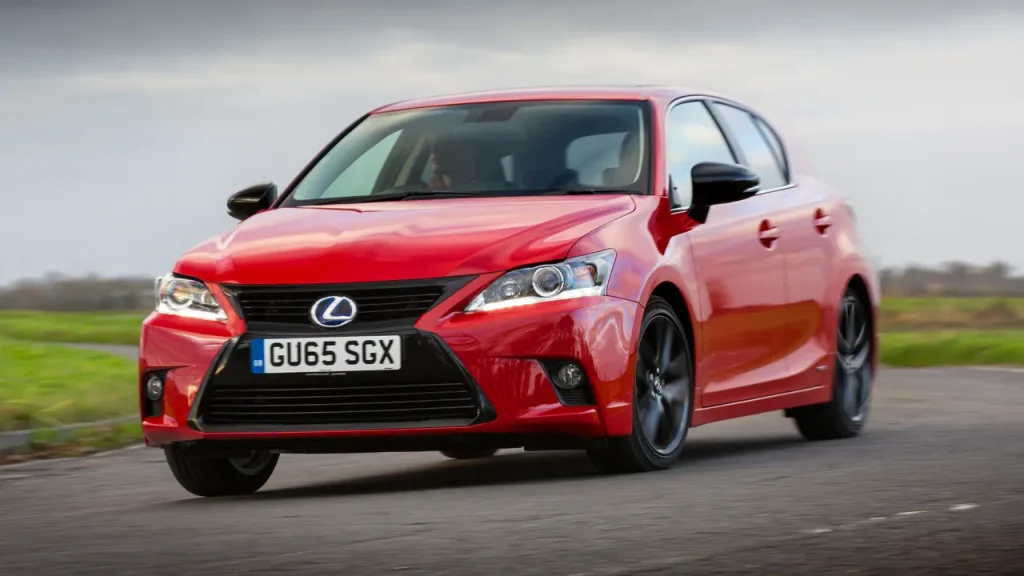
7. Lexus CT 200h
The Lexus CT 200h is one of the best hybrids for tight parking because it delivers premium comfort in a compact hatchback body. Many luxury hybrids are large sedans or SUVs, which makes city parking stressful.
The CT 200h stays small and manageable, making it a rare option that combines hybrid efficiency with easy urban usability. For city drivers who want luxury without parking headaches, it makes a lot of sense.
Size is the biggest advantage. The CT 200h is compact enough to fit into tight urban spaces without struggle. In crowded apartment basements and narrow garage bays, a smaller footprint reduces daily stress.
You can park with fewer corrections because the car feels easy to position. It also fits narrow city lanes comfortably, which matters when traffic is tight.
Steering is light and smooth at low speeds. Parking involves constant small steering corrections, and heavy steering becomes tiring. The CT stays effortless, helping drivers park quickly and confidently. The turning radius is also practical, making U turns and tight garage corners easier.
Hybrid driving behavior is another stress reducer. Like many hybrids, the CT 200h can move quietly at low speeds, especially in traffic. Stop and go driving feels calmer because the hybrid system smooths throttle response. Instead of feeling jerky, the car crawls smoothly. This reduces fatigue and keeps city driving more relaxed.
Fuel efficiency is strong, especially in urban traffic. City driving usually increases fuel consumption, but hybrids perform best in this environment. Lower fuel bills reduce ownership stress, especially for daily commuters who face heavy traffic.
Parking technology also helps. Many CT 200h versions offer reverse cameras and sensors depending on trim and market. These features improve confidence in tight spaces where visibility is limited. A compact premium hybrid becomes even easier to live with when sensors support daily parking.
Ride comfort is well suited for city roads. The suspension absorbs speed breakers and potholes with decent stability. It feels refined and planted, which is important because rough roads can make small cars feel harsh. The CT stays comfortable enough for daily commuting, even on broken surfaces.
Cabin refinement is a major reason it feels premium. The interior is quiet, and Lexus insulation reduces road noise. In city traffic, noise fatigue is real. A quieter cabin makes commuting less stressful. Seats are supportive and comfortable, helping posture during long sitting hours.
Practicality is also a strong point. The hatchback boot opening makes loading groceries, bags, and daily items easier. Rear seats fold down for extra cargo space when needed. This flexibility is valuable for apartment living.
Overall, the Lexus CT 200h fits well in tight parking because it combines compact luxury size, light steering, smooth hybrid city behavior, and practical hatchback utility. It offers premium comfort while still being one of the easiest hybrids to park in crowded urban areas.
