
Modern cars are faster, safer, and more efficient than ever. But there is one thing they often struggle to deliver: personality. Today, many vehicles feel shaped by the same wind tunnel rules, the same screen based interiors, and the same silent, smooth driving experience.
That is not a bad thing, but it can feel predictable. Cars from the 1980s were full of individuality. They had bold designs, quirky technology, strange proportions, and driving characteristics that felt truly unique. You could often identify a car just by its silhouette at night.
The 1980s were a time of experimentation. Automakers were trying turbocharging, digital dashboards, pop up headlights, wedge styling, and interiors that looked like science fiction. Some designs were controversial, but they were never boring.
Even the mistakes had character. Manufacturers also had strong regional identities. Japanese cars felt different from American cars. Italian cars felt different from German cars. Everything had a flavor.
These cars also had mechanical personality. Engines sounded different, turbos spooled loudly, and gearboxes felt raw.
Steering and suspension were less filtered, so you felt more connected to the road. Even a slow 1980s car could feel exciting because it delivered sensations you do not get from modern insulated vehicles.
This list is not just about speed or value. It is about presence. These are cars that made you look back after parking.
Cars that felt like movie props. Cars that represented a unique era of design, culture, and attitude. Some were practical icons. Some were wild performance machines. Some were strange but unforgettable.
Here are ten cars from the 1980s with more personality than almost anything new. They might not be perfect, but they are memorable in a way that modern cars rarely are.
Also Read: Top 10 Four-Cylinder Engines That Punch Way Above Their Price
1. Lamborghini Countach
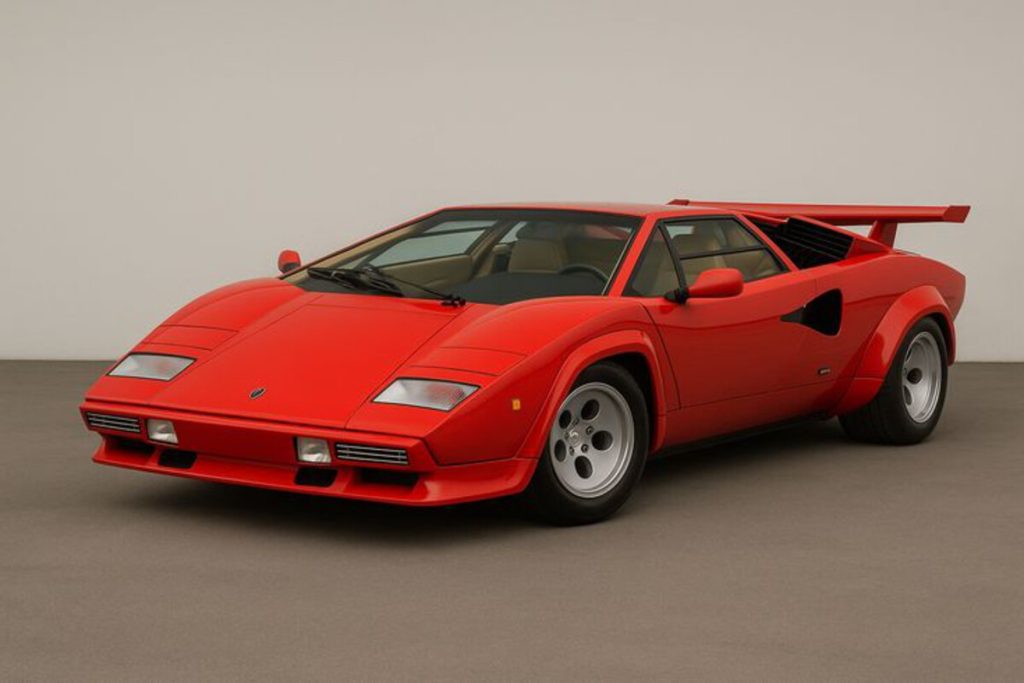
The Lamborghini Countach is the definition of 1980s automotive personality. Even people who do not care about cars know what it looks like.
With its wedge shape, sharp lines, and dramatic scissor doors, the Countach felt like a spaceship that somehow became road legal. Nothing new today looks that outrageous without being heavily engineered for regulations.
The Countach had presence like no other car. It was wide, low, loud, and unapologetic. The design was not trying to please everyone. It was trying to shock the world. In the 1980s, that kind of attitude was part of the charm. It was a car that screamed “poster on the wall,” and it delivered that dream in real life.
The driving experience also had personality. It was not easy. Visibility was poor, controls were heavy, and it demanded attention. But that difficulty made it feel special. Modern supercars are unbelievably fast, but they are also polished. The Countach felt raw and challenging, like it wanted to test the driver.
The V12 sound was part of the magic. It was not quiet or refined. It was dramatic. The Countach did not whisper. It shouted. Every drive felt like a performance.
The Countach represents why the 1980s were unforgettable. It was not sensible. It was not convenient. It was pure style and excess.
That is personality. Even today, the Countach does not feel outdated. It feels legendary, because nothing else captured that wild 80s dream in metal quite like it.
2. Ferrari Testarossa
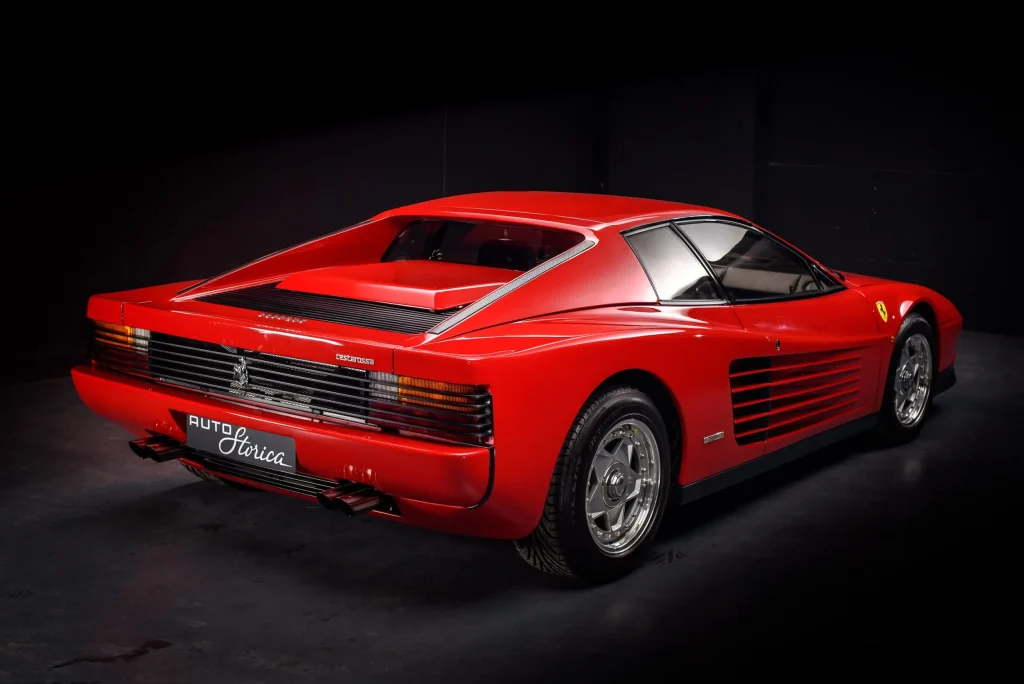
The Ferrari Testarossa is another 1980s icon with personality that modern cars cannot match. It is instantly recognizable thanks to the dramatic side strakes that run across its doors. That design detail alone made it feel like rolling art. The Testarossa looked rich, loud, and futuristic, exactly the way an 80s Ferrari was supposed to look.
The Testarossa was all about style. Its wide body, sharp edges, and low stance made it feel like a celebrity vehicle. It was the car of music videos, posters, and movie dreams. Even parked, it looked like it was doing 200 km/h.
The engine layout added to the uniqueness. It used a flat twelve engine, which gave it a distinct sound and character compared to V8 Ferraris. It felt smooth and powerful, but also dramatic. The Testarossa was not subtle. That was the point.
Driving it was an experience, not just transportation. The steering felt heavy at low speeds, and the car demanded respect. It was not a modern supercar with easy controls. It felt big, mechanical, and full of attitude. That sense of effort added personality.
The interior was pure 80s as well. Wide dashboard, strange angles, and an atmosphere that felt like luxury mixed with science fiction. It was not designed to be minimal. It was designed to feel special.
The Testarossa proves why 1980s cars still feel more alive. It had bold styling, a unique engine personality, and an aura that modern cars rarely deliver. It was not just a Ferrari. It was an era on wheels.
3. Buick GNX
The Buick GNX is one of the most surprising 1980s cars because its personality came from contradiction. Buick was supposed to be the brand for comfortable older buyers, not street legends.
But the GNX arrived like a dark secret weapon, looking like a regular Regal until it started moving. That stealthy attitude is exactly why it still feels more interesting than many new cars.
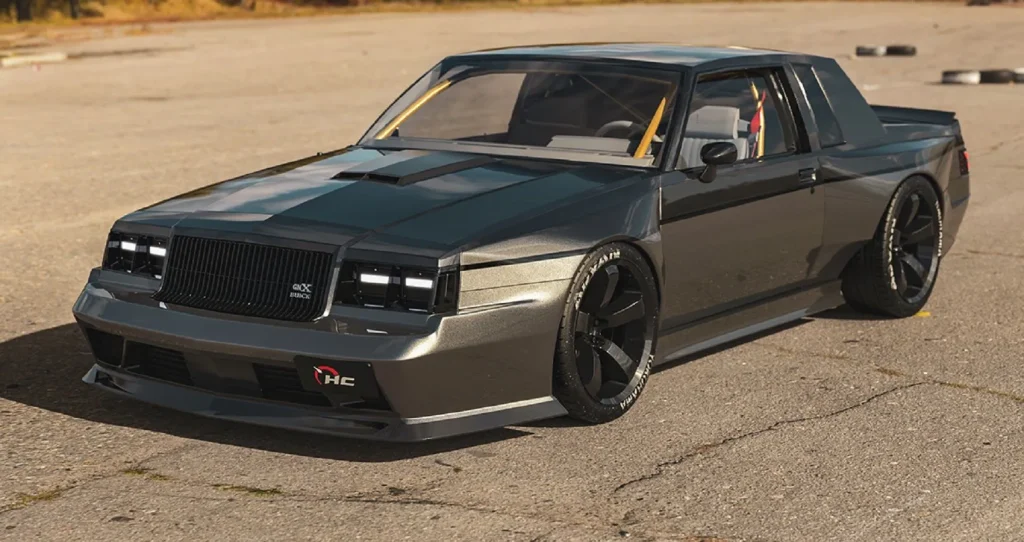
Visually, the GNX was pure menace. Black paint, aggressive wheels, and subtle body tweaks made it look serious without being flashy. In the 1980s, that was powerful. It did not need bright colors or wings. It had confidence, and it looked like trouble.
The real personality came from the turbocharged V6. In an era when muscle cars were still recovering, the GNX proved performance could return in a new form.
It delivered brutal torque and strong acceleration, especially for its time. Turbo lag, boost building, and that sudden surge made it feel dramatic.
The driving experience felt raw and aggressive. It was not smooth like modern fast cars. It had attitude. You felt the car load up, the turbo spool, and then the punch hit. That sense of mechanical emotion is why people still respect it.
It also carried cultural personality. The GNX became a street legend because it embarrassed V8 cars that looked more serious. It was the car that made people underestimate it, then regret it at the next traffic light. Even that story adds personality.
Modern performance cars often feel too clean. They launch perfectly every time, with electronics controlling everything. The GNX feels like an old school fighter. It is imperfect, but unforgettable.
The Buick GNX proves that personality does not come only from exotic brands. Sometimes it comes from a weird idea done perfectly. It was bold, unexpected, and full of turbocharged attitude. That is why it still feels alive today.
4. Toyota AE86 Corolla
The Toyota AE86 Corolla has more personality than many new cars because it was simple, lightweight, and built with pure driver feel. On paper, it was not a supercar. It was not even a luxury car. But the AE86 became legendary because it delivered one of the most fun experiences possible in the 1980s, and that spirit still feels unique today.
The first thing that gave it personality was balance. Rear wheel drive, light weight, and sharp steering made it feel like a playful tool. You could feel the road. You could feel the chassis. Modern cars often feel insulated, but the AE86 makes you part of the driving experience.
The engine was small, but it loved revs. It encouraged drivers to push it. Instead of huge power, it delivered excitement through momentum. That created personality because the driver had to work with the car. You did not just press the pedal and let electronics handle everything.
The AE86 also became a cultural icon. It was linked with drifting culture and later became even more famous in Japanese motorsport and pop culture. That identity grew beyond the car itself. It became a symbol of skill and fun driving rather than raw speed.
Design also played a role. The shape was clean, sharp, and perfectly 80s. Pop up headlights made it feel special. It looked like a car that wanted to be driven hard, even if it was small.
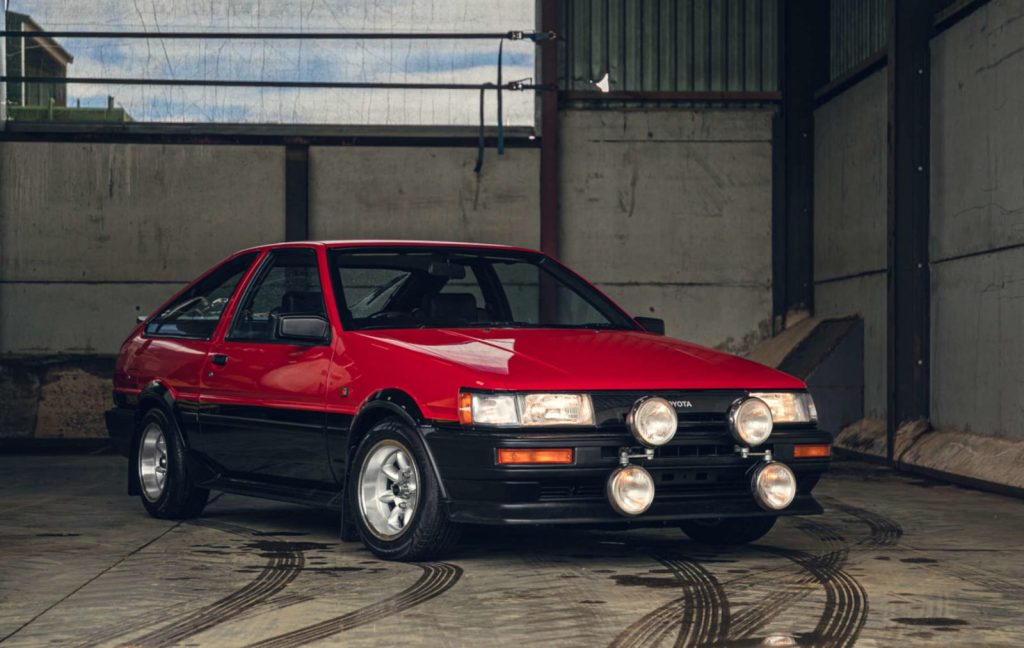
Inside, the cabin was simple and focused. There was no luxury distraction. Everything was about driving feel. That simplicity makes the AE86 timeless, because you focus on the road.
The Toyota AE86 proves personality is not always loud. Sometimes it is pure and honest. It is a car that makes every corner enjoyable, and that feeling is rare in the modern world.
5. Porsche 911 Turbo (930)
The Porsche 911 Turbo 930 is one of the most personality packed cars of the 1980s because it was thrilling, dangerous, and totally unforgettable.
Modern performance cars are insanely fast, but they are also predictable. The 930 was fast in a way that demanded respect. It felt like a wild animal, and that raw reputation is exactly why it still stands out today.
Visually, the 930 looked aggressive without needing flashy tricks. The wide rear arches, whale tail spoiler, and low stance made it look like a serious machine. Even parked, it had tension. It looked like it was ready to explode forward.
The turbocharged flat six engine gave it legendary character. Turbo lag was real, and then boost hit like a hammer. That boost surge became the car’s personality. It taught drivers patience, timing, and control. If you treated it casually, it could punish you. That danger became part of its myth.
Driving the 930 was an event. The steering was heavy and full of road feedback. The cabin felt mechanical. Nothing was filtered. You felt every bump, every vibration, and every shift. Modern cars often feel like they hide the experience behind computers. The 930 gives you everything.
The sound was also unique. You could hear the turbo whistle and the engine roar. It was not refined. It was dramatic. It made the driver feel like they were operating a serious machine.
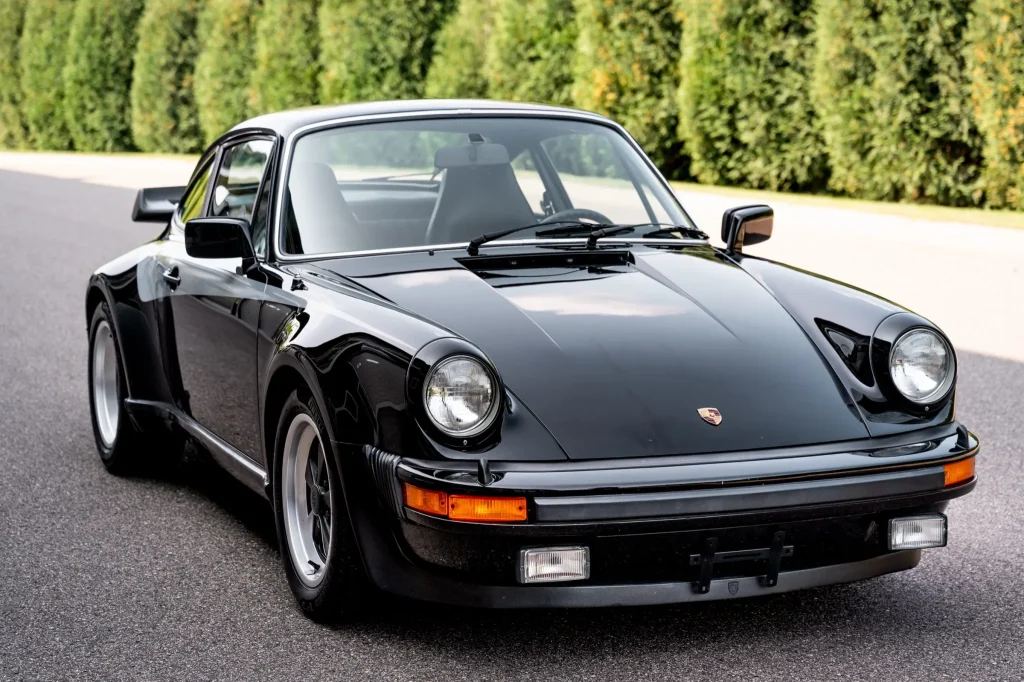
The 930 also represented the 1980s obsession with turbo power. It was not just fast, it was iconic. It became a status symbol and a driver’s car at the same time. That mix is rare.
Today, the 930 feels more alive than many modern cars because it still has imperfections and personality. It is exciting because it demands skill and attention. That challenge is the definition of character.
6. BMW M3 (E30)
The BMW M3 E30 has personality because it feels like the perfect blend of precision and attitude. It was built for racing, but it became a street icon. Modern sports sedans are fast, but many feel heavy and too refined. The E30 M3 feels sharp, light, and alive, which makes it unforgettable.
The first thing you notice is the shape. Boxy lines, flared arches, and that classic wide stance gave it a purposeful look. It was not styled to look soft or luxurious. It looked like it wanted to compete. Every detail felt functional, and that gives it personality.
The engine was not huge, but it was special. It had a high revving character that encouraged drivers to push. Instead of torque that does everything for you, the E30 M3 made you work for the reward. That creates connection. The car feels like a partner, not a tool.
Handling is where the E30 M3 became legendary. Steering is direct and full of feedback. The chassis is balanced. The car feels eager in corners, and it rewards smooth driving. Modern cars often hide mistakes with electronics. The E30 makes you feel everything, which makes success more satisfying.
Inside, it was focused. The cabin was built around the driver. It did not try to impress with screens. It impressed with driving feel. That simplicity adds charm.
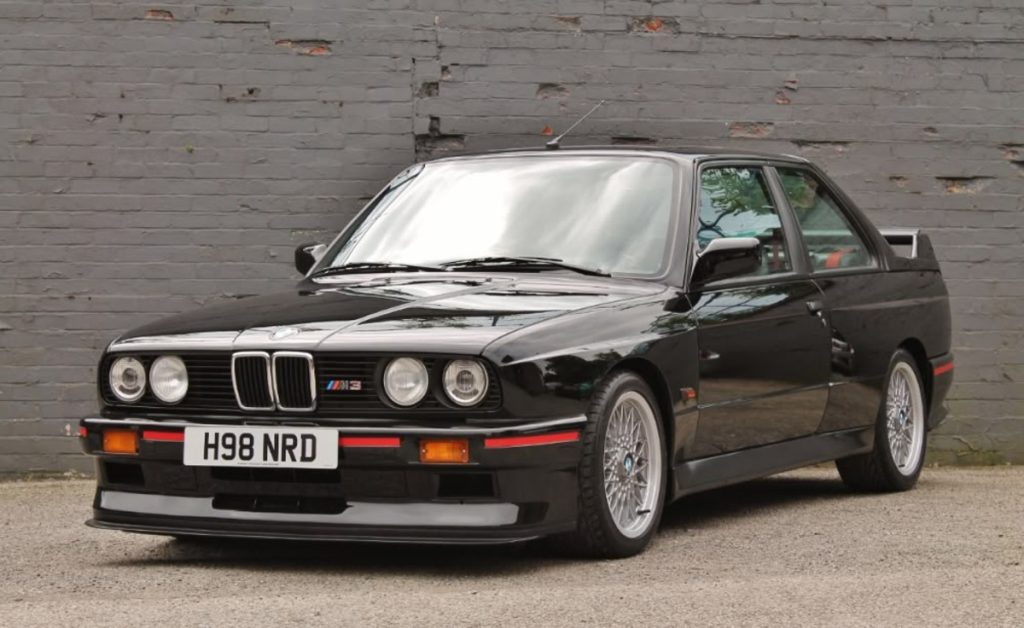
The E30 M3 also has cultural personality. It became a motorsport hero and a symbol of driving purity. Even today, it represents a time when cars were built with less compromise.
The BMW M3 E30 proves personality can be engineered through balance and focus. It is one of the most engaging cars the 1980s produced, and it still feels alive today.
7. Honda CRX Si
The Honda CRX Si has more personality than many modern cars because it proves you do not need big power to feel exciting. In the 1980s, the CRX was small, light, and built with a simple mission: fun efficiency.
That sounds boring until you drive it. The CRX Si feels like a little go kart with real Honda engineering, and that playful vibe gives it unforgettable character.
The first thing that stands out is the shape. The CRX looked different from other cars because it was compact, sporty, and slightly futuristic. It was not trying to be a normal hatchback. It looked like a purpose built machine for young drivers. That design gave it identity immediately.
The engine personality also mattered. Honda tuned it to rev happily, and the car felt eager to move. It was not about torque. It was about momentum and high rev energy.
That meant the driver had to stay involved, shifting gears and keeping the car in its sweet spot. Modern cars often remove that interaction, but the CRX depends on it.
Handling was another big part of the personality. Because the car was so light, it changed direction quickly. Steering feel was direct, and the whole car felt alive. In cities, it felt nimble. On twisty roads, it felt playful. It made slow speeds feel fast, which is the best kind of fun.
The interior was simple and functional. You did not get luxury distractions. You got a focused driving experience. That simplicity makes it feel honest. In the 1980s, cars could still feel like machines rather than digital devices.
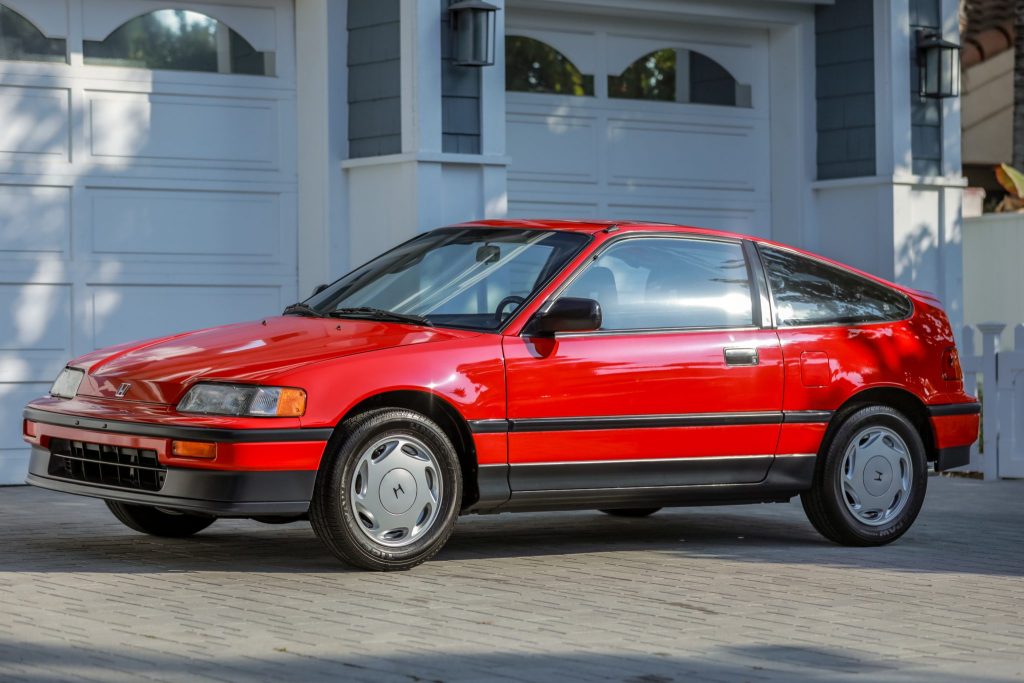
The CRX Si also carries cultural personality. It became a symbol of the lightweight tuner era. People modified them, raced them, and loved them because they were affordable excitement. That community energy adds to the car’s personality.
Today, the CRX Si still feels unique because it represents pure driving joy without complexity. It is small, lively, and full of spirit. That is why it has more personality than many new cars.
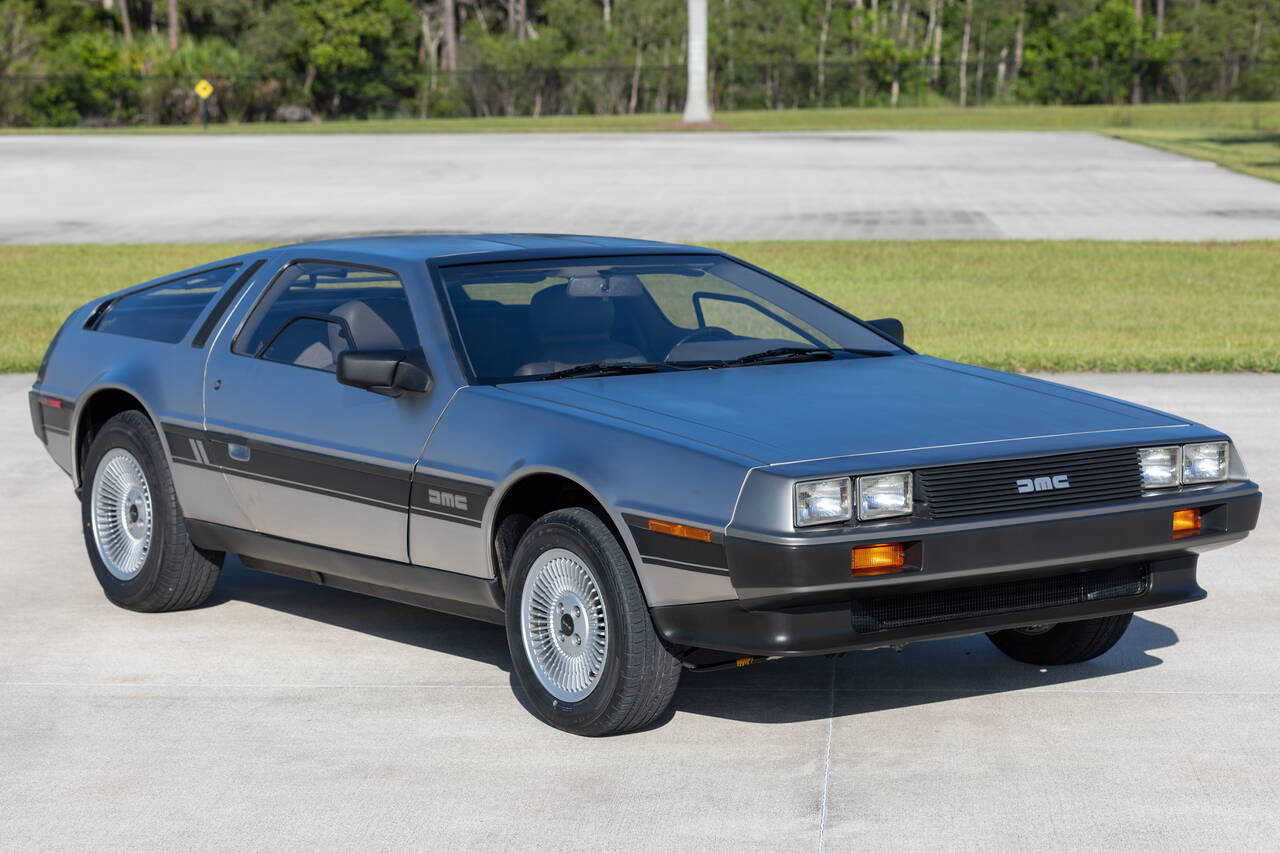
8. DeLorean DMC-12
The DeLorean DMC-12 has more personality than almost anything new because it is basically a movie prop that became real life. Even if you never drive one, you know the car. Stainless steel body, gullwing doors, and that futuristic shape made it instantly iconic. Most modern cars do not take risks like that, which is why the DeLorean feels so special.
The design is the entire personality. The stainless steel panels look like nothing else. The gullwing doors make every entry and exit feel dramatic. It does not matter if the car is parked in a garage or a street corner. People stop and stare. That visual impact is pure 1980s boldness.
The DeLorean also represents ambition. It was not built by a normal company with normal goals. It was a dream project, and you can feel that energy in the car. Even its flaws add to the personality, because it feels like a bold experiment rather than a safe product.
The interior also reflects the era. It feels like a time capsule, with a strange mix of luxury, simplicity, and futuristic ideas. You sit low, surrounded by unusual angles. It feels like stepping into another decade.
Driving performance was not its strongest point, but personality is not about speed. The DeLorean is memorable because of how it makes you feel. You do not drive it to win races. You drive it because it turns every trip into a moment.
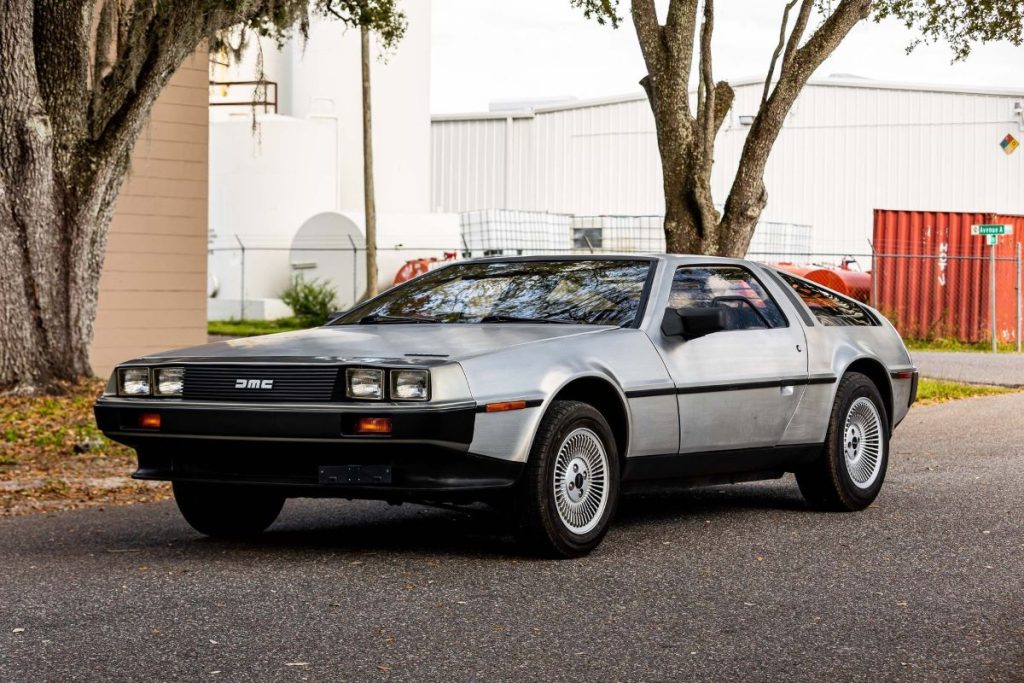
Its biggest cultural personality comes from pop culture. Once it became linked with sci fi fame, the car turned into an icon forever. That identity cannot be copied by modern cars because it was born naturally in its time.
The DeLorean DMC-12 is proof that personality can come from bold design and cultural impact. It is not perfect, but it is unforgettable, and that is exactly why it belongs on this list.
9. Peugeot 205 GTI
The Peugeot 205 GTI has more personality than most modern hot hatches because it was built with pure joy. In the 1980s, the 205 GTI became a legend not because it had massive power, but because it felt alive in every corner.
It was small, light, and full of attitude. Even today, it represents the golden era when driving fun mattered more than technology.
The first thing that gives it personality is its size. Modern performance cars have grown bigger and heavier. The 205 GTI feels compact and agile, like it belongs on tight roads. That small footprint makes it feel playful in traffic and exciting on twisty streets. It feels like a car you can throw into corners without fear.
The engine character also adds charm. It delivered strong response and a lively feel that encouraged drivers to push. You did not need huge horsepower. The car’s light weight made everything feel quick. Throttle response felt sharp, and that made the driving experience more emotional.
Handling is where the 205 GTI becomes unforgettable. Steering feels direct and full of feedback. The chassis feels eager. The car dances through corners rather than fighting them. Many modern cars feel too stable and too safe. The 205 GTI feels like it wants to play, and that gives it personality.
The design also fits the era perfectly. It looks simple but sporty, with the right stance and classic lines. It does not rely on fake vents or aggressive body kits. Its identity comes from honesty. That makes it timeless.
Inside, it is simple and driver focused. You do not get huge screens or digital distractions. You get a classic cockpit with a clear purpose. That simplicity makes the car feel connected and real.
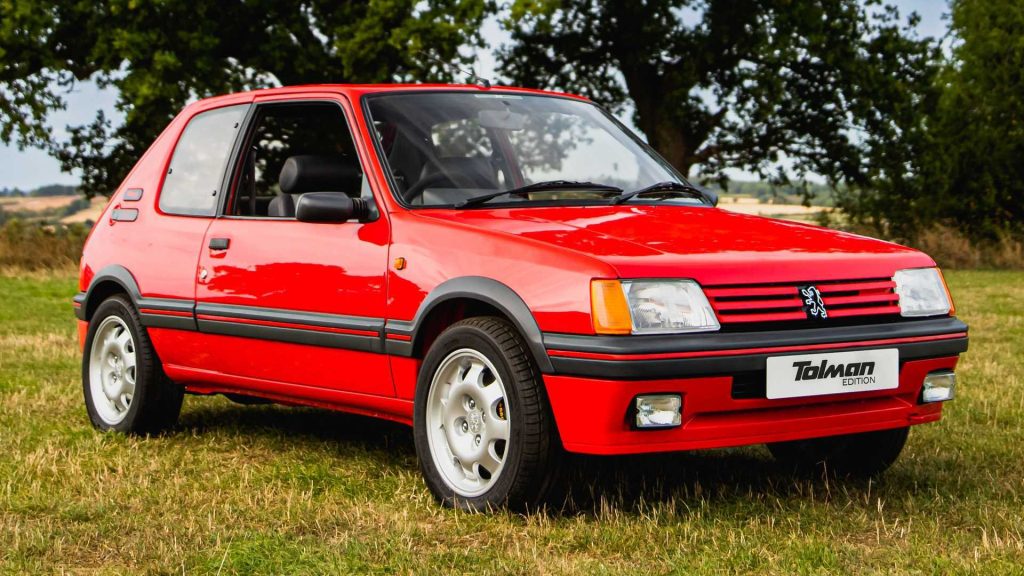
The 205 GTI also has cultural power. It became one of the defining European hot hatches, a symbol of affordable fun. Even people who never owned one respect it.
Overall, the Peugeot 205 GTI has personality because it delivers pure excitement in a compact form. It reminds us that a car can feel thrilling without being complicated, and that is something modern cars often forget.
10. Saab 900 Turbo
The Saab 900 Turbo has more personality than many new cars because it was proudly weird in the best way. Saab never tried to build normal cars.
The 900 Turbo felt like something designed by aircraft engineers, because Saab’s roots were connected to aviation thinking. Everything about the car felt different, and that uniqueness gave it charm.
The design is instantly recognizable. It had that curved windshield, long nose, and strange proportions that made it stand out from German and Japanese cars. It did not look like anything else on the road. That alone created personality because it felt independent, not copied.
The turbocharged engine added drama. Turbo boost in the 1980s felt exciting because you could actually feel the surge. The Saab delivered that smooth build up and strong pull. It was not about loud speed. It was about confident acceleration, especially on highways. Turbocharged character gave the car a unique mood.
The interior was also unique. Saab placed the ignition key between the seats, which felt like an aircraft inspired detail. The cabin was designed to be practical, safe, and focused on the driver. That layout made it feel special, like Saab had its own set of rules.
Driving feel was stable and comfortable. It was not a sports car, but it had a strong personality. It felt safe, solid, and confident. In the 1980s, that was a powerful identity. It was the car for people who wanted something smart and different.
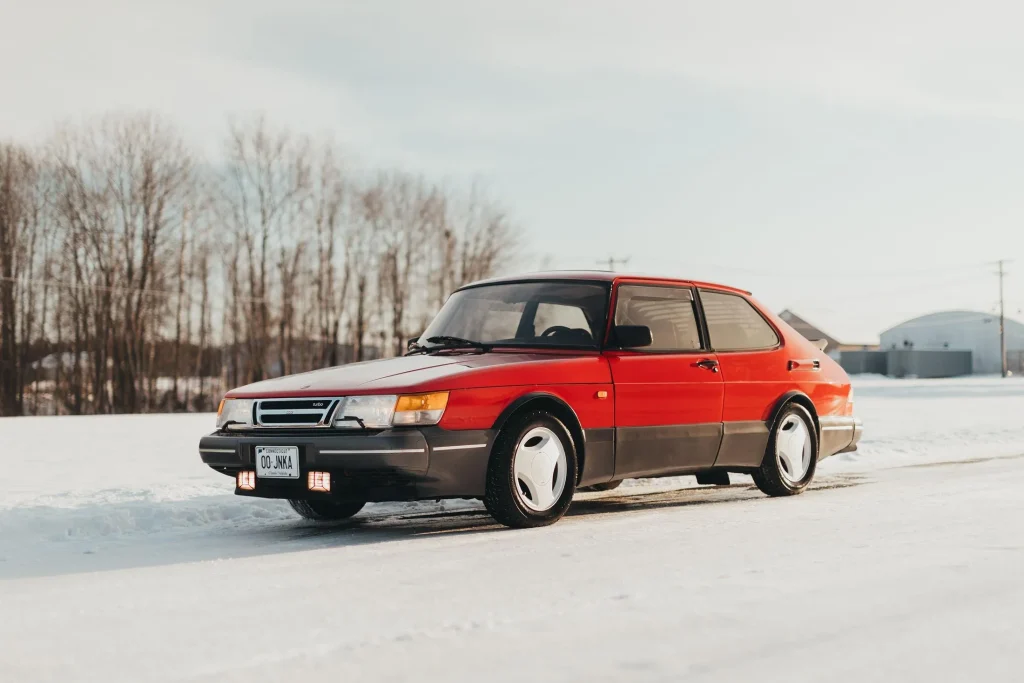
The Saab 900 Turbo also became a cultural symbol. It was loved by engineers, creatives, and people who did not want mainstream choices. Owning one felt like having a quiet statement.
Modern cars rarely feel this unique because brands chase the same shapes and screens. The Saab 900 Turbo proves personality can come from strange design, smart engineering, and turbocharged charm. It was different, and that difference is exactly why it still feels alive today.
1980s cars had personality because they were bold, mechanical, and unafraid to be different. Modern cars are faster and safer, but many feel similar in design and driving feel. In contrast, these ten classics deliver unique shapes, sounds, and attitudes that still feel unforgettable today.
Icons like the Lamborghini Countach and Ferrari Testarossa defined the decade with wild styling and supercar drama.
The Buick GNX brought stealth turbo muscle, while the Toyota AE86 became a lightweight driver’s legend. The Porsche 911 Turbo (930) showed raw turbo intensity, and the BMW M3 E30 proved precision and racing DNA could live on the street.
The Honda CRX Si delivered fun through lightness and rev happy driving, while the DeLorean DMC-12 became a cultural symbol with stainless steel and gullwing doors. The Peugeot 205 GTI was pure hot hatch joy, and the Saab 900 Turbo stayed proudly weird, smart, and unique.
Also Read: Top 10 Italian Motorcycles That Are Worth the Risk
