
City life moves fast, and New York City moves faster. From early morning coffee runs to late-night grocery stops, your car needs to keep up with traffic lights, tight parking spaces, and unpredictable weather. That is why choosing an electric vehicle here is not just about range or horsepower. It is about size, charging access, comfort in traffic, and how easy it is to live day after day.
Electric vehicles promise quieter rides, lower running costs, and cleaner streets. Yet not every EV fits city life. Some are too big, others take too long to charge, and a few simply do not match the pace of urban driving. A smart pick makes daily trips easier, while a poor choice can turn every commute into a planning exercise.
New York City drivers deal with narrow streets, packed parking garages, and stop-and-go traffic that tests patience. A good EV here should feel relaxed at low speeds, squeeze into tight spots, and recharge quickly when time is short. It should also offer enough range for a full week of commuting without constant plug hunting.
This guide focuses on electric vehicles that truly work for life in the five boroughs. These are cars that feel at home in Manhattan traffic, Brooklyn side streets, and Queens parkways. They balance comfort, tech, and efficiency in a way that makes daily driving simpler.
Below are five electric vehicles that make real sense for New York City. Each one brings something different to the table, but all share a common goal: making city driving easier, cleaner, and more enjoyable.
5 EVs That Make Sense in New York City
1. Chevrolet Bolt EV
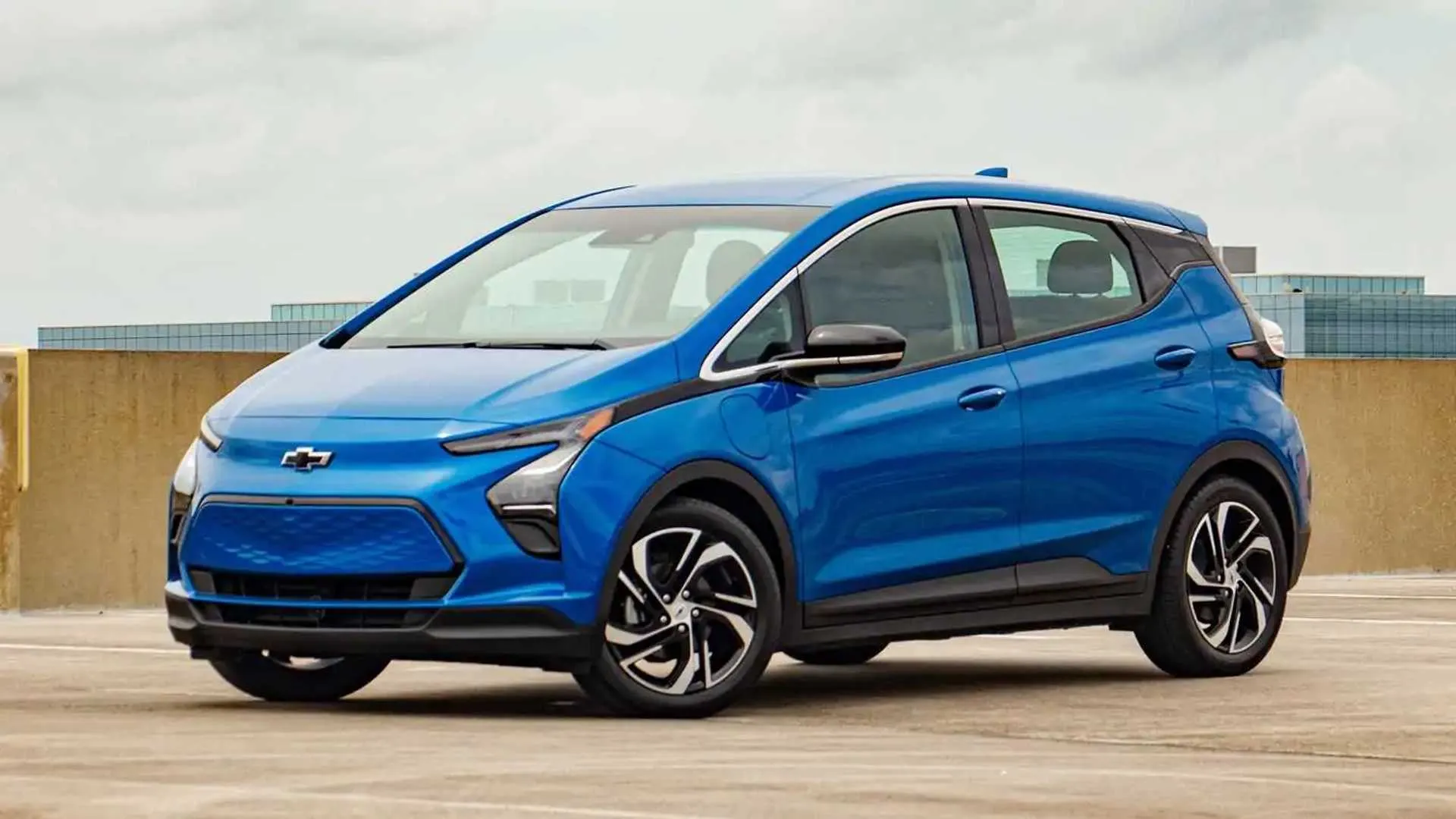
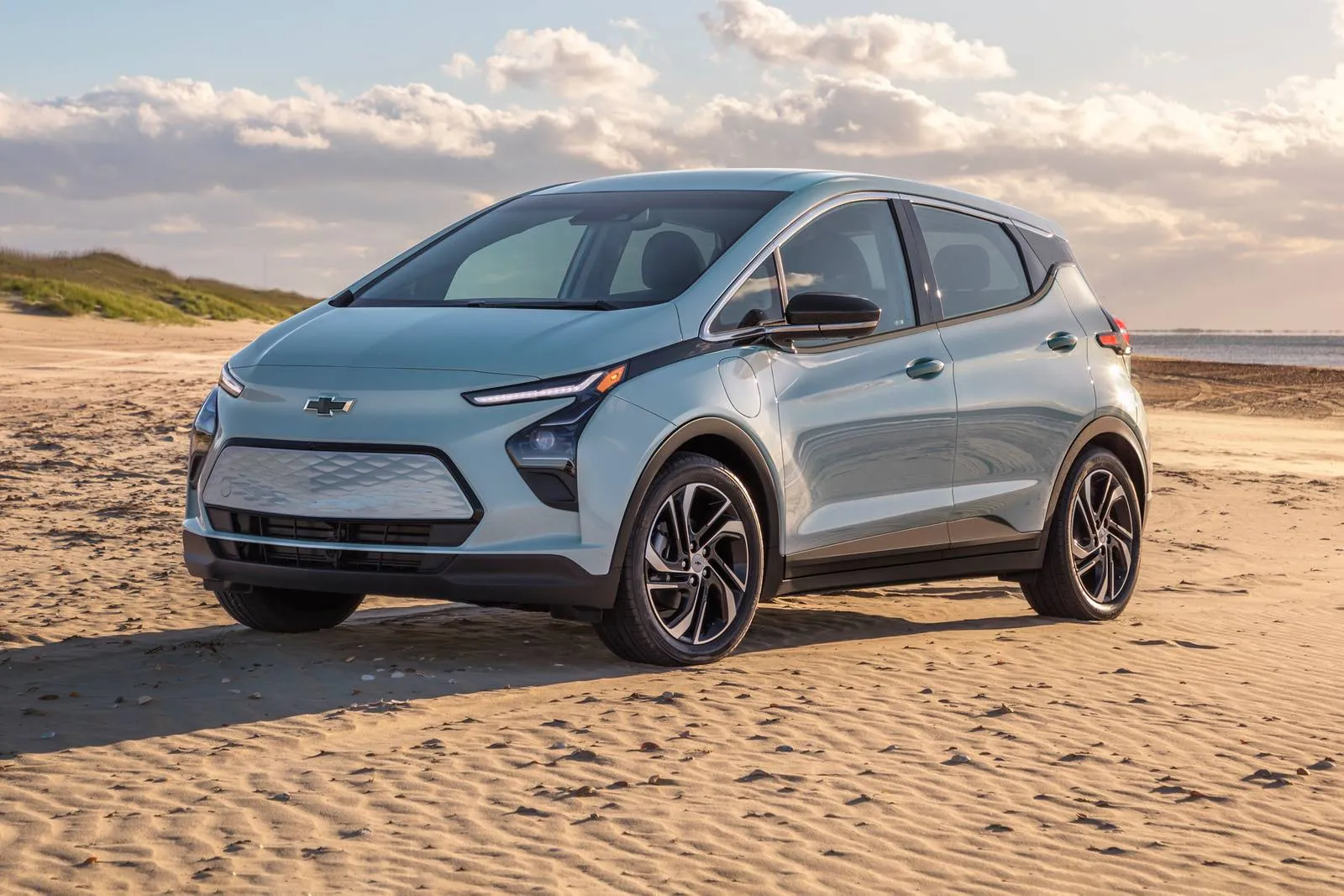
Chevrolet Bolt EV proves that a small footprint and strong range can live happily together. This hatchback-sized electric car feels tailor-made for city streets, where compact dimensions matter more than massive power figures. Parking in tight garages or squeezing into street spots feels far less stressful with the Bolt than with larger electric SUVs.
Range stands at about 259 miles on a full charge, which is more than enough for a full week of commuting for most city drivers. Even with heavy traffic and frequent stops, the Bolt keeps going without asking for constant charging. That means fewer late-night runs to a public charger and less worry about planning every trip around battery levels.
Acceleration feels quick from a stop, which helps when darting into small gaps in traffic. Electric torque arrives instantly, giving the Bolt a lively personality at low speeds. Merging onto highways like the FDR Drive or the Brooklyn Queens Expressway feels confident and smooth.
Charging flexibility also helps. The Bolt works with common Level 2 chargers found in apartment garages and public parking structures across the city. DC fast charging support allows a quick top up during a lunch break or shopping stop. A short charging session can add enough range for several days of driving.
Inside, the cabin feels modern and airy. The tall roof gives good headroom, while the large windows help with visibility in crowded streets. The infotainment system supports Apple CarPlay and Android Auto, making navigation and music easy to manage. Controls feel simple and intuitive, which matters when traffic demands your full attention.
Ride quality leans toward comfort rather than sportiness. Potholes and uneven pavement get absorbed well by a small car. That is a big plus on city roads that see heavy wear. For drivers who want a straightforward electric car that fits city life without fuss, the Chevrolet Bolt EV checks all the right boxes. It is efficient, easy to park, quick enough for urban traffic, and friendly on running costs.
2. Hyundai Kona Electric
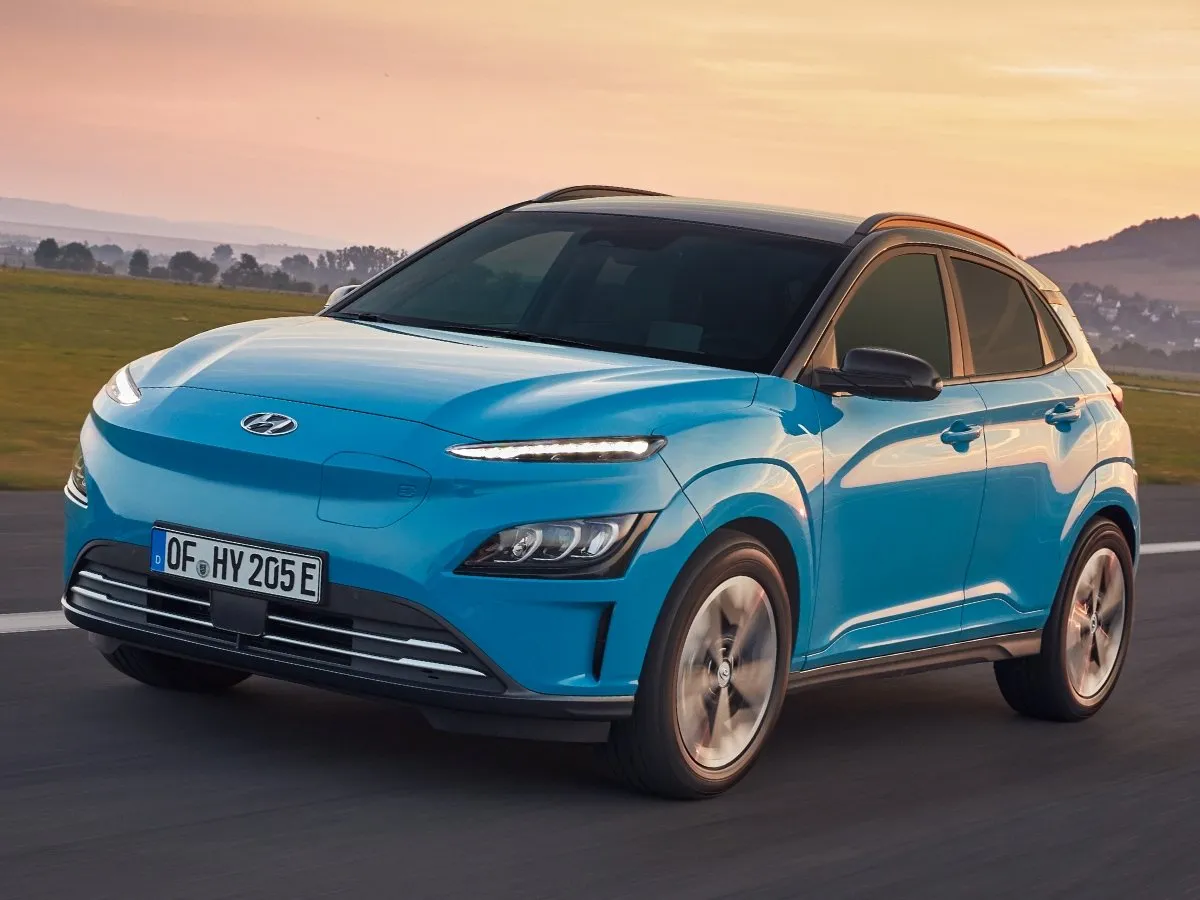
Hyundai Kona Electric brings the benefits of a compact SUV shape into the electric age. It offers a higher seating position than a small hatchback, which many drivers prefer in heavy traffic. That raised view helps when scanning crowded intersections and spotting cyclists and pedestrians.
Range sits at about 258 miles, placing it right in the sweet spot for urban use. A full charge can cover several days of commuting, errands, and social trips without anxiety. Even with cold winter weather and heavy use of climate control, the Kona Electric remains dependable.
Power delivery feels smooth and responsive. The electric motor pushes the Kona forward with confidence, making lane changes and short highway sprints easy. It never feels sluggish when you need to move quickly in dense traffic.
Size works well for the city. The Kona Electric is small enough to park easily but tall enough to feel comfortable and commanding. It slips into narrow spaces that larger electric SUVs would struggle with. Tight parking garages and curbside spots become far less intimidating.
Charging support includes Level 2 and DC fast charging. A quick stop at a fast charger can add a large chunk of range in under an hour. That flexibility matters when home charging is not always available. Inside, the cabin feels well-built and practical. Seats offer good support for long drives through traffic.
The infotainment screen is clear and responsive, with smartphone integration as standard. Physical buttons for climate control make quick adjustments easy without taking eyes off the road. Safety tech adds another layer of confidence.
Features like blind spot monitoring, lane keeping assist, and adaptive cruise control help reduce stress during long commutes. The Hyundai Kona Electric suits drivers who want the familiarity of a small SUV with the benefits of electric power. It blends comfort, range, and city-friendly size into a package that feels right at home on New York streets.
Also Read: Top 10 Normal-Looking Cars With Secret Motorsport DNA
3. Nissan Leaf Plus
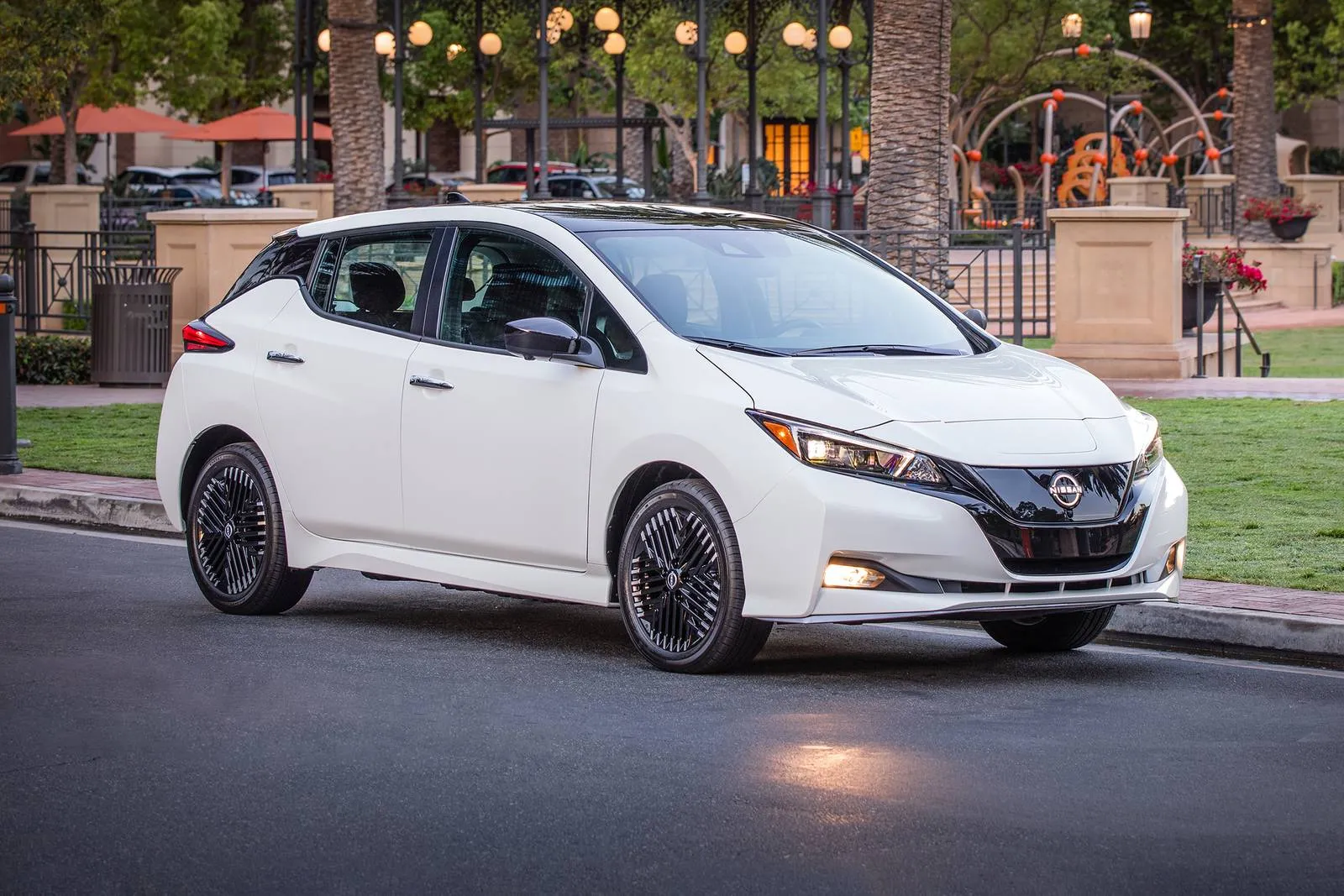
Nissan Leaf Plus stands as one of the most recognizable electric cars on the road. Years of refinement have turned it into a polished and easy-to-live-with daily driver. In a city where reliability and simplicity matter, the Leaf Plus delivers both.
The Plus version brings a larger battery with a range of about 226 miles. That gives enough freedom to drive all week without watching the battery gauge after every short trip. Commuting from Brooklyn to Midtown and back for several days barely dents the range.
Driving feels calm and quiet. Electric power makes stop-and-go traffic far more relaxing. The Leaf moves smoothly from a standstill and keeps pace easily with city flow. Steering feels light, which helps when making quick turns on narrow streets.
The compact hatchback suits city life. Parking is easy, and visibility is excellent thanks to large windows and a clean dashboard layout. The turning circle is tight, which helps with U-turns and small parking lots. Charging options include Level 2 for home or garage use and DC fast charging for quick top-ups. While charging speed is not the fastest in the EV market, it remains practical for urban use where daily driving distances stay short.
Inside, the cabin feels familiar and comfortable. Seats are soft and supportive, making long commutes less tiring. The infotainment system includes Apple CarPlay and Android Auto, which makes navigation through city traffic easier.
ProPILOT Assist adds a layer of driver support on highways. It helps manage speed and lane position, which can be useful on longer drives out of the city. Nissan Leaf Plus is a smart choice for drivers who want a proven electric car with a friendly personality. It offers a smooth ride, good range, and city-friendly size without trying to be something it is not.
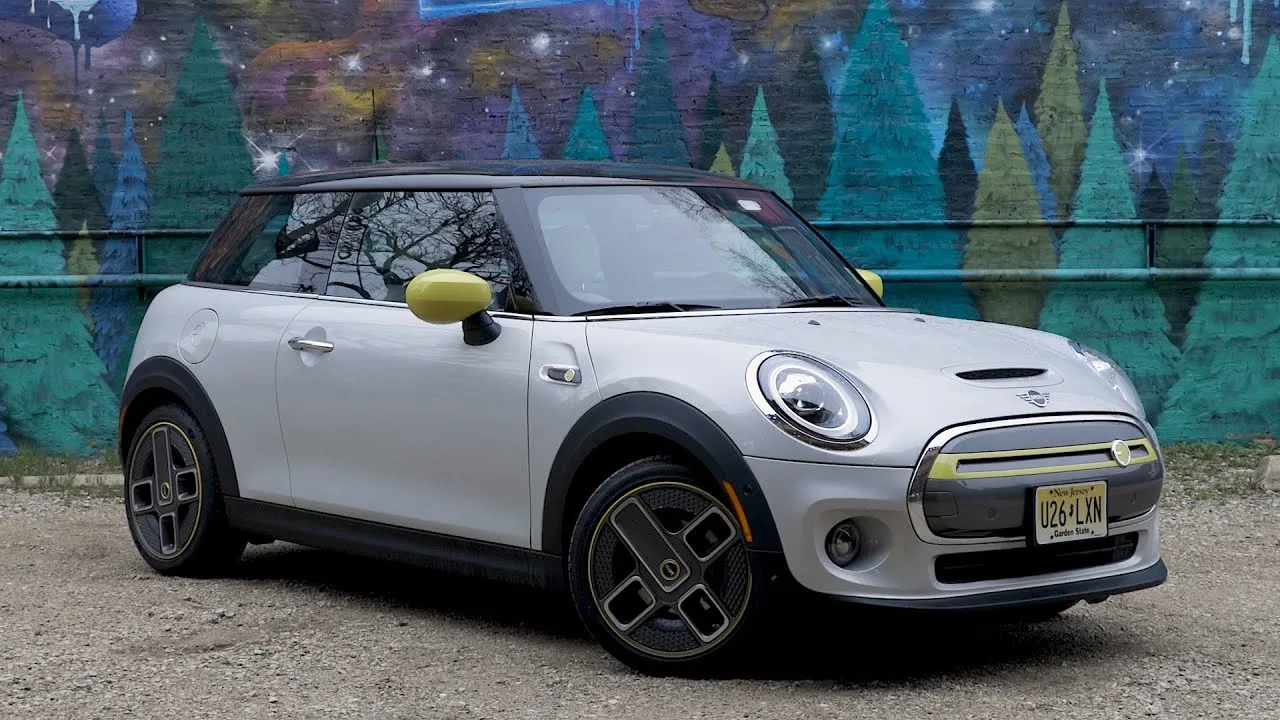
4. Mini Cooper SE Electric Hardtop
Mini Cooper SE Electric Hardtop brings charm and personality to electric driving. Few cars feel more at home on narrow streets and crowded neighborhoods than a Mini. Its tiny footprint and playful handling make city driving feel fun again.
Range stands at about 114 miles, which sounds small on paper but suits urban life better than expected. Most city drivers cover short distances each day. A full charge easily handles daily commuting, shopping, and social trips around the boroughs.
The real magic lies in how the Mini drives. Electric torque gives it quick acceleration from traffic lights. It darts through traffic with ease and feels eager at every turn. Steering feels sharp, and the car responds instantly to driver input.
Parking becomes almost effortless. The Mini can slip into spaces that larger cars cannot fit into. Tight garages and narrow curb spots feel far less intimidating. For drivers who hate hunting for parking, this is a major win. Charging works with Level 2 and DC fast chargers. While the battery is small, that also means charging times stay short. A quick stop can fill the battery enough for several days of city use.
Inside, the cabin carries Mini’s classic style with modern tech. The round center display houses the infotainment system, which supports smartphone integration. Seats feel sporty yet comfortable, and the driving position is low and engaging.
Ride quality stays firm but controlled. You feel the road more than in larger EVs, yet that adds to the car’s character. For drivers who enjoy a lively feel behind the wheel, the Mini delivers. Mini Cooper SE Electric Hardtop suits city drivers who value style, personality, and easy parking more than long range. It turns daily commutes into something you actually look forward to.
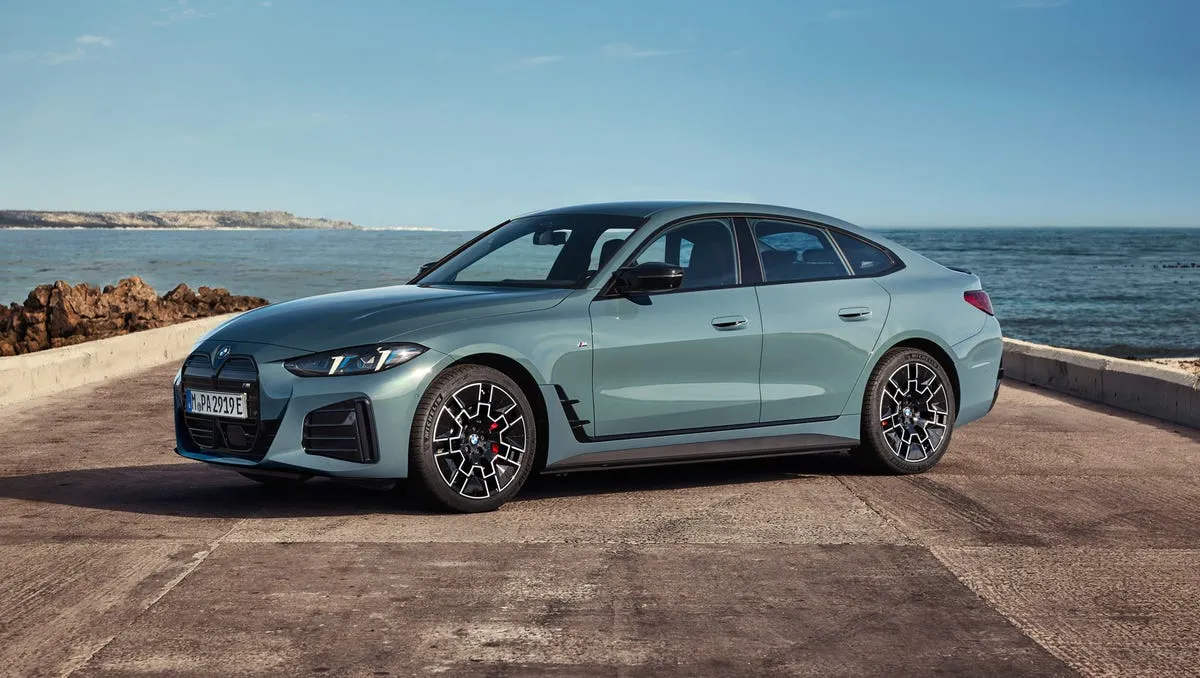
5. BMW i4 eDrive40
BMW i4 eDrive40 blends electric efficiency with sports sedan comfort. It brings a premium feel to city driving without being oversized or awkward in tight spaces. For drivers who want refinement with modern tech, the i4 makes a strong case.
The range reaches about 301 miles, which is more than enough for daily driving and weekend trips. Even with traffic delays and winter weather, the i4 keeps plenty of range in reserve. That means fewer charging stops and more freedom to drive when needed.
Performance feels smooth and confident. The electric motor delivers strong acceleration, making merging and passing easy. Despite its sporty character, the ride remains comfortable on rough city roads. The sedan body fits well in urban settings. It is easier to park than large electric SUVs while offering more interior space than small hatchbacks. Rear seat room is generous for passengers, which helps with ridesharing or family trips.
Charging support includes Level 2 and DC fast charging. A fast charger can add a significant amount of range in a short time, making quick top-ups simple during busy days. Inside, the cabin reflects BMW’s focus on quality. Materials feel premium, and the curved digital display looks modern without being distracting. The infotainment system runs quickly and includes wireless smartphone integration.
Driving assistance features help in heavy traffic. Adaptive cruise control and lane support reduce stress during long commutes through congested highways. BMW i4 eDrive40 suits drivers who want an electric car that feels refined, powerful, and comfortable without giving up city-friendly size. It turns electric driving into a premium experience that fits right into New York life.
5 EVs That Do Not Make Sense in New York City
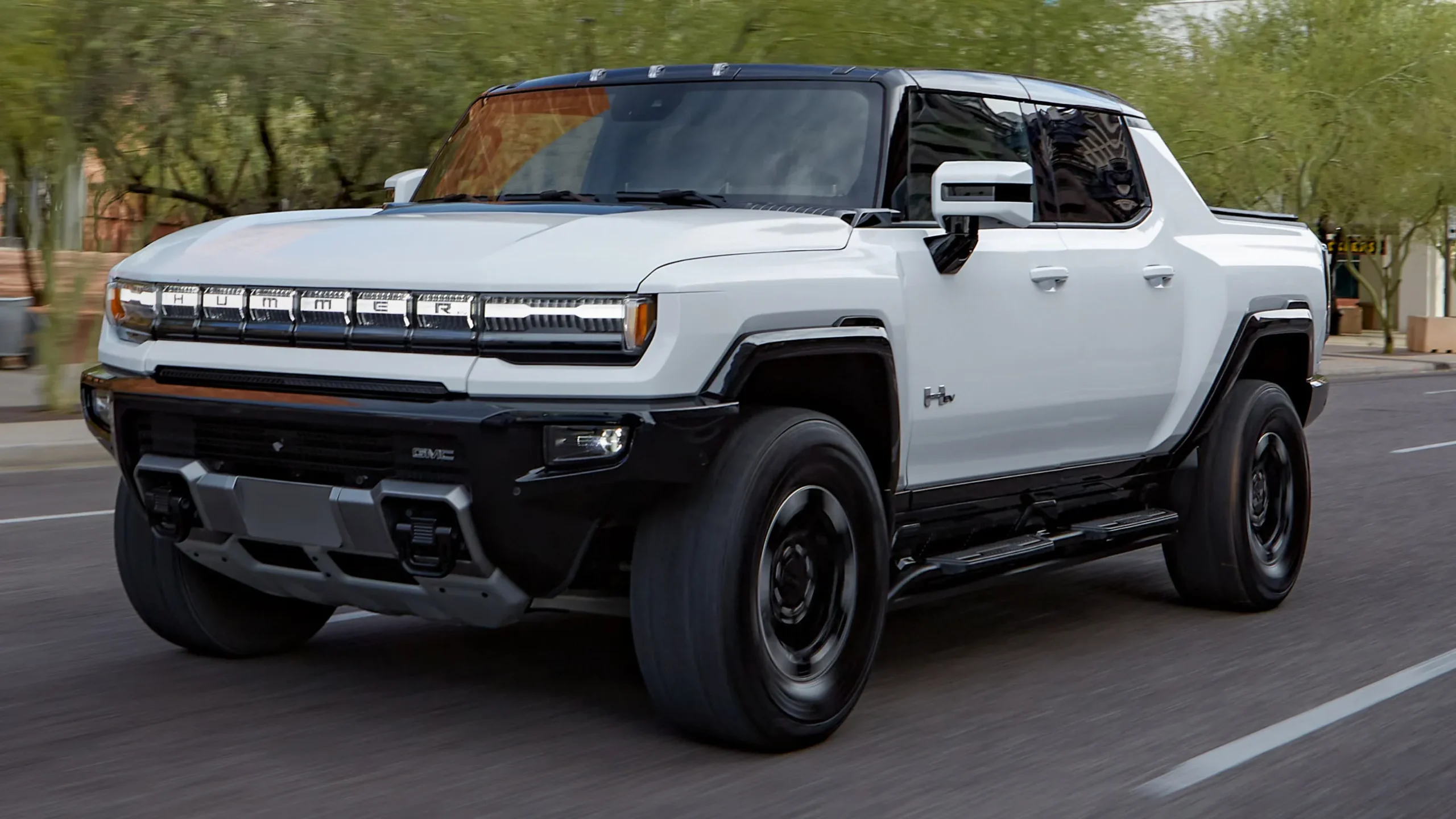
1. GMC Hummer EV Pickup
Size alone makes the GMC Hummer EV Pickup a difficult match for New York City streets. This electric truck stretches nearly eighteen feet long and carries the visual presence of a military vehicle. On wide open highways, that stance feels impressive. On Manhattan avenues and Brooklyn side streets, it feels overwhelming.
Parking becomes a daily challenge. Standard curbside spots often fall short of the space required, and many garages simply cannot accommodate the Hummer’s width and height. Even when a spot is available, turning into it can feel like threading a needle. Tight ramps and narrow entrances create stress before the engine ever starts.
Driving through traffic brings its own set of issues. The Hummer EV weighs more than nine thousand pounds, which makes it feel heavy and slow to react at low speeds. While the electric motors deliver strong acceleration, the mass is always present. Quick lane changes and sudden stops require careful planning. In dense traffic, that weight does not inspire confidence.
Charging also presents a problem. The massive battery pack takes a long time to fill, even at fast charging stations. A short charging stop does not add much usable range, which makes quick top-ups less practical. Home charging is even more challenging, as many city apartments lack the electrical capacity to support such a large vehicle.
Visibility is another concern. The high hood and wide body create blind spots that demand constant attention. Pedestrians, cyclists, and scooters often appear suddenly in city traffic, and a vehicle this large leaves little margin for error.
Interior space feels luxurious, yet much of it goes unused in daily urban driving. The wide cabin and large bed suit outdoor adventures far from the city, not grocery runs and short commutes. Energy use is also high. Despite being electric, the Hummer consumes far more power than smaller EVs. That leads to higher charging costs and more frequent visits to public chargers.
GMC Hummer EV Pickup suits open roads and off-road trails far better than crowded city blocks. In New York City, its size, weight, and charging needs turn simple errands into complicated outings.
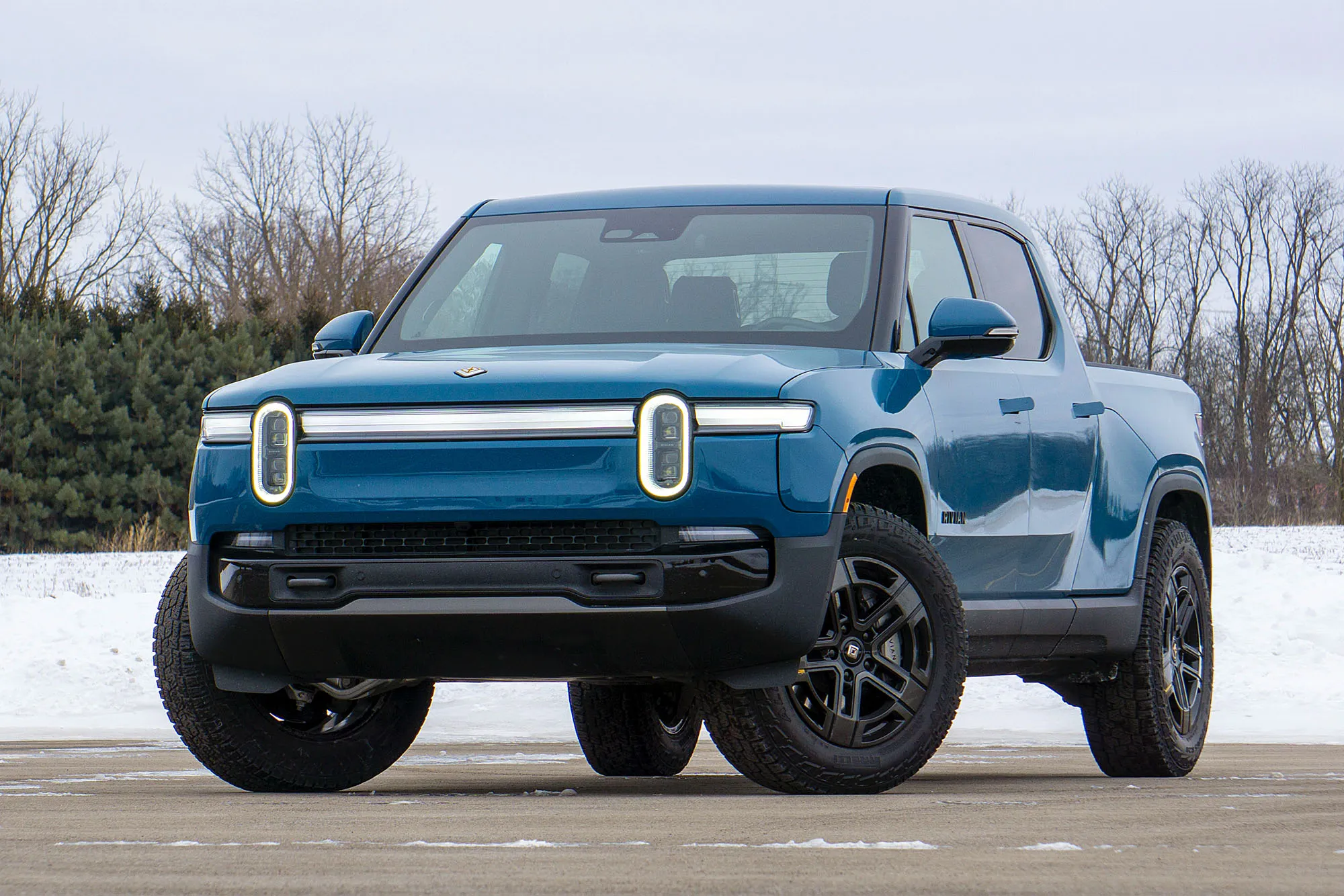
2. Rivian R1T
Rivian R1T looks like the future of electric trucks, yet city life exposes its limits quickly. This pickup was designed for adventure, hauling gear into the mountains and across long stretches of highway. New York City offers very little of that environment.
Street size becomes the first obstacle. The R1T measures more than eighteen feet long and carries a wide stance. Finding parking on residential blocks often turns into a long search. Many garages cannot fit the truck comfortably, and even those that can may charge premium rates for oversized vehicles.
Driving through narrow streets demands constant focus. Turning corners requires extra room, and squeezing between delivery vans and parked cars feels tense. While the electric motors provide smooth acceleration, the truck’s width makes lane placement tricky on busy roads.
Charging brings its own set of frustrations. The large battery supports long road trips, yet it also takes longer to recharge. Fast charging helps, but city chargers are often busy. Waiting for a free spot just to feed such a large battery wastes valuable time.
Ride quality feels firm on broken pavement. New York roads are full of patches, potholes, and uneven surfaces. The R1T’s suspension handles off-road trails well but does not always feel comfortable on city streets. Interior space is generous, yet much of it goes unused in daily commuting. The gear tunnel and large bed suit camping trips more than grocery shopping. For most city drivers, that space becomes empty weight.
Energy use also runs higher than that of smaller EVs. The truck consumes more power per mile, which increases charging costs. In a city where short trips dominate, that inefficiency stands out. Technology features feel impressive, but they cannot overcome the reality of driving a large pickup in a crowded urban setting.
Tight turns, narrow lanes, and packed garages turn daily travel into a chore. Rivian R1T shines in wide open spaces and on long road trips. In New York City, it feels oversized, inefficient, and far less practical than its design suggests.
3. Tesla Model X
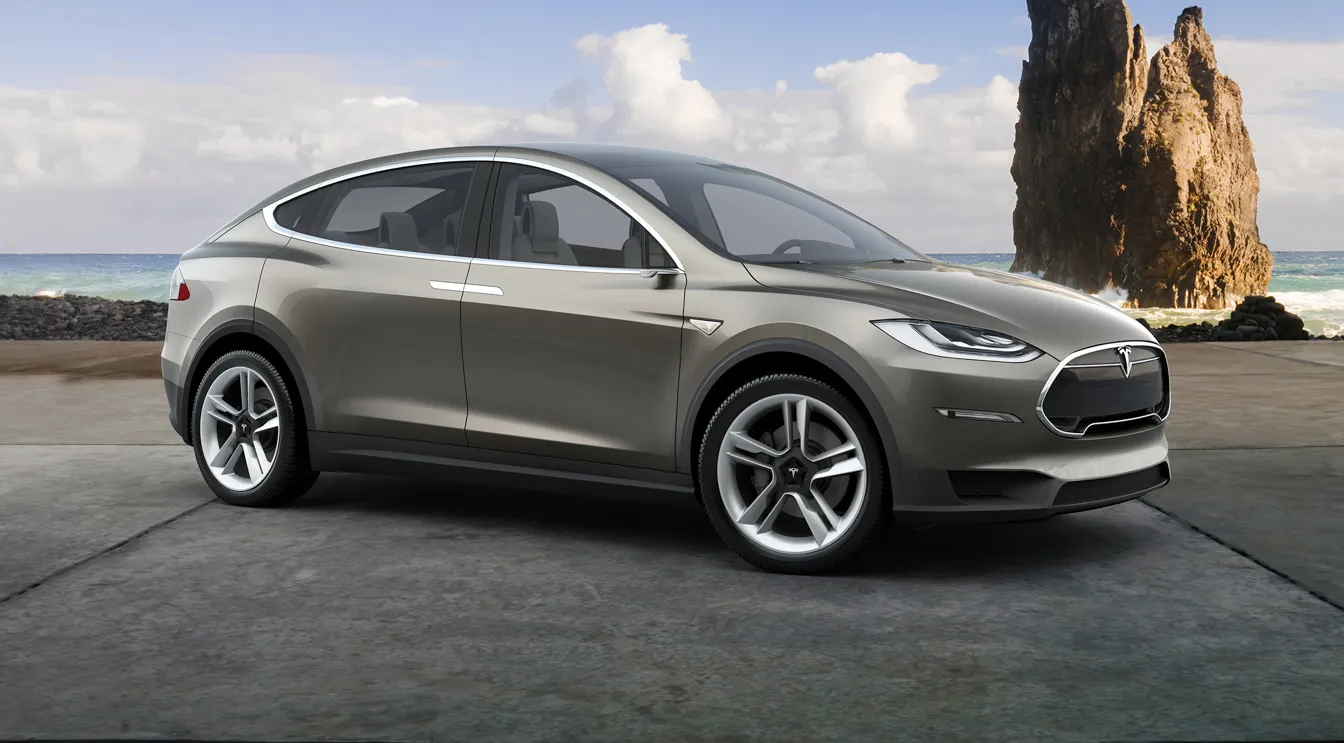
Tesla Model X brings futuristic style and strong performance, yet city life reveals several drawbacks. The most obvious issue comes from its size. The Model X is a large electric SUV with wide doors and a tall body. In crowded neighborhoods, that bulk creates daily challenges.
Falcon Wing doors look dramatic, but they demand extra space. In tight parking garages, opening them can feel awkward. Even with sensors, the doors sometimes hesitate in narrow spots, slowing down entry and exit. Parking in Manhattan and Brooklyn becomes a test of patience. The Model X fits in many garages, yet maneuvering into compact spaces requires care. Parallel parking on busy streets turns into a slow process as traffic builds behind.
Charging access also matters. While Tesla’s network remains strong, city Superchargers often stay busy. Waiting for a free stall during peak hours can disrupt daily schedules. Home charging is not always available for apartment dwellers, which adds another layer of planning.
Ride quality leans toward firm, especially on larger wheels. Rough pavement and potholes transmit more vibration than expected for a premium SUV. Long commutes through worn city roads can feel tiring. Energy use is higher than smaller electric cars. The Model X carries a large battery and a heavy body, which increases power consumption. That leads to more frequent charging stops compared to compact EVs.
Interior space feels luxurious, yet much of it suits family road trips more than short urban drives. The third row often goes unused, and the large cargo area stays empty during most daily errands. Technology features remain strong, but they do not solve the core issue of size. In a city built around smaller vehicles, the Model X always feels just a bit too big.
Tesla Model X suits suburban families and long highway trips far better than dense urban living. In New York City, its bulk, door design, and charging demands create more inconvenience than benefit.
4. Ford F-150 Lightning
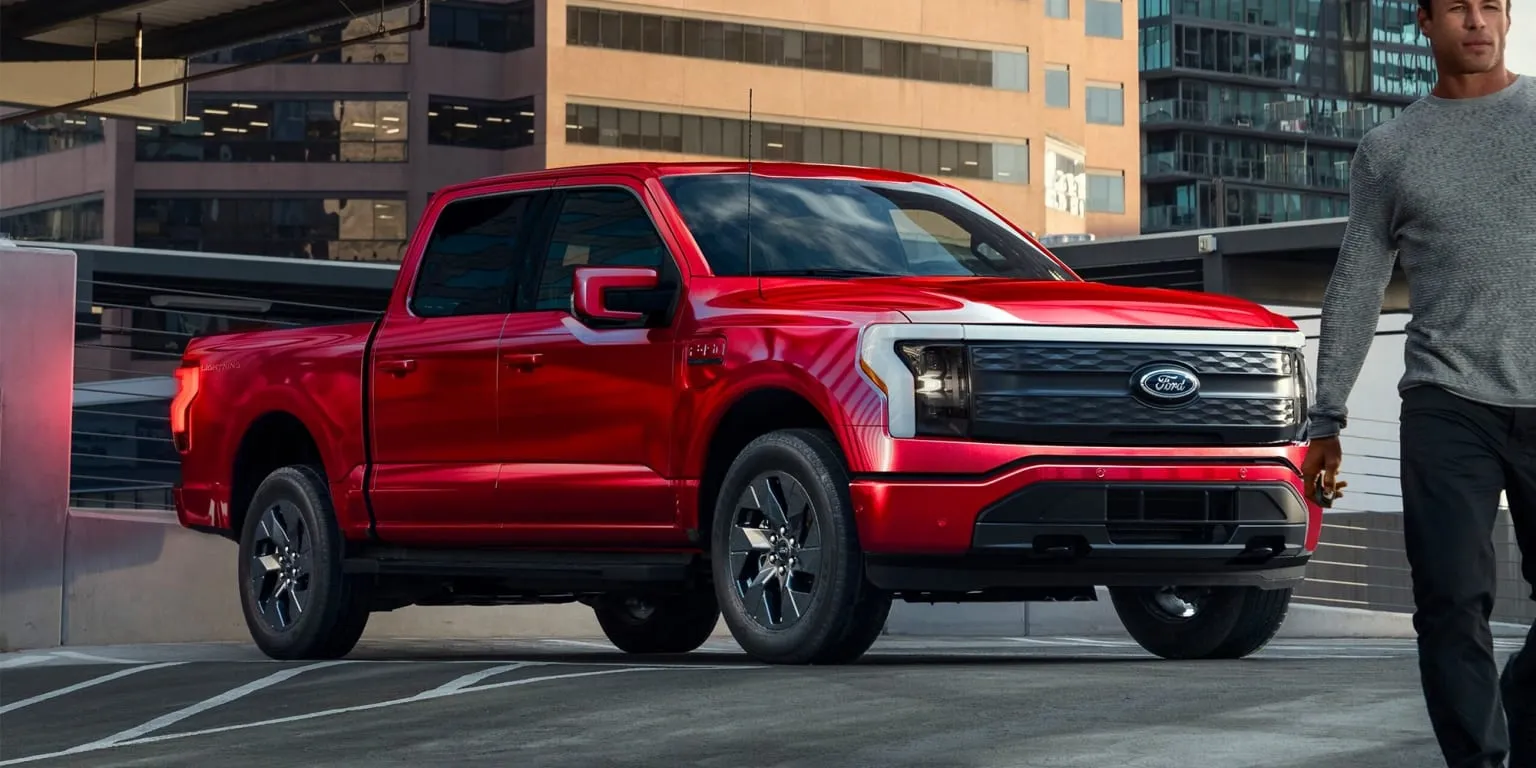
Ford F-150 Lightning brings electric power to America’s best-known pickup, yet city streets quickly expose its limits. This truck was built for work sites and long highways, not crowded neighborhoods and narrow blocks. Length and width make parking a daily struggle. Standard curbside spaces often fall short, and many garages cannot handle the truck’s size. Even when a spot is available, turning into it can feel stressful.
Driving through traffic requires patience. The Lightning feels smooth and powerful, yet its large body demands extra room in every lane. Tight turns and narrow streets leave little margin for error. Charging a full-size electric truck also takes time. The large battery supports long range, yet filling it requires longer sessions at public chargers. In a city where charging stations already see heavy use, that becomes inconvenient.
Ride quality feels comfortable on highways but less forgiving on rough city pavement. Potholes and patched roads send more vibration into the cabin than expected for a modern truck. Interior space is generous, yet most of it goes unused for daily commuting. The large bed suits construction materials more than grocery bags. For urban drivers, that space becomes extra weight to move around.
Energy use also stands out. The Lightning consumes more power per mile than compact EVs. That increases charging costs and reduces efficiency for short trips. Technology features add convenience, but they cannot overcome the reality of piloting a full-size truck through crowded streets. Tight parking, busy intersections, and narrow lanes turn every trip into a careful exercise.
Ford F-150 Lightning makes sense for suburban homes and job sites. In New York City, it feels oversized, inefficient, and far less practical than smaller electric options.
Also Read: 10 Underappreciated ’90s European Sports Cars You Can Still Buy Cheap
5. Mercedes-Benz EQS SUV
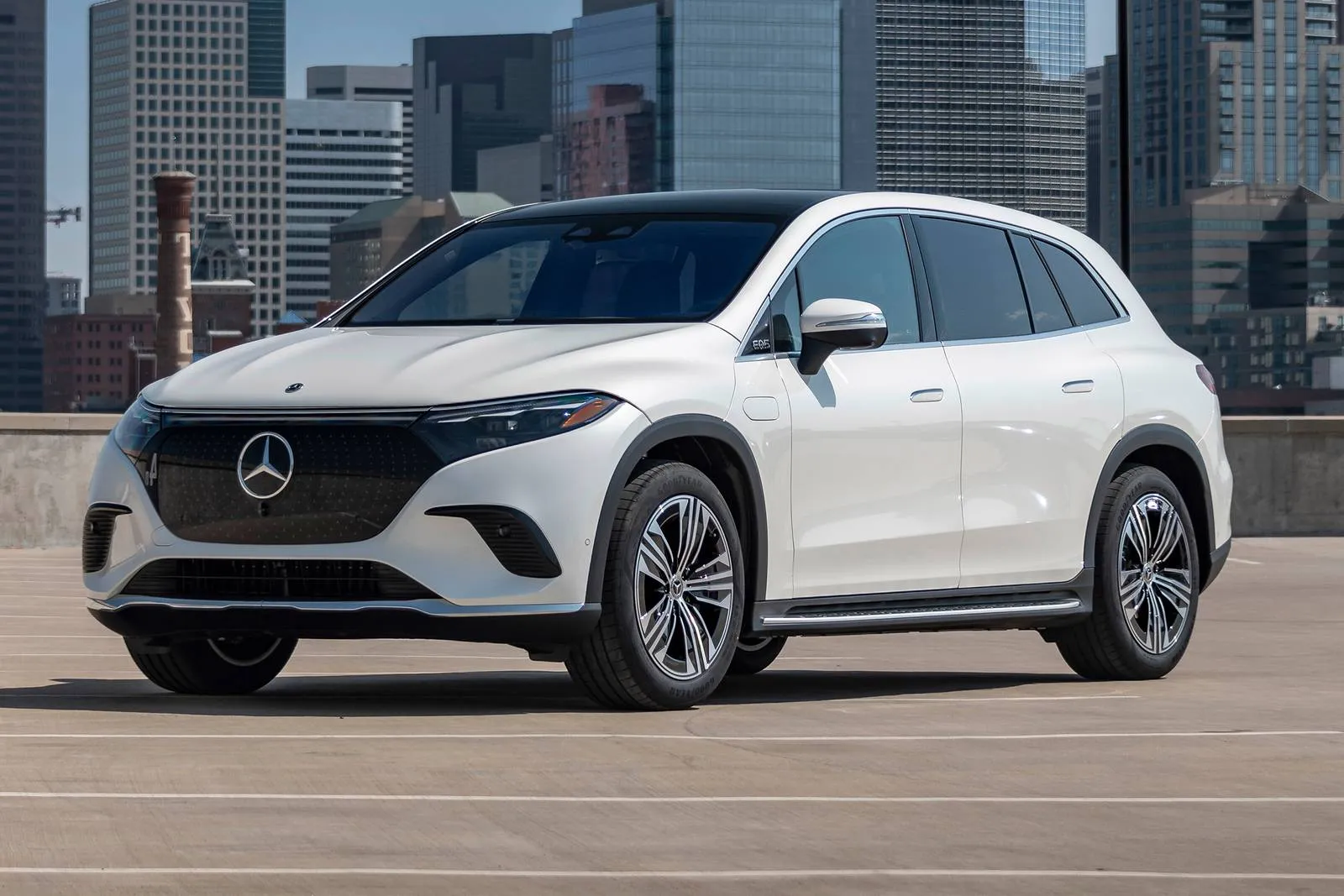
Mercedes-Benz EQS SUV delivers luxury and advanced technology, yet urban life reveals several mismatches. This electric SUV feels built for quiet highways and long-distance travel, not the constant stop-and-go of city streets. The first challenge is size. The EQS SUV stretches wide and tall, which makes parking more difficult.
Many garages can fit it, but maneuvering into tight spots requires care. Parallel parking on busy streets draws attention and slows traffic. Ride quality feels soft and smooth, yet the vehicle’s width demands constant awareness. Narrow lanes and delivery trucks leave little room for error. Turning corners in older neighborhoods can feel awkward.
Charging also requires planning. The large battery supports long range, but it takes longer to refill. City fast chargers often stay busy, and waiting for a free stall disrupts daily routines. Interior space feels impressive, yet much of it suits road trips rather than urban commuting. The third row often remains folded, and the large cargo area stays empty during most errands.
Energy use remains higher than smaller EVs. The EQS SUV carries substantial weight, which increases power consumption. That leads to more frequent charging than compact models. Technology features look stunning, yet the massive hyperscreen can feel overwhelming in heavy traffic. Adjusting settings on a large digital panel demands attention that city driving does not always allow.
Comfort remains a strong point, but comfort alone does not make a car suitable for dense urban life. Tight parking, busy intersections, and narrow streets demand smaller, more agile vehicles. Mercedes-Benz EQS SUV suits drivers who spend more time on highways than city blocks. In New York City, its size, charging needs, and urban handling make daily use less convenient than expected.
