European sports cars have long been admired for their ability to blend speed, precision handling, and striking design into a driving experience that excites enthusiasts around the world. While performance is often the first quality people associate with these vehicles, the aspect of long-term reliability is just as important, yet frequently overlooked.
Many high performance cars are assumed to require constant maintenance and suffer from mechanical fragility, but several European manufacturers have successfully built sports cars that deliver thrilling performance and stand the test of time.
These vehicles are engineered with durability in mind, combining robust materials, well-tested powertrains, and refined chassis designs that allow owners to enjoy spirited driving without the constant worry of breakdowns.
Engineering excellence is at the core of these cars, with every component designed to function under demanding conditions while maintaining a high level of longevity. Engines are often conservatively tuned relative to their potential output, allowing for consistent performance over extended periods.
Suspension systems and chassis structures are carefully reinforced to resist fatigue, maintaining handling precision even after years of aggressive driving. Drivetrain and transmission components are built with generous safety margins, ensuring smooth power delivery without accelerated wear.
Even electronics, which are a common source of reliability concerns in modern vehicles, are thoughtfully integrated and thoroughly tested to minimize long term failures. This attention to detail allows these cars to remain dependable even as they accumulate significant mileage.
In addition to engineering, these vehicles benefit from a philosophy of incremental refinement rather than radical redesign. Manufacturers often improve existing systems, correct minor weaknesses, and optimize materials without abandoning proven concepts.
This ensures that reliability is preserved while performance continues to evolve. Owners also benefit from strong parts availability and the extensive knowledge of specialized service networks, making maintenance more predictable and manageable.
Combined with careful design and quality control, these factors make it possible for sports cars to offer a rare combination of excitement and long term dependability.
This article highlights ten European sports cars that exemplify this balance between performance and reliability. From the iconic Porsche 911 and agile BMW M3 to the refined Mercedes Benz SLK 350 and the thrilling Audi TT RS, these vehicles demonstrate that it is possible to enjoy high speed driving, precise handling, and striking design while still owning a car that remains mechanically sound over time.
By examining engine design, chassis construction, drivetrain durability, and practical maintenance considerations, we explore why these cars have earned reputations not only for their performance capabilities but also for their ability to endure, making them excellent choices for enthusiasts who want both excitement and peace of mind.
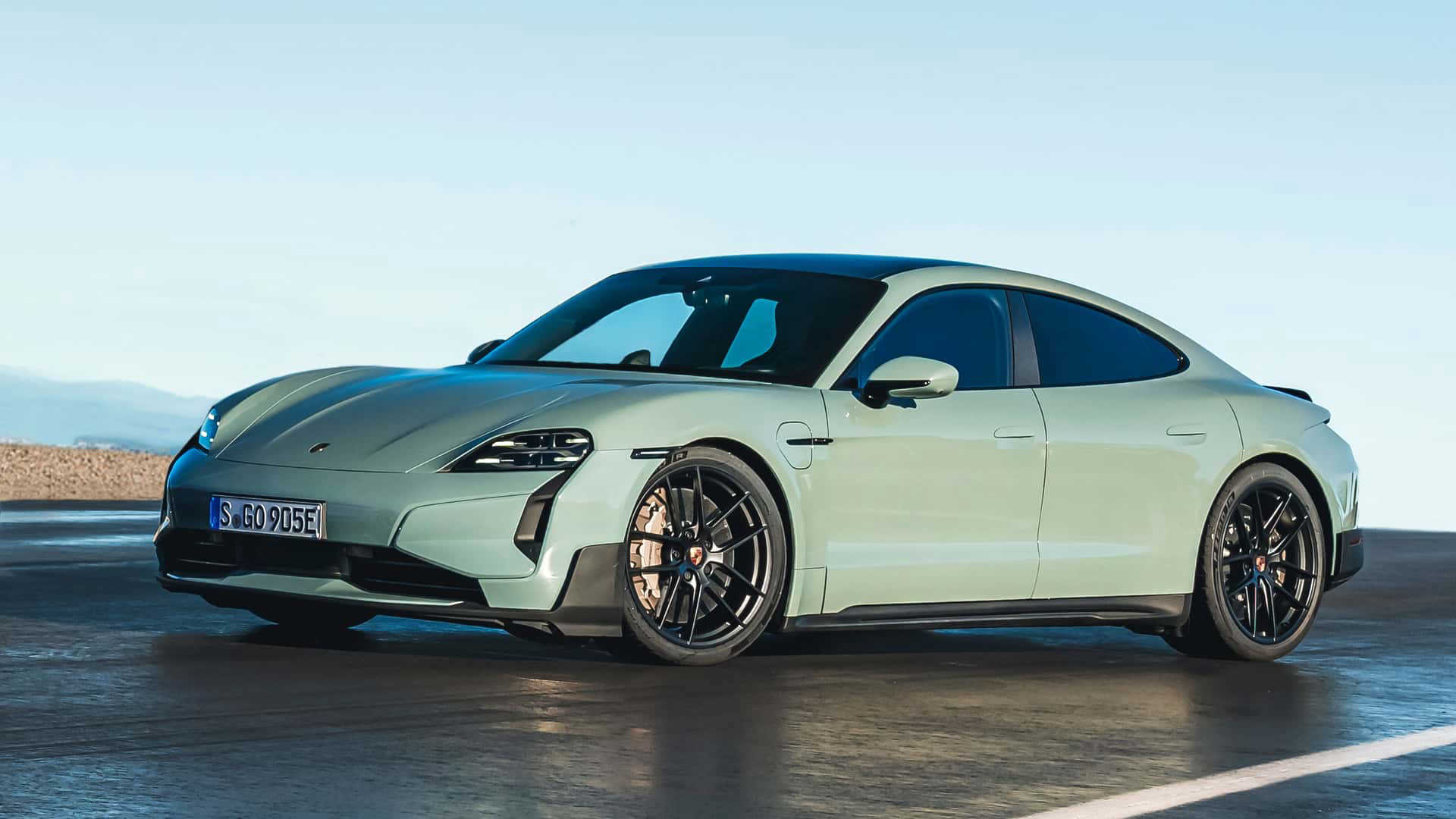
1. Porsche 911
The Porsche 911 has earned its reputation by following an evolutionary design philosophy that prioritizes refinement over reinvention. Rather than abandoning its core layout, Porsche continuously improved existing systems, allowing weaknesses to be corrected while proven strengths remained intact.
This long term approach created mechanical familiarity and consistency across generations. Owners benefited from engineering decisions that favored stability and endurance.
At the heart of the 911 is its flat six engine, a configuration chosen for balance, cooling efficiency, and reduced vibration. Porsche engineered the engine with conservative tolerances and robust internals, allowing it to withstand sustained high speed driving without excessive wear.
Oil circulation and thermal management systems were designed to function reliably under stress. These factors played a key role in the engine’s ability to accumulate high mileage.
The chassis of the 911 was reinforced to distribute loads evenly during cornering and braking. Suspension mounting points were strengthened to resist fatigue, while geometry tuning minimized uneven stress on components. This helped maintain predictable handling even as the vehicle aged. Structural rigidity contributed directly to long term durability.
Transmission systems were built with generous safety margins, ensuring smooth operation under spirited driving. Clutch assemblies, gear sets, and differentials were designed for strength rather than minimal weight. Electrical systems evolved gradually, limiting unnecessary complexity. Combined with strong parts support, these elements reinforced the 911’s long lasting reliability.
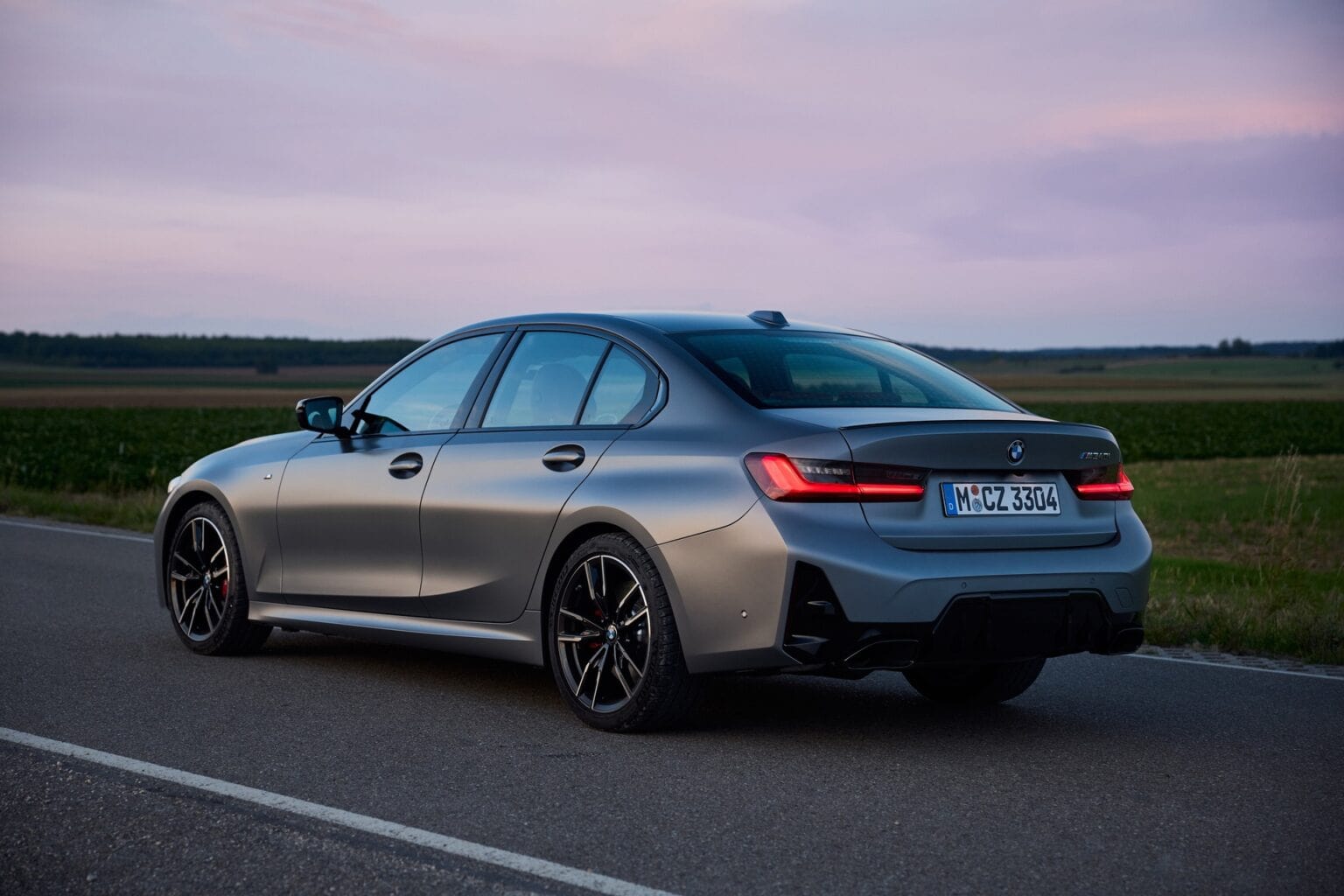
2. BMW M3
The BMW M3 was designed to deliver motorsport inspired performance while remaining suitable for everyday use. Engineers focused on creating a vehicle capable of enduring repeated high load driving without sacrificing mechanical stability.
This balance allowed the M3 to perform aggressively while remaining dependable over long ownership periods. Durability was treated as a performance requirement rather than a secondary concern.
Engine design played a central role in the M3’s reliability. BMW used strong engine blocks, forged internal components, and balanced rotating assemblies to reduce vibration and stress.
Cooling systems were carefully sized to manage heat during extended performance driving. Conservative factory tuning helped protect internal components over time.
Chassis rigidity was enhanced through reinforced mounting points and precise suspension geometry. These design choices reduced uneven tire wear and minimized strain on suspension components. Handling characteristics remained consistent even as mileage increased. This structural stability supported long term mechanical health.
Transmission options were engineered for endurance, with gearboxes and differentials capable of handling aggressive use. Brake systems emphasized heat resistance and material longevity. Electronics were implemented with a focus on driver function rather than excess complexity. Together, these elements helped establish the M3 as a reliable high performance sedan.
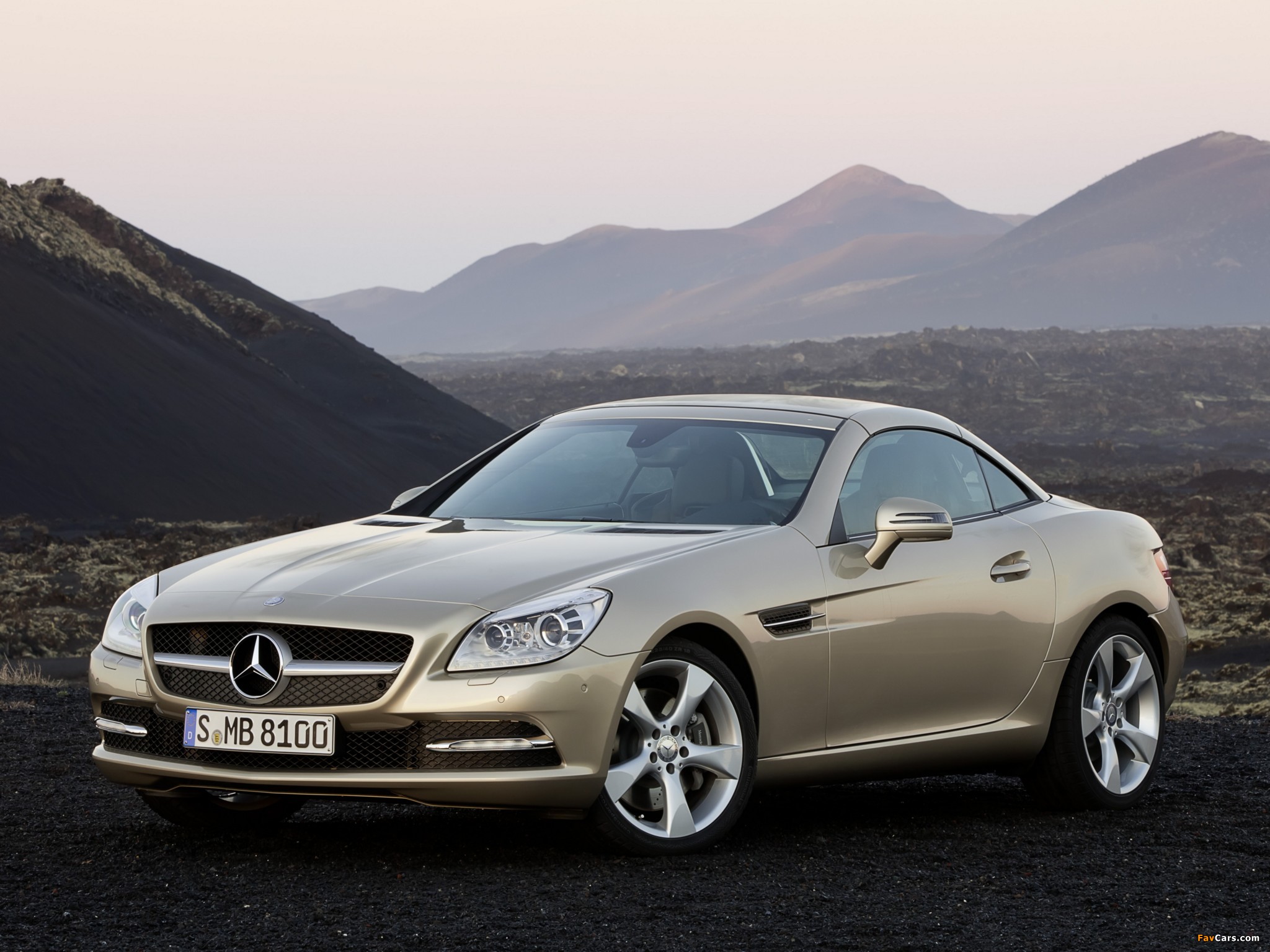
3. Mercedes Benz SLK 350
The Mercedes Benz SLK 350 was developed with an emphasis on refinement, comfort, and dependable sports performance. Unlike more extreme sports cars, it prioritized balanced engineering that reduced long term mechanical stress.
This approach made it suitable for daily driving while still offering engaging performance. Reliability was supported through careful system integration.
Its naturally aspirated V6 engine delivered smooth and predictable power, reducing strain on internal components. Mercedes tuned the engine for linear response rather than peak output, which helped extend service life. Cooling and lubrication systems were designed to maintain stable operating conditions. These choices contributed to the engine’s durability.
The retractable hardtop was a defining feature, and Mercedes invested heavily in its reliability. High quality motors, reinforced joints, and effective weather sealing reduced failure risks. Drainage systems protected components from moisture. This attention to detail helped avoid common convertible problems.
Suspension tuning favored comfort and balance, minimizing wear on bushings and joints. Transmissions emphasized smooth shifting and controlled torque delivery. Build quality supported predictable maintenance and long term ownership confidence.
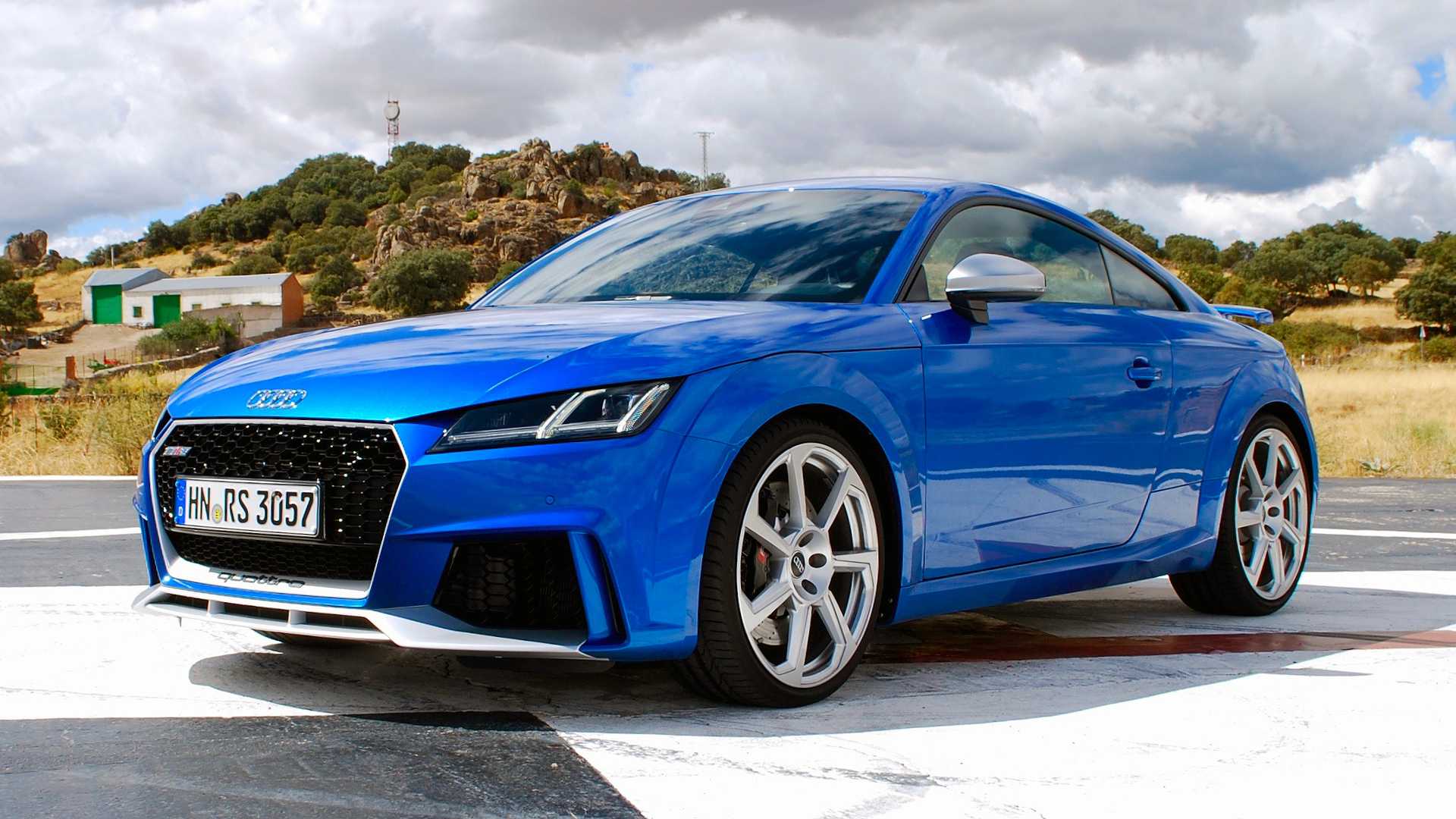
4. Audi TT RS
The Audi TT RS combined compact sports car proportions with a durable engineering foundation. Audi aimed to deliver high output performance without sacrificing longevity, relying on proven mechanical solutions. This focus allowed the car to remain reliable despite its aggressive character. Engineering discipline played a central role.
The five cylinder engine used a strong block design and efficient cooling architecture. Audi focused on maintaining thermal stability during sustained driving. Power delivery was managed to reduce unnecessary internal stress. These measures helped protect the engine over time.
Quattro all wheel drive distributed torque evenly across the drivetrain. This reduced strain on individual components while improving traction and control. Reinforced differentials and driveshafts supported long term durability. Balanced load distribution enhanced reliability.
The chassis featured high strength materials that maintained rigidity without excessive weight. Suspension components were chosen for resilience rather than minimal mass. Braking systems managed heat effectively, while electronics relied on proven modular designs. These factors combined to support dependable ownership.
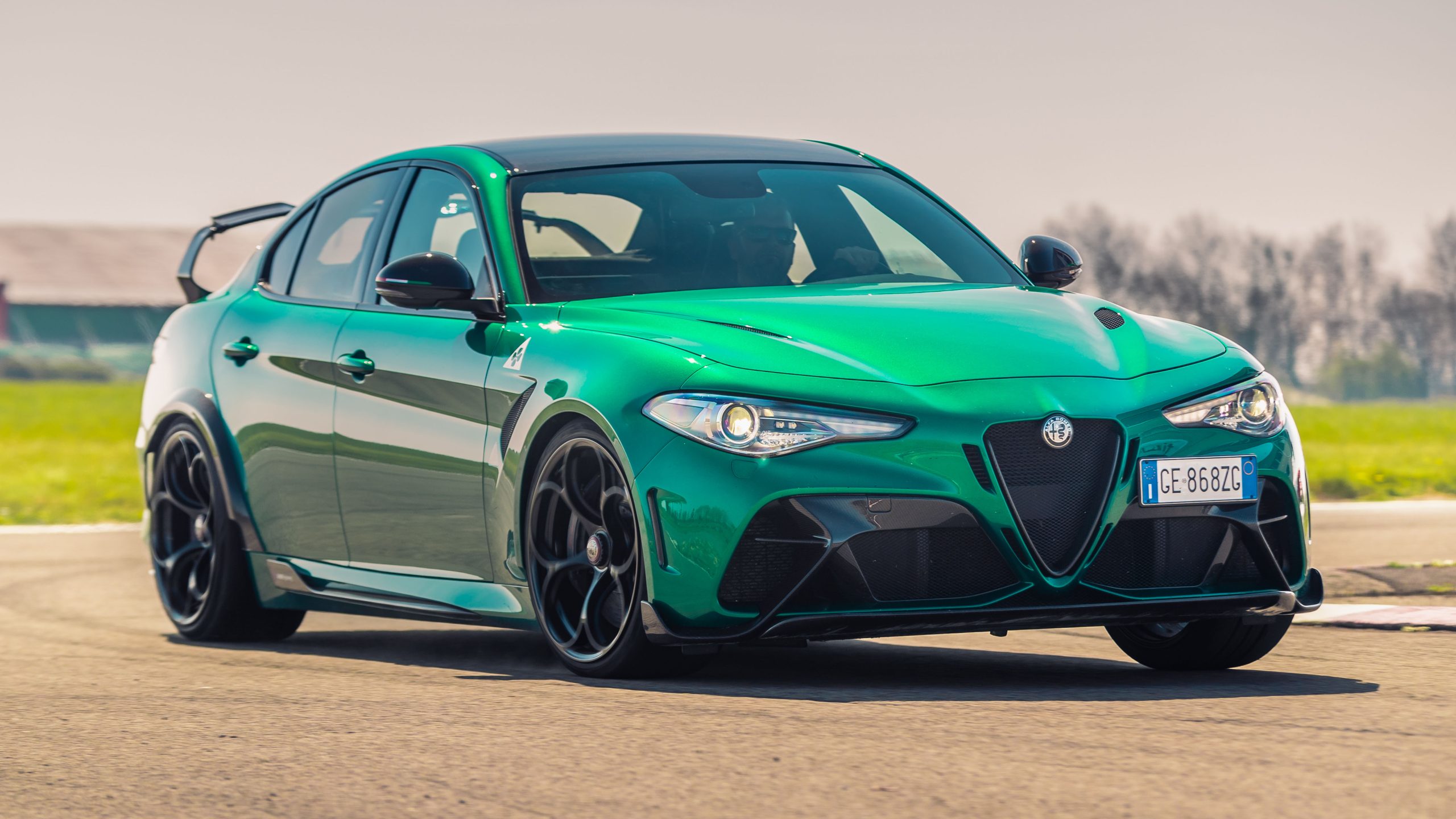
5. Alfa Romeo Giulia Quadrifoglio
The Alfa Romeo Giulia Quadrifoglio marked a significant shift toward reliability focused performance engineering. Alfa Romeo placed strong emphasis on material quality, testing, and thermal management. The goal was to deliver excitement without sacrificing durability. This philosophy shaped the vehicle’s development.
Its twin turbo V6 engine featured high quality internals and precise fuel control. Cooling systems were designed to maintain stable temperatures during aggressive driving. Oil circulation played a key role in reducing wear. These elements supported engine longevity.
Chassis balance was achieved through careful weight distribution and structural reinforcement. This reduced stress on suspension and braking components. Handling remained predictable under varying conditions. Mechanical components aged more evenly as a result.
Transmission calibration focused on smooth torque delivery to minimize shock loads. Oversized cooling systems prevented heat related degradation. Electrical systems were simplified compared to earlier models, improving consistency. These refinements significantly improved long term dependability.
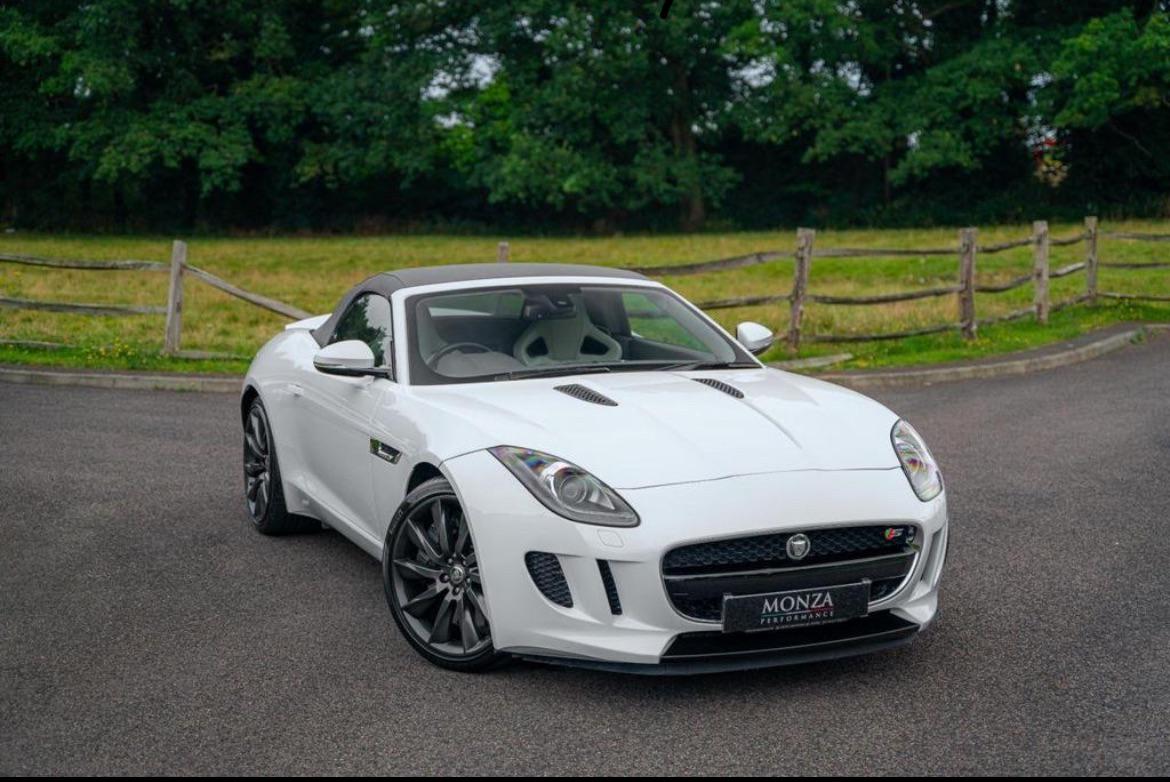
6. Jaguar F Type V6
The Jaguar F Type V6 was engineered to deliver strong performance while maintaining mechanical reliability suitable for long term ownership. Rather than pushing components to their limits, Jaguar focused on balance and refinement. This approach allowed the car to offer engaging driving characteristics without introducing excessive mechanical stress. Reliability was treated as a core design requirement.
The supercharged V6 engine was tuned for smooth and linear power delivery. Compared to higher output configurations, this version placed less strain on internal components. Jaguar used durable materials and efficient lubrication to support long service life. Thermal management systems helped maintain stable operating temperatures.
Lightweight aluminum construction formed the foundation of the chassis. This material choice improved rigidity while resisting corrosion and structural fatigue. Suspension mounting points were reinforced to handle repeated load cycles. The result was consistent handling behavior over time.
Transmission calibration emphasized smooth gear changes and controlled torque transfer. This reduced driveline shock and limited wear on internal components. Cooling systems supported sustained performance use without overheating. These design choices contributed to drivetrain longevity.
Electrical systems were simplified to improve long term stability. Control modules were well protected from environmental exposure. Software reliability reduced unexpected faults. Together, these elements supported dependable ownership.
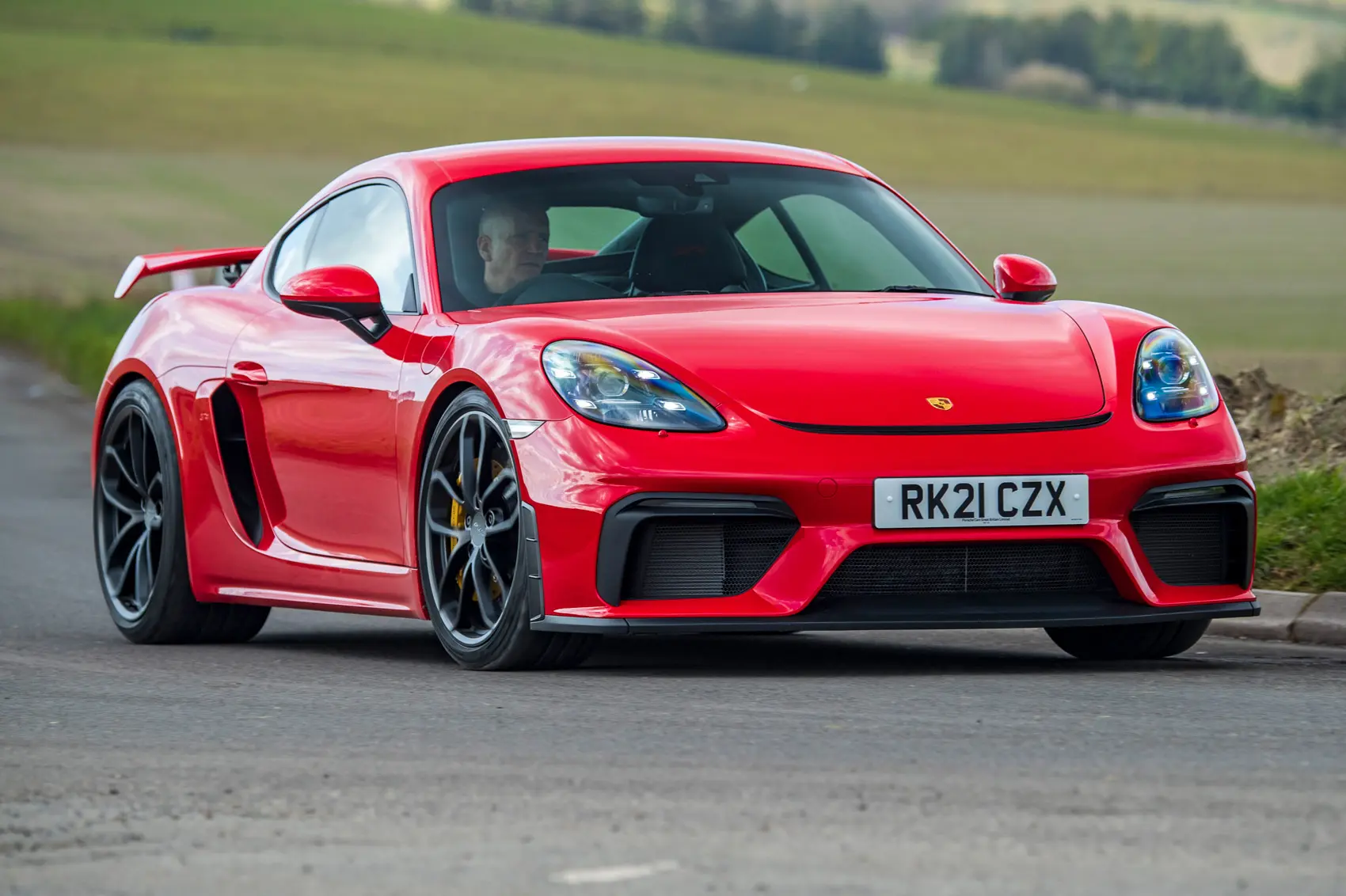
7. Porsche Cayman
The Porsche Cayman was developed with a focus on balance, precision, and mechanical durability. Sharing engineering principles with the 911, it benefited from proven design solutions. Porsche emphasized structural integrity and consistent performance rather than extreme output. This philosophy supported long term reliability.
Its mid engine layout provided optimal weight distribution, reducing stress on suspension and drivetrain components. The flat six engine shared architecture with other Porsche models known for longevity. Conservative tuning helped preserve internal components. Engine balance reduced vibration related wear.
Chassis rigidity played a critical role in durability. Reinforced structures maintained alignment and handling precision over time. Suspension geometry minimized uneven load distribution. These features helped components age evenly.
Transmission systems were engineered with strong internals capable of repeated performance driving. Clutch assemblies resisted premature wear. Cooling systems managed airflow efficiently within the mid engine layout. Operating temperatures remained stable.
Interior and electronic systems followed Porsche’s incremental update strategy. Proven components were reused and refined. Build quality minimized failures. Long term ownership confidence remained strong.
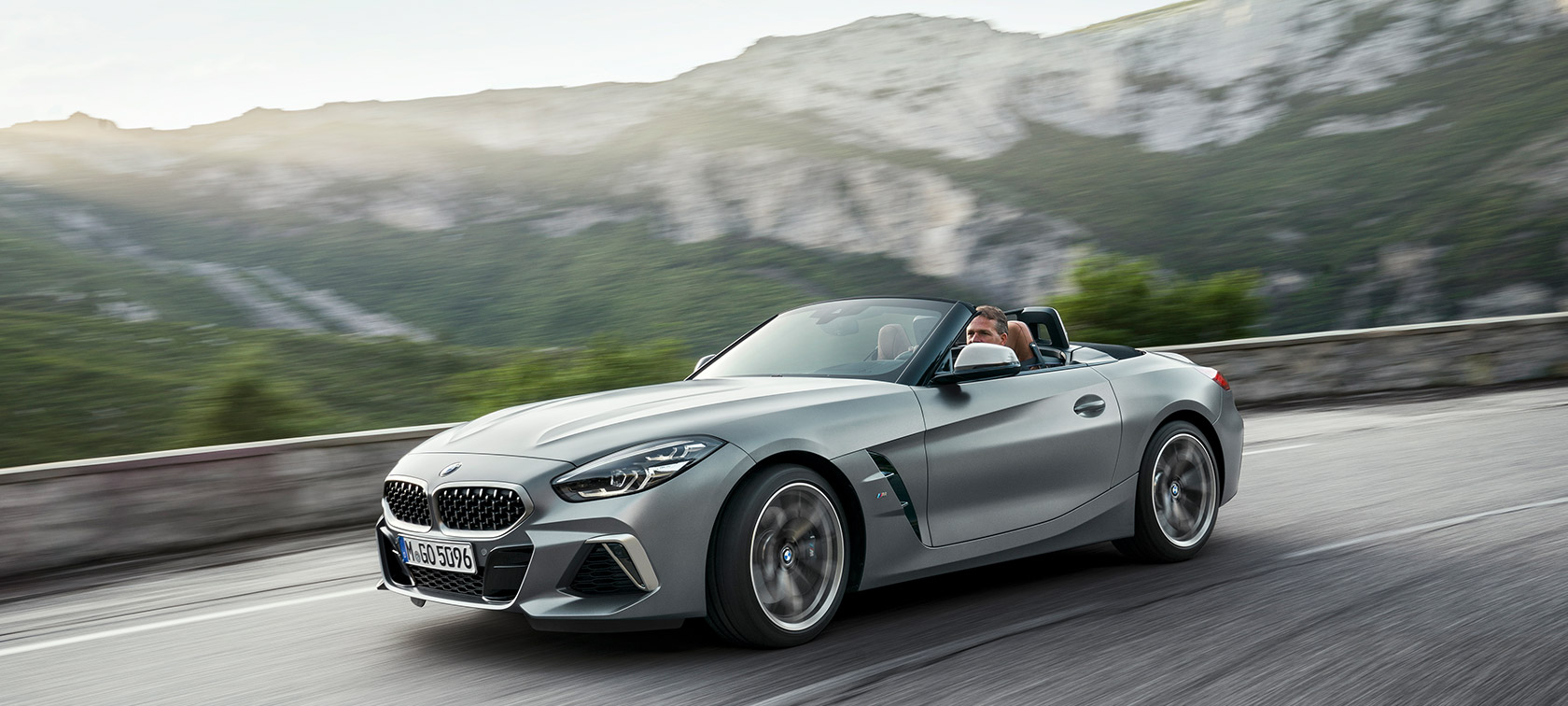
8. BMW Z4 M40i
The BMW Z4 M40i combined open top sports car appeal with dependable mechanical engineering. BMW designed the car to offer excitement without compromising durability. Emphasis was placed on refined performance rather than extreme stress. This balance supported reliable ownership.
The turbocharged inline six engine was known for smooth power delivery and internal strength. BMW tuned it conservatively to protect long term reliability. Efficient cooling and lubrication systems reduced thermal stress. These factors supported extended service life.
Chassis design featured reinforced mounting points and balanced suspension geometry. These elements reduced fatigue and maintained ride quality. Structural stability preserved handling characteristics over time. Wear patterns remained predictable.
Transmission systems focused on smooth torque management. Gear changes minimized internal shock loads. Cooling capacity prevented overheating during spirited use. Drivetrain components aged more evenly as a result.
Brake systems were engineered for consistent performance and durability. Electronics benefited from BMW’s modular platform strategy. Software updates improved stability. Overall reliability remained high.
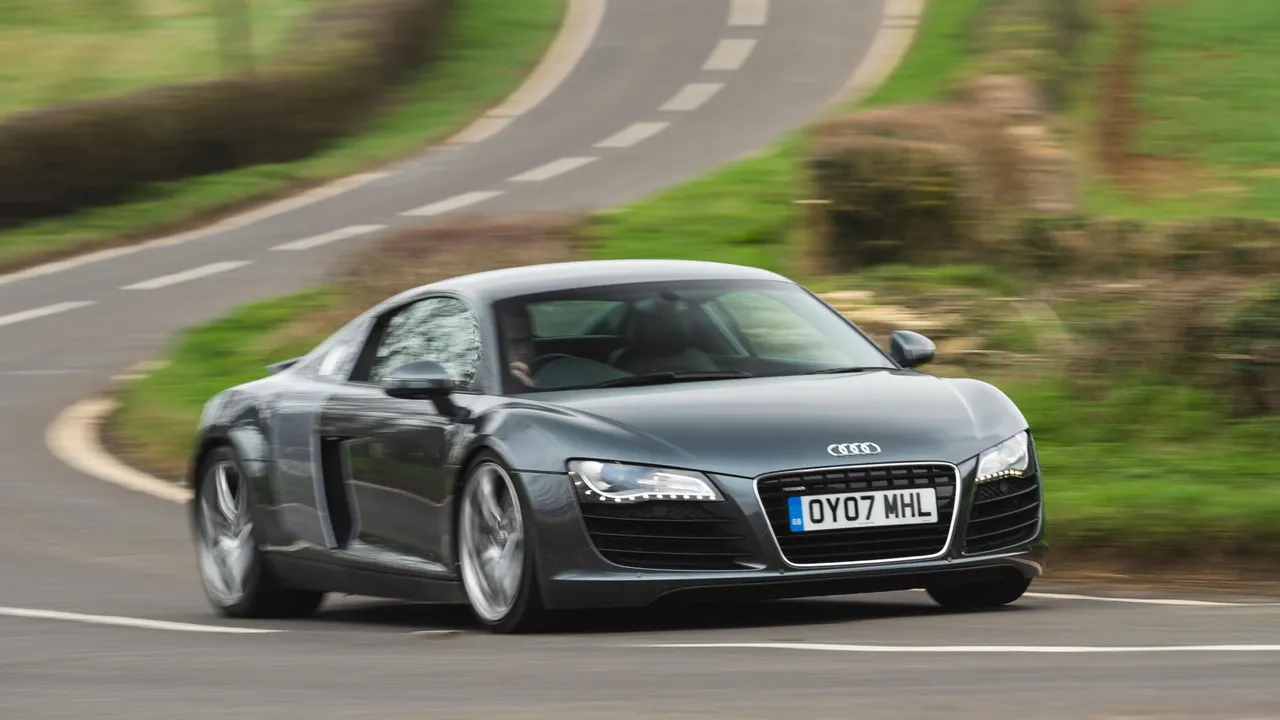
9. Audi R8 V8
The Audi R8 V8 was engineered to combine supercar performance with everyday usability and durability. Audi avoided extreme mechanical stress by selecting a naturally aspirated engine configuration. This choice supported reliability without sacrificing driving excitement. Engineering discipline guided the vehicle’s development.
The V8 engine emphasized internal strength and efficient cooling. Power delivery was smooth and predictable. Conservative tuning helped reduce wear on internal components. These factors contributed to long engine life.
The aluminum space frame provided exceptional rigidity while minimizing weight. Stress distribution across the structure reduced fatigue. Suspension mounting points maintained integrity over time. Handling precision remained consistent.
Quattro all wheel drive systems distributed torque evenly. This reduced strain on individual drivetrain components. Heat management protected differentials and driveshafts. Drivetrain longevity benefited significantly.
Braking systems were designed for repeated high speed stops. Electronics were extensively tested for stability. Control systems operated reliably over time. These elements supported dependable supercar ownership.
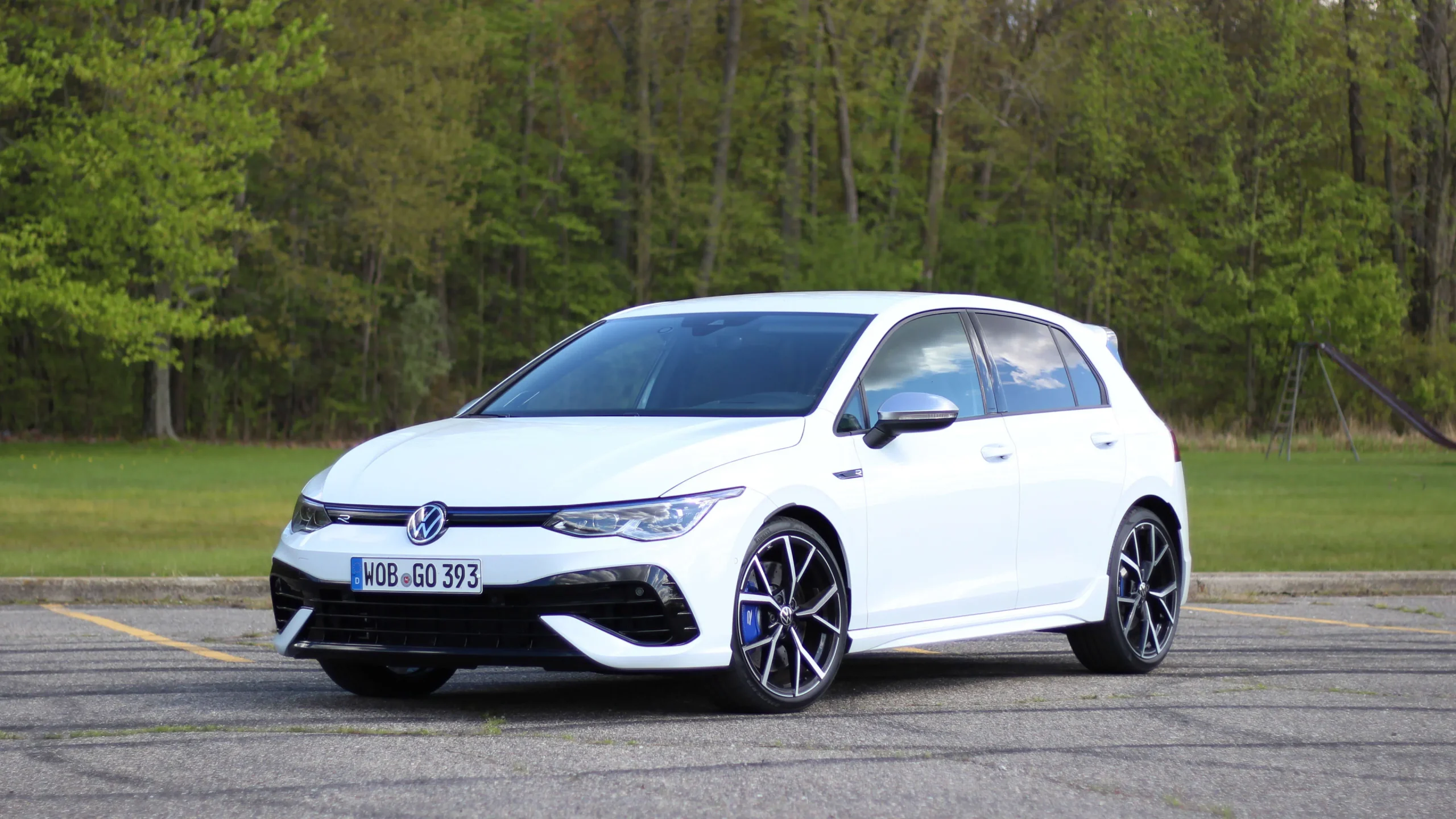
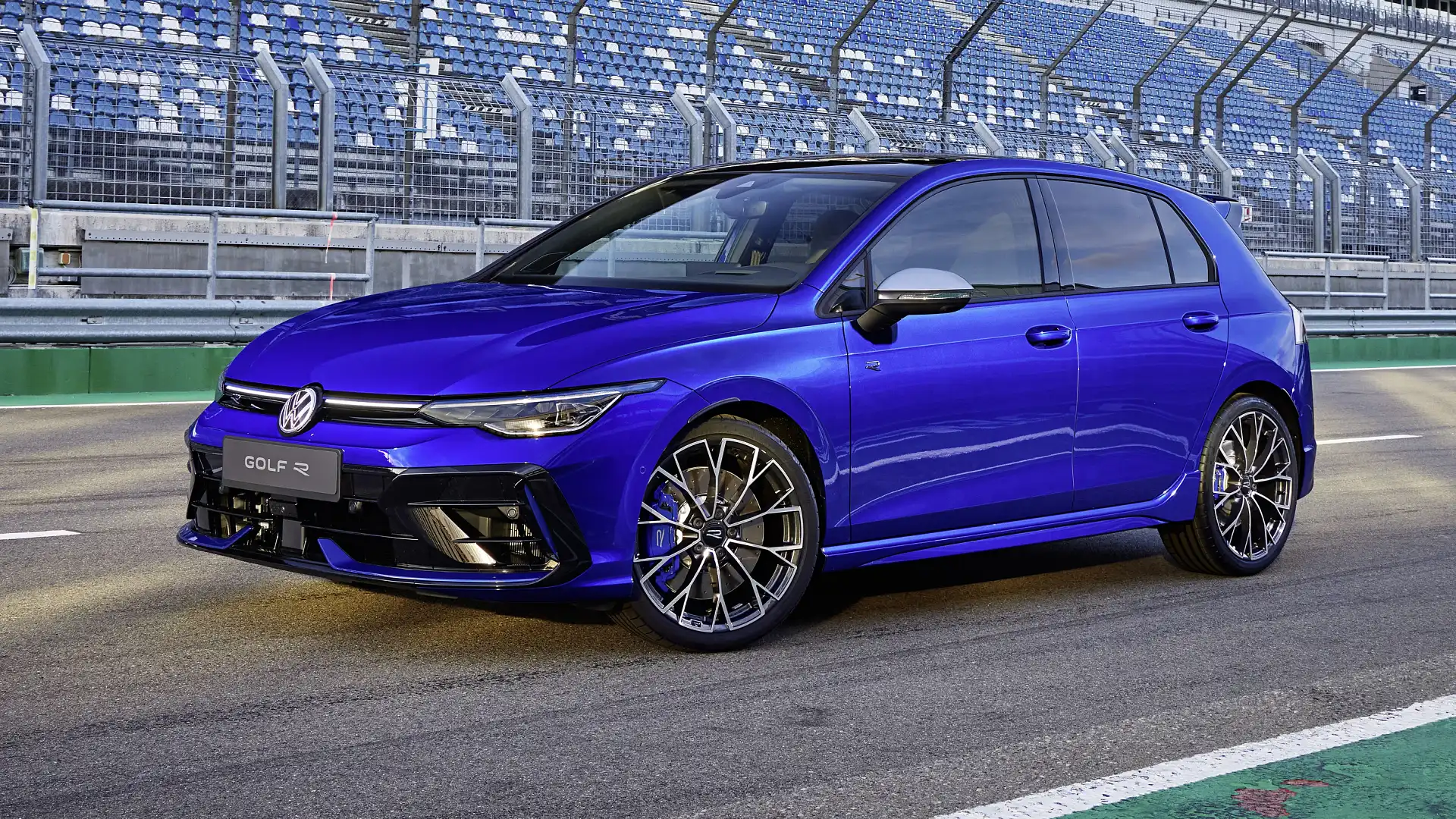
10. Volkswagen Golf R
The Volkswagen Golf R demonstrated that compact performance cars could also deliver strong reliability. Engineers relied on proven components and careful tuning. Performance was balanced with durability. This approach defined the car’s character.
Its turbocharged engine used well established architecture shared across multiple models. Conservative tuning reduced internal stress. Cooling and lubrication systems were optimized for long term use. Engine reliability was a key strength.
All wheel drive systems managed power distribution efficiently. Torque was delivered smoothly across the drivetrain. Heat buildup was minimized. Component lifespan was extended.
The chassis emphasized rigidity and balance. Suspension tuning reduced uneven wear. Handling remained predictable. Maintenance demands stayed reasonable.
Transmission options were engineered for durability. Electronics underwent extensive testing. Software stability minimized faults. The Golf R earned a reputation for lasting performance.