
The dream of owning a genuine sports car doesn’t have to remain just that, a dream. While new performance vehicles often carry eye-watering price tags that put them out of reach for most enthusiasts, the used car market offers a treasure trove of exciting options that won’t break the bank.
For under $20,000, you can find legitimate sports cars that deliver thrilling performance, engaging driving dynamics, and that unmistakable emotional connection that makes every journey memorable.
The beauty of shopping in this price range is the incredible variety available. From Japanese legends known for their reliability and tunability to European exotics that offer premium driving experiences, there’s something for every type of enthusiast.
Whether you prioritize raw power, razor-sharp handling, convertible top-down thrills, or simply the pride of owning a car with a genuine sporting pedigree, the sub-$20K market has you covered.
Of course, buying a used sports car requires more diligence than purchasing a typical commuter vehicle. These cars were built to be driven hard, and many have lived exactly that kind of life.
However, with careful inspection, patience, and a willingness to seek out well-maintained examples, you can find sports cars that still have plenty of life left in them.
The key is knowing which models offer the best combination of performance, reliability, and value retention. These ten sports cars represent the cream of the crop in the affordable used market vehicles that continue to deliver driving excitement years after they first rolled off the assembly line, proving that budget-friendly and fun aren’t mutually exclusive concepts.
1. Mazda MX-5 Miata (2006-2015)
The Mazda MX-5 Miata has earned its reputation as the quintessential affordable sports car, and for good reason. This lightweight roadster embodies the pure essence of what makes driving exciting, prioritizing balance and engagement over raw horsepower numbers.
Within the $20,000 budget, you can find excellent examples of the third-generation NC Miata (2006-2015) and potentially even some earlier fourth-generation ND models if you’re lucky and persistent in your search.
What makes the Miata such a compelling choice is its philosophy of simplicity. With a curb weight hovering around 2,500 pounds and a responsive naturally-aspirated four-cylinder engine producing between 167-184 horsepower depending on the year, the MX-5 proves that power-to-weight ratio matters more than peak horsepower.
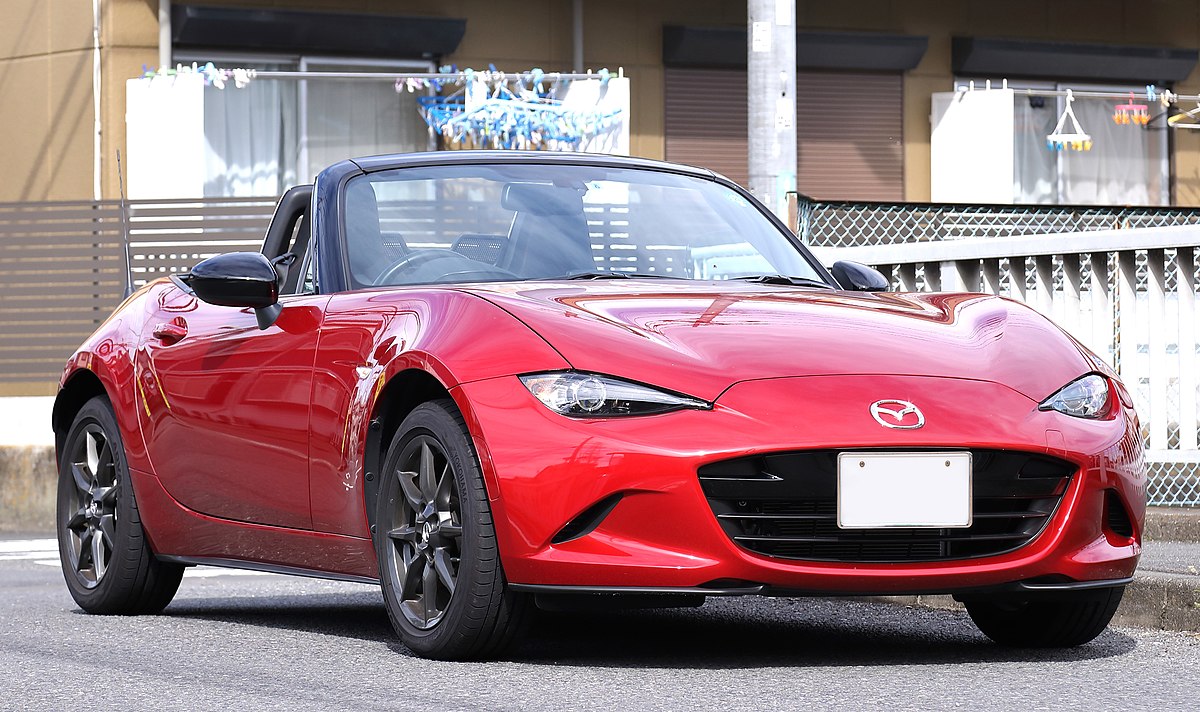
The rear-wheel-drive layout, near-perfect 50/50 weight distribution, and short-throw manual transmission create a driving experience that feels connected and alive in a way that few modern cars can match.
The Miata excels on twisty back roads and autocross courses where momentum and precision matter more than straight-line speed. While it won’t win many drag races, the joy of rowing through the gears, feeling every undulation in the road, and carving corners with confidence creates an addictive driving experience.
For someone seeking pure driving enjoyment without the complexity and expense of more exotic machinery, the Miata remains the gold standard that all other affordable sports cars are measured against.
2. Ford Mustang GT (2011-2014)
American muscle meets modern performance in the fifth-generation Ford Mustang GT, a car that delivers V8 thunder at an accessible price point.
For under $20,000, you can find well-maintained examples of the 2011-2014 models, which represent a sweet spot in Mustang evolution.
These years featured the legendary 5.0-liter Coyote V8 engine, producing an impressive 412-420 horsepower, wrapped in the refreshed “S197” platform that improved upon earlier fifth-generation models.
The return of the 5.0-liter designation carried enormous significance for Mustang enthusiasts, evoking memories of the legendary Fox Body cars while delivering thoroughly modern performance.
The Coyote engine is a masterpiece of engineering, featuring dual overhead cams, variable valve timing, and a willingness to rev that belies its displacement.
The exhaust note alone is worth the price of admission a deep, throaty rumble that transitions to an aggressive snarl as the tachometer needle climbs toward the 7,000 RPM redline.
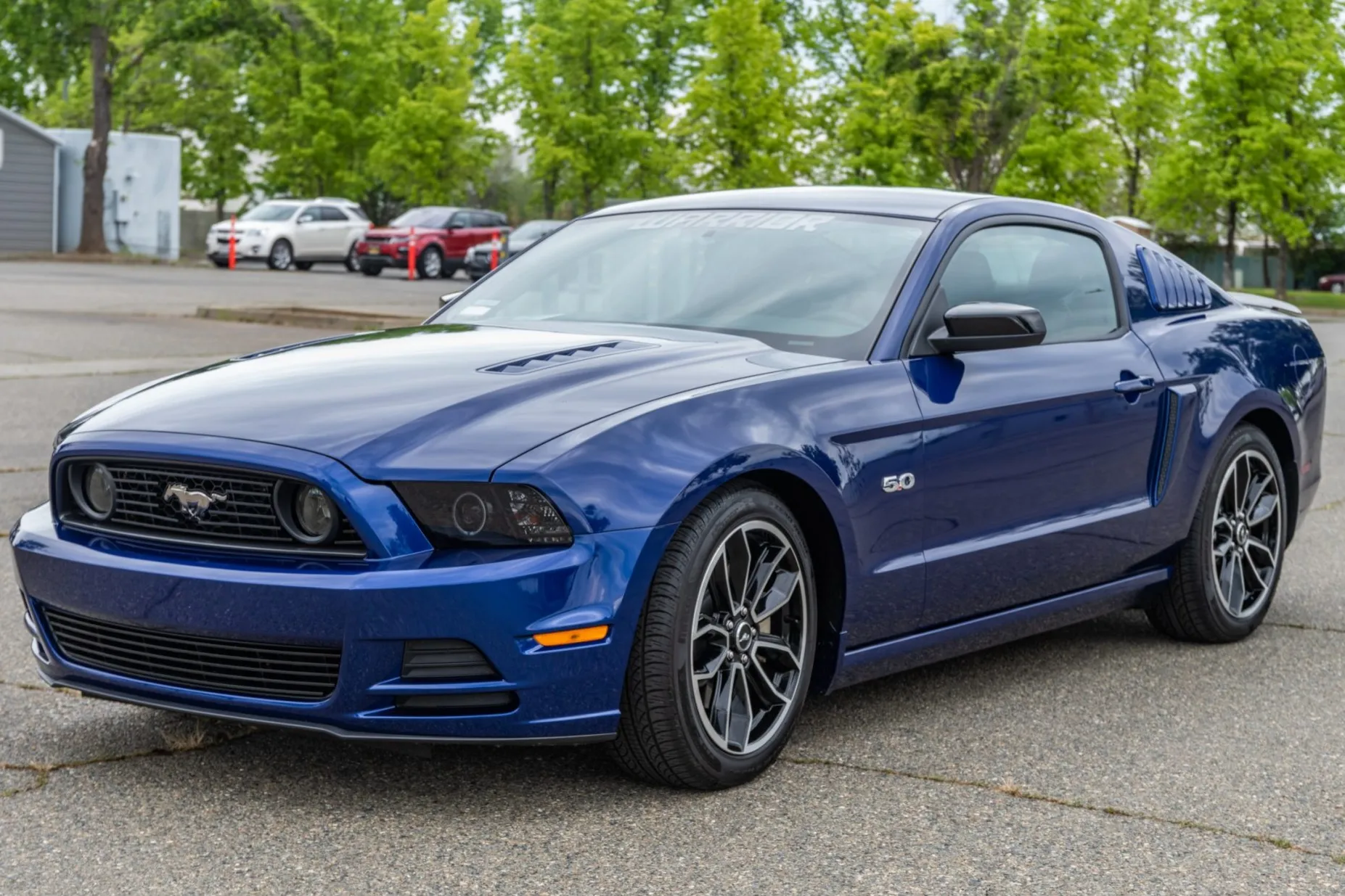
Performance credentials are impressive for the price. The Mustang GT of this era could sprint from zero to sixty in around 4.5 seconds and charge through the quarter-mile in the high 12-second range.
While earlier Mustangs had earned a reputation for clumsy handling, the 2011+ models featured significant suspension improvements and available performance packages that transformed the car into a genuinely capable corner-carver, though it still retained enough old-school character to remind you of its muscle car heritage.
Potential issues to watch for include the MT-82 manual transmission, which drew criticism for notchy shifting and occasional synchronizer problems, though many owners never experience issues.
The rear differential can be a weak point when subjected to aggressive launching, and like any performance car, examples that have been modified or tracked hard should be approached with caution.
Regular maintenance is crucial, particularly oil changes and coolant system care. Despite these considerations, the Mustang GT offers an incredible amount of performance and character for the money, representing classic American performance values in a package that can still turn heads and quicken pulses more than a decade after production.
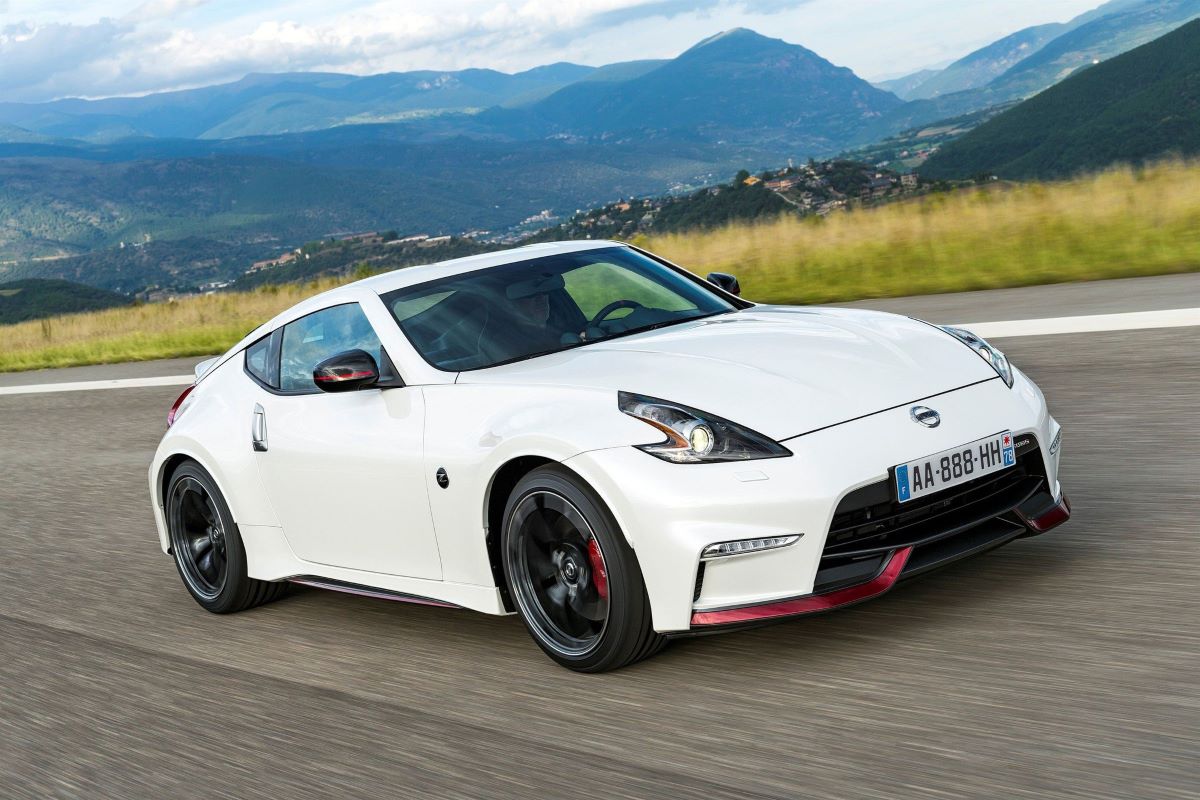
3. Nissan 370Z (2009-2014)
The Nissan 370Z carries forward the legacy of one of the most celebrated nameplates in sports car history, and early examples now fall comfortably within a $20,000 budget.
As the successor to the beloved 350Z, the 370Z refined the formula with better handling dynamics, more power, and improved build quality. This is a proper sports car in the traditional sense two seats, rear-wheel drive, and a naturally-aspirated engine that rewards enthusiastic driving.
Under the sculpted hood sits a 3.7-liter V6 engine producing 332 horsepower and 270 lb-ft of torque. While some purists bemoan the lack of a straight-six like Z-cars of old, this VQ37VHR engine delivers smooth, linear power delivery and a distinctive exhaust note that’s instantly recognizable to enthusiasts.

The engine’s broad powerband makes it flexible for daily driving while still offering exciting performance when you’re in the mood to push. Zero to sixty times hover around 5 seconds, and the car feels genuinely quick in real-world driving situations.
Common issues include a tendency for the paint to chip easily, particularly on the front end, and the stock clutch can wear prematurely if subjected to hard launches.
The steering lock mechanism has been known to fail, potentially leaving owners stranded, though Nissan addressed this with a service bulletin.
Gallery gaskets can develop leaks as the cars age, and the cabin can get quite hot in summer due to heat transfer from the engine. Despite these quirks, the 370Z offers genuine sports car thrills, distinctive styling, and strong heritage at a price that makes it an attractive alternative to more common choices in this segment.
4. Chevrolet Corvette C5 (1997-2004)
Few vehicles deliver supercar performance at everyman prices quite like the C5 Chevrolet Corvette. These fifth-generation ‘Vettes have depreciated to the point where clean examples can be found for well under $20,000, making them one of the most performance-per-dollar propositions available anywhere.
Despite being up to 25 years old, a well-maintained C5 Corvette can still embarrass much newer and more expensive sports cars on both the street and track.
The C5 represented a watershed moment for the Corvette, introducing a completely new platform that addressed many criticisms of the C4.
The LS1 (later LS6 in Z06 models) small-block V8 produced between 345-405 horsepower depending on configuration and year, providing thrilling acceleration and that unmistakable American V8 soundtrack.
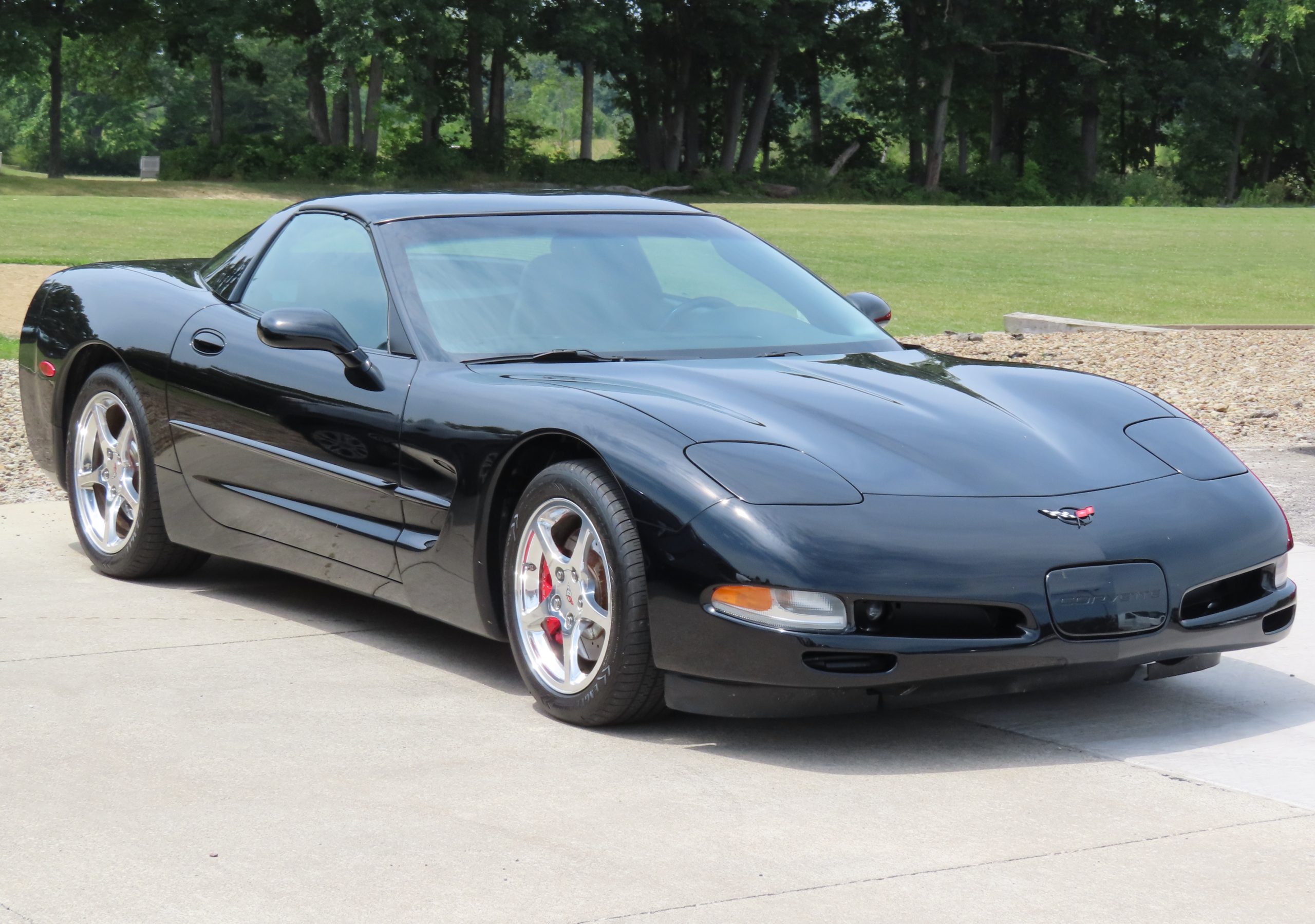
The lightweight composite body panels, hydroformed frame rails, and rear-mounted transaxle created near-perfect weight distribution, resulting in handling characteristics that rivaled European exotics costing many times more.
Prospective buyers should be aware of several common issues. The column lock module can fail, potentially stranding the vehicle. The harmonic balancer may deteriorate and should be inspected carefully.
Pop-up headlights can experience motor failures, and the interior may show wear, particularly on the driver’s seat bolster and dashboard. The rear leaf spring suspension, while effective, requires proper maintenance and can be expensive to rebuild if neglected.
Despite these concerns, the LS-series engine is legendary for reliability when properly maintained, and parts availability remains excellent thanks to the massive Corvette enthusiast community.
For drivers who prioritize performance over prestige and can look past some interior shortcomings, the C5 Corvette offers incredible value and driving thrills.
Also Read: Top 10 BMWs That Surprisingly Don’t Break All the Time
5. Subaru WRX (2008-2014)
The Subaru WRX represents a different approach to the sports car formula one that prioritizes all-weather capability and practical performance over sunny-day thrills.
These turbocharged all-wheel-drive sedans and hatchbacks have cultivated a devoted following thanks to their rally-bred heritage, surprising versatility, and ability to deliver excitement in any weather condition.
Within a $20,000 budget, you can find examples of the third and fourth-generation WRX that offer compelling performance and unique character.
At the heart of the WRX experience is Subaru’s turbocharged 2.5-liter flat-four boxer engine, producing between 224 and 265 horsepower depending on the specific year and model.
While the power figures might seem modest compared to some V8-powered competitors, the WRX’s all-wheel-drive system translates that power to the pavement with remarkable efficiency.
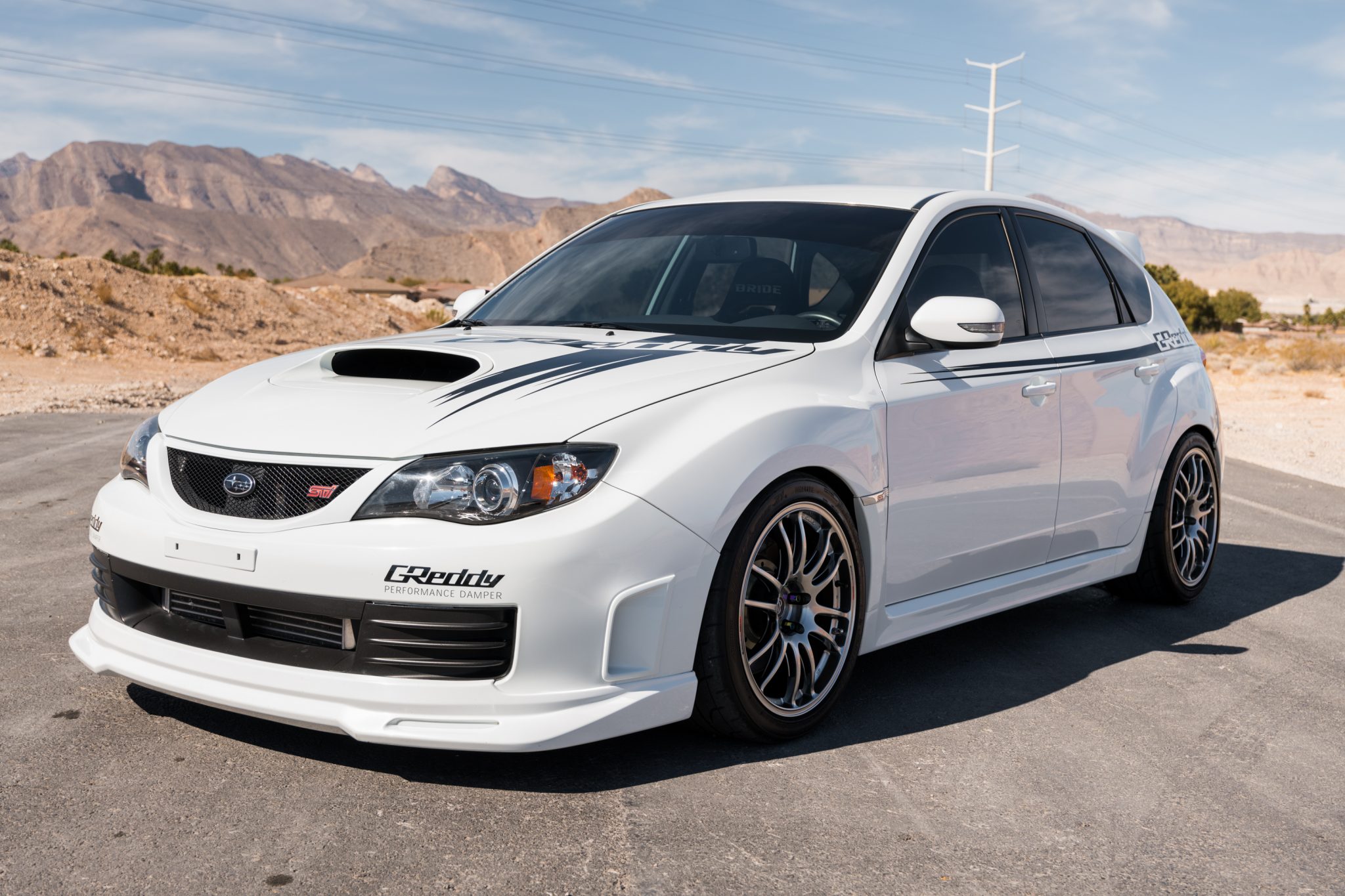
The ability to launch hard in any conditions, power through corners with confidence, and maintain composure on less-than-perfect surfaces gives the WRX a unique advantage in real-world driving situations.
However, WRX ownership comes with important caveats. These cars attract enthusiasts who often modify and drive them hard, making it crucial to find an unmolested example with comprehensive service records.
The turbocharged boxer engine requires diligent maintenance, particularly frequent oil changes with high-quality synthetic oil. Common issues include failing turbochargers (especially if the engine has been modified), worn clutches, transmission synchronizer problems, and the infamous head gasket failures that plagued earlier Subaru models.
The interior quality is functional but far from luxurious, and the ride can feel harsh on rough pavement. Fuel economy is also modest, typically in the low-20s mpg range.
Despite these considerations, for drivers who need a car that can handle everything from grocery runs to autocross events to winter storms, the WRX offers a unique combination of capabilities that few vehicles can match at any price point.
6. Porsche Boxster 986/987 (1997-2012)
Owning a Porsche doesn’t have to require a six-figure budget. The first and second-generation Boxster, internally designated 986 (1997-2004) and 987 (2005-2012) have depreciated to the point where enthusiasts can experience mid-engine German engineering excellence for under $20,000.
While these cars will never be mistaken for 911s, they offer an engaging driving experience, timeless styling, and the prestige of the Porsche badge at a surprisingly accessible price.
The Boxster’s mid-engine layout provides inherent balance and handling characteristics that few front-engine cars can match. The flat-six engine, mounted just behind the driver, produces between 217-310 horsepower depending on model year and variant (base or Boxster S).
The engine’s distinctive sound, a mechanical symphony as it climbs toward its 7,000+ RPM redline, is pure Porsche. While not as powerful as some competitors, the Boxster’s lightweight construction and brilliant chassis dynamics mean it rarely feels slow, particularly on winding roads where momentum and precision matter more than brute force.

The steering is sublime communicative, properly weighted, and precise in a way that’s becoming increasingly rare in modern vehicles. Turn-in is immediate, and the car rotates naturally through corners with minimal body roll.
The mid-engine configuration requires a slightly different driving approach than front-engine cars, but the rewards are significant. Grip levels are impressive, and the car remains composed even when pushed hard.
The Boxster excels in environments where agility matters, such as tight mountain roads, autocross courses, and technical race tracks. Maintenance costs are decidedly not economy-car levels.
Routine services cost more than those of Japanese or American competitors, and any significant repairs require Porsche-specialist knowledge.
That said, reliability can be excellent if you purchase carefully, maintain the car properly, and address known issues proactively. For enthusiasts who’ve always dreamed of Porsche ownership and understand the financial commitment involved, a well-chosen Boxster offers an authentic sports car experience with genuine exotic-car handling dynamics at a fraction of the cost of newer alternatives.
7. BMW M235i/240i (2014-2016)
BMW’s smallest M Performance model represents the company’s return to its roots a compact, rear-wheel-drive sports coupe that prioritizes driving enjoyment over sheer size and luxury.
While finding examples under $20,000 requires patience and possibly accepting higher mileage, these cars offer a compelling combination of performance, refinement, and the prestigious BMW badge.
The M235i (later renamed 240i) captures much of what made classic BMWs special while incorporating modern technology and safety features. Under the hood sits a turbocharged 3.0-liter inline-six producing 320-335 horsepower depending on model year.
This engine is a gem smooth, powerful, and flexible with a broad powerband that makes it effortless to drive in traffic yet thrilling when you open it up. The turbocharger provides strong torque from low RPMs, and the power delivery is impressively linear for a forced-induction engine.
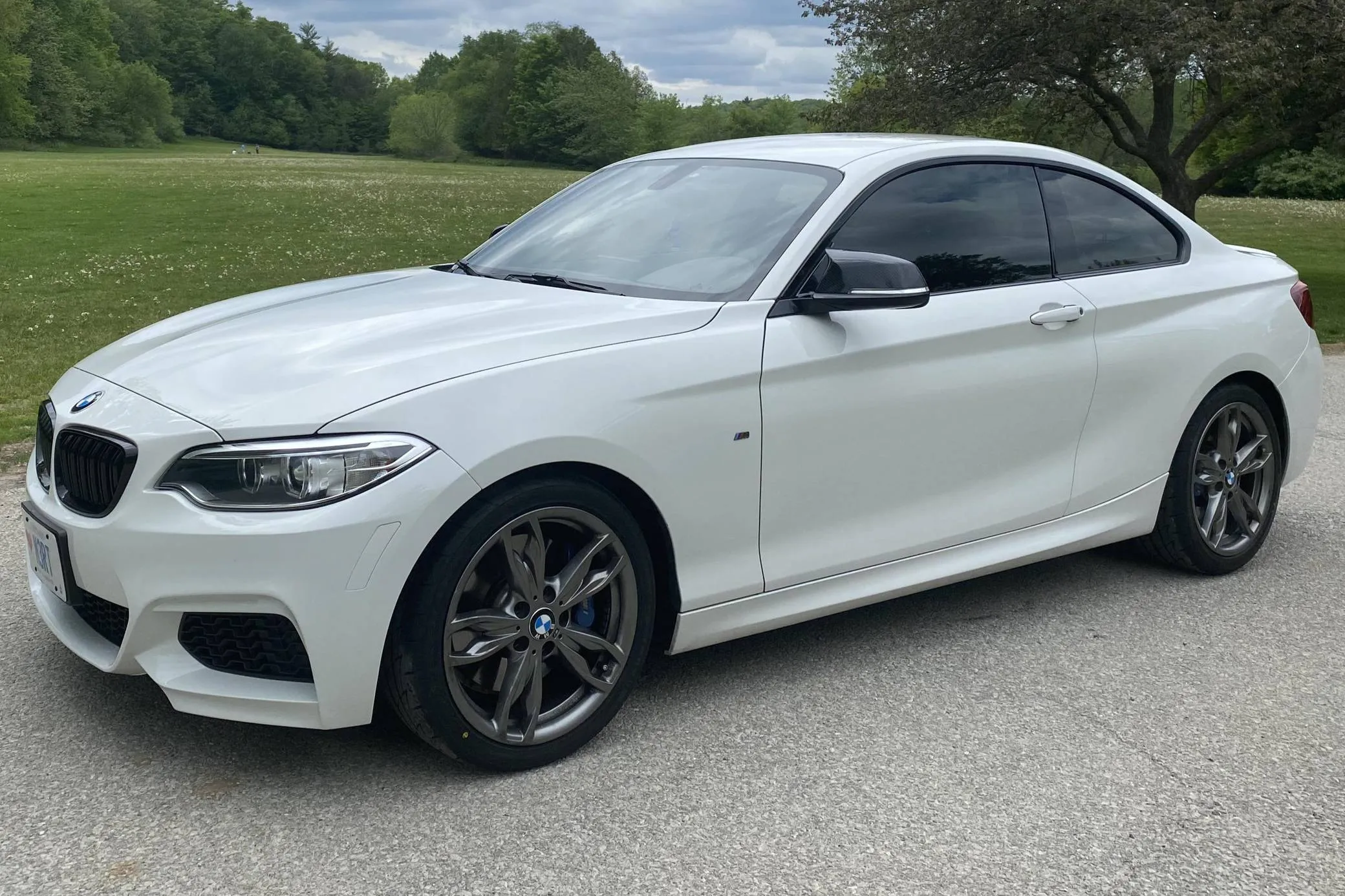
Zero to sixty times around 4.5 seconds place the M235i/240i in serious performance territory, and the available 8-speed automatic transmission shifts with a speed and intelligence that even manual transmission purists grudgingly respect, though a six-speed manual was also available for those who prefer three pedals.
Potential issues are relatively minor compared to some European competitors, though maintenance costs remain higher than Japanese alternatives. The turbocharged engine requires premium fuel and synthetic oil changes at proper intervals.
Some examples have experienced timing chain issues, and water pumps can fail prematurely. The all-wheel-drive xDrive system available on some models adds complexity and potential maintenance costs.
Finding an example with complete service records from a BMW dealer or reputable independent specialist is crucial. The M235i/240i represents modern BMW engineering at its finest a car that honors the company’s sporting heritage while embracing contemporary technology.
For drivers who want a premium sports car experience with the practicality to serve as a daily driver, it’s an excellent choice that punches well above its weight class.
8. Honda S2000 (2000-2009)
The Honda S2000 has achieved legendary status among enthusiasts, and for good reason. This front-engine, rear-wheel-drive roadster represented Honda’s commitment to pure driving enjoyment, featuring one of the most remarkable naturally-aspirated engines ever installed in a production car.
While finding pristine examples under $20,000 is becoming increasingly difficult as values rise, higher-mileage or slightly worn examples still appear in this price range, offering access to one of the most rewarding sports cars of the modern era.
The heart of the S2000 is its high-revving four-cylinder engine. The original AP1 models (2000-2003) featured a 2.0-liter F20C engine producing 240 horsepower at an astonishing 8,300 RPM, with a redline at 9,000 RPM.
Later AP2 models (2004-2009) used a 2.2-liter F22C engine with slightly more torque and a 7,800 RPM redline. These engines require an unconventional driving style keeping revs high and using the close-ratio six-speed manual transmission frequently to stay in the powerband.
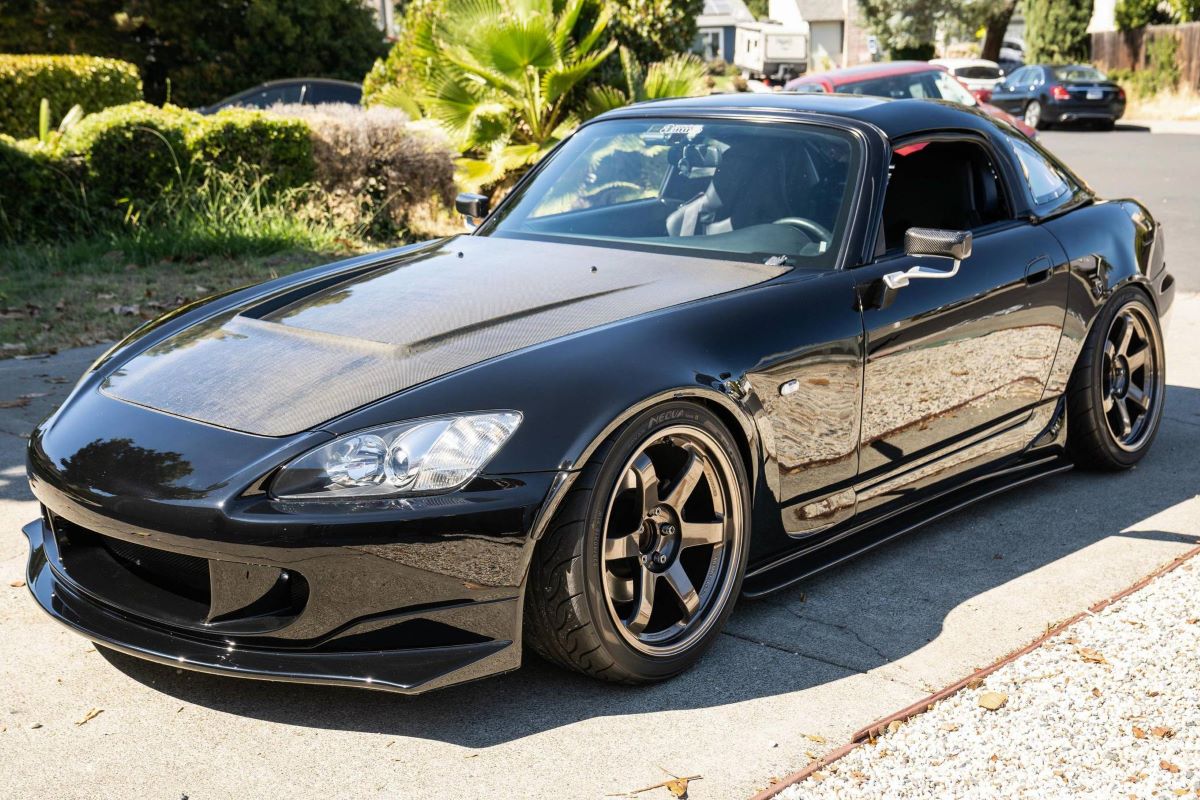
The engine’s willingness to rev, mechanical precision, and utterly unique character create an experience unlike anything available in modern cars with their turbocharged, lower-revving powerplants.
Reliability concerns are minimal by sports car standards, though the S2000 does have its quirks. The most significant issue is finding an example that hasn’t been modified, abused, or tracked hard these cars attract serious enthusiasts who drive them as intended, which can lead to wear.
Common problems include failing window regulators, worn soft tops, and deteriorating suspension bushings on higher-mileage examples. The engine itself is remarkably robust when maintained properly with frequent oil changes, though valve adjustments are required periodically.
Rust can be an issue on cars from areas that use road salt. Parts availability remains good, and the Honda enthusiast community is enormous and helpful.
The S2000 represents a vanishing breed a naturally-aspirated, high-revving sports car built during an era when such machines were still economically viable.
Ownership requires commitment to proper maintenance and a willingness to work for your performance, but the rewards are immense for those who appreciate what makes this car special.
9. Dodge Challenger R/T (2011-2014)
The modern Dodge Challenger represents unabashed American muscle car tradition wrapped in retro-inspired styling that pays homage to the legendary 1970 original.
Unlike some competitors that prioritize handling and agility, the Challenger embraces its heritage as a powerful, comfortable grand touring muscle car.
For under $20,000, you can find R/T models equipped with the 5.7-liter HEMI V8, offering V8 power, presence, and character at an accessible price point.
The HEMI V8 is the star of the show, producing 370-375 horsepower and 410 lb-ft of torque. This is an old-school pushrod V8 that prioritizes torque over high-RPM horsepower, creating effortless acceleration and that distinctive HEMI rumble that’s intoxicating from the driver’s seat.
While the Challenger R/T won’t match the Mustang GT’s acceleration numbers, it’s hardly slow zero to sixty times hover around 5 seconds, and the abundant torque makes highway passing maneuvers satisfying.
The available manual transmission offers engagement for purists, while the automatic provides smooth shifts and acceptable performance.
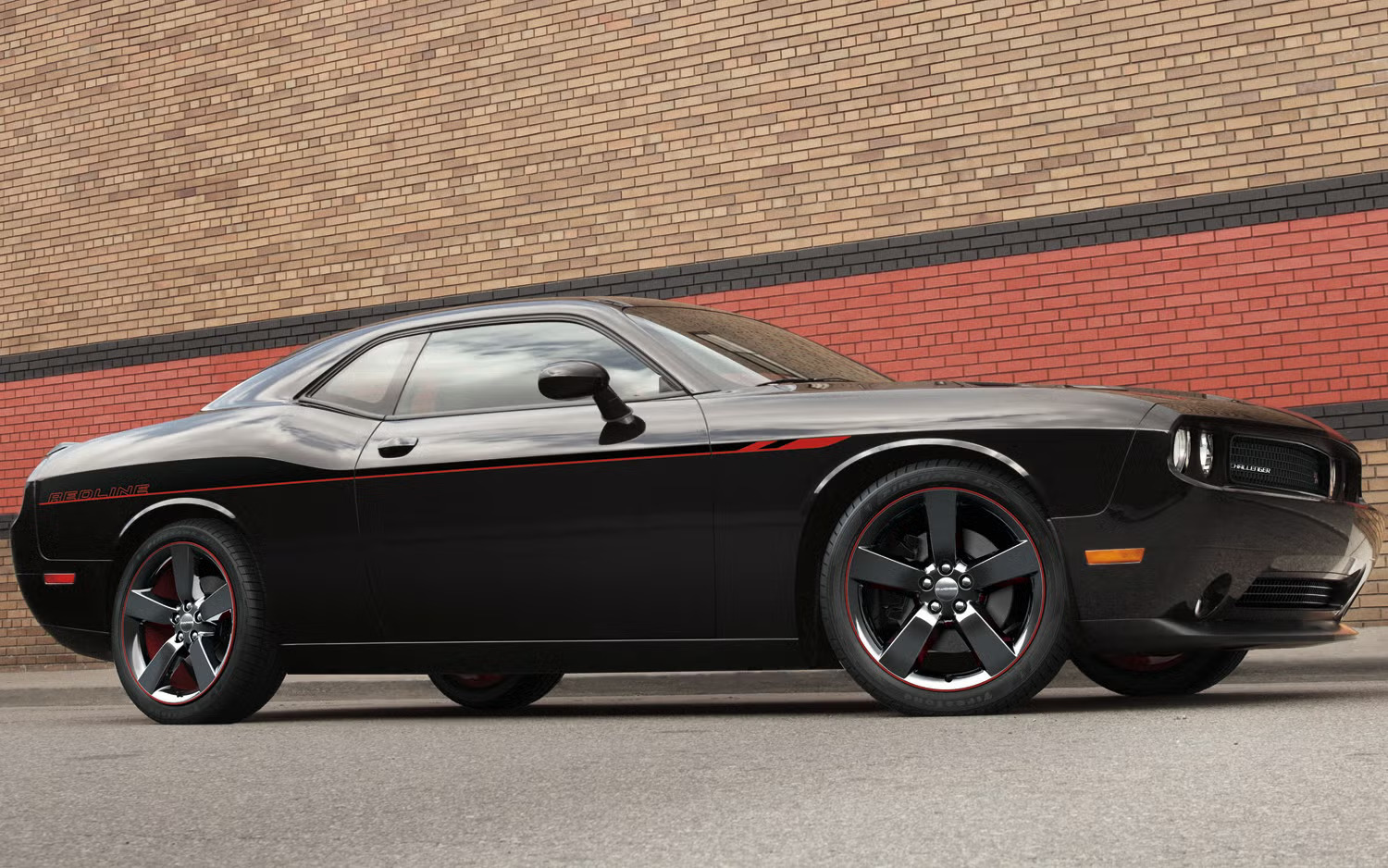
What separates the Challenger from competitors is its personality and comfort. This is the largest and heaviest of the modern muscle cars, and rather than fighting its curb weight, Dodge embraced it, creating a car that feels substantial and planted on the highway.
The interior is spacious and comfortable, with genuinely usable rear seats that can accommodate adults on longer journeys a rarity among performance coupes.
The trunk is cavernous, making the Challenger practical for road trips. This is a muscle car you could legitimately drive across the country in comfort, enjoying the V8 soundtrack and commanding road presence without arriving exhausted.
Reliability is generally good, though the HEMI engine requires proper maintenance, including regular oil changes and attention to the multi-displacement system that can develop issues if neglected.
The automatic transmission is durable but benefits from regular fluid changes. Interior quality is decent but shows wear on higher-mileage examples, particularly on the driver’s seat and center console.
Fuel economy is predictably modest, typically in the mid-teens in mixed driving. The Challenger R/T offers a different value proposition than more agile competitors it’s a comfortable, powerful, characterful muscle car that embraces American automotive tradition while providing surprising practicality for daily use.
For enthusiasts who want V8 power without the harsh ride and cramped quarters of some alternatives, the Challenger is a compelling choice.
10. Volkswagen GTI (2010-2014)
The Volkswagen GTI might seem like an outlier on a list of sports cars, being a front-wheel-drive hatchback rather than a traditional rear-drive coupe or roadster.
However, this hot hatch has earned its place through decades of demonstrating that driver engagement doesn’t require exotic configurations or sacrificing practicality.
The sixth-generation Mk6 GTI represents excellent value in today’s market, offering German engineering, strong performance, and genuine daily usability for well under $20,000.
Under the hood sits Volkswagen’s 2.0-liter turbocharged four-cylinder producing 200 horsepower and 207 lb-ft of torque. While these numbers might not seem impressive compared to V8-powered competitors, the GTI’s light weight and front-wheel-drive traction allow it to exploit that power effectively.
Turbo lag is minimal, and the torque delivery is strong from low RPMs, making the car feel quick in real-world driving. The available six-speed manual transmission offers precise, satisfying shifts, while the six-speed DSG dual-clutch automatic provides lightning-fast gear changes that rival purpose-built performance transmissions.
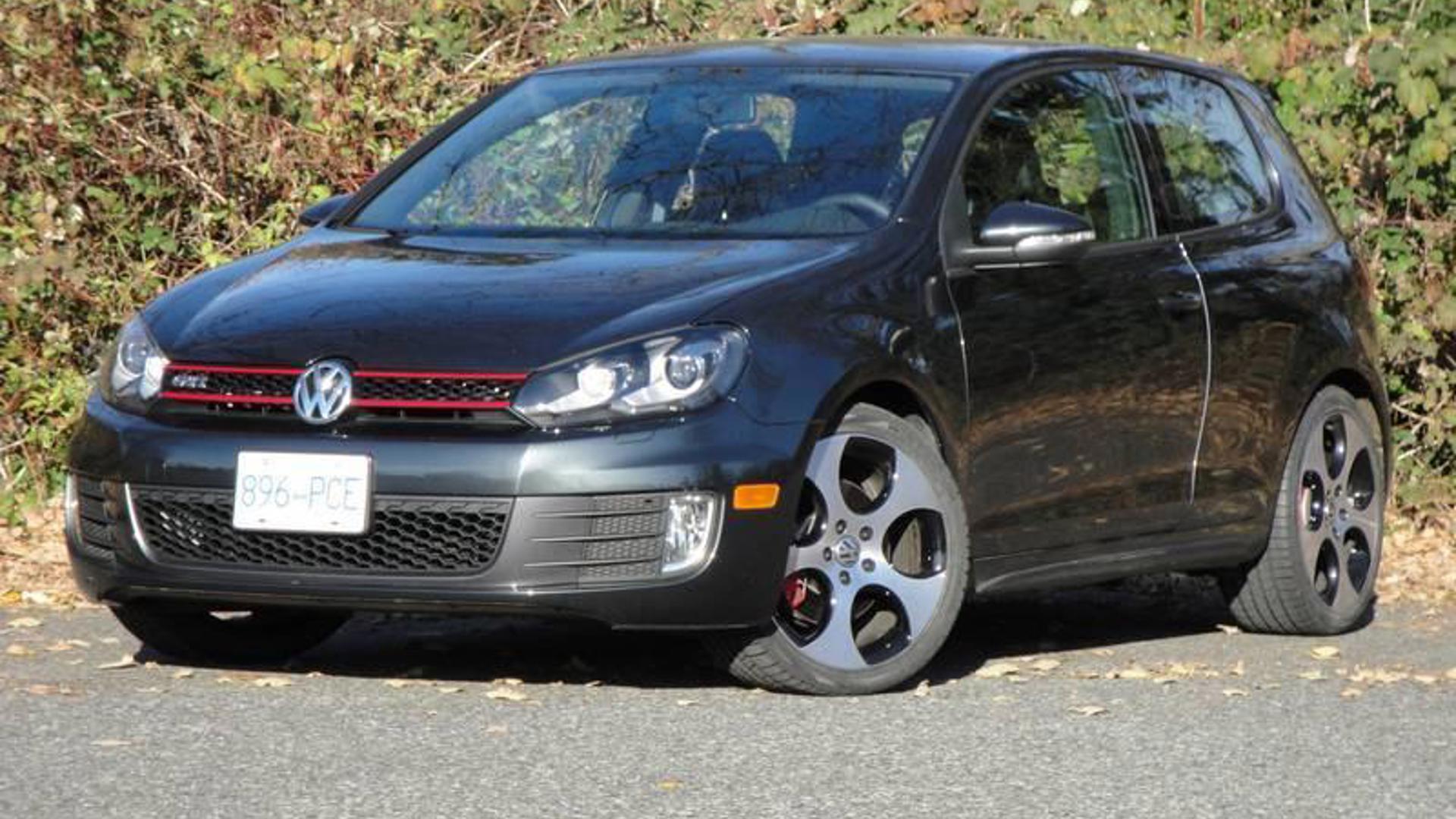
The GTI’s greatest strength is its balance between performance and everyday usability. The ride quality is firm but never punishing; the interior is quiet and refined, and the hatchback body style provides surprising cargo capacity when the rear seats are folded.
This is a car you can use to run errands, commute comfortably, and then attack your favorite back road with enthusiasm when the mood strikes. The supportive plaid cloth seats (a GTI tradition), quality materials, and thoughtful ergonomics create a premium environment that rivals luxury brands.
Despite these concerns, a well-maintained GTI offers tremendous value. The combination of performance, practicality, and German refinement creates a compelling package that few competitors can match. Insurance costs are reasonable, fuel economy is decent (mid-20s in mixed driving), and the enthusiast community provides excellent support and resources.
For buyers who need one car that can do everything: commute, carry cargo, entertain on weekends, and handle winter weather while still providing genuine driving enjoyment, the GTI deserves serious consideration.
It proves that sports car excitement doesn’t require two seats and rear-wheel drive, just thoughtful engineering and a commitment to the driving experience.
Also Read: Top 10 Four-Cylinder Engines That Punch Way Above Their Price
