
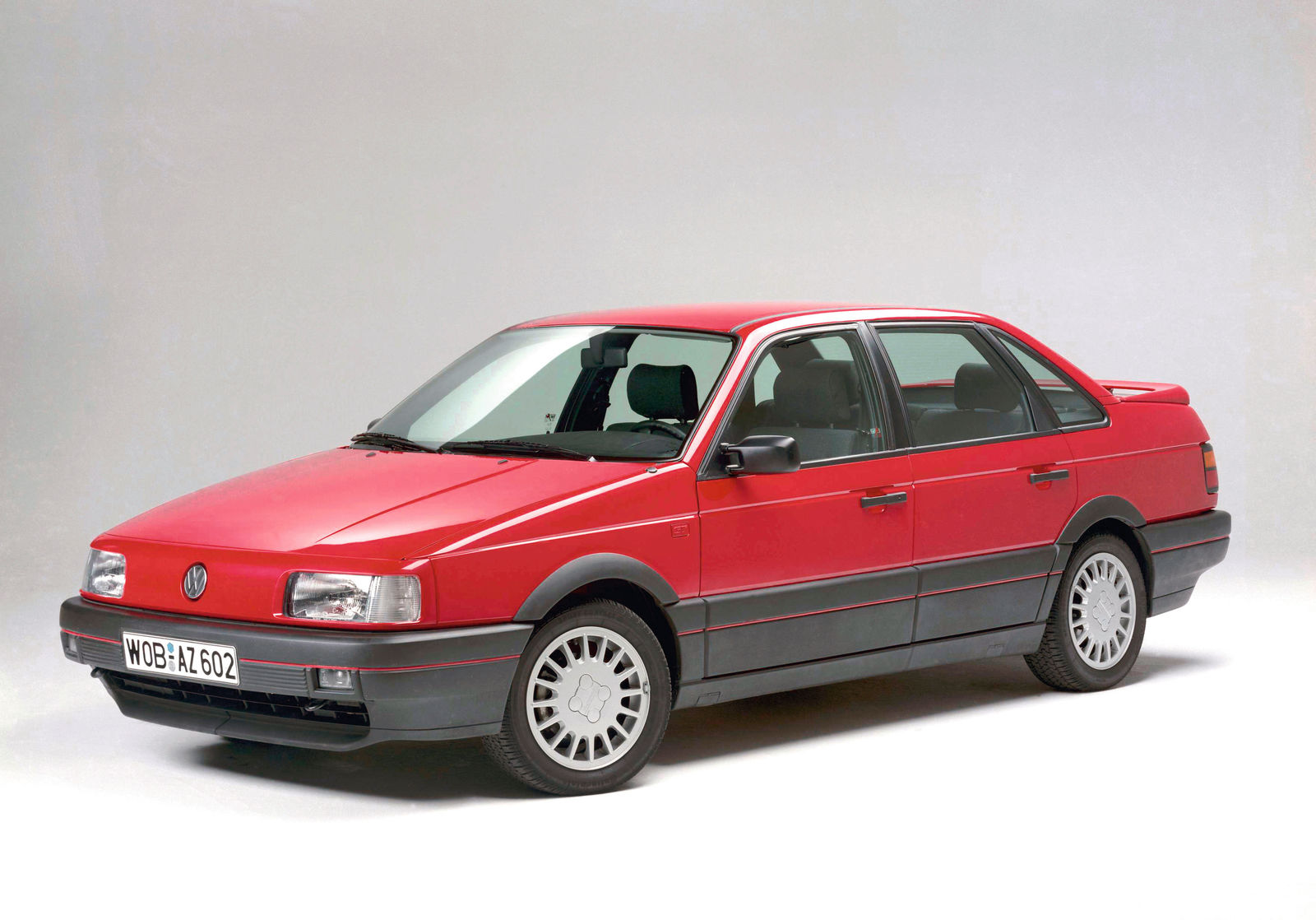
There’s something undeniably special about German station wagons. While the rest of the automotive world often dismissed estates as practical family haulers lacking soul, German engineers saw opportunity where others saw compromise.
They took the utilitarian wagon body style and infused it with precision engineering, spirited performance, and that distinctly German philosophy of building cars that excel at everything they do.
These aren’t just vehicles for picking up groceries or hauling kids to soccer practice though they do both brilliantly. Classic German wagons represent a golden era when manufacturers understood that practicality and performance weren’t mutually exclusive.
BMW proved you could have ultimate driving dynamics in a long-roof package. Mercedes-Benz demonstrated that luxury needn’t be confined to sedans. Audi showed that advanced technology could make wagons aspirational rather than merely functional.
What makes these classics so desirable today is their versatility wrapped in timeless design. They’re equally at home carving through Alpine passes as they are cruising down the autobahn with a cargo hold full of luggage. The low-slung profiles, purposeful stances, and clean lines have aged remarkably well, looking purposeful rather than dated decades after production ended.
For enthusiasts, these wagons offer a unique proposition: daily usability combined with driving engagement and appreciating values.
They’re practical enough for real-world use yet special enough to turn heads at car gatherings. Whether you’re drawn to the mechanical purity of 1980s designs or the refined sophistication of 1990s models, classic German wagons deliver an ownership experience that modern SUVs simply cannot replicate. Let’s explore nine of the finest examples that prove practicality can be thrilling.
1. BMW E30 3 Series Touring (1987-1994)
The E30 Touring holds legendary status among BMW enthusiasts, and for good reason. Introduced in 1987, this wagon variant of BMW’s beloved compact executive car combined the driver-focused dynamics that made the E30 sedan famous with genuine practicality.
The Touring wasn’t just a sedan with a stretched roof BMW’s engineers carefully calibrated the suspension to handle the additional weight while maintaining the balanced, responsive handling characteristics that defined the E30 platform.
Under the hood, buyers could choose from BMW’s superb range of inline-six engines, with the 325i Touring being the sweet spot. The silky-smooth 2.5-liter M20 engine produced around 170 horsepower, which doesn’t sound impressive today but provided more than adequate performance when paired with the E30’s relatively light weight.
The engine’s linear power delivery and willingness to rev made every journey engaging, while the precise five-speed manual gearbox gave drivers complete control over the experience.
What truly distinguishes the E30 Touring is its perfect proportions. The wagon roofline flows naturally from the sedan’s greenhouse, adding functionality without compromising the car’s athletic stance.
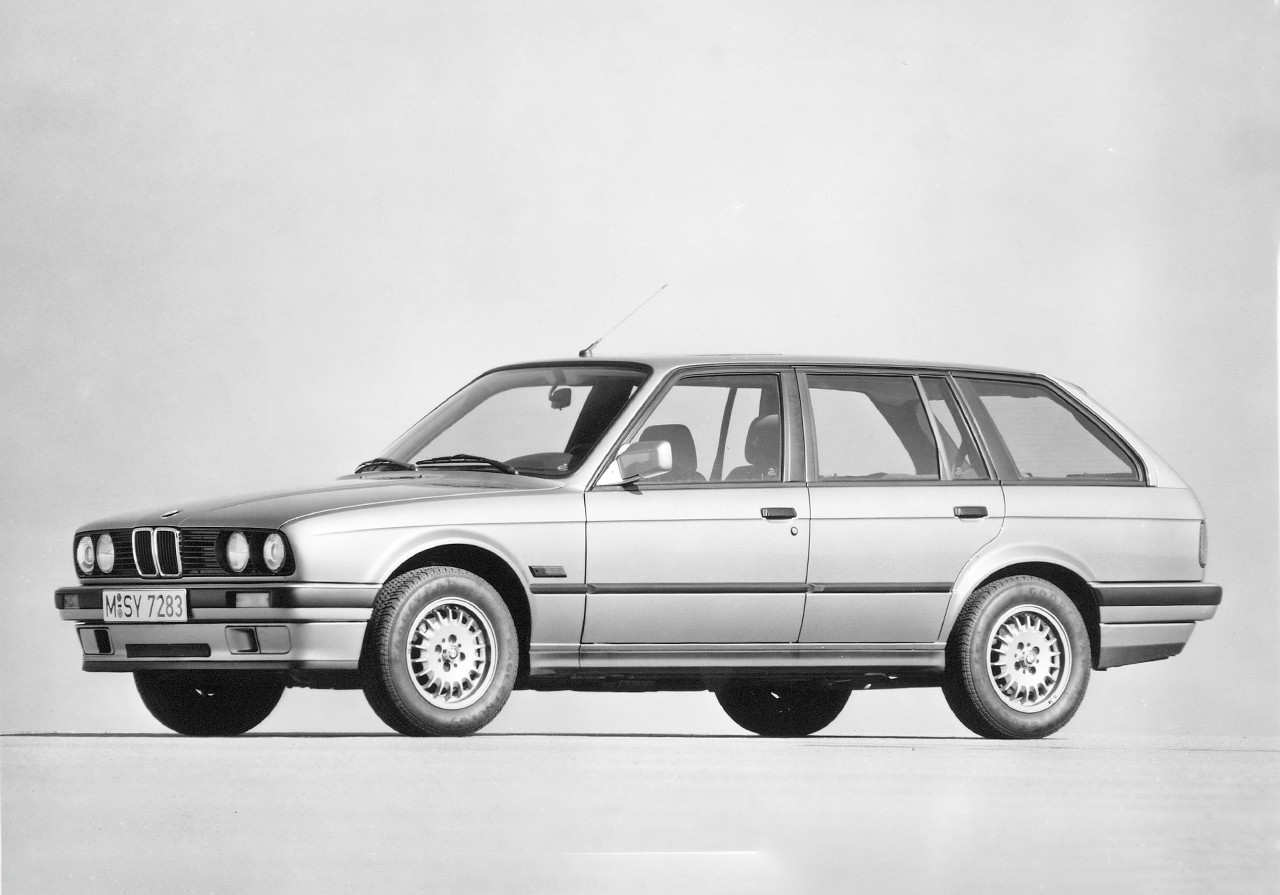
Inside, the dashboard layout exemplifies 1980s BMW philosophy: driver-oriented, uncluttered, and built from materials chosen for durability rather than flash. The sport seats offer excellent support, while the rear cargo area provides surprising versatility with the seats folded.
The E30 Touring’s handling remains its calling card. The precise steering communicates road surface details directly to your palms, while the suspension strikes an ideal balance between compliance and control.
You can load it with weekend gear and still enjoy attacking a twisty back road with confidence. The rear-wheel-drive layout and near-perfect weight distribution make it exploitable and predictable at the limit a rare combination in any wagon.
Today, E30 Tourings command strong prices, particularly clean examples with the desirable six-cylinder engines. They’re becoming increasingly rare, especially in markets like North America where they were never officially sold. Rust is the primary enemy, so thorough inspection of the floors, shock towers, and rear wheel arches is essential.
Well-maintained examples offer a pure driving experience that’s increasingly hard to find, making them worthwhile investments for enthusiasts who value engagement over modern convenience.
2. Mercedes-Benz W124 Estate (1985-1996)
The W124 Estate represents Mercedes-Benz at its absolute engineering peak. Built during an era when the company’s motto of “the best or nothing” meant something tangible, these wagons were over-engineered in the best possible way.
Every component was designed for longevity, from the rust-proofed body panels to the robust drivetrains capable of racking up massive mileages. Many examples have surpassed 300,000 miles with only routine maintenance, testament to their exceptional build quality.
Mercedes offered the W124 Estate with an impressive engine range, from fuel-sipping diesels to powerful six-cylinder gasoline units. The legendary OM606 turbodiesel deserves special mention this inline-six diesel is virtually indestructible and can easily exceed half a million miles with proper care.
For those preferring gasoline power, the 300TE with its 3.0-liter M103 inline-six provides smooth, refined performance with that characteristic Mercedes solidity. The top-spec E320 Estate, featuring the later M104 engine, delivered 220 horsepower and sophisticated refinement.
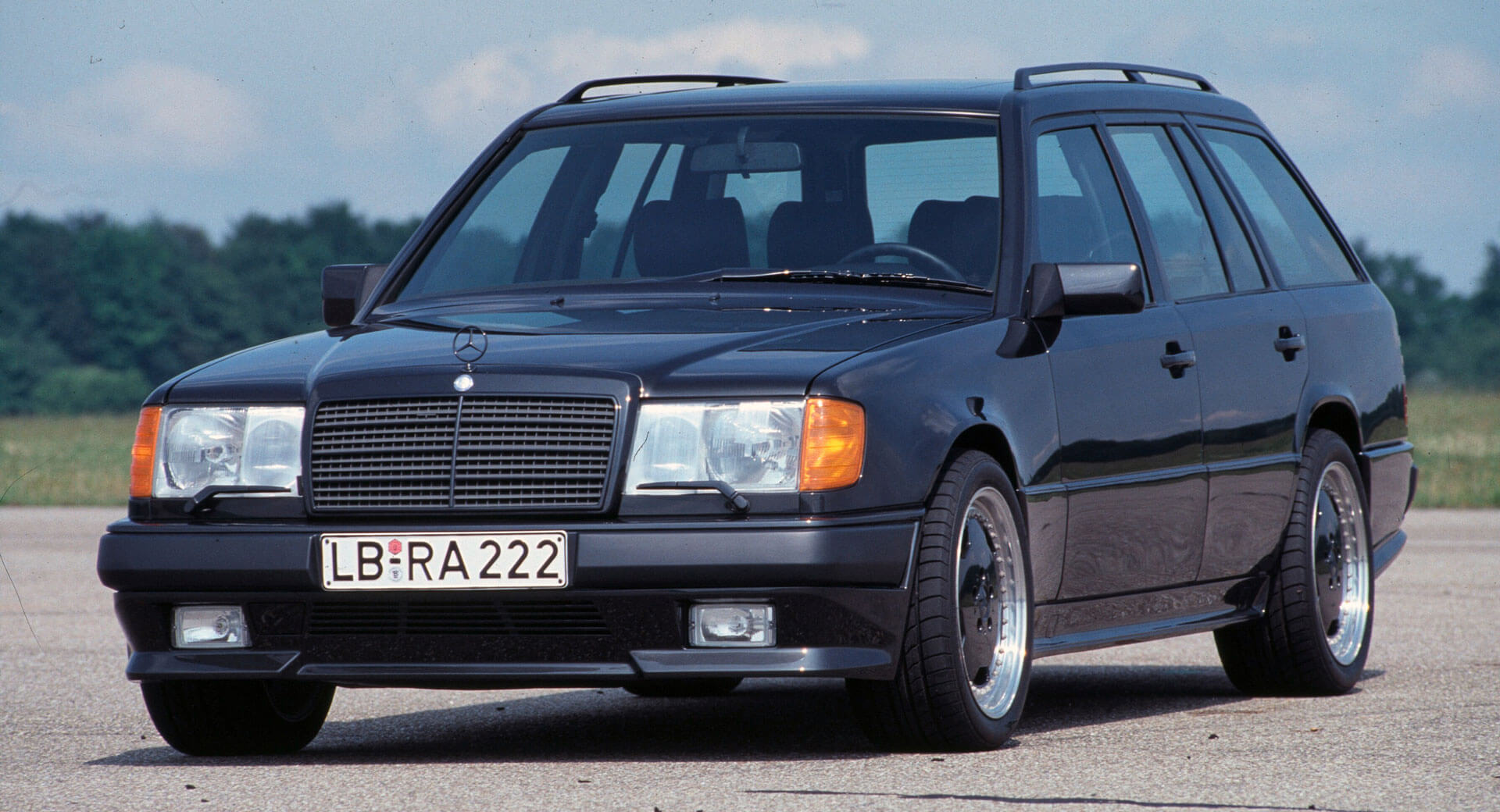
The W124’s interior remains impressive decades later. The dashboard architecture is logical and unfussy, with controls falling readily to hand. Material quality is exceptional switches operate with precision, the leather develops a beautiful patina, and the build quality silences any squeaks or rattles.
The ride quality demonstrates Mercedes’ mastery of chassis engineering; the suspension soaks up poor road surfaces while maintaining composed body control through corners. It’s not sporting like the BMW, but it’s superbly competent and confidence-inspiring.
Cargo capacity is generous, with a low load floor and wide tailgate making it genuinely practical for moving large items. The optional rear-facing third-row seats transform it into a seven-seater, perfect for families.
This versatility combined with Mercedes’ reputation for safety made the W124 Estate tremendously popular with European families who kept them for years.
Collectors increasingly recognize the W124 as the last truly over-engineered Mercedes before cost-cutting influenced later models. Finding clean examples requires patience, as many served hard lives as workhorses.
Inspect for rust in the rear wheel arches and check for oil leaks from the engine and transmission. The earlier models with simpler mechanical systems are often more reliable than later examples with additional electronics. A well-sorted W124 Estate provides unmatched durability and timeless style.
3. Audi RS2 Avant (1994-1995)
The RS2 Avant is nothing short of automotive royalty the wagon that launched Audi’s legendary RS performance division and forever changed perceptions about what estate cars could achieve.
Developed in collaboration with Porsche, this limited-production powerhouse proved that wagons could embarrass dedicated sports cars while still hauling a week’s worth of groceries. Only 2,891 examples were built, making it exceptionally rare and highly coveted today.
Under the hood sits a heavily modified version of Audi’s 2.2-liter five-cylinder engine, force-fed by a massive turbocharger. The result was 311 horsepower and 302 lb-ft of torque staggering numbers for 1994, especially in a wagon.
The RS2’s performance figures were equally shocking: 0-60 mph in just 4.8 seconds and a top speed of 163 mph. To put this in perspective, it could out-accelerate the contemporary Ferrari 348 to 30 mph and kept pace with McLaren’s F1 supercar through 50 mph. In a five-door wagon. Hauling luggage.
Porsche’s involvement extended beyond engine tuning. The car rolled on Cup design wheels borrowed from the 964 Turbo, while the braking system featured Porsche calipers painted in Guards Red.
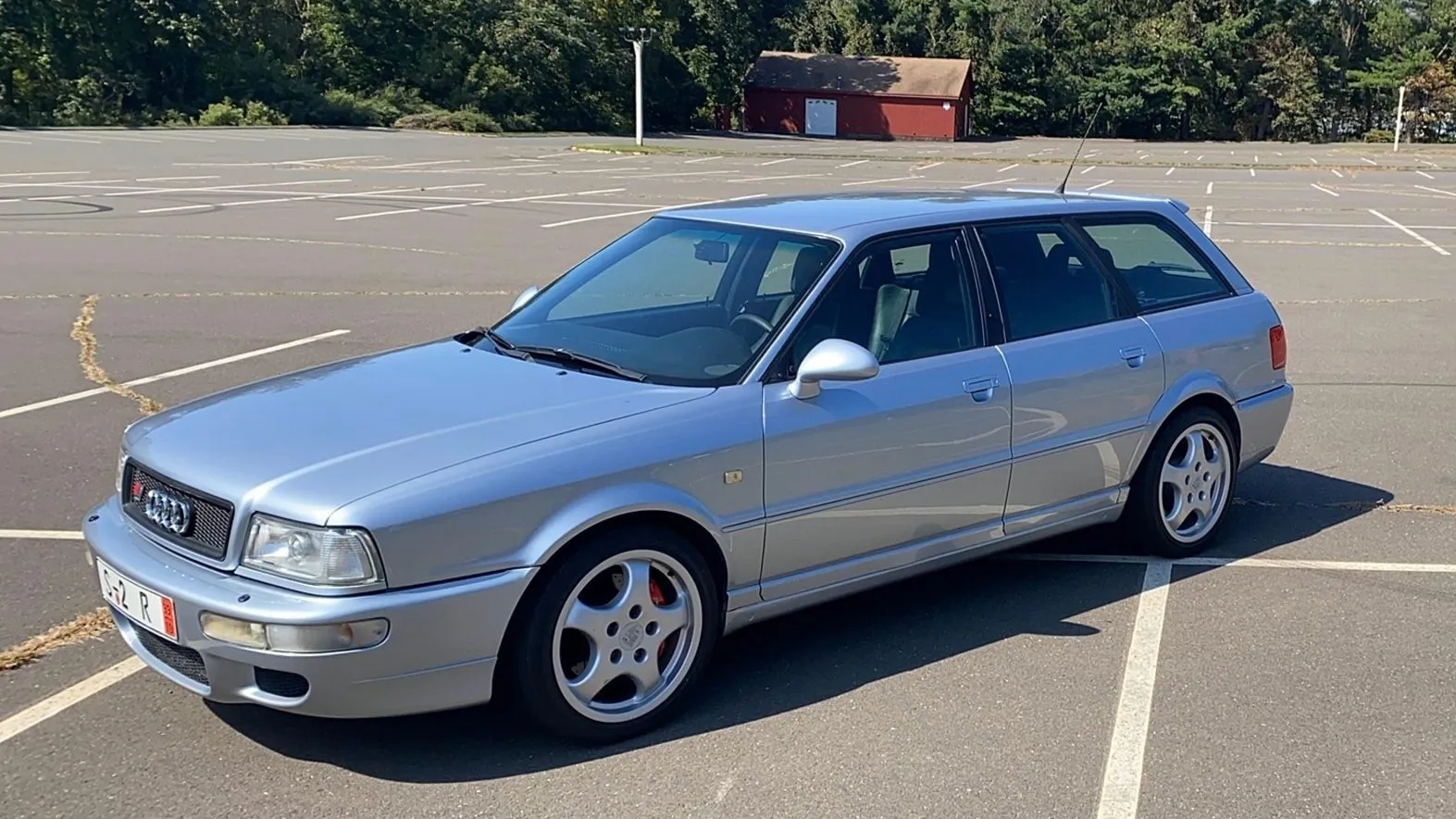
The suspension was lowered and stiffened, and the bodywork received subtle but purposeful flared arches to accommodate wider rubber. Inside, Recaro sport seats and RS2 badging distinguished it from lesser Avants, while the build quality remained typically excellent.
The quattro all-wheel-drive system was crucial to making all this power usable. It allowed the RS2 to deploy its thrust with shocking efficiency regardless of weather or road conditions.
The steering offered good feedback, and while the chassis wasn’t as playful as rear-drive alternatives, the sheer point-and-shoot capability was intoxicating. You could exploit the performance safely even in challenging conditions, making it a supremely capable year-round driver.
Today, the RS2 Avant is a blue-chip collectible. Values have climbed dramatically, with pristine examples commanding six-figure sums. The combination of rarity, performance, Porsche collaboration, and historical significance makes it highly desirable. However, maintenance requires deep pockets and specialist knowledge.
The turbocharged five-cylinder is robust but needs proper care, and parts can be expensive. Still, for those seeking the ultimate classic German performance wagon, nothing quite matches the RS2’s blend of speed, practicality, and exclusivity.
4. BMW E34 5 Series Touring (1991-1996)
The E34 Touring represents BMW’s expansion into the mid-size wagon segment, taking everything that made the E30 Touring excellent and scaling it up with more refinement, power, and luxury.
Introduced in 1991, it targeted families who wanted space and sophistication without sacrificing the driving dynamics BMW was famous for. The E34 struck an ideal balance, offering genuine practicality wrapped in elegant styling that still looks contemporary today.
BMW offered an impressive engine lineup, but the jewel was undoubtedly the M5 Touring. While extremely rare only around 891 were produced this wagon featured the 3.8-liter S38 inline-six from the M5 sedan, generating 340 horsepower.
This made it one of the fastest wagons ever built, capable of hitting 60 mph in under six seconds. The combination of M-division power, wagon versatility, and exclusivity makes it one of the most desirable classic wagons, with values reflecting this status.
More accessible options included the 525i and 530i, both offering BMW’s sublime inline-six smoothness with respectable performance.
The E34’s design aged gracefully thanks to its restrained elegance. There are no aggressive body kits or unnecessary styling flourishes—just clean lines, perfect proportions, and purposeful stance.
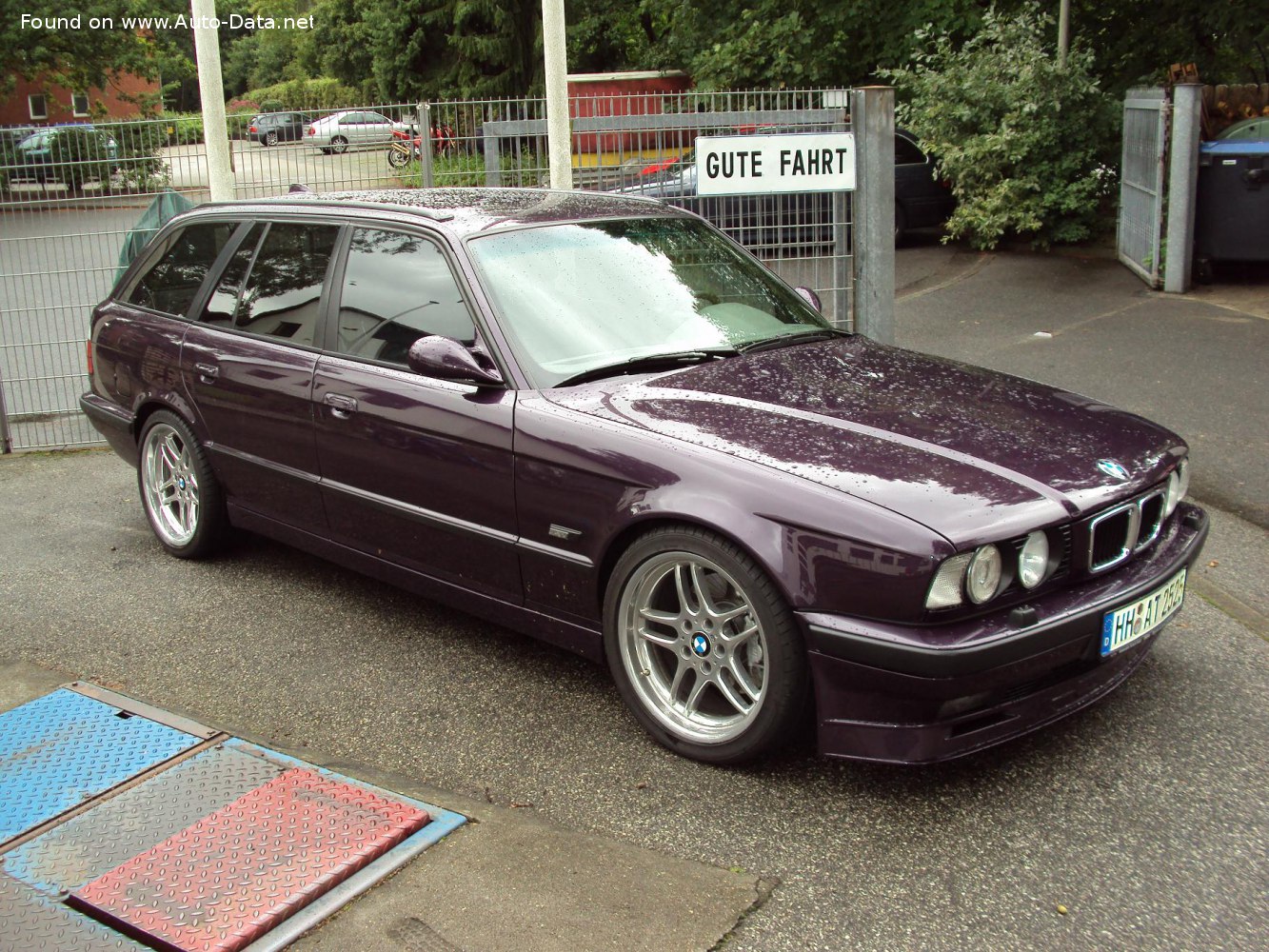
The Touring’s roofline integrates seamlessly, looking factory-correct rather than afterthought. Inside, the quality stepped up from the E30, with richer materials and more sound insulation, though the driver-focused layout remained. The dashboard design is intuitive, and the driving position is spot-on.
Dynamically, the E34 Touring delivers that quintessential BMW feel. The steering is communicative and precise, the chassis balanced and confidence-inspiring.
While slightly softer than the E30, it’s still engaging to drive quickly, with minimal body roll and predictable handling characteristics. The ride quality is more refined, making it genuinely comfortable for long-distance cruising while retaining enough firmness for spirited driving when the mood strikes.
Practical considerations make the E34 Touring appealing for regular use. The cargo area is generous, and build quality ensures components hold up well.
However, potential buyers should budget for maintenance. The cooling systems require attention, particularly on six-cylinder models, and the electrical systems can develop gremlins.
Rust isn’t as severe an issue as with older BMWs, but check the usual suspect areas. Well-maintained examples offer tremendous value, delivering classic BMW driving pleasure with real-world usability.
Also Read: 10 Classic Sports Cars That Deserve a Modern Revival
5. Mercedes-Benz W123 Estate (1977-1985)
The W123 Estate represents peak Mercedes-Benz philosophy: build it properly once, make it last forever. These wagons epitomize 1970s and 1980s Mercedes engineering when durability and longevity trumped cost considerations.
The result is a car that feels hewn from solid metal, with panel gaps you could set a watch by and a sense of structural integrity that modern cars rarely match. Many W123 Estates have accumulated truly staggering mileages half a million miles isn’t uncommon with only routine maintenance.
Engine options ranged from economical four-cylinder diesels to smooth six-cylinder gasoline units. The diesel variants, particularly the 300TD with its 3.0-liter five-cylinder turbodiesel, became legendary for reliability and longevity.
While performance is leisurely by modern standards 0-60 mph takes well over 10 seconds the diesel’s torquey character suits the W123’s relaxed nature perfectly. These engines can easily exceed 300,000 miles with basic maintenance.
Gasoline models like the 280TE offer smoother power delivery and better performance, though they’re less common and typically command higher prices.
The W123’s interior is a masterclass in functionality and durability. Every switch, knob, and control operates with precision and feels like it could outlast the pyramids.
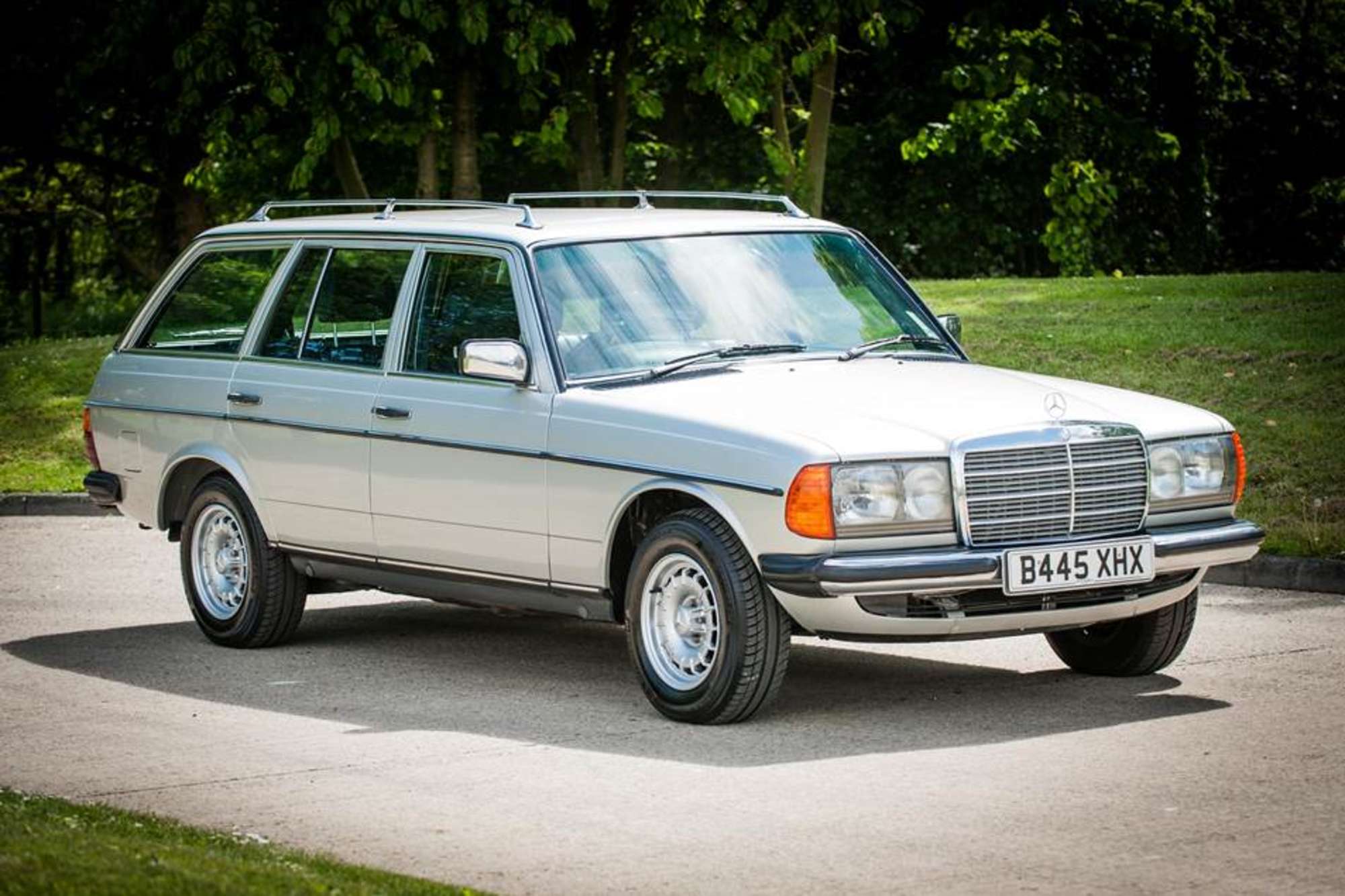
The dashboard layout is straightforward and logical, with large, clear instruments and intuitive climate controls. Material quality is exceptional the leather develops character with age, the wood trim is genuine, and everything is engineered for longevity rather than immediate visual impact. The seats provide excellent support for long journeys.
Ride quality is excellent, with the suspension delivering that characteristic Mercedes magic carpet feel. The W123 isolates occupants from road imperfections while maintaining decent body control.
It’s not a car you hustle through corners the steering is slow and the body roll substantial but it’s supremely comfortable and composed on highways and poor road surfaces. The brakes are strong, and the car feels planted and secure at speed.
The W123 Estate’s boxy styling has aged into classic cool. The upright greenhouse provides excellent visibility, and the wagon’s proportions remain pleasing to modern eyes. Practicality is excellent, with a huge cargo area and optional rear-facing seats.
Values have risen as people recognize these as the last truly bulletproof Mercedes wagons. Rust is the main concern check the floors, battery tray, and rear wheel arches carefully.
Mechanical components are robust, and parts remain readily available. A solid W123 Estate offers timeless style, unmatched durability, and a driving experience that’s refreshingly simple.
6. Audi 200 Avant Quattro (1983-1991)
The Audi 200 Avant Quattro represents Audi’s emergence as a performance brand following its rallying success. While overshadowed by flashier models, this aerodynamic wagon combined cutting-edge technology with genuine practicality.
The 200 Avant featured Audi’s revolutionary quattro all-wheel-drive system, which transformed how cars could deliver power to the road. This technology, proven in rally competition, gave the 200 Avant capabilities that seemed almost supernatural in poor weather conditions.
The turbocharged five-cylinder engine is a big part of the 200 Avant’s appeal. This distinctive powerplant, particularly in later 20-valve form producing around 220 horsepower, delivered strong performance with a characterful soundtrack.
The five-cylinder’s unique firing order creates an unmistakable warble that enthusiasts adore. Turbo lag is noticeable these are old-school turbos that build boost dramatically but the surge of power when the turbo spools is addictive.
Performance is respectable, with 0-60 mph arriving in the mid-seven-second range, impressive for a large wagon in the 1980s. The 200 Avant’s aerodynamic body was developed with serious attention to wind resistance, resulting in a drag coefficient that rivaled sports cars.
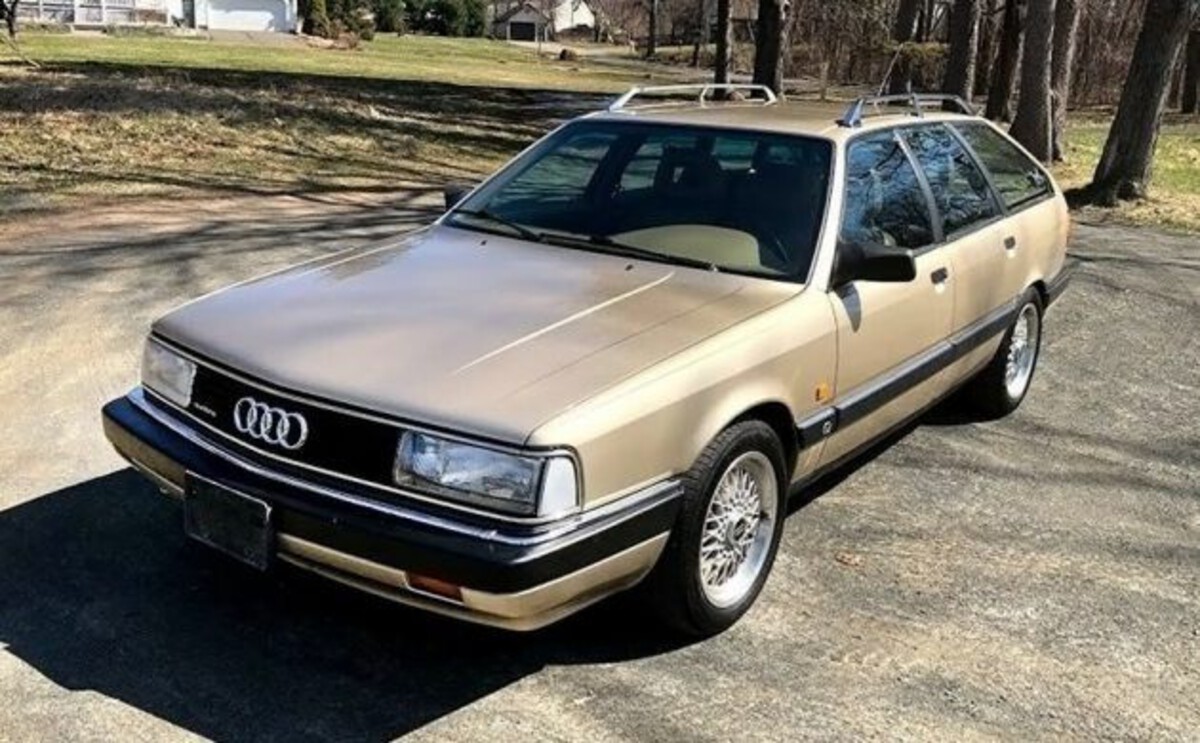
The smooth, flush-mounted glass and streamlined profile weren’t just for show they improved efficiency and reduced wind noise. Inside, the cabin featured Audi’s emerging focus on quality materials and ergonomics.
The dashboard design feels modern even today, with clear instrumentation and logical control placement. Comfortable seats and good refinement made it an excellent long-distance cruiser.
Handling is where the quattro system truly shines. The all-wheel-drive provides phenomenal traction, allowing you to power out of corners with confidence that would be impossible in a rear or front-wheel-drive car.
The steering is precise, and while there’s some body roll, the chassis feels stable and predictable. In winter conditions or on wet roads, the 200 Avant’s capabilities are genuinely impressive, giving drivers confidence that rivals modern vehicles.
Finding a good 200 Avant Quattro requires patience, as many were driven hard and neglected. The turbocharged engine needs proper maintenance oil changes are critical and the quattro system requires attention to ensure all components function correctly.
Rust can be problematic, particularly in the rear quarters and floor pans. However, well-maintained examples offer a unique combination of 1980s technology, distinctive character, and real-world capability that makes them rewarding ownership propositions for enthusiasts willing to maintain them properly.
7. BMW E61 M5 Touring (2007-2010)
The E61 M5 Touring represents the absolute zenith of German performance wagon engineering a vehicle so outrageous, so thoroughly over-the-top, that nothing quite like it has been produced since. At its heart sits BMW’s legendary 5.0-liter V10 engine, developing 507 horsepower and revving to an incredible 8,250 rpm.
This is a Formula 1-derived powerplant in a family wagon, and it delivers performance that remains astonishing today. Zero to 60 mph takes just 4.5 seconds, while top speed is electronically limited to 155 mph though de-restricted examples can exceed 200 mph.
This engine is an engineering masterpiece, producing its power with a naturally aspirated linearity that’s become extinct in modern performance cars. The V10 sounds glorious, with a rising wail that intensifies as you approach redline.
The seven-speed SMG automated manual transmission though criticized for jerky low-speed behavior shifts with lightning speed when pushed hard.
Many enthusiasts prefer the rare six-speed manual option, which gives more control but is exceptionally difficult to find, particularly in Touring form.
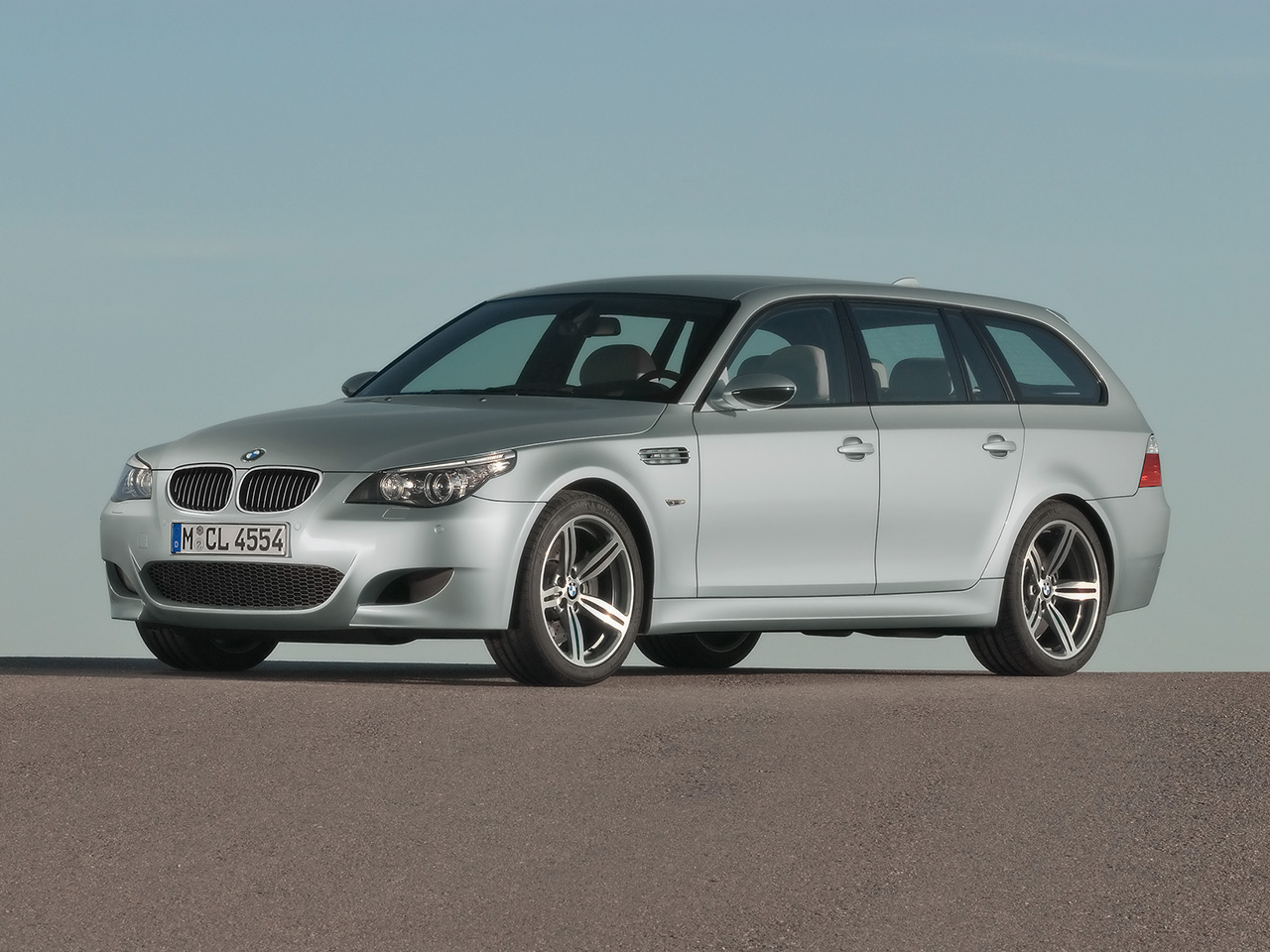
The E61 M5 Touring was only sold in Europe and right-hand-drive markets, never officially reaching the United States. This exclusivity adds to its appeal, as does its rarity; production numbers were relatively low.
The wagon body adds tremendous practicality to the M5’s supercar-level performance. You can haul furniture one day and attack a track the next, making it perhaps the most versatile performance car ever created.
Dynamically, the E61 M5 is phenomenally capable. The suspension features adaptive dampers that can transform the car from comfortable cruiser to track-ready weapon. The steering is precise, and despite the car’s size and weight, it feels remarkably agile.
The brakes massive carbon-ceramic rotors are optional provide fade-free stopping power. The chassis balance is excellent, and the stability control systems allow skilled drivers significant freedom while providing safety nets for the less experienced.
However, ownership requires serious financial commitment. The V10 engine, while magnificent, is complex and expensive to maintain. Rod bearing replacement is mandatory preventative maintenance, costing thousands.
The SMG transmission and electronic systems can develop costly issues. Fuel consumption is predictably terrible single-digit MPG isn’t uncommon when driving spiritedly.
Yet for those who can afford the running costs, the E61 M5 Touring offers an ownership experience unlike anything else: genuine supercar performance in the most practical package imaginable.
8. Mercedes-Benz S124 E500 (1993-1995)
The E500 Estate represents Mercedes-Benz’s brief flirtation with performance wagons in the 1990s, and the result is spectacularly desirable. This ultra-rare variant only 29 wagons were produced combined the W124’s exceptional build quality with the mighty 5.0-liter V8 from the 500E super sedan.
Creating this wagon required extensive hand-finishing by Porsche at their Rossle-Bau facility, the same operation that assembled the 500E sedan, making it one of the most exclusive Mercedes wagons ever produced.
The M119 V8 engine delivers 322 horsepower and 354 lb-ft of torque, providing effortless performance that transforms the E-Class wagon’s character completely. While official performance figures were never published, the E500 Estate is estimated to reach 60 mph in around 6 seconds and achieve a top speed limited to 155 mph.
The V8’s power delivery is wonderfully smooth and refined, pulling strongly from any engine speed with a cultured soundtrack that fits the Mercedes character perfectly.
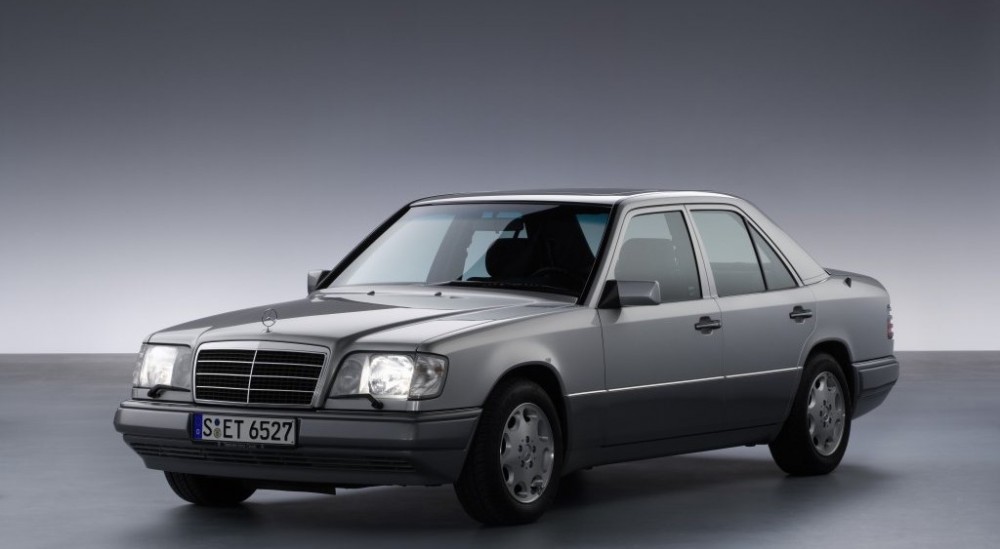
Creating the E500 Estate wasn’t simply a matter of dropping the V8 into a standard wagon. The wider front fenders from the sedan were incorporated to accommodate the broader track, giving it a purposeful, muscular stance that distinguishes it from standard models.
The suspension was retuned to handle the additional power while maintaining Mercedes’ signature ride quality. Inside, the cabin features upgraded materials and sport seats, though the ambiance remains refined rather than overtly sporting.
The rarity of these wagons cannot be overstated. With fewer than 30 produced, they’re exponentially rarer than the already exclusive 500E sedan. Many were special ordered by wealthy European families who wanted ultimate performance and luxury in a practical package.
This exclusivity, combined with the Porsche connection and exceptional performance, has made them extraordinarily valuable. Pristine examples command astronomical prices when they occasionally appear at auction.
Finding an E500 Estate for sale requires incredible luck and substantial financial resources. Due to their rarity, many examples are already in collections. For those lucky enough to encounter one, verification of authenticity is crucial given the values involved.
A genuine E500 Estate represents the ultimate W124 and arguably the ultimate classic Mercedes wagon a perfect synthesis of the W124’s legendary build quality, the M119 V8’s magnificent power, and Porsche’s hand-built assembly quality, all in the most practical body style.
9. Volkswagen Passat B2 GT (1980-1988)
The Passat B2 might seem an unexpected entry among these German wagon legends, but the GT variant deserves recognition for bringing driving enjoyment to the mainstream wagon segment.
While less prestigious than BMW or Mercedes offerings, the B2 Passat GT delivered surprising engagement and practicality at accessible prices.
This was Volkswagen’s answer to families who wanted something more interesting than basic transportation without stretching to premium brands.
The GT variant featured Volkswagen’s energetic 1.8-liter inline-four, either naturally aspirated producing around 112 horsepower or, in later models, the excellent 16-valve version with 139 horsepower. While these figures seem modest, the Passat’s relatively light weight meant performance was sprightly enough to be genuinely enjoyable.
The five-speed manual gearbox offered precise, mechanical shifting that enhanced driver involvement. The suspension was sportier than standard Passats, with firmer damping and lower ride height that improved handling without completely compromising comfort.
What made the Passat B2 GT special was its completeness. This wasn’t a parts-bin special with badges and stripes Volkswagen engineered genuine improvements.
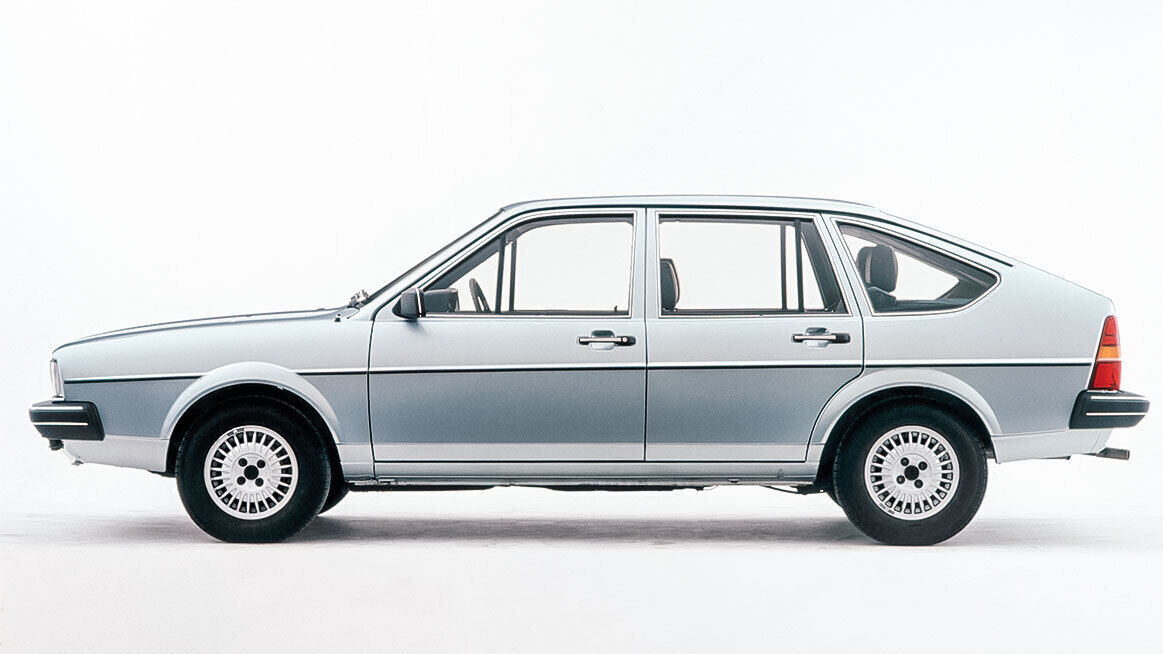
The steering was quick and surprisingly communicative for a front-wheel-drive family car. The brakes were upgraded with ventilated front discs.
The GT received sport seats with better lateral support, a leather-wrapped steering wheel, and subtle exterior enhancements including body-colored bumpers and tasteful GT badging.
The wagon’s practicality was excellent, with a spacious cargo area and clever interior packaging that maximized usable space. Build quality was typical Volkswagen solid, well-assembled, and designed to withstand decades of use.
The interior materials weren’t luxurious, but everything felt durable and fit together properly. The driving position was comfortable, and the dashboard layout was refreshingly straightforward.
Today, clean Passat B2 GTs are becoming increasingly collectible as enthusiasts recognize their honest, unpretentious character. They’re not as valuable as premium German wagons, which makes them accessible entry points into classic wagon ownership.
Rust is the primary concern, particularly in the rear quarters, floor pans, and around the windscreen. Mechanical components are generally robust, and parts availability remains good thanks to Volkswagen’s global presence.
A well-maintained B2 GT offers an engaging driving experience, genuine practicality, and straightforward ownership that’s refreshingly simple compared to more complex German rivals.
Also Read: 10 Classic Sports Cars That Deserve a Modern Revival
