Urban mileage is not the same as highway mileage, and that difference decides how a vehicle ages. Many people think a car with “low miles” is always healthier, but city driving can compress years of wear into a shorter distance.
In cities, a vehicle faces stop-and-go traffic, constant idling, repeated braking, short trips where the engine never fully warms up, potholes, speed bumps, tight parking maneuvers, and frequent steering input.
Even if the odometer number looks modest, the vehicle has been working hard every day. That is why some vehicles age gracefully in cities while others feel tired long before they should.
This topic matters because most vehicle guides talk about reliability in general, not city-specific aging. But urban ownership has unique stress points. Brakes wear faster. Suspension takes repeated hits.
Batteries weaken from short-trip cycles. Cooling systems deal with slow traffic heat. Transmissions face constant low-speed shifting. And interiors take abuse from frequent entry and exit, coffee spills, shopping bags, and children climbing in and out.
A vehicle that ages well in this environment is not just “reliable.” It is built with durability in the exact areas cities punish.
On the other side, some vehicles decline faster under urban mileage. They might be excellent on highways or weekend road trips, but city life exposes their weak links. Maybe the turbo system is sensitive to heat and short trips.
Maybe the transmission does not like creeping traffic. Maybe the suspension is too delicate for broken roads.
Or maybe the electronics create repeated issues as the vehicle gets older. These vehicles do not always fail dramatically, but they lose their smoothness, their quietness, and their value faster. City wear makes them feel older than their years.
This article compares both categories. First, five vehicles that age well with urban mileage, staying strong, stable, and manageable even after years of city use.
Then, five vehicles that tend to decline faster, losing comfort and reliability sooner under the same conditions. The goal is simple: help city drivers choose vehicles that remain solid long after the city has tried to break them.
Also Read: 5 Crossovers That Handle City Roads Well vs 5 With Awkward Turning Circles
5 Vehicles That Age Well With Urban Mileage
City driving is a slow grind that tests the parts most people never think about until they fail. In traffic, you do not stress the engine the way highways do, but you stress everything else constantly.
Brakes are used every few seconds. Steering components take constant movement. Suspension absorbs potholes and speed breakers repeatedly. Cooling systems fight heat during slow movement.
Transmissions spend their lives shifting at low speeds. And the small things that make a car feel “new,” like smooth mounts, quiet suspension bushes, and stable electrical behavior, are all under daily pressure.
Vehicles that age well in this environment are special. They are not always the most exciting cars, but they are engineered for long-term real life. These vehicles usually have proven engines that tolerate short trips well.
They have transmissions built for durability, not just smooth shifting. They have strong suspension systems that do not fall apart into rattles early. Their parts are designed to handle repeated urban stress without constant replacement.
Even their paint quality and interior materials matter because city cars face scratches, door dings, and daily wear from frequent use.
Another important factor is how predictable the vehicle remains. Some cars stay quiet and smooth even after years. Others begin feeling loose, noisy, and tired. City aging is often about refinement loss. A vehicle may still run, but if it becomes full of squeaks, vibrations, and constant small issues, it feels old and becomes frustrating.
I am writing this section to highlight vehicles that maintain their integrity under city mileage. These are the cars that still feel solid after years of urban use. They do not just survive, they age gracefully. That matters for people who keep cars long-term or who plan to buy used city-driven vehicles.
Now let us get into five vehicles that typically age well in the harsh environment of urban driving.
1) Toyota Camry
Toyota Camry is one of the best examples of a vehicle that ages well in urban mileage because it is built with long-term durability as a priority. City driving creates wear through constant braking, repeated stops, and short trips.
Camry handles this well because it has a proven drivetrain that is not overly stressed by urban use. The engine tends to stay smooth even when it spends years doing short commuting runs, and the overall mechanical system holds up without frequent drama.
Camry also ages well because it maintains refinement. Many cars begin to feel loose with city wear, developing suspension noise, vibrations, and cabin rattles. Camry tends to resist that decline better than most.
Its suspension components are designed for durability rather than extreme sport stiffness, which helps it survive potholes and speed bumps without rapidly deteriorating.
Another reason Camry works well in cities is brake and cooling stability. In slow traffic, heat builds up. A strong cooling system prevents problems, and Camry’s consistent design helps reduce overheating risk.
It is also not overly dependent on fragile electronics that fail easily with age. It has modern tech, but it is not built like a complicated premium car with endless modules.
I am writing about Camry because it represents what city drivers need most: a car that stays calm. It does not just run. It stays quiet, stable, and predictable. Even after high city mileage, Camry often feels like a reliable companion instead of a tired machine.
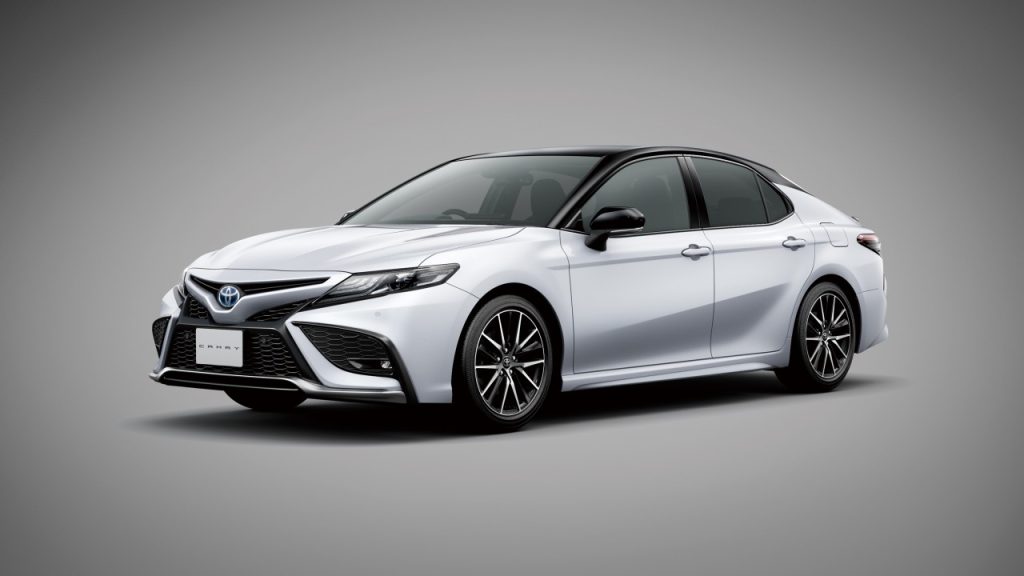
That makes it an excellent long-term urban vehicle and also a smart used-car purchase. It holds value partly because people trust that it will not fall apart under city life.
2) Honda Accord
Honda Accord is another sedan that ages gracefully in the city because it balances durability with strong overall build quality. Accord is known for engines that handle daily use well, and in an urban environment that matters.
Short trips and stop-and-go traffic can be harsh on powertrains, but Accord’s engineering is designed for consistent operation. It tends to stay smooth over time rather than becoming rough and stressed.
Accord also performs well in urban aging because it resists suspension fatigue. City roads are tough, and suspension wear is one of the first signs of a car aging poorly.
Accord usually stays composed for longer, and when it does need suspension work, it tends to be predictable rather than constant. That means fewer repeated repairs, which is a major part of aging well.
Interior durability is another strength. Urban cars are used frequently. Doors open constantly, people step in and out, items are loaded daily. Accord cabins generally hold up well, with materials that do not fall apart quickly. When the interior stays clean and intact, the whole vehicle feels newer for longer.
I included Accord because it is the type of car that keeps its personality. Some vehicles lose smoothness and refinement in cities. Accord tends to stay stable, quiet, and strong. It gives drivers long-term satisfaction because it does not turn into a noisy rattling machine after years of traffic life.
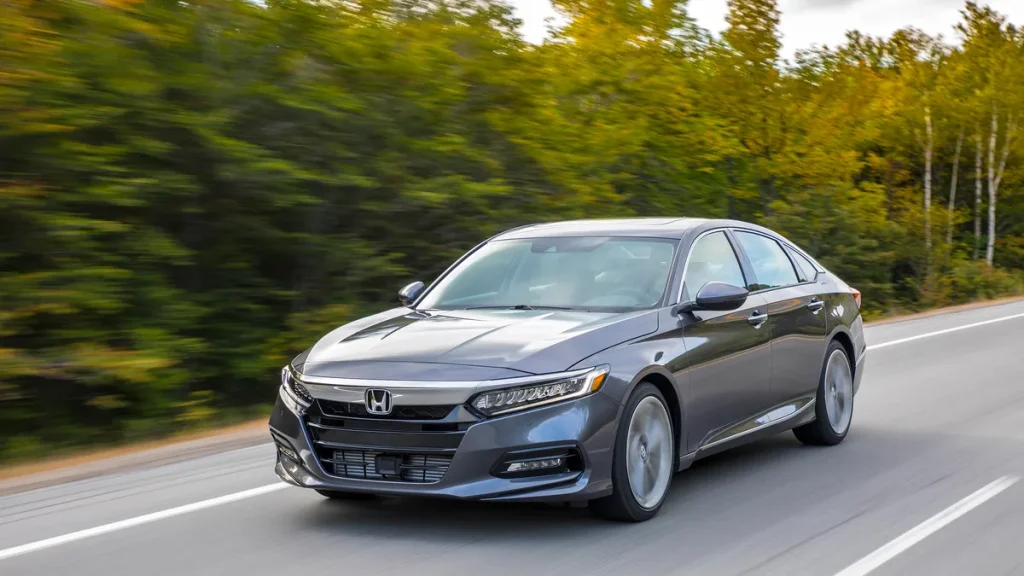
I am writing about Accord because urban mileage is the most common mileage in modern life. This car is engineered for it. It does not demand special care. It simply ages steadily, which makes it one of the best choices for long-term city ownership.
3) Toyota Prius
Toyota Prius ages well in urban conditions because it is literally designed for city driving patterns. Stop-and-go traffic is where hybrids shine. Prius uses regenerative braking, which reduces brake wear.
That alone helps it age better because brakes are one of the most frequently replaced parts in city cars. Less brake wear means less maintenance and a smoother long-term experience.
The hybrid system also reduces engine stress. In traffic, the engine is not constantly working at low speeds. The electric motor helps move the car smoothly, reducing the harsh load cycles that wear engines out in city use. This means Prius often maintains its smoothness and efficiency even after high urban mileage.
Another reason Prius ages well is that it stays efficient even when it is older. Many cars lose efficiency as they age and as parts wear. Prius tends to remain strong in its core purpose. Its systems are designed to handle repeated start-stop cycles, and city use does not punish it the way it punishes conventional engines.
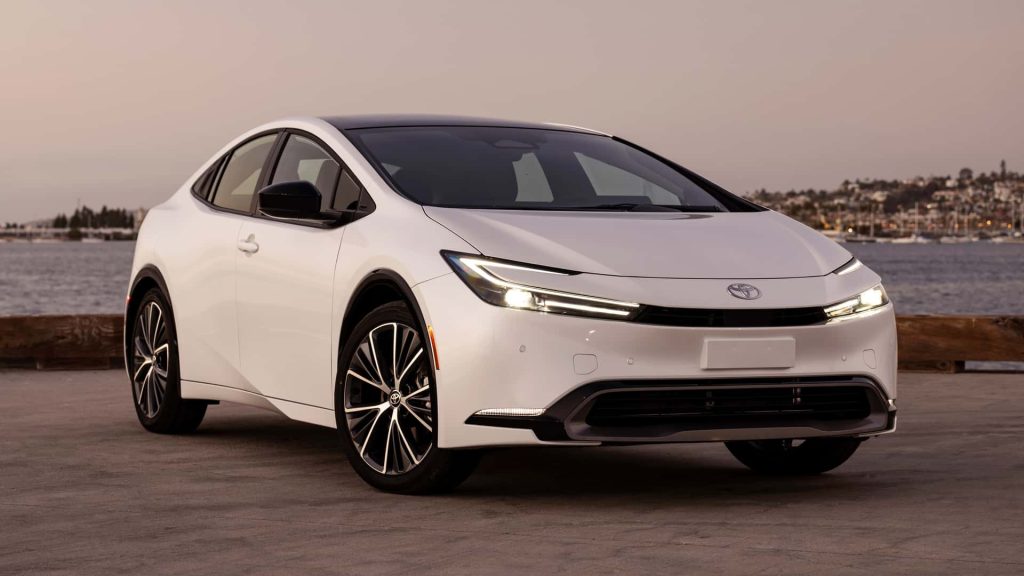
I am writing about Prius because it is one of the smartest vehicles for city aging. It fits the environment rather than fighting it.
That makes it a top choice for urban commuters, taxi drivers, and ride-share drivers who rack up heavy city miles. It often maintains its functionality and value because the vehicle’s design matches the city’s demands. Even when it gets older, it still feels like a practical tool.
4) Subaru Forester
Subaru Forester ages well with urban mileage because it is built with durability in mind and it handles rough city roads better than many crossovers.
City roads are often full of potholes, uneven pavement, and steep driveway angles. Forester’s suspension and ground clearance help it survive this environment without constant underbody scraping or fragile component damage.
Forester also stays stable in all weather conditions, which matters in many cities. Rain, slippery roads, and unpredictable surfaces can stress traction systems.
Subaru’s grip-focused design helps maintain confidence and reduces the chance of repeated traction-related wear. While Forester is not a sports car, it is designed to be steady and tough.
Another key factor is cabin durability. Forester is an everyday practical vehicle, so it is built for repeated use. Urban cars get used like tools, not weekend toys. Forester handles that tool-life well.
I included Forester because many city drivers want crossover practicality but worry about long-term aging. Some crossovers begin squeaking, rattling, and feeling loose after years of potholes. Forester tends to hold its structure better and stay composed. That makes it a smart city crossover that does not decline quickly.
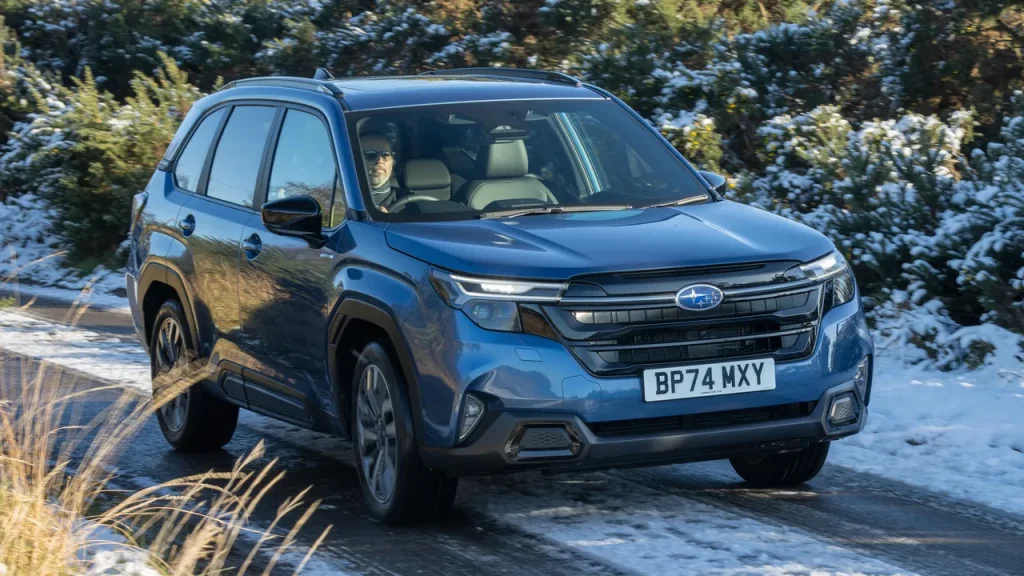
I am writing about Forester because it is one of the rare vehicles that stays honest over time. It does not degrade into an annoying machine. It stays useful, stable, and dependable even after heavy urban mileage.
5) Lexus RX
Lexus RX is one of the best luxury vehicles for urban aging because it combines premium comfort with Toyota-level durability. Many luxury vehicles decline quickly because they have fragile electronics, expensive suspension systems, and complex modules that fail with age.
Lexus RX avoids much of that problem. It is luxury built on reliable engineering, which makes it age better than most premium competitors in city use.
Urban mileage challenges luxury cars because cities punish refinement. RX resists this by maintaining smoothness, quietness, and comfort for years.
Its suspension is tuned for softness, which helps it absorb potholes without breaking down into constant rattles. It also has strong overall build quality, so interior materials often hold up well under frequent daily use.
Another reason RX ages well is that Lexus designs systems for long-term stability. Even if repairs happen, the frequency is usually lower than other luxury brands. That reduces ownership stress, which is part of aging well.
I included Lexus RX because it is the premium choice that behaves like a dependable city machine. Many people want comfort and quietness in city traffic, and RX delivers that while aging gracefully. It often keeps strong resale value because it stays solid even after city miles.
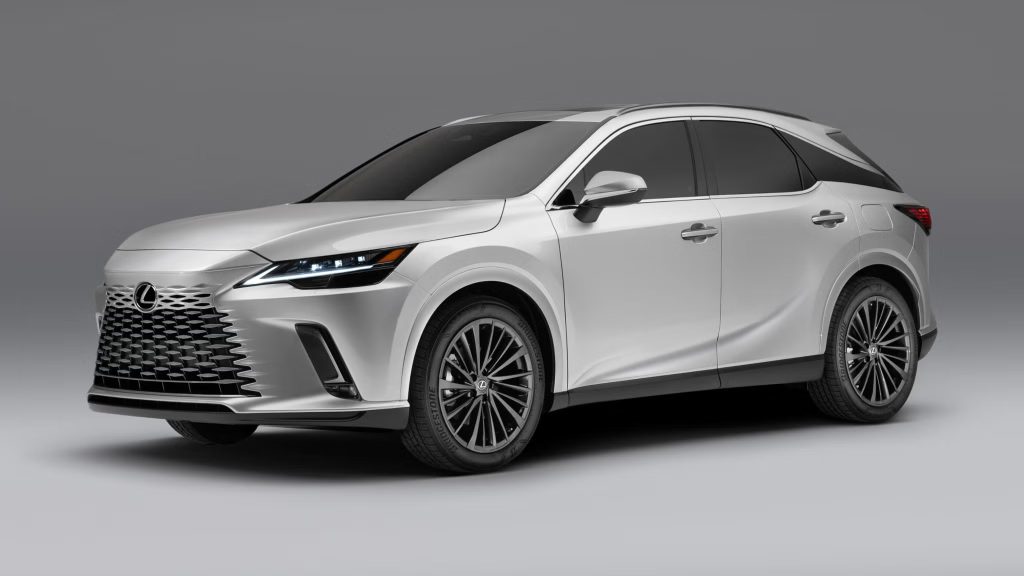
I am writing about RX because it represents the best case scenario: a vehicle that feels premium but survives the city without falling apart emotionally or mechanically.
5 Vehicles That Decline Faster With Urban Mileage
Some vehicles do not fail instantly in city driving, but they age in a way that feels fast and unforgiving. Urban mileage is a slow torture test: short trips that never fully warm the engine, constant stop-and-go that stresses transmissions, repeated braking that wears components quickly, potholes that destroy suspension parts, and heat build-up from idling traffic.
In this environment, certain vehicles lose their freshness early. They begin to feel tired, noisy, and inconsistent even if the mileage number is not extremely high. The driver starts noticing rough shifting, strange warning lights, rattles, or a general feeling that the car is aging too quickly.
The fastest-declining vehicles in urban use often share one of three issues. First, their drivetrain is not optimized for creeping traffic. That can include certain dual-clutch setups, poorly tuned automatics, or engines that behave poorly in short-trip stop-start conditions. Second, the vehicle may have delicate suspension tuning.
If a car is designed to feel sporty or stiff, it may handle potholes badly, and once suspension wear begins, the vehicle quickly feels older through noise and vibration. Third, electronics complexity can accelerate aging.
City vibration, moisture, heat cycles, and repeated use can trigger sensor issues, wiring trouble, or module faults. Even small electrical problems make a car feel unreliable and old.
I am writing this section because many of these vehicles are attractive when new. Some offer strong features, powerful performance, or premium styling. But city ownership is not about how a car feels in the showroom.
It is about how it feels after years of potholes, parking scratches, and daily traffic. A vehicle that declines faster in the city creates a double cost. You pay more in repairs, and you lose comfort and resale value sooner.
The five vehicles below are included because they often show faster decline under heavy city mileage. This does not mean they are always bad. It means they are more vulnerable to the exact conditions cities create. If your driving life is urban, these are the kinds of vehicles you should approach carefully.
1) Nissan Sentra (CVT Models)
Nissan Sentra with CVT is a car that can feel decent when new, but heavy urban mileage often exposes weaknesses over time. The biggest concern is the CVT system itself. City traffic forces constant low-speed movement, frequent acceleration from a stop, and a lot of heat cycles.
CVTs can be sensitive to this type of use, and as the vehicle ages, drivers often report a decline in smoothness. Instead of feeling calm, the car may start feeling hesitant, noisy, or inconsistent.
In urban driving, this becomes obvious on small inclines, merges, and stop-start traffic. The car may feel like it struggles to deliver smooth response. This does not always mean catastrophic failure, but it does mean the vehicle starts “feeling old” faster.
Many people underestimate how important that feeling is. A car can still run, but if it becomes unpleasant daily, ownership becomes stressful.
Suspension wear is another factor. Urban potholes and speed bumps can cause faster wear in compact sedans. Once suspension components begin loosening, the car can develop noises and vibrations. That is often when Sentra begins to feel less refined.
I included Nissan Sentra CVT models because they represent the difference between “new value” and “long-term city value.”
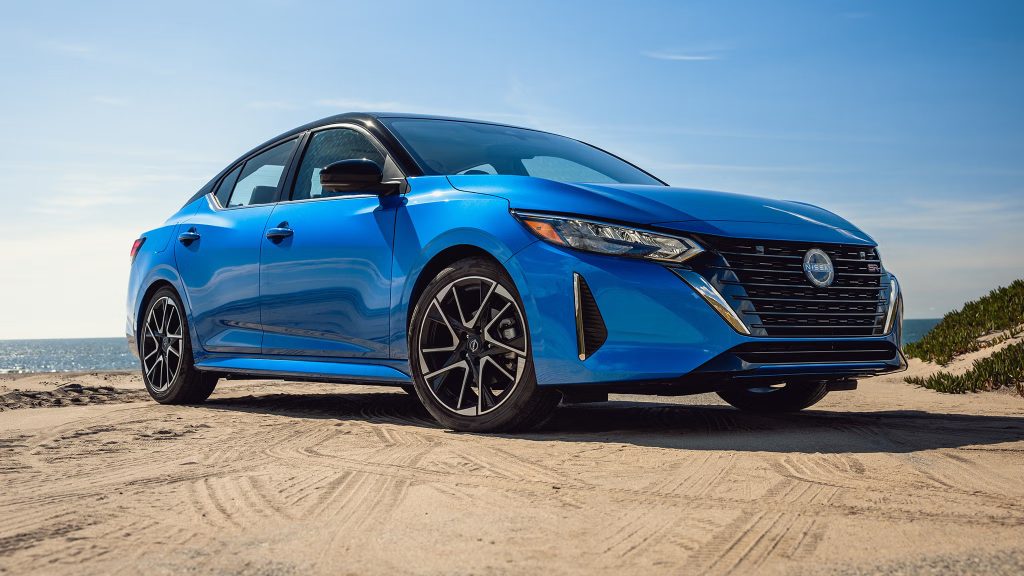
Some buyers are attracted by pricing and features, but under heavy city mileage the drivetrain and refinement may not hold up as well as competitors. For people who drive mostly urban routes, this faster decline can reduce satisfaction and resale value earlier than expected.
2) Ford Focus (PowerShift Dual-Clutch Models)
Ford Focus with PowerShift dual-clutch transmission is one of the most well-known examples of a car that can decline quickly in city driving. Dual-clutch systems are great for performance when driven in flowing conditions, but city stop-and-go is harsh.
In traffic, the transmission is constantly engaging and disengaging clutches at low speed, creating extra heat and wear. Over time, many owners experience jerky behavior, hesitation, and inconsistent shifting.
In the city, this behavior becomes exhausting because it affects the simplest driving tasks. Creeping forward in traffic can feel awkward. Parking maneuvers can feel jumpy. Hill starts can feel uncertain. A vehicle that behaves inconsistently in traffic quickly feels “aged,” even if the body still looks fresh.
The repair process also adds stress. When transmissions develop issues, fixes may not be simple. Even if repairs are done, some owners experience repeated problems. That repeated cycle accelerates the sense of decline because the car loses trust. In city life, trust matters. You do not want to wonder what the car will do at the next signal.
I am writing about this Focus specifically because many people still encounter them in the used market. They may be priced attractively, which tempts city buyers. But heavy urban mileage often makes these models feel old faster than expected.
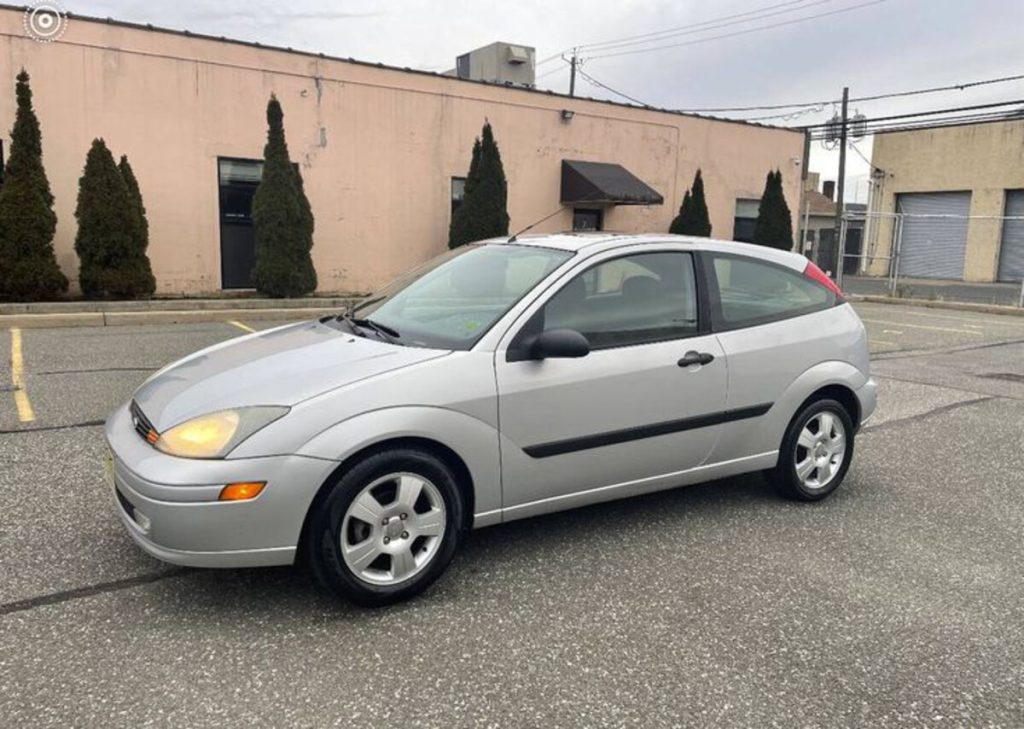
Even if the engine is fine, the drivetrain behavior becomes the vehicle’s aging weakness. For daily city use, this is exactly the type of aging that destroys ownership happiness.
3) Mini Cooper (Older Models)
Mini Cooper is stylish and fun, but older models often decline faster in urban mileage because of complexity and sensitivity. City driving is harsh on small performance-oriented cars, especially those tuned tightly.
Stop-and-go traffic, frequent heat cycles, short trips, and potholes create stress that can accelerate maintenance needs. Over time, older Minis often develop repeated issues that make them feel older faster than their mileage suggests.
Urban mileage accelerates problems like cooling system strain, oil leaks, and sensor issues. These are not always dramatic breakdowns, but they create constant attention demand. A car that needs constant attention ages emotionally faster. Even if you love the design, repeated repairs make it feel like a high-maintenance relationship.
Suspension wear also becomes an issue. Minis often have sporty tuning, which means the suspension can be firmer. Firm setups feel great on smooth roads but suffer more on potholes. As parts wear, the cabin begins to fill with noises and vibration, making the car feel tired quickly.
I included Mini Cooper (older models) because it shows how city mileage can punish “premium small cars.” People assume small cars automatically handle cities well. But Minis are not simple economy hatchbacks.
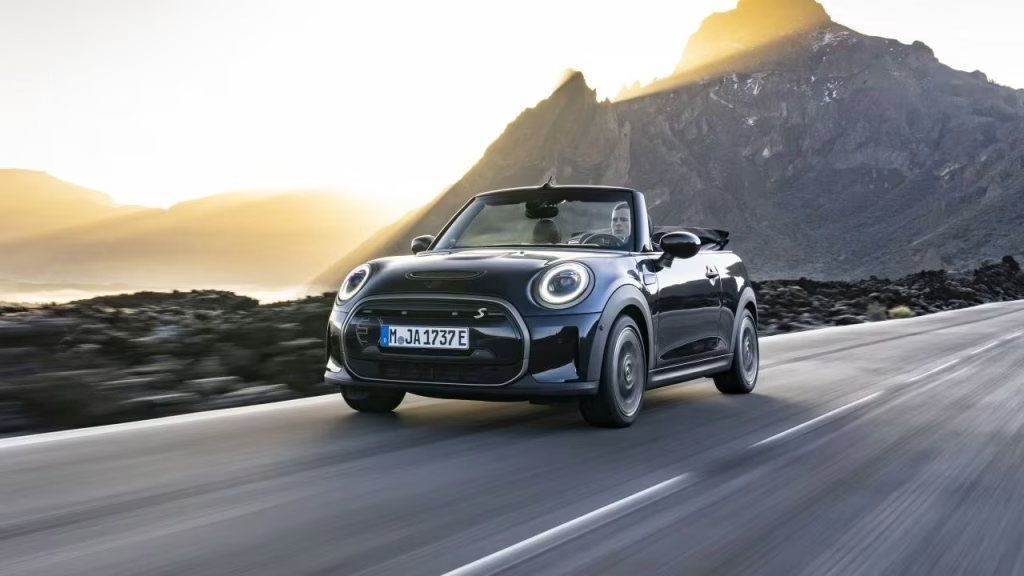
They are premium engineering in a small package, and that can mean higher repair frequency and faster decline in urban conditions. For someone who drives mainly in the city, an older Mini can age quickly and become expensive to keep feeling fresh.
4) Jeep Renegade
Jeep Renegade looks like a tough little urban SUV, but heavy city mileage can make it decline faster than expected. One reason is drivetrain and refinement stability.
Renegade is not always as smooth as competitors, and city stop-and-go can amplify that roughness. Over time, the vehicle may develop more noise, more vibration, and a general feeling of wear.
Suspension and interior quality can also contribute to faster aging. Urban potholes and speed bumps gradually loosen components. Once that happens, Renegade can feel rattly and less solid. City cars are constantly exposed to harsh road conditions. Vehicles with weaker refinement can show their age quickly.
Electrical issues can also appear in long-term city use. Modern vehicles rely heavily on electronics, and repeated vibration and heat cycles can create sensor faults or minor electrical annoyances. These do not always stop the car, but they make it feel older and less dependable.
I included Jeep Renegade because it represents a vehicle that sells an image of toughness, but often does not deliver long-term city durability as gracefully as it looks. In a city, people want a crossover that stays stable, quiet, and predictable.
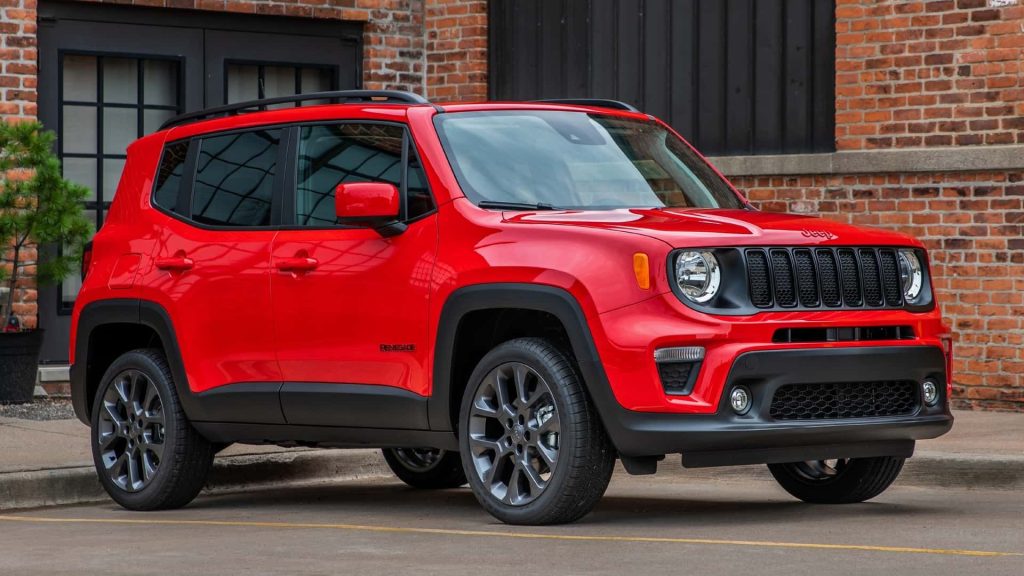
Renegade can lose that stability faster, making it feel worn earlier than expected. If your driving life is mainly urban, this faster decline may reduce satisfaction over the years.
5) BMW 3 Series (Older High-Mileage Units)
BMW 3 Series is one of the best-driving sedans ever built, but older high-mileage units often decline faster in urban life because city conditions accelerate the weaknesses of aging luxury cars. The issue is not the driving feel when everything is perfect. The issue is what happens when the car accumulates years of urban heat cycles, potholes, and stop-and-go stress.
Urban mileage accelerates suspension wear in sporty sedans. The 3 Series is designed for performance, so its suspension components are tuned tighter.
On rough urban roads, that means more punishment. As parts wear, the car develops vibrations, noises, and the famous “loose front end” feeling. Once that happens, the vehicle starts feeling older quickly.
Electronics and sensor faults also become more common in aging BMWs. Small issues create warning lights and repair needs. Even if the car still drives, these warnings create stress and reduce trust. Urban life already demands attention. A car that constantly demands attention becomes emotionally exhausting.
I am writing about older BMW 3 Series high-mileage units because they are common in used markets and often tempt buyers. They look premium and drive beautifully. But in city conditions, their aging process can feel fast and expensive.
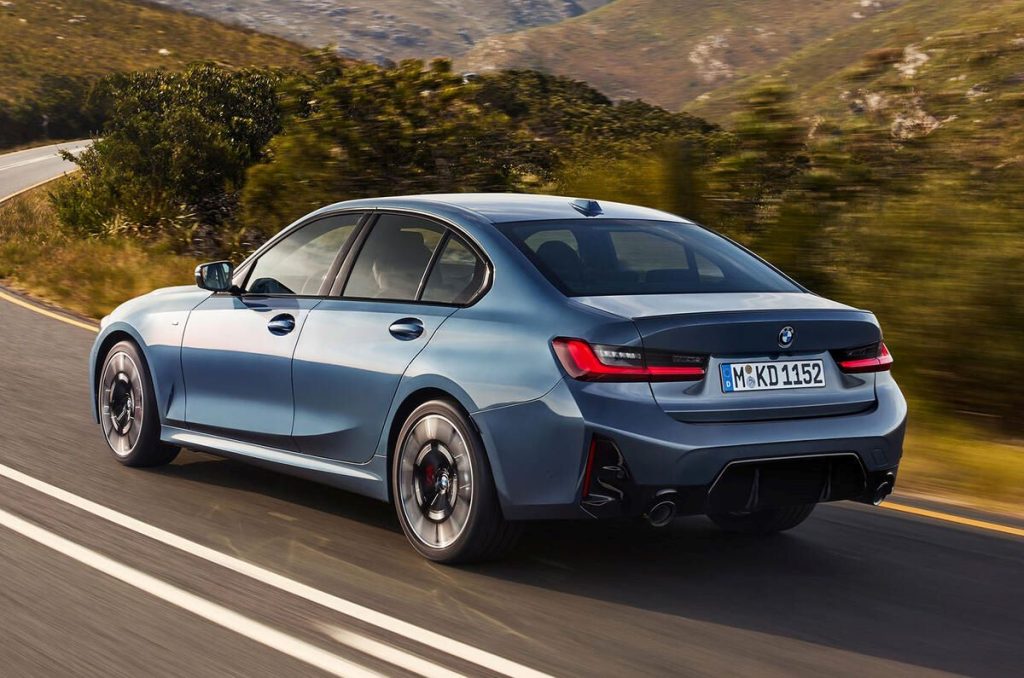
A BMW can age well with perfect maintenance, but under heavy urban mileage, older units often lose their smoothness and reliability sooner, making ownership harder.
Urban mileage is a harsh test, and it separates vehicles into two categories: those that hold their shape and those that lose it early. The best aging vehicles stay smooth, quiet, and stable despite the city’s punishment.
Toyota Camry, Honda Accord, Toyota Prius, Subaru Forester, and Lexus RX represent vehicles that match city realities. They resist suspension collapse, handle stop-start life well, and maintain refinement even after years of commuting and potholes.
The faster-declining vehicles highlight what city life punishes: fragile drivetrains, delicate suspension tuning, and complex systems that do not tolerate constant low-speed stress.
Nissan Sentra CVT models, Ford Focus PowerShift models, older Mini Coopers, Jeep Renegade, and older high-mileage BMW 3 Series units often lose smoothness sooner and require more attention. This faster decline affects repair costs, comfort, and resale value.
If you drive mostly in the city, your vehicle choice matters more than most people think. Urban miles are harder than highway miles. The smartest choice is not just the vehicle that looks good today, but the one that still feels solid after years of traffic, potholes, and daily wear.
Also Read: 5 Cars That Fit Philadelphia Rowhouse Parking vs 5 That Rarely Do