
San Francisco looks beautiful in photos, but anyone who has driven there knows the real story lives in its hills. The city is a daily workout for cars. Streets rise sharply without warning, traffic lights stop you right on steep inclines, and tight lanes demand precise throttle control.
Add foggy mornings, wet road patches, sudden downhill braking, and constant stop-and-go traffic, and you get one of the toughest urban environments in America.
It is not just about power. It is about how a car delivers power, how its transmission behaves, how its brakes hold up, and how confidently it can start uphill without rolling back.
That is why this topic matters. Many cars feel perfectly fine in flat cities but become tiring, noisy, or even unsafe when used in San Francisco every day. A car that “fits” San Francisco hills does not only climb well.
It also handles frequent hill starts, keeps traction on steep streets, resists overheating, and offers braking stability on long downhill stretches. These cars feel easy to live with because they work with the city rather than fighting it.
On the other side, some cars struggle uphill. This struggle may appear as slow acceleration, shaky hill starts, transmission hunting, overheating risk, or a feeling that the car is constantly under stress.
Sometimes it is because the engine is weak, but often it is due to gearing, poor torque delivery, or heavy weight. Hybrid systems and small turbo engines can also behave unpredictably on steep grades, especially when the battery is low or when the car is loaded with passengers.
This article compares both categories. First, five cars that fit San Francisco hills and make daily driving feel controlled and confident. Then, five cars that often struggle uphill and can turn a hill-heavy commute into frustration.
The goal is not to shame models, but to show why San Francisco is different, and why choosing the right hill-capable car can change your entire ownership experience.
Also Read: 5 Cars for Dunedin Coastal Driving and 5 Rust-Resistant Vehicles
5 Cars That Fit San Francisco Hills
A hill city does not forgive weak drivetrains. In San Francisco, the basic needs of a car change. On flat roads, almost any modern vehicle can feel acceptable. But on streets like Taylor, Hyde, Jones, or Filbert, a car’s true personality shows itself fast.
You learn immediately whether the engine has enough low-end strength, whether the transmission makes smart choices, and whether the car can start on steep inclines without drama. This is why people who move to San Francisco often rethink what “a good car” means.
A car that fits San Francisco hills needs three key traits. First, strong torque at low speed. Torque is what helps you start climbing without pressing the pedal to the floor. Second, a transmission that does not panic.
Some gearboxes constantly shift and hunt for the right ratio on hills, making the car feel confused. The best hill cars feel calm, holding gears when needed and delivering power smoothly. Third, control systems that help rather than annoy.
Hill start assist, traction control, and stable braking matter more in San Francisco than in most cities. When you stop at a red light on a steep street, you want the car to hold itself confidently.
There is also the downhill side. A car can climb well but still be stressful if its brakes overheat or fade quickly. San Francisco’s downhill grades demand braking control, especially in traffic where you cannot simply coast.
That means good brake feel, stable weight transfer, and a drivetrain that does not constantly push the car forward when you want it to slow down.
This section includes five cars that do well in the San Francisco environment. These cars may be SUVs, sedans, or hatchbacks, but they all share one thing: they make hills feel normal. They climb steadily, handle hill starts confidently, and deliver the kind of stability and traction that makes you feel safe even on steep streets.
Now let us get into the five models that handle San Francisco hills like they were designed for them.
1) Subaru Outback
Subaru Outback feels almost tailor-made for a place like San Francisco. The reason is not just power. It is the combination of steady torque, smart gearing, and Subaru’s famous all-wheel drive grip. In a hill city, traction matters as much as engine strength.
When roads get wet or dusty, front-wheel drive cars can sometimes spin slightly on steep starts. Outback keeps its grip and moves forward with confidence, even when you stop on a steep grade and need to start again quickly.
Outback also feels calm on inclines. Its power delivery is smooth, which matters in tight hill traffic where you cannot accelerate aggressively. You need controlled movement, not sudden bursts.
It is strong enough to climb without the “struggling engine noise” that many smaller cars produce when pushed uphill. That relaxed climbing reduces stress on the drivetrain over time, and it also makes the cabin feel quieter during daily drives.
Another reason Outback fits San Francisco is its brake control and stability. Downhill driving is where people often underestimate car needs.
Outback has the kind of weight balance and chassis stability that helps you feel planted going down steep streets. It does not feel like it is being pushed around by gravity, and that feeling of control is valuable in tight urban lanes.
Ground clearance also helps. San Francisco streets often have sharp slope transitions, steep driveways, and uneven road surfaces. Outback clears these without scraping easily, which makes it practical for daily ownership.
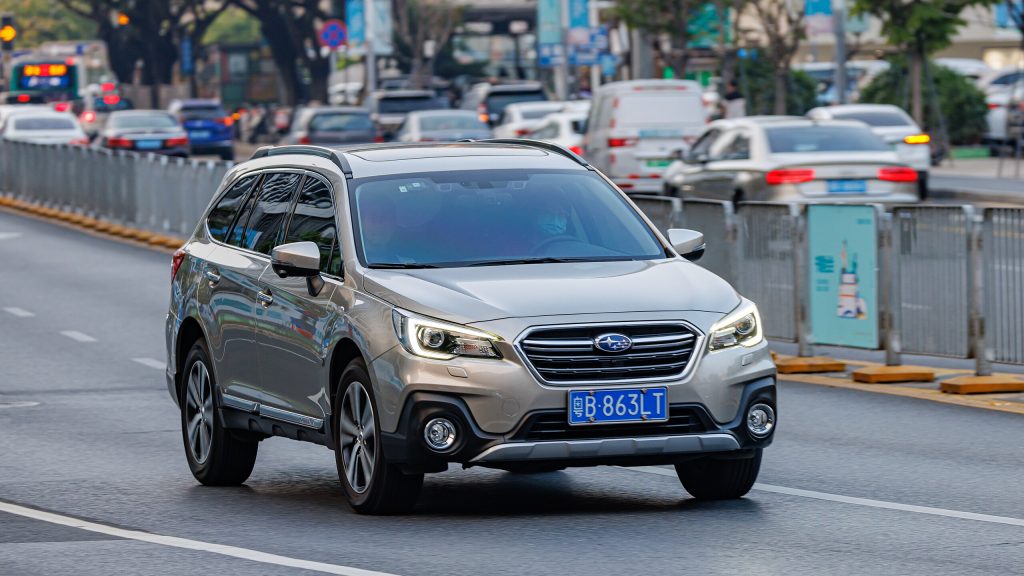
I am including Outback because it checks every important box: traction, steady climbing, confident hill starts, stable downhill behavior, and practical city usability. It turns steep streets into normal streets, which is exactly what a hill city driver needs.
2) Toyota RAV4 Hybrid
Toyota RAV4 Hybrid is excellent for San Francisco hills because hybrid torque delivery works brilliantly in steep stop-and-go conditions. Unlike some engines that need to “rev up” before they feel strong, a hybrid system can deliver immediate low-speed pull.
That is exactly what a hill start requires. When you are stopped on a steep incline and need to move without rolling back, instant torque makes the car feel confident and easy.
RAV4 Hybrid is also a practical hill commuter because it stays efficient even when climbing. In a city like San Francisco, you will climb multiple times every day. A non-efficient car can punish you at the fuel station. Hybrid efficiency reduces that financial pain, making it a good long-term choice for residents who drive daily.
The drivetrain also feels smooth in traffic. Hill driving can feel jerky in some cars because the transmission struggles to hold the right gear. RAV4 Hybrid’s system avoids that typical gear hunting feeling. It feels more like a steady pull rather than constant shifting. That improves comfort and reduces stress on the vehicle during daily use.
Another big advantage is braking behavior downhill. Hybrids can use regenerative braking, which helps reduce brake wear. San Francisco downhill driving can destroy brake pads quickly, especially for heavy cars. Regenerative braking eases that pressure by slowing the car using the electric system before relying fully on friction brakes.
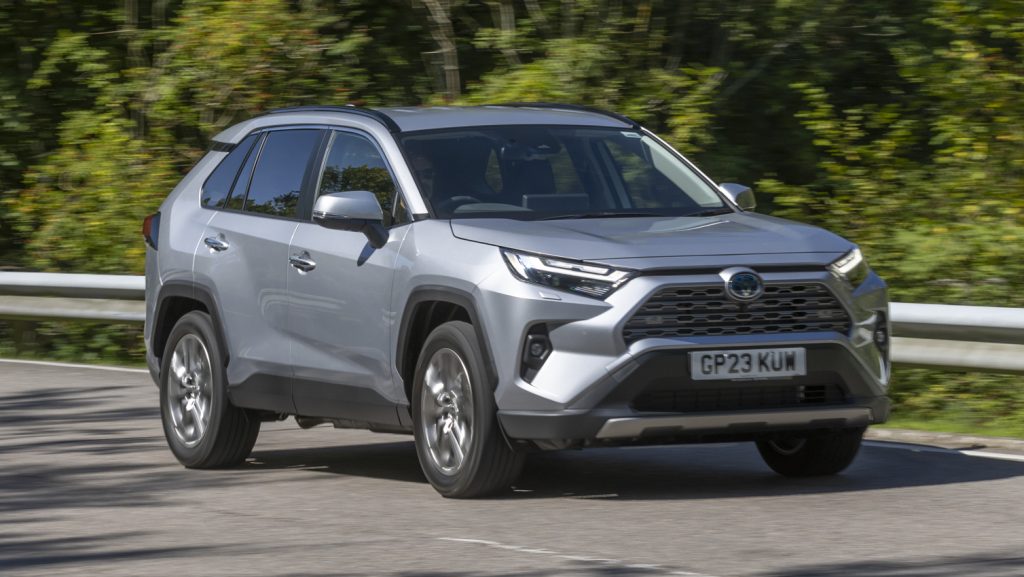
I am writing about RAV4 Hybrid because it fits the reality of San Francisco. It climbs easily, saves fuel, reduces brake wear, and stays calm in traffic. It is not just capable, it is practical. For someone who wants hill confidence without sacrificing efficiency, it is one of the strongest options.
3) Jeep Wrangler (4×4)
Jeep Wrangler is not the most refined car for city comfort, but when it comes to climbing steep streets, it is a beast. San Francisco hills demand low-speed strength and traction, and Wrangler brings both in an almost unstoppable way.
Its 4×4 system and rugged drivetrain make uphill starts feel easy, even on the steepest streets where other cars hesitate or struggle.
What makes Wrangler work well is how it delivers torque and grip. It is built for crawling, not just driving. That crawling ability translates perfectly into steep city streets, especially in traffic where you may need to move slowly uphill and stop repeatedly.
Wrangler does not feel like it is working beyond its limits. It feels like it was designed for tougher conditions than a city hill.
Another advantage is control. Wrangler gives drivers confidence because it feels mechanically strong. Even if roads are wet, Wrangler’s traction helps it avoid wheel spin. That stability matters for safety, especially when you start moving uphill with cars close behind you.
Wrangler also benefits from ground clearance. San Francisco has steep driveway angles and uneven street transitions. Many low cars scrape and suffer damage. Wrangler avoids that easily. It also handles potholes and rough patches without feeling fragile.
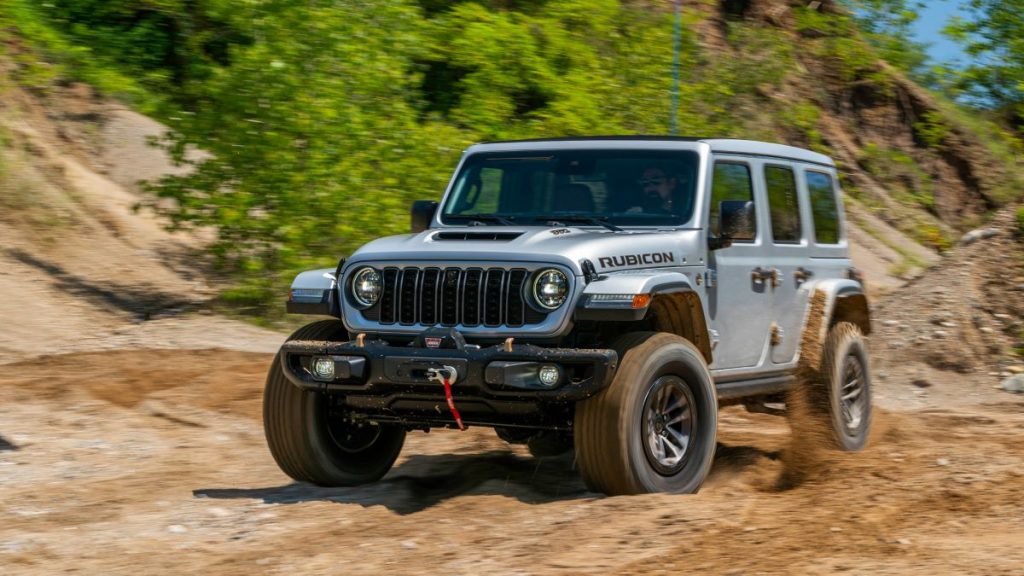
Why am I including Wrangler here? Because it represents extreme hill capability. It is not the quietest or most economical choice, but if a driver’s main concern is “I need a car that will never struggle uphill,” Wrangler is one of the best answers.
It makes steep San Francisco streets feel small, which is the highest compliment you can give a hill-ready vehicle.
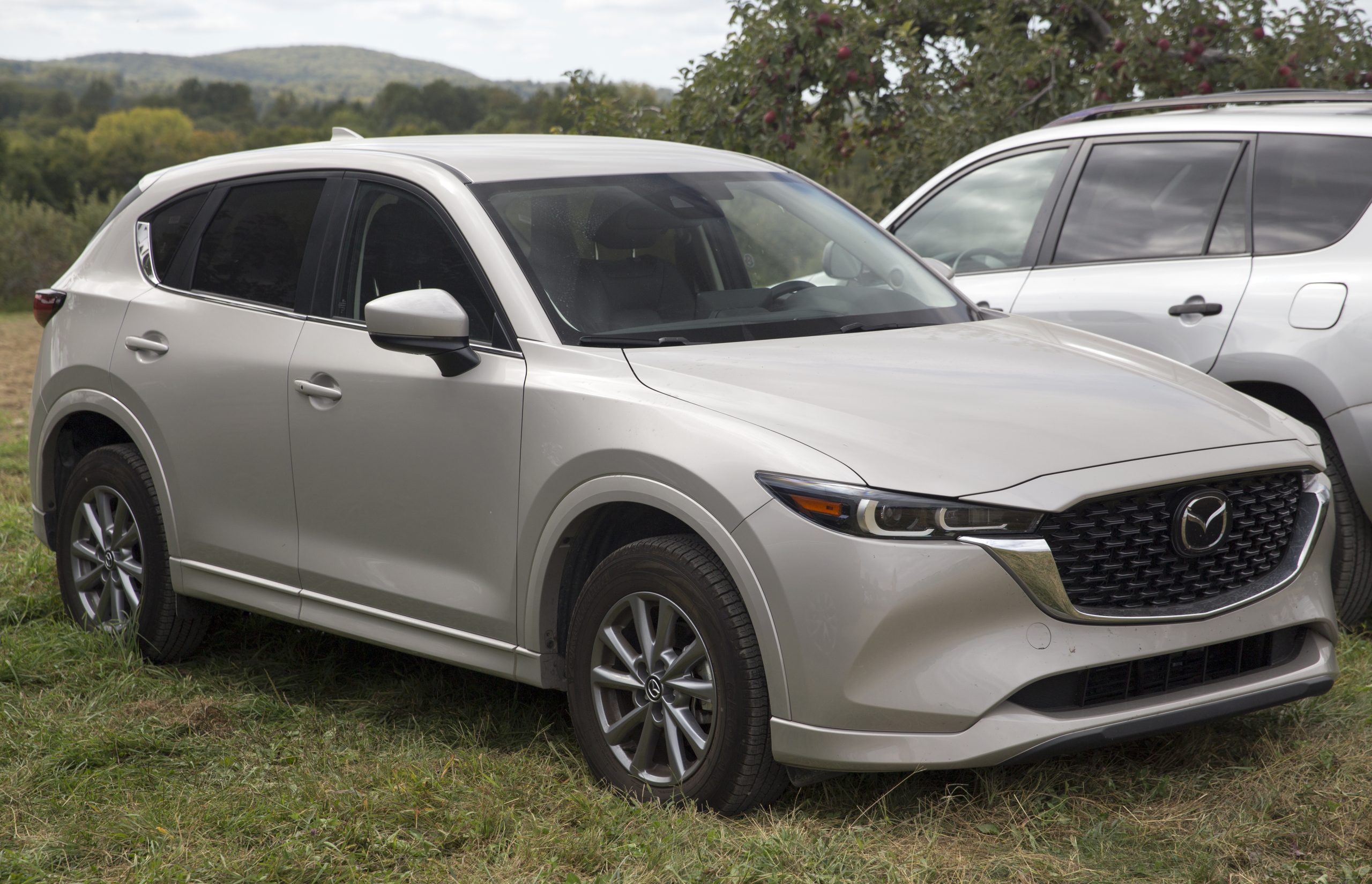
4) Mazda CX-5
Mazda CX-5 is a strong hill city vehicle because it blends good torque delivery with excellent driver control. In San Francisco, you do not only need power.
You need the car to respond predictably in tight uphill lanes where traffic moves in short bursts. CX-5 is known for feeling responsive at low speeds, which makes hill starts easier and less stressful.
Its transmission behavior is another big win. Some cars shift too often uphill, creating a feeling of instability and hesitation.
CX-5 tends to hold gears intelligently, delivering smooth climbing without constant hunting. That makes it feel confident on steep grades. When you press the accelerator, it responds cleanly instead of pausing and then suddenly surging.
CX-5 also has a well-tuned braking and steering system. Downhill driving in San Francisco can be nerve-wracking if brakes feel soft or steering feels vague. CX-5 feels planted and predictable, which improves driver confidence. In a city where downhill turns can be tight and steep at the same time, that stability matters.
The size of CX-5 is also perfect for San Francisco. It is not too large to park, yet it offers SUV ride height for visibility and clearance. That combination makes it easier to handle steep streets while still being practical for city living.
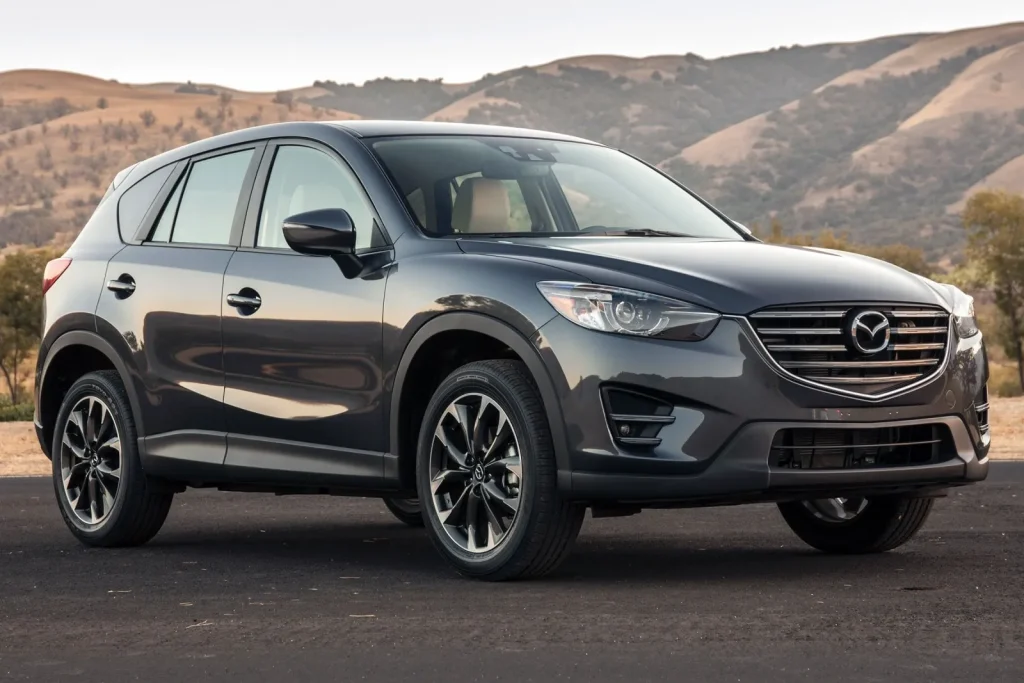
I am writing about CX-5 because it is one of those rare cars that feels premium and capable without being heavy or overly complicated. It climbs well, responds well, and stays stable. In other words, it makes San Francisco hills feel manageable while still being enjoyable to drive.
5) Tesla Model Y (Dual Motor AWD)
Tesla Model Y Dual Motor AWD is one of the most effortless hill cars in the modern era. Electric vehicles have a natural advantage uphill because they deliver instant torque without waiting for gear shifts or engine revs.
In San Francisco, that instant pull becomes a daily luxury. Hill starts feel smooth, controlled, and confident, even on streets that intimidate drivers in normal vehicles.
Tesla’s traction control is also extremely effective. On steep streets, traction is often the limit, not power. Model Y’s dual motor all-wheel drive manages grip intelligently, distributing power to keep the vehicle stable.
That makes it feel secure even in wet or slippery conditions. This matters because San Francisco often has fog and occasional rain that can make roads slick.
Another big benefit is downhill control. EVs can use regenerative braking, and in a hill city this is a major advantage. Instead of constantly riding the brakes, regenerative braking helps slow the car naturally. This reduces brake wear and makes downhill driving smoother.
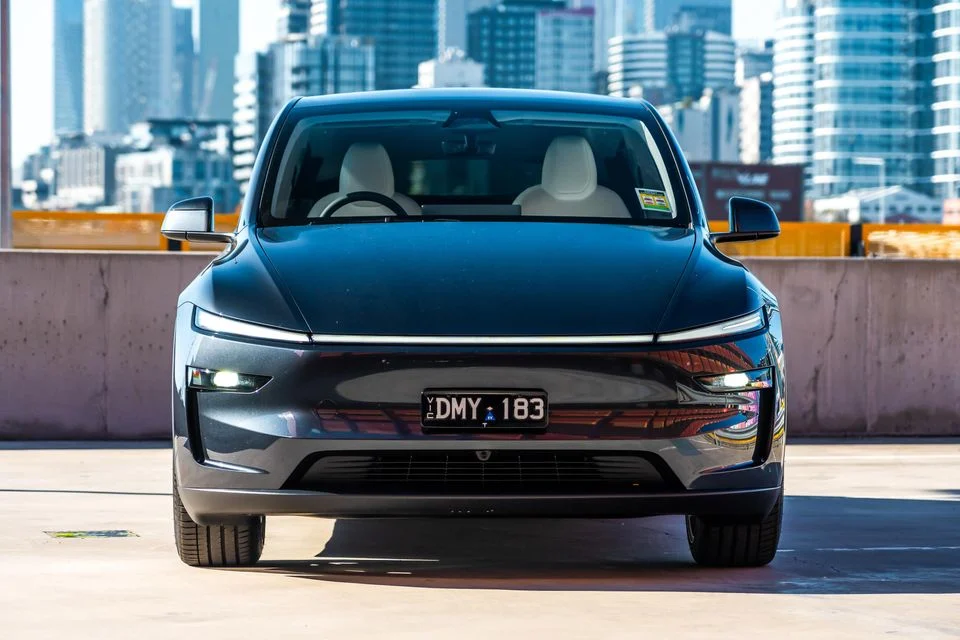
Model Y also fits San Francisco daily life because it is practical. It has good cargo space for city errands, comfortable seating, and modern driver assistance. While charging needs planning, many San Francisco owners adapt well because daily commutes are usually short.
I included Model Y Dual Motor AWD because it represents the future of hill driving. It makes steep climbs feel effortless, reduces downhill brake stress, and gives traction confidence. If hills are your daily reality, EV torque feels like a cheat code, and Model Y is one of the best examples of that.
5 Cars That Struggle Uphill
San Francisco’s hills do not just test cars, they expose them. In most cities, you can hide weakness because roads are mostly flat and traffic flows smoothly. But in a steep hill city, every flaw becomes obvious: low torque, poor gearing, heavy weight, weak cooling, and transmissions that do not know what they want.
Even if a car is fine on highways, it might feel uncomfortable and strained in San Francisco because the driving pattern is completely different. Many streets require uphill starts from a standstill, often with a car close behind you. That is not normal driving. It is a repeated hill-start exam.
Cars that struggle uphill usually share one of two problems. Either they do not have enough torque at low speeds, or they are tuned in a way that delays power delivery. Some engines need high revs to feel strong.
That works in flat areas, but on steep streets it means noise, slow response, and stress. Another problem is transmission behavior. Certain automatic transmissions hunt gears on climbs, shifting repeatedly and making the car feel indecisive.
Some CVTs can feel loud and strained uphill, even if they are technically “doing the job.” Drivers interpret that strain as the car suffering, and it creates anxiety. Manual transmissions can struggle too, especially for drivers who do not want daily clutch work on steep hills.
Weight matters a lot as well. A small engine in a heavy car is a recipe for uphill discomfort. Add passengers, groceries, or luggage, and the struggle becomes even more obvious.
Hybrid cars can also struggle if the battery charge is low, because the electric help disappears and you are left with a small engine trying to pull a heavy body uphill.
I am writing this section because buyers often ignore hill performance when shopping, especially if they are attracted by styling, features, or fuel economy claims. But in San Francisco, uphill strength is not a luxury feature.
It affects safety, confidence, and daily comfort. The wrong car can turn every commute into a stressful event. Now let us look at five cars that can feel frustrating and strained on steep San Francisco climbs.
1) Mitsubishi Mirage
Mitsubishi Mirage is built for one thing: being affordable. It is light, efficient, and simple. But in San Francisco, steep hills expose its biggest weakness fast: limited power and weak uphill confidence. Mirage can climb, yes, but it often feels like it is doing it unwillingly.
On steep grades, the engine needs to work hard, which creates loud noise and slower response. For a driver in a hill city, that sound alone can feel stressful because it gives the impression that the car is being pushed beyond comfort.
The uphill struggle becomes more noticeable in real urban situations. San Francisco hills are not just long climbs. They involve stopping at lights mid-slope, then starting again.
Mirage does not have strong low-end torque, so hill starts can feel slow, especially if traffic demands quick movement. When a car hesitates uphill, it affects confidence. Drivers may press the accelerator harder, leading to higher revs and more strain.
Transmission tuning can make the experience worse. Some Mirage setups feel “busy” under load, and the car may not deliver power in a smooth confident way on steep streets.
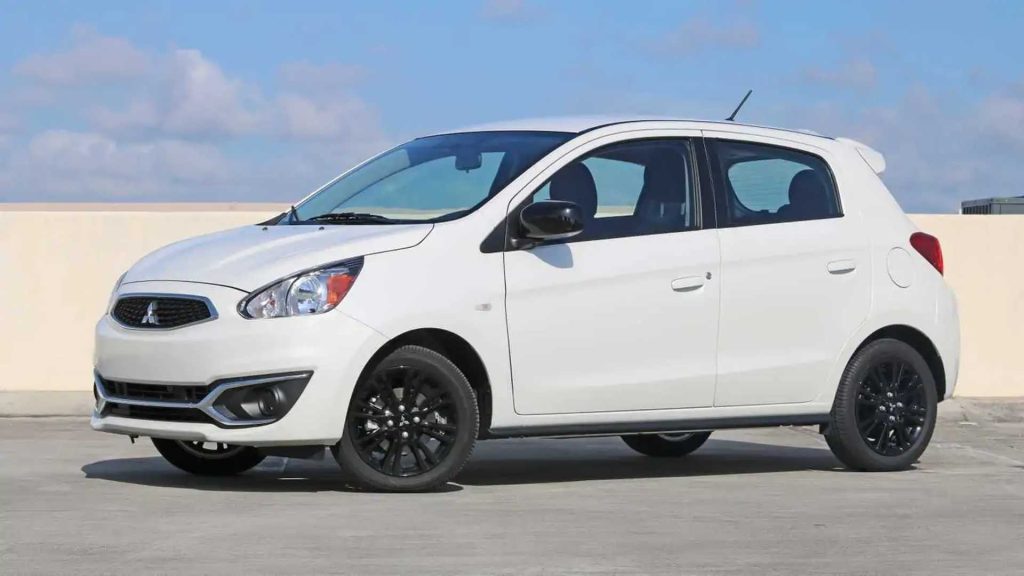
It is not dangerous in a technical sense, but it is tiring to live with. A city hill car should feel calm. Mirage often feels like it is struggling to keep up with the environment.
I am writing about Mirage because it represents a common misunderstanding: small and cheap does not automatically mean good for city life.
In flat cities, Mirage can be a reasonable budget commuter. But in San Francisco, it turns hill driving into a daily effort. For people who face steep climbs regularly, this is one car that can quickly feel out of place.
2) Nissan Versa (Base Engine)
Nissan Versa is a practical car with good space for the price, but base versions often struggle to feel confident on steep grades. In San Francisco, the main challenge is how the car responds when you need uphill acceleration from low speed.
Versa is not designed for performance, and on steep streets it can feel like it needs a moment to gather itself before moving strongly. That delay can be frustrating in hill traffic where you need immediate response.
The uphill experience is also shaped by transmission feel. Many Versa models use CVT systems, which can behave in a way that sounds strained when climbing. Even if the car is technically climbing correctly, the engine noise and constant rev behavior can make drivers feel uncomfortable.
In a hill city, sound and feel matter because they affect confidence. A car that feels strained makes the driver tense, and tension is dangerous on steep streets with tight spacing.
Versa can also feel more stressed when loaded. Add passengers, groceries, or luggage, and the uphill performance becomes noticeably weaker.
San Francisco is not a city where you can always avoid loading your car. People carry bags, daily shopping, and sometimes friends. A car that loses confidence under load becomes less useful in this environment.
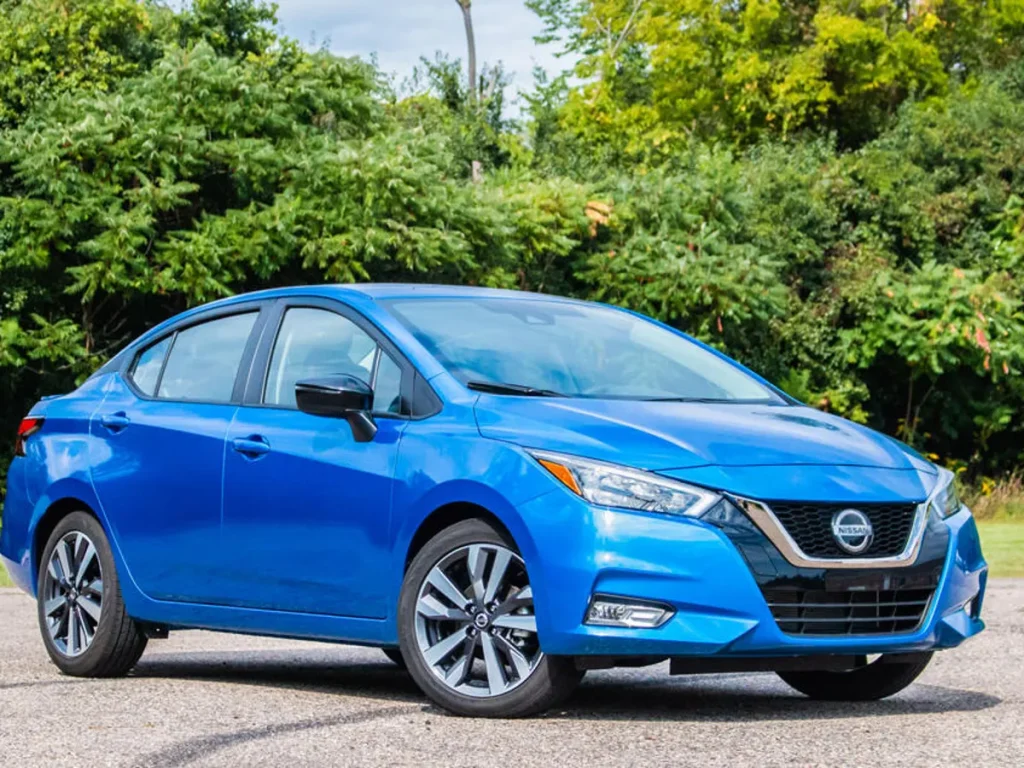
I included Nissan Versa base engine because it shows how “normal practicality” is not enough in San Francisco. The car makes sense for budget buyers, but uphill demands are different. If you only drive occasionally and mostly on gentler routes, it can work.
But for daily hill routes, Versa can feel like a car that is always trying hard, always louder than you want, and always a step behind the city’s steep requirements.
3) Toyota Prius (Older Generations)
Toyota Prius is famous for fuel economy and reliability, and in many places it is one of the smartest city cars. But older generations can struggle in San Francisco hills in a specific way: uphill performance depends heavily on the hybrid battery.
When the battery is well charged, Prius can feel okay. But when charge drops, the car may rely more on its engine, and uphill climbs start feeling slower and louder than expected.
This creates inconsistency, which is the real problem. In San Francisco, you want predictable power delivery. You do not want a car that feels strong on one hill and weak on the next.
With older Prius models, the hill experience can change based on battery health, temperature, and driving conditions. On steep climbs, the engine may rev high, and the car may feel like it is working harder than it should.
There is also the issue of load and incline starts. Prius can climb, but it is not always confidence-inspiring on steep starts compared to stronger torque vehicles or AWD cars. It feels more like a car built for efficiency, not for hill strength.
Drivers who value calm uphill confidence may find the older Prius experience frustrating, especially when traffic forces repeated uphill starts.
I am writing about older Prius generations because they often attract buyers in San Francisco due to reputation and efficiency. But the city’s hills can clash with their design priorities. Prius is excellent for saving fuel on moderate terrain.
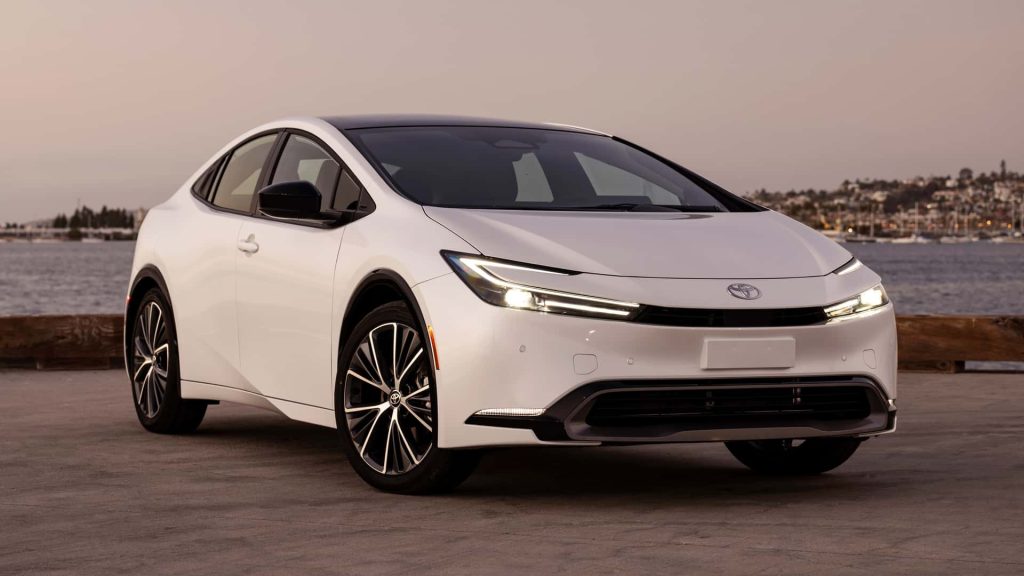
But on steep, frequent climbs, some older models can feel strained and inconsistent. That does not mean you should never buy one. It means you should test it on actual hill routes before deciding, because the difference between “fine” and “annoying” becomes obvious very quickly in San Francisco.
4) Kia Rio
Kia Rio is compact, practical, and affordable, which makes it attractive for city life. But when it comes to San Francisco’s steep hills, Rio can struggle with confidence under load. It is not that Rio cannot climb. It can. The problem is how it feels during the climb.
On steep grades, especially when starting uphill, the car may require heavy throttle input and higher revs, creating noise and strain that makes the driver feel uneasy.
Rio’s low-end torque is limited compared to larger cars and crossovers. In flat cities, this is not a big issue. But in San Francisco, the car is constantly asked to do uphill work.
Frequent hill starts are where small engines feel weakest, and Rio drivers may feel the car hesitating before it pulls strongly. That hesitation is exactly what drivers hate on steep streets, because it makes the situation feel less controlled.
Another issue is that San Francisco is not just hills. It is hills plus traffic. So you are repeatedly climbing at low speed, stopping, then climbing again. That cycle increases stress on the drivetrain and can make the car feel tired.
This is especially true if you are carrying passengers. The difference between solo driving and a full car in Rio can feel big on steep streets.
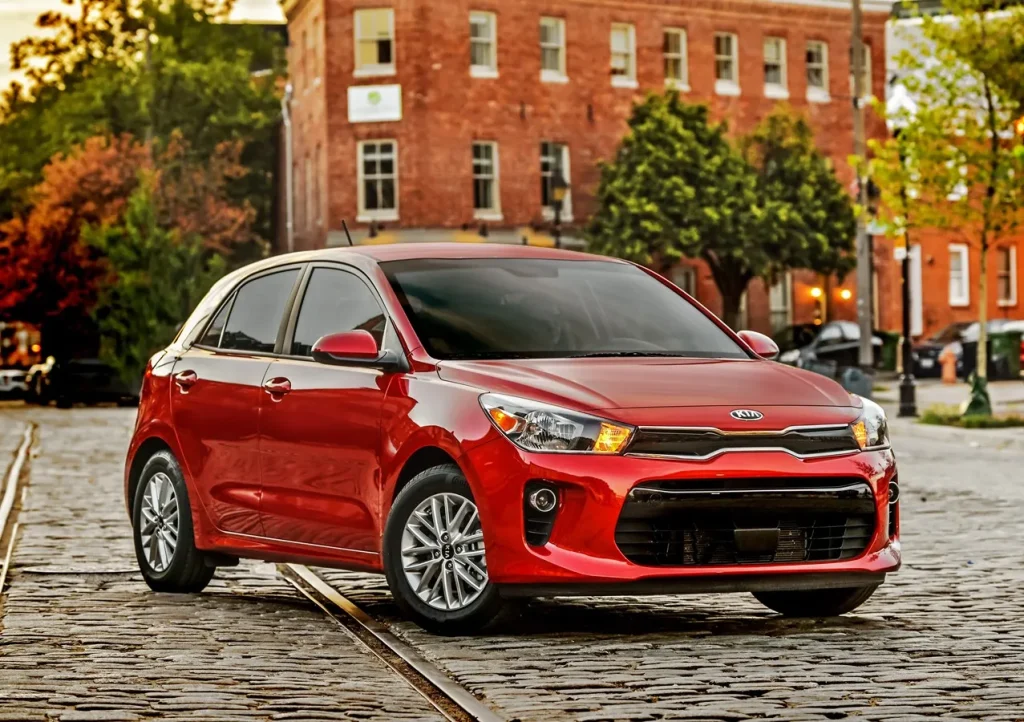
I included Kia Rio because it represents the category of small economy cars that make sense on paper but feel limited in San Francisco.
Rio is a good budget commuter for gentle terrain and normal urban roads. But if your daily route involves steep grades, it can feel like you are forcing the car into a job it was not designed to enjoy.
5) Smart Fortwo
Smart Fortwo is one of the best city parking solutions ever built. In a dense place like San Francisco, it fits almost anywhere and feels like a cheat code for space. But hills are its weakness.
Smart is extremely small and light, yet it often struggles uphill because its power delivery and transmission feel are not tuned for steep climb confidence. On San Francisco grades, it can feel like the car needs extra effort to maintain speed.
The uphill struggle becomes more obvious when traffic forces repeated starts. Smart Fortwo can climb, but its acceleration can feel limited and its response may not feel immediate enough for confident hill merges.
When you are on a steep street with cars around you, you want a vehicle that responds instantly. Smart’s small engine and driving character can make uphill driving feel less secure than expected.
Transmission behavior can also make climbing feel awkward. Some Smart driving experiences include a shift pattern that feels less smooth than typical automatics. On hills, smoothness matters more because jerky movement makes the car harder to control. A hill start should feel stable and progressive, not jumpy.
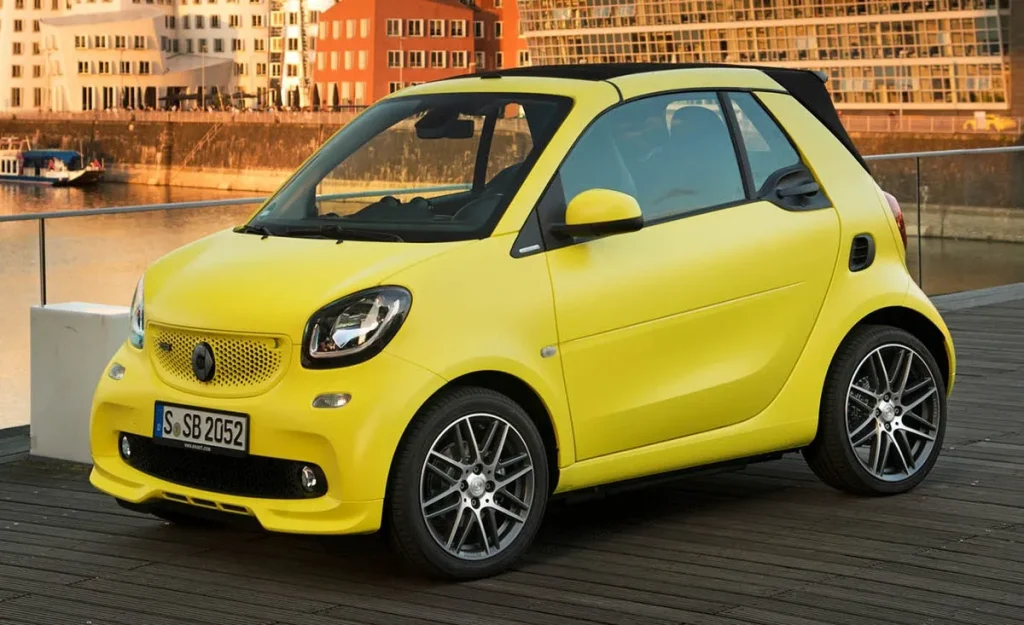
I am writing about Smart Fortwo because it is one of the most misunderstood cars for San Francisco. People assume that because it is a city car, it must be perfect for a city like San Francisco. But San Francisco is not only tight streets.
It is steep, demanding terrain. Smart excels in parking and narrow streets, but the hills reduce its comfort and confidence dramatically. If your route includes many steep climbs, Smart can feel like a car that belongs in flat dense cities rather than hill-heavy ones.
Also Read: 5 EVs That Make Sense as Second Cars vs 5 That Don’t
