
Frequent idling is one of those everyday driving habits people rarely think about, but it can shape a vehicle’s long-term health more than expected.
If you live in a traffic-heavy city, do school pickups, sit in long drive-thru lines, or work in a job that involves waiting with the engine running, your vehicle spends a surprising amount of time idling.
It may not feel like “hard driving,” but idling creates its own kind of stress. The engine runs with minimal airflow, temperature management becomes important, fuel can be wasted, and carbon buildup can increase over time.
Some vehicles handle this smoothly, staying calm and stable even after years of stop-and-wait routines. Others develop rough idle, overheating risk, clogged systems, and repeated “small” issues that become expensive.
When a car idles frequently, several systems are affected. Cooling systems must work efficiently with limited airflow. Engines run at low RPM for long periods, which can encourage carbon buildup in certain designs, especially direct-injection gasoline engines.
Oil circulation continues, but heat cycles are different compared to highway driving. Fuel quality and combustion efficiency matter more.
Transmission heat can build in some vehicles if they creep forward constantly. Even electrical components work harder because air conditioning, fans, and lights may be running while the car barely moves.
This is why some vehicles feel smooth and relaxed during frequent idling. Hybrids and EVs have a natural advantage because they do not idle in the traditional sense, or they reduce engine use dramatically.
Some well-engineered gasoline cars also perform well because their cooling systems, idle tuning, and engine design are stable for long periods.
On the other side, certain vehicles are more likely to develop issues such as rough idle, misfires, overheating, clogged intake valves, and sensor-related problems.
This article compares both sides clearly. First, five vehicles that stay smooth and dependable even with frequent idling.
Then, five vehicles that are more likely to develop idling-related issues over time. The goal is to help you match the vehicle to your driving reality, especially if traffic and waiting are part of your daily life.
Also Read: 5 Cars for Boulder Mountain Access vs 5 That Struggle Uphill
5 Vehicles That Stay Smooth With Frequent Idling
A vehicle that handles frequent idling well must be stable, well-cooled, and well-tuned at low RPM. You want an engine that stays smooth when it is barely working, not one that shakes, surges, or sounds strained.
You also want a cooling system that can hold safe temperatures while the car is sitting still with the AC running. And you want long-term reliability, because idling routines often continue for years.
This section focuses on vehicles that stay calm and smooth even with heavy traffic and frequent waiting. Many of these vehicles either reduce engine idling through hybrid systems or use engine designs that are known for stable low-speed operation.
Another advantage is strong HVAC performance. If a vehicle’s AC struggles during idle, the cabin becomes uncomfortable quickly, especially in hot climates. So smooth idling is not only about the engine, it is about the entire system behaving predictably.
The five vehicles below are included because they fit the realities of traffic-heavy life. They remain smooth, avoid common idling-related trouble areas, and hold up well when your routine involves more waiting than driving.
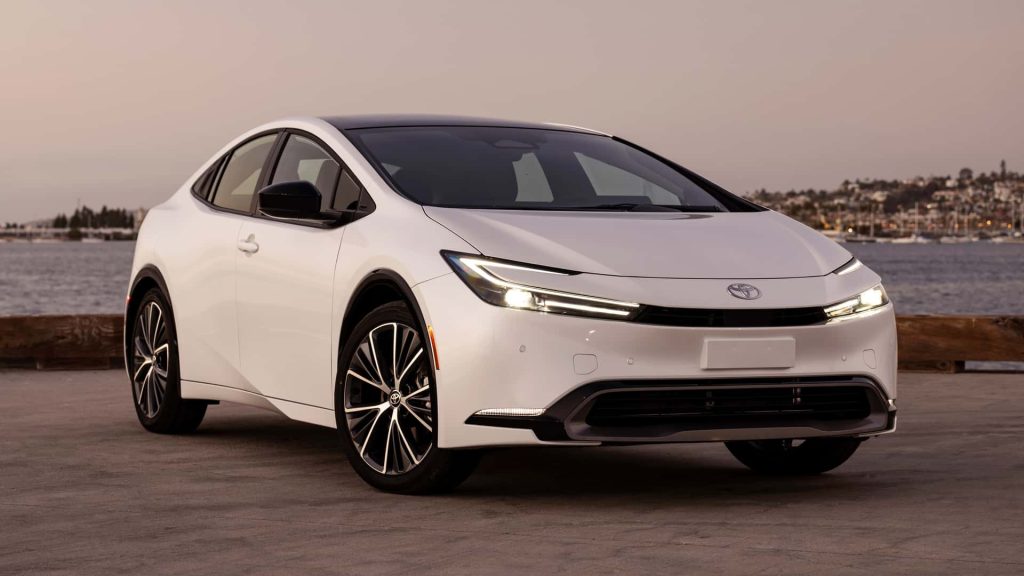
1) Toyota Prius
The Toyota Prius is one of the best vehicles for frequent idling because it practically eliminates traditional idling. In traffic or while stopped, the Prius often shuts off its gasoline engine and runs on electric power when possible.
That means long waits do not translate into the engine running endlessly at low RPM. This is a major advantage because many idling-related issues in gasoline cars come from long periods of low-speed combustion, heat buildup, and carbon deposits. The Prius reduces those conditions by design.
Even when the engine does run, it is managed intelligently. The hybrid system controls engine load and temperature efficiently. This prevents the rough, unstable idle behavior you might experience in older gas cars that struggle to stay smooth while sitting in heat.
The Prius also handles stop-start routines naturally, because the hybrid drivetrain is built for exactly that. It was designed for city traffic.
Cooling performance is another reason it works well. Because the engine is not constantly idling, heat load is reduced. The cabin AC system is also optimized for traffic conditions. You can sit in a long line with the climate system running without feeling like the car is fighting itself.
Fuel efficiency is a bonus. Many vehicles burn fuel wastefully in idle. The Prius minimizes that waste, which reduces running costs. Over years, this matters a lot for drivers who idle daily.
The Prius is included because it thrives in the environment that makes many cars miserable. Frequent stops and long waits do not harm its character. It stays smooth, stable, and efficient, making it one of the smartest choices for traffic-heavy lifestyles.
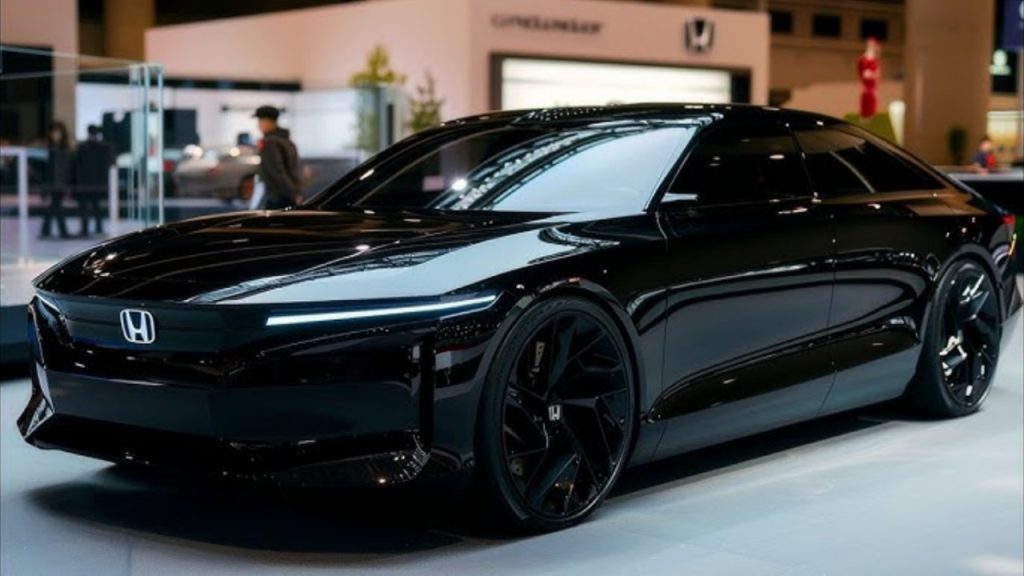
2) Honda Accord Hybrid
The Honda Accord Hybrid is another strong choice for frequent idling because it uses a hybrid system that reduces engine running time in stops and slow traffic. Like the Prius, it avoids traditional idling as much as possible.
At traffic lights or in long delays, the gasoline engine may shut off while the vehicle maintains cabin comfort and readiness through electric assistance.
This keeps idle smoothness high because you are not forcing the engine to sit at low RPM for long periods. When the engine does engage, it does so smoothly.
That smoothness matters because one of the most annoying problems in traffic-driven ownership is rough idle. The Accord Hybrid avoids that issue better than most gasoline sedans.
Cooling and AC performance are also strong. Traffic idling often happens in heat. A hybrid vehicle can manage cabin comfort more efficiently. The Accord Hybrid’s system helps the car stay relaxed even while stopped. That reduces stress on components and improves comfort for the driver.
Another reason the Accord Hybrid belongs here is long-term reliability. Honda’s hybrid systems have developed a strong reputation for stability.
When you rely on the car to handle daily traffic, that stability matters. You want a vehicle that does not develop weird sensor issues or constant roughness after a few years of stop-and-go use.
The Accord Hybrid is included because it offers a middle ground: the comfort and space of a midsize sedan with the traffic-friendly behavior of a hybrid. It stays smooth during frequent idling and gives owners a calm driving experience that does not degrade quickly in heavy traffic routines.
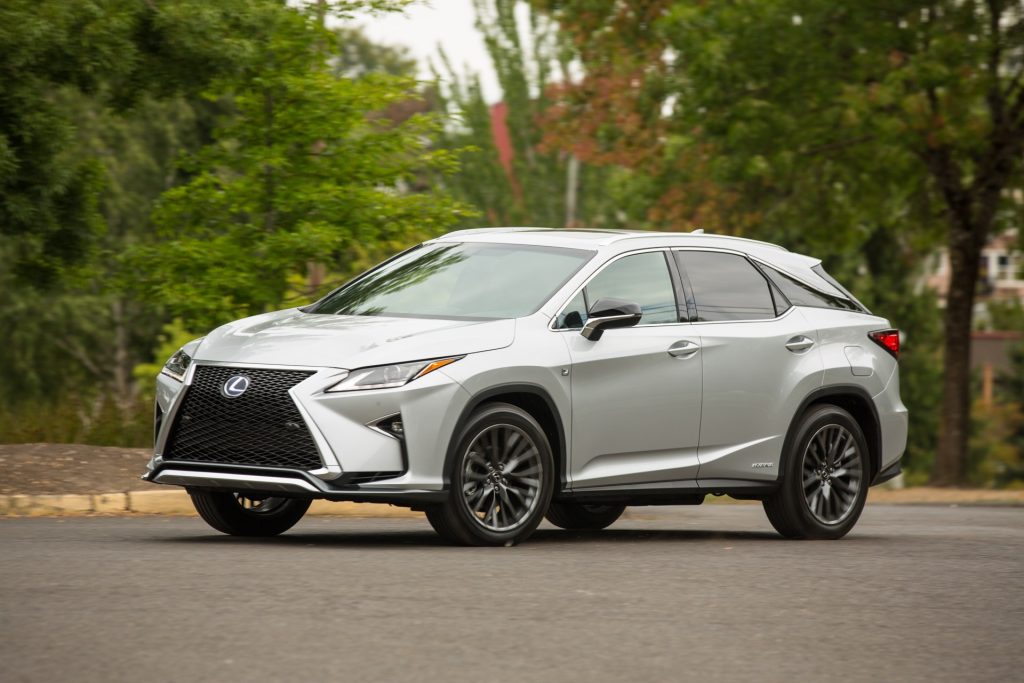
3) Lexus RX Hybrid
The Lexus RX Hybrid is a premium vehicle that handles frequent idling extremely well because it combines refinement with hybrid efficiency. Idling is where many vehicles reveal harshness: vibration, noise, fan strain, and inconsistent engine behavior.
The RX Hybrid is engineered specifically to hide those weaknesses. It stays quiet, smooth, and comfortable during long waits.
The hybrid system reduces engine idling time. That means the vehicle often runs on electric support at low speeds and during stops. The engine does not have to sit there burning fuel endlessly. That reduces heat buildup and lowers the chance of idling-related wear.
When the engine does run, Lexus refinement keeps it calm. The cabin insulation makes outside traffic noise feel distant, which improves the entire idling experience.
Cooling performance is also a major strength. The RX Hybrid can sit in heavy traffic with AC blasting without feeling stressed. That matters because cooling systems are often tested hardest during idle. Lexus vehicles are designed for comfort, so HVAC performance tends to be strong.
Long-term reliability is another reason it belongs here. Lexus hybrids generally have excellent durability records. When you spend years idling in traffic, you want a vehicle that does not develop constant small problems.
The RX Hybrid is included because it offers the best version of traffic comfort. It stays smooth, stays quiet, and stays dependable. In an idling-heavy lifestyle, that combination matters more than performance numbers.
4) Tesla Model 3
The Tesla Model 3 is naturally excellent for frequent idling because EVs do not idle like gasoline cars. When you are stopped, there is no engine running, no combustion heat building, and no low-RPM vibration.
The car can sit quietly with climate control running, and it does not create the same wear patterns that internal combustion cars experience during long idle time.
This is a major advantage for people who deal with daily traffic jams. In a gasoline car, idling wastes fuel and produces heat. In the Model 3, stopped time is simply stopped time. You stay comfortable and quiet. The cabin environment remains calm, which reduces stress for the driver.
Smoothness is also guaranteed because electric motors deliver consistent response. In stop-and-go creeping, the Model 3 moves smoothly without gear shifts. That smoothness matters because many vehicles become jerky during low-speed crawling.
HVAC performance is strong, and because the car does not depend on engine heat cycles, cabin comfort stays consistent. You can sit in a drive-thru line for half an hour without the vehicle feeling strained.
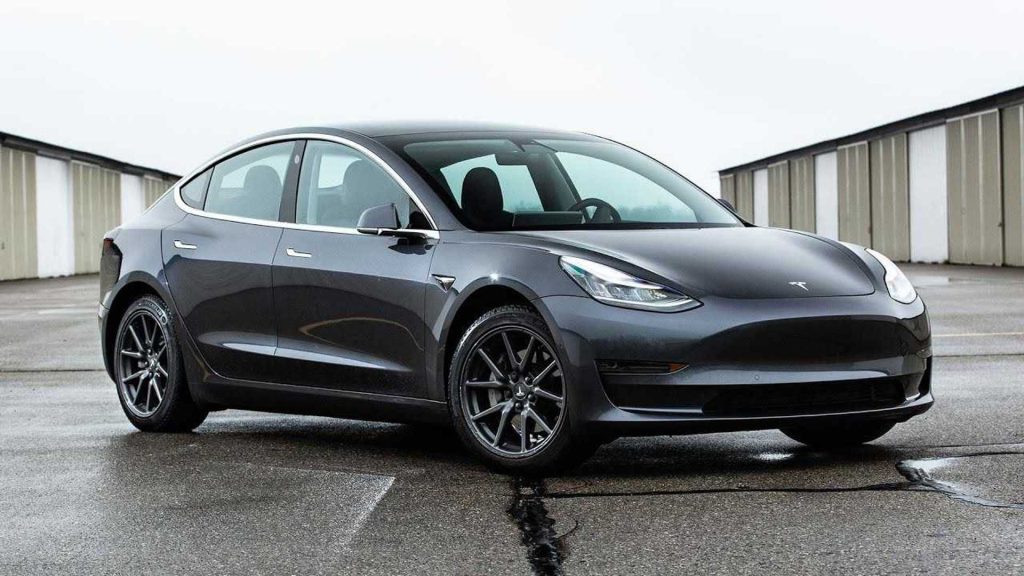
The Model 3 is included because it represents the simplest solution to idling stress: remove the engine entirely. For traffic-heavy routines, that can be a major quality-of-life improvement. It stays smooth, quiet, and stable no matter how long you are stopped.
5) Toyota Camry (2.5 Naturally Aspirated)
Not everyone wants a hybrid or EV. That is why the Toyota Camry with the 2.5 naturally aspirated engine is included. It is one of the most stable and smooth gasoline sedans at idle.
Toyota’s engine tuning tends to emphasize smoothness and long-term reliability rather than aggressive performance. That helps in idle-heavy driving because the engine behaves calmly at low RPM.
The Camry’s cooling system is designed for reliability in harsh conditions. In traffic, with AC running, it typically stays stable and does not overheat easily. That matters in hot climates where idling can test cooling systems heavily.
Fuel economy is not as good as a hybrid during idle, but the Camry is efficient enough and durable enough that idling does not quickly create problems. The engine design is proven, and many Camrys handle long-term city abuse without developing rough idle or chronic sensor problems.
Another advantage is maintenance simplicity. Toyota parts availability is strong, and servicing is straightforward. If idling does create wear over time, repair and maintenance are usually manageable.
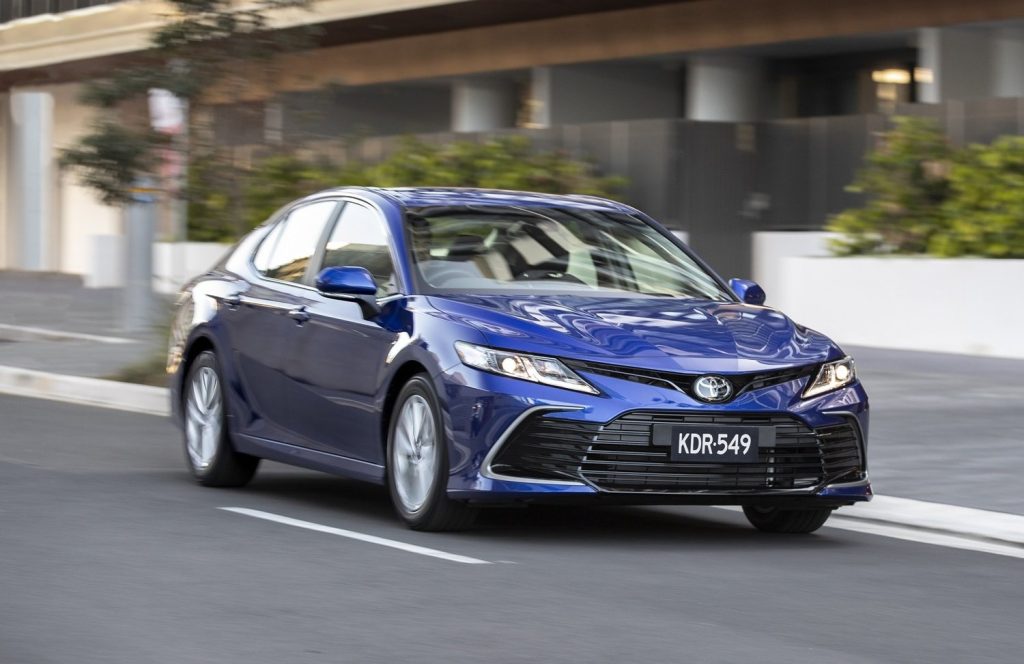
The Camry is included because it represents the “tough gasoline option.” It may not eliminate idling like hybrids, but it stays smooth, stable, and reliable in traffic-heavy life, which makes it a strong pick for people who want a traditional sedan that does not develop idling headaches easily.
5 That Develop Issues
Frequent idling is not “free time” for your car. Even though you are not moving, the engine is still running, still producing heat, still cycling fuel and air, and still depending on cooling and lubrication systems to stay stable.
Over time, heavy idling can expose weaknesses in certain engine designs and vehicle setups. Some cars develop rough idle, misfires, sensor problems, or carbon buildup faster than expected.
Others struggle with overheating risk because airflow is limited while sitting still, especially when the air conditioning is running at full load in hot weather.
One of the biggest causes of idling-related trouble is carbon buildup, especially in some direct-injection gasoline engines.
Direct injection can improve efficiency and performance, but it also increases the risk of intake valve deposits because fuel does not wash over the valves the way it does in traditional port injection systems.
Frequent idling and short trips can make that buildup worse. Another common issue is cooling system strain. When you are sitting in traffic, radiators receive less airflow, which means cooling fans must work harder.
If a vehicle has weak cooling design, poor fan control, or ageing components, it may start overheating or running hotter than it should.
Idling also affects transmission behavior in some vehicles, especially if the driving pattern includes constant creeping forward. Heat builds, and gearboxes work harder.
Some cars also have rough engine mounts or unstable idle calibration, meaning vibration becomes noticeable and gets worse with age. Electrical systems can also be stressed, because AC, fans, lights, and infotainment all run while the engine stays at low speed.
This section highlights five vehicles that are more likely to develop issues when exposed to frequent idling. This does not mean every example will fail. It means the design characteristics or known trouble areas make these vehicles less ideal for heavy idle routines.
In traffic-heavy lifestyles, these cars can become the ones that owners describe as “fine at first, then annoying.” They may start with small symptoms like rough idle or warning lights, then develop into repair bills that reduce ownership enjoyment.
1) BMW 335i (N54/N55 Era)
The BMW 335i from the N54/N55 era is famous for being powerful and fun, but it is not ideal for frequent idling. These turbocharged inline-six engines can develop problems that become more noticeable in traffic-heavy use. The biggest issue is heat management.
Turbo engines generate extra heat, and when the car is idling frequently, airflow is limited, meaning cooling systems work harder. Over time, this can increase wear on cooling components like water pumps, thermostats, and hoses, which are already known to be sensitive on these platforms.
Idle quality can also degrade. As these engines age, they can develop rough idle due to factors like carbon buildup, injector wear, vacuum leaks, or coil and plug issues.
Traffic-heavy life exposes these weaknesses because the car spends so much time at low RPM. Many owners notice that their BMW feels amazing on highways but becomes rougher in city stop-and-go use.
Another concern is maintenance cost. Even small idling-related symptoms can become expensive because BMW parts and labour are not cheap.
When idling stresses cooling systems, repairs can appear earlier than expected. That turns daily commuting into a more anxious experience because you are always watching temperatures and warning lights.
The 335i is included because it is a classic example of a car that is better at spirited driving than traffic crawling. It can survive frequent idling if maintained aggressively, but it is more likely than simpler cars to develop annoying issues.
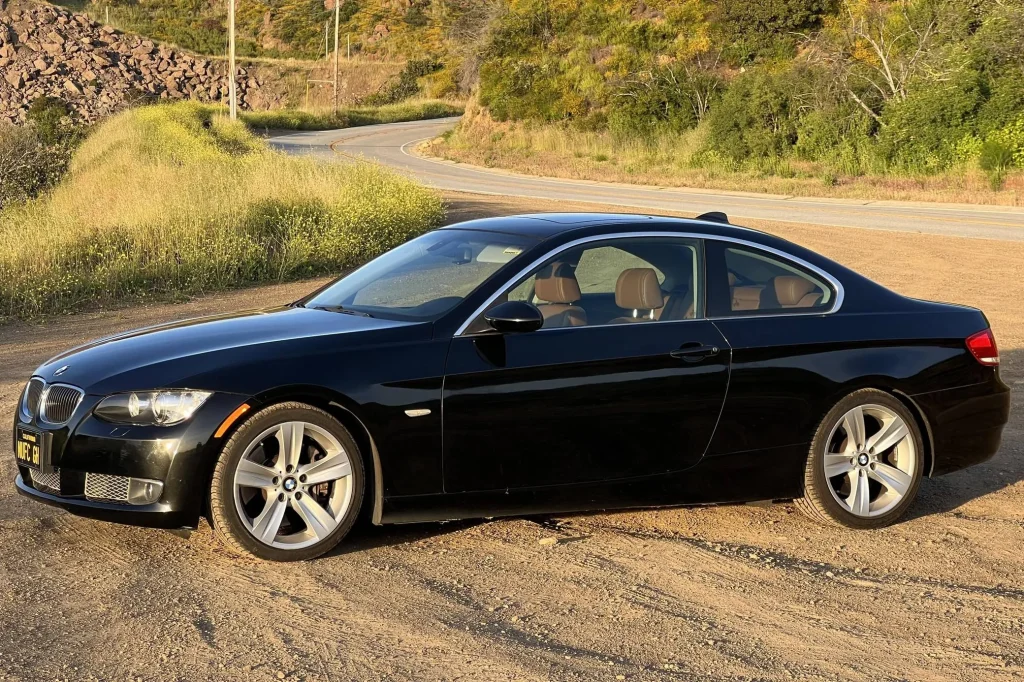
In heavy traffic lifestyles, the 335i often becomes a “high reward but high maintenance” vehicle, and idling pushes it toward the maintenance side faster.
2) Mini Cooper S (Turbo Models)
The Mini Cooper S is fun and stylish, but turbo Mini models are often less happy with frequent idling. One reason is heat. Turbocharged small engines work hard, and in heavy traffic, heat builds up.
When airflow is limited, cooling systems rely heavily on fans. Minis can develop cooling-related issues over time, and idling accelerates stress on these systems.
Another issue is engine vibration and idle quality. Minis often have a more “mechanical” feel than calm commuter cars. When idling is frequent, drivers notice every vibration, every small idle fluctuation, and every roughness.
Over time, engine mounts, sensors, and intake systems can contribute to idle instability. Carbon buildup can also be a concern, depending on the engine design.
Traffic-heavy driving can also stress the transmission, especially in stop-start creeping. Minis are small, but they are not always simple. Repairs can be expensive for the size of the vehicle, and parts costs can surprise owners.

The Mini Cooper S is included because it represents a city car that looks perfect for traffic, but may not be the best long-term idling machine. It is great for short bursts of fun driving.
But when your daily routine is long lines and stop-start crawling, it can develop issues that reduce the “cute and fun” feeling. For frequent idling lifestyles, it requires more careful maintenance and attention than most owners expect.
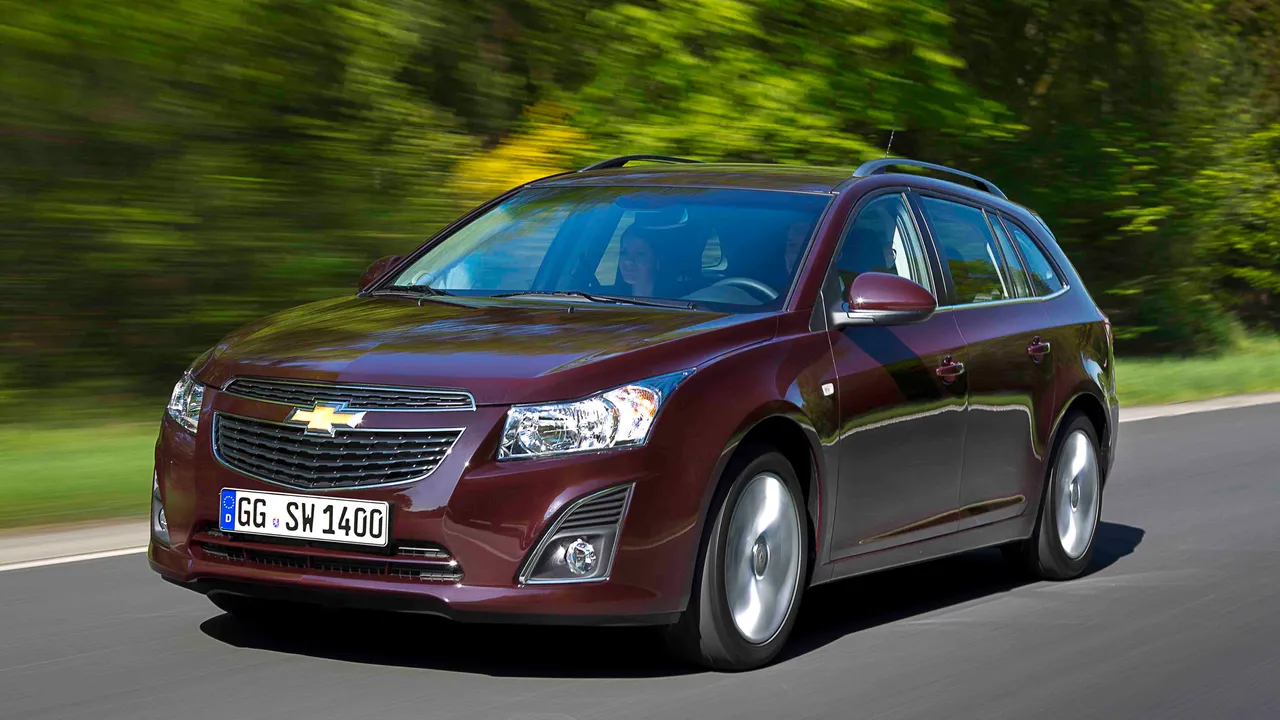
3) Chevrolet Cruze (1.4 Turbo)
The Chevrolet Cruze with the 1.4 turbo engine can be one of the more idling-sensitive vehicles because its small turbo engine is working under conditions that encourage long-term problems. Frequent idling increases heat soak, and turbo engines do not love heat soak.
The Cruze is known for issues related to cooling and oil management over time, and heavy traffic routines tend to accelerate wear.
Idle quality problems can also show up. Some owners experience rough idle, misfires, or warning lights as the vehicle ages. In traffic-heavy environments, these issues become more noticeable because the car spends more time idling than cruising. When you cruise on highways, a weak component can hide. In idle, it becomes obvious.
Another challenge is that short trips and idling routines can increase carbon buildup and sludge formation risk if oil changes are ignored or delayed. Small turbo engines are less forgiving. They require consistent maintenance, and many owners do not realize this until problems appear.
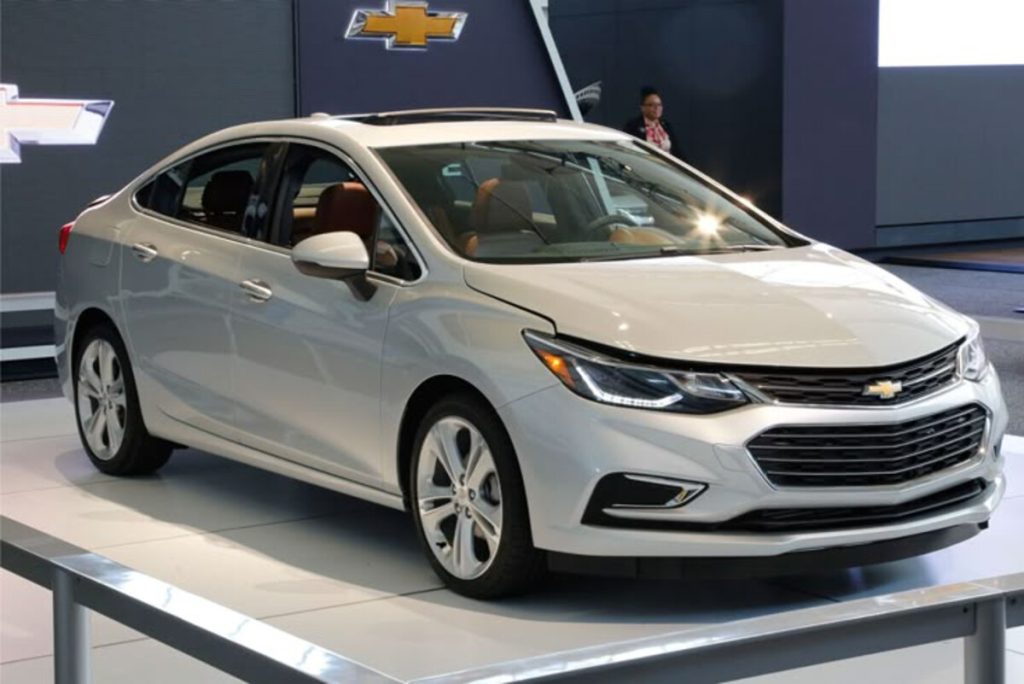
The Cruze is included because it shows the danger of combining a small turbo engine with heavy traffic life.
It can be a decent commuter when healthy, but frequent idling and stop-start use can push it toward the kinds of issues that drivers hate: rough idle, overheating warnings, and constant sensor-related problems. In an idling-heavy routine, the Cruze often demands more attention than buyers expect.
4) Hyundai Sonata (Older Direct Injection Models)
Older Hyundai Sonata models with direct injection engines are included because frequent idling can amplify carbon buildup and idle quality issues.
Direct injection engines can perform efficiently, but they do not wash intake valves with fuel. Over time, deposits build up. Idling and short trips accelerate this because the engine spends more time operating in low-speed conditions where deposits can form faster.
Many owners of older DI engines notice symptoms such as rough idle, hesitation, or inconsistent performance.
These symptoms can become more noticeable in traffic-heavy routines because you spend so much time at idle. Instead of the engine feeling smooth and calm, it may develop slight vibrations and roughness that grows with age.
Cooling and heat management can also matter. Idling in hot climates with AC running places high demand on the system. If maintenance is not perfect, problems show sooner.
The Sonata is included because it represents a common modern problem: an engine design that works well on paper but requires more care in real traffic life.
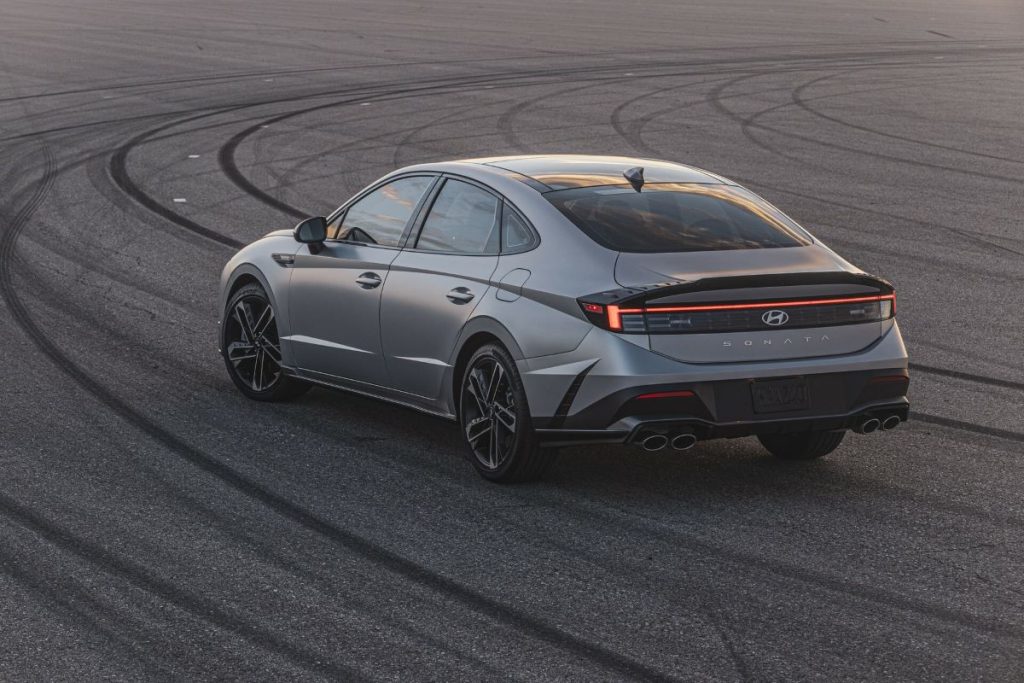
These cars can still be reliable, but in heavy idling routines they often develop “annoying issues” like rough idle or intake deposit problems that require cleaning and maintenance.
If your driving life includes frequent idling, the Sonata DI models are more likely to feel less smooth long term compared to hybrids or simpler naturally aspirated engines.
5) Dodge Journey
The Dodge Journey is included because it represents a vehicle that often struggles with long-term smoothness in heavy traffic and frequent idling situations. While it can serve families with space and low purchase prices, it is not known for refined engine behavior or strong long-term reliability under stressful patterns.
One of the most common problems in vehicles like the Journey is developing rough idle and inconsistent engine smoothness as the vehicle ages. Frequent idling makes these flaws worse because you spend long minutes feeling every vibration.
When you are stopped, you notice everything: the engine shake, the cabin vibration, the way the car feels “busy” rather than calm.
Cooling and electrical strain can also become concerns. If your routine involves idling with AC on, fans running, and the car loaded with passengers, stress increases. Over time, weak components begin to show: sensors, cooling system parts, and general wear issues.
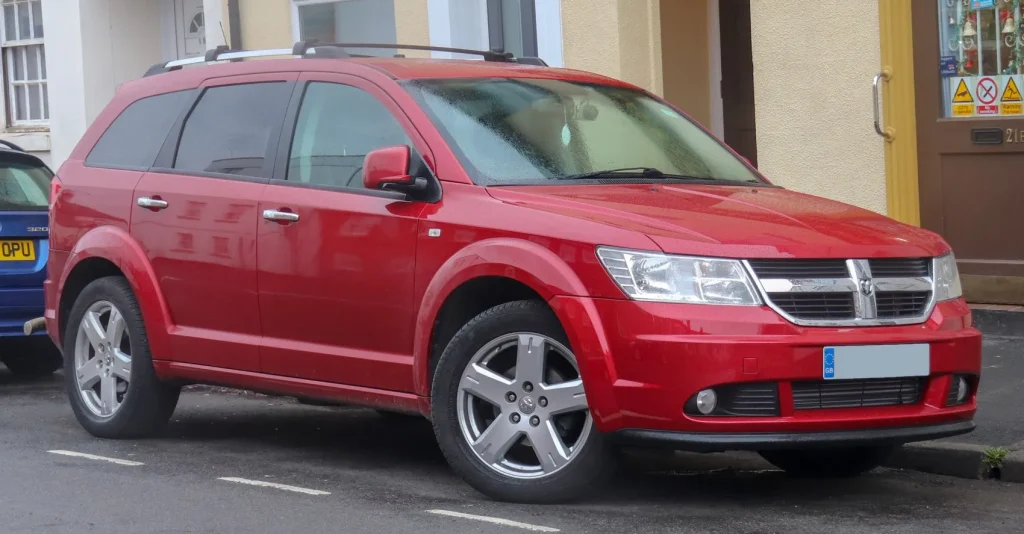
The Journey is included because it illustrates the broader point that frequent idling punishes vehicles with weaker refinement and durability. It may function fine for basic use, but in traffic-heavy lifestyles it often becomes the vehicle that develops constant small issues.
Those small issues become the reason owners lose confidence in the car, especially when warning lights and rough idle symptoms become recurring problems.
This article explains why frequent idling can shape a vehicle’s long-term reliability. Even when a car is not moving, the engine continues to produce heat, burn fuel, and rely heavily on its cooling and lubrication systems.
Long idle time can increase carbon buildup, stress cooling fans, and expose weak engine tuning, mounts, or sensors. Vehicles that stay smooth in heavy traffic are usually hybrids, EVs, or proven gasoline designs with stable low-RPM behavior.
Models like the Toyota Prius and Honda Accord Hybrid reduce traditional idling by shutting the engine off during stops and using electric assistance. The Lexus RX Hybrid adds luxury refinement and calm HVAC performance.
The Tesla Model 3 avoids idling problems entirely because an EV does not keep an engine running while stopped. The Toyota Camry 2.5 is included as a durable non-hybrid option with stable idle tuning and reliable cooling.
The second group highlights vehicles more likely to develop issues with constant idling. Heat-sensitive turbo platforms like the BMW 335i and Mini Cooper S can show rough idle, cooling system wear, and expensive maintenance sooner in traffic-heavy use.
The Chevrolet Cruze 1.4 Turbo may develop idle instability and heat-related problems if maintenance slips. Older Hyundai Sonata direct-injection models can experience intake valve carbon buildup, leading to a rough idle and hesitation.
The Dodge Journey is noted for weaker long-term refinement, where traffic idling can amplify vibration, warning lights, and recurring small failures.
Also Read: 5 EVs That Make Sense as Second Cars vs 5 That Don’t
