
Tires are one of the most overlooked ownership costs in the car world, until the day you have to replace them. A new set can feel surprisingly expensive, especially if your vehicle uses large wheels, performance tires, or unusual sizes.
And while every car needs tires eventually, some vehicles seem to “eat” them far faster than others. One owner might get 45,000 miles out of a set, while another might need replacements at 18,000 miles, even with similar driving habits.
That difference is not luck. It usually comes down to the vehicle’s design, weight, power delivery, alignment sensitivity, and tire type.
Vehicles that don’t burn through tires quickly usually share practical engineering choices. They often have moderate power outputs and smooth throttle response, which reduces wheel spin and aggressive wear.
They use sensible wheel sizes with thicker tire sidewalls, allowing more tire material and more flexible cushioning. Their suspension geometry is stable and alignment-friendly, meaning they don’t constantly chew through tread unevenly.
They’re also not overly heavy, because heavy vehicles stress tires more during braking and turning. Many economy cars and sensible hybrids fall into this category because they prioritize efficiency and comfort over extreme performance.
On the other hand, some vehicles burn through tires quickly for very predictable reasons. High torque, sporty suspension tuning, aggressive alignment settings, and heavy weight can destroy tread fast.
Performance cars often use soft-compound tires to maximize grip, which means the tire is literally designed to wear faster.
Some SUVs, especially heavy EVs, can also burn through tires quickly because instant torque plus weight equals accelerated tread wear. Even luxury cars can be culprits because they come with wide tires, large wheels, and aggressive tire specs.
This article compares both sides. First, five vehicles that typically don’t burn through tires quickly, making them cheaper and calmer to own.
Then, five vehicles that often do burn through tires fast, meaning owners should budget for frequent replacements. The goal is to help you choose a vehicle that doesn’t quietly drain your money through tire wear.
Also Read: 5 Cars for Boulder Mountain Access vs 5 That Struggle Uphill
5 Vehicles That Don’t Burn Through Tires Quickly
A car that treats tires gently is usually a smart ownership choice. It means less money spent on replacements, fewer surprise bills, and better long-term predictability.
Tire wear is influenced by the car, but also by how it’s built. Suspension tuning matters. Wheel size matters. Power delivery matters. Even steering calibration and weight distribution can influence how fast tread disappears.
The vehicles in this section are included because they are known for reasonable tire longevity. That does not mean the tires last forever, but it means these vehicles are less likely to chew through tread aggressively.
They tend to use practical tire sizes, not ultra-wide performance rubber. Their engines deliver power smoothly. Their chassis doesn’t demand aggressive camber angles that eat the inner tread. Most importantly, they are designed for everyday commuting rather than performance thrills.
Another key reason these vehicles matter is how they fit real life. Most drivers don’t want constant maintenance. A car that reduces tire wear reduces stress.
It also tends to indicate balanced engineering. Cars that are gentle on tires are often gentle on brakes and suspension as well, because everything works under less extreme stress.
The five vehicles below are written about because they represent tire-friendly ownership. They are the kind of vehicles where a normal driver can get strong mileage from a set of tires without constantly worrying about replacement schedules.
1) Toyota Corolla
The Toyota Corolla is one of the best examples of a vehicle that does not burn through tires quickly. The Corolla’s entire character is built around calm, balanced driving. It is not overly powerful, it is not overly heavy, and it is not tuned aggressively.
All of that helps tires last longer. When a car has moderate power and smooth throttle response, it reduces wheel spin and aggressive acceleration wear. The Corolla fits that description perfectly.
Wheel and tire sizing is another major reason. The Corolla typically uses sensible wheel sizes and tire widths. That means the tire has a healthy sidewall and an efficient contact patch. You are not dealing with ultra-wide tires that wear out quickly.
You are dealing with normal, practical rubber designed for longevity. Many Corolla tires are also oriented toward low rolling resistance, which usually increases tread life when driven normally.
Suspension geometry also matters. The Corolla is built to be stable and predictable, not to deliver razor-sharp cornering.
That means alignment is typically mild and tire-friendly. Aggressive camber settings on sporty cars often destroy inner tread. The Corolla avoids that problem. It tends to wear tires evenly, assuming you keep alignment and pressure in check.
Another reason the Corolla is included is ownership reality. Corolla drivers often use the car for commuting, which is steady and gentle compared to performance driving. This driving pattern increases tire life.
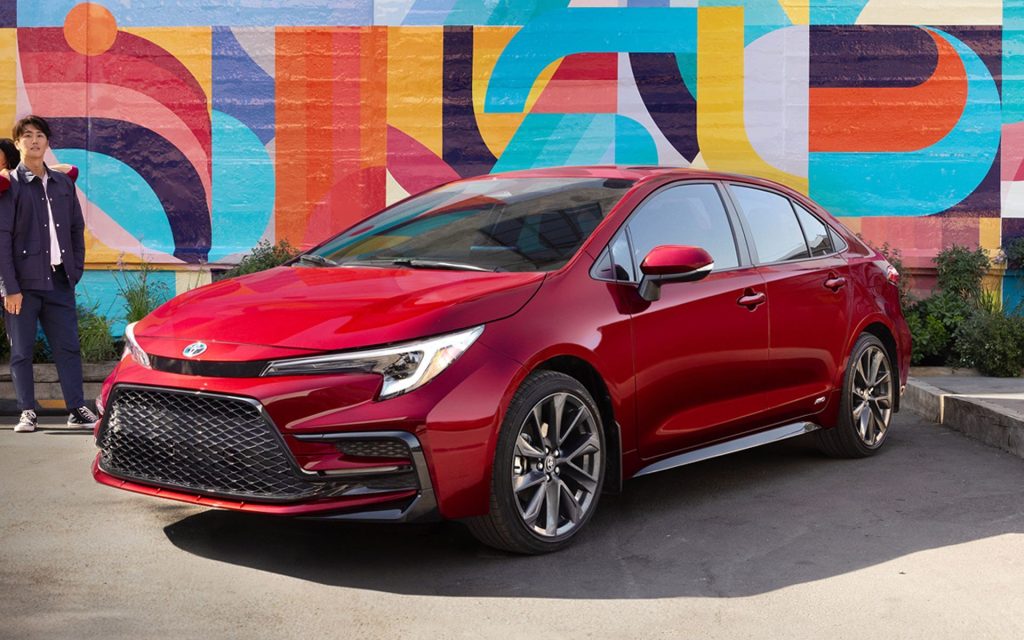
The Corolla is included because it represents the gold standard of tire-friendly vehicles. It doesn’t demand expensive tires, it doesn’t chew through tread quickly, and it delivers predictable long-term ownership costs.
2) Honda Civic
The Honda Civic is another tire-friendly vehicle, especially in non-performance trims. Like the Corolla, the Civic balances weight, power, and suspension design in a way that avoids destroying tires.
The Civic’s engines deliver smooth power, and for most drivers, acceleration is moderate rather than aggressive. That reduces tread wear caused by torque and wheel spin.
The Civic also benefits from practical tire sizing in normal trims. While sport versions may use wider tires, the standard Civic often uses sizes designed for daily driving and efficiency. These tires typically last longer because they are engineered for balanced performance and longevity, not maximum grip.
Suspension tuning in the Civic is controlled but not harsh. Honda often tunes the Civic for a good blend of comfort and stability. That means tire wear tends to remain even and predictable. The chassis is stable, and alignment settings are not overly aggressive in standard versions.
Braking behavior matters too. Heavy, powerful vehicles chew tires faster because braking loads are higher. The Civic is light enough that braking does not stress the tires dramatically. That helps tread last longer.
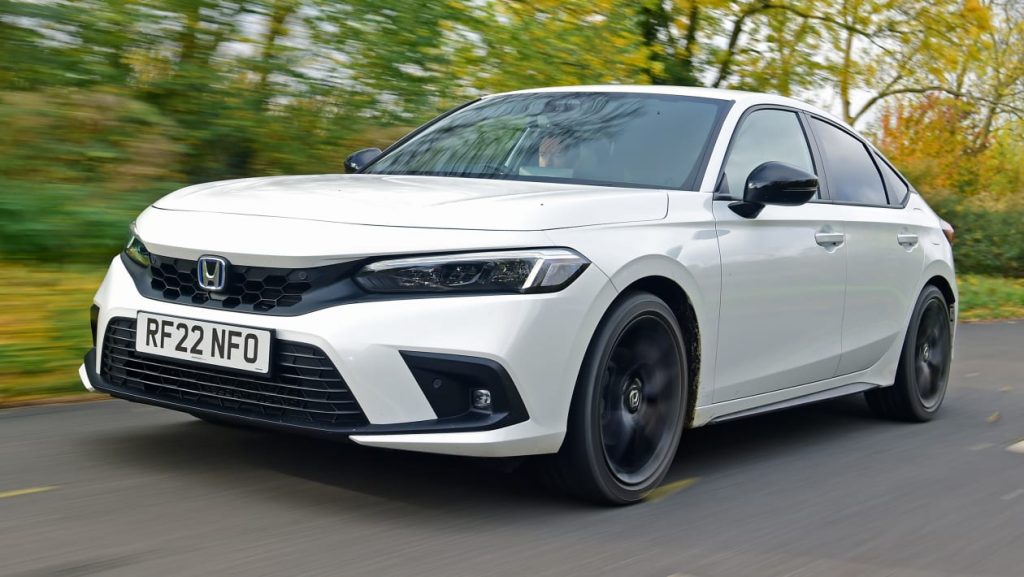
The Civic is included because it is a practical daily driver that remains economical even in tire replacement costs. Many owners get strong mileage from tires as long as they rotate regularly and keep pressures correct. It represents the sweet spot: a car that can still feel enjoyable but doesn’t punish you with rapid tire wear.
3) Toyota Camry Hybrid
The Toyota Camry Hybrid is included because hybrids often treat tires gently, and the Camry Hybrid is built for smoothness. Tire wear increases when acceleration is aggressive.
The Camry Hybrid delivers power in a calm, controlled way. Even though it has electric torque, it is tuned for efficiency and comfort rather than hard launches. That reduces tire stress.
Wheel and tire sizes are also practical. Camry Hybrid trims often use tire setups designed for comfort and low rolling resistance, which generally improves tire life. These tires are engineered to reduce friction, and while they may sacrifice some sporty grip, they reward owners with longer tread life.
Suspension tuning is comfort-oriented. The Camry Hybrid isn’t cornering like a sports sedan. It is built for smooth commuting. That means alignment settings tend to be mild and tire-friendly. The result is even wear.
Weight matters, and hybrids do carry extra battery weight. But the Camry Hybrid is still in a category where tire wear remains reasonable because it is not a heavy performance machine. The car’s driving style also encourages calm use. Owners tend to drive smoothly because the hybrid system rewards that style with fuel savings.
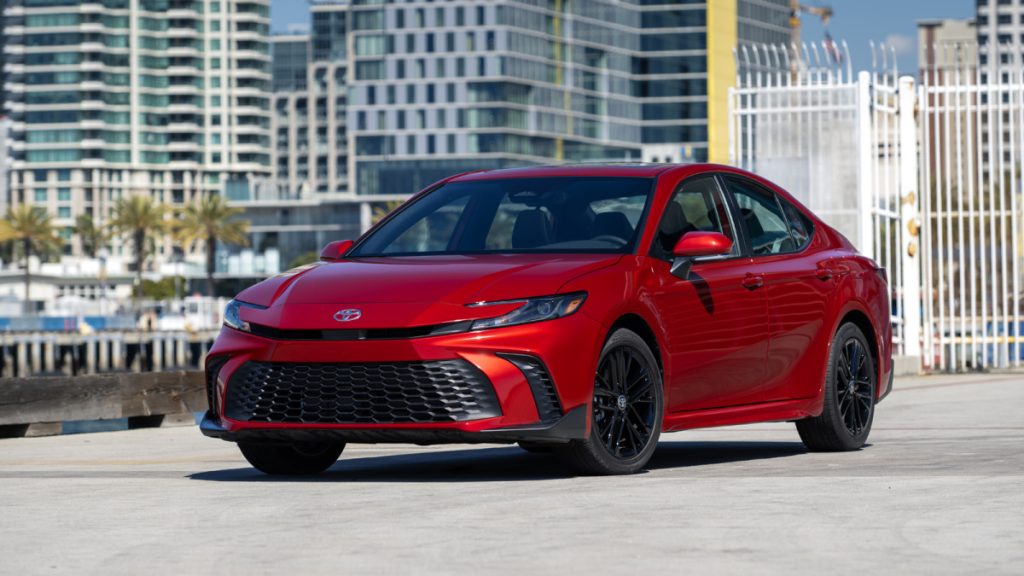
The Camry Hybrid is included because it offers a combination many drivers want: strong efficiency, comfort, and predictable ownership costs. It is not just fuel-friendly. It is tire-friendly, which makes long-term ownership less expensive.
4) Subaru Outback
The Subaru Outback is included because it is built for stability and practicality rather than aggressive tire-killing performance.
Many all-wheel-drive vehicles can wear tires faster if mismatched rotations and poor alignment occur, but the Outback is generally designed to be tire-friendly when maintained properly. Its power delivery is smooth, not extreme, and its chassis encourages calm driving.
Tire sizing also tends to be reasonable. Outbacks usually use all-season tires with sufficient sidewall, which helps ride comfort and reduces rim damage. Those tires are often designed for durability rather than sporty grip. This helps tread last longer, especially in mixed driving.
Suspension tuning in the Outback is comfort oriented. It handles rough roads well, which reduces the constant micro-bouncing that can contribute to uneven wear in stiffer vehicles. It is also not tuned with aggressive camber angles. That helps tires wear evenly.
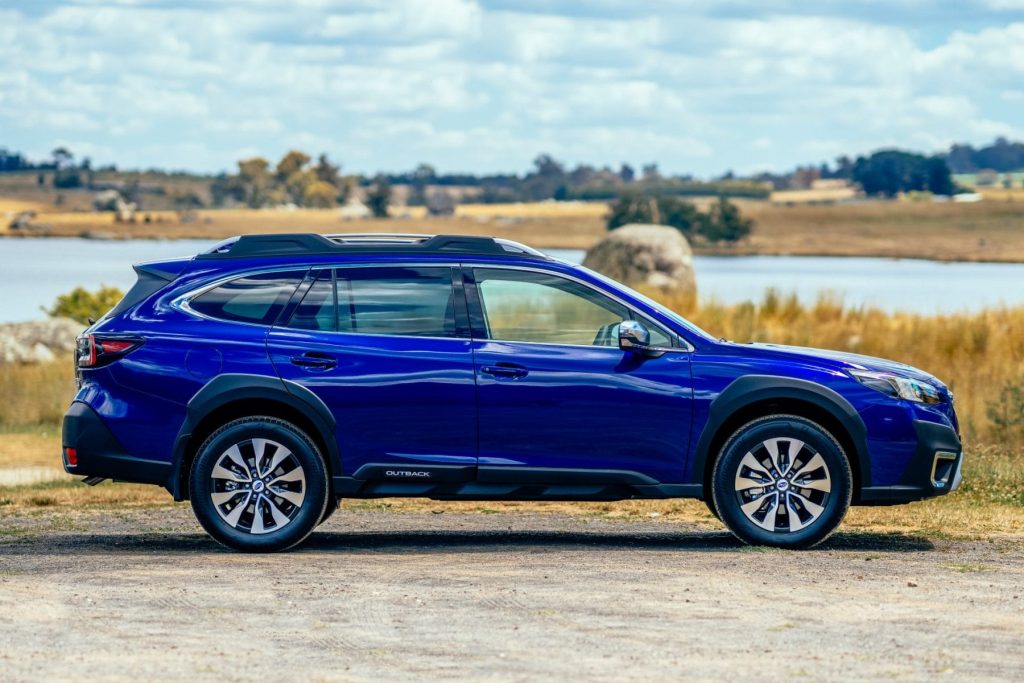
The Outback is included because it fits a lifestyle where people drive long distances, travel on highways, and do weekend trips. That steady driving tends to improve tire life. When you combine that with Subaru’s stable engineering, tire wear becomes predictable rather than aggressive.
5) Hyundai Elantra
The Hyundai Elantra belongs in this list because it offers tire-friendly ownership in a modern compact package. The Elantra is not overly powerful, and it is not heavy. That keeps stress on tires low. Its acceleration is smooth and tuned for daily driving, which reduces the aggressive wear seen in high-torque vehicles.
Wheel sizes are also practical in most trims. The Elantra typically uses everyday tire sizes that are affordable and designed for long tread life. You are not dealing with expensive performance rubber. This makes replacement cheaper and less frequent.
Suspension tuning is also comfort oriented. It is designed for urban commuting, absorbing bumps without harshness. This reduces uneven wear patterns caused by stiff suspension setups. The Elantra’s alignment is also generally mild, which helps tires wear evenly.
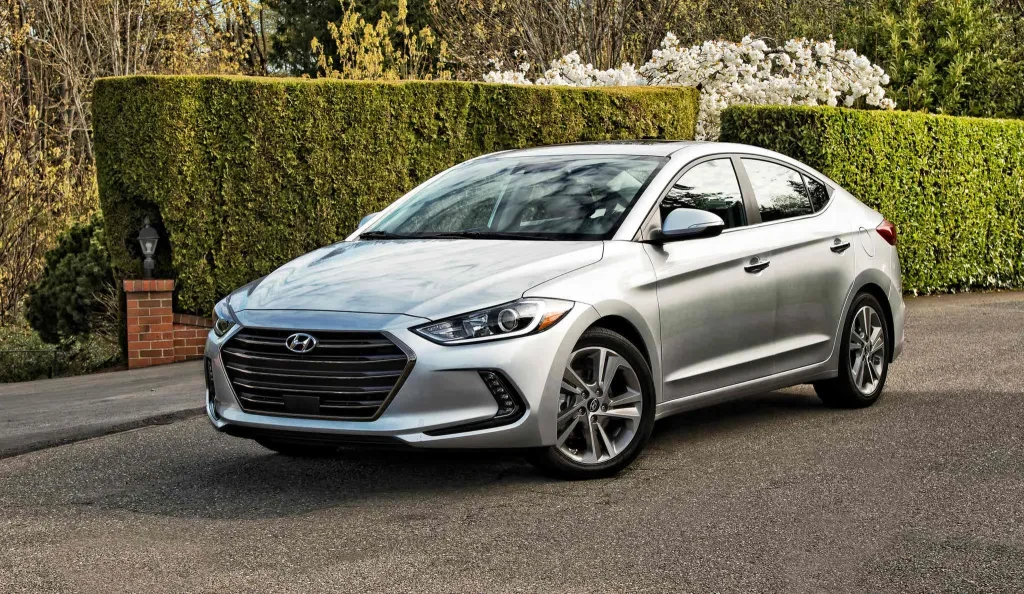
The Elantra is included because it represents an affordable vehicle that stays affordable throughout ownership. Many cars look cheap upfront but drain money through tires. The Elantra avoids that trap by being engineered for everyday efficiency rather than aggressive performance.
5 That Do
Some vehicles don’t just wear tires, they devour them. Owners start noticing it early: tread disappears faster than expected, tires become noisy sooner, and replacements arrive way before the “rated mileage” on the warranty. This isn’t always because the driver is reckless.
It often comes from the vehicle’s design. Certain cars are built with high torque, heavy weight, wide tire contact patches, and sporty suspension settings that intentionally increase grip. Grip is great, but grip has a cost. The cost is rubber.
There are three major tire killers. First is torque. Vehicles with strong low-end torque, especially EVs, can spin and scrub tires during acceleration even when you think you’re driving gently. Second is weight.
Heavier vehicles put higher load on the tires in every situation: accelerating, braking, and turning. Third is alignment and suspension tuning. Performance cars often use aggressive camber and toe settings for handling.
That can wear out inner tread quickly, even if the tire looks fine from the outside. A fourth hidden factor is tire compound. Many performance vehicles come with soft, high-grip tires that are designed to wear faster. They are not meant to last 50,000 miles. They are meant to stick to the road.
Large wheels and thin sidewall tires add another layer. Wider low-profile tires not only cost more, they can wear faster due to the way they handle heat and scrubbing. Even luxury SUVs can be tire burners because they use wide tires and heavy bodies.
This section highlights five vehicles that often burn through tires quickly. Again, this doesn’t mean they’re “bad vehicles.” Some are amazing machines.
But if you want low ownership costs and long tire life, these are the kinds of vehicles that require a bigger tire budget. They are included here to warn buyers of the real cost hidden beneath performance, weight, and aggressive engineering.
1) Tesla Model S (Performance)
The Tesla Model S Performance is one of the clearest examples of a tire-burning vehicle because it combines extreme torque with heavy weight. EV torque arrives instantly. Even when you accelerate gently, the tire experiences strong force at low speed.
In a performance EV like the Model S, that force is much higher than normal. That means tires are constantly being asked to grip hard. Over time, rubber disappears faster.
Weight makes the issue worse. The Model S is a large, heavy vehicle because of its battery pack. Every time you brake, the tires handle more load. Every time you corner, the contact patch scrubs harder.
Even with regenerative braking helping, weight still stresses the tires physically. Heat build-up also increases tread wear, and performance tires heat up quickly.
Another reason the Model S burns tires quickly is tire choice. Performance trims often come with wide, low-profile high-grip tires. These tires are designed for traction and handling. They are not designed for long life.
Owners often see tread wear far earlier than expected, especially if they use the car’s acceleration often. And because tire sizes are large and performance-focused, replacements can be expensive.
Alignment sensitivity matters too. Powerful EVs must manage traction, and even small alignment issues can cause uneven wear. If you don’t rotate tires regularly and keep alignment perfect, the wear becomes faster.
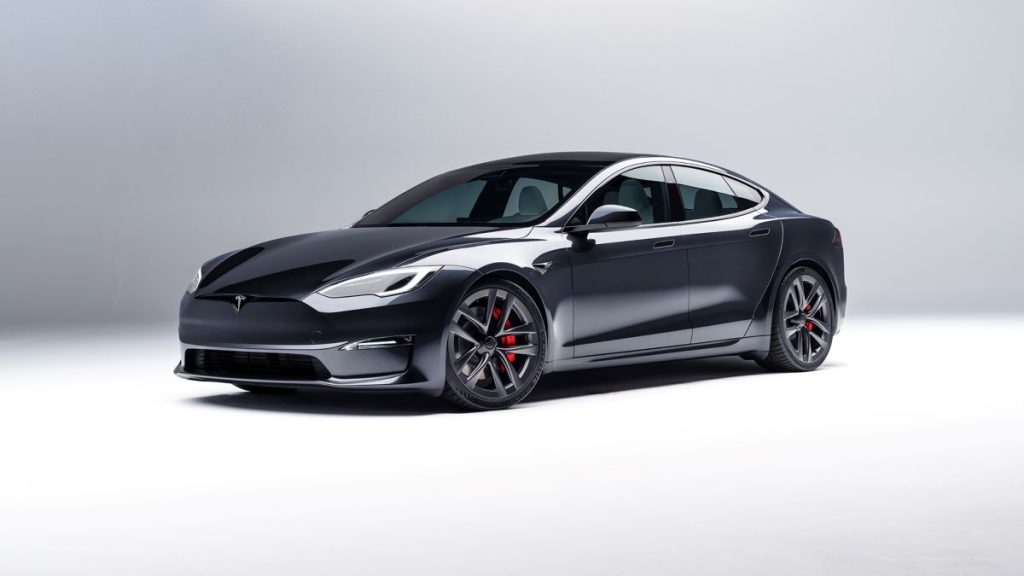
The Model S Performance is included because it represents the “EV reality” many buyers don’t expect. It saves on fuel, but it can spend heavily on tires. If you want a car that doesn’t burn tread quickly, performance EVs like this one are not the right pick.
2) Dodge Charger Scat Pack
The Dodge Charger Scat Pack is a tire eater because it mixes big power with big weight. Muscle cars are designed to deliver aggressive acceleration, and the Scat Pack delivers massive torque.
That torque, combined with rear-wheel drive, creates tire wear quickly, especially on the rear tyres. Even normal driving can scrub tread because the engine output is so strong that tires must constantly resist slipping.
The Charger is also heavy. Weight increases tire load under braking and cornering. In daily life, that means more wear, even if you’re not doing burnouts. The car also encourages aggressive driving because it feels fun and powerful.
Many owners naturally accelerate harder than they would in an economy car. That extra aggression reduces tread life drastically.
Tire compound is another reason. Performance trims usually come with stickier rubber because Dodge wants the car to feel stable and controlled during acceleration. Sticky rubber grips well, but it wears faster. It also costs more to replace.
Alignment and suspension tuning can add further wear, especially if the car is driven hard or hits potholes that knock alignment out. If the rear alignment is even slightly off, tires wear unevenly and quickly.
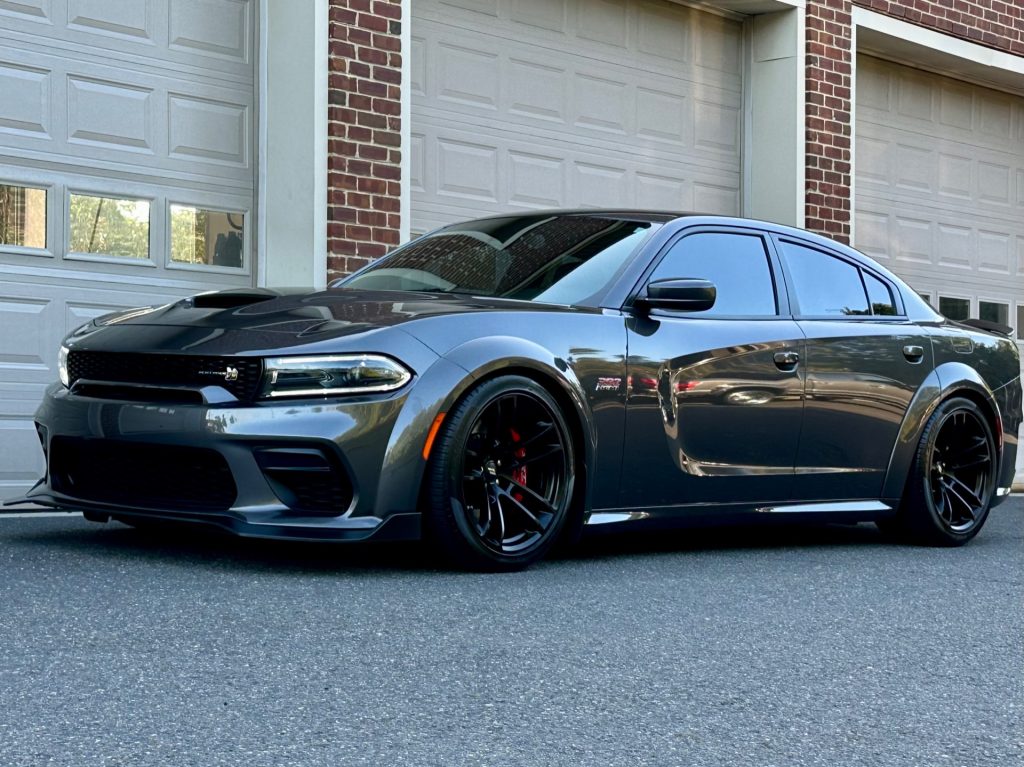
The Charger Scat Pack is included because it shows the true cost of muscle. It delivers incredible power for the price, but it consumes tyres as part of that experience. Owners should expect frequent replacements if they want the car to perform as intended.
3) BMW M4
The BMW M4 burns through tires quickly because it is engineered for performance first. The M4 uses aggressive suspension geometry and high-performance tyres to maximize cornering grip.
That combination creates faster tread wear even when driven carefully. Many M4 owners notice that rear tires disappear quickly, especially because the car delivers strong turbocharged torque through rear-wheel drive.
The M4’s alignment settings contribute heavily. Performance cars often use negative camber to improve cornering. This camber increases stress on inner tread. The tire may look okay from outside, but inner tread wears down faster. This is why M cars often need tire replacement earlier than expected.
The tyres themselves are usually high-performance summer compounds. These tyres are designed for grip, not longevity. They heat up quickly, and they wear fast. Even highway driving can wear them faster than normal all-season tyres because the compound is soft.
The M4 also encourages spirited driving. It feels sharp and eager. Owners accelerate harder and corner faster than they would in a normal car. That driving style burns tires quickly. Add the cost factor: M4 tyre sizes are often large, wide, and expensive.
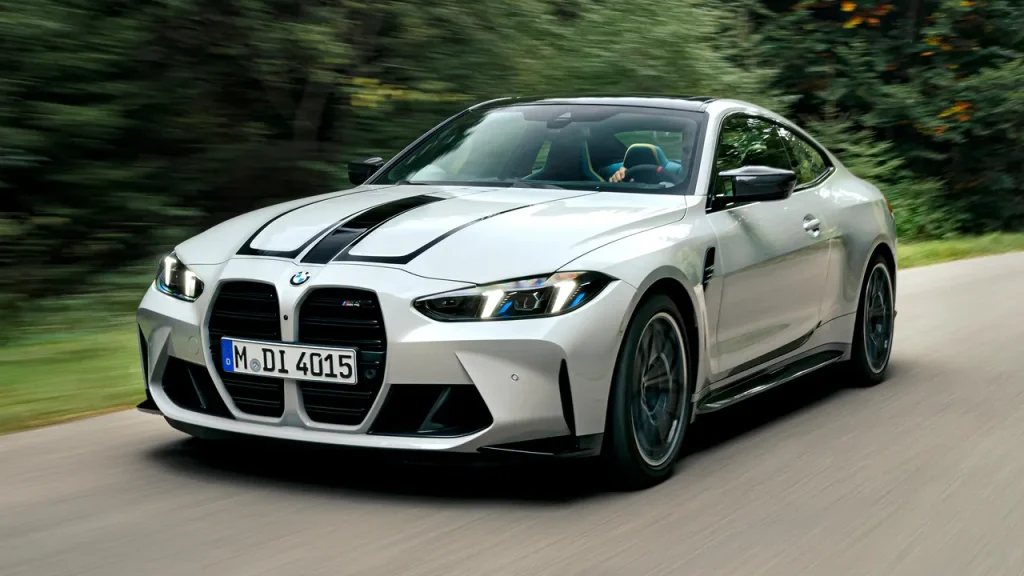
The BMW M4 is included because it represents the performance-car ownership truth. You pay for the fun not only at the dealership but also at the tyre shop. If you want long tire life, an M4 is simply not engineered for that goal.
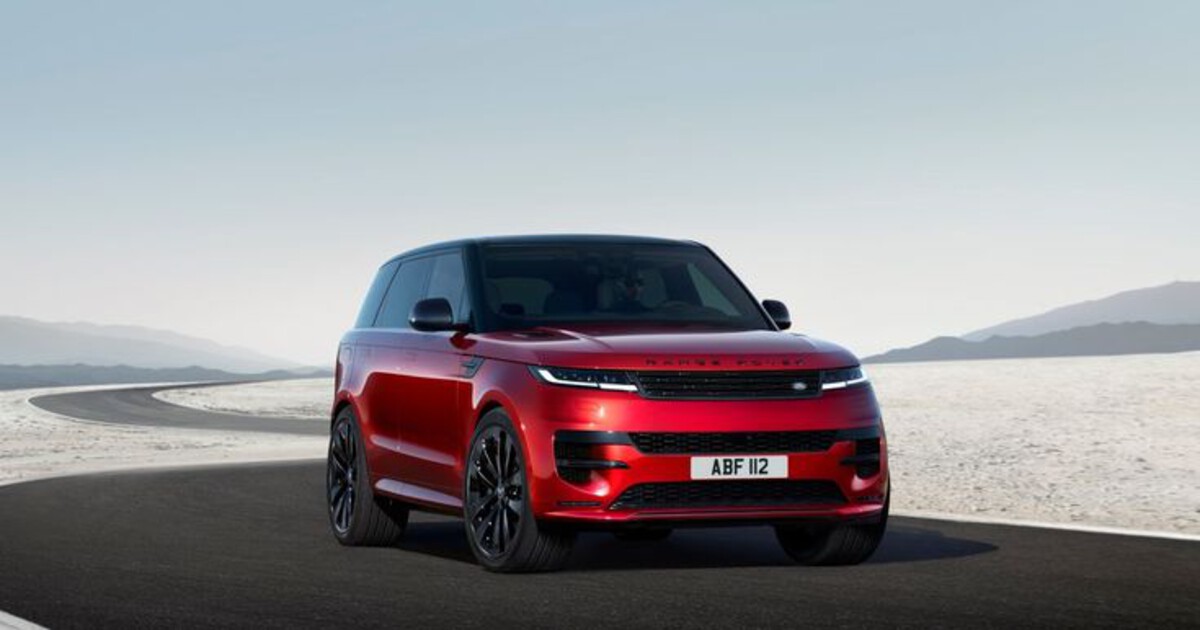
4) Range Rover Sport
The Range Rover Sport burns through tires quickly because it combines heavy SUV weight with wide tyre setups. Luxury performance SUVs often feel strong and comfortable, but underneath they are tire wear machines.
The Range Rover Sport typically comes with large wheels and wide tyres because the brand wants a sporty look and confident road presence. Those tires are expensive and often wear faster than expected.
Weight is a major factor. A heavy SUV stresses tires in every movement. Braking loads are high, cornering loads are high, and even normal driving scrubs rubber more than lighter vehicles. Many Range Rover Sport trims also have strong engines, meaning acceleration can add further wear.
Suspension tuning can contribute too. The Sport is designed to feel stable and athletic for its size. That often requires alignment settings that are not optimized for tire longevity. Even small toe misalignment can cause rapid wear on wide tyres.
Road conditions also matter. Many owners drive luxury SUVs in cities. Potholes and rough roads can knock alignment out, which accelerates tire wear. Because wheels are large and tyres are low profile, damage and uneven wear are common.
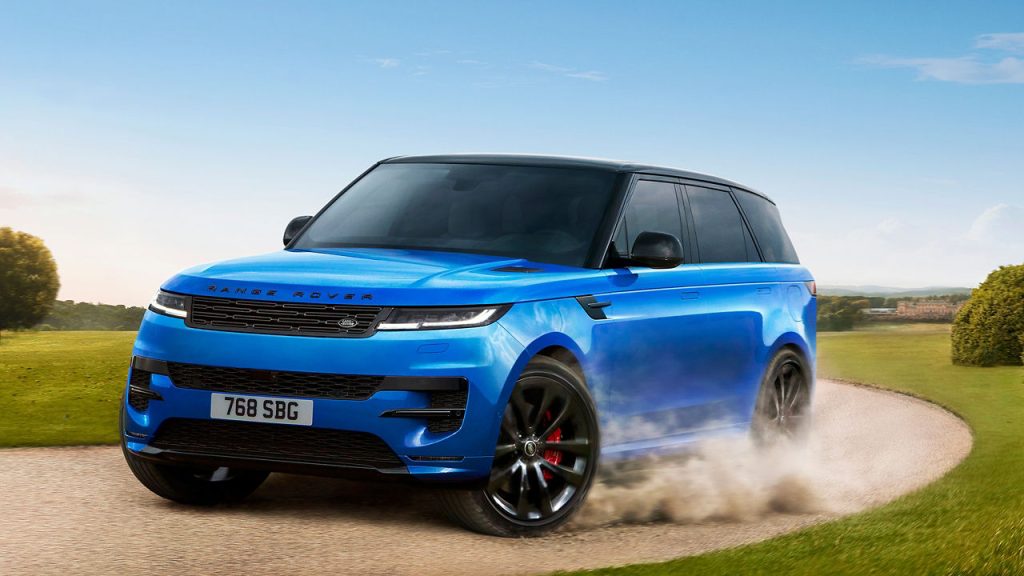
The Range Rover Sport is included because it demonstrates that luxury SUVs can be tire-intensive. Owners are often surprised by how frequently tyres need replacement and how expensive those replacements are. It is an amazing vehicle to drive, but tire life is not one of its strengths.
5) Subaru WRX
The Subaru WRX burns through tires quickly because it is a performance car designed around grip and spirited driving. Even though it isn’t as powerful as some supercars, it encourages aggressive acceleration and cornering. That driving style alone reduces tire life. Many WRX owners drive enthusiastically because the car feels playful.
The WRX also often uses performance-oriented tyre compounds. These tyres provide strong traction for handling and all-weather confidence, but they wear faster than normal commuter tyres.
The WRX’s all-wheel drive system can also increase tire wear if rotations are not done properly. AWD demands equal tire tread across all wheels. If you neglect rotations, uneven wear accelerates quickly.
Alignment sensitivity is another issue. Sport tuning and aggressive driving can push alignment out of spec. Once alignment is off, tread disappears fast. The WRX is also often modified. Owners change suspension components and wheel setups, which can further increase wear.
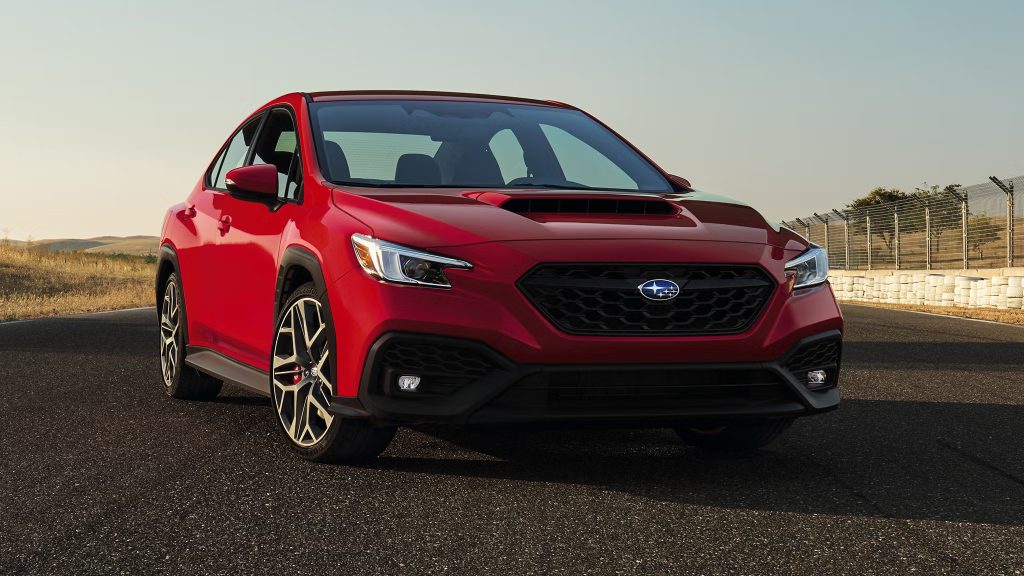
The WRX is included because it’s a realistic “enthusiast daily driver.” Many buyers think it will behave like a normal sedan in costs, but tire wear tells a different story. The WRX rewards fun but expects tire replacements more often than commuter cars.
