
Las Vegas is built on extremes. The city is bright, fast, and energetic, but the real force you live with every day is heat. Summer temperatures can soar past 110°F, and the sun feels closer than it should.
That kind of climate changes what “good car” means. In many places, you buy a car for style, fuel economy, or performance. In Las Vegas, you buy a car for survival.
The vehicle has to keep you comfortable in brutal sun, handle intense engine bay temperatures, and maintain reliable cooling even when traffic is slow and air is hot enough to feel like it’s coming from a hair dryer.
Cars that are fine in mild climates can struggle here. AC performance, cooling system durability, cabin insulation, and heat-resistant materials become more important than people realize.
Daily driving in Vegas is not just heat, it’s heat mixed with city routines. You sit in traffic with the AC blasting. You park under direct sunlight where the interior becomes an oven. You drive on highways where road temperatures are extreme.
Batteries, rubber seals, hoses, and interior plastics age faster. Tires wear quicker on scorching asphalt. If a vehicle’s cooling system is weak, the car may run hotter, lose performance, or develop long-term reliability issues. If AC is weak, the car becomes unbearable. If interior materials are cheap, they crack, warp, or fade.
That is why some cars work beautifully in Vegas. They have strong air conditioning systems, effective cooling fans, durable radiators, and interiors designed to handle heat. They also tend to have reliable engineering, because heat exposes weakness.
On the other side, some cars struggle. Their AC may feel underpowered. Their engines may heat soak. Their cooling systems may be stressed constantly. Some even develop electrical issues faster because extreme heat punishes wiring and sensors.
This article compares both sides clearly. First, five cars that work for Las Vegas daily driving, meaning they handle heat confidently and keep owners comfortable.
Then, five cars that often struggle in heat, meaning they can become frustrating or costly in Vegas conditions. The goal is to help you choose a vehicle that won’t just drive in Vegas, but will live in Vegas comfortably.
Also Read: 5 Cars for Boulder Mountain Access vs 5 That Struggle Uphill
5 Cars That Work for Las Vegas Daily Driving
Vegas-friendly cars are built for heat reality. You need strong AC that cools quickly after the car has been sitting under the sun. You need cooling systems that handle extreme temperatures without overheating.
You also need cabin materials that don’t feel cheap after a year of desert sun. A Vegas car should feel dependable, because breaking down in 110°F heat isn’t just inconvenient. It can be dangerous.
The vehicles in this section are chosen because they tend to handle heat better than average. They have proven reliability in harsh climates, strong climate control systems, and cooling setups that hold stable temperatures even when traffic is slow. Many of these vehicles also have interiors that resist fading and cracking better than cheaper designs.
Another key point is daily usability. Vegas driving includes highways, city traffic, and lots of parking under sun. The best Vegas vehicles are those that don’t become miserable during these routines. They cool quickly, run smoothly, and don’t give the owner constant anxiety about heat.
These five cars are included because they represent smart desert ownership. They reduce discomfort, reduce overheating risk, and age better under sun exposure.
1) Toyota Camry
The Toyota Camry is one of the best choices for Las Vegas daily driving because it is built around durability and comfort. Heat punishes weak cars, and the Camry has a long reputation for surviving harsh conditions.
One key advantage is its cooling system reliability. Toyota designs tend to be conservative and robust. That matters in Vegas, where engine bay temperatures are extreme and cooling fans must work harder.
Air conditioning performance is another reason the Camry works well. A Vegas car must cool quickly after sitting in the sun. The Camry’s AC system is typically strong enough to bring the cabin temperature down fast. Cabin insulation also helps the car maintain cool air, reducing how hard the AC must work continuously.
Interior materials matter too. Vegas heat destroys cheap plastics and weak upholstery. The Camry’s cabin generally ages well, with fewer cracking and warping issues compared to cheaper cars. That’s important because daily desert sun exposure is relentless.
Driving comfort is also a big factor. In Las Vegas traffic, a smooth car feels less exhausting. The Camry’s ride quality is tuned for comfort, not harsh sportiness. That makes daily commutes easier.
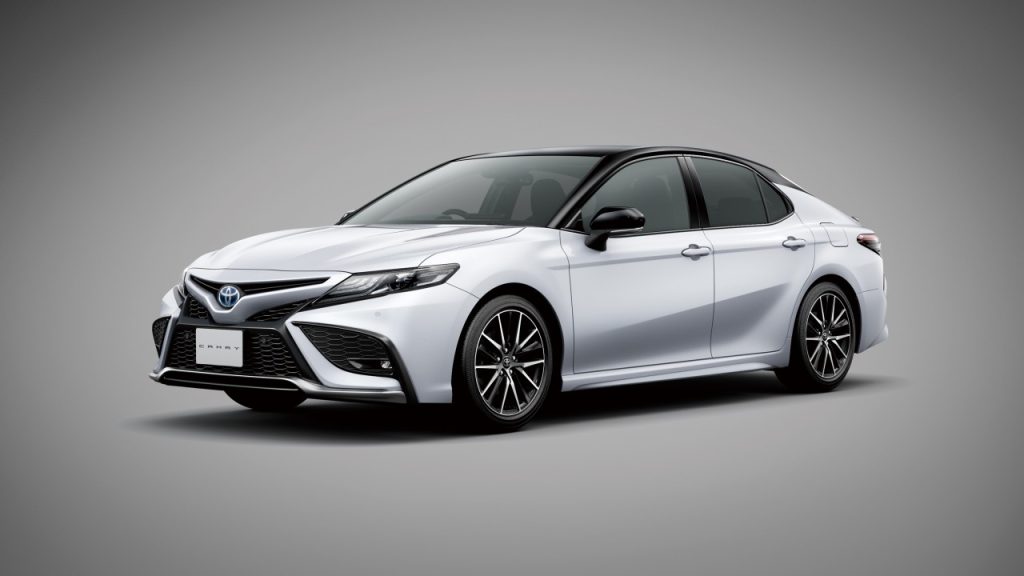
The Camry is included because it’s the kind of car that doesn’t complain. It starts every day, keeps temperatures stable, and stays comfortable in heat. It’s not a flashy Vegas car, but it’s a smart Vegas car, and smart wins in extreme climates.
2) Honda CR-V
The Honda CR-V fits Vegas life because it combines practical cooling performance with SUV comfort and durability. SUVs can be helpful in Vegas because they provide stronger cabin airflow, better visibility, and space for daily routines.
The CR-V’s cabin is roomy enough that you don’t feel trapped in heat, and the climate system is generally effective at cooling the cabin quickly.
Reliability is a key reason it’s included. In Vegas, you want a vehicle that doesn’t develop heat-related drama. The CR-V has a strong reputation for long-term dependability, and its cooling systems generally handle harsh conditions well.
Another reason is versatility. Vegas daily life often includes errands, shopping runs, and weekend trips. The CR-V offers cargo space and seating flexibility. It also provides a higher driving position, which many people find more comfortable in traffic.
Heat affects interiors heavily, and the CR-V’s materials tend to age reasonably well. It may not feel luxury-level, but it’s durable. The AC system keeps the cabin livable even when you park outside.
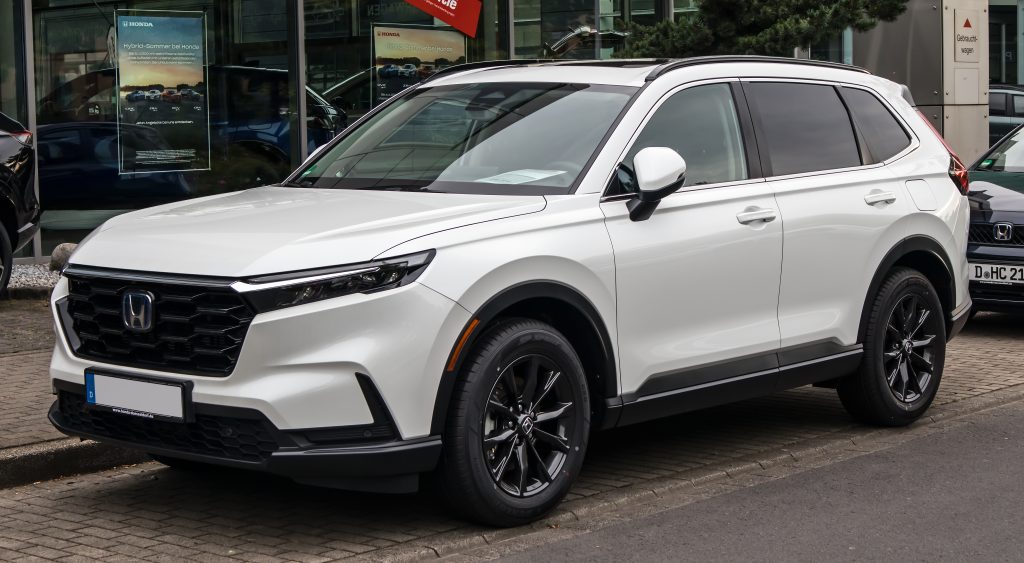
The CR-V is included because it represents a practical desert SUV: comfortable, reliable, and capable of handling Vegas routines without turning heat into a constant fight.
3) Lexus ES
The Lexus ES is included because it delivers comfort in heat like a calm retreat. Vegas driving is exhausting mainly because of the sun and traffic. The ES reduces stress by giving you a quiet cabin, strong air conditioning, and a smooth ride. When the outside world is harsh, the ES feels like a controlled environment.
The AC system is strong and refined. It cools quickly and distributes air well, which matters when the car has been sitting in sunlight. Cabin insulation also helps maintain cool air and reduce heat intrusion.
The ES also has a key Vegas advantage: comfort-focused engineering. Its ride quality stays soft, which helps on hot days when your body already feels drained. Seat comfort is excellent, and the cabin stays quiet even when the engine and fans are working.
Interior quality matters a lot in Vegas. Leather, plastics, and trim can age badly in desert sun. The ES tends to use higher-quality materials that hold up better over time. That reduces cracking and fading risk.
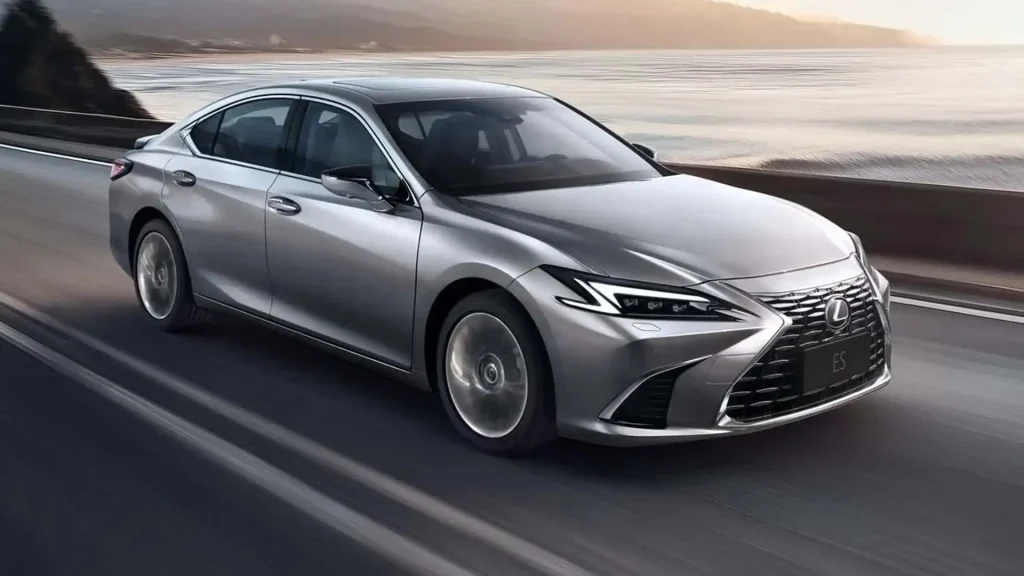
The ES is included because Vegas is a place where comfort matters more than you think. The ES turns heat-heavy daily driving into something calmer and more livable, while still offering reliability and efficiency for everyday use.
4) Toyota RAV4 Hybrid
The Toyota RAV4 Hybrid is a strong Vegas choice because it combines efficiency with heat-friendly reliability. In Vegas, fuel economy matters because AC use and high temperatures can increase fuel consumption. The hybrid system helps keep efficiency strong even when driving in traffic with AC running.
The RAV4 Hybrid’s drivetrain is also tuned for smoothness. It avoids the strain feeling you get in some cars where the engine sounds stressed in heat. Toyota hybrid systems are known for durability, which matters because heat can expose weaknesses in lesser designs.
Cooling performance is solid, and the cabin remains comfortable. It’s also a practical vehicle for Vegas routines. It has cargo space for shopping, suitcases, and daily needs. Ride height adds confidence in road conditions.
Interior durability is another plus. Hybrid ownership often involves long-term plans, and the RAV4 Hybrid is built to last. In desert climates, long-lasting matters even more because sun ages everything.
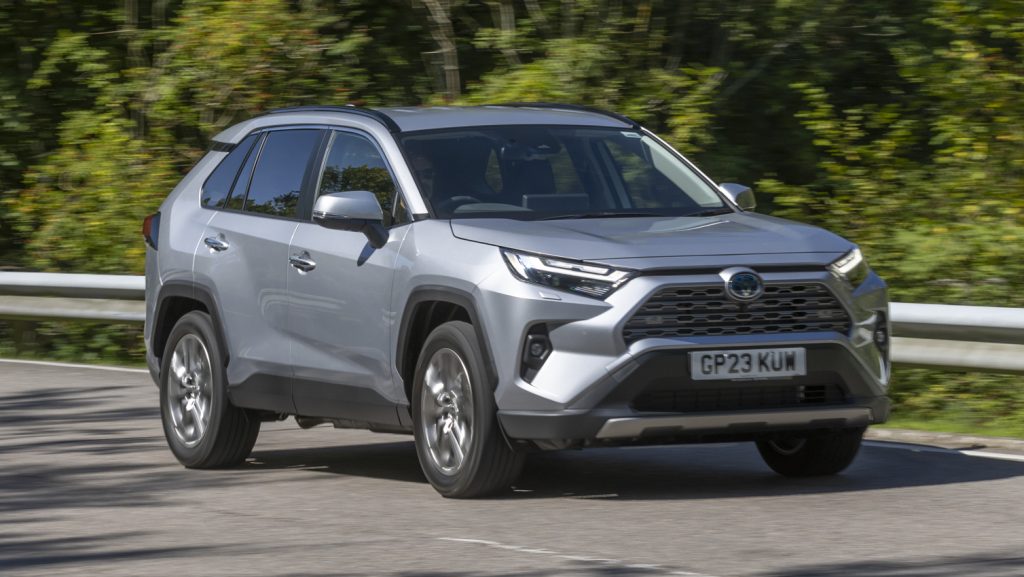
The RAV4 Hybrid is included because it delivers the best Vegas combination: efficient operation, reliable heat tolerance, and SUV practicality. It’s the kind of vehicle that feels smart every time you drive it in extreme temperatures.
5) Ford F-150 (5.0 V8)
The Ford F-150 with the 5.0 V8 is included because trucks often handle desert heat well when engineered properly, and the F-150 is built for harsh work conditions.
In Vegas, some people need trucks for lifestyle or work. The F-150 offers strong cooling systems and durability for hot environments, especially in proven engine setups like the 5.0 V8.
Large engine bays and strong radiators help trucks manage heat better. When temperatures rise, the truck’s cooling system is designed to handle heavy loads.
That means daily driving is less likely to cause overheating. AC performance is also usually strong in full-size trucks, because manufacturers expect them to operate in extreme climates.
Another Vegas advantage is cabin size. A larger cabin can cool effectively if the AC system is strong, and the F-150’s system generally is. The seating position is comfortable, visibility is good, and long drives feel less tiring.
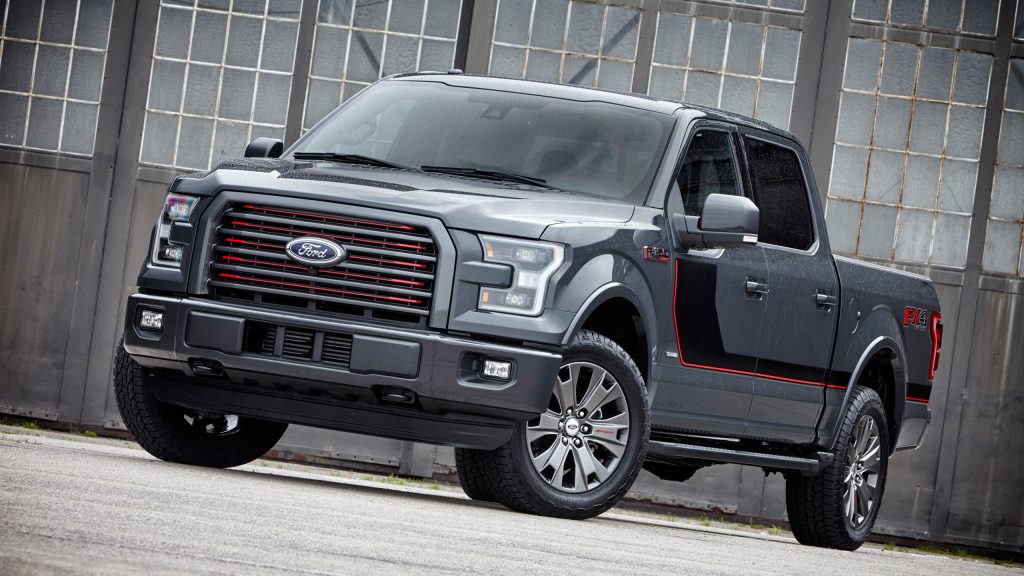
The F-150 is included because it represents the rugged Vegas choice. Not everyone needs a truck, but for those who do, the F-150 is one of the most heat-capable daily vehicles, delivering strong cooling performance, durability, and practical comfort in desert conditions.
5 That Struggle in Heat
Heat doesn’t just make driving uncomfortable, it changes how a car behaves mechanically. In Las Vegas, you are not dealing with “warm weather.” You are dealing with extreme thermal load every day. The sun bakes the roof and hood.
The asphalt reflects heat upward. The engine bay becomes a pressure cooker. If the cooling system is not strong enough, the car runs hotter than intended. If the air conditioning system is weak, the cabin becomes miserable.
If interior materials are low quality, they begin to fade, crack, and warp. Heat also pushes electrical systems harder because sensors and wiring are constantly exposed to high temperatures, and it increases strain on batteries.
Cars that struggle in heat usually have one or more of these weaknesses. Some have underpowered AC systems that feel fine in mild weather but fail to cool quickly in desert sun.
Some have engines that suffer from heat soak, meaning performance drops as temperatures rise. Others have fragile cooling systems, weak radiators, or fan setups that work too hard and fail sooner.
Small turbo engines can be particularly sensitive because they generate extra heat and require strong cooling support. Budget cars also struggle because their insulation is weak and their interiors are not designed for extreme sun exposure.
Another problem is that Las Vegas driving includes heavy traffic. When you’re stuck on the Strip or waiting at long lights, airflow drops.
That means the radiator relies mainly on fans. Weak designs get exposed here. Over time, owners notice symptoms: AC taking too long to cool, engine running hotter, warning lights, rough idle in heat, or overall discomfort.
This section highlights five cars that often struggle in extreme heat, especially in desert routines. Some are small turbo vehicles that create extra engine bay temperature.
Some are cars that simply weren’t built with desert durability as a priority. Again, this doesn’t mean every example will fail. But in Vegas conditions, these vehicles are more likely to feel stressed, uncomfortable, and costly over time.
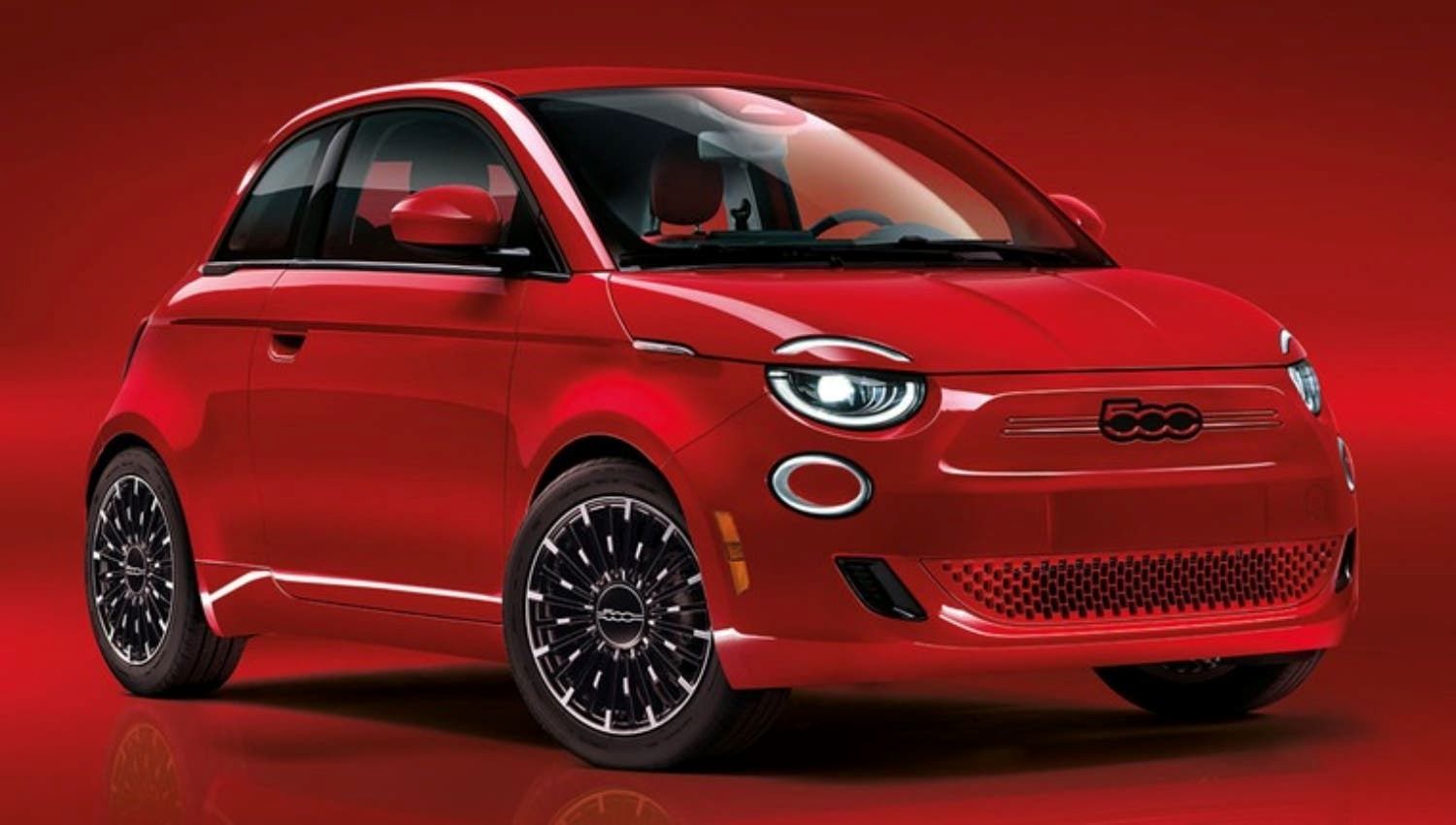
1) Fiat 500
The Fiat 500 is charming and fun in cities, but it can struggle in Las Vegas heat because it is a small car with limited cooling and cabin comfort advantages. In extreme desert sun, small cars heat up quickly. The Fiat’s compact cabin can become an oven after sitting parked outside.
And while small cabins can cool faster in theory, that only happens if the AC system is strong enough. In many Fiat 500 trims, AC performance is not the most powerful, meaning cooling can feel slow and less satisfying when temperatures soar.
Another concern is overall durability under harsh heat. Desert climates accelerate ageing of rubber seals, hoses, and plastic components. In budget-oriented small cars, these materials can degrade faster.
Owners may experience interior wear like fading and cracking sooner than expected. Even the dashboard and trim can feel more vulnerable when exposed to endless sun.
Cooling system stress is also a factor. Small engines may not seem like heat generators, but in desert driving, everything works harder. AC loads increase, engine bay temperatures rise, and slow traffic reduces airflow.
If the cooling setup is borderline, the car will feel strained. Some owners notice that small cars feel less stable and less relaxed in extreme heat, not necessarily overheating, but clearly working harder.
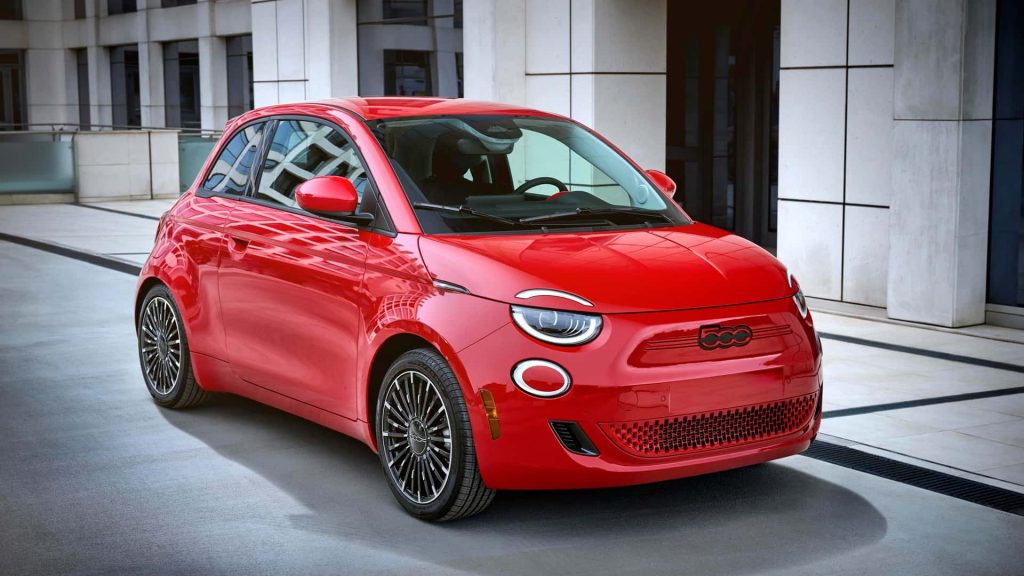
The Fiat 500 is included because it represents a type of car that feels perfect in cooler urban environments but becomes less practical in a desert city. It can survive, but it often feels uncomfortable and less robust in extreme Vegas temperatures, making daily life harder than it should be.
2) Mini Cooper S (Turbo)
The Mini Cooper S is exciting to drive, but turbocharged Minis can struggle in desert heat due to heat soak and cooling strain. Turbo engines generate extra heat. In a mild climate, the cooling system manages it well.
In Las Vegas, the entire environment is already hot, meaning the margin for cooling is smaller. When you drive in stop-and-go traffic with the AC blasting, turbo heat builds quickly. The car may still run, but it can feel less happy.
Owners often notice reduced performance in heat. Heat soak means the engine becomes less responsive after being driven hard or after sitting in traffic. The Mini’s sporty tuning can make this worse because it encourages spirited driving, which increases thermal load. In Vegas, spirited driving plus extreme heat is a heavy challenge.
The cabin environment can also be less comfortable than expected. Minis look premium, but their compact design and sporty nature can make the cabin feel warmer faster. The AC may cool it, but it can feel like it’s working hard. Heat also accelerates wear on engine mounts and sensors, which can lead to idle roughness over time.

The Mini Cooper S is included because it represents a car that is built for fun, not desert survival. It can handle Vegas heat with careful maintenance, but it often feels stressed, and owners may face cooling-related wear and reduced comfort compared to more desert-focused vehicles.
3) Chevrolet Cruze (1.4 Turbo)
The Chevrolet Cruze with the 1.4 turbo engine is included because small turbo engines in hot environments can become a long-term trouble point. In Vegas heat, turbo engines deal with high temperatures constantly.
That increases stress on cooling systems, oil quality, and engine components. The Cruze’s 1.4 turbo has been associated with cooling and heat-related issues as it ages, and desert climates can accelerate these weaknesses.
One issue is AC load combined with engine bay heat. In desert conditions, drivers keep the AC on maximum. That adds load to the engine and increases cooling demand. In heavy traffic, the Cruze may feel like it runs hotter than expected, especially if cooling components are ageing.
Another concern is long-term durability. Turbo engines require consistent oil changes and good maintenance. In extreme heat, oil breaks down faster. If maintenance is neglected, problems appear sooner. Some owners experience sensor issues, leaks, or roughness over time, and heat accelerates these patterns.
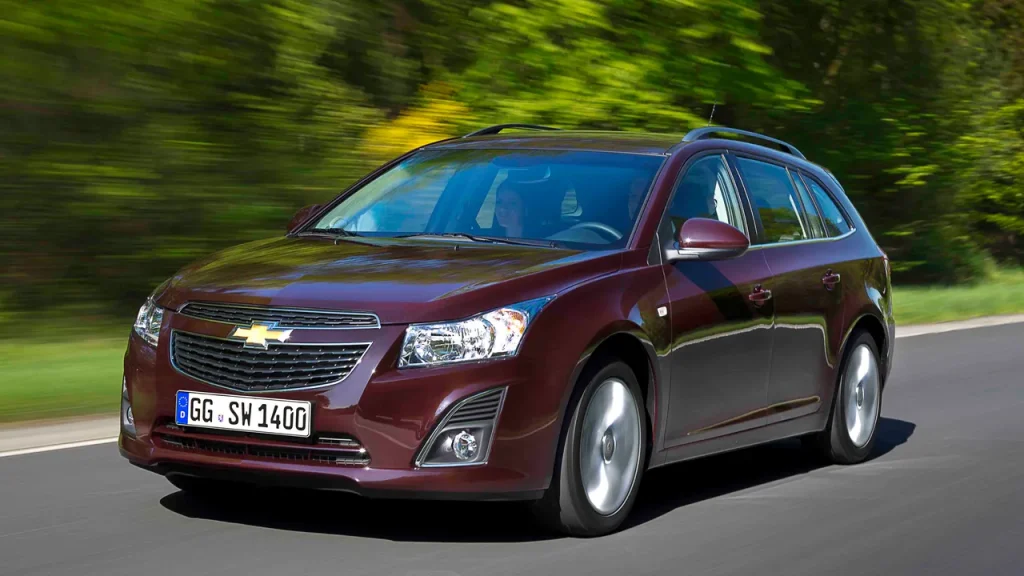
The Cruze is included because it shows how a budget turbo commuter can struggle in the desert. It can still be a practical car if maintained carefully, but Vegas conditions increase the risk of heat-related issues and reduced comfort. In a city where heat is relentless, that extra risk makes it a less ideal daily vehicle.
4) Nissan Versa
The Nissan Versa is a budget-friendly car, but it often struggles in Las Vegas heat because of weak refinement and limited cooling comfort. The biggest problem is cabin insulation. Budget cars usually save money by reducing insulation and using simpler materials.
In Vegas sun, this means the cabin absorbs heat quickly and holds it longer. Even when the AC runs, the car can feel like it’s fighting a losing battle.
AC performance is another issue. The Versa’s AC may function fine in moderate climates, but in extreme desert temperatures, many owners find it less effective compared to cars built with stronger climate systems.
When you park outside and return to a boiling cabin, you want rapid cooling. If the AC takes too long, daily life becomes uncomfortable.
Interior materials also age faster in heat. Plastics can warp or fade, and upholstery can degrade. In a desert climate, cheap interior materials become a major weakness. Sun exposure is relentless.
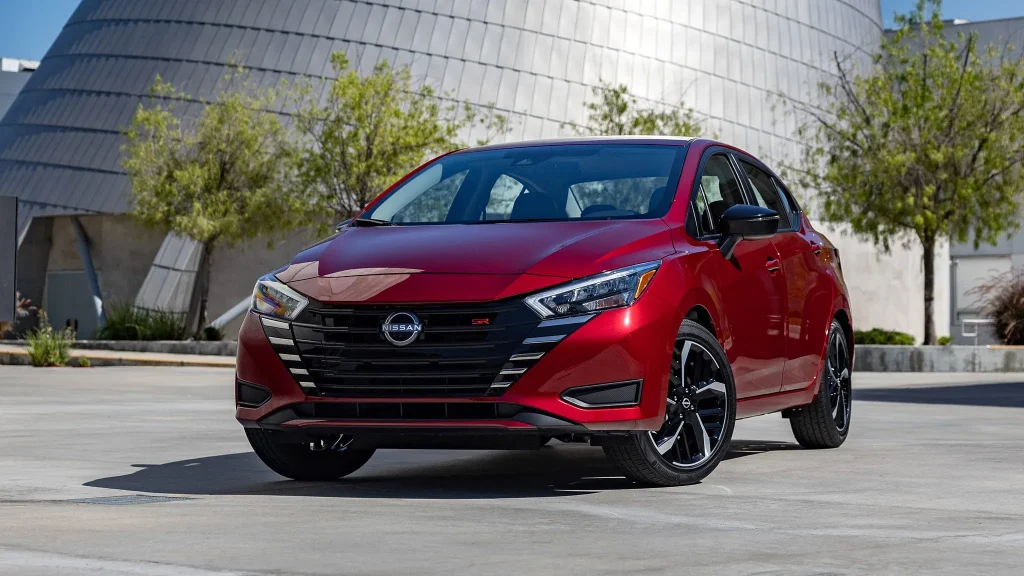
The Versa is included because it represents the difference between “cheap purchase” and “cheap ownership.” In Vegas, a car that struggles to keep you cool can feel like a daily penalty.
The Versa may be affordable upfront, but desert comfort is part of ownership value, and it often falls short in that category.
5) Smart Fortwo
The Smart Fortwo is brilliant for tight parking, but it struggles in Las Vegas heat because it is tiny, lightly built, and not designed for extreme thermal comfort.
The cabin is extremely small, and while that can cool quickly, it also heats up extremely fast when parked in the sun. In Vegas, even a few minutes of parking can turn the interior into an oven.
AC performance can be limited compared to larger, more robust vehicles. You may find the system working hard but still struggling to keep the cabin comfortable during peak heat. The lightweight design and large glass areas can also increase heat load. The sun enters quickly, and the cabin temperature rises fast.
Durability is another concern. Extreme heat accelerates wear on rubber seals, plastic components, and electronics. Small cars like the Smart Fortwo can feel more fragile in harsh climates. Even if it runs fine, comfort and ageing become problems sooner.
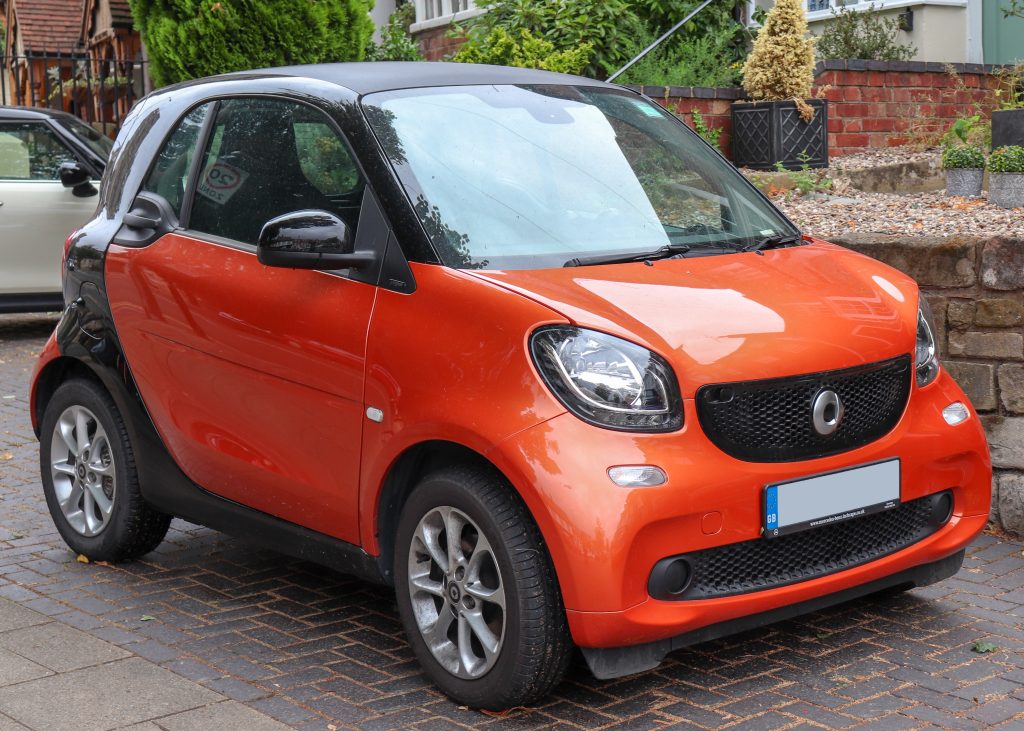
The Smart Fortwo is included because it is a car that makes sense in European cities or mild climates, but Vegas conditions are extreme.
It may work for short commutes, but it often feels like it is battling the environment constantly. When your daily life involves intense heat, a vehicle that struggles with climate comfort becomes exhausting.
