
City driving is a different kind of test for a car. It is not about top speed, long highway miles, or weekend road trips. In daily urban life, your car spends most of its time stopping, crawling, idling, squeezing through tight lanes, climbing speed breakers, and dealing with short trips that never let the engine fully warm up.
That kind of use slowly exposes weak parts, from suspensions and brakes to batteries, sensors, and cooling systems. This is why two cars that look equally affordable on the day of purchase can feel completely different after a year of city ownership.
That is also where this article becomes useful. The first half focuses on five cars that tend to be cheap to maintain in cities. These are models known for reliability, predictable service costs, strong parts availability, and mechanical simplicity.
They may not always look flashy, but they are the type of cars that owners keep for years because maintenance does not feel like punishment. When you live in a busy city, a car like this protects your time and your wallet.
The second half is the opposite side of the story. Some cars may seem attractive because of design, performance, brand image, or feature-loaded interiors. But behind the charm, they often come with frequent repairs, fragile components, or complex systems that react badly to constant stop-and-go traffic.
For these cars, ownership becomes a cycle: a warning light appears, a sensor fails, the suspension starts knocking, or something electrical misbehaves. City conditions make those issues happen more often.
By comparing both groups, you get a realistic picture of what city maintenance really means. It is not just the service bill.
It is workshop visits, unexpected downtime, and small issues that never stop coming. In the end, the cheapest car is not always the one with the lowest price tag, it is the one that stays out of the garage.
Also Read: 5 Cars for Dunedin Coastal Driving and 5 Rust-Resistant Vehicles
5 Cars That Are Cheap to Maintain in Cities
Urban car ownership rewards practicality more than emotion. In cities, the smartest choice is usually not the most powerful car or the most feature-packed one. It is the car that works every morning, absorbs rough roads without drama, and does not surprise you with repairs.
When you drive daily in traffic, you end up using the same components repeatedly: brakes wear faster, suspension takes constant hits, the clutch or transmission works hard, and the battery takes stress from frequent starting and short trips. This makes maintenance more than just an annual service. It becomes a monthly reality.
The cars in this section are here for a reason. They are not random picks or based on marketing. These models have earned reputations for being dependable in congested conditions.
Many of them have simple and proven engines, straightforward electronics, and easy-to-service designs. That matters because complexity usually increases workshop visits, and workshop visits are what make ownership feel expensive.
Another big factor is parts availability. A cheap-to-maintain city car is one where spare parts are easy to find, the pricing stays reasonable, and local mechanics know how to repair it without guesswork. Even if something fails after years of use, repairs tend to be predictable rather than stressful.
You will also notice a pattern: these cars are not built around fragile luxury systems. They focus on durable basics, and that is exactly what city owners need.
Their suspension setups are designed for rough surfaces, their cooling systems can tolerate heat and slow traffic, and their engines tend to handle repeated stop-start driving without constant complaints.
Most importantly, these cars reduce the hidden costs of ownership. They avoid frequent unscheduled repairs, keep downtime low, and do not force you into expensive specialized servicing. That makes them ideal for city commuters, ride-share drivers, and anyone who values peace of mind over showroom attraction.
Now let us get into the five cars that consistently deliver the most stress-free city ownership experience.
1) Toyota Corolla
Toyota Corolla is the kind of car people buy for one reason: it refuses to cause trouble. In city conditions, that reputation matters even more because traffic makes small weaknesses feel bigger. Corolla’s reliability comes from its proven engine design, predictable cooling system performance, and a drivetrain that is not overly complicated.
It is not a car that tries to be too clever, and that is exactly why it stays cheap to maintain. You are not constantly battling software glitches or fragile electronics. It is mainly basic mechanical dependability, which is gold for urban driving.
One reason Corolla works well in cities is how calmly it deals with stop-and-go. The engine is usually tuned for smooth low-speed response, not aggressive power delivery. That means it is not under stress all the time.
The transmission also plays a big role here. Many Corolla variants are known for smooth shifting and long-term durability, and when a transmission lasts, the biggest repair headaches disappear.
Maintenance costs stay lower because parts are widely available and the car is familiar to almost every mechanic. That familiarity reduces the “trial-and-error” problem many owners face with complicated cars.
Even routine wear items like brake pads, filters, and suspension components tend to be reasonably priced, and replacements do not require special tools or expensive procedures.
Another city advantage is suspension durability. Corolla generally handles bumps and broken patches without breaking down into rattles quickly. Over time, any car will need suspension work, but Corolla usually makes you do it later, not early. Add strong resale value, and it becomes financially sensible too.
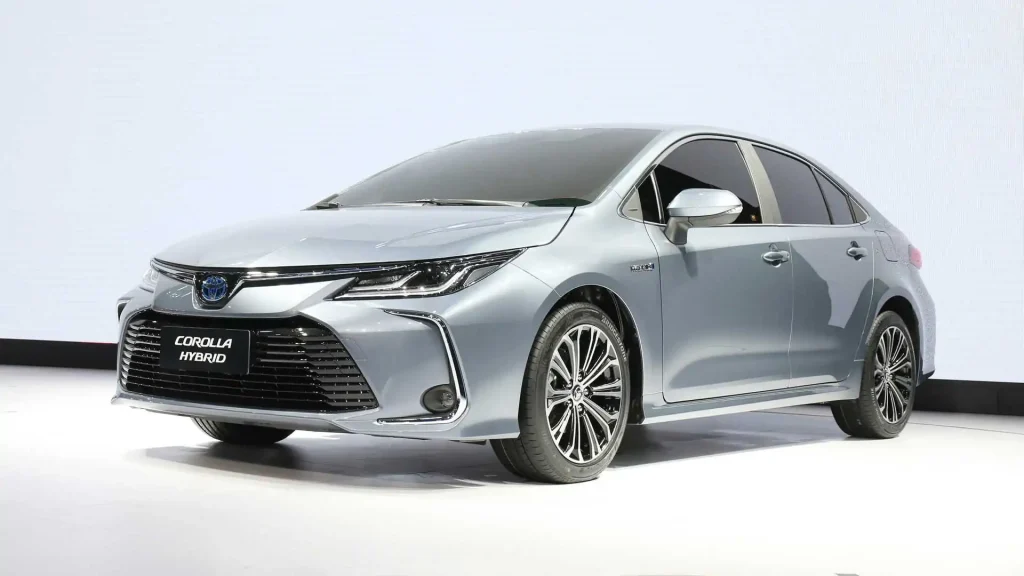
I am including Corolla because it represents what city owners truly need: stable reliability, easy maintenance, and minimal drama. It may not excite your emotions, but it protects your time, your budget, and your daily routine better than most cars on the road.
2) Honda Civic
Honda Civic is one of the few cars that balances fun and practicality without punishing owners with repair bills. City driving requires a car that feels light, responsive, and efficient, and Civic delivers that while still keeping maintenance manageable.
The main reason it stays affordable is the durability of its core engineering. Honda tends to build engines that handle daily stress well, and in city conditions, that translates into fewer unexpected failures.
Civic engines usually run clean and smooth, and they do not feel strained in traffic. This matters because cars that feel heavy or underpowered in the city often end up being driven harder, which increases wear.
Civic avoids that trap by delivering usable power, which keeps the driving experience relaxed. When the car is easy to drive, it also reduces wear on components like brakes and transmission because you are not constantly fighting the machine.
Maintenance stays predictable due to strong parts availability. Civic is common in many markets, and that brings competition into the spare parts ecosystem.
Aftermarket options are widely available, original parts are still accessible, and most mechanics have experience with it. So even when something wears out, the repair is not treated like a complex mystery.
Another advantage is fuel efficiency. City ownership costs are not only about repairs. Civic helps reduce daily fuel spend, which indirectly makes ownership cheaper. It is also built with a well-balanced suspension system that can survive potholes reasonably well if driven with basic care.
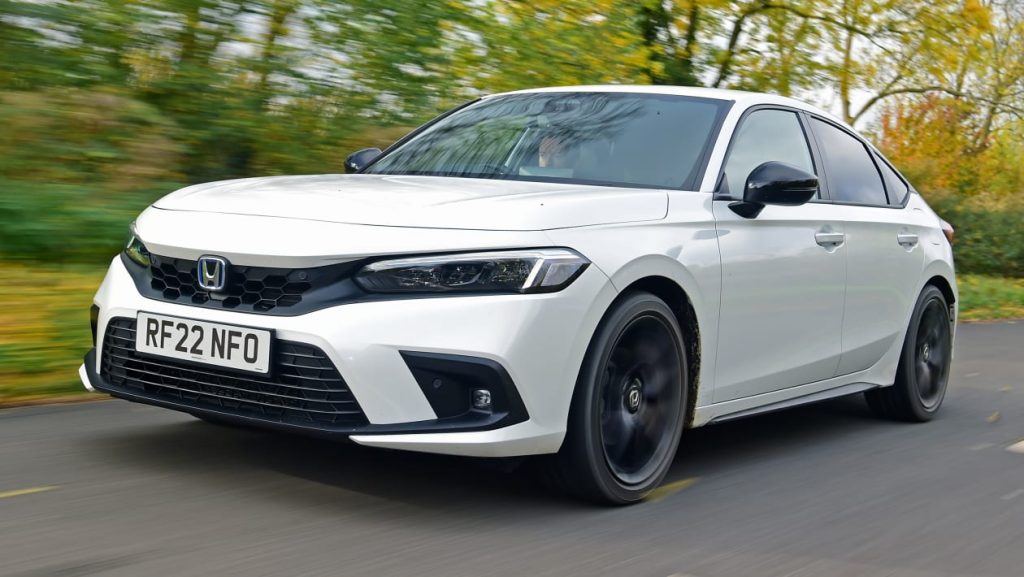
I am writing about Civic because it is a city car that does not feel boring. It offers the reliability and low-cost maintenance a city owner needs while still feeling refined.
Many cars in the same category either become too expensive to maintain or too dull to enjoy. Civic finds the middle ground, which is exactly why it remains a smart long-term city choice.
3) Maruti Suzuki Swift
Maruti Suzuki Swift is almost a definition of low-cost urban ownership. It is small enough to handle tight city lanes, easy to park, light on fuel, and incredibly inexpensive to maintain.
In many cities, it has become the default choice for people who want a reliable hatchback without stretching their budget. The key reason it stays cheap is its mechanical simplicity and the massive service network that supports it.
City cars suffer wear fast because everything happens in short bursts. Swift handles that well because its lightweight build reduces strain on the drivetrain.
When a car is light, the engine does not struggle, the brakes do not work as hard, and suspension wear is slower. This may sound small, but across thousands of city kilometers, it makes a real financial difference.
Spare parts availability is one of Swift’s biggest strengths. Whether it is filters, brake pads, clutch components, or suspension parts, replacements are easy to find and usually priced reasonably.
This is crucial because the biggest cost of city car ownership often comes from repeated small replacements rather than one major failure. Swift turns those repeated replacements into affordable, predictable events rather than expensive surprises.
Service is another major advantage. It is not just about parts. It is also about labor cost. Most mechanics know the car well, the repairs are straightforward, and downtime stays low. Even if a component fails, you are not stuck waiting weeks for parts.

I am including Swift because it is built for real city life. It may not feel premium, but it delivers what matters most: cheap upkeep, easy repairs, and minimal headaches. In congested urban conditions, that practicality becomes more valuable than luxury features.
4) Hyundai i20
Hyundai i20 deserves a place here because it proves that a city-friendly car can feel modern and still stay affordable to maintain. Many people want features and comfort without entering premium repair territory. i20 fits that need well.
It is designed for daily stop-and-go use, and with proper servicing it generally avoids the repeated failures that make ownership stressful.
One reason i20 stays manageable in maintenance is that Hyundai’s mainstream cars often share parts across models. That parts-sharing ecosystem improves availability and keeps costs reasonable.
In city maintenance, that matters because the most frequently replaced items are wear parts: brake pads, tires, suspension bushes, filters, and battery. When these parts are common, prices remain stable.
i20 also handles city roads well due to its practical suspension tuning. It is not overly stiff, so it absorbs bumps without transmitting harsh shocks into the chassis. That helps avoid early suspension damage, which is a major maintenance cost in cities with rough roads. The steering is easy for low-speed maneuvering, and that helps reduce daily driving stress.
Another factor is engine efficiency and drivability. City cars need smooth low-speed response, and i20 typically delivers that. Smooth driving reduces the habit of aggressive acceleration and braking, which extends brake and tire life.
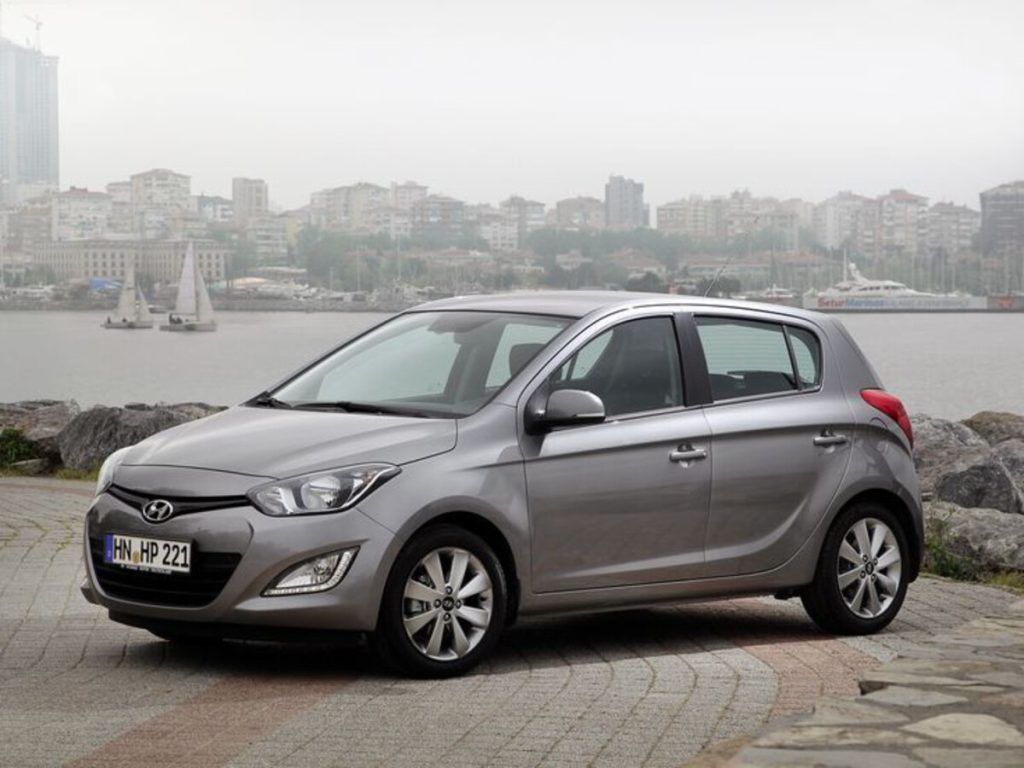
I am writing about i20 because it represents a realistic compromise: it offers good comfort and tech, yet still stays within a reasonable maintenance range.
Some feature-loaded cars turn expensive as they age. i20 generally stays stable, making it a strong choice for urban users who want value and a modern cabin without constant repair anxiety.
5) Toyota Yaris
Toyota Yaris is often overlooked because it does not shout for attention, but it quietly delivers exactly what city owners need. It is compact, efficient, and built with Toyota’s strong reliability approach. In cities where parking is tight and traffic is constant, Yaris feels like a car designed with real daily use in mind.
The biggest reason Yaris is cheap to maintain is that it avoids unnecessary complexity. Many cars in the same category chase features and end up adding fragile electronics.
Yaris focuses on stable engineering. That means fewer electrical failures, fewer sensor issues, and fewer unexpected warning lights that force you into the service center. For city owners, that is a major advantage.
Yaris also benefits from Toyota’s long-term durability. The engine tends to handle repeated short trips without complaining. Short trips are actually harder on engines because they do not warm up fully, which can increase wear over time.
A solid cooling system and dependable engine design reduce the risk of overheating or oil-related stress in slow traffic.
Spare parts and servicing are also predictable. Even in markets where Yaris is not the most common car, Toyota parts systems are well established. Maintenance items like filters, brake components, and fluids are straightforward and not expensive compared to premium brands.
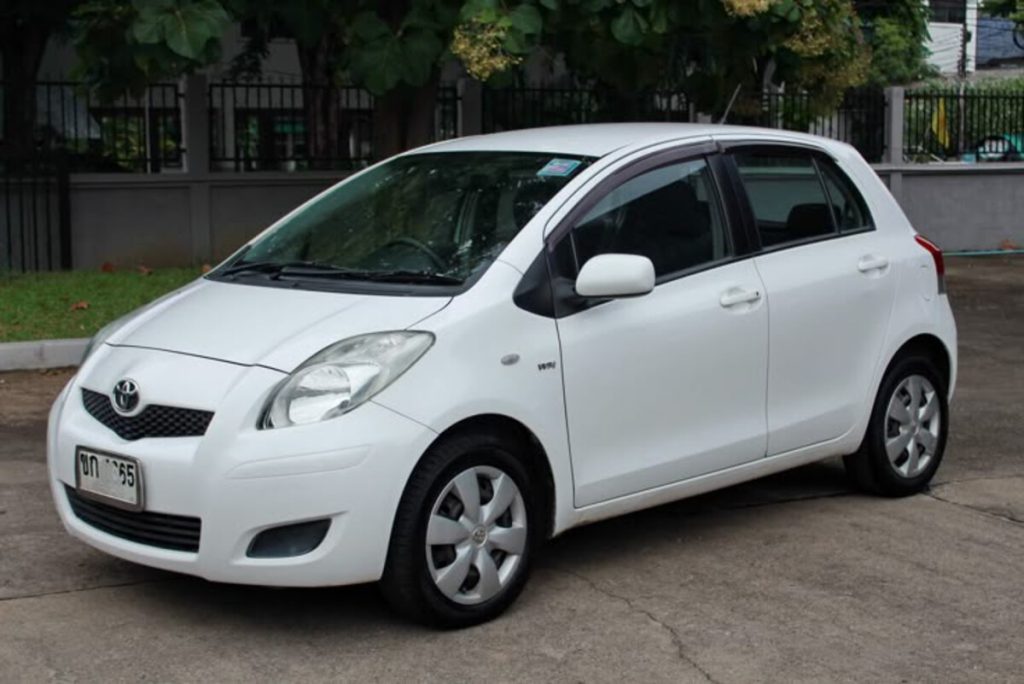
I included Yaris because it is the kind of car that makes city ownership simple. You do not buy it to show off. You buy it because it starts every morning, stays efficient, and avoids workshop visits. For people who want an urban car that costs less over time than it does upfront, Yaris remains one of the smartest options.
5 Cars With Frequent Repairs
Not every city car becomes expensive because it is old. Many become expensive because they are simply not built to handle constant urban stress.
Cities create the worst possible environment for certain types of cars: heavy stop-and-go traffic, bad roads, constant braking, endless idling in heat, short trips, and tight parking situations that lead to bumps and scratches.
In these conditions, cars with complex electronics, fragile suspensions, or over-stressed engines start showing problems earlier than expected. What begins as a small warning light can quickly turn into repeated workshop visits.
This section focuses on five cars known for frequent repairs in city ownership. This does not mean they are “bad cars” in every situation. Some of them can feel excellent to drive, look premium, and offer features that budget cars cannot match.
But the problem is ownership reality. City life exposes weak links fast. Over time, you do not just pay for repairs, you pay with your time, your patience, and your routine. If the car keeps asking for attention, it becomes a burden even if it looks great.
A major reason these cars become repair-prone is complexity. The more sensors, electronic modules, turbo systems, dual-clutch transmissions, and feature-packed interiors you have, the more there is to fail. And when things fail, repairs are rarely cheap.
Even small parts can be expensive, and diagnostics can be confusing. Some cars require specialized tools or brand-specific servicing, making routine maintenance feel like premium ownership even if the car itself was purchased for a “good deal.”
I am writing about these cars to help buyers avoid the most common mistake: choosing based only on purchase price and appearance. A car that feels affordable today can become an expensive problem tomorrow.
In a city, reliability is not luxury. Reliability is survival. Now let us go into the five models that often turn city ownership into a cycle of frequent repairs.
1) Jeep Compass
Jeep Compass attracts buyers because it looks tough, feels premium inside, and gives that SUV presence people like in cities. But ownership can become frustrating, especially in heavy urban use. The main complaint city owners often experience is that Compass can be sensitive to electronics and sensors.
In a modern car loaded with modules, even minor electrical inconsistencies can create warning lights and unexpected faults. When you add city heat, traffic, and constant idling, these issues tend to show up more often.
Another weak area for Compass in city ownership is suspension durability. SUVs in cities face constant bumps, speed breakers, and potholes. Compass rides well, but the cost of suspension repairs can be high when parts wear.
Even if the suspension does not fail constantly, when it does, it tends to be expensive compared to typical hatchbacks and sedans. This makes the car feel heavier on ownership cost than buyers expect.
Transmission and drivetrain behavior can also become a headache in stop-and-go traffic. City driving puts strain on gear changes and low-speed movement. If the car feels hesitant, jerky, or inconsistent in traffic, it increases wear and increases your stress.
Many owners also report that small issues appear repeatedly rather than one big failure. That is the real danger: a car that keeps pulling you back to the service center.
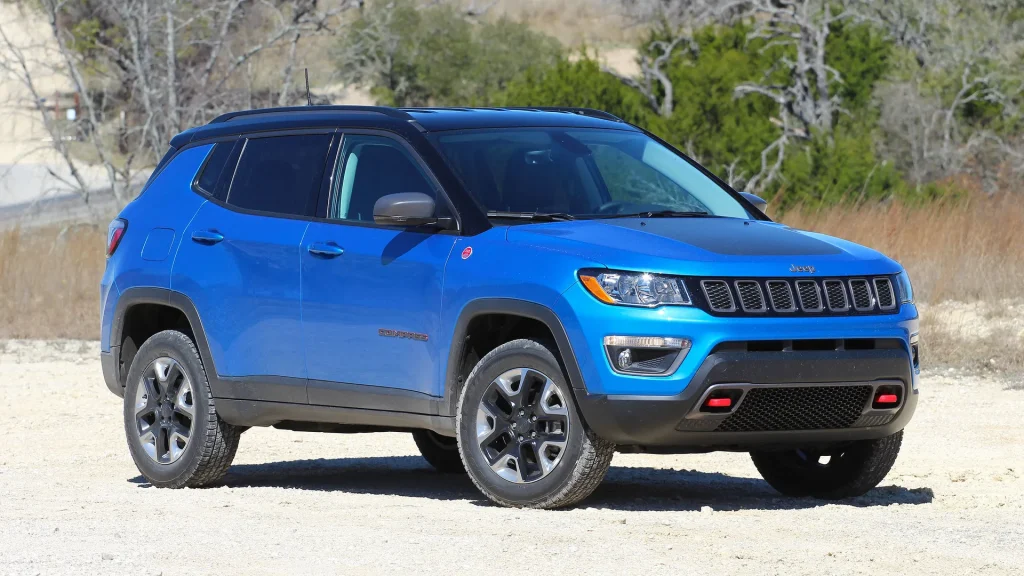
I included Jeep Compass because it represents a common city trap: a car that feels like a strong lifestyle upgrade, but often behaves like a maintenance-heavy machine in daily urban use. It is not the purchase price that hurts.
It is the repeated fixes, the unexpected warning lights, and the expensive part replacements that make city ownership tiring.
2) Volkswagen Polo GT (DSG)
Volkswagen Polo GT with DSG feels like a dream in the beginning. It is quick, smooth, and genuinely fun, even in a city. But the DSG gearbox is exactly why this car earns a place on a list of frequent repairs.
Dual-clutch transmissions are brilliant for performance, but stop-and-go traffic is one of the harshest environments for them. Constant crawling, repeated slow acceleration, and braking can push extra wear into the clutch system and related components.
The problem is not only the risk of failure, but the cost and complexity of repair. DSG issues are not always solved by a simple adjustment.
Owners can face expensive replacements, software recalibration, or parts that are not easily handled by every local workshop. This creates a situation where a car that looks affordable becomes premium-level expensive to fix.
Another frequent headache comes from electronics. Feature-loaded German cars can sometimes show sensor issues, warning lights, and electrical faults, especially as they age.
In a city, where heat and humidity can affect wiring and connectors, these issues become more common. Even if the engine itself remains strong, the supporting systems can demand attention.
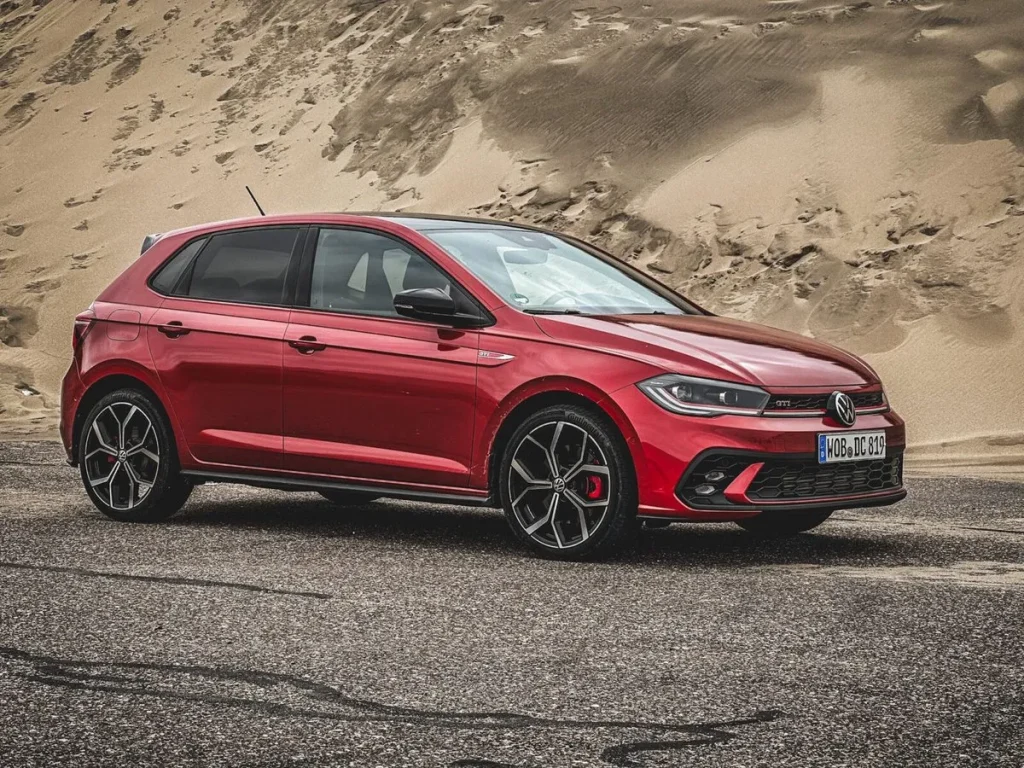
I am writing about Polo GT DSG because it is one of the most common examples of “fun to drive but hard to live with.” Buyers get attracted by performance and brand appeal, but city ownership is more about durability than excitement.
A DSG Polo can be wonderful if maintained perfectly and driven carefully, but for most city users, it increases repair risk and ownership stress, which is exactly what a practical buyer should avoid.
3) Chevrolet Cruze
Chevrolet Cruze looks like a solid sedan choice on paper, often offering strong styling, comfort, and a premium feel for the price. But in city ownership, it can become a repeated repair story.
One major reason is that Cruze has a reputation for cooling system and engine-related issues in long-term use, especially in conditions where the car spends lots of time idling in traffic. City heat and slow movement can make cooling weaknesses more obvious.
Another issue is that parts availability and service ecosystem can become challenging depending on the market. Even if the repair itself is not extremely complex, delays in sourcing parts or finding the right expertise makes the ownership experience frustrating.
A city commuter cannot afford repeated downtime. A car that stays in the garage for long periods becomes expensive even if the parts bill is not massive.
Electrical problems also tend to show up in aging Cruze models. Modern sedans with lots of electronics can develop issues like sensor failures, dashboard warnings, and intermittent faults. These are the worst types of problems because they are hard to diagnose. You may replace one part and still face the same error later.
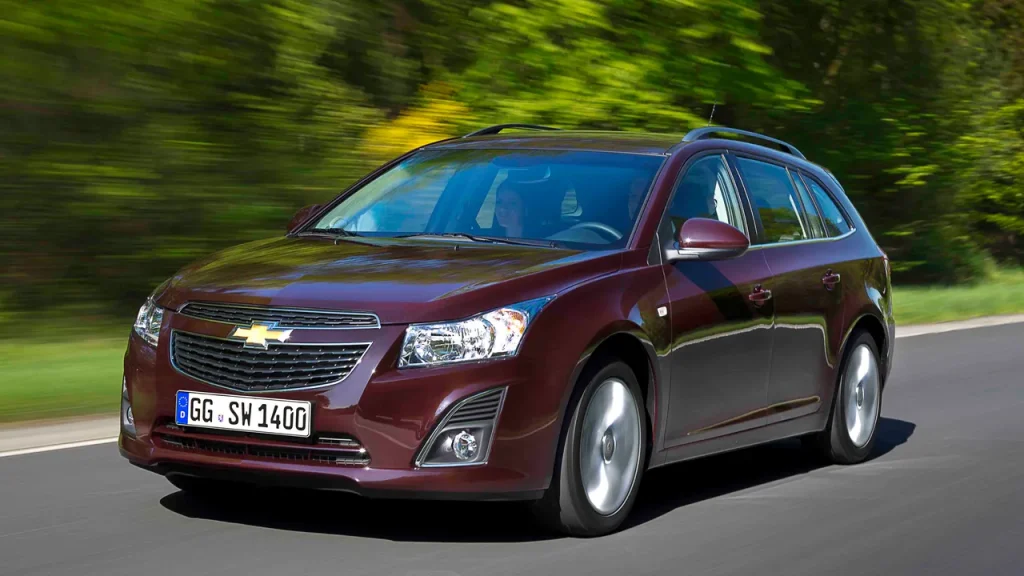
I included Chevrolet Cruze because it represents another city buyer mistake: choosing a sedan that feels premium and comfortable but brings repeated reliability concerns as it ages.
It is not always about one huge failure. It is about the frequency of smaller issues and the lack of smooth ownership. In cities, that can turn a nice-looking sedan into a constant responsibility.
4) Mini Cooper (Older Models)
Mini Cooper is one of the most lovable cars on the road. It is stylish, compact, and perfect for city parking. But older Mini models have a strong reputation for frequent repairs, and the main reason is that they are built like premium European cars, not like simple urban hatchbacks.
That means complexity, expensive parts, and systems that demand careful maintenance. In city life, that is a dangerous combination.
One common repair category is engine-related maintenance, including leaks and cooling system problems. Short city trips and constant stop-and-go put extra stress on components, and older Minis may respond with repeated issues.
Another major pain point is electrical faults. Premium compact cars often pack in a lot of electronics, and as these cars age, small sensor issues and wiring trouble can become recurring headaches.
Suspension parts can also wear quickly. Mini’s sporty tuning means it often has a firmer setup, and city potholes punish those components. So even though the car looks small, repair bills can be large.
The service experience is also not as simple as mass-market cars. Many repairs require specialized expertise and higher labor costs.
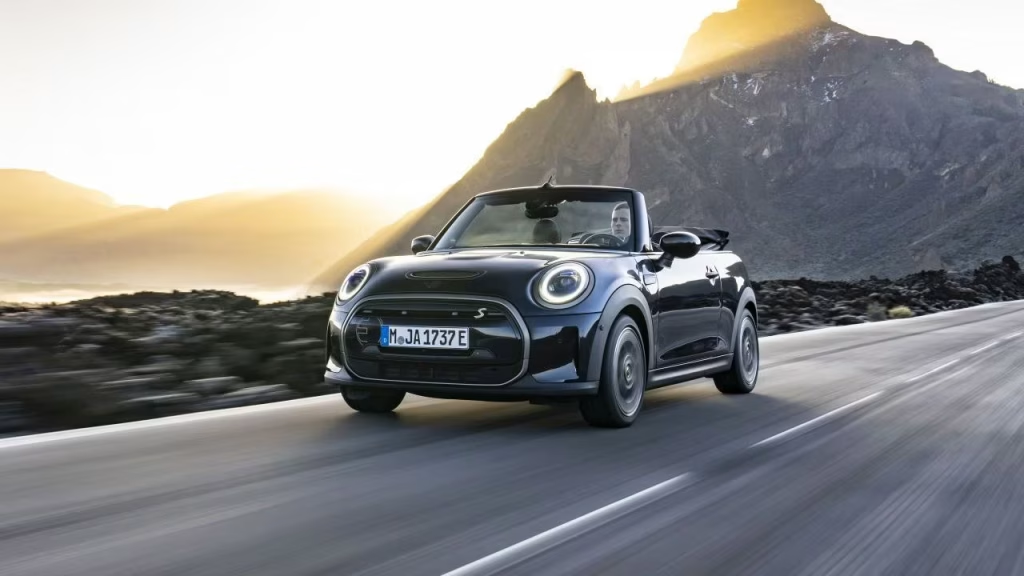
I am writing about Mini Cooper because it is the perfect example of “small car, big maintenance.” Buyers think a small city hatch will automatically be cheap to run. Mini proves that assumption wrong.
It can be a joy for driving and design, but in city ownership, frequent repair visits and expensive parts often turn that joy into frustration, especially in older models.
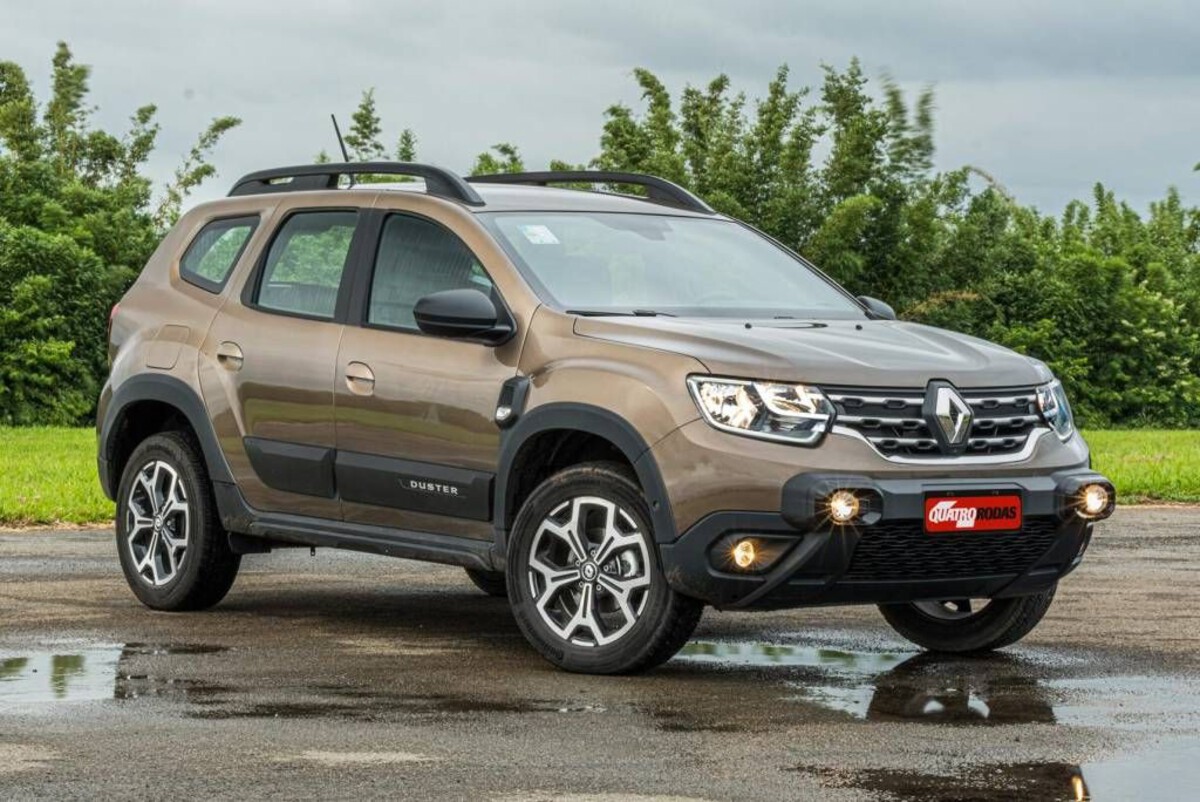
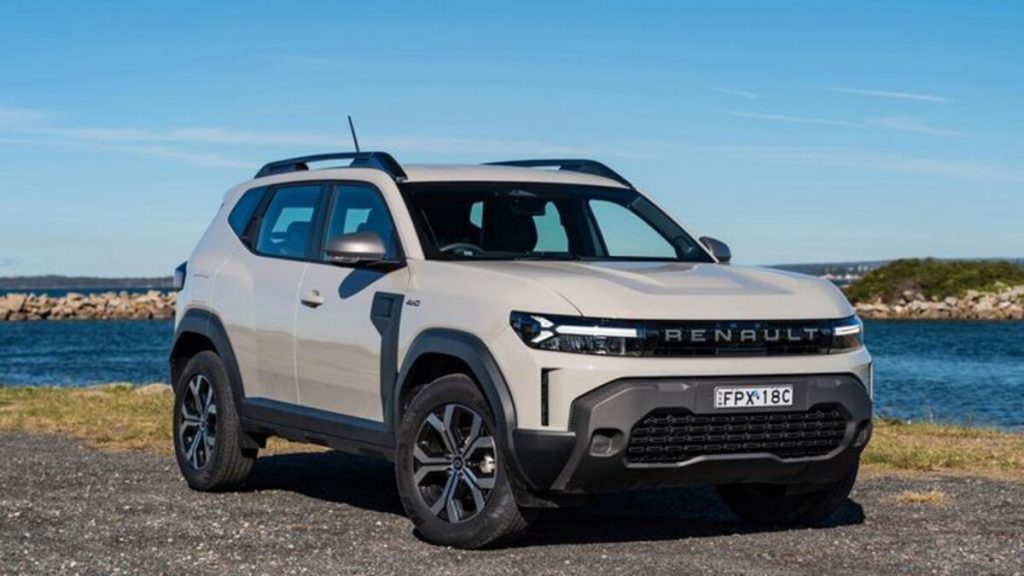
5) Renault Duster (Older High-Mileage Units)
Renault Duster is popular for being rugged and capable, especially on rough roads. But older, high-mileage Duster models often develop frequent repair needs in city ownership.
The reason is not that the car is weak, but that once wear sets in, many components begin demanding attention. City driving adds extra stress because the car constantly handles slow traffic, broken surfaces, and repeated stop-start movement.
Suspension wear is one of the most common city-related issues. Duster’s suspension is designed for toughness, but potholes, speed breakers, and constant rough surfaces will still wear bushes, links, and mounts.
When these parts go, the car begins producing noises, vibrations, and handling issues. In city life, those symptoms become impossible to ignore.
Another area is electrical and sensor-related faults in older vehicles. As the car ages, wiring connectors, sensors, and modules become more sensitive. Owners may face repeated warning lights or intermittent faults that come and go.
This is frustrating because it wastes time and money in diagnostics. Additionally, in some regions, parts availability can create delays, making the car spend more time off the road.
I included Renault Duster (older high-mileage units) because it highlights a real city problem: a tough-looking SUV can still become repair-heavy as it ages.
Many buyers pick used SUVs for city status and road presence. But an older Duster, especially if not maintained carefully, can bring frequent repairs that defeat the purpose of “budget ownership.”
Also Read: 5 EVs That Make Sense as Second Cars vs 5 That Don’t
