
Not all cars enjoy the same kind of driving. Some vehicles are perfectly happy doing short commutes every day: quick trips to work, school runs, grocery stops, and errands where the engine barely has time to warm up.
Other cars are designed with long, steady highway miles in mind, and they feel most comfortable when they can stretch their legs. This difference matters more than many buyers realize.
People often choose cars based on looks, features, or brand reputation, then later discover the car does not match their daily routine.
A vehicle that is brilliant for highway cruising might feel inefficient, awkward, or unhappy in constant short trips. Meanwhile, a car designed for urban routines might feel tiring or noisy on long highway drives.
Short commutes create their own challenges. Engines do not reach optimal temperature quickly, which affects efficiency, emissions systems, and long-term wear. Stop-and-go traffic increases brake and tyre wear, and frequent starts place more demand on the battery and starter system in traditional gasoline cars.
Cars that “don’t mind” short commutes typically handle these patterns well. They often include hybrids or EVs that are naturally comfortable with stop-start use, or they have simple, efficient drivetrains that warm up quickly and remain reliable even with frequent short trips. They also tend to have light controls and comfort features that suit low-speed urban driving.
On the other side, some cars prefer highway miles because that environment suits their strengths. Large engines, long gearing, heavy vehicles, and luxury cruisers often feel better at steady speed. They deliver their best fuel efficiency on highways.
Their ride quality becomes smoother when roads are flat and speeds are constant. Cabin noise drops, and features like adaptive cruise control show their value. These cars can still do short commutes, but they do not always feel as happy doing them.
This article compares both sides clearly: five cars that handle short commutes without complaint, and five cars that feel best on highway miles. The goal is to help you match the vehicle to the lifestyle.
Also Read: 5 Cars for Doylestown Suburban Runs and 5 Reliable Ownership Models
5 Cars That Don’t Mind Short Commutes
Short commutes sound easy, but they can be tough on a car. The engine gets turned off before it warms properly. Fuel efficiency often drops. Stop-start driving increases wear on brakes and tyres.
In cold conditions, short drives can be even harder because oil stays thicker and the cabin takes longer to heat. That is why certain vehicles are simply better suited for this routine.
The cars in this section are chosen because they remain efficient and reliable even with frequent short trips. They are usually hybrids, EVs, or compact cars with simple, efficient engines that tolerate repeated cold starts and low-speed driving.
Many of them also offer smooth automatic transmissions and user-friendly driving manners that reduce stress in urban routines.
Short commutes also mean you care about convenience. You need quick heating or cooling, good visibility for traffic, and easy parking. A short-commute-friendly car should not punish you with stiff suspension or heavy steering.
It should also not waste fuel excessively while idling in traffic. The best vehicles for this lifestyle feel “ready” at any moment, even if you only drive for ten minutes.
These five models are written about because they fit the reality of modern city routines. They make short commutes feel effortless rather than inefficient, and they help owners avoid the frustration of owning a car that prefers longer journeys.
1) Toyota Prius
The Toyota Prius is almost the perfect car for short commutes. It was built for exactly this kind of driving, where stops, starts, and low-speed movement dominate. The biggest reason the Prius doesn’t mind short trips is its hybrid system.
In city driving and slow commutes, it can rely heavily on electric assistance. That means less fuel waste in traffic and less stress on the engine. It warms up quickly and manages stop-start cycles efficiently.
Short commutes often include traffic lights, slow lanes, and repeated braking. The Prius turns these into advantages.
Regenerative braking helps recover energy during stops. Instead of wasting that energy as heat, it stores it in the battery. That makes the Prius feel like it was designed for urban reality, not highway fantasy.
Comfort is another reason it works. The Prius is easy to drive, with light steering and predictable response. Parking is simple because of its manageable size. Visibility is generally good for urban driving, and the cabin stays calm even when the outside world is noisy.
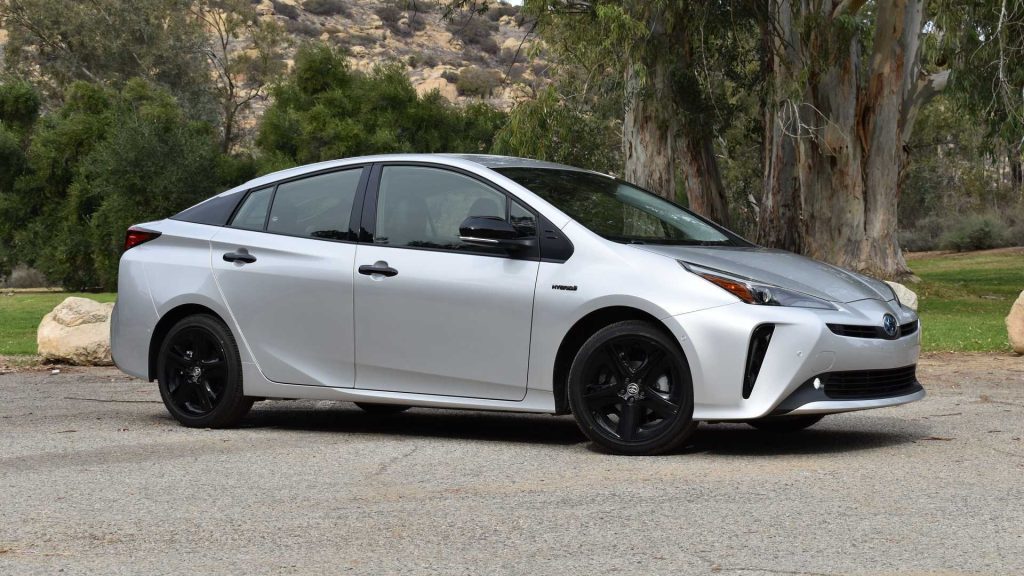
The Prius is included because it reduces the downsides of short commutes. Many gasoline cars become inefficient and wear faster under short-trip routines. The Prius handles them naturally. It saves fuel, stays reliable, and makes daily short driving feel logical rather than wasteful.
2) Nissan Leaf
The Nissan Leaf is an EV that fits short commutes perfectly. Electric vehicles do not suffer from the same cold-start inefficiencies as gasoline engines.
They deliver instant torque, smooth acceleration, and strong low-speed performance. That makes them ideal for short daily drives where you want the car to feel responsive immediately.
The Leaf doesn’t mind being driven for ten minutes and parked again. There is no engine warming cycle to worry about. There is also no fuel wasted while idling, because EVs do not idle in the same way. In traffic, the Leaf feels calm and efficient.
You crawl forward smoothly without transmission shifts. Braking energy can be recovered through regenerative braking, increasing efficiency in stop-and-go conditions.
Short commutes are also about convenience, and charging at home makes an EV lifestyle very easy. Many Leaf owners treat the car like a phone: you plug it in when you get home, and it is ready the next day. This is especially helpful for people who do not want to visit fuel stations frequently.
Comfort and quietness matter too. In short commutes, you may be starting the day groggy or stressed. A quiet cabin helps you feel calmer. The Leaf’s smooth driving feel reduces fatigue, even in heavy traffic.
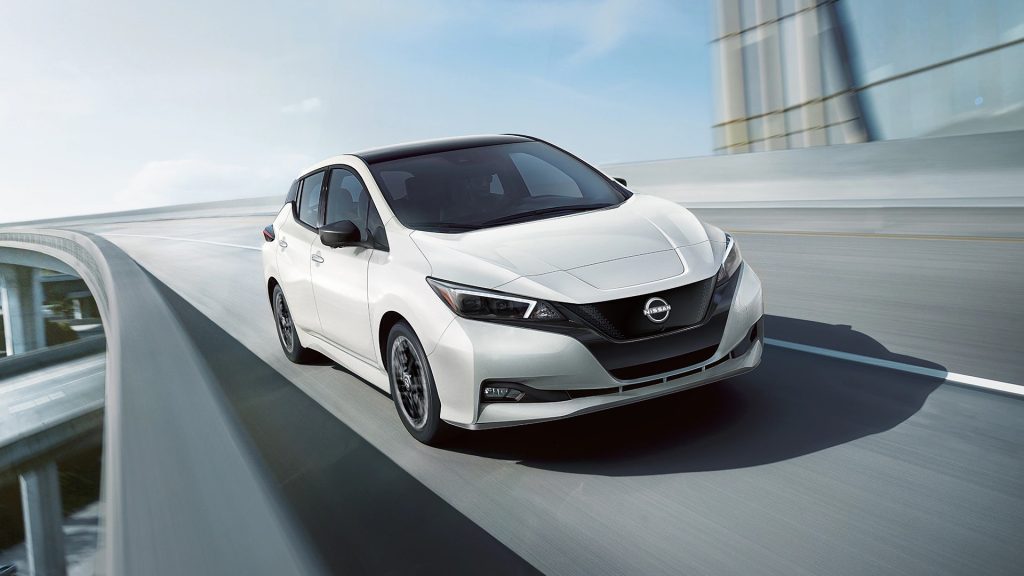
The Leaf is included because EVs are naturally short-commute champions. The Leaf represents a practical, approachable EV that handles daily short trips with ease, low running cost, and minimal mechanical complexity.
3) Honda Fit (Jazz)
The Honda Fit, also known as the Jazz, is one of the smartest short-commute cars because it is efficient, light, and easy to use in city conditions.
Short commutes often involve narrow streets and tight parking, and the Fit excels here. Its compact dimensions make it easy to squeeze into spaces where larger cars struggle.
The Fit’s engine is not overly complex, which helps reliability in repeated short trips. Some modern engines with complicated emissions systems can be less happy when driven in constant short cycles.
The Fit’s simplicity and strong build quality make it tolerant of urban routines. It warms up quickly and feels responsive even at low speeds.
The Fit’s biggest surprise is practicality. Despite being small, it offers excellent interior space and flexible cargo options. That matters for short commutes because they often include errands. You might drive to work, then stop for groceries on the way home. The Fit adapts to that without feeling cramped.
Driving comfort is also strong. The Fit has light steering, predictable handling, and good visibility. In stop-and-go traffic, it feels easy rather than tiring. The ride quality is comfortable enough for daily roads, and the cabin layout is simple to live with.
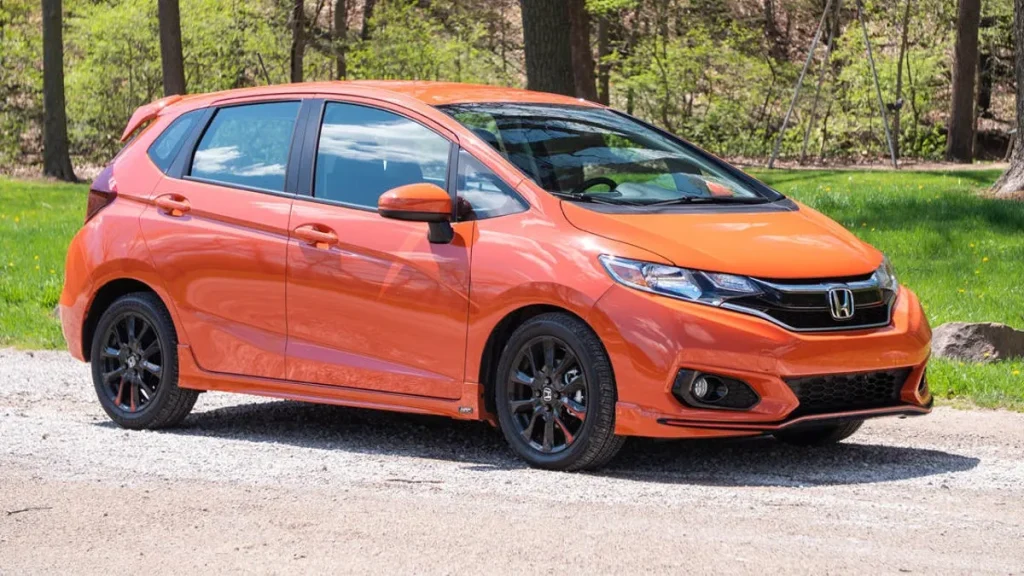
The Fit is included because it proves a short-commute car doesn’t need to be expensive or fancy. It just needs to be efficient, practical, and easy. The Fit checks those boxes better than most.
4) Hyundai Kona Electric
The Hyundai Kona Electric is another vehicle that thrives on short commutes. Like other EVs, it avoids the inefficiencies of short gasoline trips. It delivers instant torque, smooth acceleration, and no vibration. For daily city commutes, this makes driving feel effortless.
The Kona Electric is also compact enough to be city friendly. Parking and manoeuvring are simple, which matters because short commutes often involve tight areas. It has the benefit of a crossover body, meaning you get a higher seating position than a hatchback. That improves visibility, making urban driving less stressful.
Short commutes often mean frequent braking and slow crawling, which is where regenerative braking improves efficiency. The Kona Electric can recover energy smoothly, making stop-and-go conditions less wasteful. Running costs remain low because electricity is usually cheaper than fuel per mile in many regions.
Cabin comfort is another advantage. The Kona Electric tends to feel refined, with a quiet interior and modern features. For a commuter car, that quietness can feel like luxury. You arrive at your destination less tired.
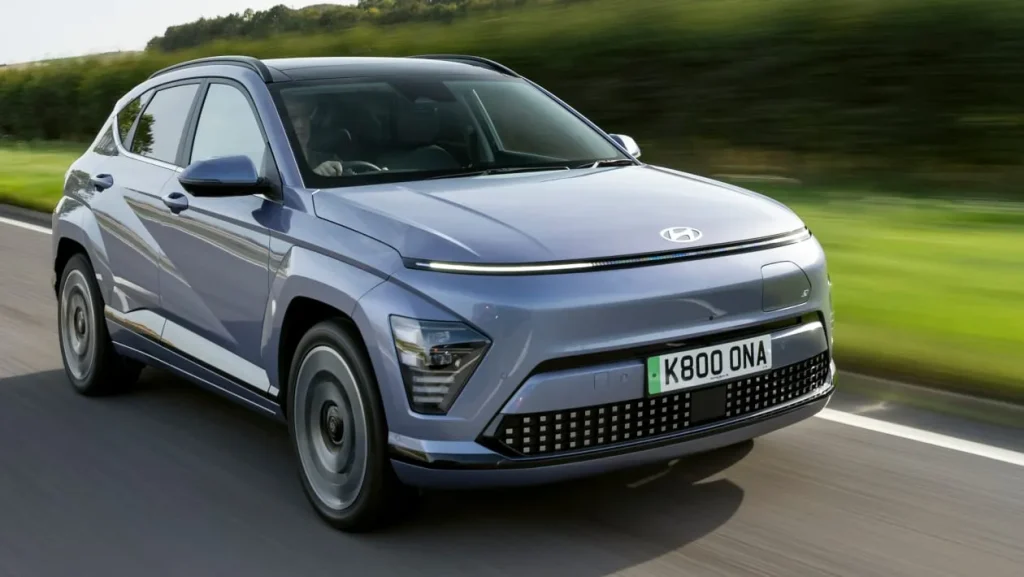
The Kona Electric is included because it represents a perfect balance: EV efficiency for short trips, crossover practicality for daily life, and a city-friendly footprint. It is a car that fits modern commuting reality extremely well.
5) Toyota Corolla Hybrid
The Toyota Corolla Hybrid belongs here because it combines hybrid stop-start efficiency with everyday practicality. Short commutes are where hybrids shine. The Corolla Hybrid can use electric assistance at low speeds, reducing fuel consumption in traffic.
It also reduces the “cold engine waste” problem because the hybrid system manages power more intelligently than traditional gasoline cars.
In city driving, the Corolla Hybrid feels smooth and calm. It does not demand constant effort. Steering is light, acceleration is predictable, and braking feels controlled. That makes daily short drives less stressful.
Fuel economy stays strong even on short trips. Many gasoline cars only reach good efficiency after longer highway driving. The Corolla Hybrid stays efficient in stop-start conditions, which is exactly what short commutes involve. It also has Toyota reliability, which means owners can trust it long term even with repeated short-trip patterns.
Comfort is also solid. The Corolla Hybrid has a quiet cabin for the segment, supportive seating, and a user-friendly layout. It is not a luxury car, but it feels comfortable enough to make daily commuting pleasant.
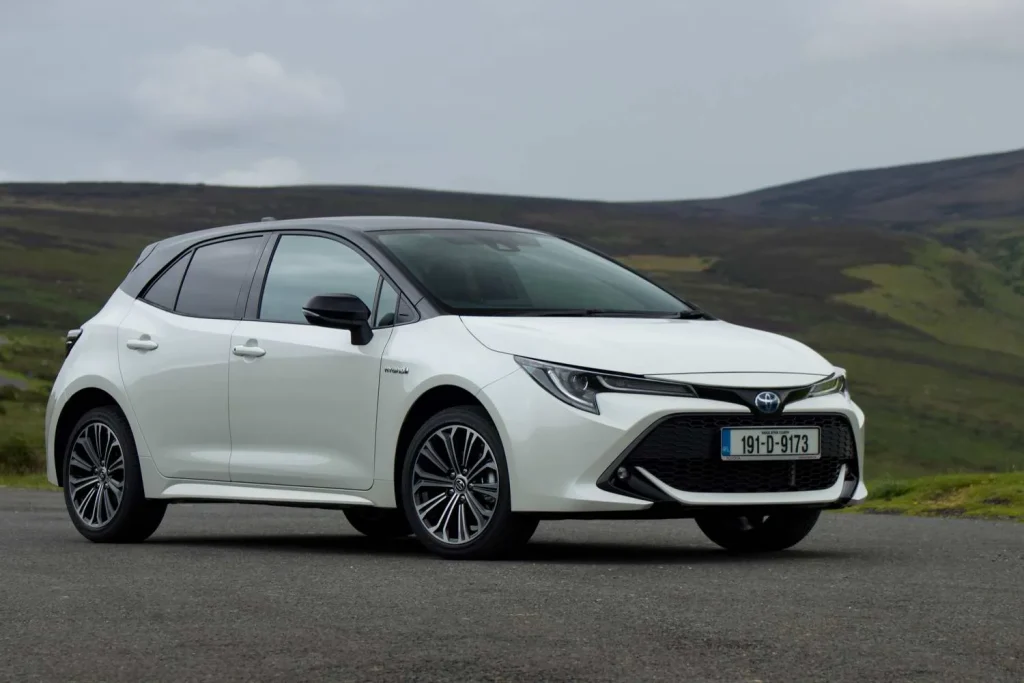
The Corolla Hybrid is included because it offers a simple truth: hybrids are great for short commutes, and the Corolla Hybrid delivers that advantage in a practical, reliable package.
5 That Prefer Highway Miles
Some cars are simply happier on the highway. They feel smoother, quieter, and more efficient when they can maintain a steady speed for long periods. The engine reaches optimal operating temperature, the transmission settles into its highest gear, and the car stops constantly shifting, braking, and restarting.
That is when many vehicles reveal their true personality. They become calmer, more stable, and more refined. In contrast, short commutes can hide their strengths and exaggerate their weaknesses.
A car that is built for long-distance cruising can feel inefficient or awkward when it only travels a few kilometres at a time, especially in traffic.
Highway miles suit vehicles with long gearing, heavier bodies, and engines designed for steady load rather than frequent stop-start cycles. Large sedans, luxury cruisers, and many diesel or big-displacement vehicles often deliver their best fuel economy on highways.
Their suspension tuning works better at speed where the ride smooths out. Cabin insulation becomes more valuable because wind and road noise are controlled. Features like adaptive cruise control, lane-keeping assist, and comfortable seating make sense when you spend hours behind the wheel.
There is also a psychological comfort factor. Some vehicles are built to “soak up distance.” They feel planted, stable, and relaxed at 70 mph. You step out after a long drive without feeling tired. That is the kind of comfort highway cars deliver.
Their drawback is that in cities, they may feel oversized, heavy, or wasteful, and their best efficiency may never appear on short commutes.
This section focuses on five cars that prefer highway miles. They are included because they show their best qualities on long journeys. They can handle short trips, but they truly shine when driven in the environment they were designed for: steady cruising, open roads, and long distance travel.
1) Mercedes-Benz S-Class
The Mercedes-Benz S-Class is one of the clearest examples of a car that prefers highway miles. It is built to make long-distance driving feel effortless, not just tolerable.
In the city, the S-Class can still be comfortable, but its size, weight, and luxury-focused engineering are designed for sustained cruising. The moment you hit the highway, the car feels like it relaxes into its natural habitat.
Ride quality is the biggest reason. At speed, the suspension smooths out road imperfections and keeps the cabin stable. The car glides instead of reacting sharply to every small bump. This matters because on a long drive, constant movement and vibration create fatigue. The S-Class minimizes that fatigue.
Noise insulation is also exceptional. Wind noise, tyre noise, and engine sound are kept far away from the cabin, making highway driving feel calm and quiet even at high speeds.
The seats are designed for long hours. They offer support, adjustability, and often features like ventilation and massage. That is not just luxury, it is long-distance comfort engineering. On highways, where you stay in one position for hours, seating becomes everything. The S-Class makes that experience almost effortless.
The drivetrain also prefers steady cruising. Big engines and smooth transmissions work best when they can maintain consistent speed. Short commutes waste fuel and never let the car reach full efficiency. On highways, everything feels optimized: smoother shifting, better consumption, and less stress on the powertrain.
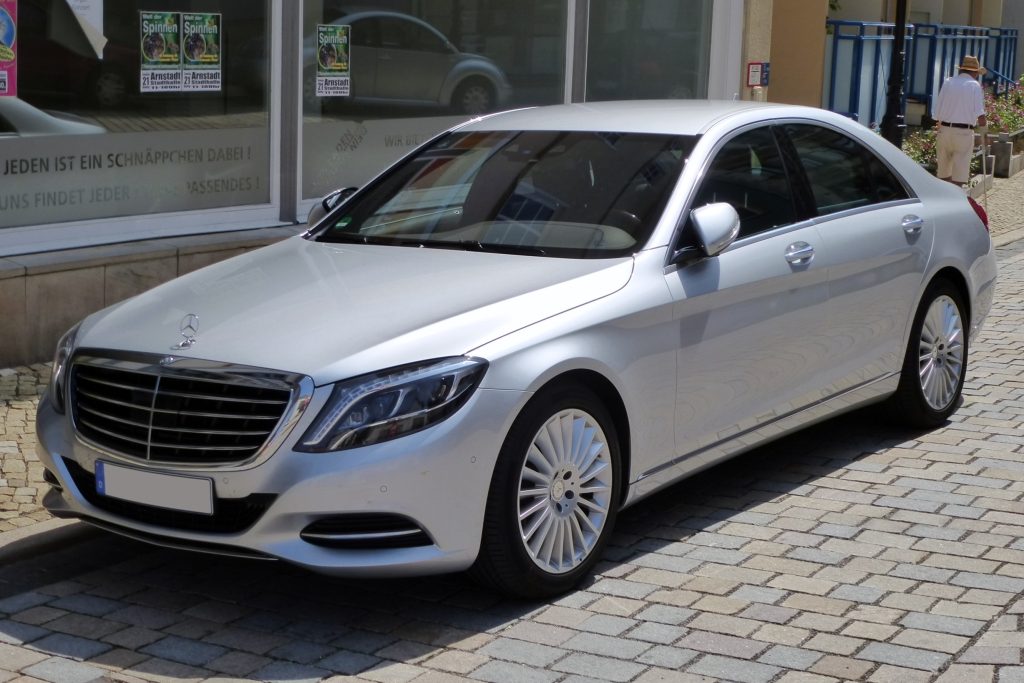
The S-Class is included because it represents the ultimate highway car. It is not built for short errands. It is built to cross cities and countries without making you feel tired.
2) BMW 5 Series
The BMW 5 Series is a car that feels refined in the city but truly comes alive on the highway. It is engineered for stable, confident long-distance travel.
In short commutes, you might not feel its strongest qualities because you spend too much time braking, crawling, and parking. On highways, the 5 Series shows why it has such a strong reputation as a long-distance executive sedan.
One reason is stability. At speed, the 5 Series feels planted and predictable. Steering remains confident, and the car tracks straight without constant corrections.
That reduces fatigue because you are not “managing” the car. You simply drive. Suspension tuning is also designed for balance. It absorbs bumps, but it stays controlled, which is ideal for highway cruising.
Cabin refinement improves on long drives. The car is insulated well, and wind noise remains low. That quietness makes highway miles feel easier. The seats are designed to support long hours, especially in well-equipped trims. Even after a few hours, the seating position feels natural, and the cabin stays comfortable.
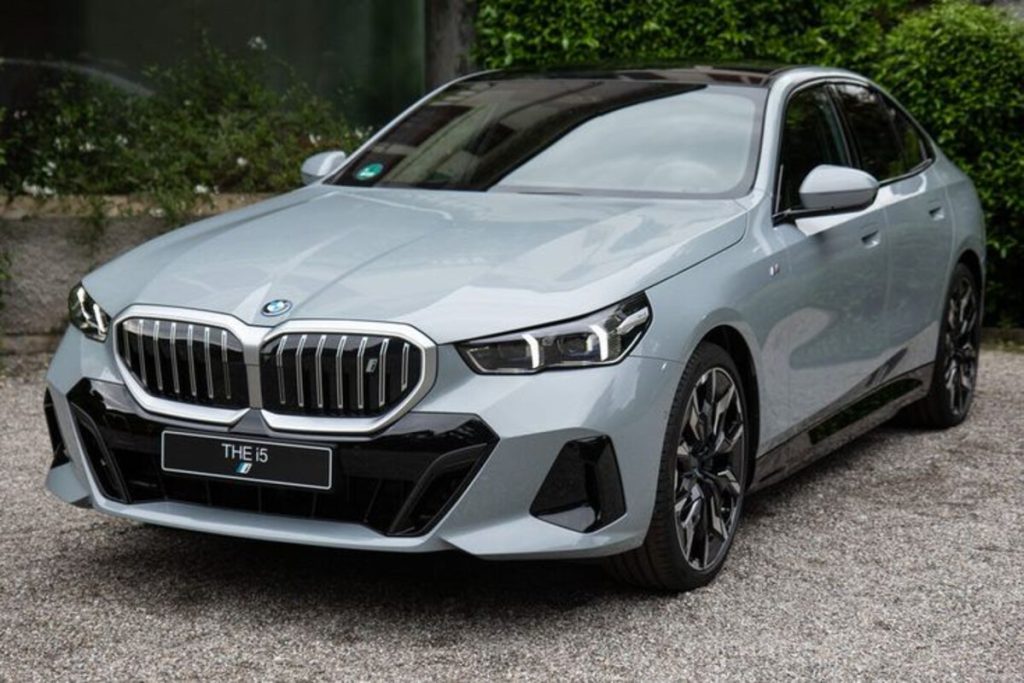
The engine and transmission setup also fit highway life. Smooth power delivery, strong overtaking ability, and stable high-gear cruising are what the 5 Series does best. Fuel economy often improves on highways, especially compared to stop-start city driving.
The BMW 5 Series is included because it is built for distance. It can do short trips, but it feels most satisfied when you give it open road and steady speed, where it becomes relaxed, efficient, and effortlessly confident.
3) Honda Accord (2.0 Turbo or Hybrid)
The Honda Accord is a practical sedan that handles short trips well, but certain versions of the Accord truly prefer highway miles. The Accord shines when it can maintain a steady pace, because it is tuned to deliver comfort and stability over long distances.
Many owners love the Accord specifically because it is one of the few mainstream sedans that can feel premium on highways without carrying luxury-car costs.
Ride comfort is a major highlight. At highway speed, the Accord feels smooth and composed. The suspension absorbs road imperfections without feeling floaty.
It stays stable even when the road surface changes. That stability matters because highway comfort is not just softness, it is control. A car that feels calm at speed reduces mental stress.
Noise insulation is also strong for the segment. The cabin stays relatively quiet, and that quietness makes long drives less tiring. Seats are supportive, especially in well-trimmed versions, making long hours behind the wheel easier.
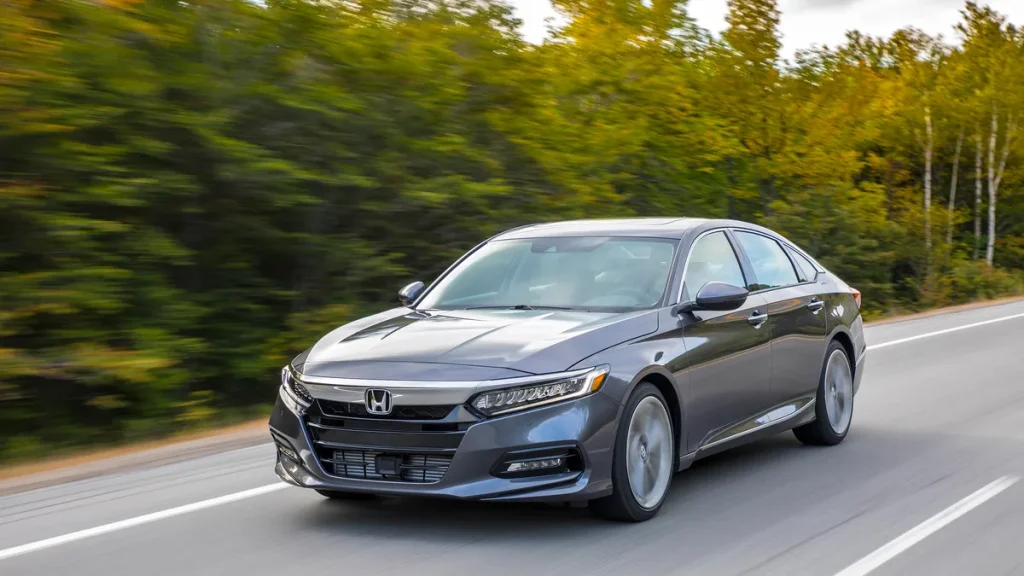
Power delivery is another reason it prefers highways. The Accord’s stronger engines and hybrid systems offer easy overtaking without strain. When you are cruising, the car feels relaxed. Short commutes, on the other hand, often involve frequent braking and restarting, which does not highlight the Accord’s strengths.
The Accord is included because it represents a rare balance: affordable ownership but genuinely strong highway comfort. For people who commute long distances or regularly do road trips, it becomes one of the smartest picks.
4) Volvo XC90
The Volvo XC90 is an SUV that feels luxurious and safe in all conditions, but it truly prefers highway miles. In city driving, its size can feel noticeable, and short trips often waste the benefits of its comfort and refinement. On highways, the XC90 feels like it was built for long distance family travel.
The seating comfort is exceptional. Volvo seats are known for long-distance support, and in the XC90 that advantage becomes clear after hours on the road. Passengers stay relaxed, and the cabin atmosphere feels calm. That is vital for highway family driving, where comfort affects everyone.
Noise insulation is another strong point. SUVs often struggle with wind noise, but the XC90 keeps the cabin quiet. At cruising speed, the car feels stable and composed. Suspension tuning is designed for comfort at speed, and it smooths out highways beautifully.
Technology also works well on long drives. Driver assistance systems like adaptive cruise control and lane support reduce fatigue. When you drive hours, these features matter more than they do in short commutes. They make the car feel like a supportive companion.
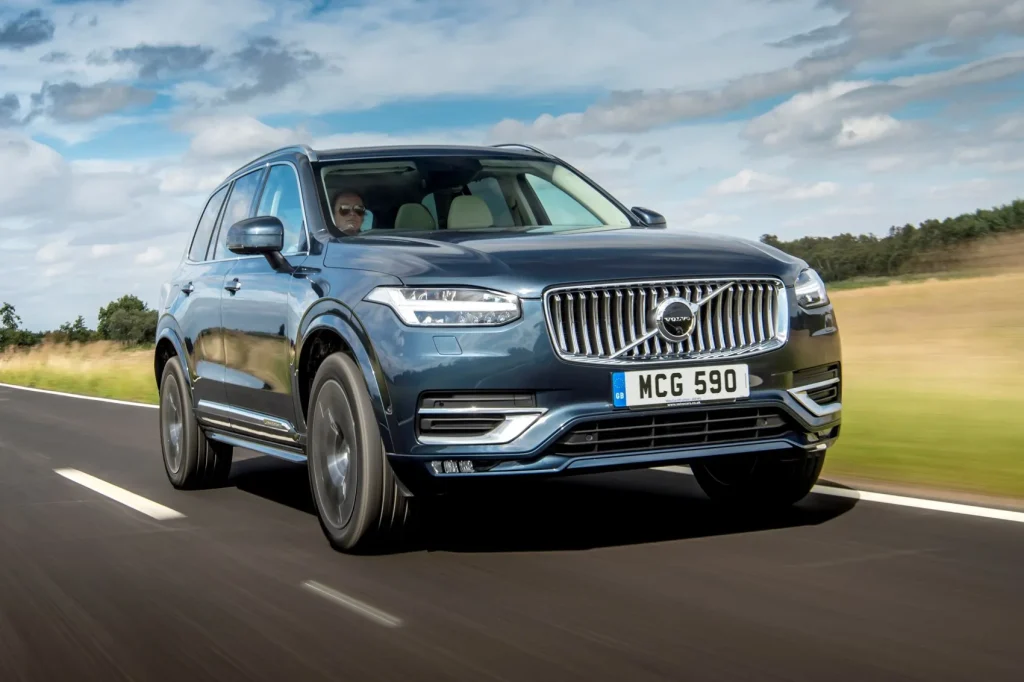
Fuel economy improves in steady highway cruising compared to stop-start city use, especially in certain powertrains. That makes the XC90 feel more logical on road trips.
The XC90 is included because it represents a “distance family SUV.” It is a vehicle that shines when you give it highway miles, where its comfort, refinement, and safety feel fully utilized.
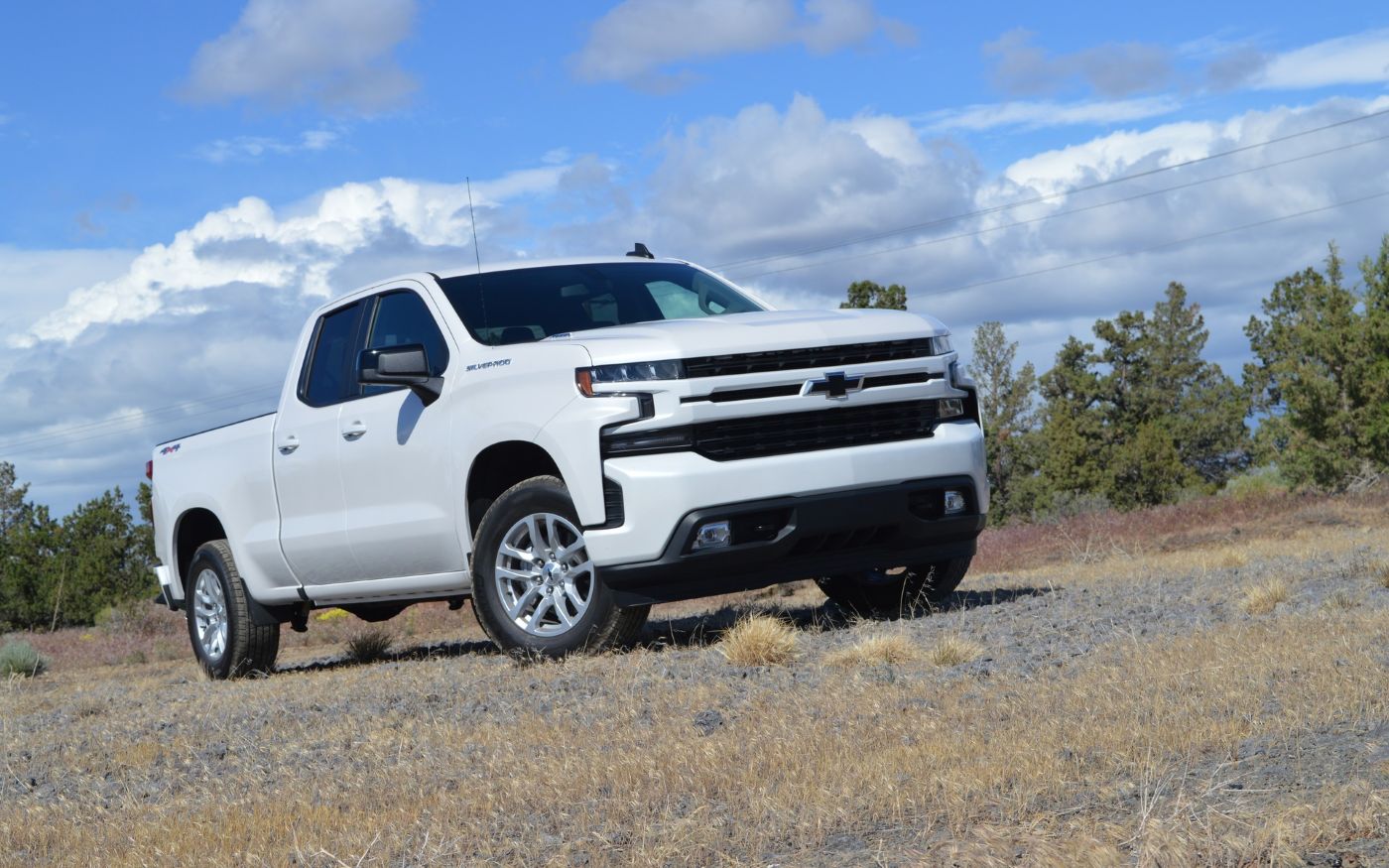
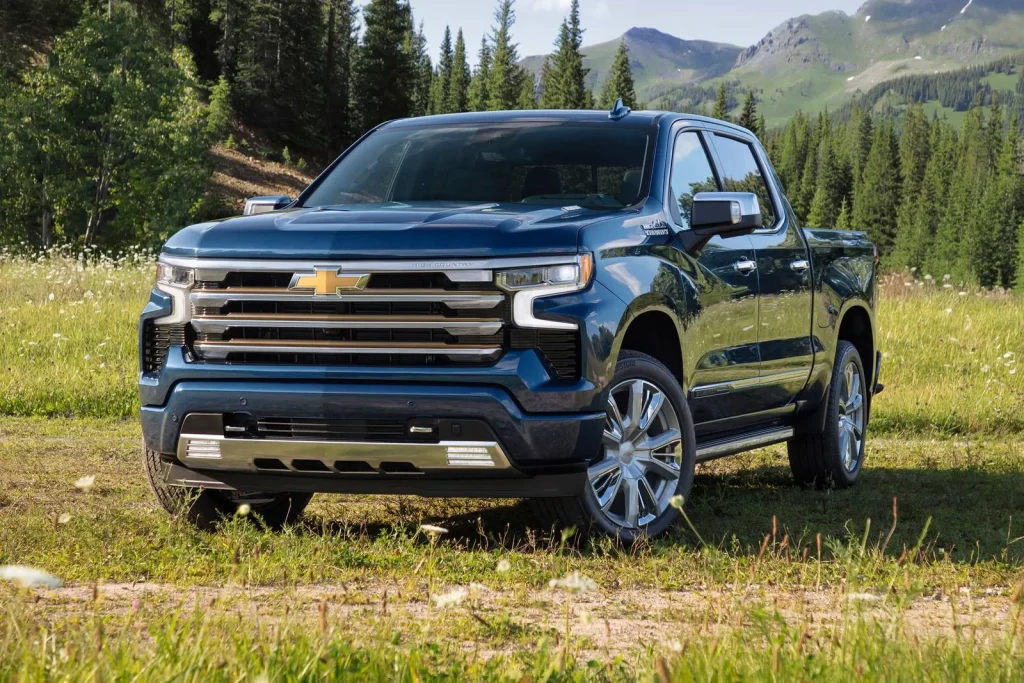
5) Chevrolet Silverado (Diesel)
Pickup trucks can be city-friendly in some cases, but many trucks, especially diesel-powered ones, prefer highway miles. The Chevrolet Silverado diesel version is a perfect example.
Diesel engines often run most efficiently and happily when they are driven for longer distances at steady loads. Short commutes are not ideal for diesel engines because they may not reach optimal temperature, and emissions systems often prefer longer runs.
On the highway, the Silverado diesel becomes a comfortable cruiser. The engine produces strong torque with low effort, making long climbs and highway passing feel relaxed.
The gearing is designed for cruising, and the truck can sit in a high gear at low RPM for long periods. That reduces noise and improves efficiency.
Ride comfort is also better than many people expect. At highway speed, the Silverado can feel stable and smooth, especially in well-equipped trims. The cabin is spacious, seating is comfortable, and long drives feel easier because you have room to stretch.
Fuel economy is where diesel highway miles shine. Many diesel trucks deliver surprisingly strong highway efficiency, especially compared to city use where stop-start behaviour wastes fuel and adds wear.
The Silverado diesel is included because it is built for working and traveling long distances. It can handle short trips, but it prefers highway miles where its engine design, torque delivery, and cruising efficiency feel most natural.
This article explains that not all cars suit the same driving routine. Short commutes sound easy, but they can be tough on many vehicles because the engine barely warms up, stop-start traffic increases brake wear, and frequent cold starts reduce efficiency.
Cars that “don’t mind” short commutes are usually hybrids, EVs, or compact cars with simple drivetrains and city-friendly driving manners. The Toyota Prius is ideal because its hybrid system thrives in stop-and-go use, recovers energy through regenerative braking, and avoids wasting fuel in traffic.
The Nissan Leaf shows why EVs are natural short-trip champions, offering instant torque, quiet operation, and no idling fuel waste. The Honda Fit/Jazz suits short commutes with its compact size, easy parking, quick warm-up, and flexible interior practicality.
The Hyundai Kona Electric combines crossover practicality with EV smoothness, making daily errands effortless. The Toyota Corolla Hybrid rounds out the list by delivering consistent efficiency and reliability even on short, traffic-heavy drives.
The article then shifts to cars that prefer highway miles. These vehicles feel best at steady speed, where long gearing, cabin insulation, and optimized engine operation create smooth, quiet cruising.
The Mercedes-Benz S-Class represents the ultimate highway comfort machine with exceptional ride softness, silence, and long-distance seating support. The BMW 5 Series thrives on stability and refined cruising, feeling more relaxed the longer you drive.
Certain Honda Accord versions shine on highways due to calm ride quality and strong passing ability. The Volvo XC90 is built for long family travel with quiet comfort and supportive seats.
The Chevrolet Silverado diesel prefers highway miles because diesel powertrains and emissions systems work best on long, steady drives, delivering strong torque and efficiency.
Also Read: 5 Cars for Shreveport Louisiana Work vs 5 That Wear Out Fast
