
City life demands a different kind of vehicle. It is not about speed, top-end horsepower, or how impressive a car looks parked outside a cafe.
Urban routines are built around stop-and-go traffic, tight parking spaces, narrow lanes, sudden U-turns, speed breakers, quick grocery stops, and daily commuting that repeats like clockwork.
A vehicle that feels perfect on highways can feel exhausting in a dense city, while a car that seems “basic” on paper might quietly become your best companion because it adapts smoothly to daily urban challenges.
That is why choosing the right vehicle for city use is less about chasing trends and more about choosing the right fit. In a city, the best vehicles are those that make life easy.
They steer lightly, squeeze into parking spaces without drama, and offer strong visibility so you feel confident in traffic. They also deliver comfort at low speeds because urban driving involves more braking, crawling, and idling than free-flow driving.
Features like a smooth automatic gearbox, responsive brakes, good air conditioning, smart storage spaces, and an easy-to-use infotainment system play a much bigger role in city happiness than most people expect.
But not every vehicle adapts well. Some feel stressful because they are too large, too stiff, or too complicated for city routines. Oversized SUVs can become frustrating in tight lanes and parking ramps. Sports cars can feel punishing on potholes and speed breakers.
Certain vehicles have poor visibility, heavy steering, awkward turning circles, or interiors that do not support practical daily use. And sometimes, a vehicle is simply designed for a different purpose, like off-roading or long highway cruising, which makes it feel out of place in crowded urban streets.
This article compares both sides clearly: five vehicles that adapt well to urban routines and genuinely simplify city life, and five that do not, often making city driving feel more difficult than it needs to be. The goal is to help you understand what matters most in everyday urban reality.
Also Read: 10 Used Sports Cars That Keep Maintenance Costs in Check
5 Vehicles That Adapt Well to Urban Routines
Urban driving is about efficiency and ease. The perfect city vehicle makes you feel relaxed even in peak-hour traffic. It should be easy to park, easy to manoeuvre, and comfortable at low speeds.
Most importantly, it should fit into city infrastructure, not fight against it. That means manageable size, light controls, good visibility, and practical cabin design.
In this section, the vehicles are chosen because they excel in real-world city routines. These are the kinds of vehicles that make daily tasks smoother, whether it is commuting, shopping, dropping kids, or navigating crowded streets.
They are easy to live with, and they reduce stress. A truly urban-friendly vehicle makes you feel like the city is manageable instead of overwhelming.
Another reason these vehicles stand out is that they offer the right balance. They are not necessarily the smallest or cheapest options, but they deliver usability. You get enough cabin space for passengers and bags, but not so much bulk that parking becomes a daily battle.
Their engines and gearboxes are tuned for stop-and-go traffic. Their ride quality fits uneven city roads. Their interior storage solutions support daily life. And their technology works with you, not against you.
This list includes vehicles that suit different urban lifestyles, from compact commuters to families who need space without losing manoeuvrability.
Each one earns its place by proving itself in the situations that matter most: rush-hour crawling, tight corners, small parking spots, and constant short trips. Urban routines punish impracticality, and these vehicles avoid that trap.
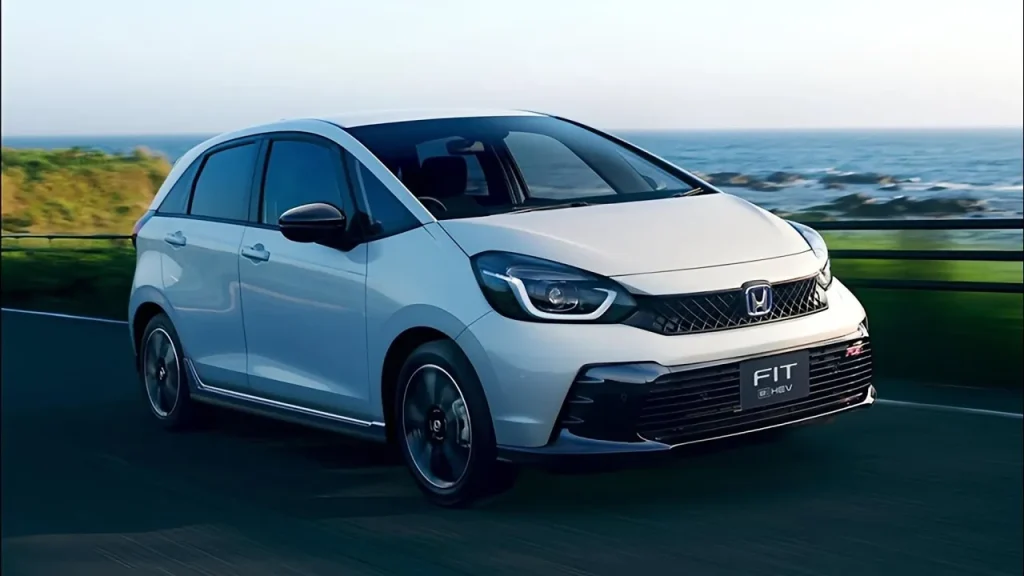
1) Honda Fit (Jazz)
The Honda Fit, also known as the Honda Jazz in many markets, is one of the most intelligent city vehicles ever made. It does not rely on luxury or brute power. Instead, it wins by adapting perfectly to urban routines.
The compact footprint makes it extremely easy to park and manoeuvre through narrow streets. In dense traffic, this matters more than anything. When the city feels crowded and chaotic, the Fit feels like it was designed to slip through gaps without effort.
What makes the Fit special is how it maximizes space inside despite being small outside. The rear seats are surprisingly roomy for adults, and the cargo area is practical enough for groceries, luggage, or even bulky shopping.
This is why it is included here: urban routines often involve unexpected errands. One moment you are commuting, the next you are buying household items, picking up a package, or carrying sports gear. The Fit adapts without feeling strained.
Visibility is another big advantage. Many city driving problems come from not seeing cyclists, pedestrians, or scooters approaching from odd angles.
The Fit’s upright design and large windows help you stay aware. The steering is light, the turning circle is tight, and the car responds predictably. That combination makes it feel natural in urban settings.
Comfort also plays a role. City roads are full of bumps, patched asphalt, and speed breakers. The Fit handles those conditions without feeling harsh.
It is also economical, which matters because stop-and-go driving burns fuel faster. The Fit earns its reputation as the “smart urban car,” and that is why it belongs at the top of this list.
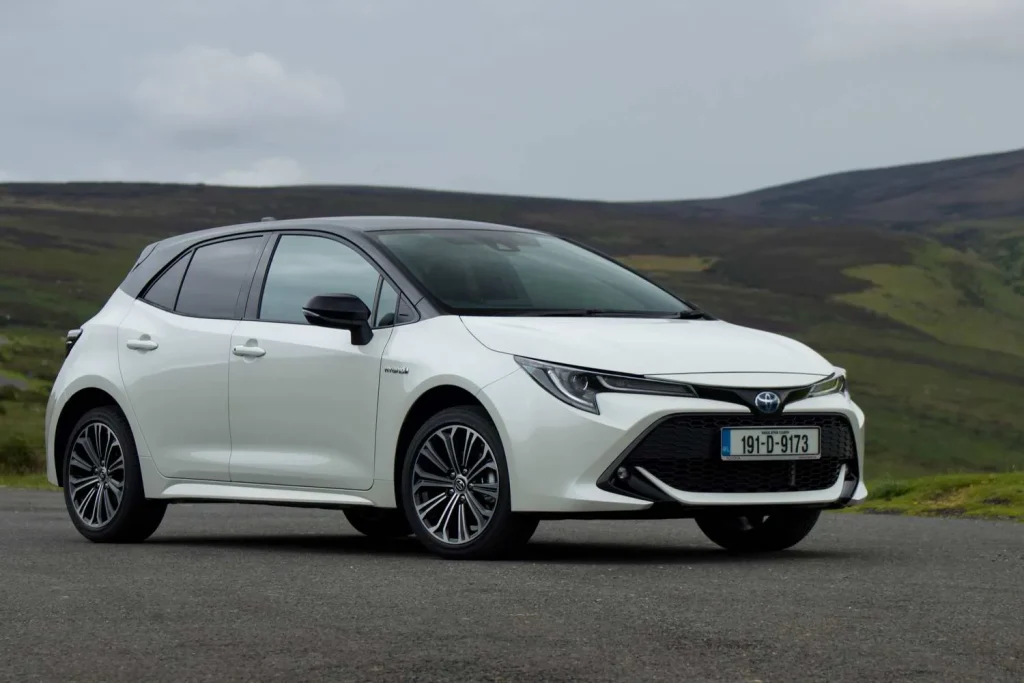
2) Toyota Corolla Hybrid
The Toyota Corolla Hybrid is a city driving champion for one simple reason: it makes urban routines smooth and efficient. Hybrids are often at their best in city conditions because they can use electric assistance at low speeds and during stop-and-go traffic.
That means better fuel economy and a calmer driving experience. In daily urban routines, that adds up to real savings and less stress.
The Corolla Hybrid feels light and easy to drive. It is not oversized, so parking is manageable. Steering effort is comfortable for repeated manoeuvres, and the vehicle feels stable even in chaotic traffic. It is not trying to overwhelm you with aggressive performance. Instead, it focuses on predictability, and that is exactly what city drivers need.
Another reason it adapts well is the cabin comfort. Urban driving can be tiring because you spend a lot of time crawling. The Corolla’s seating position and general ride quality reduce fatigue. Noise insulation is usually decent for the class, helping the cabin feel calmer than the traffic outside.
Practicality is also strong. The Corolla has enough space for daily life. Passengers fit comfortably, and the boot handles groceries, backpacks, and routine luggage. It is not a cargo monster, but it does not need to be. It is about consistent urban usability.
It is included because many city users want a vehicle that feels effortless daily. The Corolla Hybrid does not demand attention, it just performs its job smoothly. It is reliable, efficient, and urban-friendly. That is exactly the kind of “quiet excellence” that matters most in city routines.
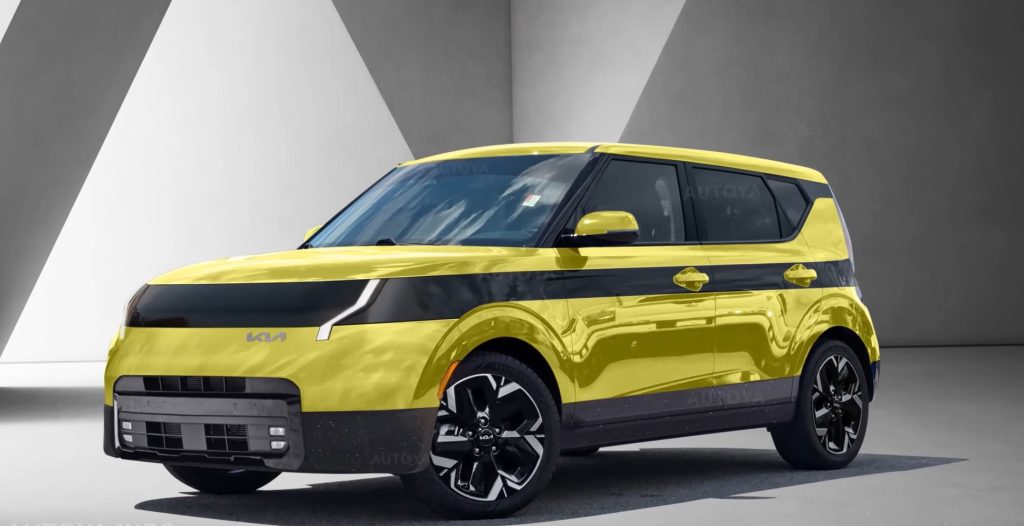
3) Kia Soul
The Kia Soul is one of those vehicles that looks quirky but makes perfect sense in city life. Its boxy shape is not just styling, it is an advantage. The Soul is compact enough to be city-friendly, but the tall cabin makes it feel spacious inside. That is an important urban benefit because city vehicles often need to be small outside but comfortable inside.
The upright design improves visibility. In city driving, visibility is safety and confidence. The Soul makes it easier to see traffic, spot pedestrians, and judge tight spaces. Parking becomes less stressful because the shape is easy to understand. You can tell where the corners are, and that matters when squeezing into tight parking slots.
Another reason it adapts well is practicality. Entry and exit are comfortable because the seating height is friendly. You are not dropping down into the car, and you are not climbing too high. This makes daily driving more convenient, especially when you are doing multiple short trips.
Ride quality is generally tuned for comfort, and the Soul handles broken roads better than many low sedans. It also has a flexible cargo space, making it useful for urban errands, shopping, and weekend plans.
The Soul is included because it represents a clever city vehicle philosophy: compact footprint, maximum interior usability. It is not trying to be sporty or premium. It is trying to be a reliable, adaptable urban companion, and it succeeds.
4) Mini Cooper (5-Door)
The Mini Cooper, especially in the 5-door version, is an excellent urban vehicle because it was practically born for city streets. Its compact size makes it ideal for dense roads and narrow lanes. When traffic is tight and parking is limited, the Mini feels like a tool designed to solve city problems rather than create them.
One of its biggest strengths is manoeuvrability. The steering is quick, and the car feels playful, which can actually make urban driving more enjoyable. Many people forget that city routines are not just about surviving traffic, they are about how the car makes you feel daily. A vehicle that is agile and easy to handle makes city life less tiring.
The 5-door layout improves practicality. Rear-seat access becomes more usable for friends, kids, or daily errands. The cabin is not huge, but it is designed smartly. The boot fits daily needs like grocery bags, backpacks, and shopping. You will not move furniture in it, but you can handle typical urban life easily.
Another reason it adapts well is its strong build and controlled ride. It feels stable and planted, even when roads are uneven. It also has a personality that keeps drivers engaged. That matters because commuting can feel dull, and a Mini adds some fun without sacrificing daily usability.
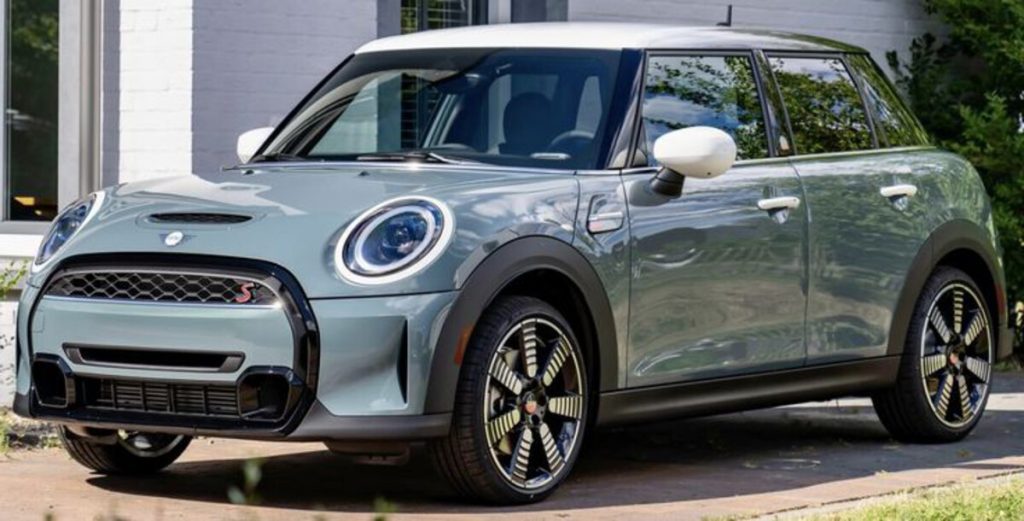
The Mini Cooper is included because it proves that city vehicles do not need to feel boring. It adapts brilliantly while still offering character, and that is a rare combination.
5) Hyundai Kona
The Hyundai Kona is a modern compact crossover that fits the city perfectly. Crossovers are popular because they combine manageable size with practical height. The Kona is one of the better examples because it stays compact enough for tight city use while still giving you the advantages of a higher seating position.
The Kona’s driving position improves visibility, which reduces urban stress. You can see traffic movements more clearly, judge gaps more confidently, and feel more in control in crowded conditions. The steering is light, making slow manoeuvres easier. Parking is relatively simple compared to larger SUVs.
Inside, it provides the right balance. There is enough passenger room for daily use, and the boot is practical for groceries, bags, and small luggage. It is not oversized, so it does not punish you in tight parking structures. It is also comfortable over typical city roads, handling bumps and speed breakers without excessive harshness.
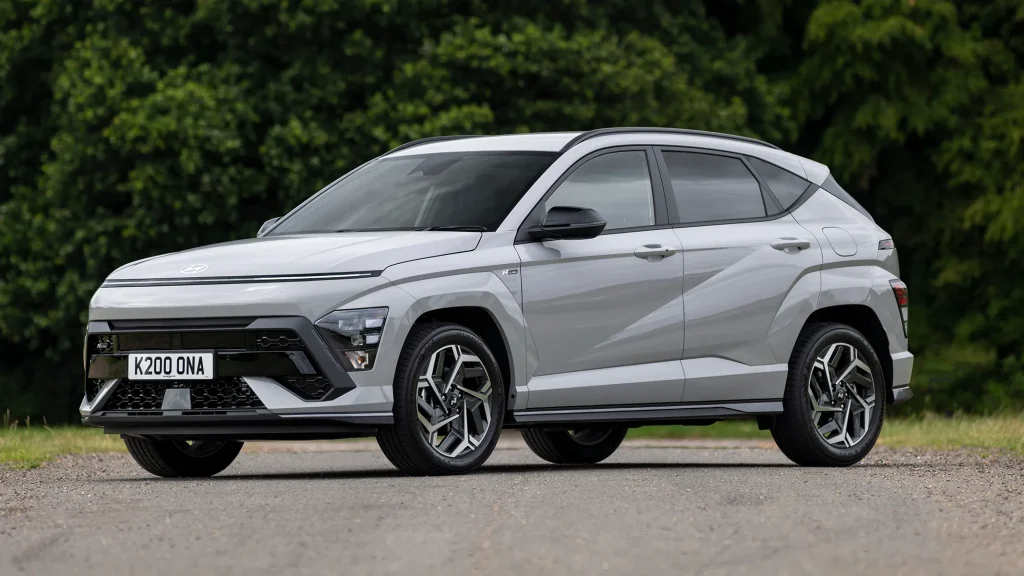
Technology and safety features often add to its city usability. Rear cameras, sensors, and driver assists matter more in cities than on highways because you deal with constant obstacles and unpredictable movement.
The Kona is included because it is the type of vehicle many urban drivers actually need: compact, comfortable, practical, and confidence-building. It is an honest city companion that fits modern routines without unnecessary compromises.
5 That Don’t
Some vehicles feel impressive in the showroom, and some feel amazing on open roads, but city routines expose their weaknesses quickly. Urban driving is a constant test of patience and practicality.
You are parking more often than you realize, making tight turns in cramped streets, crawling in traffic, and dealing with potholes, speed breakers, and uneven road surfaces.
You also have to stay alert for pedestrians, cyclists, scooters, and sudden lane changes. In this environment, a vehicle that is too large, too low, too stiff, or too complicated can feel like a burden rather than a tool.
Vehicles that struggle in the city often share a few common traits. Oversized trucks and large SUVs demand too much space and attention. Their width and turning radius make narrow streets feel like an obstacle course.
Sports cars suffer because city roads are hostile to low ground clearance and stiff suspension. Some luxury vehicles overload drivers with complex interfaces that distract rather than help, which is the last thing you need in congested streets.
And certain vehicles are designed for highway comfort or off-road adventures, meaning their urban usability becomes secondary.
Another major issue is visibility. City driving requires awareness in all directions. Vehicles with thick pillars, tiny rear windows, or awkward body shapes create blind spots that increase stress.
Even with cameras and sensors, you feel less confident in tight environments. Add expensive tyres, large wheels, or delicate bumpers that fear every scratch, and a vehicle can quickly feel “too precious” for real urban life.
This section highlights five vehicles that generally do not adapt well to everyday city routines. It is important to note that these are not “bad vehicles.” Many of them are excellent at what they were built for.
The problem is that they were not built for the daily demands of dense urban environments. If you live in a city and your routine involves tight parking, heavy traffic, and short trips, these vehicles can feel inconvenient in ways you will notice every single day.
1) Ford F-150
The Ford F-150 is a legendary pickup truck, but as a city vehicle it often feels like bringing a bulldozer to a bicycle lane. Its size is the biggest problem. In crowded urban streets, the F-150’s width and length make it difficult to manoeuvre.
Tight turns and narrow lanes require more attention and more patience. Even simple tasks like changing lanes in traffic can feel stressful because you are constantly aware of the space you occupy.
Parking is where the inconvenience becomes obvious. Many city parking spaces and underground parking structures are designed for smaller vehicles. The F-150 can fit, but it often feels like a squeeze.
Even when it fits, you may be left worrying about tight gaps, bumper scuffs, and door dings. That constant tension defeats the purpose of a daily driver. A good urban vehicle should reduce mental load, not add more.
Fuel consumption is another issue. Stop-and-go city driving is already inefficient, and large trucks tend to burn fuel heavily under these conditions.
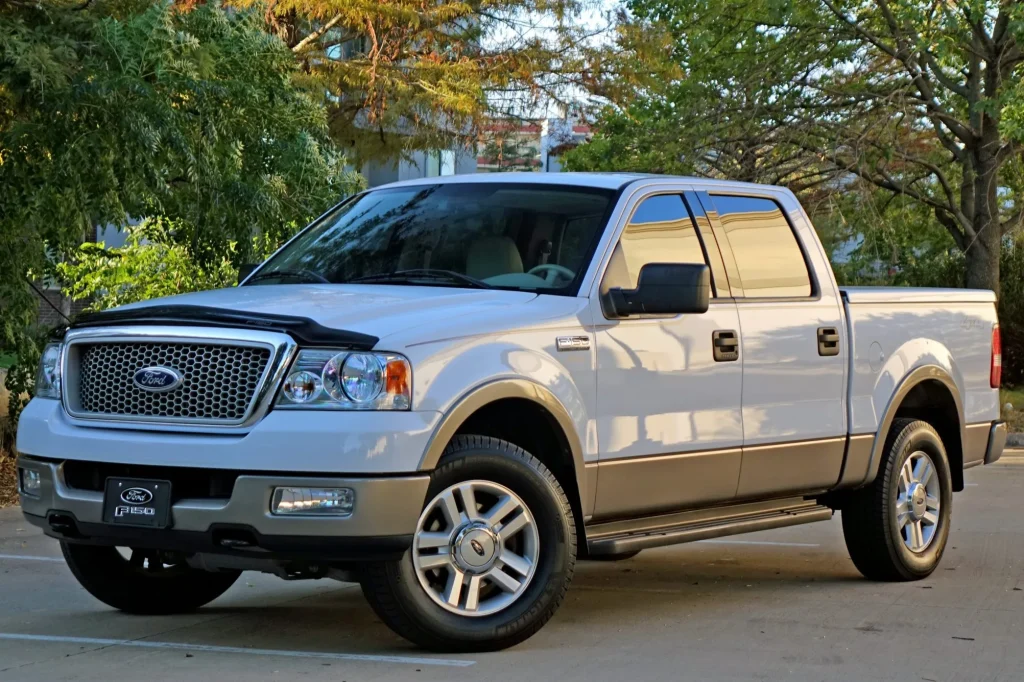
The routine of daily commuting, shopping, and errands can become expensive. The F-150 may be perfect for towing and hauling, but most city drivers do not use those strengths daily.
Ride quality can also feel mixed. While modern trucks are more comfortable than before, their sheer mass and design priorities are still aimed at utility. If you spend most of your time weaving through city traffic, the F-150 can feel excessive.
The F-150 is included here because it represents a mismatch. It is brilliant at work and outdoor lifestyle tasks. But for dense city routines, it is more vehicle than you need, and it can make everyday driving feel harder than it should.
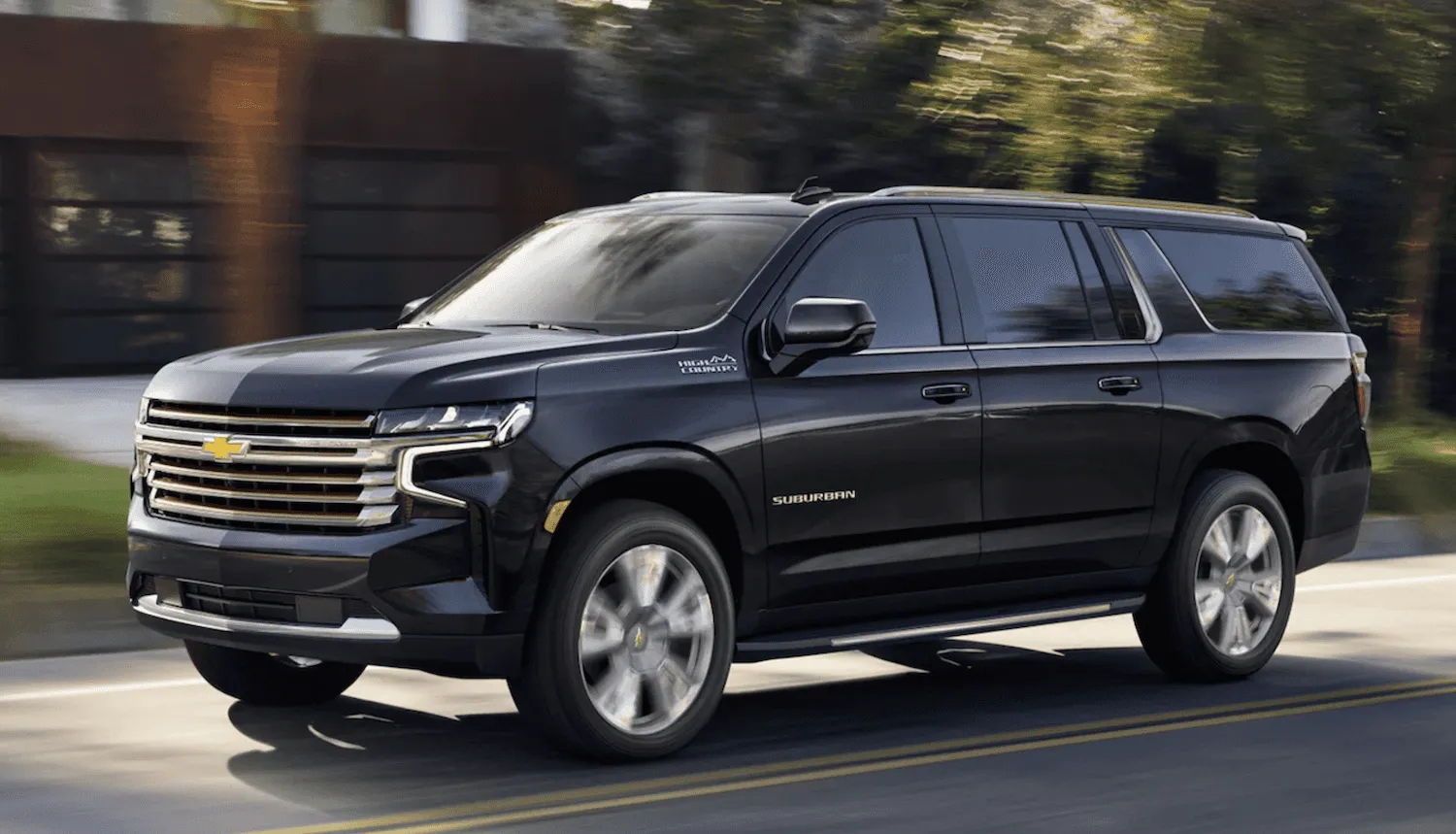
2) Chevrolet Suburban
The Chevrolet Suburban is the definition of a full-size family hauler, but in a dense urban environment it often feels inconvenient. Its size is the biggest challenge.
The Suburban is long, wide, and heavy, and city infrastructure does not always accommodate that comfortably. Narrow streets, crowded intersections, and tight parking lots can turn daily driving into a constant exercise in caution.
Turning radius is another pain point. Many city manoeuvres require quick turns or U-turns. In a Suburban, those actions often require extra space and multiple adjustments.
That might sound like a small issue, but in daily routines it becomes exhausting. The vehicle demands your full attention in places where a smaller car would simply glide through.
Parking can become a daily battle. It is not just about fitting into a spot, it is about feeling comfortable doing it. Parallel parking or parking in multi-level garages can be stressful, even with sensors and cameras. Many drivers eventually avoid certain places altogether because the vehicle feels too large for the environment.
Fuel usage also becomes noticeable. The Suburban is not designed for efficiency in stop-and-go conditions. Urban routines involve idling, creeping forward, and short trips that never allow the engine to operate at its best efficiency. That means higher costs over time.
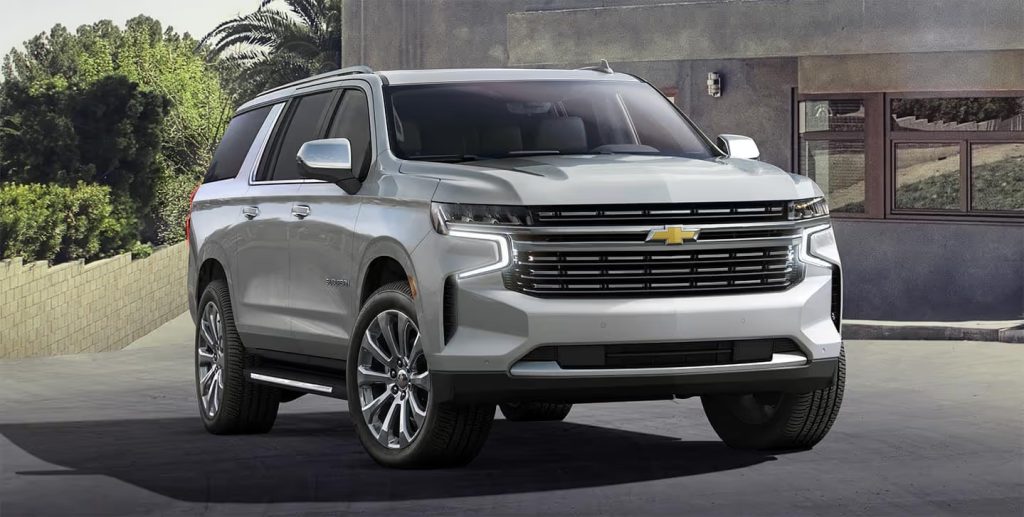
The Suburban is included because it shows how even a comfortable vehicle can struggle when the city becomes the primary setting.
It is great for road trips and large families needing space. But as an everyday urban routine vehicle, it can feel like too much bulk, too much effort, and too much cost.
3) Dodge Challenger
The Dodge Challenger is a muscle car built for drama, sound, and straight-line thrills. In the city, those strengths often turn into weaknesses.
The Challenger is large for a coupe, and its size makes tight urban manoeuvres harder than expected. It does not feel nimble in narrow lanes, and its turning circle can make U-turns and parking adjustments frustrating.
Visibility is another major issue. The Challenger’s design is stylish, but thick pillars and a smaller rear view reduce awareness. In city conditions packed with scooters, cyclists, and pedestrians, visibility is critical. Even with a camera, the shape and seating position can make you feel less confident than in a crossover or hatchback.
Ride comfort is also not ideal for rough city roads. Muscle cars often have firm suspensions, and large wheels can make potholes and road imperfections feel harsher.
Speed breakers can also become annoying depending on ground clearance. Urban roads punish low sporty vehicles, and the Challenger often feels like it is fighting the environment.
Fuel economy is another downside. Stop-and-go city driving and a powerful engine combination means higher consumption. If you are commuting daily, the costs can feel unnecessary.
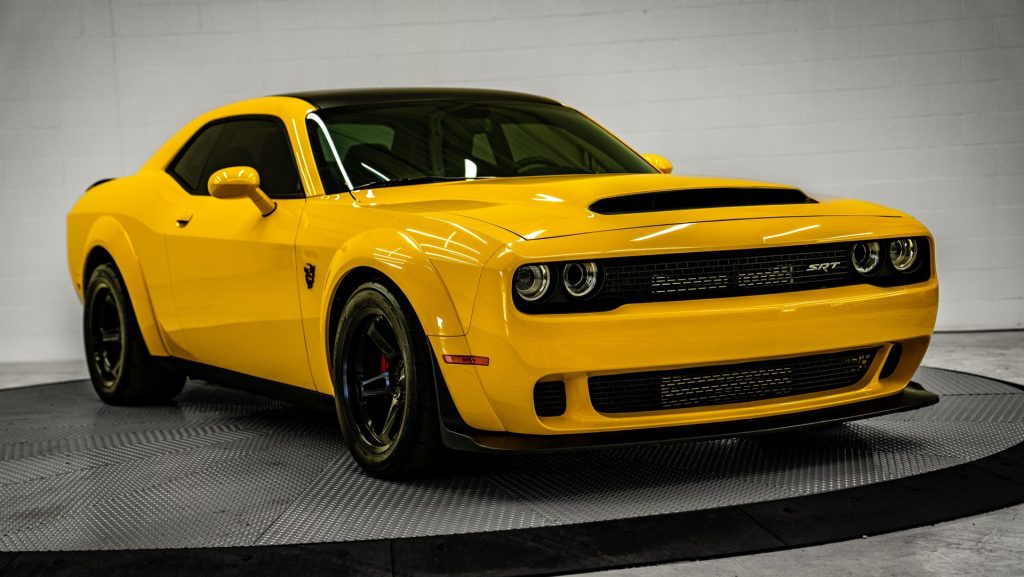
The Challenger is included because it represents a car that people love emotionally. It is exciting, bold, and fun in the right setting. But daily city routines demand practicality, and the Challenger often feels inconvenient because it is not built for those repetitive urban challenges.
4) Mercedes-Benz G-Class
The Mercedes-Benz G-Class has a powerful presence and serious off-road ability, but in the city it can feel awkward. Its upright shape and wide body make it harder to navigate through tight lanes compared to more city-friendly SUVs. It also feels heavy and bulky at low speeds, which matters because most city driving is low-speed driving.
One big issue is that the G-Class feels too “big” for the environment. Parking becomes stressful not because you cannot do it, but because the vehicle feels expensive and exposed to city risks.
Scratches, tight ramps, and careless drivers become constant worries. The G-Class makes many owners drive with extra caution, and that caution becomes tiring in daily routines.
Ride quality can also feel strange. The G-Class is designed with ruggedness in mind, so it does not always feel as smooth as a luxury crossover on broken city roads. You expect softness from the badge, but the vehicle’s structure and character can feel stiff in certain conditions.
Fuel usage is also significant. A heavy, powerful SUV in city traffic is not an efficient combination. Over time, the daily costs add up.
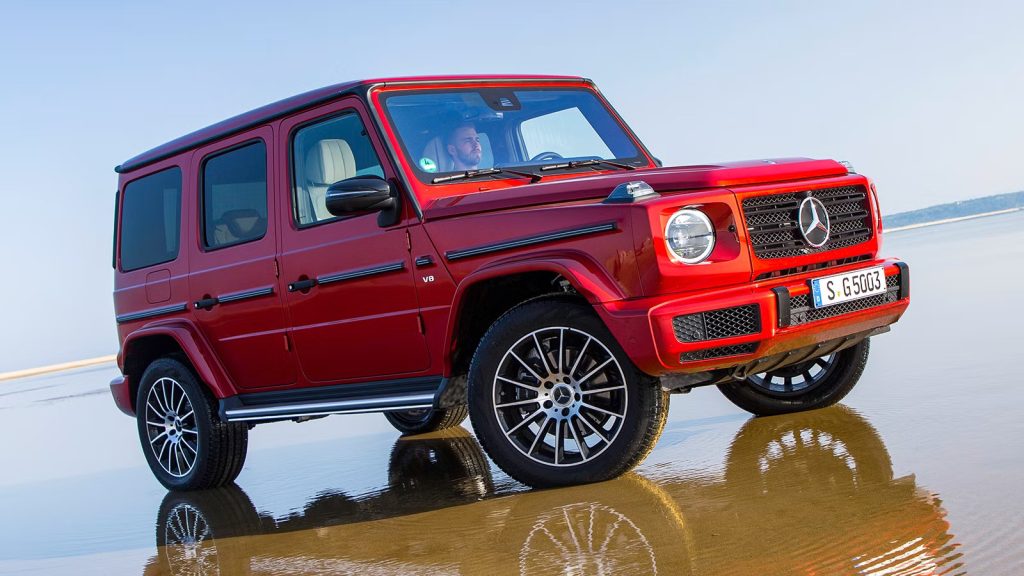
The G-Class is included here because it is a perfect example of mismatch. It is iconic and highly capable, but its strengths are not urban strengths. In a city routine, it can feel like too much vehicle, too much worry, and too much effort.
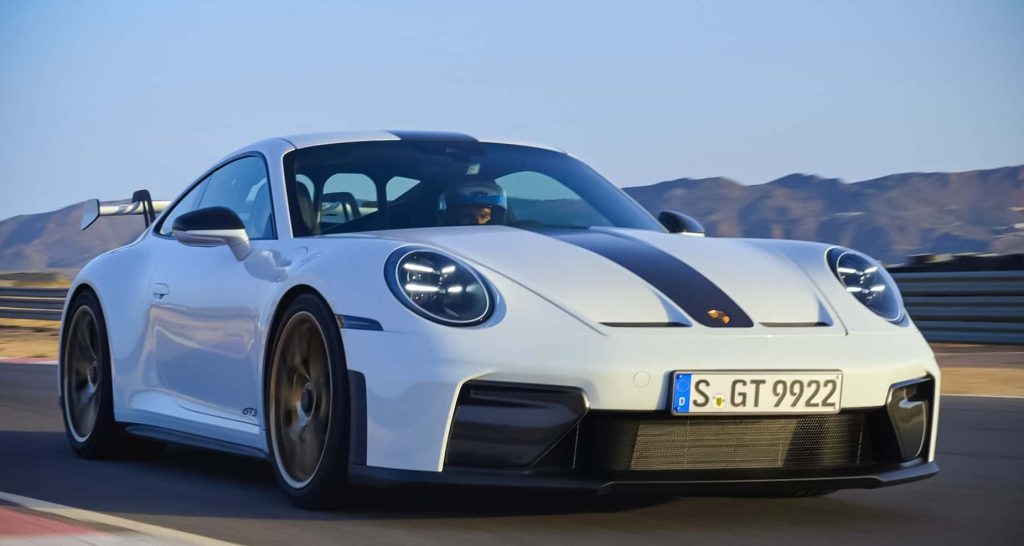
5) Porsche 911
The Porsche 911 is one of the finest sports cars ever built, but urban routines are not where it shines. City driving is full of bumps, potholes, speed breakers, and constant starts and stops.
A low sports car like the 911 can feel like it is constantly protecting itself from the road. You drive slower than you want just to avoid scraping, and that becomes annoying very quickly.
Ground clearance is an everyday concern. Even normal speed breakers can create anxiety. Add steep parking ramps and uneven roads, and the city becomes a threat rather than a playground. That is not how a daily routine should feel.
Cabin practicality is another weakness. The 911 has limited space, especially for daily errands. The rear seats are small and often not truly useful for families, and storage space is limited. Urban life often demands flexibility, from grocery runs to carrying bags. The 911 is not built for that type of practicality.
Visibility can also feel challenging compared to taller vehicles. In heavy city traffic, being low means you are surrounded by larger vehicles that block your view. You depend more on sensors, and that adds mental load.
The 911 is included here because it proves a key point: excellence does not always equal suitability. The 911 is brilliant on highways and open roads. But in daily city routines, it can feel inconvenient, fragile, and stressful to use regularly.
Urban routines reward vehicles that are compact, efficient, easy to park, and comfortable in stop-and-go traffic. Cars like the Honda Fit, Corolla Hybrid, Kia Soul, Mini Cooper 5-door, and Hyundai Kona reduce stress with visibility and manoeuvrability.
Large trucks, huge SUVs, and low sports cars often feel inconvenient in tight streets, parking, and rough city roads.
Also Read: 10 Luxury Cars That Prove Reliability and Prestige Can Coexist
