
Buying a car is rarely just about the sticker price. What most people actually want is value: a vehicle that feels comfortable to live with every day without draining the wallet in running costs, repairs, or depreciation.
That balance between cost and comfort is harder to find than it seems. Some cars look affordable up front but feel tiring to drive daily because of noisy cabins, stiff suspension, poor seats, or weak air conditioning.
Others feel very comfortable during a short test drive but become expensive burdens later due to fuel consumption, costly parts, and maintenance that keeps rising year after year. Real value sits in the middle, where the car stays pleasant to drive and own, while still being sensible for a household budget.
Comfort matters because most driving today happens in real conditions, not perfect roads. You face potholes, traffic, long commutes, and unpredictable weather. If a car rides harshly or forces you into awkward seating positions, you will feel it daily.
A comfortable cabin also reduces fatigue, which makes driving safer and less stressful. But comfort should not come at an unreasonable cost. A car that feels premium but is expensive to maintain is not truly “comfortable” long term, because it adds financial pressure and ownership anxiety.
That is why this article compares two groups. The first group includes five cars that genuinely balance cost and comfort. These are vehicles that keep purchase prices reasonable while offering calm cabins, smooth rides, supportive seats, good practicality, and running costs that do not surprise you.
They are included because they make sense for normal families and daily users. The second group includes five cars that miss the mark.
These cars may seem appealing due to brand, styling, or features, but they often fail because they are either too costly for what they deliver or too uncomfortable for daily living. The goal is to help you see beyond marketing, and focus on real-world ownership value.
5 Cars That Balance Cost and Comfort
Most car buyers want the same thing: an easy life on the road without financial regret. That means a car needs to feel comfortable in traffic, stable on highways, and forgiving on bad roads. Comfort is not only about soft seats.
It includes ride quality, cabin noise, driving position, smooth throttle response, and user-friendly controls. Cost, on the other hand, is not only the purchase price. It includes fuel economy, routine maintenance, parts availability, insurance costs, and how well the car holds resale value.
This section highlights cars that honestly deliver this balance. These models are written about because they represent smart choices for people who want comfort without overspending.
They do not necessarily try to impress with dramatic styling or supercar-like performance. Instead, they focus on the daily experience. They have cabins that feel calm, suspensions that absorb road imperfections, and seating that supports you through long hours.
At the same time, they keep costs sensible through strong reliability records, reasonable service expenses, and solid efficiency.
Another important factor is that these cars are not “cheap compromises.” They feel well thought out. Many buyers mistakenly think comfort only comes with luxury badges.
In reality, some mainstream cars do comfort better than premium vehicles, especially when you consider the cost of ownership. These vehicles are chosen because they prove that point.
So if your goal is a car that feels pleasant every day without punishing you financially, these five picks are the kind of models that deserve attention. They represent practical comfort, not expensive comfort, and that is a big difference.
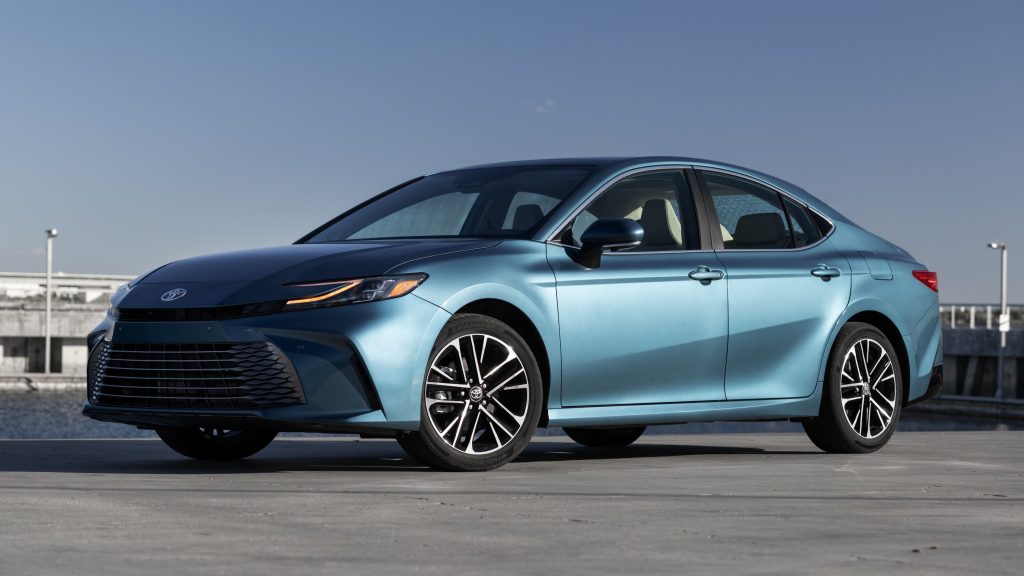
1) Toyota Camry
The Toyota Camry is one of the most consistent answers to the cost-versus-comfort question. It has built its reputation on being smooth, dependable, and easy to own. The ride quality is a big reason it belongs here.
The Camry is tuned for comfort, meaning bumps and rough patches are absorbed without the harshness you might feel in sportier sedans. That matters because daily driving is full of imperfect roads, and comfort is built in those moments.
Inside, the cabin feels calm. Noise levels are well controlled for its class, and the seating is supportive enough for long drives without leaving you tired. Families appreciate the rear-seat comfort too, because passengers are not squeezed or uncomfortable.
The Camry also offers a sensible amount of features without pushing you into expensive trims just to get the basics. That makes it financially logical.
Ownership cost is where the Camry truly shines. Toyota’s reputation for reliability is not just marketing. Many Camrys run for years with only routine maintenance. Parts availability is strong in most markets, and servicing is generally straightforward.
Fuel economy is also reasonable, especially in newer models with efficient engines and hybrid options. That matters because fuel cost becomes one of the biggest long-term expenses for many owners.
The Camry is included because it provides comfort in the way people actually need it: smooth ride, calm cabin, and low stress. It is not trying to be flashy. It is built to make daily life easier. That balance of comfort and sensible ownership costs is exactly what “value” should mean.
2) Honda Accord
The Honda Accord is another sedan that gets the balance right, but in a slightly different way than the Camry. The Accord often feels a bit more engaging to drive while still staying comfortable.
That makes it a great pick for people who want comfort but do not want to feel bored behind the wheel. For everyday commuting and family use, the Accord offers a cabin that feels roomy and well designed.
The seating position is comfortable, and the seats themselves support long drives. The suspension is tuned to handle bumps without shaking passengers, yet it stays controlled at higher speeds.
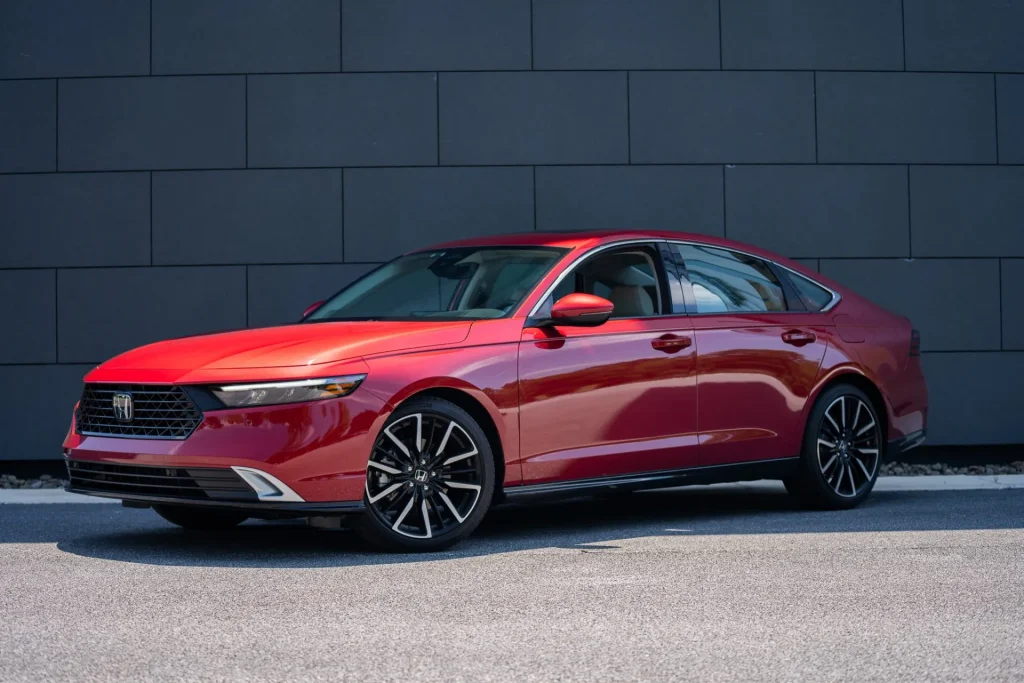
That balance makes the Accord feel confident on highways while still being a comfort-focused vehicle in the city. Steering is also light enough for easy daily use.
Cost-wise, the Accord usually delivers strong value through reliability and resale. Honda tends to build cars that age well, and many Accord owners keep them for years. Maintenance costs are typically reasonable for the segment, and fuel economy is often strong, especially with modern efficient engines and hybrid options.
The Accord is included because it appeals to buyers who want comfort but also want their car to feel alive. It proves you do not need a luxury badge for a quality cabin, a smooth ride, and long-term dependability. This is practical comfort with a smarter cost structure than many premium alternatives.
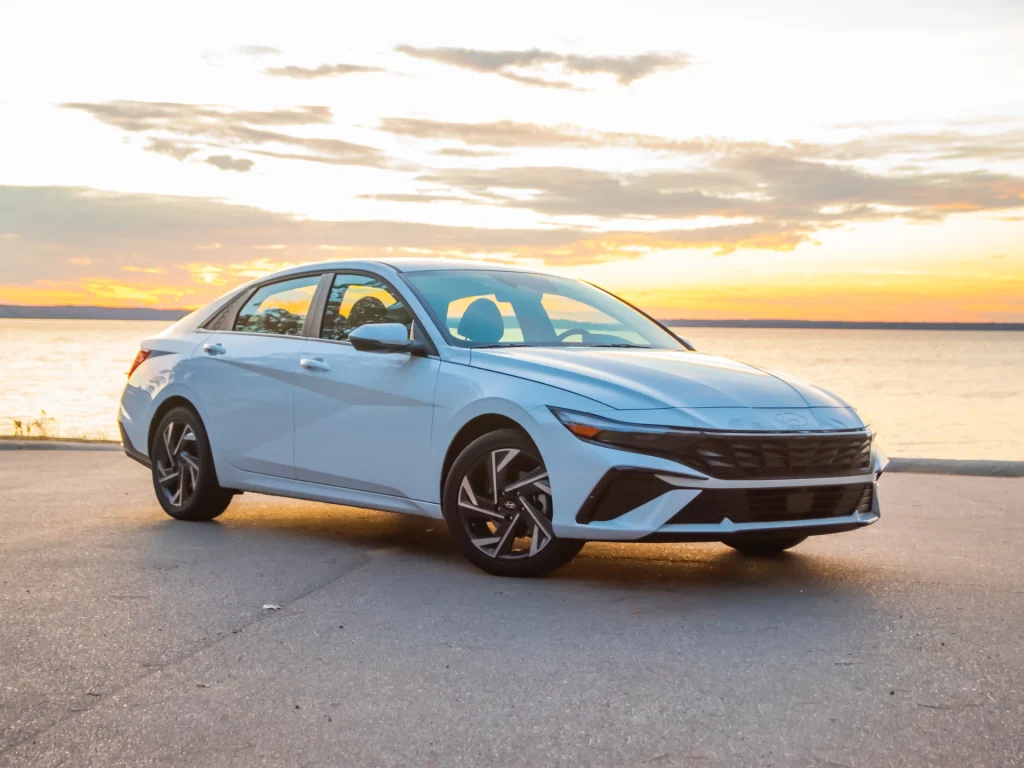
3) Hyundai Elantra
Not everyone wants or needs a mid-size sedan. Many buyers simply want a smaller, affordable car that still feels comfortable. That is where the Hyundai Elantra earns its place.
The Elantra is included because it offers a surprising level of daily comfort for its price. It is not expensive compared to many competitors, but it still provides a smooth ride, decent cabin quality, and features that make daily use easier.
The Elantra’s suspension is tuned to handle everyday roads without feeling overly stiff. In traffic and commuting, it feels light and manageable. The cabin is designed with modern convenience in mind. Even in lower trims, you often get user-friendly infotainment and comfort features that improve daily quality of life.
Fuel economy is another strength. In many markets, the Elantra delivers efficient running, which makes it affordable long-term. That is crucial because a car that saves you money on fuel effectively becomes cheaper every month you own it.
Maintenance is generally reasonable as well, especially when paired with strong warranty coverage in markets where Hyundai offers long warranties.
The Elantra is included because it represents value for budget-focused buyers who still care about comfort. It does not feel like a penalty box. It feels like a smart modern car that makes daily driving pleasant without forcing you into higher price brackets.
4) Mazda CX-5
The Mazda CX-5 is one of the best examples of a vehicle that feels more premium than its price suggests. It is included because it offers comfort in multiple layers: ride quality, cabin design, seating, and overall refinement.
Many people want an SUV-style vehicle for practical reasons, and the CX-5 delivers that while still staying reasonably priced compared to premium crossovers.
The cabin is a standout. Materials and layout often feel more upscale than competitors in the same price range. The seats are supportive and comfortable for long drives.
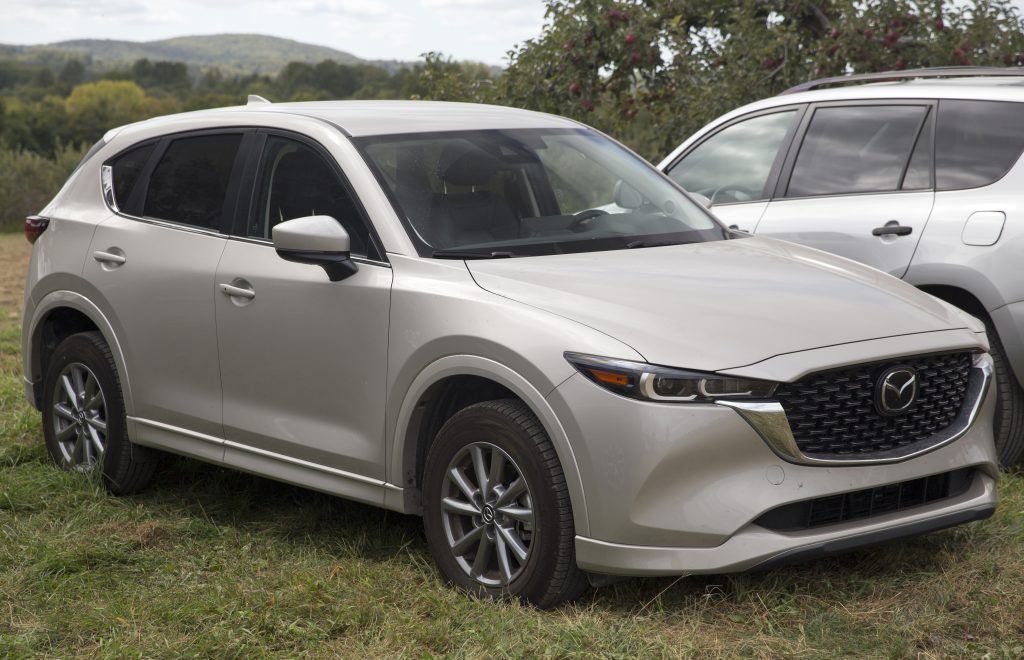
The ride is generally smooth, absorbing road imperfections while keeping good stability. That stability adds comfort too, because a car that feels planted reduces fatigue.
Ownership costs are also reasonable. Mazda reliability has improved significantly over the years, and the CX-5 has built a reputation as a dependable option. Fuel economy is decent for a crossover, and maintenance is not usually extreme. Resale value also tends to be strong, especially for well-kept models.
The CX-5 is included because it gives buyers the feeling of premium comfort without premium financial pain. It is not the cheapest SUV, but it is one of the best at delivering comfort per rupee or dollar spent. That is true value.
5) Subaru Forester
The Subaru Forester is included because it offers comfort that goes beyond softness. It provides a calm, confident driving experience, especially for people who deal with mixed road conditions.
Its seating is comfortable, and visibility is excellent, which reduces stress in daily driving. In a way, visibility becomes comfort, because it keeps you relaxed behind the wheel.
Ride quality is tuned for real roads. The Forester does well on uneven surfaces, handling potholes and broken patches without excessive harshness. The cabin is roomy and practical. Families appreciate the rear-seat space and boot usability. It is not trying to be stylish at the cost of practicality.
Running costs are reasonable when you consider what the Forester offers. Subaru’s all-wheel drive adds confidence, especially in rain or poor conditions.
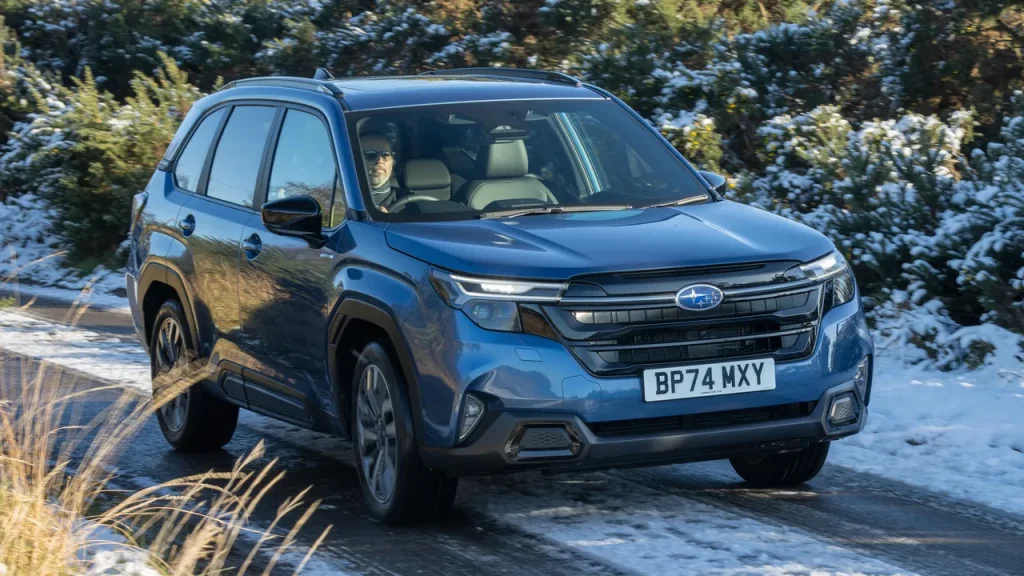
Resale value is often strong in markets where Subaru demand is healthy. Maintenance costs can vary by region, but the Forester’s durability makes it a long-term ownership-friendly choice.
The Forester is included because it is a comfort-and-confidence vehicle at a sensible price level. It is ideal for people who want a relaxed everyday car that also handles rougher conditions without needing expensive upgrades.
5 That Miss the Mark
Some cars look like good deals until you actually live with them. They might have an attractive starting price, a premium badge, or a long feature list that makes them seem like “value for money.”
But when you mix cost with day-to-day comfort, many vehicles fall short. They can feel uncomfortable in real road conditions, or they can become financially draining through fuel costs, expensive maintenance, high insurance, or poor depreciation.
And the worst part is that these problems usually do not show up in a short test drive. They appear slowly, then become impossible to ignore after months of commuting, errands, and long drives.
A car can miss the mark in two major ways. The first is when it is affordable to buy, but uncomfortable to live with. This often happens with vehicles that have stiff suspension, noisy cabins, poor seats, weak air conditioning, or rough gearboxes.
On paper, they look fine. In reality, they make your daily driving tiring. The second way is when a car is comfortable, but not at a cost that makes sense. Some premium or performance-oriented vehicles deliver good ride quality, but ownership expenses rise quickly.
Repairs, parts, tyres, fuel consumption, and resale value can turn them into a financial headache. That becomes the opposite of comfort, because it adds stress.
This section focuses on five cars that tend to miss that balance. Again, these are not “terrible cars.” Many of them have loyal fans and strong strengths. But when you judge them through the lens of cost and comfort together, they struggle.
They might be too expensive for what they offer, or they might not provide the everyday comfort that owners expect for the money. The goal here is to help you avoid regret by understanding why certain vehicles feel disappointing after the excitement fades.
1) Jeep Wrangler
The Jeep Wrangler is a vehicle people buy with their heart. It looks tough, feels adventurous, and carries a strong lifestyle image. But when you measure it by cost and comfort together, it often misses the mark. The first issue is ride quality.
The Wrangler is built for off-road capability, and that rugged setup translates into a bouncy, less refined ride on normal roads. Over potholes, broken patches, and speed breakers, the Wrangler can feel harsh and unsettled compared to comfort-focused SUVs.
In traffic, the stiffness and constant movement can wear you out, especially if your routine involves daily commuting.
Comfort inside is also not its strongest area. The cabin is practical but not luxurious, and road noise is noticeably higher than many SUVs at similar or even lower price points.
Wind noise, tyre noise, and general vibration can make long drives feel tiring. Seats can be supportive enough, but overall refinement is not what many buyers expect after paying Wrangler money.
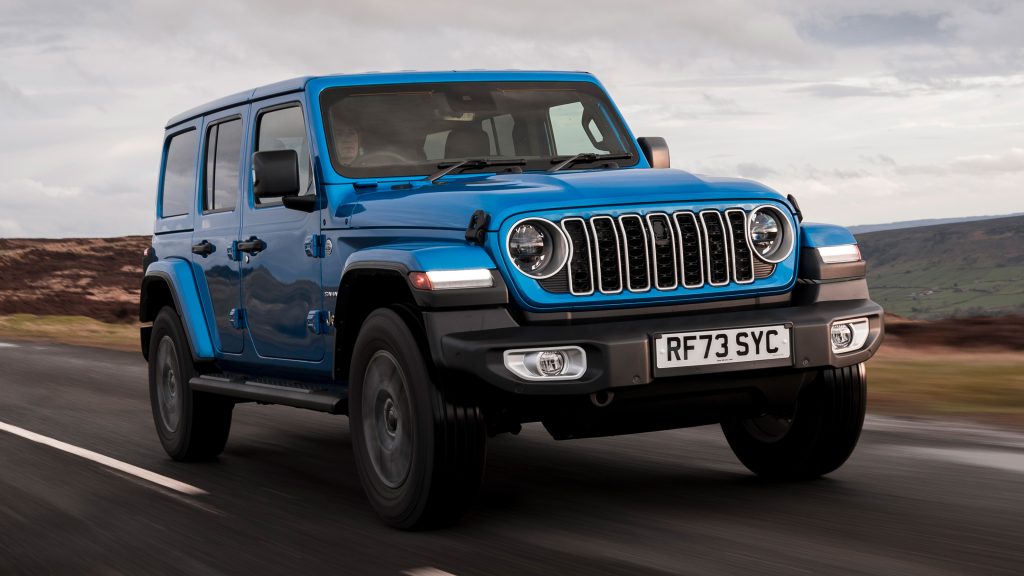
Cost is the second big problem. Wranglers hold strong resale value in many markets, which is good, but ownership costs can still be high. Fuel economy is usually poor, especially in city driving.
Tyres are expensive, and many owners modify suspension or wheels, which adds to the bill. Repairs and parts, depending on region, can also be costly. Insurance may be higher too because of the vehicle category and replacement values.
The Wrangler is included here because it is a classic example of mismatch. It delivers fun, identity, and off-road strength. But if your priority is everyday comfort and reasonable cost, the Wrangler often feels like a compromise that becomes harder to justify with time.
2) BMW X5
The BMW X5 offers comfort, power, and luxury, but it misses the cost-and-comfort balance for many owners because the long-term expenses do not match the everyday benefit. In comfort terms, the X5 can be genuinely impressive.
The ride quality in well-equipped trims is smooth, the cabin is quiet, and the seats feel premium. It handles highways beautifully and can make long-distance travel feel effortless.
So why does it miss the mark? Because the comfort comes with a cost structure that can become overwhelming once the warranty period ends.
Maintenance and repairs are the biggest concern. The X5 is packed with technology and complex mechanical systems. When something goes wrong, it can get expensive quickly. Genuine parts are costly, labour charges are higher, and repairs often require specialized service.
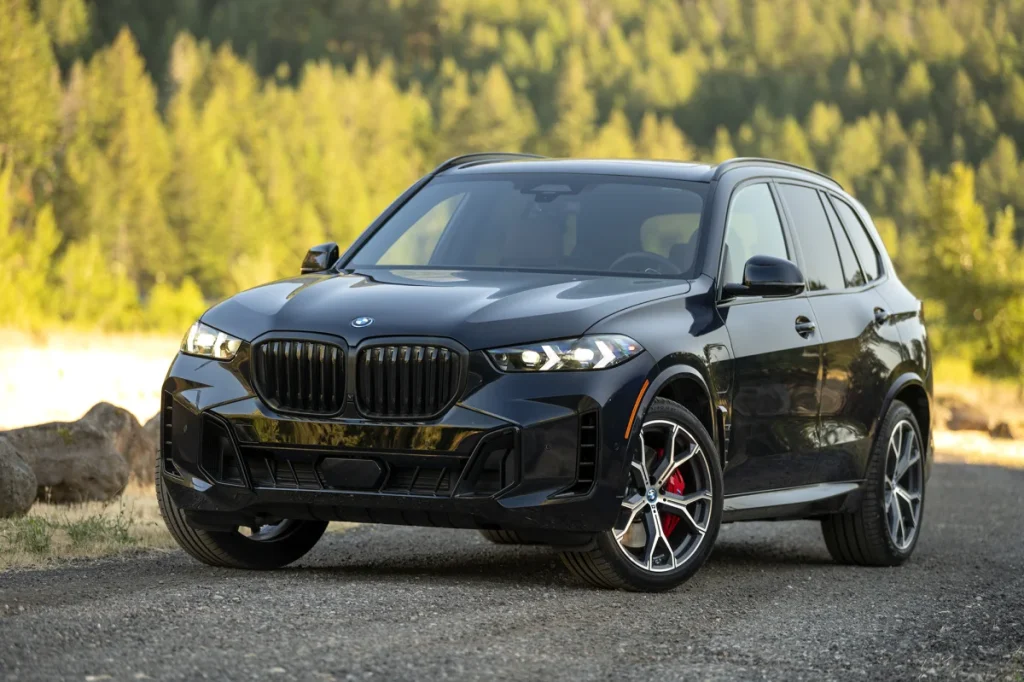
Even regular maintenance like tyres and brakes can cost significantly more than mainstream SUVs. These costs quietly chip away at the “comfort” feeling, because the owner starts driving with financial anxiety.
Fuel economy is another factor. The X5 is a heavy vehicle, and even efficient engines still consume a fair amount in real-world driving. If your routine includes city traffic, fuel costs rise quickly. Depreciation can also be steep, depending on market conditions. That means you lose value faster than with many more sensible comfort-focused cars.
The X5 is included because it is comfortable, but not cost-comfort balanced. It is best suited for buyers who accept high ownership expenses as part of the luxury experience. For someone chasing value, it often feels like paying premium money for comfort that other vehicles deliver at far lower long-term cost.
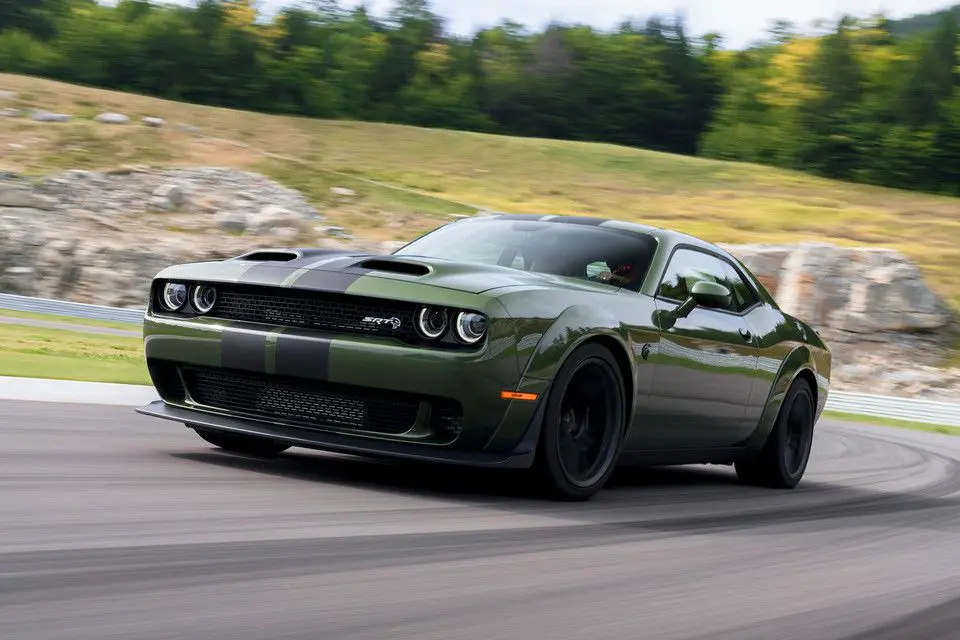
3) Dodge Challenger
The Dodge Challenger is bold, powerful, and emotionally appealing, but in the cost-and-comfort equation it struggles badly for typical daily users. Comfort starts with ride and usability, and this is where the Challenger becomes tricky.
The suspension can feel firm, and on rough roads it can feel more punishing than you expect from such a large car. City bumps, potholes, and uneven surfaces remind you constantly that this is not a comfort sedan. Cabin noise is also higher than many people expect, and visibility is not great due to thick pillars and its low seating position.
Space is another comfort issue. While the Challenger is physically big, interior packaging does not feel as practical. Rear-seat access is awkward, and the back seat is not ideal for adults. That matters because a truly comfortable car should also be easy for passengers.
Now cost. A Challenger can look affordable compared to European performance cars, but ownership costs add up. Fuel economy is weak, especially in city driving. Tyres and brakes wear faster if the car is driven enthusiastically.
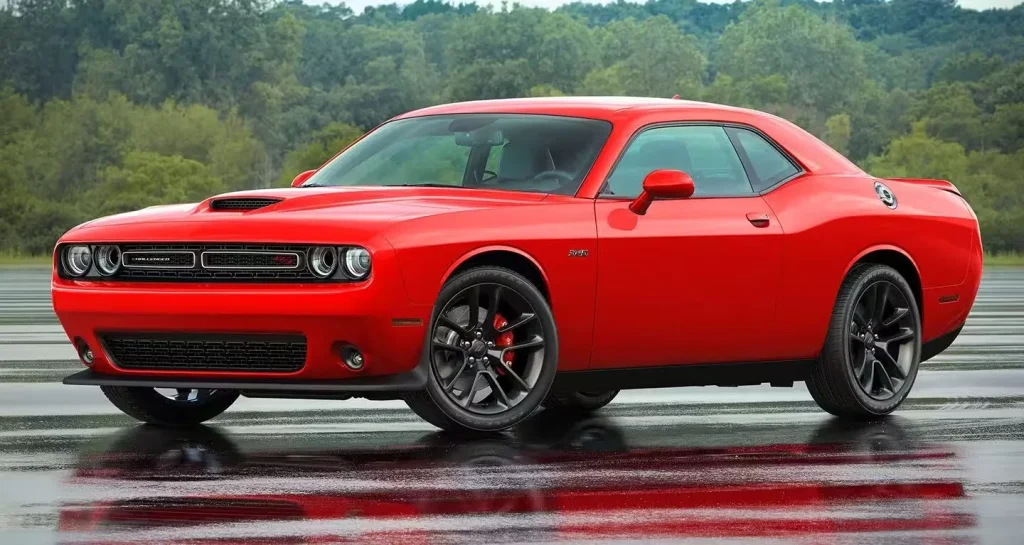
Insurance costs can be higher because it is a high-performance coupe, and some trims are expensive to maintain. Depreciation can also be unpredictable, depending on the model and demand.
The Challenger is included because it highlights a trap. It feels like a “lot of car for the money,” but it does not deliver daily comfort in a refined way.
And once you add fuel and insurance, the value story weakens further. It is a fun car, but it often misses the mark for buyers seeking real comfort with sensible long-term cost.
4) Mitsubishi Mirage
The Mitsubishi Mirage is affordable and efficient, but it misses the cost-and-comfort balance in the opposite way of luxury cars. It is cheap to buy and cheap to run, but the comfort compromises can feel too large. Ride quality is often the first complaint.
The Mirage can feel light and unstable at higher speeds, and on bumpy roads it can feel noisy and unsettled. Over potholes and speed breakers, the suspension does not always absorb impacts smoothly, which means passengers feel more vibration and harshness than in better-engineered compact cars.
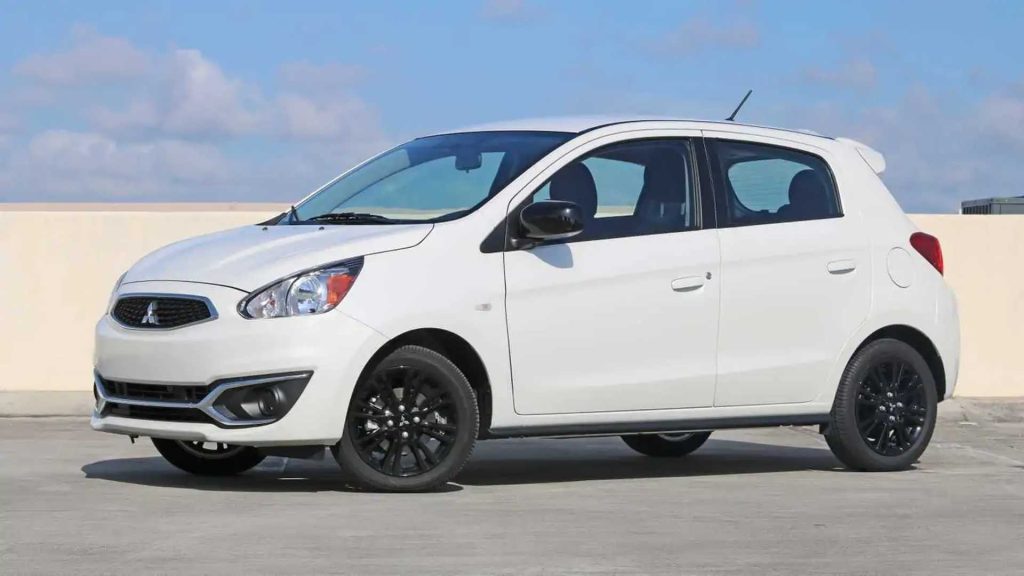
Cabin comfort is also limited. Seats can feel basic and less supportive on long drives. Noise insulation is minimal, so road and engine sounds enter the cabin easily. Over time, that noise becomes fatigue. Air conditioning performance varies by market and trim, and in hot climates, weaker cooling becomes a daily discomfort.
The Mirage is cheap to maintain, but its low-cost build means you often feel like you are “paying” with comfort rather than money. If your routine involves long commutes or frequent highway driving, it becomes tiring. Resale value can also be weaker compared to stronger rivals, which reduces its long-term value.
The Mirage is included because it shows that low cost alone is not enough. Comfort matters daily, and if a car feels noisy, underpowered, and rough, it may not be a smart choice even if it saves money at the dealership. True value needs both affordability and a pleasant driving experience.
5) Fiat 500
The Fiat 500 is charming and stylish, but it often misses the cost-and-comfort balance because it does not age well for many owners. Comfort starts with ride quality, and the Fiat 500 can feel stiff and bouncy on broken roads.
Small wheels and short wheelbase design mean potholes and rough patches are felt more sharply. In city driving that might be tolerable, but on longer commutes it can become tiring.
Cabin space is another issue. The Fiat 500 is compact, which is fine for urban life, but passenger comfort is limited. Rear seats are cramped, and the driving position may not suit everyone. If you need flexibility for passengers or luggage, the Fiat 500 quickly feels restrictive.
Cost is where the story becomes more complicated. While the purchase price can be reasonable in some markets, maintenance and reliability concerns have often been part of the Fiat ownership conversation.
Depending on region, parts availability and service quality can be inconsistent. Even small repairs can become annoying because the support network is not always as strong as Toyota or Honda-level ecosystems. Depreciation can also be steep, especially if buyer demand is limited.
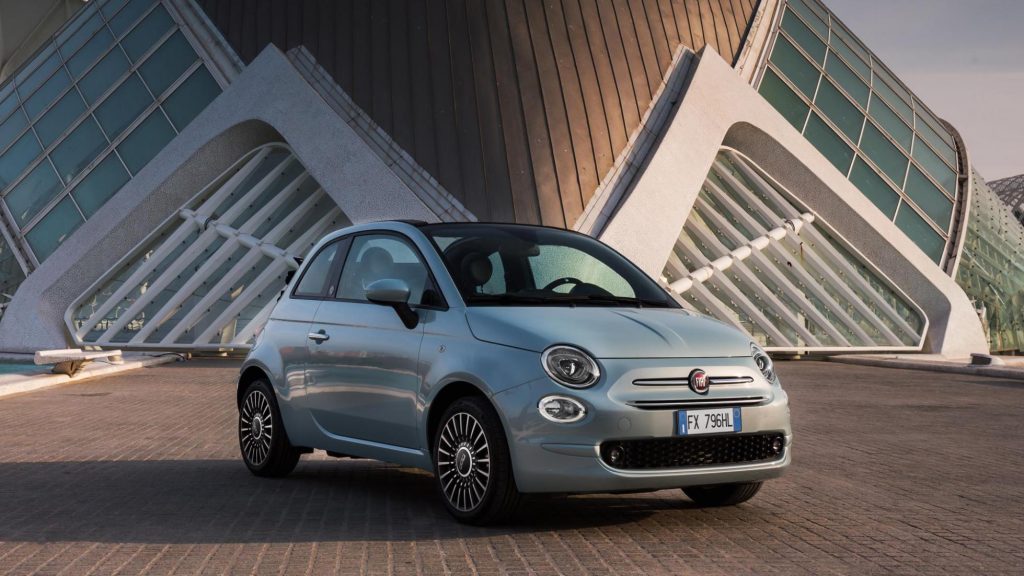
The Fiat 500 is included because it seduces buyers with personality, but long-term comfort and value are not its strengths.
It is better as a lifestyle second car than as a primary car for someone who wants dependable comfort. That is why it misses the mark when judged strictly on cost and comfort together.
This article compares cars that genuinely balance comfort with sensible ownership costs against those that feel disappointing once you live with them.
The best-value picks focus on smooth ride quality, calm cabins, supportive seating, and stress-free daily use, while keeping fuel, servicing, and long-term reliability in check.
Cars like the Toyota Camry and Honda Accord deliver consistent comfort with strong dependability and resale value. The Hyundai Elantra proves you can get modern features and a pleasant commute without spending big money.
For SUV buyers, the Mazda CX-5 offers near-premium refinement at a reasonable cost, while the Subaru Forester adds comfort through practicality, visibility, and confidence on imperfect roads.
The “miss the mark” group shows how value can fail in two ways: either the car is exciting but expensive to own, or it is cheap but uncomfortable. The Jeep Wrangler sacrifices refinement for ruggedness.
The BMW X5 offers luxury but brings high maintenance and depreciation risk. The Dodge Challenger adds fuel and usability penalties. The Mitsubishi Mirage saves money but compromises comfort and refinement. The Fiat 500 attracts with style but often struggles with practicality and long-term value.
Also Read: 10 JDM Bargains That Are Perfect for New Collectors
